We may earn a commission from links on this page, at no extra cost to you. Picks are researched, not sponsored.
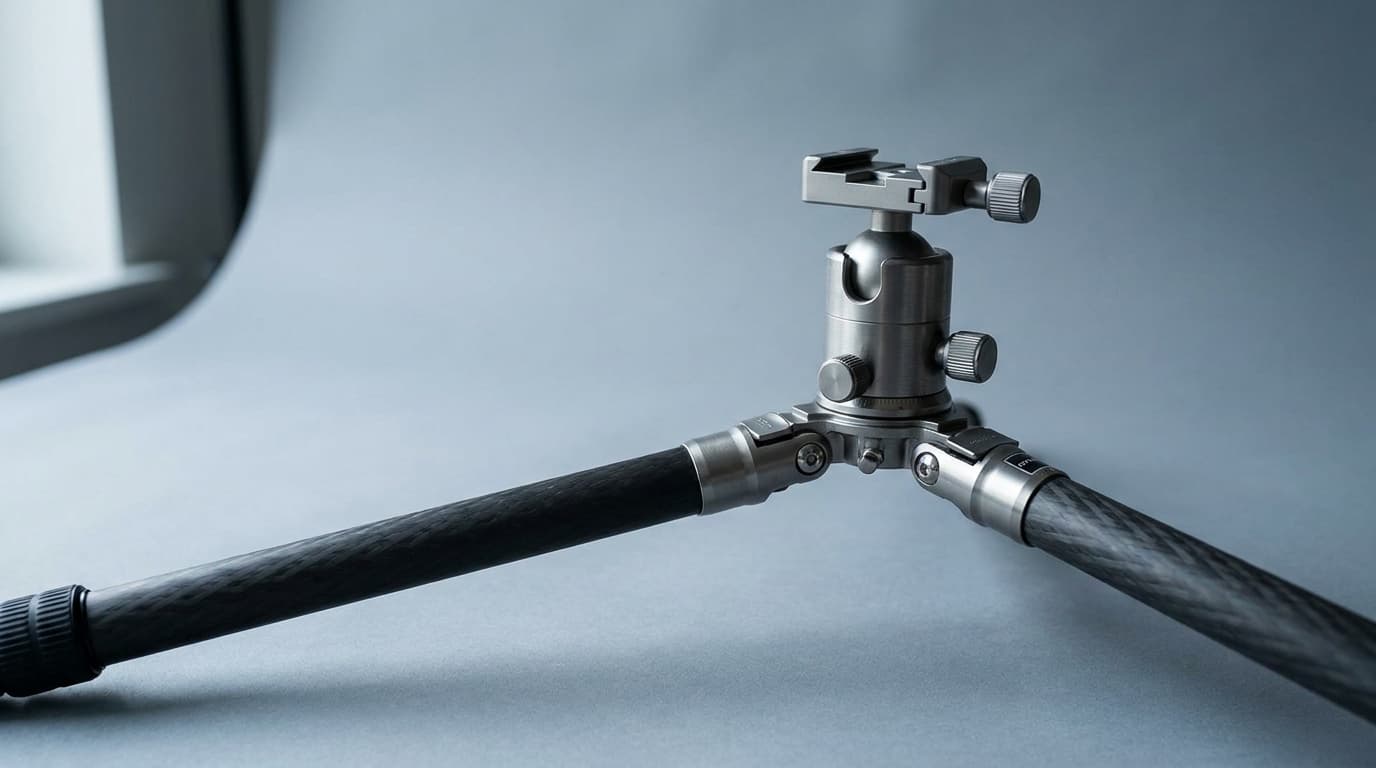
A ball head is the joint between your camera and your tripod legs. Loosen one knob, frame the shot in any direction, lock it, and the camera stays put. That speed is why ball heads are the default for stills: no separate axes to fiddle with, just point and lock. The catch is that a cheap head sags after you lock it, ruining precise compositions, so the ball diameter, the friction control, and the clamp are what separate a head you trust from one you fight.
If you are still picking the legs underneath, start with our best tripods guide, or best travel tripods if packed size matters. Shooting video? A ball head cannot damp motion, so look at our best fluid video heads instead.
How to choose
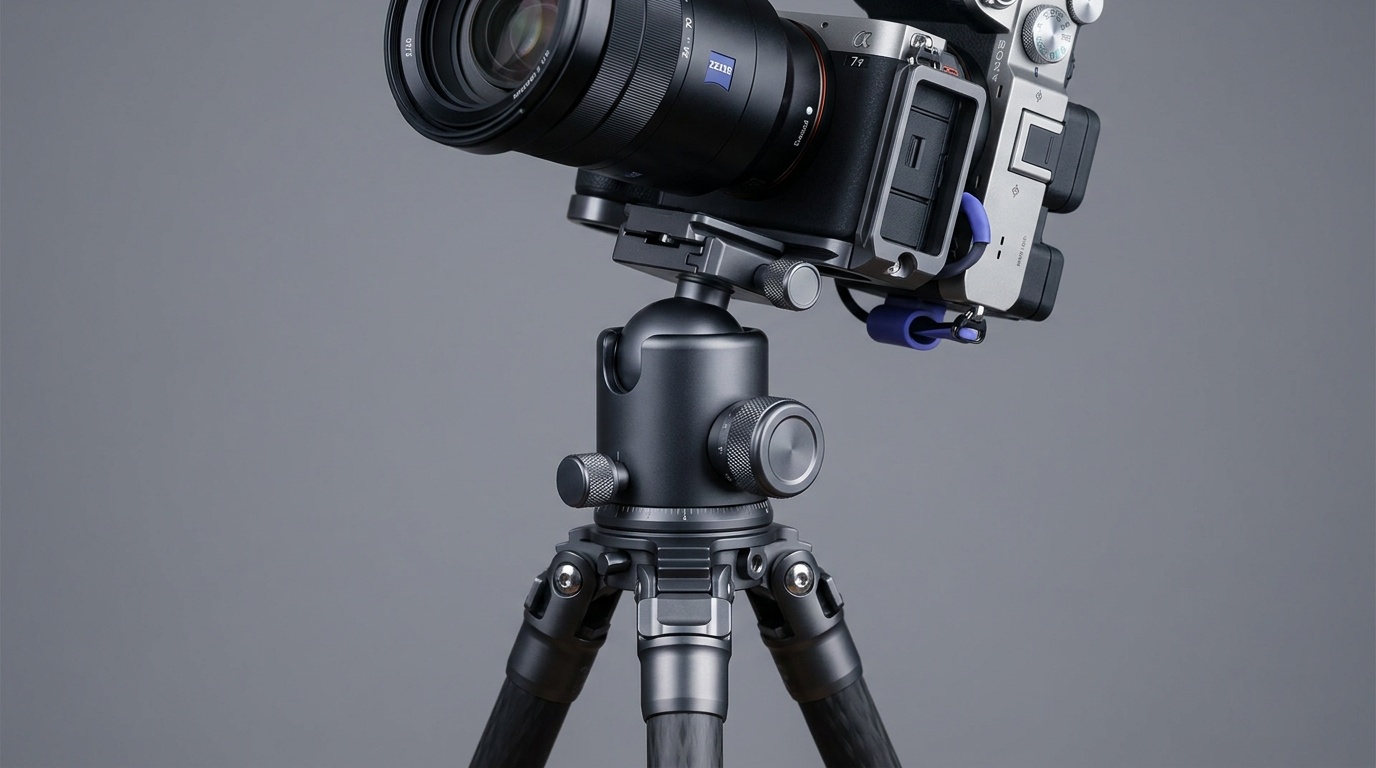
Start with load rating and ball diameter. A bigger ball gives smoother movement and holds position better under weight, and the rated load tells you the ceiling. Add up your heaviest body and lens, then buy a head rated for at least double that weight; manufacturers rate loads optimistically, and a head near its limit creeps after locking. For a mirrorless body with a standard zoom, a 40 mm ball is comfortable. For gripped bodies and telephotos, go bigger or pick a head with a conservative rating.
Then check the controls. The main lock knob is a given, but the two features worth paying for are a separate friction control and an independent panning base. Friction lets you set resistance so the camera moves smoothly but never flops when you loosen the lock, which protects your gear and your nerves with a heavy lens. A panning base with a degree scale lets you rotate for panoramas without unlocking the ball.
Finally, look at the clamp. Arca-style is the ecosystem answer: plates, L-brackets, and quick releases from dozens of brands interchange. A proprietary plate like Manfrotto's 200PL is fine if your other supports already use it, but mixing systems means carrying adapters. If you plan to add an L-bracket later, Arca compatibility is close to mandatory.
The picks
Research pick
Leofoto LH-40 Ball Head
Photographers who want a high-capacity ball head without a flagship price.
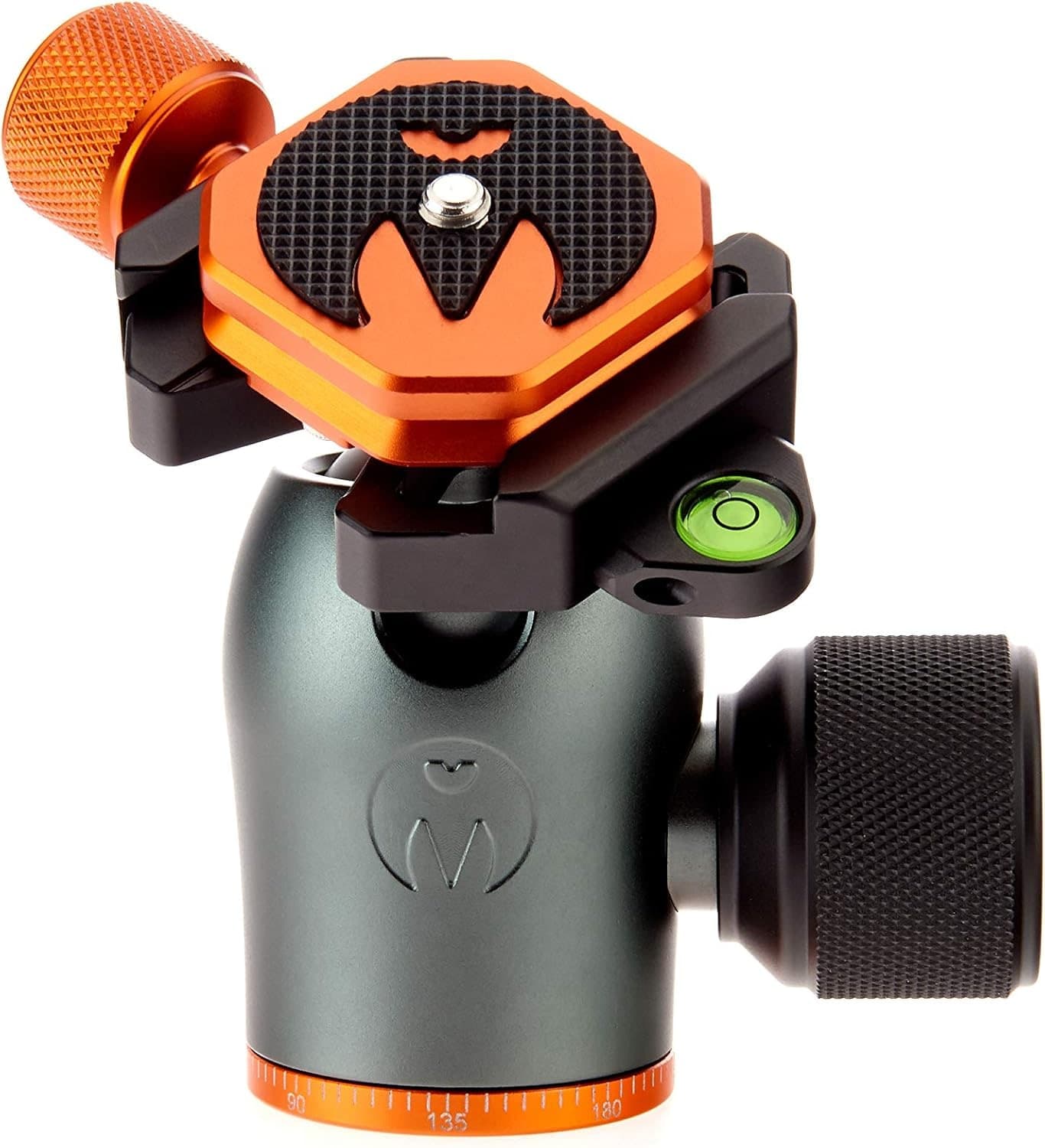
Check price at AmazonThe Leofoto LH-40 is the value benchmark. You get a 40 mm ball, a separate friction knob, an independent panning lock with a scale, and an Arca-compatible clamp with a safety stop, at a price that undercuts the big names. The rated load is high for the size, which translates into real-world confidence with gripped bodies and mid-size telephotos. The screw-knob clamp is slower than a lever and the panning markings are small, but as a first serious ball head it is the obvious starting point.
Research pick
Manfrotto XPRO Ball Head
Manfrotto-system users who want a sturdy ball head with their existing plates.
Check price at AmazonThe Manfrotto XPRO Ball Head is the pick for Manfrotto-system users. The 50 mm ball moves smoothly under load, the top friction control is easy to reach with a camera mounted, and the independent panning base has a clear scale. It uses the 200PL plate rather than an Arca clamp, which is the deciding factor: if your other Manfrotto gear already carries 200PL plates this is a strength, and if not you will want an adapter. It is also heavier than minimalist heads, a fair trade for the stability.
Research pick
3 Legged Thing AirHed Pro Ball Head
Photographers mounting heavy telephoto rigs who want headroom on load.
Check price at AmazonThe 3 Legged Thing AirHed Pro is the load-headroom pick. The 44 mm ball carries a very high rated load in a head that still weighs well under half a kilogram, with an Arca-compatible clamp and a scaled panning base. That headroom is the point: a head rated far above your rig locks without creep, which matters most with long telephoto lenses where a few millimeters of sag moves the frame. The stated maximum is optimistic for real telephoto work and the knob clamp is slower than a lever, but for heavy rigs it is the sensible choice here.
Common mistakes
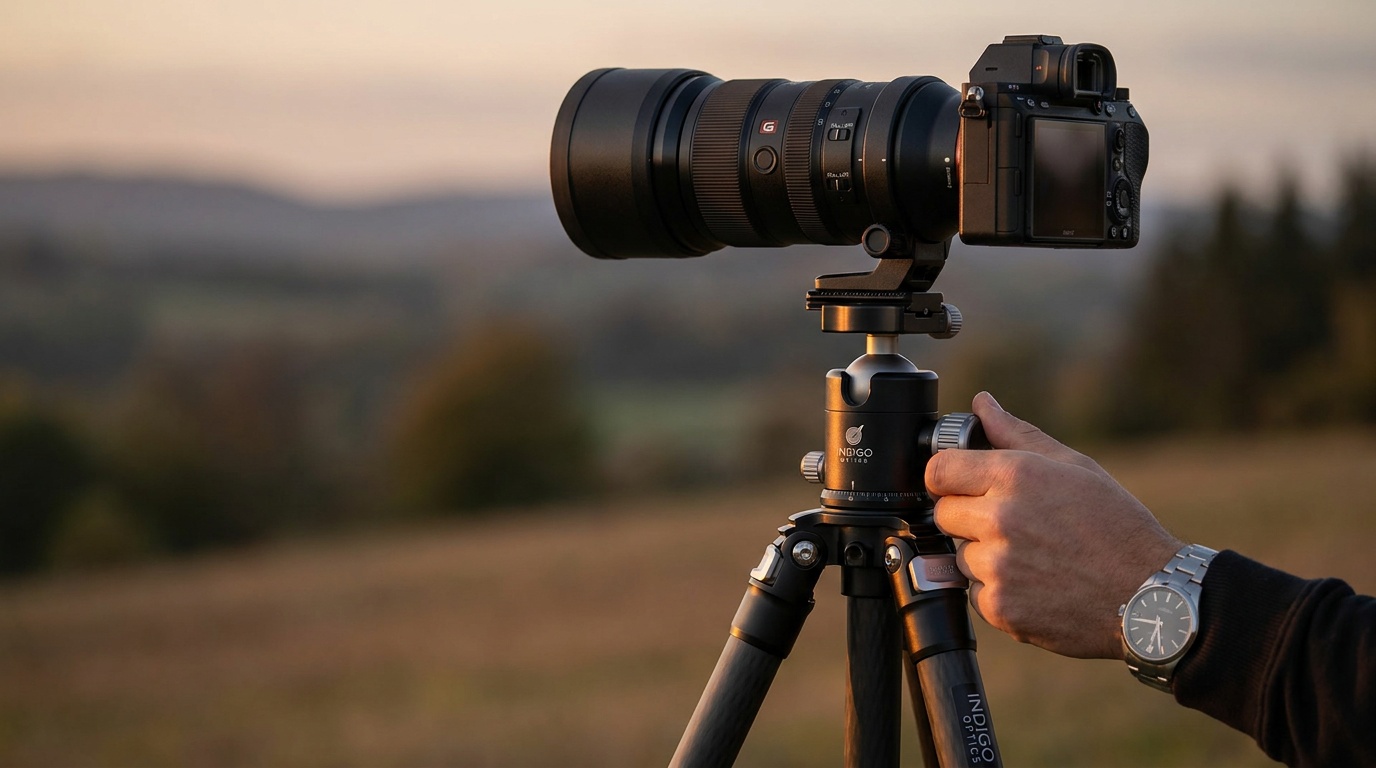
The first mistake is buying at your rig's exact weight. A ball head rated at 8 kg holding an 8 kg rig will creep after you lock it, so your careful composition drifts before the shutter fires. Buy double your heaviest combination. The second is ignoring the plate system: a bargain head with a proprietary clamp costs you again when you add an L-bracket or a second support. The third is using a ball head for video; without fluid damping, pans are jerky no matter how smooth the ball feels, and a dedicated fluid video head is the right tool.
Pair any of these heads with legs from our best tripods guide, and if you shoot landscapes on a tripod, our depth of field guidance for landscape photography covers the settings side.
What size ball head do I need for a mirrorless camera?
For a mirrorless body with a standard zoom, a 40 mm ball is the sweet spot: smooth movement, solid locking, and reasonable weight. Go larger, or choose a head with a generous load rating, if you shoot gripped bodies, telephoto lenses, or long exposures where any creep after locking shows up in the frame.
Is an Arca-compatible clamp important?
Yes, unless you are already committed to another system. Arca-style is the closest thing to a universal standard: plates, L-brackets, and clamps from many brands interchange, so your investment carries across tripods and heads. Proprietary systems like Manfrotto's 200PL work well but lock you into one brand's accessories or force you to carry adapters.
Can I use a ball head for video?
Not well. A ball head locks a still composition; it has no fluid damping, so pans and tilts come out jerky. You can grab a static video shot on one, but for any camera movement a fluid head is the right tool. Our best fluid video heads guide covers those from entry level to professional.
Compare picks
The short version
Use this to narrow the list before opening the detailed cards.
Scores weigh fit, owner sentiment, build, and value. Affiliate links do not change pick order. Methodology
Buying order
Start with the skip note. A good deal on the wrong camera is still the wrong camera.
Compare verdictsIf you already own lenses, check the system path before buying into a new mount.
Check systemsOnce the fit makes sense, compare current deals and retailer listings.
Check current deals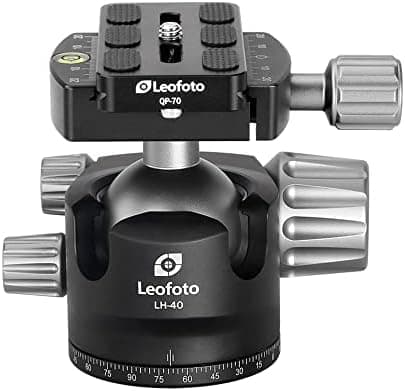
Photographers who want a high-capacity ball head without a flagship price.
Use the retailer for the current price after the tradeoff makes sense. Confirm payload, plate type, height, folded size, and quick-release system.
Tradeoff: Stated load is optimistic for real-world telephoto use
Use the retailer for the current price after the tradeoff makes sense. Confirm payload, plate type, height, folded size, and quick-release system.
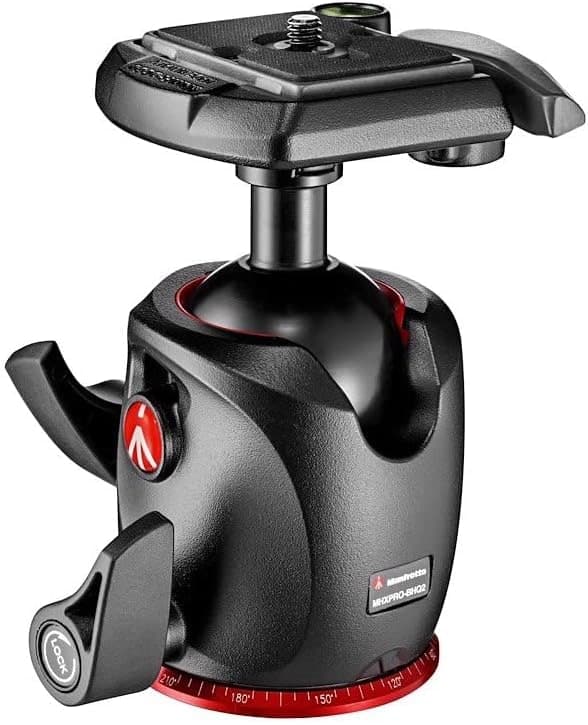
Manfrotto-system users who want a sturdy ball head with their existing plates.
Use the retailer for the current price after the tradeoff makes sense. Confirm payload, plate type, height, folded size, and quick-release system.
- Photographers who want a high-capacity ball head without a flagship price.
- High load rating for the size
- Knob-style clamp is slower than a lever
Use the retailer for the current price after the tradeoff makes sense. Confirm payload, plate type, height, folded size, and quick-release system.
- Manfrotto-system users who want a sturdy ball head with their existing plates.
- Smooth friction control with separate lock
- 200PL plate is not Arca-compatible without an adapter
Use the retailer for the current price after the tradeoff makes sense. Confirm payload, plate type, height, folded size, and quick-release system.
- Photographers mounting heavy telephoto rigs who want headroom on load.
- Very high rated load
- Stated load is optimistic for real-world telephoto use
Use the retailer for the current price after the tradeoff makes sense. Confirm payload, plate type, height, folded size, and quick-release system.
| Pick | Score | Price | Verdict | Action |
|---|---|---|---|---|
| PickLeofoto LH-40 Ball Head | 8.5
| $185 - $215 | Photographers who want a high-capacity ball head without a flagship price. Wins: High load rating for the size Skip: Knob-style clamp is slower than a lever | Check Amazon · $185 - $215 Use the retailer for the current price after the tradeoff makes sense. Confirm payload, plate type, height, folded size, and quick-release system. |
| PickManfrotto XPRO Ball Head | 8.4
| $170 - $195 | Manfrotto-system users who want a sturdy ball head with their existing plates. Wins: Smooth friction control with separate lock Skip: 200PL plate is not Arca-compatible without an adapter | Check Amazon · $170 - $195 Use the retailer for the current price after the tradeoff makes sense. Confirm payload, plate type, height, folded size, and quick-release system. |
| Pick3 Legged Thing AirHed Pro Ball Head | 8.3
| $120 - $160 | Photographers mounting heavy telephoto rigs who want headroom on load. Wins: Very high rated load Skip: Stated load is optimistic for real-world telephoto use | Check Amazon · $120 - $160 Use the retailer for the current price after the tradeoff makes sense. Confirm payload, plate type, height, folded size, and quick-release system. |
Keep going
Next useful steps
Pick one. Each link continues the same job without starting the research over.
Shoot kits
Buy around the job, not the spec sheet
Travel landscape
Travel landscape kit
$4,465
A light full-frame body, wide zoom, serious travel tripod, filters, and a bag that can handle rough days outside.
Light but not flimsy
Buy order: start with the first piece that makes the job possible, then add the support pieces that remove friction.
Camera: start here. If this piece does not make the shoot easier, the rest of the kit can wait.
Carry: add it after the core setup proves useful.
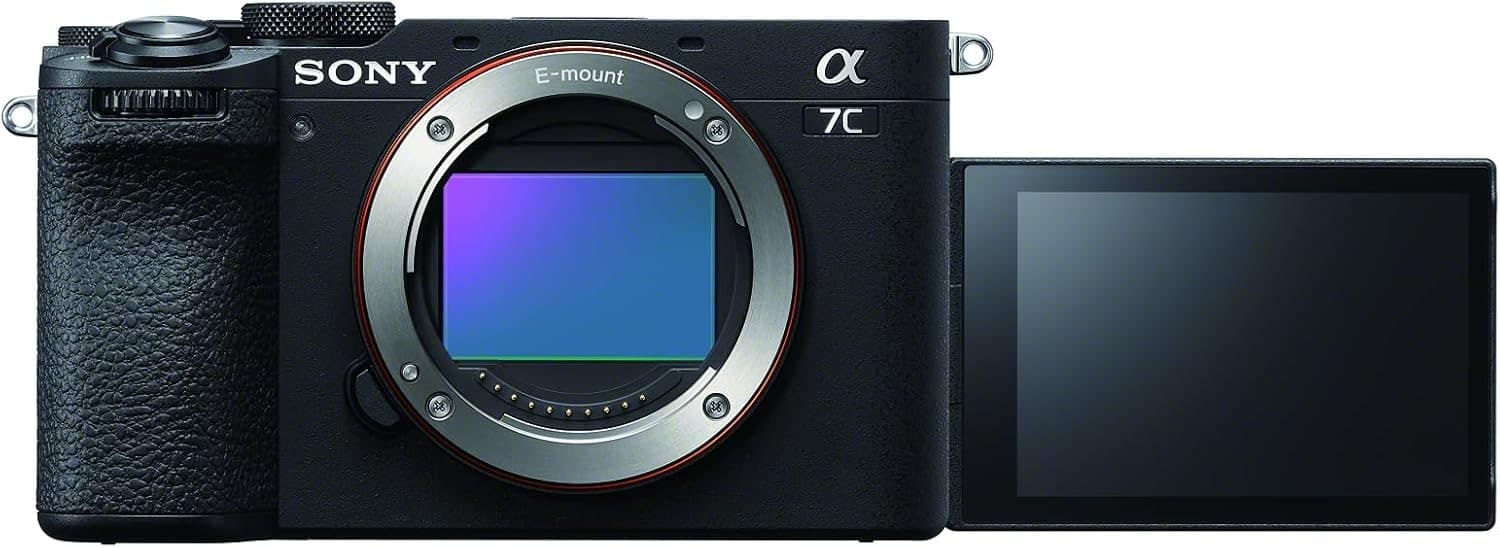
Sony a7C II
Full-frame files in a smaller body, with autofocus and stabilization that travel well.
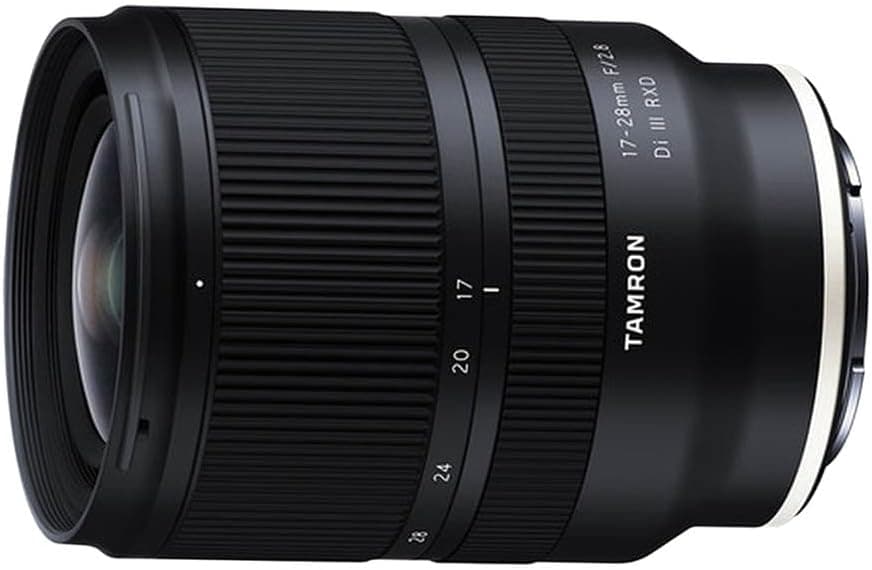
Tamron 17-28mm f/2.8 Di III RXD
Wide enough for landscapes and interiors without the size of a premium 16-35mm.
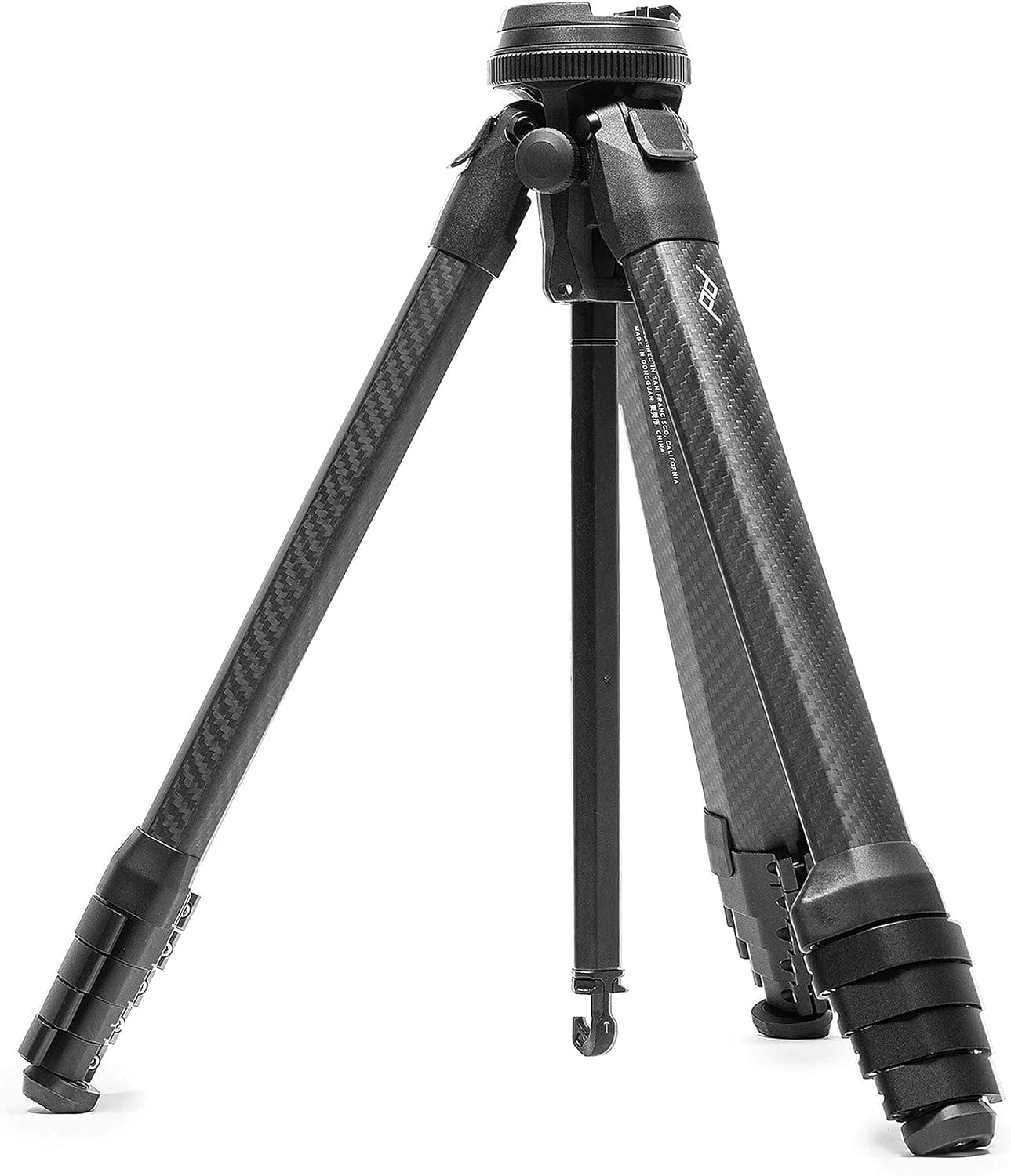
Peak Design Travel Tripod (Carbon)
The point of a travel tripod is bringing it. This one packs small and stays serious.
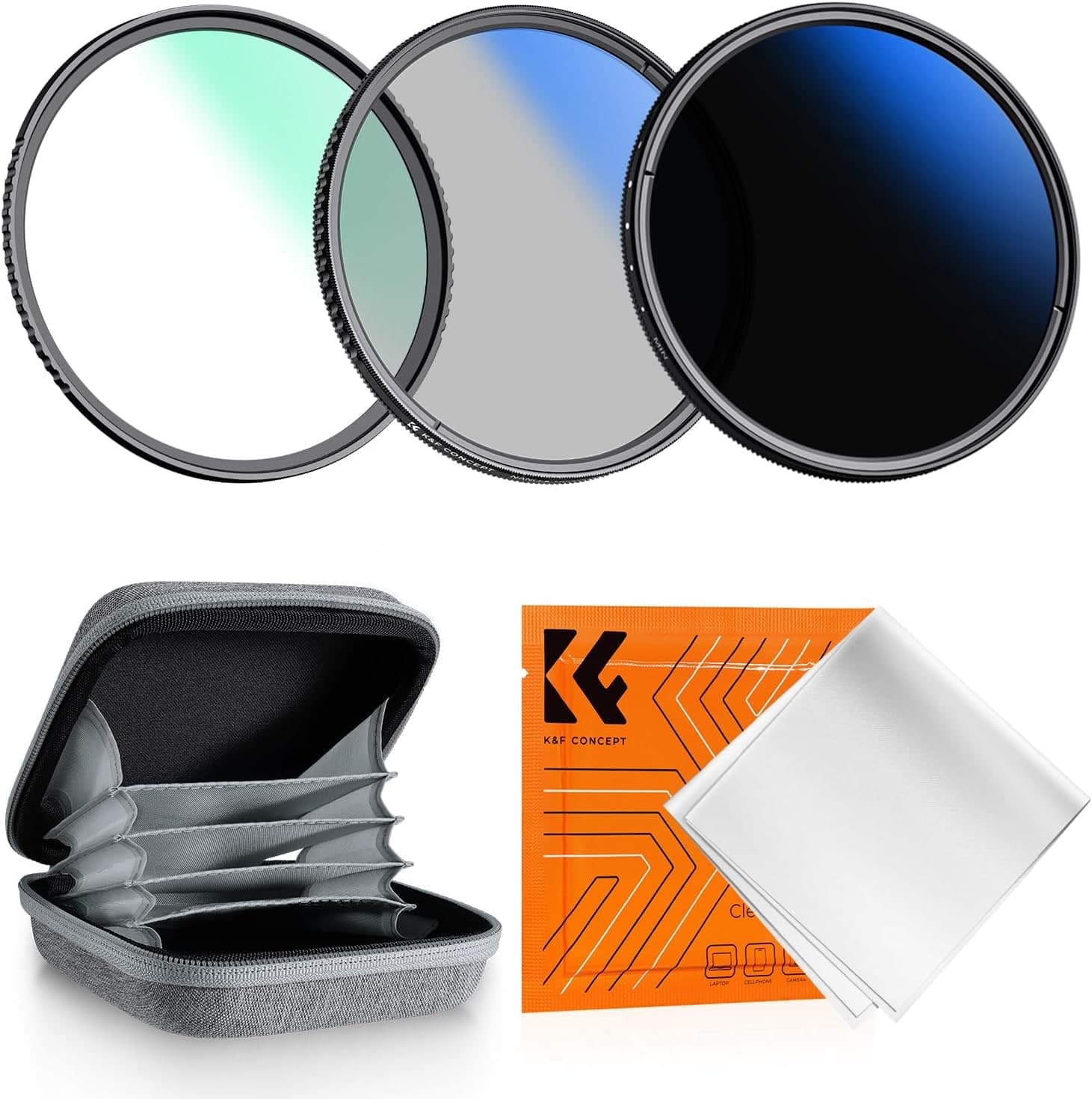
K&F Concept 77mm UV/CPL/ND2-400 Filter Kit
CPL and ND coverage for water, skies, reflections, and slower shutters.
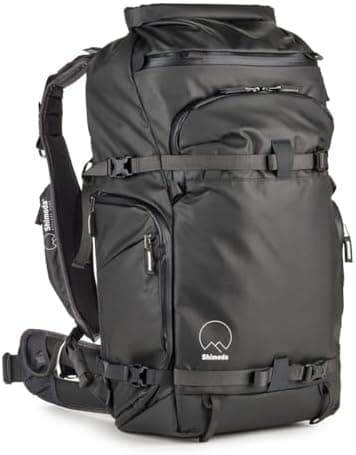
Shimoda Action X30 V2
A real harness matters once camera gear and outdoor layers share the same bag.
Prices are rough catalog totals. Retailer prices change, and you can swap pieces to fit your system.
Related Gear guides
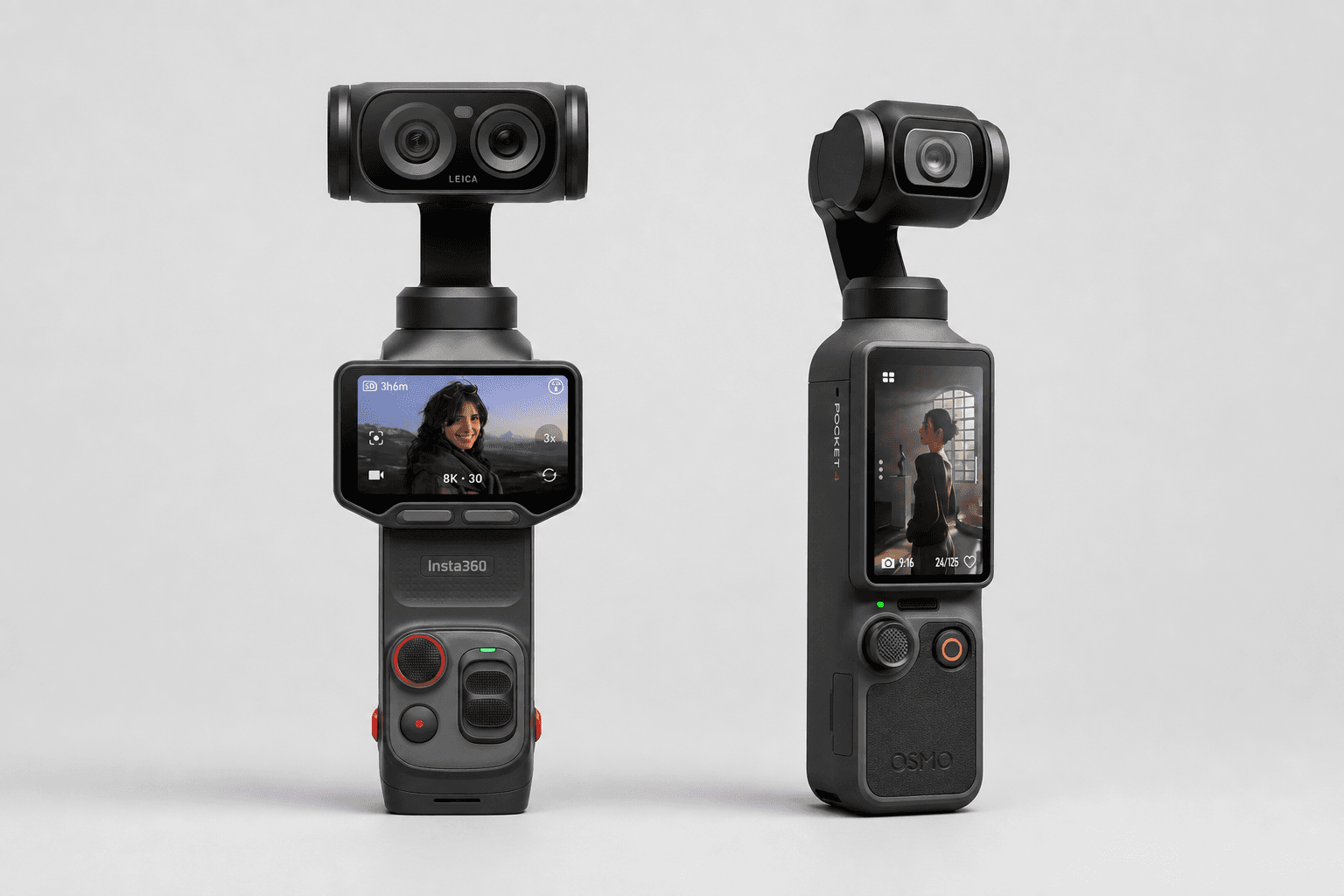
Insta360 Luna Ultra vs DJI Osmo Pocket 4: Which Pocket Gimbal Should You Buy?
Compare Luna Ultra and DJI Pocket 4 by lenses, video, Log formats, storage, U.S. availability, and the filming jobs each pocket gimbal handles best.
CFexpress 4.0 and VPG Explained: Buy the Card Your Camera Needs
CFexpress 4.0 doubles theoretical bandwidth, while VPG certifies sustained video writes. Learn Type A vs B, VPG classes, and when 4.0 is worth paying for.
Focal Length Explained: What 24mm, 50mm, 85mm, and 200mm Actually Do
What the millimeter number on a lens changes in the field: angle of view, compression, and working distance. When to reach for 24, 50, 85, or 200mm.
Canon EOS R50 V vs Sony ZV-E10 II: Which Beginner Vlogging Camera Should You Buy?
Canon EOS R50 V is the easier beginner creator kit. Sony ZV-E10 II is the deeper lens-system pick. Compare the practical tradeoffs.
Researched, not personally tested: picks compare specifications, available owner feedback, and established expert sources. As an Amazon Associate I earn from qualifying purchases. We may earn a commission from links here, at no extra cost to you. How we research →