We may earn a commission from links on this page, at no extra cost to you. Picks are researched, not sponsored.
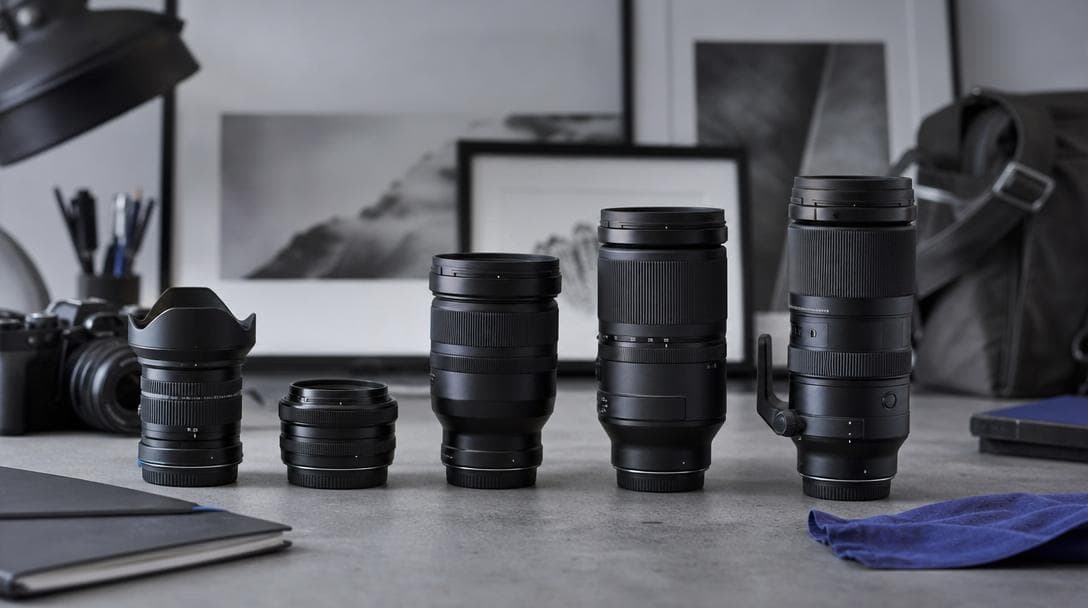
The lens shapes your photo more than the body does. The first real lens decision is prime versus zoom, and the answer depends on how you like to shoot. This connects directly to what camera you buy, since the system you pick determines the lenses available.
What does focal length actually do?
Focal length, written in millimeters, controls how wide or tight your view is. Wide lenses (16mm to 35mm) take in a lot of scene and exaggerate depth, which is why they suit interiors and landscapes. Standard lenses (around 50mm) look natural. Telephoto lenses (85mm and up) compress the scene and isolate subjects, which flatters portraits. Our focal length explained guide walks through each range in the field.
One complication matters before you buy anything: the same focal length frames differently on different sensor sizes. A 50mm lens on an APS-C camera frames like a 75mm on full-frame, so to get the classic 50mm look on APS-C you buy a 33mm or 35mm lens. The table below gives the equivalents for the common framings; crop factor explained covers why.
| Full-frame framing | APS-C lens (1.5x crop) | Canon APS-C lens (1.6x) | Micro Four Thirds lens (2x) |
|---|---|---|---|
| 24mm (wide) | 16mm | 15mm | 12mm |
| 35mm (street, everyday) | 23mm | 22mm | 17mm |
| 50mm (standard) | 33mm | 31mm | 25mm |
| 85mm (portrait) | 56mm | 53mm | 42.5mm |
When is a prime worth it over a zoom?
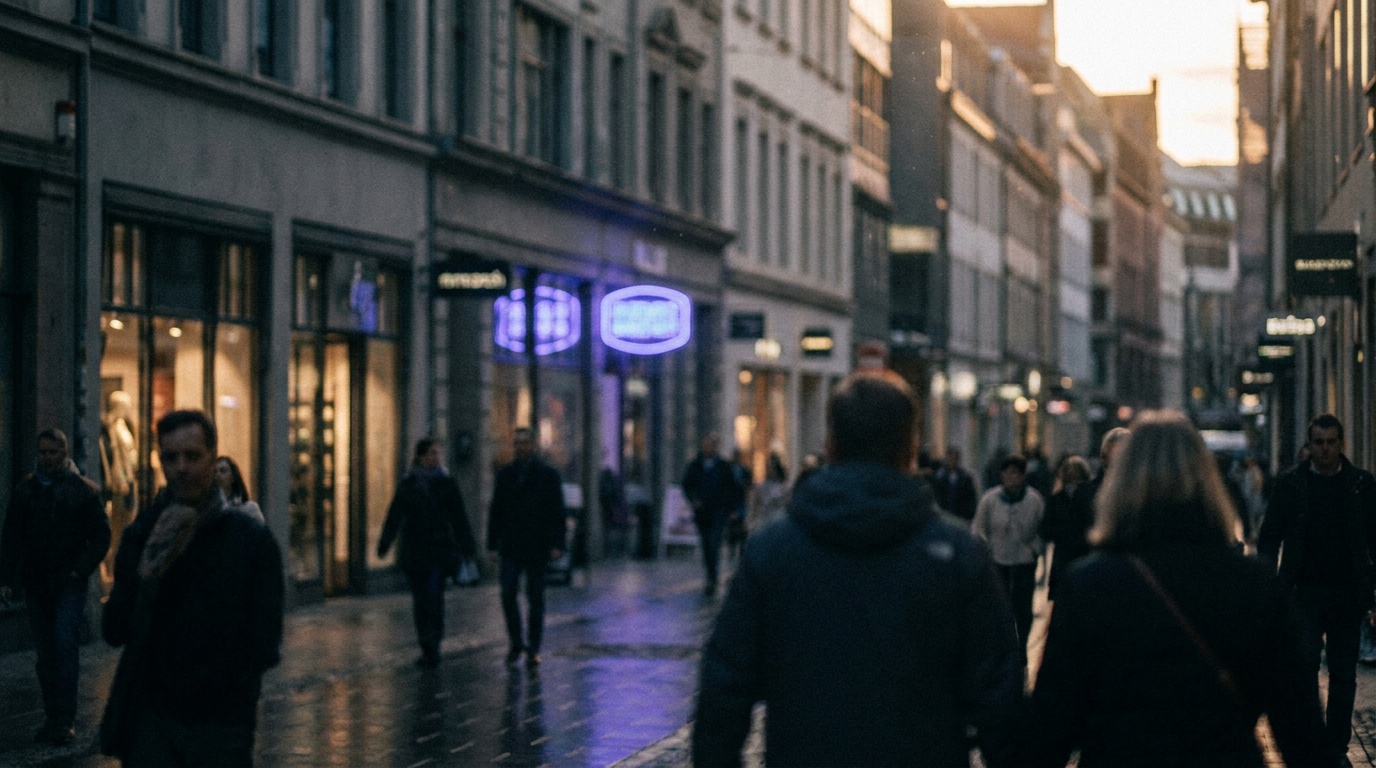
A prime is worth it when light gathering, background blur, or carry weight matter more than framing flexibility. Because a prime does one focal length, the optical design is simpler, so it tends to be sharper, lighter, and faster than a zoom at the same price. "Faster" means a wider maximum aperture like f/1.8 or f/1.4, which does two things a kit zoom cannot: it blurs backgrounds into the smooth wash covered in our blurry background and bokeh guides, and it keeps shutter speeds usable in dim indoor light without pushing ISO.
The price gap is the headline argument. A 50mm f/1.8 prime costs a fraction of a constant f/2.8 zoom. A few specialist zooms now reach f/1.8, including Sigma's 28-45mm F1.8 DG DN Art for full-frame and 17-40mm F1.8 DC Art for APS-C. Those lenses prove the aperture is possible, but they are heavier and more expensive than a small prime. If your photography lives at one or two focal lengths, primes still deliver more speed per dollar.
The trade is that you zoom with your feet, and sometimes your feet cannot get there. A prime also means carrying and swapping more lenses to cover the same range, which costs time and invites dust onto the sensor.

When does a zoom make more sense?
A zoom makes more sense when the scene changes faster than you can change lenses. A zoom covers a range, like 18 to 55mm or 24 to 70mm, so one lens handles wide and tight without swapping glass. That flexibility is why a zoom is the standard kit lens, and why event, wedding, travel, and wildlife shooters build around zooms: the subject moves, the venue is crowded, or the moment will not wait for a lens change.
A zoom also wins on total carry weight when it replaces three or four primes. One 24-70mm covers the 24, 35, and 50mm framings in a single barrel, which matters on a long travel day even though any single prime is lighter than the zoom.
The cost is speed and money at the top end. A zoom with a constant f/2.8 aperture gets large and expensive fast, and variable-aperture kit zooms give up two to three stops of light versus a cheap prime. Our best zoom lenses roundup covers the ranges worth owning.
How do primes and zooms compare on cost, weight, and aperture?
The pattern is consistent across every lens system: primes win on aperture, weight, and price for a single focal length, while zooms win on coverage and convenience. The table summarizes the trade-offs.
| Factor | Prime lens | Zoom lens |
|---|---|---|
| Maximum aperture | f/1.8 common, f/1.4 widely available | f/2.8 is common at the premium tier; a few specialist zooms reach f/1.8 |
| Low-light ability | 2-3 stops more light than a kit zoom | Needs higher ISO or slower shutter |
| Background blur | Strongest at any price | Modest unless f/2.8 or longer focal lengths |
| Sharpness per dollar | Excellent, simple optical design | Good, but costs more to match a prime |
| Weight (single lens) | Light (a 50mm f/1.8 is often under 200 g) | Heavier; f/2.8 zooms often approach 1 kg |
| Framing flexibility | Fixed; you move instead | One barrel covers a whole range |
| Typical price | $125-250 for a 50mm f/1.8 | $500-2,300 for a constant f/2.8 standard zoom |
Which lens type fits your genre?
Genre is the fastest shortcut to the right answer, because each genre has a settled consensus. Portrait shooters reach for fast primes; event shooters reach for f/2.8 zooms; and most genres in between mix one of each.
| Genre | Reach for | Why |
|---|---|---|
| Portraits | 85mm prime (or 50mm on APS-C) | Compression plus f/1.8 blur; see best 85mm lenses |
| Street | 35mm prime | Small, discreet, fast enough for shade and dusk |
| Landscape | Wide zoom | Framing flexibility on a tripod; aperture matters less at f/8 |
| Weddings and events | 24-70mm f/2.8 zoom | The moment will not wait for a lens swap |
| Wildlife and sports | Telephoto zoom | Subject distance changes constantly; see best telephoto lenses |
| Travel | One standard zoom plus one pancake prime | Covers everything at minimum weight |
| Real estate | Wide zoom (16-35mm class) | Rooms demand wide framing that adjusts per space |
What lens should you buy first?
Buy nothing until your kit zoom has taught you where you shoot. Most people already own a kit zoom with their camera; use it for a few weeks and check your photo metadata to learn which focal lengths you actually reach for. Then buy a prime that matches: if you live around 35mm, get a 35mm; if you shoot people, an affordable 50mm f/1.8 is the classic next lens and one of the best value buys in photography. Our best 50mm lenses and best budget lenses roundups list the specific picks per system, and best prime lenses covers the step-up options.
Starter prime picks by system
If you already know your mount, the first-prime decision gets much easier. These are not exotic lenses. They are the inexpensive, useful primes that teach depth of field, low-light shooting, and subject separation without turning the next purchase into a mortgage event.
| Camera system | Sensible first prime | Why it fits |
|---|---|---|
| Canon RF full frame | Canon RF 50mm f/1.8 STM | Cheap, tiny, and the obvious first blur-and-low-light lens. |
| Sony full frame | Sony FE 50mm f/1.8 | The basic full-frame normal prime for learning portraits and low light. |
| Nikon Z full frame | Nikon Z 50mm f/1.8 S | Costs more, but the optics are strong enough to keep long term. |
Remaining-stock value
Canon RF 50mm f/1.8 STM
Canon RF owners who find remaining stock or a used copy at a clearly lower price.
Check price at AmazonThe Canon RF 50mm f/1.8 STM is the classic first prime for Canon mirrorless. It is small enough to leave in the bag, cheap enough to buy before you overthink it, and fast enough to show what a kit zoom cannot do indoors or behind a portrait subject.
Research pick
Sony FE 50mm f/1.8
First-time Sony owners who want a budget prime for portraits and low light.
Check price at AmazonThe Sony FE 50mm f/1.8 is the plain Sony full-frame starter prime. It is not the fanciest lens in the E-mount catalog, but that is the appeal: low cost, real f/1.8 background blur, and a natural field of view for learning people, details, and low-light scenes.
Best Value
Nikon Z 50mm f/1.8 S
Nikon Z shooters who want near-pro optics in a standard prime.
Check price at AmazonThe Nikon Z 50mm f/1.8 S is the polished version of the nifty fifty idea. It costs more than the Canon and Sony budget options, but the optical quality is high enough that it feels less like a starter lens you replace later and more like a normal prime you keep.
Whichever you choose, the lens only pays off if the fundamentals are set: the exposure triangle governs how that wide aperture trades against shutter speed and ISO, and understanding depth of field explains what f/1.8 actually does to your focus plane.
Sources checked
What is the nifty fifty?
A 50mm f/1.8 prime, nicknamed for being cheap, sharp, and fast. On most systems it is one of the least expensive lenses you can buy and a great first step beyond the kit zoom. On APS-C cameras, a 33mm or 35mm lens gives the same framing.
Do I need a zoom and a prime?
Many photographers carry one flexible zoom for general use and one fast prime for low light and portraits. That pair covers most situations without a bag full of glass.
Are prime lenses sharper than zoom lenses?
Usually, at the same price. A prime's simpler optical design has fewer compromises, so it out-resolves a similarly priced zoom, especially wide open. High-end f/2.8 zooms narrow the gap but cost several times more than the prime they are matching.
Is a 24-70mm f/2.8 worth it for a beginner?
Rarely as a first purchase. It is heavy, and its price buys a kit zoom plus two fast primes with money left over. It earns its cost when you shoot events or weddings, where constant f/2.8 across the whole range and no lens swaps justify the weight and the spend.
Keep going
Next useful steps
Pick one. Each link continues the same job without starting the research over.
Shoot kits
Buy around the job, not the spec sheet
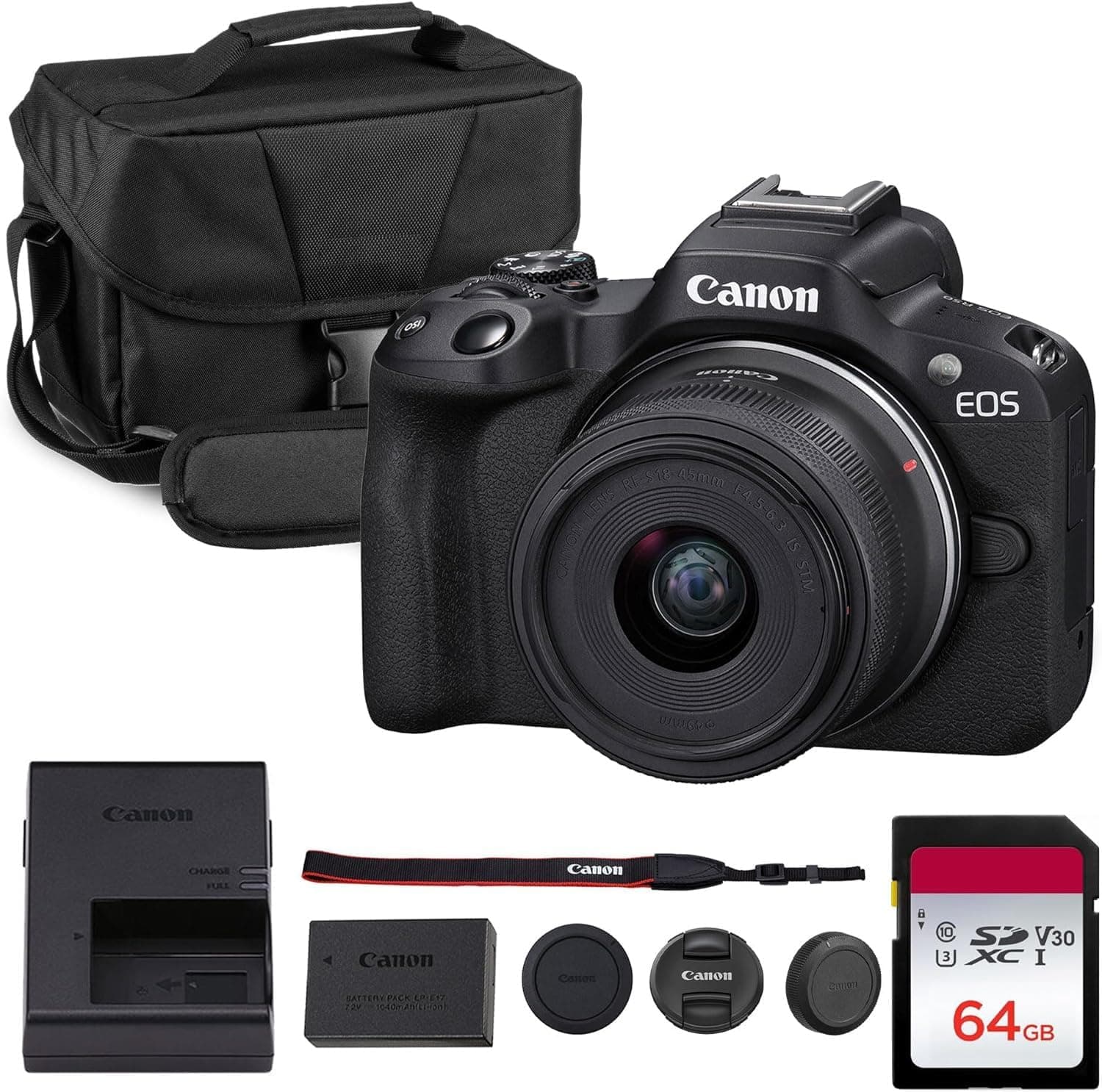
Beginner photo
First real camera kit
$1,068
An affordable body, a sharp prime, a reliable card, and a small carry setup that does not turn learning into a hauling problem.
Best learning kit
Buy order: start with the first piece that makes the job possible, then add the support pieces that remove friction.
Camera: start here. If this piece does not make the shoot easier, the rest of the kit can wait.
Carry: add it after the core setup proves useful.
Canon EOS R50
Small, approachable, and good enough to learn exposure, autofocus, and lens choice properly.
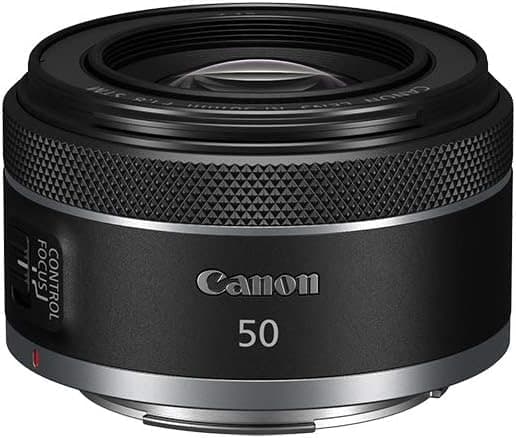
Canon RF 50mm f/1.8 STM
Cheap, bright, and useful for portraits, detail shots, and learning depth of field.
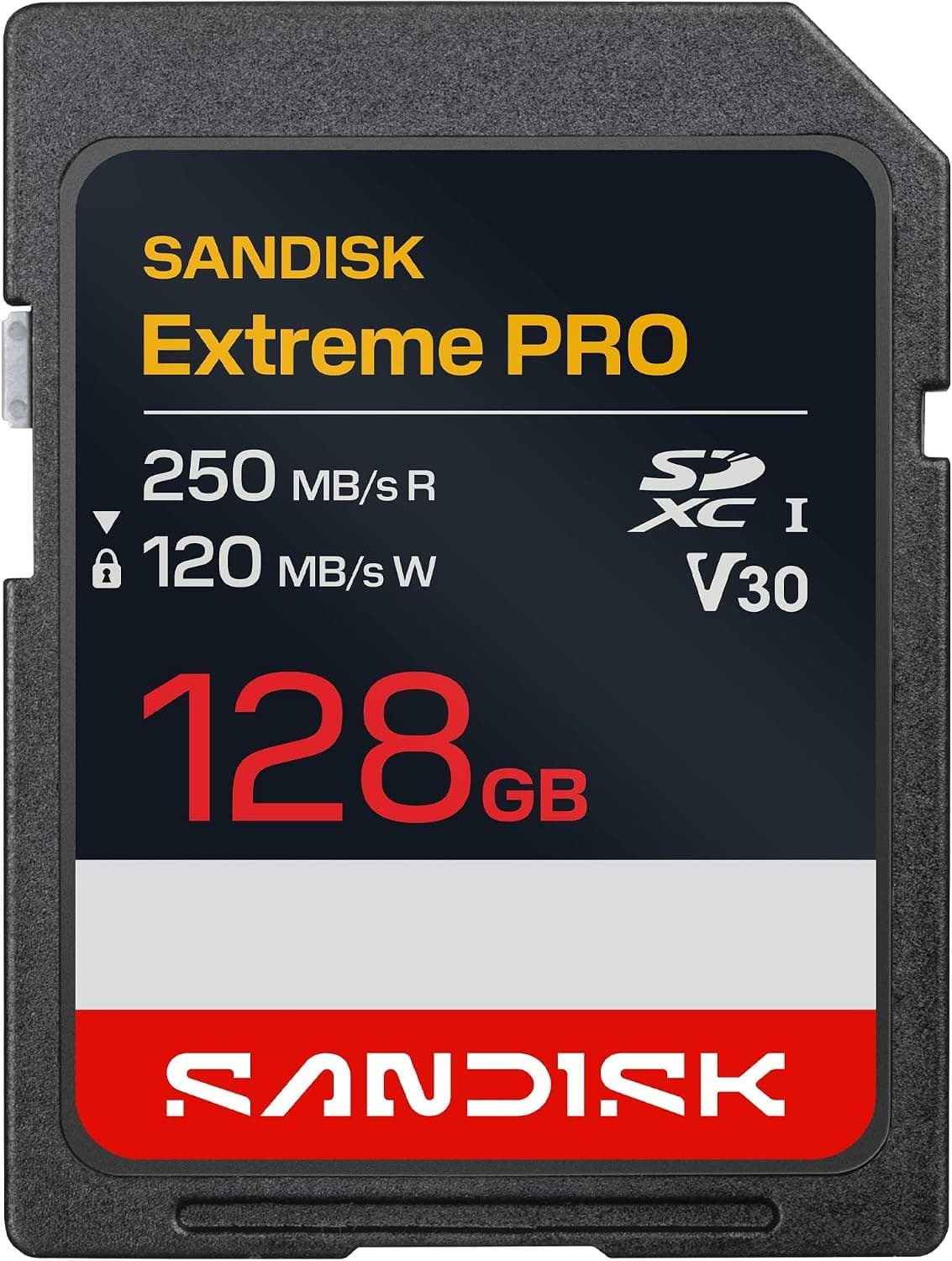
SanDisk Extreme Pro SDXC 128GB
Fast enough for normal stills and video without making storage the exciting purchase.
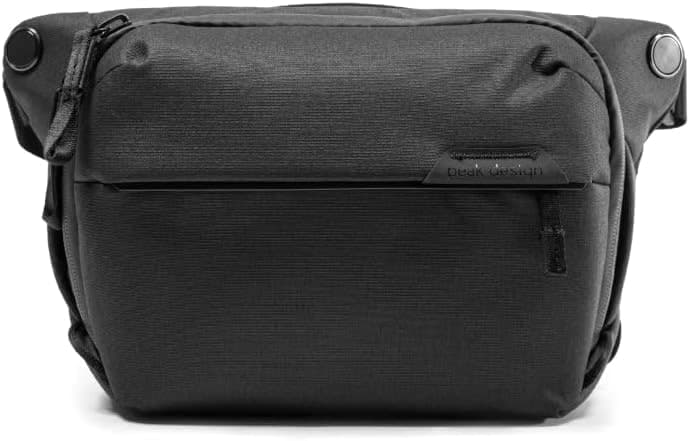
Peak Design Everyday Sling 6L V2
Room for a small body and lens without dragging a full backpack everywhere.
Prices are rough catalog totals. Retailer prices change, and you can swap pieces to fit your system.
Related Gear guides
Best Backdrops and Stands in 2026: Studio Background Picks
The best backdrops and stands for home studios, with each pick's real size, height limit, and price, so you know whether it fits headshots, products, or full-length portraits.
Best Cameras for Beginners in 2026: First Interchangeable-Lens Picks
The best beginner cameras balance an easy interface, good autofocus, and room to grow. Here are six we recommend and how to pick the right first body.
Best Cameras for Video in 2026: Hybrid, Cinema, and Vlogging Picks
Panasonic Lumix S5 II is the value video pick; GH7 suits long recording, and Sony a7 IV is the hybrid choice. Compare six cameras by workflow.
Best Cameras Under $1000 in 2026: Beginner, Value, and Creator Picks
The best cameras under $1000 deliver strong autofocus and image quality without the full-frame price. Here are six picks and how to choose the right one.
Researched, not personally tested: picks compare specifications, available owner feedback, and established expert sources. As an Amazon Associate I earn from qualifying purchases. We may earn a commission from links here, at no extra cost to you. How we research →