We may earn a commission from links on this page, at no extra cost to you. Picks are researched, not sponsored.
Travel photography is less a genre than all the genres at once: landscapes, street, food, portraits, and architecture in a single trip. The constraint is that you have to carry everything and you only get one shot at each place. That argues for a small, flexible kit and a few reliable settings so you can react to whatever the day gives you.
The gear
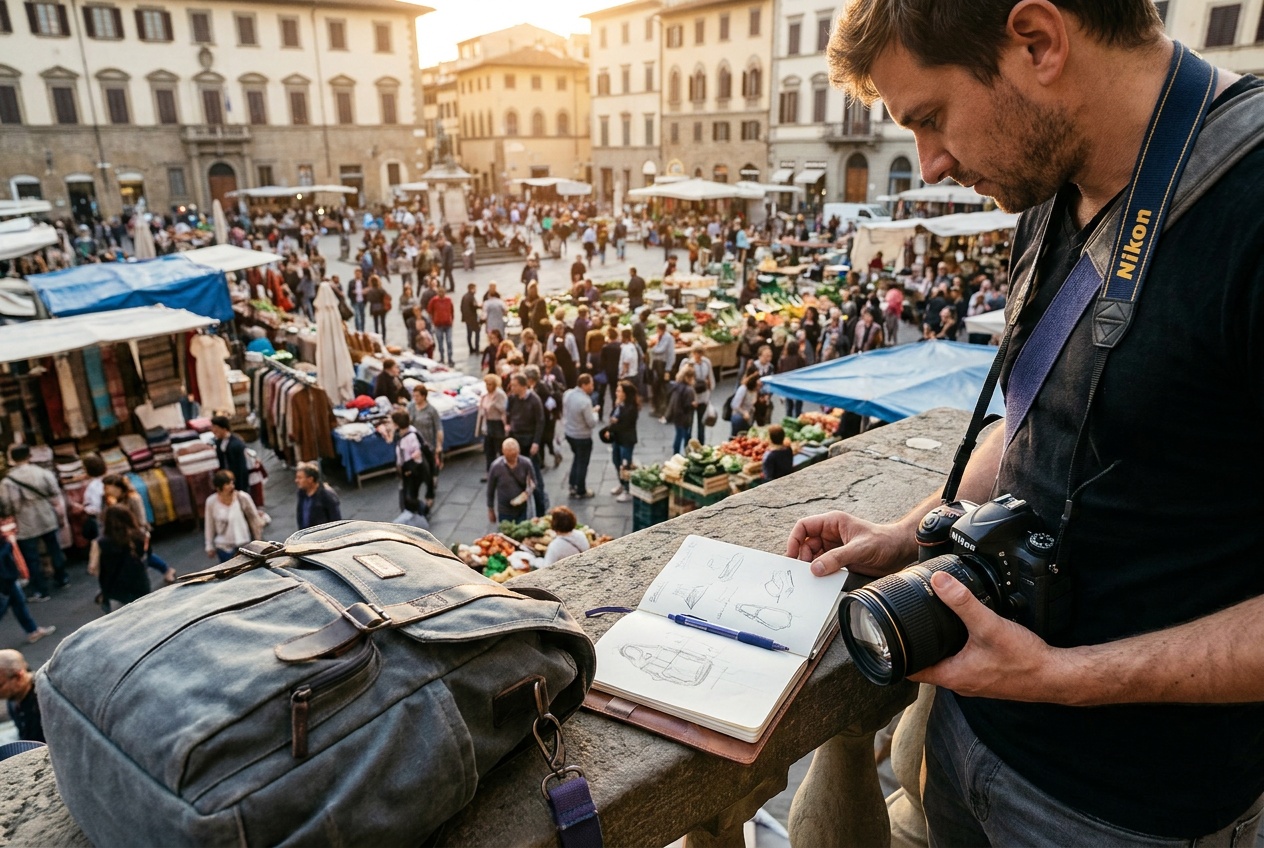
Weight is the enemy of a good travel kit. Bring less and use it more:
- A versatile zoom like a 24 to 70mm or a 24 to 105mm covers most travel situations without a bag of lenses. The tradeoffs against primes are in prime vs zoom lenses.
- A small, capable camera you are happy to carry from dawn to night. A smaller sensor format can cut size and weight meaningfully.
- A compact travel tripod for low light, blue hour, and self-portraits. See the best tripods guide for travel-friendly options.
The settings
A flexible travel default is aperture priority at f/8 · 1/250 · ISO auto for daytime scenes, then a wider aperture of f/2.8 to f/4 for low light and people. Keep an eye on shutter speed so handheld shots stay sharp, usually 1/125 or faster for walking subjects. Let ISO ride on auto with a ceiling you accept, so the camera adapts as you move from bright streets to dim interiors. The exposure triangle is the framework underneath all of it, and a guide to shooting in different light helps with the wide range a single travel day throws at you.
Composition and story
A trip is a story, so shoot like an editor. Capture wide establishing frames that set the place, mid shots of activity, and tight details: a market stall, a doorknob, a face. That mix edits into a stronger set than a folder of similar wide shots. Include people for scale and life, and put recognizable landmarks off-center with a foreground element so they feel like part of a scene rather than a postcard.
Light and timing
Tourist spots are crowded and harshly lit at midday. The same place at sunrise is empty and golden. Building your day around the soft hours is the single biggest upgrade to travel photos, and it doubles as a way to beat the crowds. Blue hour, just after sunset, turns city scenes into something far richer than a daytime snapshot.
Know the rules
Photography law varies a lot by country. Some places restrict tripods, drones, or photography of government and religious sites; others have strong privacy rules about photographing people. Check the rules by location pillar before you travel, and if you plan aerials, Aperture covers the shooting side while Drone Authority at droneauthority.org covers flight law and certification, which differ sharply country to country.
Common mistakes
The classic travel mistake is overpacking, then leaving the heavy lens in the hotel. Bring less and shoot more. The second is only shooting at midday between activities, which gives flat, crowded images; carve out the early and late hours. The third is shooting everything wide. Discipline yourself to get details and people, and the trip edits into a real set.
What camera gear should I bring for travel photography?
A small body, one versatile zoom such as a 24 to 70mm, and a compact tripod cover most situations. The goal is a kit light enough that you carry it everywhere, since the best travel shots come from being out at the right hours, not from extra lenses.
What settings work best for travel photography?
Aperture priority with auto ISO is the most flexible setup. Use around f/8 for daytime scenes, open to f/2.8 to f/4 in low light, and keep the shutter at 1/125 or faster handheld so moving subjects stay sharp.
Can I use a drone or tripod when traveling?
It depends entirely on the country and the specific site. Many places restrict tripods at landmarks and regulate drones heavily. Check local rules and the rules by location pillar first; for drone flight law and certification, see Drone Authority.
Keep going
Next useful steps
Pick one. Each link continues the same job without starting the research over.
Shoot kits
Buy around the job, not the spec sheet
Travel landscape
Travel landscape kit
$4,465
A light full-frame body, wide zoom, serious travel tripod, filters, and a bag that can handle rough days outside.
Light but not flimsy
Buy order: start with the first piece that makes the job possible, then add the support pieces that remove friction.
Camera: start here. If this piece does not make the shoot easier, the rest of the kit can wait.
Carry: add it after the core setup proves useful.
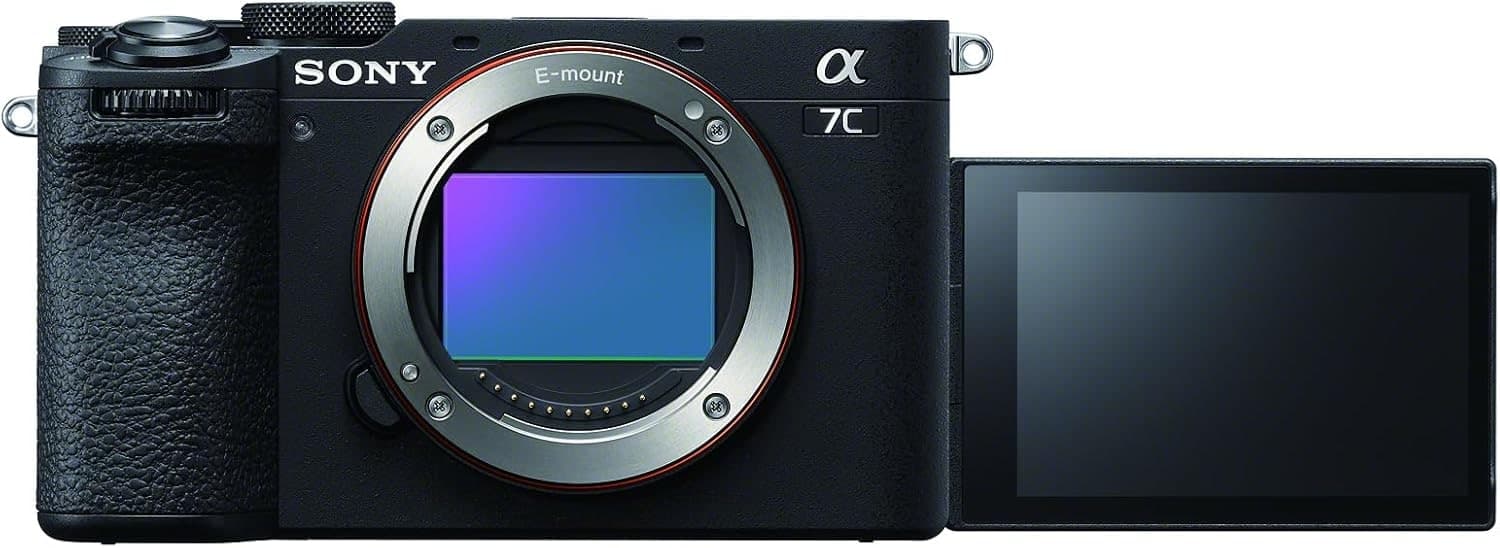
Sony a7C II
Full-frame files in a smaller body, with autofocus and stabilization that travel well.
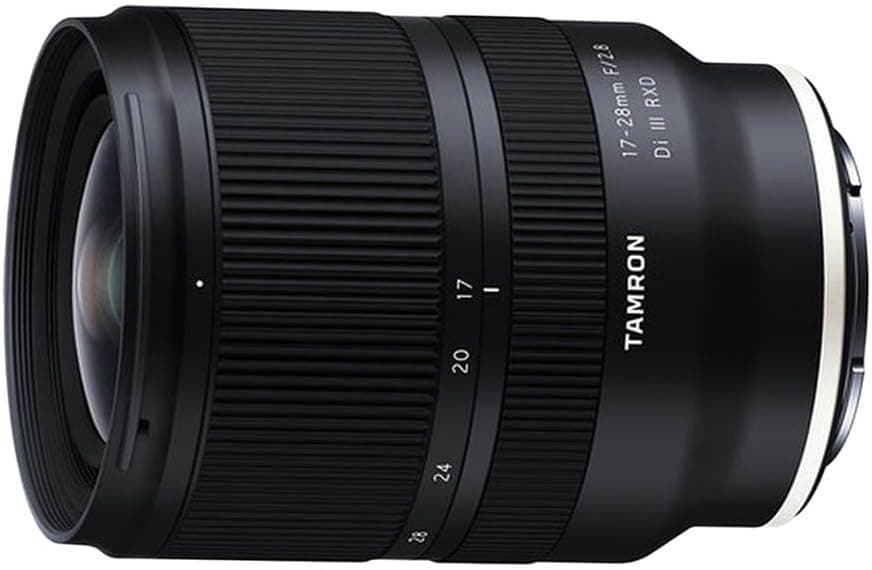
Tamron 17-28mm f/2.8 Di III RXD
Wide enough for landscapes and interiors without the size of a premium 16-35mm.
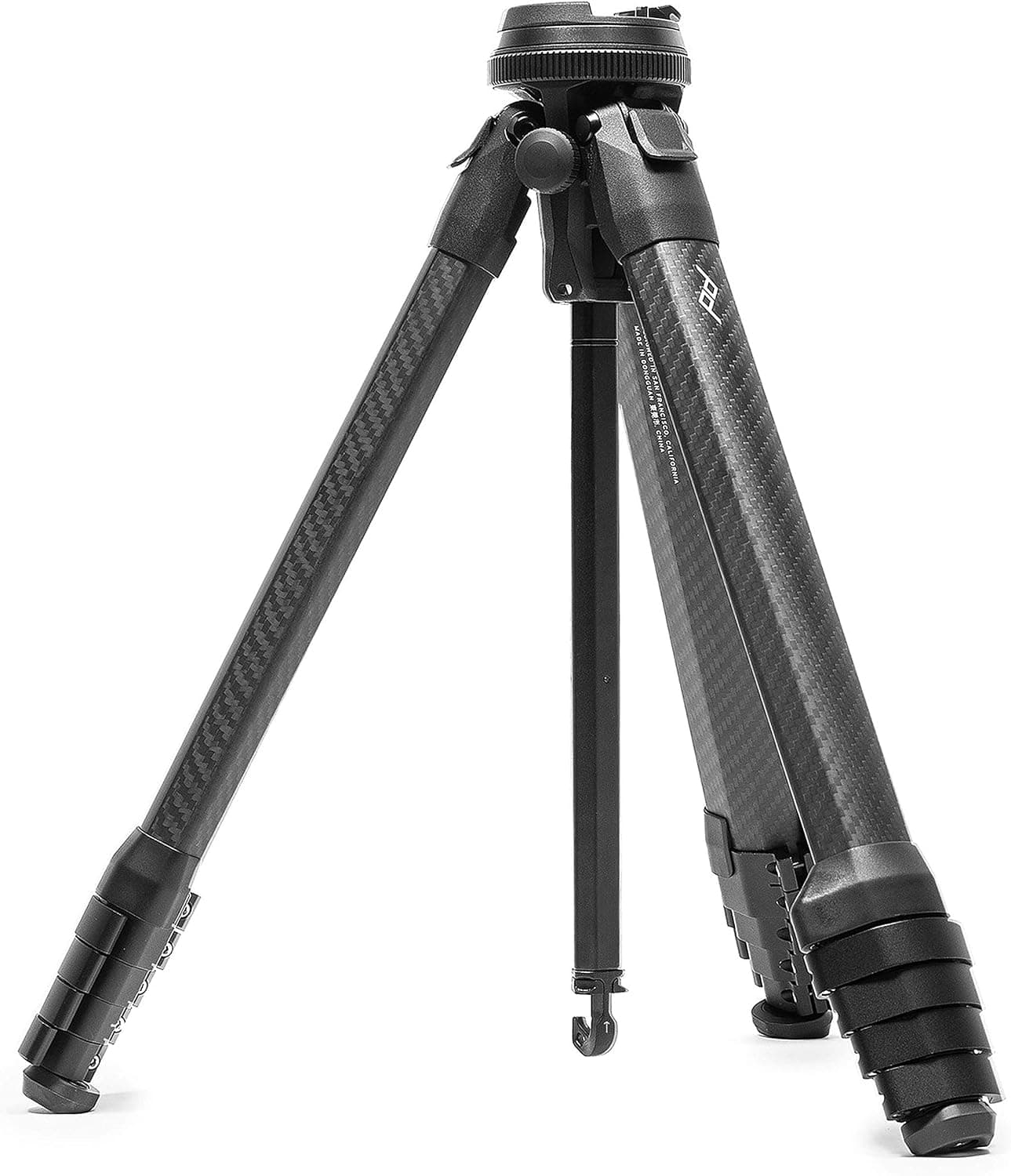
Peak Design Travel Tripod (Carbon)
The point of a travel tripod is bringing it. This one packs small and stays serious.
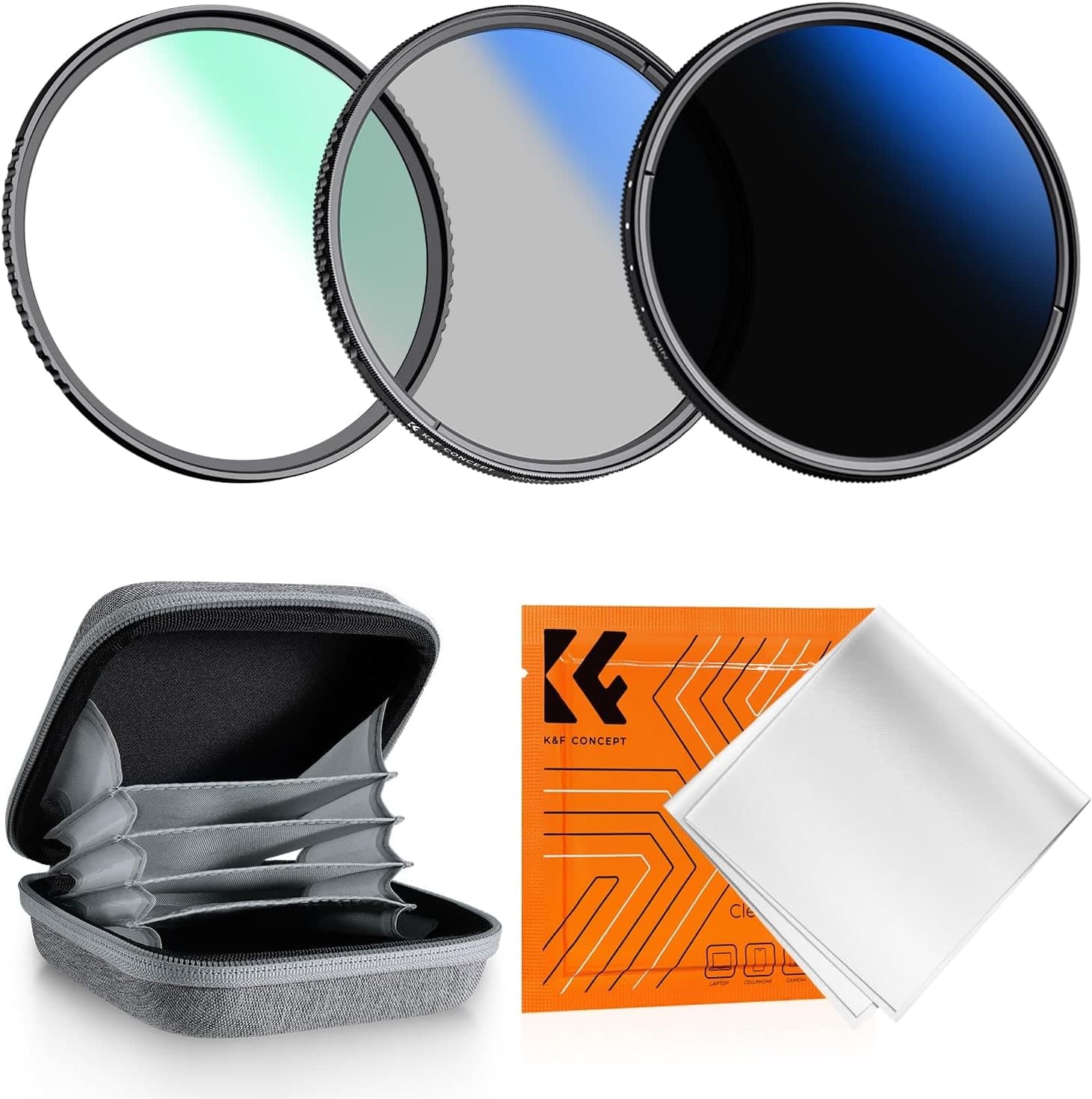
K&F Concept 77mm UV/CPL/ND2-400 Filter Kit
CPL and ND coverage for water, skies, reflections, and slower shutters.
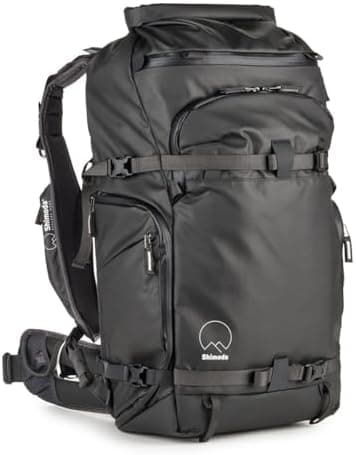
Shimoda Action X30 V2
A real harness matters once camera gear and outdoor layers share the same bag.
Prices are rough catalog totals. Retailer prices change, and you can swap pieces to fit your system.
Related Genres guides
Event Photography: Settings and Gear for Low Light and Fast Moments
Event photography means low light, candid moments, and no second takes. Here is the gear, the settings, and the mistakes to skip for sharp, well-lit frames.
Fashion Photography: Light, Posing, and the Look on a Budget
Editorial fashion images come from intentional light, confident posing, and a clear styling concept. Here is how to build the look on a budget with one light and simple gear.
Product Photography: A Simple, Repeatable Setup
Clean product photos need controlled light, a sharp aperture, and a tripod, not a studio. Here is the gear, the settings, and the lighting that gets professional results.
Real Estate Photography: The Complete Starter Guide
How to shoot a listing that sells: the gear, the settings, the room-by-room shot list, and the common mistakes. Plus the tool that builds your shot list for you.
Researched, not personally tested: picks compare specifications, available owner feedback, and established expert sources. As an Amazon Associate I earn from qualifying purchases. We may earn a commission from links here, at no extra cost to you. How we research →