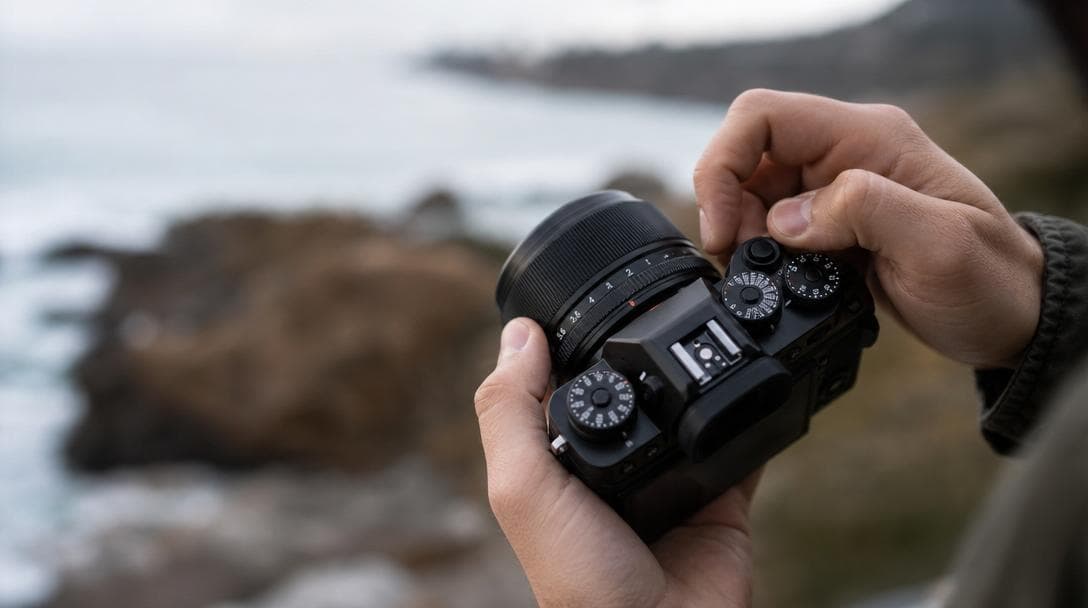
Editor’s pick
The Exposure Triangle, Explained Simply
Aperture, shutter speed, and ISO are the three controls behind every photo. Here is how they trade off, and how to balance them without overthinking it.
Jul 1, 2026
Aperture Authority
Camera fundamentals in plain English: the exposure triangle, light, focus, and composition.
13 categories90 how-tos

Start by task
Editor’s pick
Aperture, shutter speed, and ISO are the three controls behind every photo. Here is how they trade off, and how to balance them without overthinking it.
New to manual photography? Work through these six in order, then branch into any topic below.
Take control of the meter, the semi-auto modes, and the +/- button.
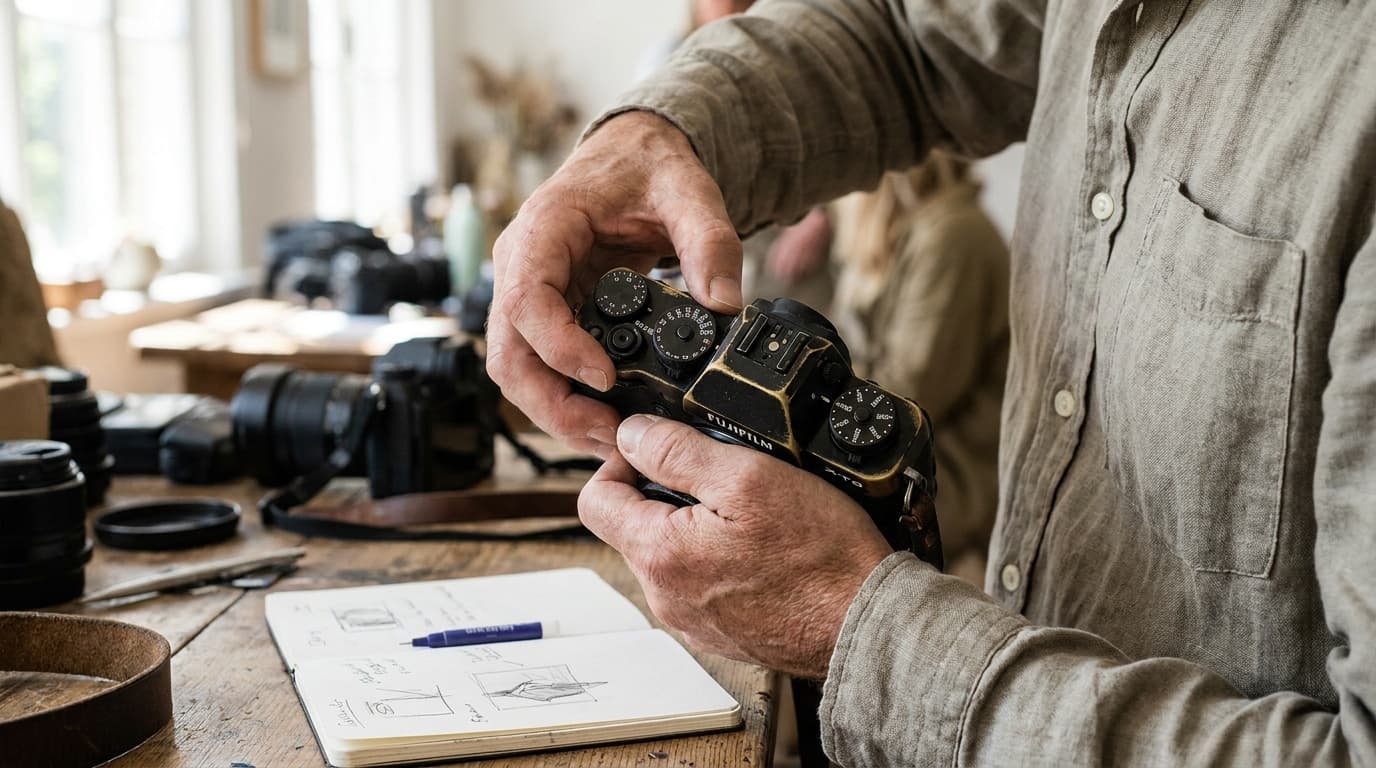
Aperture priority lets you control depth of field; shutter priority lets you control motion. Here is what each mode locks, what it leaves to the camera, and when to pick which.
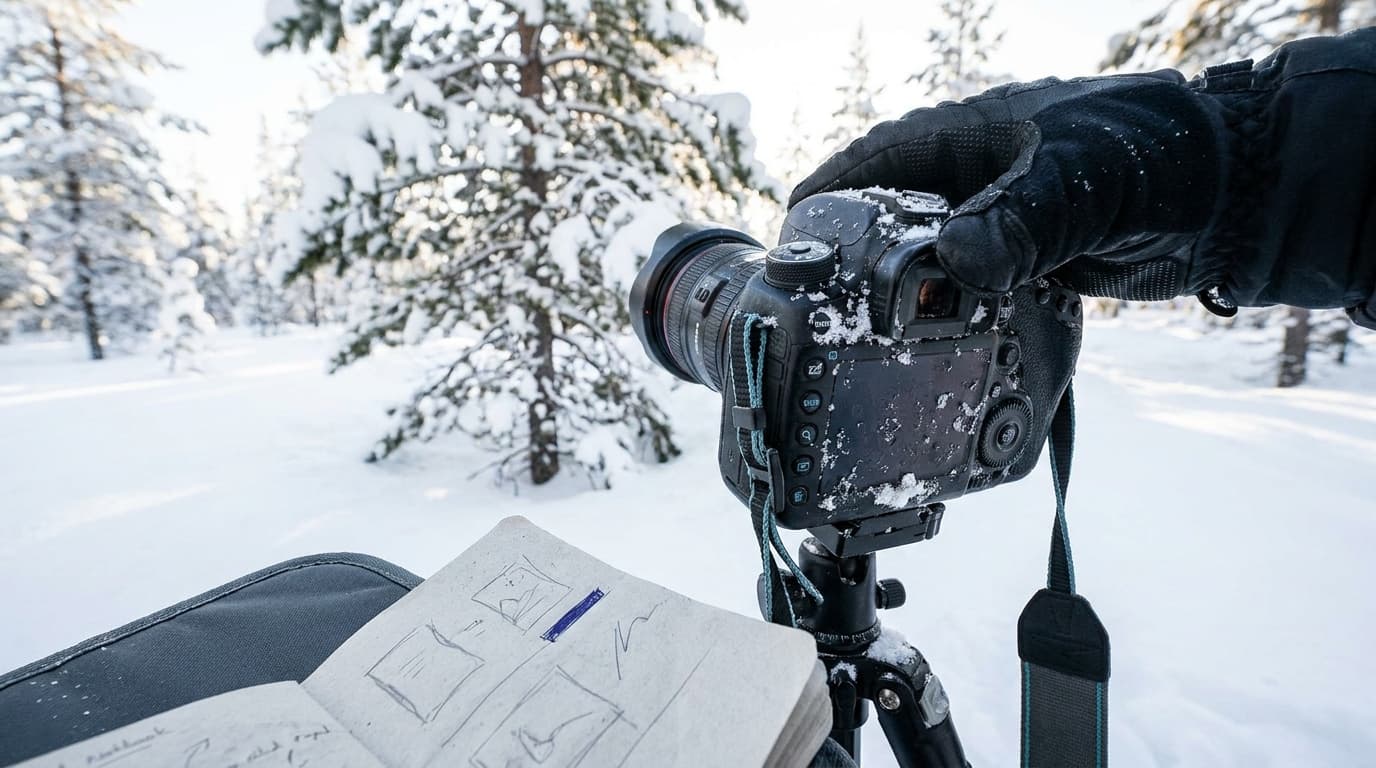
Exposure compensation tells your camera to override its meter and shoot brighter or darker. Here is when to dial it up, when to dial it down, and why snow needs it.
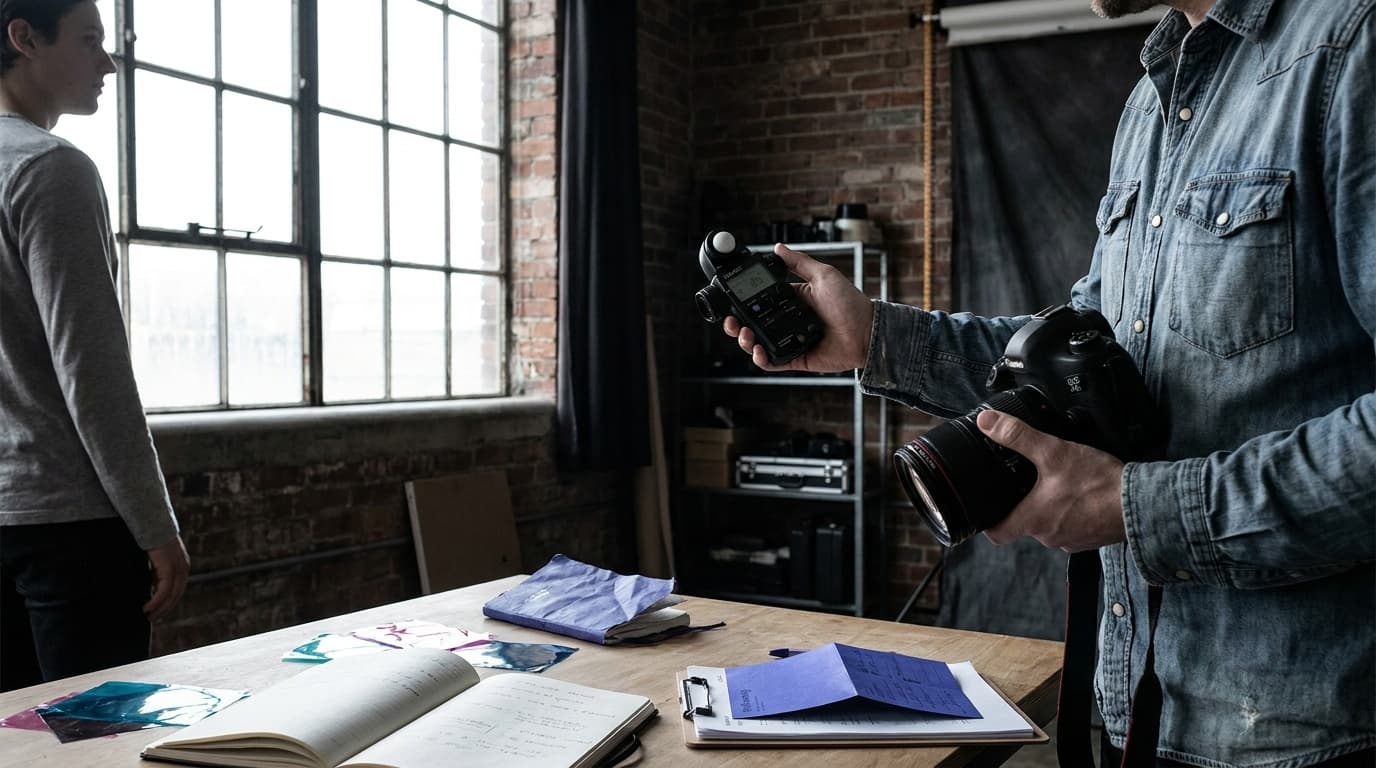
Metering modes tell your camera which part of the frame to read for brightness. Here is what matrix, center-weighted, and spot metering do, and when each one helps.
A histogram is a graph of the tones in your photo, from black on the left to white on the right. Here is how to read it to catch clipped shadows and blown highlights.
Get tack-sharp shots, kill the blur, and control what's in focus.
Sharp photos come from a fast enough shutter, accurate focus, a steady camera, and the right aperture. Here is the full checklist beginners can run every time.
Blurry photos come from four things: shake, subject motion, missed focus, or a soft lens setting. Here is how to tell which one you have and fix it.
Camera shake blurs the whole frame when your hands move during the exposure. Beat it with a faster shutter, better holding technique, stabilization, or a tripod.
Single autofocus locks on still subjects; continuous tracks moving ones. Here is what AF-S, AF-C, and the focus area modes do, and which to pick for your shot.
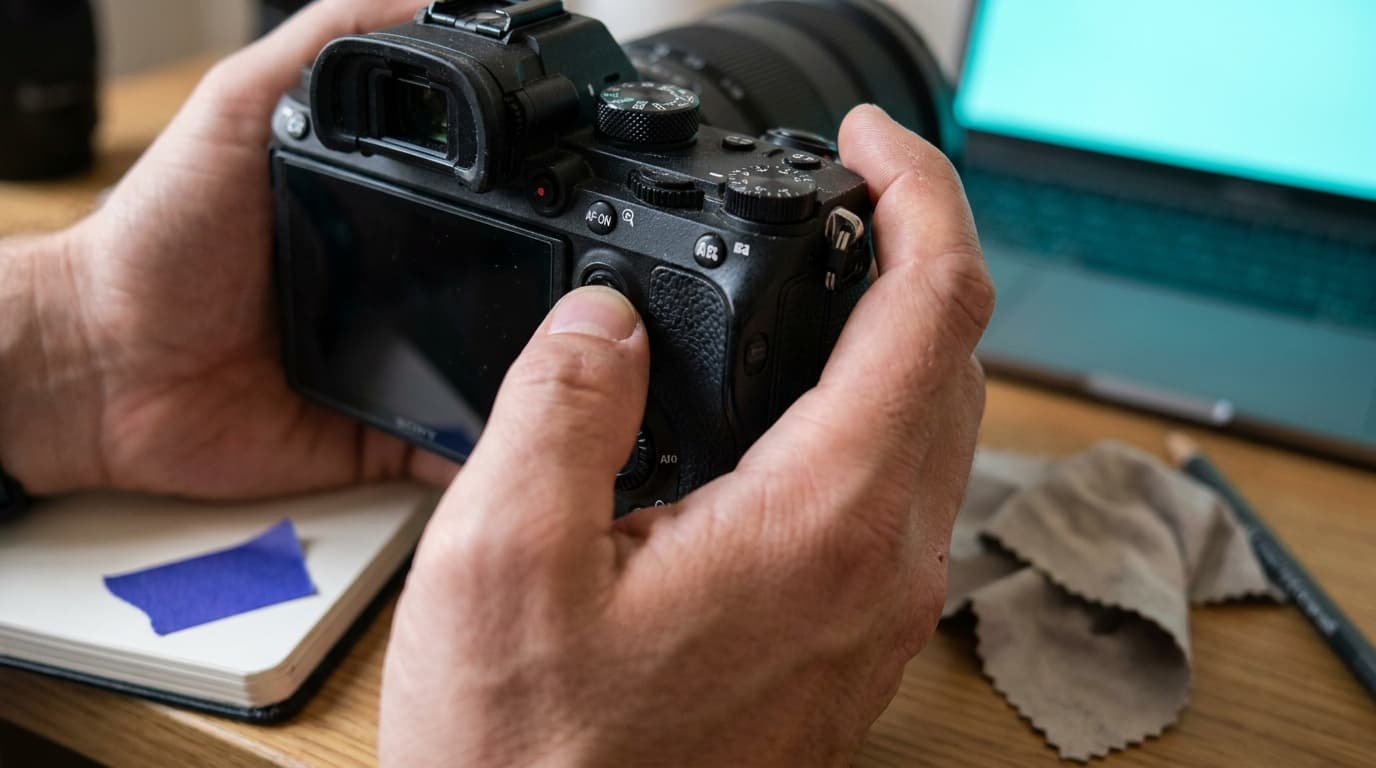
Back button focus moves focusing off the shutter button onto a rear button, so the shutter only takes the photo. Here is what it does and how to set it up.
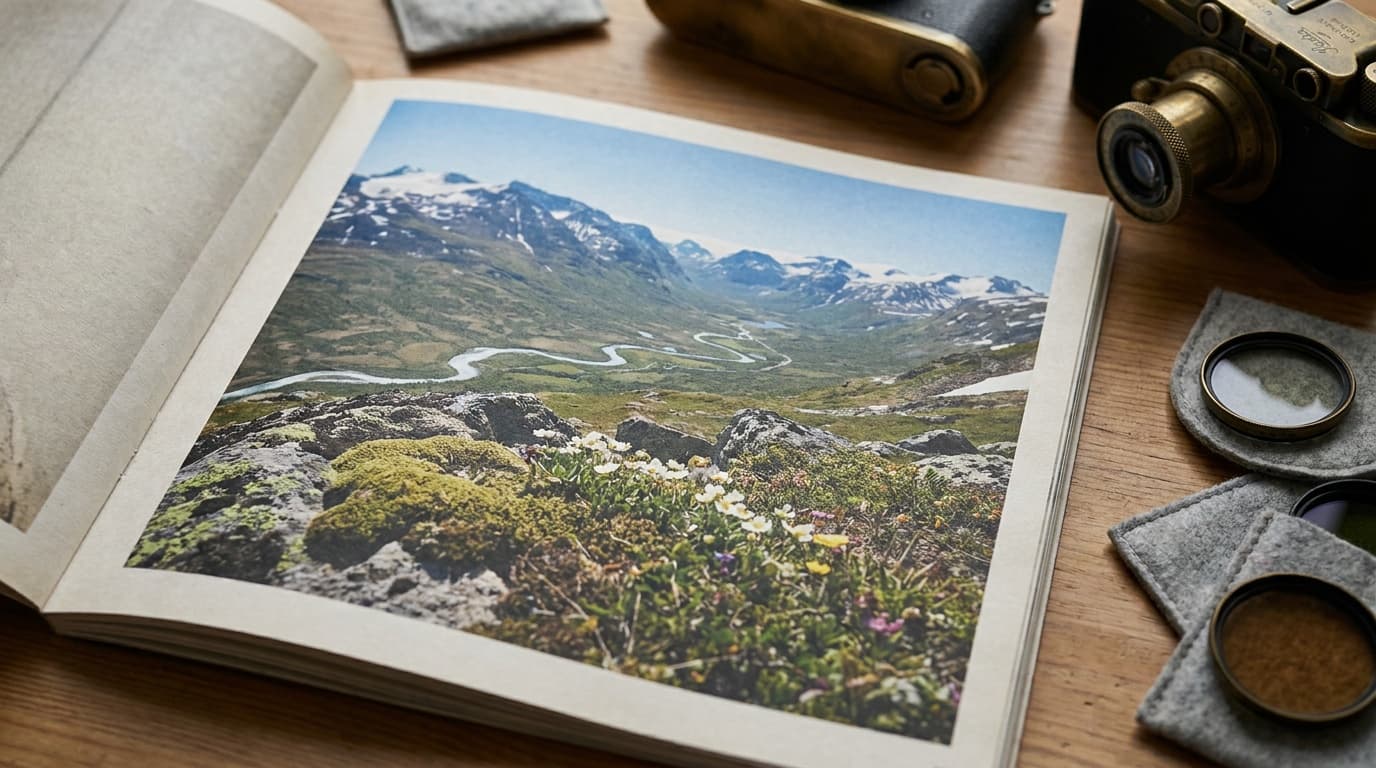
Focus at the hyperfocal distance and everything from half that distance to infinity is acceptably sharp. Here is what it means and how to use it in the field.
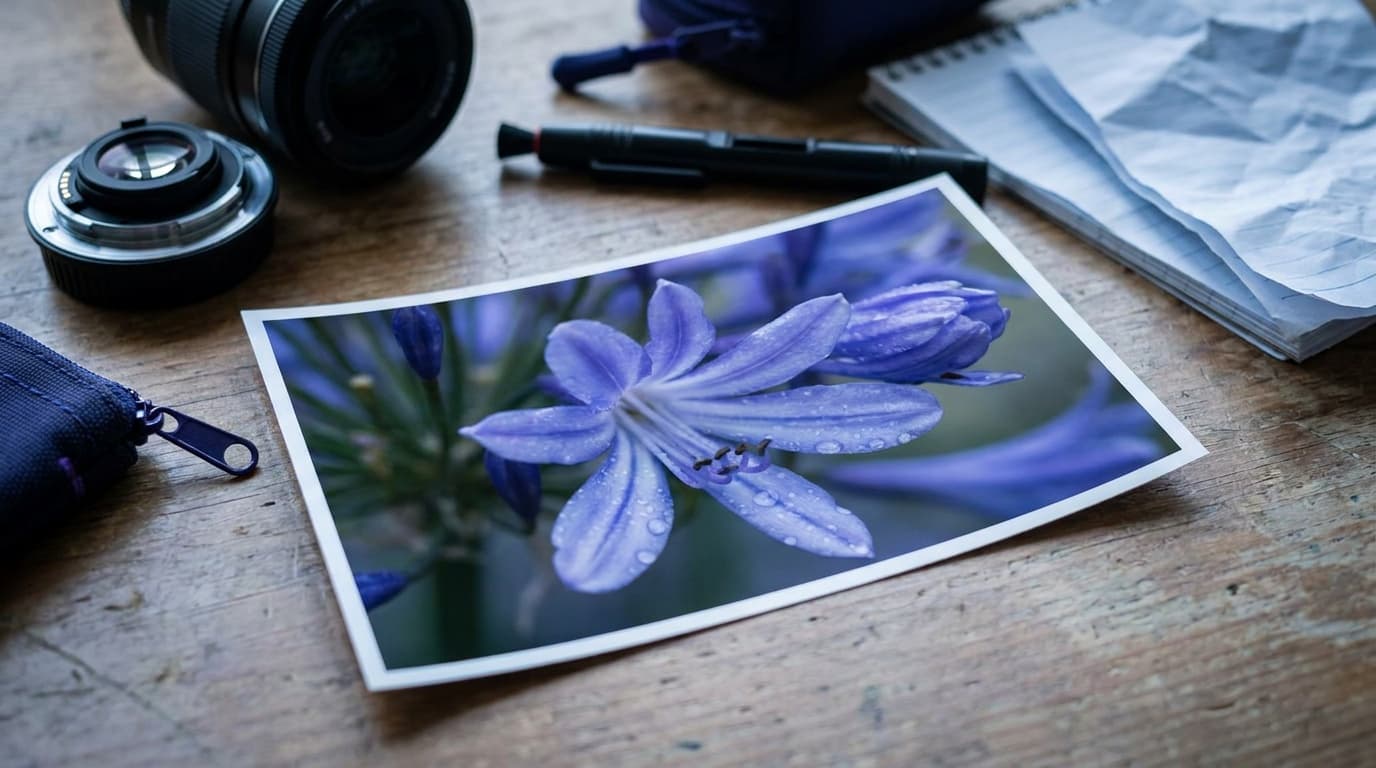
When one frame cannot hold both the near and far subject in focus, you shoot several at different focus points and blend them. Here is how focus stacking works.

A blurry background comes from a wide aperture, a longer lens, getting close to your subject, and distance behind them. Here are the exact settings to use.
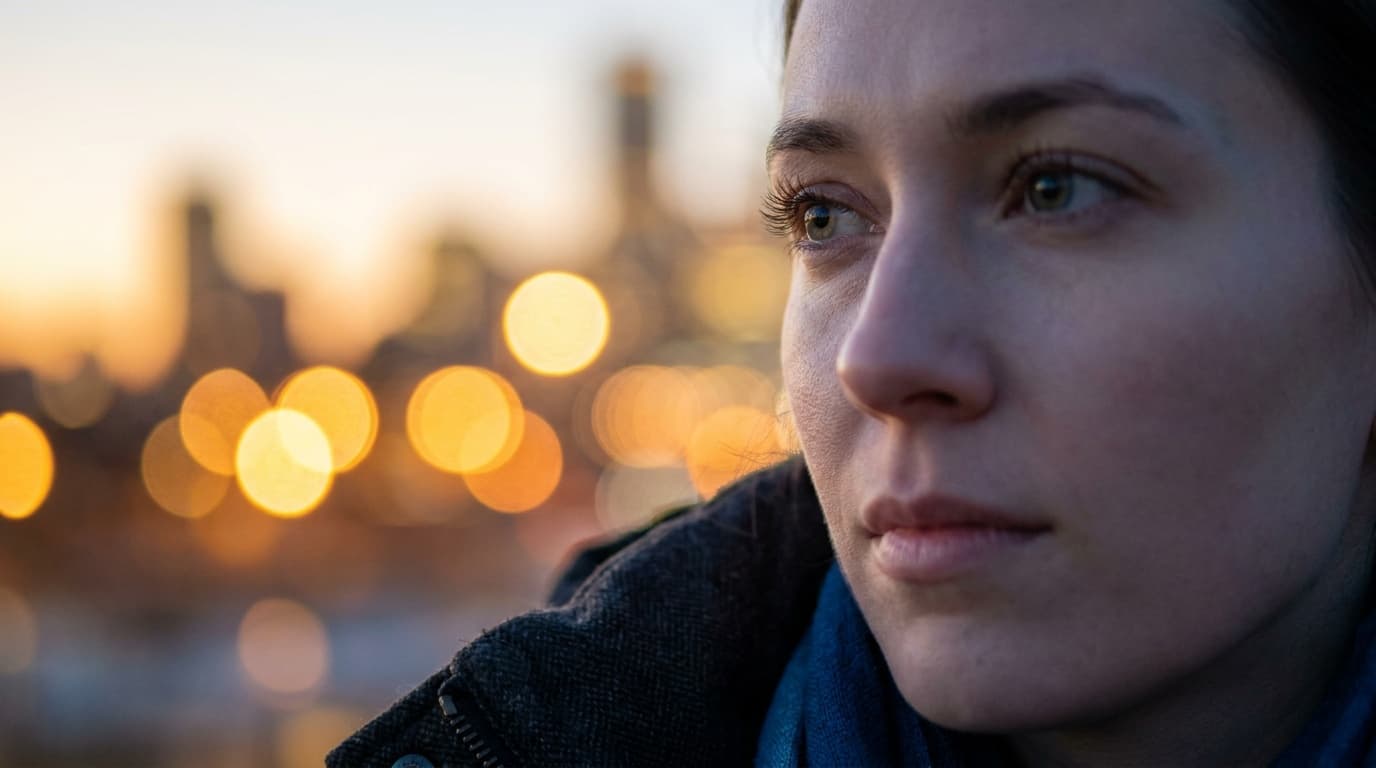
Bokeh is the quality of the out-of-focus blur, not just the amount. Here is what creates it, what makes it look smooth, and how to get more of it.
Read any light and get color that looks right, from golden hour to mixed indoor.
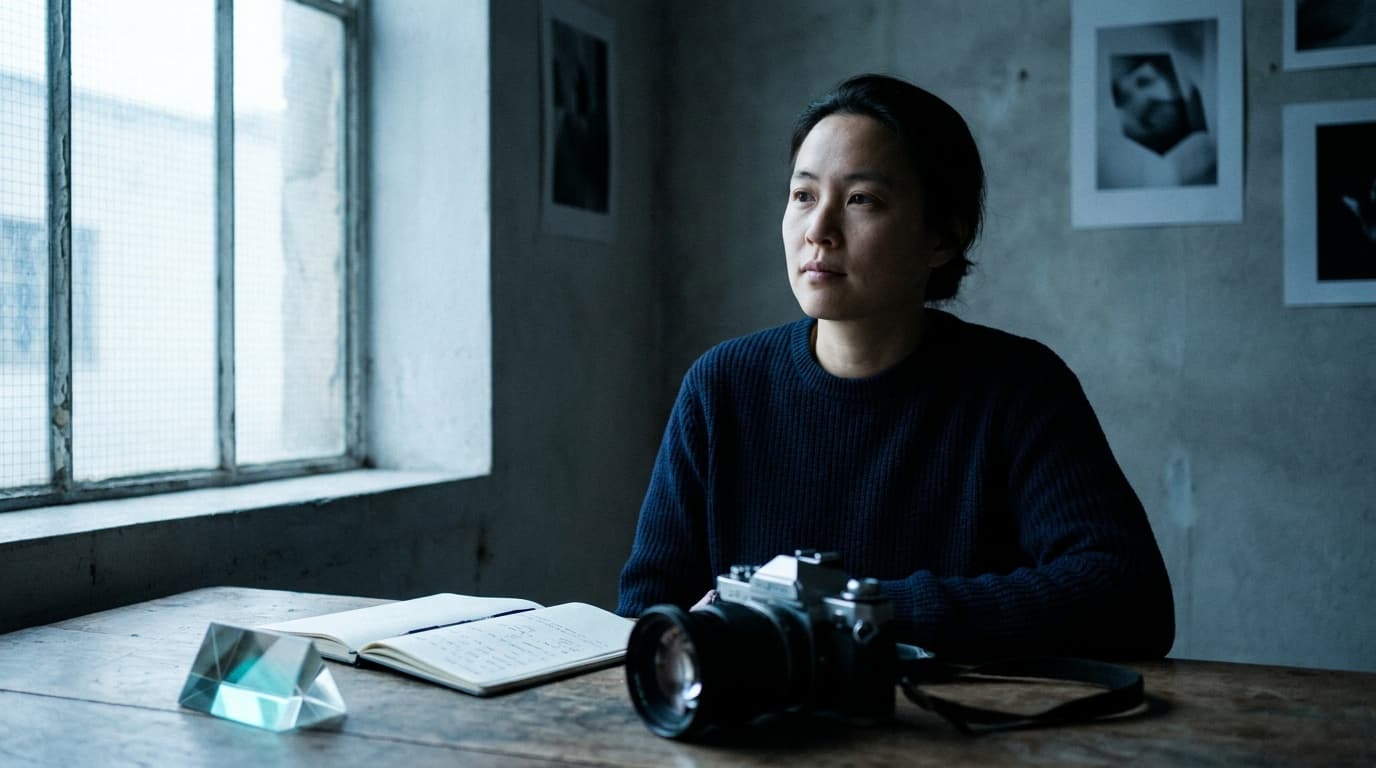
Every light has a problem and a fix. Here is how to read golden hour, harsh midday, overcast, low indoor light, and backlight, and the settings that handle each one.
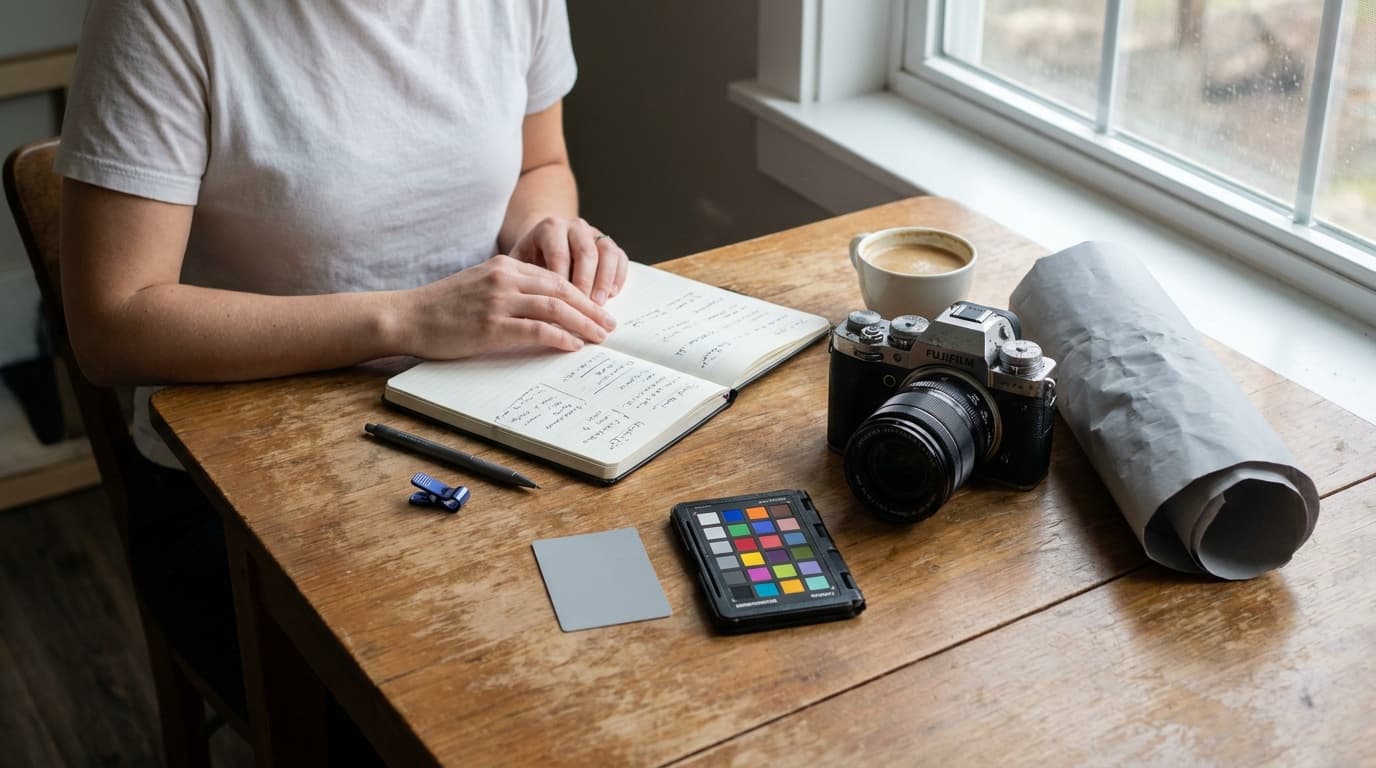
White balance tells your camera what counts as white so the rest of the colors fall into place. Here is how Kelvin, presets, and raw files keep skin and snow looking true.
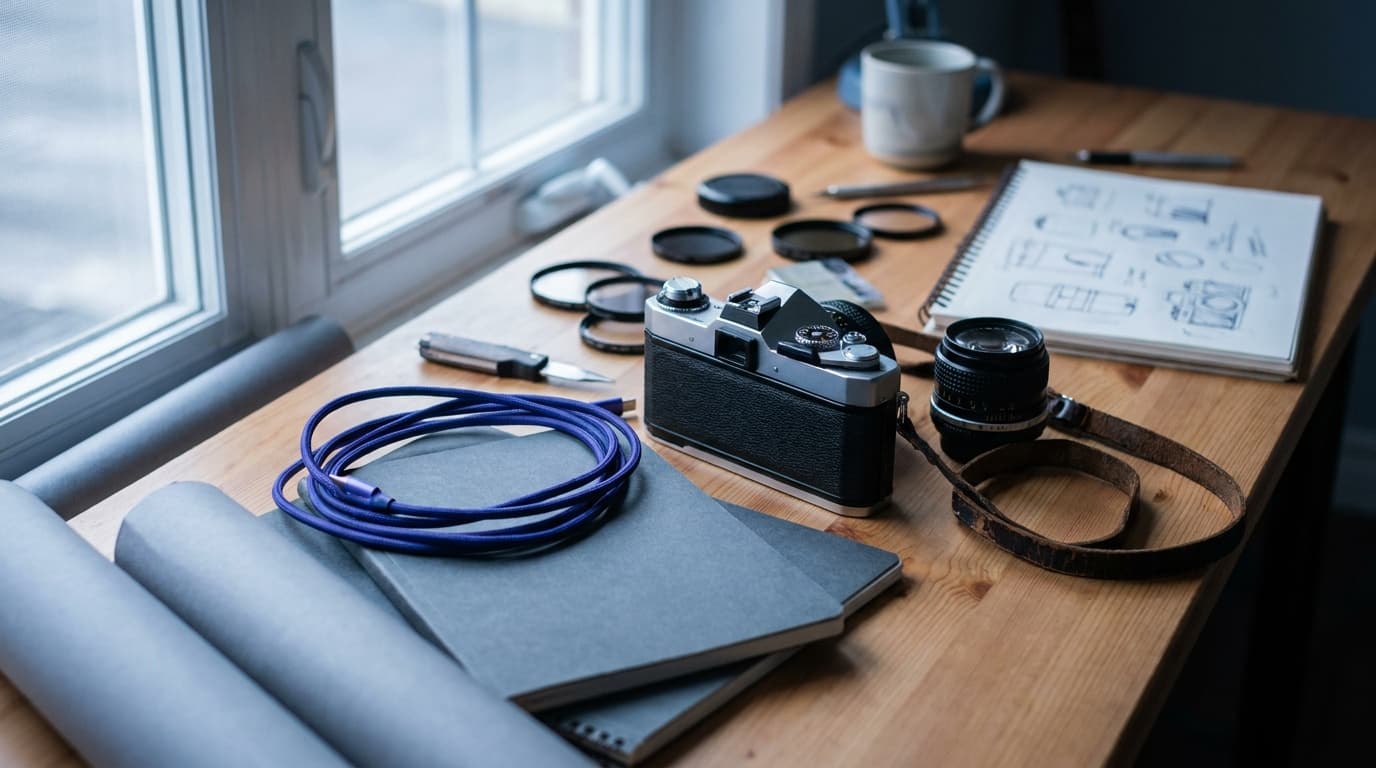
White balance is how your camera decides what counts as white. Get it wrong and skin looks orange or snow looks blue. Here is how it works and when to change it.
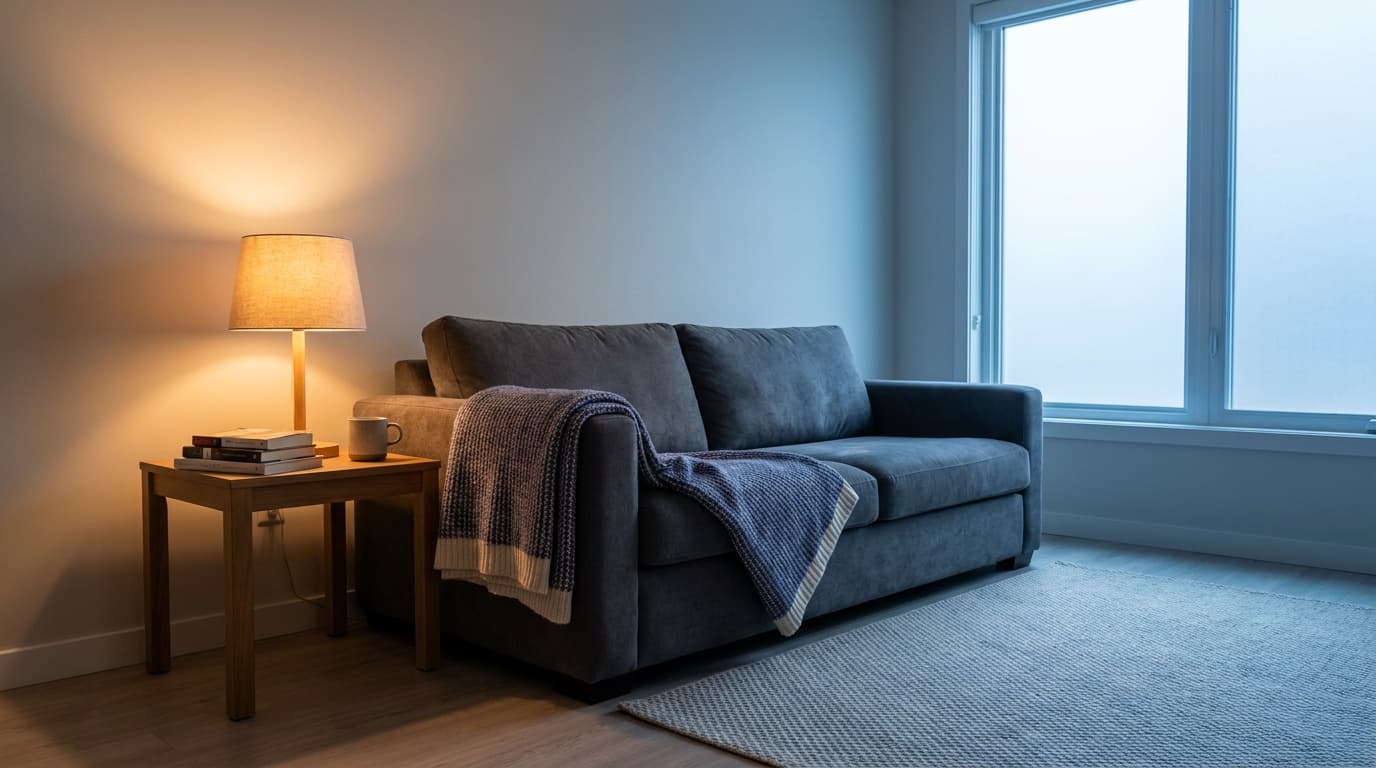
Color temperature in Kelvin describes how warm or cool a light is. Learn the scale from 3200K tungsten to 7500K shade and how to dial it in by hand.
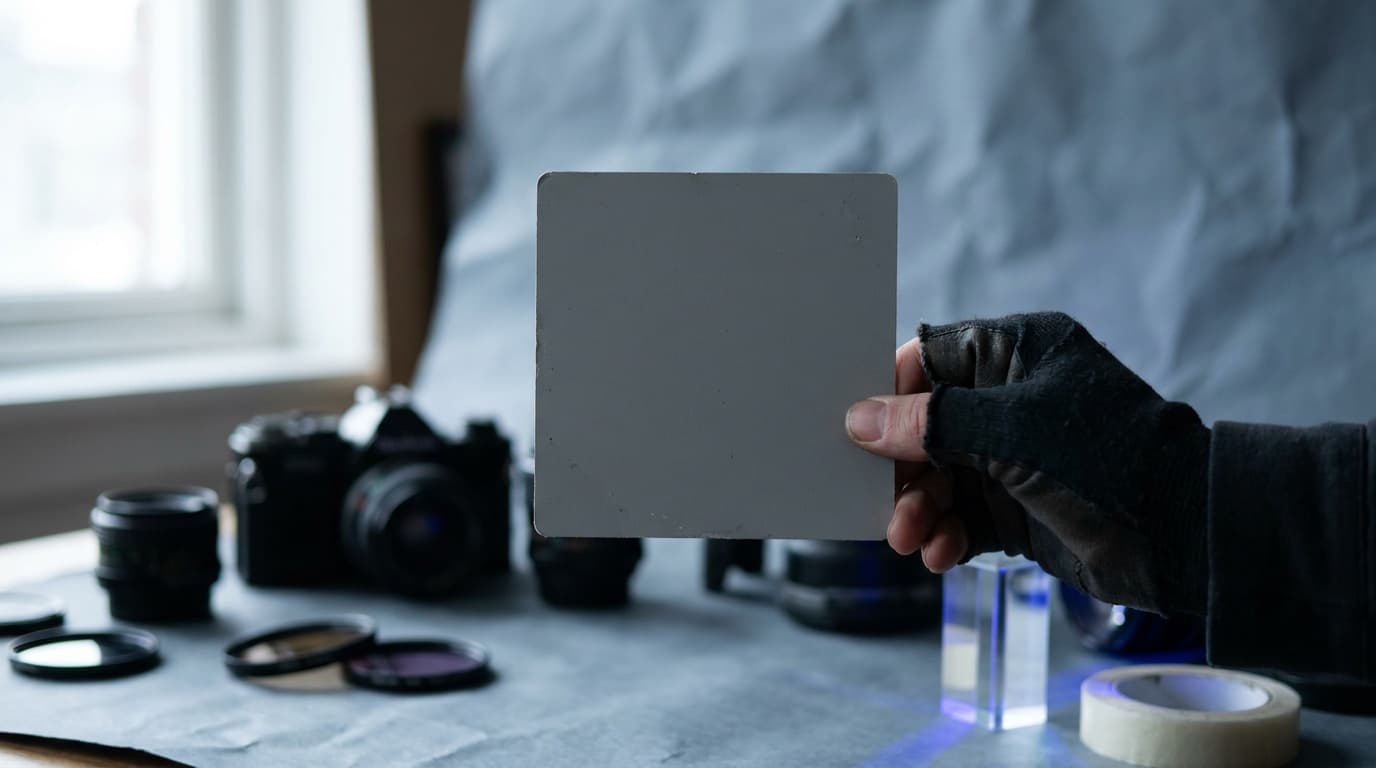
Custom white balance reads neutral straight from your scene for perfectly accurate color. Here is how to set it with a gray card or white sheet, step by step.
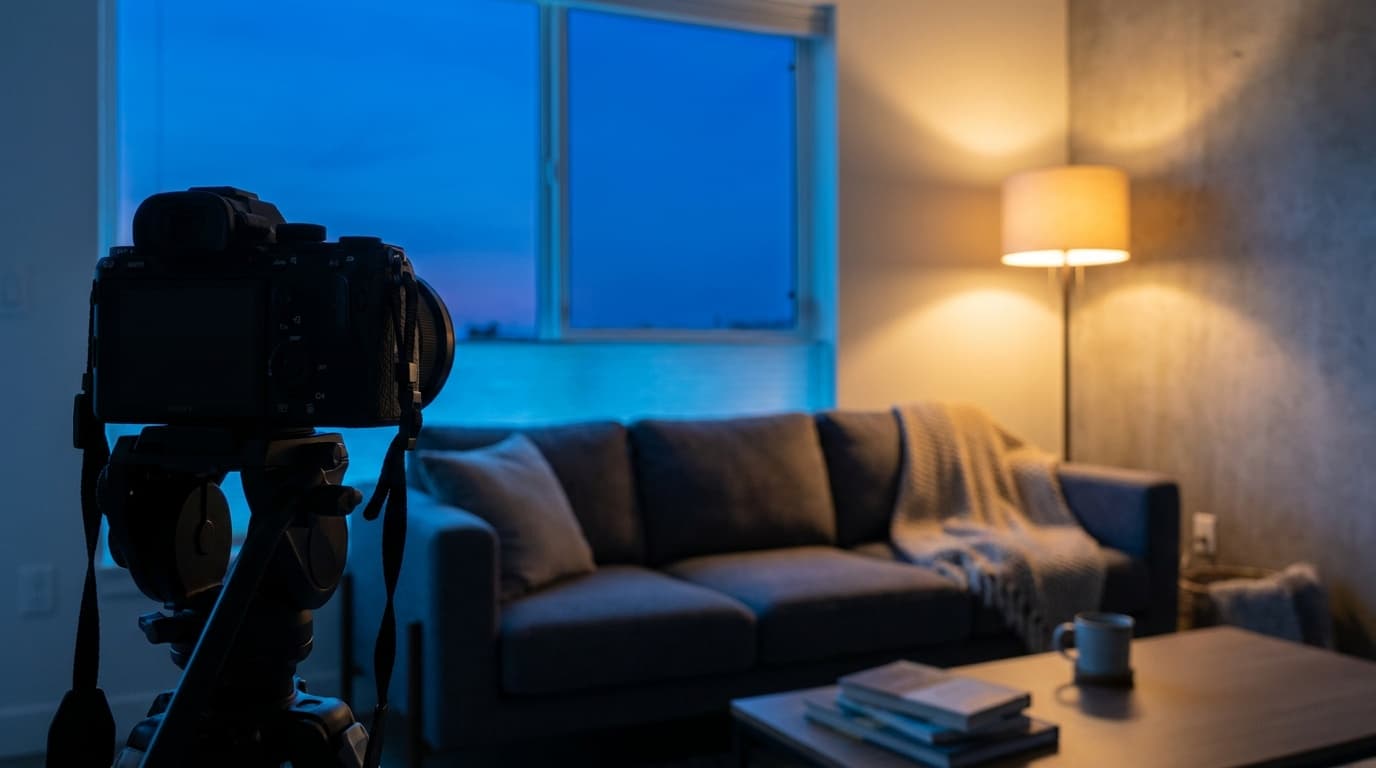
Window daylight, tungsten lamps, and fluorescent tubes in one room pull your colors in different directions. Here is how to keep skin and walls looking true.
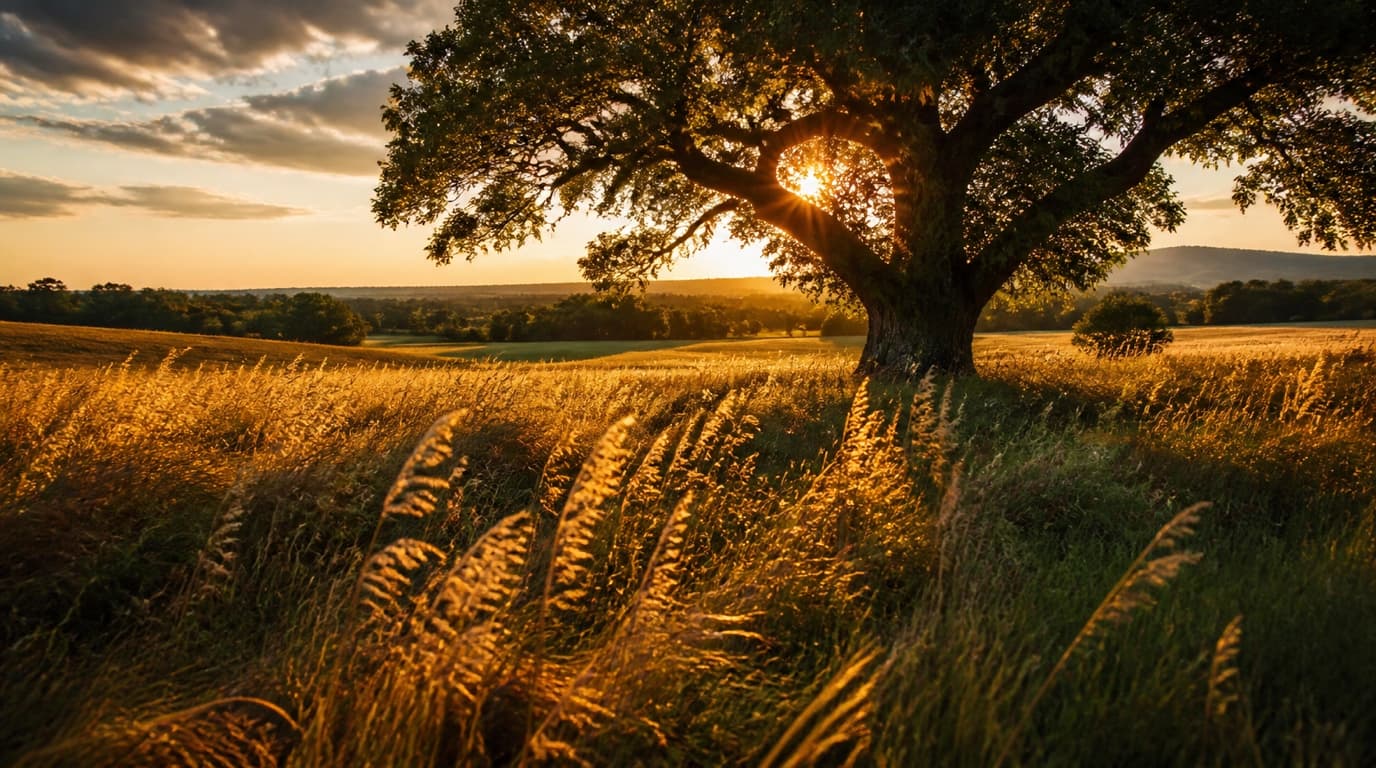
The hour after sunrise and before sunset gives the most flattering light of the day. Here is how to expose for it before it disappears.
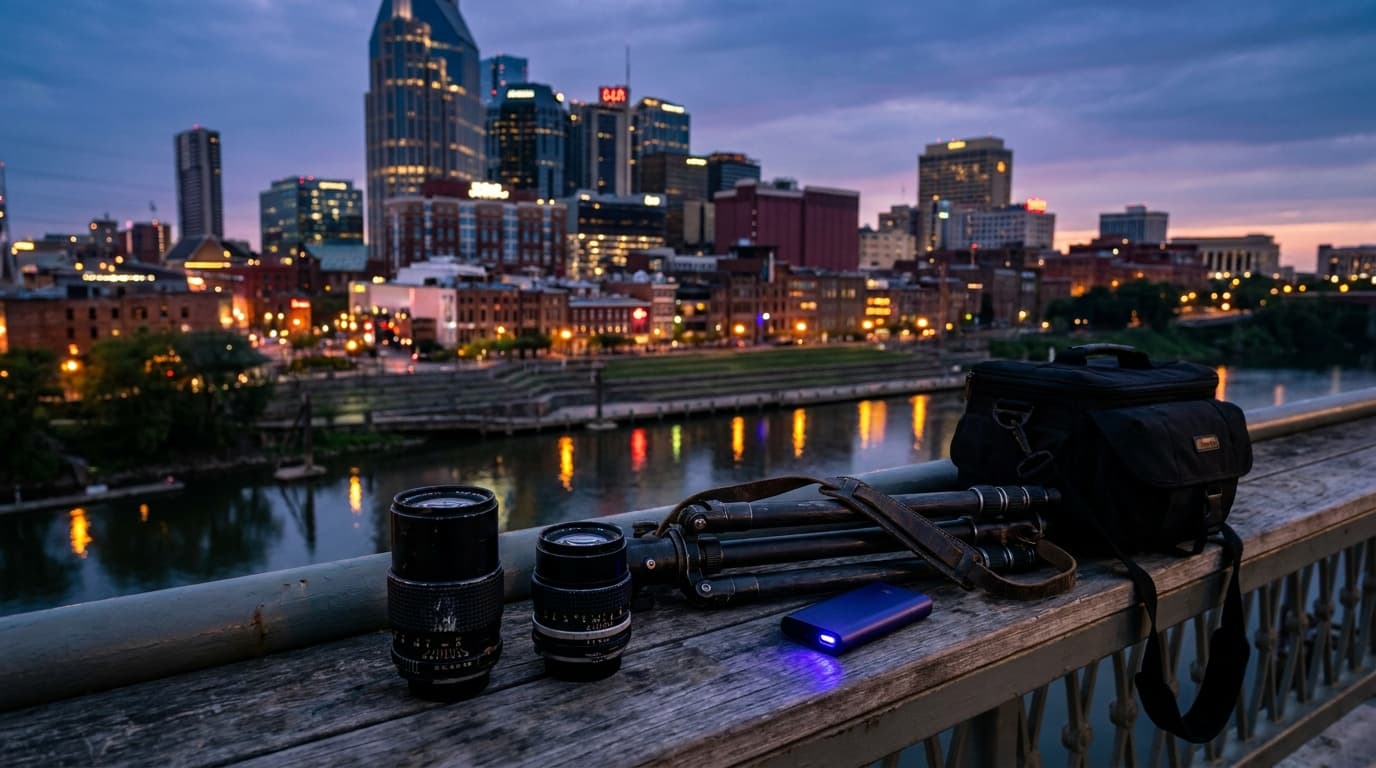
Blue hour is the short window of deep blue sky and glowing city lights just after sunset. Here are the settings, the timing, and how to make the most of it.
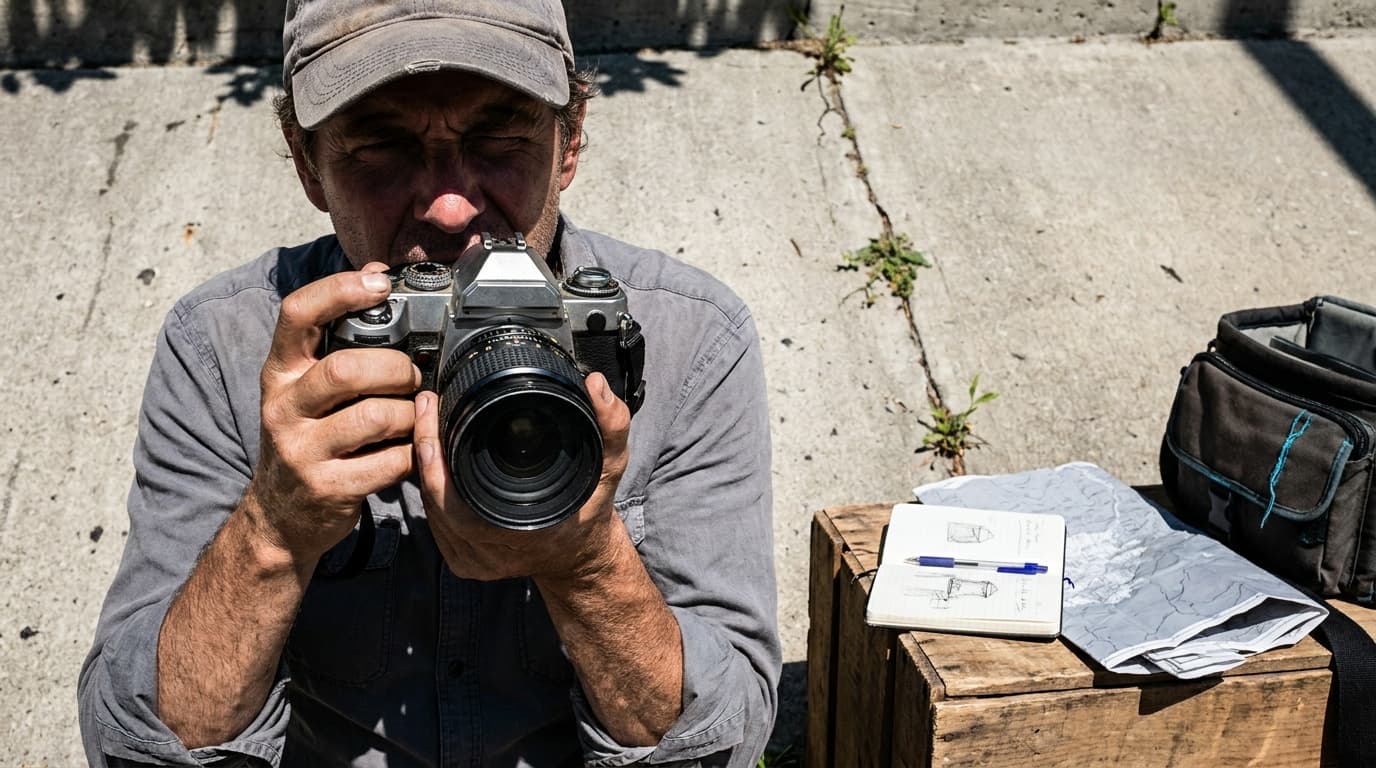
Overhead sun is the light beginners struggle with most: hard shadows, blown highlights, squinting subjects. Here is how to handle it.
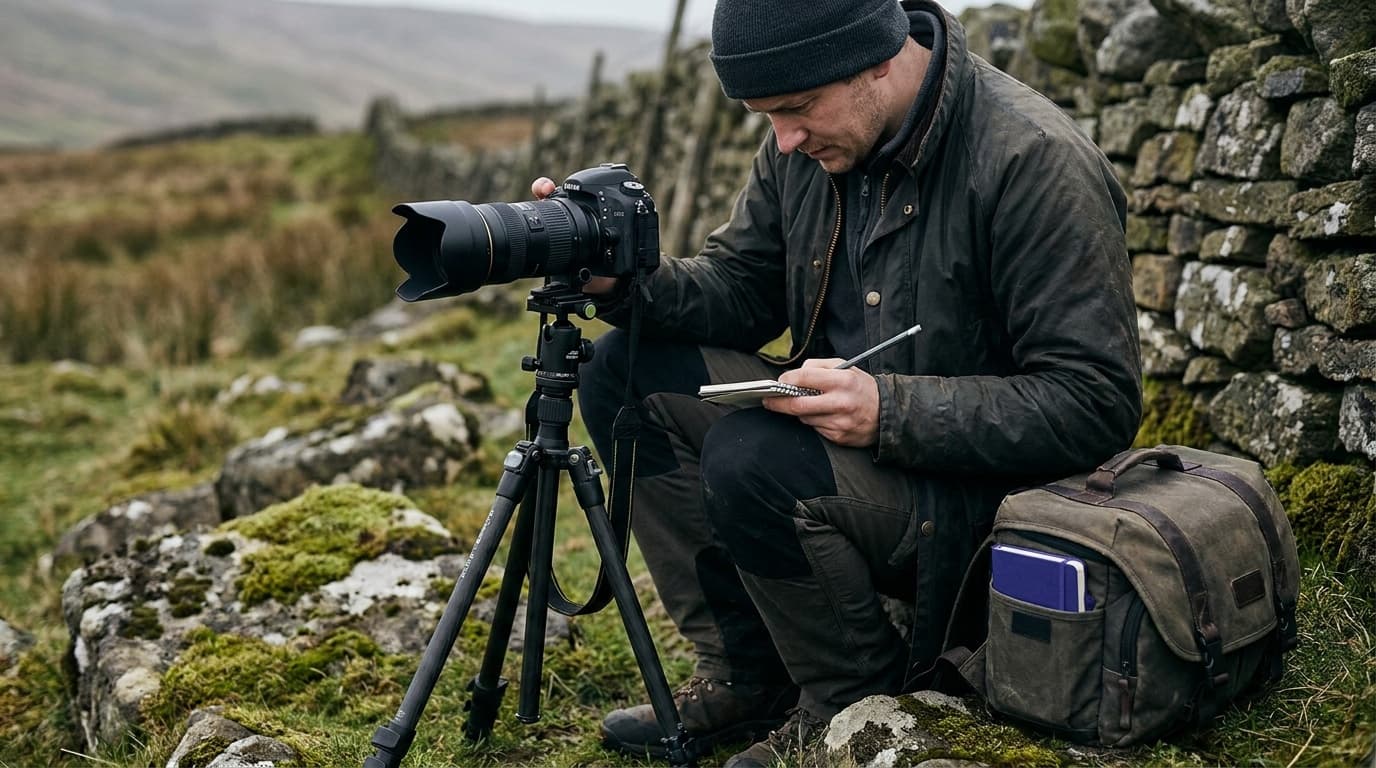
A cloudy sky is a giant softbox: even, forgiving, and unflattering if you let it go dull. Here is how to expose for it and add the contrast back.
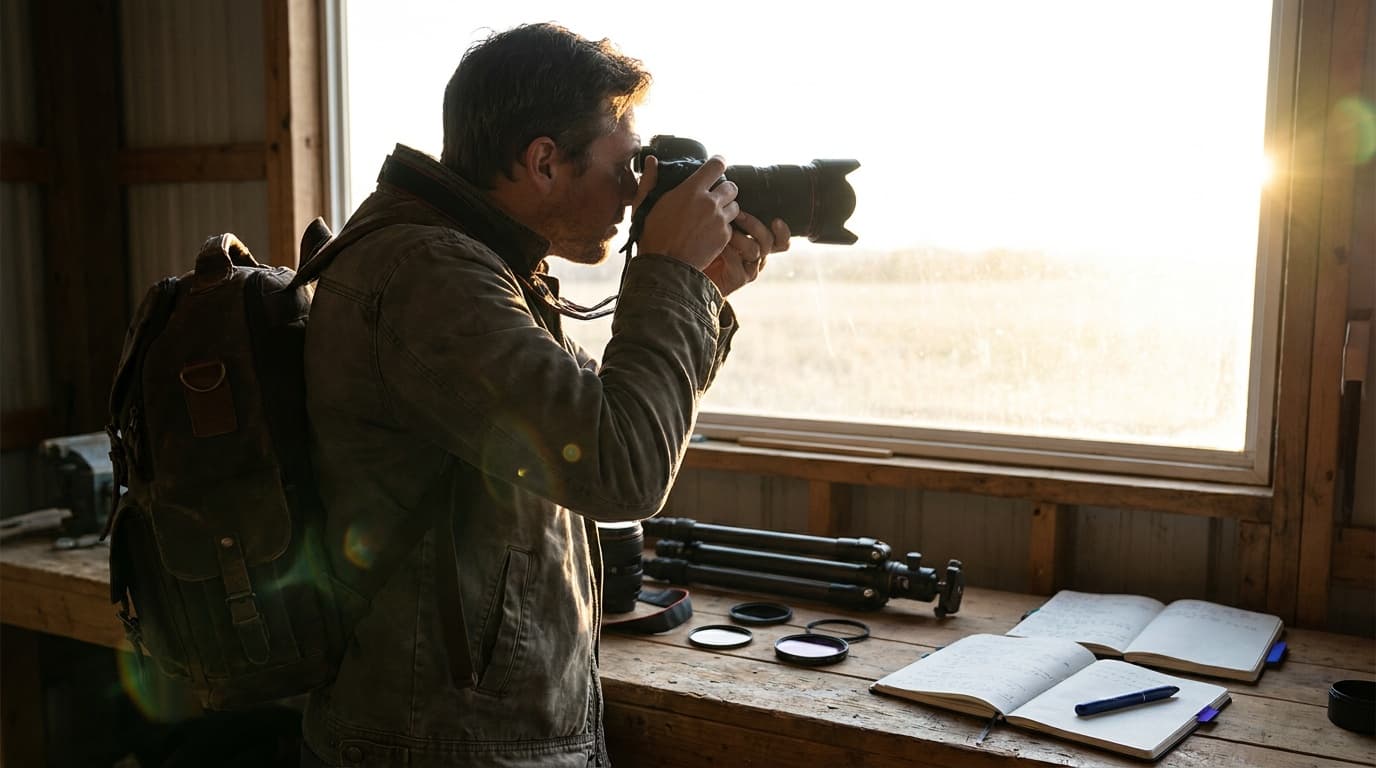
When the light is behind your subject, it either glows or goes black. Here is how to control which one you get.
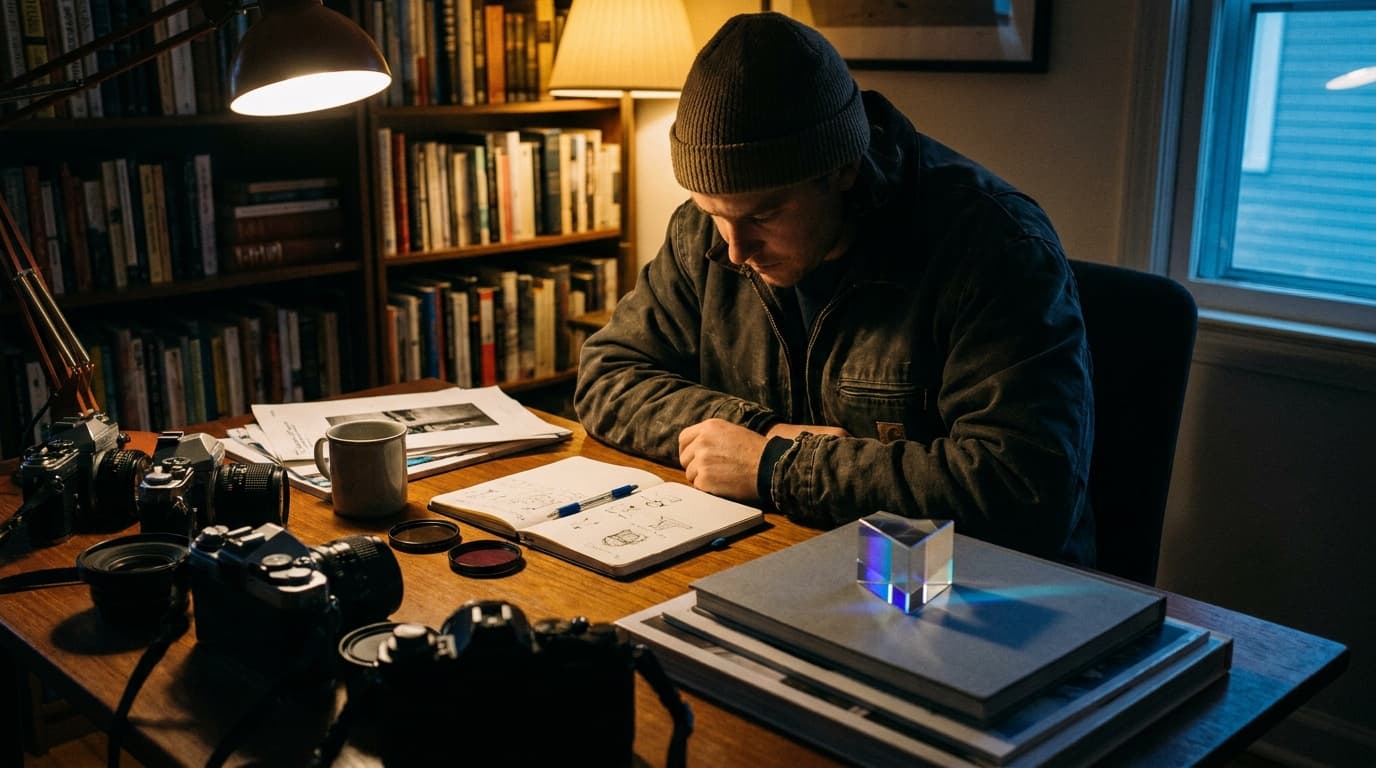
Rooms are darker than your eyes think. Here is how to trade noise against blur and get a clean, sharp shot when the light runs out.
Arrange a frame that holds the eye.
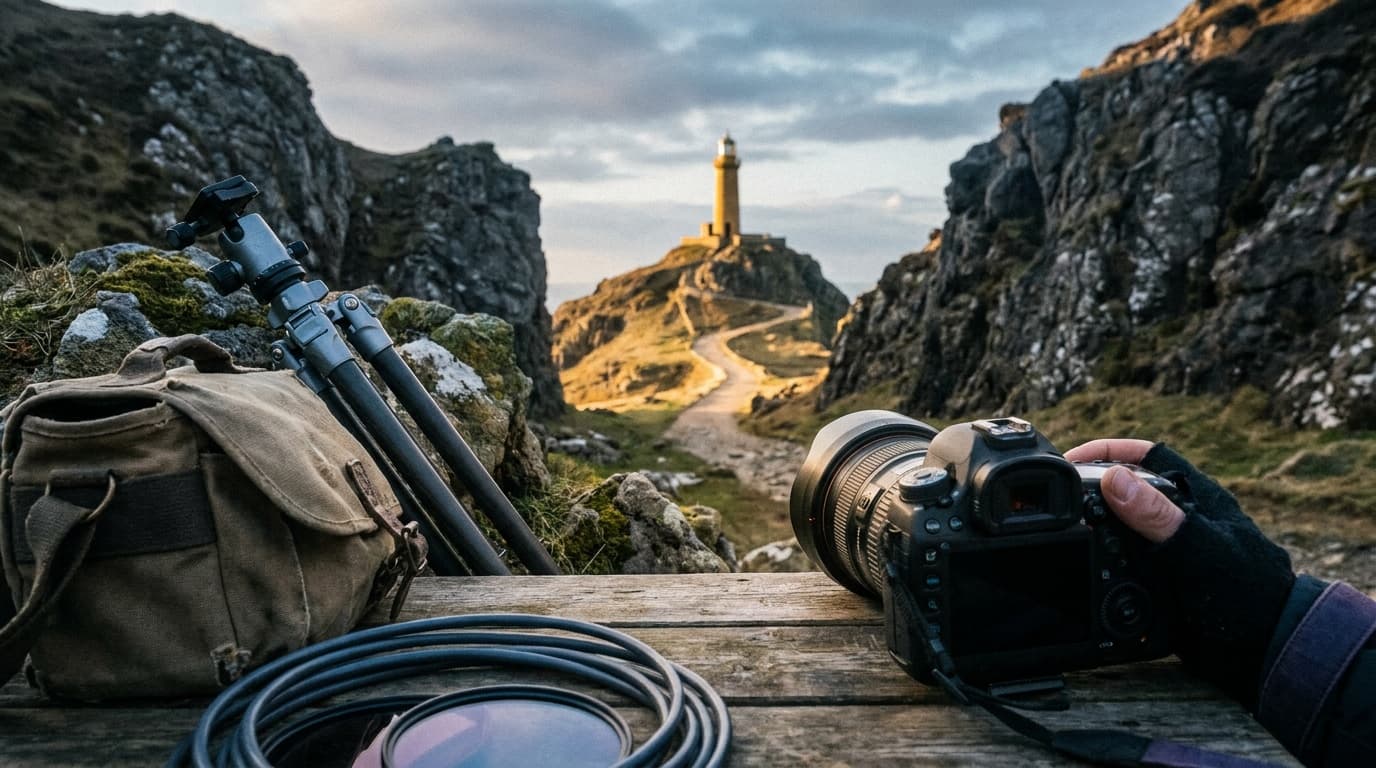
Composition is a set of repeatable habits, not innate talent. Here are five techniques that decide whether a photo is worth looking at.
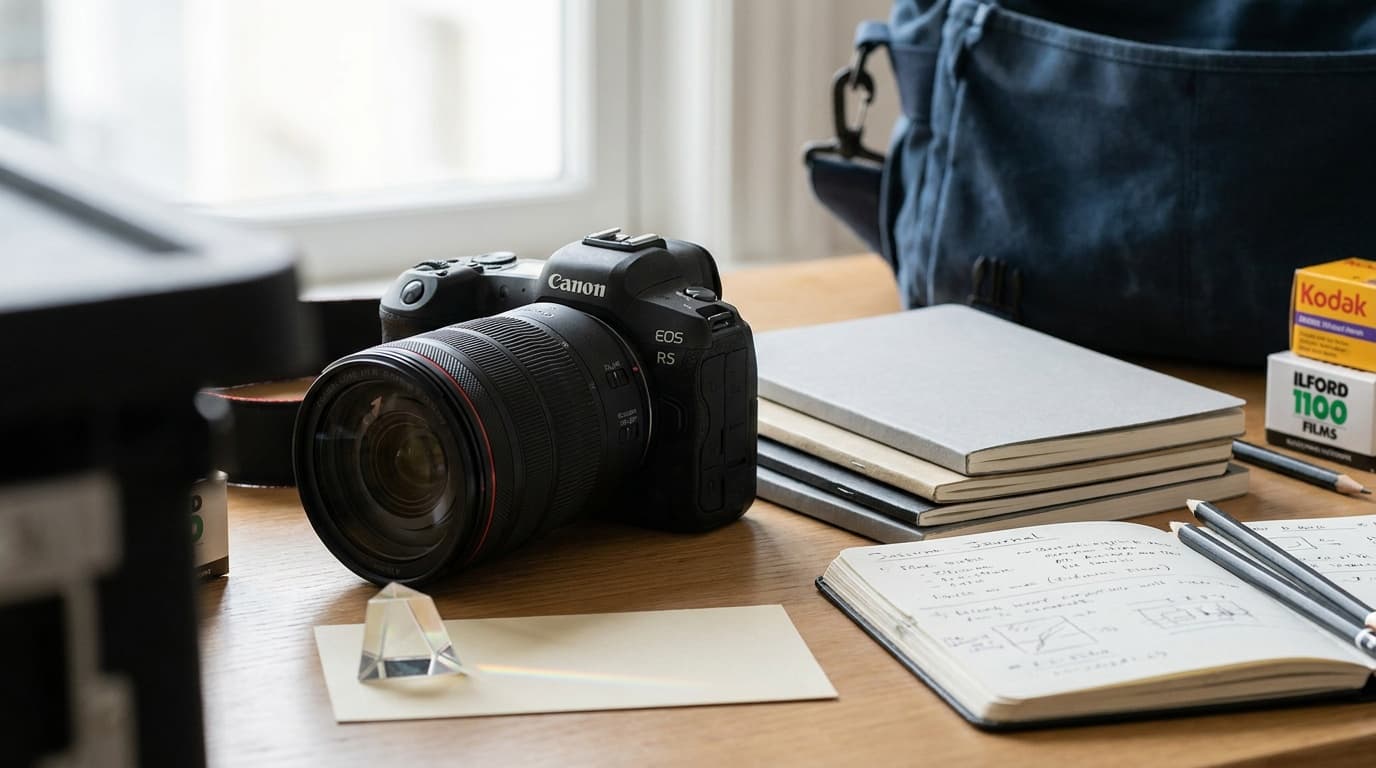
Good composition is mostly a few habits: place the subject deliberately, use lines and frames, and cut the clutter. Here are the fundamentals that lift a snapshot.
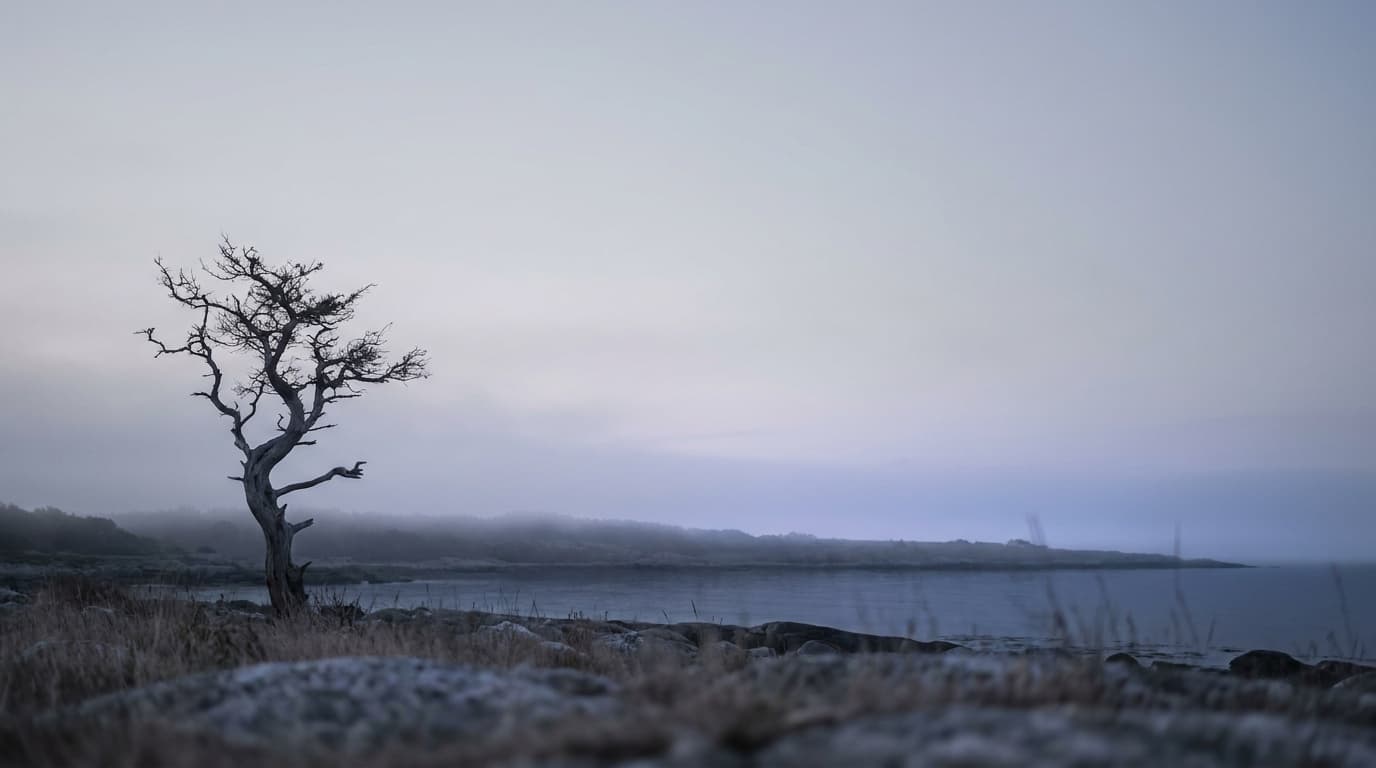
Place the subject off-center along imaginary thirds lines instead of dead center. It is the fastest upgrade from snapshots to composed photos.
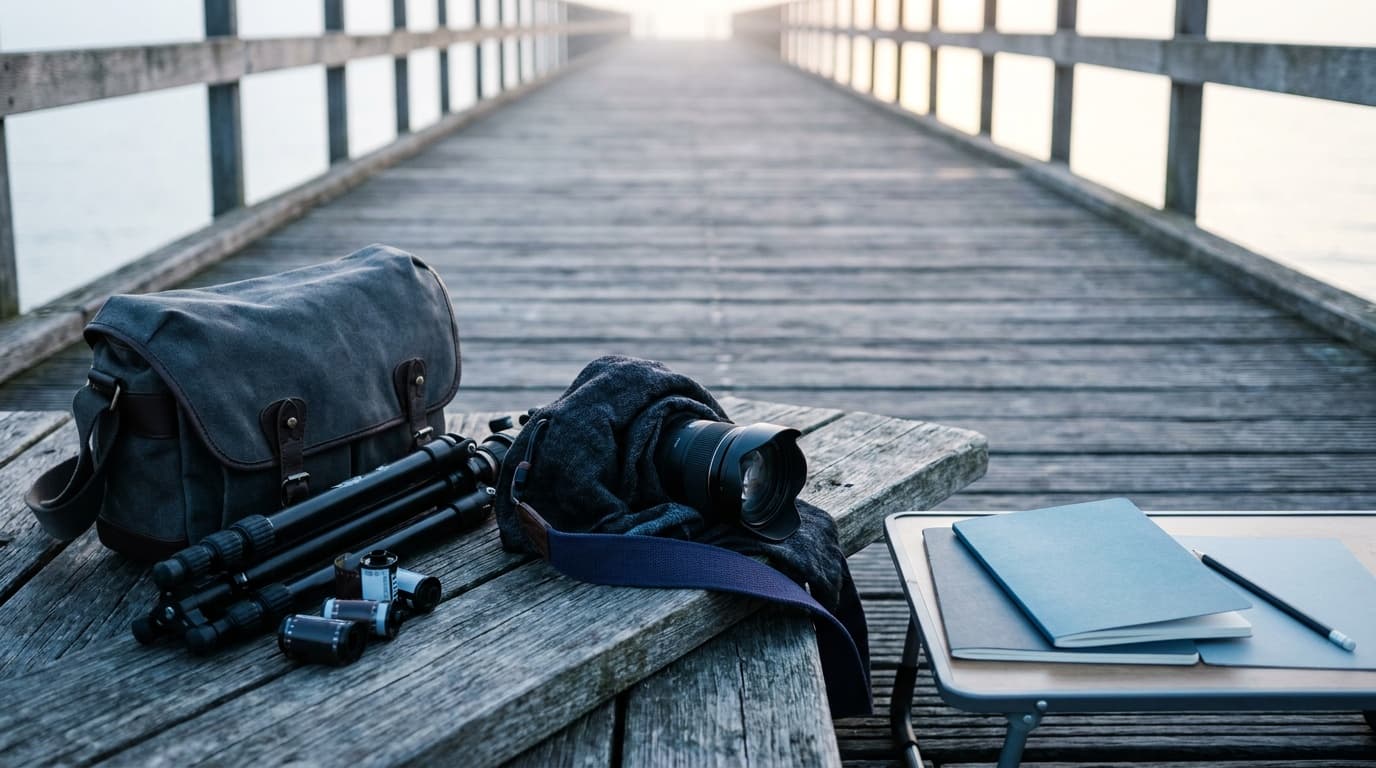
Roads, fences, shorelines, and shadows act as lines that pull the eye through a photo toward the subject. Here is how to find and use them.
Shoot through doorways and branches, and put something close to the lens, to build depth and draw the eye to your subject.
Balanced, symmetrical frames feel calm and deliberate, and repeating patterns create rhythm. Here is how to use both, and when to break them.
Empty area around a subject is not wasted space. Used on purpose, it isolates the subject and makes a frame feel calm and intentional.
Stop fearing the flash and shape your own light.
A flash is a controllable light, not a last resort. Here is how flash exposure works, how shutter and aperture each control it, and how to make it look natural.
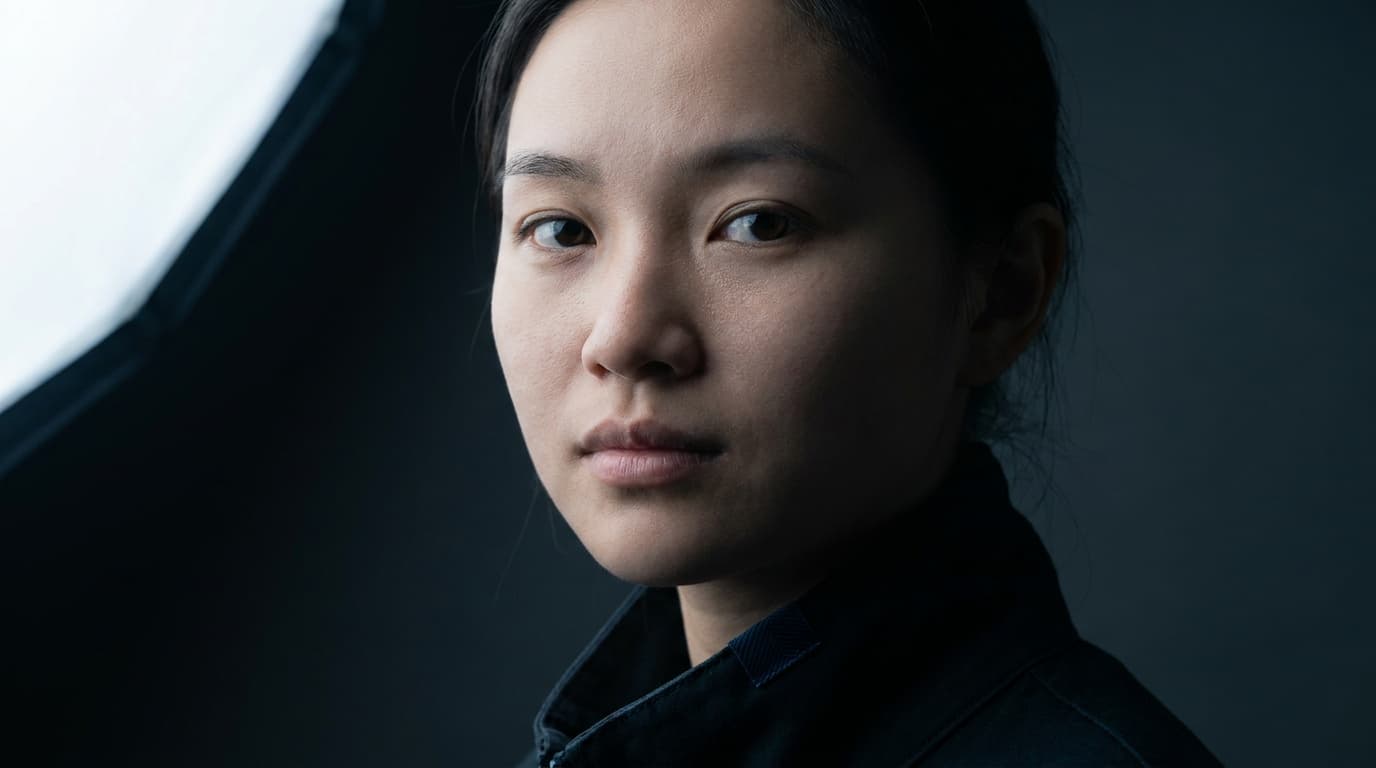
Moving the flash off the camera gives you directional light and real shadows, which is what makes portraits look three-dimensional. Here is how to start with one light.
The second half of every photo, made simple.
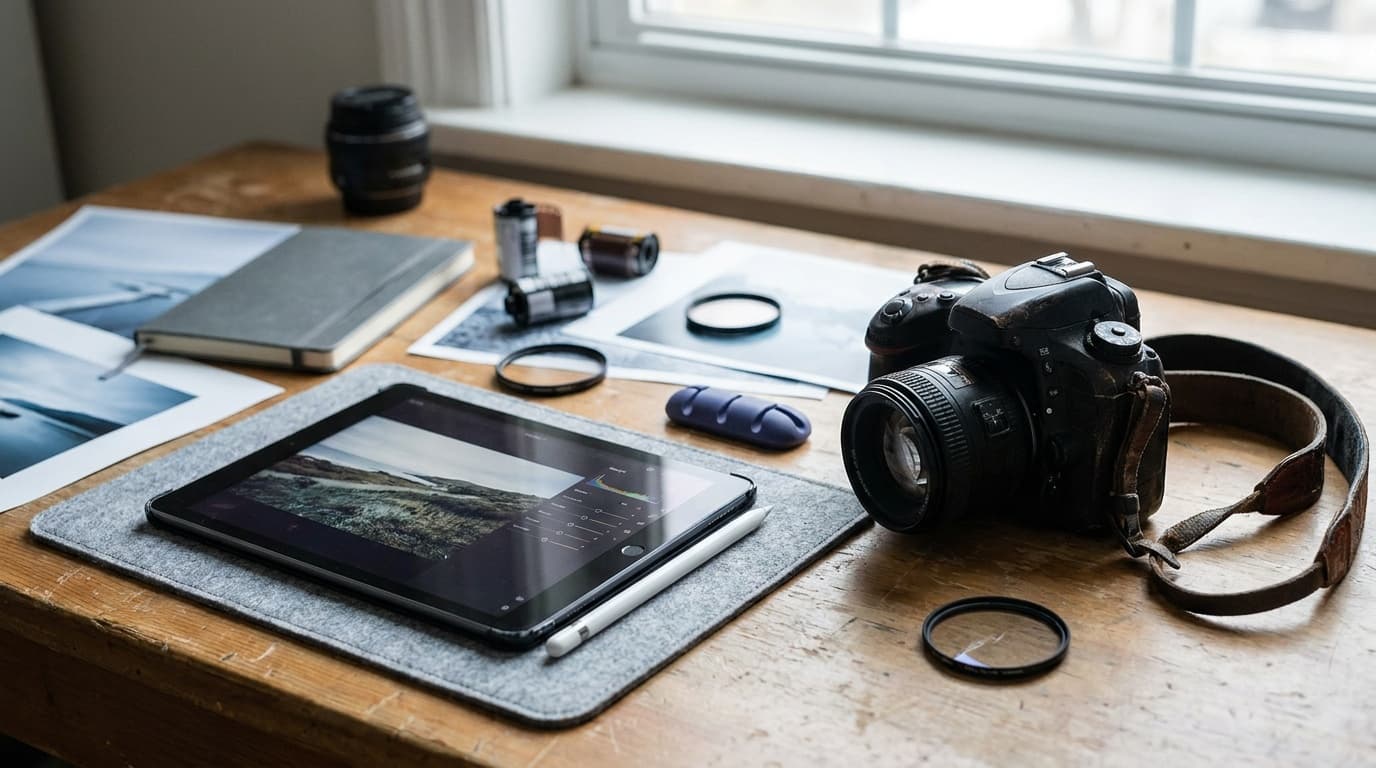
Good editing is a handful of small corrections, not heavy filters. Learn the core sliders, the order to use them, and the software worth starting with.
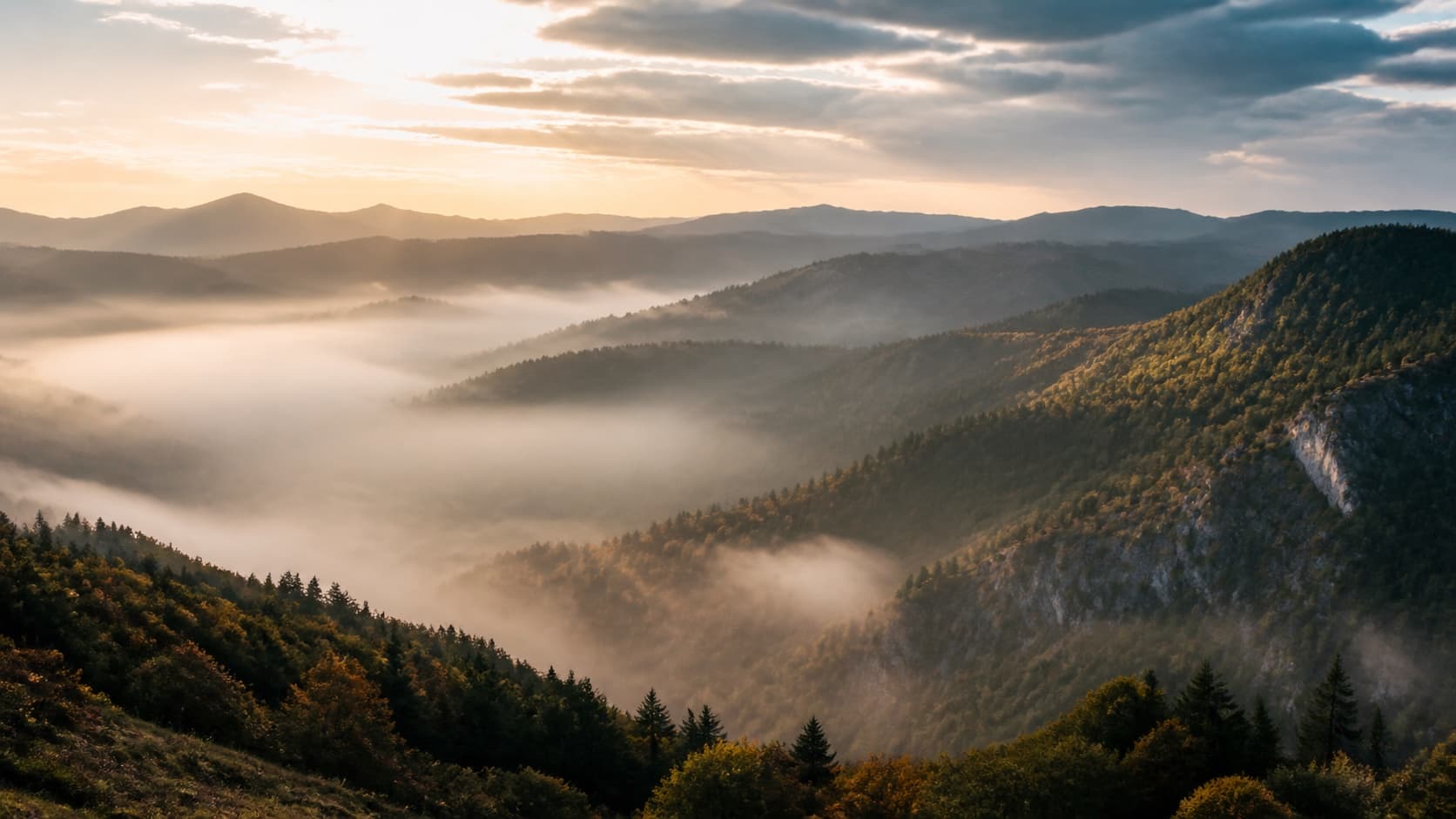
A repeatable photo-editing order, a plain RAW-versus-JPEG explanation, and sensible export settings for beginners.
RAW keeps all your sensor data for maximum editing freedom; JPEG is smaller and ready to share. Here is how they differ and when each one is the right call.
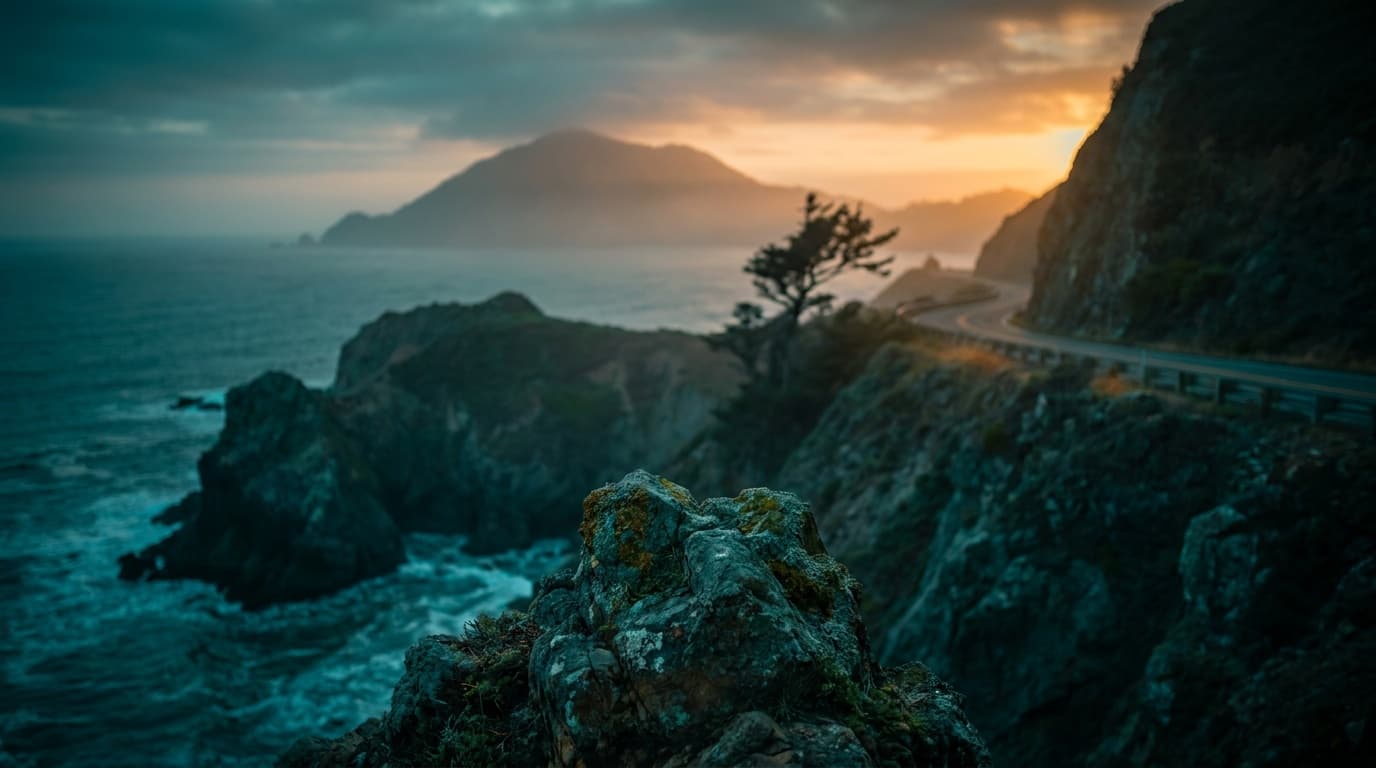
Color grading is the creative step after correction, where you shape mood and a signature look with the core tools, without overdoing it.

When a scene is too contrasty for one frame, shoot several at different exposures and blend them. Here is how HDR works without the cartoonish look.
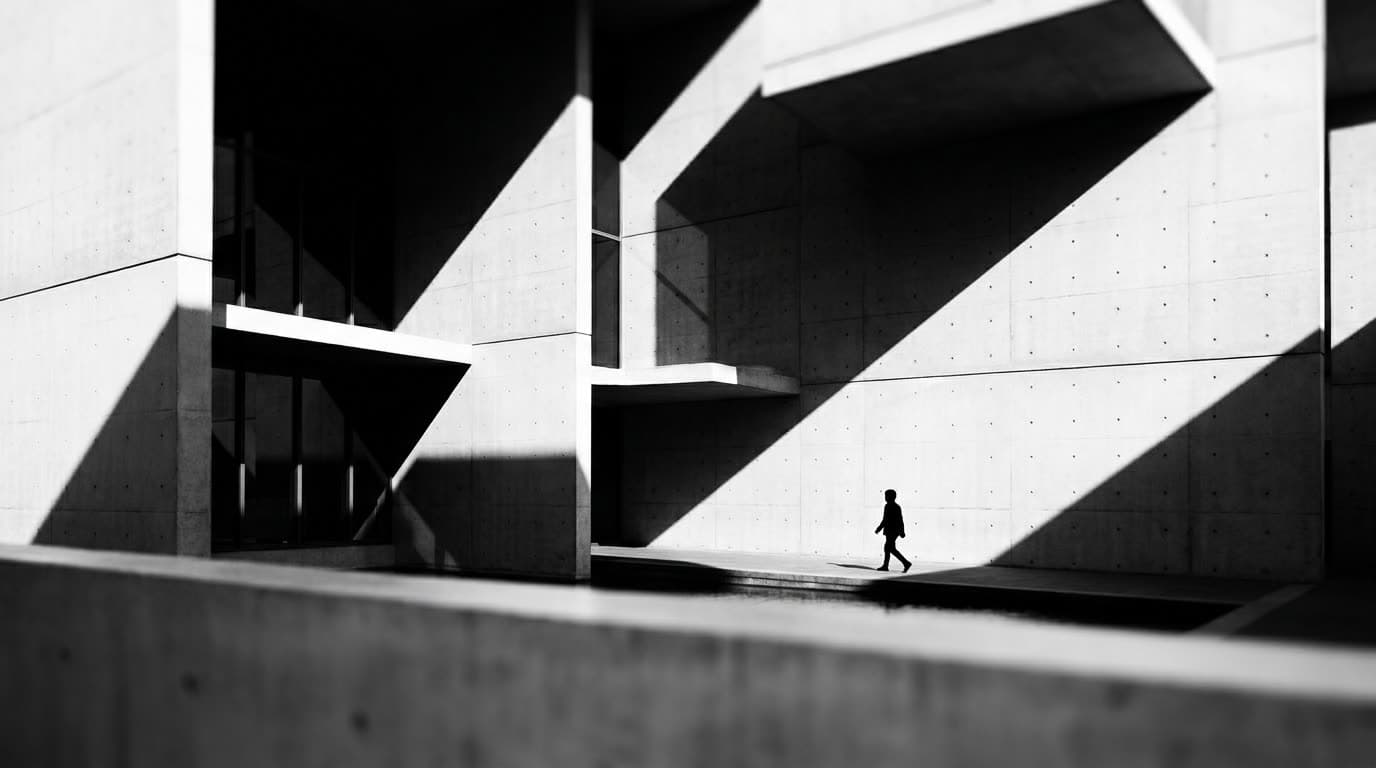
Black and white photography is about light, contrast, and shape rather than color. Here is how to shoot for mono and convert raw files cleanly.
Long exposure, motion, macro, and shooting after dark.
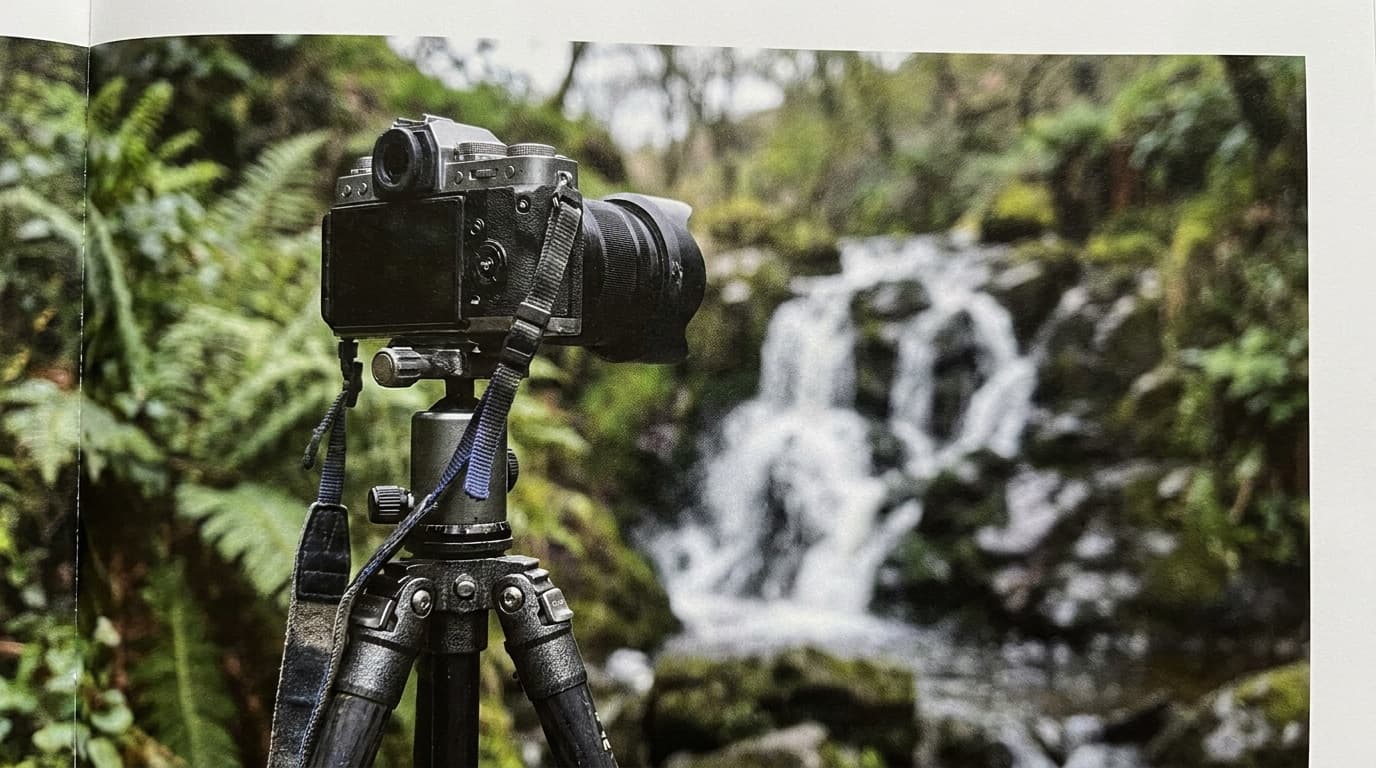
Long exposure turns moving things into smooth blur while everything still stays sharp. Here are the settings, the gear, and the technique that make it work.
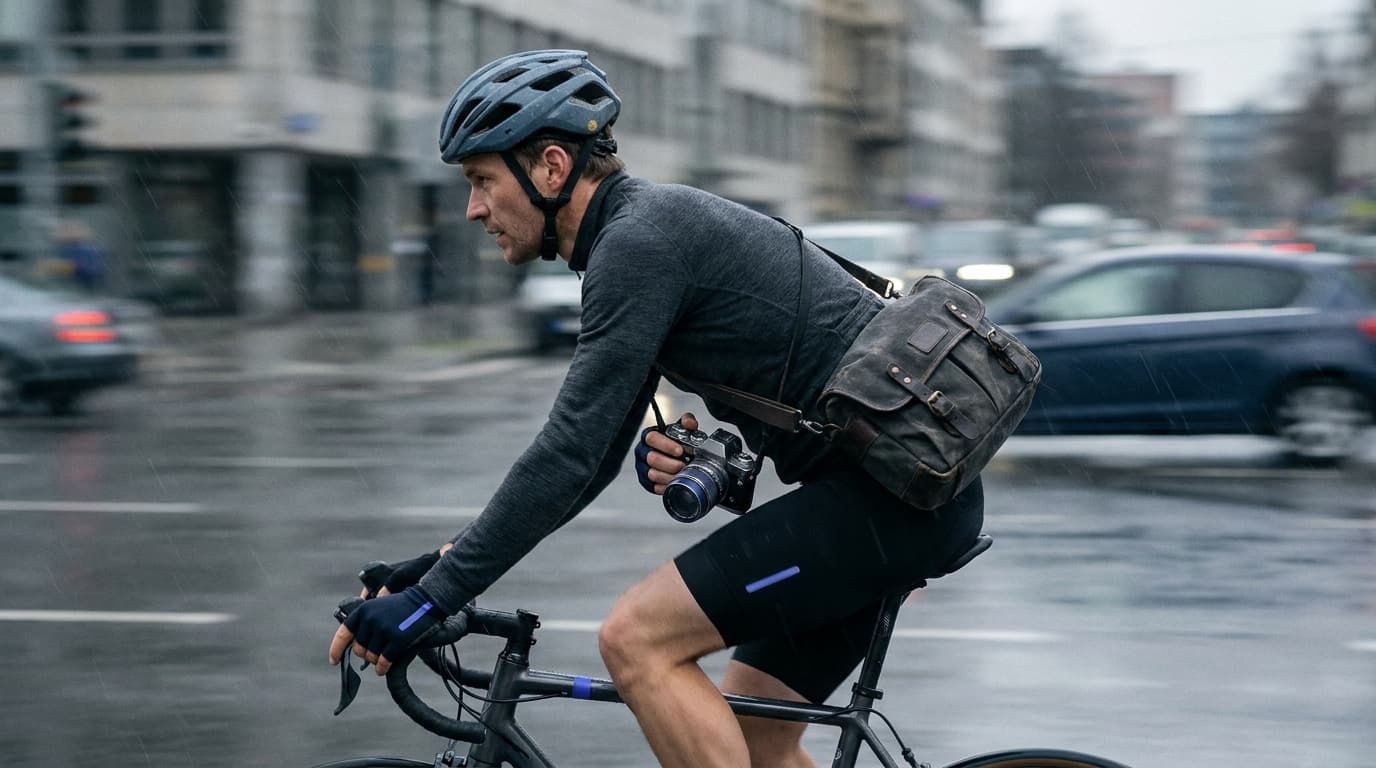
Panning tracks a moving subject at a slow shutter to blur the background and convey speed. Here are the settings, the motion, and the practice that nail it.
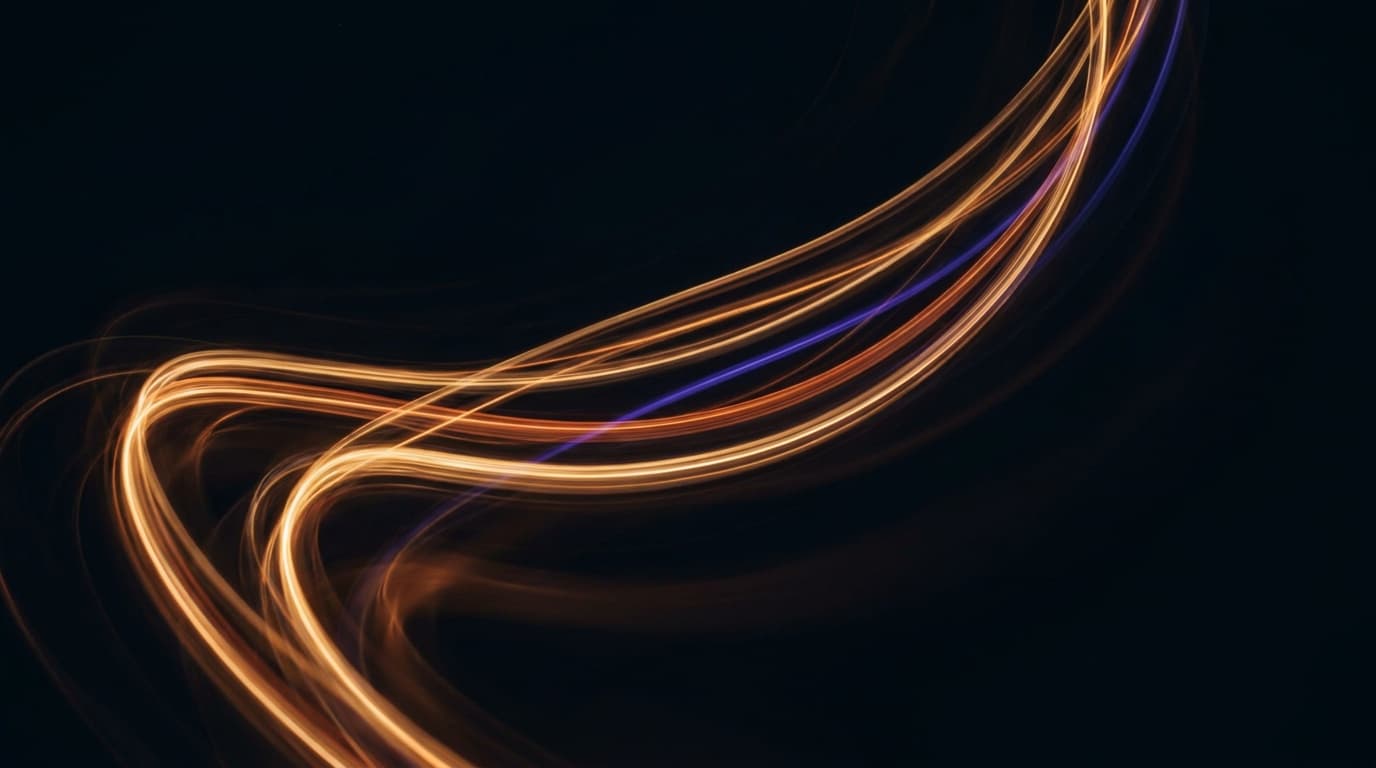
In a dark scene you open the shutter for seconds and move a light around to paint into the frame. Here are the settings and the technique to start light painting.
Shoot one frame every few seconds for hours, then play them back as video. Here are the settings, the interval math, and the tricky day-to-night transition.
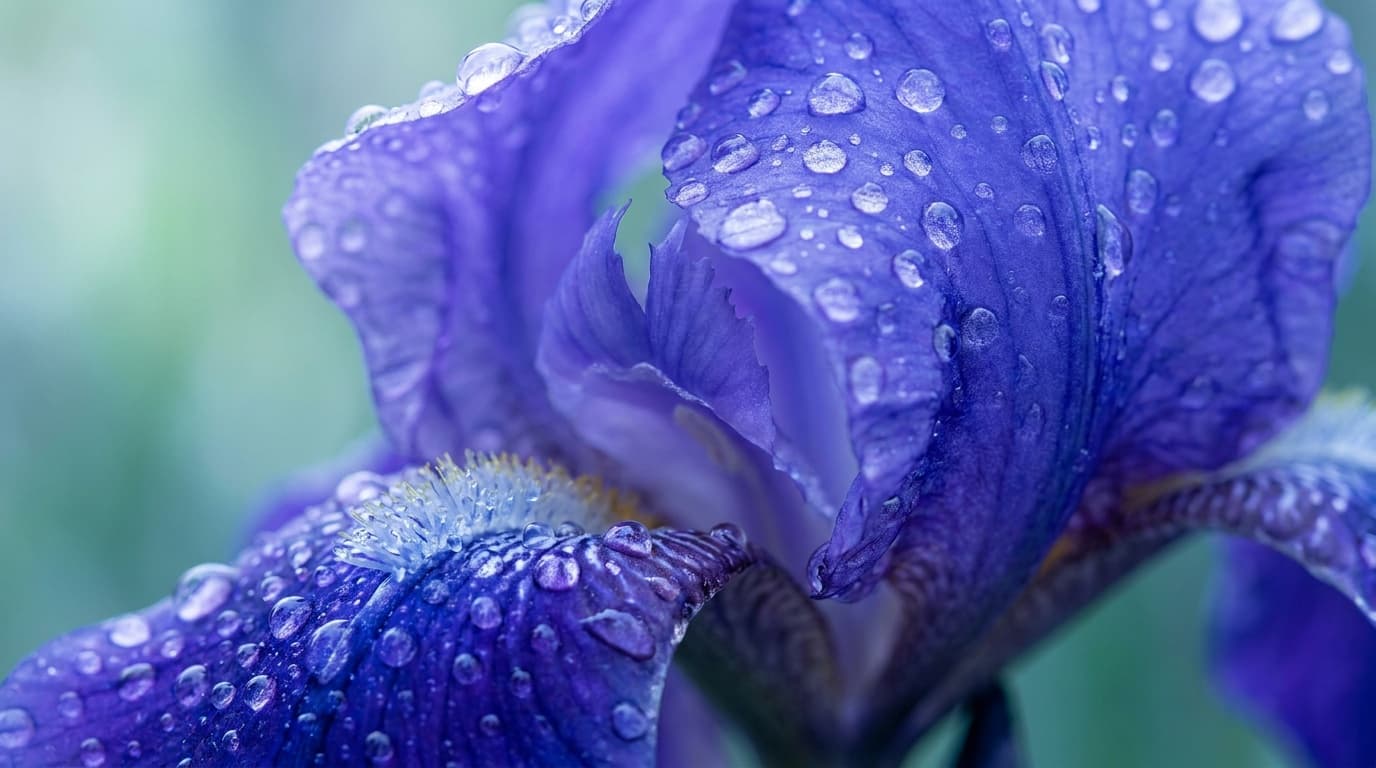
Macro photography reveals tiny subjects at life size, where depth of field is razor thin. Here are the settings, gear, and focus-stacking method that get a sharp result.
After dark there is almost no light to work with, so the rules change. Here is how to expose a night scene without a muddy, noisy mess.
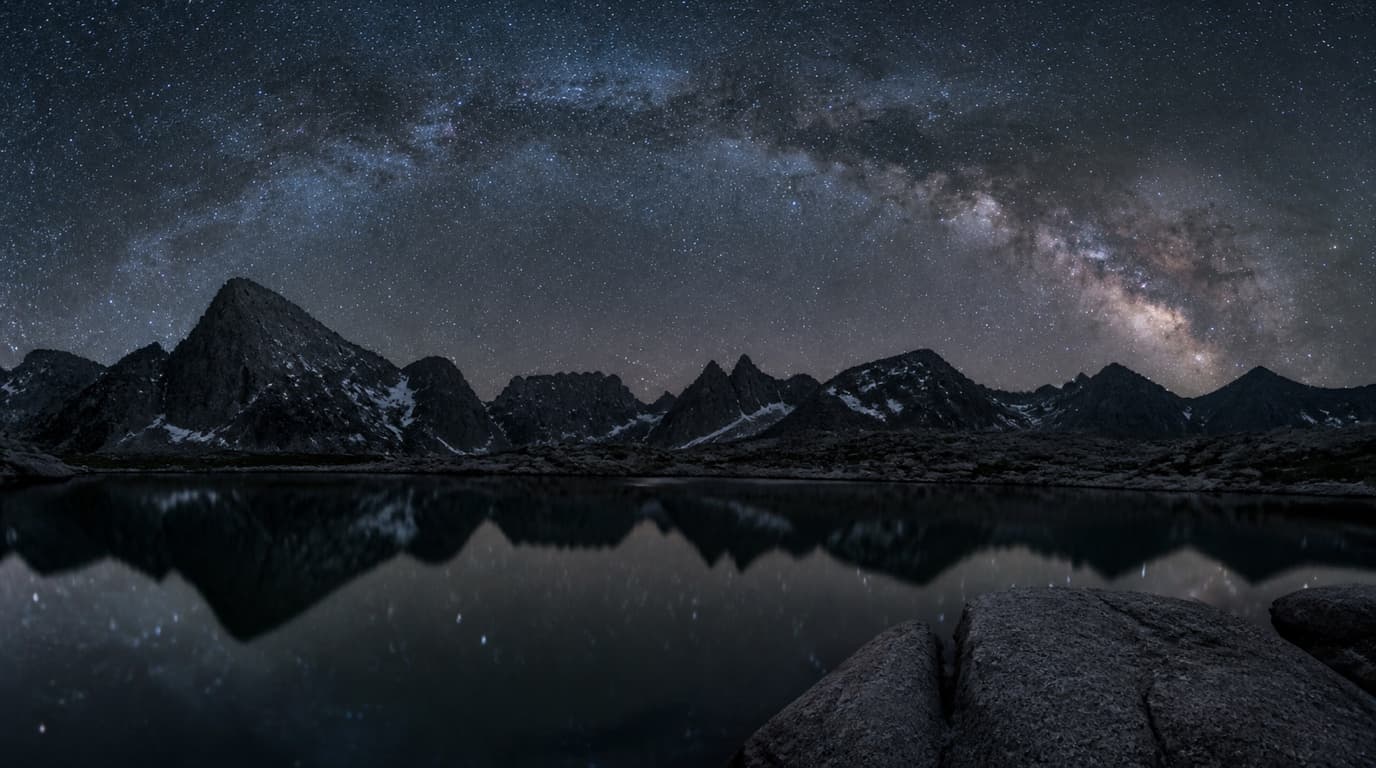
Sharp stars come down to a wide lens, a fast aperture, the right shutter, and nailing focus in the dark. Here is the practical method.
A plain-English guide to H.264, H.265, ProRes, RAW, D-Log M, F-Log2, bit depth, chroma subsampling, and what to choose in camera.
Shoot through rain, snow, fog, and wind, and keep your kit alive.
Snow fools your meter, rain kills contrast, fog flattens depth, wind ruins sharpness. Here is how to read the weather and set your camera for each one.
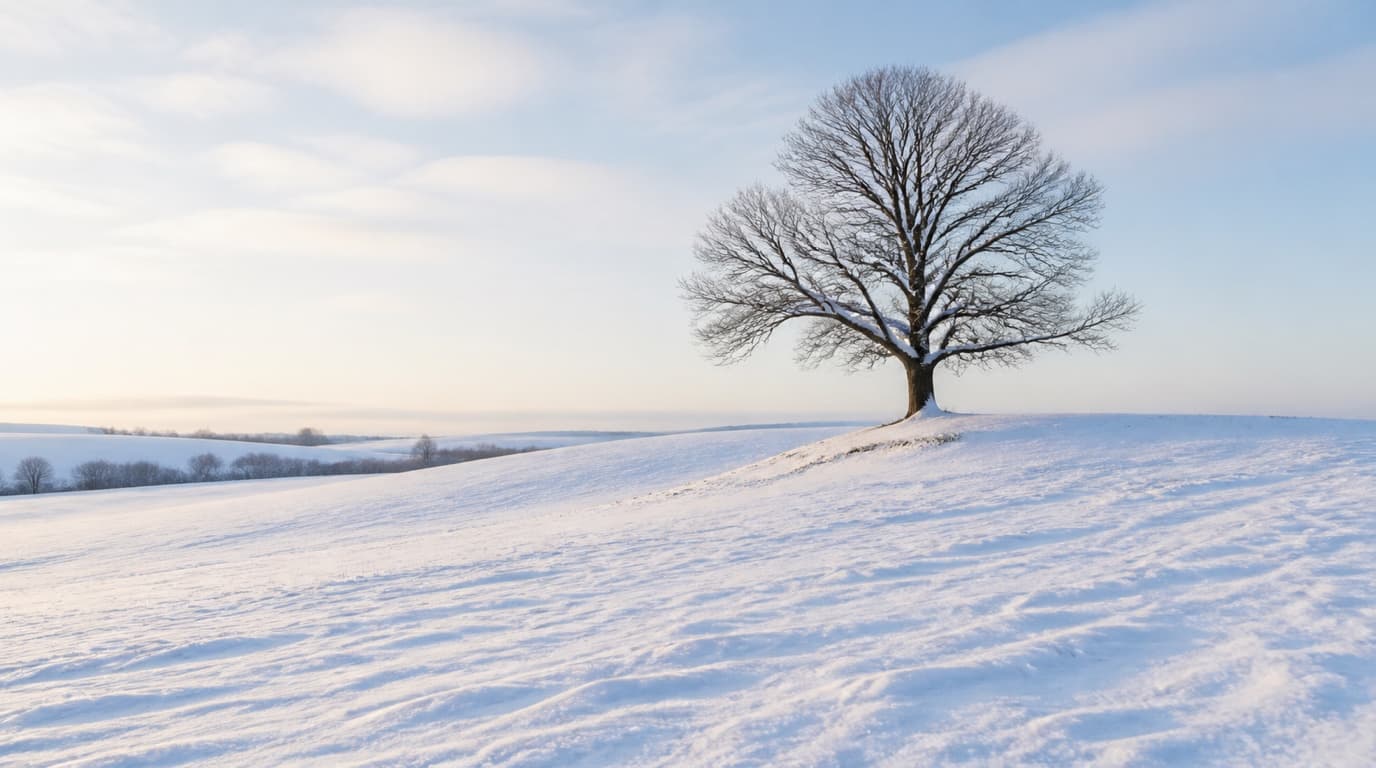
Snow fools your meter into gray, underexposed photos. Here are the settings and the exposure compensation that keep snow bright, clean, and the right color.
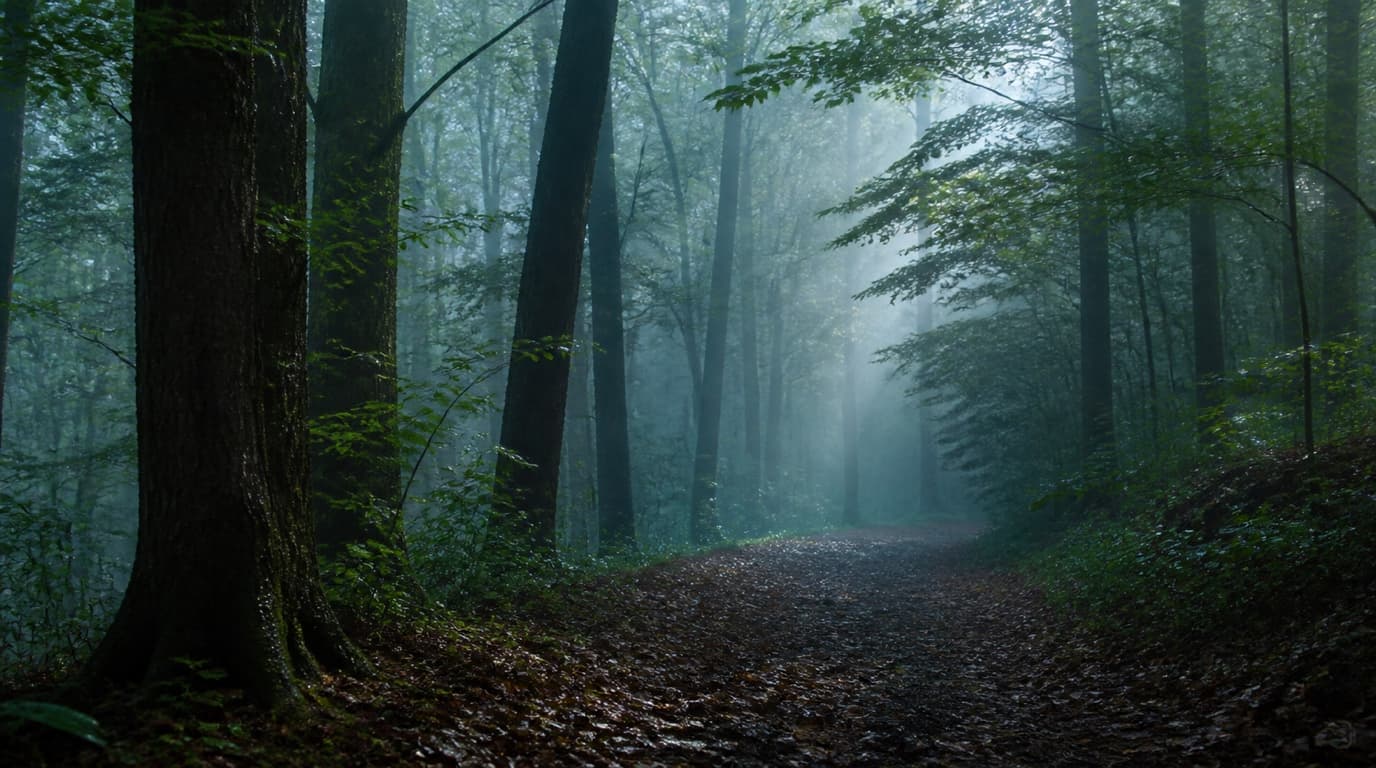
Fog flattens contrast and depth and fools your meter into gray. Here are the settings and the focusing technique for clean, moody fog and mist photos.
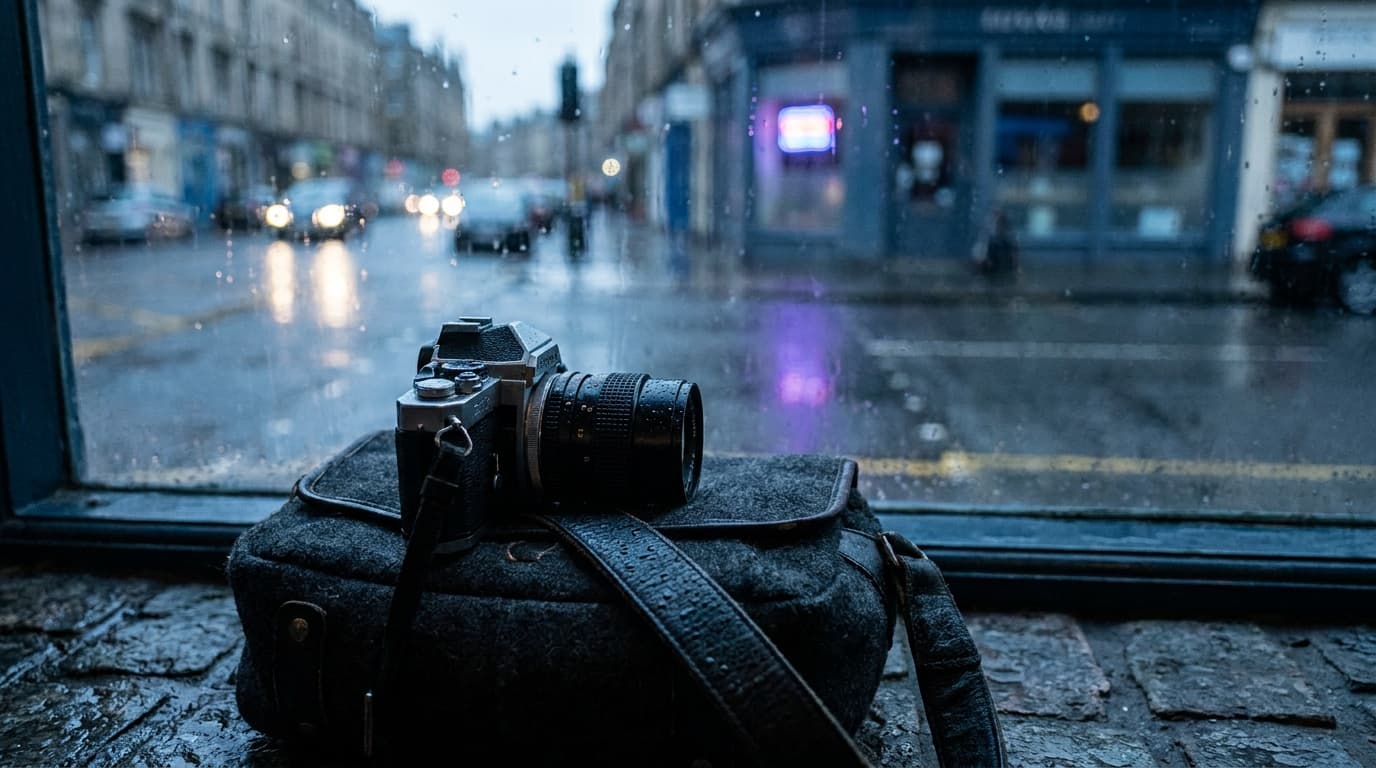
Rain saturates color, drops contrast, and gives you reflections and mood. Here are the settings for sharp drops or soft streaks, and how to shoot without ruining your camera.
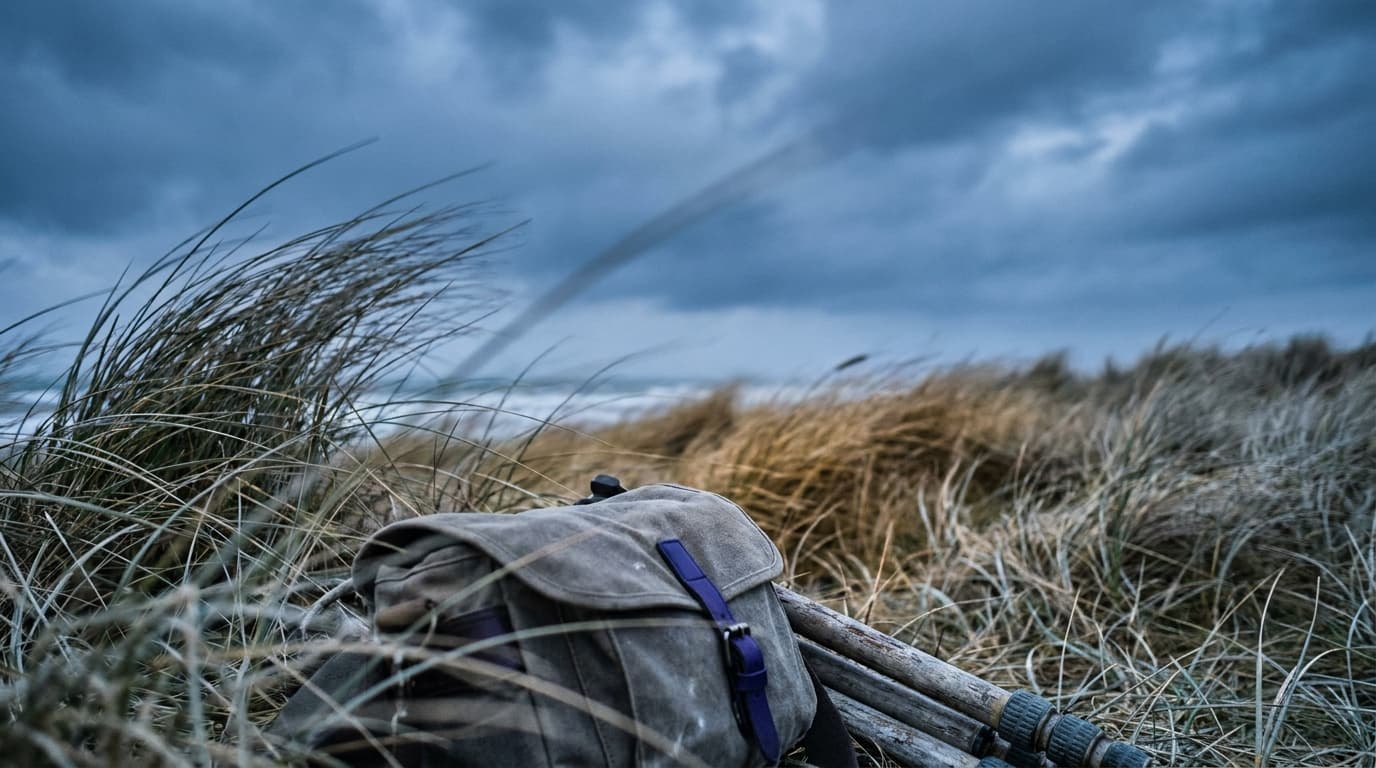
Wind blurs grass, branches, water, and shakes your tripod. Here are the shutter speeds and the setup that keep photos sharp, plus how to use the motion on purpose.
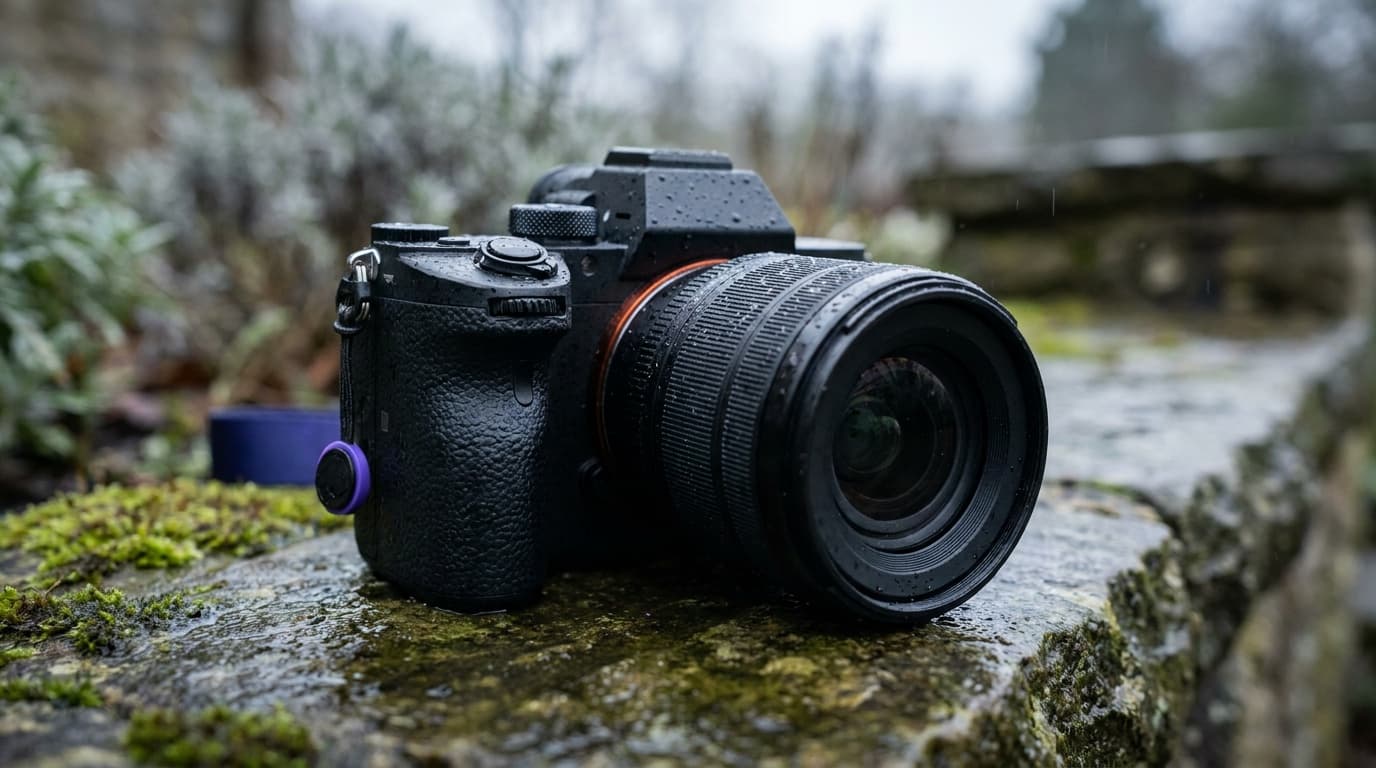
Water, condensation, blowing sand, and cold all kill cameras in predictable ways. Here is the cheap, simple routine that keeps your gear alive in any conditions.
Step-by-step settings for specific shots.
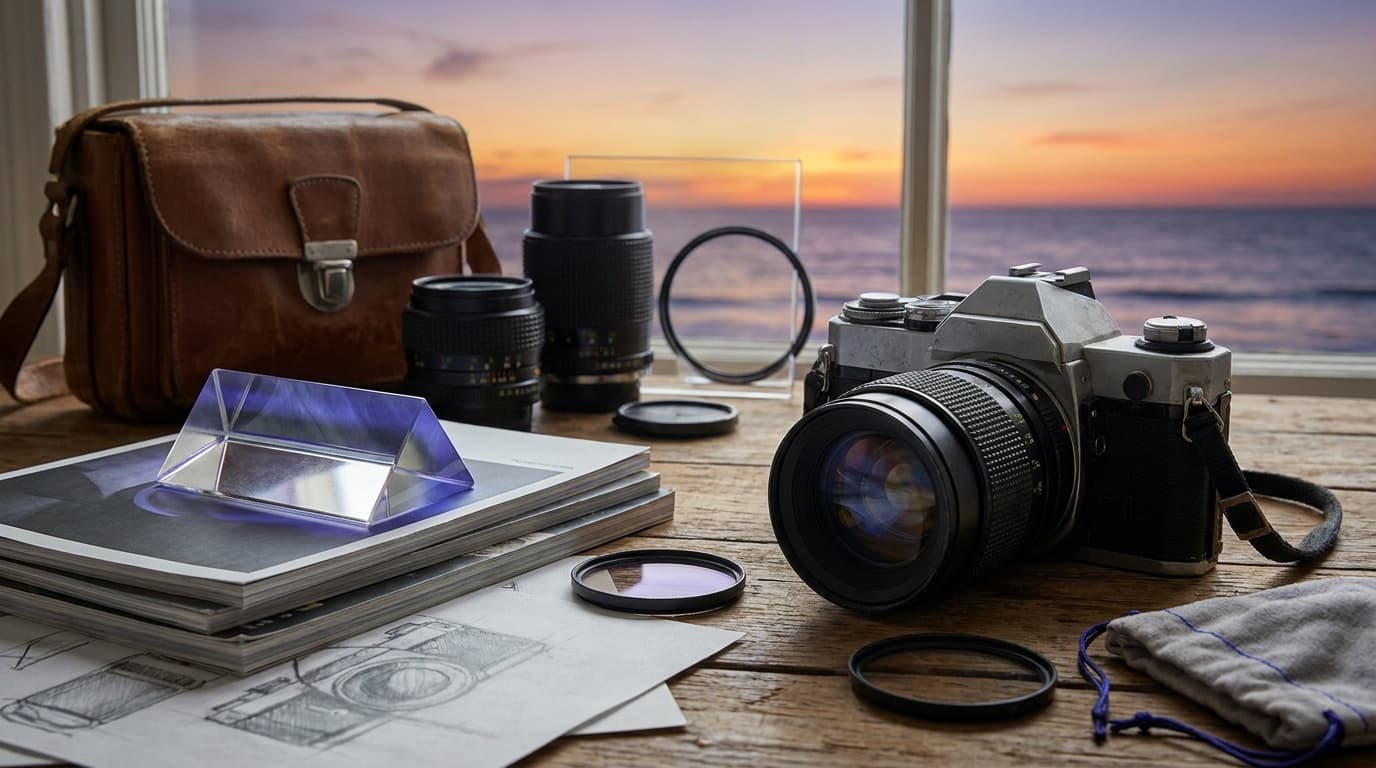
Sunsets fool the meter because the sky and land sit stops apart. Here are the settings, the bracketing trick, and the timing that hold color and detail in both.
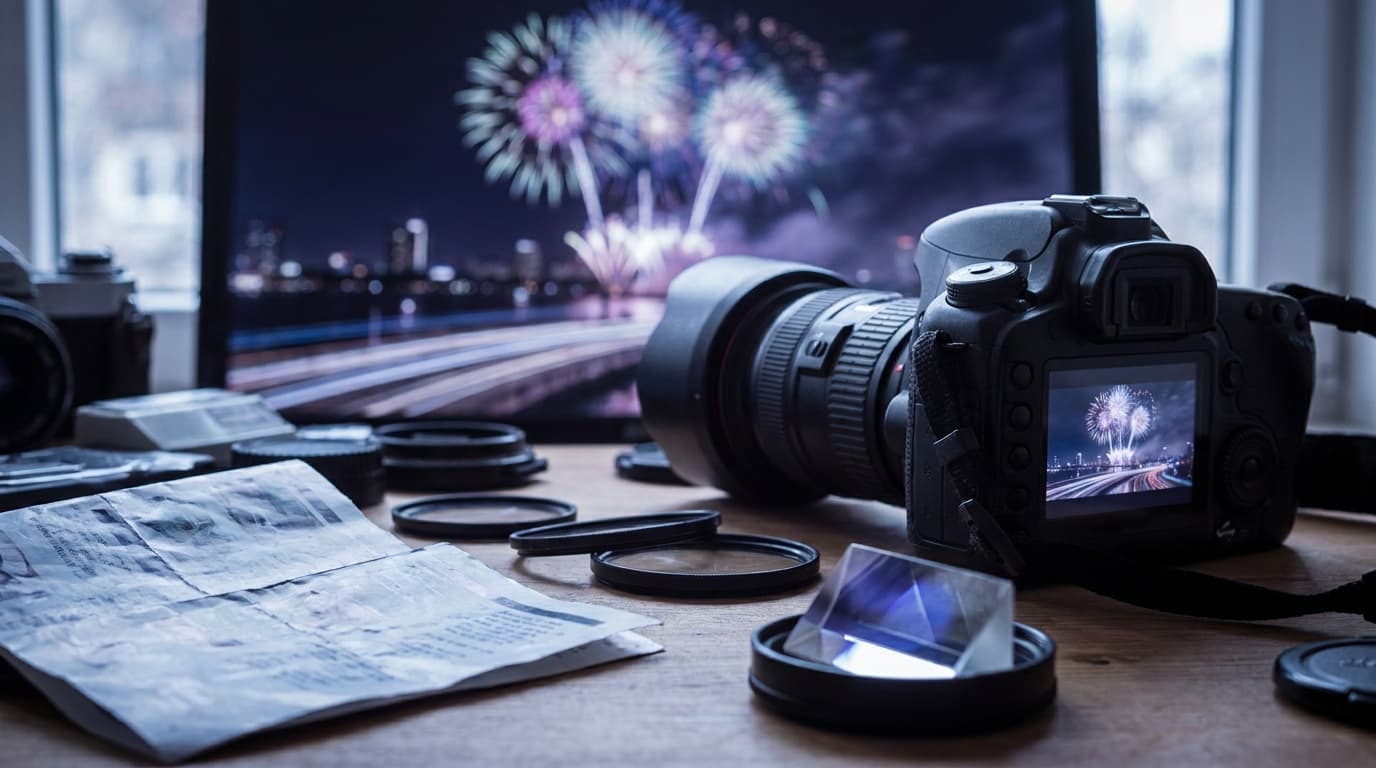
Fireworks need a tripod, a long shutter, and a low ISO. Here are the exposure settings and the timing that capture bright trails without blowing out the bursts.
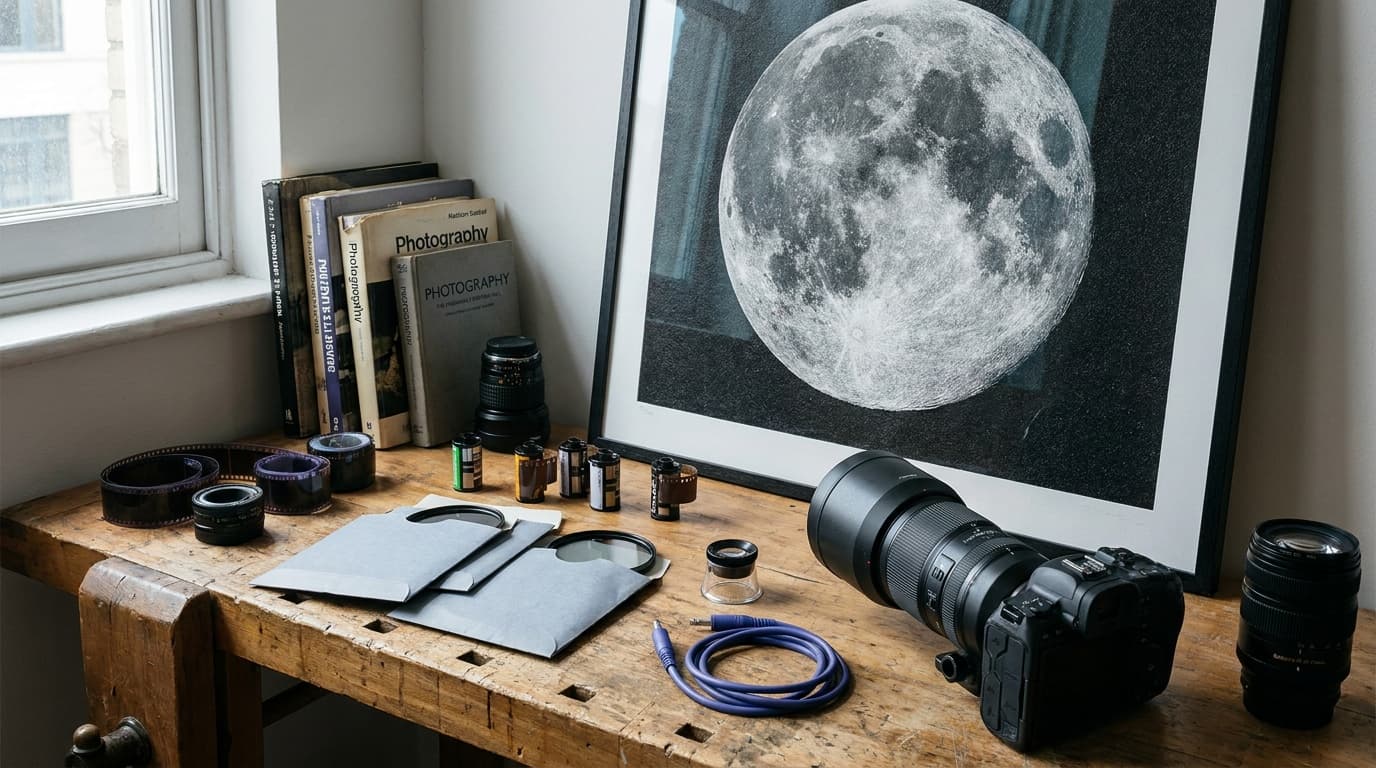
The moon is bright and far away, so it needs daylight settings and a long lens. Here are the exposure numbers and the technique that get craters sharp.
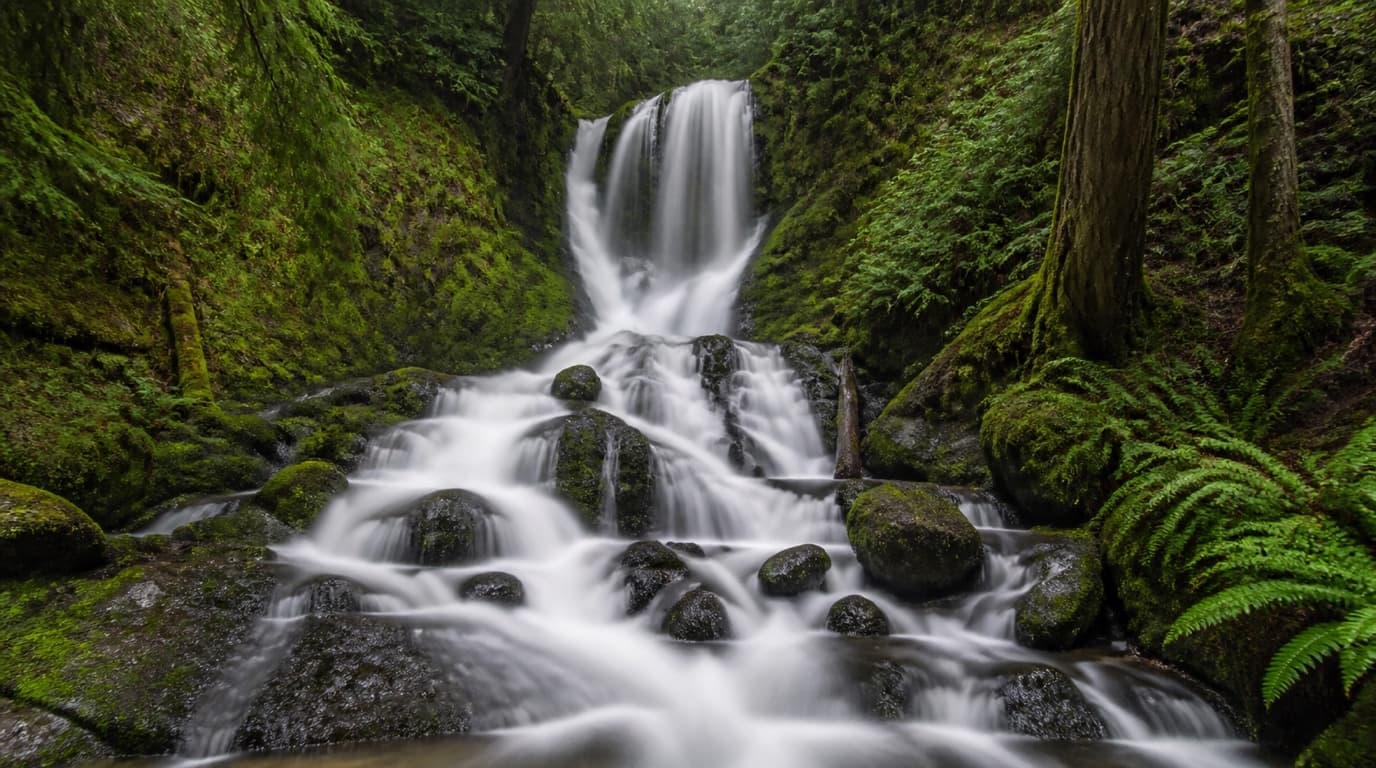
That smooth, flowing-water look comes from a slow shutter, a tripod, and an ND filter. Here are the exposure settings and the technique that make it work.
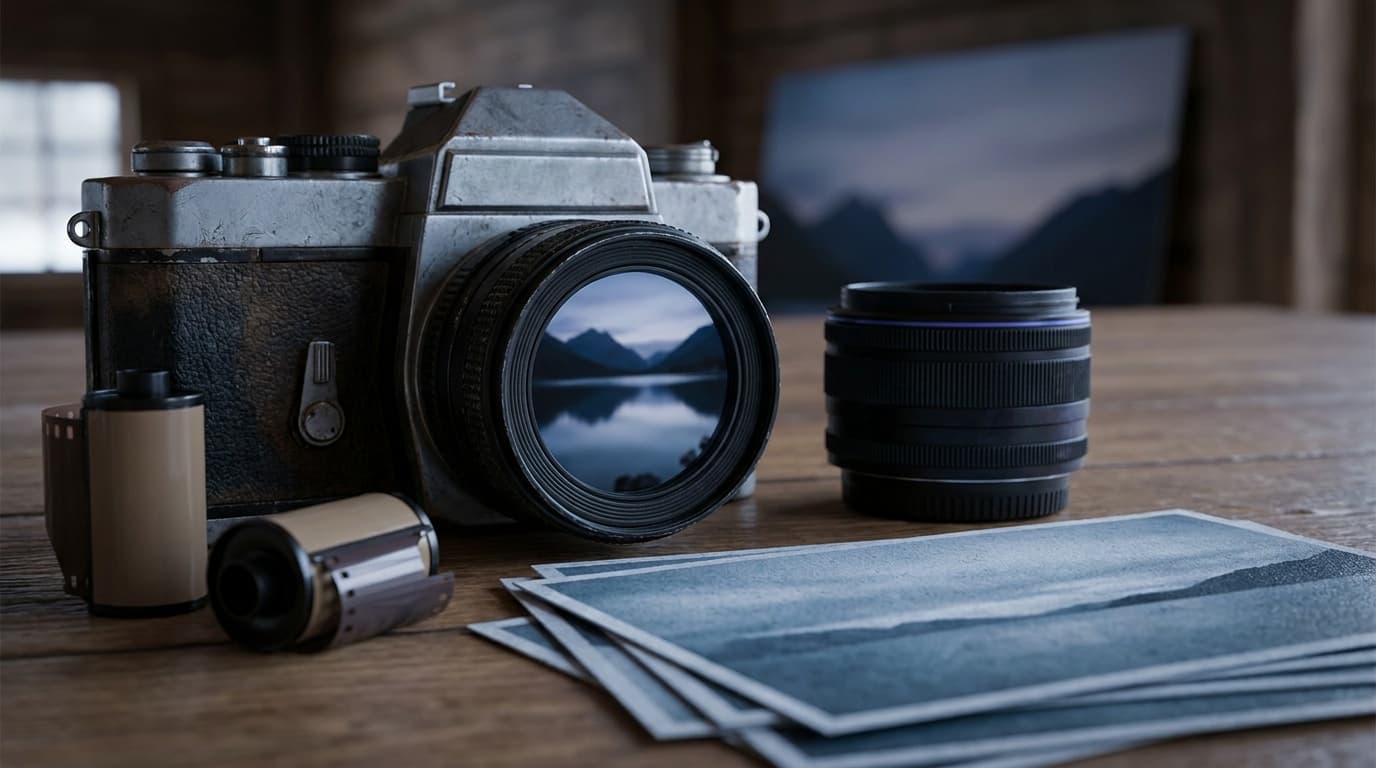
Reflections add symmetry and depth, but they need the right angle and exposure. Here is how to shoot water, glass, and mirror reflections cleanly.
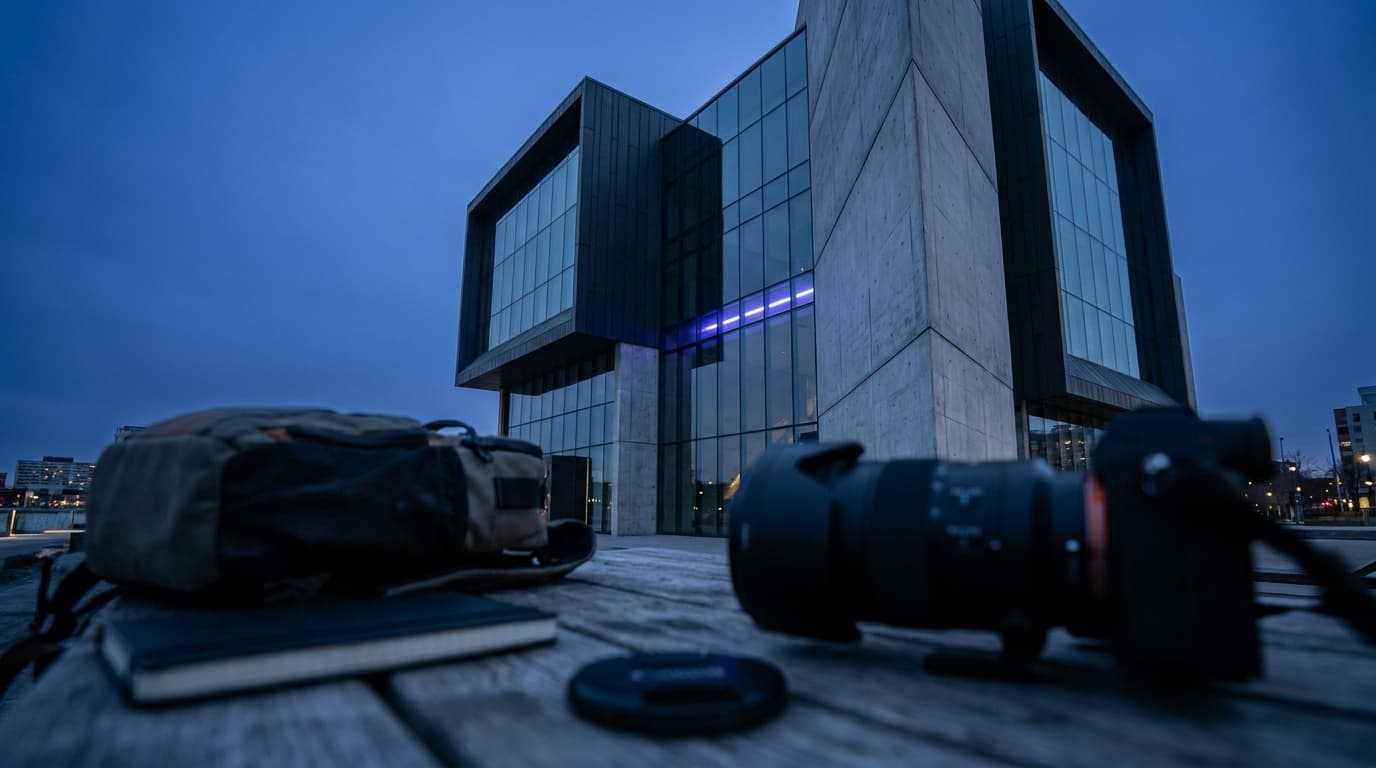
Architecture rewards straight verticals and even light. Here are the settings, the lens choices, and the corrections that keep buildings from leaning.
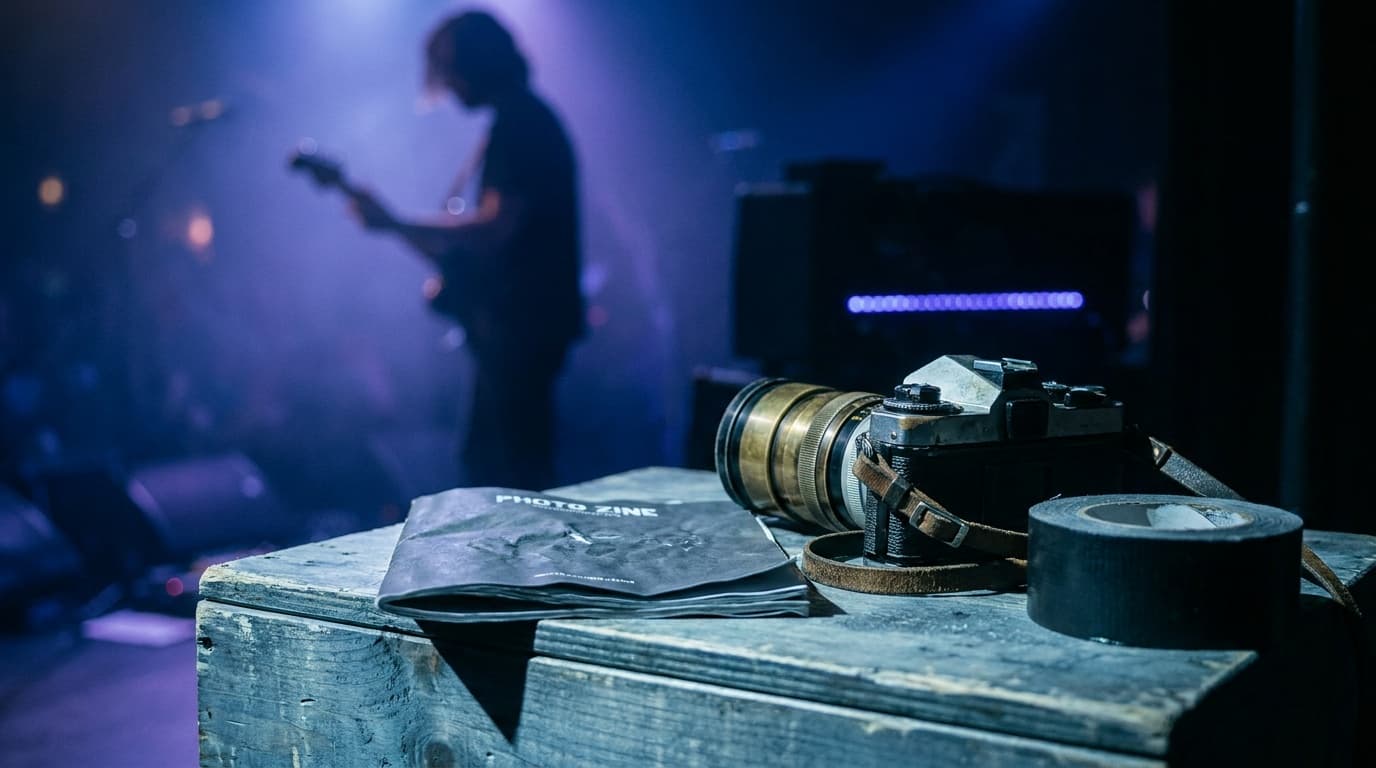
Concert photography is a low-light, fast-moving problem with no flash allowed. Here are the settings, the lens, and the timing that get a sharp frame.
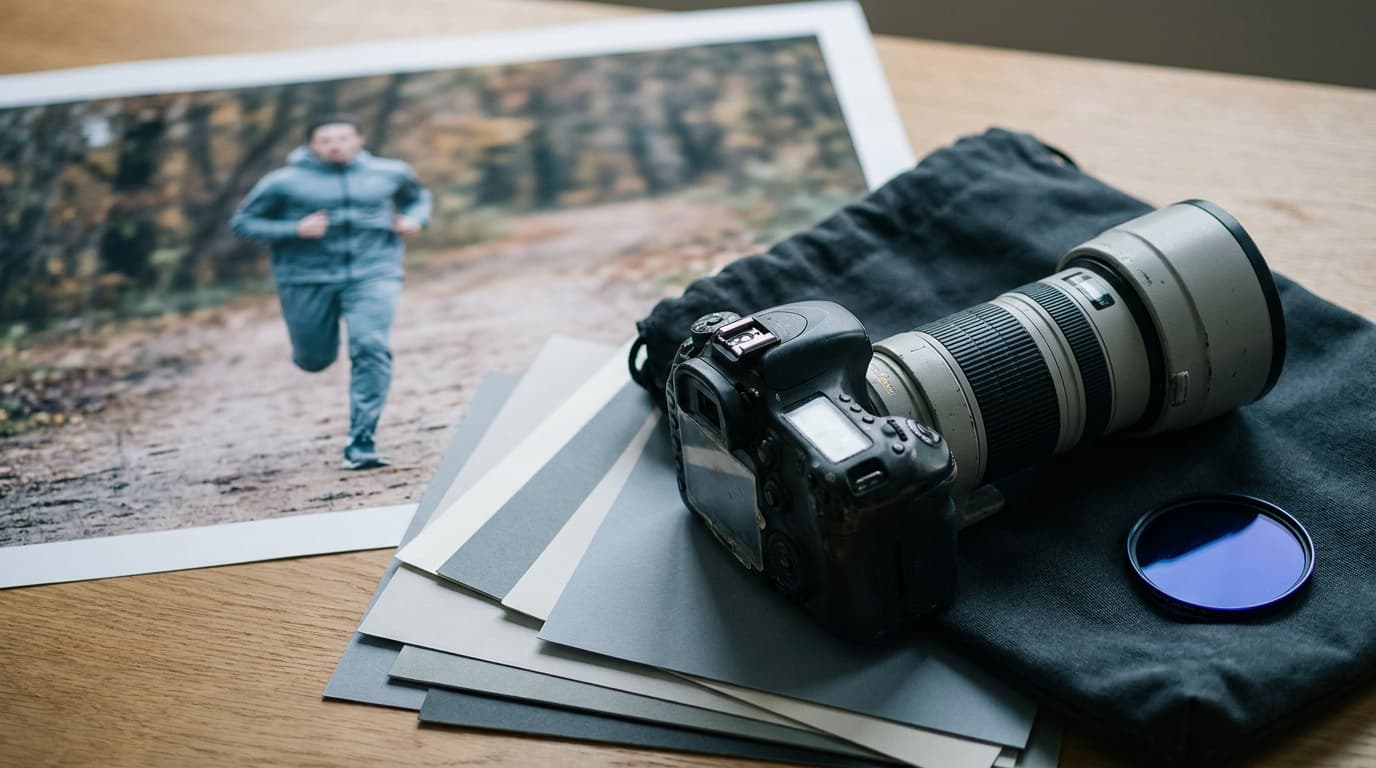
Sports photography is about freezing fast motion and tracking focus. Here are the settings, the lens, and the autofocus setup that get a sharp peak moment.
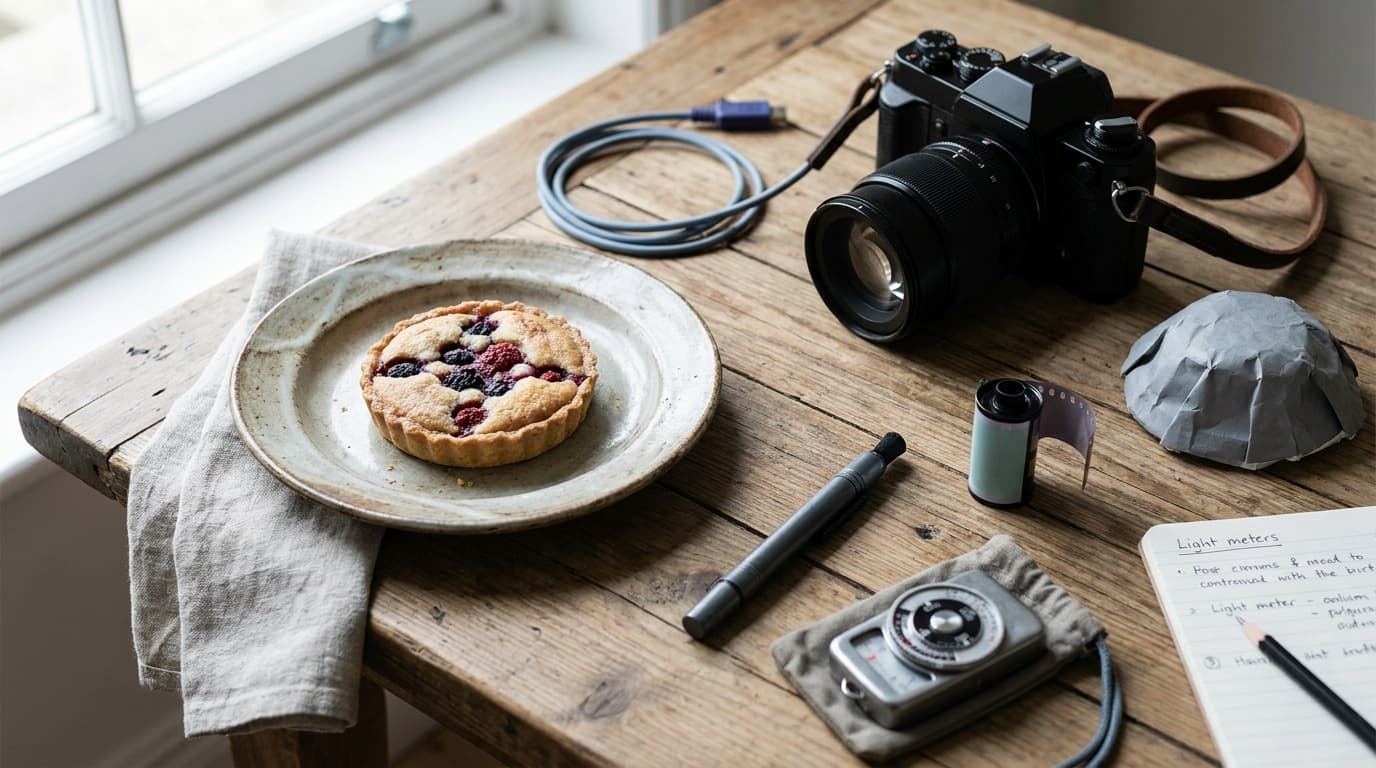
Good food photos come from soft side light, a clean background, and the right depth of field. Here are the settings, the light, and the styling that make a dish look fresh.
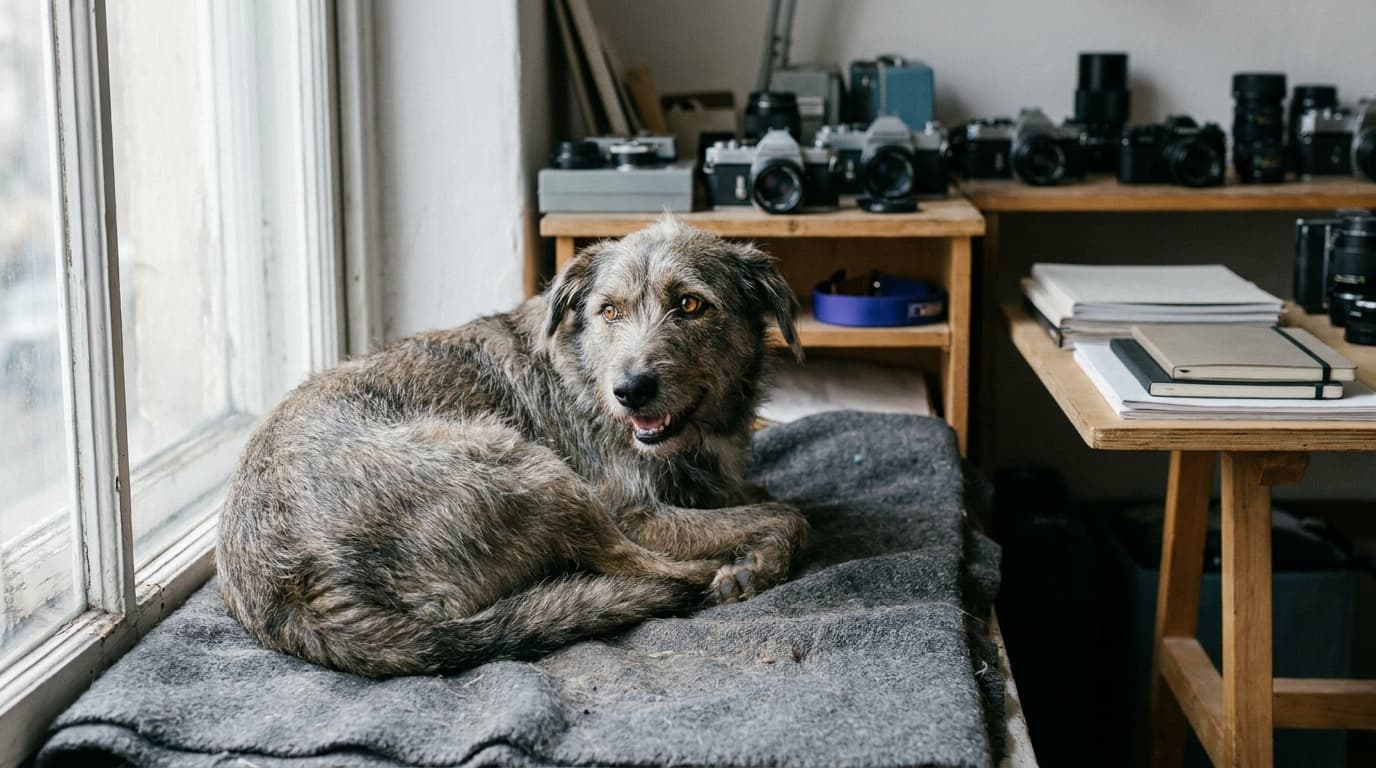
Pets move fast and rarely pose, so you need a fast shutter, continuous autofocus, and patience. Here are the settings and the technique that get the shot.

Newborn photography is about safety first, then soft window light and patience. Here is how to get gentle, natural frames without ever risking the baby.

You do not need a studio to shoot clean product photos. A bright window, one diffuser, and a careful exposure get you most of the way there.
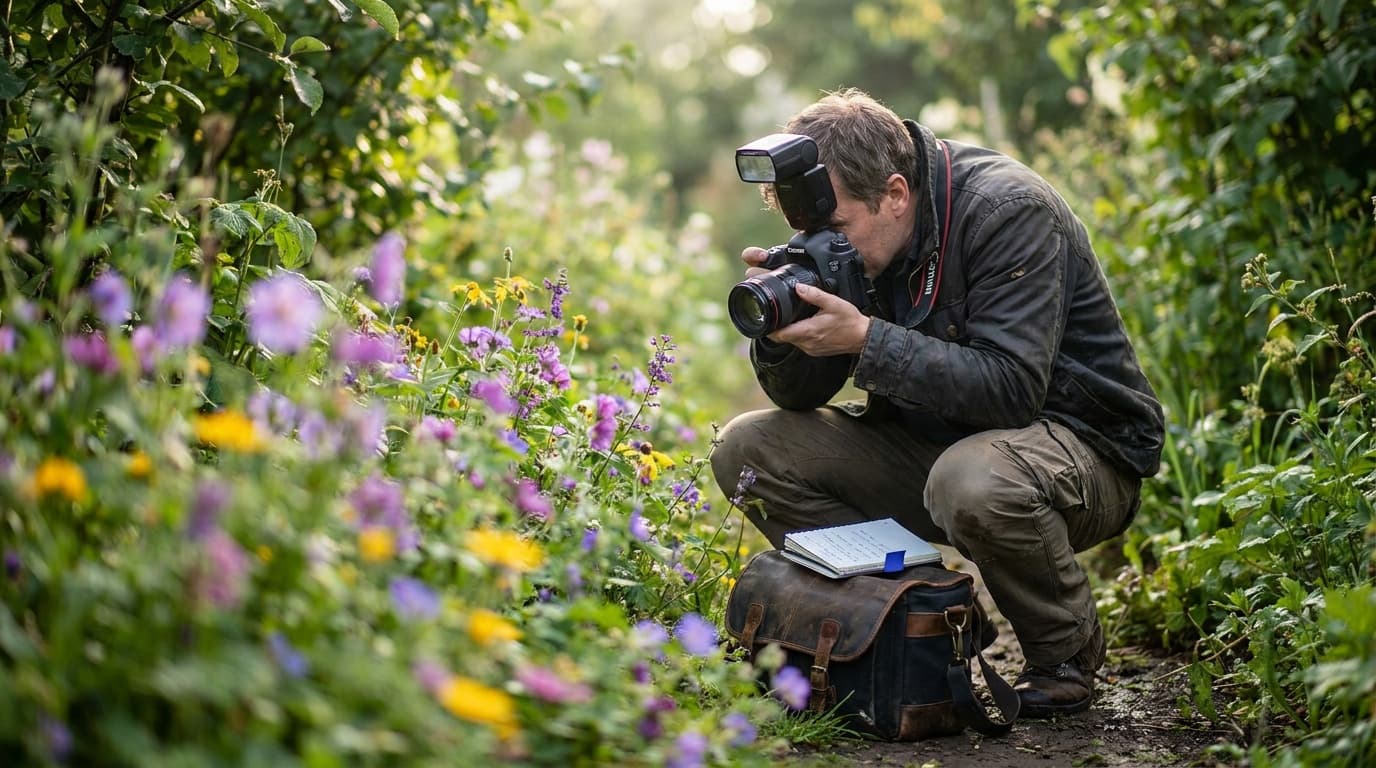
How to photograph your garden and the flowers in it. Light, focus, and close-up technique that turn a record shot into a real photograph.
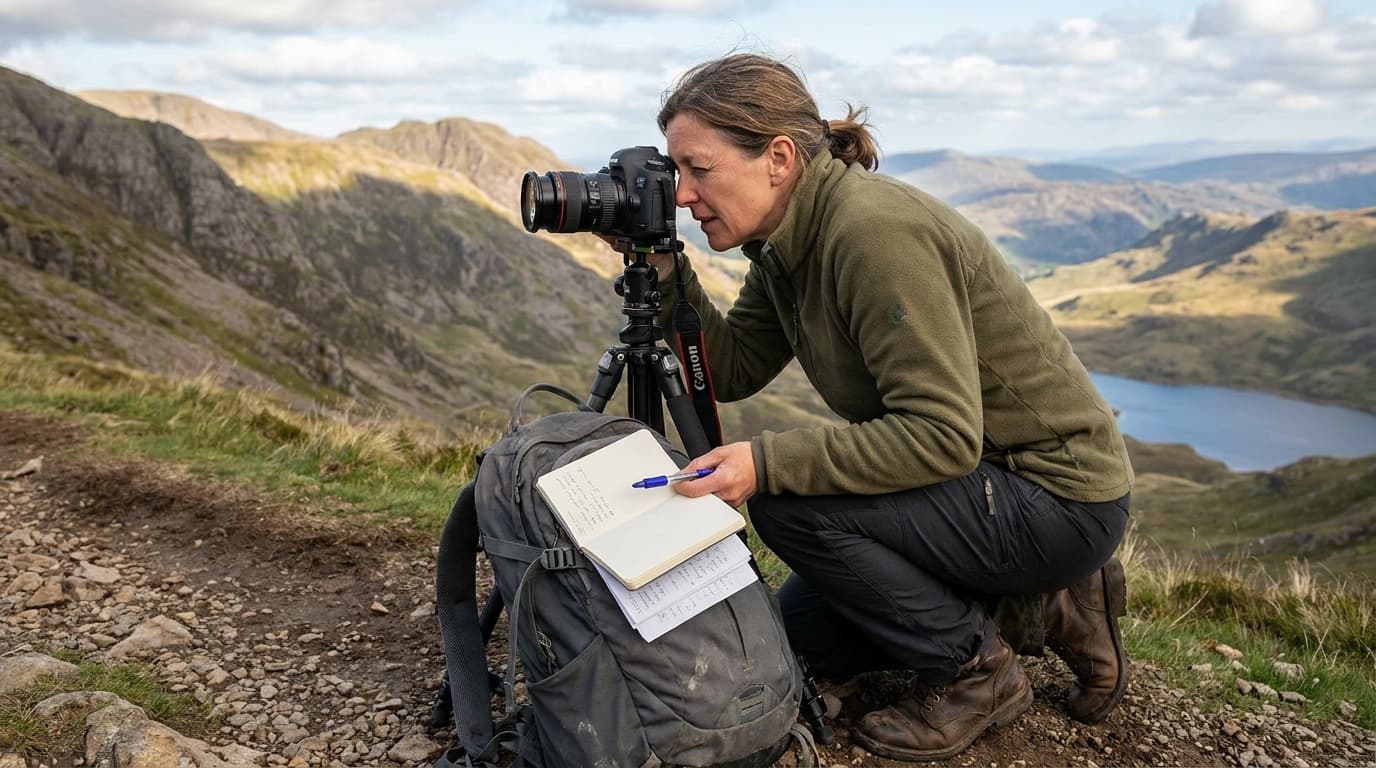
How to carry a camera on a hike, keep it safe, and still get the shot. What to pack, how to shoot on the move, and how to plan around the light.
Content Credentials record a photo's signed provenance and edits. Learn what C2PA proves, what it cannot prove, and how capture-to-export workflows work.
D-Log, D-Log M, and D-Log2 are DJI color profiles, not codecs. Compare the practical grading choices on current and previous-generation DJI cameras.
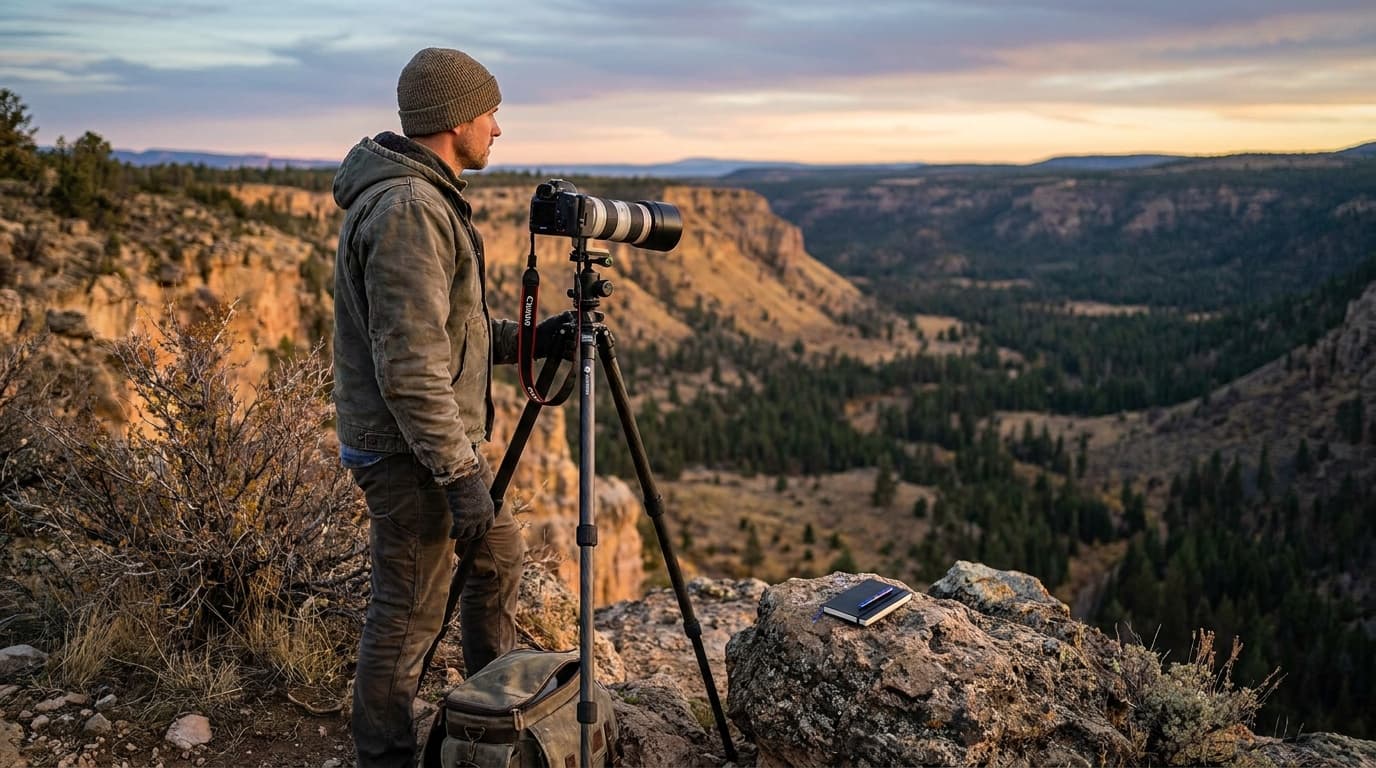
The EXPLORE Act rewrote when you need a permit to photograph in a US national park. The current rule, the drone ban, and park-by-park detail.
Open Gate records a taller sensor area for flexible 16:9, 9:16, and square crops. See when it helps, what it costs, and how to frame it correctly.
What a US state controls when you photograph there, what it does not, and the state-by-state guides covering permits, state parks, drones, and public-space law.
Pre-Capture buffers photos before the shutter is fully pressed. Learn how it works, which settings change, and when RAW, flash, or focus may be limited.
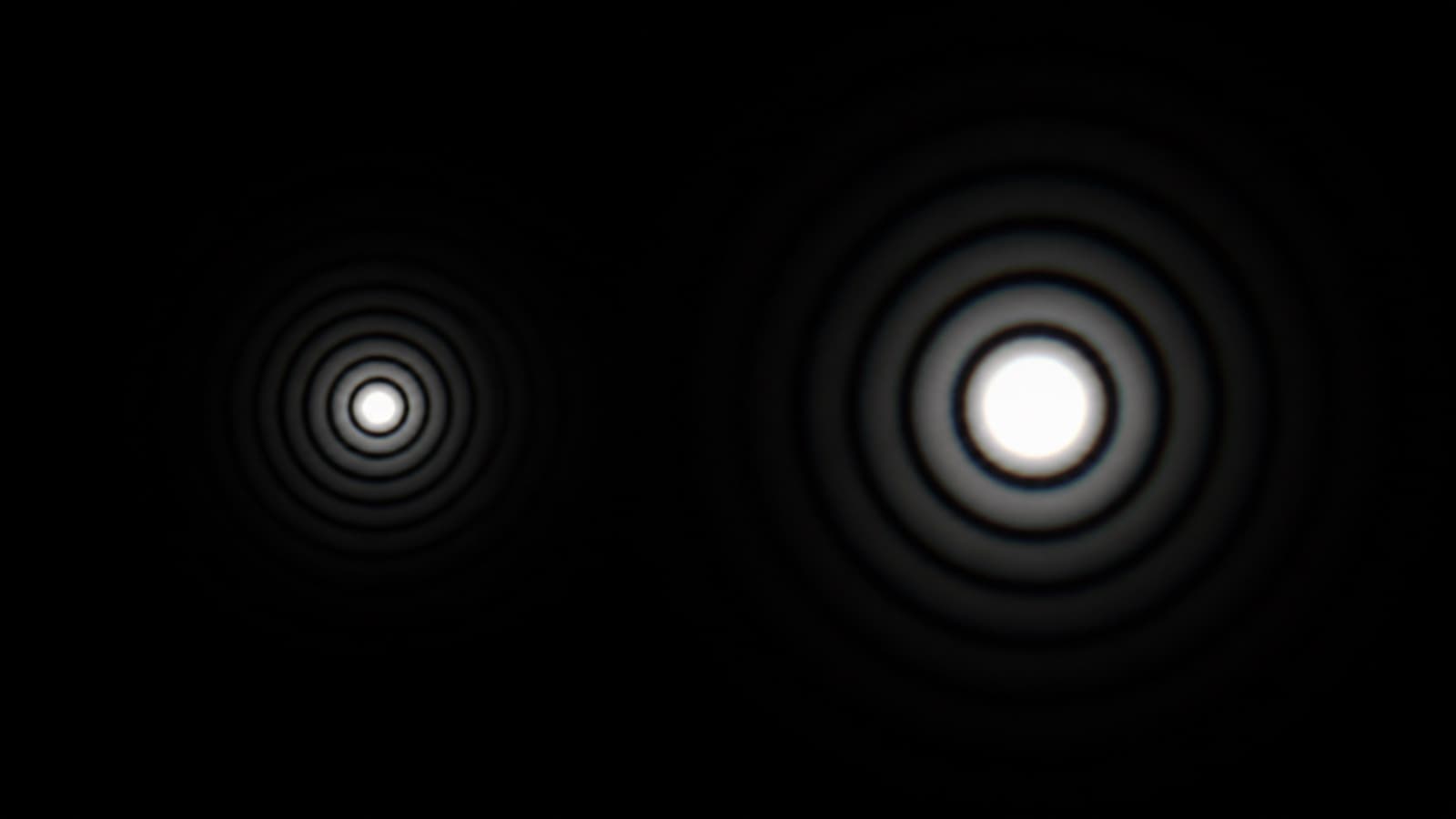
A photo can be in focus yet look soft at f/16 or f/22 because of diffraction. Compare apertures, rule out motion, and choose a sharper workaround.
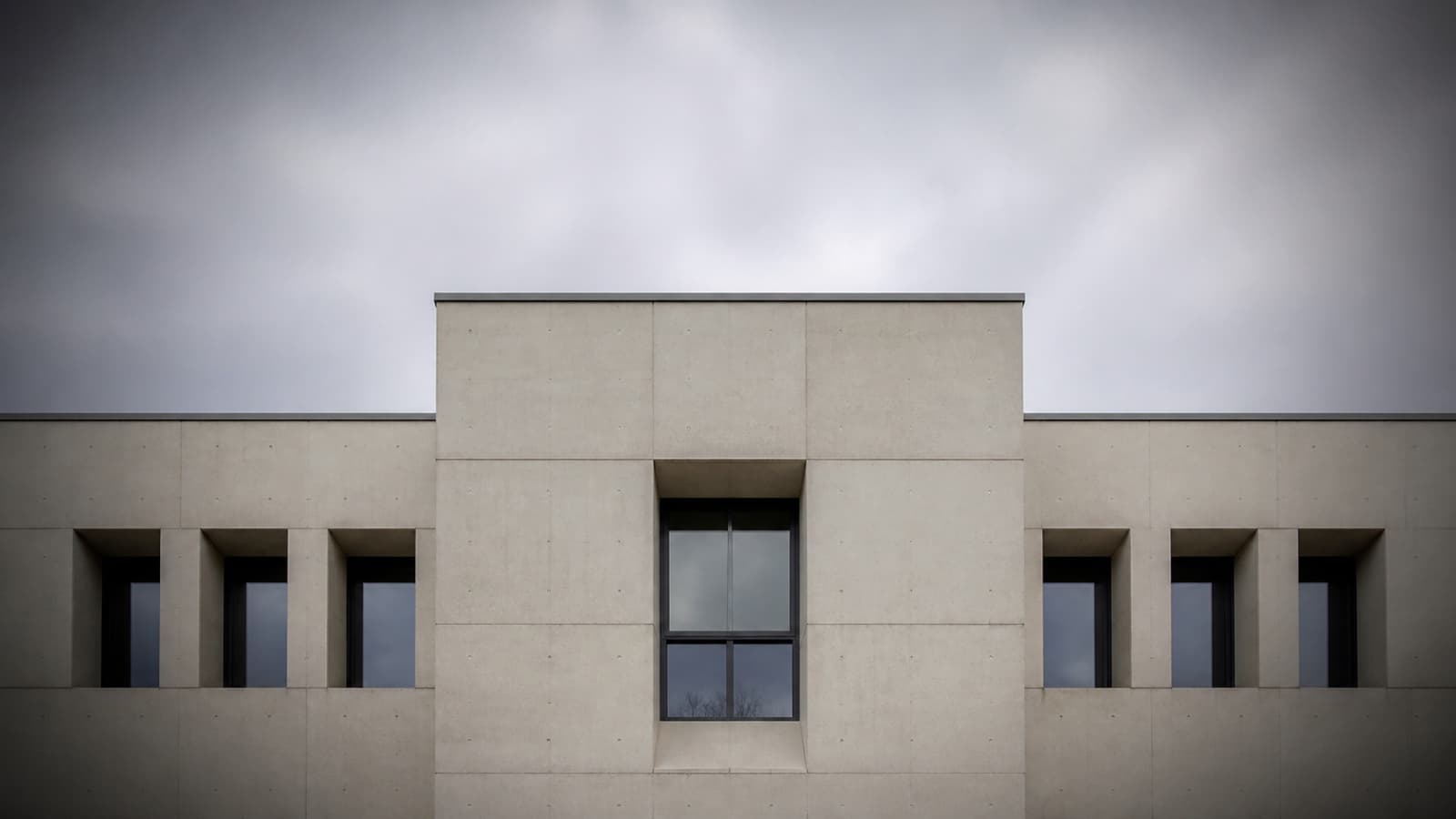
Dark photo corners usually come from lens vignetting, a blocked lens hood or filter, or the wrong lens format. Use the shape to find the cause.
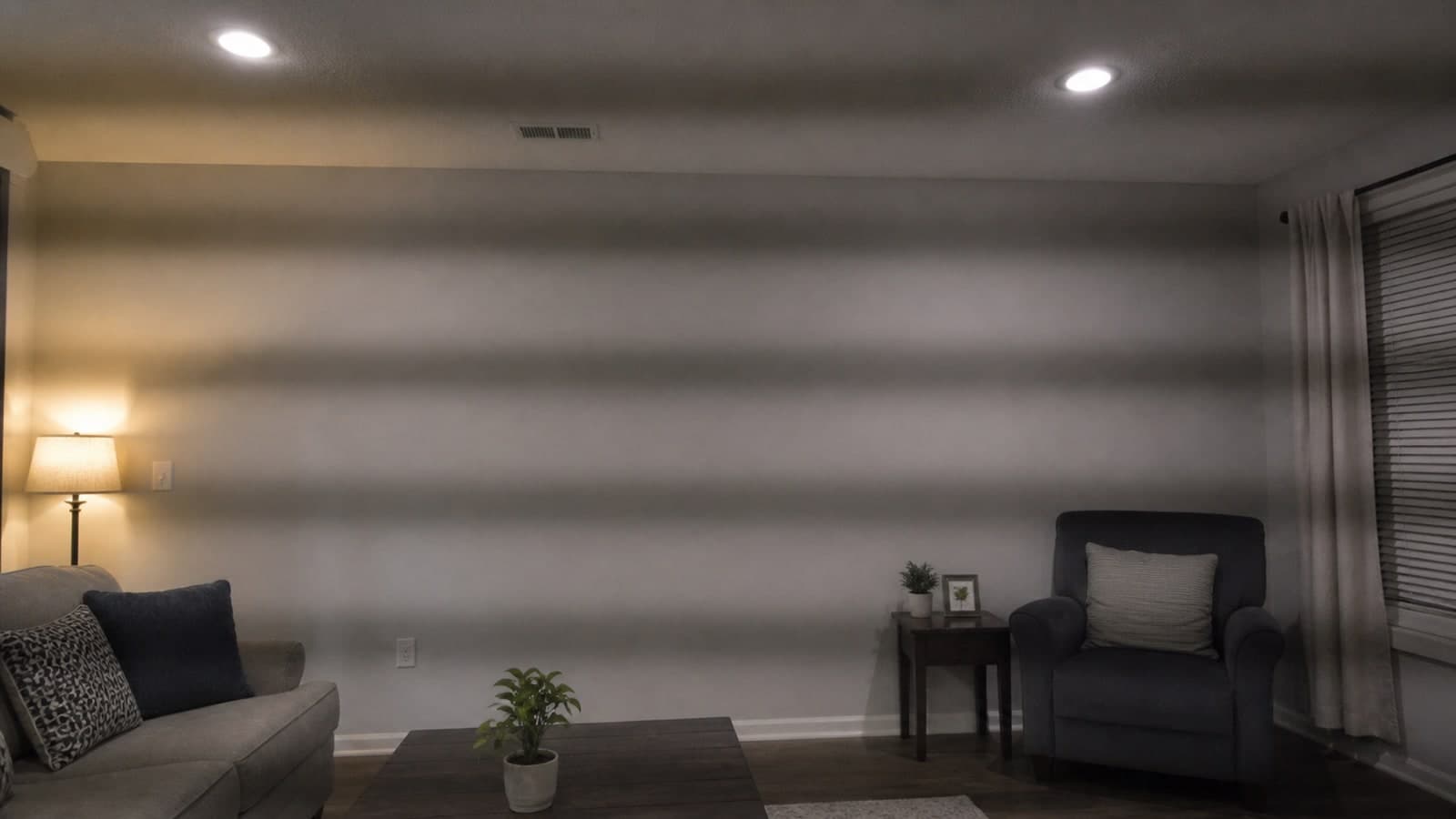
LED flicker and horizontal video bands usually come from a shutter and light-frequency mismatch. Use this sequence to find and fix the actual source.
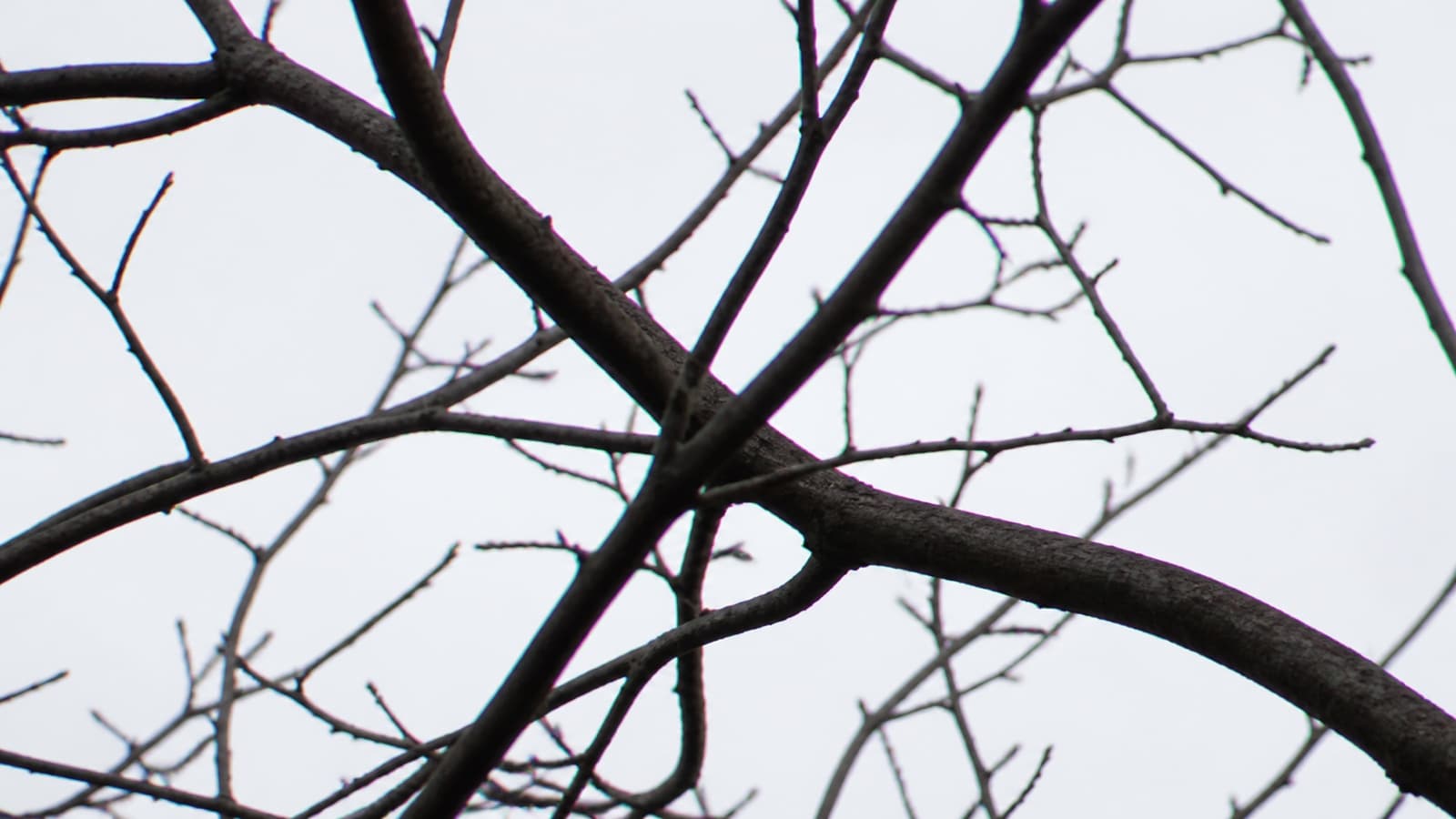
Purple or green outlines on high-contrast edges are usually chromatic aberration. Identify the fringe type, then correct it without damaging real color.

Autofocus hunts when it cannot find enough light, contrast, or a stable subject. Use this diagnostic order before blaming the lens or camera.
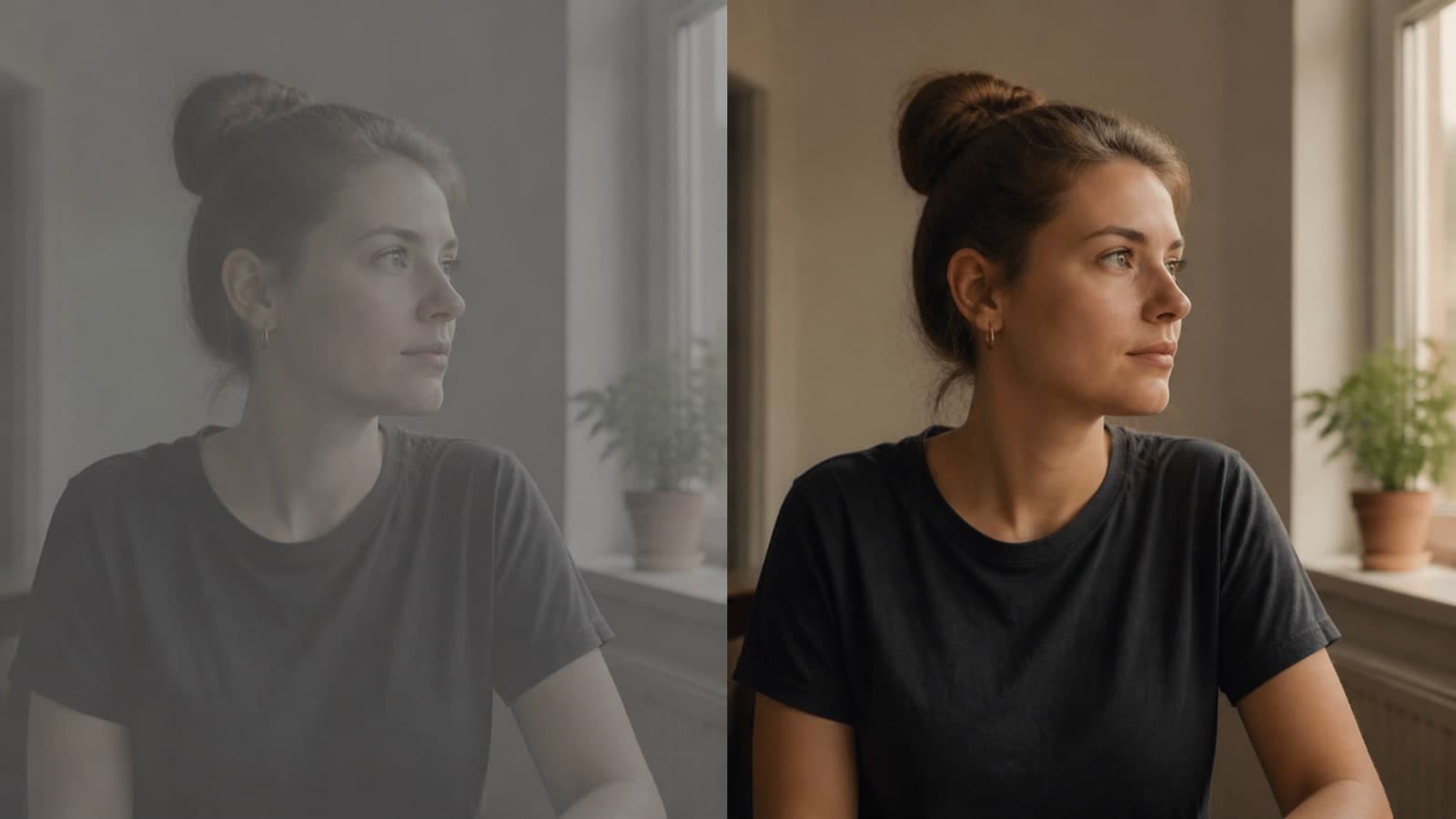
Log footage is flat and gray by design. Identify the exact profile, apply the correct input transform or LUT once, then correct exposure and color.

A black band in a flash photo usually means the shutter was faster than the camera's flash sync speed. Diagnose it and fix it without buying new gear.
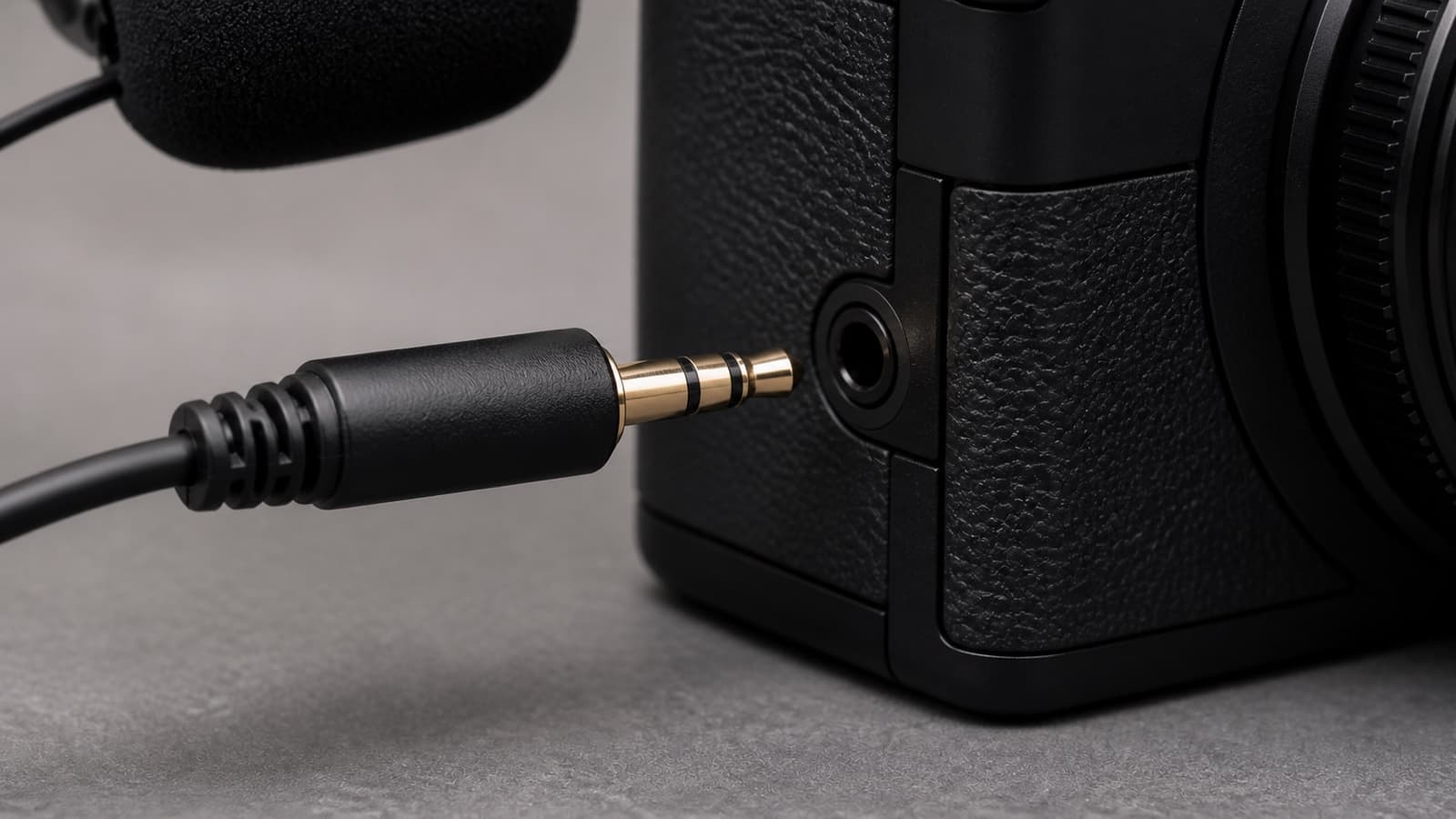
No audio from a camera, phone, or USB microphone usually comes down to cable type, power, input selection, gain, or a loose plug. Check it in order.
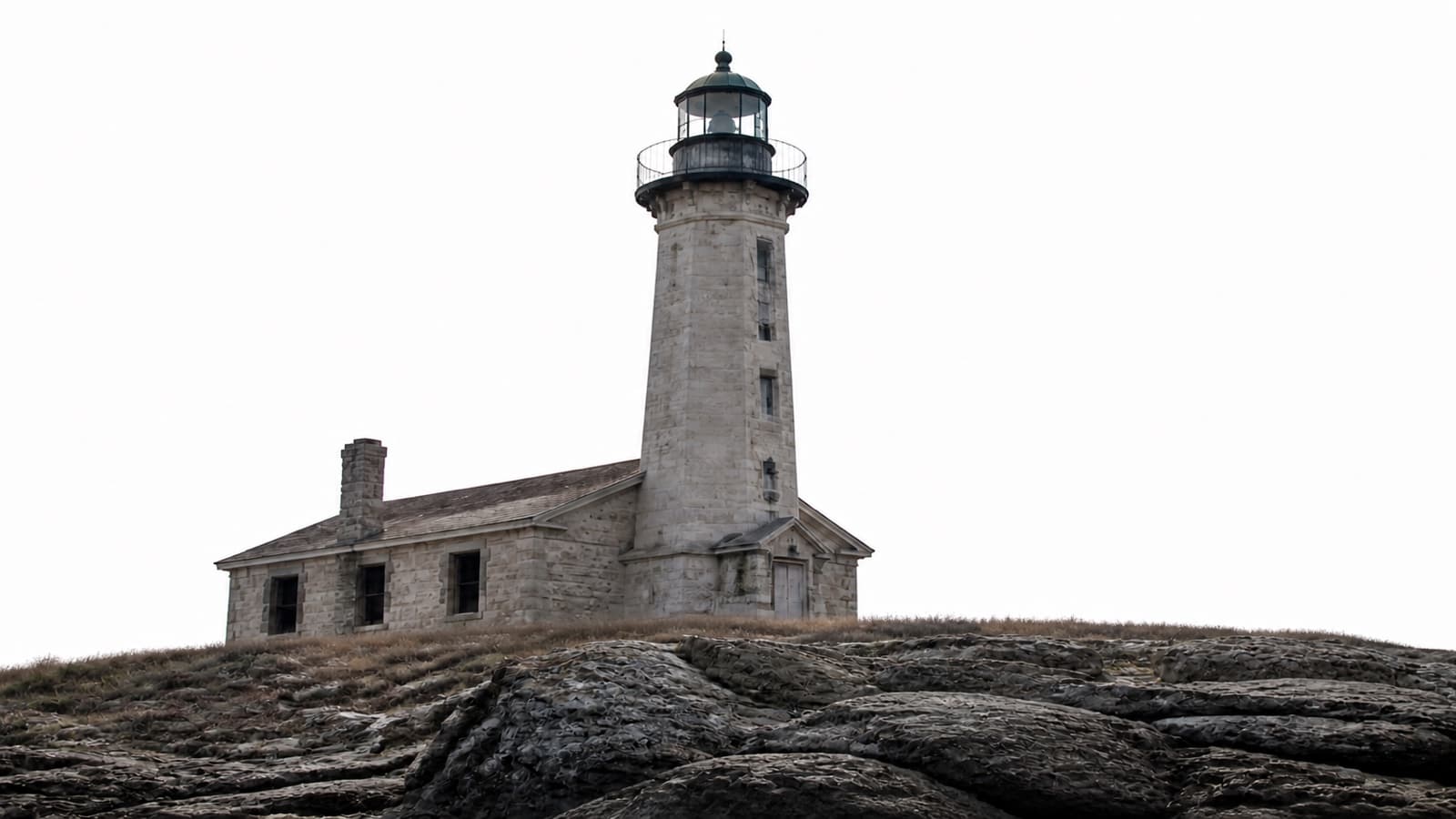
A featureless white sky is usually overexposed or beyond the camera's dynamic range. Check clipping, protect highlights, and choose the right recovery method.
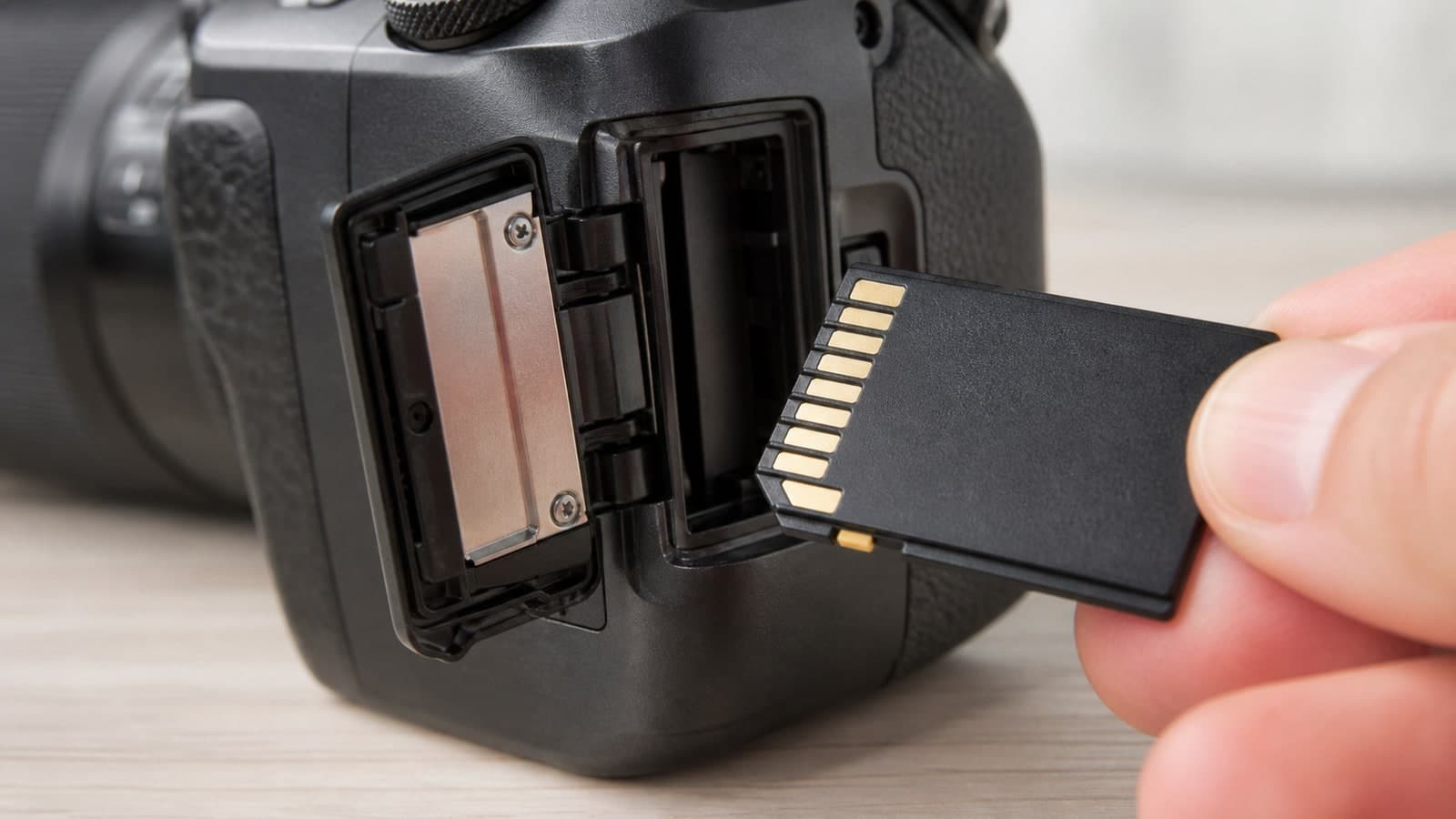
A camera that will not record may have a locked, full, unsupported, too-slow, corrupted, or failing card. Diagnose it without risking existing footage.