We may earn a commission from links on this page, at no extra cost to you. Picks are researched, not sponsored.
What this means in real life
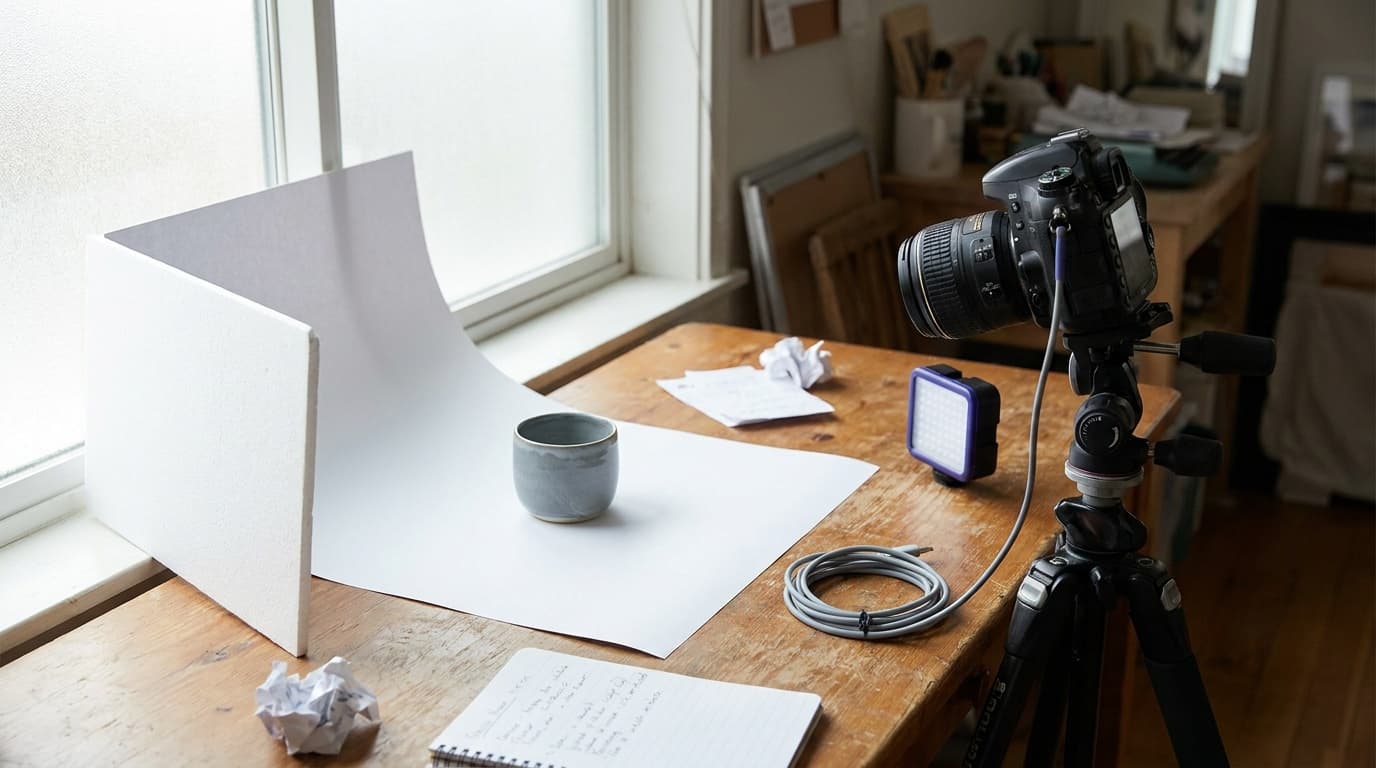
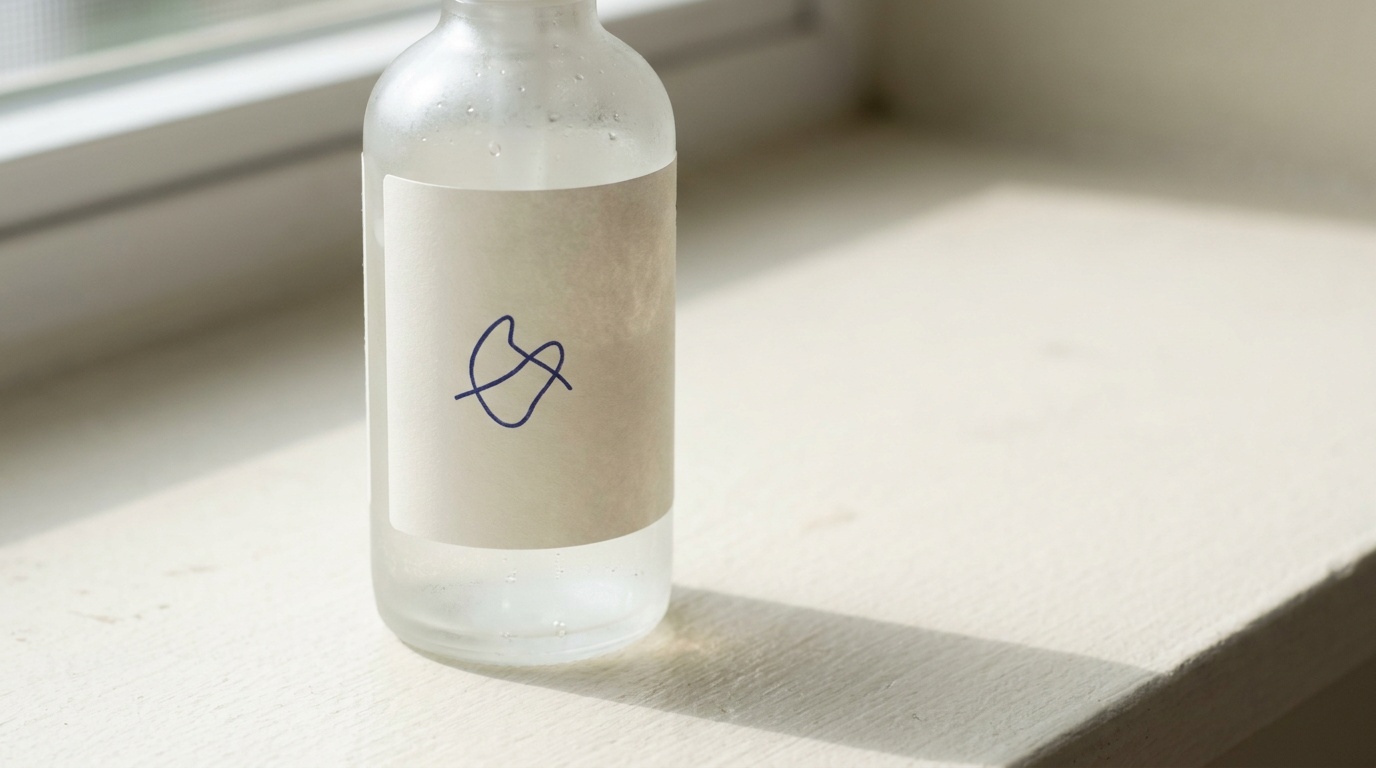
The two things that make a product look cheap are hard shadows and a messy background. Both are fixable at home. A window is a very large light source relative to a small object, so the light wraps gently and the shadows go soft. A roll of paper or a clean sheet removes the background. After that, the only real job is exposing carefully and keeping the camera still.
The gear
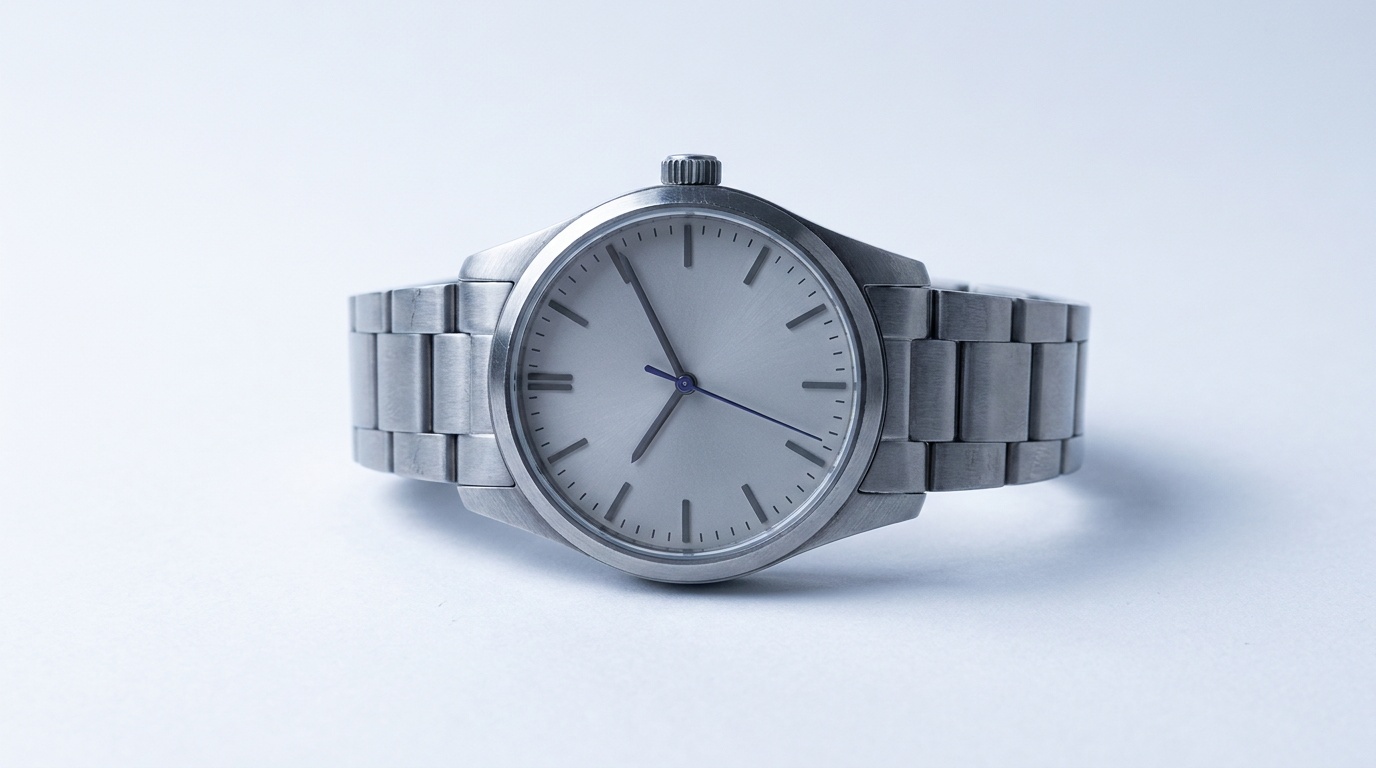
You need very little. A camera that lets you set aperture and shutter, a tripod, and one large white surface to bounce light back into the shadows. A sheet of white foam board from a craft store works as both a reflector and a sweep behind small items. A sheer white curtain or a thin bedsheet over the window softens harsh direct sun. If you want to kill reflections on glossy or metal products, a polarizing filter helps, though careful light placement matters more. The product photography gear guide is the buying version once the window-light setup is not enough.
The settings
Because the product is not moving, you can shoot at a small aperture for depth and a slow shutter on the tripod, with no penalty.
A small aperture matters more here than in most genres. Up close, depth of field is shallow, so a wide aperture leaves the back of the product soft. Stopping down to f/8 or f/11 keeps the whole item crisp. Because you are on a tripod, the resulting slow shutter is not a problem. Keep ISO at its base value; there is no reason to raise it.
The technique
Place the product so the window light comes from the side, not straight on. Side light gives shape and shows texture; flat front light makes the product look like a sticker. Then put your white card on the opposite, shadowed side and angle it to bounce light back in. Move the card closer to lift the shadows, further away to deepen them. That single push and pull is most of product lighting.
For a clean background, curve a single sheet of paper or board up behind the product so there is no hard line where the table meets the wall. This "sweep" gives the seamless white look without a studio. Shoot slightly above the product for catalog-style shots, or straight on at its level for a more dramatic hero frame.
Common mistakes
The most common mistake is using a small light source, like a desk lamp or the on-camera flash, which gives hard ugly shadows. Bigger and softer always wins, which is why the window beats almost anything. The second is shooting wide open and ending up with a soft back edge; stop down. The third is a tilted or cluttered background. Clean the surface, square the camera, and curve the sweep. The fourth is mixed light: do not blend warm room bulbs with cool window light, because the white balance cannot please both. Turn the room lights off and let the window do the work.
Where this fits
These settings are just the exposure triangle applied to a still subject you fully control, which is the easiest situation to learn it in. Once the lighting feels repeatable, the product photography genre guide covers styling, hero angles, and shooting for marketplaces. If your product is food, the food photography walkthrough uses the same window-light approach with a few plating tweaks.
Do I need a lightbox or light tent?
Not for most products. A light tent diffuses light and hides the background for very small items like jewelry, which is genuinely useful at that scale. For anything larger, a window plus a white card gives softer, more flattering light and far more control over direction.
Why are my home product shots soft at the back?
Almost always too wide an aperture. Up close, depth of field is thin, so an f/2.8 shot leaves the rear of the product blurred. Stop down to f/8 or f/11 and put the camera on a tripod so the slow shutter that follows does not blur the whole frame.
What is the best background for product photos at home?
A single curved sheet of white paper or foam board, lit separately from the product, gives the clean seamless look. Avoid textured walls and visible table edges. If you want a lifestyle feel instead, a simple wood surface or neutral fabric reads well without competing with the product.
Practice this
Turn the guide into a working setup
Keep going
Next useful steps
Pick one. Each link continues the same job without starting the research over.
Shoot kits
Buy around the job, not the spec sheet
Studio table
Product studio kit
$5,268
A high-detail body, macro lens, portable strobe, modifier, backdrop, and grip pieces for repeatable product photos at home or in a small studio.
Best small-commerce kit
Buy order: start with the first piece that makes the job possible, then add the support pieces that remove friction.
Camera: start here. If this piece does not make the shoot easier, the rest of the kit can wait.
Safety: add it after the core setup proves useful.
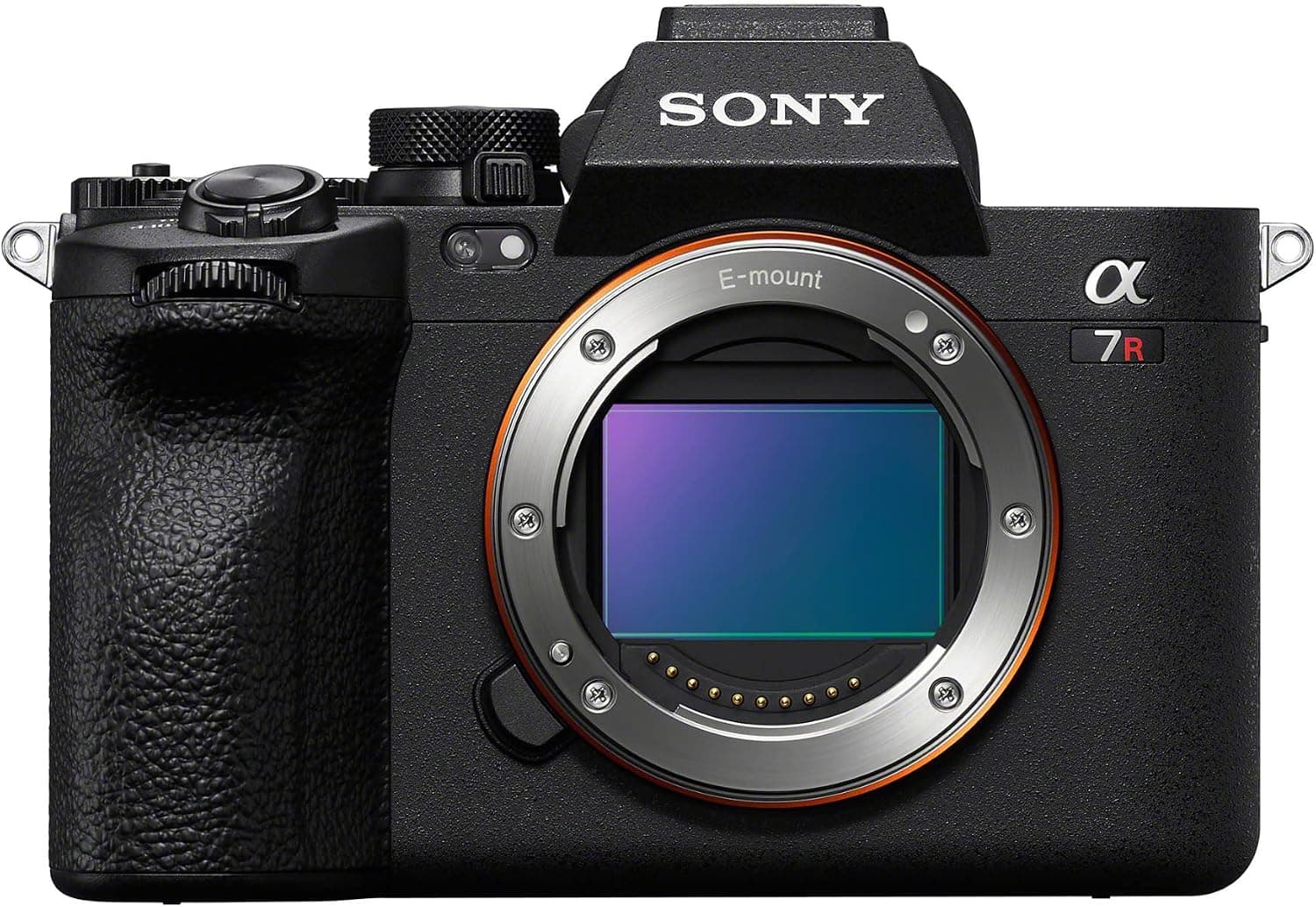
Sony a7R V
High-resolution files give product work enough detail for crops, retouching, and marketplace layouts.
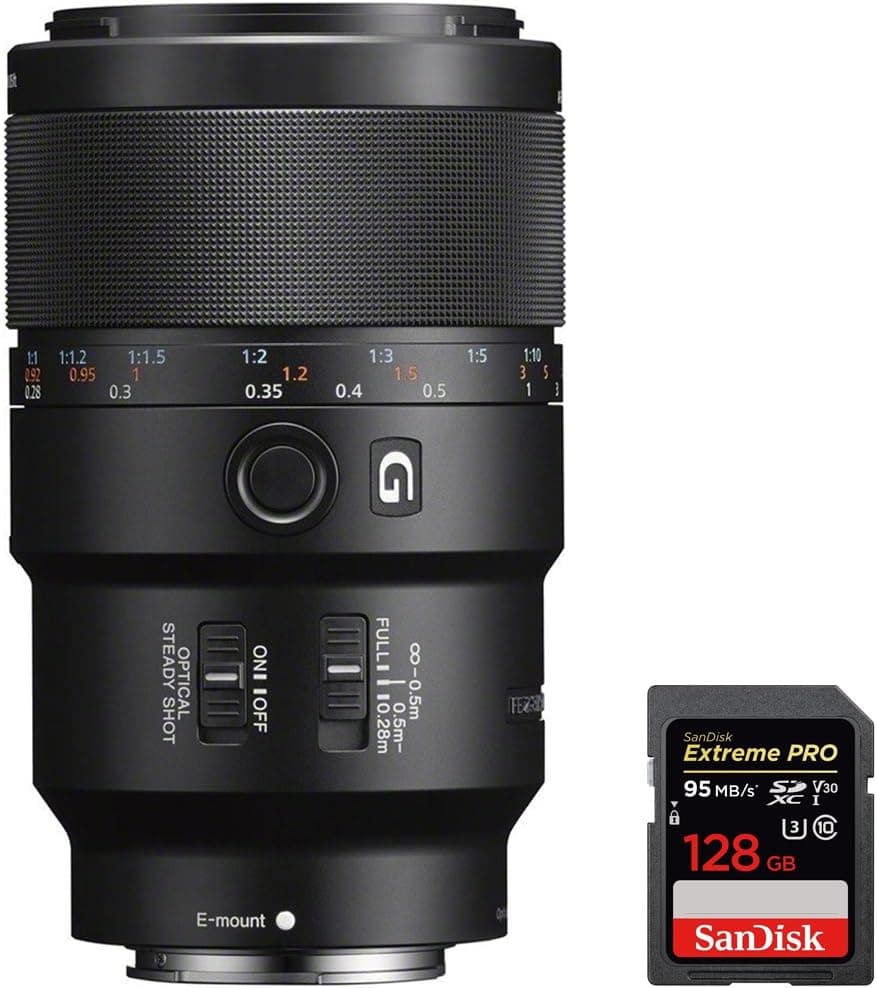
Sony FE 90mm f/2.8 Macro G OSS
True close focus for small products, labels, texture, and detail shots.
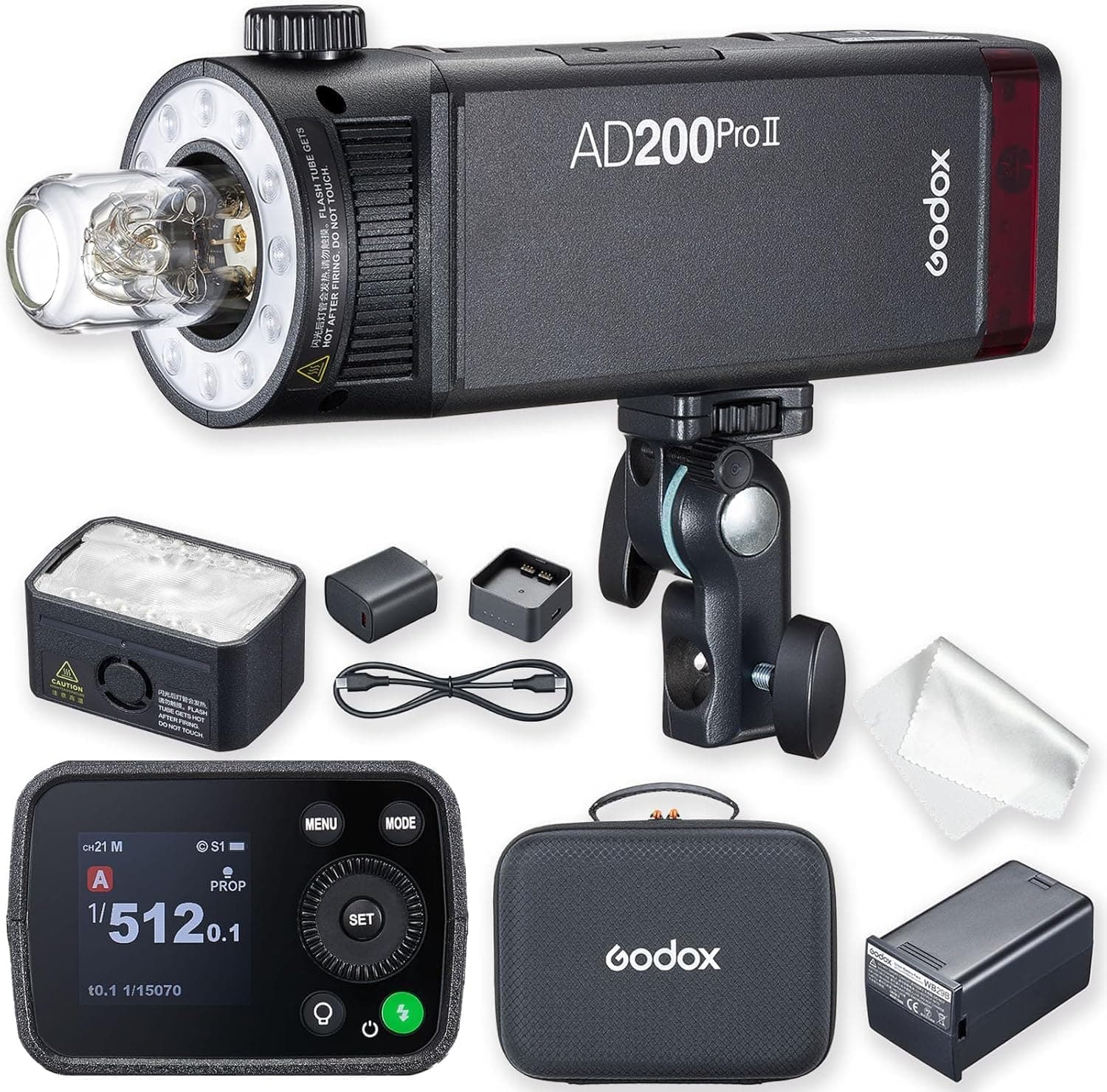
Godox AD200 Pro
More control and output than a speedlight while still staying portable.
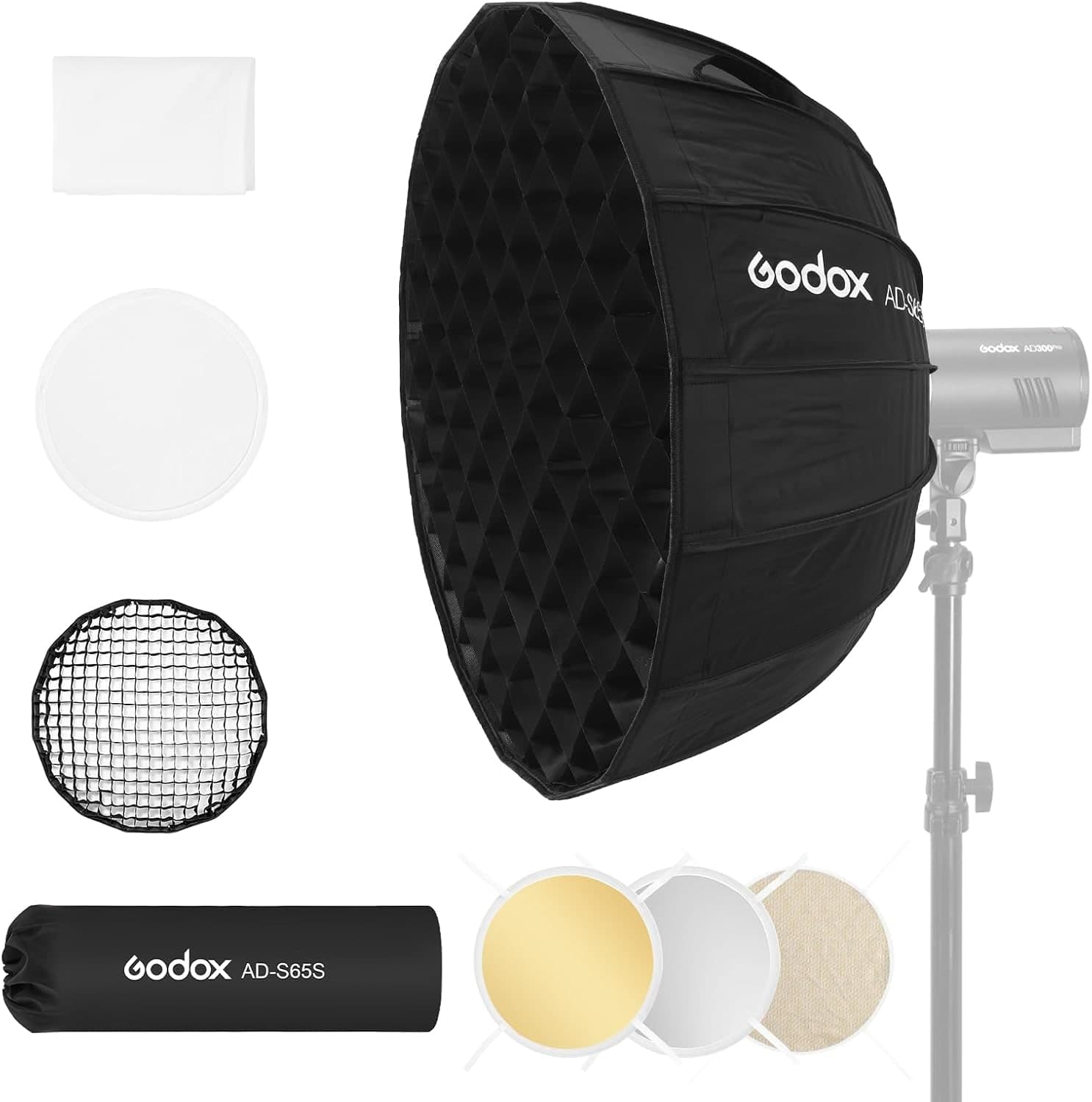
Godox AD-S65S
Soft, controlled light with a round catchlight for bottles, ceramics, food, and tabletop objects.
Savage Seamless Paper
A clean sweep removes distracting horizon lines and makes products read professionally.
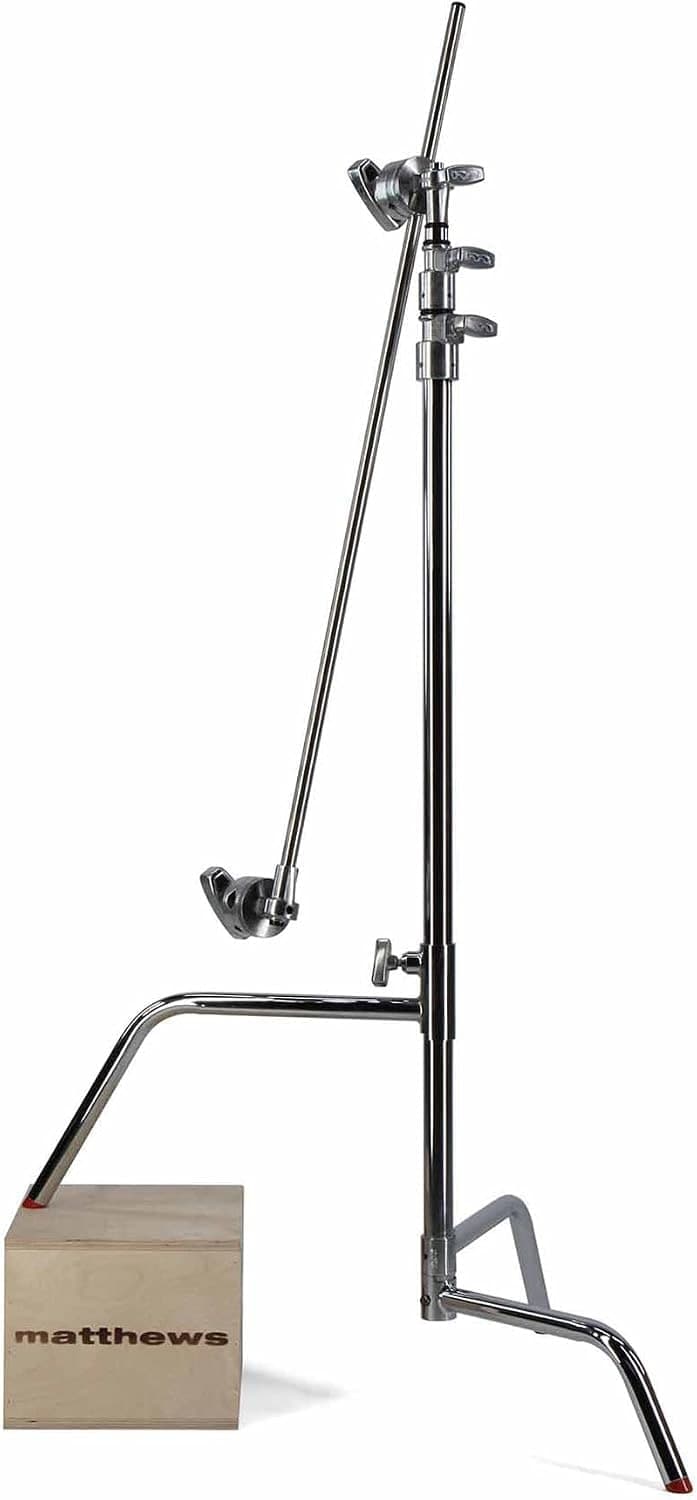
Matthews C-Stand
Holds lights, flags, and reflectors in fixed positions while the product stays untouched.
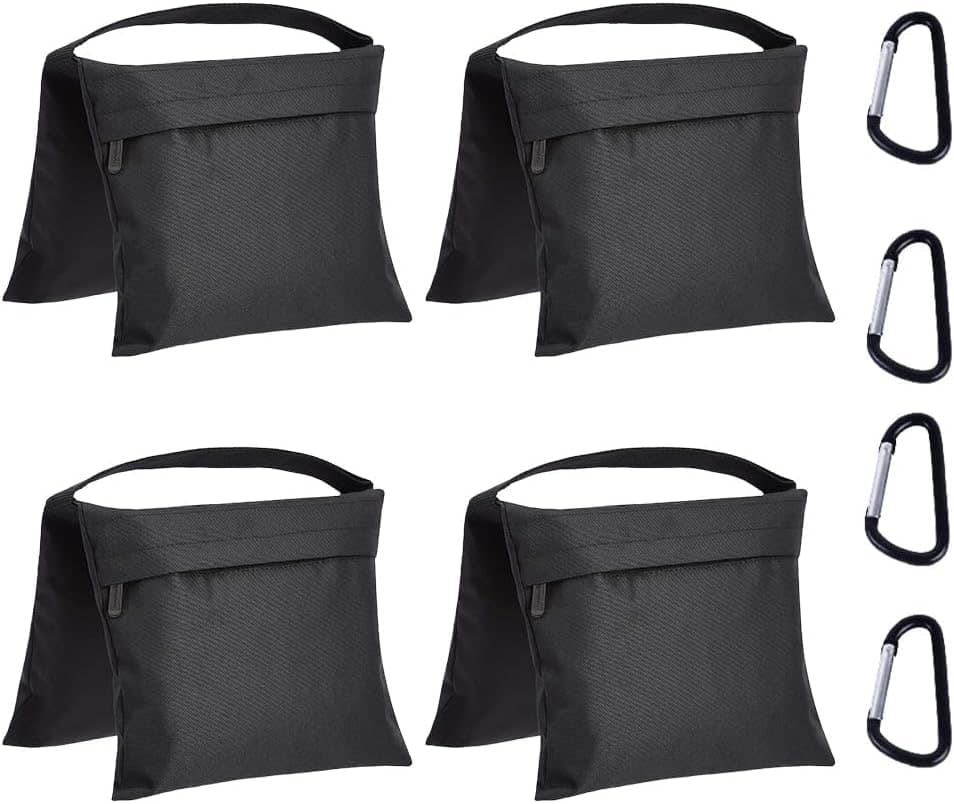
Amazon Basics Photography Sandbags (4-Pack)
Keeps the stand planted when a modifier or boom arm pulls the load off-center.
Prices are rough catalog totals. Retailer prices change, and you can swap pieces to fit your system.
Related Learn guides

Content Credentials and C2PA Explained for Photographers
Content Credentials record a photo's signed provenance and edits. Learn what C2PA proves, what it cannot prove, and how capture-to-export workflows work.

Open Gate Video Explained: When 3:2 Is Worth It
Open Gate records a taller sensor area for flexible 16:9, 9:16, and square crops. See when it helps, what it costs, and how to frame it correctly.

Pre-Capture Photography Explained: Get the Frame Before the Click
Pre-Capture buffers photos before the shutter is fully pressed. Learn how it works, which settings change, and when RAW, flash, or focus may be limited.

RAW vs JPEG: Which File Format Should You Shoot?
RAW keeps all your sensor data for maximum editing freedom; JPEG is smaller and ready to share. Here is how they differ and when each one is the right call.
Researched, not personally tested: picks compare specifications, available owner feedback, and established expert sources. As an Amazon Associate I earn from qualifying purchases. We may earn a commission from links here, at no extra cost to you. How we research →