We may earn a commission from links on this page, at no extra cost to you. Picks are researched, not sponsored.
A bare light is hard, harsh, and unflattering. A modifier changes the quality of that light: it enlarges the source, diffuses it, or directs it, turning a small hard point into a broad soft wash or a controlled beam. Learning to shape light matters more than the light itself, and the modifier is the tool that does the shaping.
If you are still learning how light behaves, the exposure triangle covers how your settings respond to it, and our best lights for video and best flashes and speedlights guides cover the sources these modifiers attach to.
How to choose
Start with the one rule that decides most of it: a bigger source, placed closer to the subject, gives softer light with a gentle shadow edge. A small source far away gives hard light with a sharp shadow. So the size of the modifier and where you put it matter more than the type.
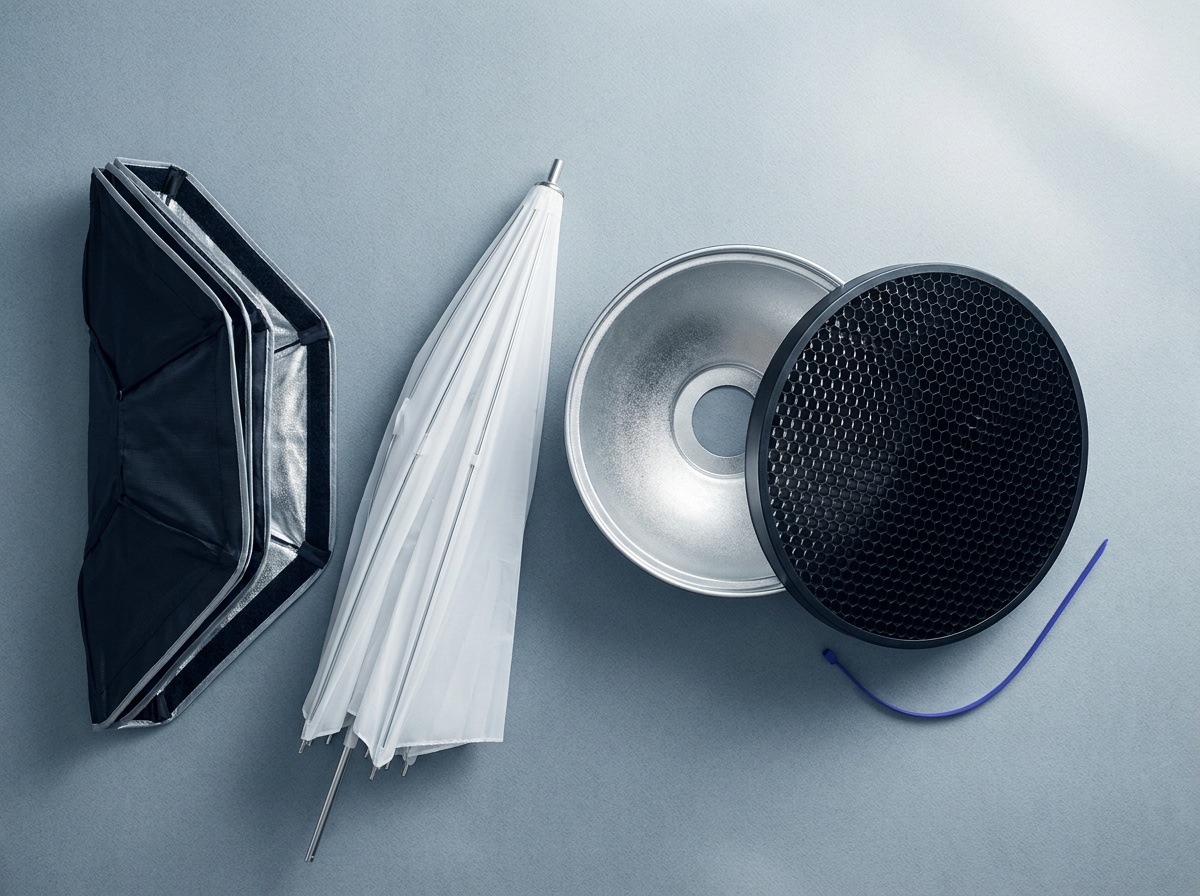
Then pick the type for the job. A softbox gives soft, controllable, directional light and is the studio default. An octabox, an eight-sided softbox, adds a round, natural catchlight that flatters portraits; a 65cm octabox is a versatile single-subject size, while 90cm and up wraps light more softly for half and full-length shots. An umbrella is the cheapest and fastest to set up but spills light everywhere, which is harder to control. A beauty dish gives a crisper, more sculpted look that suits headshots and beauty work, sitting between hard and soft.
After that, confirm the mount. Modifiers attach via a speed ring that must match your light's mount, most commonly Bowens, so check compatibility before you order. Last, weigh the extras: a honeycomb grid narrows the beam and controls spill onto the background, a second layer of diffusion softens the output further, and a quick-open umbrella-style softbox folds out in seconds and saves real time on location.
The picks
Best Overall
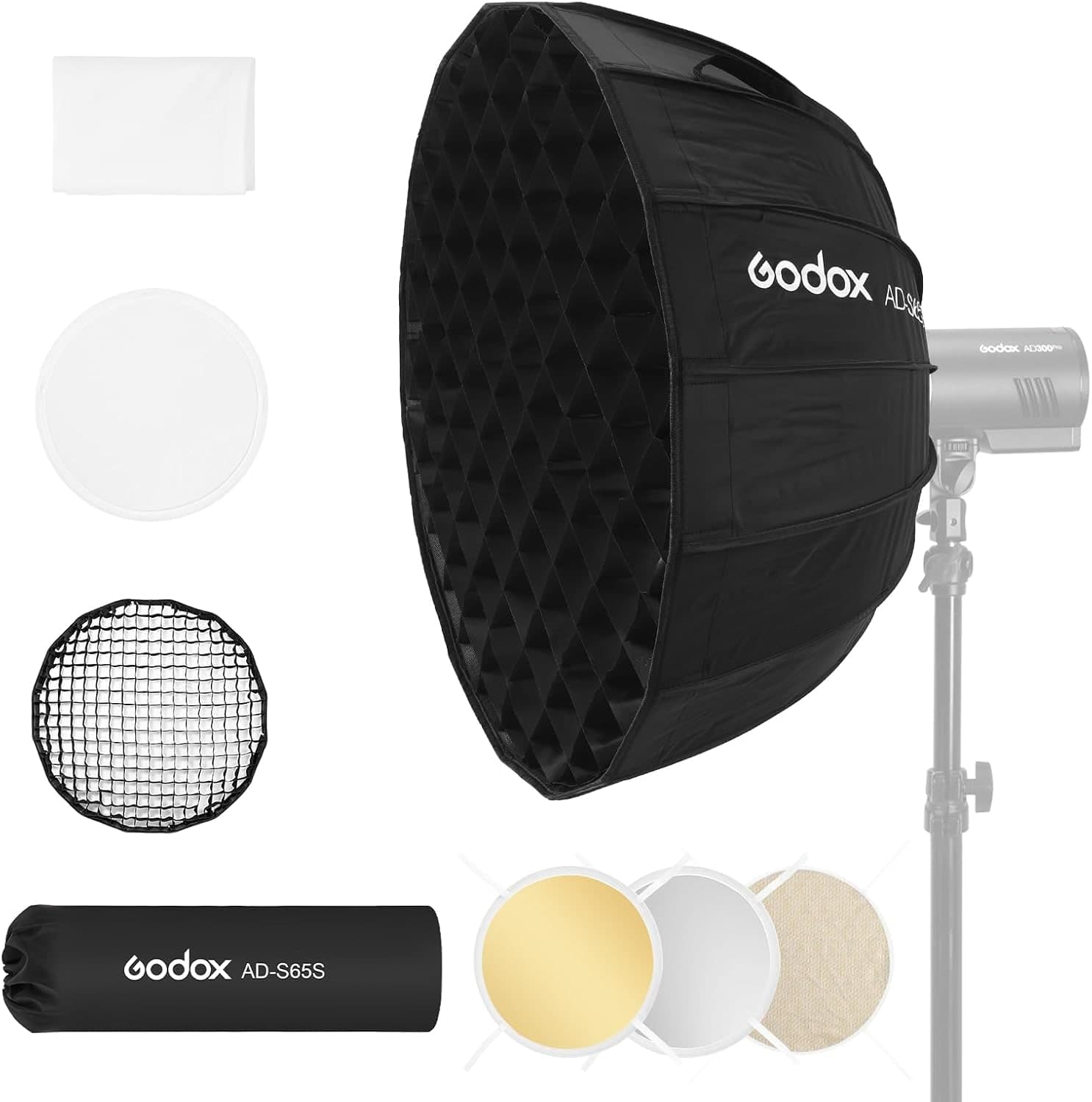
Godox AD-S65S
Portrait shooters who want soft, flattering light from a packable modifier.
Check price at AmazonThe Godox AD-S65S is the best all-rounder for portraits. The 65cm octabox folds open like an umbrella in seconds, gives soft light with a clean round catchlight, and uses the common Bowens mount that fits most studio strobes and bright LEDs. It is large enough to flatter a face up close yet packs down for travel. For a first serious modifier, this is the one to reach for.
Best Value
Westcott 43-inch Umbrella
Beginners who want the cheapest, fastest way to soften a light.
Check price at AmazonThe Westcott 43-inch umbrella is the cheapest, fastest way to soften a light. It opens like a rain umbrella, mounts on almost any stand bracket, and either shoots through for soft light or bounces white or silver for more punch. It spills light in every direction, so it is harder to control than a softbox, but for a first modifier or a quick fill, the value is unmatched.
Best for Headshots
Glow Beauty Dish
Headshot and beauty photographers who want a crisp, sculpted look.
Check price at AmazonThe Glow Beauty Dish gives the crisp, sculpted look that headshot and beauty photographers want. The light is harder than a softbox but softer than bare, which carves out cheekbones and adds contrast with a distinctive round catchlight. Add the included grid to control spill. It is less forgiving than a softbox and less versatile, so it suits a specific portrait look rather than general use.
Best for Video
Aputure Light Dome III
Video and hybrid shooters lighting interviews with continuous LEDs.
Check price at AmazonThe Aputure Light Dome III is the pick for video and hybrid shooters. A sturdy parabolic softbox built for continuous LED lights, with a quick-fold rod design, two layers of diffusion, and an optional grid for control. It is heavier and pricier than a basic softbox, but the build quality and the clean, soft output suit interview lighting and serious video work.
Best Budget
Neewer Softbox Grid Kit
Beginners building a first studio setup affordably.
Check price at AmazonThe Neewer Softbox Grid Kit is the value pick for a first studio setup. A rectangular softbox with an included honeycomb grid and a Bowens speed ring, sold for a fraction of premium modifiers. The grid lets you narrow the light and cut spill, which is a genuine control feature at this price. The build is basic and it is less refined than the premium options, but it gets a beginner shaping light affordably.
Research pick
Godox SB-BW Softbox (37 in)
Softening a Bowens-mount COB key for portraits and product video.
Check price at AmazonThe Godox SB-BW 37-inch softbox is the budget size-up when a small modifier feels cramped but a large octabox would overwhelm the room. Its Bowens mount makes it useful with a broad range of lights, and the rectangular shape gives a clean source for portraits, products, and small interview setups. Confirm the mount and stand before ordering, and expect less refined hardware than the premium picks.
Common mistakes
The most common one is using a modifier too far from the subject and wondering why the light still looks hard; move it closer, because distance controls softness as much as size does. The second is buying a modifier that does not match the light's mount, so confirm the speed ring, usually Bowens, before you order. The third is reaching for an umbrella indoors and fighting the spill it throws onto every wall, when a softbox would have given clean, directional light.
Once you can shape light, put it to work in our headshot photography and product photography guides, and pair the modifier with the right source in best flashes and speedlights.
Softbox or umbrella, which should I buy first?
For controllable, directional light, buy a softbox or octabox. For the cheapest, fastest way to soften a light, buy an umbrella. An umbrella spills light everywhere, which is harder to control, while a softbox keeps the light directional. Many photographers start with an inexpensive umbrella and add a softbox once they want more control.
What makes light soft or hard?
The size of the source relative to the subject, and its distance. A large modifier placed close to the subject gives soft light with a gentle shadow edge. A small source far away gives hard light with a sharp shadow. This is why a big softbox up close flatters a face, and it matters more than which brand you buy.
Will any modifier fit my light?
No, the speed ring must match your light's mount. Bowens is the most common mount and the safest default, but confirm your strobe or LED uses it before buying a modifier. Some brands use proprietary mounts, in which case you need a matching modifier or an adapter.
Compare picks
The short version
Use this to narrow the list before opening the detailed cards.
Scores weigh fit, owner sentiment, build, and value. Affiliate links do not change pick order. Methodology
Buying order
Start with the skip note. A good deal on the wrong camera is still the wrong camera.
Compare verdictsIf you already own lenses, check the system path before buying into a new mount.
Check systemsOnce the fit makes sense, compare current deals and retailer listings.
Check current dealsCamera system shortcut
If you already own one of these systems, keep the comparison inside that ecosystem before checking out.
Lighting systems
Portrait shooters who want soft, flattering light from a packable modifier.
Use the retailer for the current price after the tradeoff makes sense. Confirm power, trigger compatibility, modifier mount, and whether the kit includes a stand.
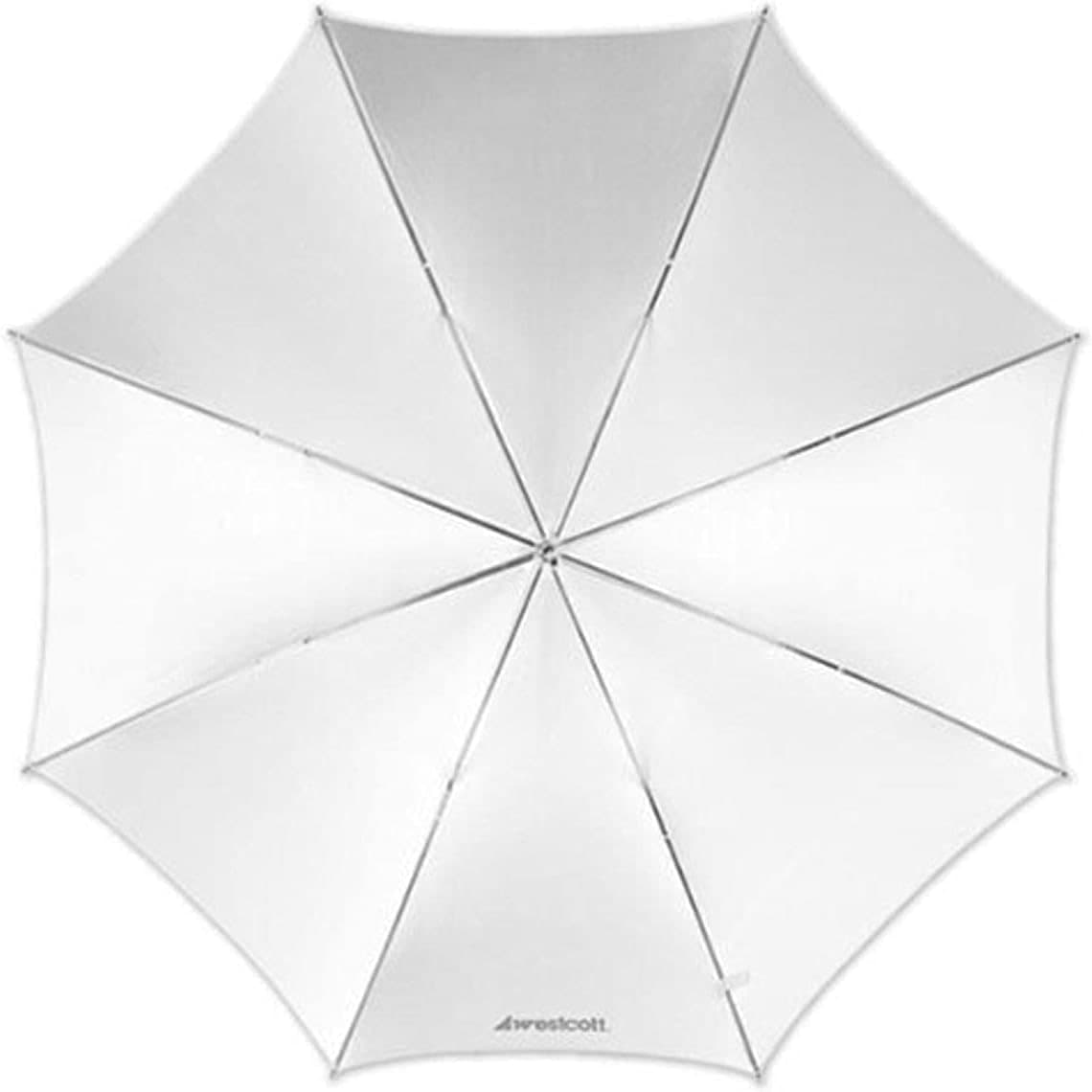
Tradeoff: Spills light in every direction
Use the retailer for the current price after the tradeoff makes sense. Confirm power, trigger compatibility, modifier mount, and whether the kit includes a stand.

Video and hybrid shooters lighting interviews with continuous LEDs.
Confirm the exact model, seller, and price before buying. Confirm power, trigger compatibility, modifier mount, and whether the kit includes a stand.
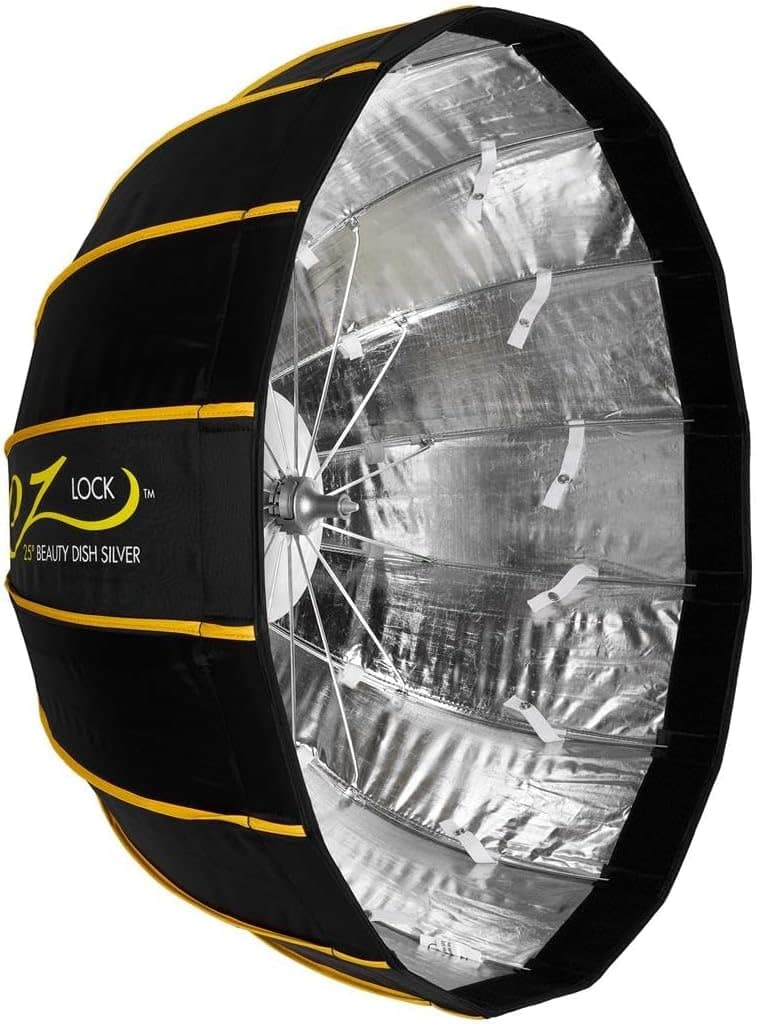
Headshot and beauty photographers who want a crisp, sculpted look.
Use the retailer for the current price after the tradeoff makes sense. Confirm power, trigger compatibility, modifier mount, and whether the kit includes a stand.
- Portrait shooters who want soft, flattering light from a packable modifier.
- Round natural catchlight
- Single grid not always included
Use the retailer for the current price after the tradeoff makes sense. Confirm power, trigger compatibility, modifier mount, and whether the kit includes a stand.
- Beginners who want the cheapest, fastest way to soften a light.
- Very cheap
- Spills light in every direction
Use the retailer for the current price after the tradeoff makes sense. Confirm power, trigger compatibility, modifier mount, and whether the kit includes a stand.
- Headshot and beauty photographers who want a crisp, sculpted look.
- Sculpted contrast look
- Less forgiving than a softbox
Use the retailer for the current price after the tradeoff makes sense. Confirm power, trigger compatibility, modifier mount, and whether the kit includes a stand.
- Video and hybrid shooters lighting interviews with continuous LEDs.
- Sturdy build
- Heavier
Confirm the exact model, seller, and price before buying. Confirm power, trigger compatibility, modifier mount, and whether the kit includes a stand.
- Beginners building a first studio setup affordably.
- Includes a grid
- Basic build
Use the retailer for the current price after the tradeoff makes sense. Confirm power, trigger compatibility, modifier mount, and whether the kit includes a stand.
- Softening a Bowens-mount COB key for portraits and product video.
- Standard Bowens mount fits many lights
- Manual rod assembly takes time
Use the retailer for the current price after the tradeoff makes sense. Confirm power, trigger compatibility, modifier mount, and whether the kit includes a stand.
| Pick | Score | Price | Verdict | Action |
|---|---|---|---|---|
| Best OverallGodox AD-S65S | 8.9
| $65 - $80 | Portrait shooters who want soft, flattering light from a packable modifier. Wins: Round natural catchlight Skip: Single grid not always included | Check Amazon · $65 - $80 Use the retailer for the current price after the tradeoff makes sense. Confirm power, trigger compatibility, modifier mount, and whether the kit includes a stand. |
| Best ValueWestcott 43-inch Umbrella | 8.2
| $25 - $39 | Beginners who want the cheapest, fastest way to soften a light. Wins: Very cheap Skip: Spills light in every direction | Check Amazon · $25 - $39 Use the retailer for the current price after the tradeoff makes sense. Confirm power, trigger compatibility, modifier mount, and whether the kit includes a stand. |
| Best for HeadshotsGlow Beauty Dish | 8.4
| $65 - $80 | Headshot and beauty photographers who want a crisp, sculpted look. Wins: Sculpted contrast look Skip: Less forgiving than a softbox | Check Amazon · $65 - $80 Use the retailer for the current price after the tradeoff makes sense. Confirm power, trigger compatibility, modifier mount, and whether the kit includes a stand. |
| Best for VideoAputure Light Dome III | 8.8
| $199 - $259 | Video and hybrid shooters lighting interviews with continuous LEDs. Wins: Sturdy build Skip: Heavier | Search Amazon Confirm the exact model, seller, and price before buying. Confirm power, trigger compatibility, modifier mount, and whether the kit includes a stand. |
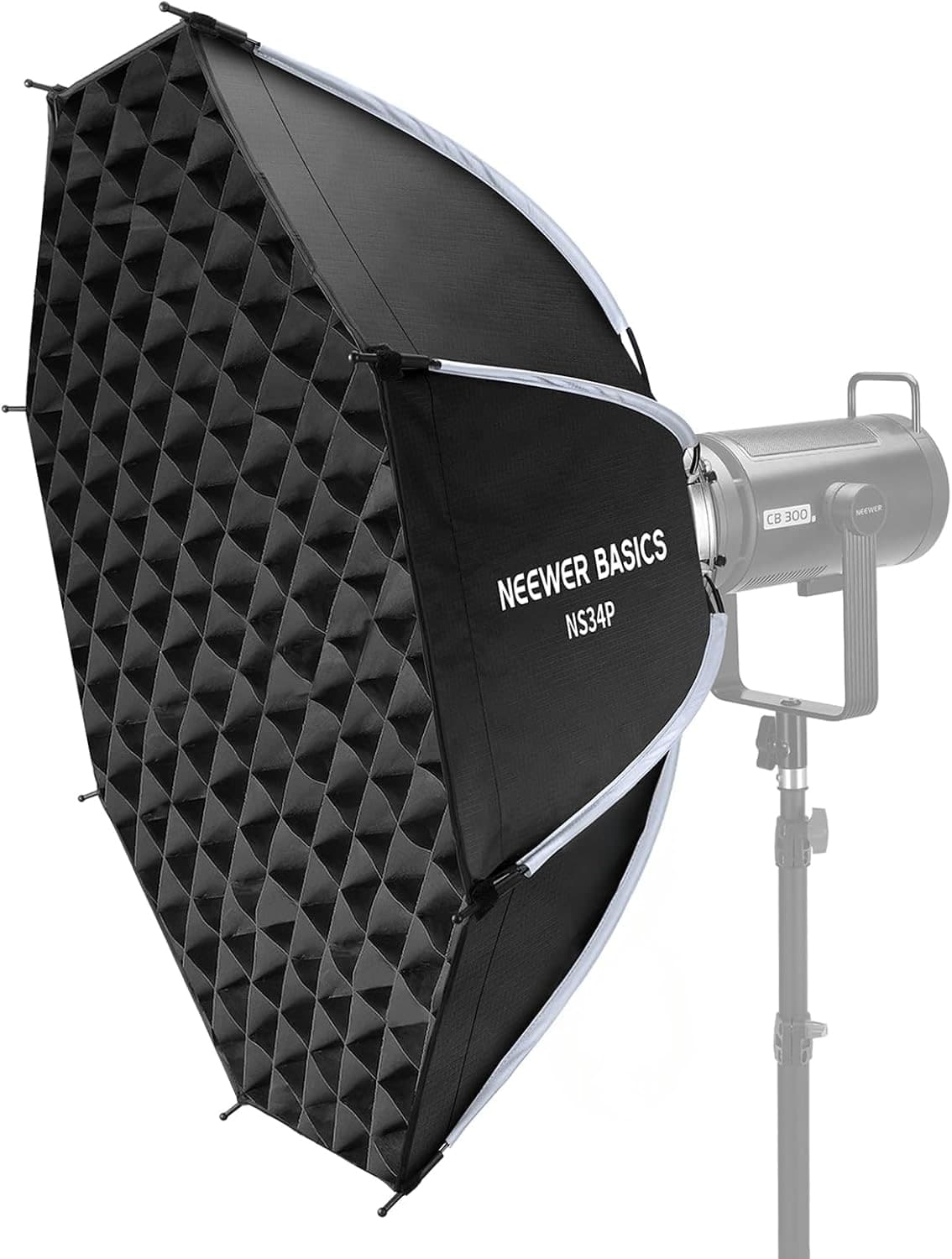 Best BudgetNeewer Softbox Grid Kit Best BudgetNeewer Softbox Grid Kit | 8.0
| $65 - $80 | Beginners building a first studio setup affordably. Wins: Includes a grid Skip: Basic build | Check Amazon · $65 - $80 Use the retailer for the current price after the tradeoff makes sense. Confirm power, trigger compatibility, modifier mount, and whether the kit includes a stand. |
 PickGodox SB-BW Softbox (37 in) PickGodox SB-BW Softbox (37 in) | 7.9
| $50 - $80 | Softening a Bowens-mount COB key for portraits and product video. Wins: Standard Bowens mount fits many lights Skip: Manual rod assembly takes time | Check Amazon · $50 - $80 Use the retailer for the current price after the tradeoff makes sense. Confirm power, trigger compatibility, modifier mount, and whether the kit includes a stand. |
Keep going
Next useful steps
Pick one. Each link continues the same job without starting the research over.
Shoot kits
Buy around the job, not the spec sheet
Studio table
Product studio kit
$5,268
A high-detail body, macro lens, portable strobe, modifier, backdrop, and grip pieces for repeatable product photos at home or in a small studio.
Best small-commerce kit
Buy order: start with the first piece that makes the job possible, then add the support pieces that remove friction.
Camera: start here. If this piece does not make the shoot easier, the rest of the kit can wait.
Safety: add it after the core setup proves useful.
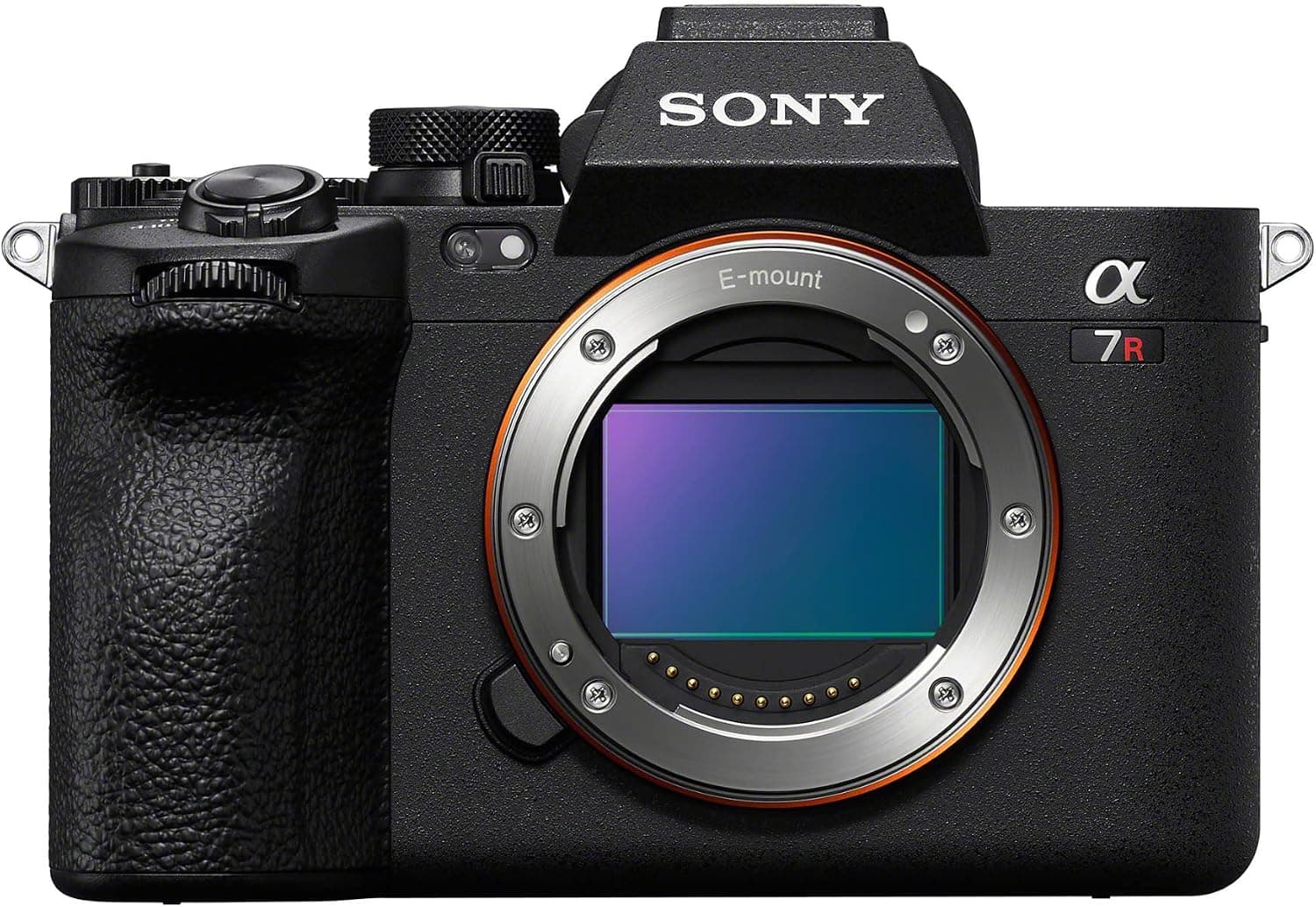
Sony a7R V
High-resolution files give product work enough detail for crops, retouching, and marketplace layouts.
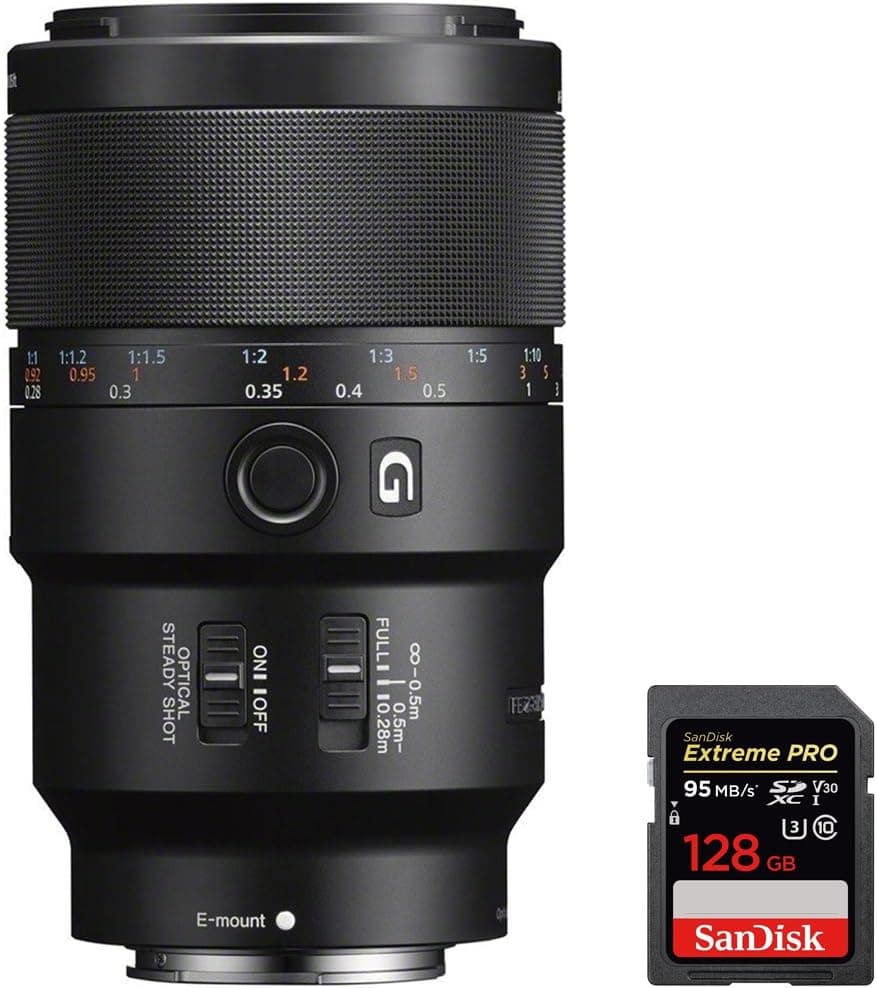
Sony FE 90mm f/2.8 Macro G OSS
True close focus for small products, labels, texture, and detail shots.
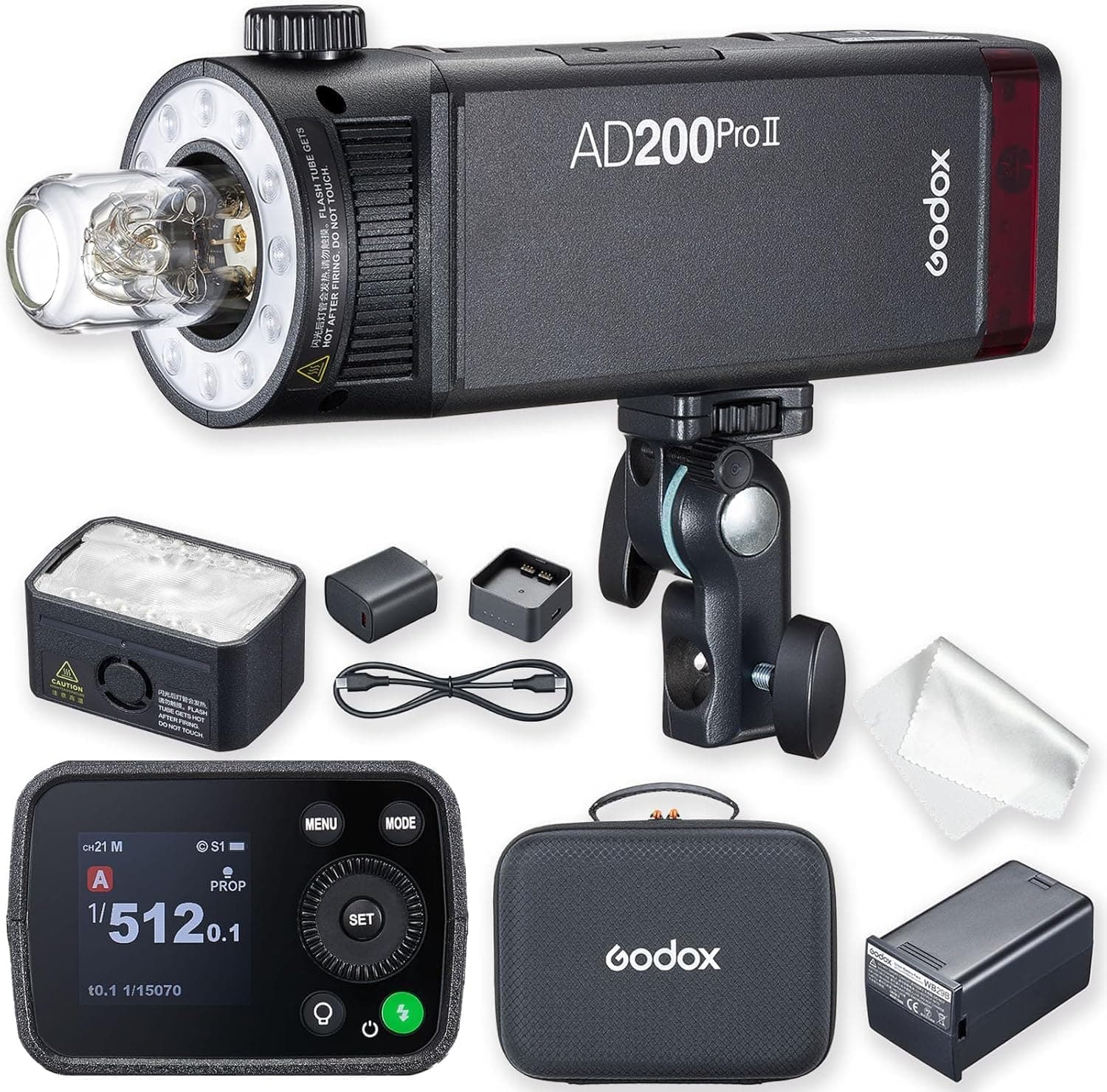
Godox AD200 Pro
More control and output than a speedlight while still staying portable.
Godox AD-S65S
Soft, controlled light with a round catchlight for bottles, ceramics, food, and tabletop objects.
Savage Seamless Paper
A clean sweep removes distracting horizon lines and makes products read professionally.
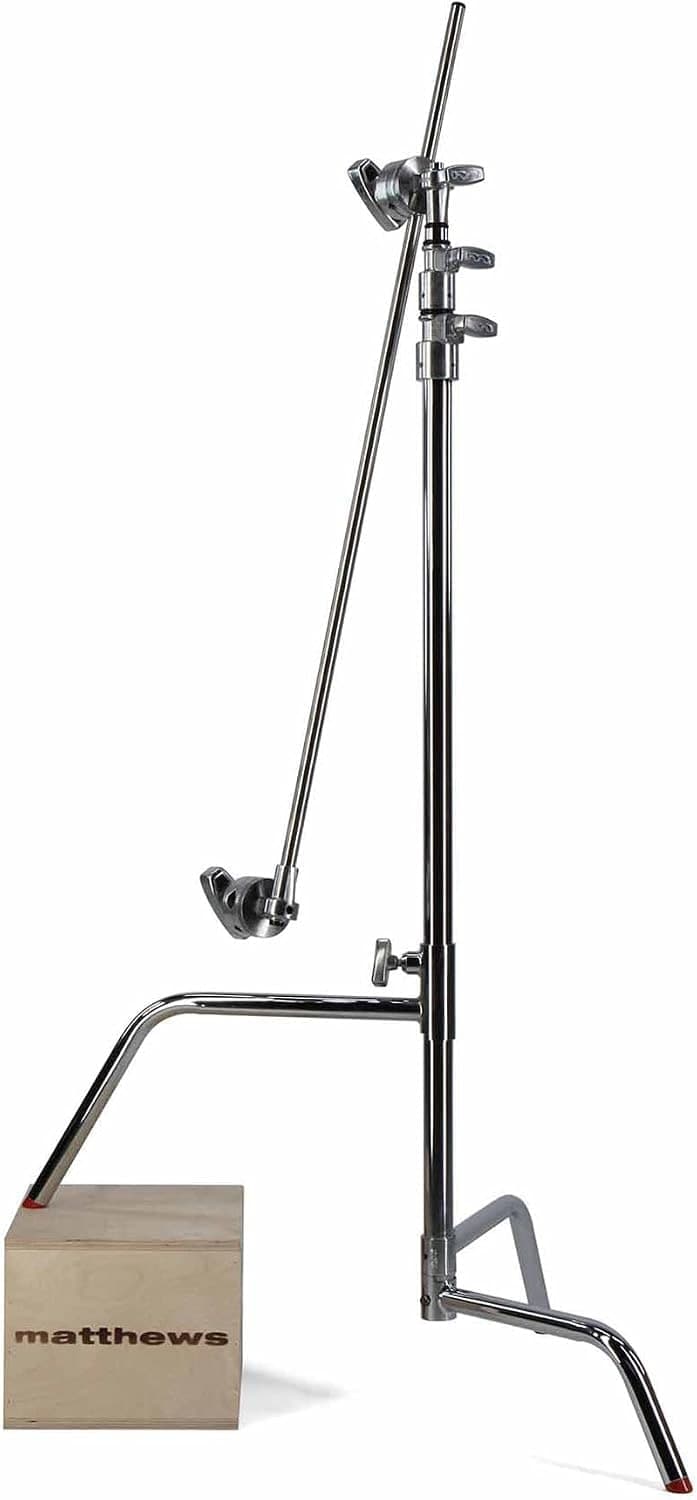
Matthews C-Stand
Holds lights, flags, and reflectors in fixed positions while the product stays untouched.
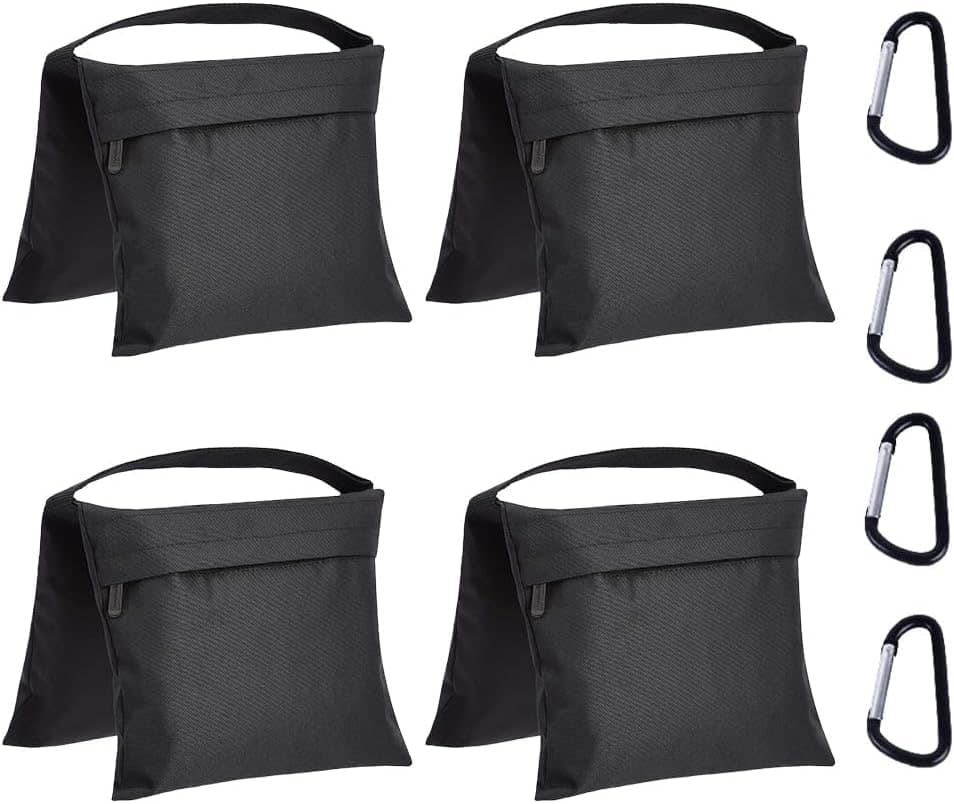
Amazon Basics Photography Sandbags (4-Pack)
Keeps the stand planted when a modifier or boom arm pulls the load off-center.
Prices are rough catalog totals. Retailer prices change, and you can swap pieces to fit your system.
Related Gear guides
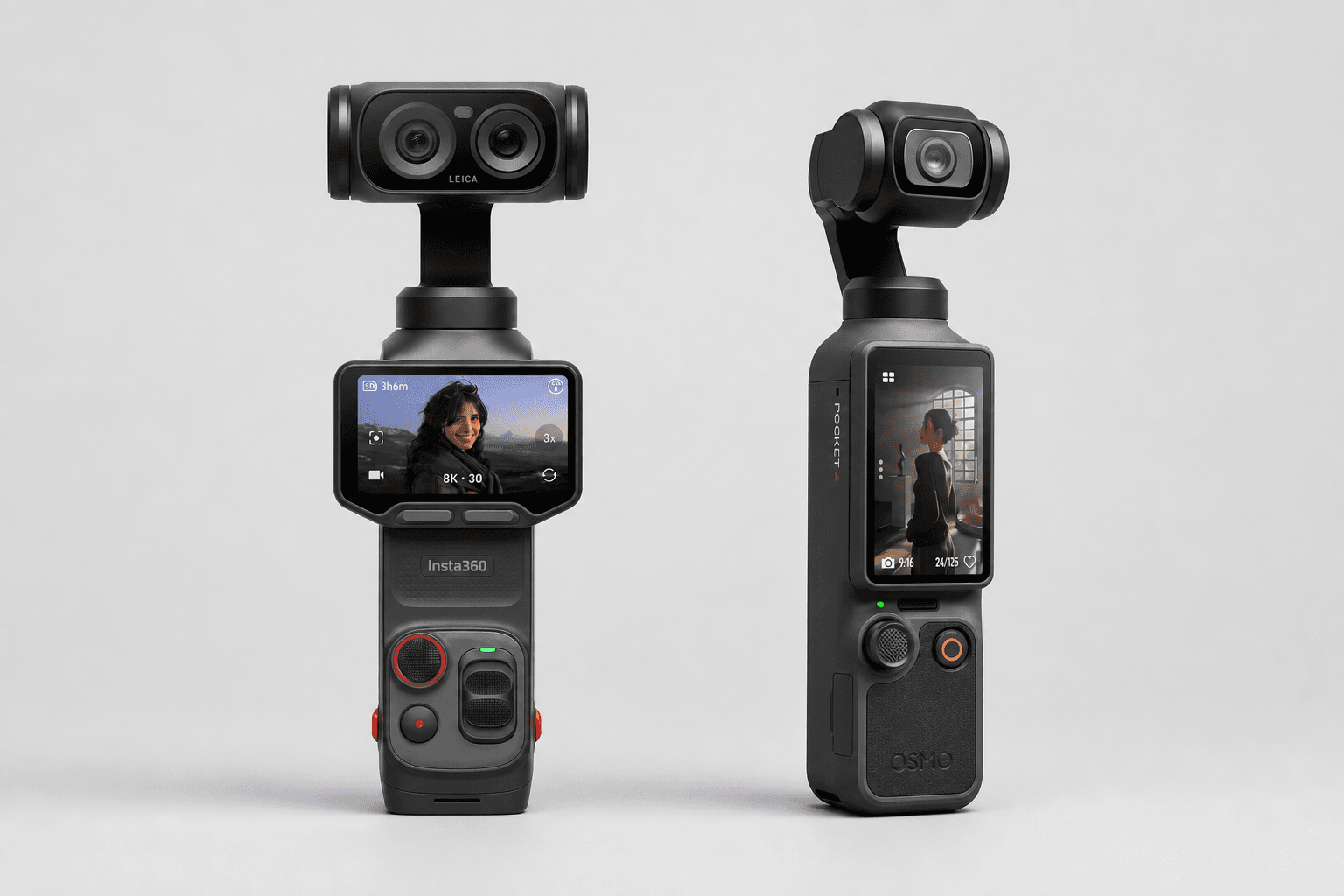
Insta360 Luna Ultra vs DJI Osmo Pocket 4: Which Pocket Gimbal Should You Buy?
Compare Luna Ultra and DJI Pocket 4 by lenses, video, Log formats, storage, U.S. availability, and the filming jobs each pocket gimbal handles best.
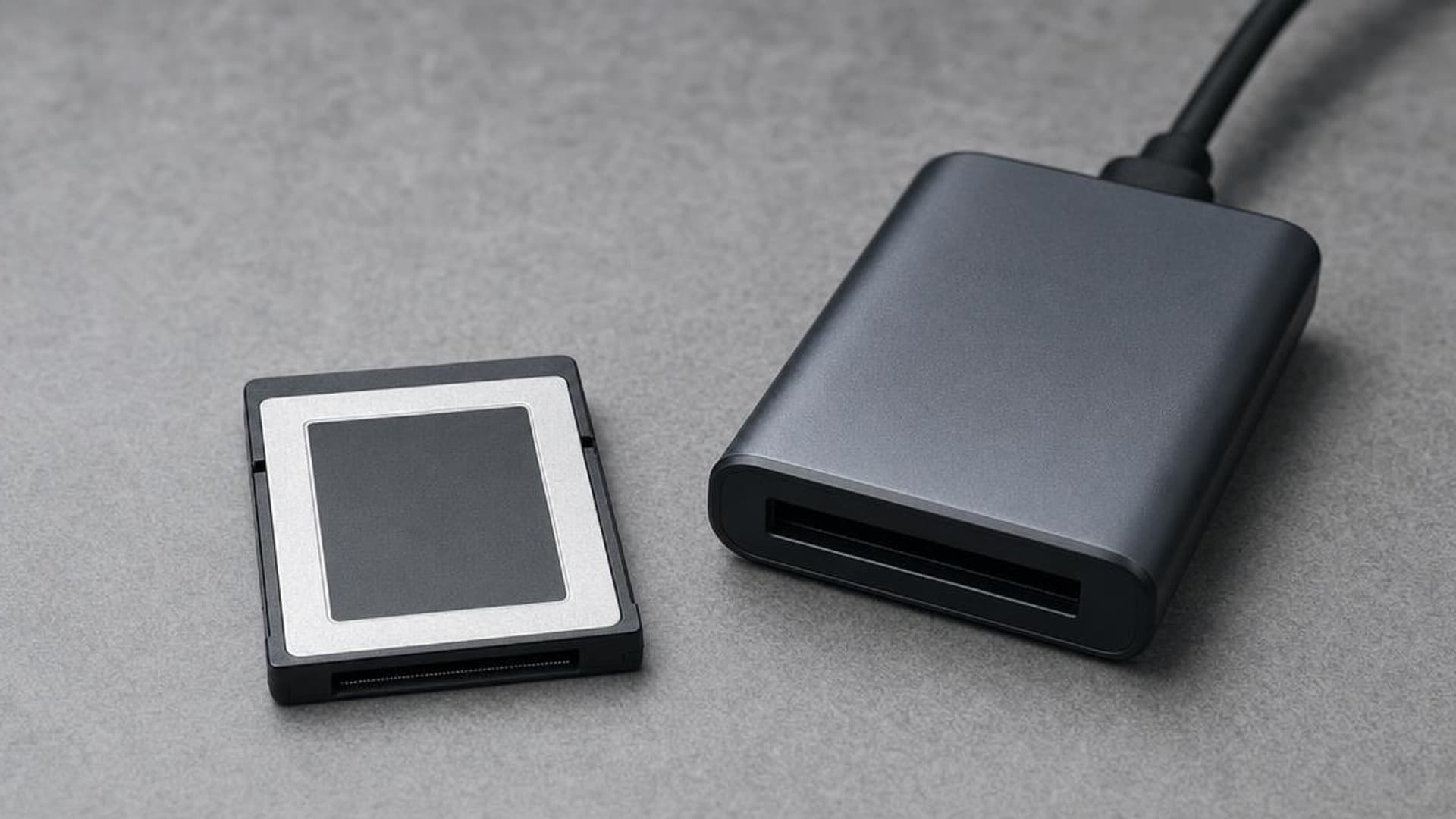
CFexpress 4.0 and VPG Explained: Buy the Card Your Camera Needs
CFexpress 4.0 doubles theoretical bandwidth, while VPG certifies sustained video writes. Learn Type A vs B, VPG classes, and when 4.0 is worth paying for.
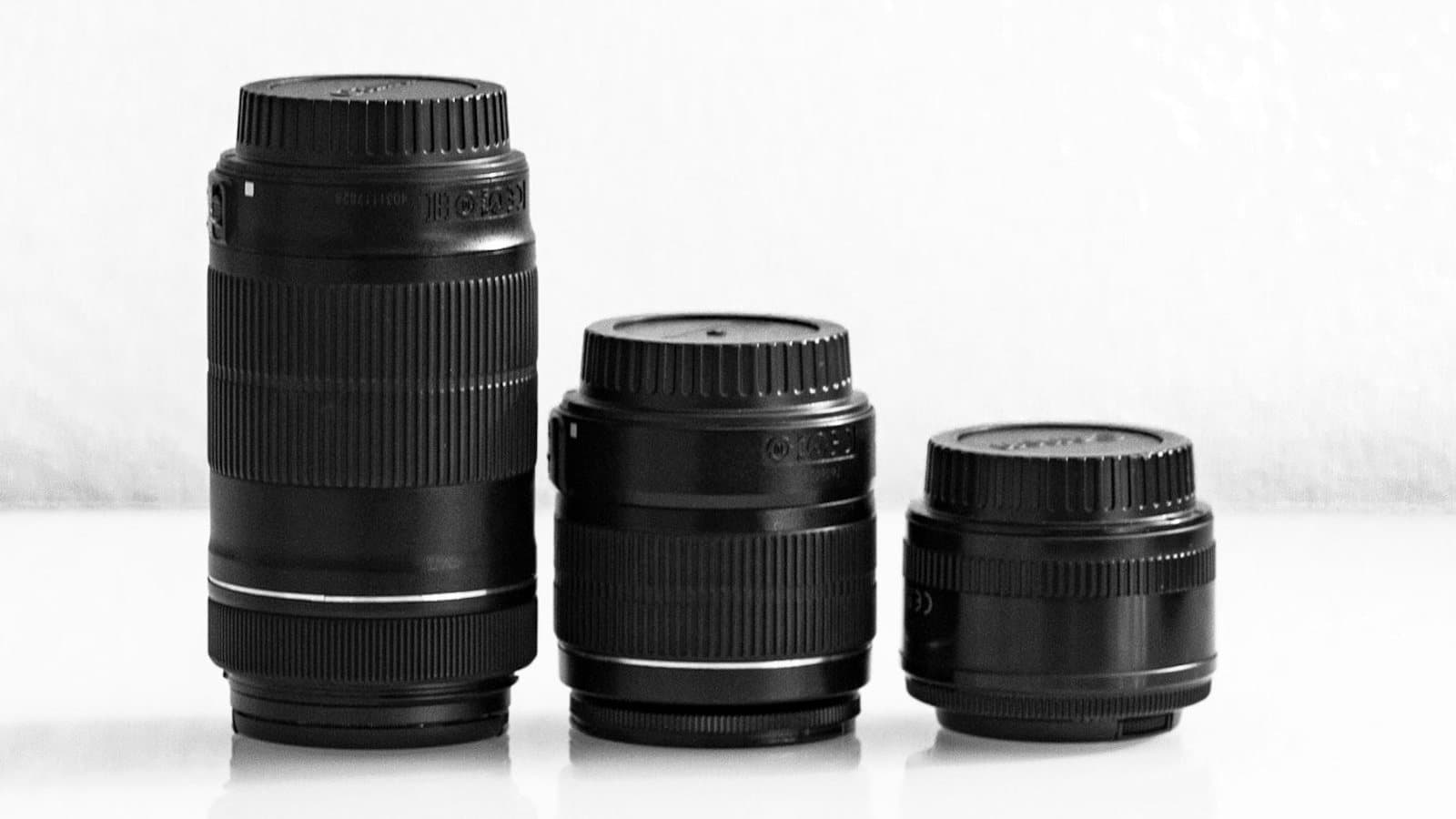
Focal Length Explained: What 24mm, 50mm, 85mm, and 200mm Actually Do
What the millimeter number on a lens changes in the field: angle of view, compression, and working distance. When to reach for 24, 50, 85, or 200mm.
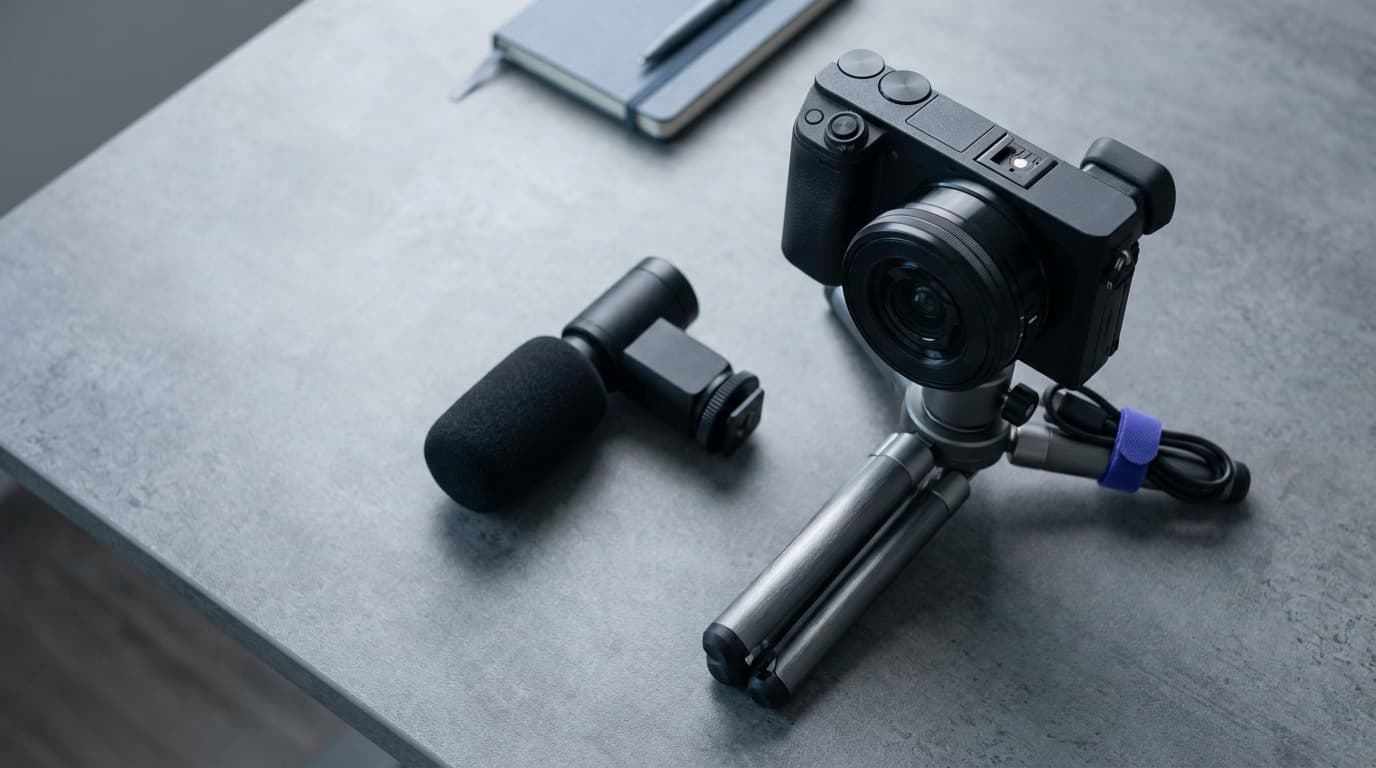
Canon EOS R50 V vs Sony ZV-E10 II: Which Beginner Vlogging Camera Should You Buy?
Canon EOS R50 V is the easier beginner creator kit. Sony ZV-E10 II is the deeper lens-system pick. Compare the practical tradeoffs.
Researched, not personally tested: picks compare specifications, available owner feedback, and established expert sources. As an Amazon Associate I earn from qualifying purchases. We may earn a commission from links here, at no extra cost to you. How we research →