We may earn a commission from links on this page, at no extra cost to you. Picks are researched, not sponsored.
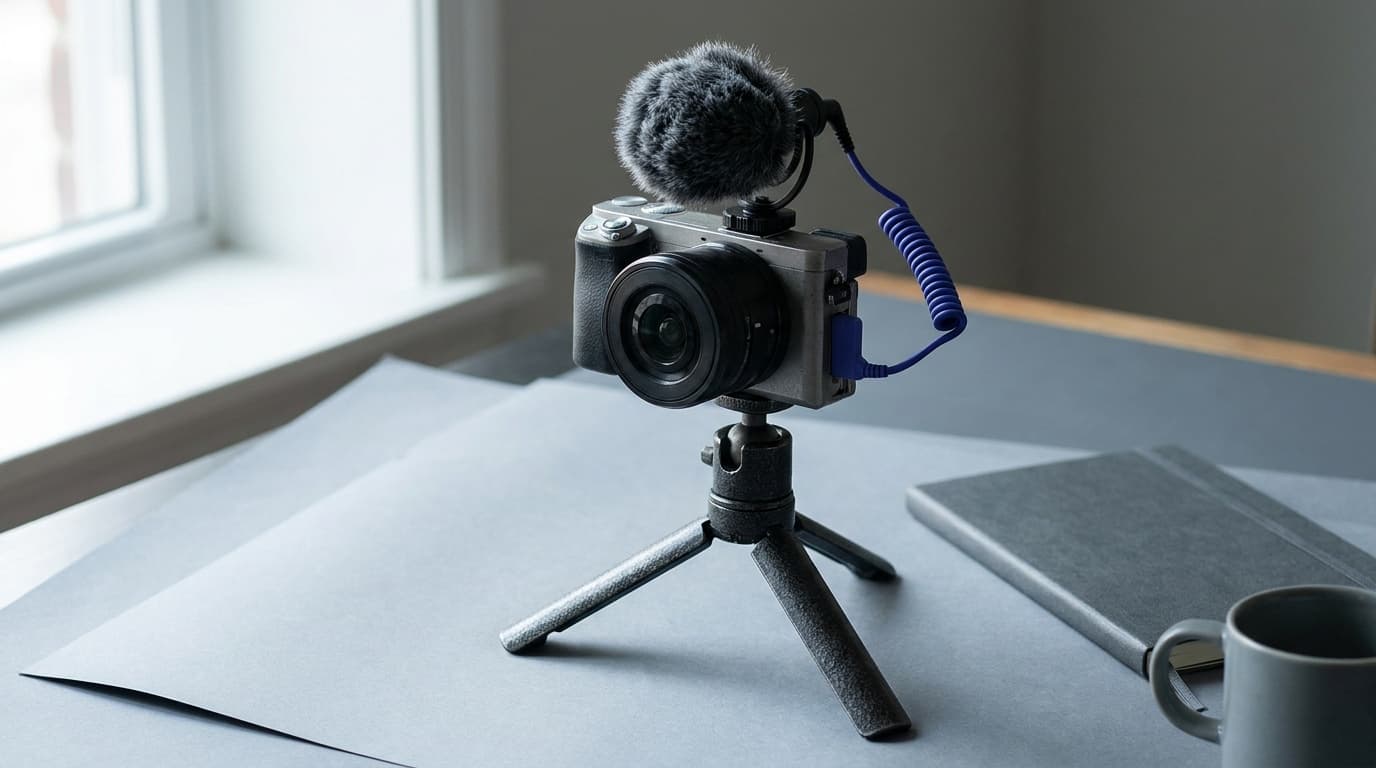
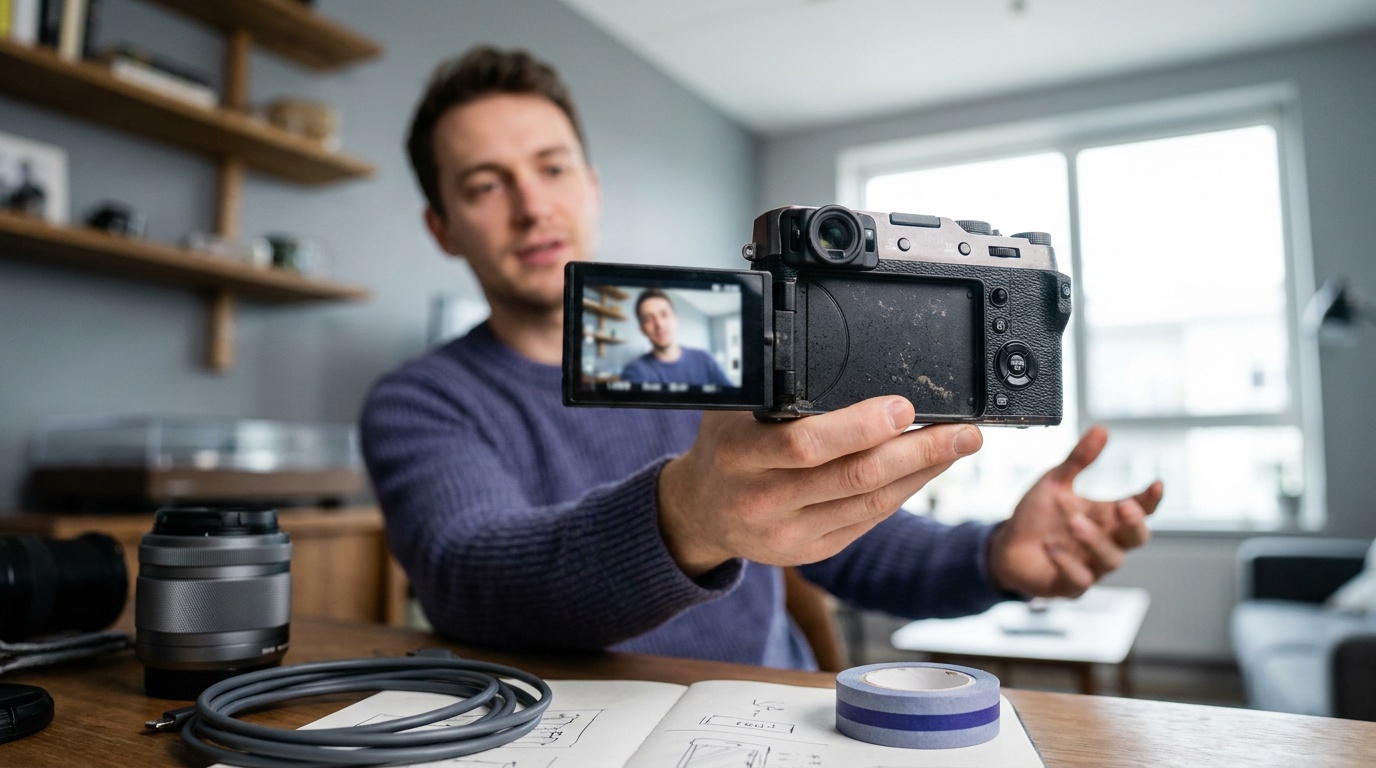
A good vlogging camera must hold focus on your face, keep movement watchable, frame you without guesswork, and record usable sound. Resolution matters, but it should not decide the purchase before those four jobs.
If you are still choosing between a pocket camera and a camera system, start with what camera should you buy. If D-Log, I-Log, 10-bit, H.265, and RAW are the confusing part, read video codecs, formats, Log, and RAW explained before paying for a format you will not use.
How do you choose a vlogging camera?
Choose the form factor first.
- Pocket gimbal: best for walking, travel, vertical clips, and one-handed filming. It removes the separate gimbal and lens decisions.
- Fixed-lens compact: small and quick, with more framing choice than most pocket gimbals but less room to grow than mirrorless.
- Interchangeable-lens camera: best for controlled videos, low light, shallow backgrounds, still photos, and a kit that can expand.
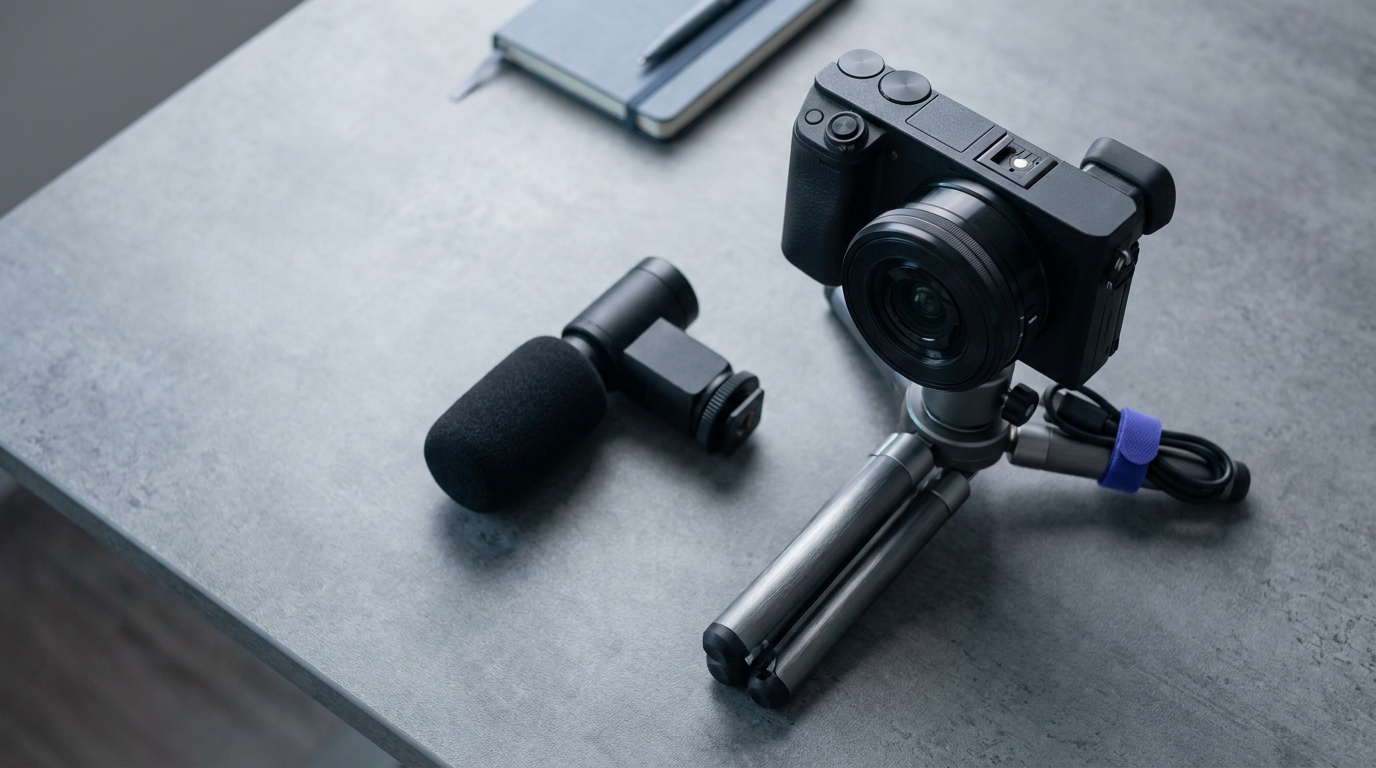
Then check the screen, face autofocus, audio path, stabilization, storage, and the file formats your editor can handle. A larger sensor can help indoors and can blur the background more, but a camera that stays home because the kit is too large is not an upgrade.
How do the current picks compare?
Model status matters here. A previous-generation camera can still be a good value, but it should not be presented as the latest model.
| Camera | Model status | Sensor and lens | Video | Price band (Amazon U.S., Sep 26, 2026, where sold) | Best for |
|---|---|---|---|---|---|
| Insta360 Luna Ultra | Current, official U.S. path | 1-inch 20mm main plus 1/1.3-inch 60mm tele | 8K 30p, 4K 120p, 10-bit I-Log | $769-$970 | Premium pocket setup with two focal lengths |
| DJI Osmo Pocket 3 | Previous generation, sold in U.S. | 1-inch, fixed 20mm equivalent | 4K 120p slow motion, 10-bit D-Log M | $439-$519 | Best-value U.S. pocket gimbal |
| Canon EOS R50 V | Current | 24.2 MP APS-C, interchangeable lens | 4K 30p, cropped 4K 60p, Canon Log 3 | $569-$650 body | Cheapest good start on a lens system |
| Sony ZV-E10 II | Current | 26 MP APS-C, interchangeable lens | 4K 60p, 10-bit 4:2:2 | $1,100-$1,200 body | Step-up lens system for 10-bit work |
| DJI Osmo Pocket 4 | Current, no official U.S. launch | 1-inch stacked, fixed 20mm equivalent | 4K 240p slow motion, 10-bit D-Log | About $470-$600 outside the U.S. | DJI users in an officially supported market |
| Canon PowerShot V1 | Current | 22.3 MP 1.4-type, fixed 17-52mm equivalent zoom | Cooled 4K 30p, cropped 4K 60p | $850-$1,030 | All-in-one compact with a useful wide zoom |
| Fujifilm X-M5 | Current | 26 MP APS-C, interchangeable lens | 6.2K 30p, 4K 60p | $800-$900 | Value mirrorless with good color in camera |
| Sony ZV-1 II | Current | 20 MP 1-inch, fixed 18-50mm equivalent zoom | 4K 30p | $850-$950 | Small fixed-lens travel camera |
| Panasonic Lumix S9 | Current | 24.2 MP full-frame, interchangeable lens | 6K 30p | $1,300-$1,500 | Compact full-frame body with stabilization |
| Sony a6700 | Current | 26 MP APS-C, interchangeable lens | 4K 120p, 10-bit 4:2:2 | $1,300-$1,500 | Step-up hybrid video and stills kit |
Which pocket gimbal should you buy now?
Best Premium Pocket Gimbal
Insta360 Luna Ultra
U.S. creators who want a current premium pocket gimbal with wide and tele framing in one camera.
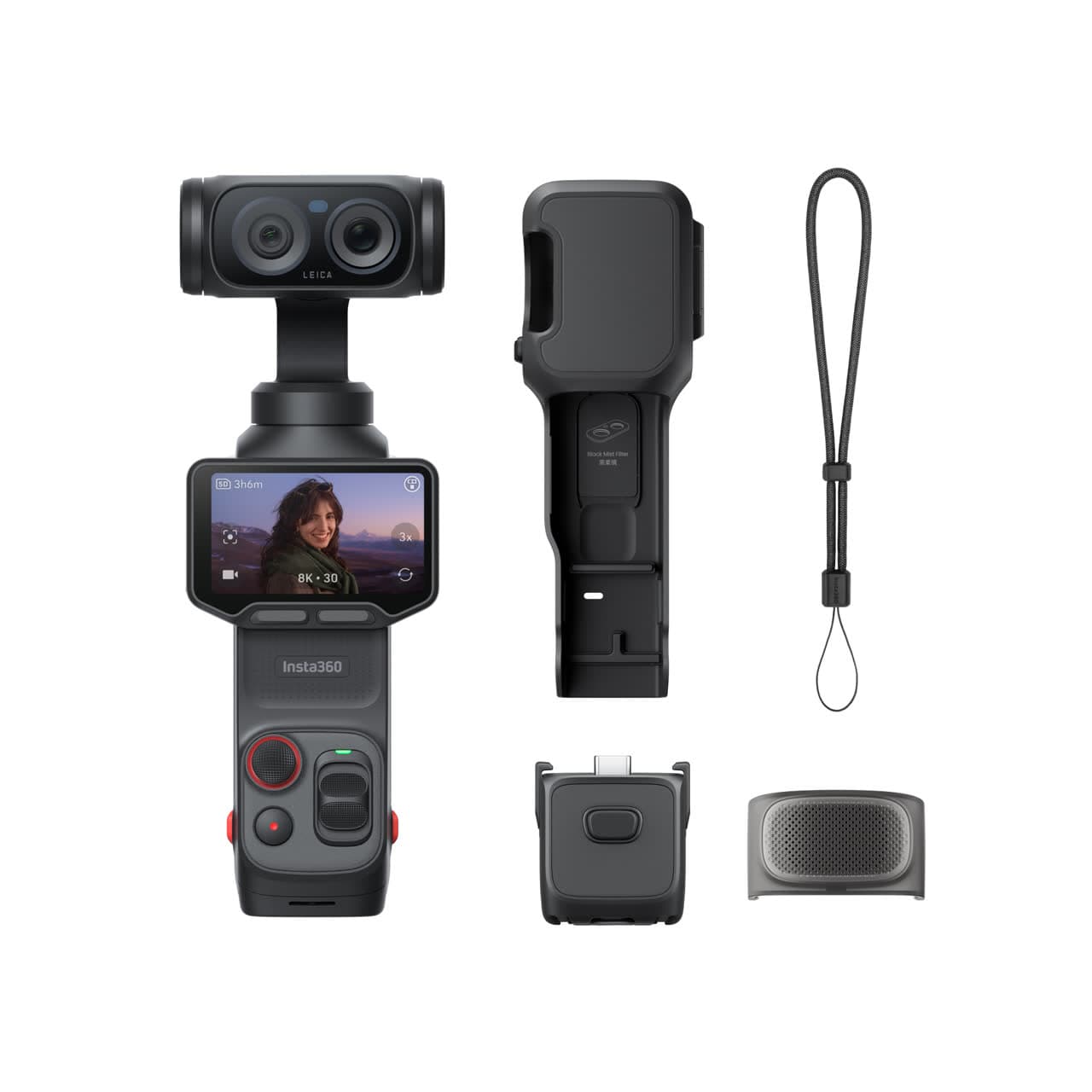
Check price at Insta360The Insta360 Luna Ultra is the strongest current pocket-gimbal choice for a U.S. buyer who wants the new model, not last generation's bargain. Its 20mm-equivalent main camera uses a 1-inch sensor, while the second 60mm-equivalent camera gives portraits, details, and tighter cutaways without digital cropping. The detachable two-inch screen also works as a remote, which is useful when the camera is out of reach.
The tradeoffs are price, 233 g weight, a first-generation accessory ecosystem, and no water, dust, or splash resistance. It is a premium small camera, not an action camera.
Best U.S. Value
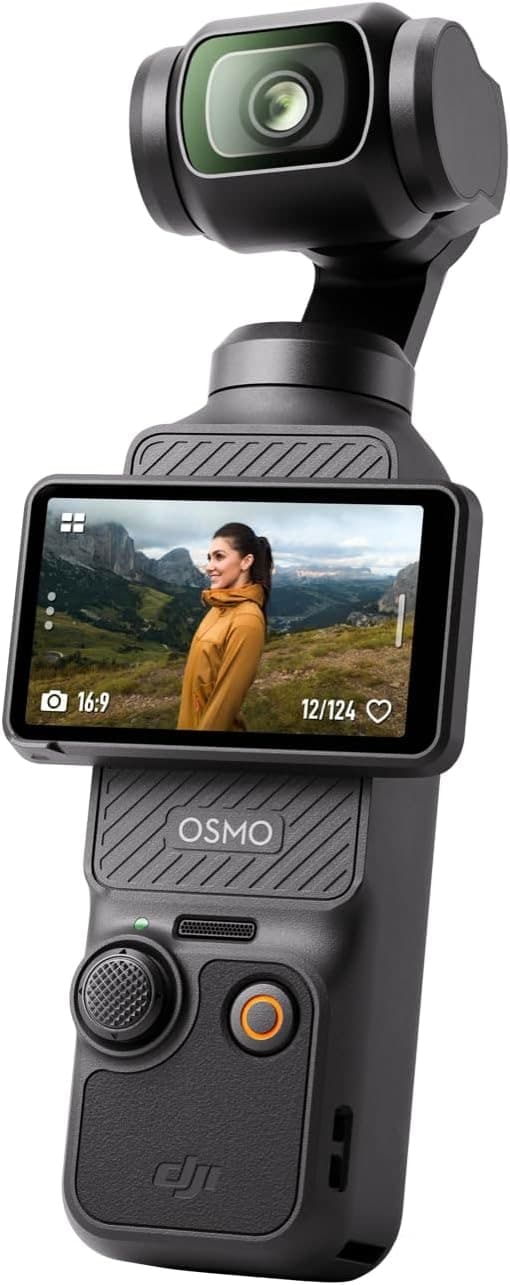
DJI Osmo Pocket 3
U.S. buyers who want a proven, lower-cost pocket gimbal with official domestic retail support.
Check price at AmazonThe DJI Osmo Pocket 3 is the best-value pocket gimbal in the U.S., at about $439 on Amazon on September 26, 2026, well below the Luna Ultra. It is previous generation, but DJI still sells it through its U.S. store, it has a proven accessory path, and its 1-inch sensor, mechanical gimbal, rotating screen, 10-bit D-Log M, and direct DJI mic support remain useful. Buy it because the domestic price and support make sense, not because it is the newest DJI model.
If you are comparing the lower-cost Pocket 3 with a camera system, read DJI Osmo Pocket 3 vs Sony ZV-E10 II.
Current DJI Model
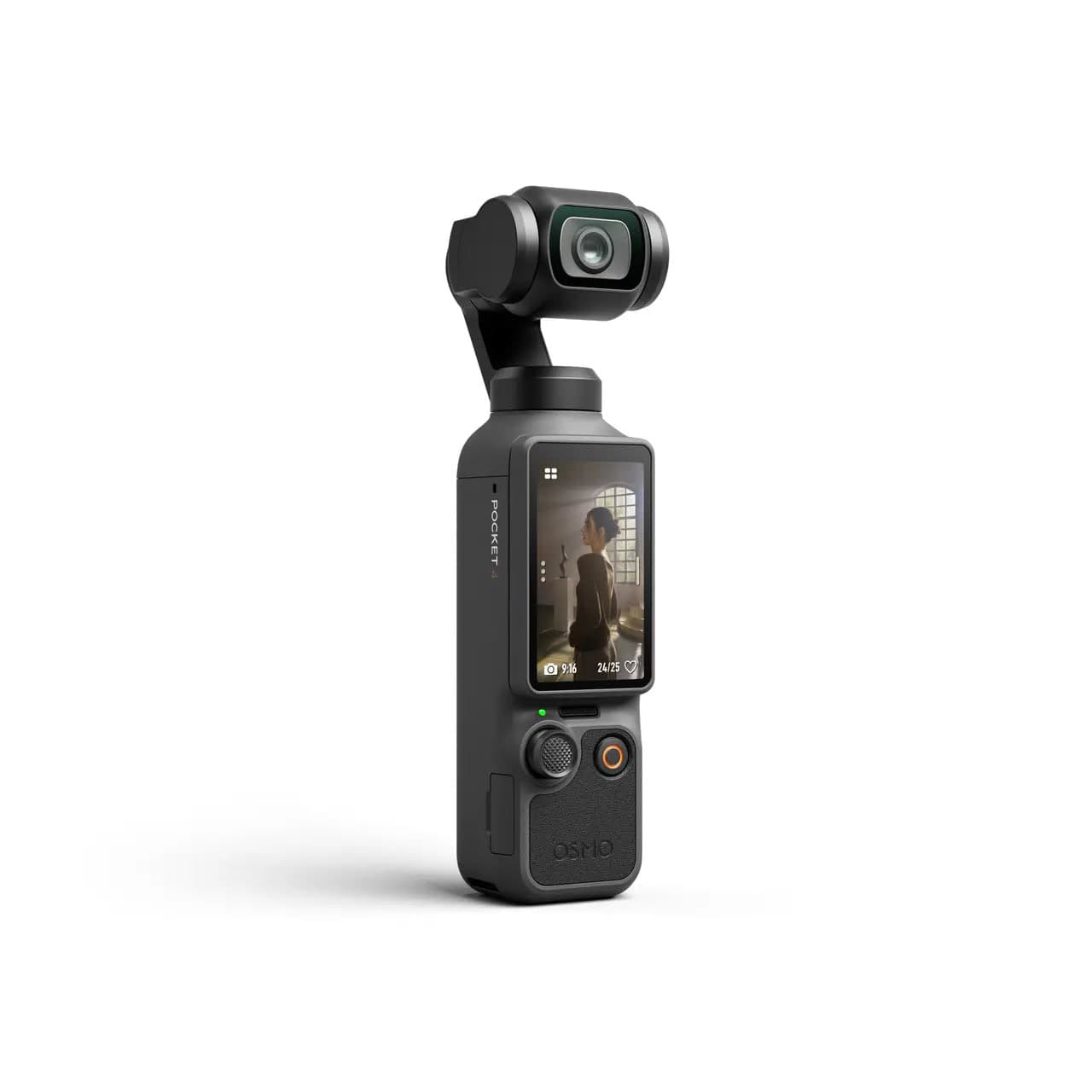
DJI Osmo Pocket 4
Creators in supported DJI regions who want the current one-lens Pocket model and already use DJI audio.
Check price at DJI GlobalThe DJI Osmo Pocket 4 is DJI's current regular Pocket model. It keeps the single 20mm-equivalent lens and adds a 1-inch stacked sensor, 4K/240 slow motion, 10-bit D-Log, 107GB of internal storage, and a rated 240-minute runtime. It makes the most sense where DJI sells it officially and for creators already invested in DJI audio and accessories.
DJI launched Pocket 4 globally in April 2026 without the U.S., and it still has no official U.S. launch as of September 26, 2026; units on U.S. marketplaces come from third-party sellers without U.S. warranty support, so check the seller and return path before treating the lower overseas price as a bargain. The detailed Insta360 Luna Ultra vs DJI Osmo Pocket 4 comparison explains the real choice.
Which mirrorless or compact camera fits your workflow?
Best Beginner Kit
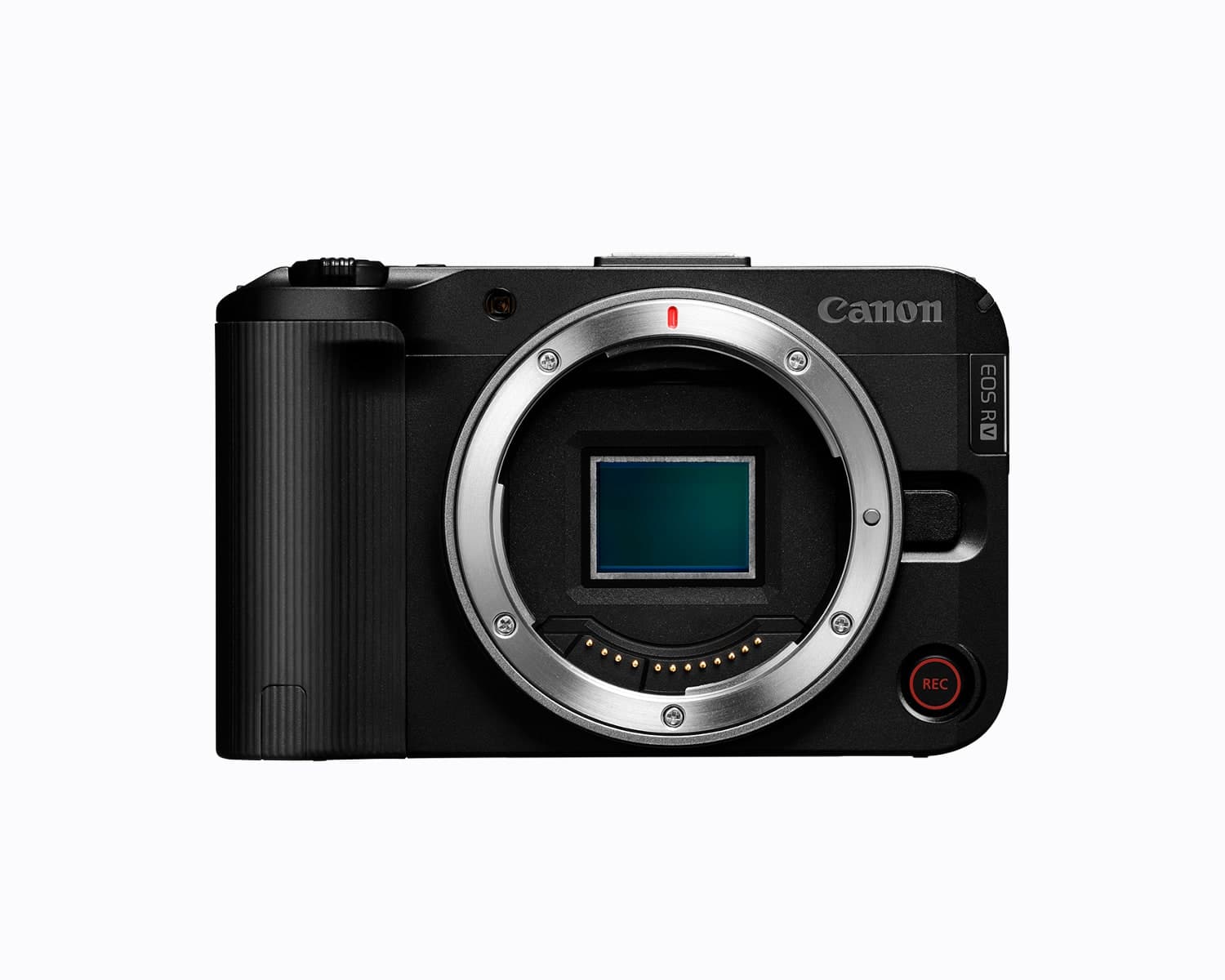
Canon EOS R50 V
New creators who want an interchangeable-lens camera with video controls that make sense immediately.
Check price at AmazonThe Canon EOS R50 V is the cheapest good start on a lens system, at about $569 body only on Amazon. It has front and top record buttons, a tally lamp, vertical and horizontal tripod mounts, a three-microphone array, headphone and microphone ports, and an optional compact power-zoom lens. The tradeoffs are no viewfinder, no in-body stabilization, and a crop in 4K 60p. Read Canon EOS R50 V vs Sony ZV-E10 II for the direct comparison.
Best Lens System Step-Up
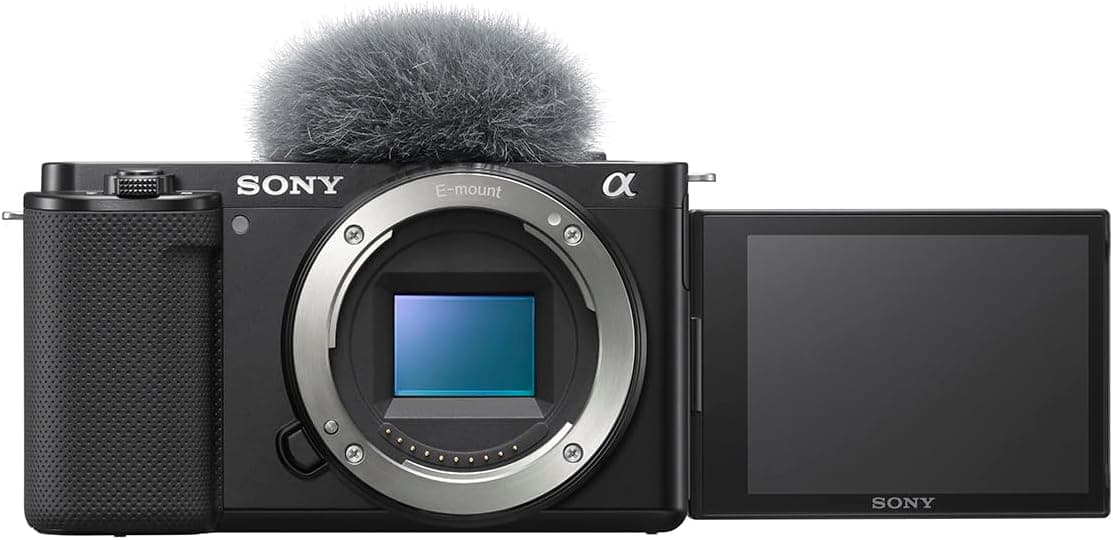
Sony ZV-E10 II
Vloggers and content creators who want interchangeable lenses without a viewfinder.
Check price at AmazonThe Sony ZV-E10 II is the step-up lens system. At about $1,198 body only on Amazon it now costs roughly twice the R50 V, so buy it when 10-bit 4:2:2 and Sony's E-mount lens catalog matter to you. It pairs a 26 MP APS-C sensor with dependable face and eye autofocus and a vari-angle screen. There is no in-body stabilization or viewfinder, so walking footage needs a stabilized lens, careful movement, digital stabilization, or a gimbal. For desk videos, products, interviews, and a system that can grow, it is the stronger long-term body.
Best All-in-One Compact
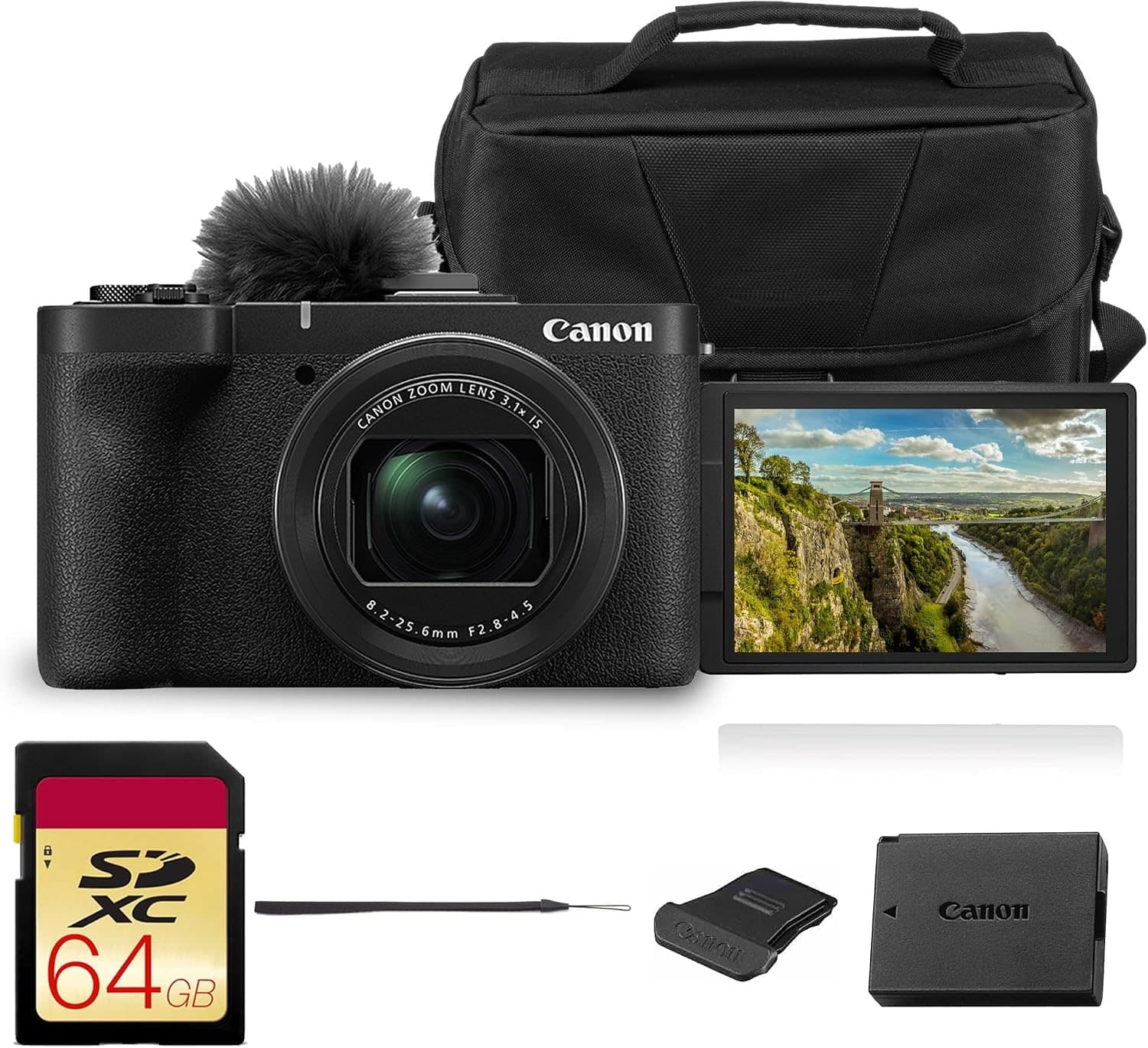
Canon PowerShot V1
Creators who want one compact camera with no lenses to choose and no recording-time anxiety.
Check price at AmazonThe Canon PowerShot V1 is the useful fixed-lens compact. Its 17-52mm-equivalent video zoom starts wide enough for arm's-length framing, the built-in three-stop ND filter helps outdoors, and an internal fan supports longer 4K recording. It costs close to an interchangeable-lens kit, so the value is having the lens, ND, and cooling in one body.
Research pick
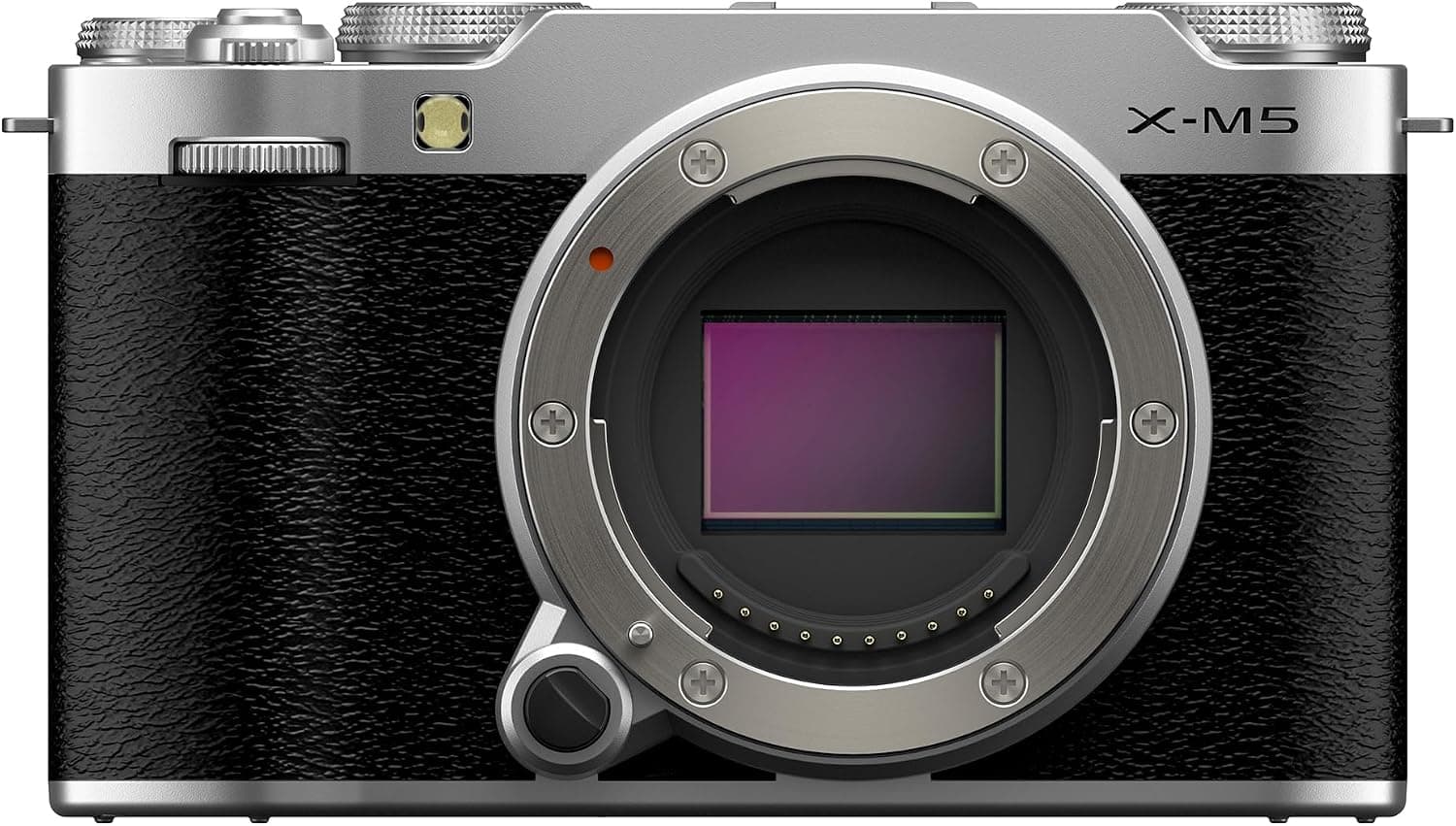
Fujifilm X-M5
Content creators who want Fujifilm color in a small, affordable body.
Check price at AmazonThe Fujifilm X-M5 is the value mirrorless pick. It records 6.2K and 4K 60p, and Fujifilm's film simulations can shorten the color workflow. It has no in-body stabilization and no viewfinder, which makes it better for planned shots than constant handheld movement.
Research pick
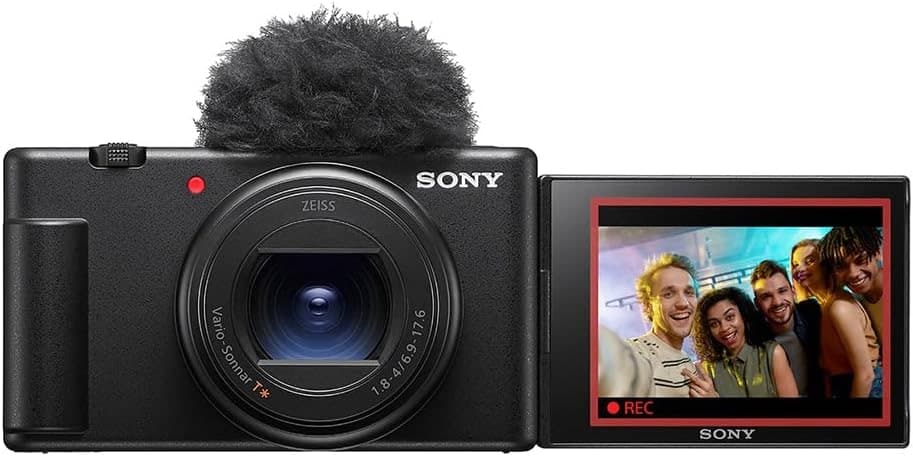
Sony ZV-1 II
Vloggers who want a pocketable upgrade from a smartphone.
Check price at AmazonThe Sony ZV-1 II is a small fixed-lens choice. Its 18mm-equivalent wide end is useful for arm's-length framing, and the 1-inch sensor gives it more control than a phone. It is not mechanically stabilized like the pocket gimbals and cannot change lenses.
Research pick
Panasonic Lumix S9
Creators who want compact full-frame quality with custom color tools.
Check price at AmazonThe Panasonic Lumix S9 puts full-frame image quality and in-body stabilization in a compact shell. Its real-time LUT workflow can produce finished color quickly. The compromises include no viewfinder, no mechanical shutter, and limited ports.
Best APS-C
Sony a6700
Enthusiasts who want flagship autofocus in a compact APS-C body.
Check price at AmazonThe Sony a6700 is the step-up pick for creators who want one body for serious video and stills. It adds in-body stabilization and stronger hybrid controls to Sony's APS-C system. It costs more and carries more like a camera kit than a pocket device.
What mistakes should you avoid?
Do not buy a discontinued or previous-generation model at current-model pricing. Check the model year, official sales region, warranty path, and whether the retailer is importing it. Then avoid the usual kit mistakes: weak audio, the wrong card format, expensive Log features without a grading workflow, and a body so large that it stays home.
What is the best current pocket camera for vlogging in the U.S.?
The Insta360 Luna Ultra is the current premium pocket-gimbal pick with an official U.S. sales path. DJI Osmo Pocket 3 remains a lower-cost previous-generation option with domestic DJI support. Pocket 4 is current, but it has no official U.S. launch as of September 26, 2026.
Is DJI Osmo Pocket 3 outdated?
It is previous generation, not obsolete. Pocket 4 replaced it in DJI's current international lineup, but Pocket 3 remains officially sold in the U.S. and can be a sensible value purchase when its price is clearly lower than newer alternatives.
Is a pocket gimbal better than a mirrorless vlogging camera?
Use a pocket gimbal when movement, size, and quick setup matter most. Use a mirrorless camera when you need lens changes, still photos, stronger low-light control, shallow backgrounds, or a system that can expand.
Should I buy DJI Osmo Pocket 4P in the U.S.?
No U.S. recommendation. DJI announced Pocket 4P internationally, but its U.S. store does not list the model. An import can create warranty, service, and return uncertainty.
Sources: Insta360 Luna Ultra official specifications, Insta360 Luna Ultra recording specifications, Insta360 and Leica launch announcement, DJI Osmo Pocket 4 official announcement, DJI Osmo Pocket 4 release notes, DJI U.S. store, Sony ZV-E10 II official specifications, Canon EOS R50 V official product page, PetaPixel on Pocket 4 U.S. imports. Prices are Amazon U.S. listings checked September 26, 2026.
Compare picks
The short version
Use this to narrow the list before opening the detailed cards.
Scores weigh fit, owner sentiment, build, and value. Affiliate links do not change pick order. Methodology
Buying order
Start with the skip note. A good deal on the wrong camera is still the wrong camera.
Compare verdictsIf you already own lenses, check the system path before buying into a new mount.
Check systemsOnce the fit makes sense, compare current deals and retailer listings.
Check current dealsCamera system shortcut
If you already own one of these systems, keep the comparison inside that ecosystem before checking out.
Autofocus hybrid kits
Simple camera paths
APS-C travel kits
Pocket video setups
U.S. creators who want a current premium pocket gimbal with wide and tele framing in one camera.
Use the retailer for the current price after the tradeoff makes sense. Confirm lens mount, sensor format, battery, charger, and kit contents.
Tradeoff: Fixed wide lens
Use the retailer for the current price after the tradeoff makes sense. Confirm lens mount, sensor format, battery, charger, and kit contents.
Creators in supported DJI regions who want the current one-lens Pocket model and already use DJI audio.
Use the retailer for the current price after the tradeoff makes sense. Confirm lens mount, sensor format, battery, charger, and kit contents.
Creators who want one compact camera with no lenses to choose and no recording-time anxiety.
Use the retailer for the current price after the tradeoff makes sense. Confirm lens mount, sensor format, battery, charger, and kit contents.
Price ladder
The useful range here runs from $439 to $1,150. Start with the ceiling that matches the assignment.
- U.S. creators who want a current premium pocket gimbal with wide and tele framing in one camera.
- Two useful focal lengths
- Costs more than a Pocket 3
Use the retailer for the current price after the tradeoff makes sense. Confirm lens mount, sensor format, battery, charger, and kit contents.
- U.S. buyers who want a proven, lower-cost pocket gimbal with official domestic retail support.
- Real mechanical stabilization
- Fixed wide lens
Use the retailer for the current price after the tradeoff makes sense. Confirm lens mount, sensor format, battery, charger, and kit contents.
- Creators in supported DJI regions who want the current one-lens Pocket model and already use DJI audio.
- 4K/240 slow motion
- No official U.S. sales channel
Use the retailer for the current price after the tradeoff makes sense. Confirm lens mount, sensor format, battery, charger, and kit contents.
- New creators who want an interchangeable-lens camera with video controls that make sense immediately.
- Creator-first controls
- No in-body stabilization
Use the retailer for the current price after the tradeoff makes sense. Confirm lens mount, sensor format, battery, charger, and kit contents.
- Vloggers and content creators who want interchangeable lenses without a viewfinder.
- Sharp 26 MP sensor in a creator-friendly body
- No mechanical shutter, so rolling shutter shows in stills
Use the retailer for the current price after the tradeoff makes sense. Confirm lens mount, sensor format, battery, charger, and kit contents.
- Creators who want one compact camera with no lenses to choose and no recording-time anxiety.
- Wide built-in zoom
- Costs nearly as much as a mirrorless kit
Use the retailer for the current price after the tradeoff makes sense. Confirm lens mount, sensor format, battery, charger, and kit contents.
- Content creators who want Fujifilm color in a small, affordable body.
- Strong video for the price
- No in-body stabilization
Use the retailer for the current price after the tradeoff makes sense. Confirm lens mount, sensor format, battery, charger, and kit contents.
- Vloggers who want a pocketable upgrade from a smartphone.
- Wide 18mm-equivalent lens good for selfie video
- No in-body stabilization
Use the retailer for the current price after the tradeoff makes sense. Confirm mount, focal length, filter size, and autofocus compatibility.
| Pick | Score | Price | Verdict | Action |
|---|---|---|---|---|
| Best Premium Pocket GimbalInsta360 Luna Ultra | 9.1
| $769 - $970 | U.S. creators who want a current premium pocket gimbal with wide and tele framing in one camera. Wins: Two useful focal lengths Skip: Costs more than a Pocket 3 | Check Insta360 · $769 - $970 Use the retailer for the current price after the tradeoff makes sense. Confirm lens mount, sensor format, battery, charger, and kit contents. |
| Best U.S. ValueDJI Osmo Pocket 3 | 9.0
| $439 - $519 | U.S. buyers who want a proven, lower-cost pocket gimbal with official domestic retail support. Wins: Real mechanical stabilization Skip: Fixed wide lens | Check Amazon · $439 - $519 Use the retailer for the current price after the tradeoff makes sense. Confirm lens mount, sensor format, battery, charger, and kit contents. |
| Current DJI ModelDJI Osmo Pocket 4 | 9.0
| $470 - $600 outside the U.S. | Creators in supported DJI regions who want the current one-lens Pocket model and already use DJI audio. Wins: 4K/240 slow motion Skip: No official U.S. sales channel | Check DJI Global · $470 - $600 outside the U.S. Use the retailer for the current price after the tradeoff makes sense. Confirm lens mount, sensor format, battery, charger, and kit contents. |
 Best Beginner KitCanon EOS R50 V Best Beginner KitCanon EOS R50 V | 8.6
| $569 - $650 | New creators who want an interchangeable-lens camera with video controls that make sense immediately. Wins: Creator-first controls Skip: No in-body stabilization | Check Amazon · $569 - $650 Use the retailer for the current price after the tradeoff makes sense. Confirm lens mount, sensor format, battery, charger, and kit contents. |
 Best Lens System Step-UpSony ZV-E10 II Best Lens System Step-UpSony ZV-E10 II | 8.4
| $1,100 - $1,200 | Vloggers and content creators who want interchangeable lenses without a viewfinder. Wins: Sharp 26 MP sensor in a creator-friendly body Skip: No mechanical shutter, so rolling shutter shows in stills | Check Amazon · $1,100 - $1,200 Use the retailer for the current price after the tradeoff makes sense. Confirm lens mount, sensor format, battery, charger, and kit contents. |
| Best All-in-One CompactCanon PowerShot V1 | 8.7
| $850 - $1,030 | Creators who want one compact camera with no lenses to choose and no recording-time anxiety. Wins: Wide built-in zoom Skip: Costs nearly as much as a mirrorless kit | Check Amazon · $850 - $1,030 Use the retailer for the current price after the tradeoff makes sense. Confirm lens mount, sensor format, battery, charger, and kit contents. |
 PickFujifilm X-M5 PickFujifilm X-M5 | 8.2
| $800 - $900 | Content creators who want Fujifilm color in a small, affordable body. Wins: Strong video for the price Skip: No in-body stabilization | Check Amazon · $800 - $900 Use the retailer for the current price after the tradeoff makes sense. Confirm lens mount, sensor format, battery, charger, and kit contents. |
 PickSony ZV-1 II PickSony ZV-1 II | 8.0
| $950 - $1,050 | Vloggers who want a pocketable upgrade from a smartphone. Wins: Wide 18mm-equivalent lens good for selfie video Skip: No in-body stabilization | Check Amazon · $950 - $1,050 Use the retailer for the current price after the tradeoff makes sense. Confirm mount, focal length, filter size, and autofocus compatibility. |
Keep going
Next useful steps
Pick one. Each link continues the same job without starting the research over.
Shoot kits
Buy around the job, not the spec sheet
Creator kit
Solo vlogging kit
$1,286
A stabilized pocket camera, clean wireless audio, fast media, a backup drive, and a small light for one-person video.
Best low-friction creator kit
Buy order: start with the first piece that makes the job possible, then add the support pieces that remove friction.
Camera: start here. If this piece does not make the shoot easier, the rest of the kit can wait.
Light: add it after the core setup proves useful.
Insta360 Luna Ultra
Wide and tele framing, mechanical stabilization, and a detachable screen without a full camera rig.
Insta360 Mic Air
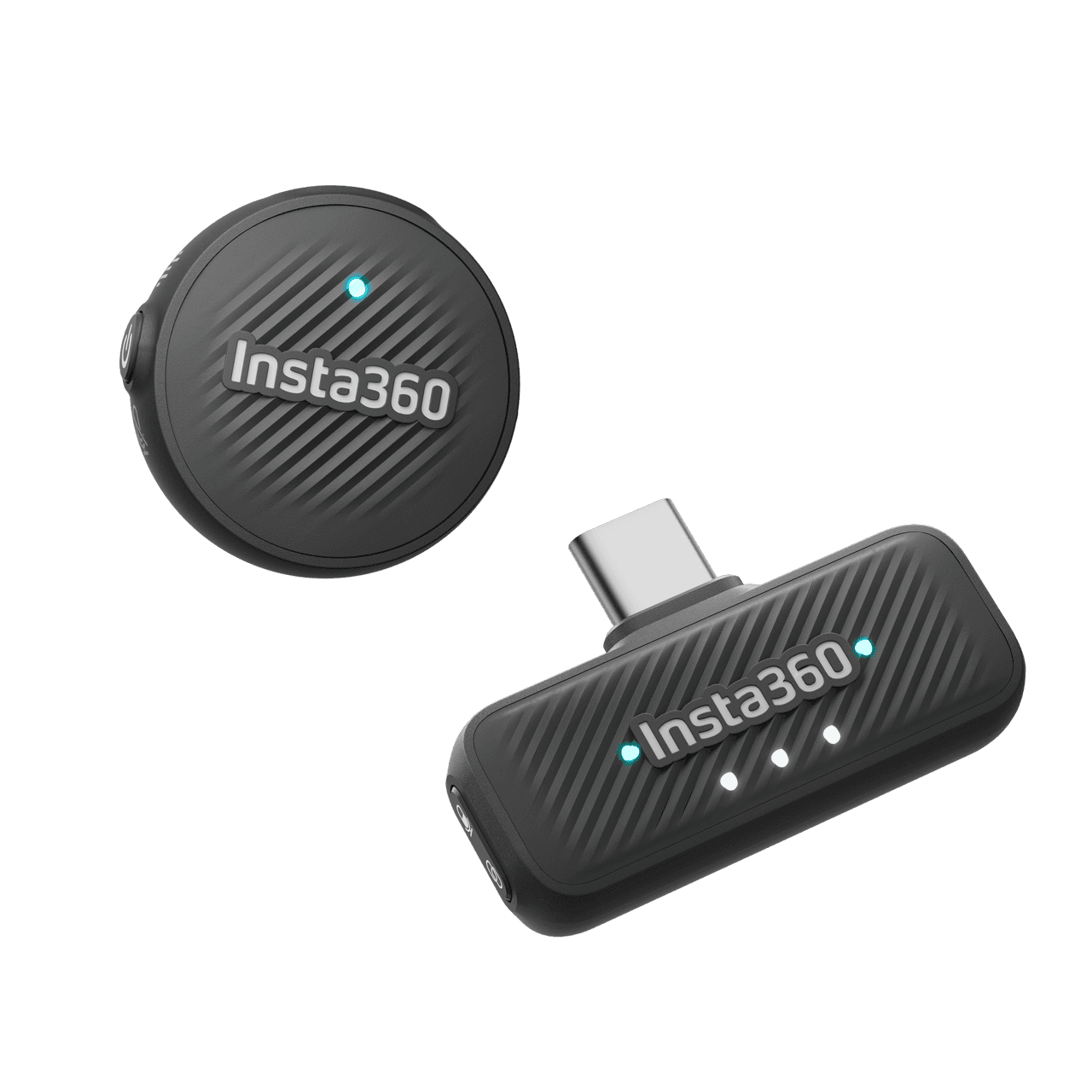
Pairs directly with Luna Ultra for clearer speech without hanging a receiver from the camera.
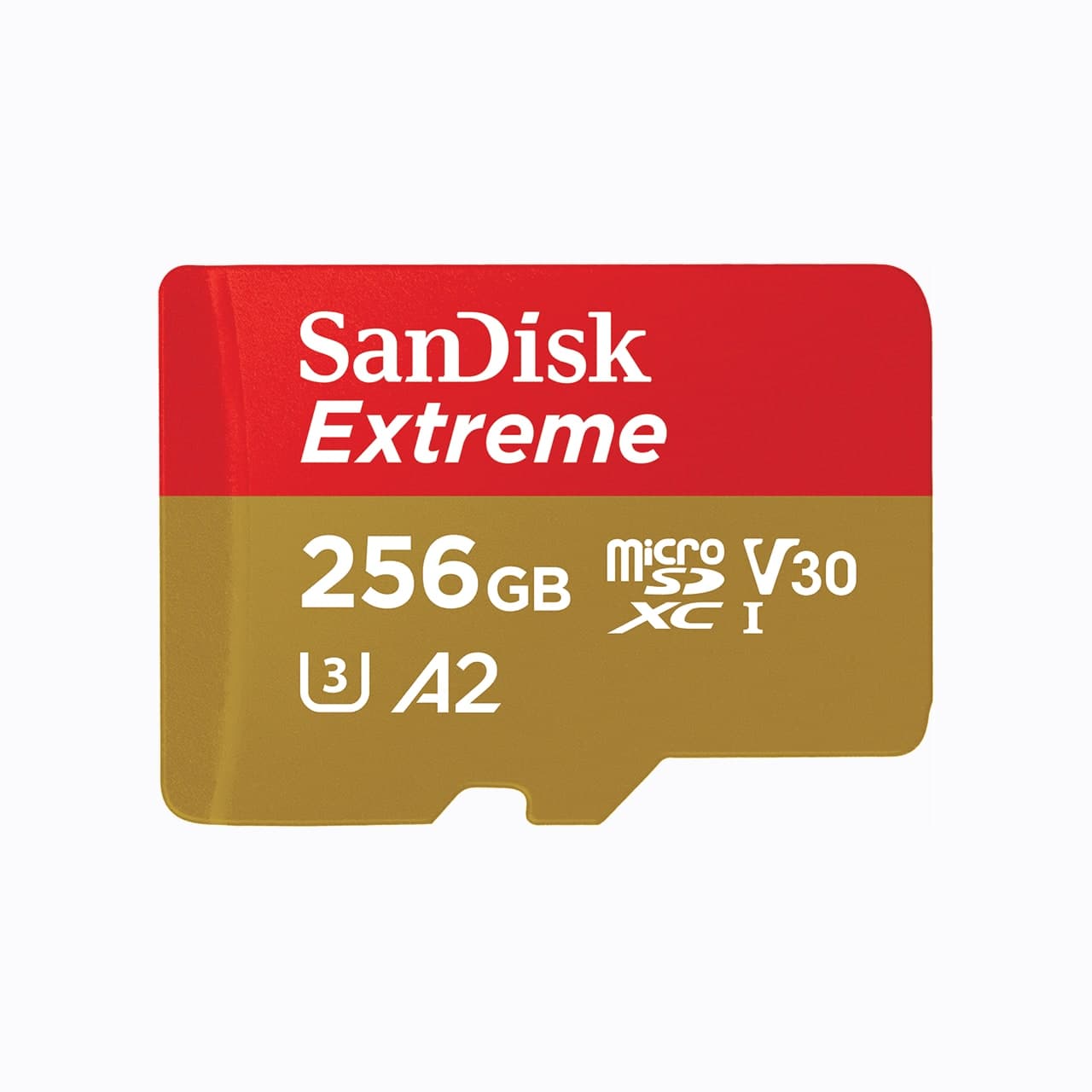
SanDisk Extreme microSDXC 256GB
Pocket gimbals and action cameras use microSD, not a full-size SD card.
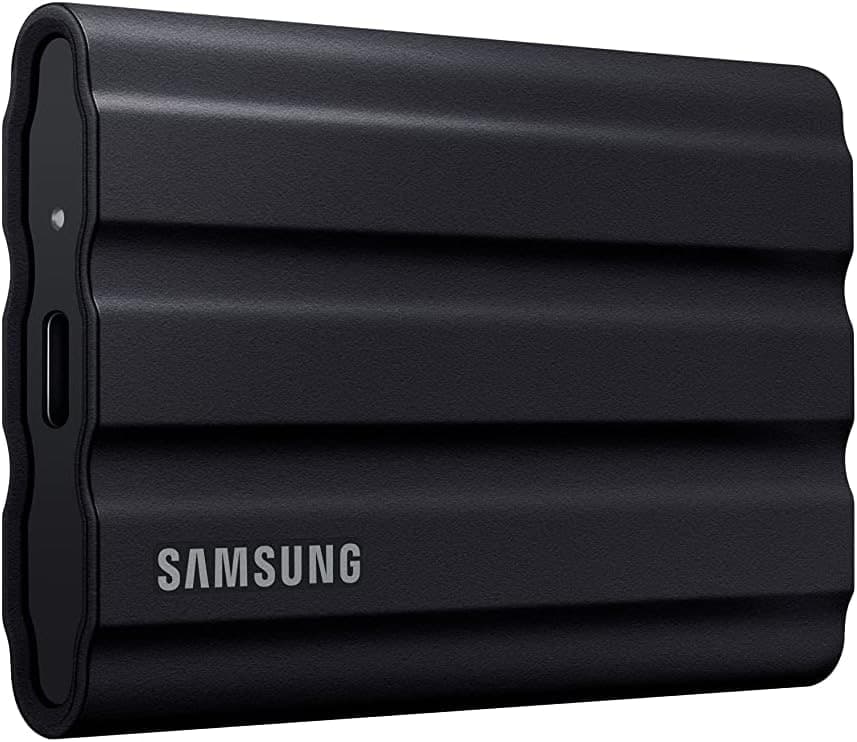
Samsung T7 Shield
A rugged pocket SSD for offloading footage before a card gets reused.
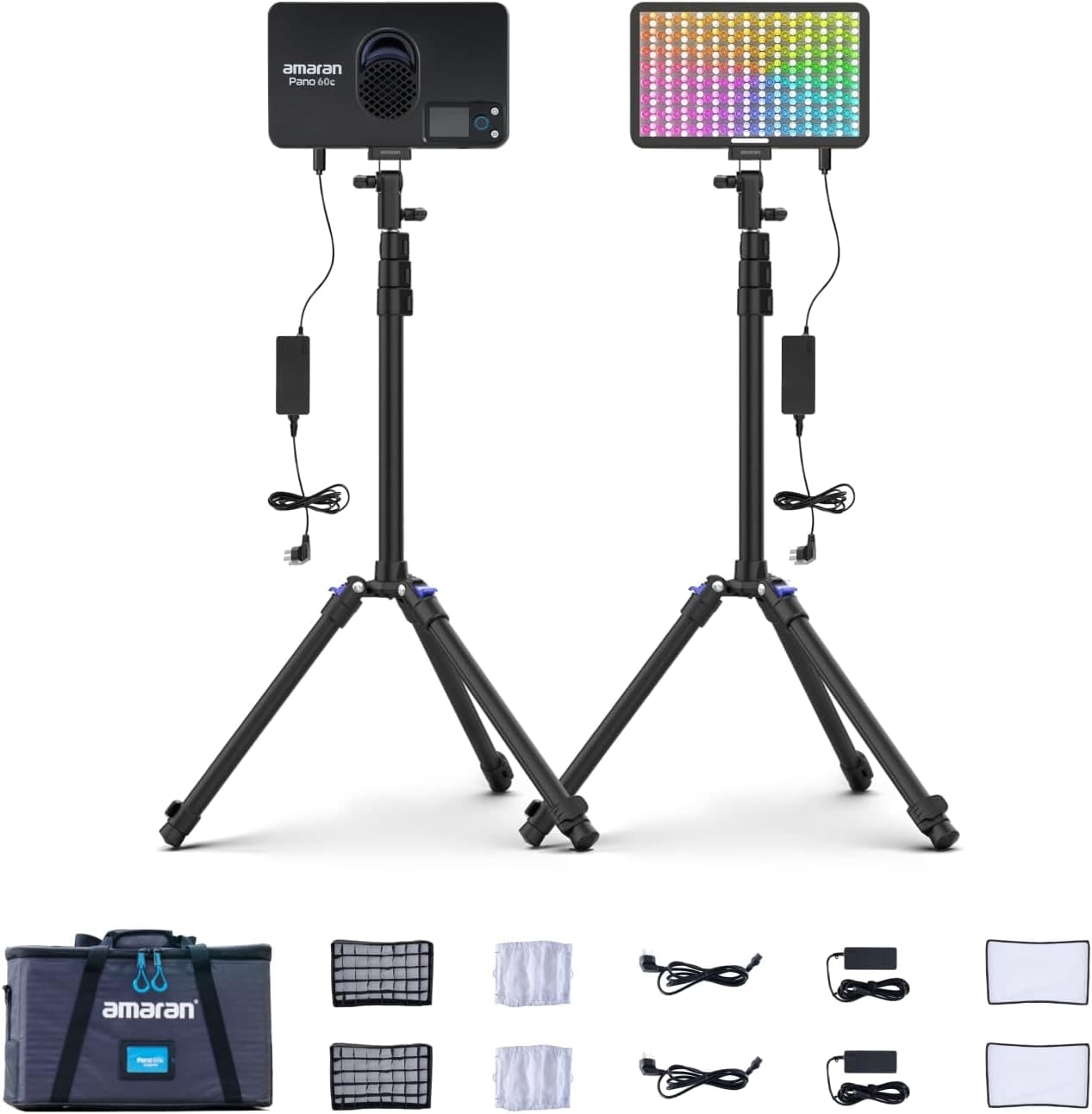
Amaran P60c RGBWW Panel
Soft, controllable fill for talking-head clips, product details, and ugly rooms.
Prices are rough catalog totals. Retailer prices change, and you can swap pieces to fit your system.
Related Gear guides
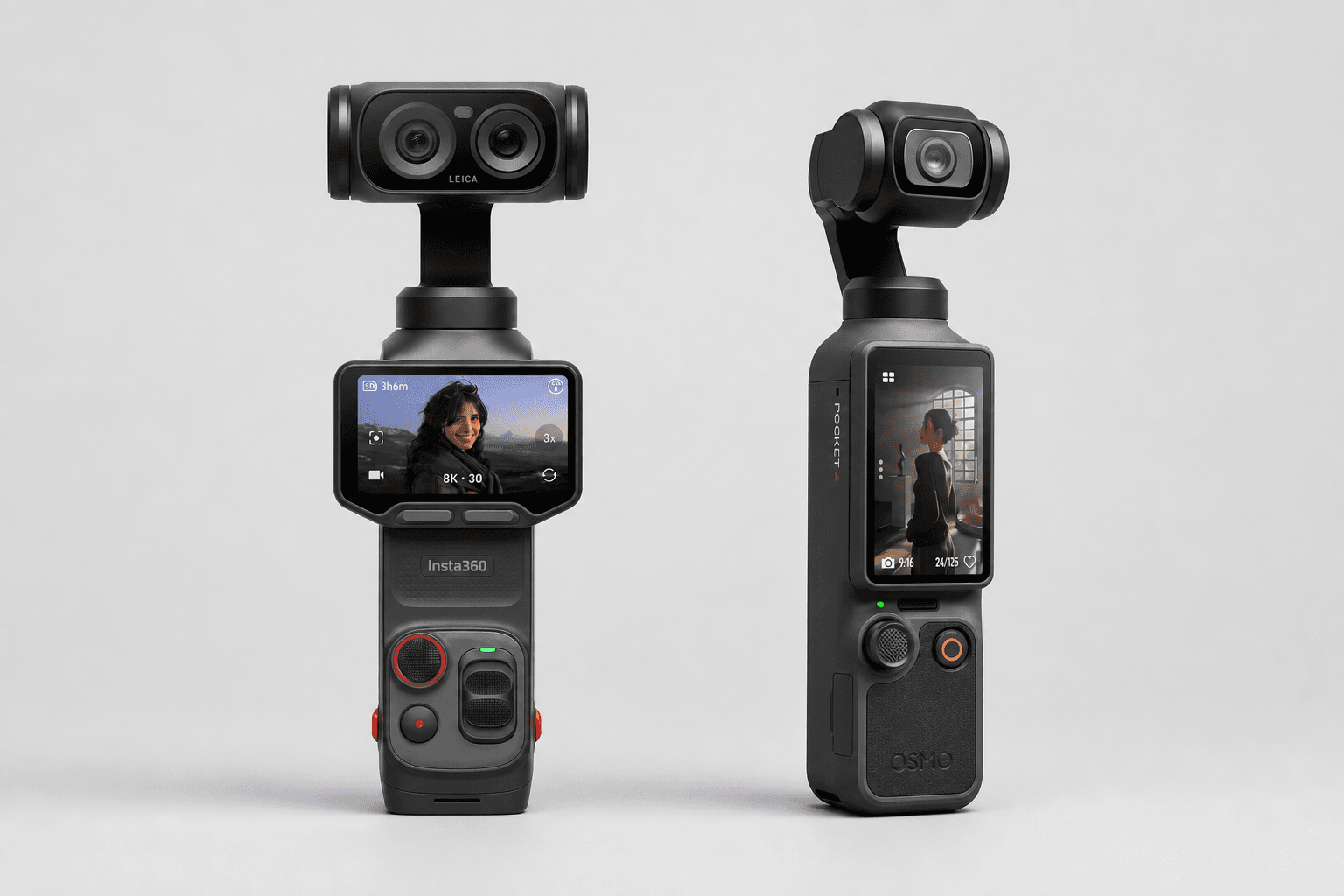
Insta360 Luna Ultra vs DJI Osmo Pocket 4: Which Pocket Gimbal Should You Buy?
Compare Luna Ultra and DJI Pocket 4 by lenses, video, Log formats, storage, U.S. availability, and the filming jobs each pocket gimbal handles best.
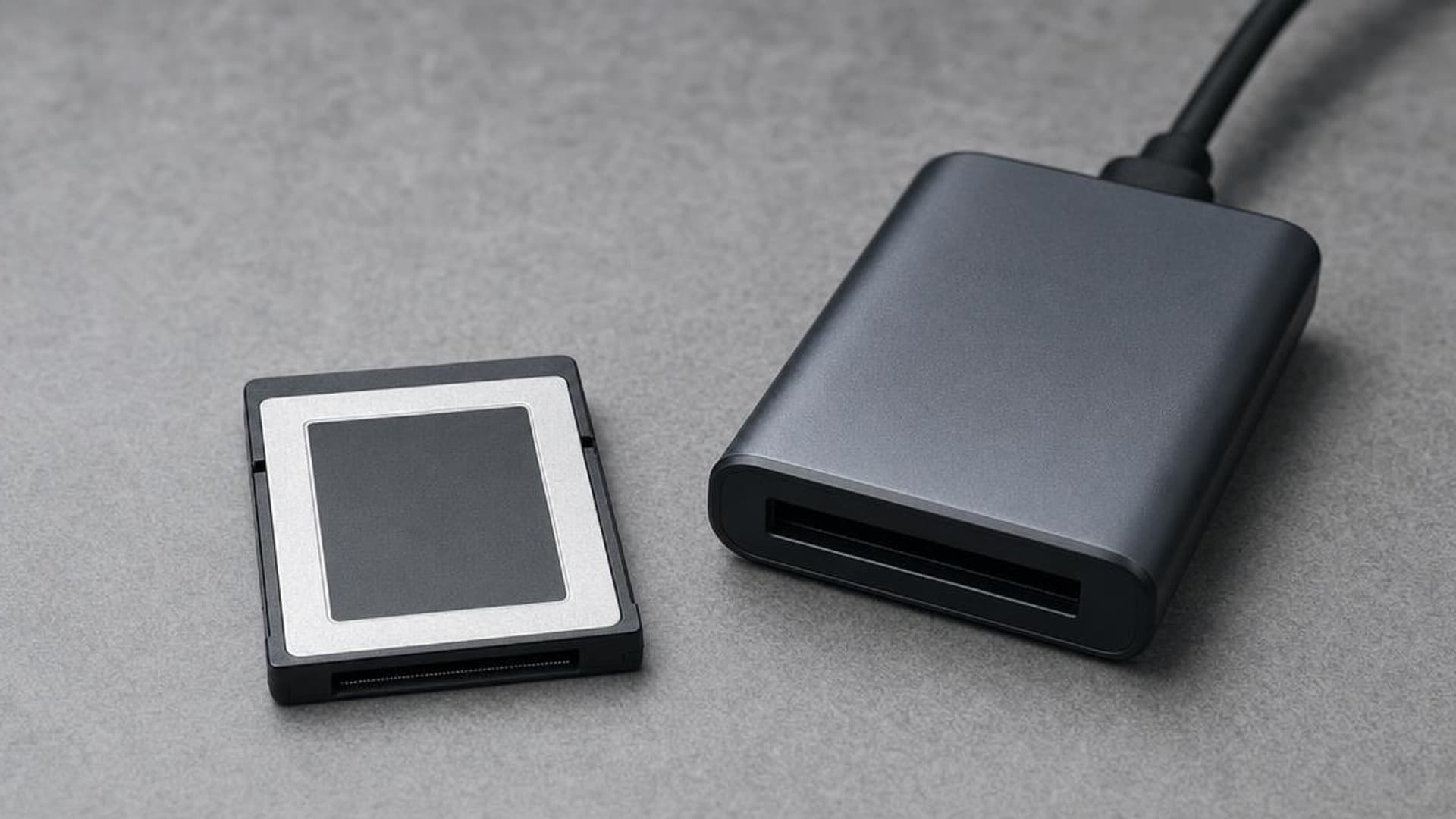
CFexpress 4.0 and VPG Explained: Buy the Card Your Camera Needs
CFexpress 4.0 doubles theoretical bandwidth, while VPG certifies sustained video writes. Learn Type A vs B, VPG classes, and when 4.0 is worth paying for.
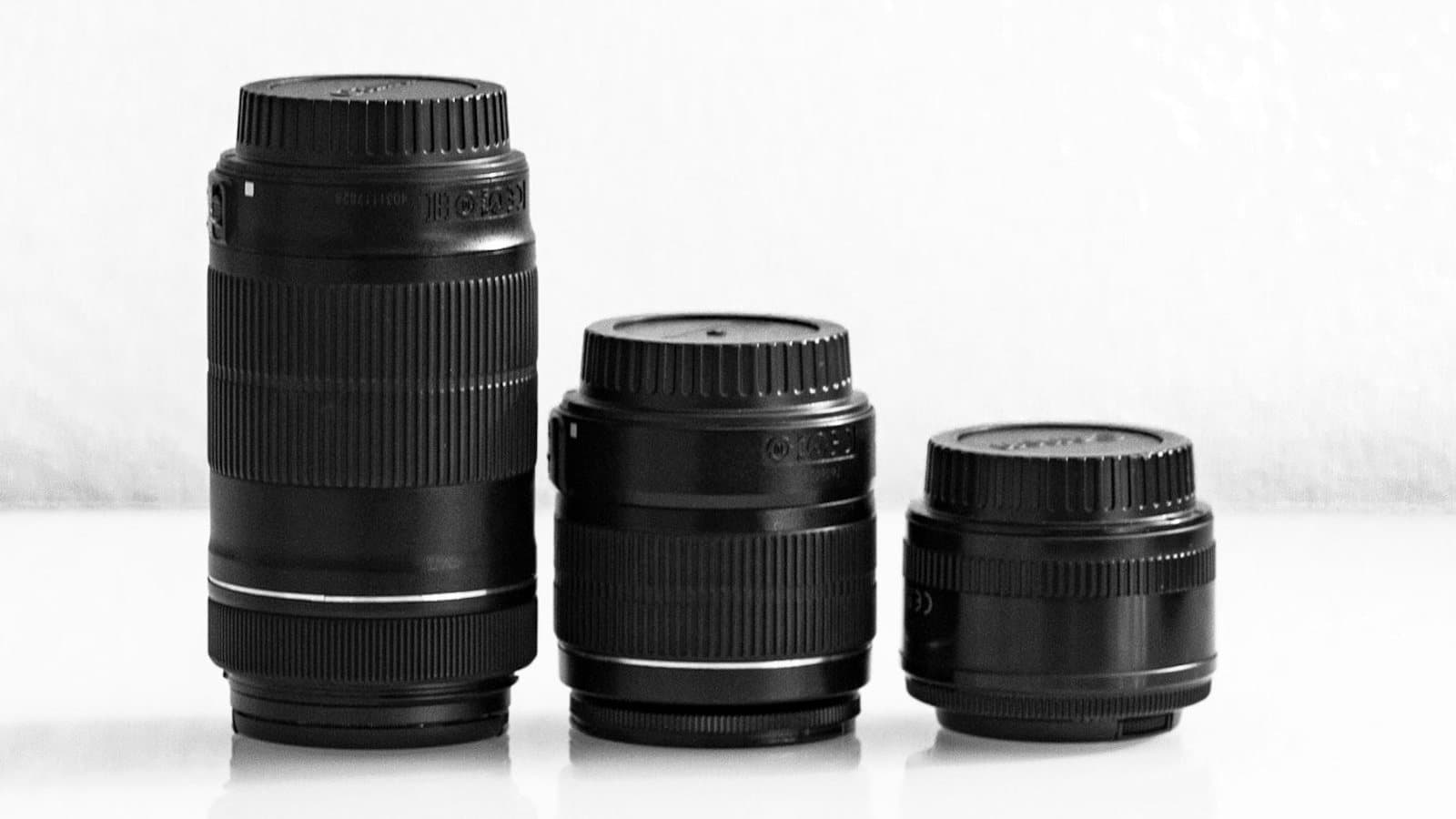
Focal Length Explained: What 24mm, 50mm, 85mm, and 200mm Actually Do
What the millimeter number on a lens changes in the field: angle of view, compression, and working distance. When to reach for 24, 50, 85, or 200mm.
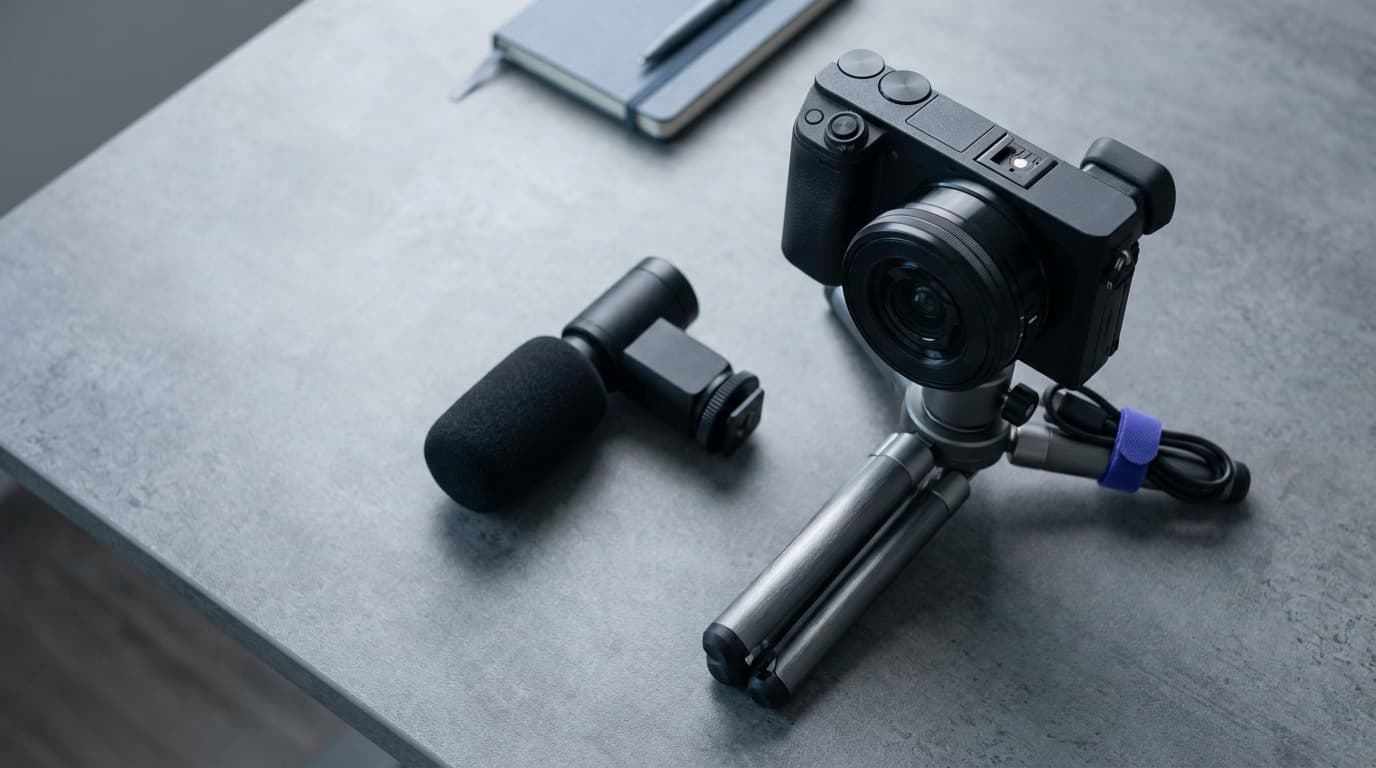
Canon EOS R50 V vs Sony ZV-E10 II: Which Beginner Vlogging Camera Should You Buy?
Canon EOS R50 V is the easier beginner creator kit. Sony ZV-E10 II is the deeper lens-system pick. Compare the practical tradeoffs.
Researched, not personally tested: picks compare specifications, available owner feedback, and established expert sources. As an Amazon Associate I earn from qualifying purchases. We may earn a commission from links here, at no extra cost to you. How we research →