We may earn a commission from links on this page, at no extra cost to you. Picks are researched, not sponsored.
Wedding and event gear has a different job than casual gear. It is not just about image quality. It is about surviving a long day, dim rooms, fast moments, weather, card pressure, battery drain, and the charming fact that the first kiss will not happen again because your camera needed a restart.
Use the wedding photography and event photography guides for settings and workflow. This page is the buying side: what protects the day, what earns its place, and what can wait until paid work is steady.
Our quick picks
What should you buy first?
Start with two bodies, a reliable standard zoom, fast cards, spare batteries, and a flash. That sounds less exciting than a bag full of primes, but events punish single points of failure. A second body is not luxury gear. It is the reason a shutter, card slot, or lens mount problem does not become the story of the night.
After that, add reach. A 70 to 200mm f/2.8 keeps you out of the aisle during ceremonies, compresses portraits, and handles speeches or stage moments from across the room. Add primes when you know the way you shoot, not because a forum told you every wedding needs five lenses.
The picks
Best Overall
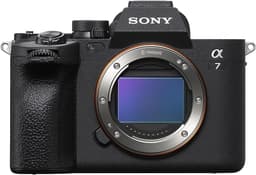
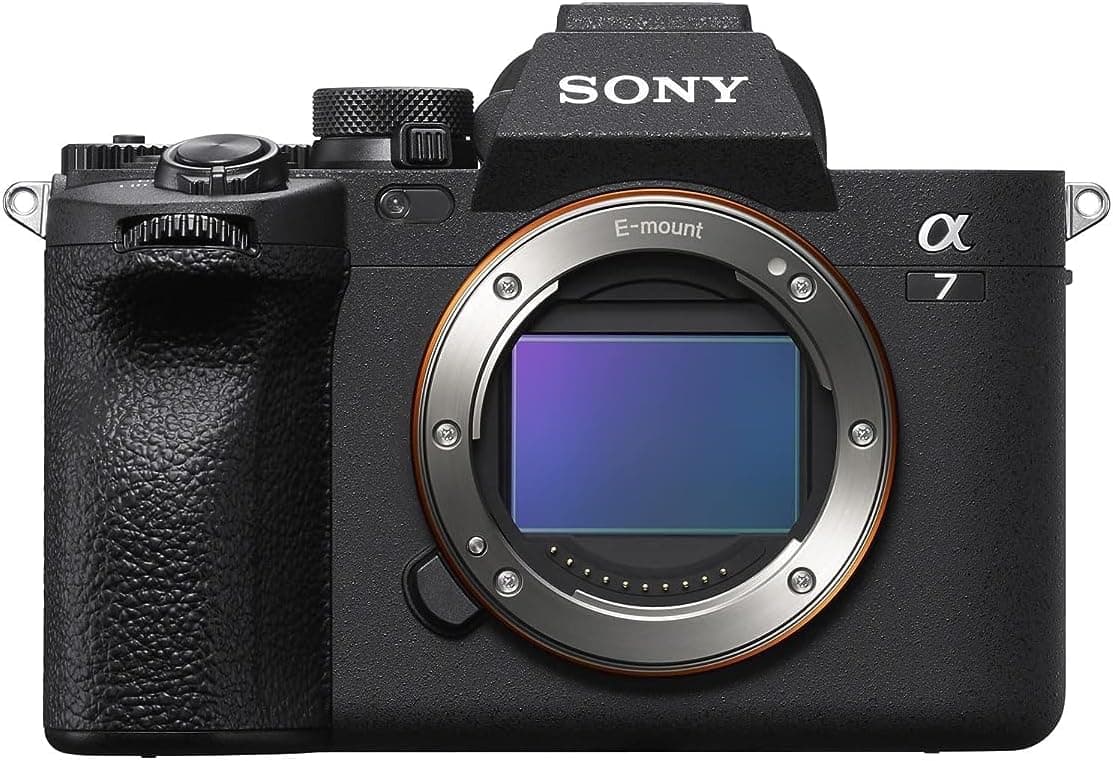
Sony a7 IV
Photographers who want one body that covers stills and video without specializing in either.
Check price at AmazonThe Sony a7 IV is the balanced wedding and event body. It has enough resolution for albums and crops, strong autofocus, good low-light files, dual card slots, and video that can cover hybrid work when a couple or client asks for clips. It is not the fastest Sony body, but it hits the practical middle for working coverage.
The important part is not owning one. It is owning a backup body too. One a7 IV plus no spare is still a fragile wedding kit.
Editor's Choice
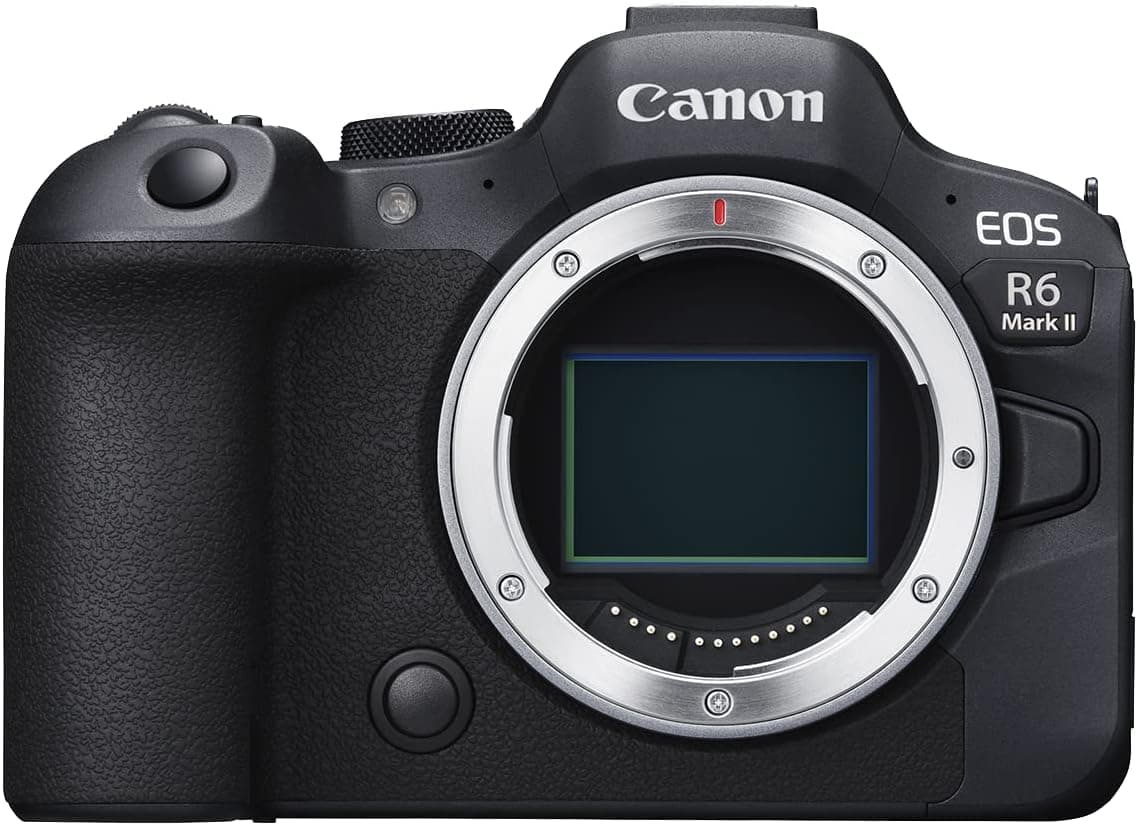
Canon EOS R6 Mark II
Event, wedding, and action shooters who want speed and clean video.
Check price at AmazonThe Canon EOS R6 Mark II is the Canon route for fast, low-light event work. It trades huge resolution for clean high-ISO files, quick autofocus, strong burst speed, and a body that suits ceremonies, receptions, corporate events, and portraits. For wedding shooters who care more about hit rate than giant files, that trade makes sense.
Pair it with dual-card recording and enough batteries. The body is capable, but the system around it is what protects the job.
Research pick
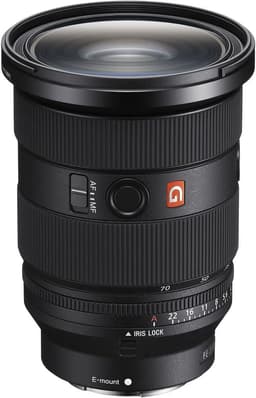
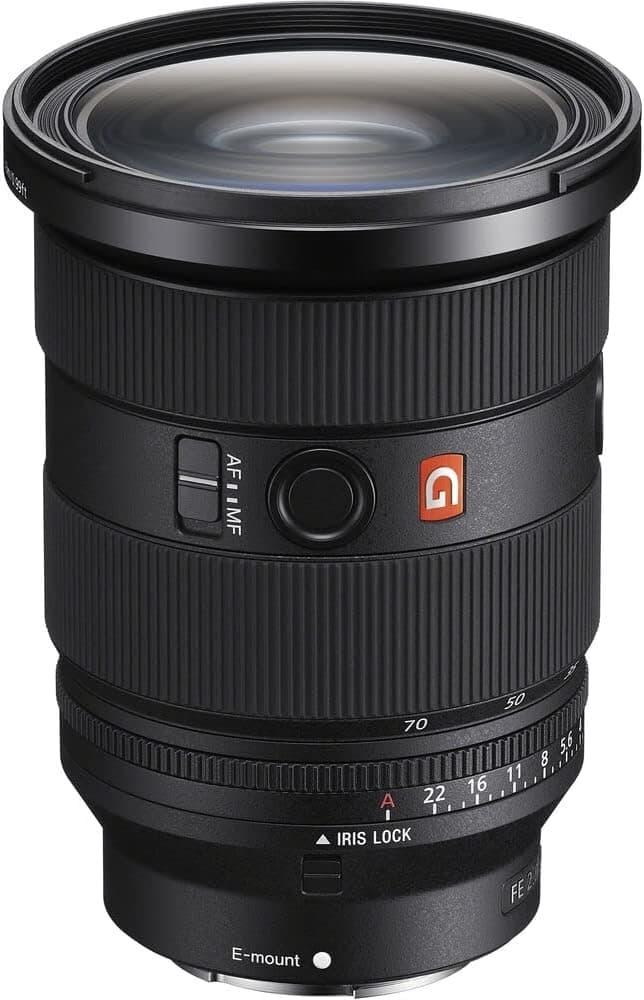
Sony FE 24-70mm f/2.8 GM II
Professionals who need one zoom to cover most full-frame work.
Check price at AmazonThe Sony FE 24-70mm f/2.8 GM II is the standard zoom that lives on one body for most of the day. It covers getting-ready rooms, ceremonies from moderate distance, family groups, speeches, reception candids, and quick portraits without changing lenses. The f/2.8 aperture keeps exposure stable as you zoom and gives enough light for dim venues.
It is expensive, but this is the lens that replaces a lot of frantic lens swapping.
Research pick
Sony FE 70-200mm f/2.8 GM OSS II
Event, sports, and portrait shooters who need reach at f/2.8.
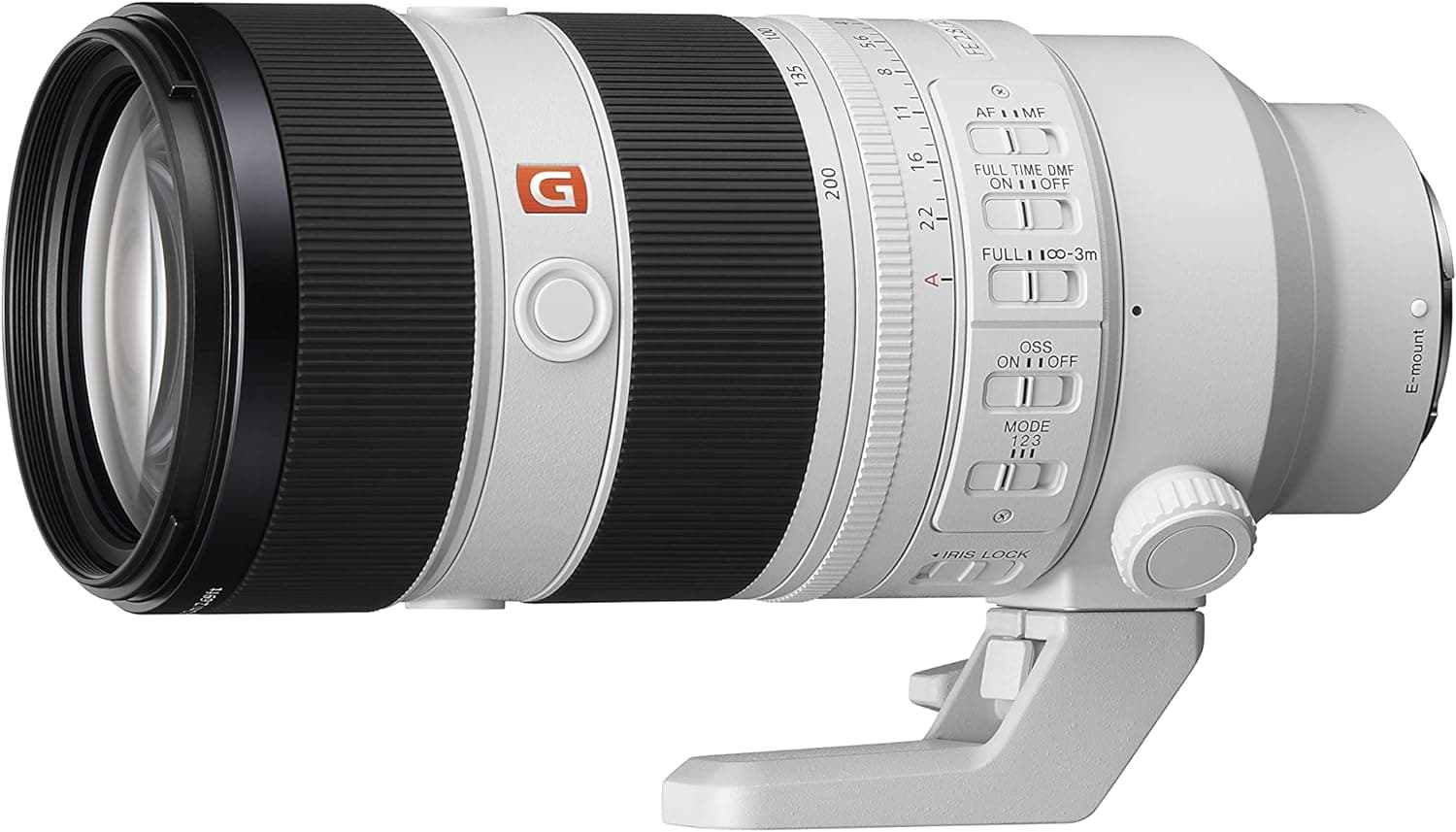
Check price at AmazonThe Sony FE 70-200mm f/2.8 GM OSS II is the reach lens for ceremonies, stage moments, portraits, and candids when you cannot stand close. It lets you work from the edge of a ceremony without becoming part of it, and it gives portraits the compression people expect from polished wedding work.
It is big glass. That is the trade. If you cover long events, use a comfortable strap or harness and stop pretending your wrist is a tripod.
Best Value
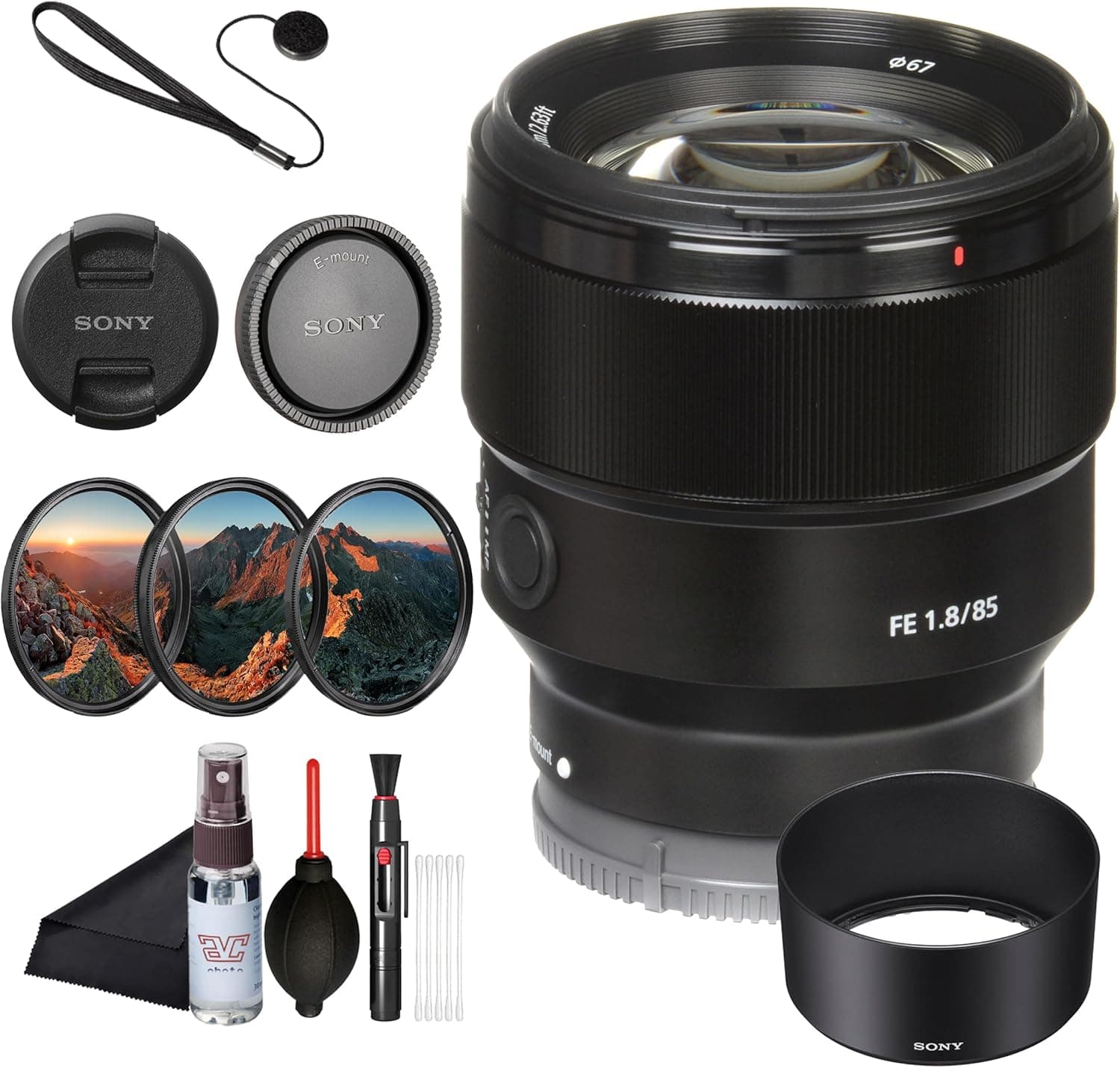
Sony FE 85mm f/1.8
Portrait shooters who want classic 85mm compression without the GM price.
Check price at AmazonThe Sony FE 85mm f/1.8 is the affordable portrait prime that still earns a place in a wedding bag. It gives clean subject separation for couple portraits, speeches, reactions, and quiet details, while staying light enough to carry all day.
It is not a replacement for the standard zoom. It is the lens you reach for when the pace slows and the frame deserves a cleaner portrait look.
Best Overall
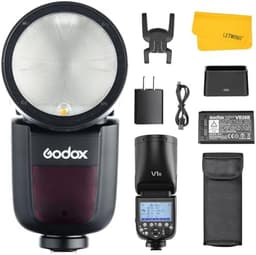
Godox V1
Event and portrait shooters who want soft on-camera fill and the Godox radio ecosystem.
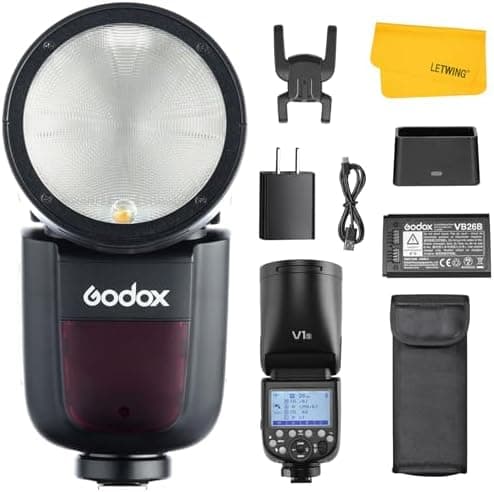
Check price at AmazonThe Godox V1 is the reception flash pick. The round head gives a softer falloff than a rectangular speedlight, the lithium battery handles long nights better than AAs, and the Godox radio system leaves room to add off-camera lights later. Bounce it off a white ceiling or wall and let the room keep its mood.
Direct flash is the emergency option, not the style. Learn bounce flash before a paid reception.
Best SD Card
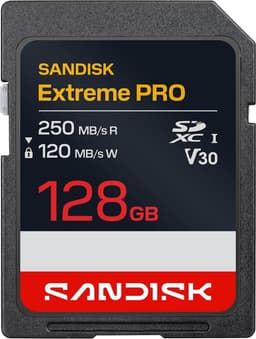
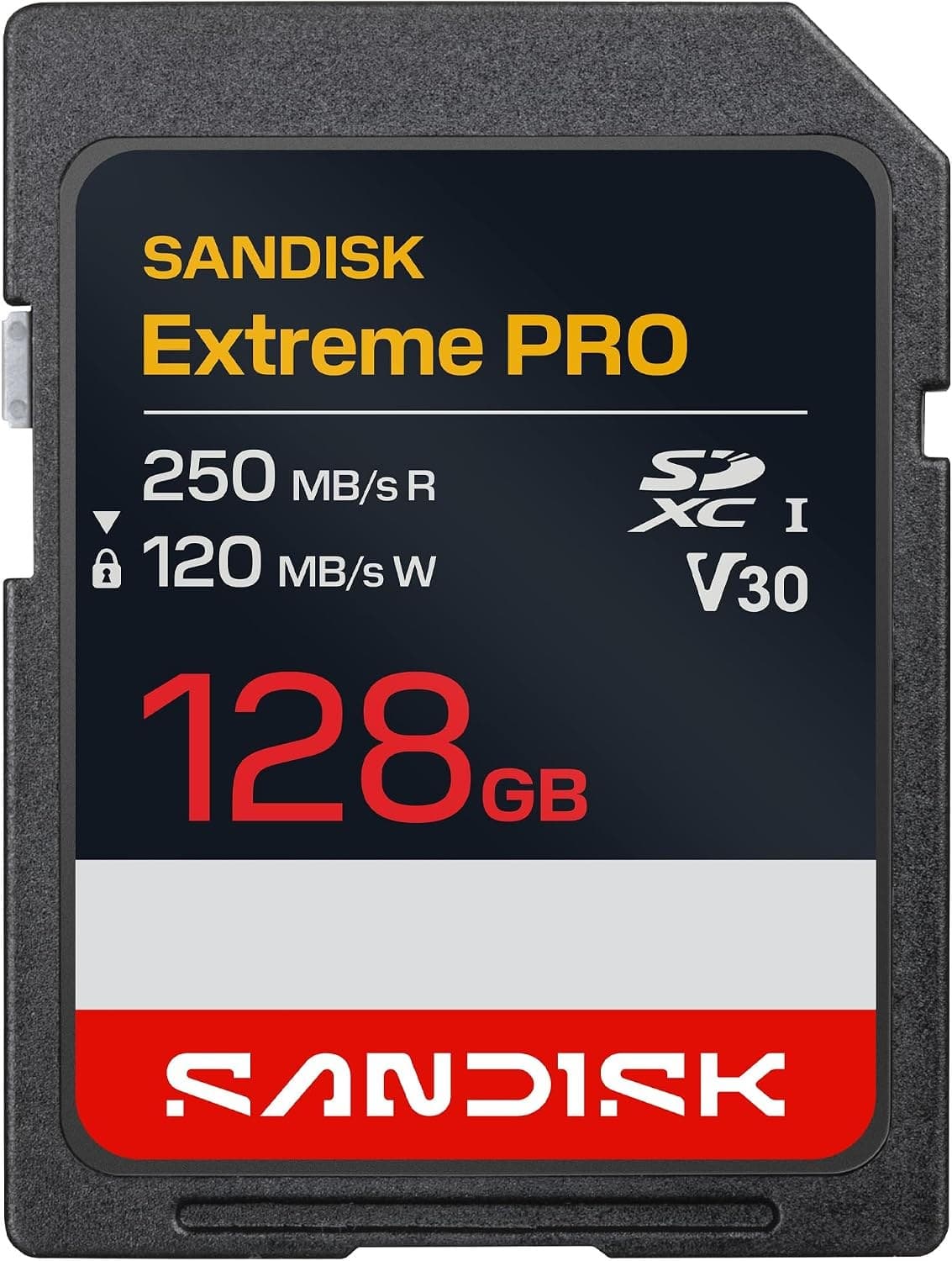
SanDisk Extreme Pro SDXC 128GB
Most enthusiasts shooting stills and standard 4K.
Check price at AmazonThe SanDisk Extreme Pro SDXC 128GB is the card pick because event work produces volume. Short bursts, duplicate card recording, raw files, and video clips fill cards quickly. A stack of reliable 128GB cards is easier to manage than one giant card holding the whole day hostage.
Format before the job, rotate cards intentionally, and do not erase anything until the job is backed up twice.
Best Overall Bag
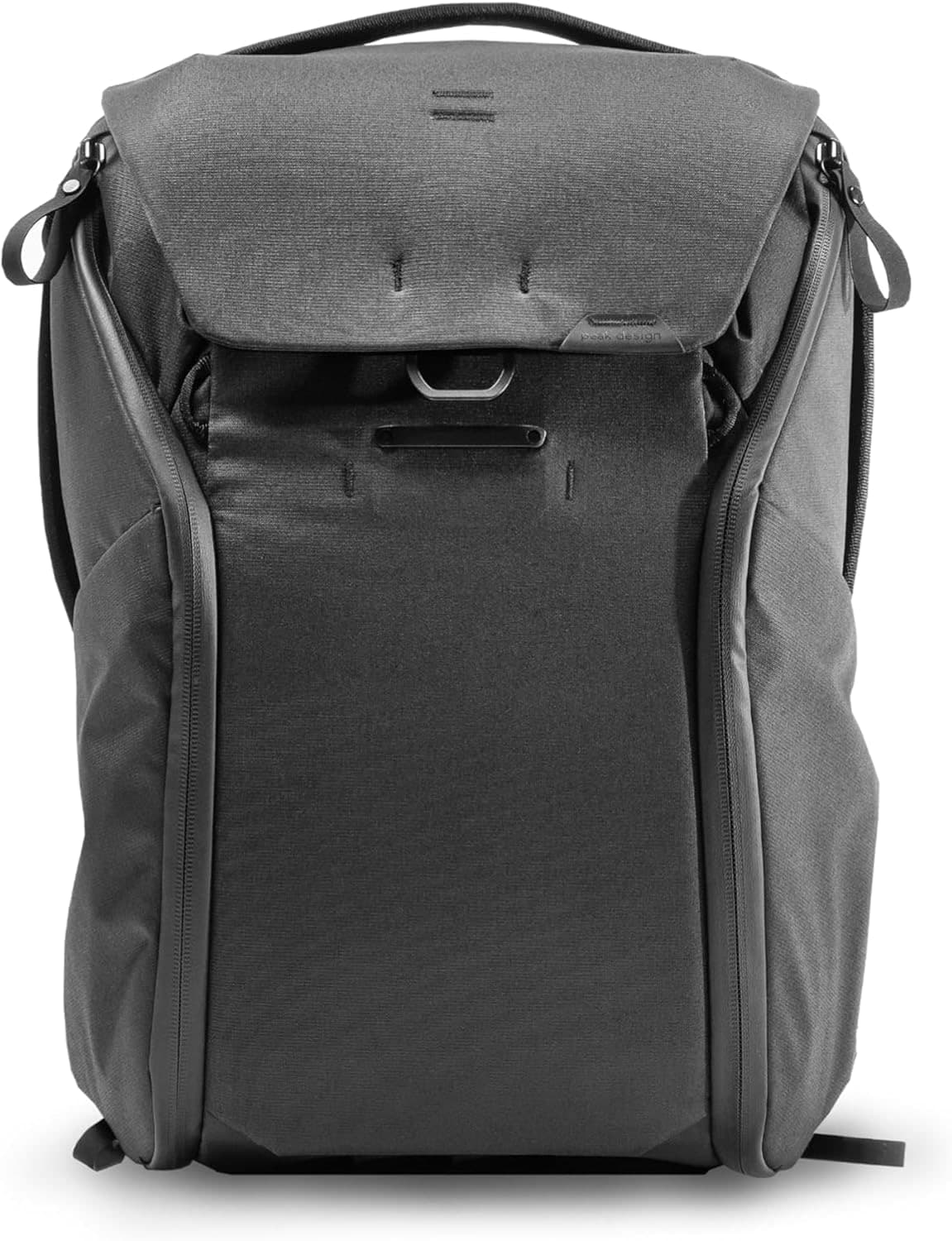
Peak Design Everyday Backpack 20L
Photographers who want one bag for commuting and a half-day shoot.
Check price at AmazonThe Peak Design Everyday Backpack V2 20L is the carry pick for photographers who need quick access without looking like they brought a rolling studio into a church aisle. It organizes two bodies, lenses, flash, cards, and small accessories cleanly, and the side access makes lens swaps less clumsy.
For full-day weddings, a larger roller or second case may still make sense. For lighter event kits, this is the neat working bag.
Starter kit by budget
| Budget | Buy first | Skip for now |
|---|---|---|
| Assistant or second-shooter kit | One reliable body, 24 to 70mm, flash, cards, batteries | Exotic primes |
| First paid event kit | Two bodies, 24 to 70mm, 70 to 200mm or 85mm, flash, duplicate cards | Cinema rig, heavy lighting kit |
| Wedding lead kit | Two matched bodies, fast zoom pair, portrait prime, two flashes, card system, comfortable carry | New lens before backup body |
The order is harsh because the job is harsh: backups before style pieces. A second body, duplicate cards, and spare batteries are less fun than a new prime. They are also the difference between a recoverable problem and a ruined day.
Common buying mistakes
- Shooting paid weddings with one body. Gear can fail. The ceremony does not pause.
- Buying primes before a standard zoom. Primes are beautiful, but a 24 to 70mm saves moments when the day moves fast.
- Ignoring flash. Dark receptions need controlled light, not wishful ISO.
- Using one huge card. Smaller cards rotated through the day reduce the blast radius of a card failure.
- Forgetting carry comfort. Heavy event kits become worse every hour.
Where to go next
Use the event photography guide for low-light settings and bounce flash, and the wedding photography guide for timeline and shot-list discipline. Then open the Camera Gear Finder to filter event gear by budget.
What gear do I need to photograph a wedding?
At minimum, two camera bodies, a fast standard zoom, a portrait or telephoto option, a flash, spare batteries, and multiple cards. Redundancy matters because the key moments cannot be repeated.
Is a 24 to 70mm enough for wedding photography?
It covers much of the day, but not everything. Add an 85mm or 70 to 200mm for ceremonies, portraits, speeches, and moments where you cannot stand close.
Do I need flash for event photography?
Often yes. Venues get dark, and bounced flash lets you keep faces clean without making the room look dead. In bright venues you can lean on fast lenses and high ISO, but receptions usually need flash.
Compare picks
The short version
Use this to narrow the list before opening the detailed cards.
Scores weigh fit, owner sentiment, build, and value. Affiliate links do not change pick order. Methodology
Buying order
Start with the skip note. A good deal on the wrong camera is still the wrong camera.
Compare verdictsIf you already own lenses, check the system path before buying into a new mount.
Check systemsOnce the fit makes sense, compare current deals and retailer listings.
Check current dealsCamera system shortcut
If you already own one of these systems, keep the comparison inside that ecosystem before checking out.
Autofocus hybrid kits
Simple camera paths
Lighting systems
Photographers who want one body that covers stills and video without specializing in either.
Use the retailer for the current price after the tradeoff makes sense. Confirm lens mount, sensor format, battery, charger, and kit contents.
Tradeoff: Some longitudinal chromatic aberration wide open
Use the retailer for the current price after the tradeoff makes sense. Confirm mount, focal length, filter size, and autofocus compatibility.
9.5/10 Aperture Score
Use the retailer for the current price after the tradeoff makes sense. Confirm mount, focal length, filter size, and autofocus compatibility.
$48 - $58
Use the retailer for the current price after the tradeoff makes sense. Confirm capacity, sustained write speed, card class, and backup workflow.
Price ladder
The useful range here runs from $53 to $3,275. Start with the ceiling that matches the assignment.
- Photographers who want one body that covers stills and video without specializing in either.
- Strong autofocus with reliable subject tracking
- 4K 60p comes with an APS-C crop
Use the retailer for the current price after the tradeoff makes sense. Confirm lens mount, sensor format, battery, charger, and kit contents.
- Event, wedding, and action shooters who want speed and clean video.
- Excellent Dual Pixel autofocus with subject detection
- 24 MP gives less crop room than higher-resolution rivals
Use the retailer for the current price after the tradeoff makes sense. Confirm lens mount, sensor format, battery, charger, and kit contents.
- Professionals who need one zoom to cover most full-frame work.
- Outstanding sharpness
- High price
Use the retailer for the current price after the tradeoff makes sense. Confirm mount, focal length, filter size, and autofocus compatibility.
- Event, sports, and portrait shooters who need reach at f/2.8.
- Light for the class
- Expensive
Use the retailer for the current price after the tradeoff makes sense. Confirm mount, focal length, filter size, and autofocus compatibility.
- Portrait shooters who want classic 85mm compression without the GM price.
- Sharp across the frame
- Some longitudinal chromatic aberration wide open
Use the retailer for the current price after the tradeoff makes sense. Confirm mount, focal length, filter size, and autofocus compatibility.
- Event and portrait shooters who want soft on-camera fill and the Godox radio ecosystem.
- Round head produces softer edge transitions
- Heavier and pricier than rectangular speedlights
Use the retailer for the current price after the tradeoff makes sense. Confirm lens mount, sensor format, battery, charger, and kit contents.
- Most enthusiasts shooting stills and standard 4K.
- Fast UHS-I read speeds
- UHS-I ceiling limits high-bitrate cameras
Use the retailer for the current price after the tradeoff makes sense. Confirm capacity, sustained write speed, card class, and backup workflow.
- Photographers who want one bag for commuting and a half-day shoot.
- Fast dual side access
- Premium price
Use the retailer for the current price after the tradeoff makes sense. Confirm lens mount, sensor format, battery, charger, and kit contents.
| Pick | Score | Price | Verdict | Action |
|---|---|---|---|---|
| Best OverallSony a7 IV | 9.0
| $1,990 - $2,240 | Photographers who want one body that covers stills and video without specializing in either. Wins: Strong autofocus with reliable subject tracking Skip: 4K 60p comes with an APS-C crop | Check Amazon · $1,990 - $2,240 Use the retailer for the current price after the tradeoff makes sense. Confirm lens mount, sensor format, battery, charger, and kit contents. |
 Editor's ChoiceCanon EOS R6 Mark II Editor's ChoiceCanon EOS R6 Mark II | 9.0
| $1,990 - $2,240 | Event, wedding, and action shooters who want speed and clean video. Wins: Excellent Dual Pixel autofocus with subject detection Skip: 24 MP gives less crop room than higher-resolution rivals | Check Amazon · $1,990 - $2,240 Use the retailer for the current price after the tradeoff makes sense. Confirm lens mount, sensor format, battery, charger, and kit contents. |
| PickSony FE 24-70mm f/2.8 GM II | 9.5
| $2,400 - $2,750 | Professionals who need one zoom to cover most full-frame work. Wins: Outstanding sharpness Skip: High price | Check Amazon · $2,400 - $2,750 Use the retailer for the current price after the tradeoff makes sense. Confirm mount, focal length, filter size, and autofocus compatibility. |
 PickSony FE 70-200mm f/2.8 GM OSS II PickSony FE 70-200mm f/2.8 GM OSS II | 9.4
| $3,050 - $3,500 | Event, sports, and portrait shooters who need reach at f/2.8. Wins: Light for the class Skip: Expensive | Check Amazon · $3,050 - $3,500 Use the retailer for the current price after the tradeoff makes sense. Confirm mount, focal length, filter size, and autofocus compatibility. |
| Best ValueSony FE 85mm f/1.8 | 8.7
| $435 - $495 | Portrait shooters who want classic 85mm compression without the GM price. Wins: Sharp across the frame Skip: Some longitudinal chromatic aberration wide open | Check Amazon · $435 - $495 Use the retailer for the current price after the tradeoff makes sense. Confirm mount, focal length, filter size, and autofocus compatibility. |
 Best OverallGodox V1 Best OverallGodox V1 | 8.7
| $195 - $225 | Event and portrait shooters who want soft on-camera fill and the Godox radio ecosystem. Wins: Round head produces softer edge transitions Skip: Heavier and pricier than rectangular speedlights | Check Amazon · $195 - $225 Use the retailer for the current price after the tradeoff makes sense. Confirm lens mount, sensor format, battery, charger, and kit contents. |
| Best SD CardSanDisk Extreme Pro SDXC 128GB | 9.0
| $48 - $58 | Most enthusiasts shooting stills and standard 4K. Wins: Fast UHS-I read speeds Skip: UHS-I ceiling limits high-bitrate cameras | Check Amazon · $48 - $58 Use the retailer for the current price after the tradeoff makes sense. Confirm capacity, sustained write speed, card class, and backup workflow. |
 Best Overall BagPeak Design Everyday Backpack 20L Best Overall BagPeak Design Everyday Backpack 20L | 9.1
| $270 - $290 | Photographers who want one bag for commuting and a half-day shoot. Wins: Fast dual side access Skip: Premium price | Check Amazon · $270 - $290 Use the retailer for the current price after the tradeoff makes sense. Confirm lens mount, sensor format, battery, charger, and kit contents. |
Related Gear guides
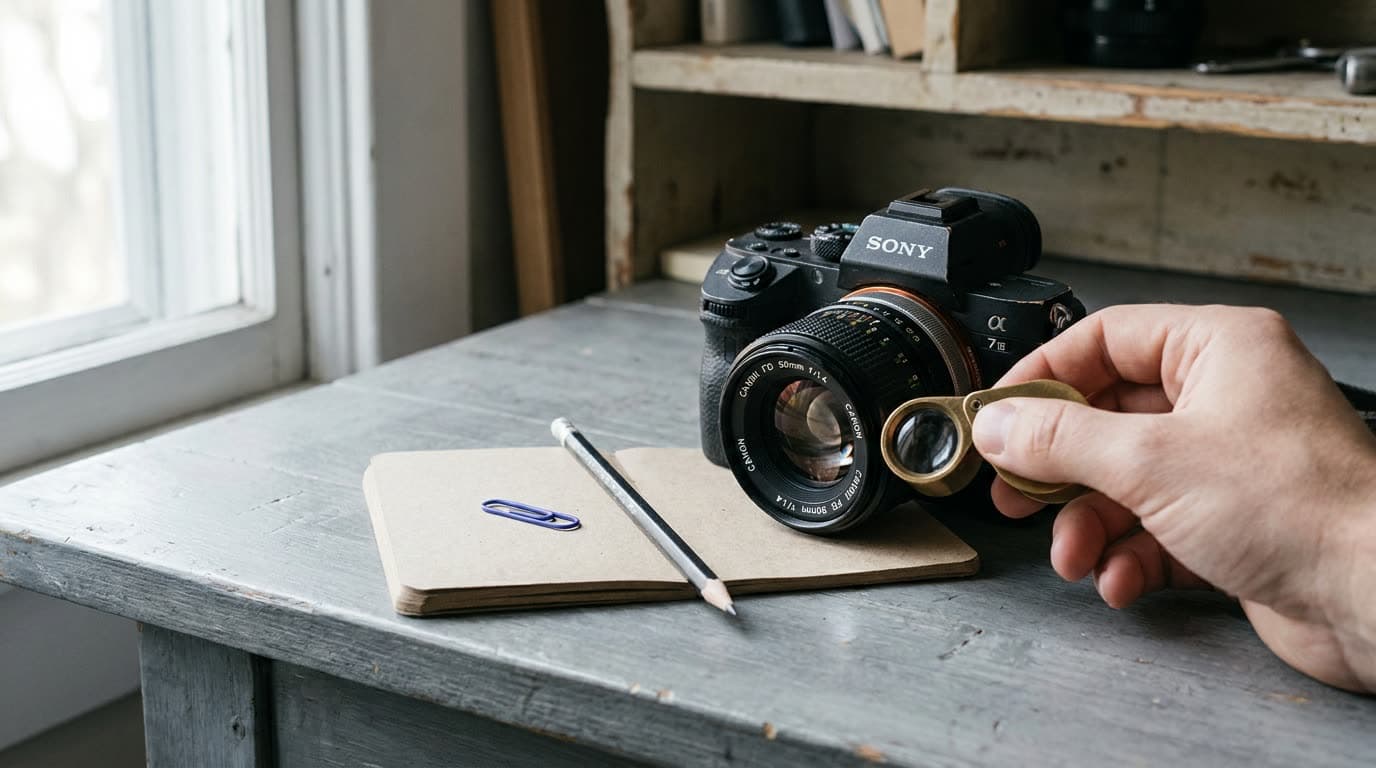
How to Buy Used Camera Gear in 2026: Inspect and Buy Safely
Buying used cameras and lenses saves money if you know what to check. Here is how to inspect a used body and lens, read shutter count, and where to buy.
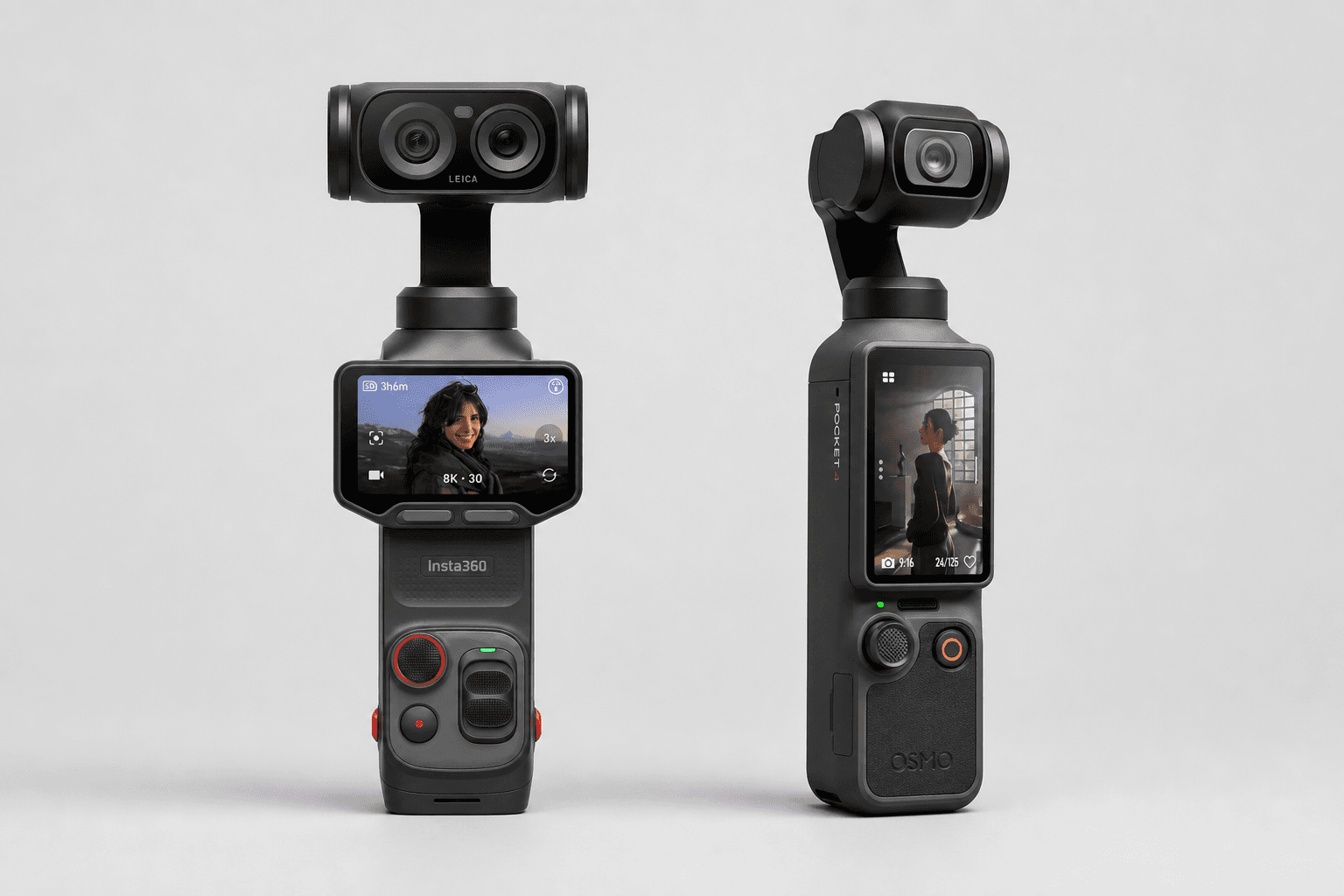
Insta360 Luna Ultra vs DJI Osmo Pocket 4: Which Pocket Gimbal Should You Buy?
Compare Luna Ultra and DJI Pocket 4 by lenses, video, Log formats, storage, U.S. availability, and the filming jobs each pocket gimbal handles best.
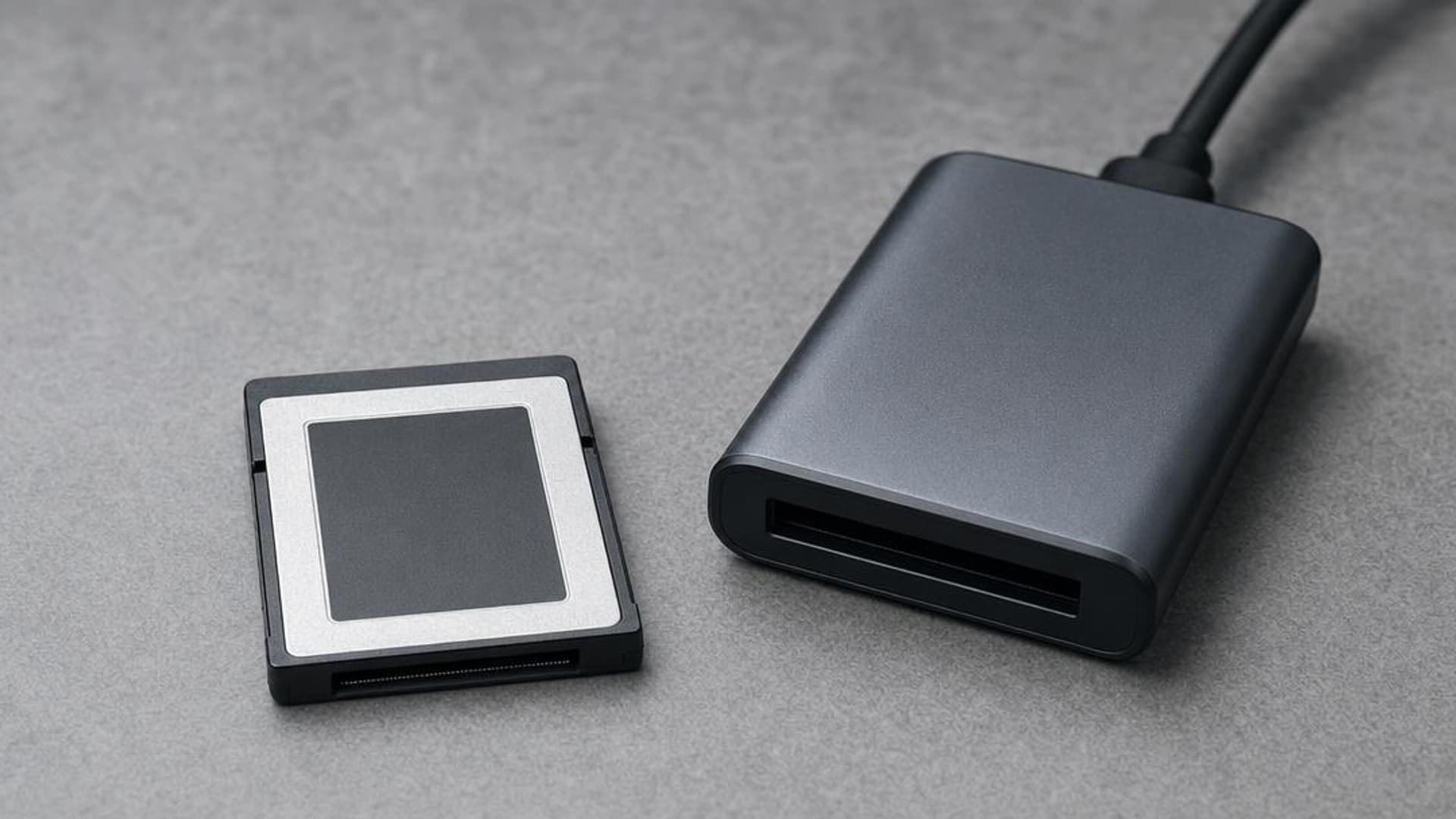
CFexpress 4.0 and VPG Explained: Buy the Card Your Camera Needs
CFexpress 4.0 doubles theoretical bandwidth, while VPG certifies sustained video writes. Learn Type A vs B, VPG classes, and when 4.0 is worth paying for.
Focal Length Explained: What 24mm, 50mm, 85mm, and 200mm Actually Do
What the millimeter number on a lens changes in the field: angle of view, compression, and working distance. When to reach for 24, 50, 85, or 200mm.
Researched, not personally tested: picks compare specifications, available owner feedback, and established expert sources. As an Amazon Associate I earn from qualifying purchases. We may earn a commission from links here, at no extra cost to you. How we research →