We may earn a commission from links on this page, at no extra cost to you. Picks are researched, not sponsored.
Our quick picks
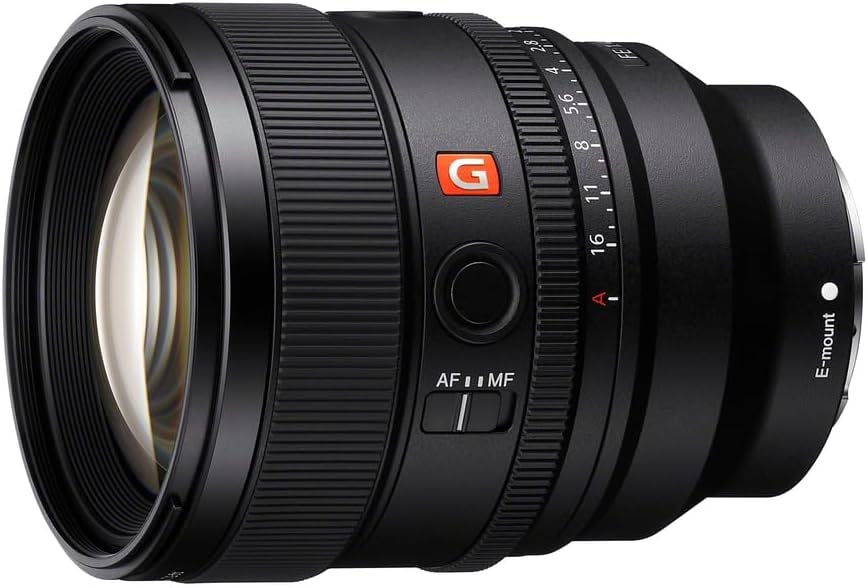
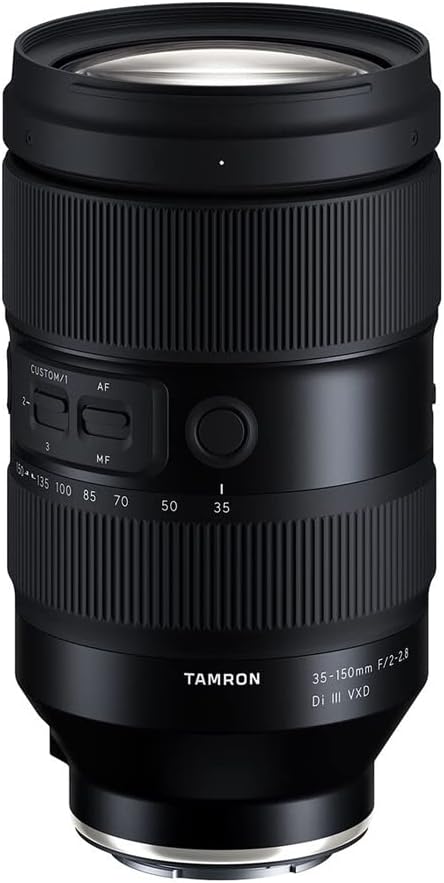
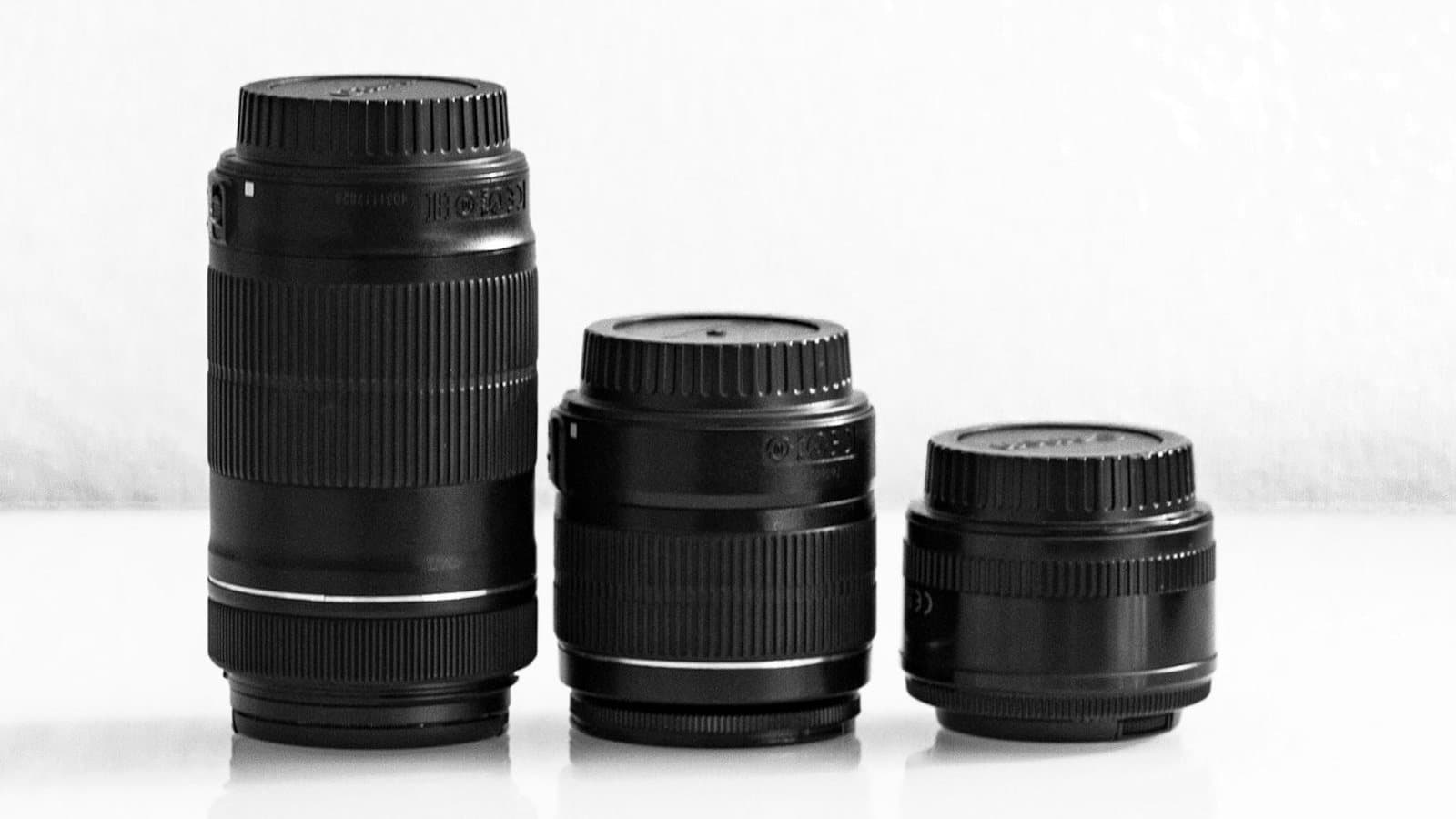
Every lens has a focal length printed on the barrel, and that number tells you more about how your photos will look than almost any other spec. Technically it is a distance inside the lens, measured in millimeters. Practically, it answers three questions: how much of the scene fits in the frame, how far away you stand, and how the background relates to the subject.
Angle of view: how much scene fits
The lower the number, the wider the view. A 24mm lens takes in a broad slice of the world, roughly 84 degrees across on a full-frame camera. A 200mm lens sees a narrow 12-degree sliver. Everything else follows from this.
Wide lenses suit scenes: landscapes, interiors, architecture, a whole room at a party. Long lenses suit subjects: a face, a bird, a player on the far side of the field. A 50mm sits in the middle and frames roughly the way your eye pays attention, which is why it has been the default "normal" lens for decades.
| Focal length | What fits from the same spot | What it is useful for |
|---|---|---|
| 24mm | A wide slice of the scene | Rooms, landscapes, architecture, environmental portraits |
| 50mm | A natural middle view | Everyday photos, street, family, travel, learning composition |
| 85mm | A tighter subject view | Portraits, details, cleaner backgrounds |
| 200mm | A narrow distant slice | Wildlife, sports, candid compression, tight landscape details |
Compression: what happens to the background
Photographers say long lenses "compress" a scene: backgrounds look closer to the subject, stacked up and larger in the frame. Wide lenses do the opposite, pushing the background away and exaggerating depth.
Here is the honest version: compression comes from where you stand, not from the glass. Perspective is set entirely by camera-to-subject distance. A long lens simply lets you stand far away and still fill the frame, and that distance is what flattens the scene. Back up 30 feet with a 200mm and the mountains behind your subject loom. Step in close with a 24mm and the same mountains shrink to a rumor.
This matters in practice. Faces photographed up close with a wide lens distort: noses grow, ears recede. Step back and shoot at 85mm and features settle into natural proportions, which is why portrait shooters live between 85mm and 135mm. Our roundup of the best lenses for portraits is built around that range for exactly this reason.
Working distance: where you have to stand
Focal length decides your position, and your position is often decided for you. In a small bedroom you physically cannot back up far enough to frame the room at 50mm; you need something wide. At a wildlife refuge you cannot walk up to the heron; you need reach. Before you buy a lens, think less about the number and more about where you will be standing when you use it.
Longer focal lengths also magnify camera shake along with the subject, so handheld telephoto work needs faster shutter speeds. The old guideline is 1 over the focal length: at 200mm, stay at 1/200 or faster. The full logic lives in how to avoid camera shake, and it interacts with the exposure triangle because a faster shutter costs you light.
When to reach for 24, 50, 85, or 200mm
24mm is the storyteller. Landscapes, interiors, environmental shots that show a person inside their world. It makes small spaces feel open and foregrounds feel dramatic. The risk: clutter, since everything gets in the frame.
50mm is the default. Natural-looking perspective, compact and cheap in prime form, fast enough apertures for low light and background blur. If you own one lens beyond the kit zoom, this is the usual answer, and the best 50mm lenses roundup covers the field.
85mm is the portrait classic. Flattering perspective from a comfortable conversational distance, with backgrounds that melt at wide apertures. Too tight for cramped rooms.
200mm is reach and isolation. Sports, wildlife, candids from across the street, tight landscape details. Backgrounds compress and simplify. The cost is size, weight, and the shutter-speed discipline above; the best telephoto lenses guide covers the options.
For the prime-versus-zoom side of this decision, including why a zoom that covers all four of these lengths involves trade-offs, see prime vs zoom lenses.
What is an 85mm lens good for?
On a full-frame camera, 85mm is best suited to head-and-shoulders portraits, half-length portraits, details, and event candids when you have room to step back. The narrow view removes background clutter, and the longer working distance keeps you out of a subject's face. That extra camera-to-subject distance gives facial features a flatter perspective than close wide-angle framing.
The tradeoff is space. An 85mm can feel cramped in a small room and is usually too tight for a full-body portrait indoors. On a 1.5x APS-C body it frames like about 128mm on full frame, and on a 1.6x Canon APS-C body it frames like about 136mm. A 50mm or 56mm lens on APS-C is closer to the classic full-frame 85mm portrait view. See crop factor explained for the full conversion, or compare the best 85mm lenses once the focal length fits your space.
One catch: your sensor changes the math
Everything above assumes a full-frame camera. On a smaller sensor, the same lens frames tighter: a 50mm on an APS-C body frames like a 75mm would on full-frame. Crop factor trims the field of view while the lens optics stay the same. Crop factor explained walks through the buying math, with sensor sizes explained as the companion piece.
What focal length is closest to what the human eye sees?
On full-frame, something around 40mm to 50mm matches the perspective and magnification of relaxed human vision, which is why 50mm is called a normal lens. Your eyes see a much wider total field, but the zone you actually attend to is close to a 50mm frame.
Does a longer focal length really flatten faces and scenes?
Standing farther away produces the flatter perspective. A long lens makes that distant camera position usable by magnifying the subject. Keep the camera in the same position and perspective stays the same regardless of focal length.
What is the most useful single focal length to learn on?
A 50mm equivalent (about 35mm on APS-C) is the common recommendation. It is cheap in prime form, fast, and neutral enough that you learn composition instead of leaning on a dramatic wide or telephoto look.
Keep going
Next useful steps
Pick one. Each link continues the same job without starting the research over.
Shoot kits
Buy around the job, not the spec sheet
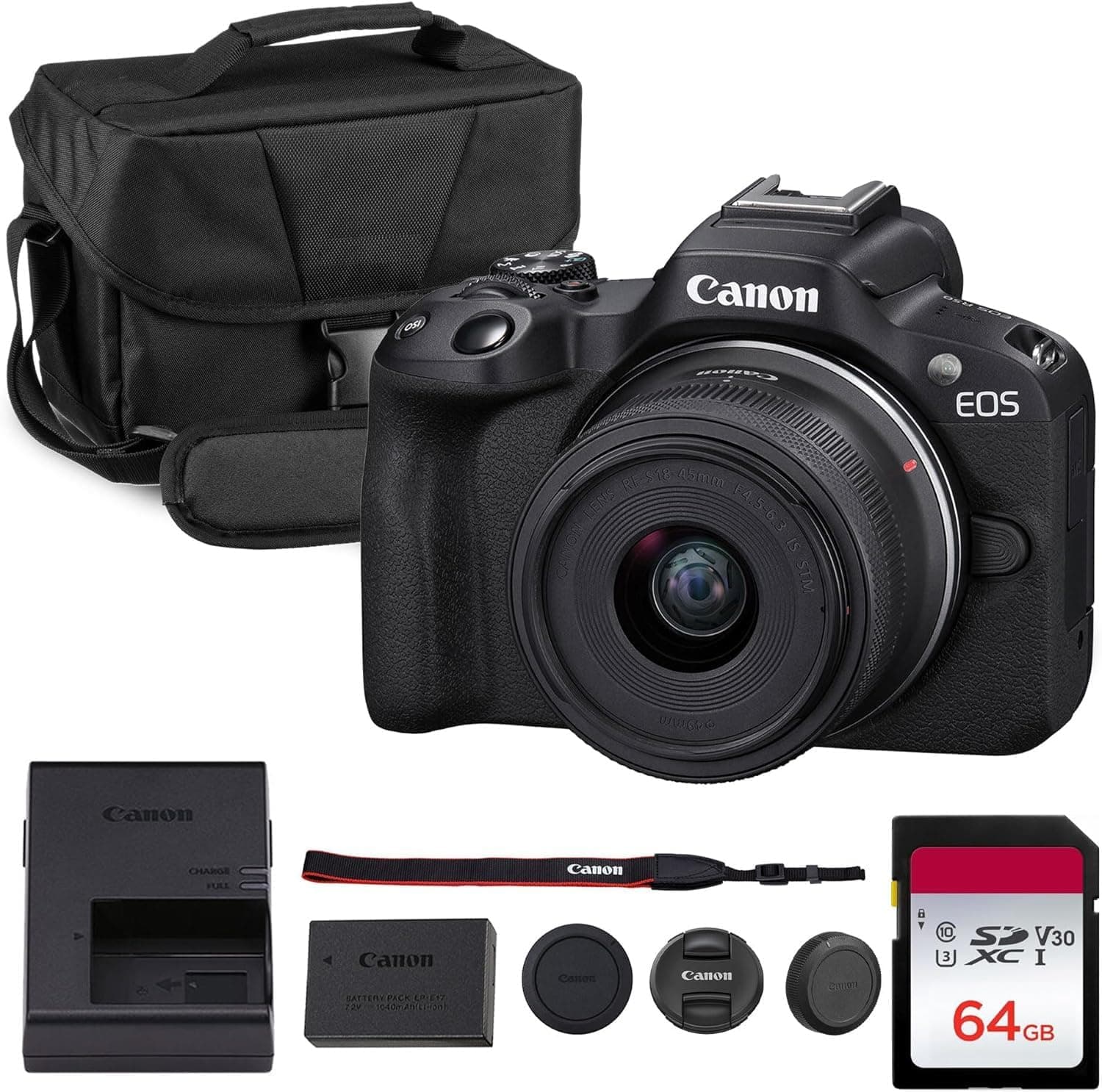
Beginner photo
First real camera kit
$1,068
An affordable body, a sharp prime, a reliable card, and a small carry setup that does not turn learning into a hauling problem.
Best learning kit
Buy order: start with the first piece that makes the job possible, then add the support pieces that remove friction.
Camera: start here. If this piece does not make the shoot easier, the rest of the kit can wait.
Carry: add it after the core setup proves useful.
Canon EOS R50
Small, approachable, and good enough to learn exposure, autofocus, and lens choice properly.
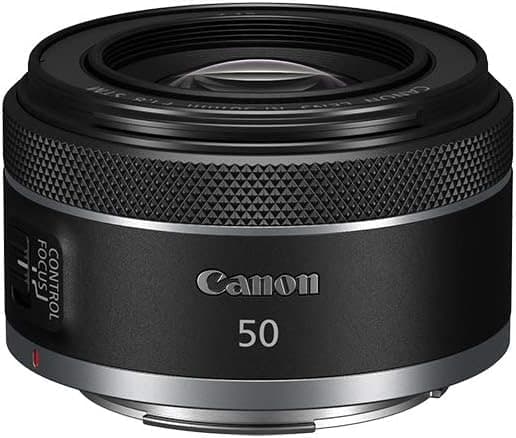
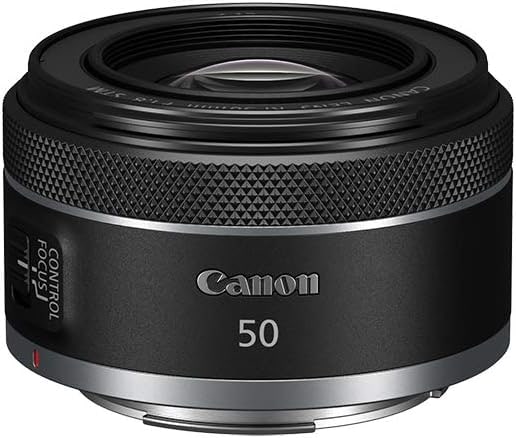
Canon RF 50mm f/1.8 STM
Cheap, bright, and useful for portraits, detail shots, and learning depth of field.
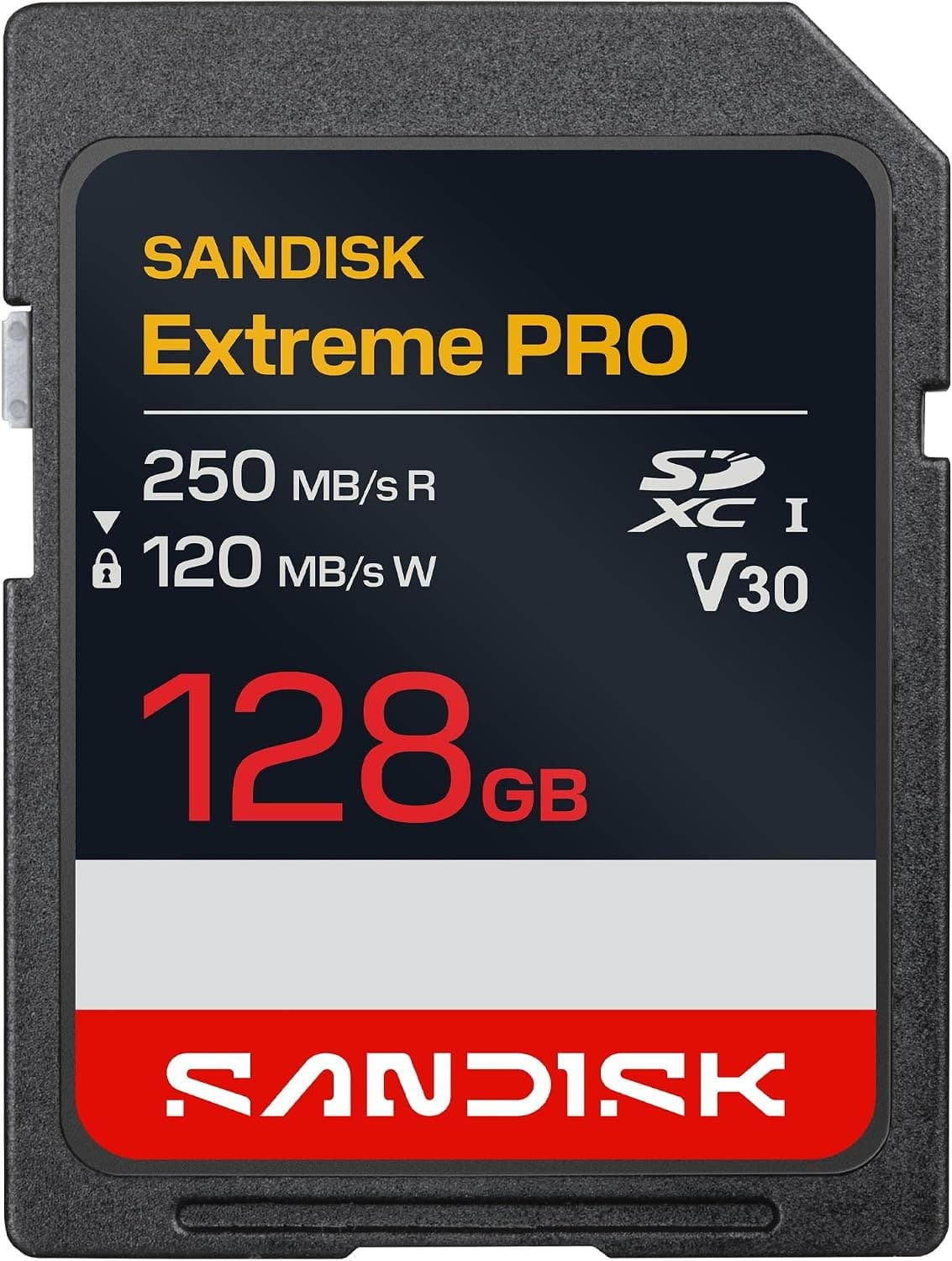
SanDisk Extreme Pro SDXC 128GB
Fast enough for normal stills and video without making storage the exciting purchase.
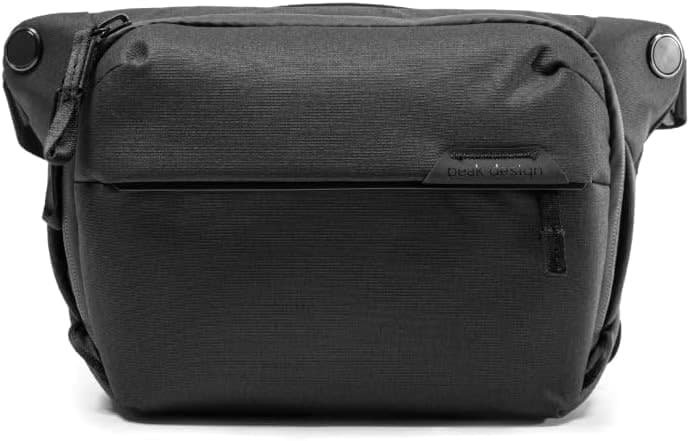
Peak Design Everyday Sling 6L V2
Room for a small body and lens without dragging a full backpack everywhere.
Prices are rough catalog totals. Retailer prices change, and you can swap pieces to fit your system.
Related Gear guides
Best Backdrops and Stands in 2026: Studio Background Picks
The best backdrops and stands for home studios, with each pick's real size, height limit, and price, so you know whether it fits headshots, products, or full-length portraits.
Best Cameras for Beginners in 2026: First Interchangeable-Lens Picks
The best beginner cameras balance an easy interface, good autofocus, and room to grow. Here are six we recommend and how to pick the right first body.
Best Cameras for Video in 2026: Hybrid, Cinema, and Vlogging Picks
Panasonic Lumix S5 II is the value video pick; GH7 suits long recording, and Sony a7 IV is the hybrid choice. Compare six cameras by workflow.
Best Cameras Under $1000 in 2026: Beginner, Value, and Creator Picks
The best cameras under $1000 deliver strong autofocus and image quality without the full-frame price. Here are six picks and how to choose the right one.
Researched, not personally tested: picks compare specifications, available owner feedback, and established expert sources. As an Amazon Associate I earn from qualifying purchases. We may earn a commission from links here, at no extra cost to you. How we research →