We may earn a commission from links on this page, at no extra cost to you. Picks are researched, not sponsored.
Our quick picks
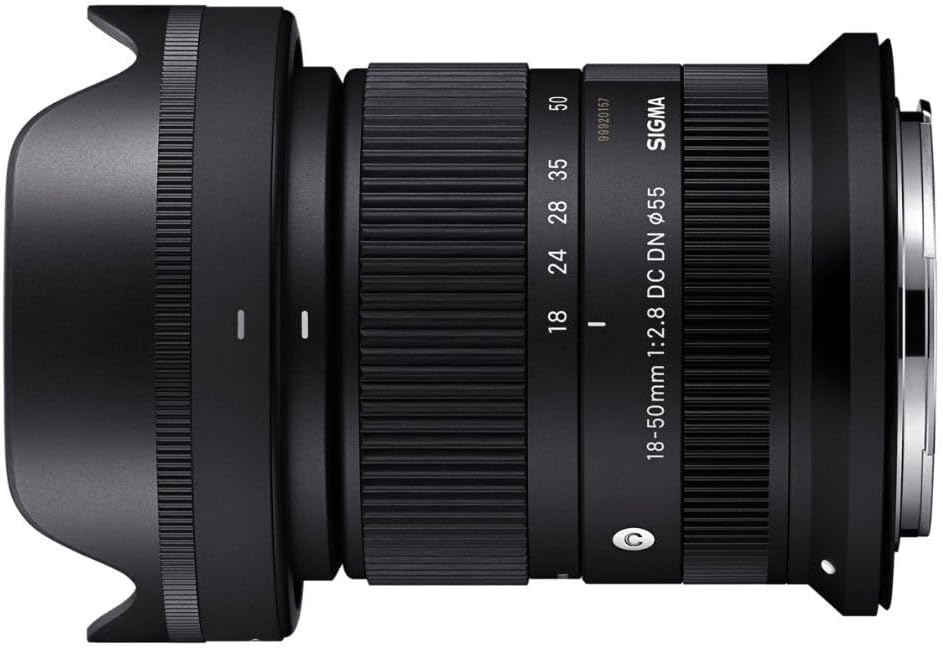
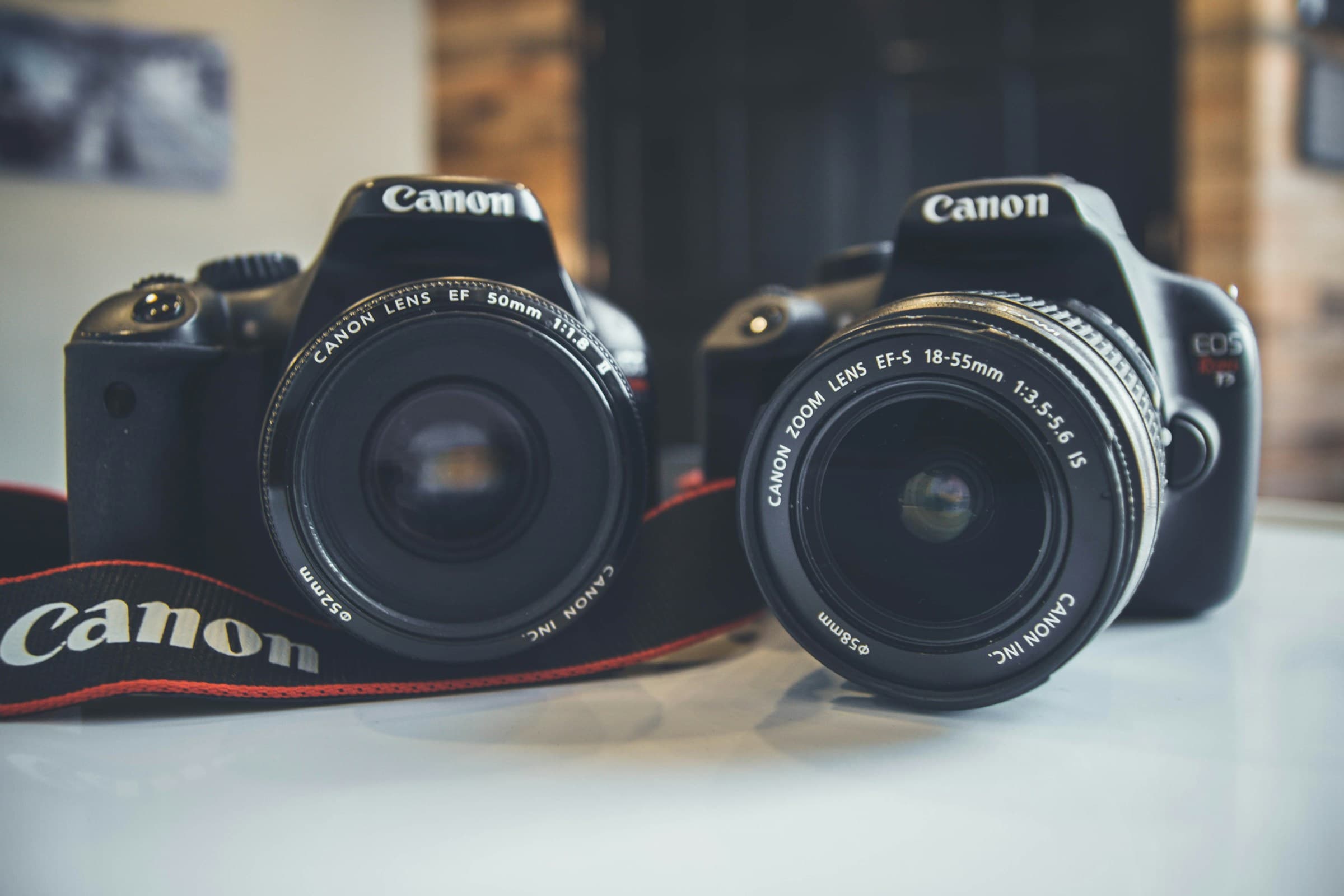
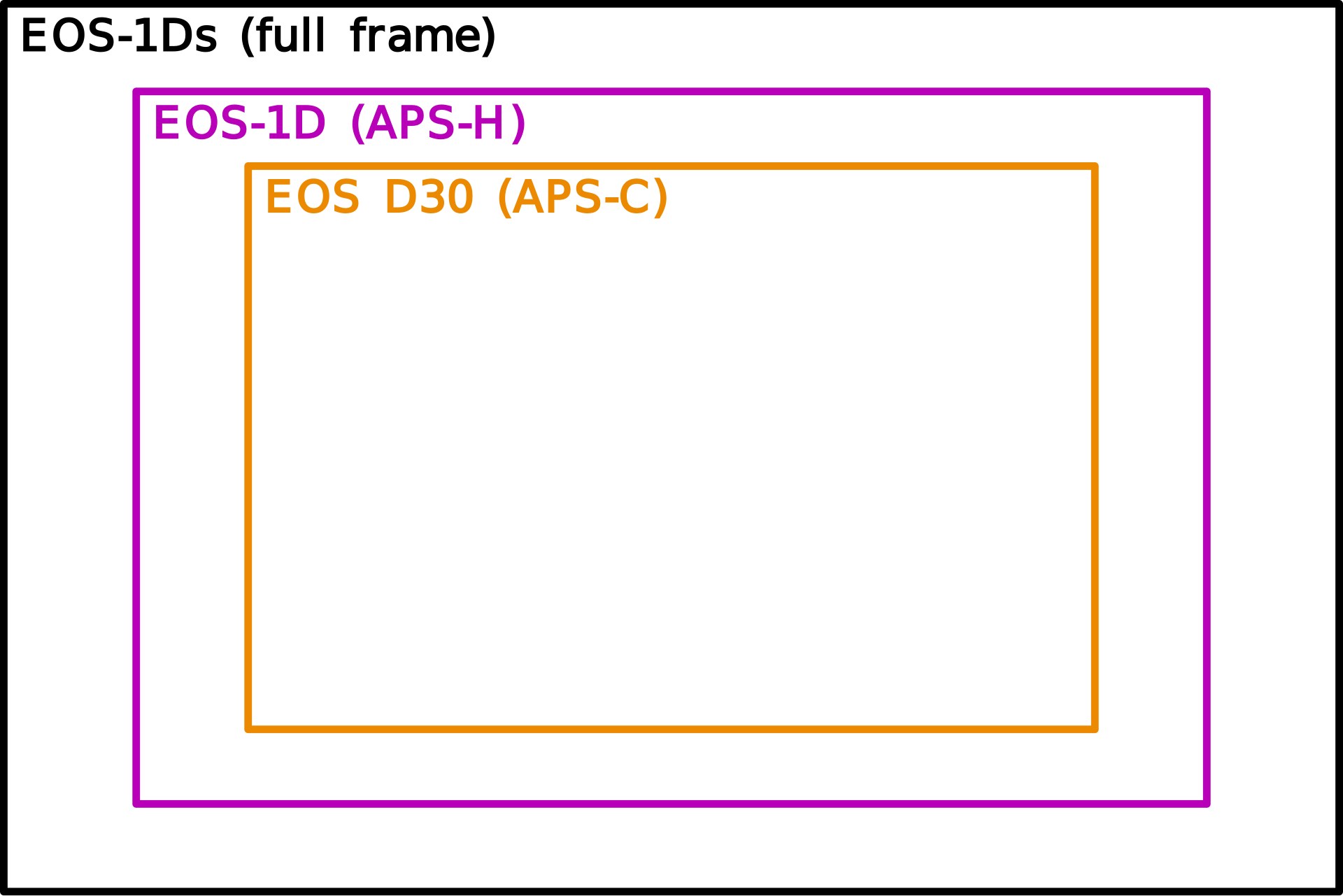
Lens focal lengths are quoted in full-frame terms because full-frame matches the old 35mm film standard everyone already understood. Put the same lens on a camera with a smaller sensor and the photo looks more zoomed in, because the smaller chip records only the center of the image the lens projects. Crop factor is just the number that converts between the two worlds. If sensor sizes themselves are new to you, start with sensor sizes explained and come back.
The multiplication, in one table
Take the focal length printed on the lens, multiply by the crop factor, and you get the focal length that would frame the same way on full-frame.
| System | Crop factor | A 50mm lens frames like | A 24mm lens frames like |
|---|---|---|---|
| Full-frame (Sony FE, Canon RF, Nikon Z) | 1.0x | 50mm | 24mm |
| APS-C (Sony, Nikon, Fujifilm) | 1.5x | 75mm | 36mm |
| APS-C (Canon) | 1.6x | 80mm | 38mm |
| Micro Four Thirds (OM System, Panasonic) | 2.0x | 100mm | 48mm |
So the classic "nifty fifty" look, a 50mm equivalent, comes from a 33mm on Fujifilm or a 25mm on Micro Four Thirds. This is the single most practical use of crop factor: knowing which lens to actually buy for the framing you want. For what those framings feel like in the field, see focal length explained.
What crop factor does not change
The lens itself. A 50mm lens is a 50mm lens on every camera ever made; its optics do not know what sensor sits behind them. The smaller sensor simply uses less of the projected image. Nothing gets magnified, nothing gets longer. You are seeing a tighter slice, the same way cropping in software shows a tighter slice.
More importantly: crop factor does not change exposure. An f/2.8 lens delivers the same brightness per square millimeter of sensor on full-frame, APS-C, or Micro Four Thirds. Meter a scene at f/2.8 · 1/250 · ISO 400 and those settings hold on any body. The exposure triangle works identically everywhere, and your light meter does not care what size the chip is.
Where equivalence gets real: depth of field and noise
Here is the part spec sheets tend to blur. To compare the look between formats, you multiply both the focal length and the aperture by the crop factor.
A 25mm f/1.4 on Micro Four Thirds frames like a 50mm and produces roughly the depth of field of f/2.8 on full-frame. Same framing, same subject distance, noticeably less background blur. This is why the dreamy shallow-focus look is easier to buy on bigger sensors: matching a full-frame 85mm f/1.8 on APS-C would take a 56mm at around f/1.2.
Total light works the same way. The smaller sensor collects less total light at the same f-stop (same intensity, smaller collecting area), so when you equalize the final image, the larger format usually shows less noise at high ISO. The honest summary: f/2.8 is f/2.8 for exposure, but formats differ in how much blur and how much total light you get for that f/2.8.
None of this makes smaller sensors wrong. It makes marketing comparisons dishonest when they quote equivalent focal length but not equivalent aperture. Read both numbers and the systems compare fairly.
What this means when you buy
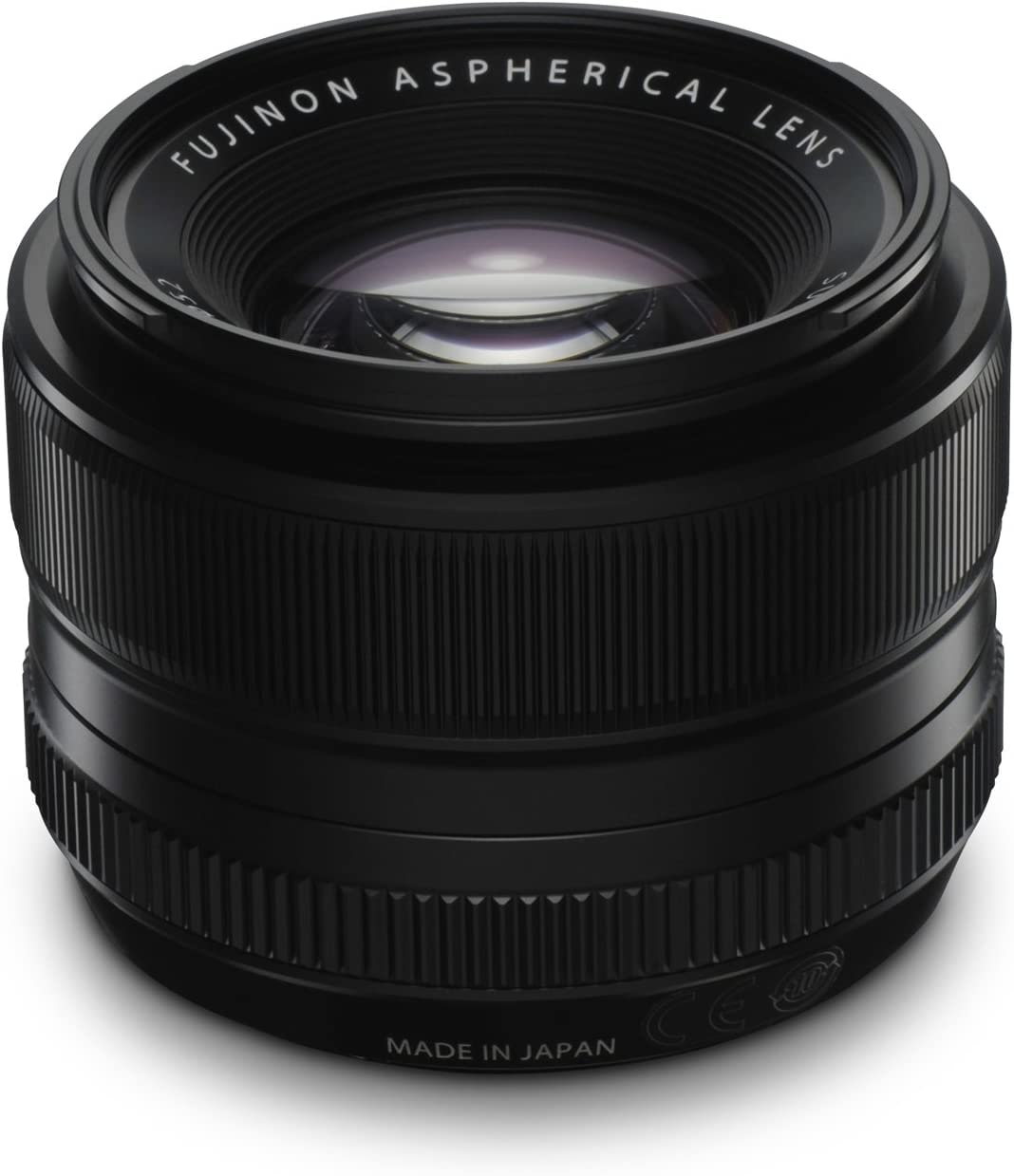
Think in equivalents, then buy the real number. Decide you want a 35mm-equivalent walkaround: that is a 23mm on Fujifilm, a 24mm on Canon APS-C, a 17mm on Micro Four Thirds. Lens lineups for crop systems are built around this, which is why Fujifilm's classic primes are 23, 33, and 56mm rather than 35, 50, and 85mm.
Also check the lens itself: full-frame lenses work on crop bodies of the same mount (the crop applies as usual), but lenses designed for crop sensors vignette or force a crop mode on full-frame bodies. If you might move up to full-frame later, that is worth factoring into which camera you buy.
Does crop factor make my lens more powerful for wildlife?
It gives you tighter framing from the same spot, which is genuinely useful reach on a budget: a 300mm on APS-C frames like a 450mm. You are cropping rather than magnifying, so a high-resolution full-frame file cropped to match can look similar, but the crop body gets you there cheaper and lighter.
Do I multiply the aperture for exposure too?
No. Aperture only gets multiplied when you are comparing depth of field and total light between formats. For metering and exposure settings, f/2.8 behaves as f/2.8 on every sensor size.
Is 1.5x or 1.6x worth worrying about?
Not really. Canon APS-C crops slightly tighter than everyone else's, but the difference between 1.5x and 1.6x on a 50mm lens is 75mm versus 80mm framing. Use 1.5x as your mental math and you will be close enough.
Keep going
Next useful steps
Pick one. Each link continues the same job without starting the research over.
Shoot kits
Buy around the job, not the spec sheet
Beginner photo
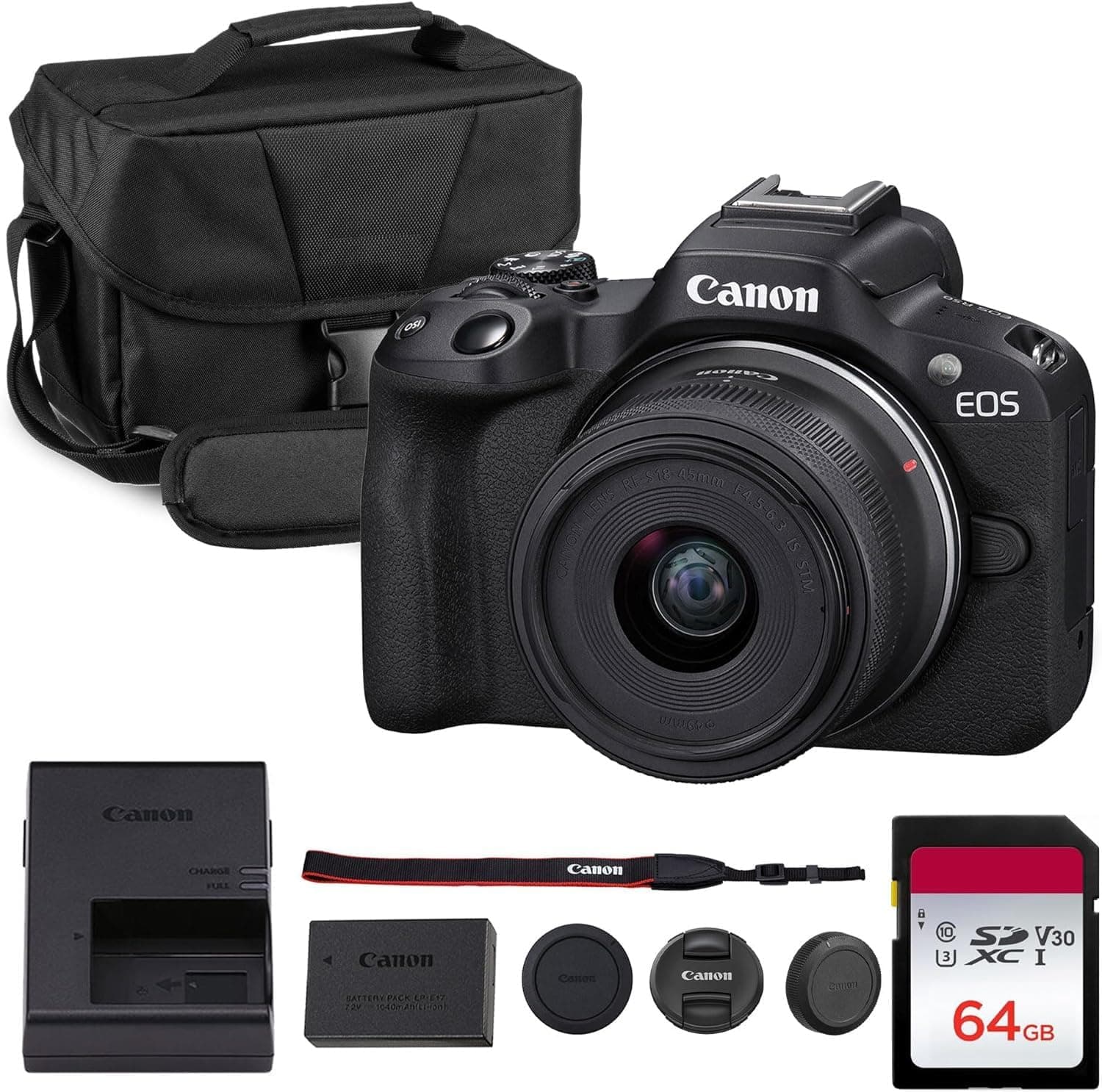
First real camera kit
$1,068
An affordable body, a sharp prime, a reliable card, and a small carry setup that does not turn learning into a hauling problem.
Best learning kit
Buy order: start with the first piece that makes the job possible, then add the support pieces that remove friction.
Camera: start here. If this piece does not make the shoot easier, the rest of the kit can wait.
Carry: add it after the core setup proves useful.
Canon EOS R50
Small, approachable, and good enough to learn exposure, autofocus, and lens choice properly.
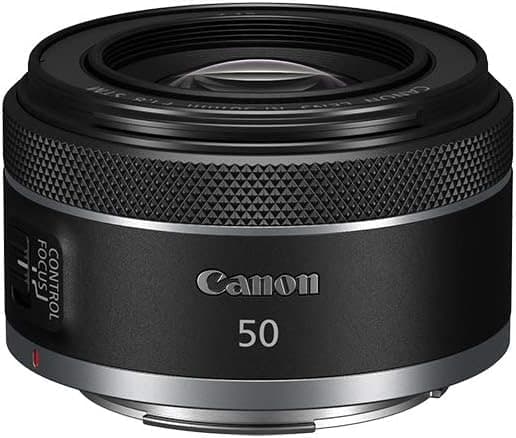
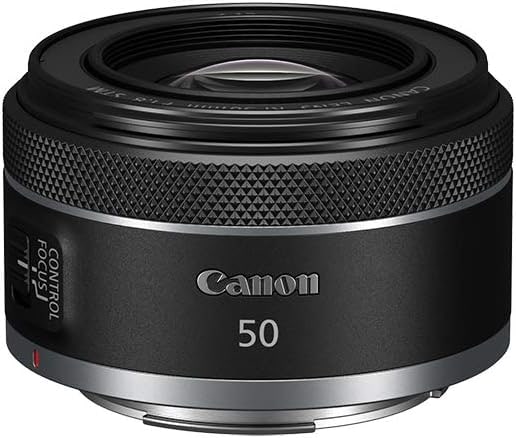
Canon RF 50mm f/1.8 STM
Cheap, bright, and useful for portraits, detail shots, and learning depth of field.
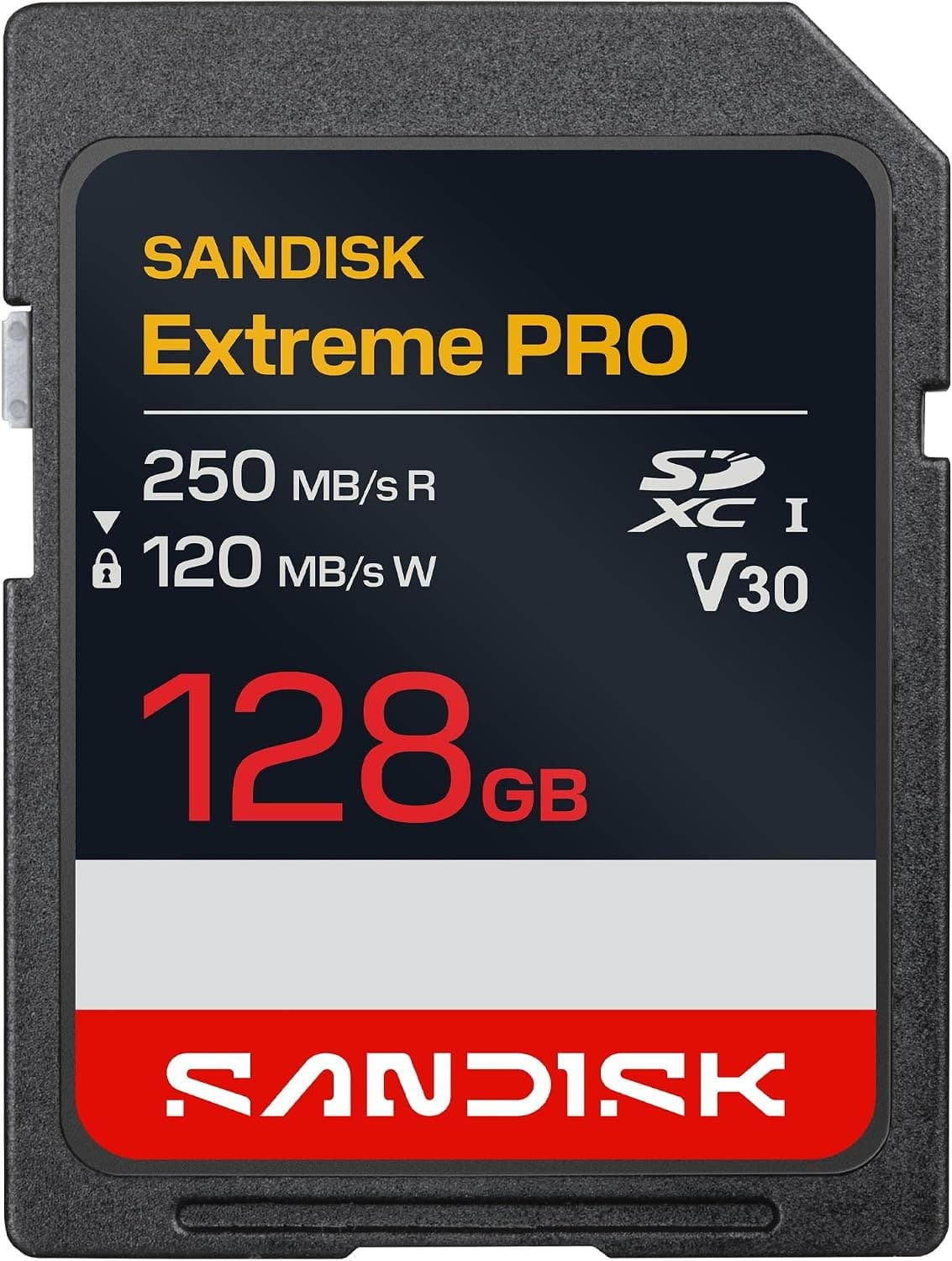
SanDisk Extreme Pro SDXC 128GB
Fast enough for normal stills and video without making storage the exciting purchase.
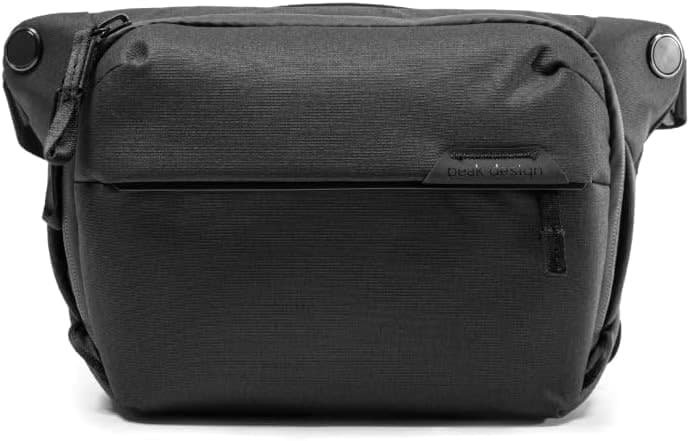
Peak Design Everyday Sling 6L V2
Room for a small body and lens without dragging a full backpack everywhere.
Prices are rough catalog totals. Retailer prices change, and you can swap pieces to fit your system.
Related Gear guides
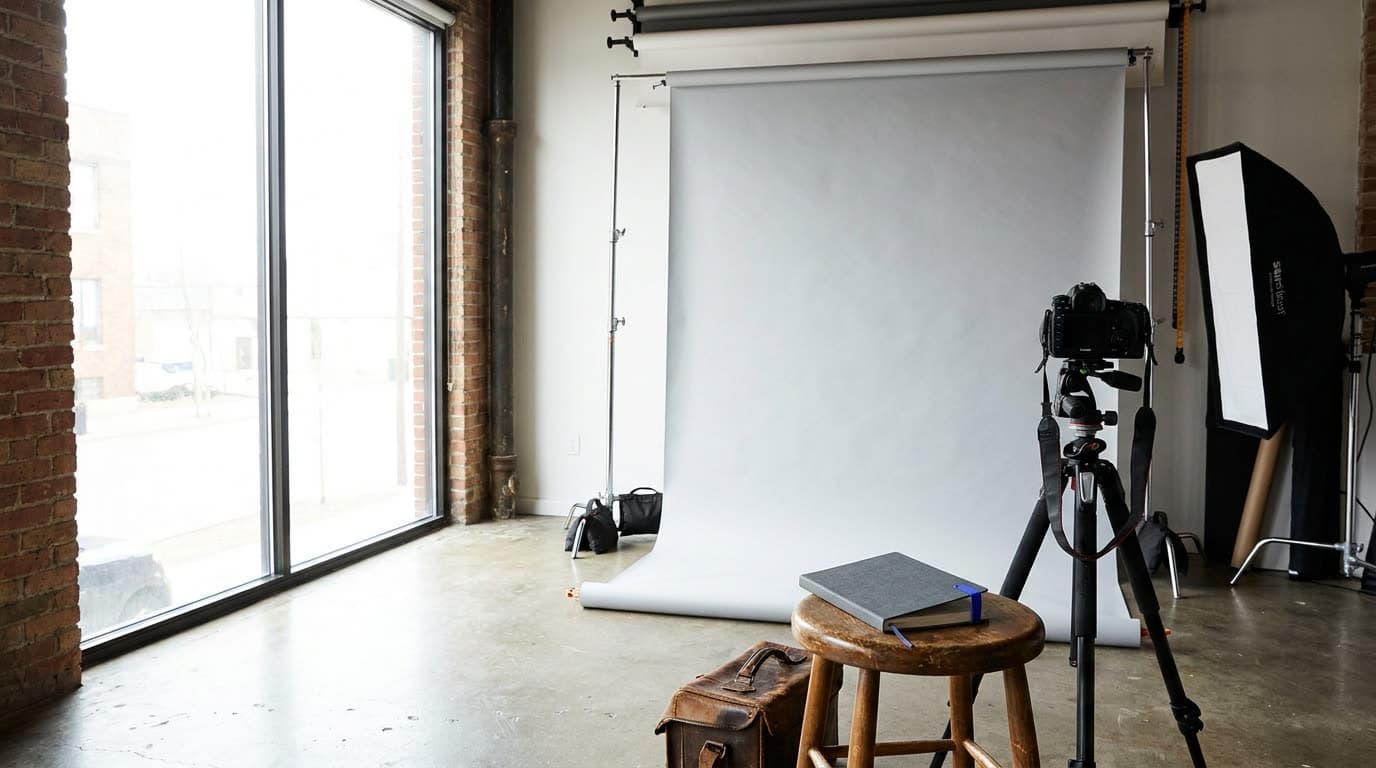
Best Backdrops and Stands in 2026: Studio Background Picks
The best backdrops and stands for home studios, with each pick's real size, height limit, and price, so you know whether it fits headshots, products, or full-length portraits.
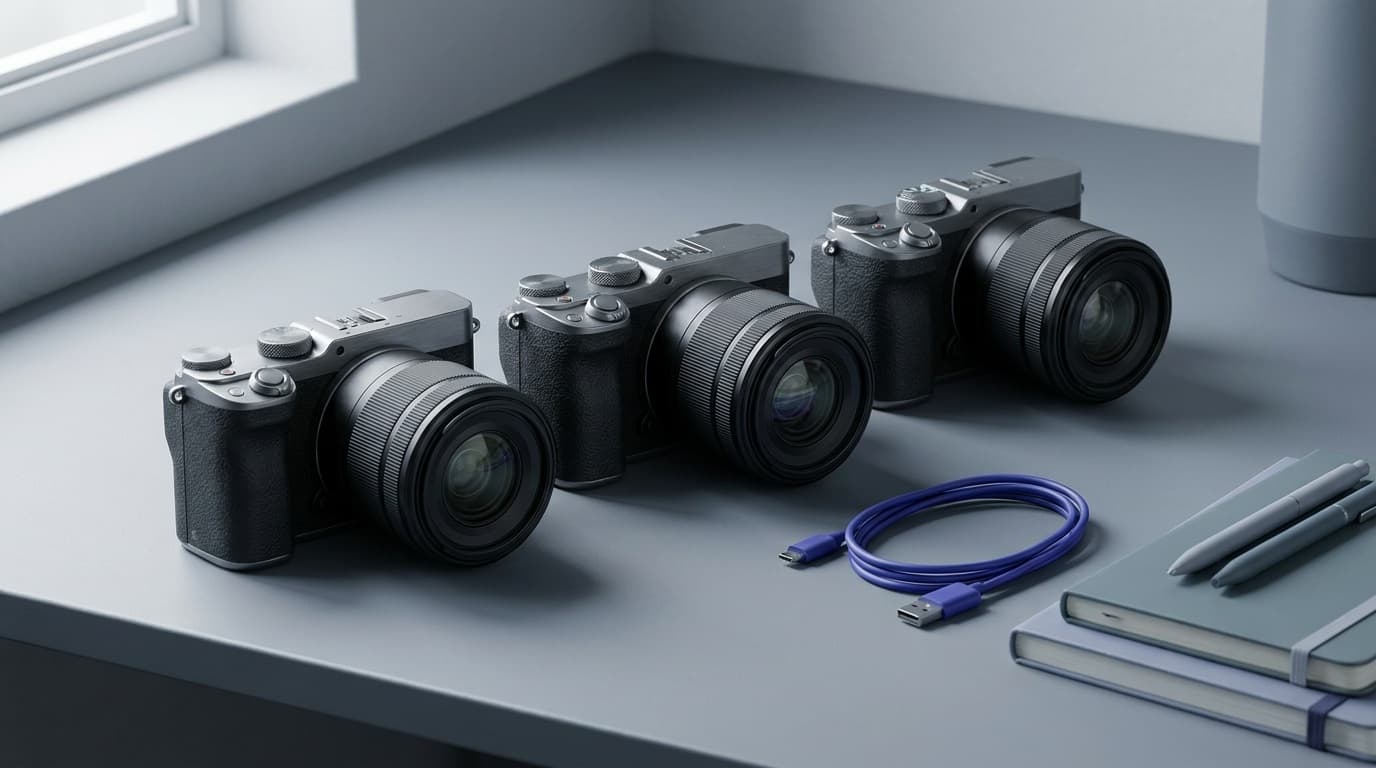
Best Cameras for Beginners in 2026: First Interchangeable-Lens Picks
The best beginner cameras balance an easy interface, good autofocus, and room to grow. Here are six we recommend and how to pick the right first body.
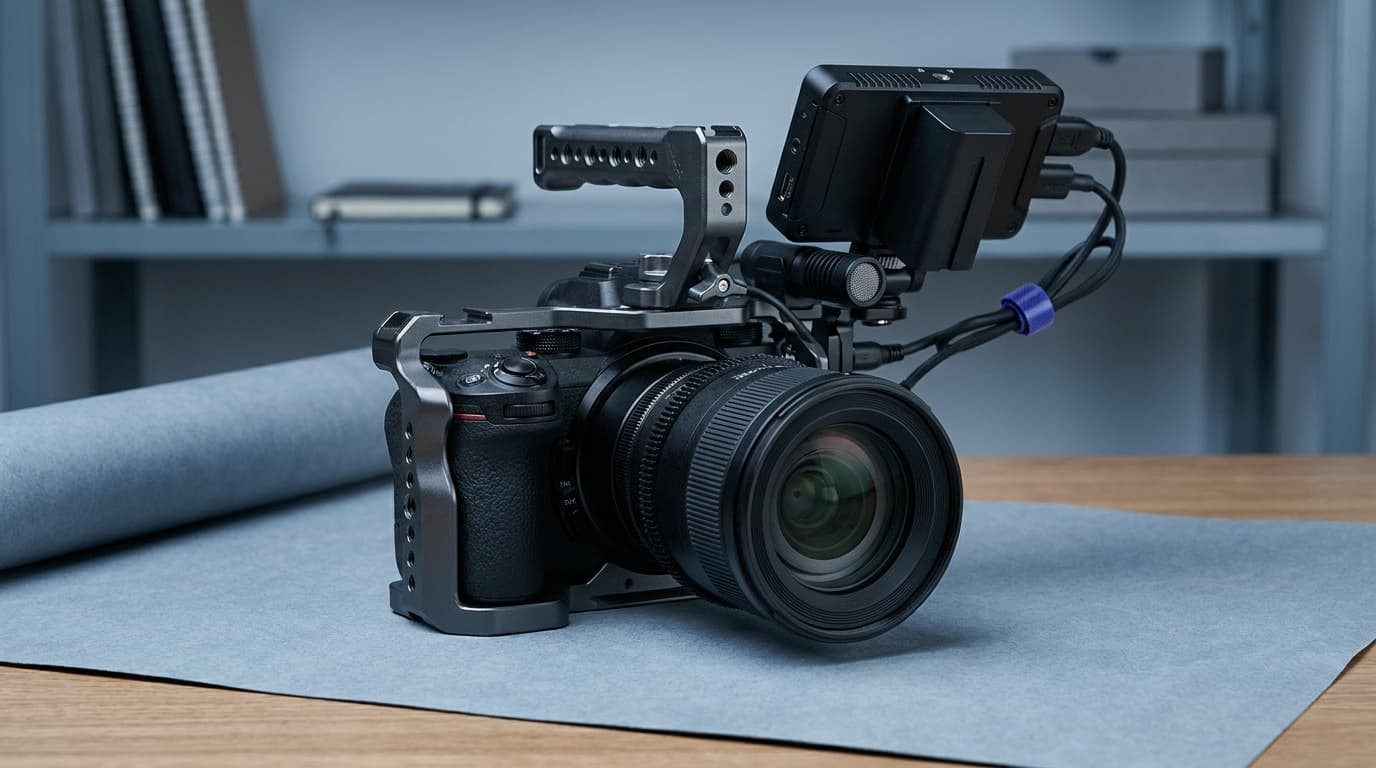
Best Cameras for Video in 2026: Hybrid, Cinema, and Vlogging Picks
Panasonic Lumix S5 II is the value video pick; GH7 suits long recording, and Sony a7 IV is the hybrid choice. Compare six cameras by workflow.
Best Cameras Under $1000 in 2026: Beginner, Value, and Creator Picks
The best cameras under $1000 deliver strong autofocus and image quality without the full-frame price. Here are six picks and how to choose the right one.
Researched, not personally tested: picks compare specifications, available owner feedback, and established expert sources. As an Amazon Associate I earn from qualifying purchases. We may earn a commission from links here, at no extra cost to you. How we research →