We may earn a commission from links on this page, at no extra cost to you. Picks are researched, not sponsored.
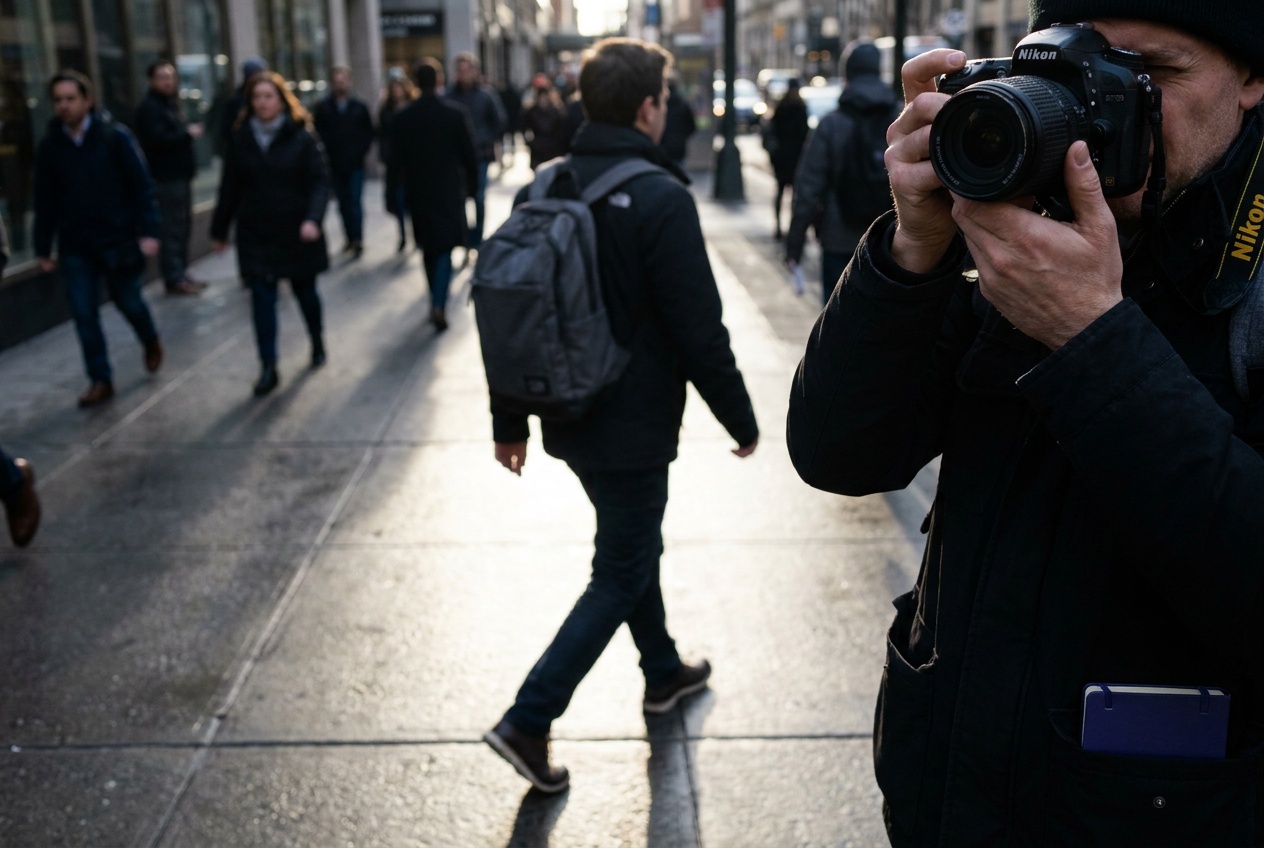
Street photography is the genre with the lowest gear barrier and the highest demand on the photographer. There is no setup, no model, no lighting. You react to what is in front of you, and the skill is seeing a moment a half second before it happens. The settings exist so you do not miss it.
The gear
Less is more here. A bulky rig makes you slow and conspicuous:
- A small camera you can carry all day and raise without drawing attention. Compact bodies and smaller sensor formats are popular for exactly this reason.
- A 35mm or 50mm lens, ideally a prime. A 35mm takes in the scene and the context; a 50mm isolates a subject. Both teach you to move with your feet instead of zooming.
You do not need a tripod for street work. The point is to stay mobile.
The settings
A dependable street starting point is f/8 · 1/250 · ISO auto. A moderate aperture around f/8 gives enough depth that near-misses on focus still land sharp. A shutter speed of 1/250 or faster freezes walking subjects and your own movement. Let ISO ride on auto so the camera handles changing light from sun to shade without you stopping to think. If those three settings feel unfamiliar together, the exposure triangle explains how they trade off.
Many street shooters prefocus to a set distance and shoot in aperture priority, so the only variable left is timing. Continuous autofocus with a wide point also works on modern bodies.
Composition and seeing
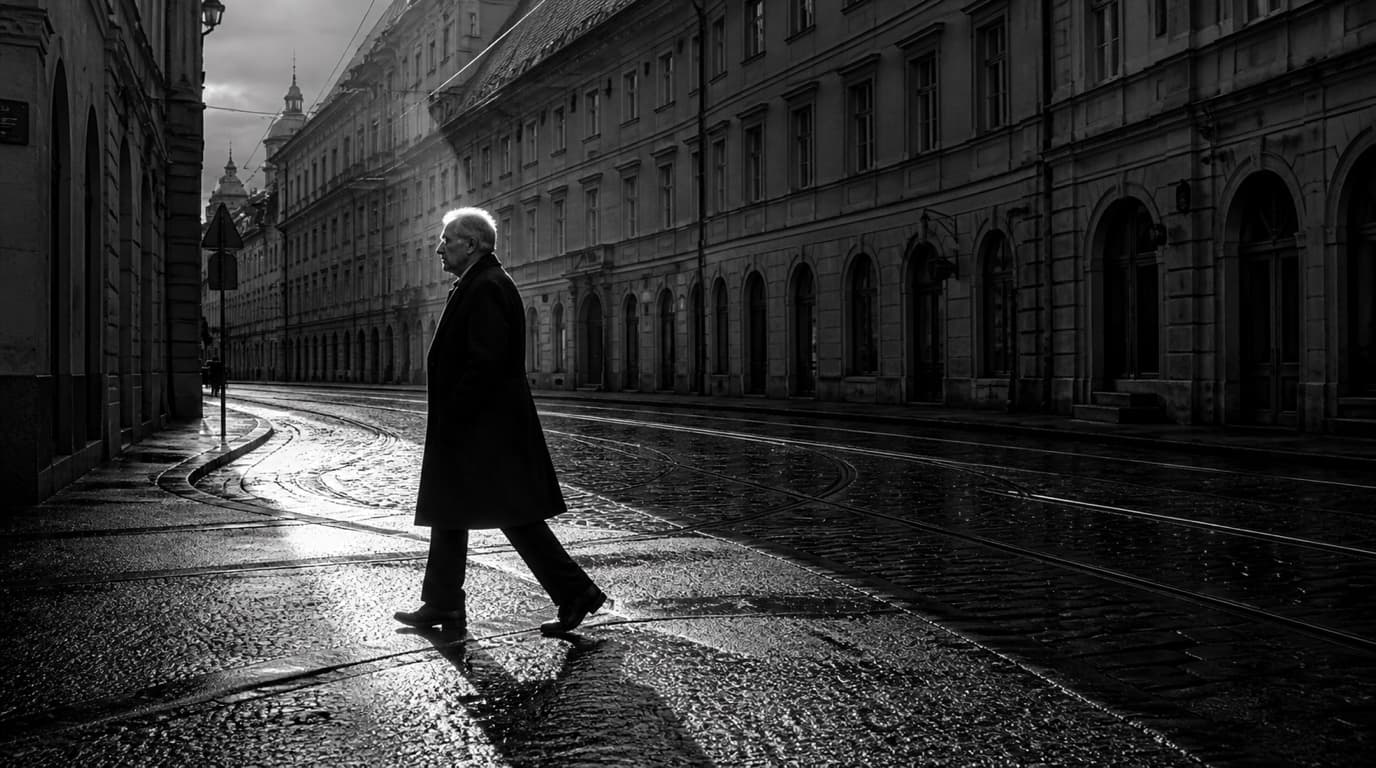
Good street frames are built on light and gesture more than subject. Find a patch of strong light, a clean background, or a graphic shape, then wait for a person to enter it. Layers add depth: a foreground figure, a midground action, a background detail that ties them together. Reflections, shadows, and doorways all make natural frames. The discipline is to keep shooting and let most frames fail; the keepers come from volume and patience.
Etiquette and the law
Norms vary by place, but a few habits travel well. Be respectful, do not corner people, and if someone clearly objects, lower the camera. In most public spaces in many countries you can photograph what is plainly visible, but private property, some transit systems, and certain countries with strong privacy laws have stricter rules. Check the rules by location pillar before shooting somewhere new, especially abroad.
Common mistakes
New street shooters tend to use too slow a shutter and get motion blur, so keep it at 1/250 or faster. They also shoot from across the street with a long lens, which flattens the scene and reads as timid; get closer with a 35mm and the images gain energy. Finally, chasing only faces misses the genre. Light, geometry, and the relationship between people in the frame carry as much weight as any single subject.
What is the best lens for street photography?
A 35mm prime is the classic all-rounder: wide enough for context, tight enough to isolate. A 50mm is the other common choice when you want to separate a subject. Both encourage you to work with your feet.
Is street photography legal?
In many countries you may photograph what is visible from public space, but rules differ by location and are stricter in some places and on private property. Check local law and the rules by location pillar before shooting somewhere unfamiliar.
What camera settings should I use for street photography?
A good default is f/8, a shutter of 1/250 or faster to freeze motion, and ISO on auto so the camera adapts to changing light. Prefocus or use continuous autofocus so you are ready when a moment happens.
Practice this
Turn the guide into a working setup
Keep going
Next useful steps
Pick one. Each link continues the same job without starting the research over.
Shoot kits
Buy around the job, not the spec sheet
Beginner photo
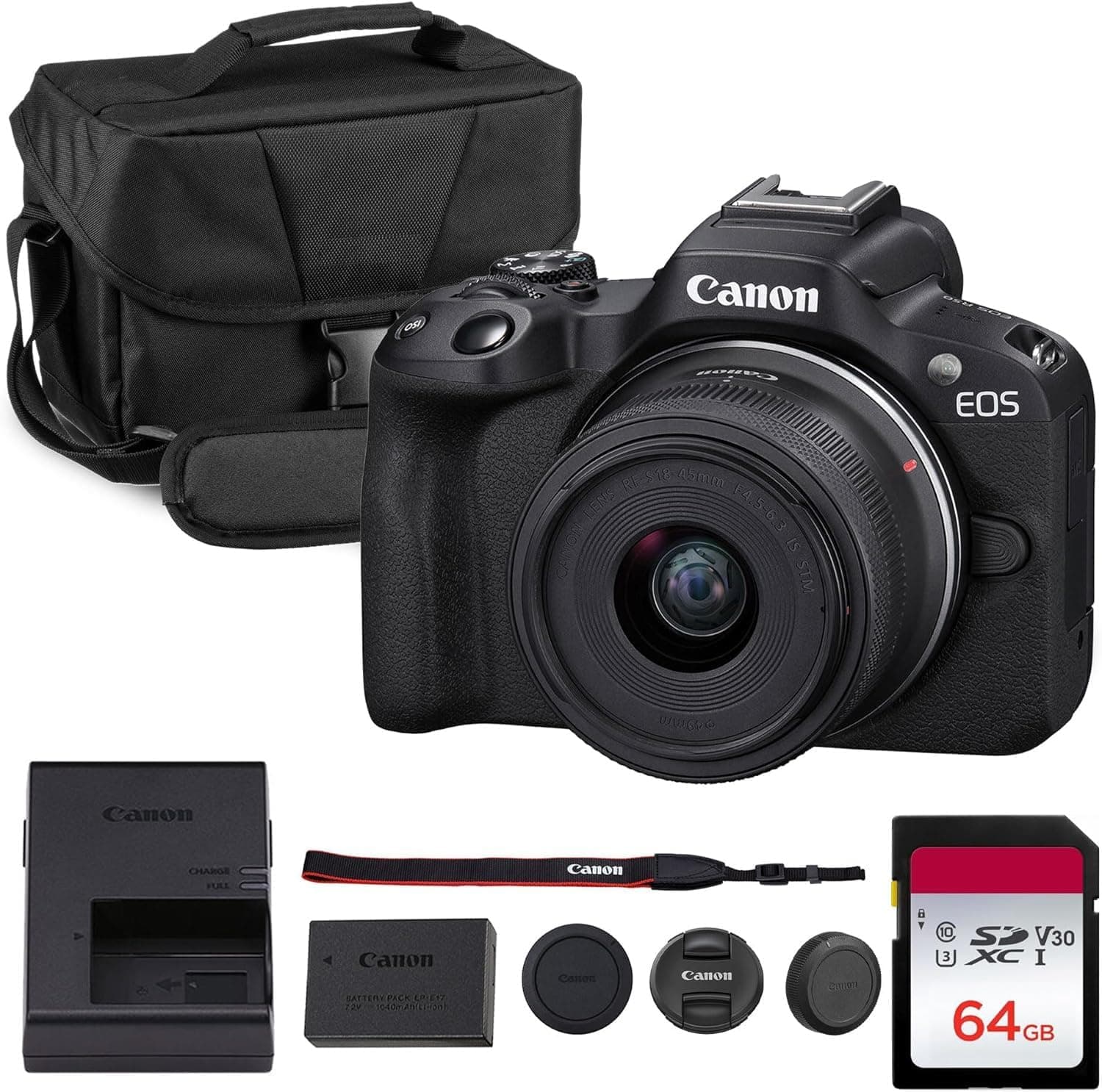
First real camera kit
$1,068
An affordable body, a sharp prime, a reliable card, and a small carry setup that does not turn learning into a hauling problem.
Best learning kit
Buy order: start with the first piece that makes the job possible, then add the support pieces that remove friction.
Camera: start here. If this piece does not make the shoot easier, the rest of the kit can wait.
Carry: add it after the core setup proves useful.
Canon EOS R50
Small, approachable, and good enough to learn exposure, autofocus, and lens choice properly.
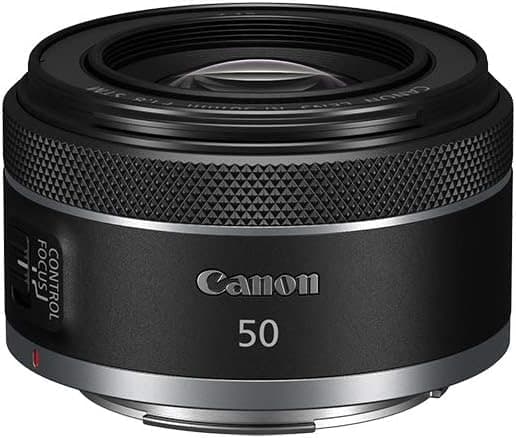
Canon RF 50mm f/1.8 STM
Cheap, bright, and useful for portraits, detail shots, and learning depth of field.
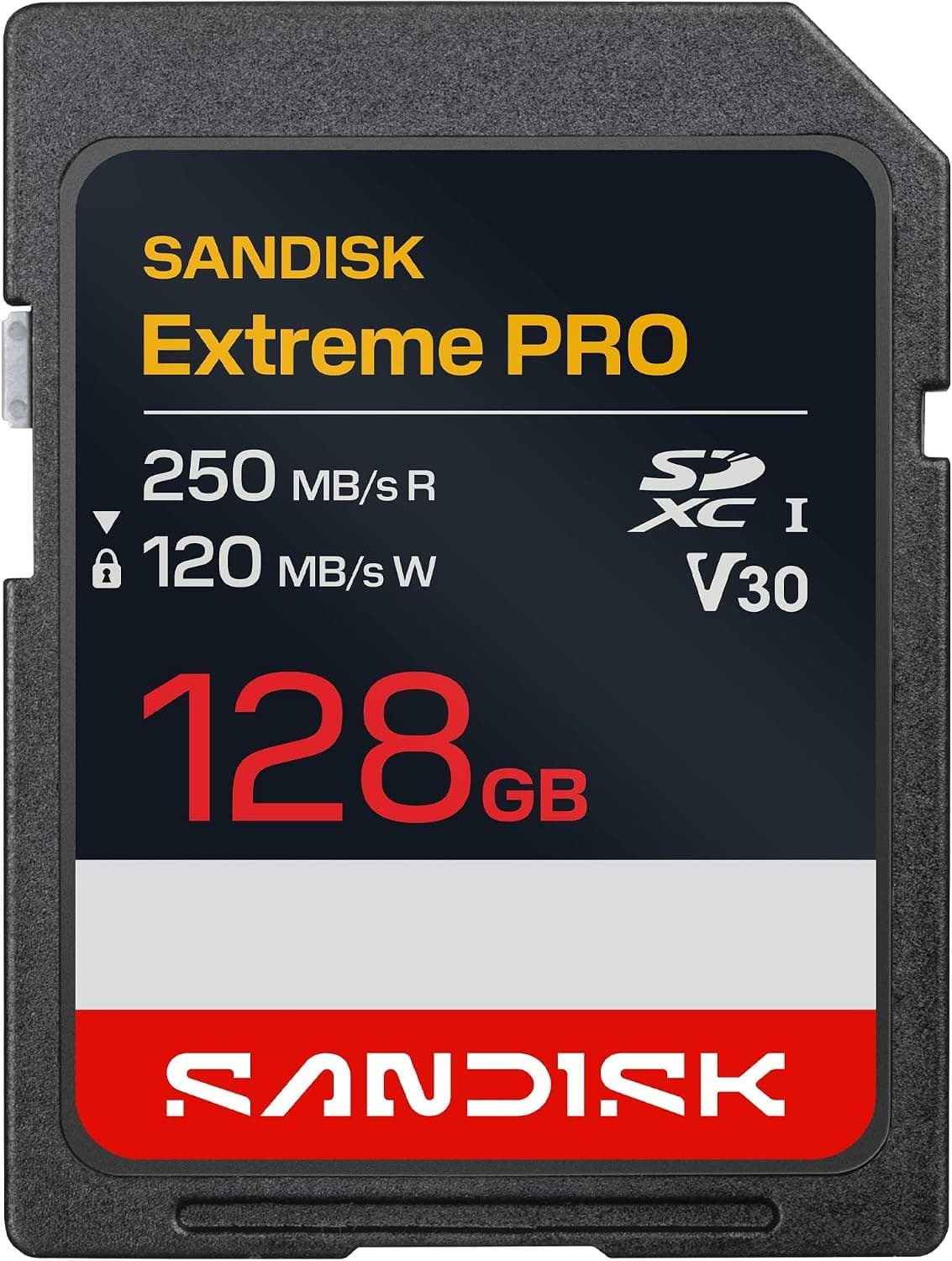
SanDisk Extreme Pro SDXC 128GB
Fast enough for normal stills and video without making storage the exciting purchase.
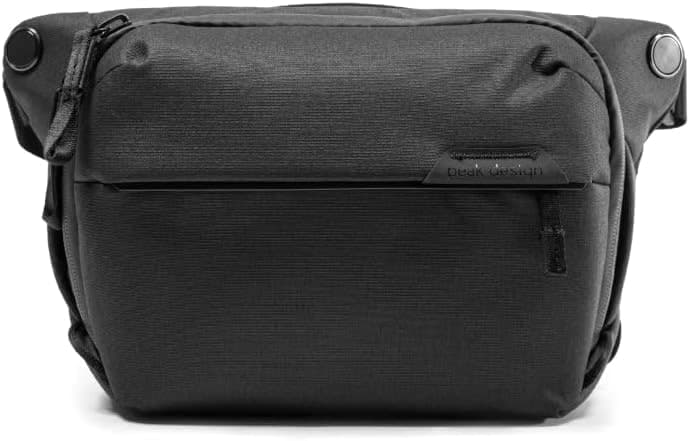
Peak Design Everyday Sling 6L V2
Room for a small body and lens without dragging a full backpack everywhere.
Prices are rough catalog totals. Retailer prices change, and you can swap pieces to fit your system.
Related Genres guides

Event Photography: Settings and Gear for Low Light and Fast Moments
Event photography means low light, candid moments, and no second takes. Here is the gear, the settings, and the mistakes to skip for sharp, well-lit frames.
Fashion Photography: Light, Posing, and the Look on a Budget
Editorial fashion images come from intentional light, confident posing, and a clear styling concept. Here is how to build the look on a budget with one light and simple gear.
Product Photography: A Simple, Repeatable Setup
Clean product photos need controlled light, a sharp aperture, and a tripod, not a studio. Here is the gear, the settings, and the lighting that gets professional results.
Real Estate Photography: The Complete Starter Guide
How to shoot a listing that sells: the gear, the settings, the room-by-room shot list, and the common mistakes. Plus the tool that builds your shot list for you.
Researched, not personally tested: picks compare specifications, available owner feedback, and established expert sources. As an Amazon Associate I earn from qualifying purchases. We may earn a commission from links here, at no extra cost to you. How we research →