We may earn a commission from links on this page, at no extra cost to you. Picks are researched, not sponsored.
Event photography is the work of being ready. The speeches, the first dance, the toast, and the candid laugh happen once, in whatever light the venue gives you, and you cannot ask for a redo. The skill is less about perfect technique and more about anticipating moments and being set up to grab them cleanly.
The gear
Events punish slow, dark gear. A few things earn their place:
- A fast prime or zoom at f/2.8 or wider, so you can keep a usable shutter speed in dim rooms. A 35mm and an 85mm cover most of an event. The tradeoffs are in prime vs zoom lenses and the portrait picks in the best lenses for portraits guide.
- A camera that holds up at high ISO. Sensor size drives this; see sensor sizes explained.
- A bounce flash for when the ambient light dies. The options are covered in best flashes and speedlights.
- A second body or a fast zoom, so you are not changing lenses while the moment passes.
If you want the buying version, the wedding and event photography gear guide covers the bodies, lenses, flash, cards, and carry pieces that protect long coverage days.
The settings
The working event recipe is f/2.8 · 1/200 · ISO auto, capped so the file stays clean. A wide aperture gathers light and separates the subject from a busy room. Set shutter speed to 1/200 or faster to freeze a moving hand or a turning head. Let ISO ride on auto with a ceiling you trust, since a slightly noisy sharp frame beats a clean blurry one. If you are dialing all three yourself, the exposure triangle ties them together.
For focus, use continuous autofocus with a single point or a small zone on the nearest eye. The autofocus modes guide explains when each tracking mode helps, and back button focus lets you separate focus from the shutter so you can hold a lock between frames.
Working the room
Shoot RAW so you can rescue white balance under mixed venue light. Bounce the flash off a ceiling or wall rather than firing it straight at faces, which flattens everyone and kills the mood of the room. Aim the head at a white or pale ceiling roughly behind and above you, and the light comes back down soft and natural; over a dark, very high, or colored ceiling there is nothing to bounce off, so a tilted flash with a small bounce card or an off-camera setup does better.
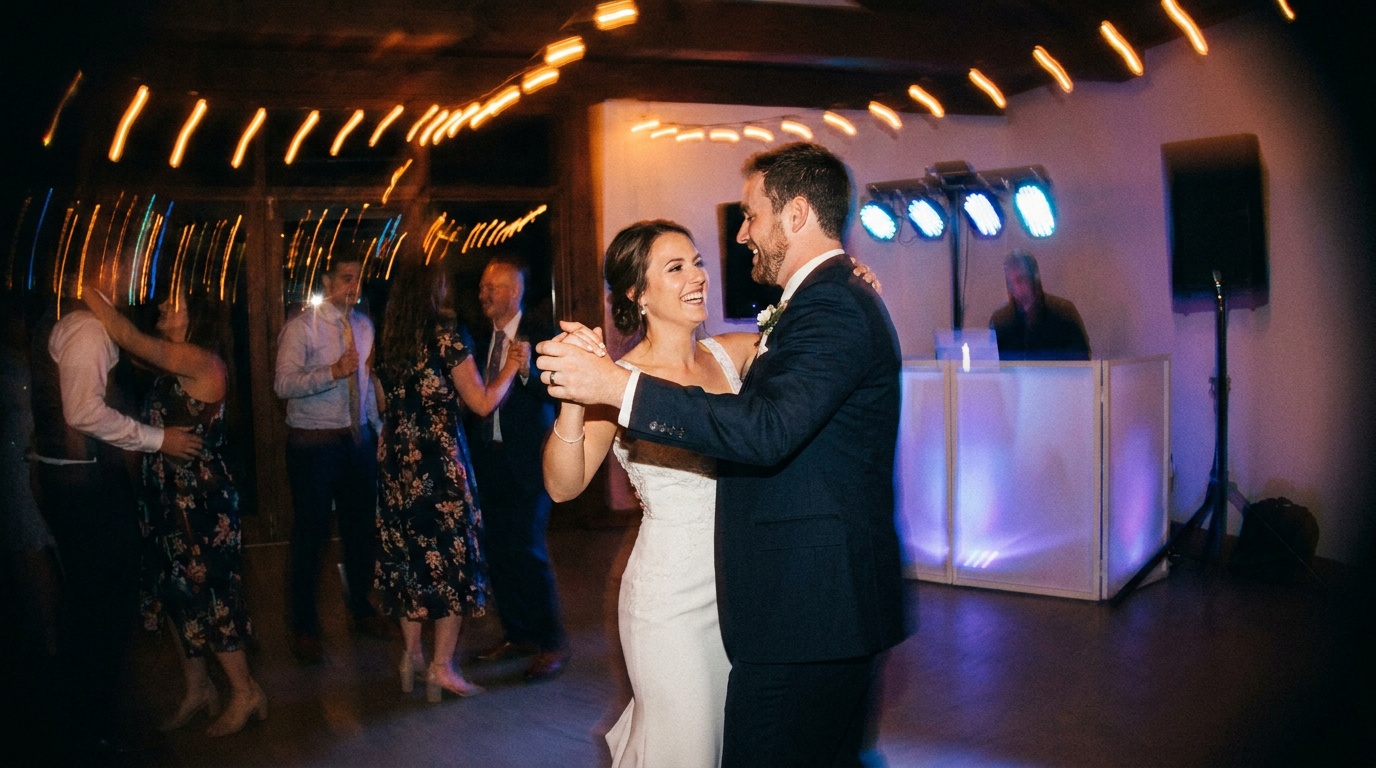
When a dark reception turns into a dance floor, drag the shutter to keep the room alive. Slow the shutter to around 1/40 to 1/60 at ISO 800 or so, let the ambient light record the glow and motion of the room, and let the flash burst freeze your subject sharp inside that ambient blur. Watch for the moment just before and just after the obvious one, since the real reaction often lands a half second late. Move quietly, shoot in short bursts, and learn the schedule so you are in position before the toast starts, not running for it.
Composition
Fill the frame with the moment and cut the clutter. Get low for the cake cutting, shoot over a shoulder to show what someone is reacting to, and leave a little space in the direction a person is looking or moving. Vary the focal length so the edit has rhythm: a wide frame to set the room and the scale of the crowd, a tight one for the reaction on a single face. Capture the details too: the rings, the table settings, the program, the toast glasses. Those quiet frames carry the story between the big beats, and they fill the gaps in an album without forcing every page to be a posed group.
Common mistakes
The frequent errors are easy to fix. A shutter under 1/100 in a dim room turns gestures into blur, so keep it fast and lift ISO instead. Direct on-camera flash flattens faces and blows out foreheads, so bounce it. Shooting JPEG locks in a bad white balance you cannot undo, so shoot RAW. And missing the moment usually means you were not in position, so learn the run of show and stake out the next beat early.
Know the rules
Some venues, houses of worship, and private events restrict flash, tripods, or photography during certain moments. Confirm the rules with the host or venue before the day, and check the rules by location pillar if you are shooting somewhere with its own access or permit terms.
What camera settings work best for event photography?
Start at f/2.8, a shutter of 1/200 or faster, and ISO on auto with a ceiling around 6400. Use continuous autofocus on the nearest eye and shoot RAW. Adjust the ISO cap to how clean your camera stays in the dark.
Do I need a flash for events?
Often yes, once the ambient light drops. A bounce flash off a ceiling or wall lifts a dark room without the flat, harsh look of direct on-camera flash. In well-lit venues you can lean on a wide aperture and high ISO instead.
How do I avoid blurry event photos?
Keep the shutter at 1/200 or faster, raise ISO before you let the shutter drop, and use continuous autofocus on the nearest eye. A slightly noisy sharp frame beats a clean blurry one every time.
Practice this
Turn the guide into a working setup
Shoot kits
Buy around the job, not the spec sheet
Live coverage
Event and wedding kit
$5,967
A dependable hybrid body, fast telephoto, round-head flash, clean audio, fast card, and small carry setup for long days with no second chances.
Best paid-event base kit
Buy order: start with the first piece that makes the job possible, then add the support pieces that remove friction.
Camera: start here. If this piece does not make the shoot easier, the rest of the kit can wait.
Carry: add it after the core setup proves useful.
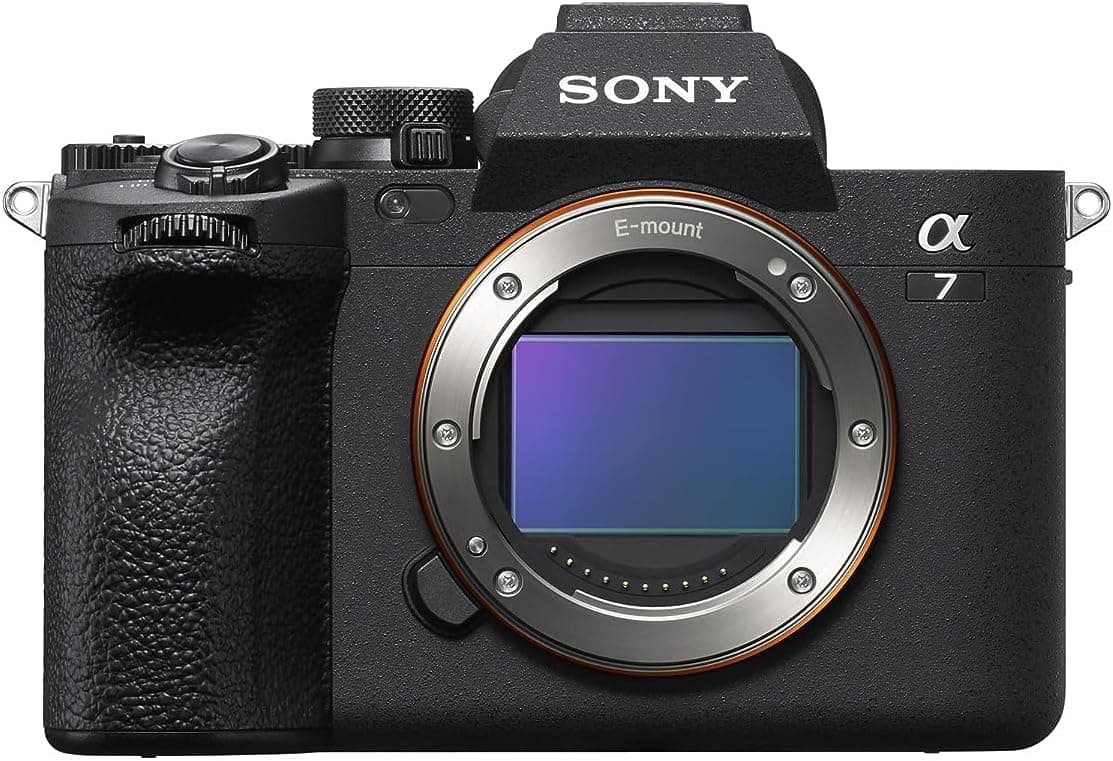
Sony a7 IV
Balanced stills and video, reliable eye autofocus, dual card slots, and enough resolution for delivery crops.
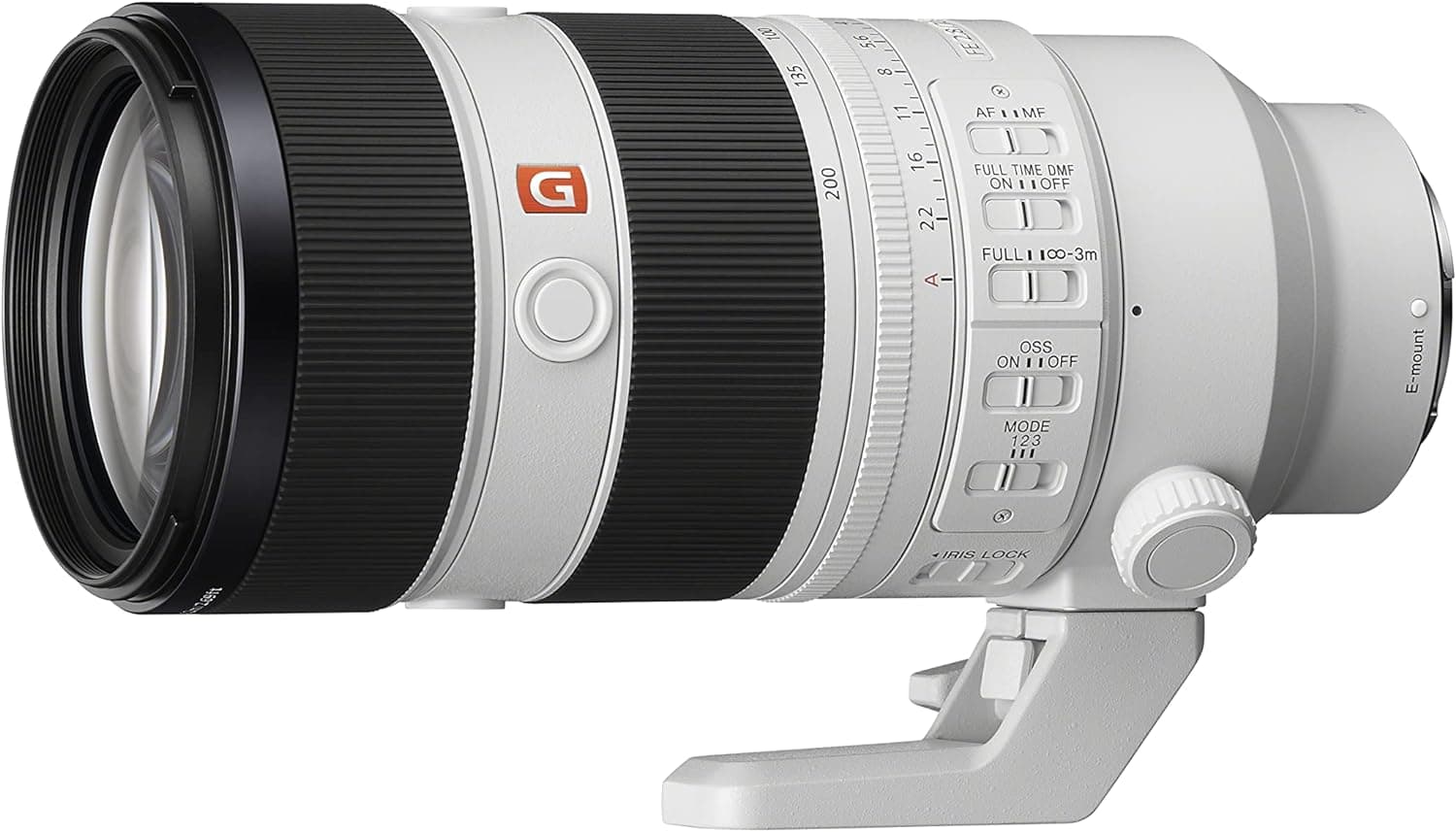
Sony FE 70-200mm f/2.8 GM OSS II
Reach and subject separation for ceremonies, speeches, stage work, and candids from across a room.
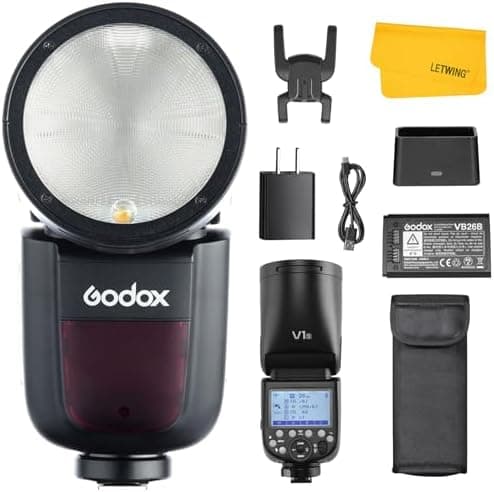
Godox V1
Soft bounce, fast recycle, and the Godox radio system for a first off-camera light.
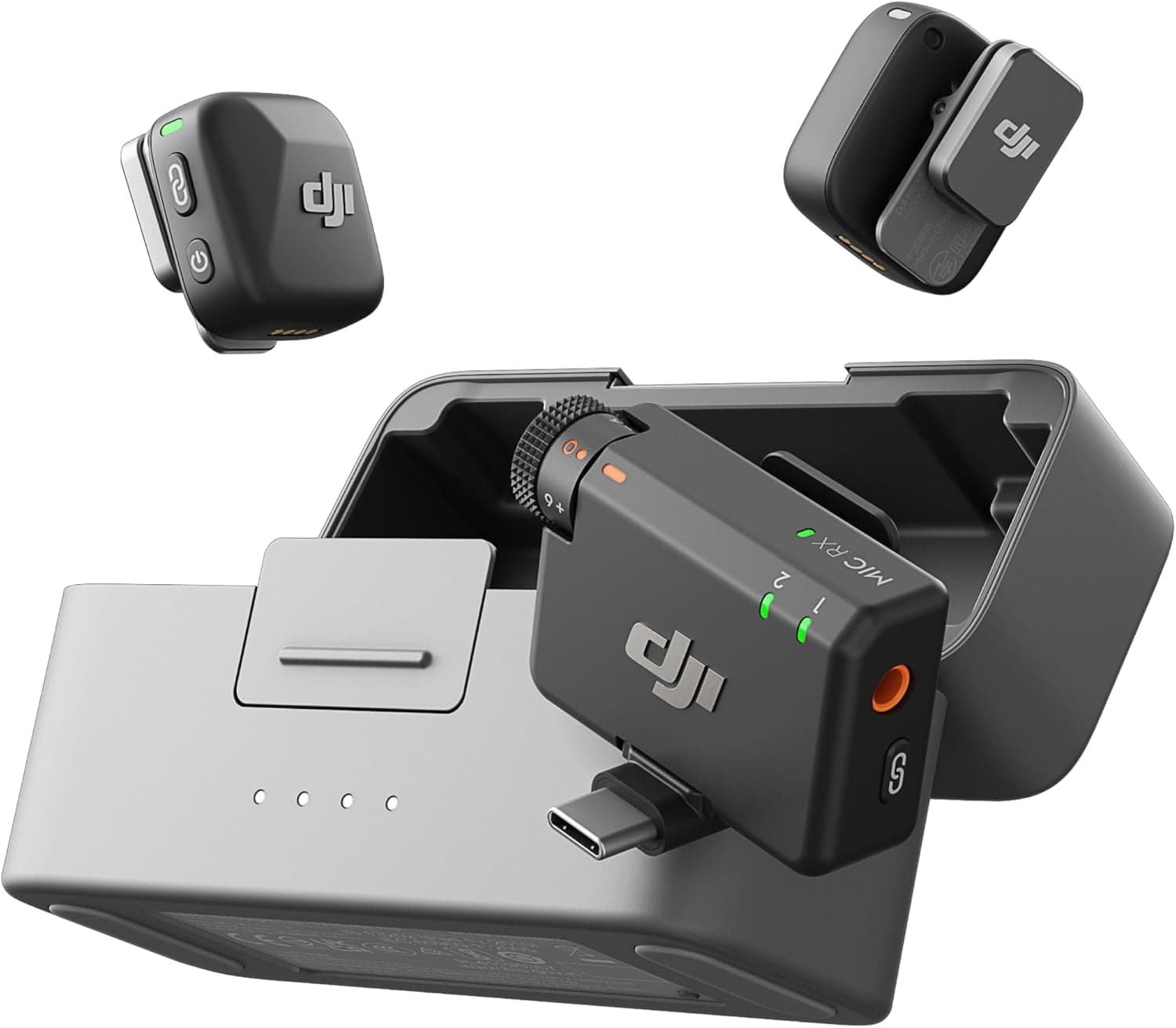
DJI Mic 2
A simple backup for vows, interviews, speeches, and behind-the-scenes clips.
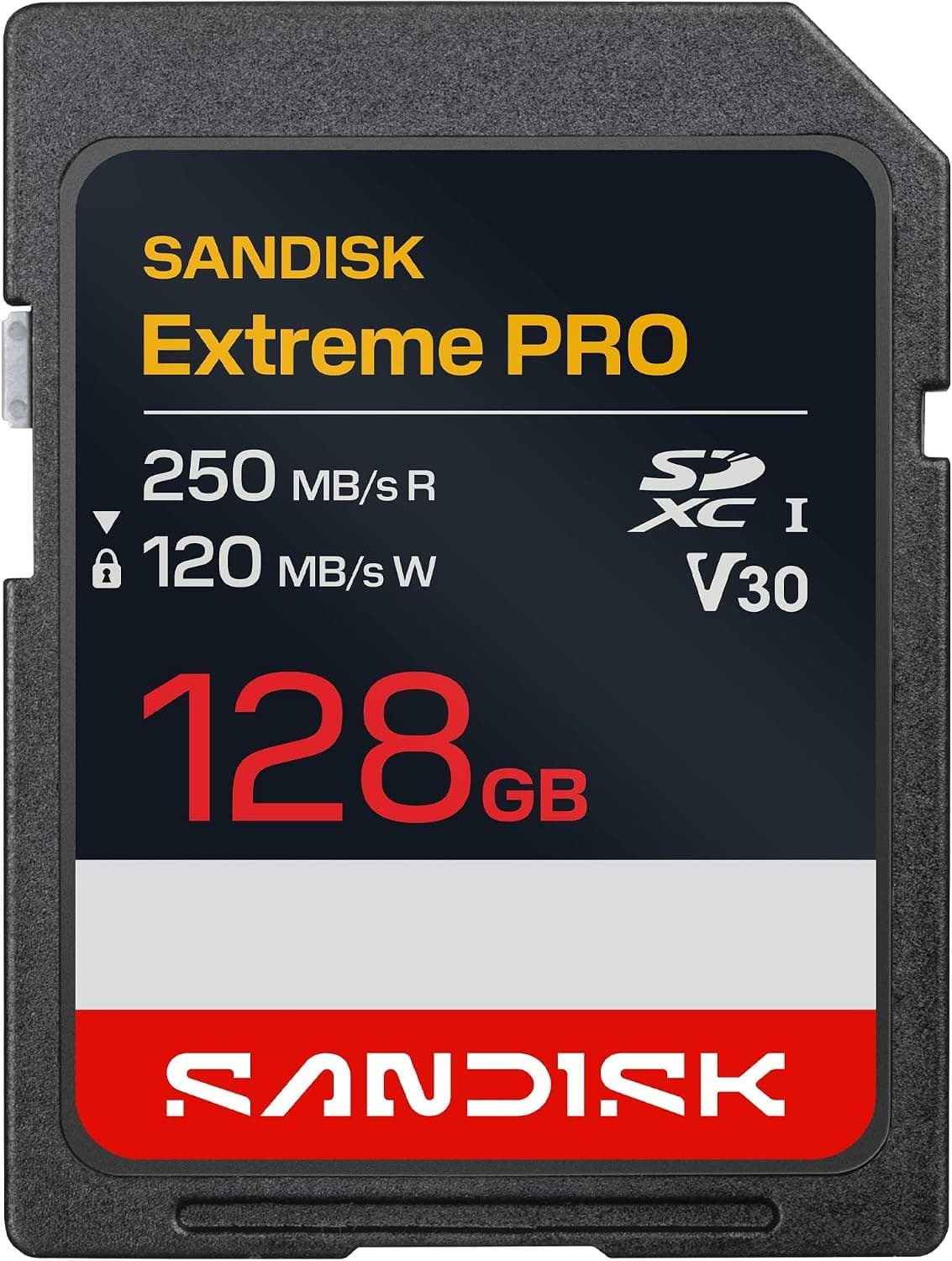
SanDisk Extreme Pro SDXC 128GB
A practical card tier for hybrid bodies shooting stills, bursts, and normal 4K capture.
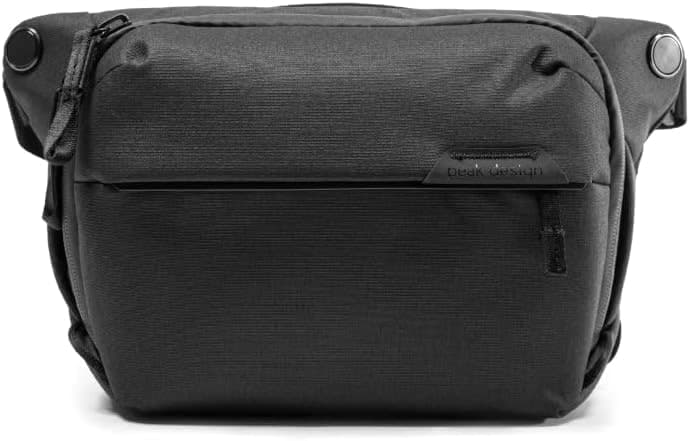
Peak Design Everyday Sling 6L V2
Keeps a body, flash, batteries, and small lens changes close without wearing a full backpack during coverage.
Prices are rough catalog totals. Retailer prices change, and you can swap pieces to fit your system.
Related Genres guides
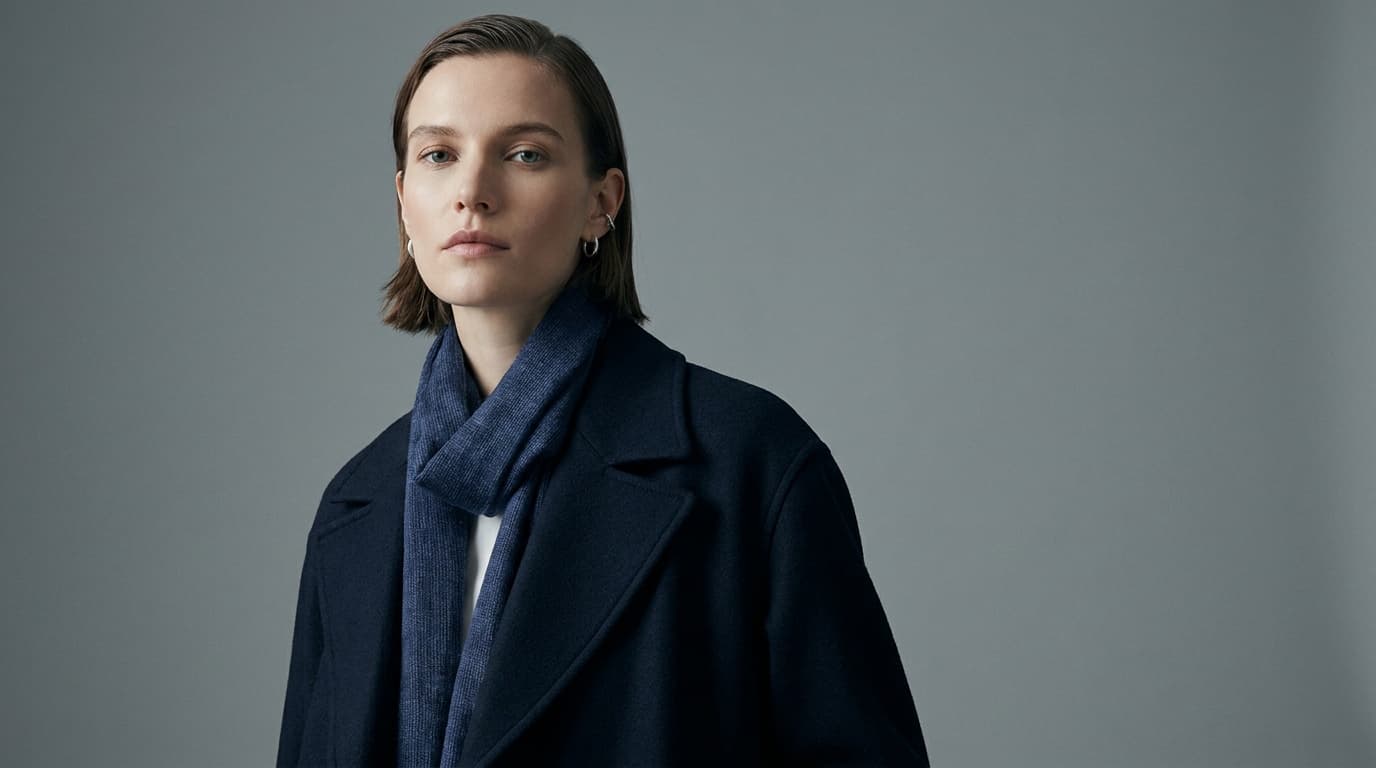
Fashion Photography: Light, Posing, and the Look on a Budget
Editorial fashion images come from intentional light, confident posing, and a clear styling concept. Here is how to build the look on a budget with one light and simple gear.
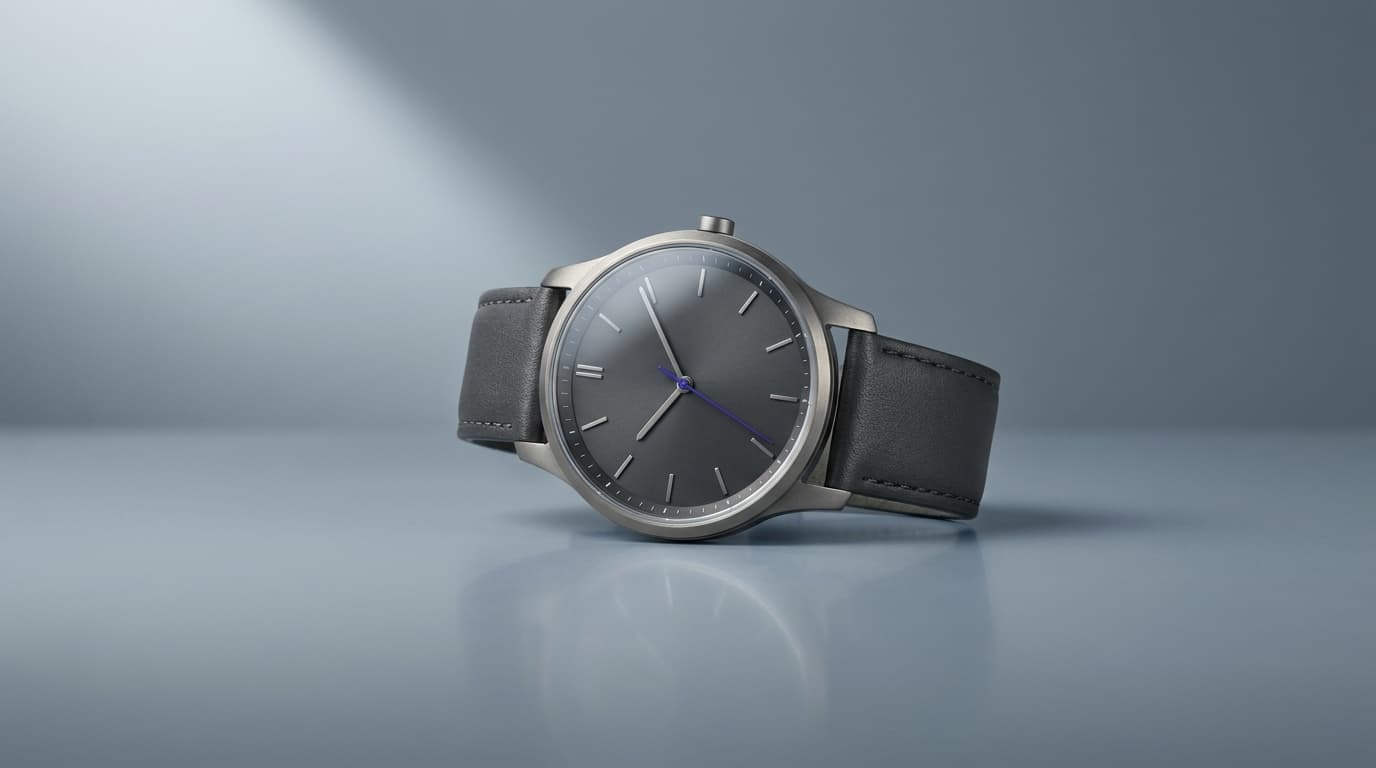
Product Photography: A Simple, Repeatable Setup
Clean product photos need controlled light, a sharp aperture, and a tripod, not a studio. Here is the gear, the settings, and the lighting that gets professional results.
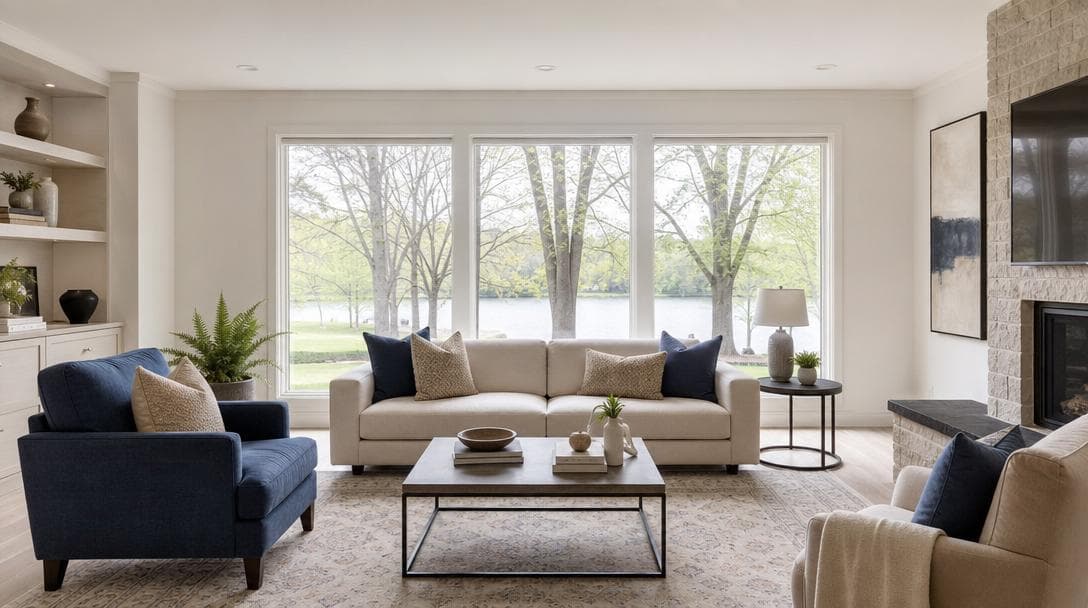
Real Estate Photography: The Complete Starter Guide
How to shoot a listing that sells: the gear, the settings, the room-by-room shot list, and the common mistakes. Plus the tool that builds your shot list for you.
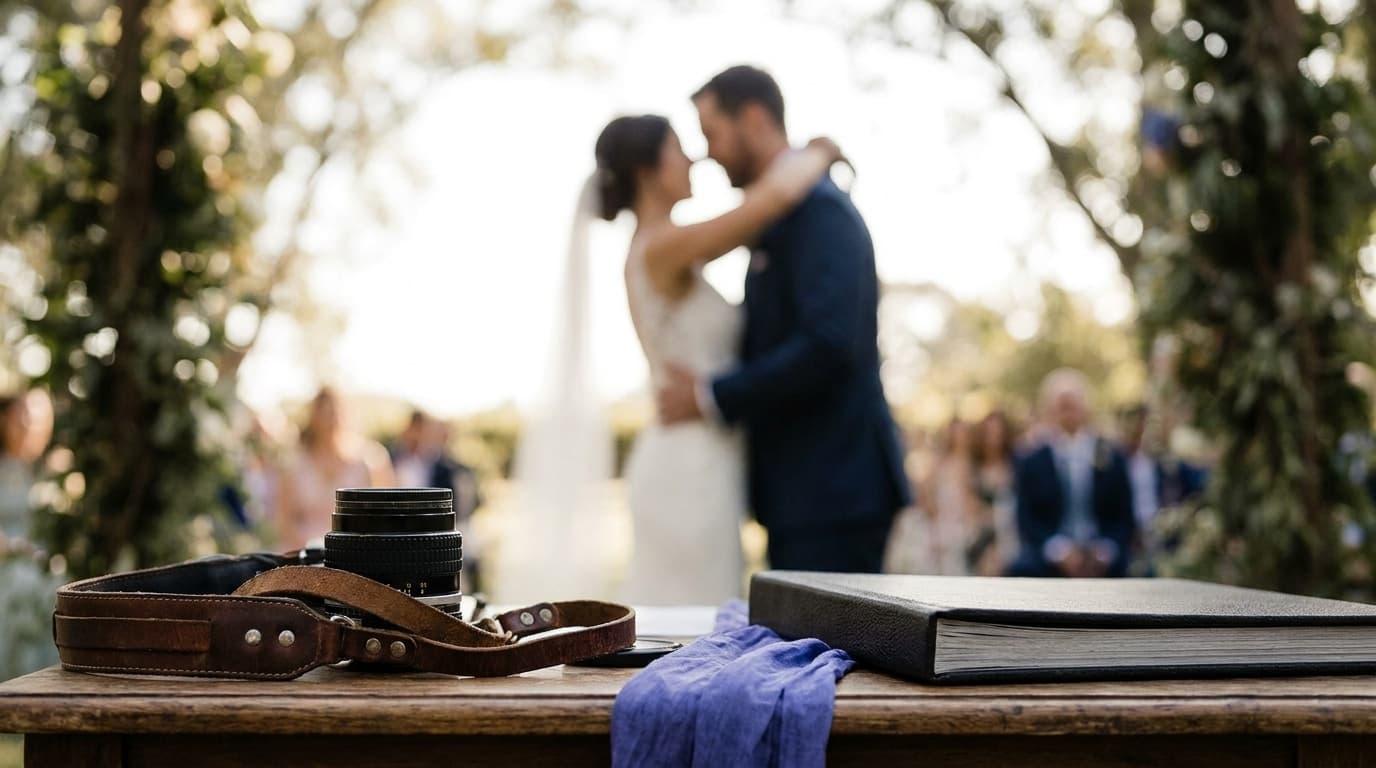
Wedding Photography: How to Shoot a Wedding Without Missing the Moments
Weddings are unrepeatable, so preparation beats reaction. Here are the gear, the settings, the shot list, and the timeline habits that keep you from missing the moments that matter.
Researched, not personally tested: picks compare specifications, available owner feedback, and established expert sources. As an Amazon Associate I earn from qualifying purchases. We may earn a commission from links here, at no extra cost to you. How we research →