We may earn a commission from links on this page, at no extra cost to you. Picks are researched, not sponsored.
By default, a half-press of the shutter button does two jobs: it focuses and it readies the photo. Back button focus, often shortened to BBF, splits those jobs apart. One rear button focuses; the shutter only fires. Once it clicks for you, it is hard to go back.
What it actually changes
Normally, the moment you press the shutter, the camera refocuses, even when you did not want it to. That causes two classic failures: you carefully focus on a subject, recompose, and the camera refocuses on the new center; or you are shooting a still subject and the camera hunts on every frame. Back button focus fixes both. You press the rear button only when you want to focus. Press the shutter as often as you like and focus stays put.
How to set it up
The exact menu names vary by brand, but the steps are the same.
- Find the custom controls or button customization menu.
- Remove autofocus from the shutter button, so a half-press no longer focuses. The setting is often "AF activation: shutter off" or "metering start" only.
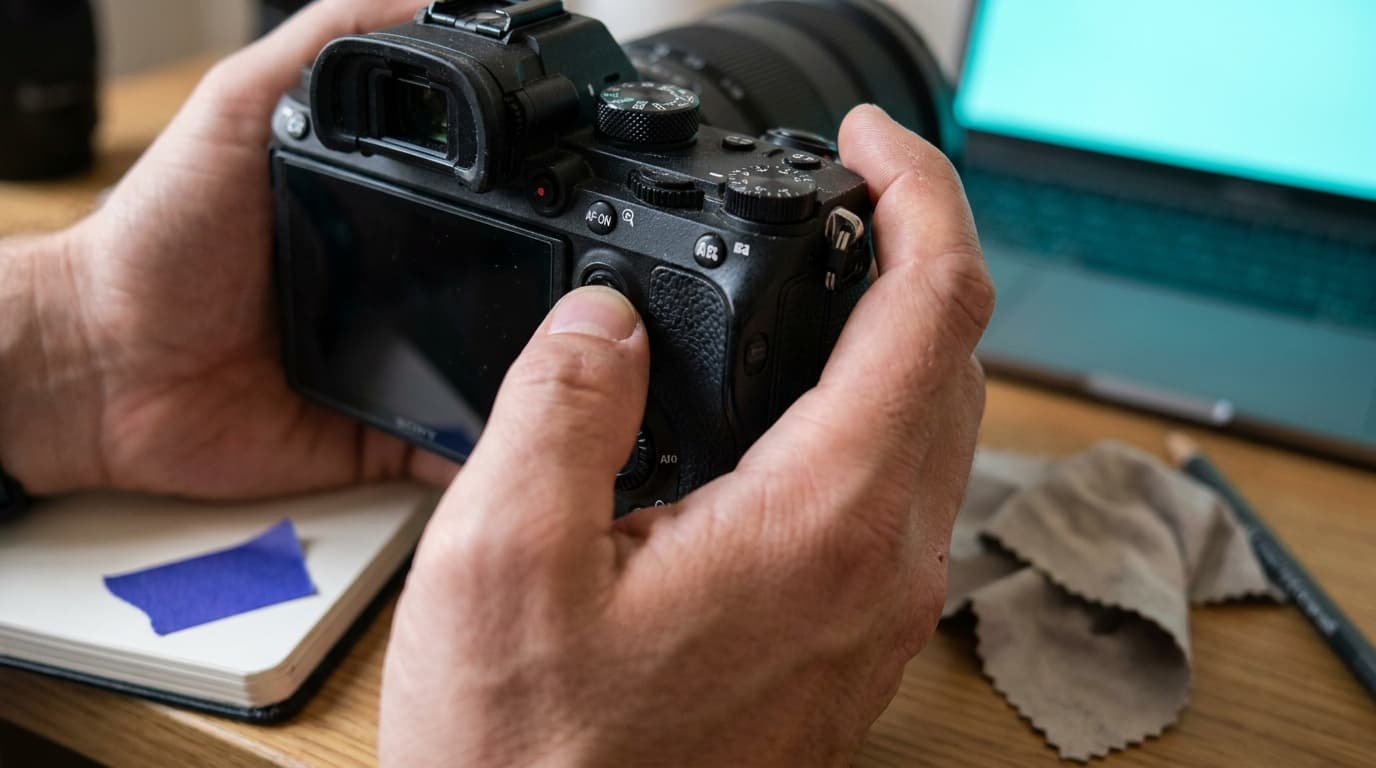
- Assign autofocus to the rear button, usually the one already labeled AF-ON. On bodies without that button, assign it to the AE-L / AF-L button.
That is it. Now your thumb focuses and your finger shoots.
How to shoot with it
Two habits cover almost everything.
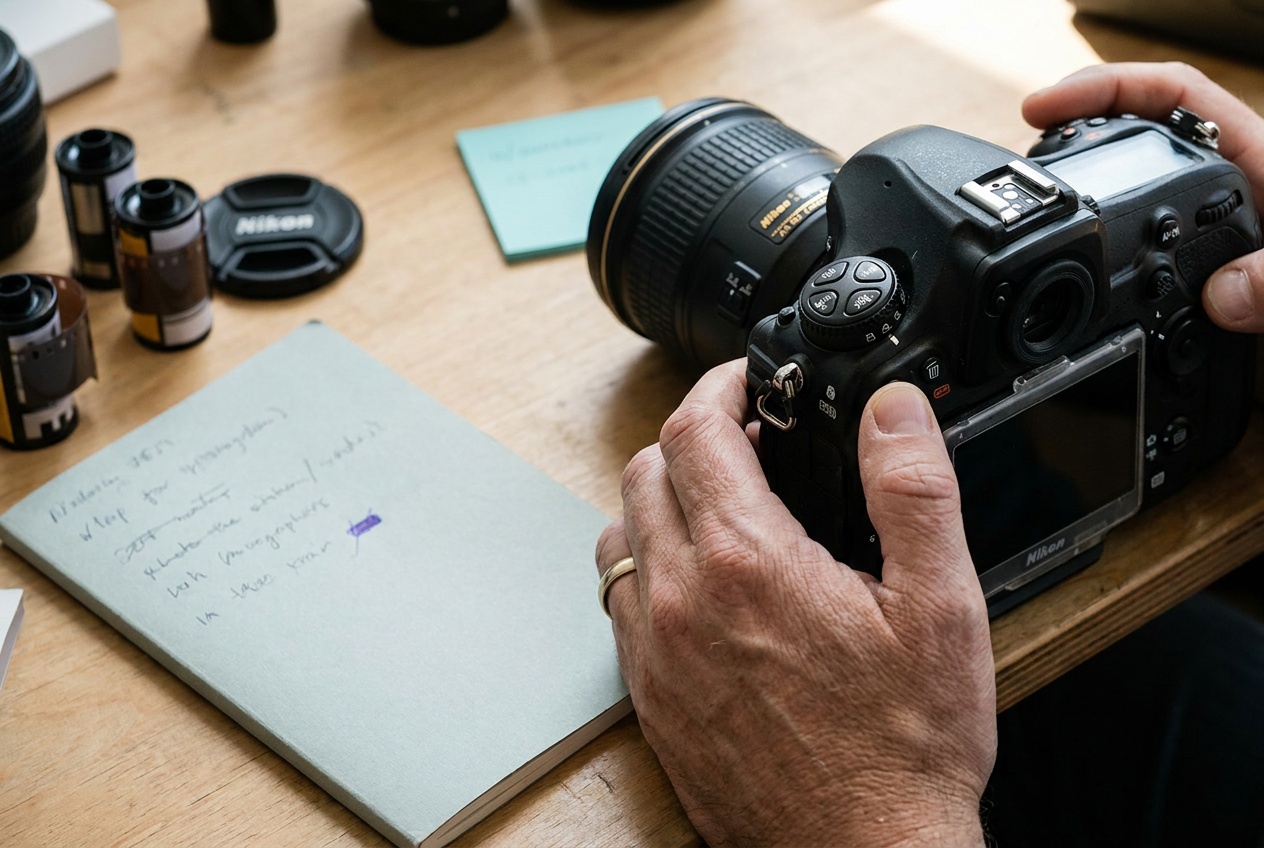
- Still subjects: press and release the rear button to focus once, then recompose and shoot as many frames as you want. Focus will not change until you press the button again. This is focus and recompose, made safe.
- Moving subjects: with continuous autofocus selected, hold the rear button down to keep tracking, and fire the shutter whenever the moment is right. Let go to stop tracking.
This pairs naturally with single-point autofocus and with the sharpness habits in how to take sharp photos.
Common mistakes
The first day with back button focus, the most common mistake is forgetting to press the rear button at all, then firing a string of out-of-focus frames because the shutter no longer focuses for you. Build the thumb habit: focus, then shoot. Within an afternoon it is automatic.
Another mistake is leaving the camera in a wide-area autofocus mode that defeats the point. Back button focus shines with single-point autofocus, where you decide exactly what is sharp. A third is loaning your camera to someone who does not know the shutter no longer focuses; their photos come back soft. Warn them, or switch it back for them.
Is back button focus worth it for beginners?
Yes, once you are past full Auto. It removes a whole category of missed-focus shots, especially focus-and-recompose errors and accidental refocusing. The learning cost is small: one new thumb habit.
Does back button focus work on every camera?
Nearly every interchangeable-lens camera and many advanced compacts support it through custom button settings. The button names differ, but the ability to move autofocus off the shutter and onto a rear button is almost universal.
Will back button focus fix my blurry photos?
It fixes blur caused by missed focus and accidental refocusing. It does nothing for blur from a slow shutter or shake. Diagnose the cause first in why are my photos blurry, then apply the right fix.
Back button focus is a technique, not a setting you change once and forget. It works best alongside an understanding of aperture and depth of field, since accurate focus matters most when the sharp zone is thin. Continue with understanding depth of field and the exposure triangle.
Keep going
Next useful steps
Pick one. Each link continues the same job without starting the research over.
Related Learn guides

Content Credentials and C2PA Explained for Photographers
Content Credentials record a photo's signed provenance and edits. Learn what C2PA proves, what it cannot prove, and how capture-to-export workflows work.

Open Gate Video Explained: When 3:2 Is Worth It
Open Gate records a taller sensor area for flexible 16:9, 9:16, and square crops. See when it helps, what it costs, and how to frame it correctly.

Pre-Capture Photography Explained: Get the Frame Before the Click
Pre-Capture buffers photos before the shutter is fully pressed. Learn how it works, which settings change, and when RAW, flash, or focus may be limited.

RAW vs JPEG: Which File Format Should You Shoot?
RAW keeps all your sensor data for maximum editing freedom; JPEG is smaller and ready to share. Here is how they differ and when each one is the right call.
Researched, not personally tested: picks compare specifications, available owner feedback, and established expert sources. As an Amazon Associate I earn from qualifying purchases. We may earn a commission from links here, at no extra cost to you. How we research →