We may earn a commission from links on this page, at no extra cost to you. Picks are researched, not sponsored.
Portraits feel intimidating because there are a hundred things you could adjust. In practice, a handful of choices do most of the work. Get these right and your portraits immediately look more intentional. A dependable starting point for a single portrait is f/2 · 1/250 · ISO 200.
A longer lens flatters faces
Wide lenses up close distort features, making noses look large and faces wider than they are. A longer focal length around 85mm compresses the face into natural proportions and lets you stand back five or six feet, a comfortable distance that also relaxes the subject. This is one of the clearest reasons to own a short telephoto prime. A 50mm is a cheaper alternative that works well, especially on APS-C where it frames a little longer. On full frame, anywhere from 85mm to 135mm is the classic portrait range; longer than that and you are shouting across the room. The best lenses for portraits guide covers the picks across systems.
Open the aperture for separation
A wide aperture like f/1.8 to f/2.8 throws the background out of focus so your subject stands out. Just remember that the sharp zone gets thin, sometimes only an inch or two at f/1.8, which makes focus accuracy matter more. For a single relaxed portrait, f/2 is a sweet spot: enough separation to soften a busy background, enough margin to keep both eyes acceptably sharp when the head is square to the camera. Step the subject several feet in front of a distant background so the blur has room to build.
Soft light is flattering light
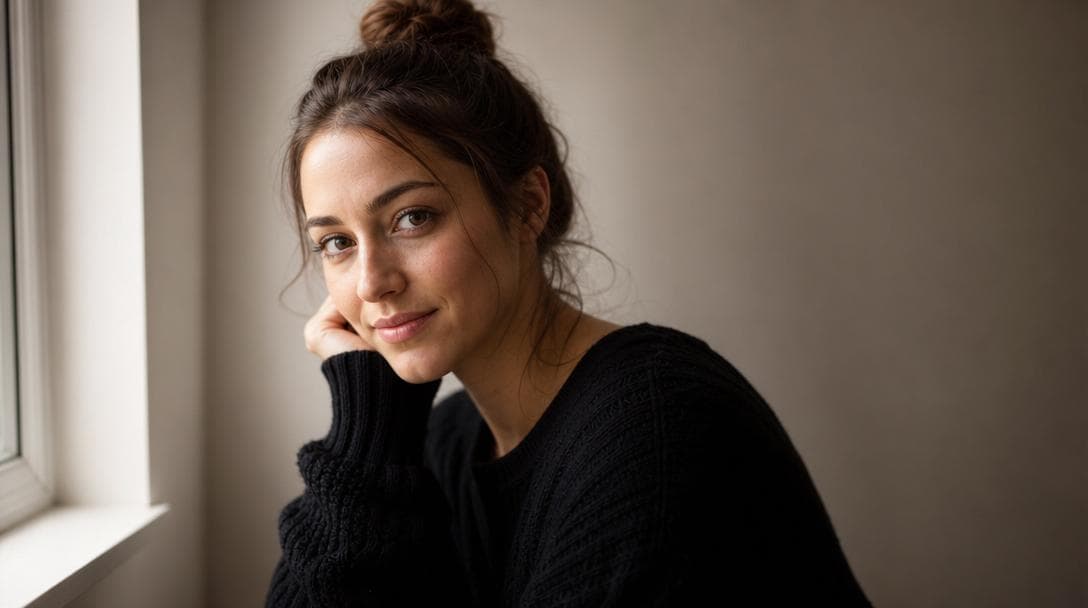
Hard, direct light creates harsh shadows on a face. Soft light, from open shade, an overcast sky, or a north-facing window, wraps gently and is far more forgiving. The classic indoor recipe is window light: place the subject one to two feet from the window and turn them about 45 degrees toward it so the light rakes across the face rather than hitting it flat. Watch the shadow side: when the nose shadow and the cheek shadow nearly meet, leaving a small triangle of light on the far cheek, you have Rembrandt lighting, the flattering pattern painters used. Bounce a white card into the shadow side to keep it from going too dark.
Focus on the eyes
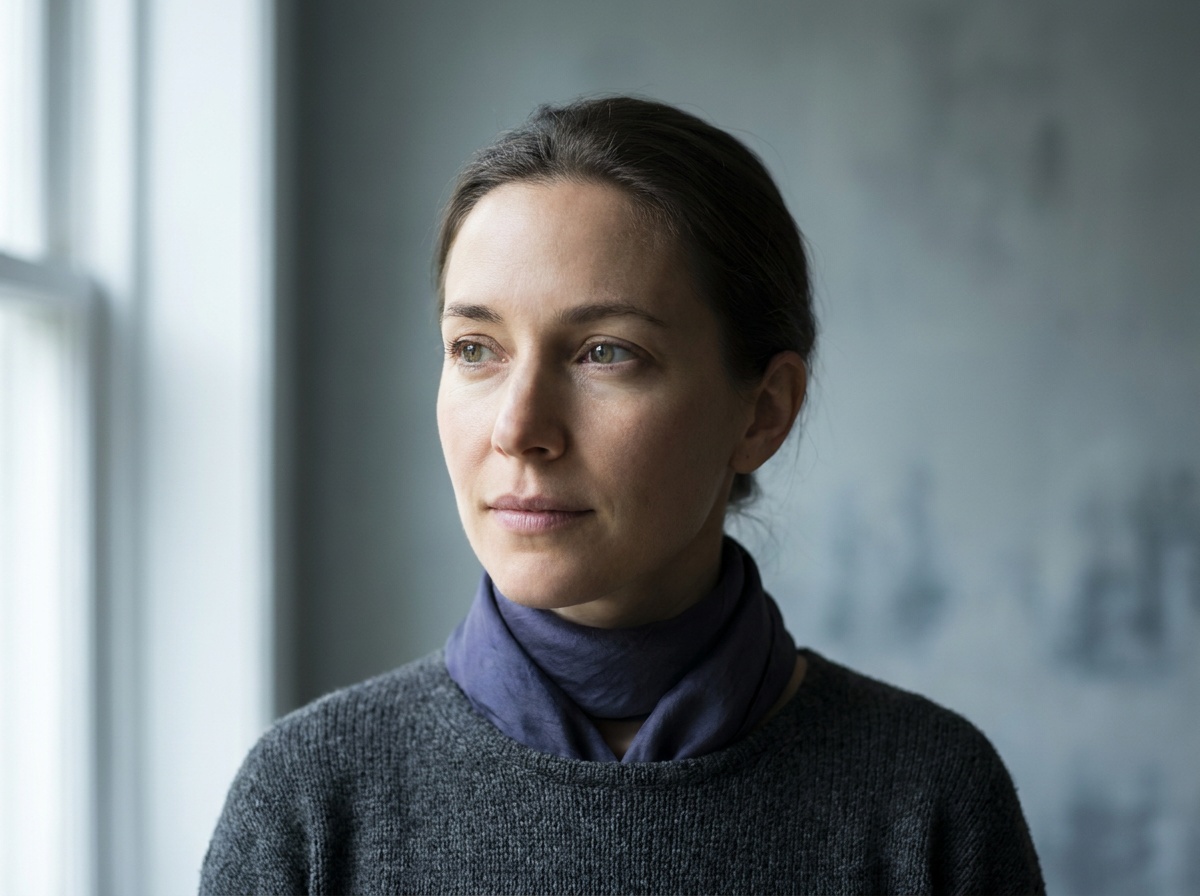
Sharp eyes read as a sharp portrait, even if the ears and shoulders fall into the blur. Use single-point or eye-detection autofocus and put the point on the near eye. At a wide aperture this is the difference between a keeper and a miss. Keep the shutter speed at least as fast as your focal length, so 1/125 or quicker on an 85mm lens, to avoid softness from your own hand movement or a fidgeting subject. Look for a catchlight, the small reflection of the light source in the eye, since it brings the eyes alive; a window or a softbox gives a soft, natural one. If you shoot a series, half-press to lock on the eye between frames rather than trusting one acquisition.
Pose for connection, not stiffness
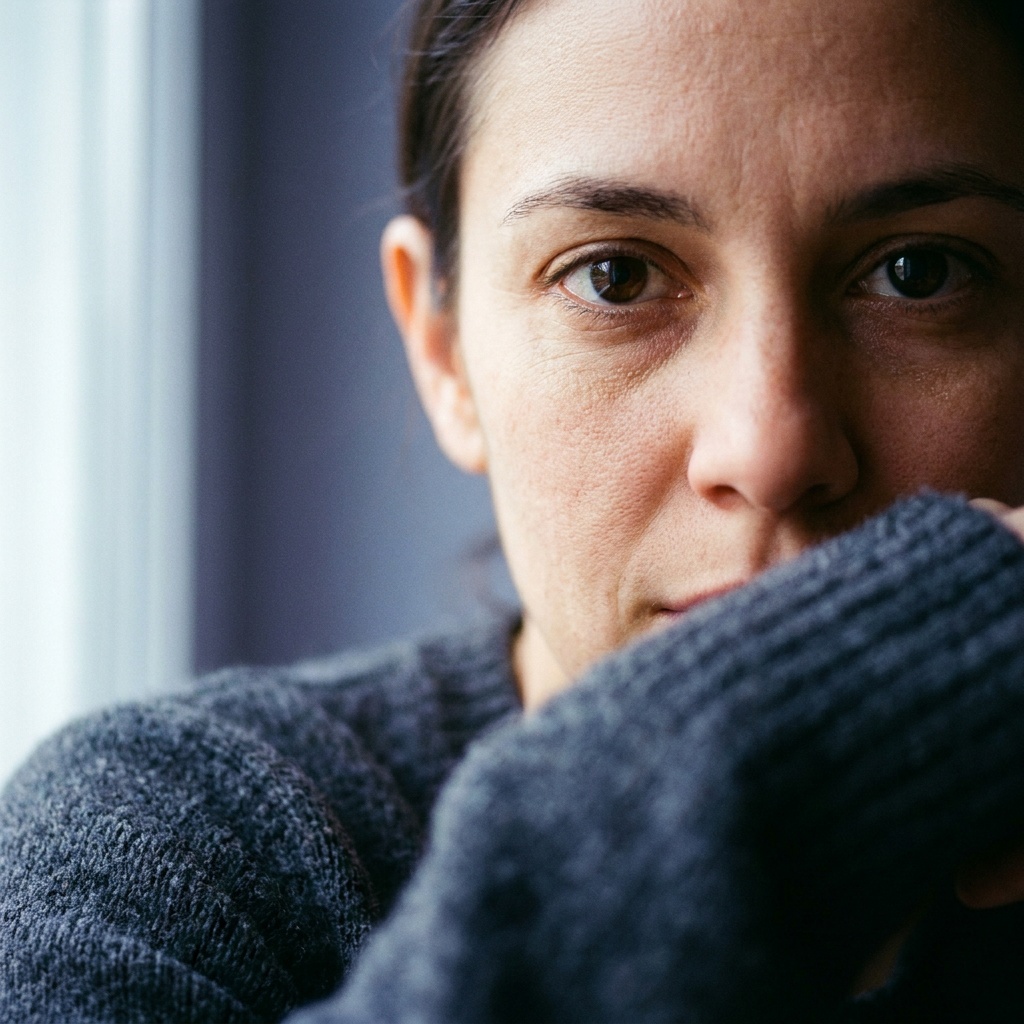
The technical settings get you a clean frame; posing gets you a portrait that feels like the person. A few cues do most of the work: have the subject push the chin slightly forward and down to define the jawline and avoid a double chin, angle the shoulders rather than squaring them to the camera, and shift weight onto the back foot for a relaxed line. Keep talking so expressions stay alive; a held smile dies fast, while a prompt or a small joke produces a genuine one. Show the subject a good frame early to build their confidence.
What is the best lens for portraits?
An 85mm prime is the classic portrait lens for its flattering compression and background blur. A 50mm also works well and is cheaper, especially on APS-C where it acts a bit longer.
Why are my portraits not sharp at f/1.8?
The depth of field is very shallow wide open, so a tiny focus miss lands on the eyelashes or ears instead of the eye. Use eye-detection autofocus or stop down to f/2.8 for a little more margin.
Practice this
Turn the guide into a working setup
Keep going
Next useful steps
Pick one. Each link continues the same job without starting the research over.
Shoot kits
Buy around the job, not the spec sheet
People work
Portrait and headshot kit
$2,936
A full-frame hybrid body, an 85mm prime, simple flash, diffusion, and grip pieces for clean portraits without a studio buildout.
Best people-first kit
Buy order: start with the first piece that makes the job possible, then add the support pieces that remove friction.
Camera: start here. If this piece does not make the shoot easier, the rest of the kit can wait.
Sandbag: add it after the core setup proves useful.
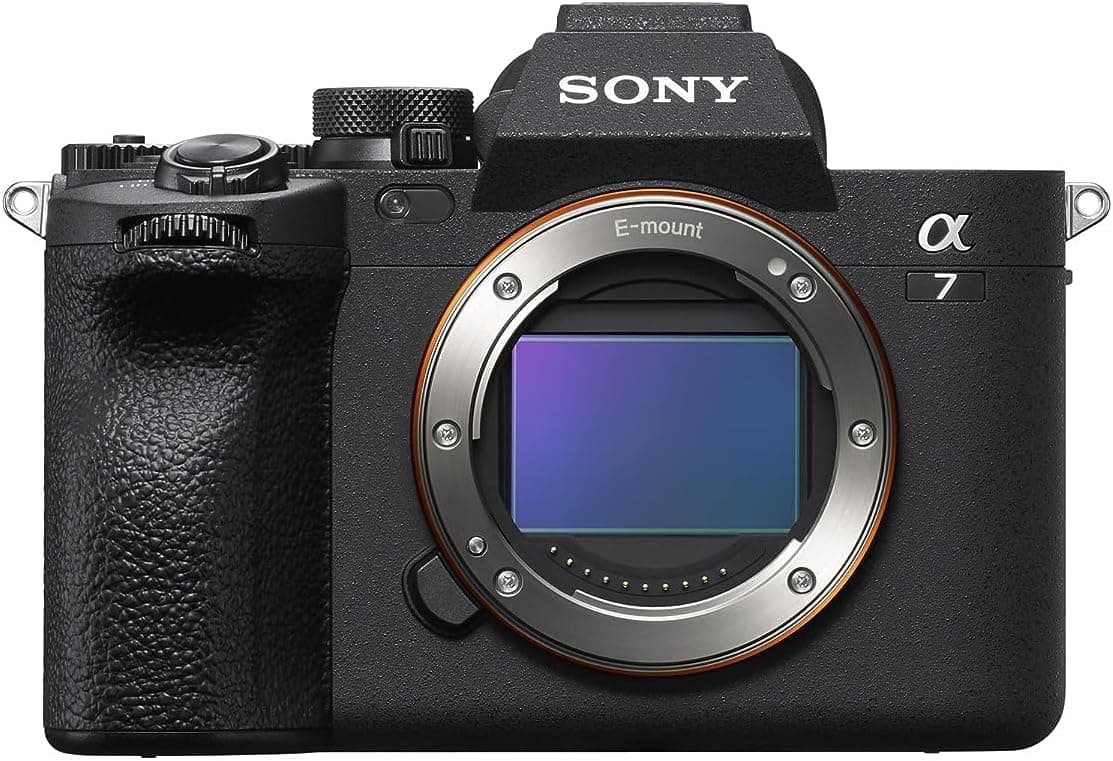
Sony a7 IV
A balanced full-frame body with reliable eye autofocus for portraits, events, and headshots.
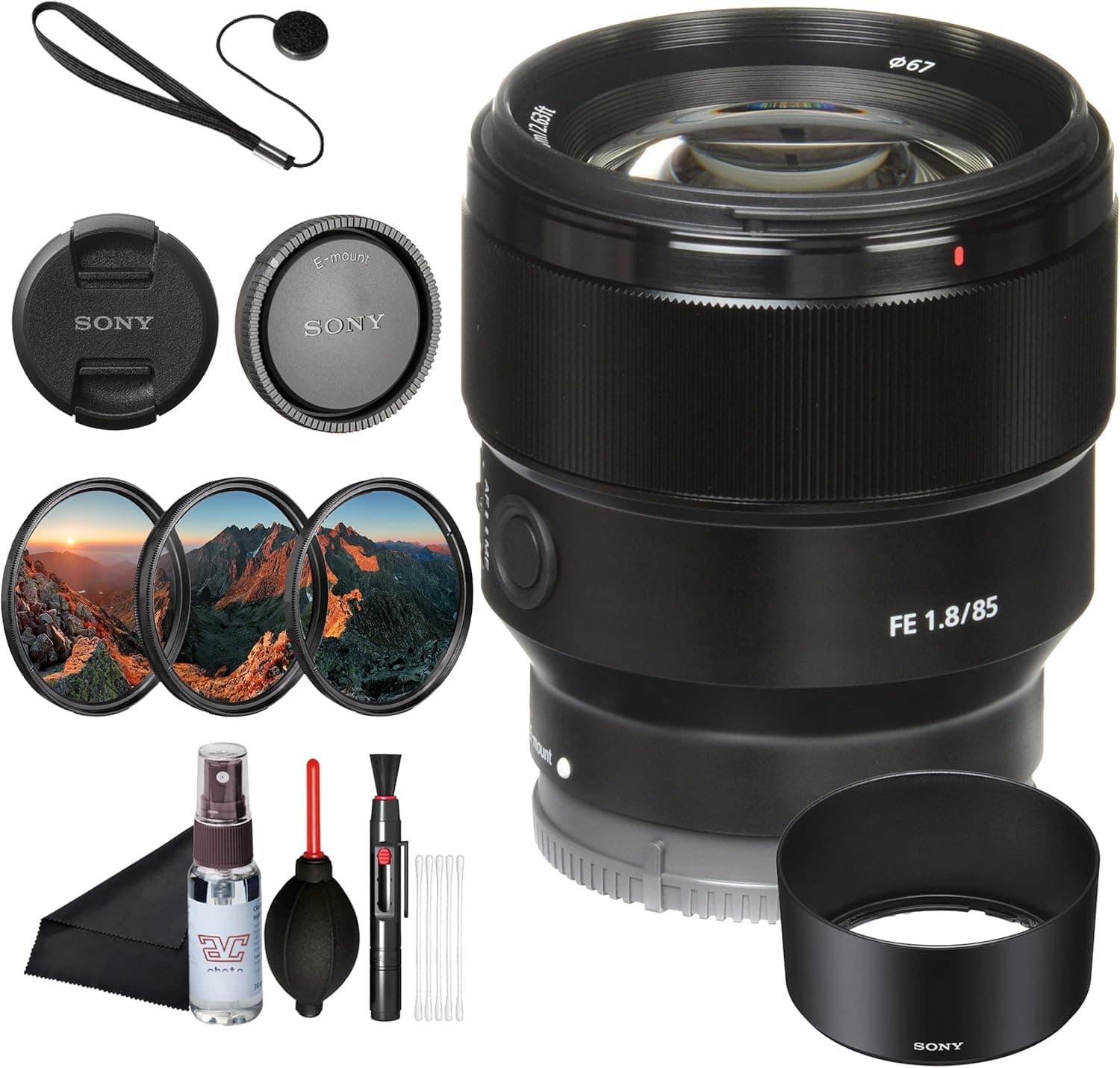
Sony FE 85mm f/1.8
Classic headshot framing, flattering compression, and a price that leaves money for light.
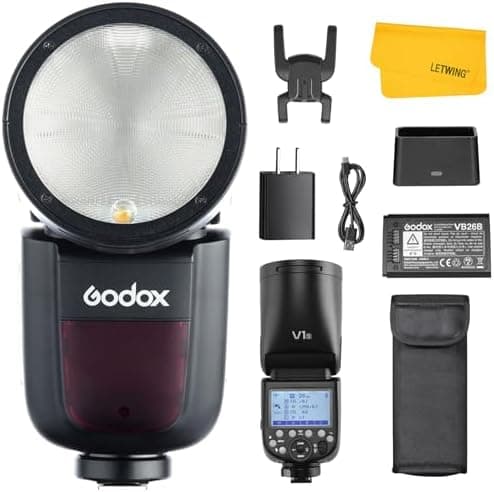
Godox V1
Round-head flash for bounce, quick portraits, and a first off-camera setup.
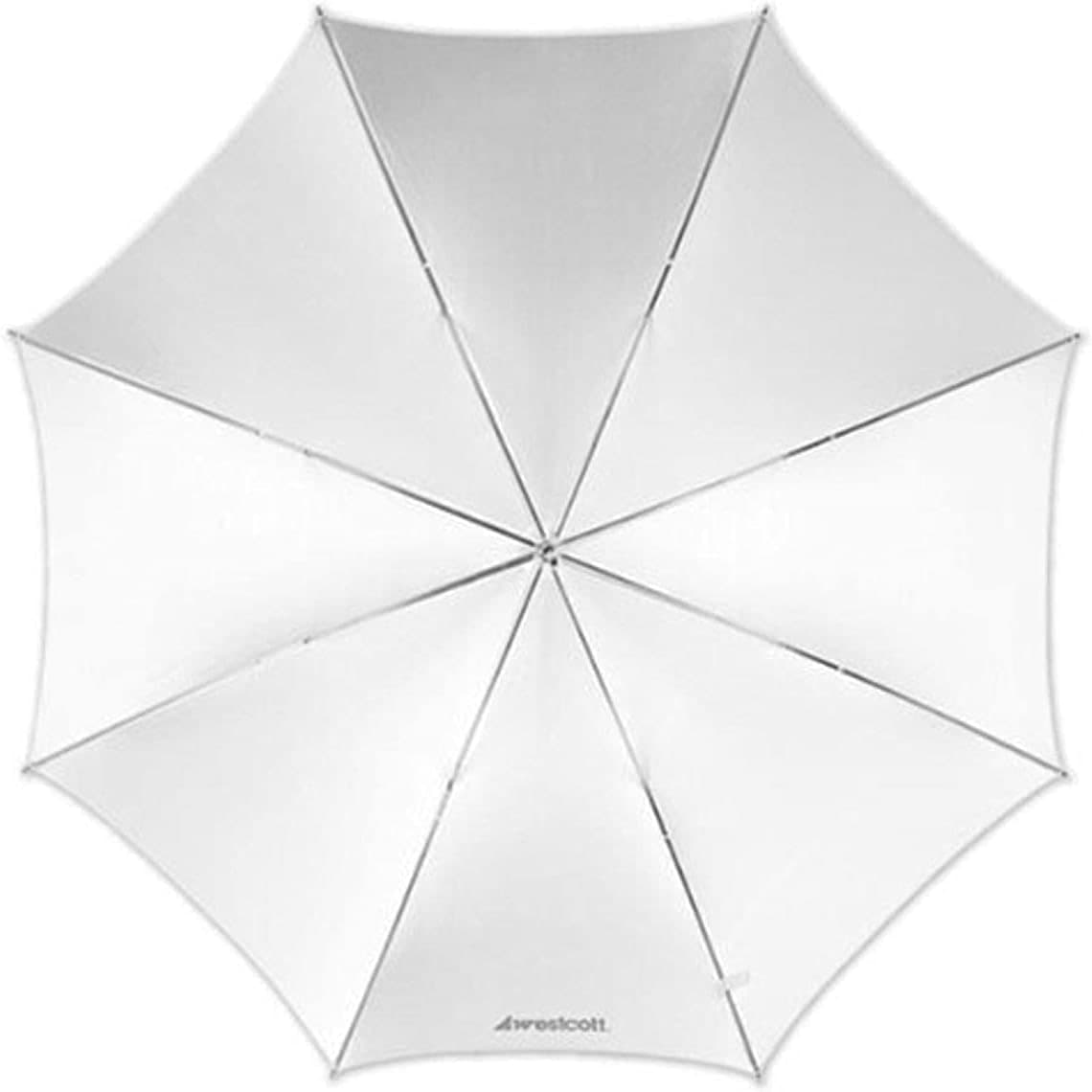
Westcott 43-inch Umbrella
Cheap, fast diffusion that makes one light look less harsh.
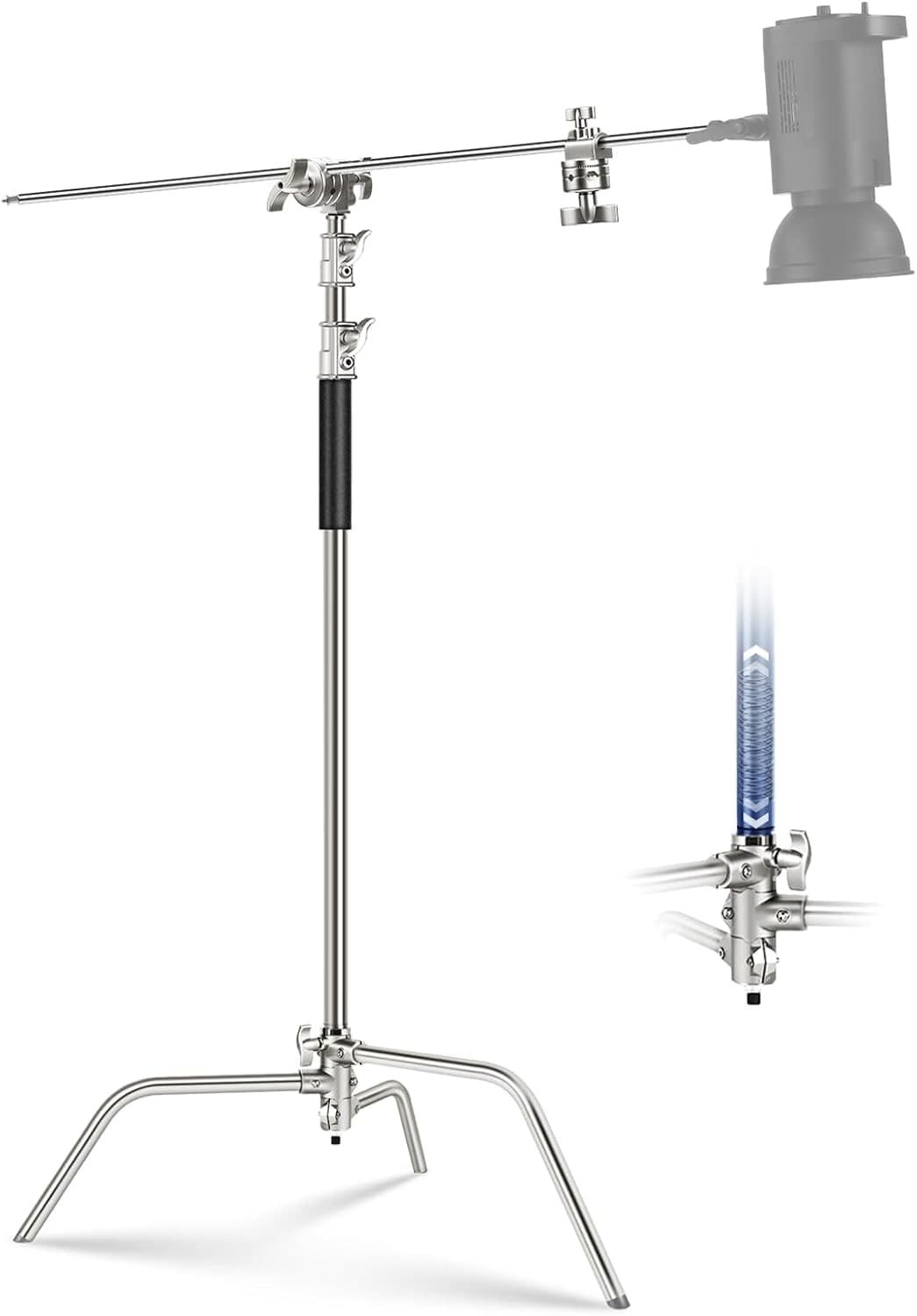
Neewer C-Stand
Keeps the light where it belongs when a small tripod would be a liability.
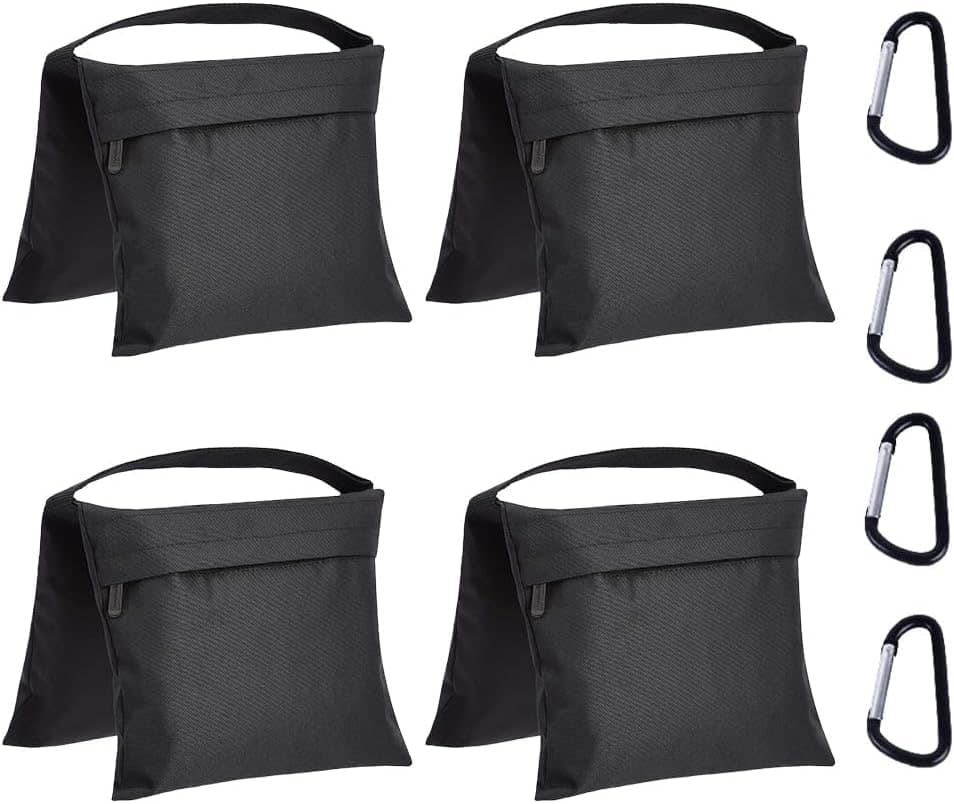
Amazon Basics Photography Sandbags (4-Pack)
The unglamorous piece that keeps a light stand from becoming expensive chaos.
Prices are rough catalog totals. Retailer prices change, and you can swap pieces to fit your system.
Related Genres guides

Event Photography: Settings and Gear for Low Light and Fast Moments
Event photography means low light, candid moments, and no second takes. Here is the gear, the settings, and the mistakes to skip for sharp, well-lit frames.
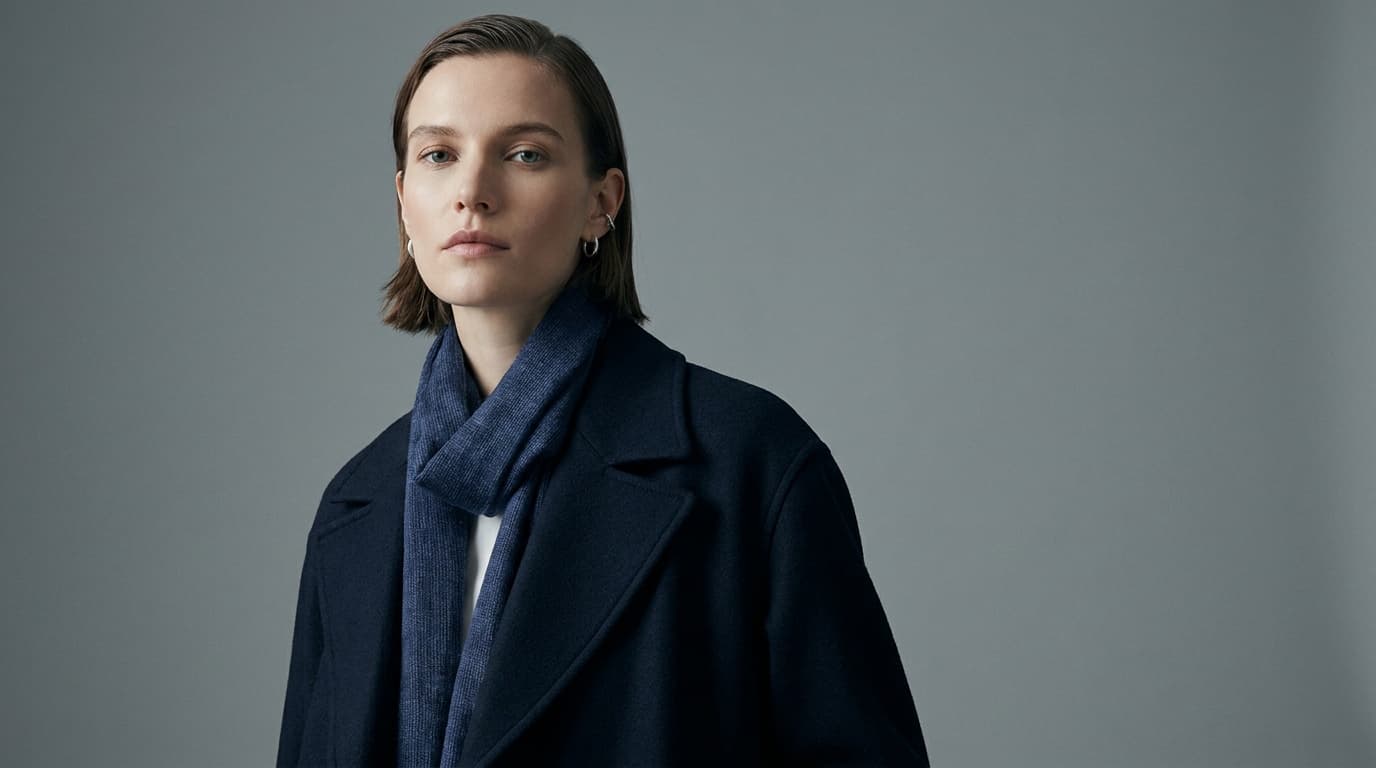
Fashion Photography: Light, Posing, and the Look on a Budget
Editorial fashion images come from intentional light, confident posing, and a clear styling concept. Here is how to build the look on a budget with one light and simple gear.
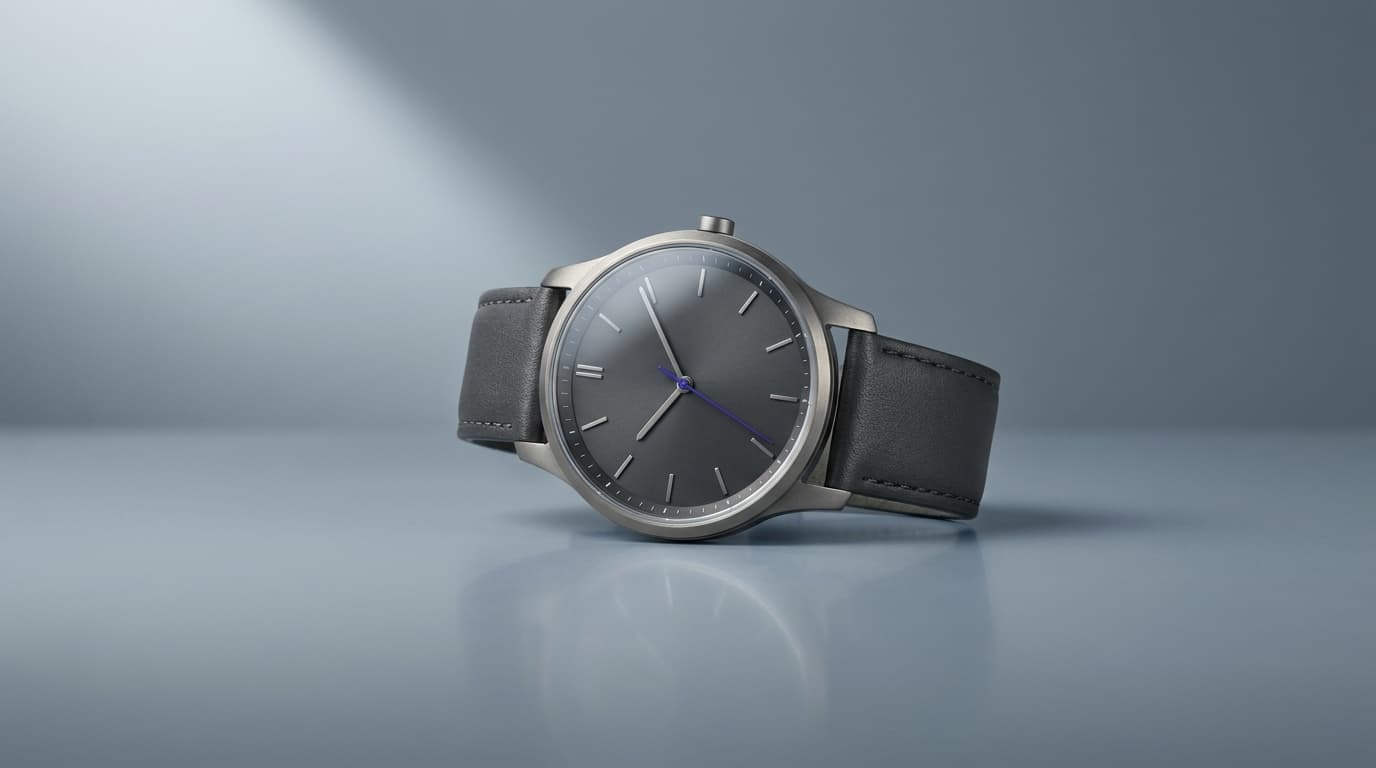
Product Photography: A Simple, Repeatable Setup
Clean product photos need controlled light, a sharp aperture, and a tripod, not a studio. Here is the gear, the settings, and the lighting that gets professional results.
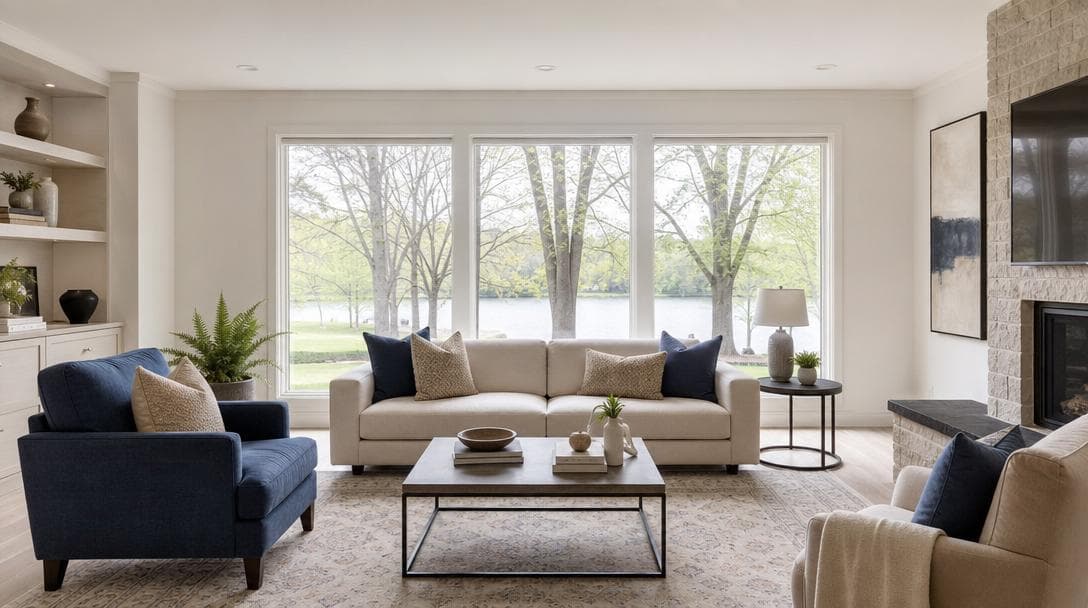
Real Estate Photography: The Complete Starter Guide
How to shoot a listing that sells: the gear, the settings, the room-by-room shot list, and the common mistakes. Plus the tool that builds your shot list for you.
Researched, not personally tested: picks compare specifications, available owner feedback, and established expert sources. As an Amazon Associate I earn from qualifying purchases. We may earn a commission from links here, at no extra cost to you. How we research →