We may earn a commission from links on this page, at no extra cost to you. Picks are researched, not sponsored.
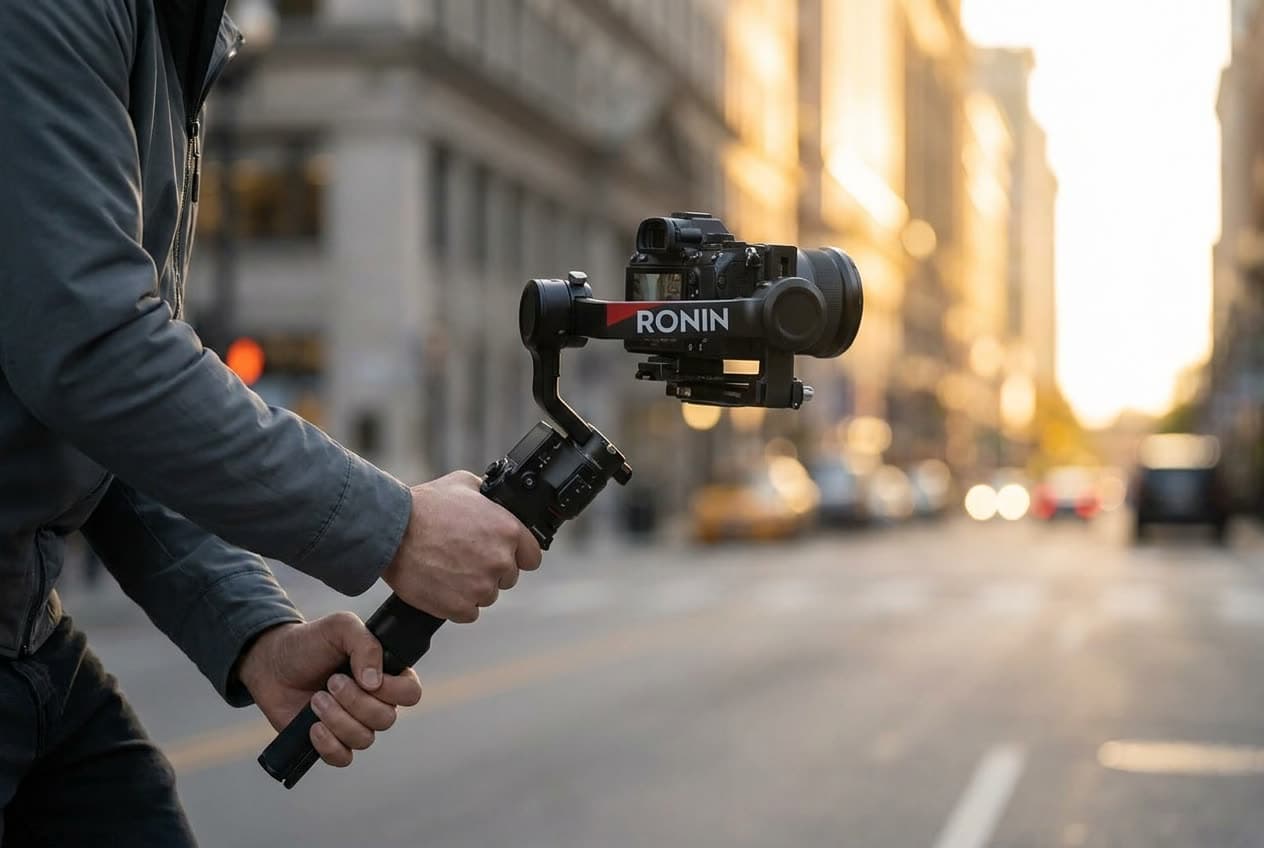
Stabilization is the difference between footage that looks handheld and footage that looks intentional. A gimbal motorizes three axes so the camera holds level and steady while you walk, pan, or push in. The picks below focus on payload, setup speed, follow behavior, and value, cross-checked against manufacturer specs and owner feedback.
Which gimbal payload do you actually need?
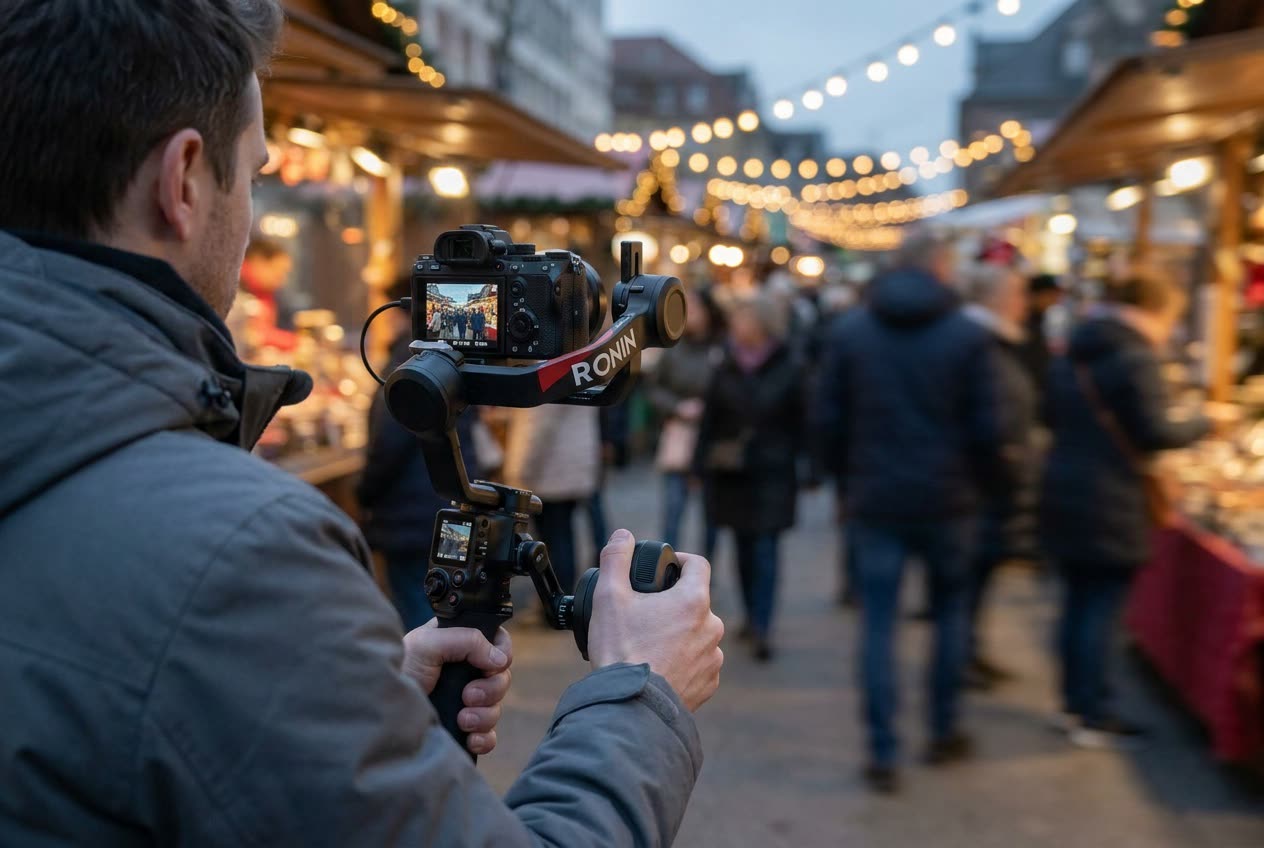
Payload is the first spec to check: it is the weight a gimbal can balance, and your camera plus your heaviest lens must sit comfortably under it. Add up your body and lens, then pick a gimbal rated well above that total, not right at the limit, since a gimbal run at its maximum strains the motors and drains the battery faster. A useful rule is at least 20 to 30 percent headroom over your heaviest working setup.
The payload classes map to camera classes. A phone gimbal handles a phone and nothing more. A compact camera gimbal around the 1.2 to 2 kg class balances a small mirrorless body with a prime or a light zoom. The 3 kg class covers a full-frame mirrorless body with a fast standard zoom, which is where most serious video setups land. Above that, the 4.5 to 6 kg class exists for cine-style rigs with heavy glass, follow-focus motors, and monitors bolted on.
After payload, weigh three practical factors: how fast the gimbal is to balance (axis locks and marked plates save minutes on every setup), how long the battery runs, and whether the follow modes and companion app behave predictably. A gimbal that fights you during setup is a gimbal that stays home. Our gimbal moves and technique guide covers what to do with it once it is balanced.
How do the best gimbals compare?
The table below summarizes the six picks by payload class, price band, and who each one fits. The scores are editorial summaries; read the best-for notes and tradeoffs before buying.
| Gimbal | Payload | Price band (Amazon, Sep 26, 2026) | Our rating | Best for |
|---|---|---|---|---|
| DJI RS 4 | 3 kg | $465-$525 | 9.2 | Mirrorless all-rounder, real estate and event work |
| DJI RS 3 Pro | 4.5 kg | $750-$850 | 9.0 | Heavier mirrorless and compact cinema rigs |
| Zhiyun Crane 4 | 6 kg | $495-$560 | 8.7 | Heavy mirrorless and entry cine rigs |
| DJI RS 3 Mini | 2 kg | $195-$225 | 8.4 | Small mirrorless bodies, travel and run-and-gun |
| Hohem iSteady M7 | 1.2 kg | $265-$305 | 8.6 | Solo creators who want built-in tracking |
| DJI Osmo Mobile 6 | Phone only | $95-$115 | 8.6 | Smartphone video without a camera rig |
Payloads are the makers' ratings: DJI RS 4, DJI RS 3 Pro, DJI RS 3 Mini, and DJI Osmo Mobile 6 specifications.
The picks
Best Overall
DJI RS 4
Real estate and event shooters who want stable side-pans and push-ins without a learning curve.
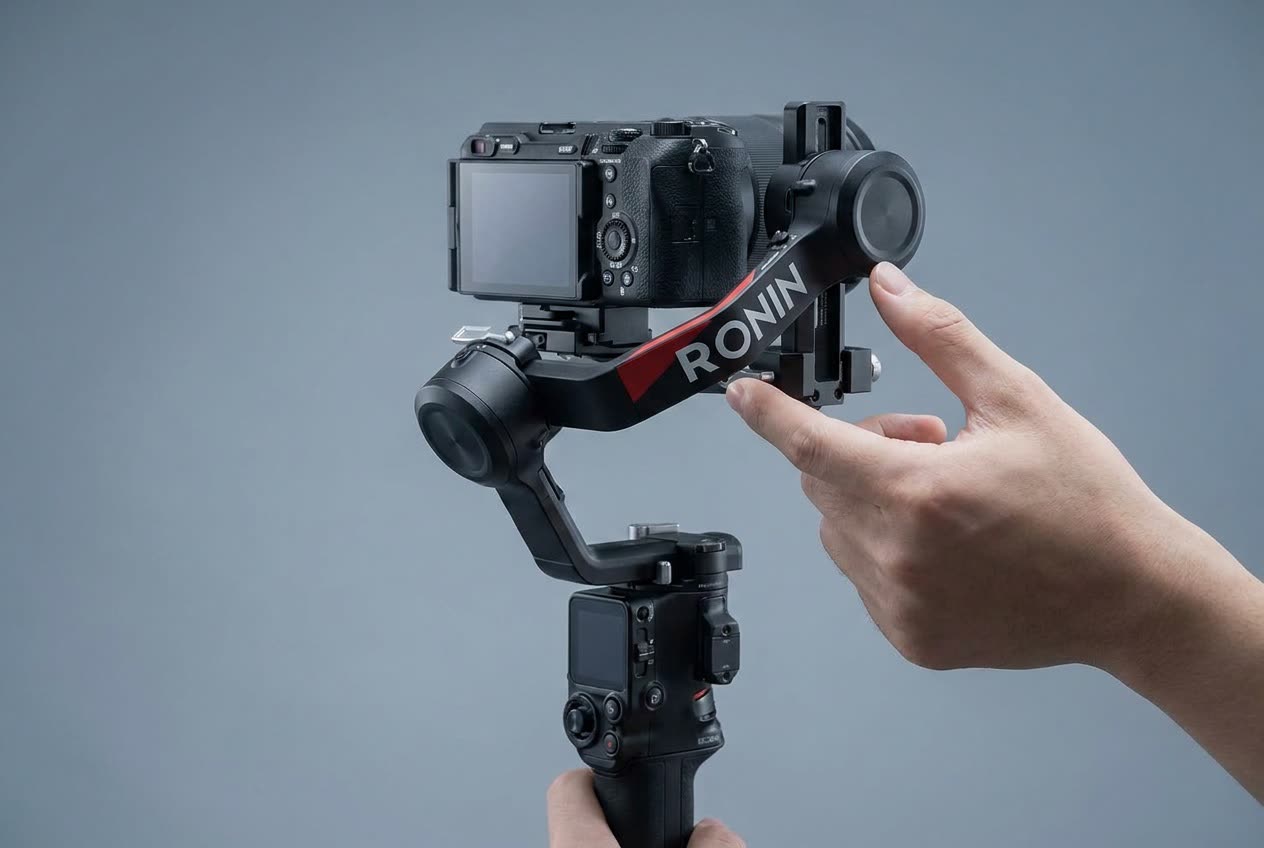
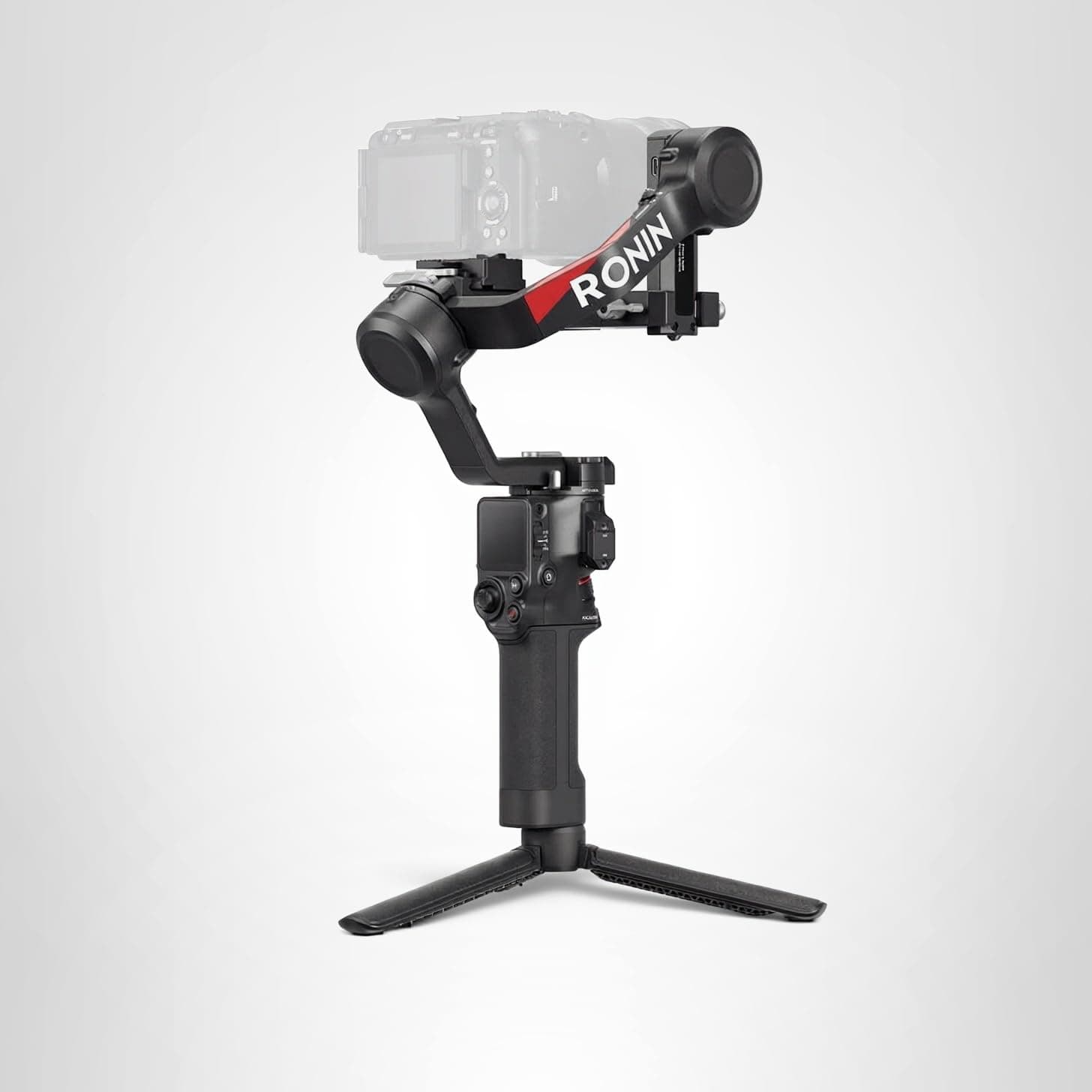
Check price at AmazonThe DJI RS 4 is the one to get if you want a single gimbal that handles a full-frame or APS-C mirrorless body with a wide zoom and rarely fights you. The 3 kg payload leaves headroom for most real-world setups, balancing is fast, the automated axis locks make setup and storage painless, and the follow modes are reliable. It is the default recommendation for real estate walkthroughs and event work, and the reason it anchors our real estate kit list.
Best Pro Gimbal
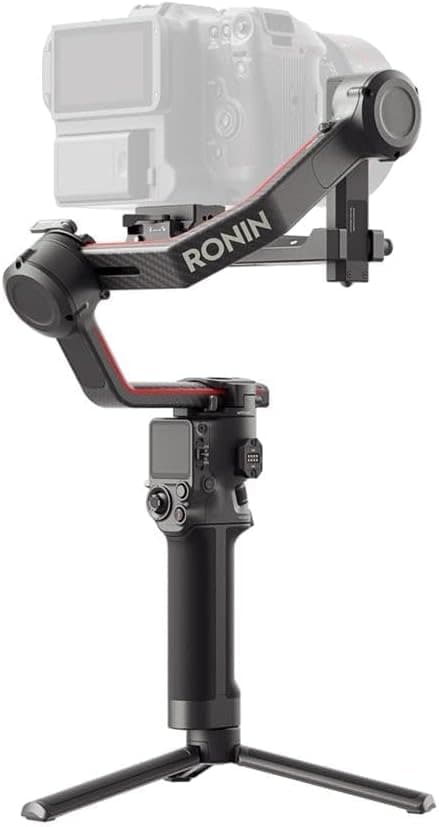
DJI RS 3 Pro
Working video shooters running heavier mirrorless or compact cinema setups.
Check price at AmazonThe DJI RS 3 Pro is the step up when the RS 4 is close to its limit but a 6 kg gimbal is unnecessary. Its 4.5 kg payload and carbon-fiber arms suit a heavier mirrorless body, cinema lens, follow-focus motor, and monitor without moving into the Crane 4's larger class. It costs more and weighs more than the travel models, so buy it for a rig you already own, not a hypothetical future build.
Best High-Payload Gimbal
Zhiyun Crane 4
Shooters running larger cine-style rigs who need maximum payload headroom.
Check price at AmazonThe Zhiyun Crane 4 is the pick when your rig outgrows a 3 kg gimbal. Its 6 kg payload swallows a larger mirrorless or entry cinema body with heavy glass, a follow-focus motor, and a monitor, and the built-in fill light and large touchscreen are genuinely useful on set. The trade is bulk: it is heavier than the RS 4 and more gimbal than a bare mirrorless body needs. Buy it for the rig you are building toward, not the one you might own someday.
Best Lightweight Gimbal
DJI RS 3 Mini
Run-and-gun shooters using a small mirrorless body who want minimal carry weight.
Check price at AmazonThe DJI RS 3 Mini is the travel and run-and-gun pick. At 850 g it is light enough to carry all day and hold for long takes, and the 2 kg payload covers a small mirrorless body with a mid-size lens. The compromises are honest ones: no focus motor in the kit and no room for heavy zooms. If your camera is compact and your shooting style is mobile, this is the most gimbal per gram on the list.
Best Value
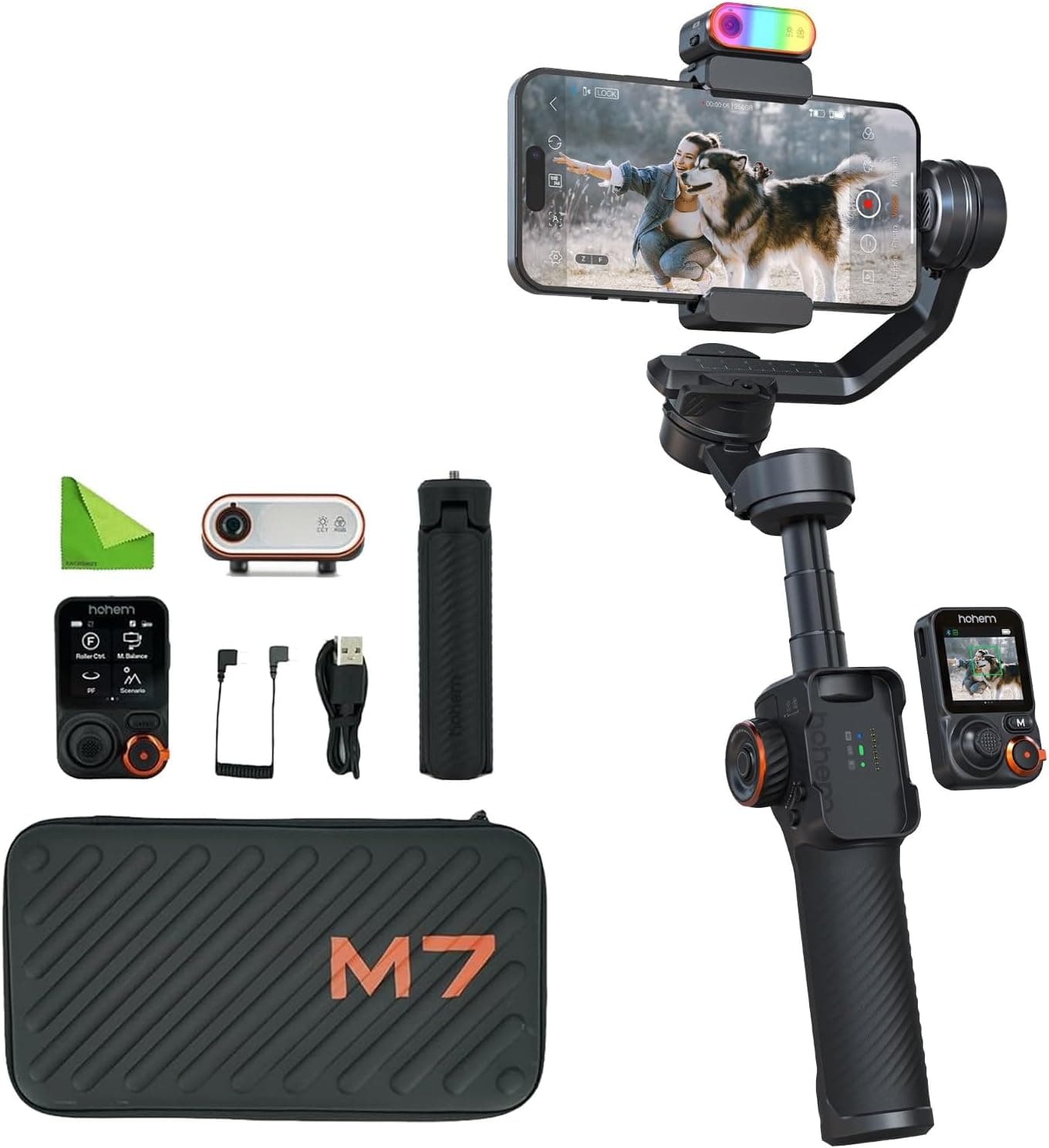
Hohem iSteady M7
Solo creators who want stabilized motion on a budget.
Check price at AmazonThe Hohem iSteady M7 is the value pick for solo creators. The detachable tracking screen lets you frame and follow yourself without a second person, which is a real advantage for one-person productions. The 1.2 kg payload is the constraint: it suits smaller bodies and lighter lenses, so check your camera-plus-lens weight before buying.
Best Phone Gimbal
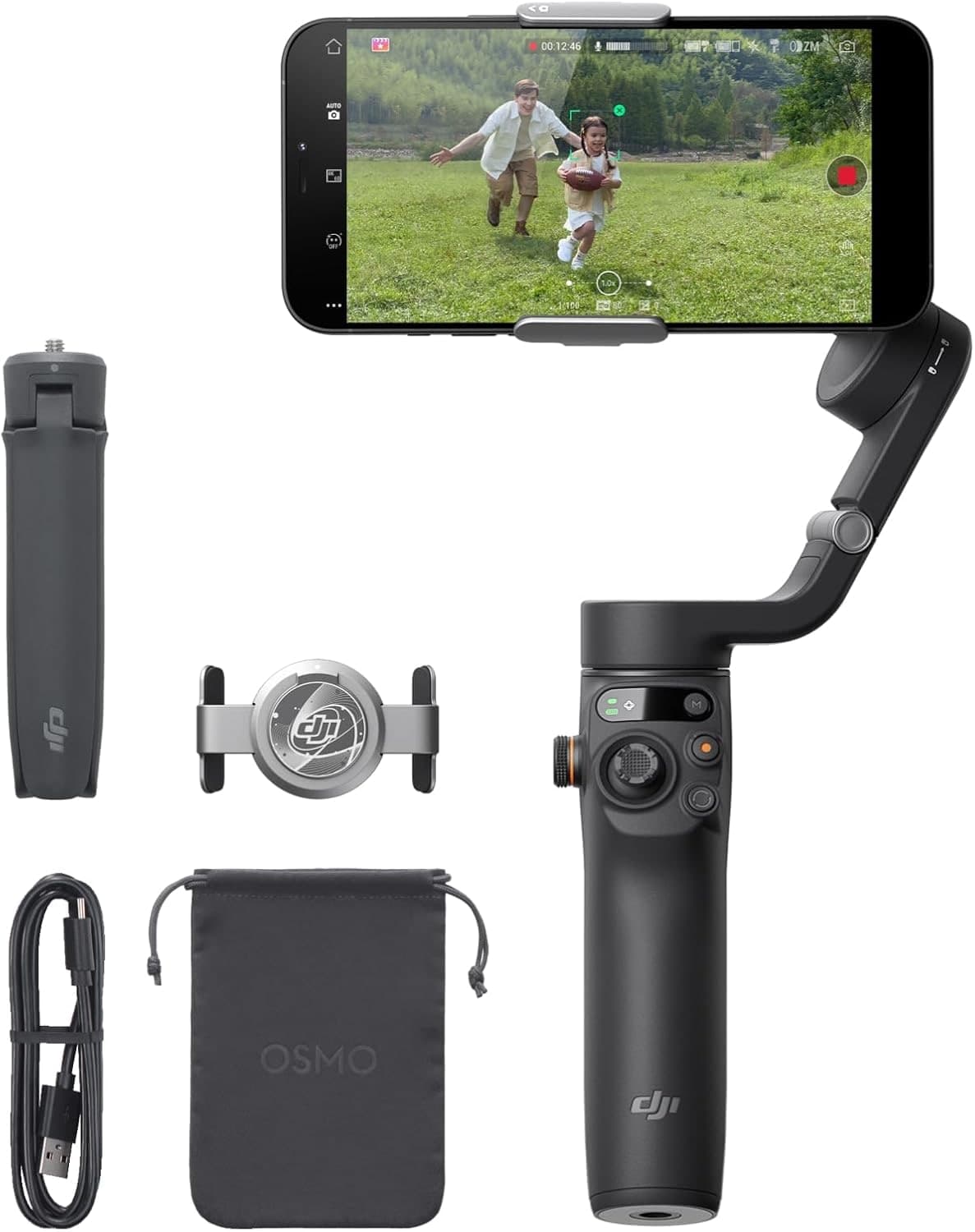
DJI Osmo Mobile 6
Mobile content creators who want a pocketable stabilizer with a reach extender.
Check price at AmazonThe DJI Osmo Mobile 6 is the pick if your camera is your phone. It folds to pocket size, the built-in extension rod buys you higher and wider angles, and the app tracking is dependable for solo framing. Phone sensors and processing have closed a lot of the gap for daylight video, so a phone on a real gimbal now beats an unstabilized camera for plenty of everyday work.
What moves does a gimbal make possible?
Once your footage is stable, a few repeatable moves do most of the work: a slow side-pan across a room, a threshold push-in through a doorway, and a reveal as you step out into a space. These are the backbone of the real estate walkthrough, and the Shot-List Generator maps each one to the room it belongs in. For the technique behind each move, footwork included, see gimbal moves and technique.
Do you still need a gimbal if your camera has IBIS?
Yes, for walking shots. In-body image stabilization corrects small hand shake and is excellent for static handheld framing, but it cannot keep the horizon level through full strides; only a motorized head can. The two systems stack: IBIS smooths the micro-jitter and the gimbal handles the gross motion. Our IBIS explained guide covers what in-body stabilization does well, and how to avoid camera shake covers the handheld fundamentals that make any stabilizer's job easier.
Do I need a gimbal if my camera has stabilization?
In-body stabilization smooths small shake but cannot hold the camera level through walking motion. A gimbal does that, which is why the two are complementary, not redundant.
What payload should my gimbal have?
Add your body and heaviest lens, then choose a gimbal rated above that with margin, ideally 20 to 30 percent. Running a gimbal at its maximum payload strains the motors and shortens battery life.
Are phone gimbals worth it over the phone's built-in stabilization?
For walking footage, yes. Phone electronic stabilization crops the frame and can produce a warping look during strides, while a mechanical three-axis gimbal keeps the full sensor view level and smooth. A phone gimbal also adds subject tracking and an extension rod, which built-in stabilization cannot.
Can a gimbal replace a tripod?
No. A gimbal stabilizes motion; a tripod holds a fixed frame with zero drift for interviews, time-lapses, and long exposures. Most gimbals can stand upright on mini legs for brief static shots, but the motors drift and the battery drains. Plan on owning both, and see our best tripods guide for the static half.
Compare picks
The short version
Use this to narrow the list before opening the detailed cards.
Scores weigh fit, owner sentiment, build, and value. Affiliate links do not change pick order. Methodology
Buying order
Start with the skip note. A good deal on the wrong camera is still the wrong camera.
Compare verdictsIf you already own lenses, check the system path before buying into a new mount.
Check systemsOnce the fit makes sense, compare current deals and retailer listings.
Check current dealsCamera system shortcut
If you already own one of these systems, keep the comparison inside that ecosystem before checking out.
Pocket video setups
Real estate and event shooters who want stable side-pans and push-ins without a learning curve.
Use the retailer for the current price after the tradeoff makes sense. Confirm payload, plate type, height, folded size, and quick-release system.
Tradeoff: Lower payload than the RS line
Use the retailer for the current price after the tradeoff makes sense. Confirm payload, plate type, height, folded size, and quick-release system.
$95 - $110
Use the retailer for the current price after the tradeoff makes sense. Confirm payload, plate type, height, folded size, and quick-release system.
Working video shooters running heavier mirrorless or compact cinema setups.
Use the retailer for the current price after the tradeoff makes sense. Confirm lens mount, sensor format, battery, charger, and kit contents.
Price ladder
The useful range here runs from $103 to $800. Start with the ceiling that matches the assignment.
- Real estate and event shooters who want stable side-pans and push-ins without a learning curve.
- Quick to balance
- Overkill for phone-only shooters
Use the retailer for the current price after the tradeoff makes sense. Confirm payload, plate type, height, folded size, and quick-release system.
- Working video shooters running heavier mirrorless or compact cinema setups.
- Carries heavier camera and lens rigs
- Priced well above hobbyist gimbals
Use the retailer for the current price after the tradeoff makes sense. Confirm lens mount, sensor format, battery, charger, and kit contents.
- Shooters running larger cine-style rigs who need maximum payload headroom.
- Very high payload rating
- Heavier than competing pro gimbals
Use the retailer for the current price after the tradeoff makes sense. Confirm lens mount, sensor format, battery, charger, and kit contents.
- Run-and-gun shooters using a small mirrorless body who want minimal carry weight.
- Light enough for long handheld sessions
- No dedicated focus motor in the kit
Use the retailer for the current price after the tradeoff makes sense. Confirm lens mount, sensor format, battery, charger, and kit contents.
- Solo creators who want stabilized motion on a budget.
- Detachable tracking screen
- Lower payload than the RS line
Use the retailer for the current price after the tradeoff makes sense. Confirm payload, plate type, height, folded size, and quick-release system.
- Mobile content creators who want a pocketable stabilizer with a reach extender.
- Built-in extension rod for higher angles
- Tracking depends on the DJI app
Use the retailer for the current price after the tradeoff makes sense. Confirm payload, plate type, height, folded size, and quick-release system.
| Pick | Score | Price | Verdict | Action |
|---|---|---|---|---|
| Best OverallDJI RS 4 | 9.2
| $465 - $530 | Real estate and event shooters who want stable side-pans and push-ins without a learning curve. Wins: Quick to balance Skip: Overkill for phone-only shooters | Check Amazon · $465 - $530 Use the retailer for the current price after the tradeoff makes sense. Confirm payload, plate type, height, folded size, and quick-release system. |
| Best Pro GimbalDJI RS 3 Pro | 9.0
| $750 - $850 | Working video shooters running heavier mirrorless or compact cinema setups. Wins: Carries heavier camera and lens rigs Skip: Priced well above hobbyist gimbals | Check Amazon · $750 - $850 Use the retailer for the current price after the tradeoff makes sense. Confirm lens mount, sensor format, battery, charger, and kit contents. |
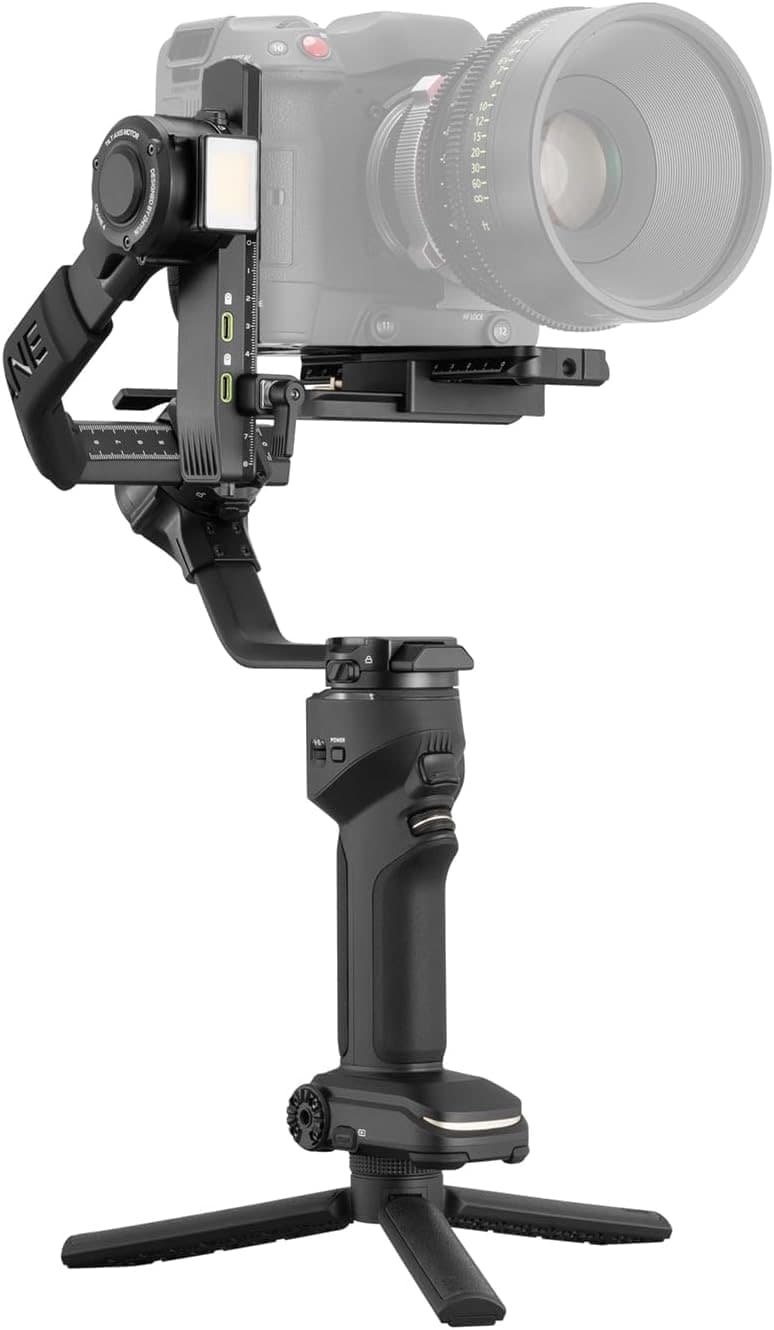 Best High-Payload GimbalZhiyun Crane 4 Best High-Payload GimbalZhiyun Crane 4 | 8.7
| $470 - $520 | Shooters running larger cine-style rigs who need maximum payload headroom. Wins: Very high payload rating Skip: Heavier than competing pro gimbals | Check Amazon · $470 - $520 Use the retailer for the current price after the tradeoff makes sense. Confirm lens mount, sensor format, battery, charger, and kit contents. |
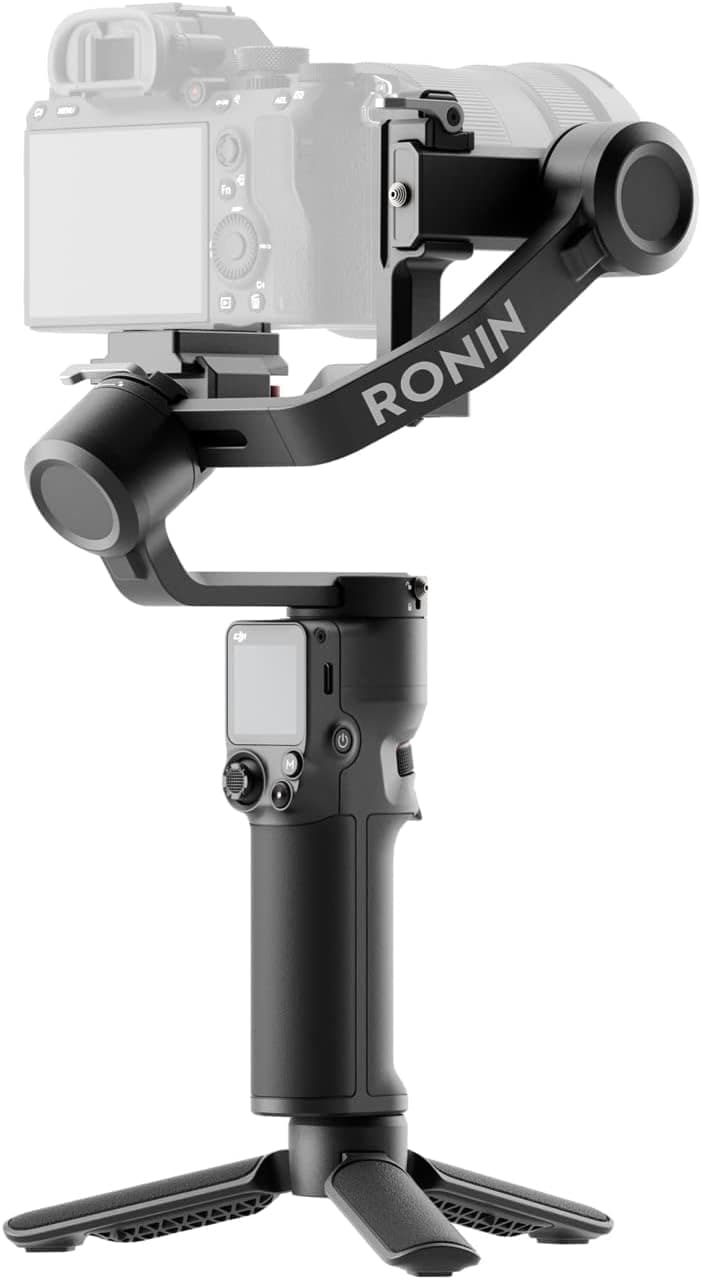 Best Lightweight GimbalDJI RS 3 Mini Best Lightweight GimbalDJI RS 3 Mini | 8.4
| $190 - $220 | Run-and-gun shooters using a small mirrorless body who want minimal carry weight. Wins: Light enough for long handheld sessions Skip: No dedicated focus motor in the kit | Check Amazon · $190 - $220 Use the retailer for the current price after the tradeoff makes sense. Confirm lens mount, sensor format, battery, charger, and kit contents. |
| Best ValueHohem iSteady M7 | 8.6
| $265 - $305 | Solo creators who want stabilized motion on a budget. Wins: Detachable tracking screen Skip: Lower payload than the RS line | Check Amazon · $265 - $305 Use the retailer for the current price after the tradeoff makes sense. Confirm payload, plate type, height, folded size, and quick-release system. |
| Best Phone GimbalDJI Osmo Mobile 6 | 8.6
| $95 - $110 | Mobile content creators who want a pocketable stabilizer with a reach extender. Wins: Built-in extension rod for higher angles Skip: Tracking depends on the DJI app | Check Amazon · $95 - $110 Use the retailer for the current price after the tradeoff makes sense. Confirm payload, plate type, height, folded size, and quick-release system. |
Keep going
Next useful steps
Pick one. Each link continues the same job without starting the research over.
Shoot kits
Buy around the job, not the spec sheet
Video rig
Run-and-gun video rig
$4,201
A compact cinema body, fast normal zoom, cage, monitor, gimbal, shotgun mic, and battery for paid video work.
Best upgrade path from creator kit
Buy order: start with the first piece that makes the job possible, then add the support pieces that remove friction.
Camera: start here. If this piece does not make the shoot easier, the rest of the kit can wait.
Power: add it after the core setup proves useful.
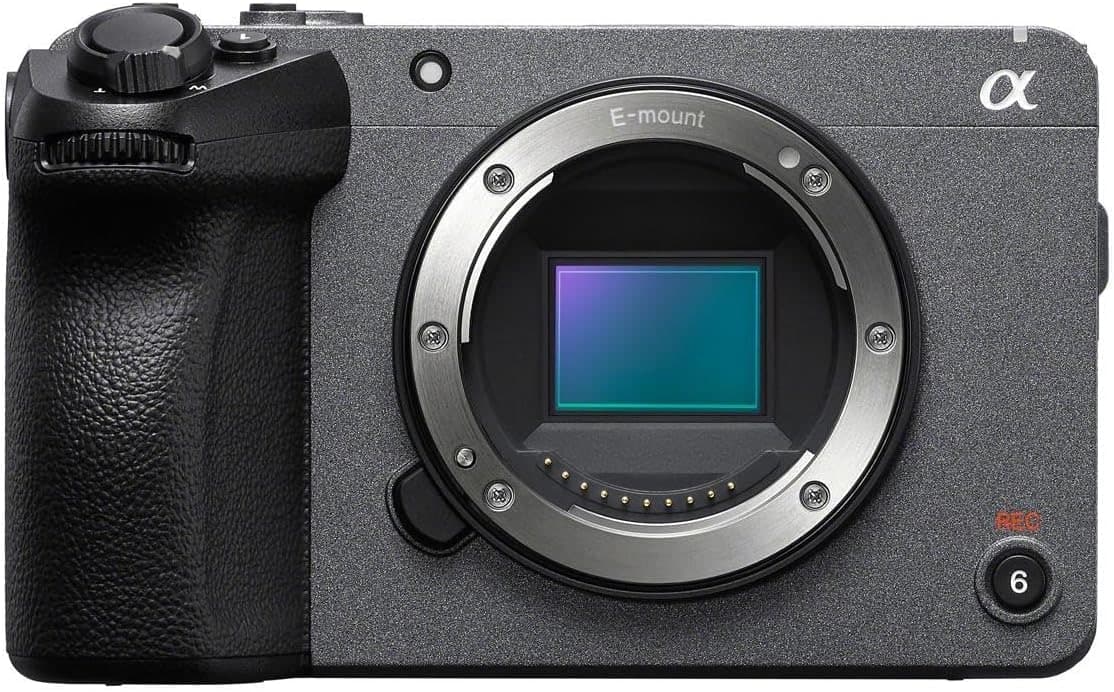
Sony FX30
Cinema-line controls, active cooling, reliable autofocus, and files that grade well without full-frame cost.
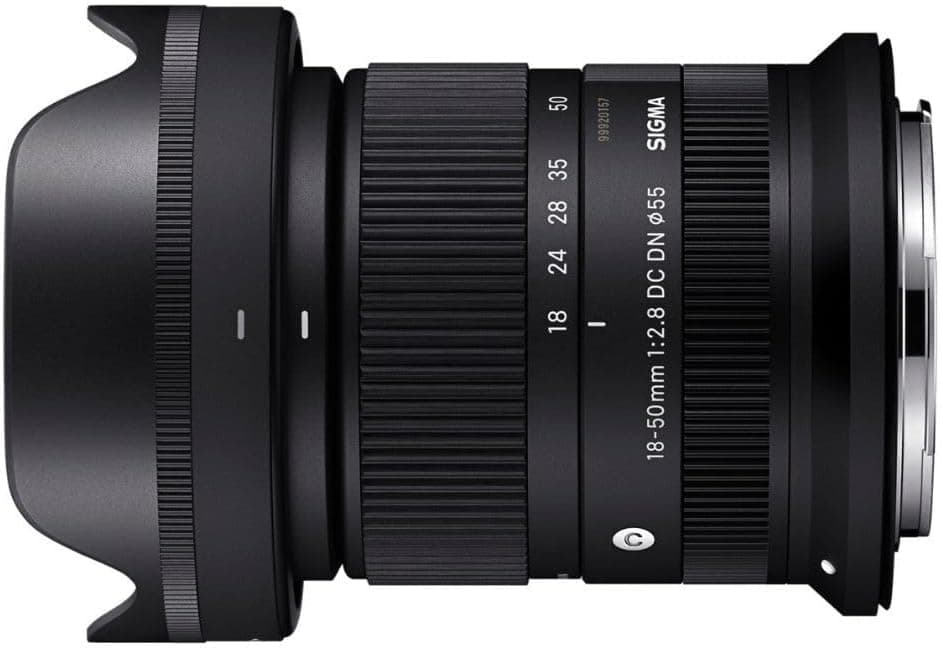
Sigma 18-50mm f/2.8 DC DN Contemporary
A small constant-aperture zoom that keeps an APS-C rig light enough to carry and balance.
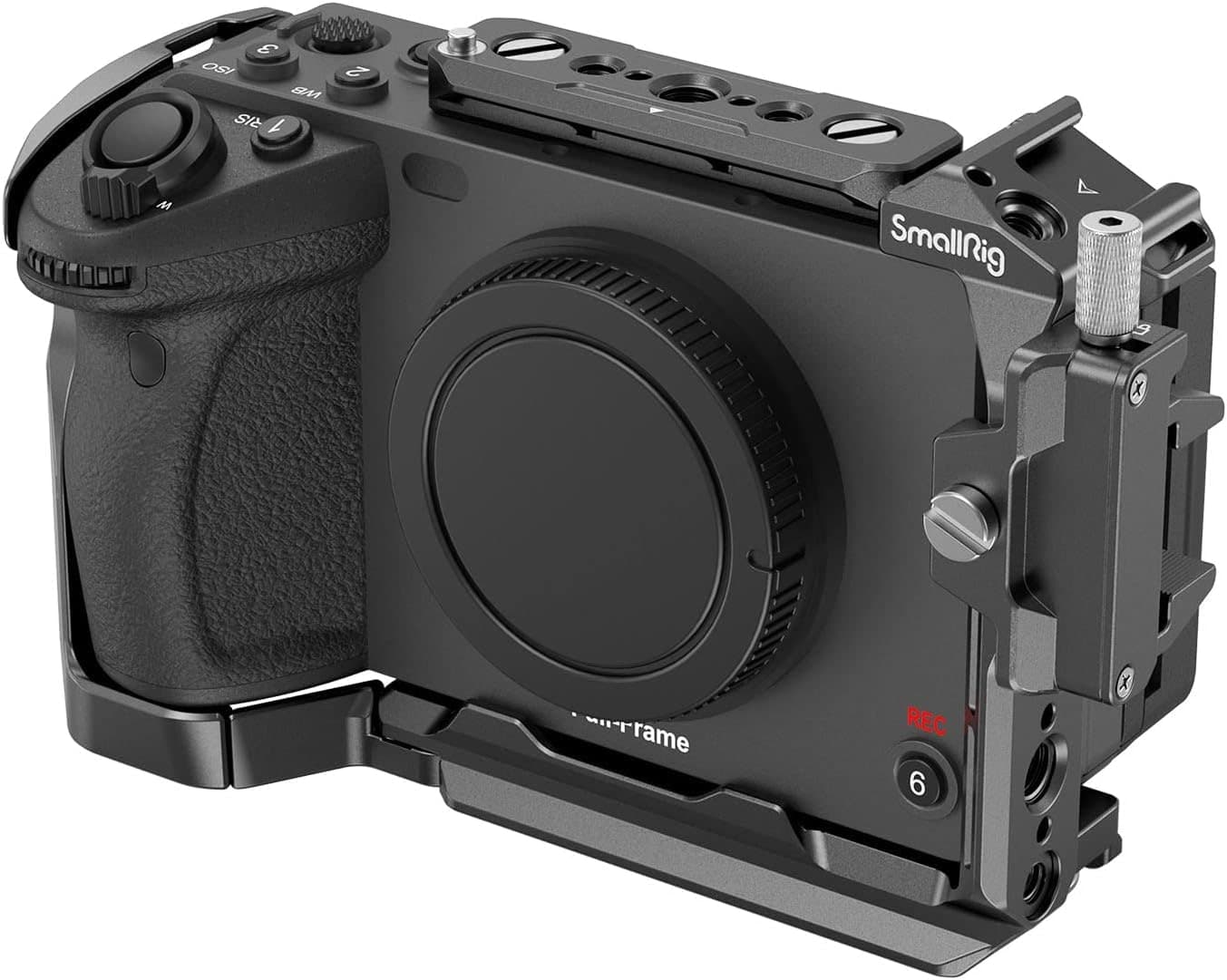
SmallRig Cage for Sony FX3 and FX30
Adds proper mounting points for handles, monitors, mics, and cables without relying on the camera body.
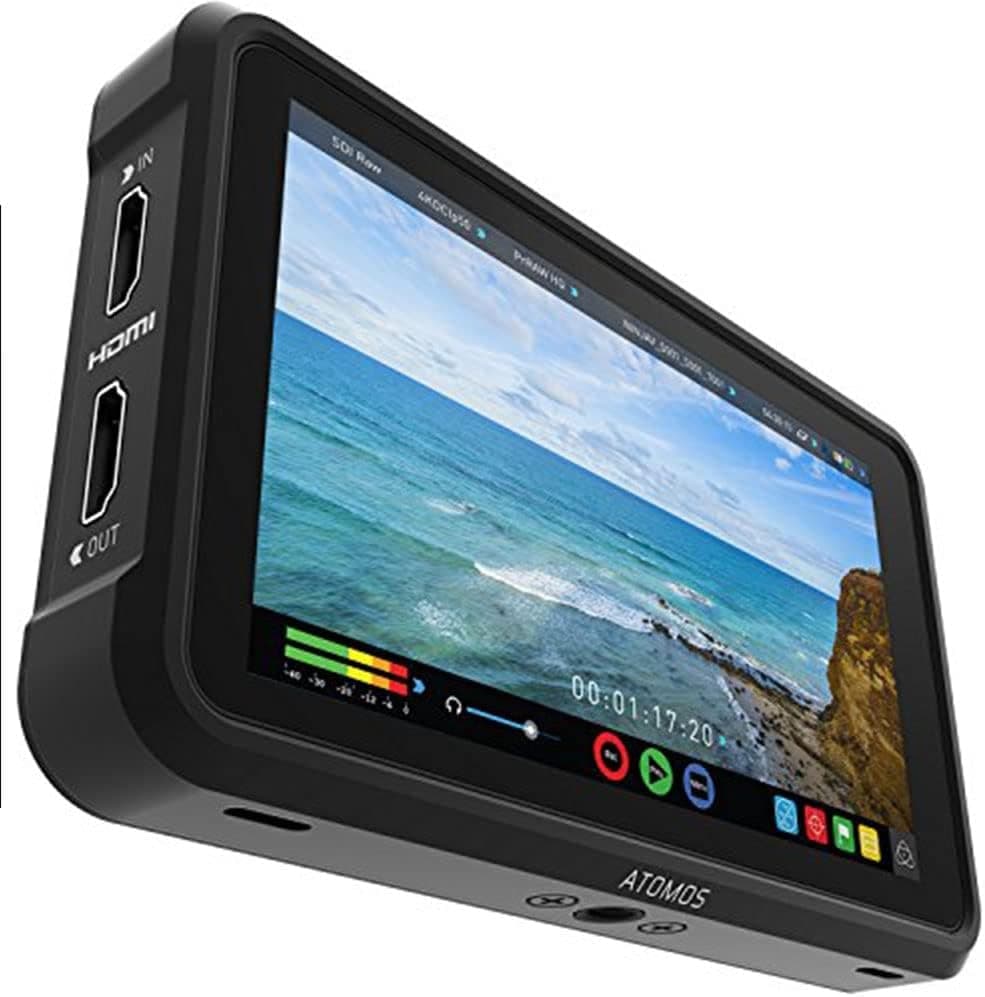
Atomos Ninja V
A bright five-inch screen for focus, exposure tools, LUT preview, and cleaner client monitoring.
DJI RS 4
The gimbal tier that can handle a built-out mirrorless or compact cinema rig without becoming huge.
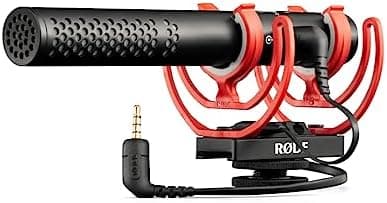
Rode VideoMic NTG
A flexible on-camera shotgun that also works as a small USB mic for quick voiceover or desk work.
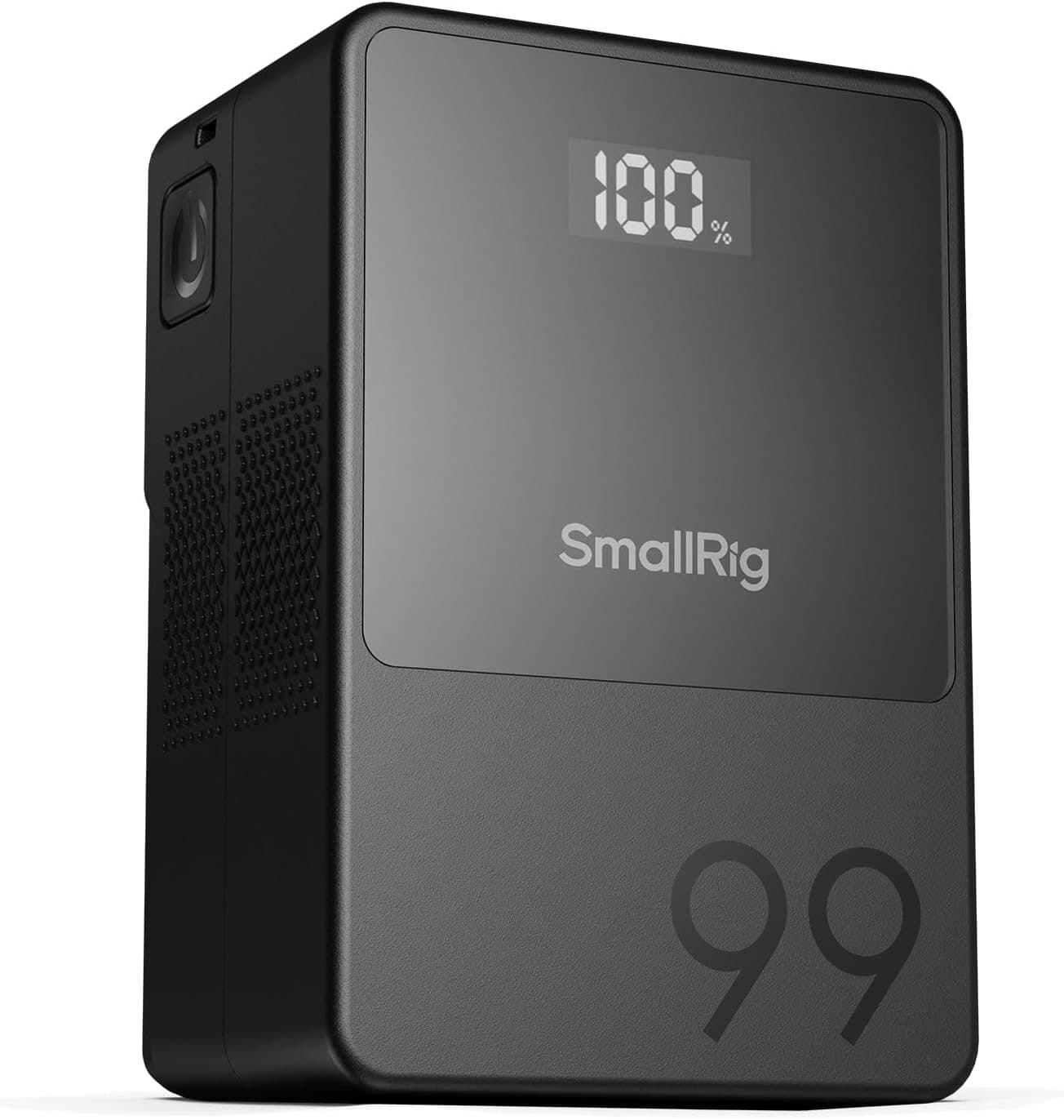
SmallRig VB99
A compact V-mount that can run monitors, lights, or cinema bodies without turning the rig into a brick.
Prices are rough catalog totals. Retailer prices change, and you can swap pieces to fit your system.
Related Gear guides
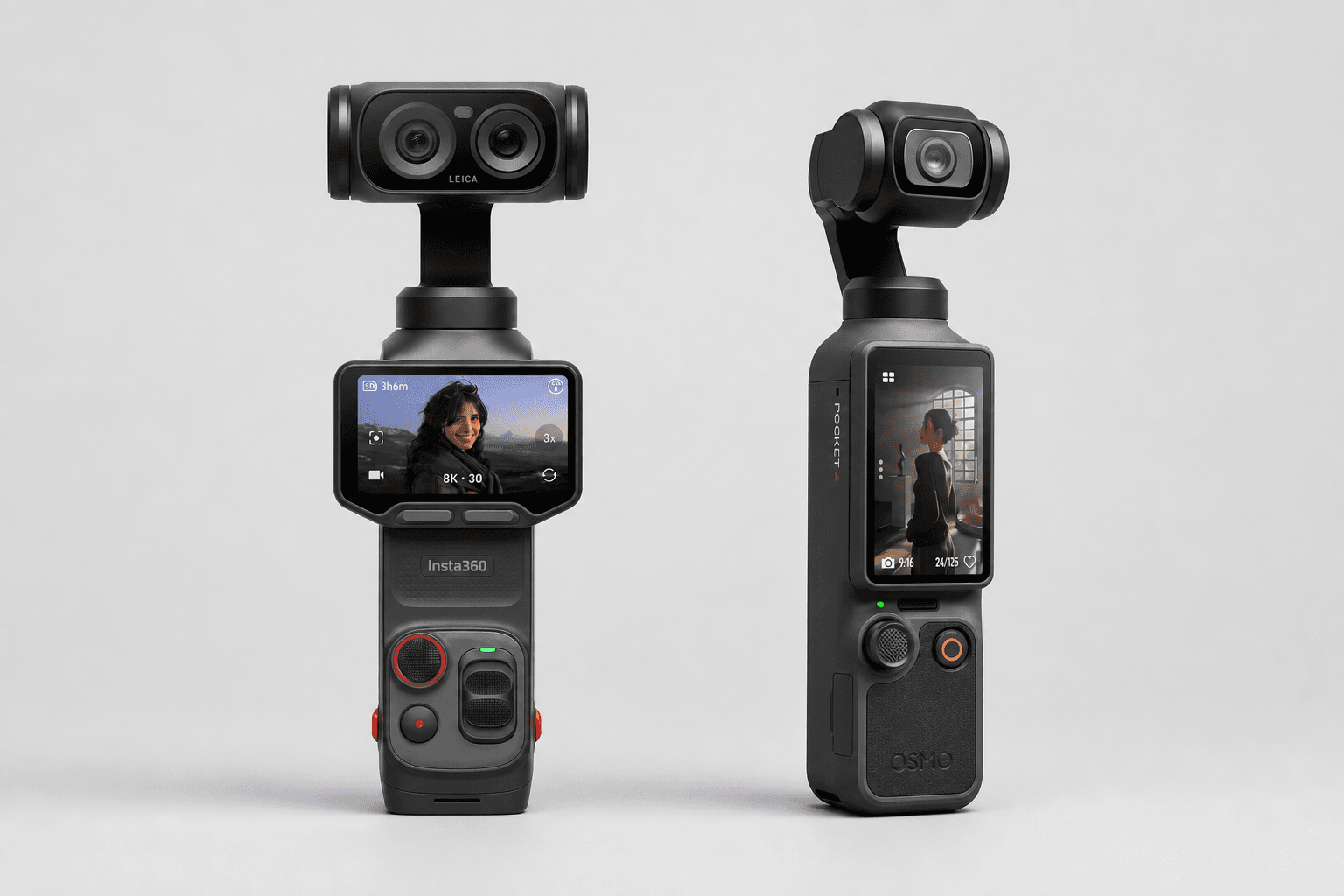
Insta360 Luna Ultra vs DJI Osmo Pocket 4: Which Pocket Gimbal Should You Buy?
Compare Luna Ultra and DJI Pocket 4 by lenses, video, Log formats, storage, U.S. availability, and the filming jobs each pocket gimbal handles best.
CFexpress 4.0 and VPG Explained: Buy the Card Your Camera Needs
CFexpress 4.0 doubles theoretical bandwidth, while VPG certifies sustained video writes. Learn Type A vs B, VPG classes, and when 4.0 is worth paying for.
Focal Length Explained: What 24mm, 50mm, 85mm, and 200mm Actually Do
What the millimeter number on a lens changes in the field: angle of view, compression, and working distance. When to reach for 24, 50, 85, or 200mm.
Canon EOS R50 V vs Sony ZV-E10 II: Which Beginner Vlogging Camera Should You Buy?
Canon EOS R50 V is the easier beginner creator kit. Sony ZV-E10 II is the deeper lens-system pick. Compare the practical tradeoffs.
Researched, not personally tested: picks compare specifications, available owner feedback, and established expert sources. As an Amazon Associate I earn from qualifying purchases. We may earn a commission from links here, at no extra cost to you. How we research →