We may earn a commission from links on this page, at no extra cost to you. Picks are researched, not sponsored.
The honest answer to "what camera should I buy" is that almost any current camera will outperform what you can do with it for the first year. So buy for how you will grow, not for the spec sheet. Here is how to think about it: pick a sensor size, pick a budget tier, then pick the system whose lenses fit where you are headed.

Does sensor size matter more than megapixels?
Yes. The sensor is the part that gathers light, and its size shapes image quality, low-light ability, and background blur far more than the megapixel count does. Megapixels mostly affect how large you can print or crop; for screens and normal prints, 24 megapixels is plenty. Sensor size, by contrast, decides how the whole system feels: bigger sensors gather more light but demand bigger, costlier lenses.
| Sensor size | Low light | Body and lens size | System cost | Best for |
|---|---|---|---|---|
| Full frame | Best | Largest and heaviest | Highest, lenses especially | Low light, working pros, maximum blur |
| APS-C | Very good | Mid-size, easy to carry | Moderate | Almost everyone starting out |
| Micro Four Thirds | Good | Smallest lenses of the three | Moderate | Travel, video, minimum carry weight |
| Phone sensor | Limited | Always in your pocket | Already paid for | Daylight snapshots and casual video |
The practical read: APS-C gives you most of full frame's quality at a fraction of the weight and cost, which is why it is the default recommendation for a first camera. Our sensor sizes explained guide goes deeper, and crop factor explained covers how sensor size changes which lenses you buy.
Mirrorless, DSLR, or your phone?
Buy mirrorless. New cameras today are mirrorless: lighter, with a live preview of your exposure and strong autofocus. DSLRs still work and are excellent used bargains, but they are a fading platform with a shrinking lens future; our mirrorless vs DSLR comparison covers the details. Your phone is a real camera too, and for daylight snapshots it is often enough. A dedicated camera earns its place when you want better low-light performance, real background blur, and interchangeable lenses.
How much should you spend on a first camera?
Plan on $700 to $1,500 for a body and kit lens, and resist spending more until your photos tell you why you need to. The tiers below map budget to what you actually get, with a researched example at each level.
| Budget tier | What you get | Example pick | Price band |
|---|---|---|---|
| Under $800 | APS-C body + kit zoom, great autofocus, no stabilization | Canon EOS R50 | $650-750 |
| $1,000-1,500 | APS-C with in-body stabilization and serious video | Fujifilm X-S20 | $1,199-1,349 |
| $2,000 and up | Full-frame hybrid that covers stills and video professionally | Sony a7 IV | $2,300-2,500 |
Best for Beginners
Canon EOS R50
First-time buyers stepping up from a smartphone.
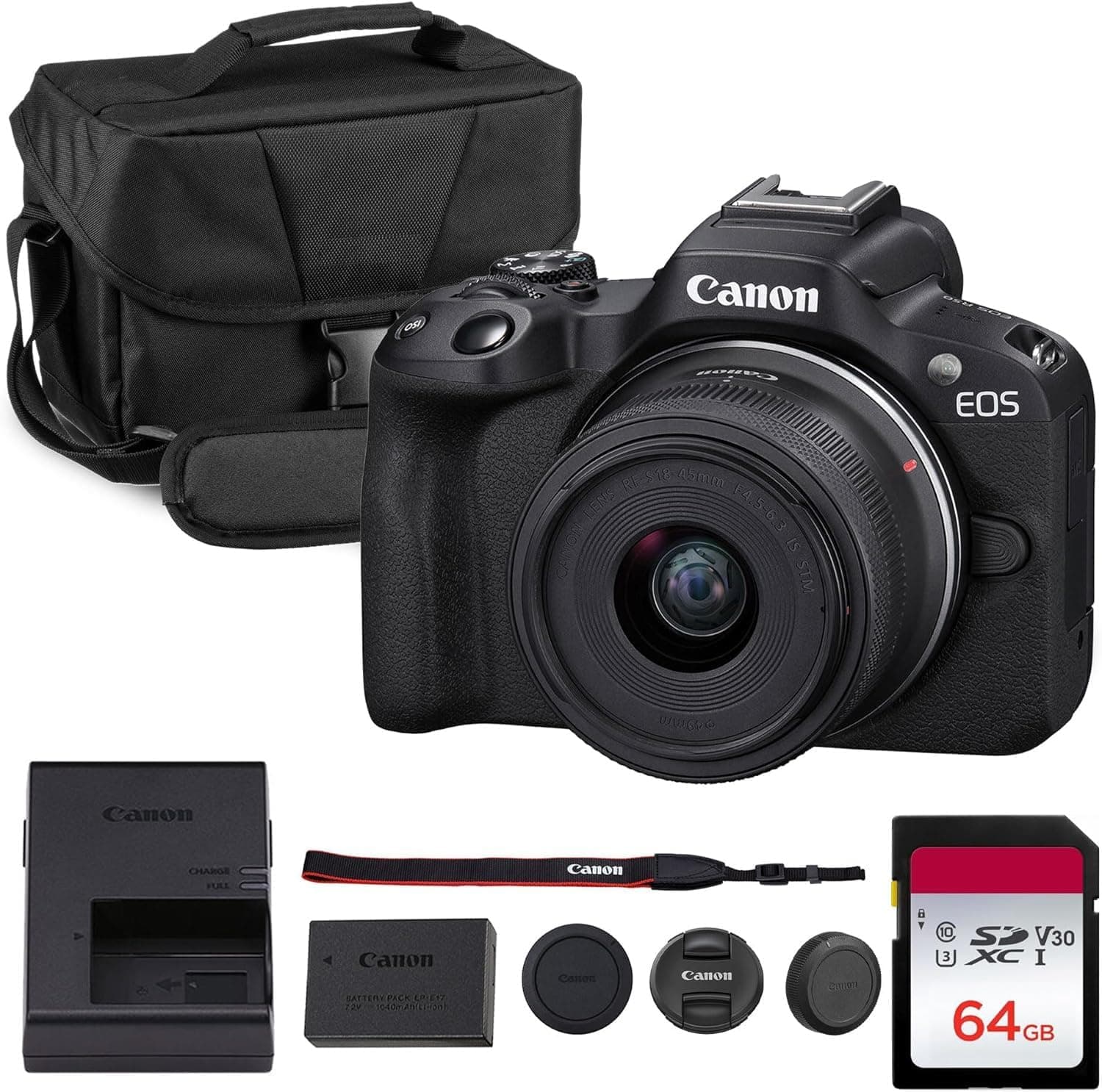
Check price at AmazonThe Canon EOS R50 is the honest entry point: small, light, with guided menus and subject-detection autofocus that flatters a beginner's hit rate. It skips in-body stabilization and the native lens selection is thin, so treat it as a starter body, not a destination. More options at this level live in our best cameras for beginners and best cameras under $1,000 roundups.
Editor's Choice
Fujifilm X-S20
Hybrid shooters who want one capable, portable body for photo and video.
Check price at AmazonThe Fujifilm X-S20 is the mid-tier sweet spot and the camera this guide's advice converges on: APS-C image quality, in-body stabilization rated to 7 stops, and 6.2K video in a body light enough to actually carry. It is capable enough that the lens, not the body, becomes your next upgrade.
Best Overall
Sony a7 IV
Photographers who want one body that covers stills and video without specializing in either.
Check price at AmazonThe Sony a7 IV is the step-up pick when full frame is genuinely justified: a 33 MP hybrid that handles stills and video without specializing in either, with the deepest lens catalog in the business. It costs more than most beginners should spend, body and glass both, so buy it when low light, client work, or maximum background blur are real requirements, not aspirations. See best full-frame cameras for the alternatives.
Research pick
Nikon Z f
Photographers who want full-frame performance with classic, tactile controls.
Check price at AmazonThe Nikon Z f is the full-frame alternative for someone who cares as much about the act of shooting as the spec sheet. Its physical dials, strong stabilization, and solid build make it a satisfying street, travel, and everyday camera, while modern subject detection keeps it from being merely nostalgic. The grip is shallow with large lenses, the single full-size card slot is an odd compromise, and Z-mount lenses still add up quickly, so choose it for the handling rather than the lowest system cost.
What if you do not want lenses at all?
Then do not force yourself into an interchangeable-lens system. A fixed-lens compact can be the smarter buy if the goal is street, travel, family, daily carry, or a camera you will actually bring. You give up lens swaps, long telephoto reach, and specialist macro work. In return, you get a smaller kit, a lens matched to the body, and no second guessing every future purchase.
| Fixed-lens compact | What it solves | What it costs |
|---|---|---|
| Fujifilm X100VI | One premium everyday camera for street, travel, and family photos | Fixed 35mm-equivalent view, scarce availability |
| Leica Q3 | Full-frame image quality and a fast 28mm lens in one minimalist body | Very high price, fixed wide lens |
Best Premium Compact
Fujifilm X100VI
Street and travel photographers who want one high-quality fixed-lens camera.
Check price at AmazonThe Fujifilm X100VI is the premium compact answer for people who want to stop thinking about systems. The fixed 35mm-equivalent lens suits street, travel, documentary, and everyday family work, and the hybrid viewfinder gives it a different rhythm than a phone or mirrorless body. It is not flexible in the normal spec-sheet sense. That is the point: one focal length, one camera, fewer decisions.
Research pick
Leica Q3
Buyers who want a premium full-frame fixed-lens camera with Leica handling.
Check price at AmazonThe Leica Q3 is the luxury version of the fixed-lens idea. A full-frame sensor and fast 28mm lens make it a serious travel, street, and documentary camera, while the minimalist controls keep it focused. It makes no sense if you need value per dollar or telephoto reach. It makes sense if you want one premium camera that does one kind of photography beautifully.
Which camera fits how you shoot?
Match the camera to the use case, not the other way around. If you mostly shoot stills and want one camera to learn on, an APS-C body with a kit zoom covers you, and best cameras for beginners ranks the field. If video is the point, prioritize in-body stabilization and reliable autofocus, then start with best cameras for video. If you record yourself, a flip screen and strong face tracking matter most; that is the best vlogging cameras shortlist. And if the budget is tight, a used body from a reputable dealer stretches every tier; our used camera gear guide covers how to inspect one safely.
Where does your money actually go?
Lenses, over time. Bodies get the headlines, but lenses are what you keep: a body you replace every few years, while good lenses outlast several bodies. So pick a system with the lenses you want, and budget for glass, not just the body. A common and effective split for a $1,500 budget is $900 on the body with its kit zoom and the rest held for a fast prime once you know your focal length.
A simple decision
If you mostly shoot stills and want one camera to learn on, get an APS-C mirrorless body with a kit zoom and add a cheap fast prime later. If video matters, prioritize in-body stabilization and a body known for good autofocus. Then stop researching, learn the exposure triangle, and go shoot.
One last budget line item: leave $30 to $50 for a fast, reliable memory card, because a new body ships without one and a slow card bottlenecks burst shooting and 4K video. Our best memory cards guide lists what each camera class actually needs.
Is full frame worth it for a beginner?
Rarely. Full frame costs more in both bodies and lenses and is heavier to carry. APS-C gives you most of the quality for much less, and you can move up later if you outgrow it.
How many megapixels do I need?
Around 24 is plenty for screens and standard prints. More megapixels help only if you crop heavily or print large, and they make files bigger to store and edit.
Should a beginner buy a used camera?
Yes, if you buy from a reputable used dealer with a warranty. Camera bodies age well, and a two-year-old model often performs nearly identically to the current one for far less. Check the shutter count and inspect the sensor before buying; our used camera gear guide walks through every check.
Is a dedicated camera still worth it over a phone?
Yes, for three things phones still cannot fake well: low-light image quality, real optical background blur, and interchangeable lenses. If your photos live in daylight and on social feeds, a modern phone may genuinely be enough; a camera pays off the moment your ambitions leave those conditions.
Keep going
Next useful steps
Pick one. Each link continues the same job without starting the research over.
Shoot kits
Buy around the job, not the spec sheet
Beginner photo
First real camera kit
$1,068
An affordable body, a sharp prime, a reliable card, and a small carry setup that does not turn learning into a hauling problem.
Best learning kit
Buy order: start with the first piece that makes the job possible, then add the support pieces that remove friction.
Camera: start here. If this piece does not make the shoot easier, the rest of the kit can wait.
Carry: add it after the core setup proves useful.
Canon EOS R50
Small, approachable, and good enough to learn exposure, autofocus, and lens choice properly.
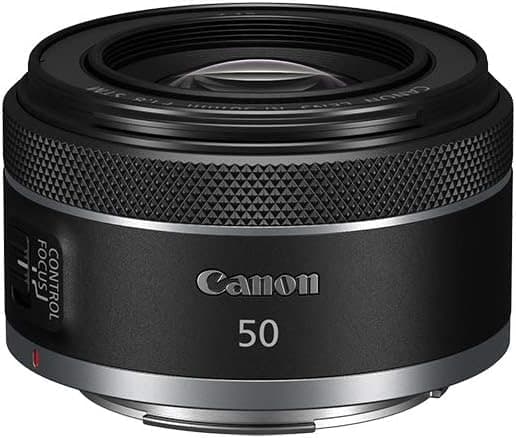
Canon RF 50mm f/1.8 STM
Cheap, bright, and useful for portraits, detail shots, and learning depth of field.
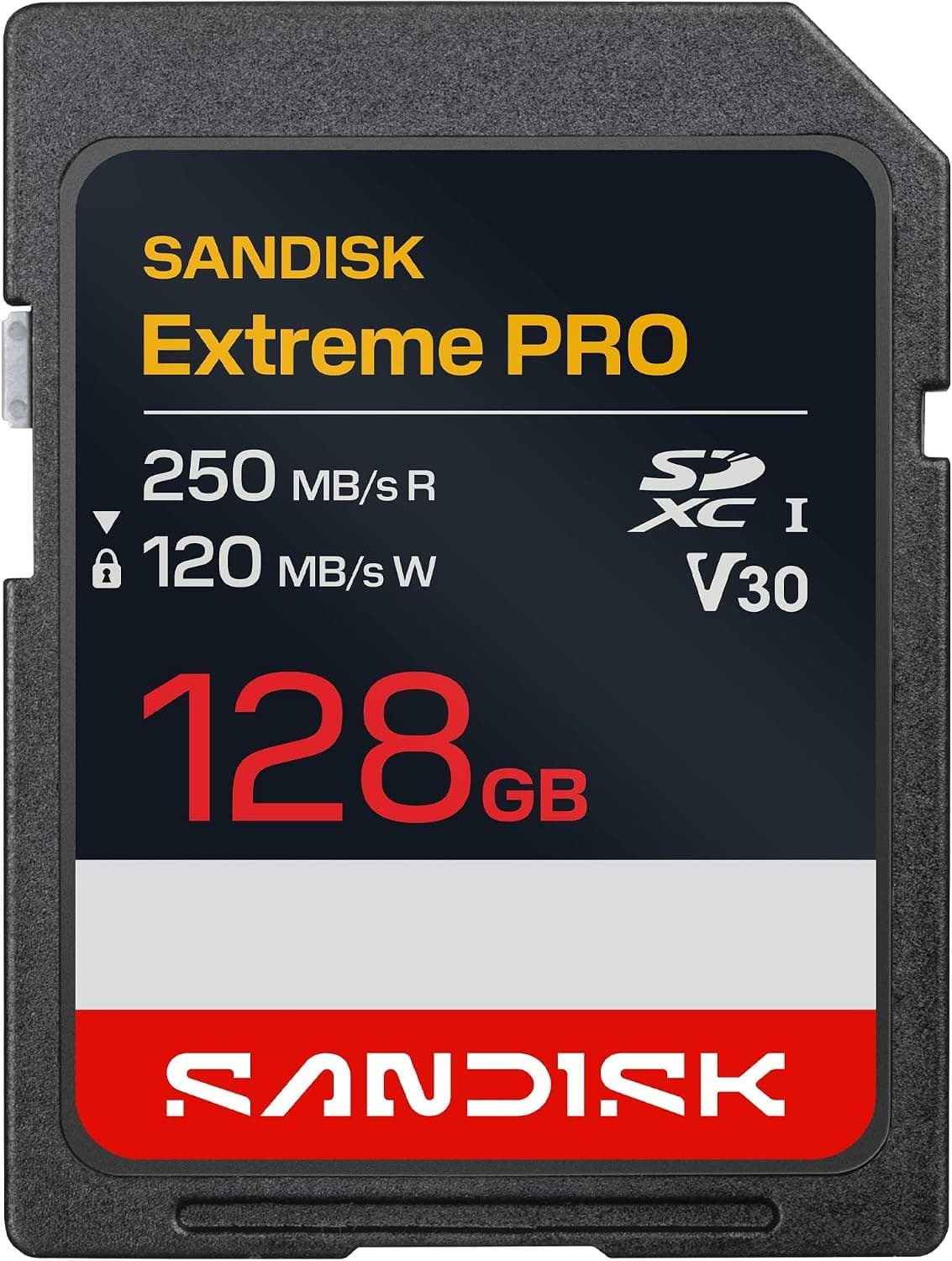
SanDisk Extreme Pro SDXC 128GB
Fast enough for normal stills and video without making storage the exciting purchase.
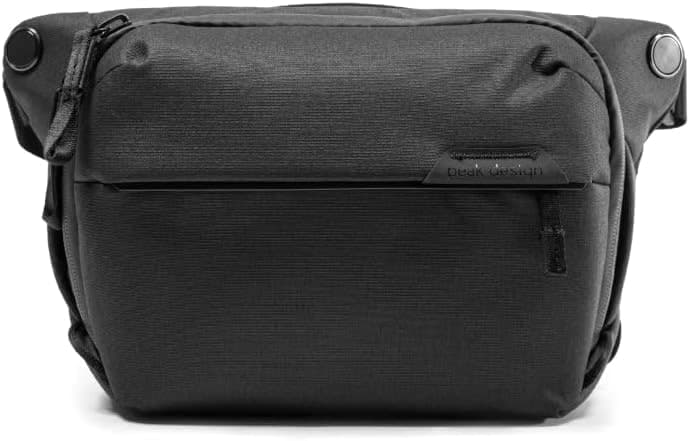
Peak Design Everyday Sling 6L V2
Room for a small body and lens without dragging a full backpack everywhere.
Prices are rough catalog totals. Retailer prices change, and you can swap pieces to fit your system.
Related Gear guides
Best Backdrops and Stands in 2026: Studio Background Picks
The best backdrops and stands for home studios, with each pick's real size, height limit, and price, so you know whether it fits headshots, products, or full-length portraits.
Best Cameras for Beginners in 2026: First Interchangeable-Lens Picks
The best beginner cameras balance an easy interface, good autofocus, and room to grow. Here are six we recommend and how to pick the right first body.
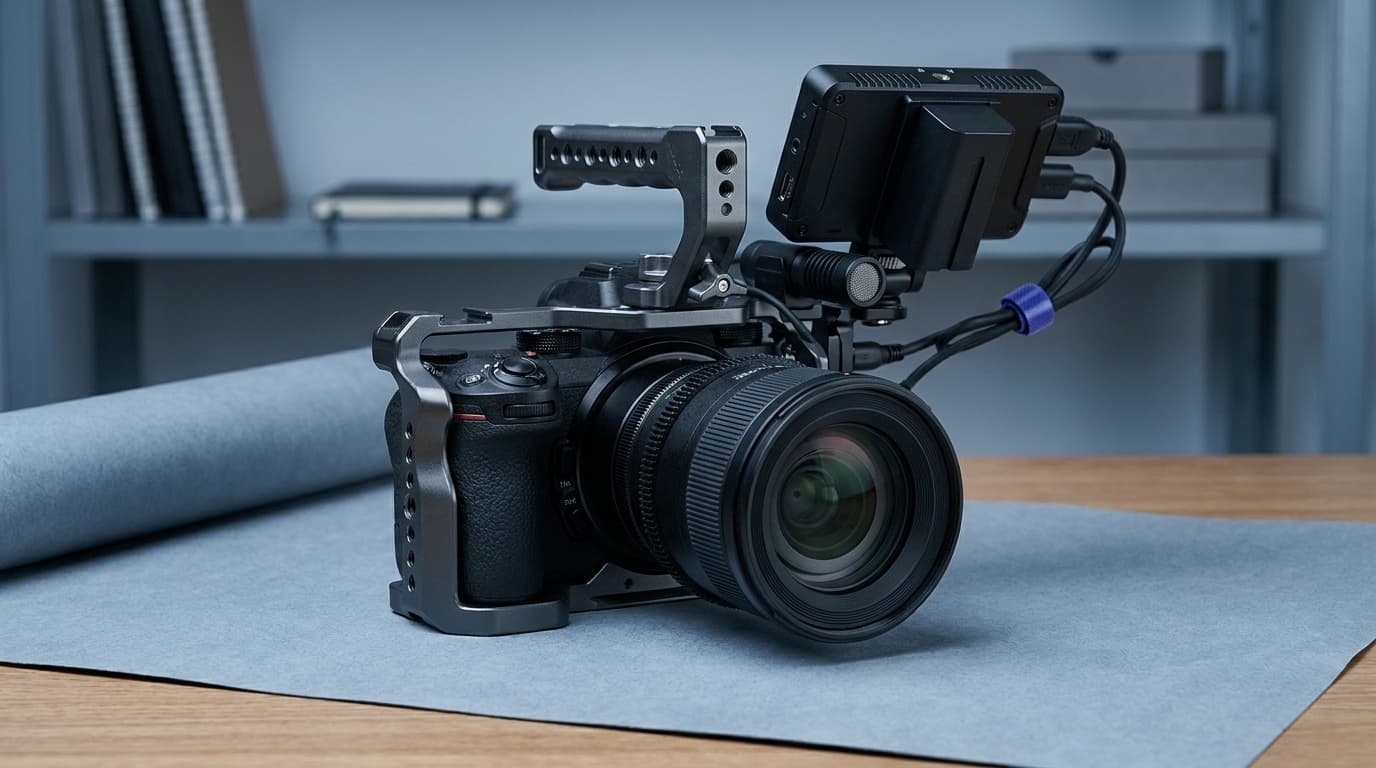
Best Cameras for Video in 2026: Hybrid, Cinema, and Vlogging Picks
Panasonic Lumix S5 II is the value video pick; GH7 suits long recording, and Sony a7 IV is the hybrid choice. Compare six cameras by workflow.
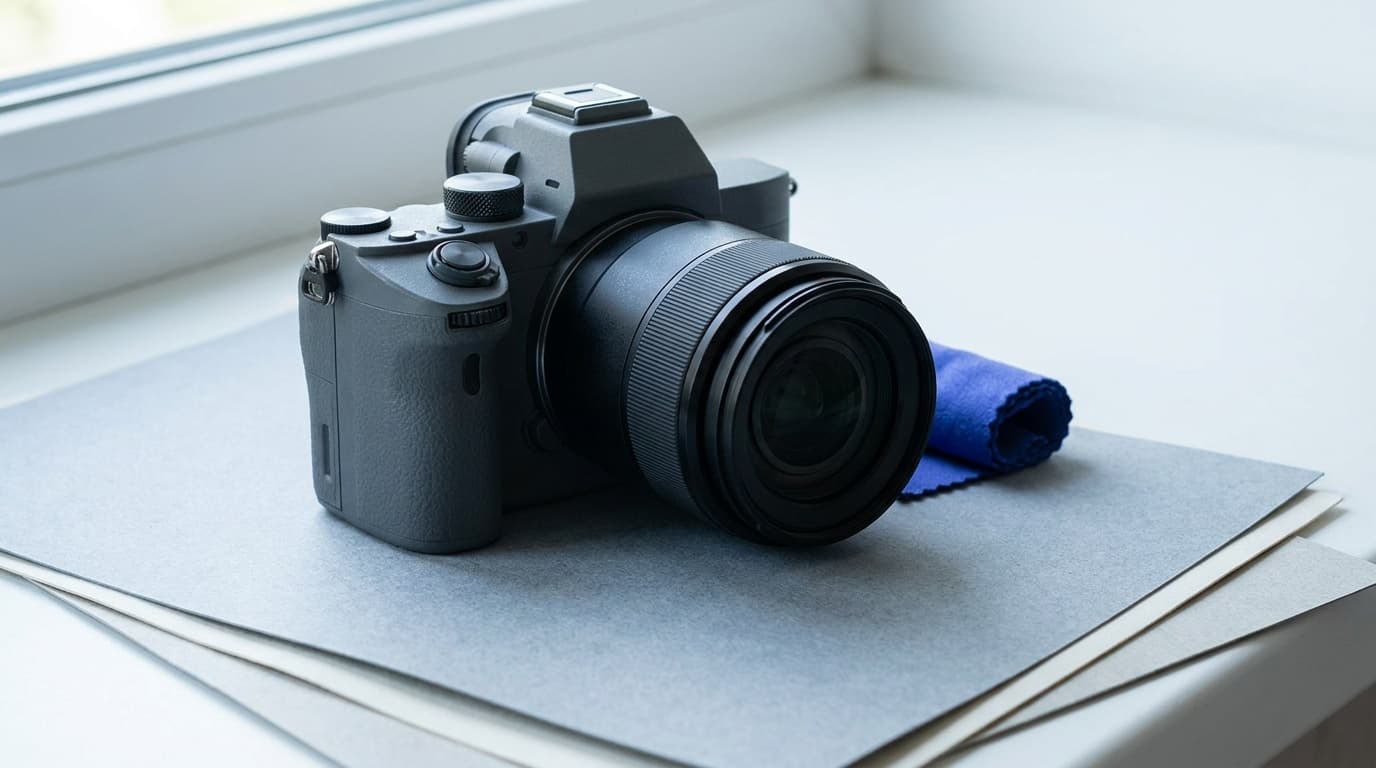
Best Cameras Under $1000 in 2026: Beginner, Value, and Creator Picks
The best cameras under $1000 deliver strong autofocus and image quality without the full-frame price. Here are six picks and how to choose the right one.
Researched, not personally tested: picks compare specifications, available owner feedback, and established expert sources. As an Amazon Associate I earn from qualifying purchases. We may earn a commission from links here, at no extra cost to you. How we research →