We may earn a commission from links on this page, at no extra cost to you. Picks are researched, not sponsored.
A thousand dollars buys a genuinely capable camera in 2026. These are all APS-C bodies, which is the smart move at this price: the smaller sensor keeps the body, the lenses, and the cost down while still clearing a phone by a wide margin. You give up the low-light edge and shallow depth of field of full-frame, but for most people learning the craft, that trade is the right one.
If you are not sure a dedicated camera is even the right step, our what camera should you buy guide frames the decision, and the exposure triangle covers the settings every camera here puts in your hands.

How do you choose a camera under $1000?
At this price, weigh four things. Autofocus, because reliable face and subject detection is the feature that most changes your keeper rate, and the gap between bodies is real. Whether you shoot stills, video, or both, since some of these lean creator and others lean photography. The screen, where a fully articulating panel helps for vlogging and low or high angles. And the lens system, because the body is only the entry fee; check that affordable lenses exist for the mount.
One thing not to over-weight is sensor size. Every pick here is APS-C, and that is by design at this budget; our sensor sizes explained guide covers why a good APS-C body beats a stripped-down full-frame one for most beginners. Spend the savings on a lens.
How do the picks compare?
The table below summarizes the six picks by sensor, video capability, price band, and who each one fits. The scores are editorial summaries; read the best-for notes and tradeoffs before buying.
| Camera | Sensor | Video | Price on Amazon (Sep 26, 2026) | Our rating | Best for |
|---|---|---|---|---|---|
| Canon EOS R50 | 24.2 MP APS-C | 4K 30p oversampled | $679 | 8.2 | First-time buyers stepping up from a phone |
| Fujifilm X-M5 | 26 MP APS-C X-Trans | 6.2K 30p, 4K 60p | $899 | 8.2 | Creators who want Fujifilm color in camera |
| Nikon Z50 II | 20.9 MP APS-C | 4K 60p (crop), 4K 30p oversampled | About $1,000 | 8.4 | Autofocus value in an affordable body |
| Canon EOS R10 | 24.2 MP APS-C | 4K 60p (crop), up to 23 fps burst | About $915 | 8.3 | Action, sports, and speed |
| Sony a6400 | 24 MP APS-C | 4K 30p | $815 | 8.0 | Proven autofocus and the E-mount ecosystem |
| Canon EOS R50 V | 24.2 MP APS-C | 4K 30p, cropped 4K 60p, Canon Log 3 | $569 (body) | 8.6 | Vloggers and content creators |
The picks
Best for Beginners
Canon EOS R50
First-time buyers stepping up from a smartphone.
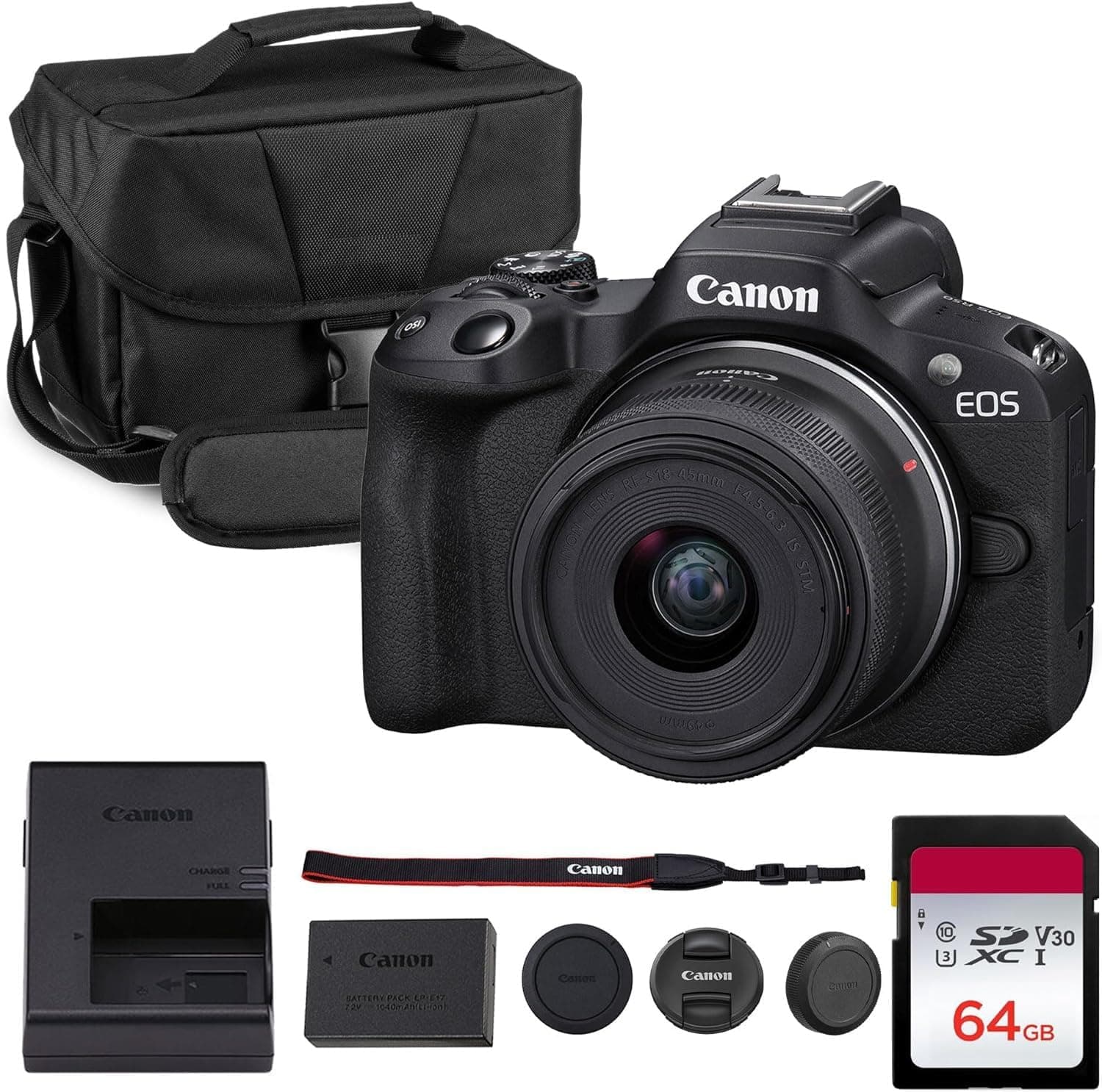
Check price at AmazonThe Canon EOS R50 is the best pick for first-time buyers. It is small and light, the guided menus make it easy to learn, and the Dual Pixel autofocus with subject detection punches above its price. The screen fully articulates, and the oversampled 4K looks clean. It has no in-body stabilization and a single card slot, but as a step up from a smartphone it gets the fundamentals right.
Researched from: Canon EOS R50 official specs, available retailer feedback, and expert coverage.
Research pick
Fujifilm X-M5
Content creators who want Fujifilm color in a small, affordable body.
Check price at AmazonThe Fujifilm X-M5 is the value creator pick. It shoots strong video for the money, including 6.2K capture and 4K 60p, and the film simulation dial gives you finished color in camera, which saves grading time. There is no in-body stabilization and no viewfinder, so it leans toward planned shots, but the look you get at this price is the reason to choose it.
Researched from: Fujifilm X-M5 official specs, available retailer feedback, and expert coverage.
Best Value APS-C
Nikon Z50 II
Enthusiasts who want strong autofocus in an affordable APS-C body.
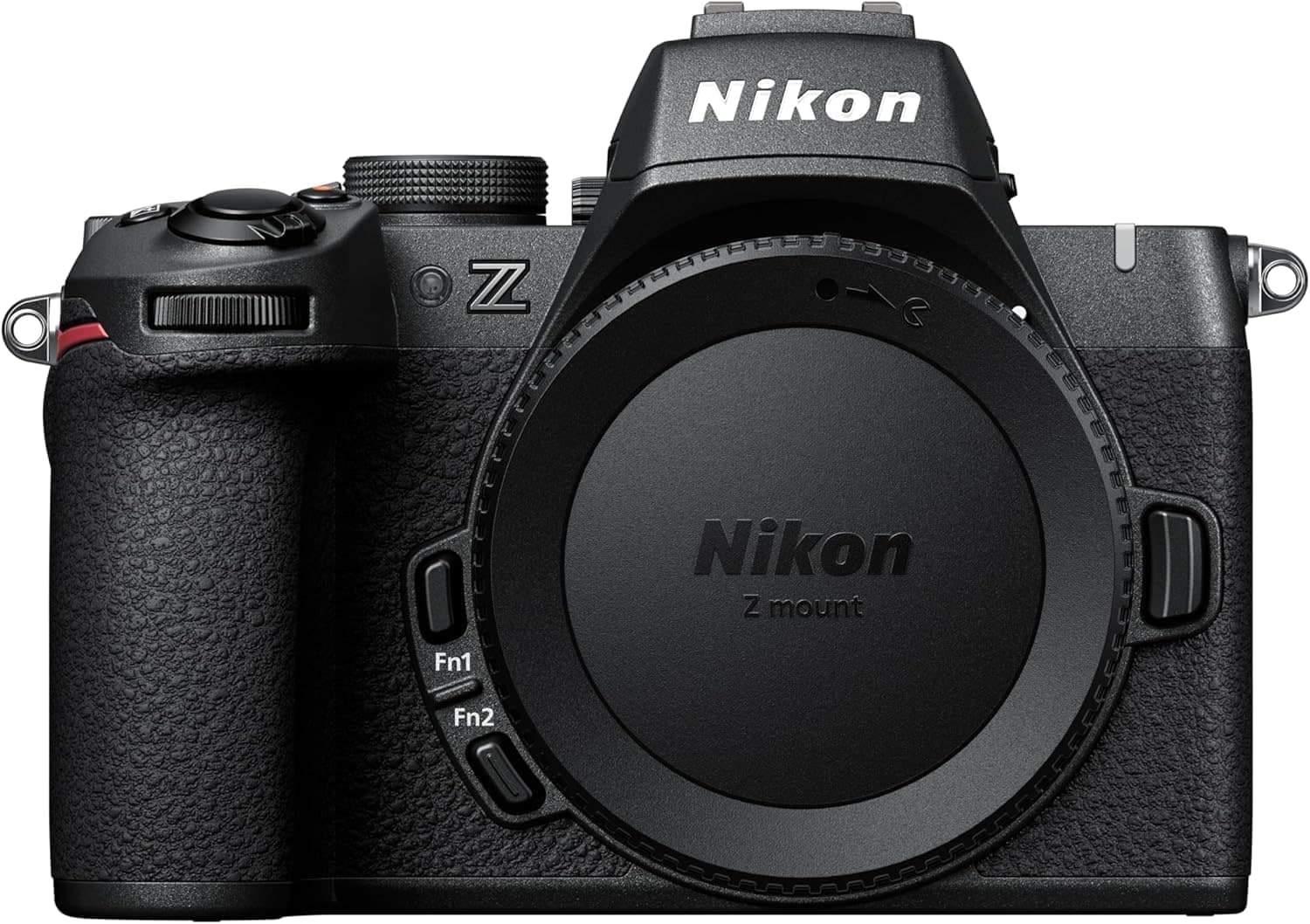
Check price at AmazonThe Nikon Z50 II is the autofocus value pick. It inherits the subject-detection engine from Nikon's higher-end bodies, so tracking is well ahead of what its price suggests. The grip is comfortable, the controls are sensible, and the articulating screen suits both stills and video. The 20.9 MP resolution is modest and there is no in-body stabilization, but the autofocus alone makes it a strong buy.
Researched from: Nikon Z50 II official specs, available retailer feedback, and expert coverage.
Research pick
Canon EOS R10
Enthusiasts who want speed and reach in an affordable APS-C body.
Check price at AmazonThe Canon EOS R10 is the pick for speed. Fast burst rates and capable subject-tracking autofocus make it the budget choice for action, sports, and kids who will not hold still. It steps above the R50 with more physical controls for those who want to shoot in manual. The trade-offs are no in-body stabilization, cropped 4K 60p, and a still-growing native lens lineup, but for reach and speed at the price it is hard to beat.
Researched from: Canon EOS R10 official specs, available retailer feedback, and expert coverage.
Research pick
Sony a6400 with 16-50mm lens
Enthusiasts entering the Sony system who prioritize autofocus on a budget.
Check price at AmazonThe Sony a6400 is the reliable autofocus veteran. It has been around a while, but its fast phase-detection autofocus and Real-time Eye AF still hold up, and it opens the door to Sony's deep E-mount lens ecosystem. The flip-up screen suits vlogging, though it blocks a top-mounted mic. There is no in-body stabilization and the menu system shows its age, but as a proven entry into the Sony system it remains a sound choice.
Researched from: Sony a6400 official specs, available retailer feedback, and expert coverage.
Best Beginner Kit
Canon EOS R50 V
New creators who want an interchangeable-lens camera with video controls that make sense immediately.
Check price at AmazonThe Canon EOS R50 V is the creator pick, and at about $569 body only it leaves room in this budget for a lens and a mic. It has front and top record buttons, a tally lamp, vertical and horizontal tripod mounts, a three-microphone array, headphone and microphone ports, and Canon Log 3. The tradeoffs are no viewfinder, no in-body stabilization, and a crop in 4K 60p. Sony's ZV-E10 II, the usual alternative, now sells for about $1,198 body only, which puts it above this budget; see our best vlogging cameras guide for how they compare.
Researched from: Canon EOS R50 V official product page, available retailer feedback, and expert coverage.
What mistakes should you avoid?
The most common one is spending the whole budget on the body and pairing it with the cheapest kit lens. The lens shapes your images more than the body does; a modest camera with a good lens beats the reverse. The second is buying a stripped-down full-frame body to chase the format, then finding the lenses cost more than the camera; a strong APS-C kit serves a beginner better. The third is ignoring autofocus differences because the spec sheets look similar; in real shooting, the gap between these bodies shows up in your keeper rate.
When you have a body, our genre guides show you how to use it. Start with travel photography for shooting on the move, street photography for working quickly in public, or portrait photography for people.
Is an APS-C camera good enough, or should I save for full-frame?
For most people, APS-C is more than good enough. It clears a phone by a wide margin, the bodies and lenses are cheaper and lighter, and many professionals shoot APS-C by choice. Save for full-frame only if you specifically need its low-light edge or shallow depth of field. At under $1000, a good APS-C kit is the smarter buy.
Do any cameras under $1000 have in-body stabilization?
Most do not at this price; it is one of the features cut to hit the budget. The bodies on this list rely on lens-based stabilization or none at all. If you shoot a lot of handheld video, either add a gimbal, use a stabilized lens, or stretch your budget to a body that includes it.
Should I buy the body alone or a kit with a lens?
For a first camera, the kit lens is usually worth it; it gets you shooting immediately and covers a useful everyday range. Plan to add a prime or a better zoom later as you learn what you shoot. Buy the body alone only if you already own compatible lenses for the mount.
Compare picks
The short version
Use this to narrow the list before opening the detailed cards.
Scores weigh fit, owner sentiment, build, and value. Affiliate links do not change pick order. Methodology
Buying order
Start with the skip note. A good deal on the wrong camera is still the wrong camera.
Compare verdictsIf you already own lenses, check the system path before buying into a new mount.
Check systemsOnce the fit makes sense, compare current deals and retailer listings.
Check current dealsCamera system shortcut
If you already own one of these systems, keep the comparison inside that ecosystem before checking out.
Autofocus hybrid kits
Simple camera paths
Stills-first Z kits
APS-C travel kits
First-time buyers stepping up from a smartphone.
Use the retailer for the current price after the tradeoff makes sense. Confirm lens mount, sensor format, battery, charger, and kit contents.
Tradeoff: No in-body stabilization
Use the retailer for the current price after the tradeoff makes sense. Confirm lens mount, sensor format, battery, charger, and kit contents.
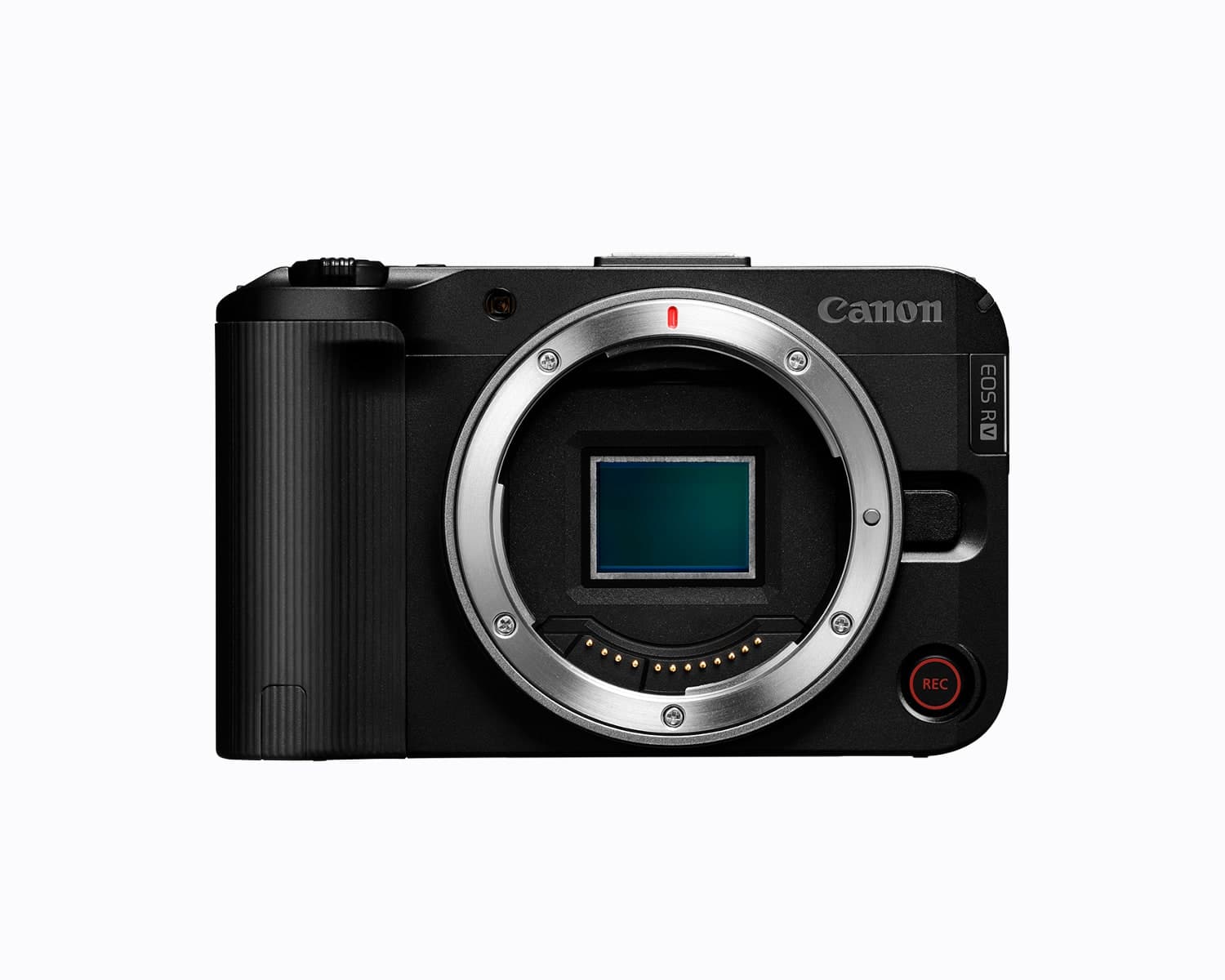
8.6/10 Aperture Score
Use the retailer for the current price after the tradeoff makes sense. Confirm lens mount, sensor format, battery, charger, and kit contents.
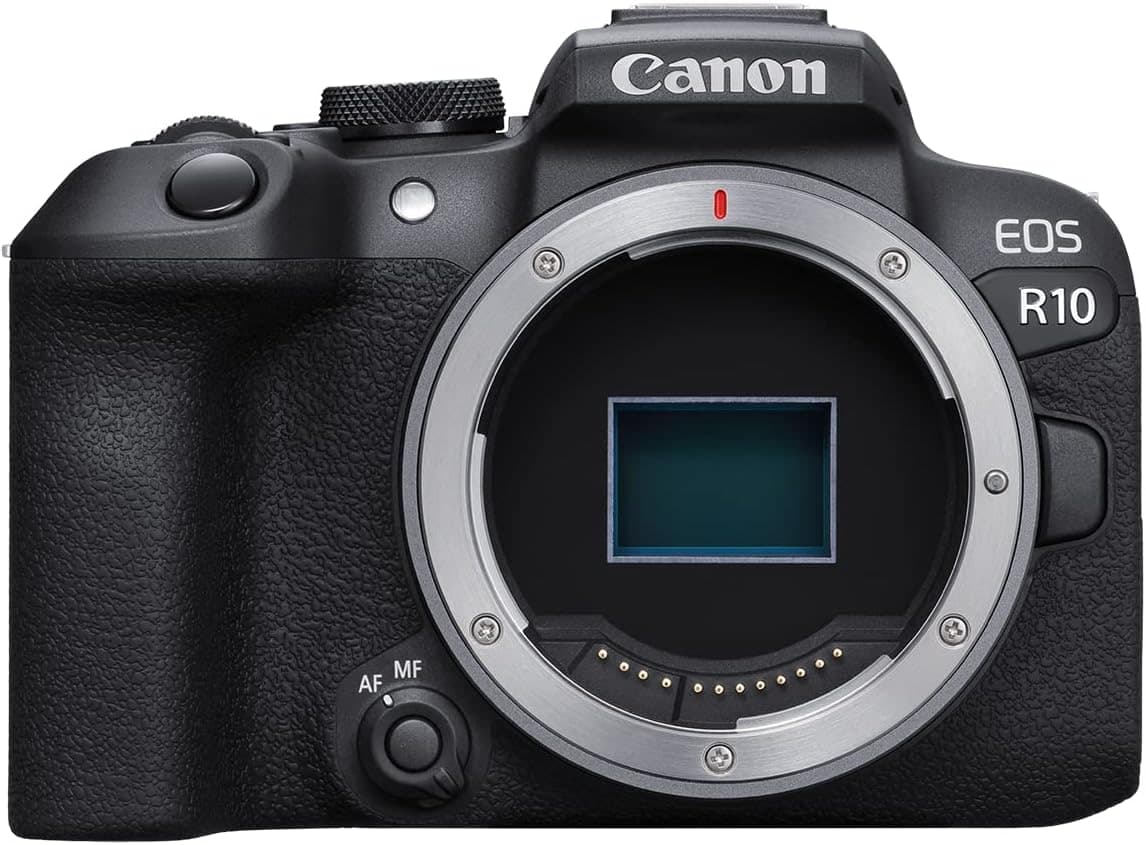
Enthusiasts who want speed and reach in an affordable APS-C body.
Use the retailer for the current price after the tradeoff makes sense. Confirm lens mount, sensor format, battery, charger, and kit contents.
Price ladder
The useful range here runs from $569 to $1,100. Start with the ceiling that matches the assignment.
- First-time buyers stepping up from a smartphone.
- Easy to learn with guided menus
- No in-body stabilization
Use the retailer for the current price after the tradeoff makes sense. Confirm lens mount, sensor format, battery, charger, and kit contents.
- Content creators who want Fujifilm color in a small, affordable body.
- Strong video for the price
- No in-body stabilization
Use the retailer for the current price after the tradeoff makes sense. Confirm lens mount, sensor format, battery, charger, and kit contents.
- Enthusiasts who want strong autofocus in an affordable APS-C body.
- Flagship-derived subject-detection autofocus
- No in-body stabilization
Use the retailer for the current price after the tradeoff makes sense. Confirm lens mount, sensor format, battery, charger, and kit contents.
- Enthusiasts who want speed and reach in an affordable APS-C body.
- Fast burst shooting for the price
- No in-body stabilization
Use the retailer for the current price after the tradeoff makes sense. Confirm lens mount, sensor format, battery, charger, and kit contents.
- Enthusiasts entering the Sony system who prioritize autofocus on a budget.
- Reliable, fast autofocus for the price
- No in-body stabilization
Use the retailer for the current price after the tradeoff makes sense. Confirm lens mount, sensor format, battery, charger, and kit contents.
- New creators who want an interchangeable-lens camera with video controls that make sense immediately.
- Creator-first controls
- No in-body stabilization
Use the retailer for the current price after the tradeoff makes sense. Confirm lens mount, sensor format, battery, charger, and kit contents.
| Pick | Score | Price | Verdict | Action |
|---|---|---|---|---|
| Best for BeginnersCanon EOS R50 | 8.2
| $650 - $750 | First-time buyers stepping up from a smartphone. Wins: Easy to learn with guided menus Skip: No in-body stabilization | Check Amazon · $650 - $750 Use the retailer for the current price after the tradeoff makes sense. Confirm lens mount, sensor format, battery, charger, and kit contents. |
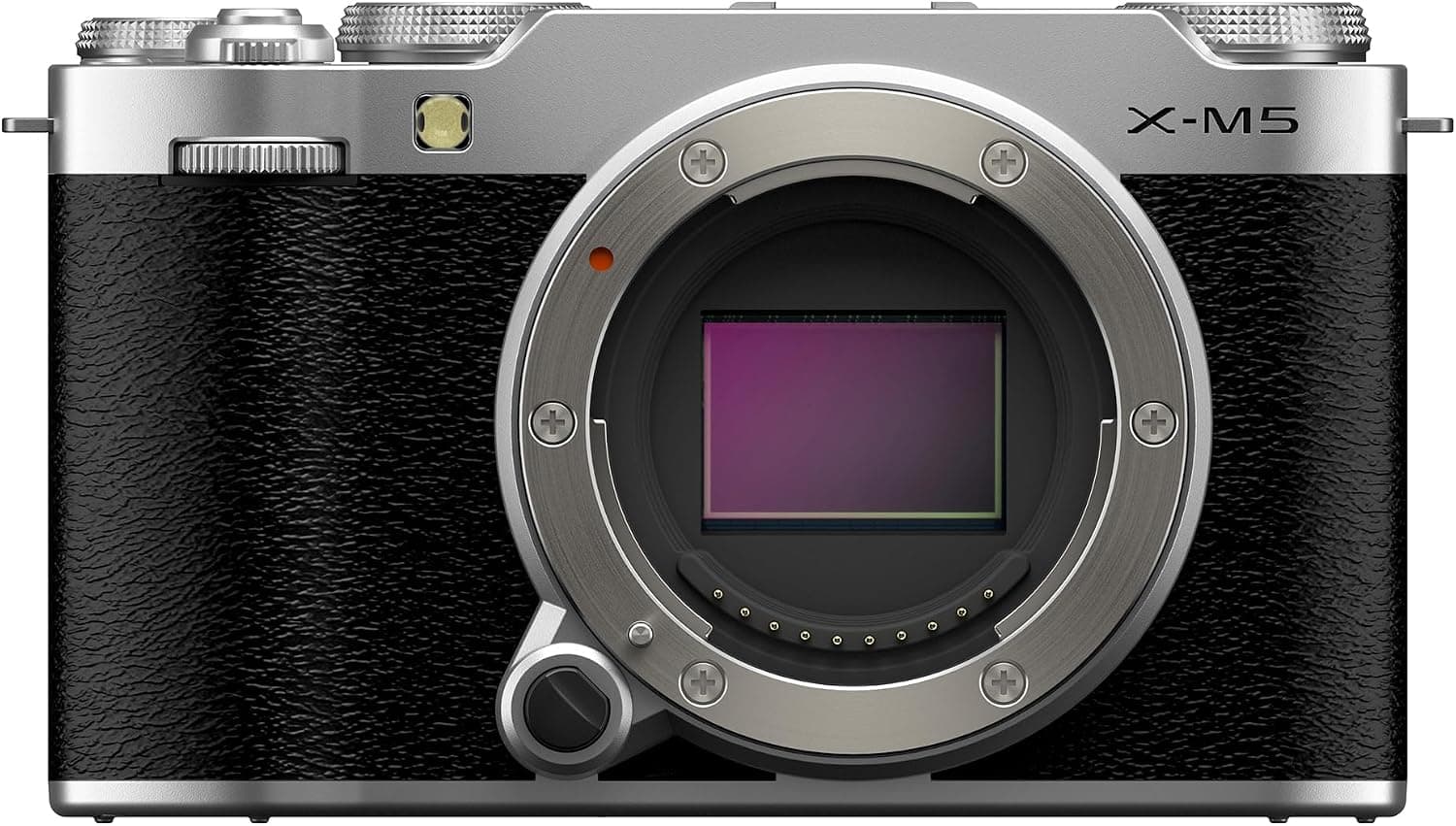 PickFujifilm X-M5 PickFujifilm X-M5 | 8.2
| $800 - $900 | Content creators who want Fujifilm color in a small, affordable body. Wins: Strong video for the price Skip: No in-body stabilization | Check Amazon · $800 - $900 Use the retailer for the current price after the tradeoff makes sense. Confirm lens mount, sensor format, battery, charger, and kit contents. |
| Best Value APS-CNikon Z50 II | 8.4
| $950 - $1,050 | Enthusiasts who want strong autofocus in an affordable APS-C body. Wins: Flagship-derived subject-detection autofocus Skip: No in-body stabilization | Check Amazon · $950 - $1,050 Use the retailer for the current price after the tradeoff makes sense. Confirm lens mount, sensor format, battery, charger, and kit contents. |
| PickCanon EOS R10 | 8.3
| $1,050 - $1,150 | Enthusiasts who want speed and reach in an affordable APS-C body. Wins: Fast burst shooting for the price Skip: No in-body stabilization | Check Amazon · $1,050 - $1,150 Use the retailer for the current price after the tradeoff makes sense. Confirm lens mount, sensor format, battery, charger, and kit contents. |
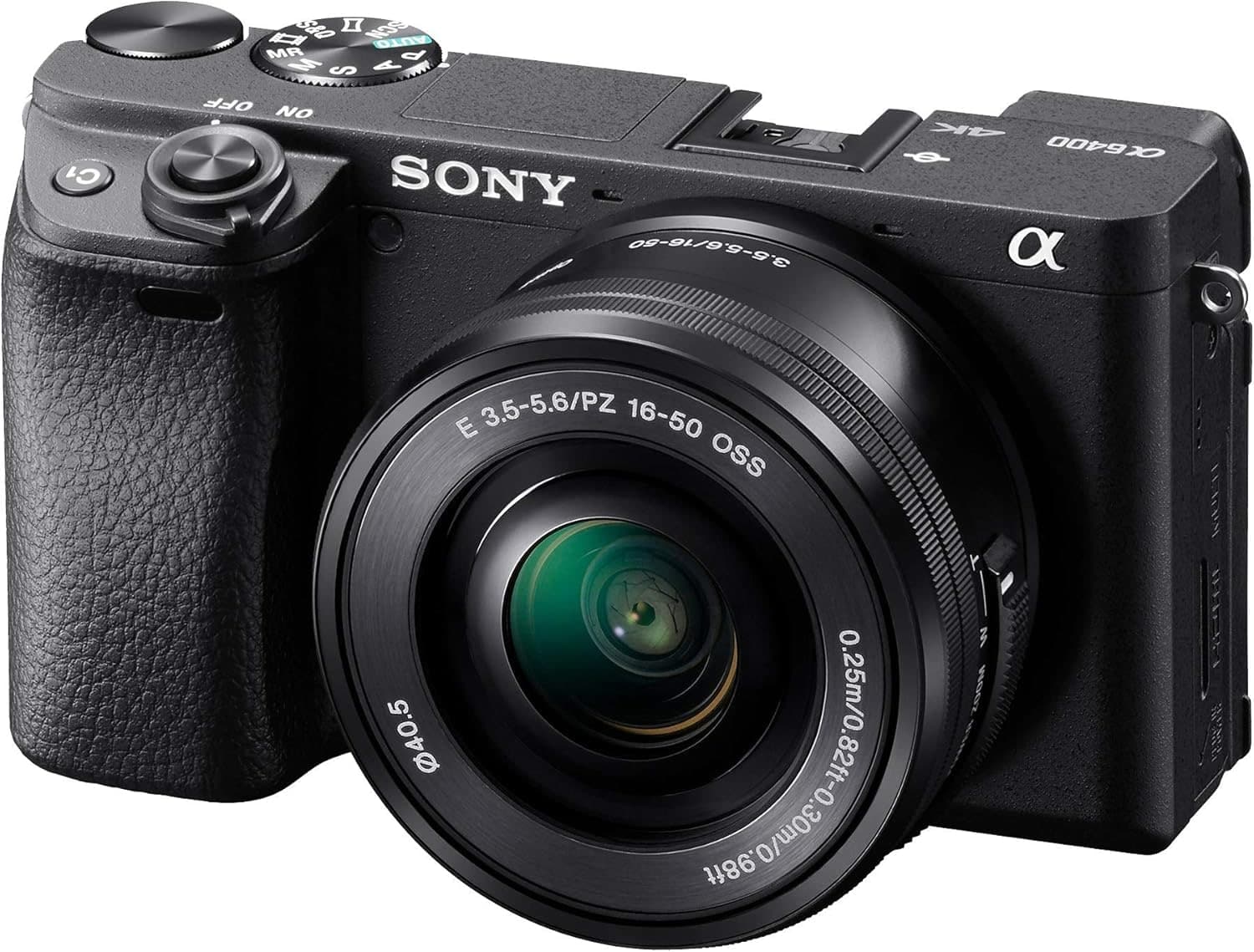 PickSony a6400 with 16-50mm lens PickSony a6400 with 16-50mm lens | 8.0
| $800 - $850 | Enthusiasts entering the Sony system who prioritize autofocus on a budget. Wins: Reliable, fast autofocus for the price Skip: No in-body stabilization | Check Amazon · $800 - $850 Use the retailer for the current price after the tradeoff makes sense. Confirm lens mount, sensor format, battery, charger, and kit contents. |
| Best Beginner KitCanon EOS R50 V | 8.6
| $569 - $650 | New creators who want an interchangeable-lens camera with video controls that make sense immediately. Wins: Creator-first controls Skip: No in-body stabilization | Check Amazon · $569 - $650 Use the retailer for the current price after the tradeoff makes sense. Confirm lens mount, sensor format, battery, charger, and kit contents. |
Keep going
Next useful steps
Pick one. Each link continues the same job without starting the research over.
Shoot kits
Buy around the job, not the spec sheet
Beginner photo
First real camera kit
$1,068
An affordable body, a sharp prime, a reliable card, and a small carry setup that does not turn learning into a hauling problem.
Best learning kit
Buy order: start with the first piece that makes the job possible, then add the support pieces that remove friction.
Camera: start here. If this piece does not make the shoot easier, the rest of the kit can wait.
Carry: add it after the core setup proves useful.
Canon EOS R50
Small, approachable, and good enough to learn exposure, autofocus, and lens choice properly.
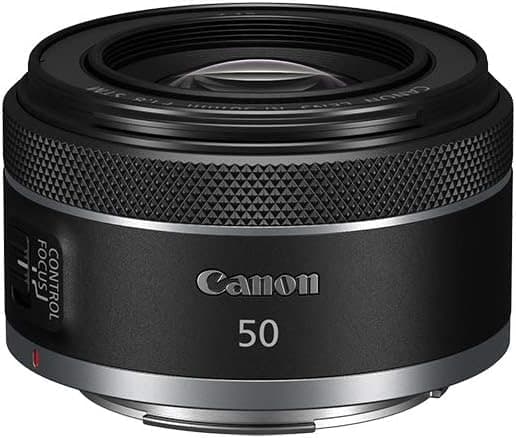
Canon RF 50mm f/1.8 STM
Cheap, bright, and useful for portraits, detail shots, and learning depth of field.
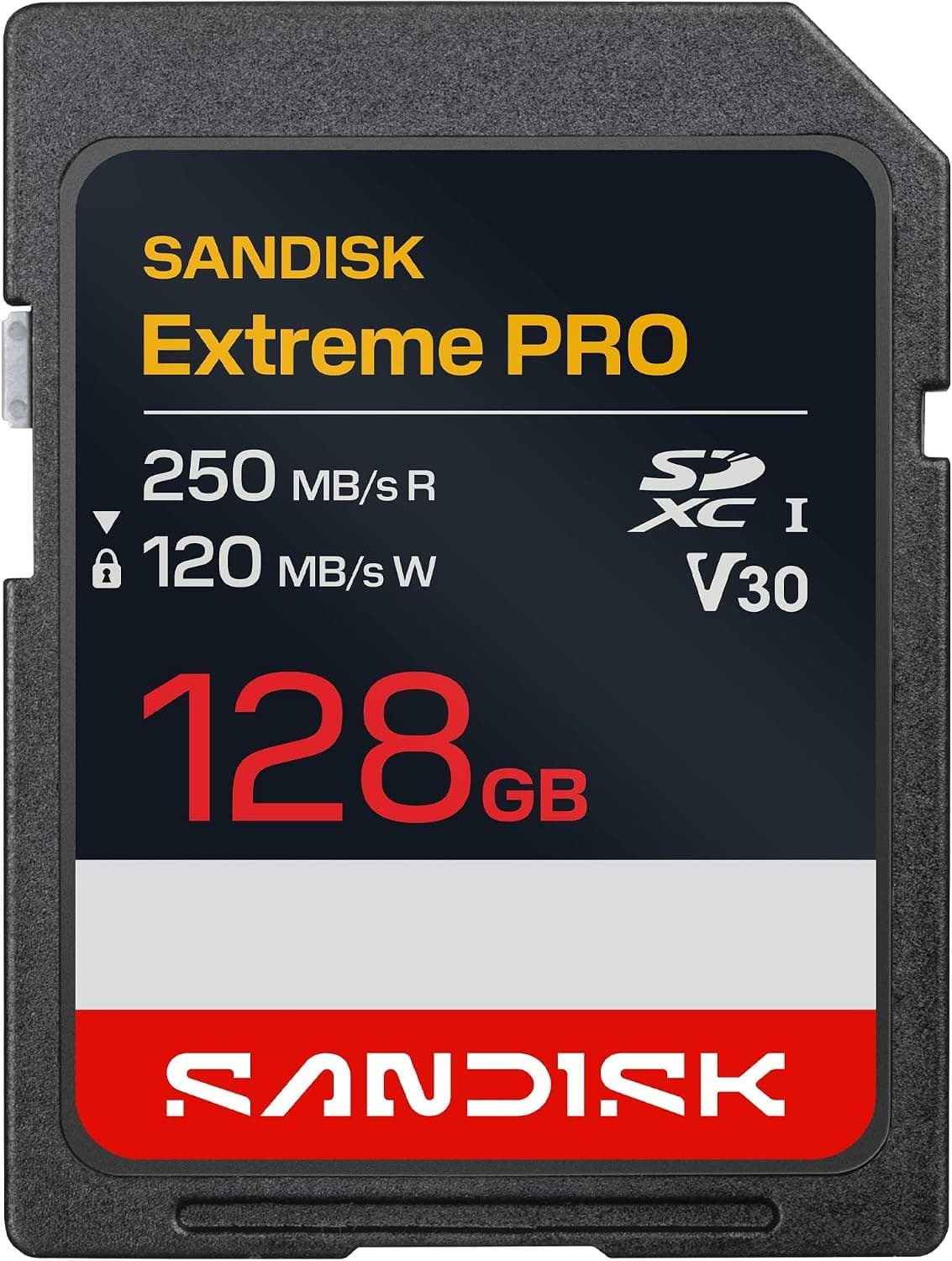
SanDisk Extreme Pro SDXC 128GB
Fast enough for normal stills and video without making storage the exciting purchase.
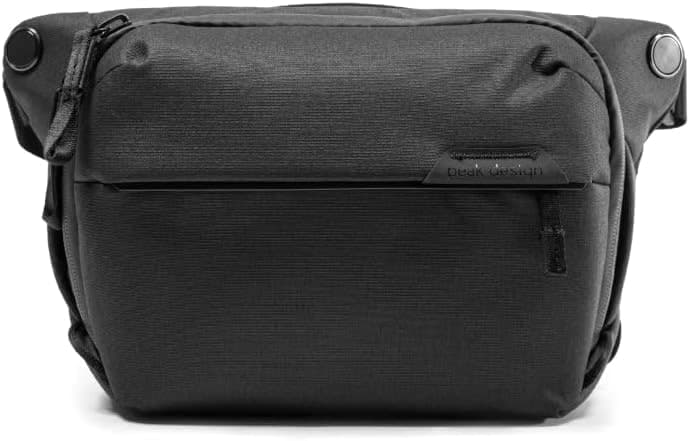
Peak Design Everyday Sling 6L V2
Room for a small body and lens without dragging a full backpack everywhere.
Prices are rough catalog totals. Retailer prices change, and you can swap pieces to fit your system.
Related Gear guides
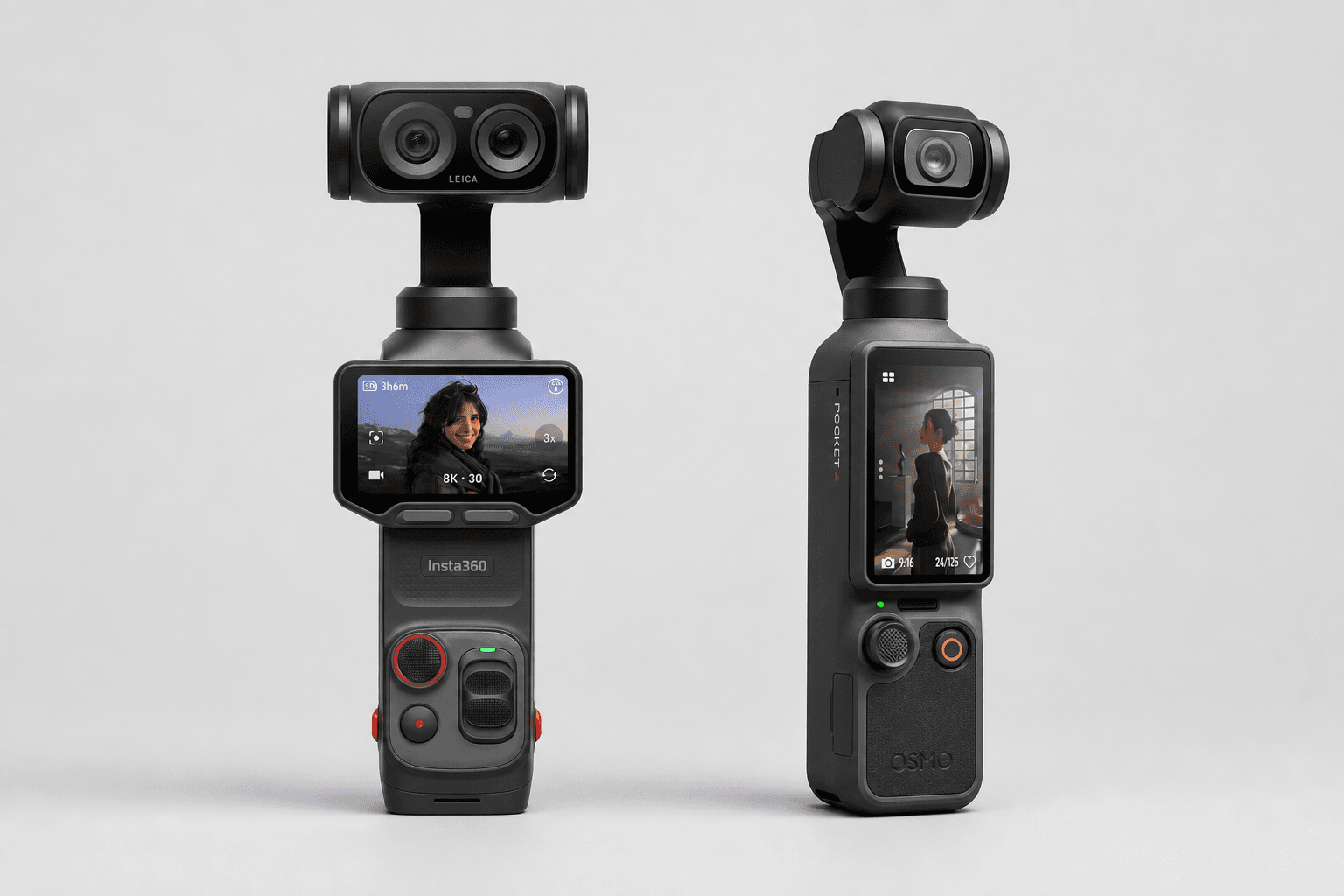
Insta360 Luna Ultra vs DJI Osmo Pocket 4: Which Pocket Gimbal Should You Buy?
Compare Luna Ultra and DJI Pocket 4 by lenses, video, Log formats, storage, U.S. availability, and the filming jobs each pocket gimbal handles best.
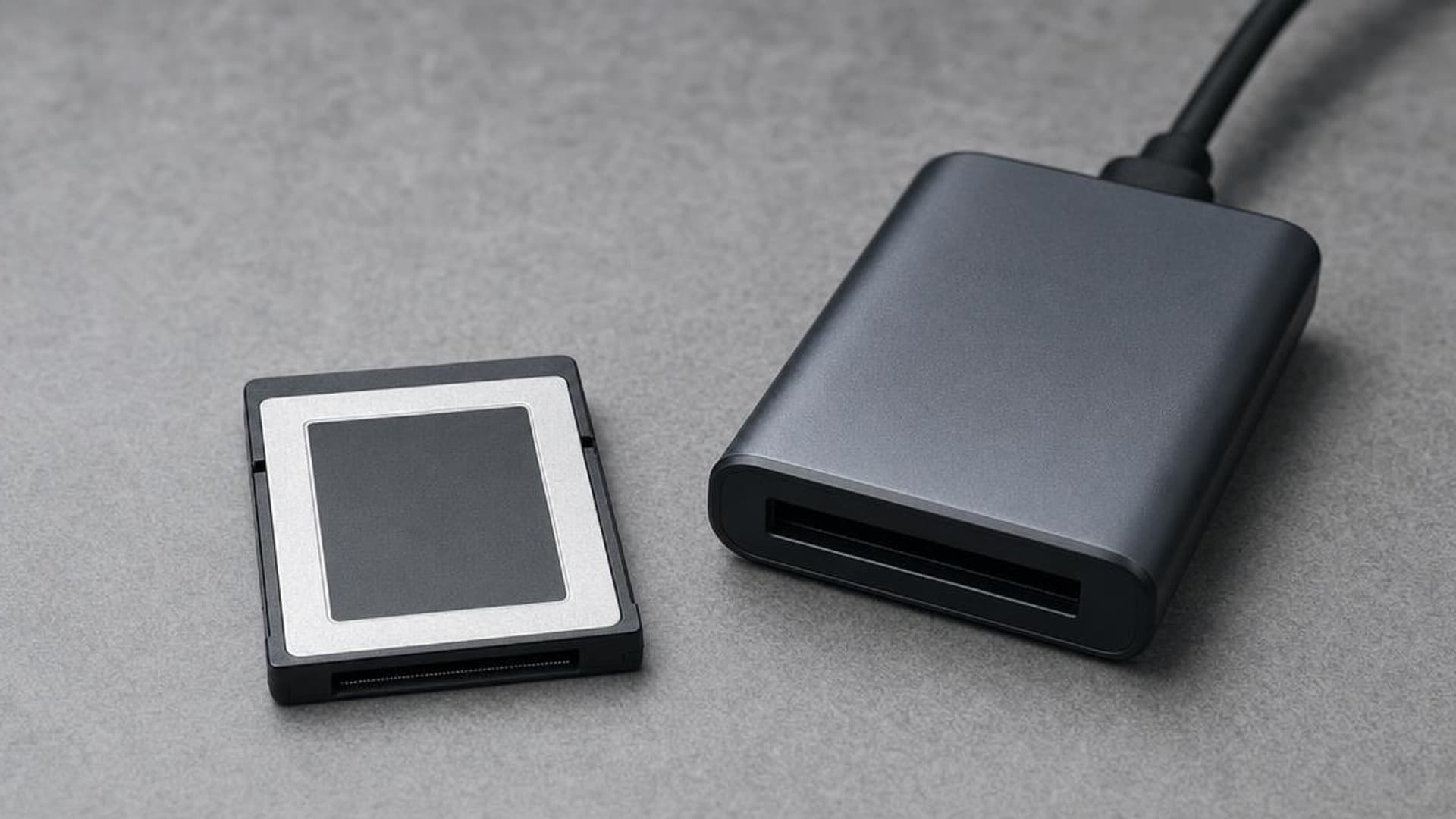
CFexpress 4.0 and VPG Explained: Buy the Card Your Camera Needs
CFexpress 4.0 doubles theoretical bandwidth, while VPG certifies sustained video writes. Learn Type A vs B, VPG classes, and when 4.0 is worth paying for.
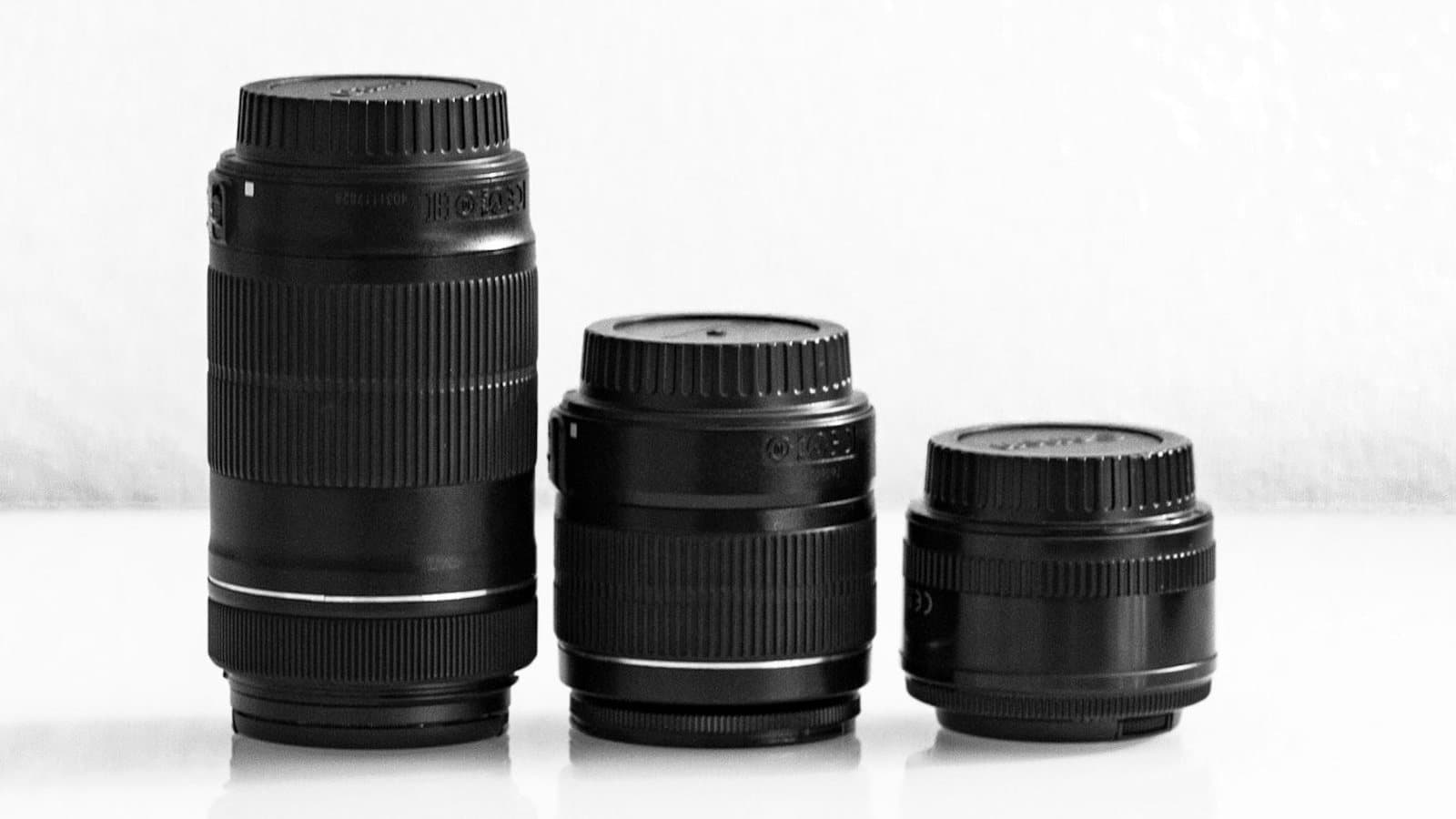
Focal Length Explained: What 24mm, 50mm, 85mm, and 200mm Actually Do
What the millimeter number on a lens changes in the field: angle of view, compression, and working distance. When to reach for 24, 50, 85, or 200mm.
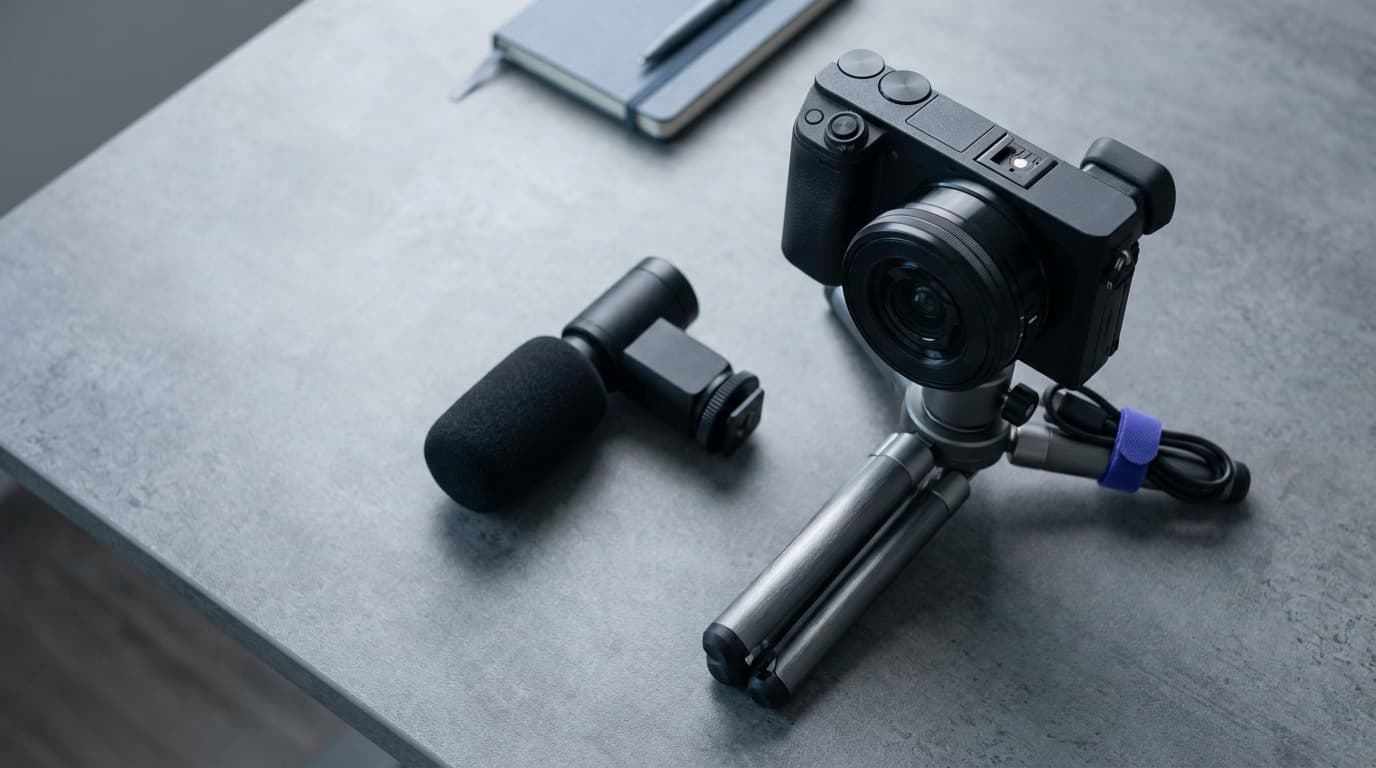
Canon EOS R50 V vs Sony ZV-E10 II: Which Beginner Vlogging Camera Should You Buy?
Canon EOS R50 V is the easier beginner creator kit. Sony ZV-E10 II is the deeper lens-system pick. Compare the practical tradeoffs.
Researched, not personally tested: picks compare specifications, available owner feedback, and established expert sources. As an Amazon Associate I earn from qualifying purchases. We may earn a commission from links here, at no extra cost to you. How we research →