We may earn a commission from links on this page, at no extra cost to you. Picks are researched, not sponsored.
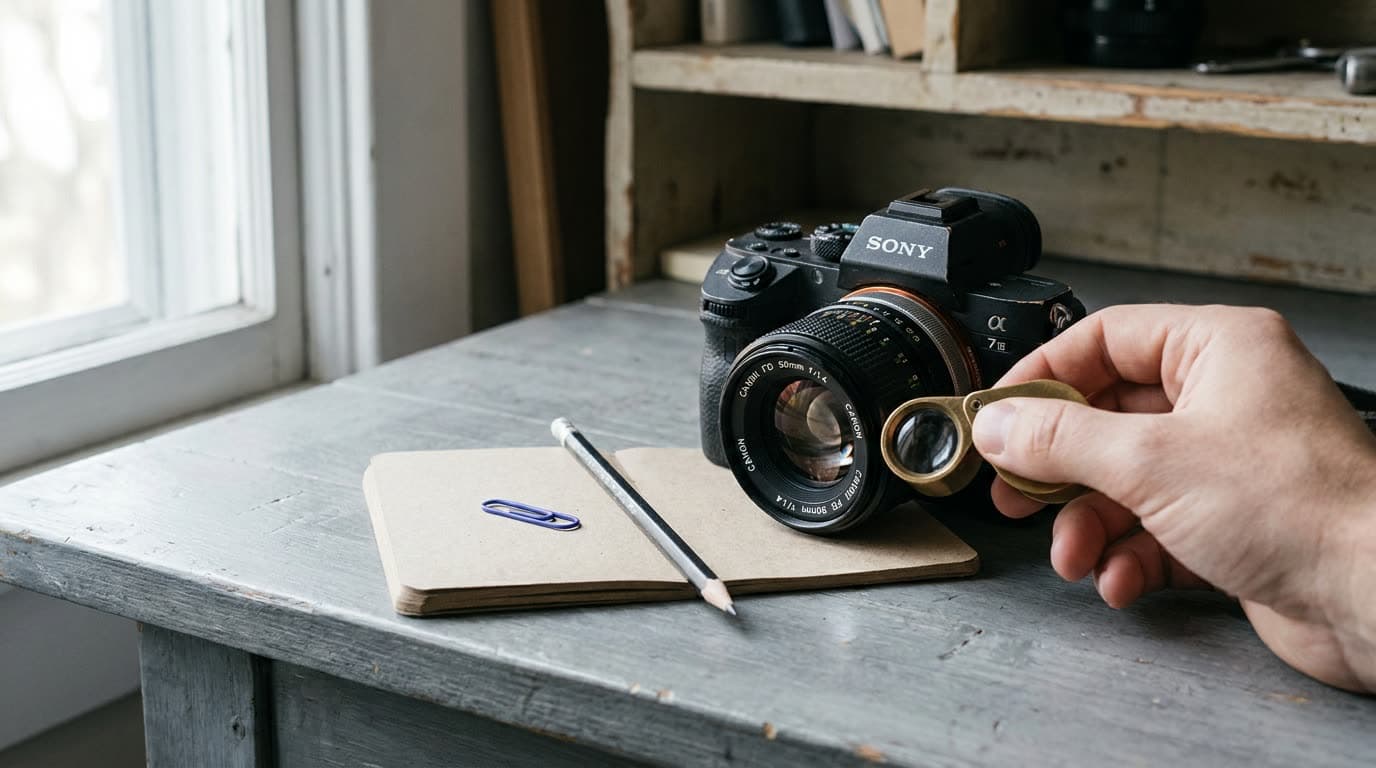
Camera gear holds value and ages well. A two- or three-year-old body or lens often performs almost identically to the current model for a fraction of the price, and most of the things that go wrong are easy to spot if you know where to look. The savings are real, but used buying rewards a careful eye and punishes a rushed one. This guide is how to be the careful buyer.
If you are still deciding what to buy in the first place, our what camera should you buy guide frames the decision, and the exposure triangle covers the fundamentals every used body and lens will put in your hands.
Why buy used
The case for used is simple: cameras and lenses depreciate quickly in the first year or two, then level off. Someone else absorbs that first drop, and you get gear that is nearly current for much less. Lenses in particular barely change year to year, so a well-kept lens from several years ago is often identical in image quality to a new one. The same money buys you a better body, faster glass, or both, used instead of new.
The risk is that you cannot see how a previous owner treated the gear. A camera that was babied looks and works like new; one that lived on a beach or in a damp closet can hide problems. The rest of this guide is about telling those two apart before your money leaves your hands.
Bring a small inspection kit
If you are meeting a seller in person, do not rely on their card, battery, or laptop. Bring a charged phone, a small flashlight, the right memory card, and a way to inspect files afterward. The goal is not to clean the seller's camera. The goal is to make your own test file, check the sensor, and leave with evidence instead of a vague feeling.
| Bring this | Why it matters |
|---|---|
| Known-good memory card | Confirms the card slot works and gives you files to inspect. |
| Small air blower | Clears loose dust before you decide a sensor or lens is damaged. |
| Card reader | Lets you check files, metadata, and offload speed without trusting a stranger's setup. |
Best SD Card
SanDisk Extreme Pro SDXC 128GB
Most enthusiasts shooting stills and standard 4K.
Check price at AmazonThe SanDisk Extreme Pro SDXC 128GB is the simple inspection card for most used mirrorless and DSLR bodies with an SD slot. Format it in the camera, shoot a few frames at different shutter speeds, then keep those files for metadata and sensor checks. If the body uses CFexpress instead, bring the matching card type, not an adapter guess.
Research pick
Giottos Rocket Air Blaster Sensor Cleaning Blower
Anyone keeping a sensor and lenses dust-free in the field.
Check price at AmazonThe Giottos Rocket Air Blaster is useful because it removes loose dust without touching the sensor or glass. Use it gently if the seller agrees, then retest the plain bright frame. Dust that moves is normal maintenance. Marks that stay in the same place deserve a much harder look.
Research pick
ProGrade Digital Dual-Slot CFexpress Type B and SD UHS-II Reader
Shooters mixing CFexpress Type B and SD who want quick offloads.
Check price at AmazonThe ProGrade dual-slot reader is the practical choice if you inspect both SD and CFexpress bodies. A reader lets you pull files onto your own laptop or phone adapter setup, check shutter-count metadata when the camera records it, and confirm that the card itself is not the bottleneck.
How to inspect a used camera body
Start with the shutter count, the closest thing to a camera's odometer. Every mechanical shutter is rated for a number of actuations, often in the low hundreds of thousands on enthusiast and pro bodies. A count well under the rating means plenty of life left; a count near or over it is a real risk. You can read the count from a recent file's metadata using free online tools, or ask the seller for a screenshot. A camera with a suspiciously low count on a heavily worn body is a flag the count may be wrong. Note that mirrorless cameras with electronic shutters may show low mechanical counts but still have heavy use, so weigh it alongside cosmetic wear.
Then check the sensor. Set a small aperture like f/16, point at a plain bright surface, and take a photo, then zoom in: a few specks of dust are normal and cleanable, but scratches or marks that do not move are sensor damage you cannot fix cheaply. Inspect the body for dents and cracks that suggest a hard drop, look at the lens mount for wear, and check the screen and viewfinder for cracks or dead pixels.
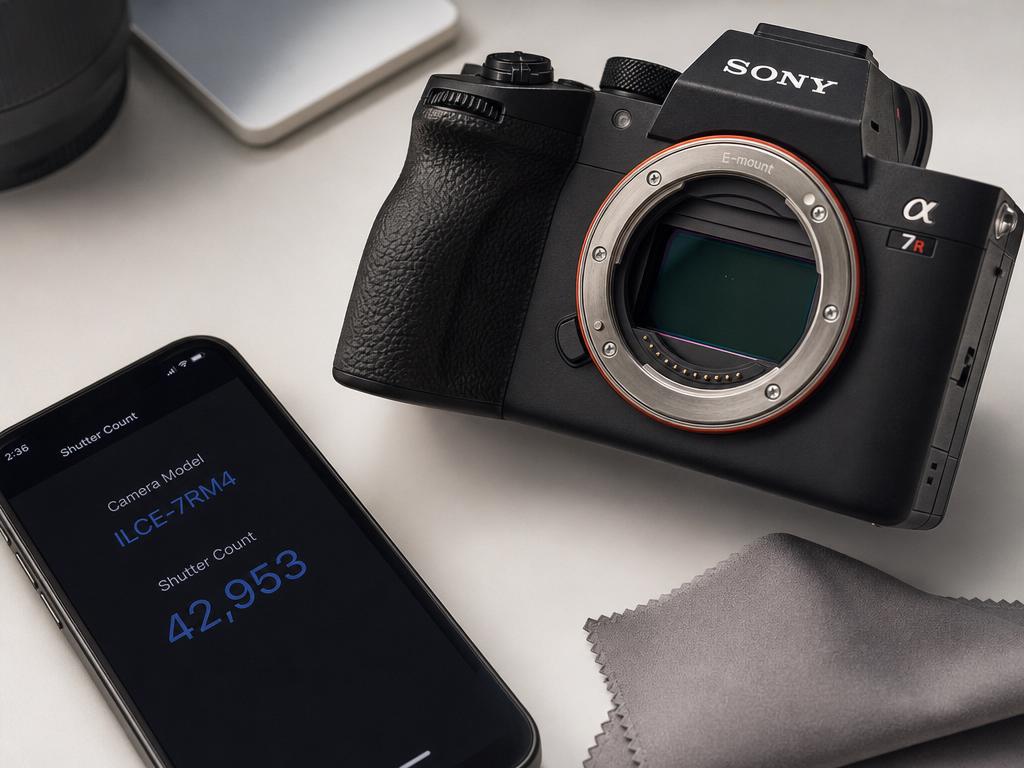
Last, test everything that moves or connects. Work every dial, button, and switch. Mount a lens and confirm autofocus and metering work. Open every door and try every port: the card slots, the battery door, the HDMI and USB and microphone jacks. Fire the shutter at a range of speeds. Check the battery holds a charge and ask how many batteries and chargers come with it. A body that passes all of this is very likely a good buy.
How to inspect a used lens
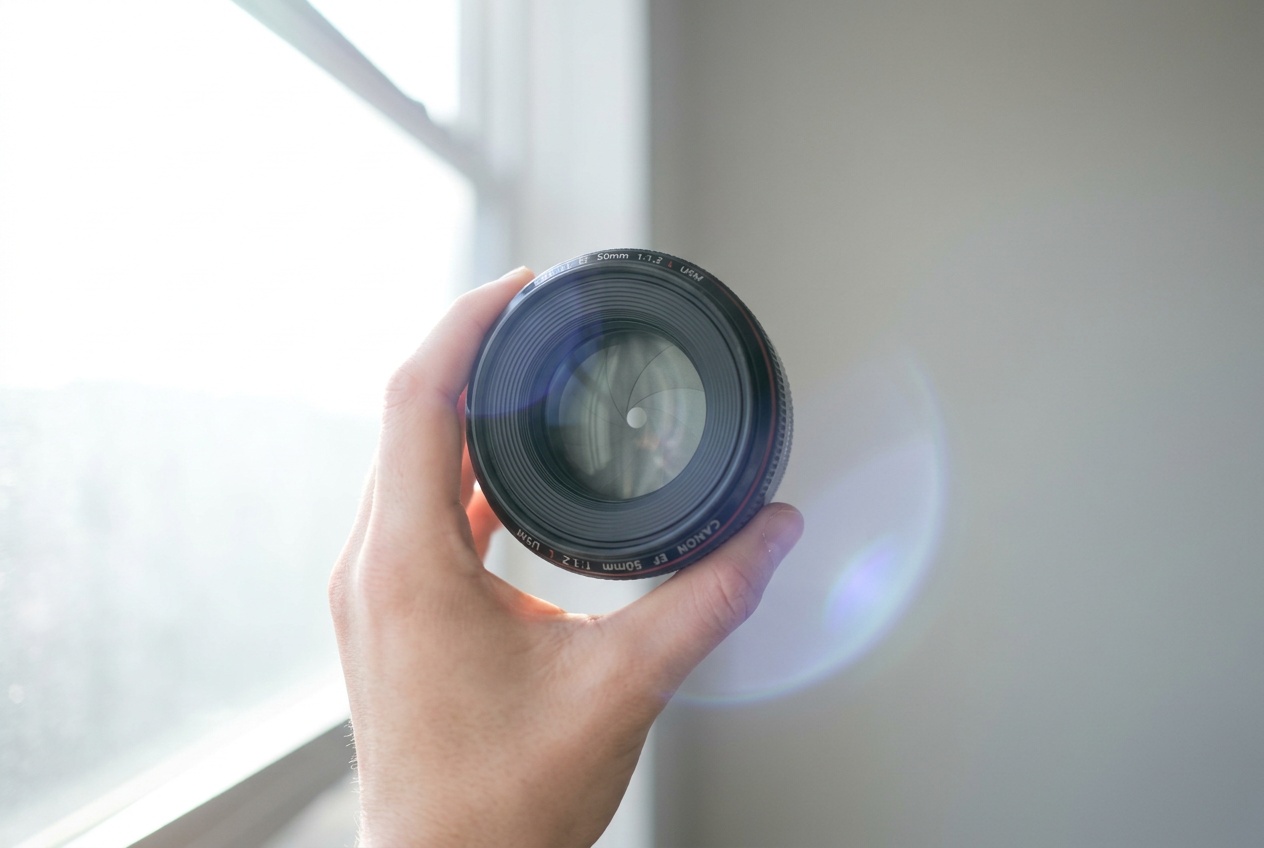
For a lens, the glass is everything. Hold it up to a bright light and look through it from both ends for fungus, which looks like fine white webbing or spots and can spread and etch the coatings; fungus is a reason to walk away. Look for haze, a milky internal cloudiness that softens images, and for separation, a rainbow or oily look where cemented elements have come apart. Surface dust inside a zoom is normal and rarely affects images; internal damage is the concern.
Then check the front and rear elements for scratches and coating wear under angled light. Light cleaning marks are usually harmless; deep scratches over the center can show in your photos. Look for oil on the aperture blades, which can make the aperture sluggish, and check that the blades open and close cleanly.
Last, test the mechanics. Turn the focus ring and the zoom ring through their full range; they should move smoothly without grinding or excessive play. Mount the lens and confirm autofocus drives quickly and locks, and that image stabilization, if it has it, kicks in without odd noises. Check the mount for wear and the filter threads for dents that would stop a filter screwing on. A lens with clean glass and smooth mechanics is often as good as new.
Where to buy used
Where you buy changes how much protection you get. Reputable used dealers, the specialist camera resellers and the used departments of major retailers, inspect, grade, and warranty their gear. You pay a little more than a private sale, but you get a return window and a warranty, which is worth a lot on an expensive body. This is the safest route, especially for your first used purchase or anything pricey.
Private sales, through classifieds and marketplace apps, are cheapest and riskiest. There is no warranty and little recourse, so the inspection above matters most here. Meet in person when you can, run through every check, and use buyer-protected payment rather than cash or irreversible transfers. Online auction and marketplace platforms sit in between: read the seller's feedback, favor detailed listings with real photos of the actual item, and lean on the platform's buyer protection.
Across all of them, a price that is far below the going rate is a warning, not a bargain. It usually means a hidden problem, a scam, or stolen gear. Check the typical used price first so you know what is reasonable, and be ready to walk away from a deal that feels off.
Common mistakes
The most common one is skipping the inspection because the price looks great and the seller seems nice, then discovering fungus or a worn-out shutter at home. The checks take minutes and save real money. The second is ignoring shutter count on a body that otherwise looks clean; a low price on a camera near its actuation rating is not a deal. The third is paying with an irreversible method on a private sale, which removes your only recourse if the gear is not as described. The fourth is chasing the cheapest listing anywhere; the safest used buy is often a dealer with a warranty, not the lowest number you can find.
When you have your gear home, our how to take sharp photos guide helps you put it to work, and best memory cards covers the cards a used body will need.
What is a safe shutter count to buy?
It depends on the camera's rating, which is often in the low hundreds of thousands of actuations for enthusiast and pro bodies, lower for entry-level ones. A count well under the rating leaves plenty of life; a count near or over it is a real risk and should be reflected in a much lower price. Read the count from a recent file's metadata or ask the seller for a screenshot, and weigh it against how worn the body looks.
How do I check a used lens for fungus?
Hold the lens up to a bright light and look through it from both ends. Fungus appears as fine white webbing, branching threads, or spots inside the glass. It can spread and etch the lens coatings over time, so it is a reason to walk away rather than negotiate. Surface dust is normal and harmless; internal fungus, haze, or element separation are the real concerns.
Is it safer to buy used from a dealer or a private seller?
A reputable used dealer is safer because the gear is inspected, graded, and usually comes with a return window and a warranty, which matters most on expensive bodies. Private sales are cheaper but carry no protection, so your own inspection has to be thorough and you should use a buyer-protected payment method. For a first used purchase or anything pricey, a dealer is the safer route.
Keep going
Next useful steps
Pick one. Each link continues the same job without starting the research over.
Shoot kits
Buy around the job, not the spec sheet
Beginner photo
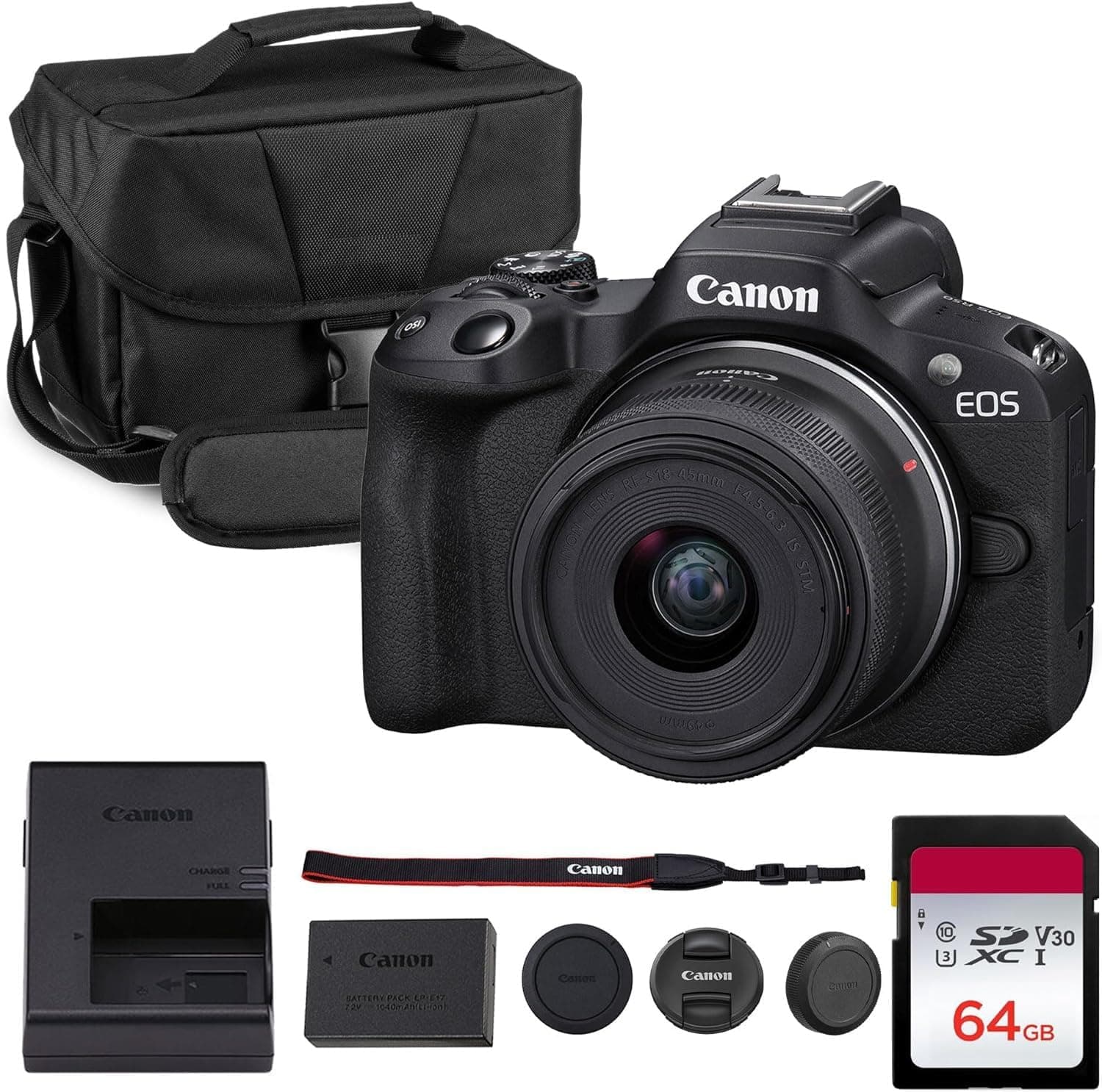
First real camera kit
$1,068
An affordable body, a sharp prime, a reliable card, and a small carry setup that does not turn learning into a hauling problem.
Best learning kit
Buy order: start with the first piece that makes the job possible, then add the support pieces that remove friction.
Camera: start here. If this piece does not make the shoot easier, the rest of the kit can wait.
Carry: add it after the core setup proves useful.
Canon EOS R50
Small, approachable, and good enough to learn exposure, autofocus, and lens choice properly.
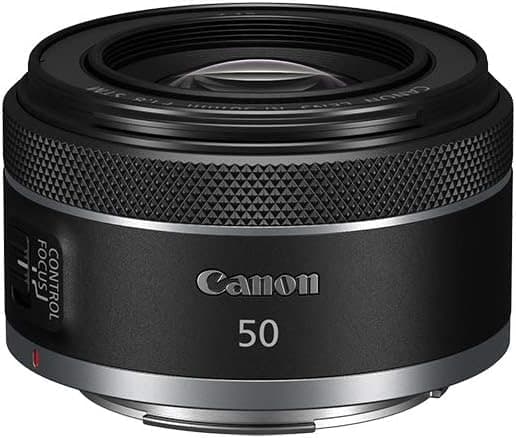
Canon RF 50mm f/1.8 STM
Cheap, bright, and useful for portraits, detail shots, and learning depth of field.
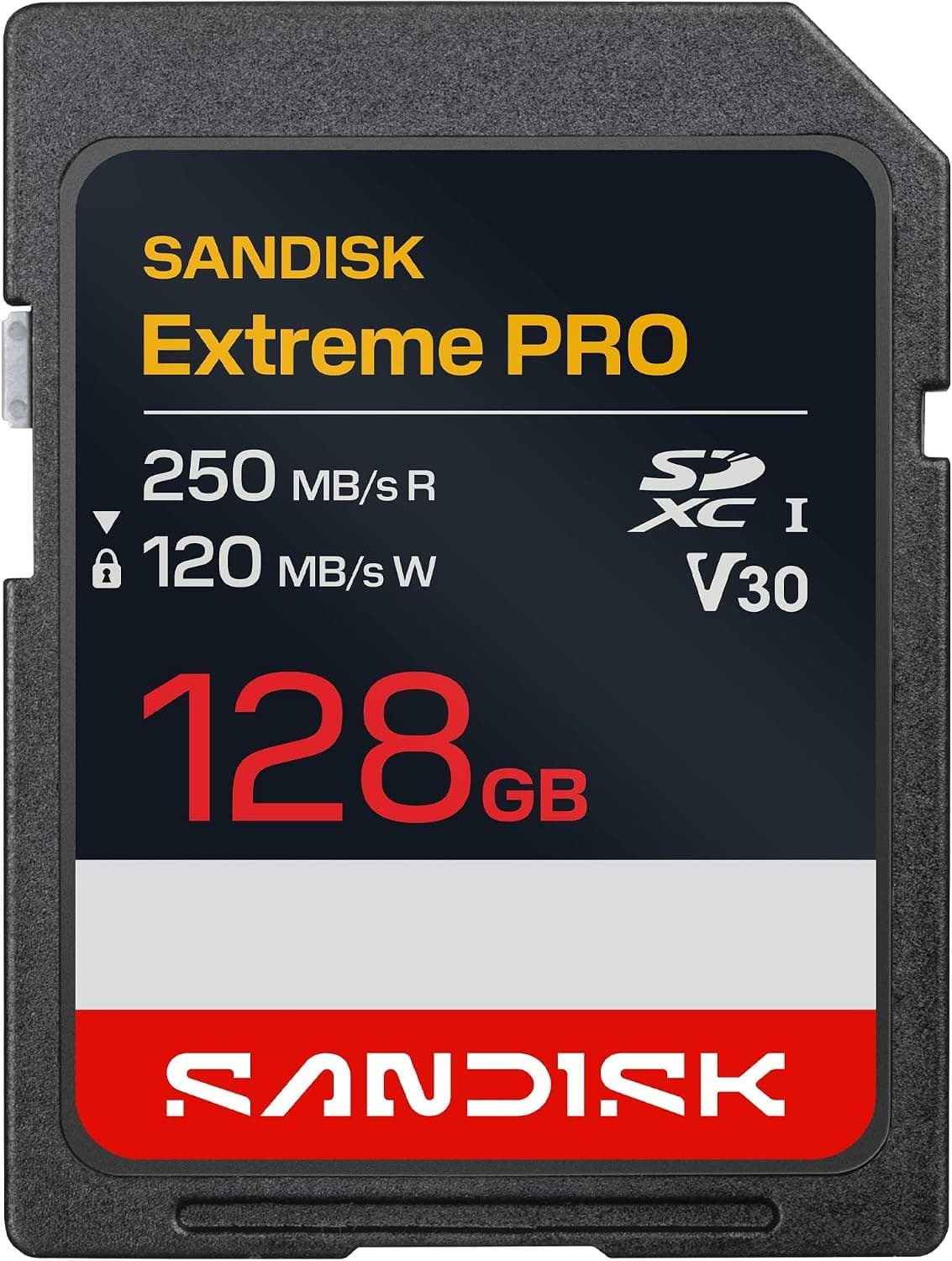
SanDisk Extreme Pro SDXC 128GB
Fast enough for normal stills and video without making storage the exciting purchase.
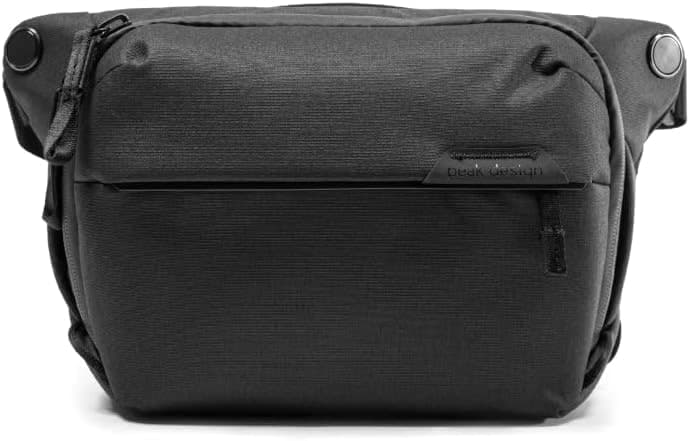
Peak Design Everyday Sling 6L V2
Room for a small body and lens without dragging a full backpack everywhere.
Prices are rough catalog totals. Retailer prices change, and you can swap pieces to fit your system.
Related Gear guides
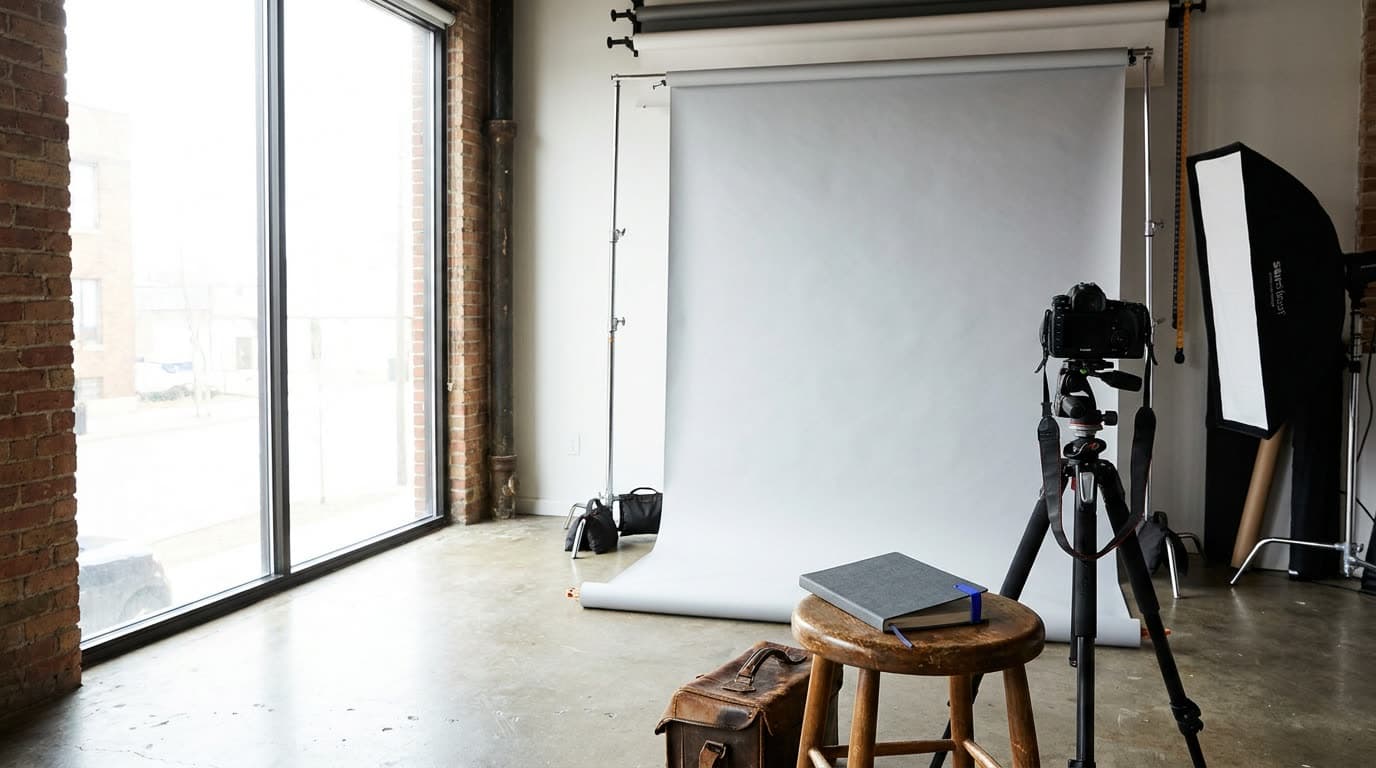
Best Backdrops and Stands in 2026: Studio Background Picks
The best backdrops and stands for home studios, with each pick's real size, height limit, and price, so you know whether it fits headshots, products, or full-length portraits.
Best Cameras for Beginners in 2026: First Interchangeable-Lens Picks
The best beginner cameras balance an easy interface, good autofocus, and room to grow. Here are six we recommend and how to pick the right first body.
Best Cameras for Video in 2026: Hybrid, Cinema, and Vlogging Picks
Panasonic Lumix S5 II is the value video pick; GH7 suits long recording, and Sony a7 IV is the hybrid choice. Compare six cameras by workflow.
Best Cameras Under $1000 in 2026: Beginner, Value, and Creator Picks
The best cameras under $1000 deliver strong autofocus and image quality without the full-frame price. Here are six picks and how to choose the right one.
Researched, not personally tested: picks compare specifications, available owner feedback, and established expert sources. As an Amazon Associate I earn from qualifying purchases. We may earn a commission from links here, at no extra cost to you. How we research →