We may earn a commission from links on this page, at no extra cost to you. Picks are researched, not sponsored.
Settings control how a photo is exposed; composition controls whether it is worth looking at. The good news is that strong composition is mostly a set of repeatable habits, not innate talent. Learn a few and your hit rate climbs immediately.
Place the subject deliberately
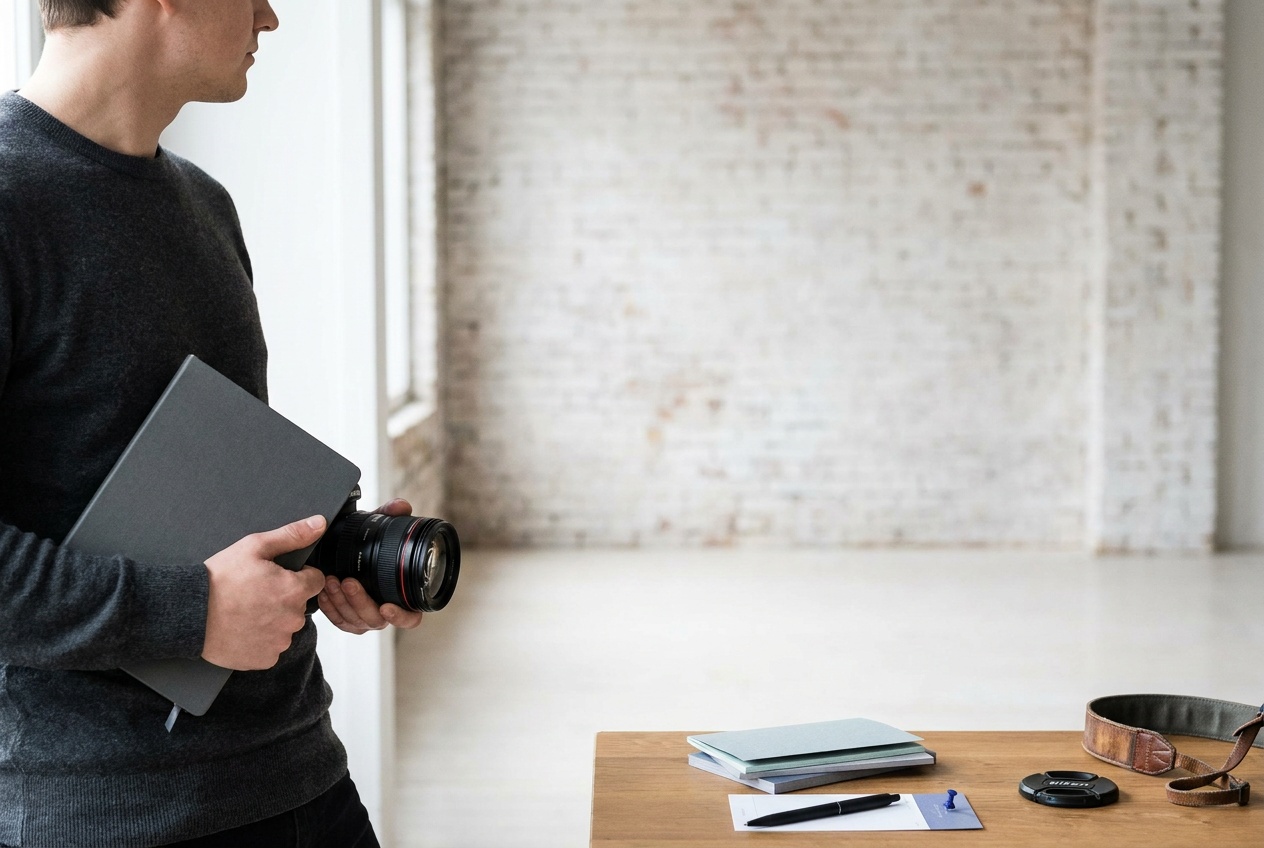
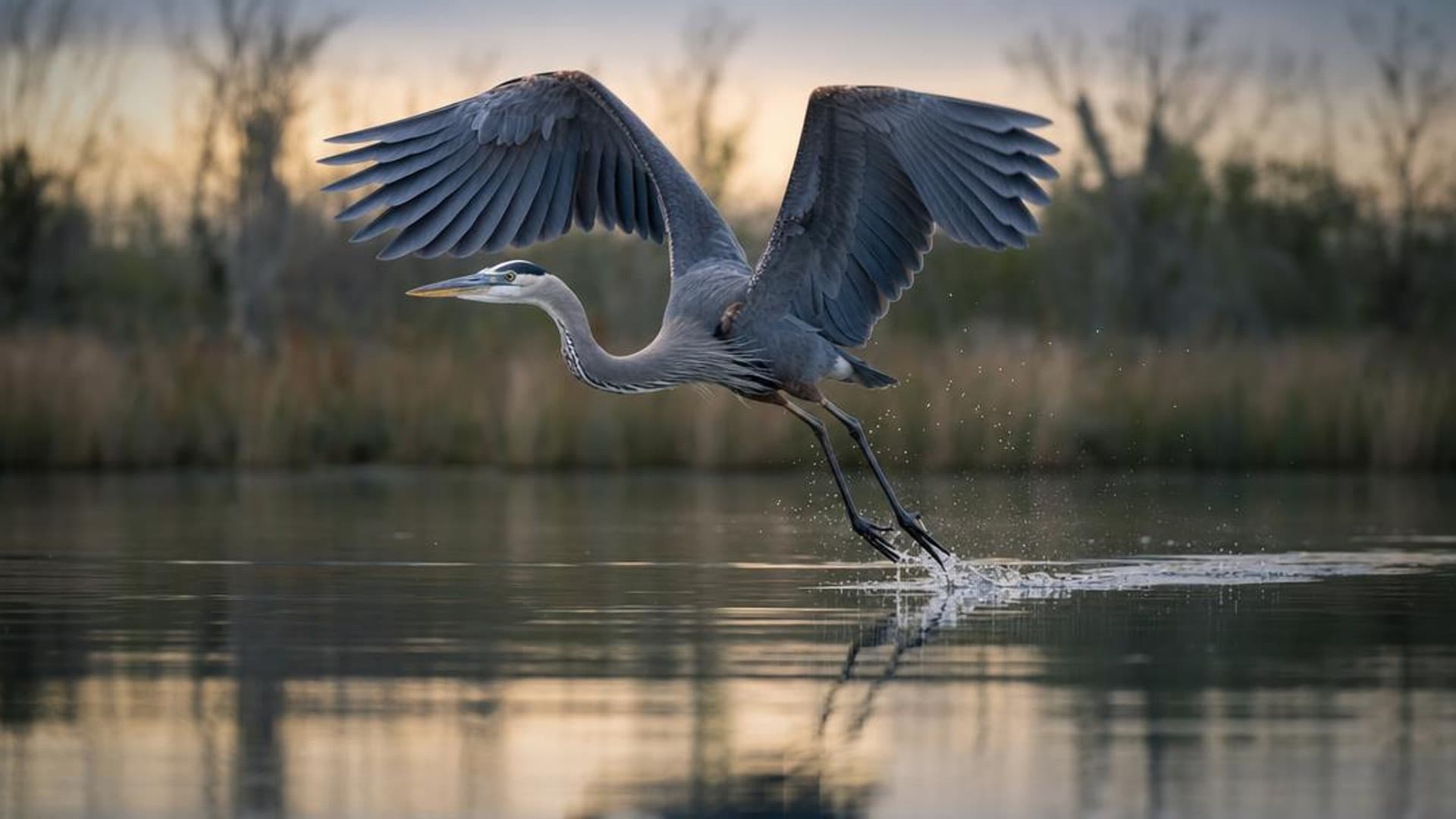
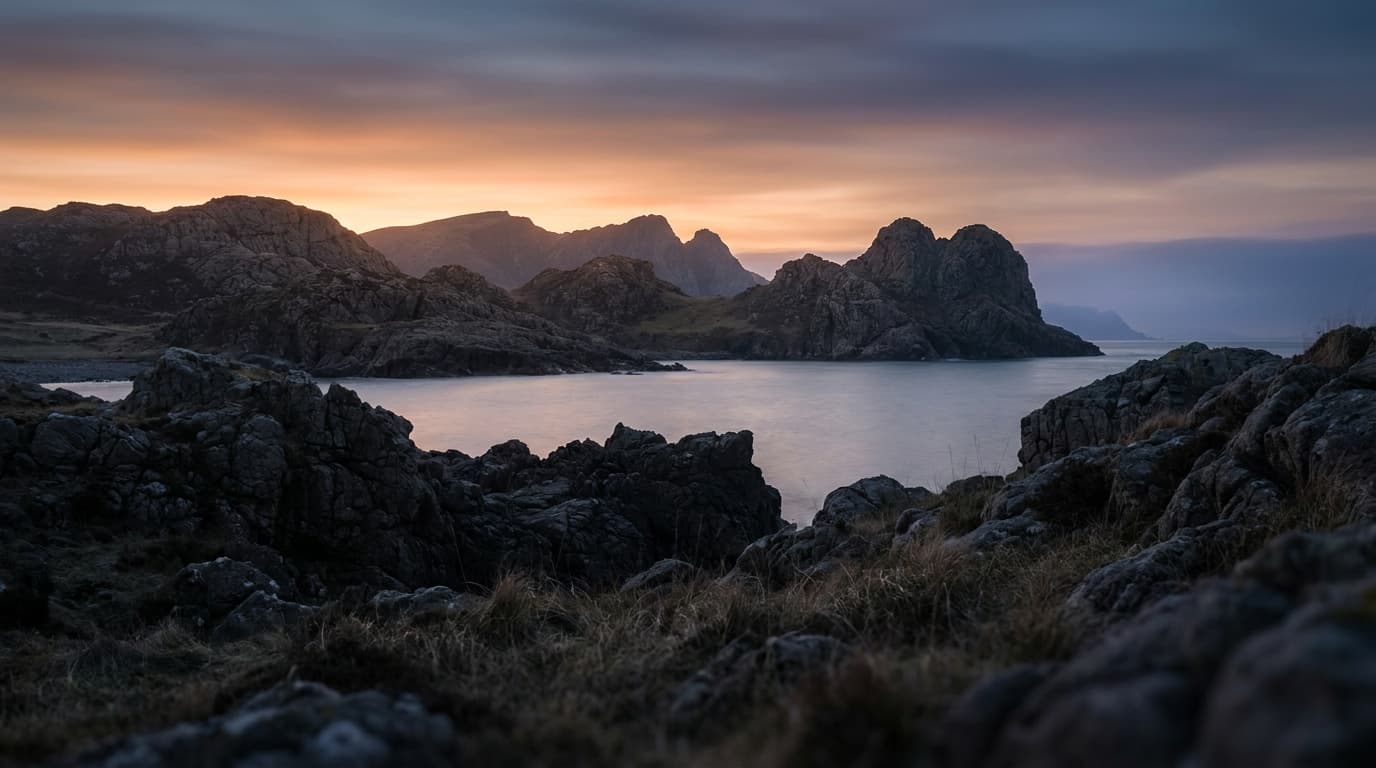
The fastest upgrade from snapshots is to stop centering everything. Imagine the frame split into thirds horizontally and vertically, and place your subject or the horizon along those lines rather than dead center. Off-center placement gives the eye somewhere to travel and the subject room to face into.
Lead the eye
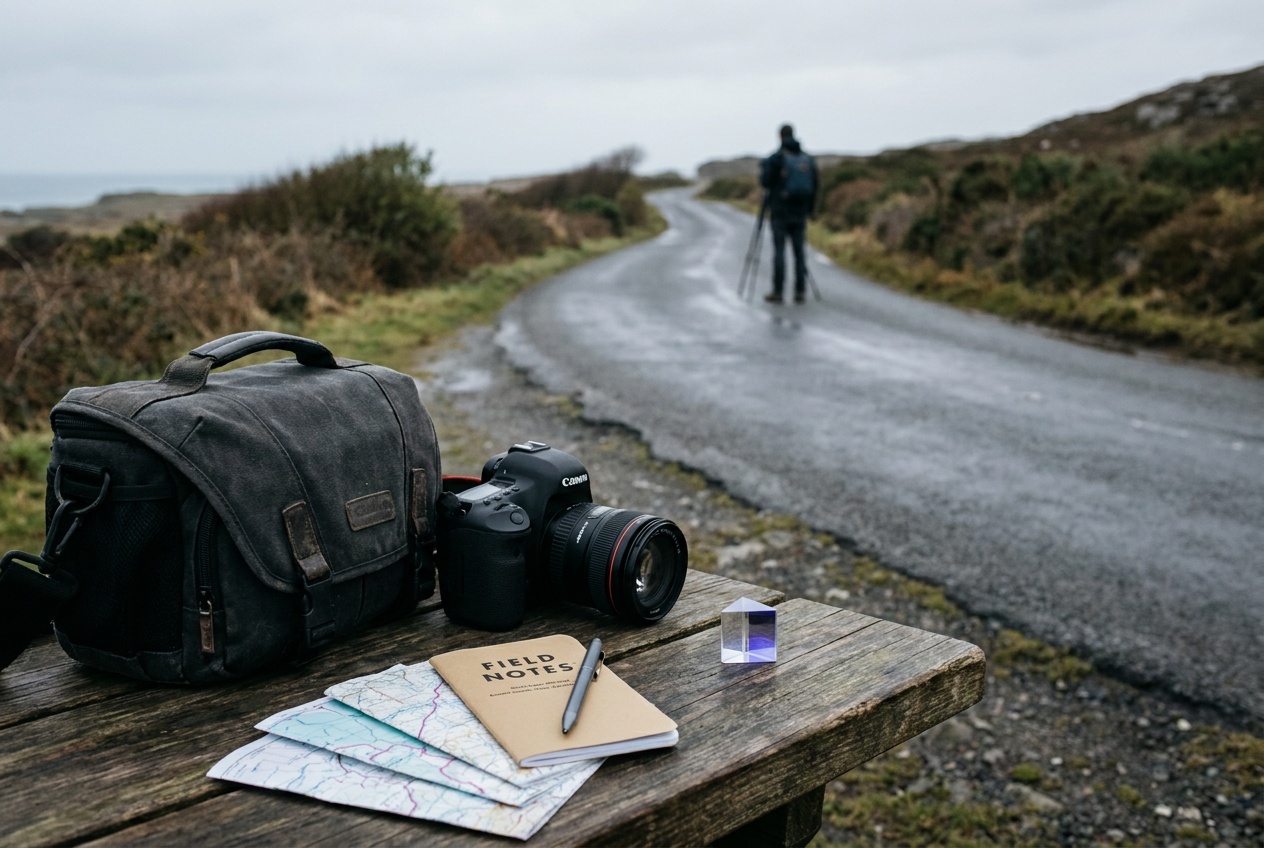
Lines pull attention through a photo. A road, a fence, a shoreline, or a row of columns all act as leading lines that draw the viewer toward your subject. Position yourself so the lines start near a corner and run inward.
Frame, balance, and simplify
Three more habits round it out. Frame the subject with something in the foreground, a doorway, branches, an arch, to add depth and focus attention. Balance the frame so one heavy element is not stranded in an empty half, or use that empty space, called negative space, on purpose to isolate a small subject. And simplify: the single most common fix is to step closer or change angle until the distracting clutter falls out of the frame.
Where this fits
Composition pairs with everything else here. Once your exposure is reliable, framing is what separates your work. It matters most in landscape and street photography, where the scene is found rather than arranged.
What is the rule of thirds?
Split the frame into a three-by-three grid and place key elements along the lines or at the intersections instead of in the center. It gives the composition balance and a natural path for the eye. Most cameras can overlay this grid in the viewfinder.
How do I make my photos less cluttered?
Get closer or change your angle until the distractions leave the frame. Simplify the background, watch the edges for half-cut objects, and ask what the photo is actually about. If an element does not support that, remove it.
Keep going
Next useful steps
Pick one. Each link continues the same job without starting the research over.
Related Learn guides

Content Credentials and C2PA Explained for Photographers
Content Credentials record a photo's signed provenance and edits. Learn what C2PA proves, what it cannot prove, and how capture-to-export workflows work.
Open Gate Video Explained: When 3:2 Is Worth It
Open Gate records a taller sensor area for flexible 16:9, 9:16, and square crops. See when it helps, what it costs, and how to frame it correctly.
Pre-Capture Photography Explained: Get the Frame Before the Click
Pre-Capture buffers photos before the shutter is fully pressed. Learn how it works, which settings change, and when RAW, flash, or focus may be limited.
RAW vs JPEG: Which File Format Should You Shoot?
RAW keeps all your sensor data for maximum editing freedom; JPEG is smaller and ready to share. Here is how they differ and when each one is the right call.
Researched, not personally tested: picks compare specifications, available owner feedback, and established expert sources. As an Amazon Associate I earn from qualifying purchases. We may earn a commission from links here, at no extra cost to you. How we research →