We may earn a commission from links on this page, at no extra cost to you. Picks are researched, not sponsored.
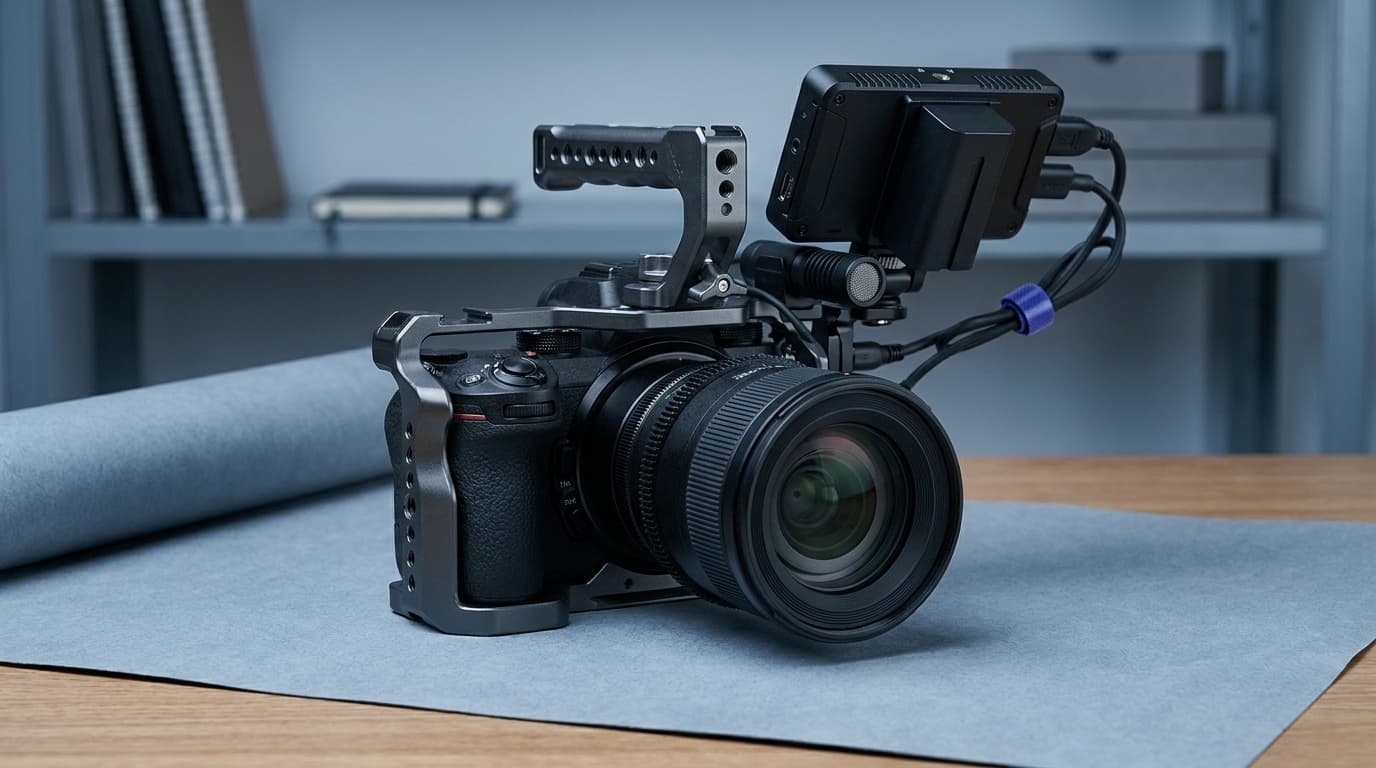
A good video camera is not just a stills camera that records movies. It needs the right codecs and bit depth for grading, autofocus that holds your subject through a move, stabilization for handheld work, and the ability to keep recording without overheating. The bodies below cover those needs across very different budgets and use cases, from a dedicated cinema rig to a camera that fits in a jacket pocket.
If you are new to the settings behind motion, our shutter speed explained guide covers the shutter-angle rule that gives video its natural-looking motion blur, and the exposure triangle ties the rest together. For menu labels like H.265, ProRes, S-Log3, and RAW, read video codecs, formats, Log, and RAW explained.

How do you choose a video camera?
Match the camera to how you actually shoot. A dedicated filmmaker should weigh codecs (internal RAW or ProRes), recording limits (active cooling matters), and a flat or log profile for grading. A hybrid shooter who wants strong stills and strong video should look for a balanced body with uncropped 4K and good autofocus. A vlogger or solo creator wants a flip-out screen, reliable face-tracking autofocus, a good mic or input, and light weight over everything else.
Two specs trip people up. Crop: many cameras shoot 4K 60p with a sensor crop, which changes your effective focal length, so check the full-width modes. Rolling shutter: slower sensor readout causes a skew on fast pans, and stacked or faster sensors reduce it. Sensor size shapes the look too; our sensor sizes explained guide covers how format affects depth of field and low-light video.
How do the picks compare?
The table below summarizes the six picks by sensor, headline video spec, price band, and who each one fits. The scores are editorial summaries; read the best-for notes and tradeoffs before buying.
| Camera | Sensor | Key video spec | Price band | Our rating | Best for |
|---|---|---|---|---|---|
| Panasonic Lumix S5 II | 24.2 MP full-frame | 6K 30p, 4K 60p | $1,800-$2,000 | 8.8 | Value-first filmmakers |
| Panasonic Lumix GH7 | 25.2 MP Micro Four Thirds | 5.7K 60p, 4K 120p, internal ProRes RAW | $1,890-$2,130 | 8.8 | Dedicated rigs and long records |
| Sony a7 IV | 33 MP full-frame | 4K 60p (Super 35), 4K 30p full width | $1,990-$2,240 | 9.0 | Hybrid stills-and-video shooters |
| Fujifilm X-H2S | 26 MP APS-C stacked | 6.2K 30p, 4K 120p | $1,990-$2,240 | 8.9 | Fast action, low rolling shutter |
| Sony ZV-E10 II | 26 MP APS-C | 4K 60p (with crop), 3-capsule mic | $1,000-$1,100 | 8.4 | Vloggers who want lenses |
| Sony ZV-1 II | 20 MP 1-inch | 4K 30p, fixed 18-50mm equivalent zoom | $850-$950 | 8.0 | Pocketable grab-and-go video |
Which video camera is best for each workflow?
Best for Video
Panasonic Lumix S5 II
Filmmakers and hybrid shooters who prioritize video on a budget.
Check price at AmazonThe Panasonic Lumix S5 II is the best value pick for filmmakers. Panasonic's video tooling has long been excellent, and the S5 II finally pairs it with phase-detection autofocus that tracks reliably, which removes the one real reason to skip these bodies. You get 6K open-gate capture, good in-body stabilization, and full-frame image quality for less than most rivals. It is the body to get if video leads and budget matters.
Researched from: Panasonic Lumix S5 II official specs, available retailer feedback, and expert coverage.
Research pick
Panasonic Lumix GH7
Filmmakers who want a compact, video-focused workhorse.
Check price at AmazonThe Panasonic GH7 is the dedicated video workhorse. The Micro Four Thirds sensor is smaller, but you get internal ProRes RAW, 5.7K 60p, 4K 120p, and an active cooling fan that lets it record without the overheating cutoffs that plague many hybrids. For a locked-off interview rig, an event camera, or any job where the camera runs for hours, this is the safe choice. Stills are secondary here, which is the point.
Researched from: Panasonic Lumix GH7 official specs, available retailer feedback, and expert coverage.
Best Overall
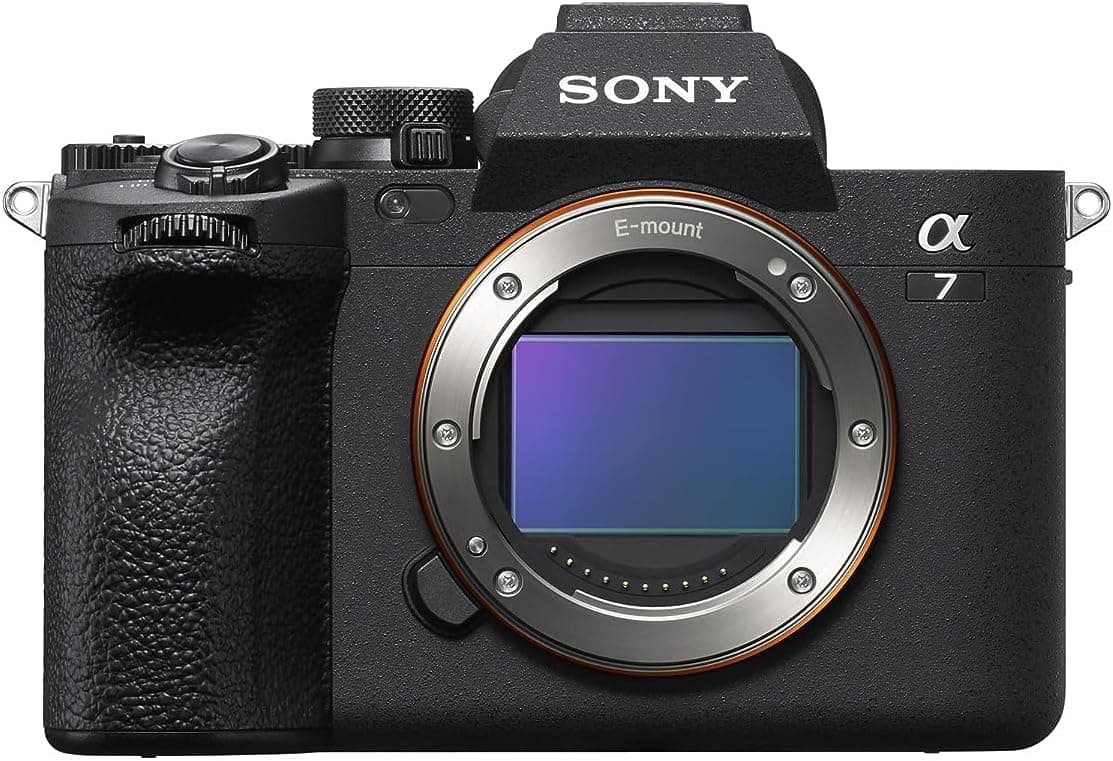
Sony a7 IV
Photographers who want one body that covers stills and video without specializing in either.
Check price at AmazonThe Sony a7 IV is the best hybrid pick if you split your time between stills and video. The 33 MP full-frame sensor gives you genuinely strong photos, and the video is good for most needs with reliable autofocus and a fully articulating screen. The catch for video is a crop on 4K 60p and visible rolling shutter on fast pans, so it suits controlled shooting more than run-and-gun action. As a one-body solution, it is hard to beat.
Researched from: Sony a7 IV official specs, available retailer feedback, and expert coverage.
Research pick
Fujifilm X-H2S
Action and video shooters who want speed within the Fujifilm system.
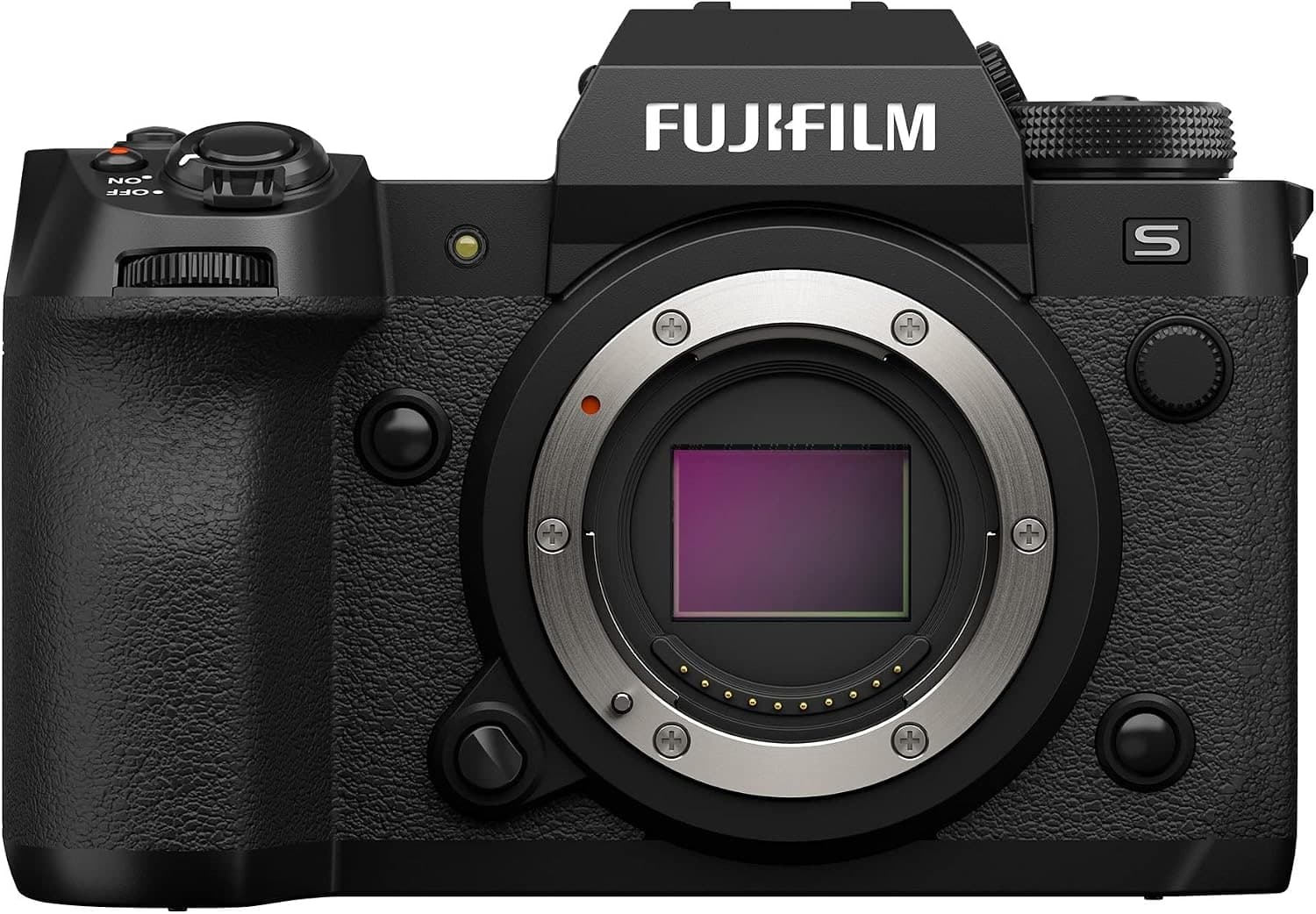
Check price at AmazonThe Fujifilm X-H2S is the speed pick. Its stacked APS-C sensor reads out fast, which means low rolling shutter, 4K up to 120p, and bursts that keep up with action, all useful when you shoot both fast video and stills. It is the video flagship of the Fujifilm X system, so if you already own X-mount glass or want film simulations in your footage, this is the body that does not compromise on motion.
Researched from: Fujifilm X-H2S official specs, available retailer feedback, and expert coverage.
Best Lens System Step-Up
Sony ZV-E10 II
Vloggers and content creators who want interchangeable lenses without a viewfinder.
Check price at AmazonThe Sony ZV-E10 II is the best dedicated vlogging camera here. It drops the viewfinder for a vari-angle screen, adds a three-capsule directional mic, and includes creator features like product-showcase focus and a background-defocus button. The interchangeable lenses give you room to grow beyond a fixed-lens vlogging camera. If you talk to camera and move while you do it, this is built for exactly that.
Researched from: Sony ZV-E10 II official specs, available retailer feedback, and expert coverage.
Research pick
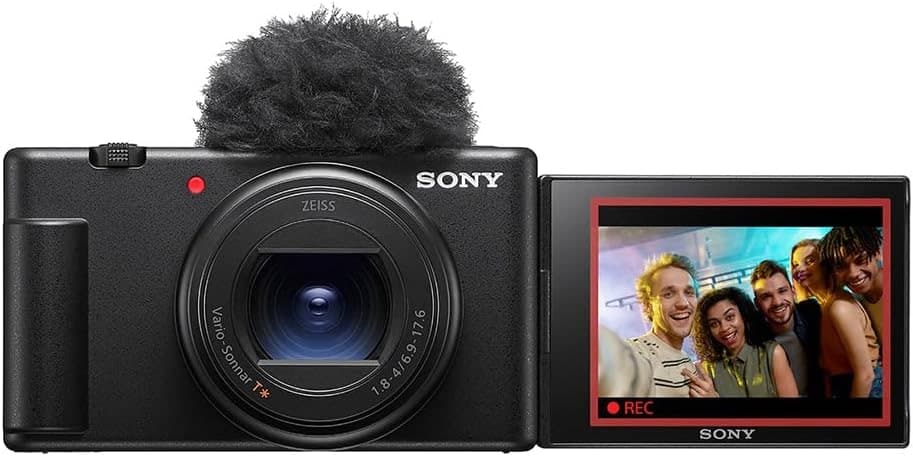
Sony ZV-1 II
Vloggers who want a pocketable upgrade from a smartphone.
Check price at AmazonThe Sony ZV-1 II is the pocketable grab-and-go option. The fixed 18-50mm equivalent zoom is wide enough for handheld vlogging at arm's length, the 1-inch sensor is a clear step up from a phone, and the whole thing fits in a jacket pocket. It will not match the larger sensors above for low light or background blur, but for travel and everyday video where size wins, it is the easiest camera to actually carry.
Researched from: Sony ZV-1 II official specs, available retailer feedback, and expert coverage.
What mistakes should you avoid?
The most common one is buying for a codec you will never use. Internal RAW and ProRes are great, but they fill cards fast and demand a strong editing computer; for most creators a good 10-bit 4K file is plenty. The second is ignoring overheating; a hybrid that cuts off after twenty minutes is a problem for interviews and events, where a cooled body earns its keep. The third is forgetting audio and support: a camera is half the rig, and a cheap mic plus a fluid-head tripod or a gimbal does more for your footage than a sensor upgrade.
When the camera is sorted, technique is next. Our gimbal moves and technique guide covers stabilized motion, and the real estate photography workflow shows how stills and video frames work together on a real shoot.
Do I need full-frame for video?
No. Full-frame gives shallower depth of field and better low-light performance, but Micro Four Thirds and APS-C bodies like the GH7 and X-H2S are favorites among filmmakers for their codecs, reliability, and smaller, cheaper lenses. Choose based on the look you want and your budget, not on format alone.
What is the overheating problem with video cameras?
Many hybrid cameras pack a stills-sized body around a sensor that runs hot during long video recording, so they shut off to protect themselves, sometimes after fifteen to thirty minutes. For short clips this rarely matters. For interviews, events, or anything continuous, look for a body with active cooling, such as the GH7, or plan around the recording limit.
Should a beginner videographer buy a vlogging camera or a hybrid?
If your work is mostly talking to camera and short-form content, a vlogging camera like the ZV-E10 II is purpose-built and simpler to run. If you want one body that shoots strong stills and video, a hybrid like the a7 IV or S5 II is the more flexible long-term buy. Decide by what you will record most.
Compare picks
The short version
Use this to narrow the list before opening the detailed cards.
Scores weigh fit, owner sentiment, build, and value. Affiliate links do not change pick order. Methodology
Buying order
Start with the skip note. A good deal on the wrong camera is still the wrong camera.
Compare verdictsIf you already own lenses, check the system path before buying into a new mount.
Check systemsOnce the fit makes sense, compare current deals and retailer listings.
Check current dealsCamera system shortcut
If you already own one of these systems, keep the comparison inside that ecosystem before checking out.
Autofocus hybrid kits
APS-C travel kits
Photographers who want one body that covers stills and video without specializing in either.
Use the retailer for the current price after the tradeoff makes sense. Confirm lens mount, sensor format, battery, charger, and kit contents.
Tradeoff: No in-body stabilization
Use the retailer for the current price after the tradeoff makes sense. Confirm mount, focal length, filter size, and autofocus compatibility.
Action and video shooters who want speed within the Fujifilm system.
Use the retailer for the current price after the tradeoff makes sense. Confirm lens mount, sensor format, battery, charger, and kit contents.
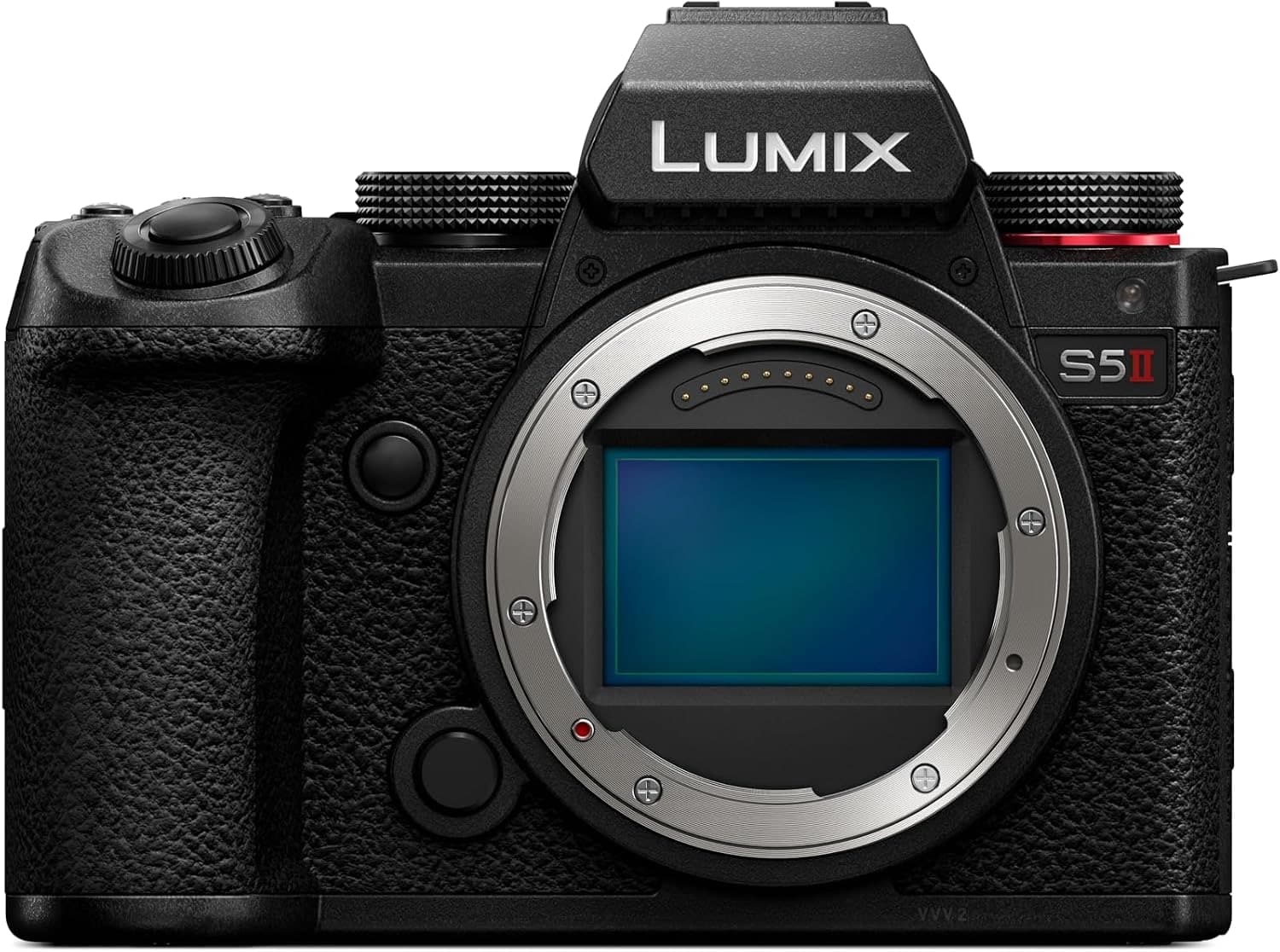
Filmmakers and hybrid shooters who prioritize video on a budget.
Use the retailer for the current price after the tradeoff makes sense. Confirm lens mount, sensor format, battery, charger, and kit contents.
Price ladder
The useful range here runs from $1,000 to $2,115. Start with the ceiling that matches the assignment.
- Filmmakers and hybrid shooters who prioritize video on a budget.
- Excellent video features and codecs
- Autofocus still trails Sony and Canon in tracking
Use the retailer for the current price after the tradeoff makes sense. Confirm lens mount, sensor format, battery, charger, and kit contents.
- Filmmakers who want a compact, video-focused workhorse.
- Internal ProRes RAW recording
- Smaller sensor limits shallow depth of field and low light
Use the retailer for the current price after the tradeoff makes sense. Confirm lens mount, sensor format, battery, charger, and kit contents.
- Photographers who want one body that covers stills and video without specializing in either.
- Strong autofocus with reliable subject tracking
- 4K 60p comes with an APS-C crop
Use the retailer for the current price after the tradeoff makes sense. Confirm lens mount, sensor format, battery, charger, and kit contents.
- Action and video shooters who want speed within the Fujifilm system.
- Stacked sensor enables fast, low-distortion capture
- Lower resolution than the X-T5
Use the retailer for the current price after the tradeoff makes sense. Confirm lens mount, sensor format, battery, charger, and kit contents.
- Vloggers and content creators who want interchangeable lenses without a viewfinder.
- Sharp 26 MP sensor in a creator-friendly body
- No mechanical shutter, so rolling shutter shows in stills
Use the retailer for the current price after the tradeoff makes sense. Confirm lens mount, sensor format, battery, charger, and kit contents.
- Vloggers who want a pocketable upgrade from a smartphone.
- Wide 18mm-equivalent lens good for selfie video
- No in-body stabilization
Use the retailer for the current price after the tradeoff makes sense. Confirm mount, focal length, filter size, and autofocus compatibility.
| Pick | Score | Price | Verdict | Action |
|---|---|---|---|---|
| Best for VideoPanasonic Lumix S5 II | 8.8
| $1,950 - $2,050 | Filmmakers and hybrid shooters who prioritize video on a budget. Wins: Excellent video features and codecs Skip: Autofocus still trails Sony and Canon in tracking | Check Amazon · $1,950 - $2,050 Use the retailer for the current price after the tradeoff makes sense. Confirm lens mount, sensor format, battery, charger, and kit contents. |
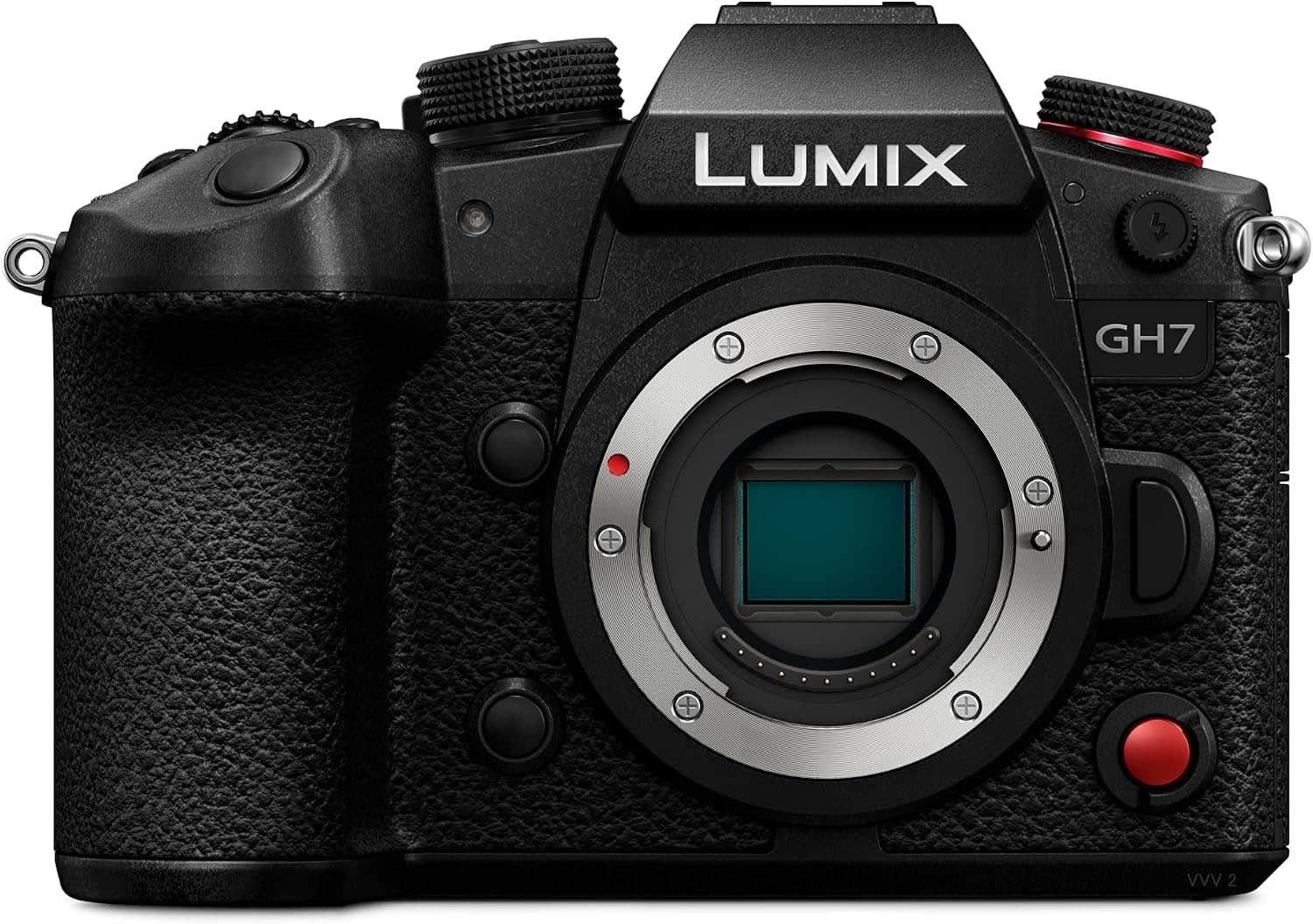 PickPanasonic Lumix GH7 PickPanasonic Lumix GH7 | 8.8
| $1,750 - $1,900 | Filmmakers who want a compact, video-focused workhorse. Wins: Internal ProRes RAW recording Skip: Smaller sensor limits shallow depth of field and low light | Check Amazon · $1,750 - $1,900 Use the retailer for the current price after the tradeoff makes sense. Confirm lens mount, sensor format, battery, charger, and kit contents. |
| Best OverallSony a7 IV | 9.0
| $1,990 - $2,240 | Photographers who want one body that covers stills and video without specializing in either. Wins: Strong autofocus with reliable subject tracking Skip: 4K 60p comes with an APS-C crop | Check Amazon · $1,990 - $2,240 Use the retailer for the current price after the tradeoff makes sense. Confirm lens mount, sensor format, battery, charger, and kit contents. |
| PickFujifilm X-H2S | 8.9
| $1,990 - $2,240 | Action and video shooters who want speed within the Fujifilm system. Wins: Stacked sensor enables fast, low-distortion capture Skip: Lower resolution than the X-T5 | Check Amazon · $1,990 - $2,240 Use the retailer for the current price after the tradeoff makes sense. Confirm lens mount, sensor format, battery, charger, and kit contents. |
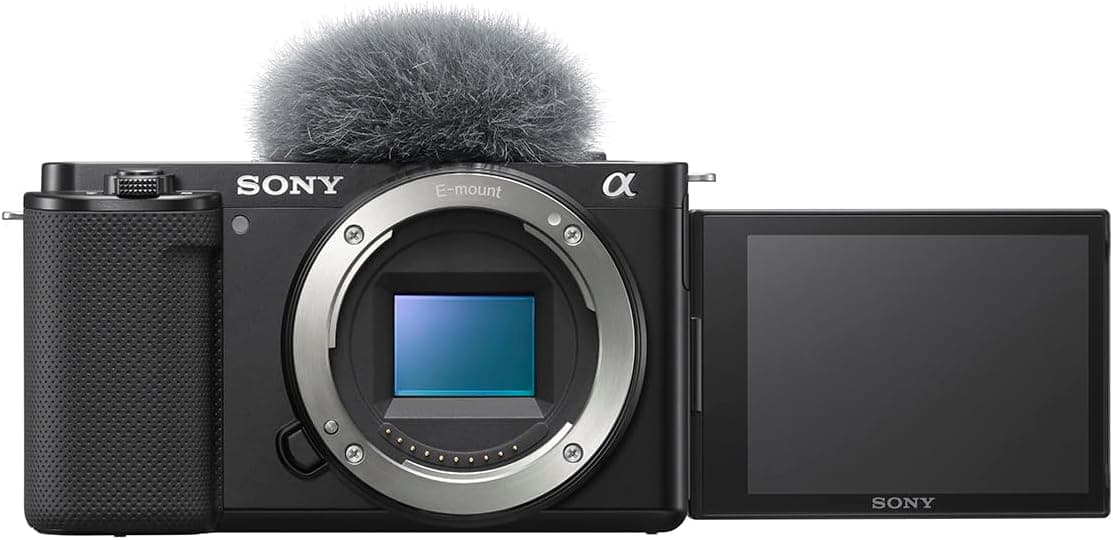 Best Lens System Step-UpSony ZV-E10 II Best Lens System Step-UpSony ZV-E10 II | 8.4
| $1,100 - $1,200 | Vloggers and content creators who want interchangeable lenses without a viewfinder. Wins: Sharp 26 MP sensor in a creator-friendly body Skip: No mechanical shutter, so rolling shutter shows in stills | Check Amazon · $1,100 - $1,200 Use the retailer for the current price after the tradeoff makes sense. Confirm lens mount, sensor format, battery, charger, and kit contents. |
| PickSony ZV-1 II | 8.0
| $950 - $1,050 | Vloggers who want a pocketable upgrade from a smartphone. Wins: Wide 18mm-equivalent lens good for selfie video Skip: No in-body stabilization | Check Amazon · $950 - $1,050 Use the retailer for the current price after the tradeoff makes sense. Confirm mount, focal length, filter size, and autofocus compatibility. |
Keep going
Next useful steps
Pick one. Each link continues the same job without starting the research over.
Shoot kits
Buy around the job, not the spec sheet
Video rig
Run-and-gun video rig
$4,201
A compact cinema body, fast normal zoom, cage, monitor, gimbal, shotgun mic, and battery for paid video work.
Best upgrade path from creator kit
Buy order: start with the first piece that makes the job possible, then add the support pieces that remove friction.
Camera: start here. If this piece does not make the shoot easier, the rest of the kit can wait.
Power: add it after the core setup proves useful.
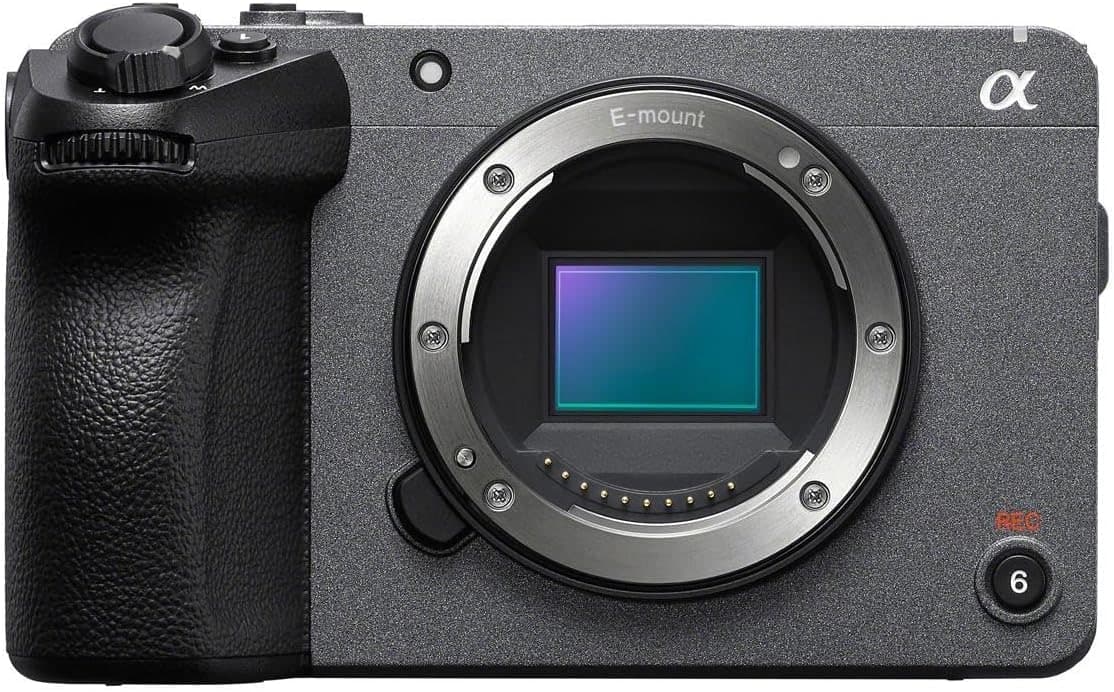
Sony FX30
Cinema-line controls, active cooling, reliable autofocus, and files that grade well without full-frame cost.
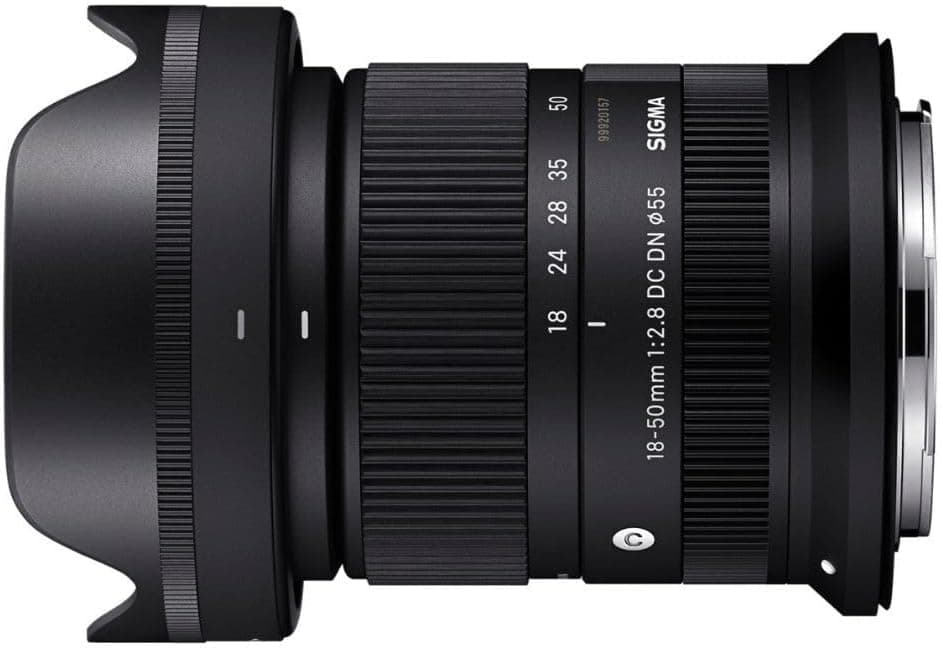
Sigma 18-50mm f/2.8 DC DN Contemporary
A small constant-aperture zoom that keeps an APS-C rig light enough to carry and balance.
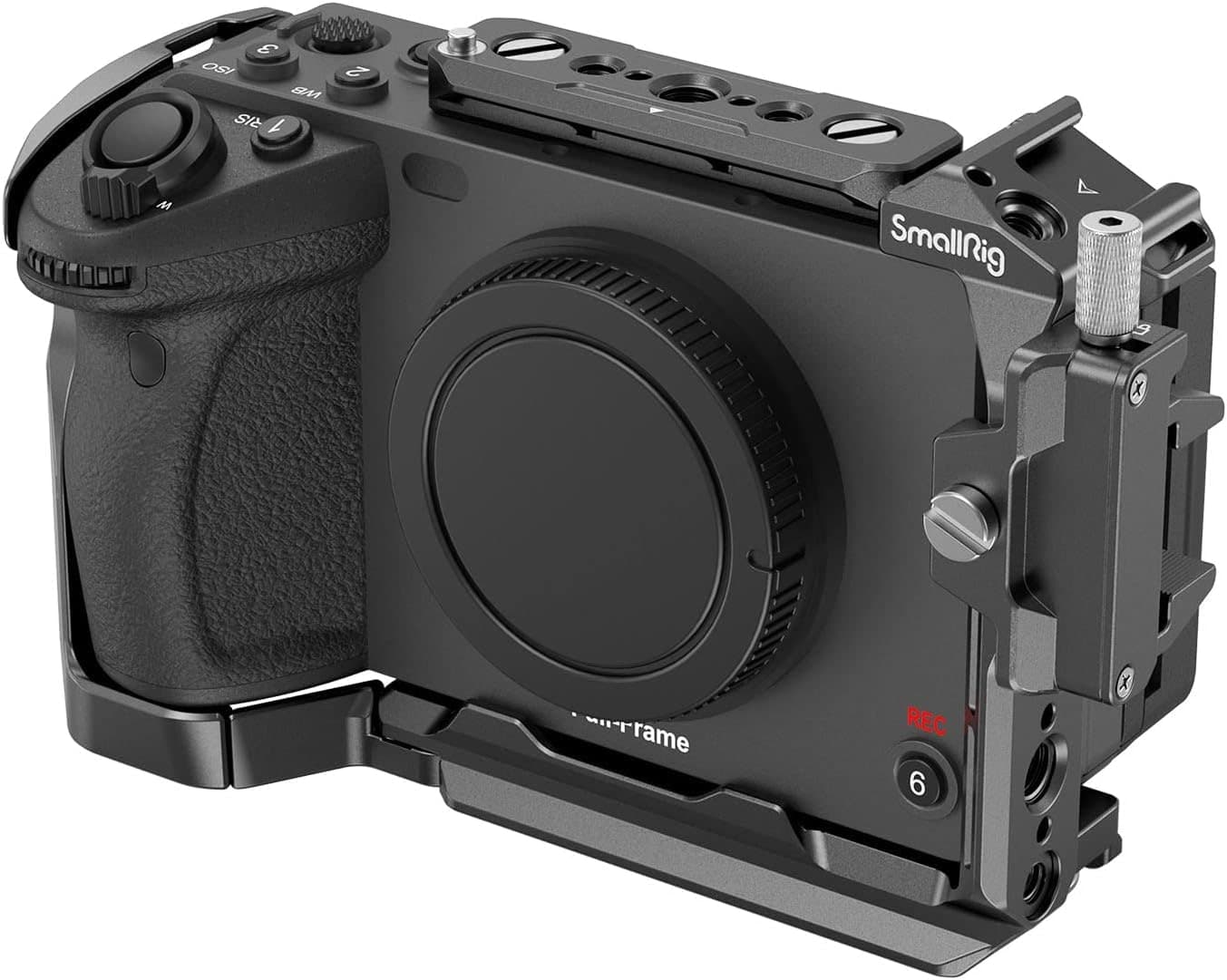
SmallRig Cage for Sony FX3 and FX30
Adds proper mounting points for handles, monitors, mics, and cables without relying on the camera body.
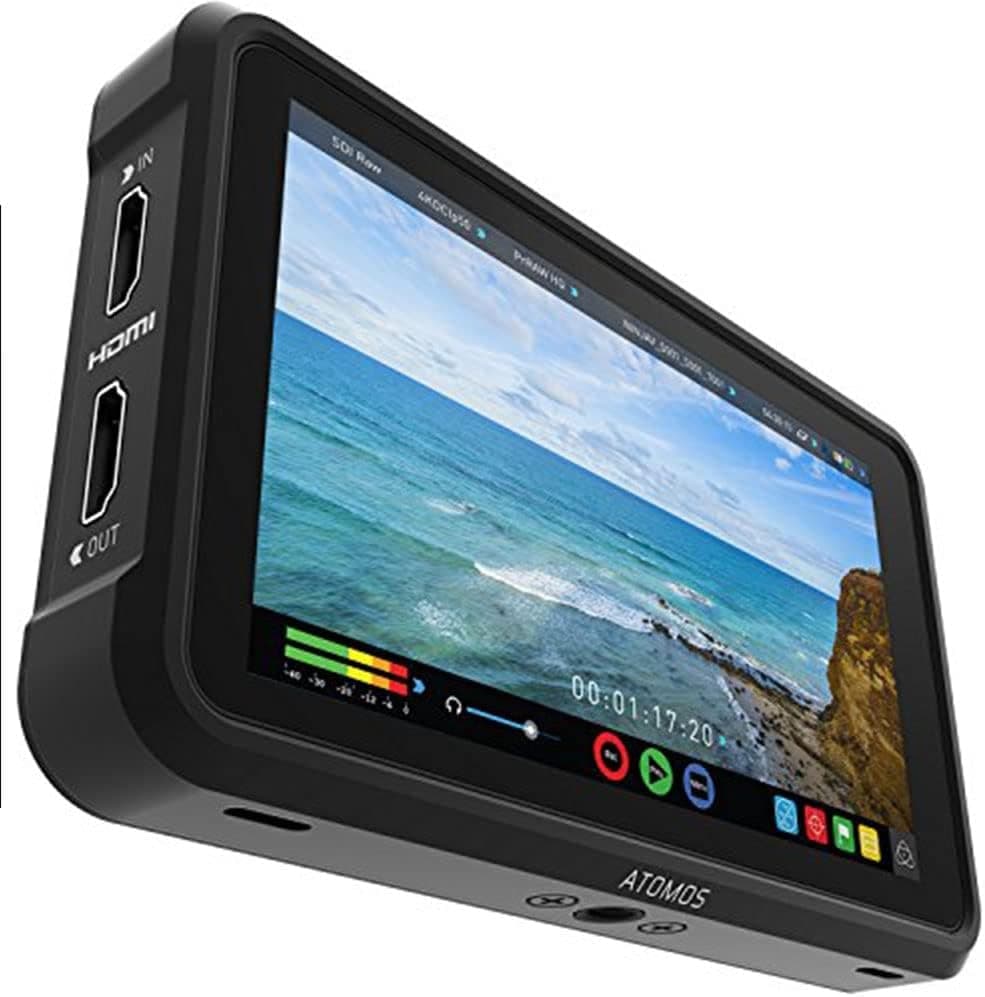
Atomos Ninja V
A bright five-inch screen for focus, exposure tools, LUT preview, and cleaner client monitoring.
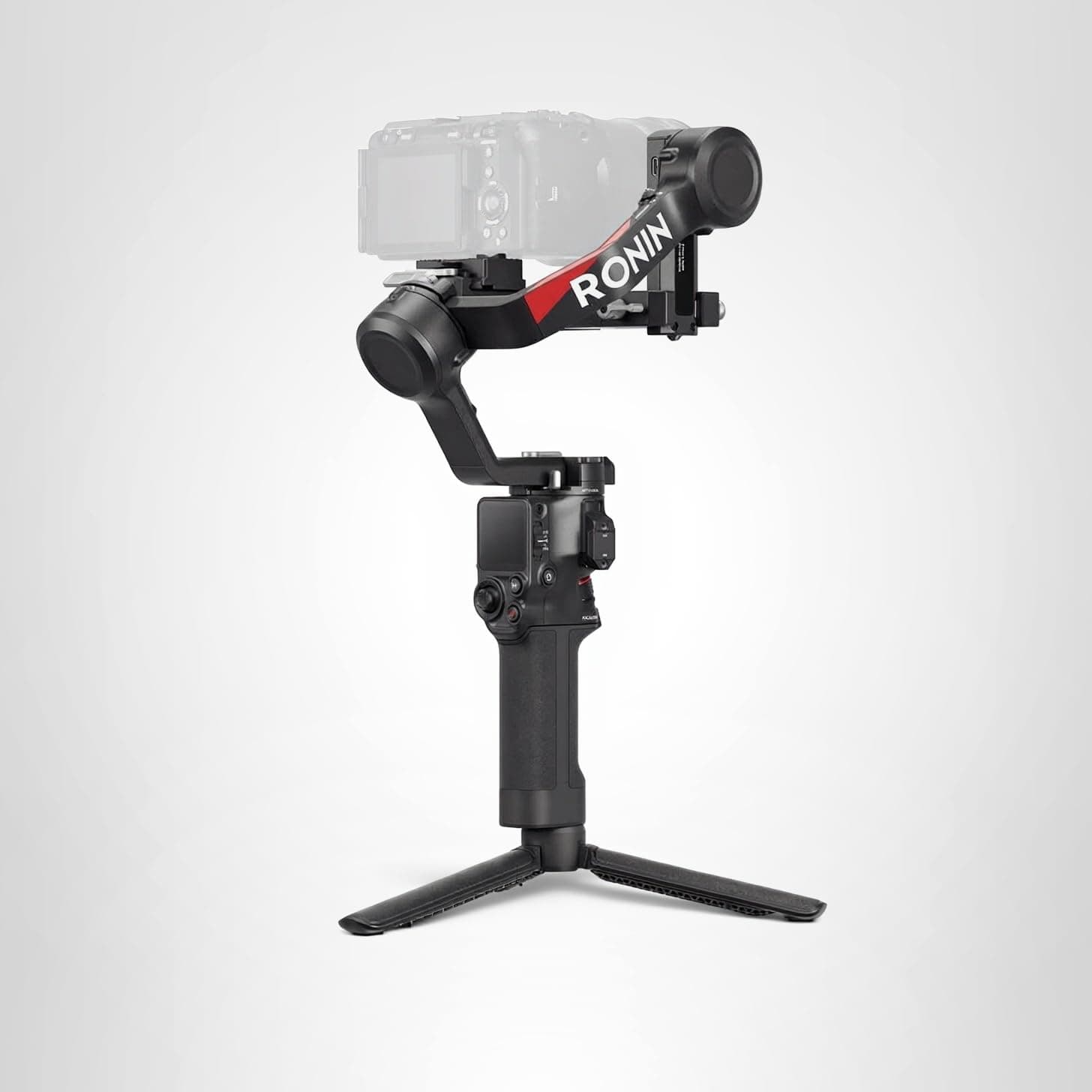
DJI RS 4
The gimbal tier that can handle a built-out mirrorless or compact cinema rig without becoming huge.
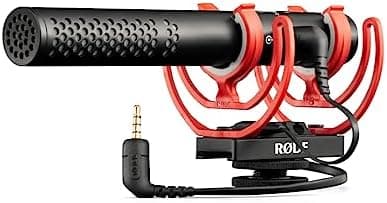
Rode VideoMic NTG
A flexible on-camera shotgun that also works as a small USB mic for quick voiceover or desk work.
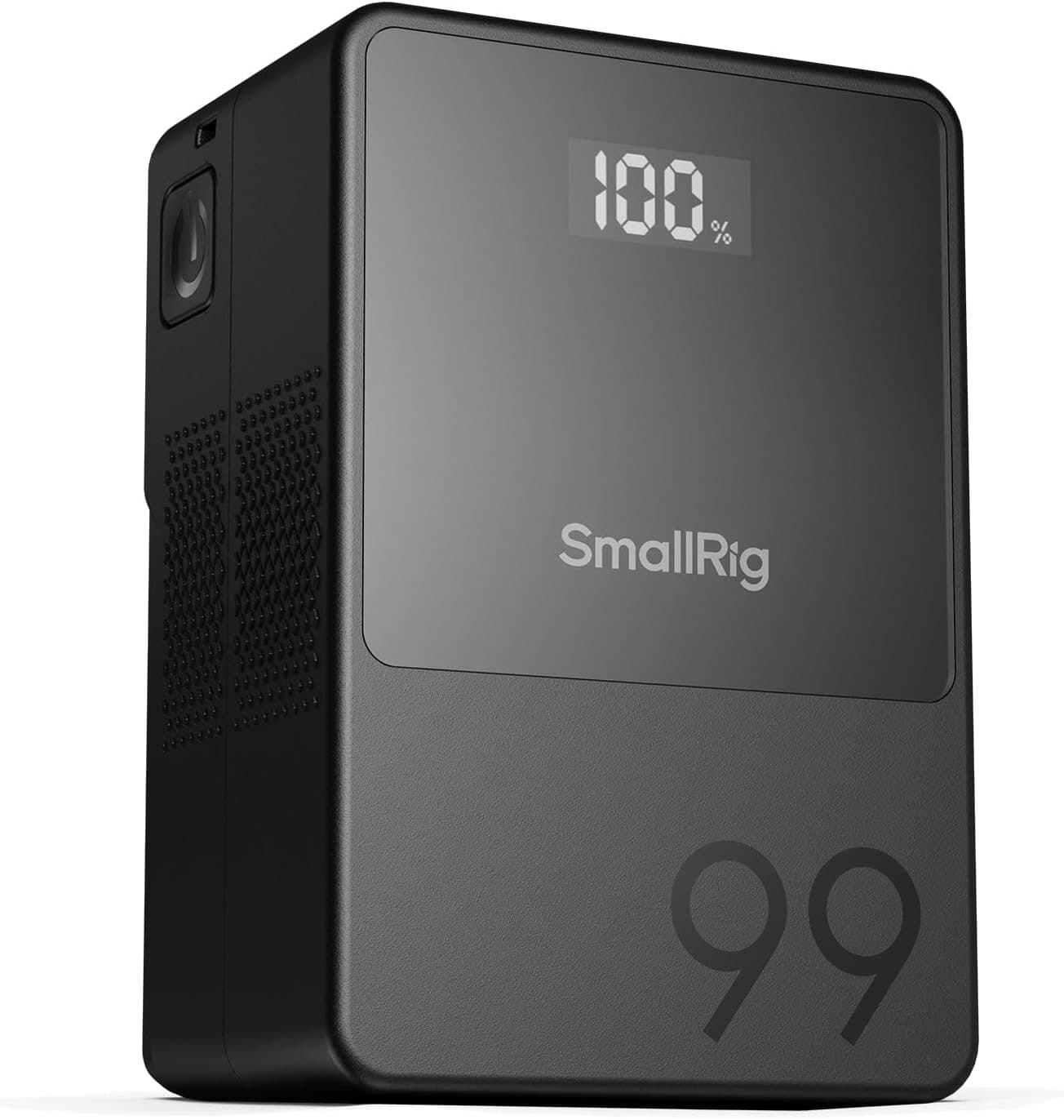
SmallRig VB99
A compact V-mount that can run monitors, lights, or cinema bodies without turning the rig into a brick.
Prices are rough catalog totals. Retailer prices change, and you can swap pieces to fit your system.
Related Gear guides
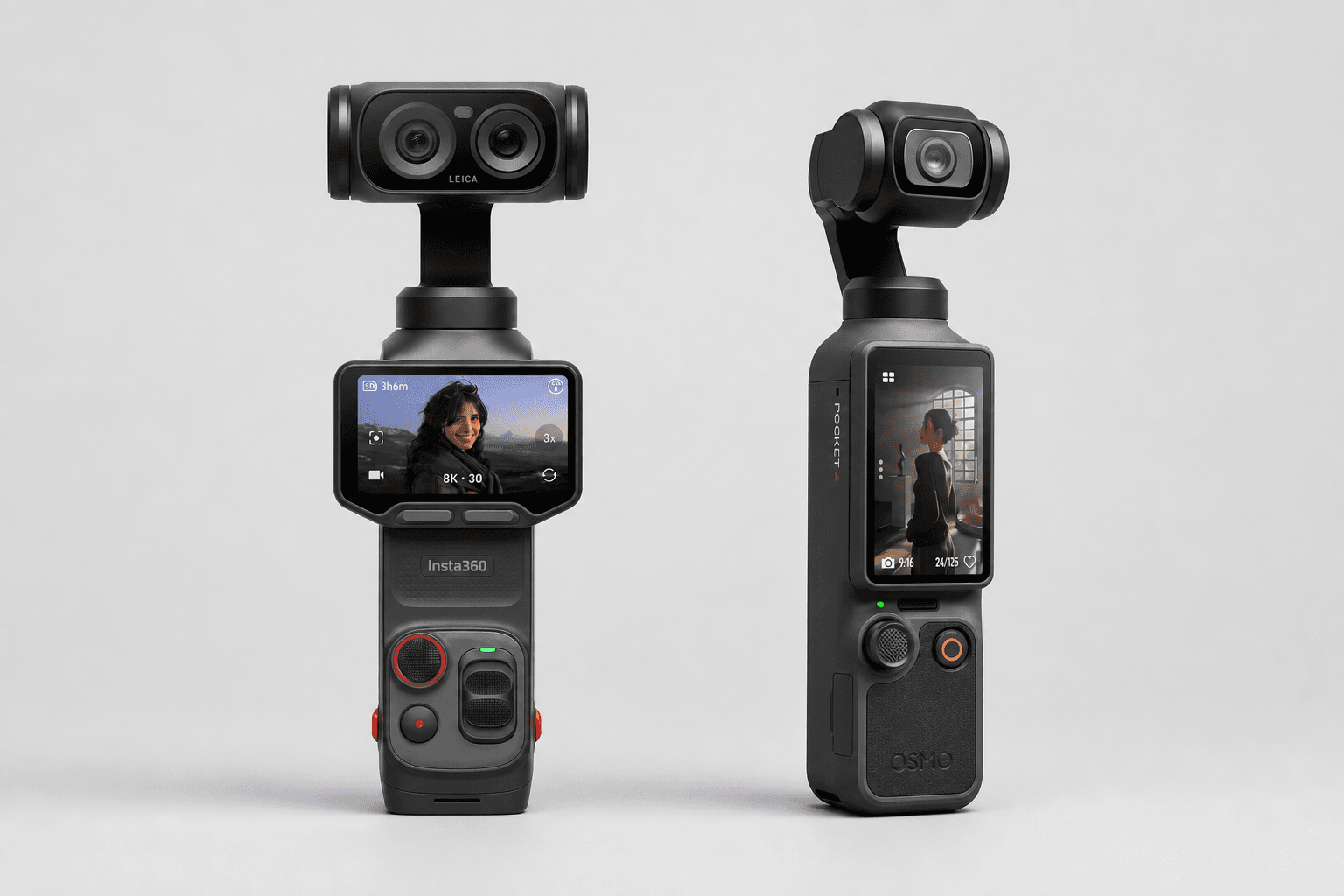
Insta360 Luna Ultra vs DJI Osmo Pocket 4: Which Pocket Gimbal Should You Buy?
Compare Luna Ultra and DJI Pocket 4 by lenses, video, Log formats, storage, U.S. availability, and the filming jobs each pocket gimbal handles best.
CFexpress 4.0 and VPG Explained: Buy the Card Your Camera Needs
CFexpress 4.0 doubles theoretical bandwidth, while VPG certifies sustained video writes. Learn Type A vs B, VPG classes, and when 4.0 is worth paying for.
Focal Length Explained: What 24mm, 50mm, 85mm, and 200mm Actually Do
What the millimeter number on a lens changes in the field: angle of view, compression, and working distance. When to reach for 24, 50, 85, or 200mm.
Canon EOS R50 V vs Sony ZV-E10 II: Which Beginner Vlogging Camera Should You Buy?
Canon EOS R50 V is the easier beginner creator kit. Sony ZV-E10 II is the deeper lens-system pick. Compare the practical tradeoffs.
Researched, not personally tested: picks compare specifications, available owner feedback, and established expert sources. As an Amazon Associate I earn from qualifying purchases. We may earn a commission from links here, at no extra cost to you. How we research →