We may earn a commission from links on this page, at no extra cost to you. Picks are researched, not sponsored.
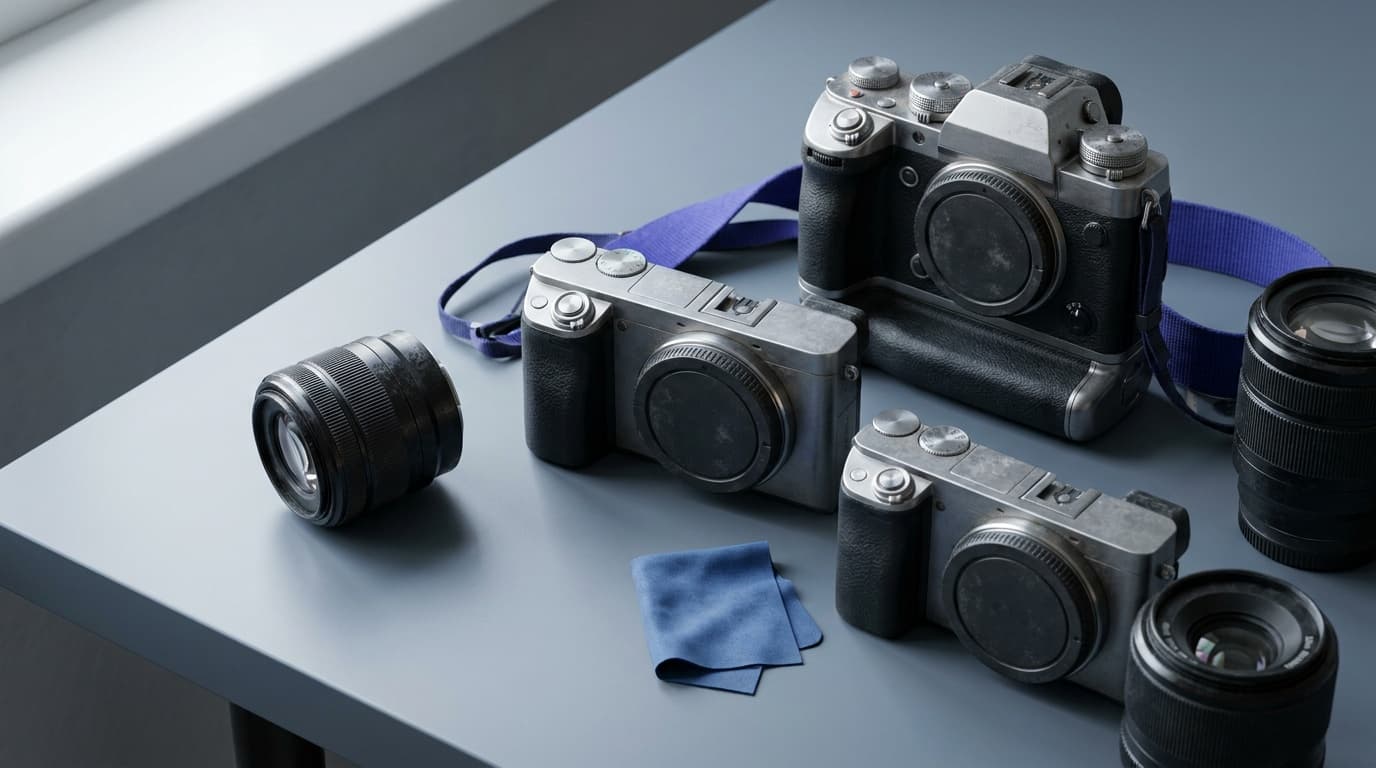
Mirrorless has won. The autofocus, the lens development, and the pro bodies are all here now, and the live exposure preview makes these cameras faster to shoot and to learn than the DSLRs they replaced. The hard part is no longer whether to go mirrorless; it is picking the body that matches what you shoot and how much you want to spend.
If you are still weighing the basics, our what camera should you buy guide frames the decision, and the exposure triangle covers the settings every one of these cameras puts in your hands.

How do you choose a mirrorless camera?
Start with the sensor format. Full-frame gathers more light and blurs backgrounds more easily, which helps for portraits, weddings, and low light, but the bodies and lenses cost more. APS-C is smaller, lighter, and cheaper, and gives you extra reach for wildlife and sports. Our sensor sizes explained guide covers the full trade-off; most people are well served by either.
After format, weigh three things. Autofocus, because subject and eye detection is where the last few years of progress live and it is hard to go back once you have it. Whether you are a stills, video, or hybrid shooter, since a body tuned for one can shortchange the others: stills shooters favor resolution and tactile dials, video shooters favor uncropped 4K and clean log profiles, and hybrids want both. And the lens system, because you are committing to a mount; check that the glass you will want exists and that you can afford it.
How do the picks compare?
The table below summarizes the six picks by sensor, headline video spec, price band, and who each one fits. The scores are editorial summaries; read the best-for notes and tradeoffs before buying.
| Camera | Sensor | Key specs | Price band | Our rating | Best for |
|---|---|---|---|---|---|
| Sony a7 IV | 33 MP full-frame | 4K 60p (Super 35), 4K 30p full width | $1,990-$2,240 | 9.0 | The all-around hybrid default |
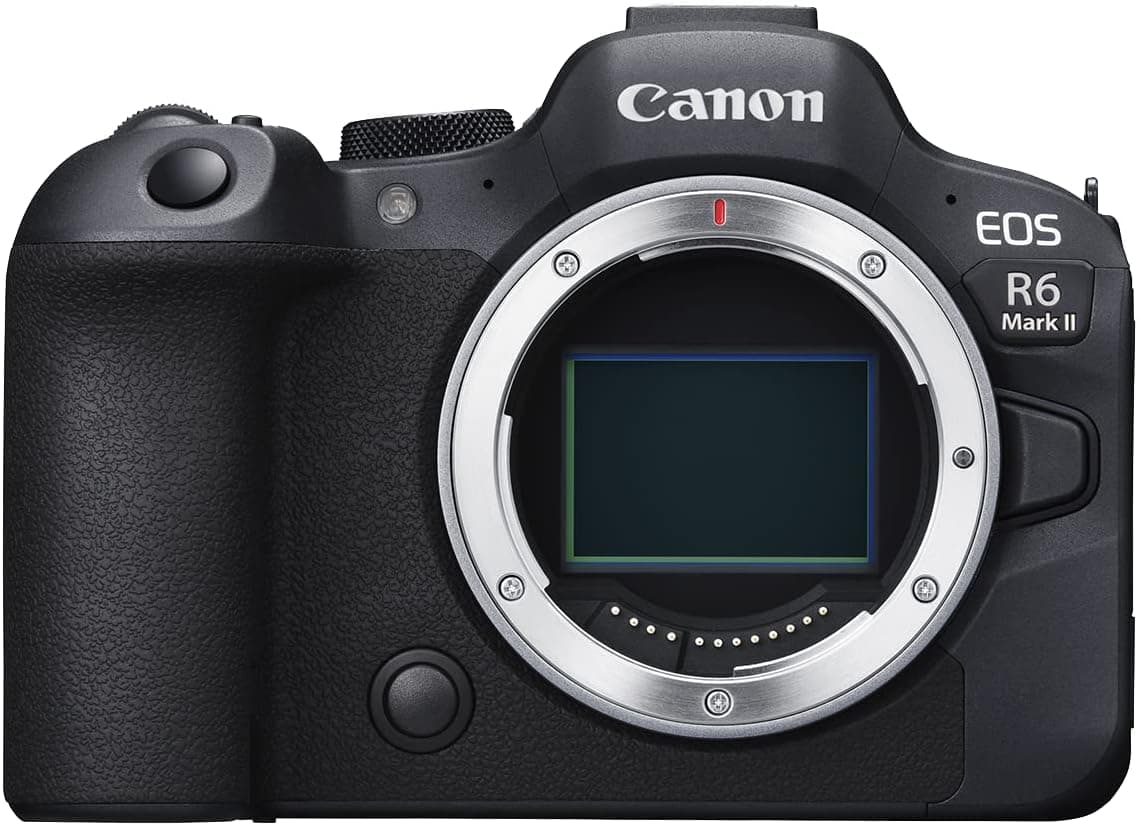
| Canon EOS R6 Mark II | 24.2 MP full-frame | 4K 60p oversampled, up to 40 fps burst | $1,990-$2,240 | 9.0 | Speed, events, and action |
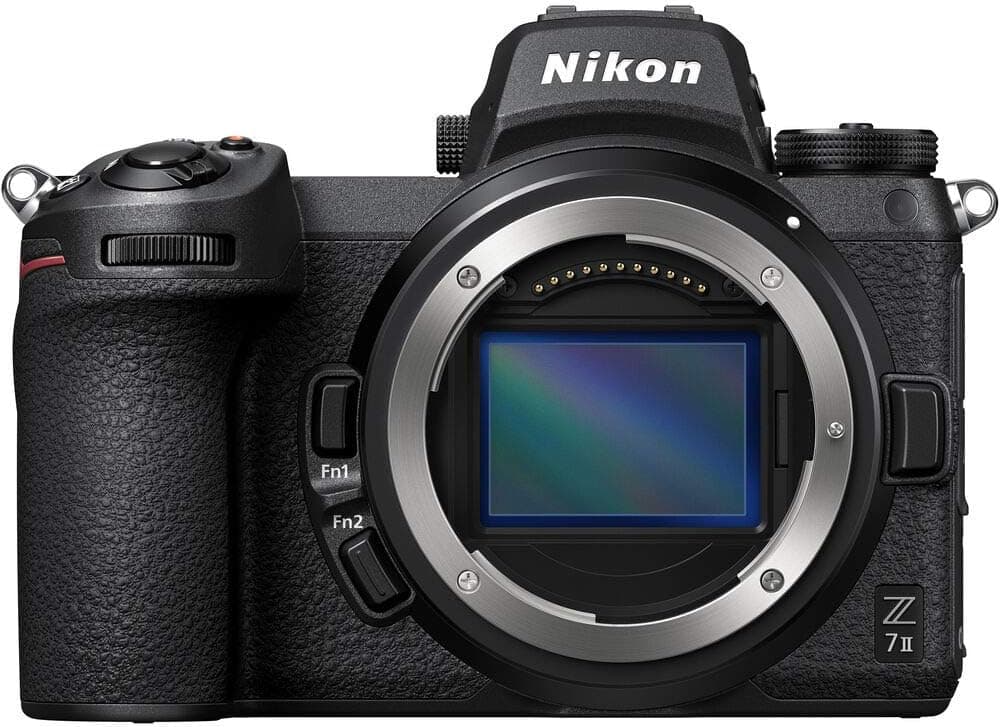
| Nikon Z6 III | 24.5 MP full-frame partially stacked | 6K 60p internal RAW, 4K 120p | $2,200-$2,500 | 9.0 | Serious stills-and-video hybrids |
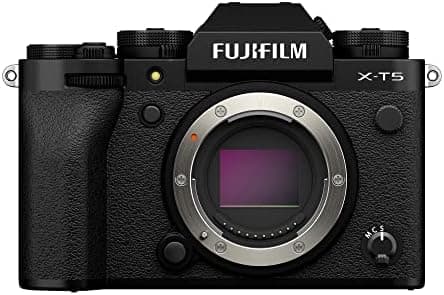
| Fujifilm X-T5 | 40.2 MP APS-C X-Trans | 6.2K 30p, dedicated dials | $1,600-$1,800 | 9.0 | Stills-first detail and handling |
| Sony a6700 | 26 MP APS-C | 4K 120p (crop), AI autofocus | $1,300-$1,500 | 8.8 | Flagship autofocus without full-frame cost |
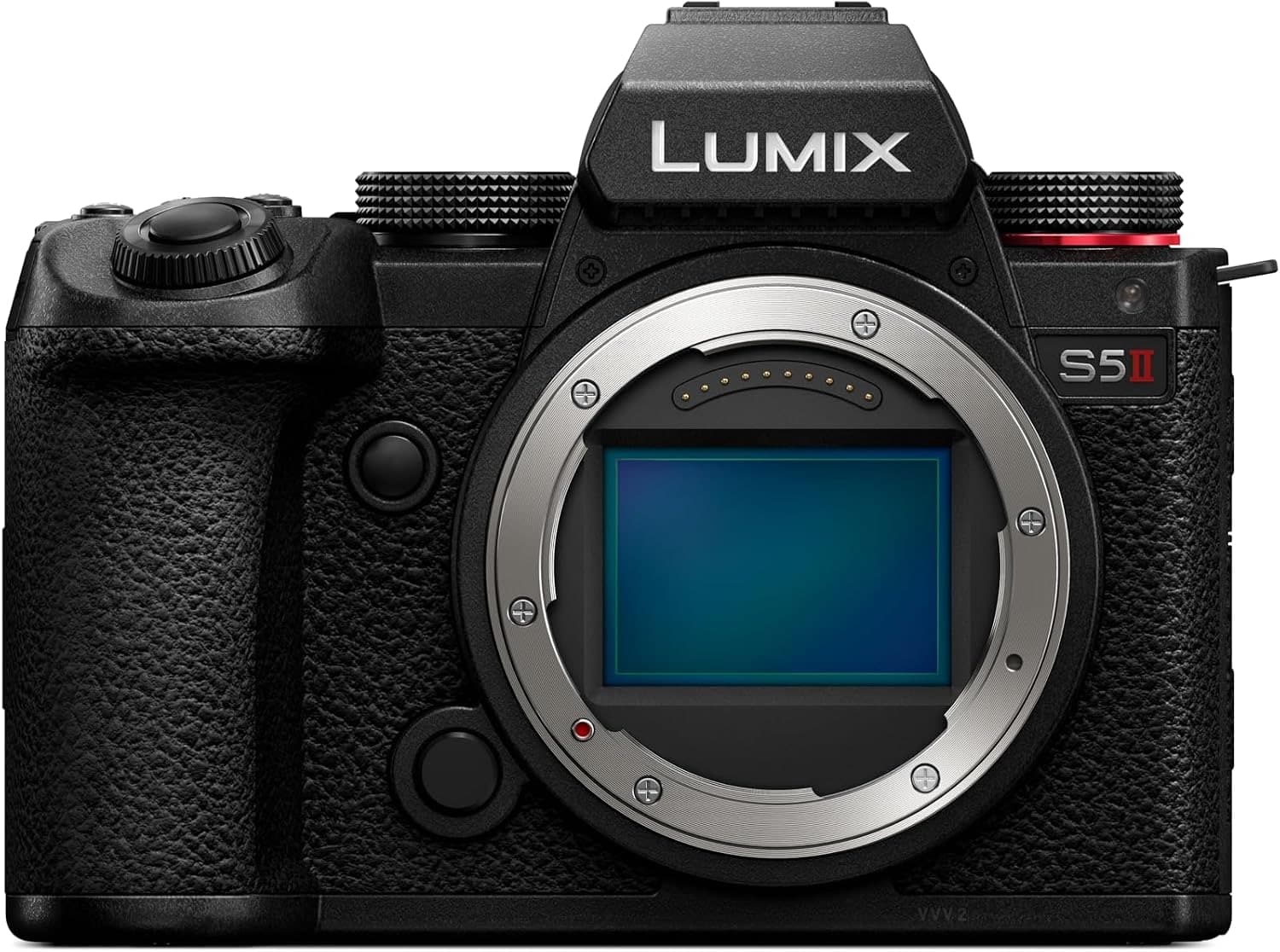
| Panasonic Lumix S5 II | 24.2 MP full-frame | 6K 30p, 4K 60p | $1,800-$2,000 | 8.8 | Value full-frame video |
The picks
Best Overall
Sony a7 IV
Photographers who want one body that covers stills and video without specializing in either.
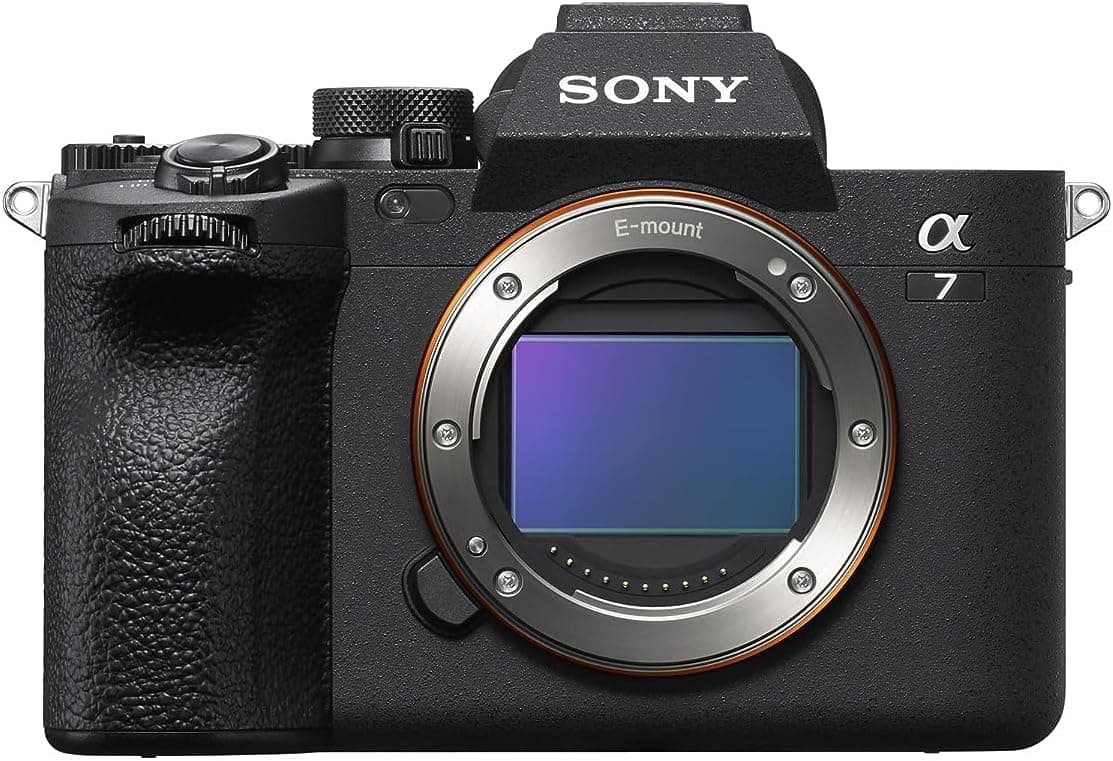
Check price at AmazonThe Sony a7 IV is the default recommendation for a reason. The 33 MP full-frame sensor holds detail and dynamic range, the autofocus tracks people and animals reliably, and the video is good enough for most working needs. It does not lead in any single category, and 4K 60p comes with a crop, but it covers stills and video better than almost anything else in one body. If you are unsure what you will specialize in, this is the safe pick.
Researched from: Sony a7 IV official specs, available retailer feedback, and expert coverage.
Editor's Choice
Canon EOS R6 Mark II
Event, wedding, and action shooters who want speed and clean video.
Check price at AmazonThe Canon EOS R6 Mark II is the body for speed and events. Up to 40 fps electronic bursts, strong subject-detection autofocus, and uncropped 4K 60p make it a frequent choice for weddings, action, and anything that moves. The 24 MP resolution is lower than the a7 IV, which is a fair trade for the speed and the clean files. Pick this if you shoot fast-moving subjects and want video that keeps up.
Researched from: Canon EOS R6 Mark II official specs, available retailer feedback, and expert coverage.
Best Hybrid
Nikon Z6 III
Hybrid shooters who want serious video alongside capable stills.
Check price at AmazonThe Nikon Z6 III is the strongest true hybrid here. Its partially stacked sensor reads out fast, which means internal RAW video, 4K up to 120p, and quick autofocus for stills. The handling is excellent and the viewfinder is one of the best at the price. It is the choice for a photographer who shoots serious video and does not want to compromise on either side.
Researched from: Nikon Z6 III official specs, available retailer feedback, and expert coverage.
Best for Photography
Fujifilm X-T5
Stills photographers who value detail, controls, and film simulations.
Check price at AmazonThe Fujifilm X-T5 is the stills photographer's pick. The 40 MP APS-C sensor resolves a lot of detail, the dedicated dials for shutter, ISO, and exposure compensation make settings physical and fast, and the film simulations give you finished color in camera. It shoots video well but it is built around photography first. If you love the craft of taking a still photo, this body leans into it.
Researched from: Fujifilm X-T5 official specs, available retailer feedback, and expert coverage.
Best APS-C
Sony a6700
Enthusiasts who want flagship autofocus in a compact APS-C body.
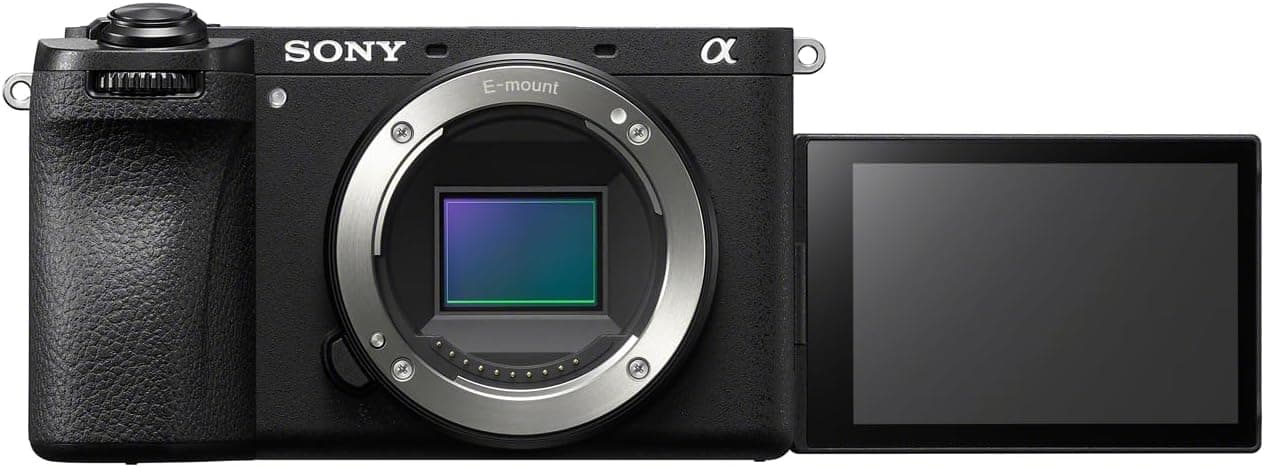
Check price at AmazonThe Sony a6700 is the APS-C standout: it puts the AI autofocus from Sony's full-frame line into a smaller, cheaper body. You get flagship-grade subject recognition, in-body stabilization, and the extra reach an APS-C sensor gives telephoto lenses, which helps for wildlife and travel. It is the pick if you want most of the autofocus performance without the full-frame price or weight.
Researched from: Sony a6700 official specs, available retailer feedback, and expert coverage.
Best for Video
Panasonic Lumix S5 II
Filmmakers and hybrid shooters who prioritize video on a budget.
Check price at AmazonThe Panasonic Lumix S5 II is the value full-frame hybrid. Panasonic finally added phase-detection autofocus to its strong video tooling, so the long-standing knock against these bodies is gone. You get 6K open-gate capture, good in-body stabilization, and a full-frame sensor for less than most rivals. It leans toward video and filmmakers, but it handles stills capably too.
Researched from: Panasonic Lumix S5 II official specs, available retailer feedback, and expert coverage.
What mistakes should you avoid?
The most common one is buying the body and ignoring the lenses. The mount you choose locks you into a glass ecosystem for years; a cheaper body on a system with the lenses you want beats a pricier body on one that does not. The second is over-buying full-frame when APS-C would serve you better and cost far less in both bodies and lenses. The third is chasing headline video specs you will never record; if you shoot stills, weight the resolution, the autofocus, and the handling instead.
When you have picked a body, our genre guides show you how to use it. Start with portrait photography for people, wildlife photography for reach and speed, or landscape photography for detail and dynamic range.
Is full-frame worth it over APS-C?
It depends on what you shoot. Full-frame helps in low light and for shallow depth of field, which matters for portraits, weddings, and events. APS-C is lighter, cheaper, and gives extra reach for wildlife and sports. Many professionals shoot APS-C by choice. Decide based on your subjects and budget, not on the format alone.
Which mirrorless system has the best lenses?
All four major systems, Sony E, Canon RF, Nikon Z, and Fujifilm X, have strong native lineups now, and Sony and Fujifilm also have deep third-party support. Sony E has the widest selection thanks to its head start. Choose the body you like, then confirm the specific lenses you want exist and are affordable before you commit.
Do I need in-body image stabilization?
It helps, but it is not essential. In-body stabilization lets you shoot at slower shutter speeds handheld, which matters for low light and for handheld video. If you mostly shoot in good light or on a tripod, you can live without it. Most bodies on this list include it; the Sony a6400 and some entry-level cameras do not.
Compare picks
The short version
Use this to narrow the list before opening the detailed cards.
Scores weigh fit, owner sentiment, build, and value. Affiliate links do not change pick order. Methodology
Buying order
Start with the skip note. A good deal on the wrong camera is still the wrong camera.
Compare verdictsIf you already own lenses, check the system path before buying into a new mount.
Check systemsOnce the fit makes sense, compare current deals and retailer listings.
Check current dealsCamera system shortcut
If you already own one of these systems, keep the comparison inside that ecosystem before checking out.
Autofocus hybrid kits
Simple camera paths
Stills-first Z kits
APS-C travel kits
Photographers who want one body that covers stills and video without specializing in either.
Use the retailer for the current price after the tradeoff makes sense. Confirm lens mount, sensor format, battery, charger, and kit contents.
Tradeoff: Single card slot
Use the retailer for the current price after the tradeoff makes sense. Confirm lens mount, sensor format, battery, charger, and kit contents.
Event, wedding, and action shooters who want speed and clean video.
Use the retailer for the current price after the tradeoff makes sense. Confirm lens mount, sensor format, battery, charger, and kit contents.
Hybrid shooters who want serious video alongside capable stills.
Use the retailer for the current price after the tradeoff makes sense. Confirm lens mount, sensor format, battery, charger, and kit contents.
Price ladder
The useful range here runs from $1,400 to $2,115. Start with the ceiling that matches the assignment.
- Photographers who want one body that covers stills and video without specializing in either.
- Strong autofocus with reliable subject tracking
- 4K 60p comes with an APS-C crop
Use the retailer for the current price after the tradeoff makes sense. Confirm lens mount, sensor format, battery, charger, and kit contents.
- Event, wedding, and action shooters who want speed and clean video.
- Excellent Dual Pixel autofocus with subject detection
- 24 MP gives less crop room than higher-resolution rivals
Use the retailer for the current price after the tradeoff makes sense. Confirm lens mount, sensor format, battery, charger, and kit contents.
- Hybrid shooters who want serious video alongside capable stills.
- Internal 6K RAW video
- Slightly higher base ISO noise than some rivals
Use the retailer for the current price after the tradeoff makes sense. Confirm lens mount, sensor format, battery, charger, and kit contents.
- Stills photographers who value detail, controls, and film simulations.
- High 40 MP resolution for an APS-C sensor
- High pixel count demands sharp lenses
Use the retailer for the current price after the tradeoff makes sense. Confirm lens mount, sensor format, battery, charger, and kit contents.
- Enthusiasts who want flagship autofocus in a compact APS-C body.
- AI-based subject recognition autofocus
- Single card slot
Use the retailer for the current price after the tradeoff makes sense. Confirm lens mount, sensor format, battery, charger, and kit contents.
- Filmmakers and hybrid shooters who prioritize video on a budget.
- Excellent video features and codecs
- Autofocus still trails Sony and Canon in tracking
Use the retailer for the current price after the tradeoff makes sense. Confirm lens mount, sensor format, battery, charger, and kit contents.
| Pick | Score | Price | Verdict | Action |
|---|---|---|---|---|
| Best OverallSony a7 IV | 9.0
| $1,990 - $2,240 | Photographers who want one body that covers stills and video without specializing in either. Wins: Strong autofocus with reliable subject tracking Skip: 4K 60p comes with an APS-C crop | Check Amazon · $1,990 - $2,240 Use the retailer for the current price after the tradeoff makes sense. Confirm lens mount, sensor format, battery, charger, and kit contents. |
| Editor's ChoiceCanon EOS R6 Mark II | 9.0
| $1,990 - $2,240 | Event, wedding, and action shooters who want speed and clean video. Wins: Excellent Dual Pixel autofocus with subject detection Skip: 24 MP gives less crop room than higher-resolution rivals | Check Amazon · $1,990 - $2,240 Use the retailer for the current price after the tradeoff makes sense. Confirm lens mount, sensor format, battery, charger, and kit contents. |
| Best HybridNikon Z6 III | 9.0
| $2,200 - $2,500 | Hybrid shooters who want serious video alongside capable stills. Wins: Internal 6K RAW video Skip: Slightly higher base ISO noise than some rivals | Check Amazon · $2,200 - $2,500 Use the retailer for the current price after the tradeoff makes sense. Confirm lens mount, sensor format, battery, charger, and kit contents. |
 Best for PhotographyFujifilm X-T5 Best for PhotographyFujifilm X-T5 | 9.0
| $1,990 - $2,240 | Stills photographers who value detail, controls, and film simulations. Wins: High 40 MP resolution for an APS-C sensor Skip: High pixel count demands sharp lenses | Check Amazon · $1,990 - $2,240 Use the retailer for the current price after the tradeoff makes sense. Confirm lens mount, sensor format, battery, charger, and kit contents. |
| Best APS-CSony a6700 | 8.8
| $1,300 - $1,500 | Enthusiasts who want flagship autofocus in a compact APS-C body. Wins: AI-based subject recognition autofocus Skip: Single card slot | Check Amazon · $1,300 - $1,500 Use the retailer for the current price after the tradeoff makes sense. Confirm lens mount, sensor format, battery, charger, and kit contents. |
 Best for VideoPanasonic Lumix S5 II Best for VideoPanasonic Lumix S5 II | 8.8
| $1,950 - $2,050 | Filmmakers and hybrid shooters who prioritize video on a budget. Wins: Excellent video features and codecs Skip: Autofocus still trails Sony and Canon in tracking | Check Amazon · $1,950 - $2,050 Use the retailer for the current price after the tradeoff makes sense. Confirm lens mount, sensor format, battery, charger, and kit contents. |
Keep going
Next useful steps
Pick one. Each link continues the same job without starting the research over.
Shoot kits
Buy around the job, not the spec sheet
Beginner photo
First real camera kit
$1,068
An affordable body, a sharp prime, a reliable card, and a small carry setup that does not turn learning into a hauling problem.
Best learning kit
Buy order: start with the first piece that makes the job possible, then add the support pieces that remove friction.
Camera: start here. If this piece does not make the shoot easier, the rest of the kit can wait.
Carry: add it after the core setup proves useful.
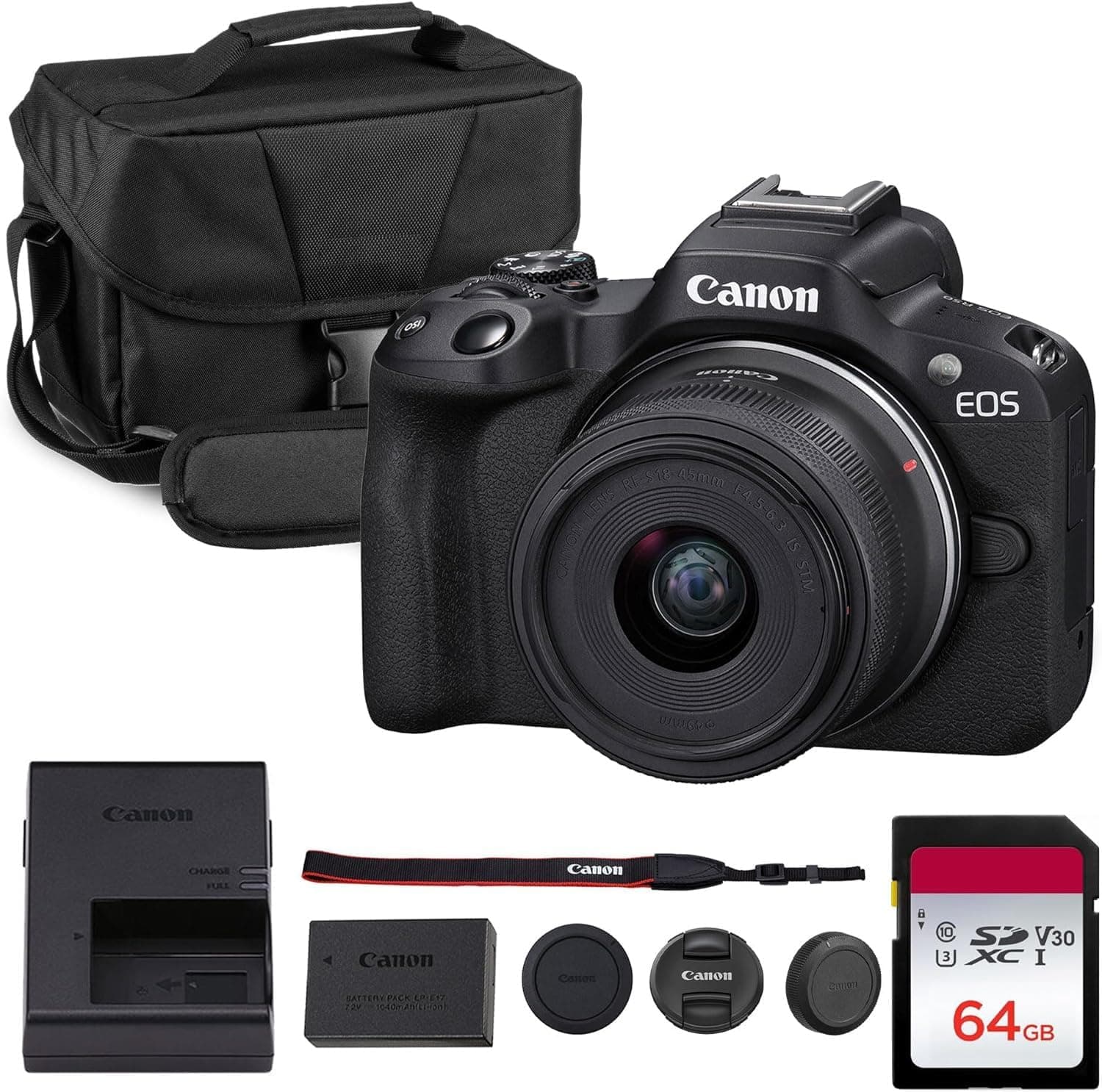
Canon EOS R50
Small, approachable, and good enough to learn exposure, autofocus, and lens choice properly.
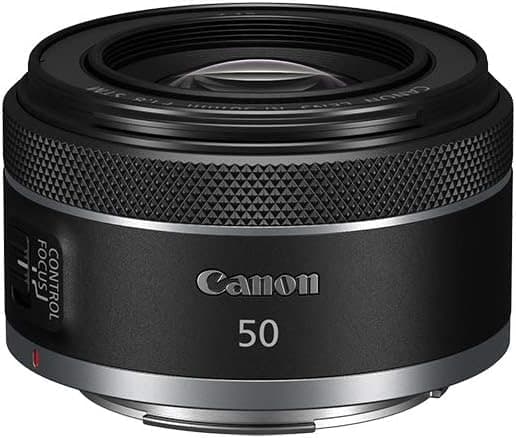
Canon RF 50mm f/1.8 STM
Cheap, bright, and useful for portraits, detail shots, and learning depth of field.
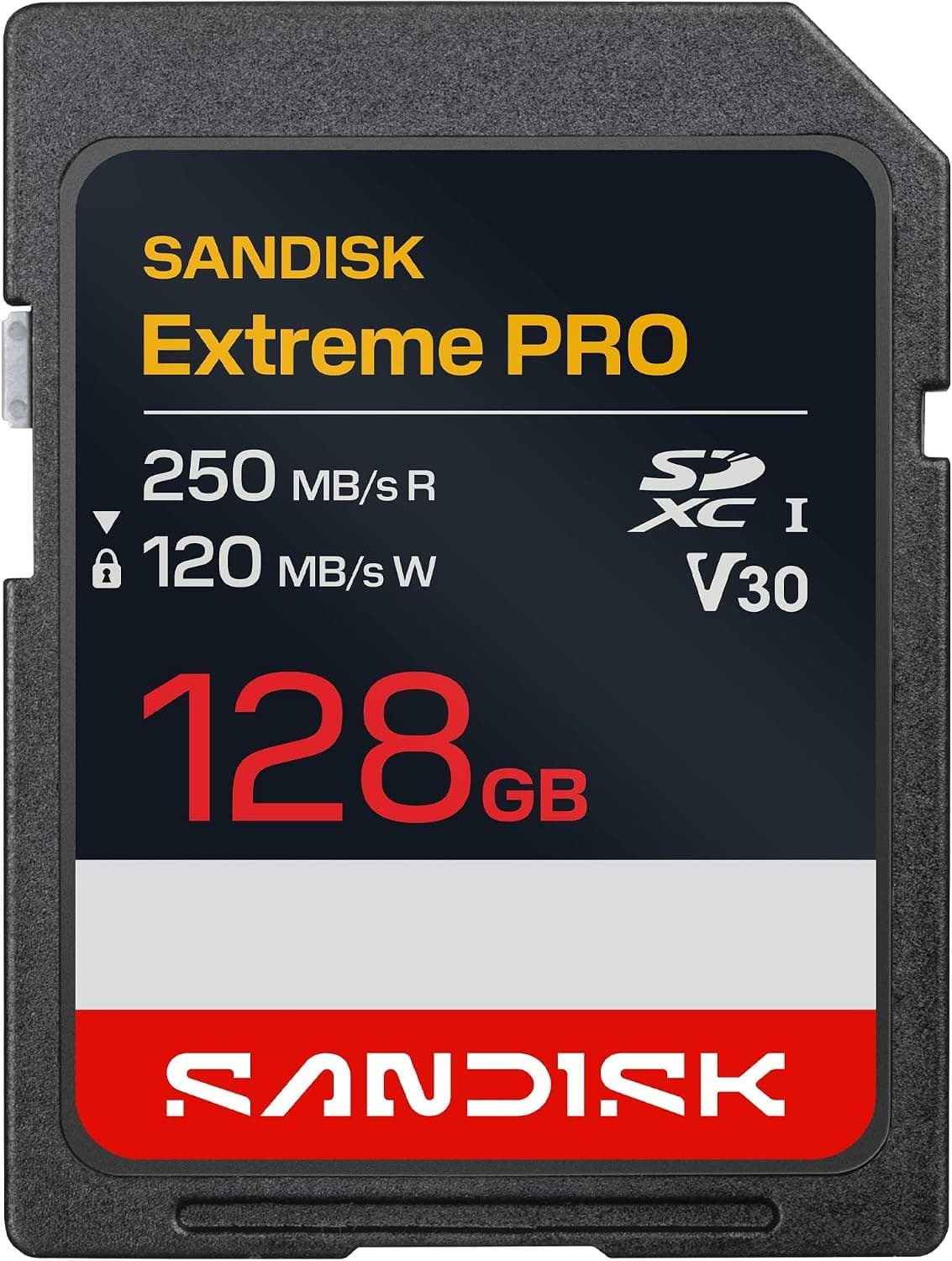
SanDisk Extreme Pro SDXC 128GB
Fast enough for normal stills and video without making storage the exciting purchase.
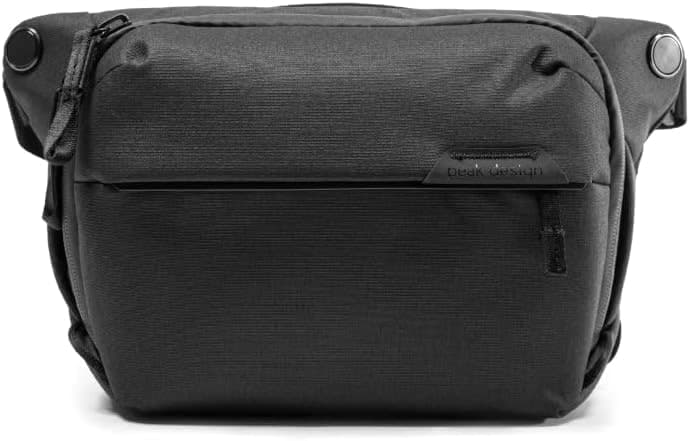
Peak Design Everyday Sling 6L V2
Room for a small body and lens without dragging a full backpack everywhere.
Prices are rough catalog totals. Retailer prices change, and you can swap pieces to fit your system.
Related Gear guides
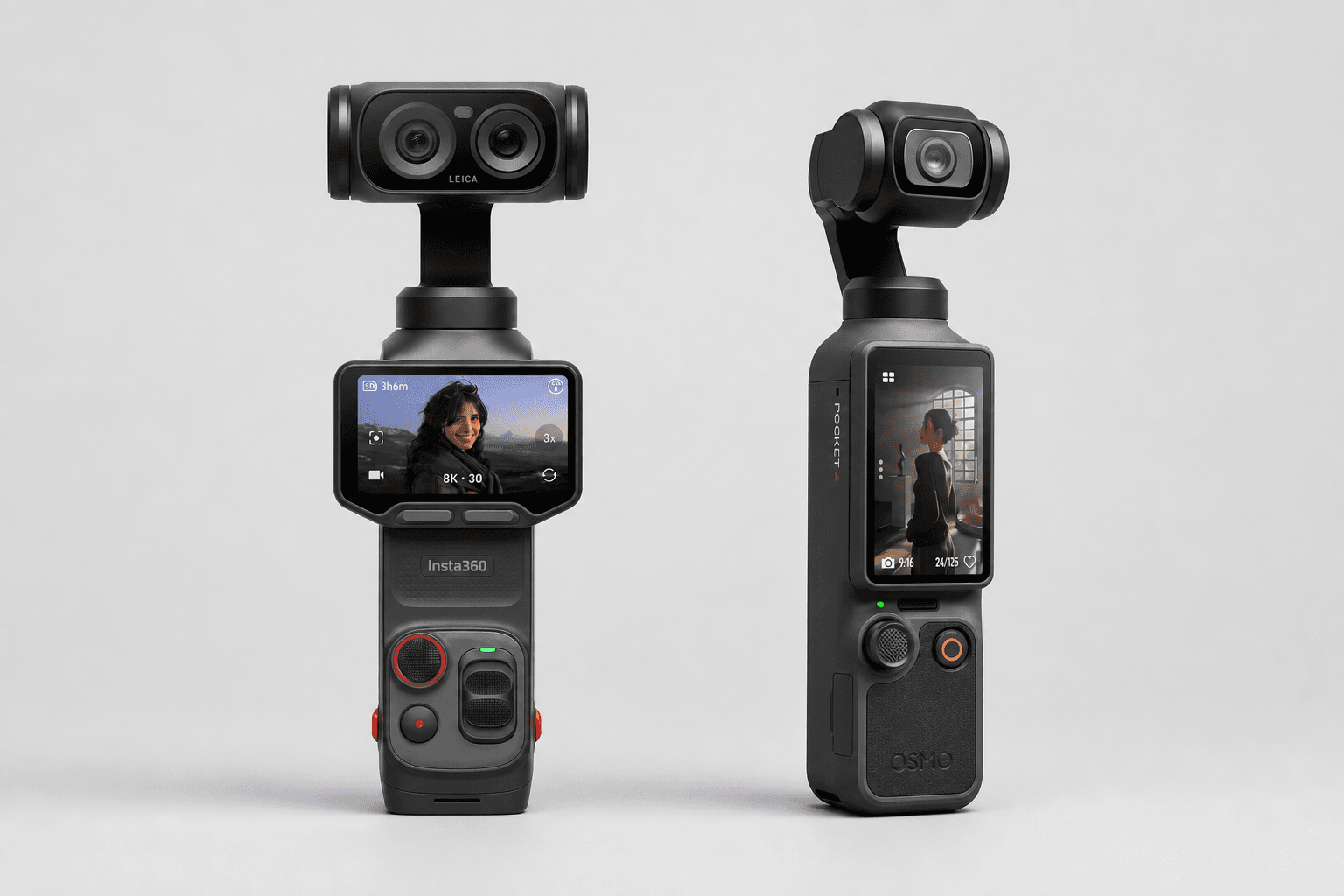
Insta360 Luna Ultra vs DJI Osmo Pocket 4: Which Pocket Gimbal Should You Buy?
Compare Luna Ultra and DJI Pocket 4 by lenses, video, Log formats, storage, U.S. availability, and the filming jobs each pocket gimbal handles best.
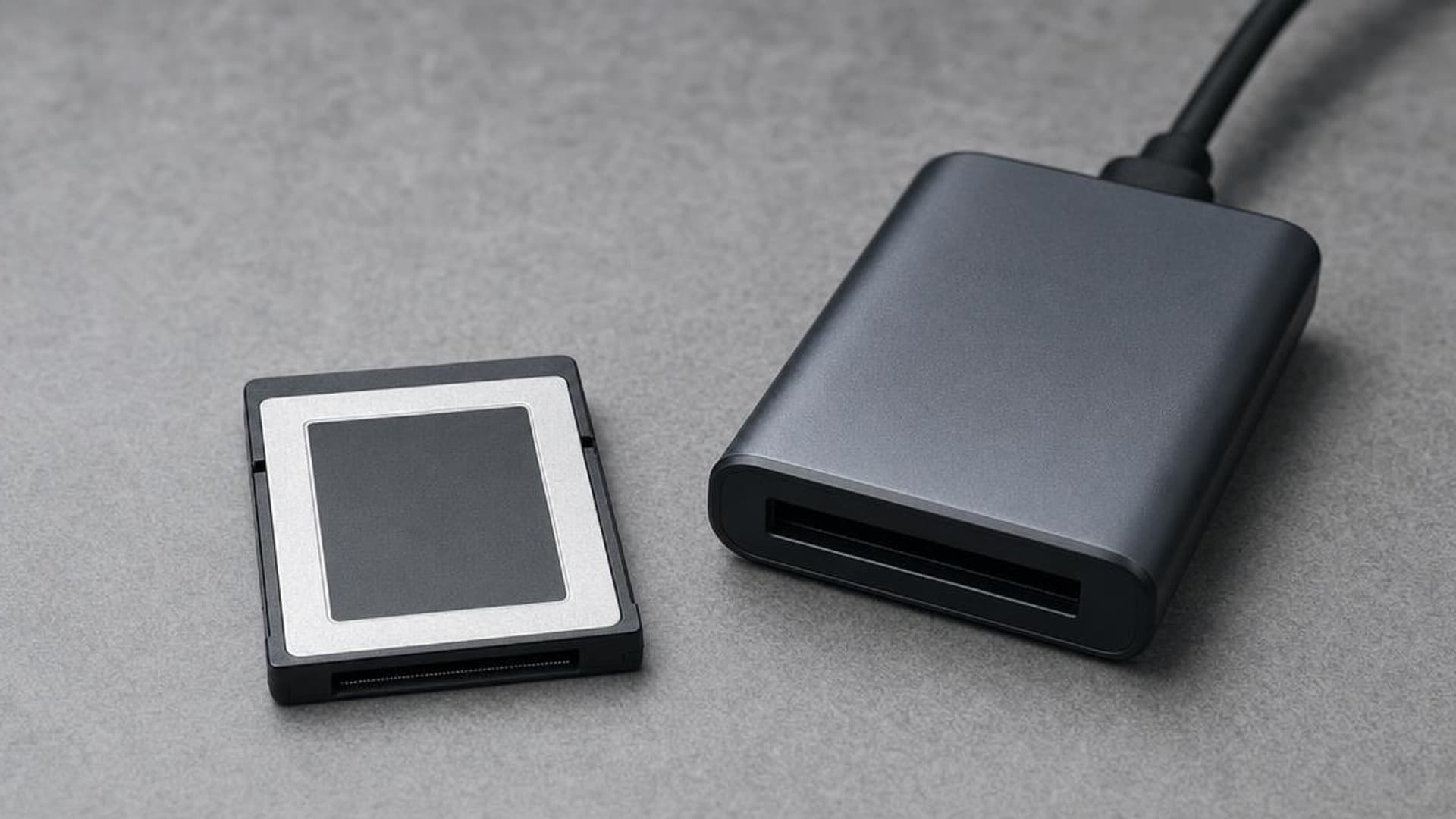
CFexpress 4.0 and VPG Explained: Buy the Card Your Camera Needs
CFexpress 4.0 doubles theoretical bandwidth, while VPG certifies sustained video writes. Learn Type A vs B, VPG classes, and when 4.0 is worth paying for.
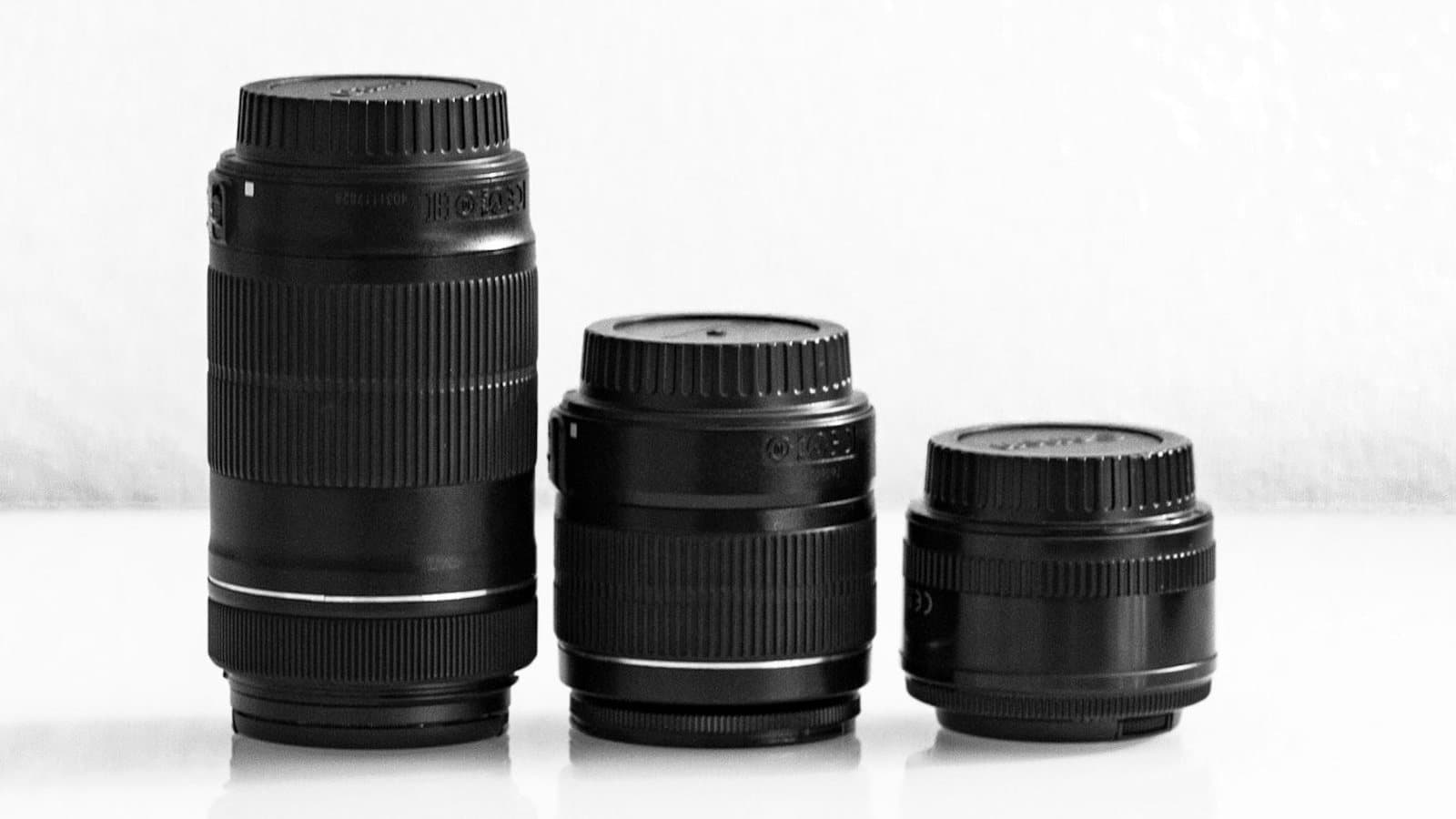
Focal Length Explained: What 24mm, 50mm, 85mm, and 200mm Actually Do
What the millimeter number on a lens changes in the field: angle of view, compression, and working distance. When to reach for 24, 50, 85, or 200mm.
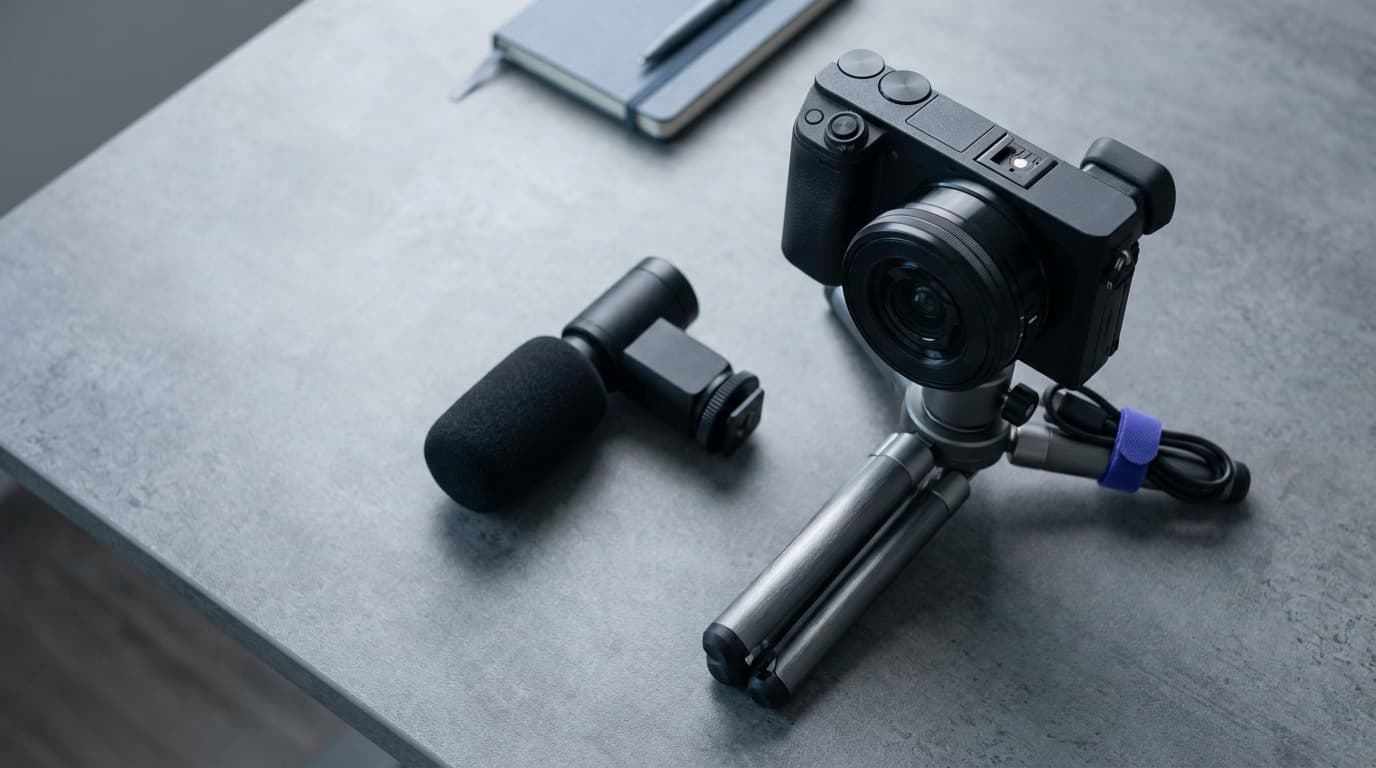
Canon EOS R50 V vs Sony ZV-E10 II: Which Beginner Vlogging Camera Should You Buy?
Canon EOS R50 V is the easier beginner creator kit. Sony ZV-E10 II is the deeper lens-system pick. Compare the practical tradeoffs.
Researched, not personally tested: picks compare specifications, available owner feedback, and established expert sources. As an Amazon Associate I earn from qualifying purchases. We may earn a commission from links here, at no extra cost to you. How we research →