We may earn a commission from links on this page, at no extra cost to you. Picks are researched, not sponsored.
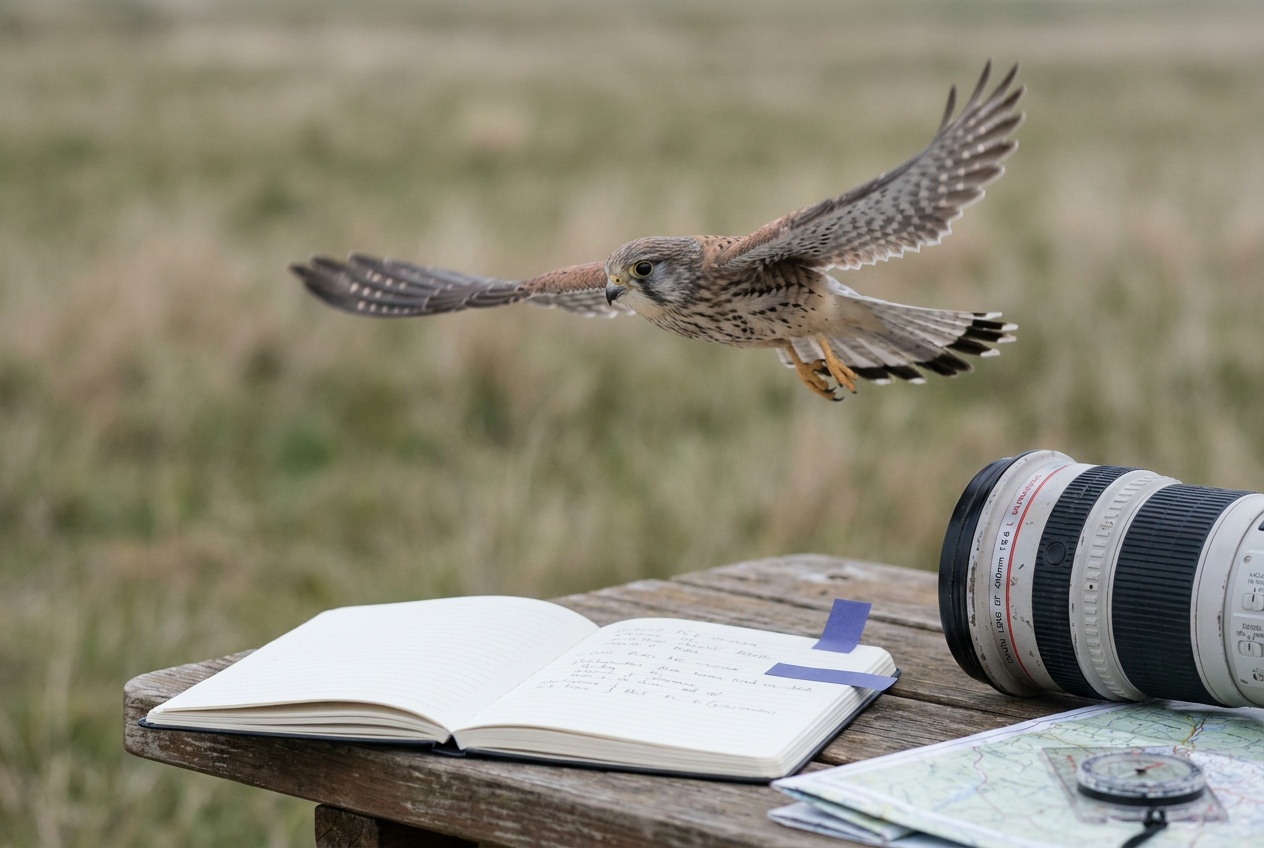
Wildlife photography is two problems at once. The technical problem is freezing a fast, often distant animal in unpredictable light. The human problem is getting near enough without spooking it. The settings solve the first; patience and fieldcraft solve the second.
The gear
Reach and speed define the kit:
- A telephoto lens, commonly 300mm and up, or a 100 to 400mm zoom for flexibility. The longer the better for skittish or distant animals. The zoom-versus-prime tradeoff is in prime vs zoom lenses.
- A camera with fast, reliable autofocus and a decent burst rate. Crop sensors give extra effective reach, which is a real advantage here; see sensor sizes explained.
- A tripod or monopod for heavy lenses, especially on long waits. The best tripods guide covers sturdy options.
The settings
A solid wildlife baseline is f/5.6 · 1/1000 · ISO auto. A fast shutter speed of 1/1000 or faster freezes a moving animal, and birds in flight often need 1/2000 or more. A wide aperture around f/4 to f/6.3 lets in light and separates the subject from a busy background. Let ISO float on auto so the camera keeps the shutter fast as the light changes; a slightly noisy sharp frame beats a clean blurry one. The exposure triangle shows why a fast shutter forces those other choices.
Set continuous autofocus with a tracking mode and focus on the eye. A high-speed burst raises your odds of catching the peak moment, the wingbeat or the head turn.
Field craft
This is where wildlife photos are actually made. Learn the animal: where it feeds, when it is active, how close it tolerates you. Move slowly, keep low, wear muted colors, and approach at an angle rather than straight on. Early morning and late afternoon give both the best light and the most activity. Often the best move is to stop, sit, and let the animals come to you. Long lenses also let you keep an ethical distance, which matters for the animal and for your safety.
Composition
Put the eye in sharp focus; if the eye is soft the photo fails, however good the pose. Leave room in the direction the animal is looking or moving. A clean, distant background separates the subject, so shift your position to drop clutter behind it. And do not always crop tight. A wider frame that shows the habitat tells a stronger story than a portrait alone.
Common mistakes
The usual problems are too slow a shutter, which blurs motion, and focusing on the body instead of the eye. Many beginners also crowd the animal, which stresses it and ruins the encounter; use more reach and more distance instead. Finally, shooting in flat midday light wastes the trip, so plan for the active, golden hours.
What lens do I need for wildlife photography?
A telephoto of at least 300mm for most animals, or a 100 to 400mm zoom for versatility. Birds and shy subjects reward even more reach. A crop-sensor body adds effective focal length, which helps when you cannot get closer.
What shutter speed should I use for wildlife?
At least 1/1000 to freeze a moving animal, and 1/2000 or faster for birds in flight. Use auto ISO so the camera keeps the shutter that fast as the light shifts.
How do I get closer to wild animals?
Slowly and patiently. Learn their habits, approach at an angle while staying low and quiet, wear muted colors, and often just wait in one spot. A long lens lets you keep an ethical, safe distance while still filling the frame.
Practice this
Turn the guide into a working setup
Shoot kits
Buy around the job, not the spec sheet
Fast subjects
Wildlife and sports kit
$9,833
A fast autofocus body, serious long zoom, weather-ready carry, and fast media for distant subjects that will not wait.
Best reach-first action kit
Buy order: start with the first piece that makes the job possible, then add the support pieces that remove friction.
Camera: start here. If this piece does not make the shoot easier, the rest of the kit can wait.
Memory: add it after the core setup proves useful.
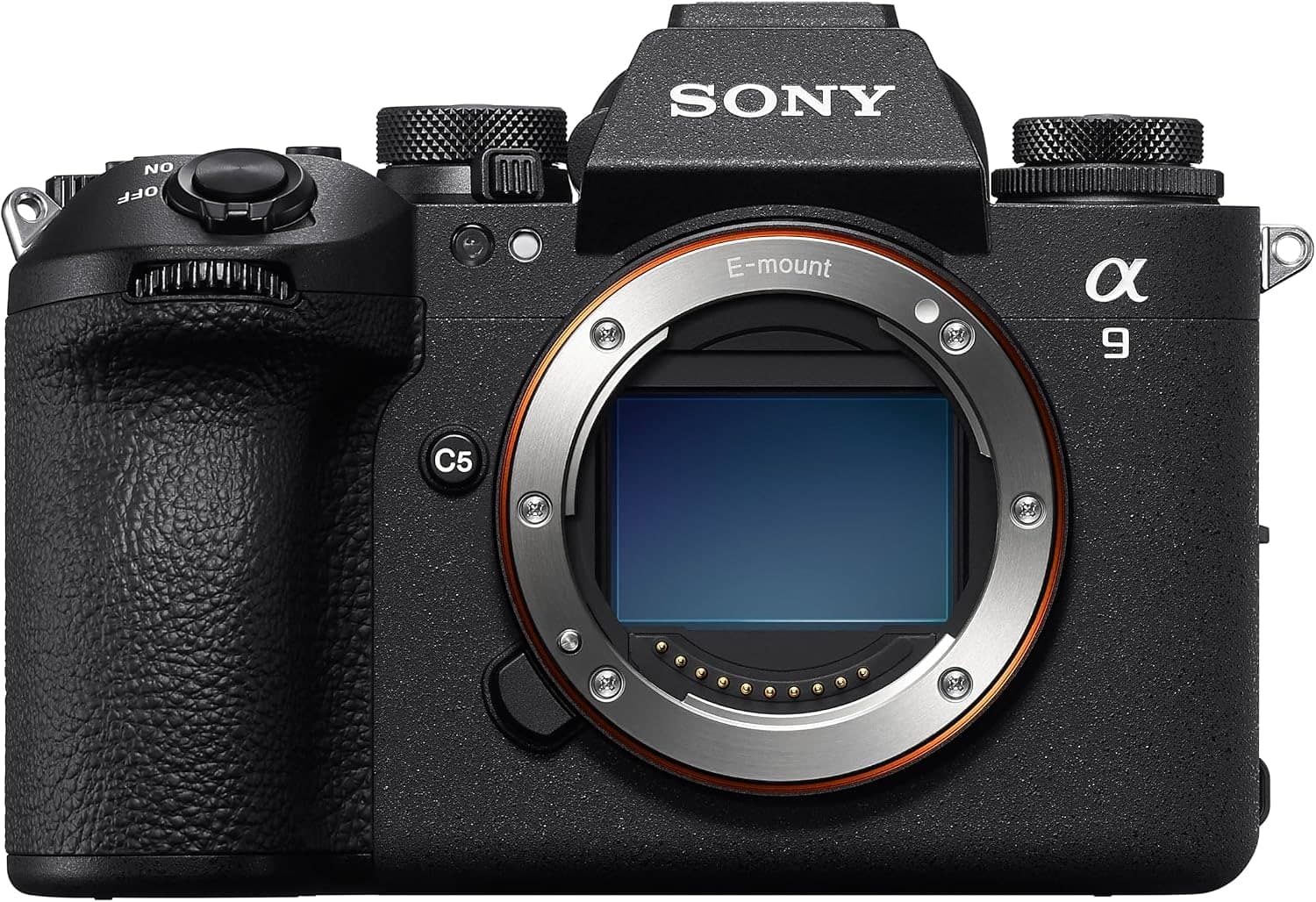
Sony a9 III
Global shutter speed, subject tracking, and high frame rates for moments that last a fraction of a second.
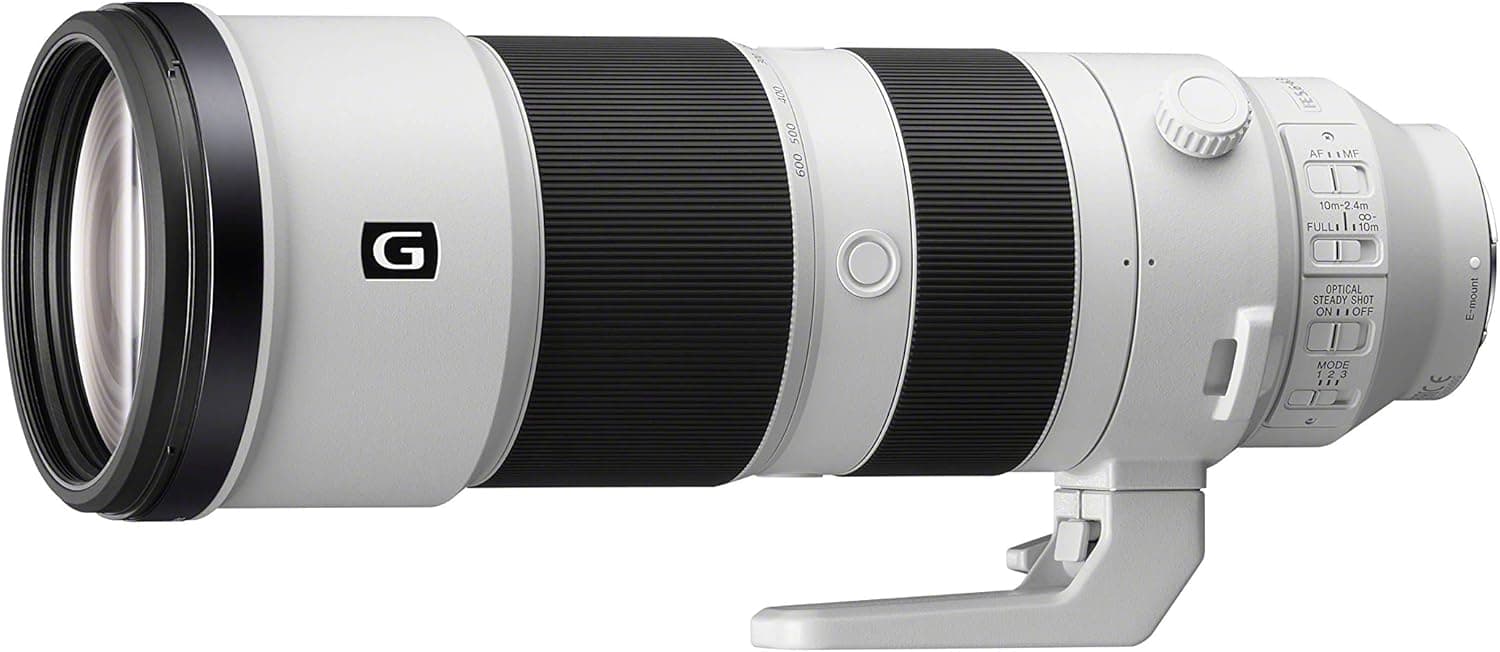
Sony FE 200-600mm f/5.6-6.3 G OSS
Reach for birds, field sports, and wildlife without jumping straight to prime-lens pricing.
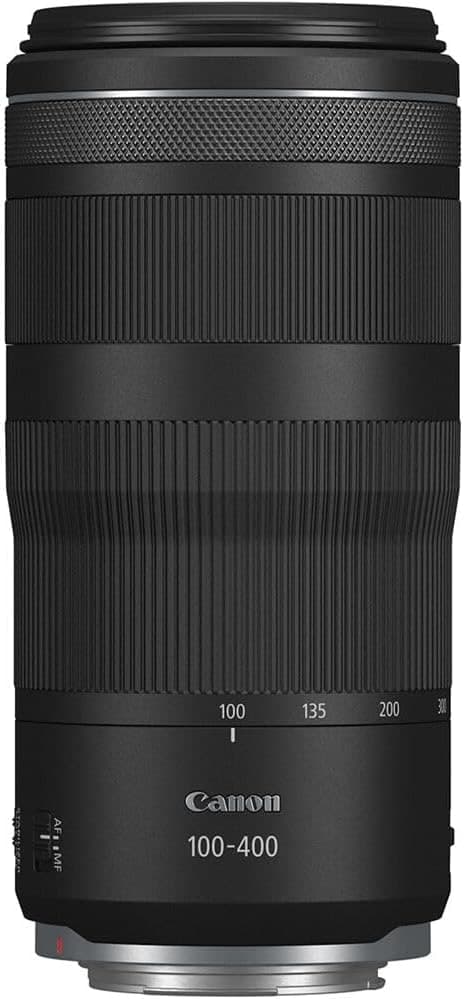
Canon RF 100-400mm f/5.6-8 IS USM
A lighter alternate path for Canon shooters who want reach before they buy a heavy super-telephoto.
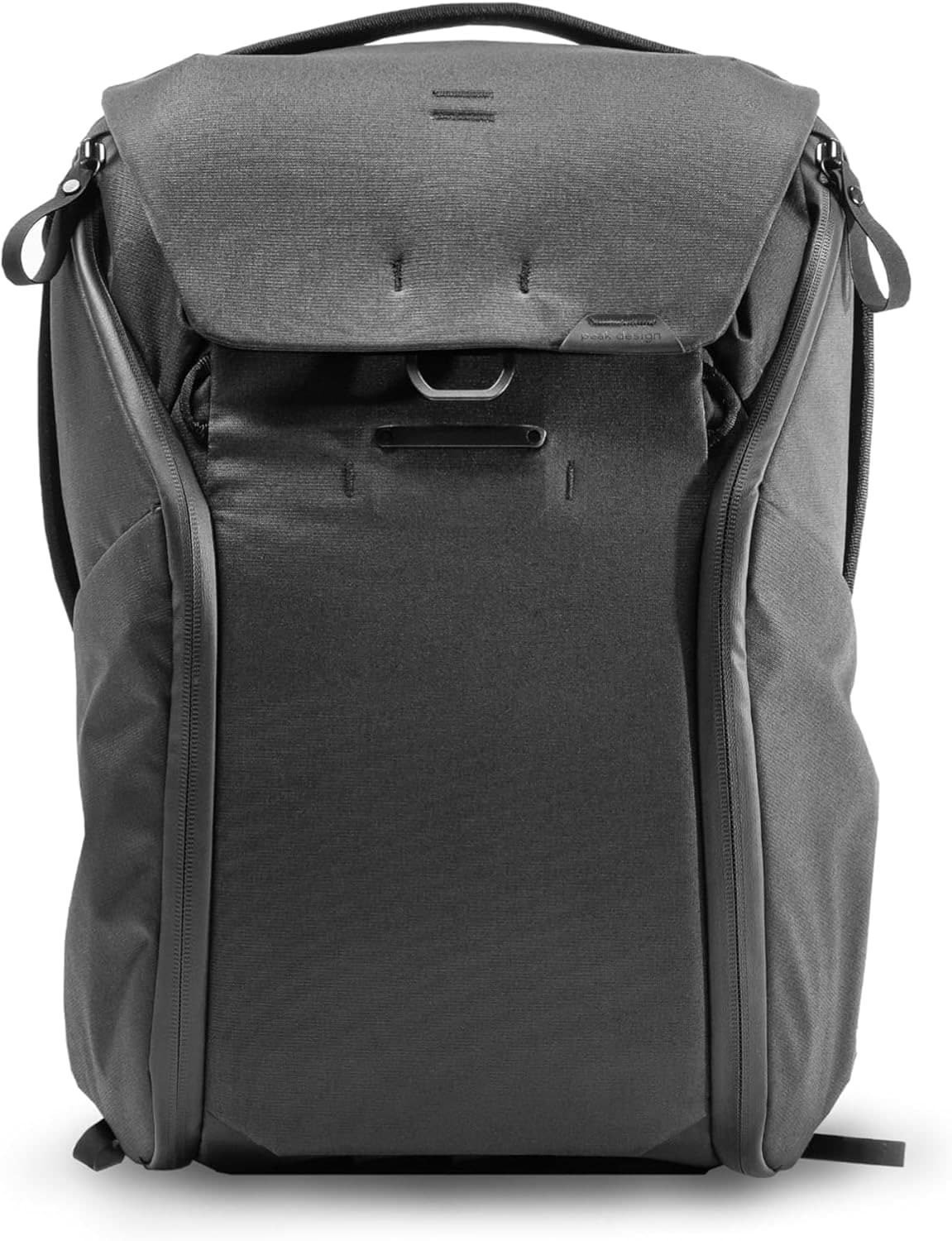
Peak Design Everyday Backpack V2 20L
Room for a long-lens kit, layers, cards, batteries, and field extras without loose gear knocking around.
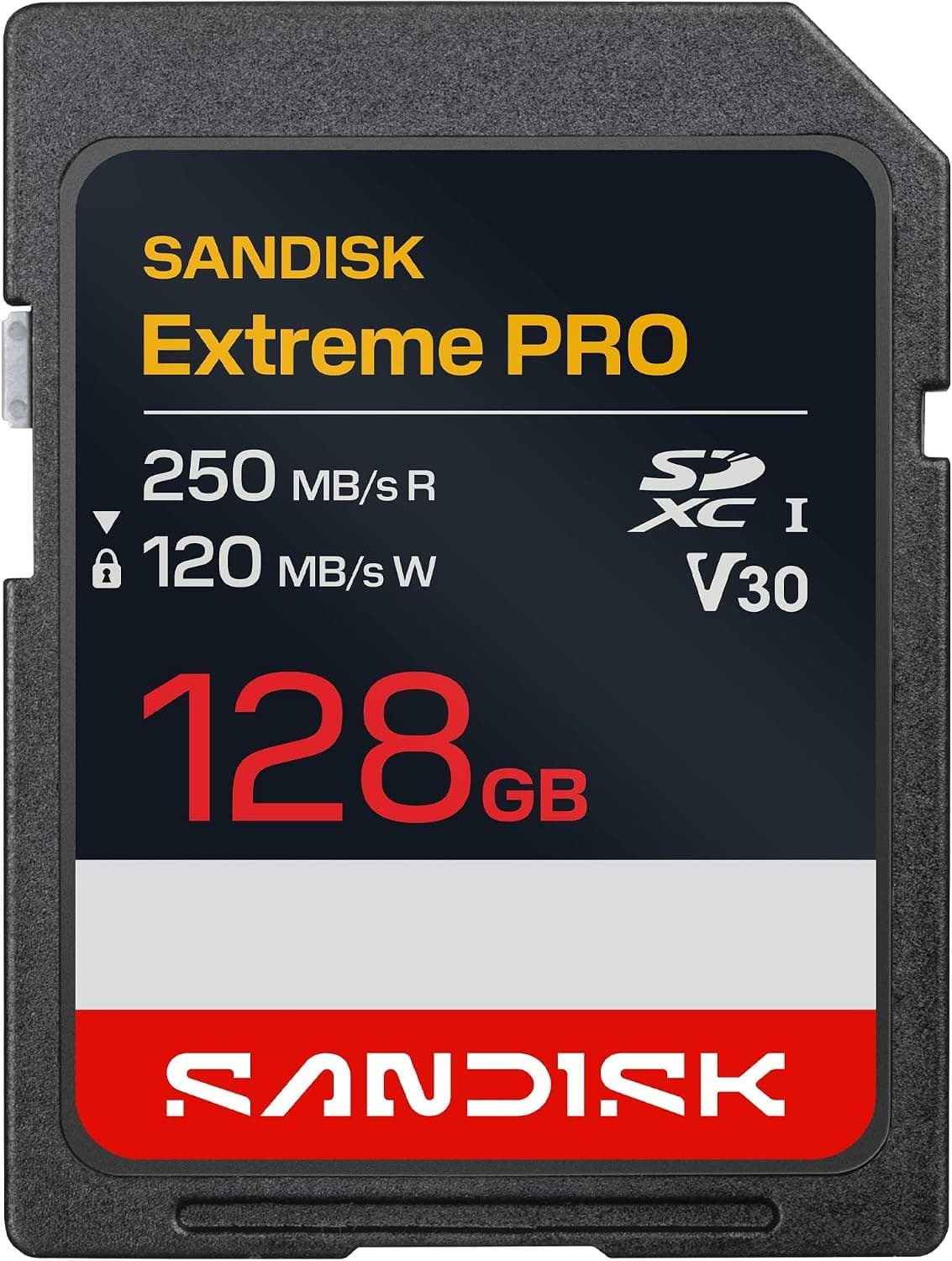
SanDisk Extreme Pro SDXC 128GB
Fast enough for heavy bursts and common video modes in bodies that still use SD media.
Prices are rough catalog totals. Retailer prices change, and you can swap pieces to fit your system.
Related Genres guides

Event Photography: Settings and Gear for Low Light and Fast Moments
Event photography means low light, candid moments, and no second takes. Here is the gear, the settings, and the mistakes to skip for sharp, well-lit frames.
Fashion Photography: Light, Posing, and the Look on a Budget
Editorial fashion images come from intentional light, confident posing, and a clear styling concept. Here is how to build the look on a budget with one light and simple gear.
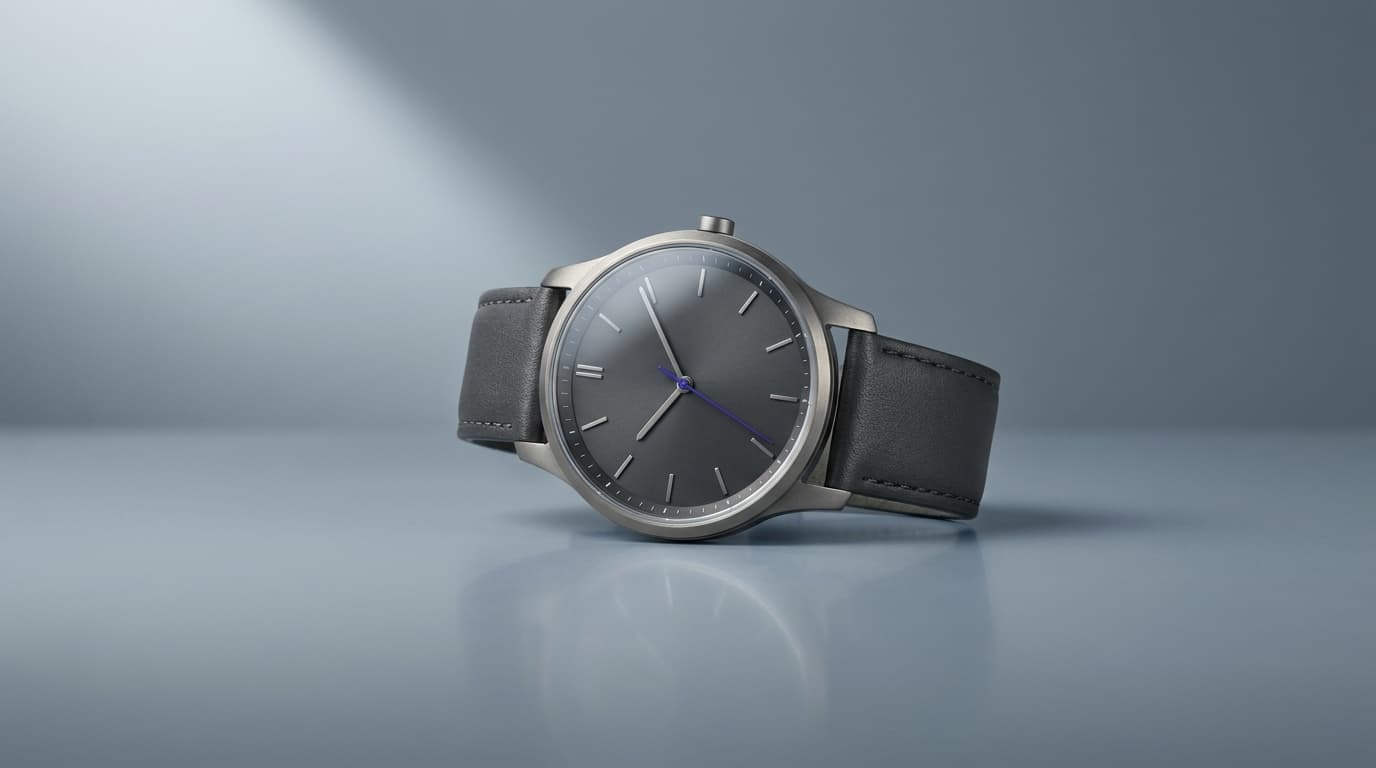
Product Photography: A Simple, Repeatable Setup
Clean product photos need controlled light, a sharp aperture, and a tripod, not a studio. Here is the gear, the settings, and the lighting that gets professional results.
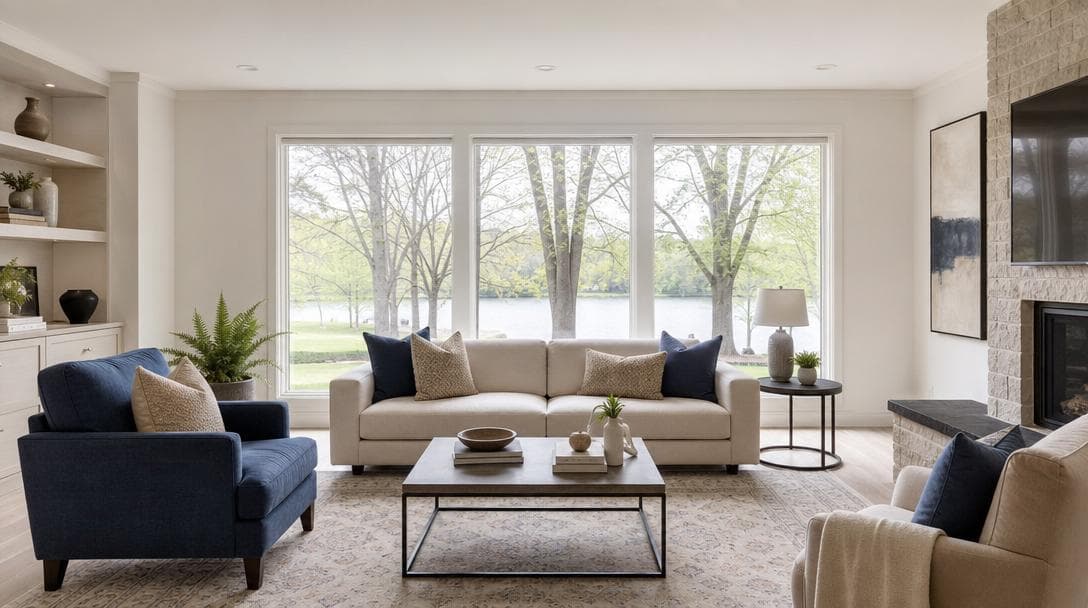
Real Estate Photography: The Complete Starter Guide
How to shoot a listing that sells: the gear, the settings, the room-by-room shot list, and the common mistakes. Plus the tool that builds your shot list for you.
Researched, not personally tested: picks compare specifications, available owner feedback, and established expert sources. As an Amazon Associate I earn from qualifying purchases. We may earn a commission from links here, at no extra cost to you. How we research →