We may earn a commission from links on this page, at no extra cost to you. Picks are researched, not sponsored.
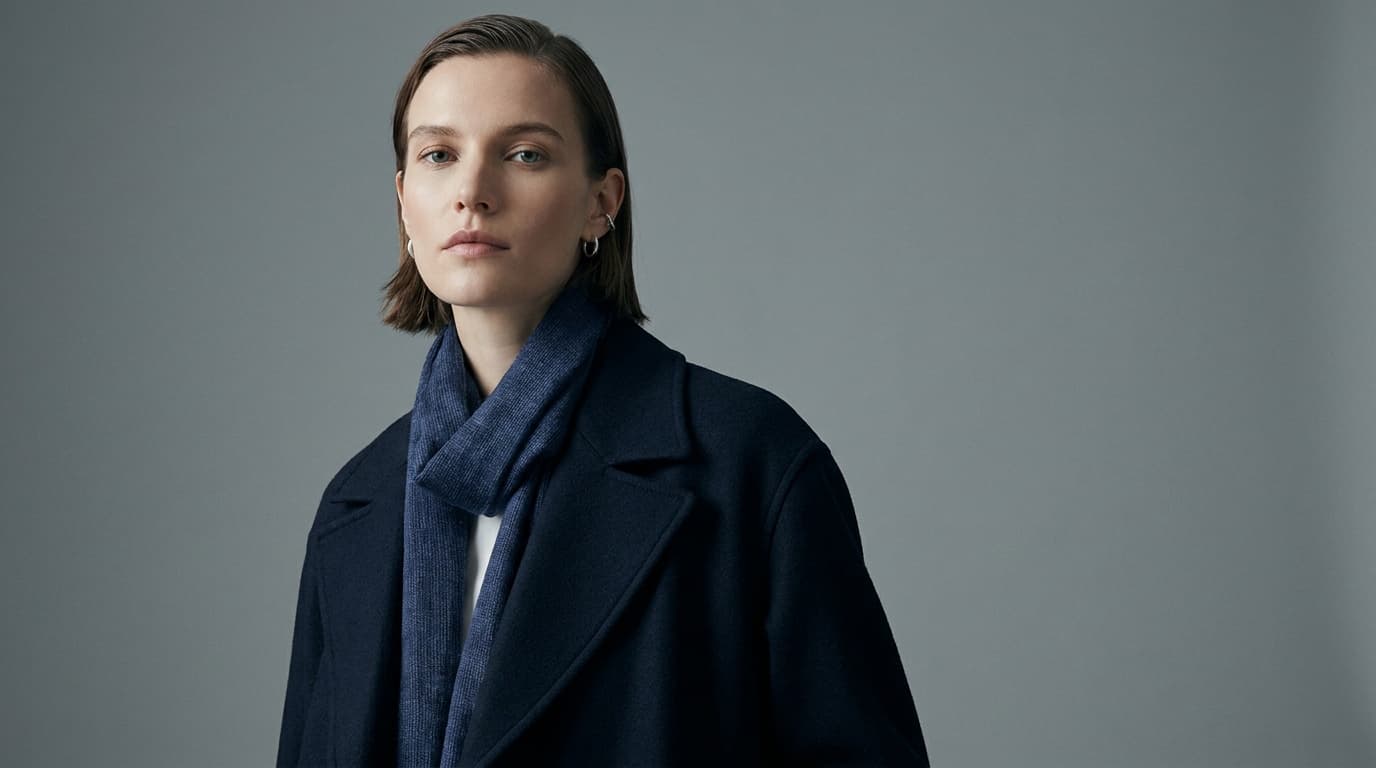
Fashion photography sells a feeling, not just a garment. The strongest images have a point of view: a mood, a color story, a kind of attitude that ties the clothes, the location, the light, and the pose into one idea. The good news for anyone starting out is that the look depends far more on intent and direction than on expensive gear. A single light and a clear concept beat a rented studio used without a plan.
Start with a concept
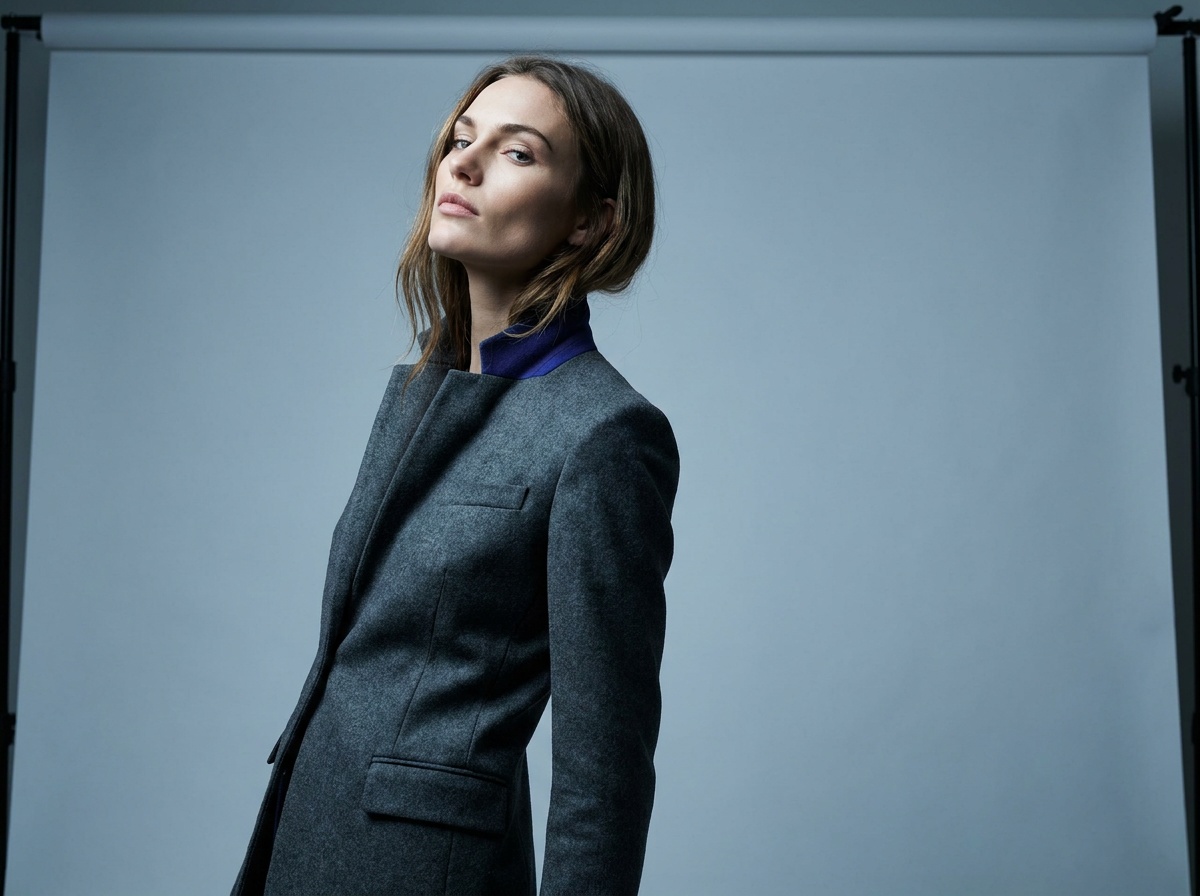
Before any setting, decide what the shoot is about. Editorial fashion is storytelling, so pick a mood (clean and minimal, moody and dramatic, bright and playful) and let it dictate the location, the styling, the light, and the posing. A mood board built from images you admire keeps everyone, model and stylist included, aimed at the same target. Clothes are the subject, so styling matters: fit, color coordination, and a few well-chosen accessories often do more for an image than any camera trick.
One light goes a long way
You can light fashion convincingly with a single source, and learning to shape one light teaches more than owning ten. A large soft source off to the side creates the directional, sculpted look that reads as editorial.
- A window is a free, beautiful soft light. Place the model so it rakes across them, and bounce a card into the shadows.
- One off-camera flash in a softbox or shoot-through umbrella gives you control of direction and power anywhere. The best flashes and speedlights guide covers capable, affordable units, and a portable strobe runs a full shoot off battery.
Best Strobe
Godox AD200 Pro
Portrait and location shooters wanting strobe power that fits in a bag.
Check price at AmazonHard, direct light has its place for a high-contrast, graphic look, but soft directional light is the forgiving starting point. The low-light and indoor guide covers the basics of shaping and bouncing a single source.
If you graduate to two lights, clamshell lighting is the beauty and editorial standard: a key source above the face angled down, a fill or reflector below angled up, the pair forming the open-clamshell shape that gives clean, wraparound skin and bright catchlights. A 22 to 26 inch beauty dish as the key sits roughly two to four feet from the face for crisper shadow edges and skin texture that reads as editorial rather than flat. Add a rim or hair light behind the model to separate them from the background, and you have the setup behind most portfolio and campaign frames.
Settings that keep the clothes sharp
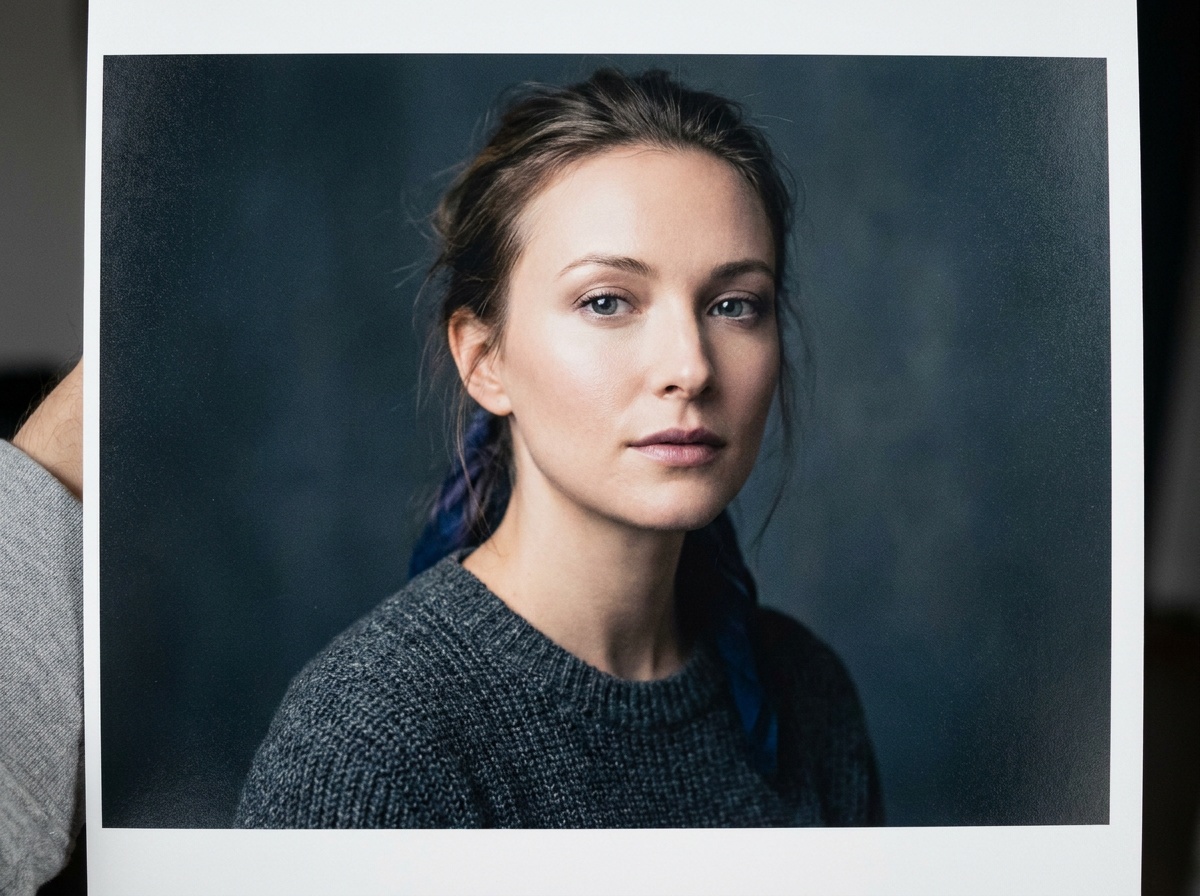
Fashion is about the garment, so you usually want it sharp rather than melted into blur. A reliable baseline is f/8 · 1/200 · ISO 100.
A moderate to narrow aperture around f/4 to f/8 keeps the outfit crisp head to toe; reserve wide-open f/1.8 for tight beauty frames where only the face matters. Keep ISO low at 100 to 200 with flash for clean color, and set the shutter speed at or below your camera's flash sync speed, often around 1/200, so the flash exposes the full frame. The exposure triangle explains how flash changes the usual balance. An 85mm prime flatters the model and compresses the background for a clean editorial feel. See best lenses for portraits and best prime lenses.
Posing and directing the model
Posing is where fashion images live or die, and the photographer's job is to direct with energy. Give clear, confident prompts rather than vague ones; a model responds to specifics like a shift of weight, a chin angle, a hand to the hip. Keep the body dynamic with angles and bends rather than a flat, square stance, since straight-on tends to read stiff. A few reliable directions: weight onto the back foot to angle the hips, chin slightly down and forward to define the jaw, shoulders dropped and turned off the camera axis, and one knee soft so the legs never lock straight. Direct the hands deliberately, because awkward hands ruin otherwise strong frames; relaxed fingers, a hand grazing the hip or hair, never a tense flat palm to the lens. Keep the energy high with constant feedback, so the model stays loose and confident. Shoot continuous bursts through movement, walking, a hair flip, a turn, since the strongest frame is usually one or two shots into the motion rather than the held pose.
Common mistakes
The common failures are shooting without a concept, so the images feel random; using too wide an aperture so the clothes go soft when the garment is the point; and lighting flatly with on-camera flash, which kills the editorial mood. Beginners also tend to under-direct, leaving the model to guess, and to ignore the hands and the styling details that a viewer reads instantly. Plan the look, shape one light well, and direct with confidence.
Do I need expensive gear for fashion photography?
No. A clear concept, one good light or a large window, a clean backdrop, and confident direction will carry an editorial look. A single off-camera flash in a softbox and an 85mm lens are enough to start; the styling and the posing matter more than the size of the kit.
What lighting setup works for fashion on a budget?
A single large soft source off to the side. A window with a bounce card costs nothing, and one off-camera flash in a shoot-through umbrella or softbox gives you control anywhere. Learning to shape one light well teaches more than owning many.
What camera settings should I use for fashion photography?
Keep the clothes sharp with a moderate aperture around f/4 to f/8, a low ISO near 100 for clean color, and a shutter at or below your flash sync speed, often about 1/200. Reserve very wide apertures for tight beauty shots where only the face needs to be in focus.
Shoot kits
Buy around the job, not the spec sheet
People work
Portrait and headshot kit
$2,936
A full-frame hybrid body, an 85mm prime, simple flash, diffusion, and grip pieces for clean portraits without a studio buildout.
Best people-first kit
Buy order: start with the first piece that makes the job possible, then add the support pieces that remove friction.
Camera: start here. If this piece does not make the shoot easier, the rest of the kit can wait.
Sandbag: add it after the core setup proves useful.
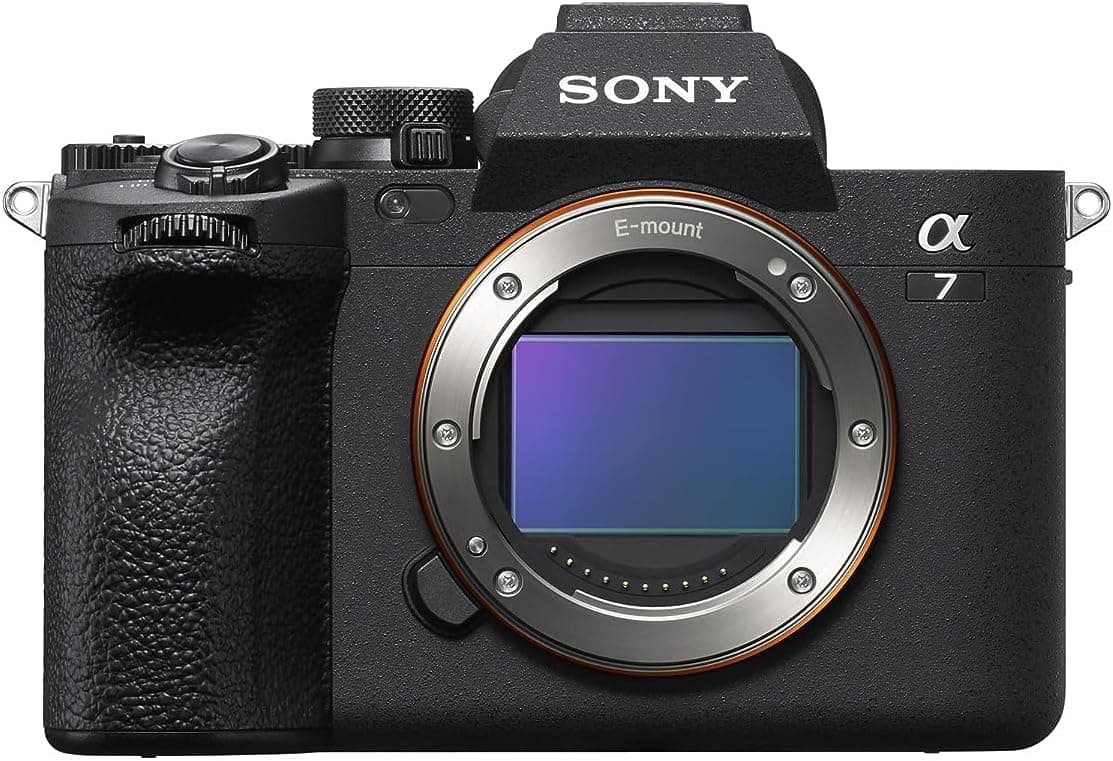
Sony a7 IV
A balanced full-frame body with reliable eye autofocus for portraits, events, and headshots.
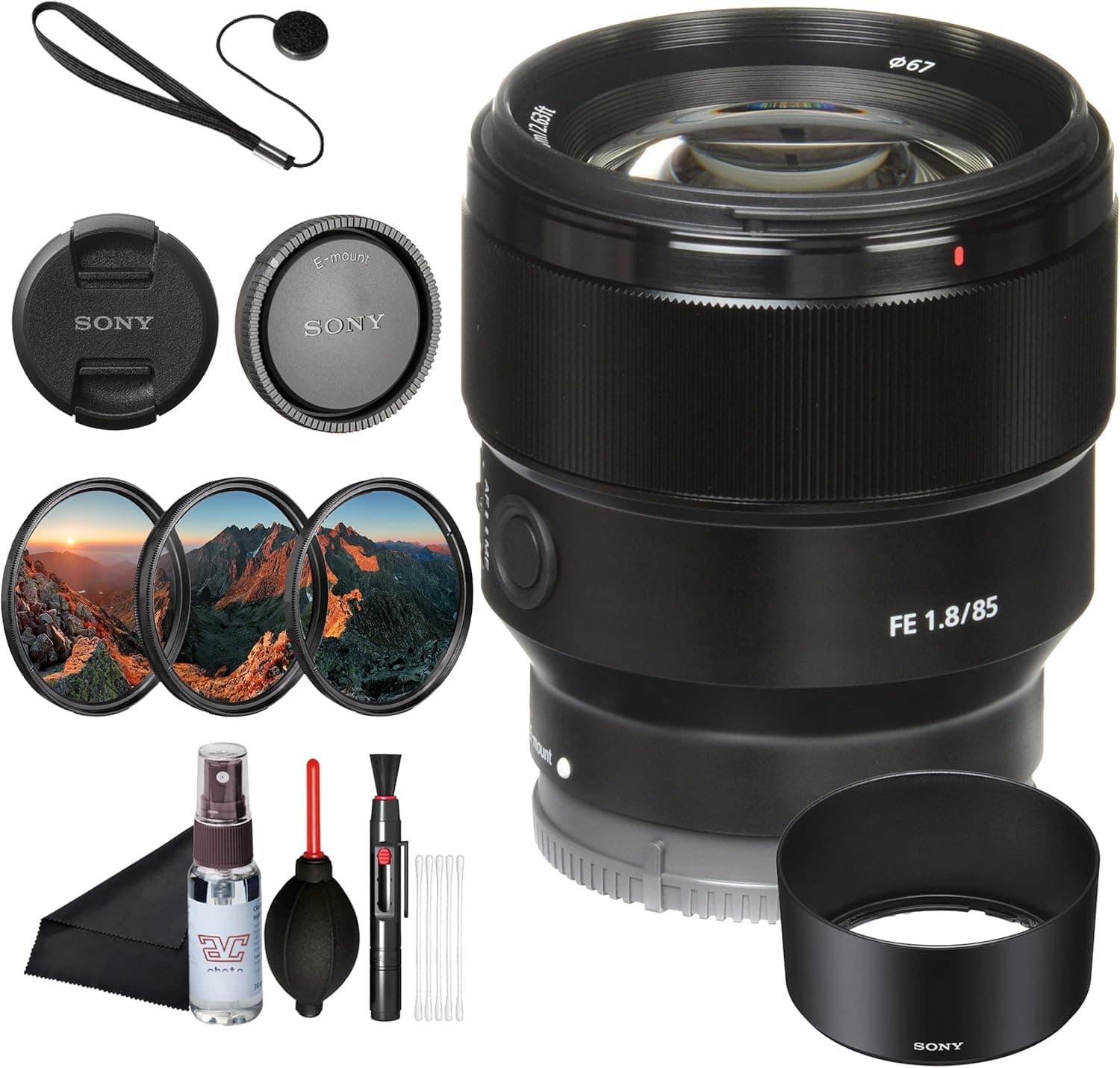
Sony FE 85mm f/1.8
Classic headshot framing, flattering compression, and a price that leaves money for light.
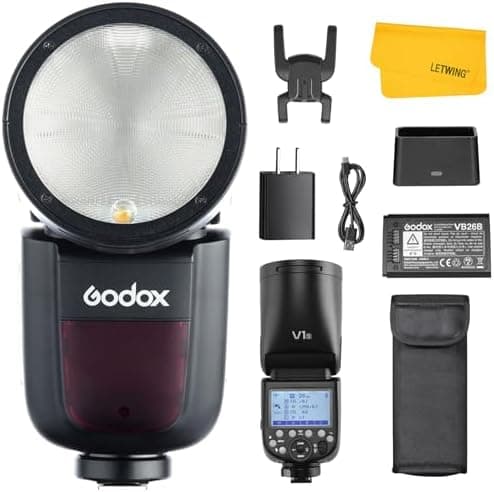
Godox V1
Round-head flash for bounce, quick portraits, and a first off-camera setup.
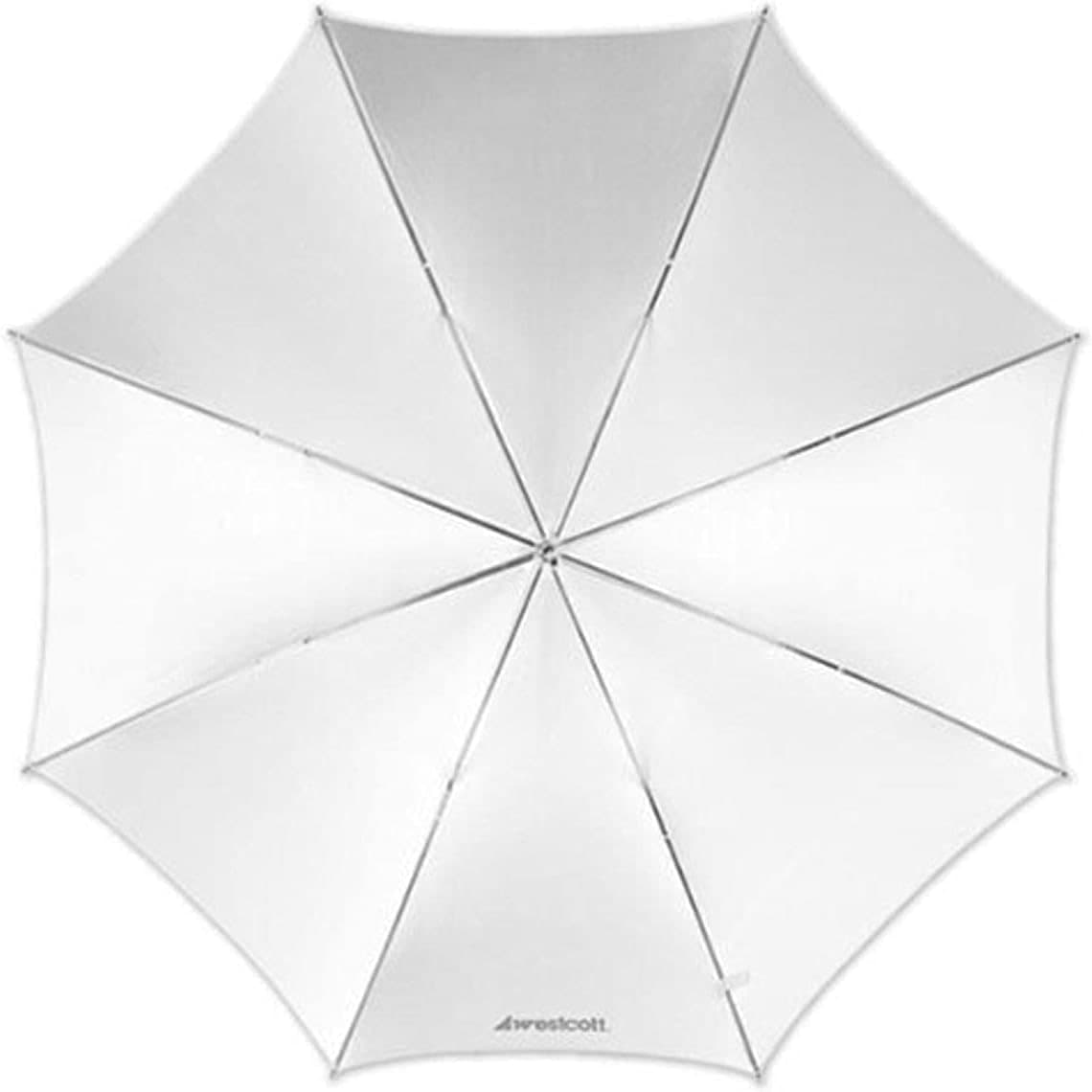
Westcott 43-inch Umbrella
Cheap, fast diffusion that makes one light look less harsh.
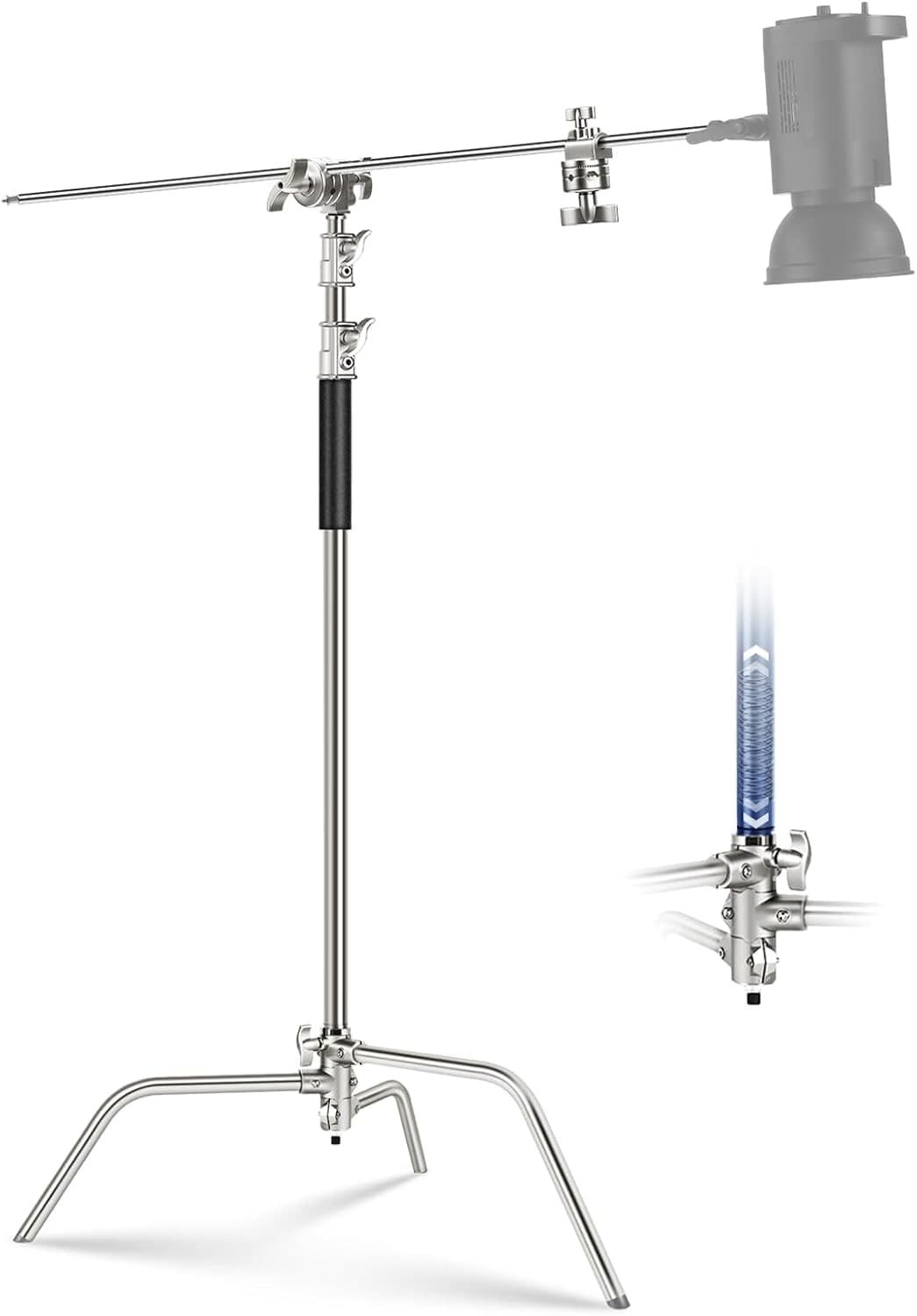
Neewer C-Stand
Keeps the light where it belongs when a small tripod would be a liability.
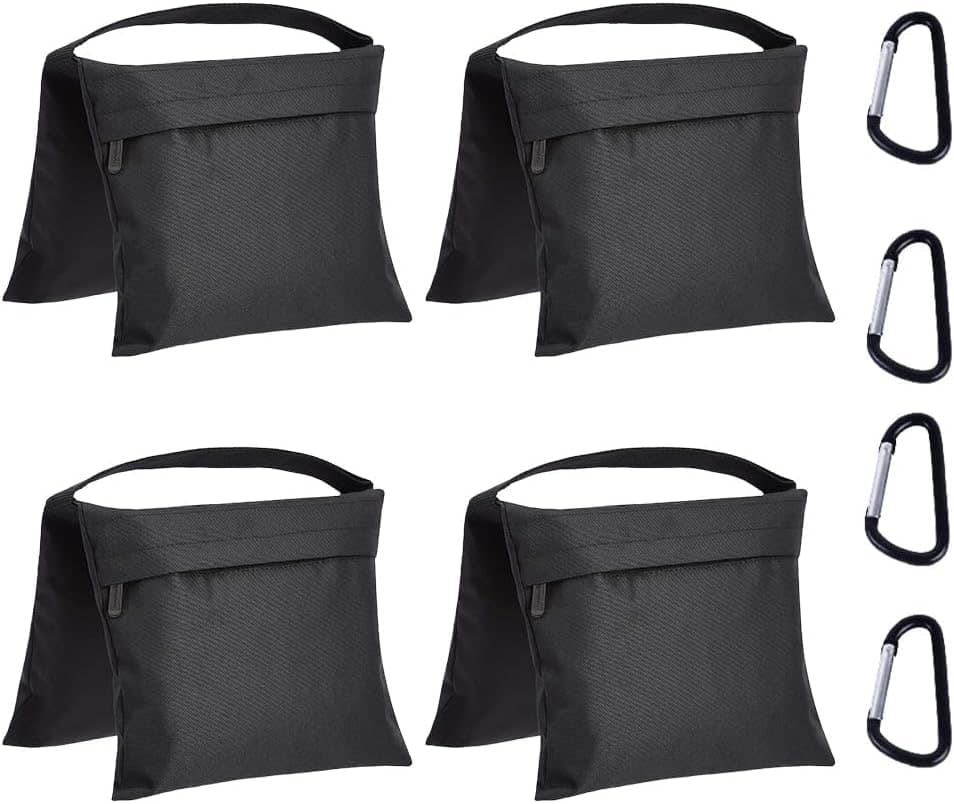
Amazon Basics Photography Sandbags (4-Pack)
The unglamorous piece that keeps a light stand from becoming expensive chaos.
Prices are rough catalog totals. Retailer prices change, and you can swap pieces to fit your system.
Related Genres guides
Event Photography: Settings and Gear for Low Light and Fast Moments
Event photography means low light, candid moments, and no second takes. Here is the gear, the settings, and the mistakes to skip for sharp, well-lit frames.
Product Photography: A Simple, Repeatable Setup
Clean product photos need controlled light, a sharp aperture, and a tripod, not a studio. Here is the gear, the settings, and the lighting that gets professional results.
Real Estate Photography: The Complete Starter Guide
How to shoot a listing that sells: the gear, the settings, the room-by-room shot list, and the common mistakes. Plus the tool that builds your shot list for you.
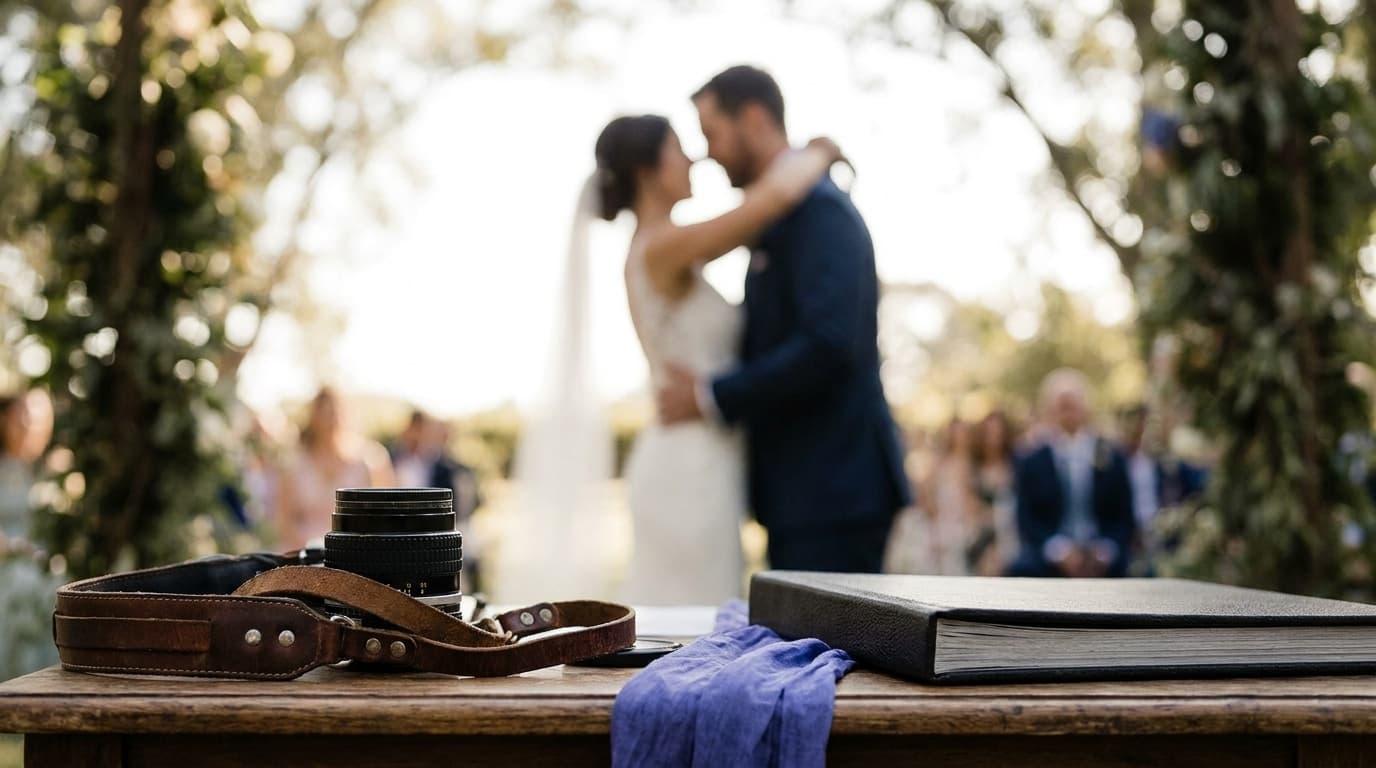
Wedding Photography: How to Shoot a Wedding Without Missing the Moments
Weddings are unrepeatable, so preparation beats reaction. Here are the gear, the settings, the shot list, and the timeline habits that keep you from missing the moments that matter.
Researched, not personally tested: picks compare specifications, available owner feedback, and established expert sources. As an Amazon Associate I earn from qualifying purchases. We may earn a commission from links here, at no extra cost to you. How we research →