We may earn a commission from links on this page, at no extra cost to you. Picks are researched, not sponsored.
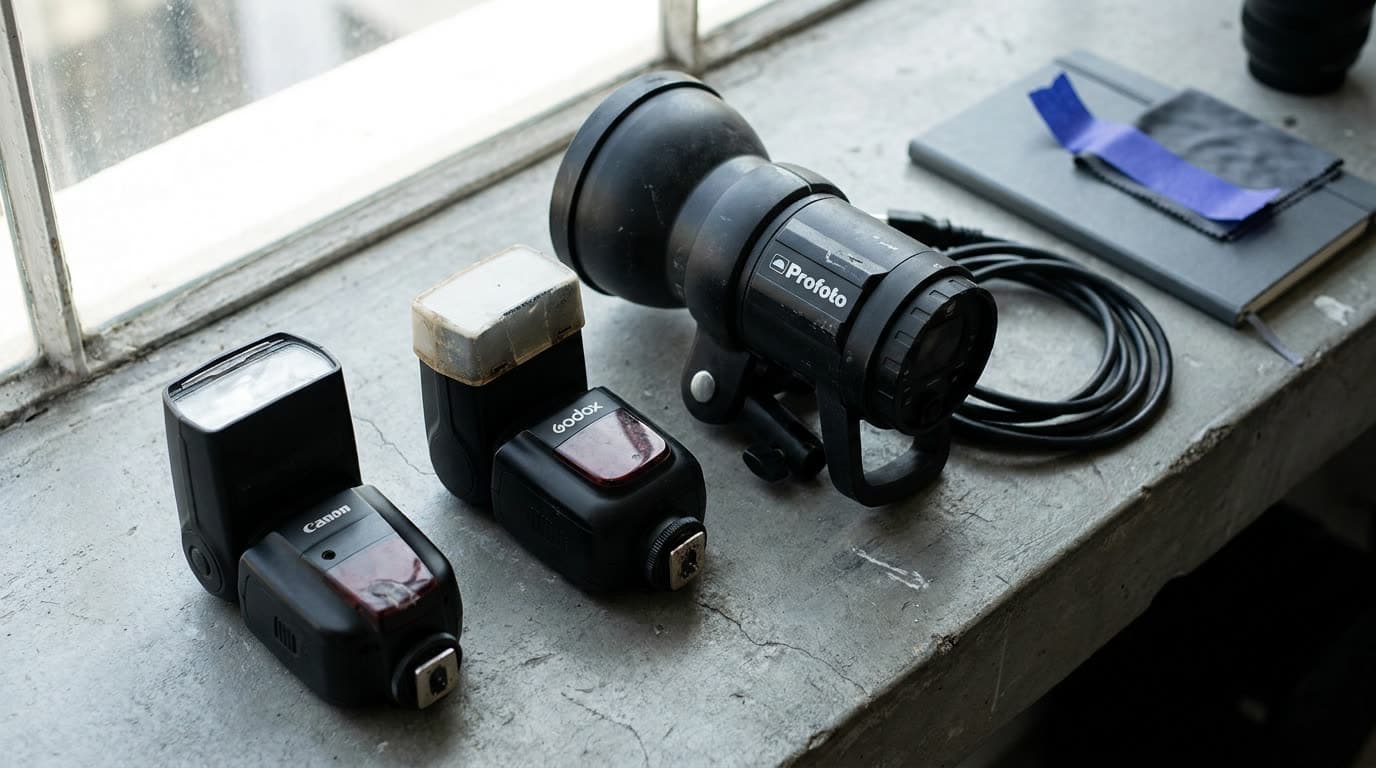
A speedlight is a portable, controllable burst of light. On camera it gives you fill in dim rooms or balances harsh sun; off camera, triggered by a radio, it becomes a key light you can shape and place anywhere. The single most important buying decision is not the flash itself but the radio ecosystem behind it, because that decides what else you can add later.
How to choose
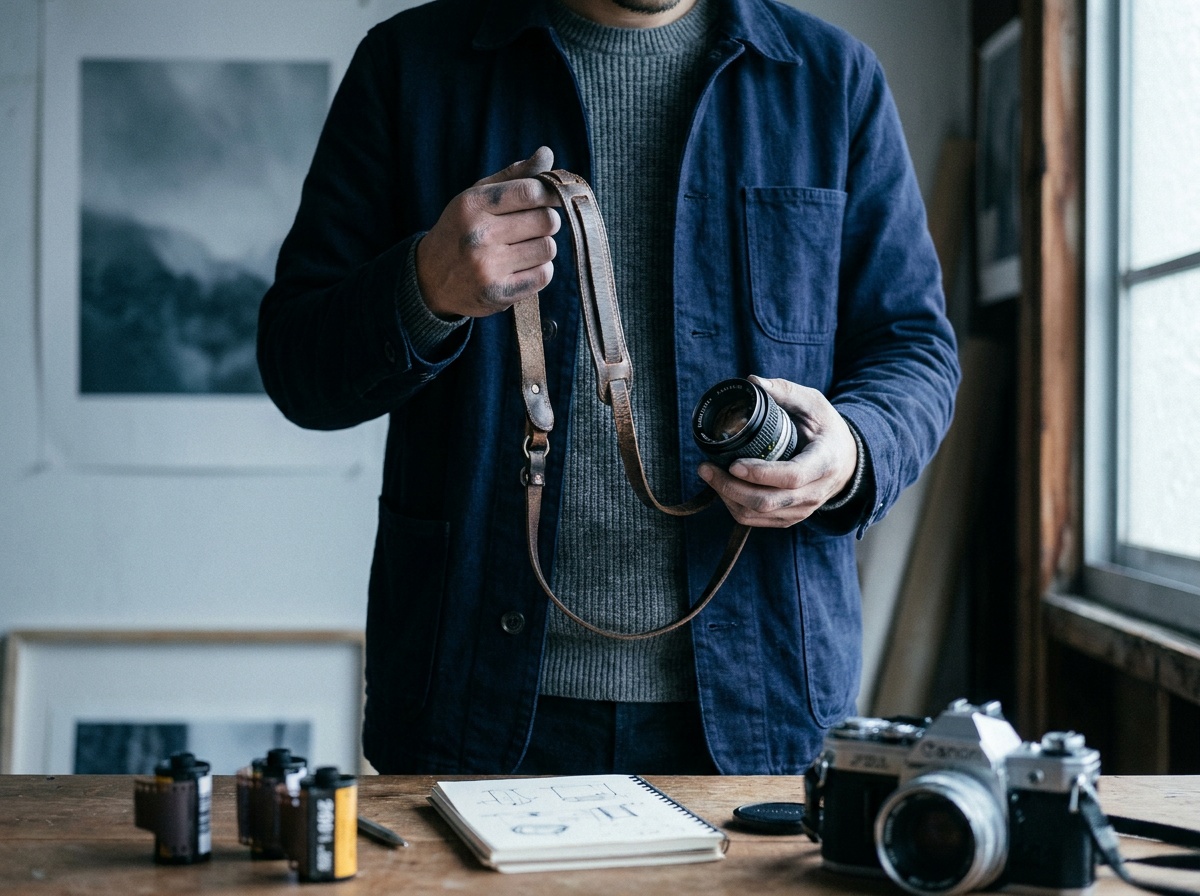
Start with the system, not the unit. Brands like Godox build a shared 2.4GHz radio so one transmitter on the camera can control a speedlight, a portable strobe, and a studio head together. Buy your first flash inside a system you can grow into, because mixing radio standards across brands rarely works cleanly.
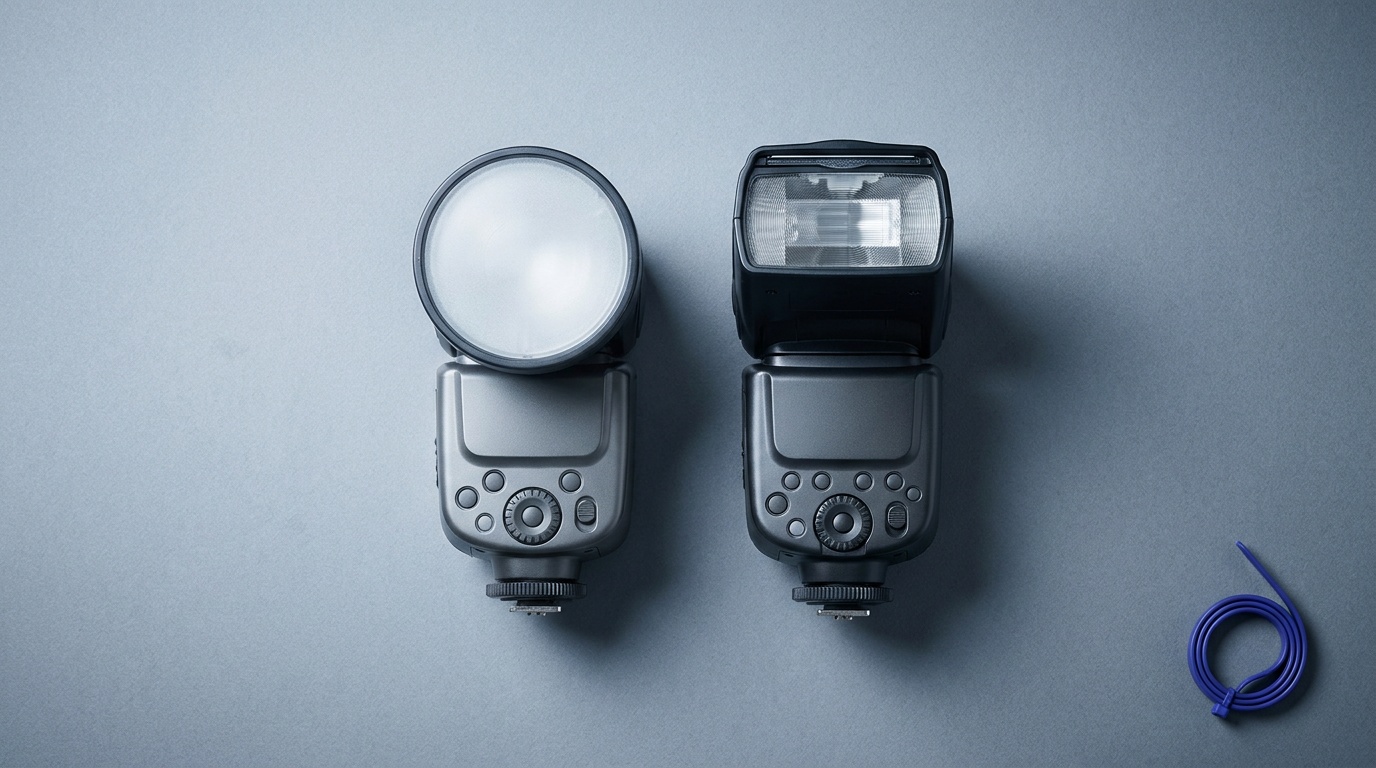
Then weigh the head shape. A round head produces softer, more natural falloff at the edges of the light, which flatters faces; a rectangular head is often cheaper and throws light a little farther. Check the battery: lithium-ion packs recycle faster and last longer than AA cells, which matters at events where a slow recycle means a missed shot. Look at TTL and HSS support, where TTL meters the flash automatically and HSS lets you sync above the normal shutter limit to balance bright sun, and finally the output and recycle time, since more power and a faster recycle cost more.
The picks
Best Overall
Godox V1
Event and portrait shooters who want soft on-camera fill and the Godox radio ecosystem.
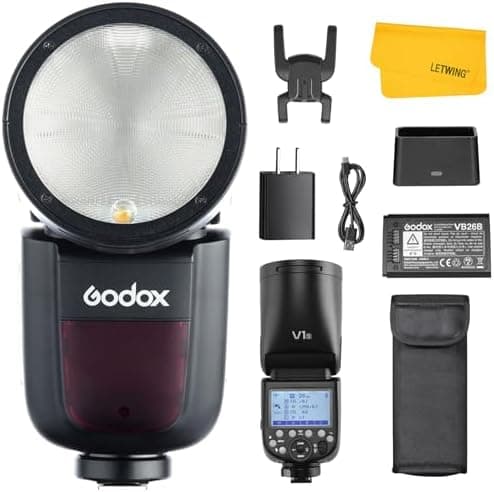
Check price at AmazonThe Godox V1 is the one to get for soft on-camera fill and a path into off-camera work. The round head gives gentler edge transitions than a rectangular tube, the lithium-ion battery recycles in about 1.5 seconds, and the built-in 2.4GHz radio plugs into the whole Godox system. It is heavier and pricier than rectangular units and the magnetic accessories cost extra, but for event and portrait shooters it is the well-rounded choice.
Research pick
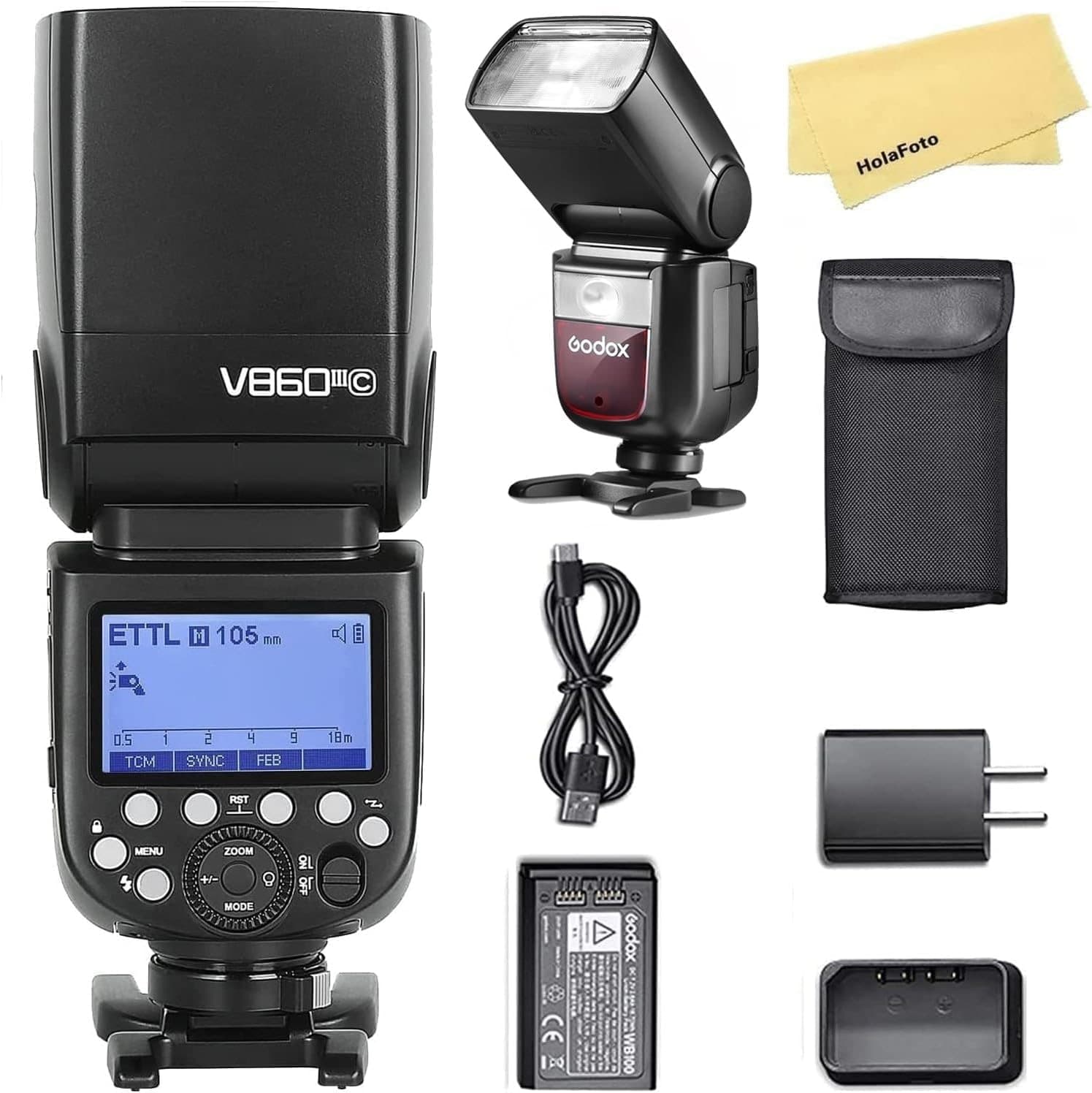
Godox V860III
Photographers who want maximum reach from a hot-shoe flash on a budget.
Check price at AmazonThe Godox V860III is the value pick when you want maximum reach from a hot-shoe flash. It is a rectangular lithium-ion speedlight with strong output, TTL and HSS, a modeling lamp, and the same Godox radio as the V1. The rectangular head is harsher than a round head and the menu is dense at first, but for the money it delivers more throw and the same ecosystem.
Research pick
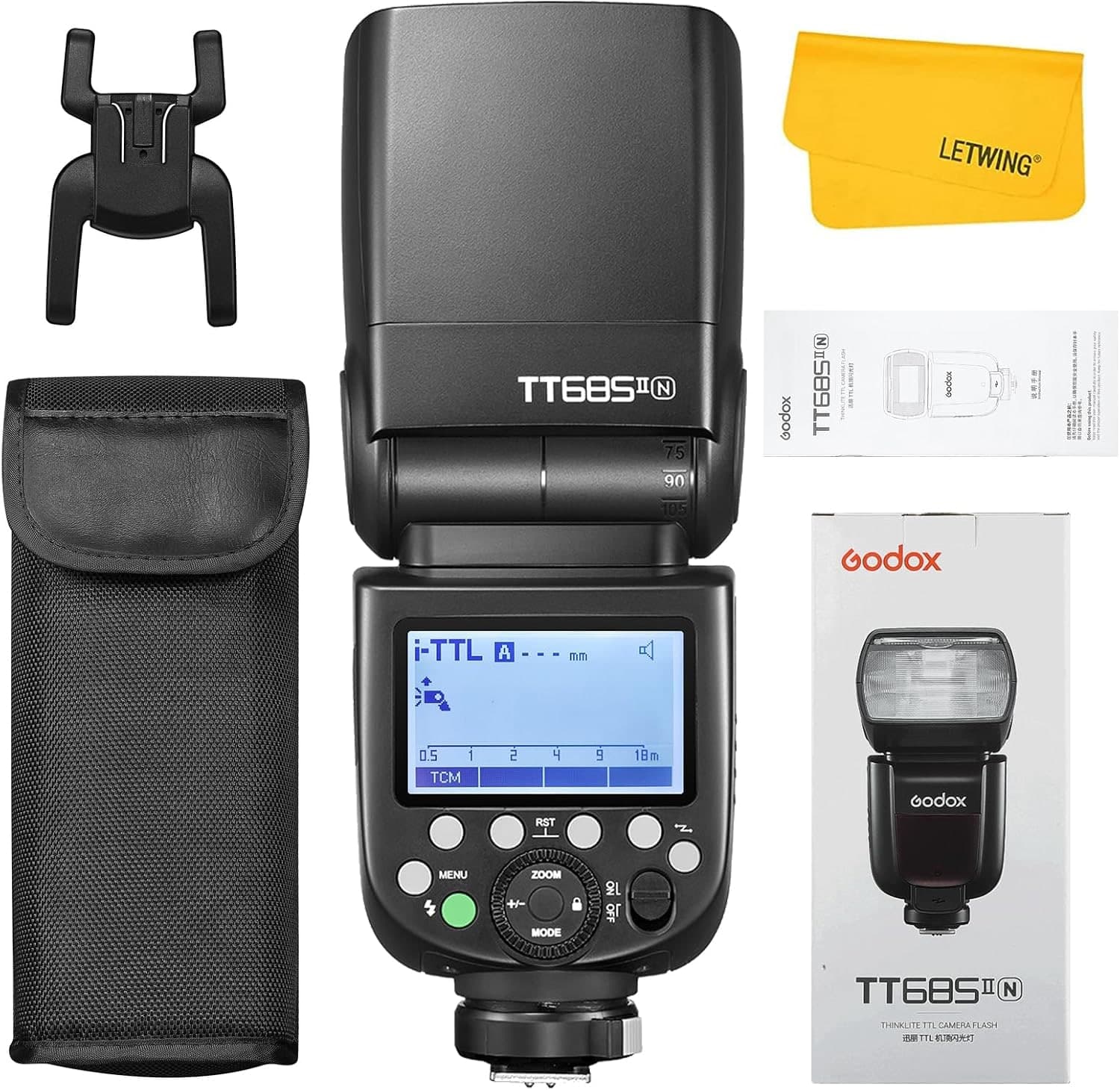
Godox TT685II
Beginners building a Godox off-camera setup who want the lowest cost of entry.
Check price at AmazonThe Godox TT685II is the cheapest way into the Godox radio system. It runs on four AA cells instead of a lithium-ion pack, which keeps the price low and makes spares easy to find anywhere, and it works as a transmitter or receiver in the system. The AA recycle is slower than the lithium-ion units and there is no modeling lamp, but for building a first off-camera setup at the lowest cost, it is the entry point.
Research pick
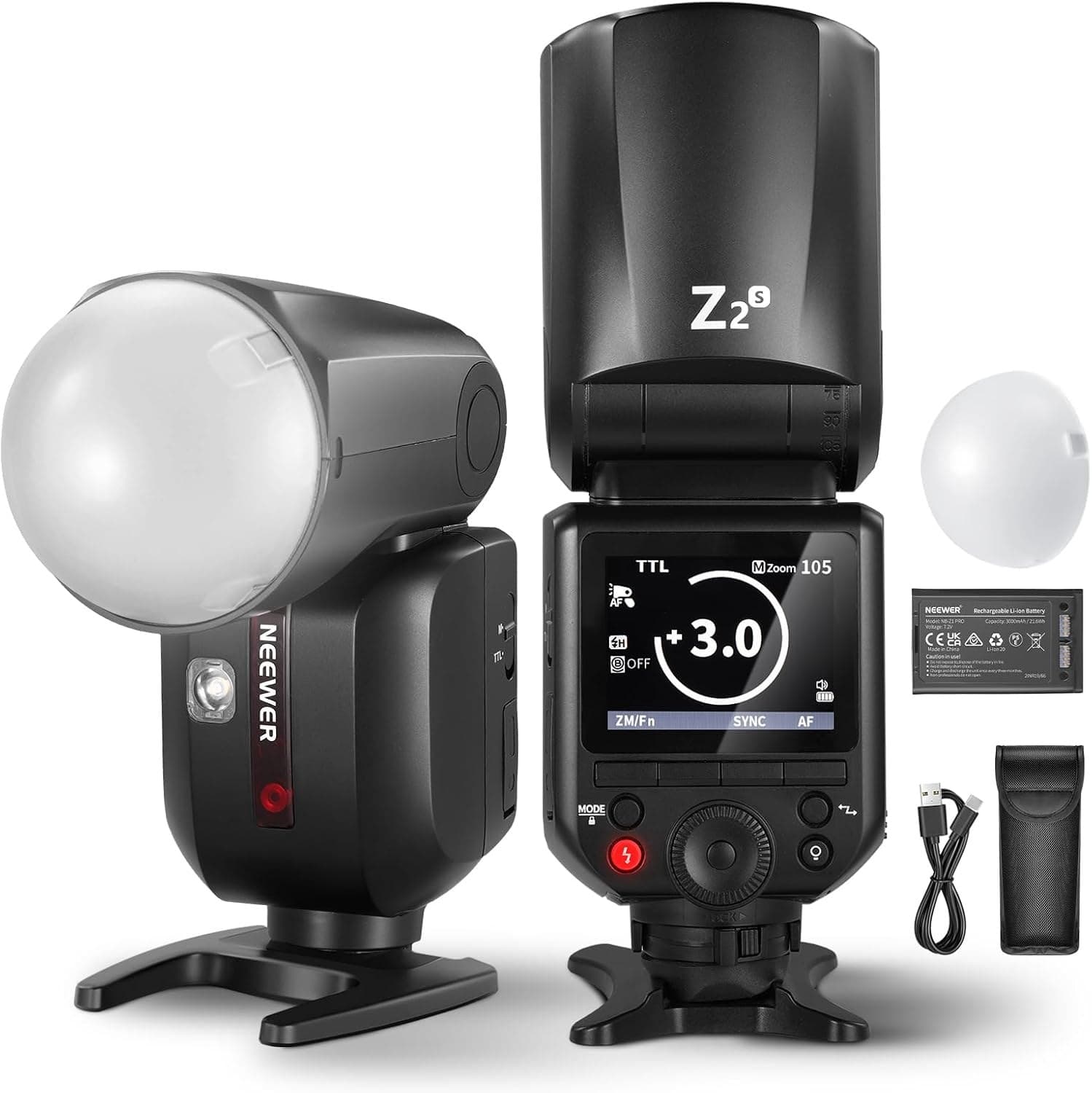
Neewer Z2-S
Budget shooters who want round-head light without the flagship price.
Check price at AmazonThe Neewer Z2-S is the budget round-head option. It brings round-head output, a lithium-ion battery, TTL and HSS at a lower price than the round-head flagships. The third-party accessory ecosystem is smaller and the build feels less refined, but if you want the softer round-head look without the flagship cost, it is a reasonable compromise.
Research pick
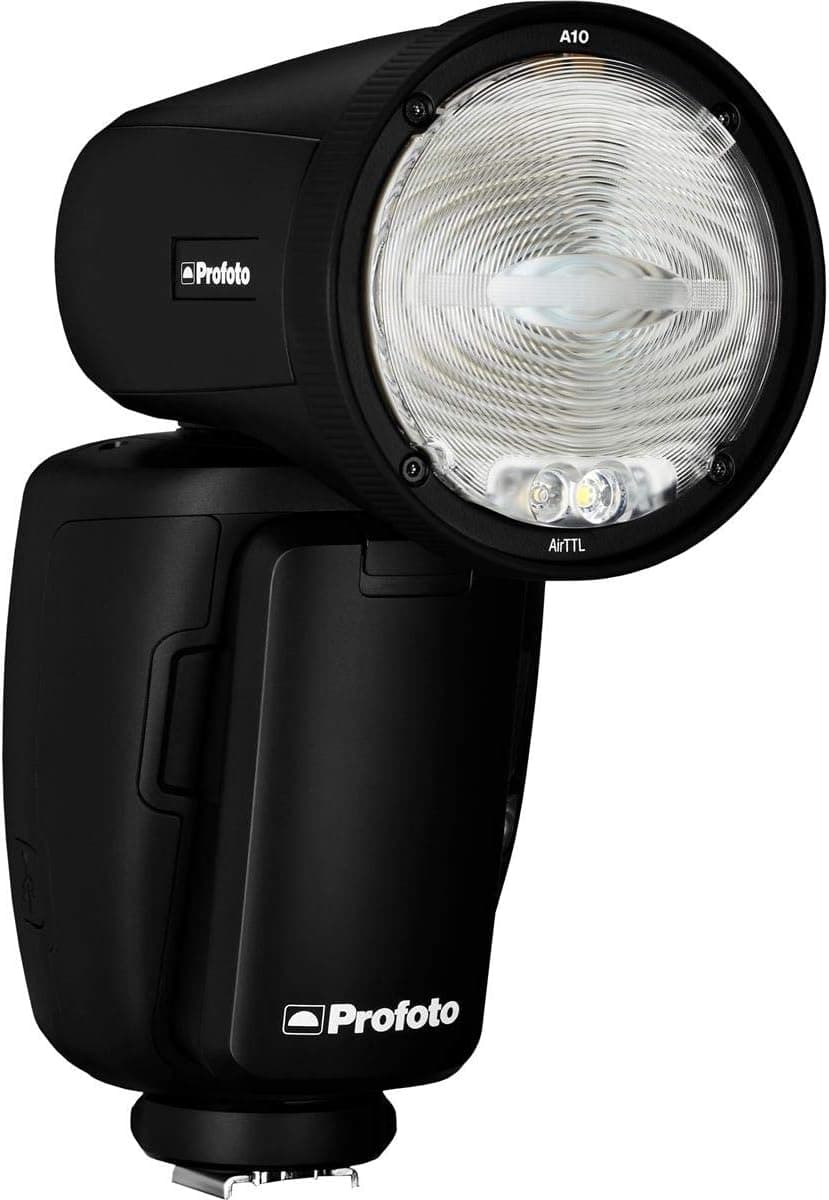
Profoto A10
Working pros standardized on Profoto who want a matching on-camera unit.
Check price at AmazonThe Profoto A10 is the pick for professionals already invested in Profoto. It is a refined round-head flash with built-in AirX and the Profoto Air radio, so it matches the color and control of the rest of a Profoto kit. The price is very high relative to its output and you are locked into the Profoto accessory system, but for a pro standardized on Profoto who wants a matching on-camera unit, that consistency is the point.
Best Strobe
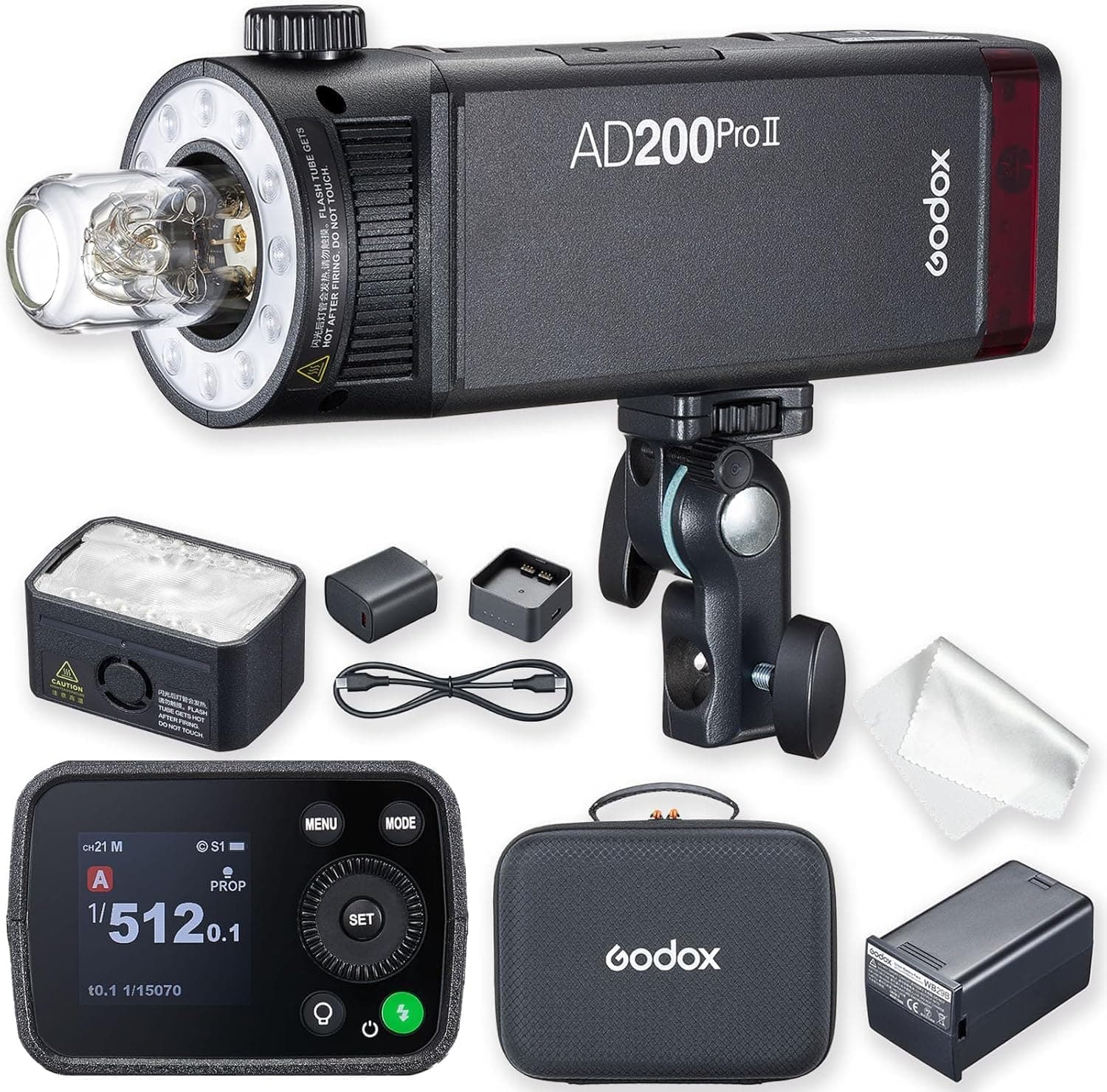
Godox AD200 Pro
Portrait and location shooters wanting strobe power that fits in a bag.
Check price at AmazonThe Godox AD200 Pro is the step up when a speedlight runs out of power. It is a pocket-sized 200Ws strobe with interchangeable bare-bulb and speedlite heads, bridging speedlights and studio strobes on the same Godox radio. It needs an S-bracket adapter for Bowens modifiers and the bare bulb is fragile, but for portrait and location shooters who want strobe power in a bag, it is the natural next purchase.
Common mistakes
The first is buying a flash for its specs without checking the radio system, then finding it will not talk to the strobe you want next; pick the ecosystem first. The second is leaving the flash on camera and pointed straight at the subject, which gives flat, harsh light; bounce it off a ceiling or take it off camera. The third is ignoring recycle time at a fast-moving event, where a slow AA flash misses the shot a lithium-ion unit would have caught.
Flash is most useful once you understand the ambient light you are adding to, so our shooting in different light guide is the groundwork, and mixed artificial light covers balancing flash with room color. Off-camera flash is a core tool in portrait photography, and for the camera side of the setup see our mirrorless camera guide.
Why does the radio system matter more than the flash?
A shared 2.4GHz radio lets one transmitter control speedlights, portable strobes, and studio heads from the same brand together. If you mix radio standards across brands, they usually will not cooperate, so the ecosystem decides what you can add later.
Round head or rectangular flash?
A round head gives softer, more natural falloff at the edges, which flatters faces. A rectangular head is often cheaper and throws light slightly farther. For portraits and events the round-head look is popular; for reach on a budget, rectangular wins.
What are TTL and HSS?
TTL meters and sets the flash power automatically for a correct exposure. HSS (high-speed sync) lets the flash fire above the camera's normal sync shutter limit, which is what you use to balance flash against bright sun at wide apertures.
When should I move up from a speedlight to a strobe?
When you run out of power, especially through a softbox or against daylight. A portable strobe like the AD200 Pro gives several times the output of a speedlight while staying battery-powered and on the same radio system.
Compare picks
The short version
Use this to narrow the list before opening the detailed cards.
Scores weigh fit, owner sentiment, build, and value. Affiliate links do not change pick order. Methodology
Buying order
Start with the skip note. A good deal on the wrong camera is still the wrong camera.
Compare verdictsIf you already own lenses, check the system path before buying into a new mount.
Check systemsOnce the fit makes sense, compare current deals and retailer listings.
Check current dealsCamera system shortcut
If you already own one of these systems, keep the comparison inside that ecosystem before checking out.
Lighting systems
Event and portrait shooters who want soft on-camera fill and the Godox radio ecosystem.
Use the retailer for the current price after the tradeoff makes sense. Confirm lens mount, sensor format, battery, charger, and kit contents.
Tradeoff: AA recycle is slower than Li-ion units
Use the retailer for the current price after the tradeoff makes sense. Confirm lens mount, sensor format, battery, charger, and kit contents.
8.9/10 Aperture Score
Use the retailer for the current price after the tradeoff makes sense. Confirm power, trigger compatibility, modifier mount, and whether the kit includes a stand.
Photographers who want maximum reach from a hot-shoe flash on a budget.
Use the retailer for the current price after the tradeoff makes sense. Confirm lens mount, sensor format, battery, charger, and kit contents.
Price ladder
The useful range here runs from $125 to $1,050. Start with the ceiling that matches the assignment.
- Event and portrait shooters who want soft on-camera fill and the Godox radio ecosystem.
- Round head produces softer edge transitions
- Heavier and pricier than rectangular speedlights
Use the retailer for the current price after the tradeoff makes sense. Confirm lens mount, sensor format, battery, charger, and kit contents.
- Photographers who want maximum reach from a hot-shoe flash on a budget.
- Strong output for a hot-shoe flash
- Rectangular head light is harsher than round-head units
Use the retailer for the current price after the tradeoff makes sense. Confirm lens mount, sensor format, battery, charger, and kit contents.
- Beginners building a Godox off-camera setup who want the lowest cost of entry.
- Low price for a radio-equipped TTL flash
- AA recycle is slower than Li-ion units
Use the retailer for the current price after the tradeoff makes sense. Confirm lens mount, sensor format, battery, charger, and kit contents.
- Budget shooters who want round-head light without the flagship price.
- Round head at a lower price point
- Smaller third-party accessory ecosystem
Use the retailer for the current price after the tradeoff makes sense. Confirm lens mount, sensor format, battery, charger, and kit contents.
- Working pros standardized on Profoto who want a matching on-camera unit.
- Refined round-head output and color consistency
- Very high price relative to output
Use the retailer for the current price after the tradeoff makes sense. Confirm lens mount, sensor format, battery, charger, and kit contents.
- Portrait and location shooters wanting strobe power that fits in a bag.
- Strong 200Ws output in a small body
- Needs an S-bracket adapter for Bowens modifiers
Use the retailer for the current price after the tradeoff makes sense. Confirm power, trigger compatibility, modifier mount, and whether the kit includes a stand.
| Pick | Score | Price | Verdict | Action |
|---|---|---|---|---|
| Best OverallGodox V1 | 8.7
| $195 - $225 | Event and portrait shooters who want soft on-camera fill and the Godox radio ecosystem. Wins: Round head produces softer edge transitions Skip: Heavier and pricier than rectangular speedlights | Check Amazon · $195 - $225 Use the retailer for the current price after the tradeoff makes sense. Confirm lens mount, sensor format, battery, charger, and kit contents. |
| PickGodox V860III | 8.5
| $210 - $240 | Photographers who want maximum reach from a hot-shoe flash on a budget. Wins: Strong output for a hot-shoe flash Skip: Rectangular head light is harsher than round-head units | Check Amazon · $210 - $240 Use the retailer for the current price after the tradeoff makes sense. Confirm lens mount, sensor format, battery, charger, and kit contents. |
| PickGodox TT685II | 8.0
| $110 - $140 | Beginners building a Godox off-camera setup who want the lowest cost of entry. Wins: Low price for a radio-equipped TTL flash Skip: AA recycle is slower than Li-ion units | Check Amazon · $110 - $140 Use the retailer for the current price after the tradeoff makes sense. Confirm lens mount, sensor format, battery, charger, and kit contents. |
 PickNeewer Z2-S PickNeewer Z2-S | 7.6
| $140 - $160 | Budget shooters who want round-head light without the flagship price. Wins: Round head at a lower price point Skip: Smaller third-party accessory ecosystem | Check Amazon · $140 - $160 Use the retailer for the current price after the tradeoff makes sense. Confirm lens mount, sensor format, battery, charger, and kit contents. |
 PickProfoto A10 PickProfoto A10 | 8.3
| $1,000 - $1,100 | Working pros standardized on Profoto who want a matching on-camera unit. Wins: Refined round-head output and color consistency Skip: Very high price relative to output | Check Amazon · $1,000 - $1,100 Use the retailer for the current price after the tradeoff makes sense. Confirm lens mount, sensor format, battery, charger, and kit contents. |
| Best StrobeGodox AD200 Pro | 8.9
| $295 - $335 | Portrait and location shooters wanting strobe power that fits in a bag. Wins: Strong 200Ws output in a small body Skip: Needs an S-bracket adapter for Bowens modifiers | Check Amazon · $295 - $335 Use the retailer for the current price after the tradeoff makes sense. Confirm power, trigger compatibility, modifier mount, and whether the kit includes a stand. |
Keep going
Next useful steps
Pick one. Each link continues the same job without starting the research over.
Shoot kits
Buy around the job, not the spec sheet
People work
Portrait and headshot kit
$2,936
A full-frame hybrid body, an 85mm prime, simple flash, diffusion, and grip pieces for clean portraits without a studio buildout.
Best people-first kit
Buy order: start with the first piece that makes the job possible, then add the support pieces that remove friction.
Camera: start here. If this piece does not make the shoot easier, the rest of the kit can wait.
Sandbag: add it after the core setup proves useful.
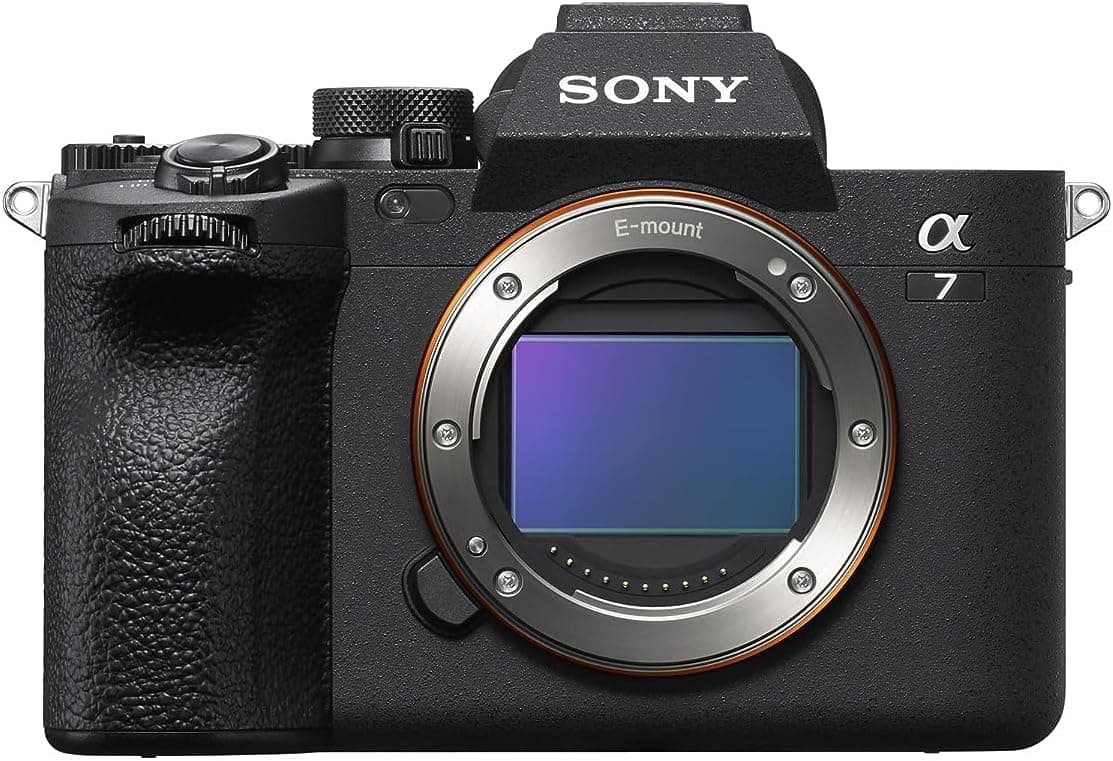
Sony a7 IV
A balanced full-frame body with reliable eye autofocus for portraits, events, and headshots.
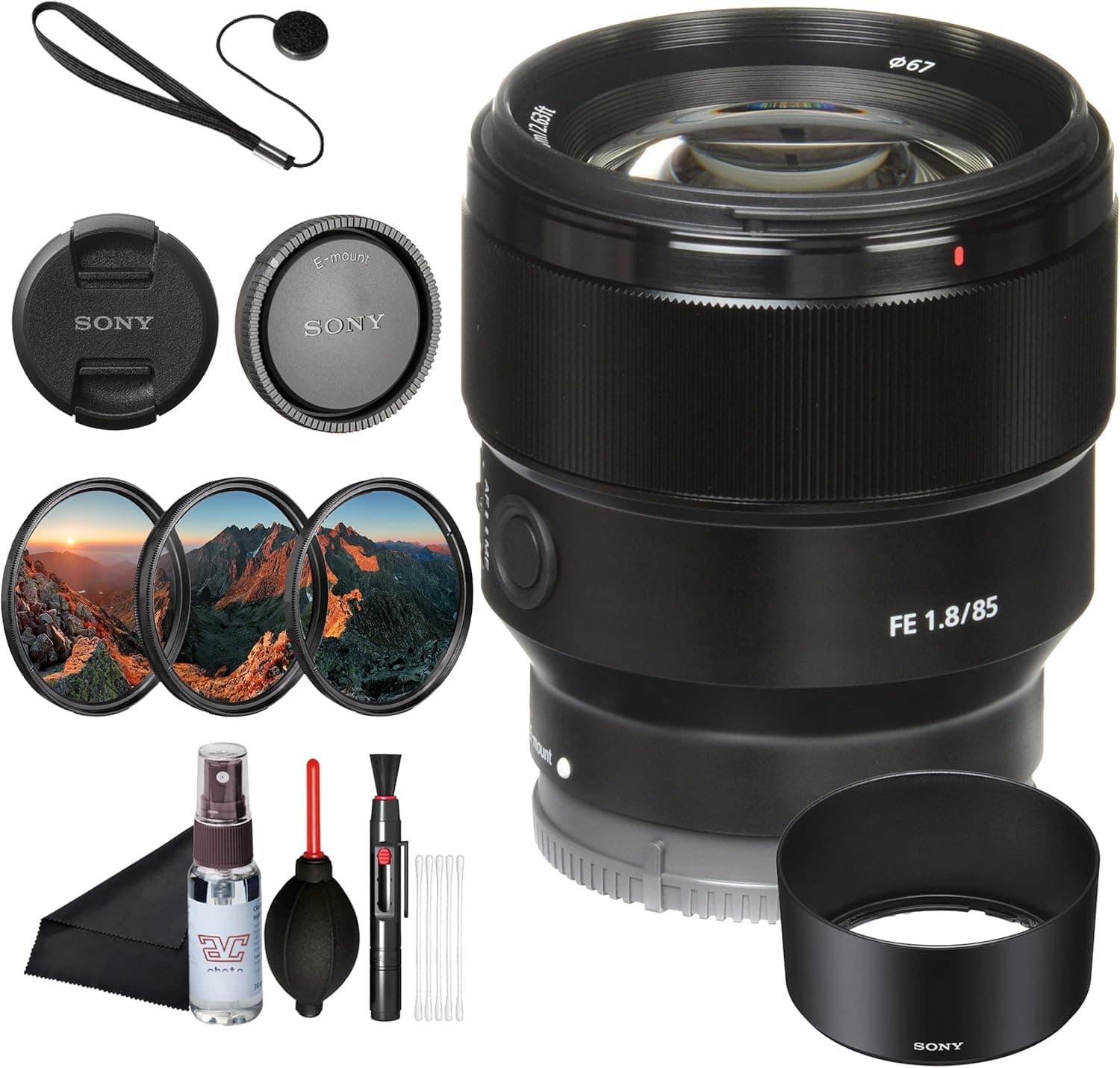
Sony FE 85mm f/1.8
Classic headshot framing, flattering compression, and a price that leaves money for light.
Godox V1
Round-head flash for bounce, quick portraits, and a first off-camera setup.
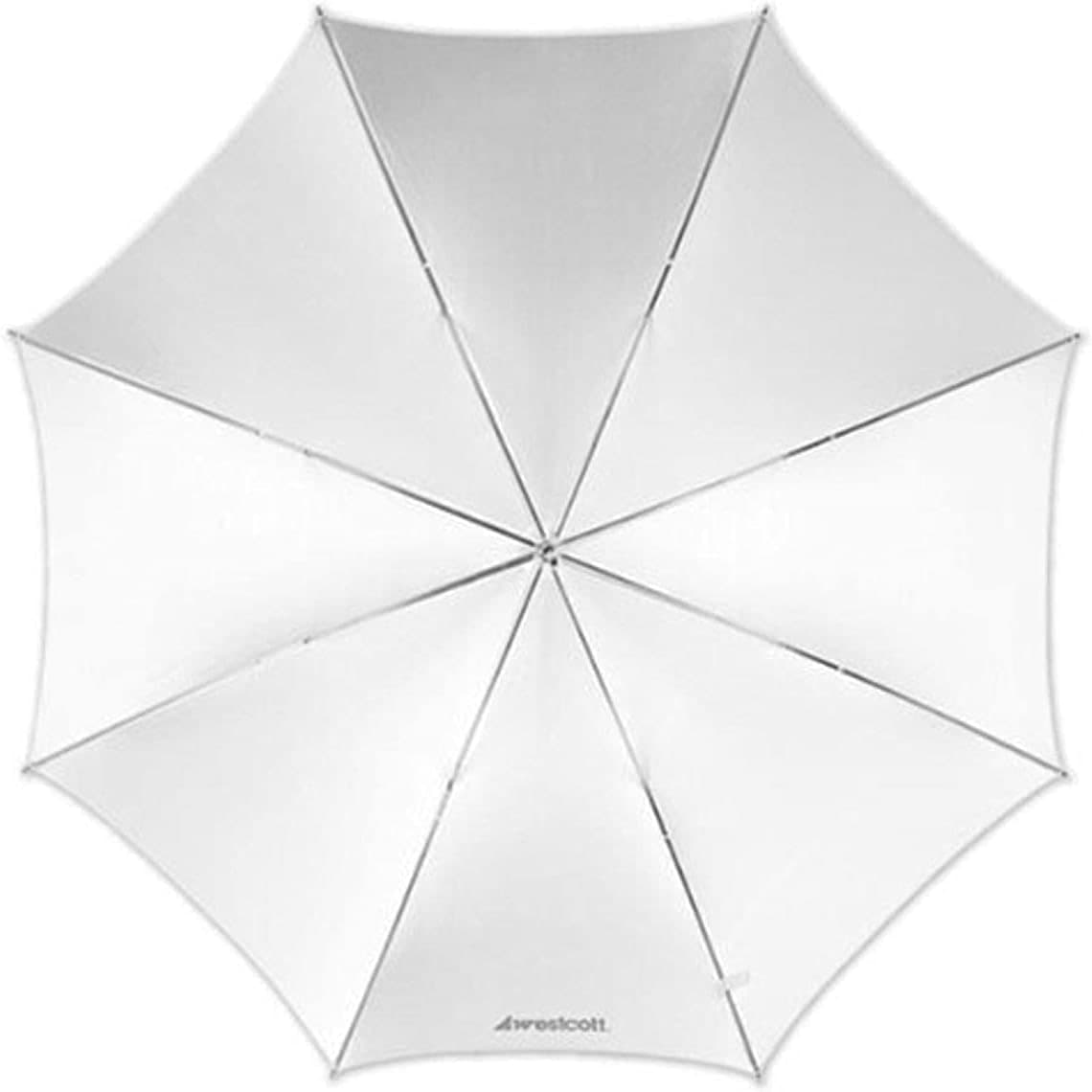
Westcott 43-inch Umbrella
Cheap, fast diffusion that makes one light look less harsh.
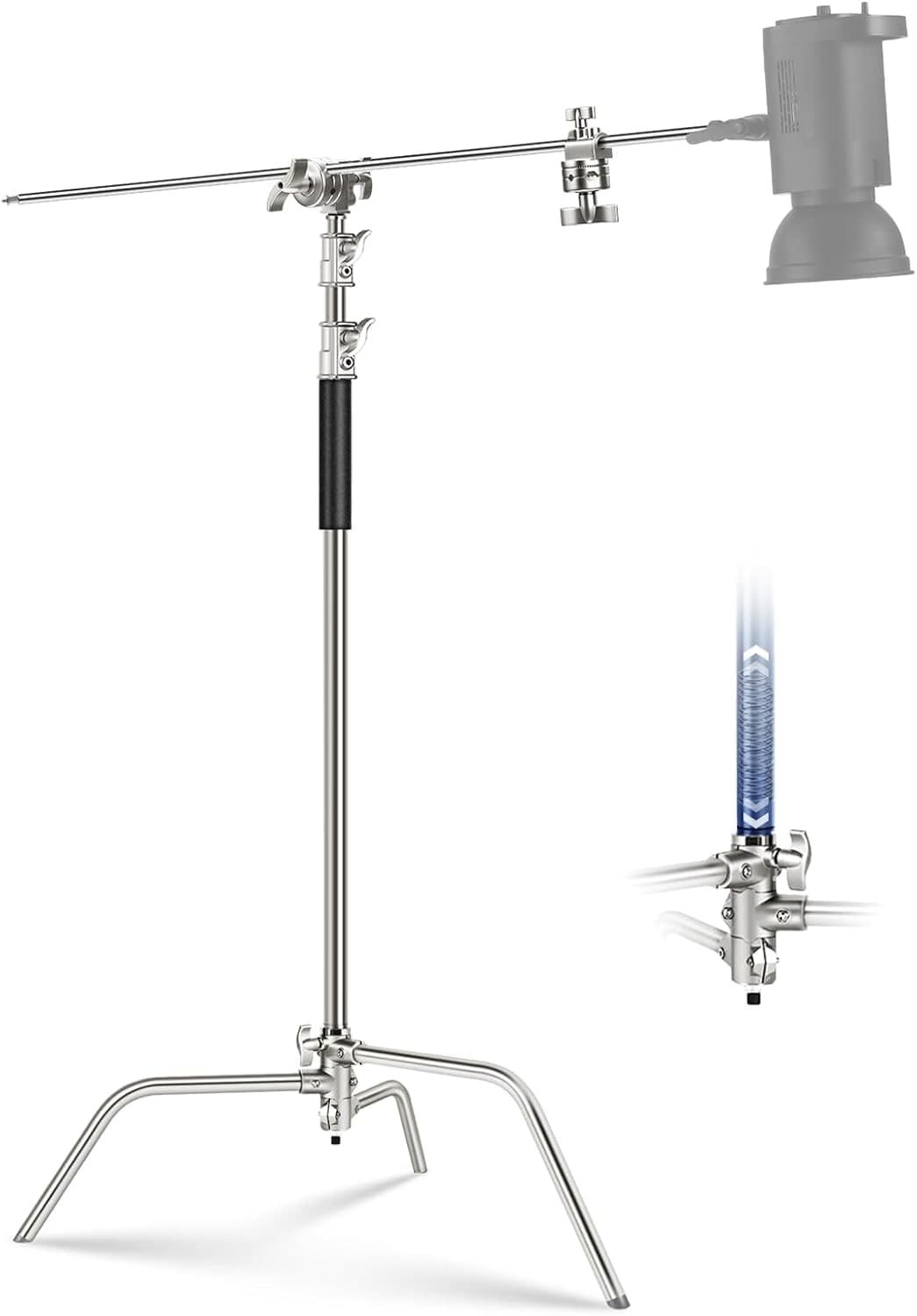
Neewer C-Stand
Keeps the light where it belongs when a small tripod would be a liability.
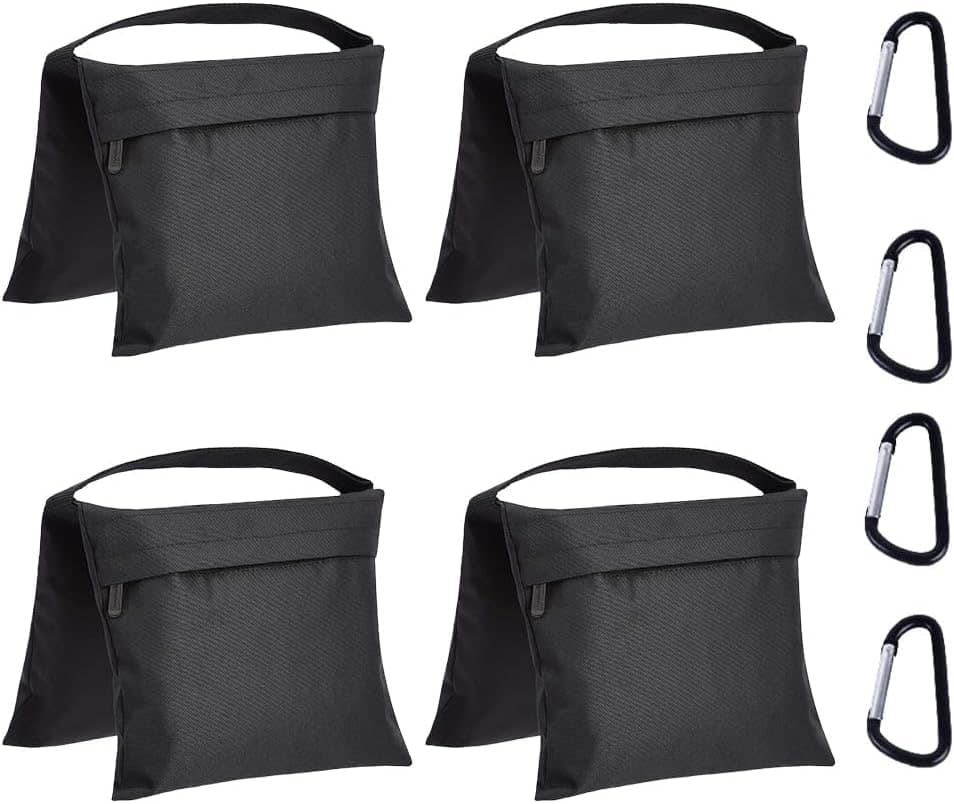
Amazon Basics Photography Sandbags (4-Pack)
The unglamorous piece that keeps a light stand from becoming expensive chaos.
Prices are rough catalog totals. Retailer prices change, and you can swap pieces to fit your system.
Related Gear guides
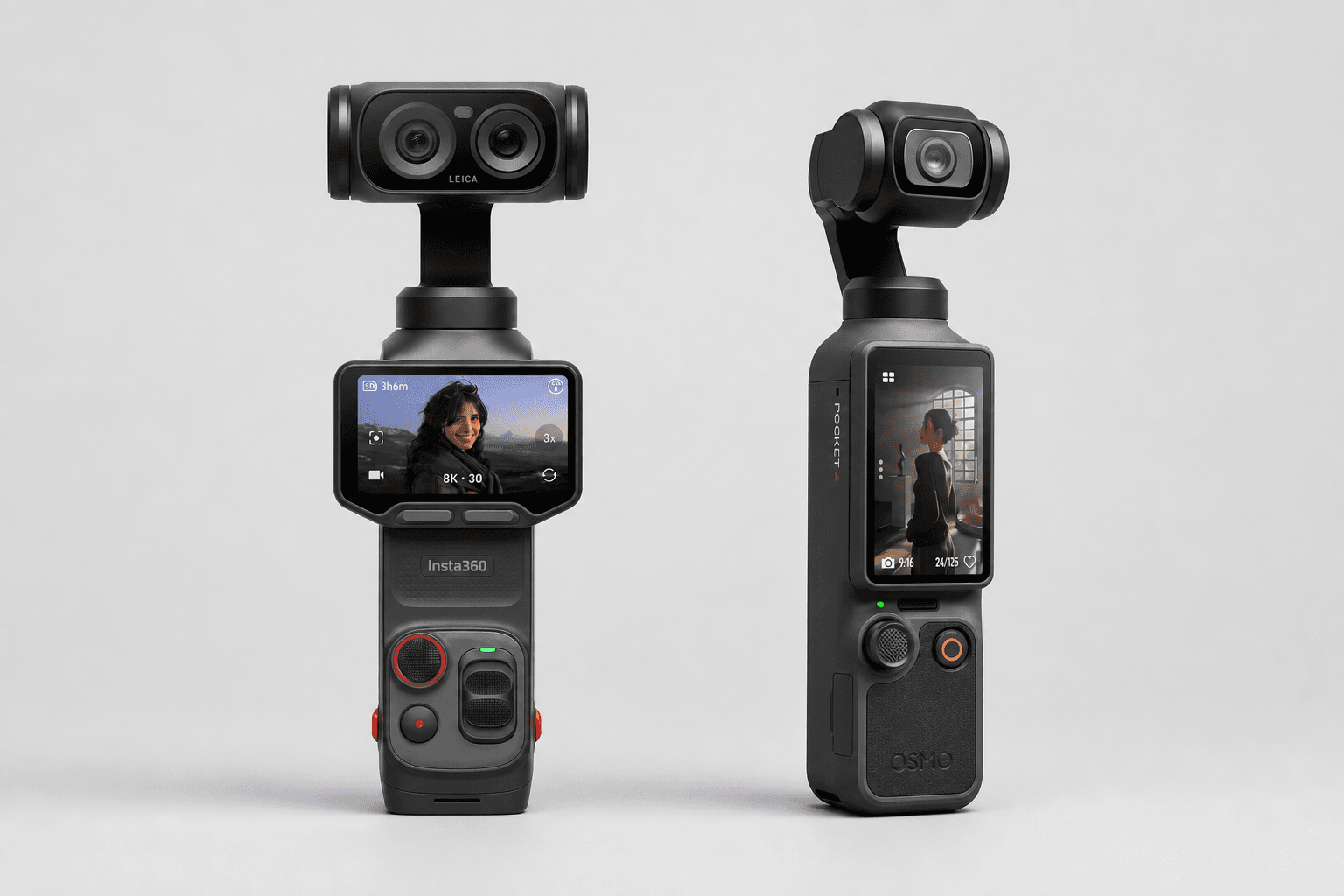
Insta360 Luna Ultra vs DJI Osmo Pocket 4: Which Pocket Gimbal Should You Buy?
Compare Luna Ultra and DJI Pocket 4 by lenses, video, Log formats, storage, U.S. availability, and the filming jobs each pocket gimbal handles best.
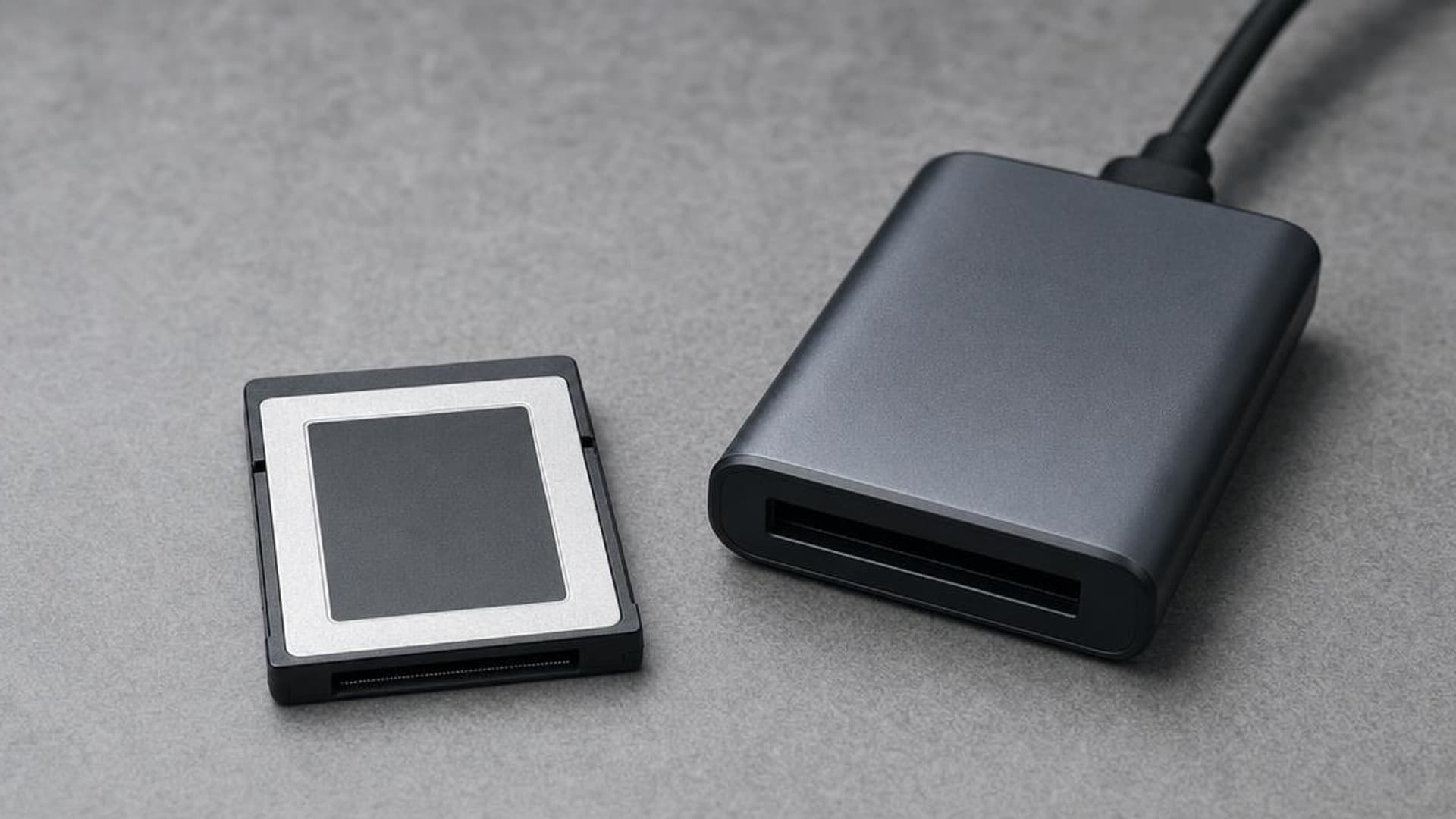
CFexpress 4.0 and VPG Explained: Buy the Card Your Camera Needs
CFexpress 4.0 doubles theoretical bandwidth, while VPG certifies sustained video writes. Learn Type A vs B, VPG classes, and when 4.0 is worth paying for.
Focal Length Explained: What 24mm, 50mm, 85mm, and 200mm Actually Do
What the millimeter number on a lens changes in the field: angle of view, compression, and working distance. When to reach for 24, 50, 85, or 200mm.
Canon EOS R50 V vs Sony ZV-E10 II: Which Beginner Vlogging Camera Should You Buy?
Canon EOS R50 V is the easier beginner creator kit. Sony ZV-E10 II is the deeper lens-system pick. Compare the practical tradeoffs.
Researched, not personally tested: picks compare specifications, available owner feedback, and established expert sources. As an Amazon Associate I earn from qualifying purchases. We may earn a commission from links here, at no extra cost to you. How we research →