We may earn a commission from links on this page, at no extra cost to you. Picks are researched, not sponsored.
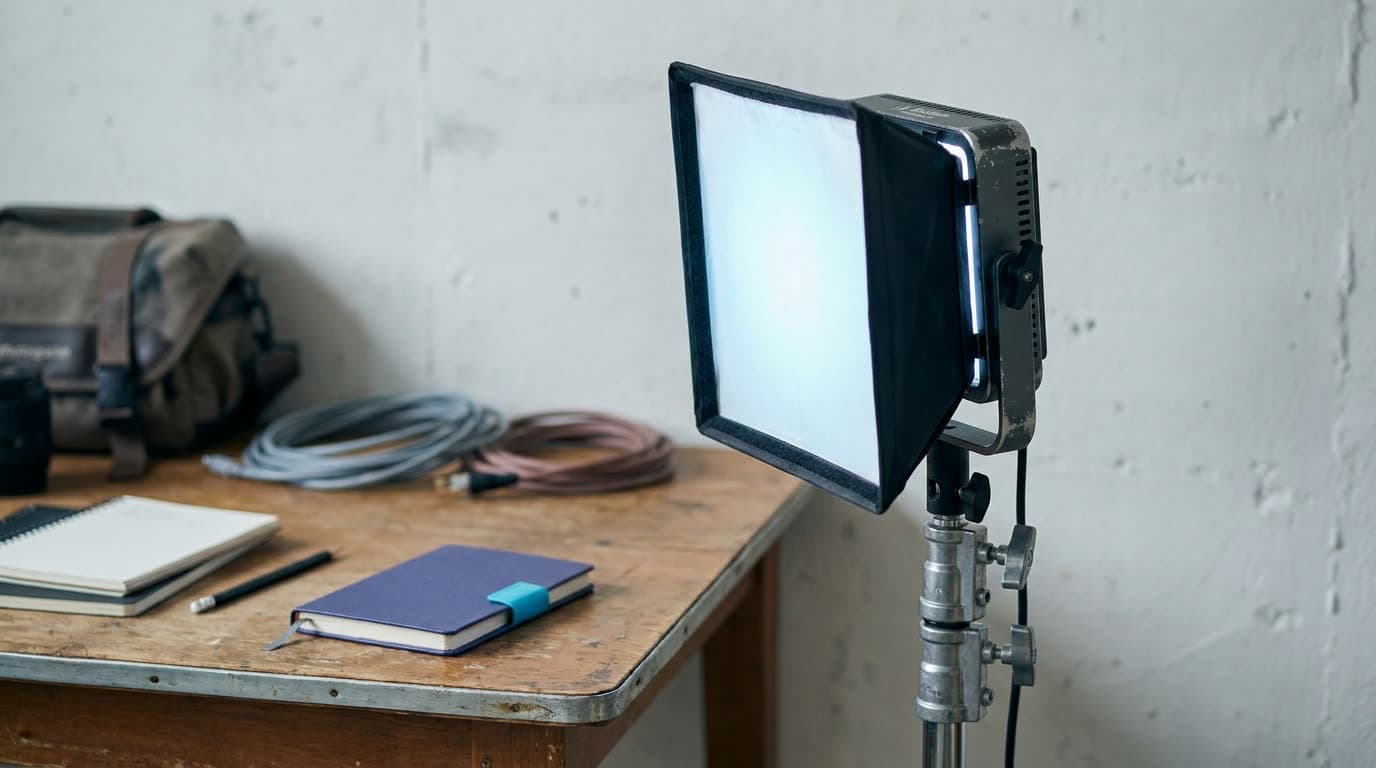
An LED video light gives you control that natural light cannot: consistent output, an adjustable color temperature, and increasingly full RGB color. The two shapes you will meet most are COB lights, a single bright point source you shape with a softbox or reflector, and panels and tubes, which are softer and ready to use straight out of the box. Most kits start with one strong key light and grow from there.
If you are new to shaping light, our off-camera flash guide covers the principles, the exposure triangle covers the settings, and our best softboxes and modifiers guide covers what you attach to a COB light.
How do the picks compare?
Output is illuminance at 1 m at 5,600K as each maker publishes it, with the standard reflector for COB lights. Panels and tubes have no reflector, so compare them with each other rather than with the COBs.
| Light | Type | Output at 1 m | Color | CRI / TLCI | Power |
|---|---|---|---|---|---|
| Amaran 200x S | 200W bicolor COB | 45,400 lux | 2,700 to 6,500K | 95+ / 98+ | Mains or two V-mounts |
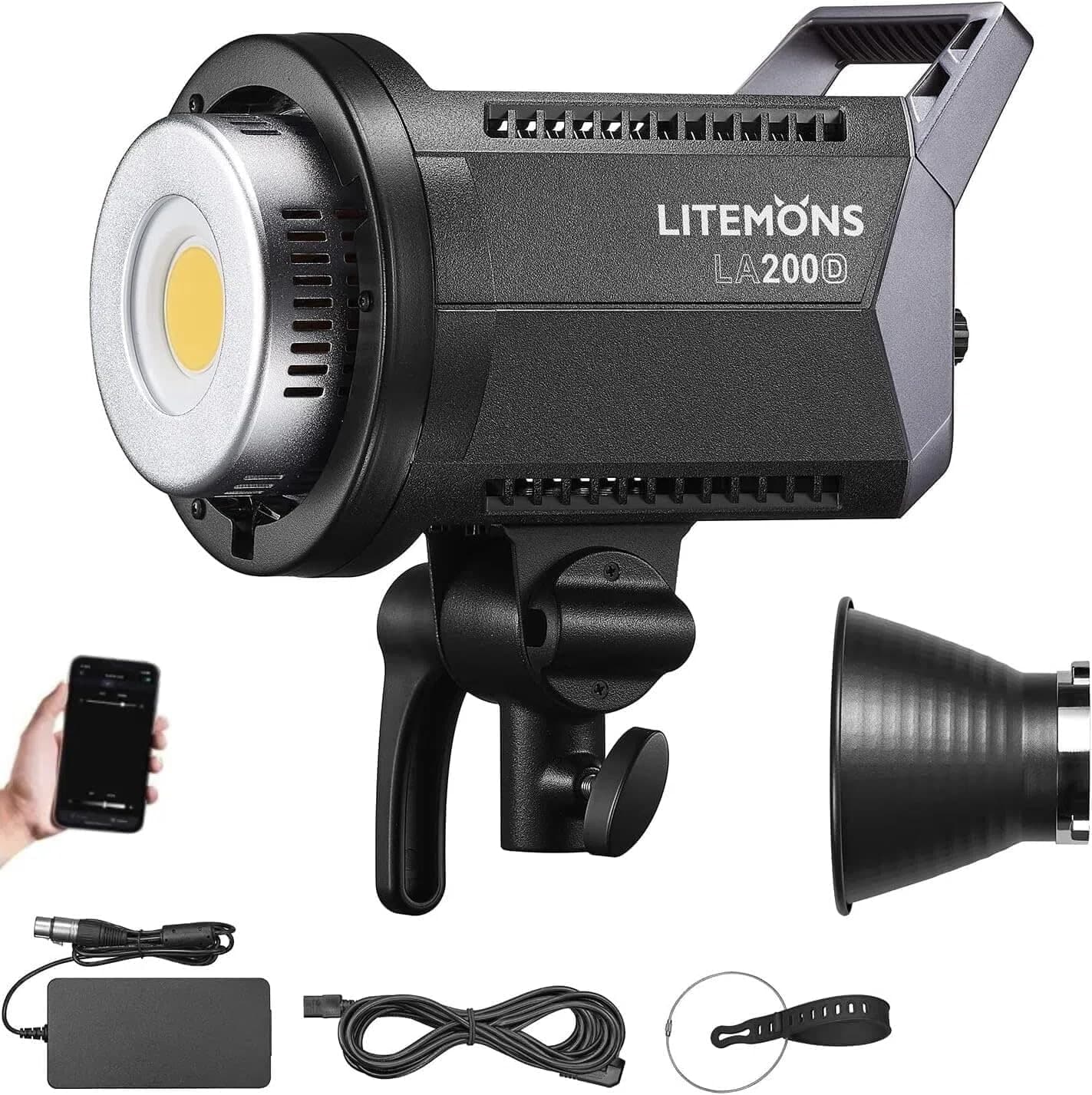
| Godox Litemons LA200D | 200W daylight COB | about 99,100 lux (measured) | 5,600K | 96 / 97 | Mains |
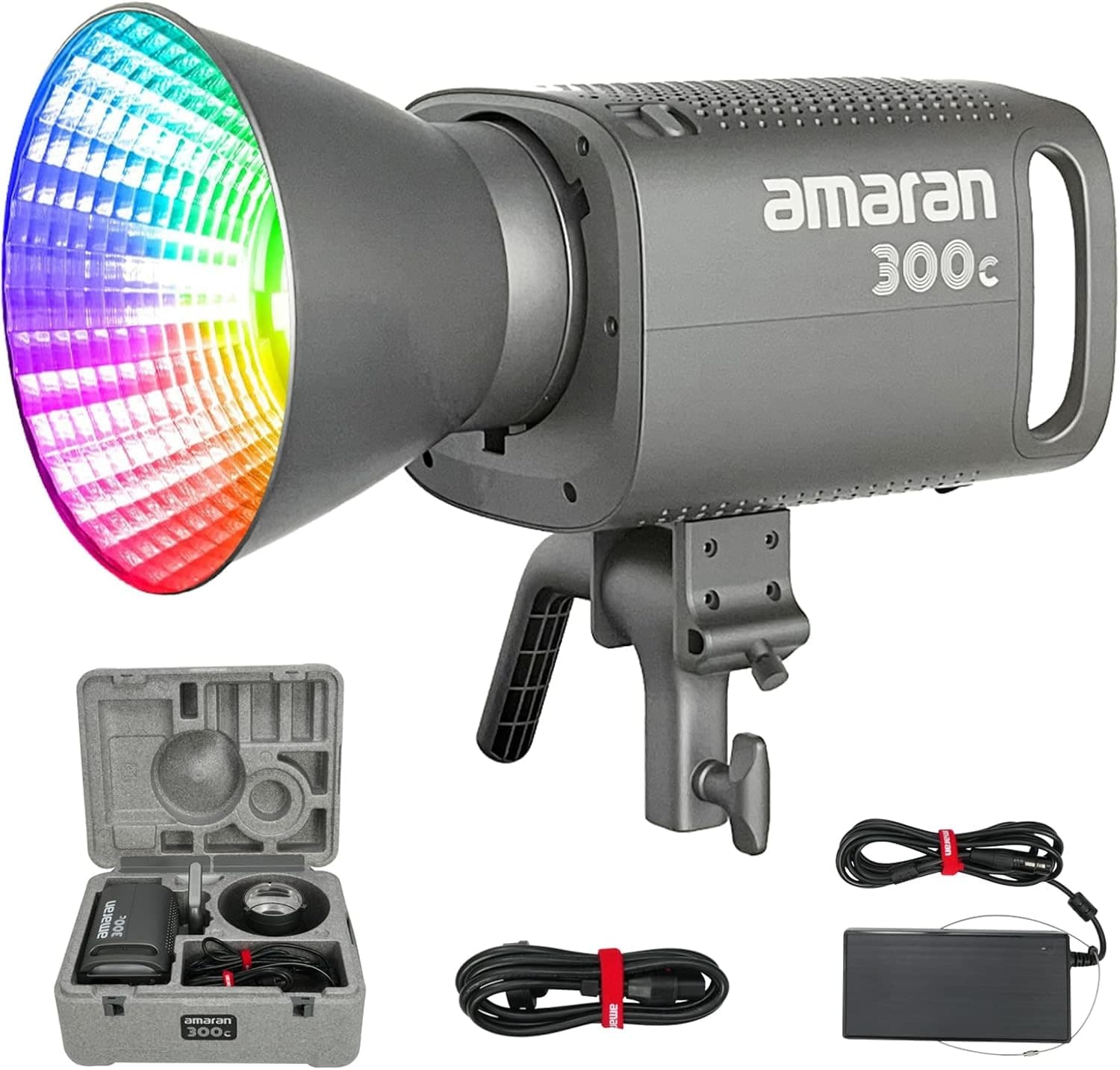
| Amaran 300c | 300W full-color COB | 26,580 lux | 2,500 to 7,500K plus RGB | 95+ / 95+ | Mains or battery station |
| Amaran P60c | 60W full-color panel | 6,300 lux | 2,500 to 7,500K plus RGB | 95+ / 96+ | Mains, NP-F, or D-tap |
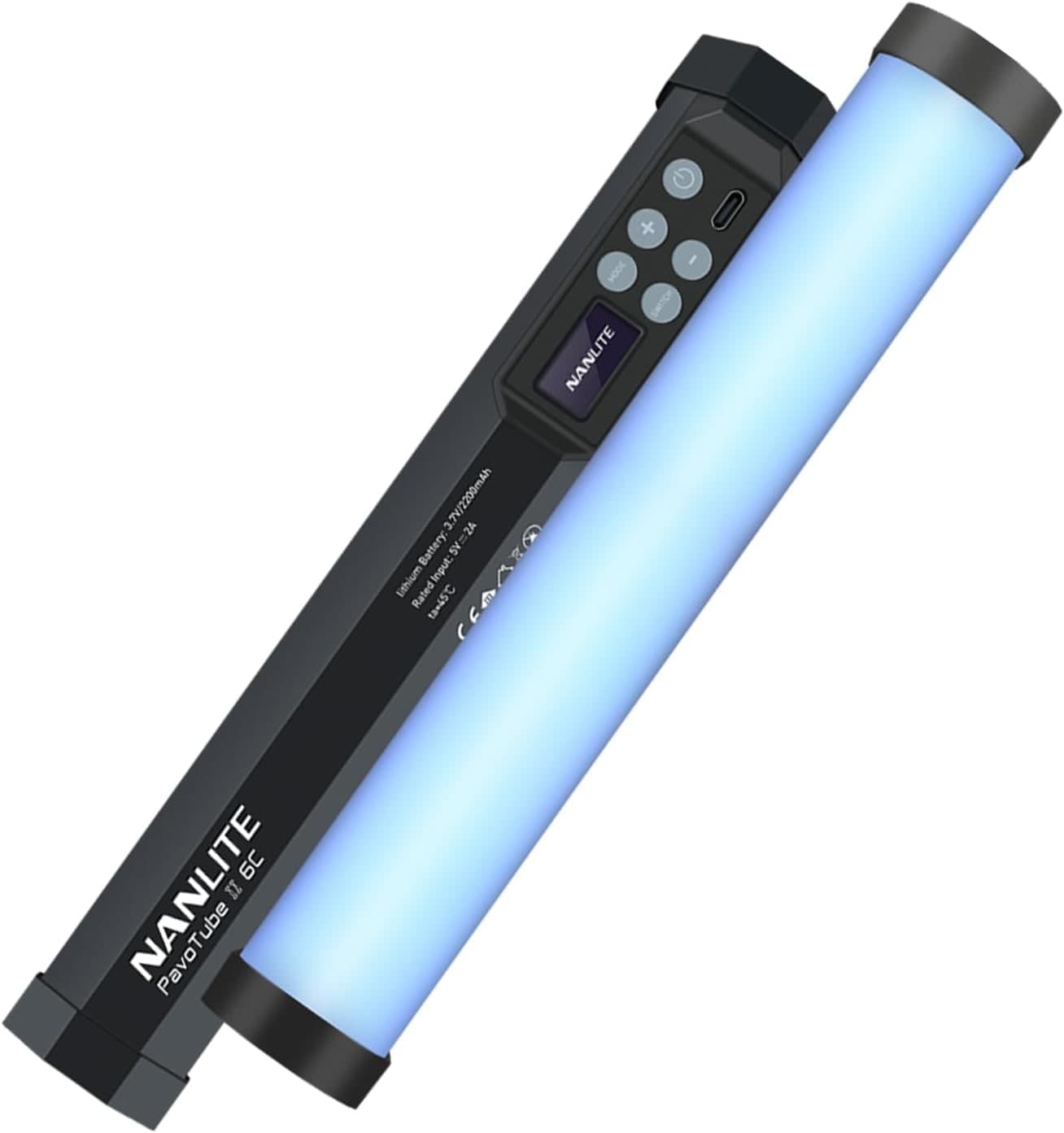
| Nanlite PavoTube II 6C | 6W full-color tube | 169 lux | 2,700 to 7,500K plus RGB | 95 / 97 | Internal battery, USB-C |
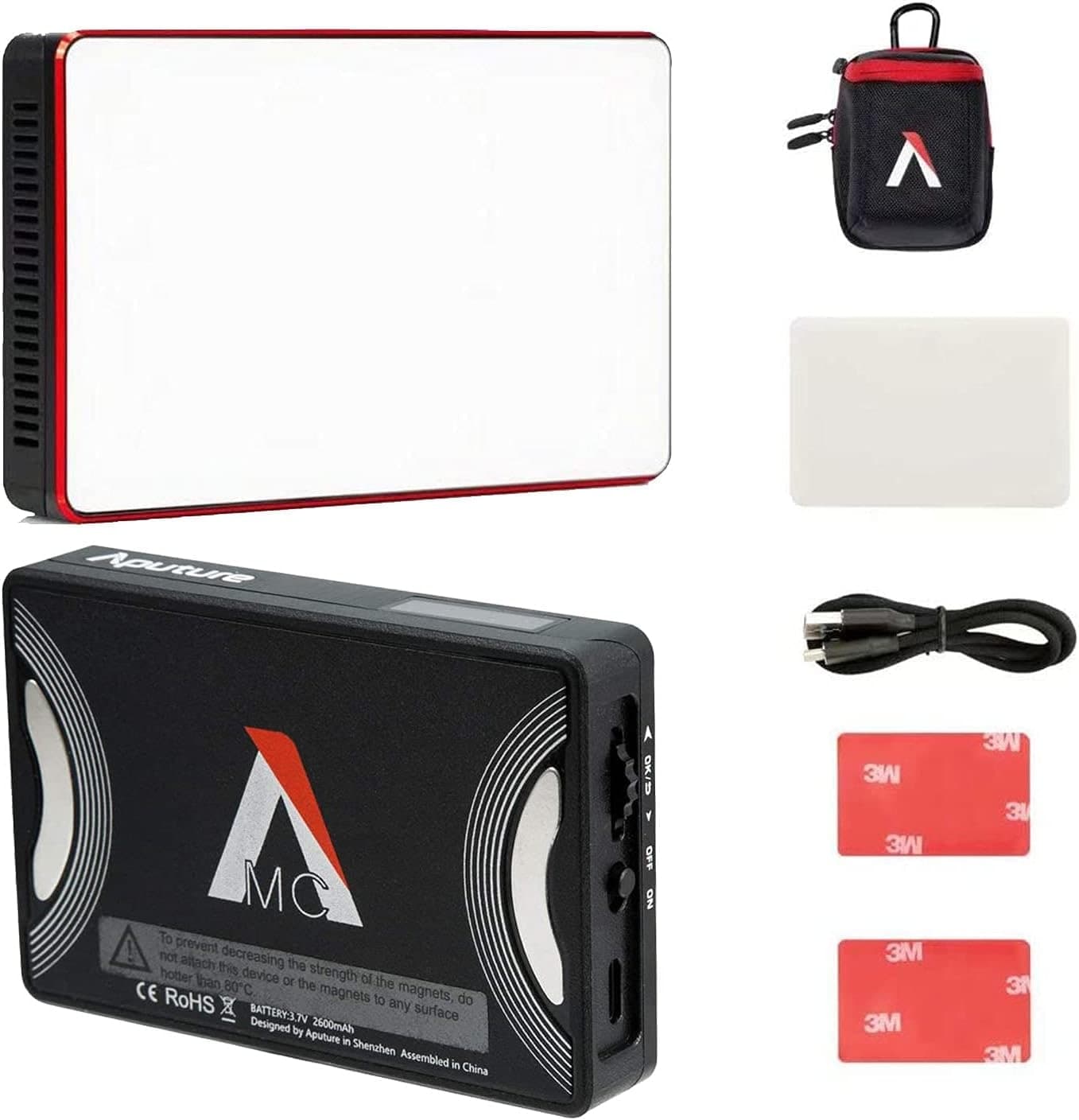
| Aputure MC | 5W full-color pocket light | 100 lux | 3,200 to 6,500K plus RGB | 96+ / 97+ | Internal battery, USB-C |
Sources: amaran 200x S, amaran 300c, and amaran P60c specifications; Nanlite PavoTube II 6C specifications; Aputure MC specifications; and the LA200D measurement from Newsshooter's LA150D and LA200D review.
The number that surprises people is the 300c. It draws more power than the 200x S but rates at 26,580 lux against 45,400, because a full-color COB splits its chip between red, green, blue, and white emitters. Buy it for color, not for brightness.
How to choose
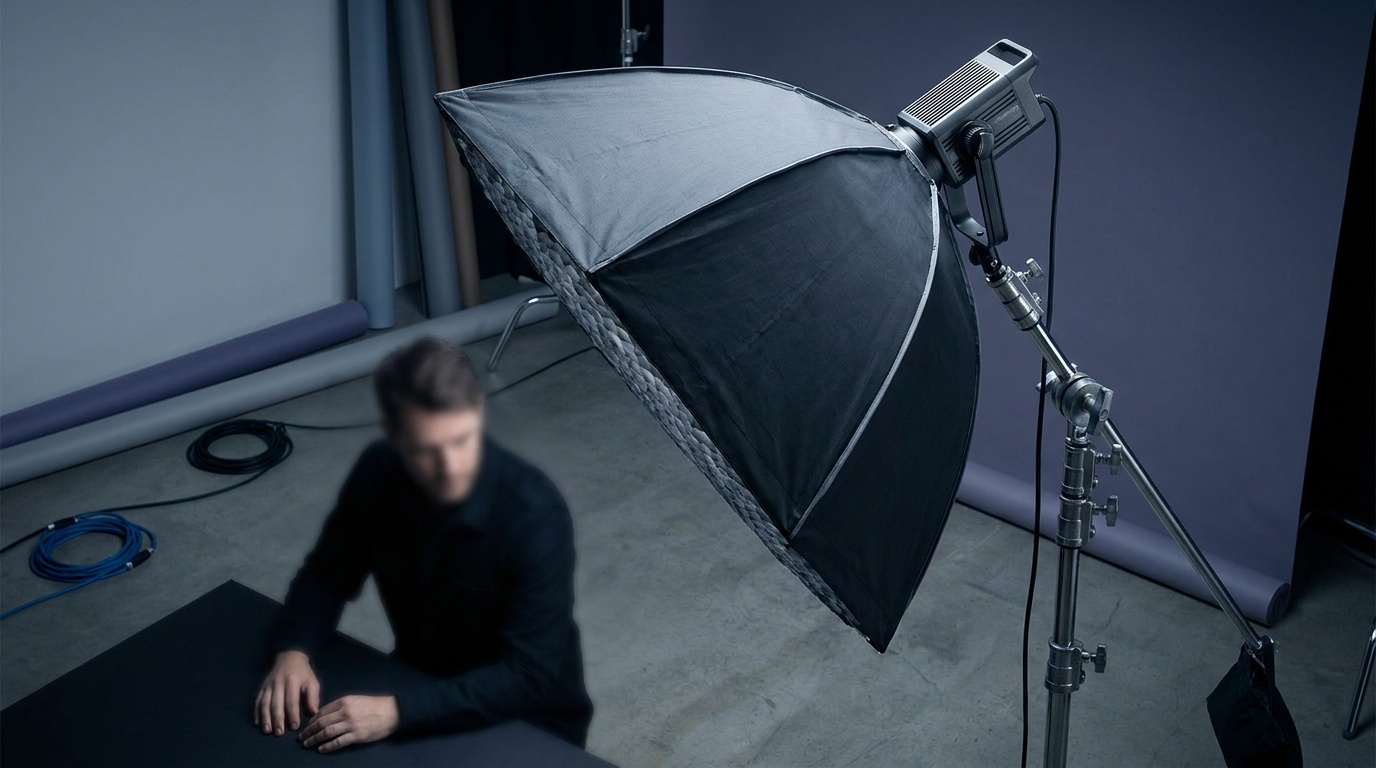
Start with output and the type of source. A COB light is a single bright point that you must shape with a modifier; it can act as a powerful key but needs a softbox to look soft. A panel or tube is softer on its own and easier to use, but much lower in output, as the table shows. For your main light, prioritize a COB; for fill and accents, a panel or tube is friendlier.
Then decide between daylight, bicolor, and full color. A daylight-only light is the cheapest and brightest per dollar, a bicolor light lets you dial between warm and cool, and a full-color (RGBWW) light adds any color for creative looks at the cost of white output. Buy daylight or bicolor for clean key lighting and full color for accents and mood.
After that, check the mount and the color quality. A Bowens mount is the common standard, so a Bowens-mount light works with the widest range of softboxes and reflectors. For color accuracy, look for CRI and TLCI of 95 or higher, which every light in the table meets. Last, think about power: high-output lights need wall power or large batteries, and their fans can be audible in a quiet room.
The picks
Best Overall
Aputure Amaran 200x S
Creators who want one capable key light that works with any softbox.
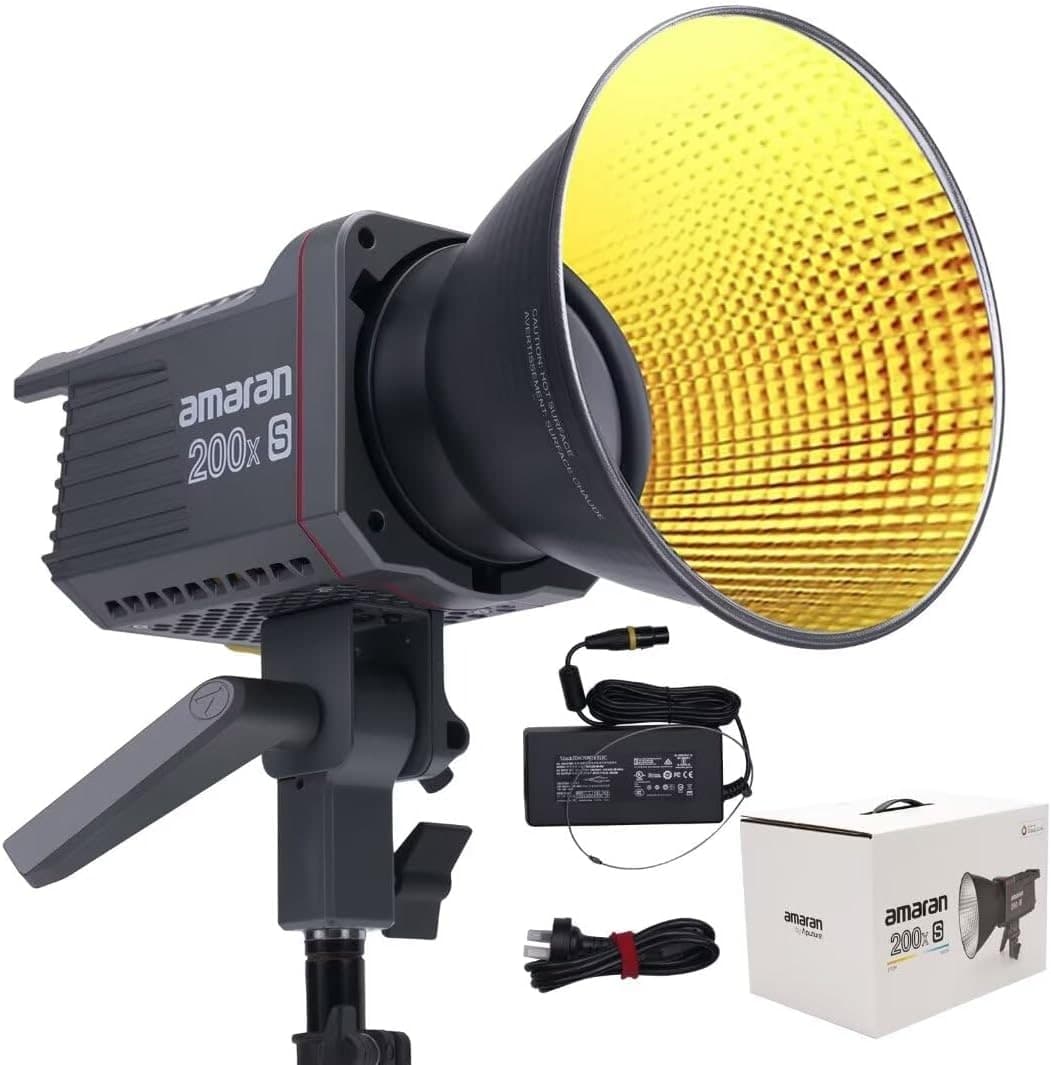
Check price at AmazonThe Aputure Amaran 200x S is the best all-round pick. It is a bicolor 200W COB rated at 45,400 lux at 1 m with the reflector, tunes from 2,700K to 6,500K, and keeps a Bowens mount for any softbox, so one light covers most small setups as a key. It needs a modifier to look soft and the fan is audible up close, but as the one light to start with, it is the easy recommendation.
Best Value
Godox Litemons LA200D
Budget builds that light with daylight and shape with modifiers.
Check price at AmazonThe Godox Litemons LA200D is the value pick for pure output. It is a daylight-only COB, and Newsshooter measured about 99,100 lux at 1 m with its reflector, roughly double the 200x S, from a head weighing about 1.4 kg. That makes it the better buy when you shoot in daylight-balanced rooms and want headroom through a large softbox. It cannot change color temperature and the app is basic.
Best RGB Tube
Nanlite PavoTube II 6C
Adding color accents and background pops to a scene.
Check price at AmazonThe Nanlite PavoTube II 6C is the RGB tube pick. It is a 10-inch, 0.26 kg tube with full color, magnets, and 1/4-20 mounts at both ends, so it goes on a shelf edge, a stand, or anything metal. Nanlite rates it at 169 lux at 1 m and about 70 minutes at full brightness, which makes it an accent and edge light, never a key. It charges over USB-C.
Best Pocket Light
Aputure MC
Adding small colored accents, eye light, or product highlights anywhere.
Check price at AmazonThe Aputure MC is the pocket-light pick for tiny accents, eye light, and product highlights. It is a 5W full-color panel weighing about 130 g that sticks magnetically to metal and charges over USB-C, and Aputure rates it at 400 lux at 0.5 m with more than two hours at full brightness. Aputure still sells it alongside the larger MC Pro, which Newsshooter reports at 1,780 lux at 0.5 m with a 2,000K to 10,000K range and an IP65 weatherproof body, at a higher price and several times the weight. For eye light and small accents, the original is the better fit.
Best Soft Panel
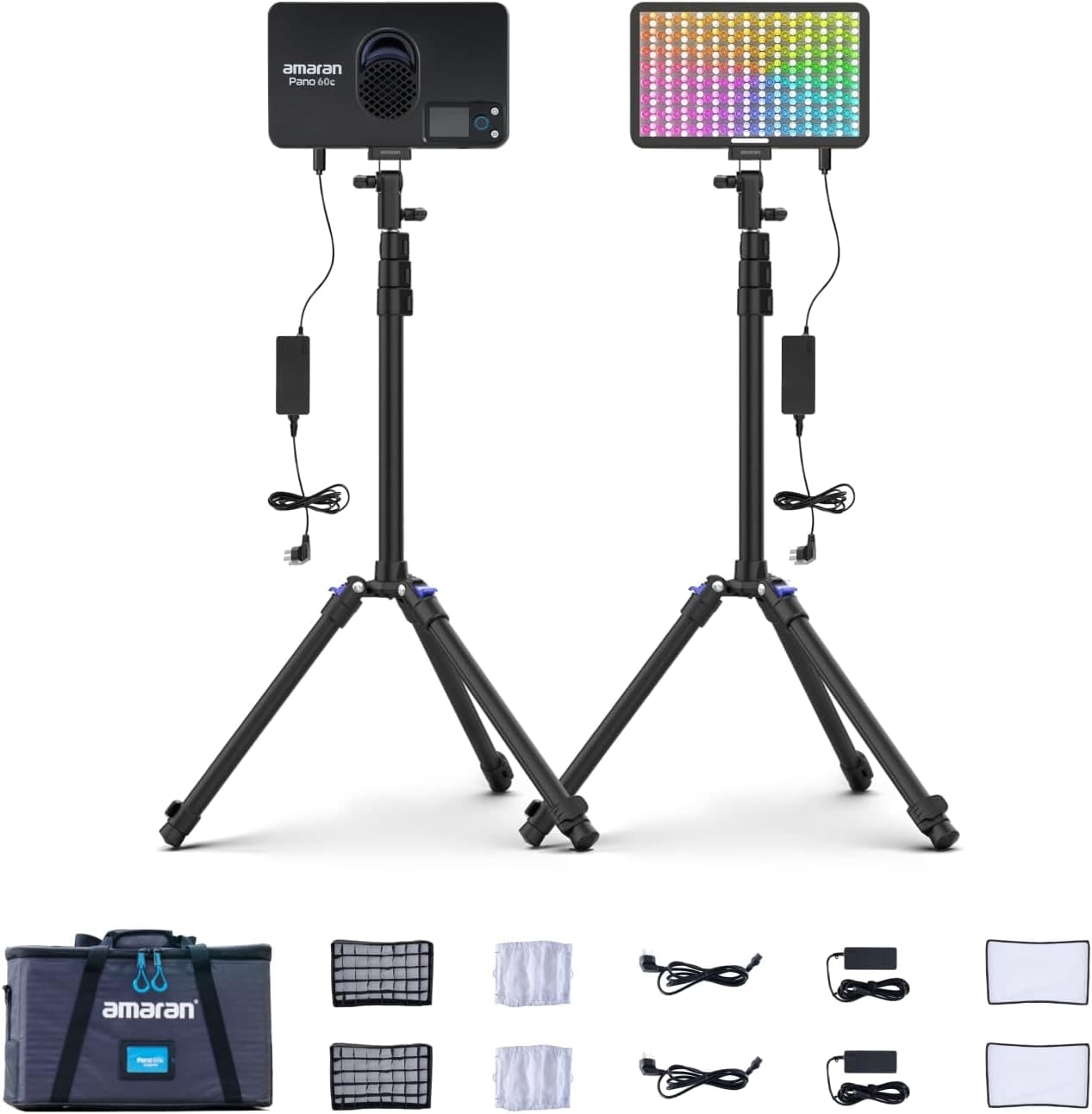
Amaran P60c RGBWW Panel
Soft fill and background color in small spaces.
Check price at AmazonThe Amaran P60c is the soft pick. It produces even light straight out of the box with full color control, rated at 6,300 lux at 1 m, which makes it an easy fill or background light without a softbox. It runs on mains, NP-F batteries, or D-tap. It has far less punch at distance than a COB, so it works best as a secondary light in small spaces.
Best for Color Work
Aputure Amaran 300c
Shooters who want one strong fixture for both clean and colored light.
Check price at AmazonThe Aputure Amaran 300c is the full-color key pick. It is a 300W RGBWW COB that covers 2,500K to 7,500K plus full RGB, so one fixture can do clean white light and creative color. Amaran rates it at 26,580 lux at 1 m at 5,600K, well below the 200x S, so choose it when color matters more than reach. It is larger and needs solid power.
Common mistakes
The most common one is using a bare COB light and wondering why it looks harsh; a COB is a point source and needs a softbox or reflector to look soft and flattering. The second is buying only one light: a single key gives a flat, one-sided look, so a small fill or a background accent transforms a scene for not much money. The third is buying a full-color COB as a key expecting more brightness than a bicolor light of similar wattage; check the lux figure, not the watts.
For more COB key-light options by job, including battery-powered and discontinued models, see our best lights for video guide. For controlling daylight when you mix LED and sun, see best variable ND filters.
What is the difference between a COB light and an LED panel?
A COB light is a single bright point source, like a bare bulb, that you shape with a softbox or reflector; it can be very powerful but is harsh without a modifier. An LED panel spreads many small LEDs across a flat surface, so it is softer and ready to use on its own but much lower in output. The Amaran P60c panel rates at 6,300 lux at 1 m; the 200x S COB rates at 45,400 with its reflector.
Is the Amaran 300c brighter than the 200x S?
No. The 300c draws more power, but amaran rates it at 26,580 lux at 1 m at 5,600K against 45,400 for the 200x S, because full-color COBs divide their chip between colored and white emitters. Choose the 300c for color and the 200x S for white output.
Do I need RGB lights or is bicolor enough?
For clean, natural lighting, a bicolor light is enough; it lets you match warm or cool ambient light without adding color casts. RGB lights are worth it when you want creative color, like a blue or magenta background accent. A common setup is a bicolor or daylight COB for the key and a small RGB tube or panel for accents.
Why does CRI matter for video lighting?
CRI, and the video-specific TLCI rating, measure how faithfully a light renders colors compared to natural light. A low-CRI light can make skin tones look green or sallow and is hard to fix in editing. Look for CRI and TLCI of 95 or higher, which every light in this guide meets.
Compare picks
The short version
Use this to narrow the list before opening the detailed cards.
Scores weigh fit, owner sentiment, build, and value. Affiliate links do not change pick order. Methodology
Buying order
Start with the skip note. A good deal on the wrong camera is still the wrong camera.
Compare verdictsIf you already own lenses, check the system path before buying into a new mount.
Check systemsOnce the fit makes sense, compare current deals and retailer listings.
Check current dealsCamera system shortcut
If you already own one of these systems, keep the comparison inside that ecosystem before checking out.
Lighting systems
Creators who want one capable key light that works with any softbox.
Use the retailer for the current price after the tradeoff makes sense. Confirm power, trigger compatibility, modifier mount, and whether the kit includes a stand.
Tradeoff: Daylight only, not bicolor
Use the retailer for the current price after the tradeoff makes sense. Confirm power, trigger compatibility, modifier mount, and whether the kit includes a stand.
$75 - $85
Use the retailer for the current price after the tradeoff makes sense. Confirm power, trigger compatibility, modifier mount, and whether the kit includes a stand.
Shooters who want one strong fixture for both clean and colored light.
Use the retailer for the current price after the tradeoff makes sense. Confirm power, trigger compatibility, modifier mount, and whether the kit includes a stand.
Price ladder
The useful range here runs from $75 to $269. Start with the ceiling that matches the assignment.
- Creators who want one capable key light that works with any softbox.
- Strong bicolor output
- Needs a modifier to shape light
Use the retailer for the current price after the tradeoff makes sense. Confirm power, trigger compatibility, modifier mount, and whether the kit includes a stand.
- Budget builds that light with daylight and shape with modifiers.
- High output per dollar
- Daylight only, not bicolor
Use the retailer for the current price after the tradeoff makes sense. Confirm power, trigger compatibility, modifier mount, and whether the kit includes a stand.
- Adding color accents and background pops to a scene.
- Full RGB color
- Low output as a key
Use the retailer for the current price after the tradeoff makes sense. Confirm power, trigger compatibility, modifier mount, and whether the kit includes a stand.
- Adding small colored accents, eye light, or product highlights anywhere.
- Pocket size with full RGB color
- Low output, best as an accent
Use the retailer for the current price after the tradeoff makes sense. Confirm power, trigger compatibility, modifier mount, and whether the kit includes a stand.
- Soft fill and background color in small spaces.
- Soft light without a modifier
- Lower output than a COB
Use the retailer for the current price after the tradeoff makes sense. Confirm power, trigger compatibility, modifier mount, and whether the kit includes a stand.
- Shooters who want one strong fixture for both clean and colored light.
- High 300W output
- Less white output than the 200x S despite higher wattage
Use the retailer for the current price after the tradeoff makes sense. Confirm power, trigger compatibility, modifier mount, and whether the kit includes a stand.
| Pick | Score | Price | Verdict | Action |
|---|---|---|---|---|
| Best OverallAputure Amaran 200x S | 9.0
| $269 - $329 | Creators who want one capable key light that works with any softbox. Wins: Strong bicolor output Skip: Needs a modifier to shape light | Check Amazon · $269 - $329 Use the retailer for the current price after the tradeoff makes sense. Confirm power, trigger compatibility, modifier mount, and whether the kit includes a stand. |
| Best ValueGodox Litemons LA200D | 8.6
| $239 - $299 | Budget builds that light with daylight and shape with modifiers. Wins: High output per dollar Skip: Daylight only, not bicolor | Check Amazon · $239 - $299 Use the retailer for the current price after the tradeoff makes sense. Confirm power, trigger compatibility, modifier mount, and whether the kit includes a stand. |
| Best RGB TubeNanlite PavoTube II 6C | 8.5
| $75 - $85 | Adding color accents and background pops to a scene. Wins: Full RGB color Skip: Low output as a key | Check Amazon · $75 - $85 Use the retailer for the current price after the tradeoff makes sense. Confirm power, trigger compatibility, modifier mount, and whether the kit includes a stand. |
 Best Pocket LightAputure MC Best Pocket LightAputure MC | 8.8
| $70 - $90 | Adding small colored accents, eye light, or product highlights anywhere. Wins: Pocket size with full RGB color Skip: Low output, best as an accent | Check Amazon · $70 - $90 Use the retailer for the current price after the tradeoff makes sense. Confirm power, trigger compatibility, modifier mount, and whether the kit includes a stand. |
 Best Soft PanelAmaran P60c RGBWW Panel Best Soft PanelAmaran P60c RGBWW Panel | 8.7
| $199 - $249 | Soft fill and background color in small spaces. Wins: Soft light without a modifier Skip: Lower output than a COB | Check Amazon · $199 - $249 Use the retailer for the current price after the tradeoff makes sense. Confirm power, trigger compatibility, modifier mount, and whether the kit includes a stand. |
| Best for Color WorkAputure Amaran 300c | 9.0
| $455 - $510 | Shooters who want one strong fixture for both clean and colored light. Wins: High 300W output Skip: Less white output than the 200x S despite higher wattage | Check Amazon · $455 - $510 Use the retailer for the current price after the tradeoff makes sense. Confirm power, trigger compatibility, modifier mount, and whether the kit includes a stand. |
Keep going
Next useful steps
Pick one. Each link continues the same job without starting the research over.
Shoot kits
Buy around the job, not the spec sheet
Creator kit
Solo vlogging kit
$1,286
A stabilized pocket camera, clean wireless audio, fast media, a backup drive, and a small light for one-person video.
Best low-friction creator kit
Buy order: start with the first piece that makes the job possible, then add the support pieces that remove friction.
Camera: start here. If this piece does not make the shoot easier, the rest of the kit can wait.
Light: add it after the core setup proves useful.
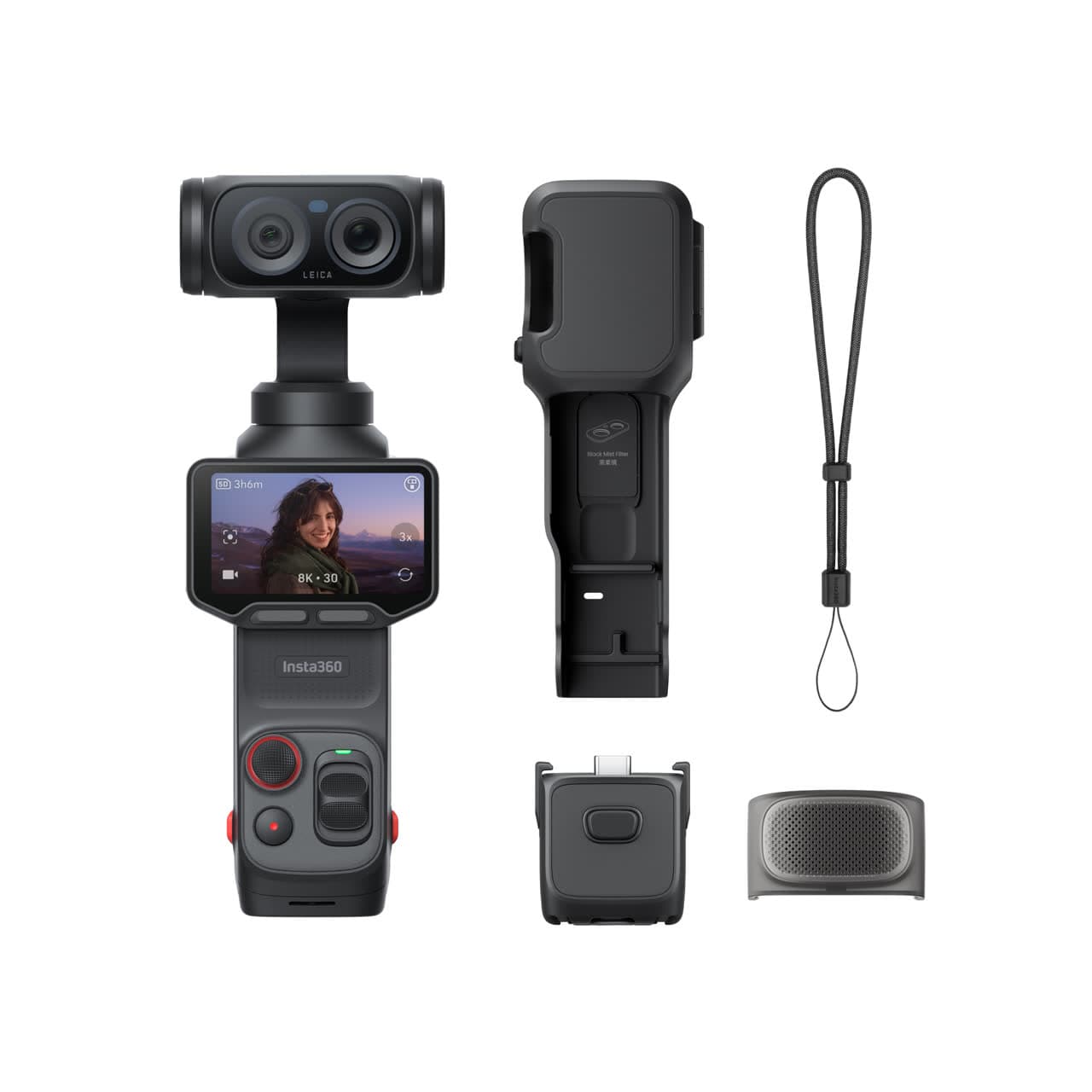
Insta360 Luna Ultra
Wide and tele framing, mechanical stabilization, and a detachable screen without a full camera rig.
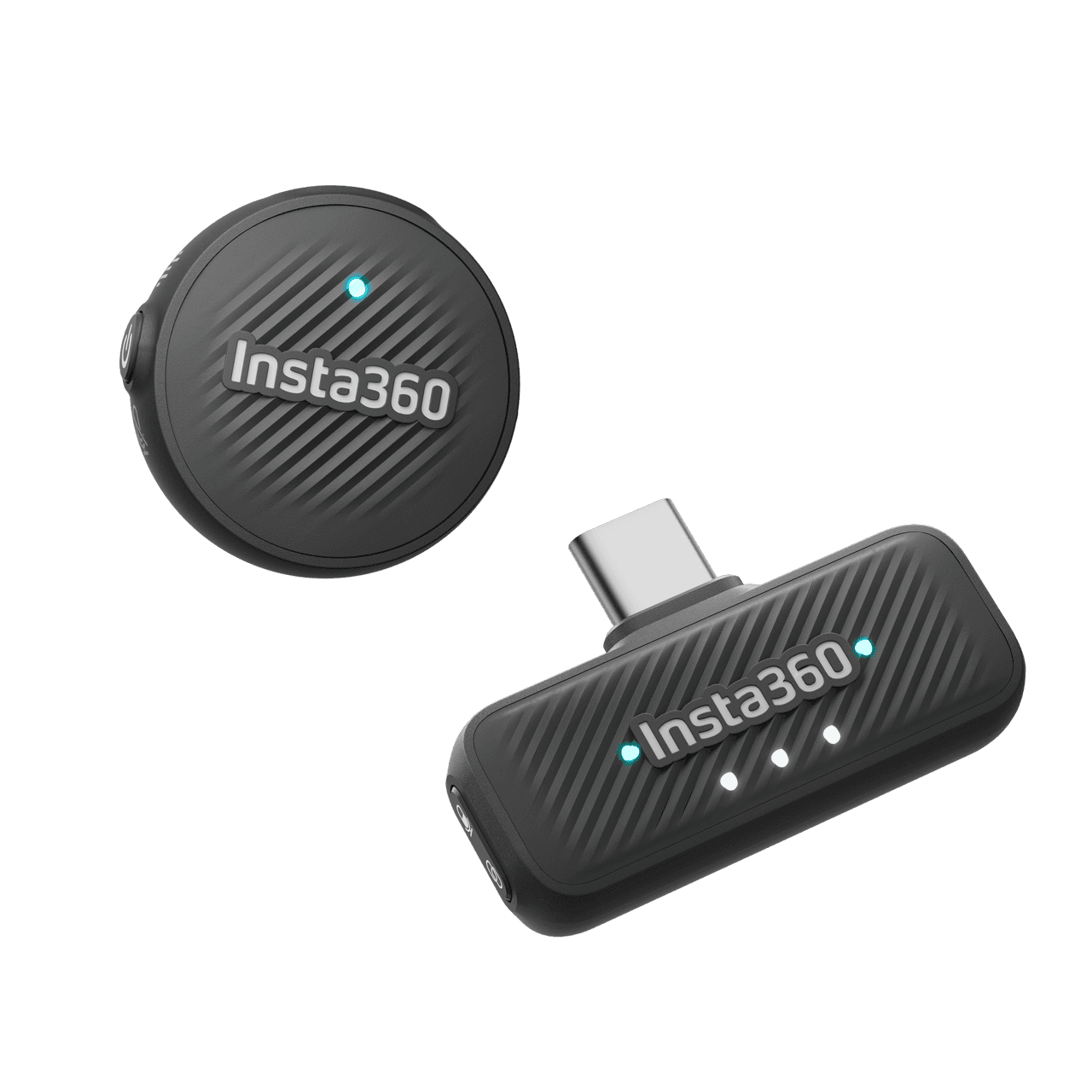
Insta360 Mic Air
Pairs directly with Luna Ultra for clearer speech without hanging a receiver from the camera.
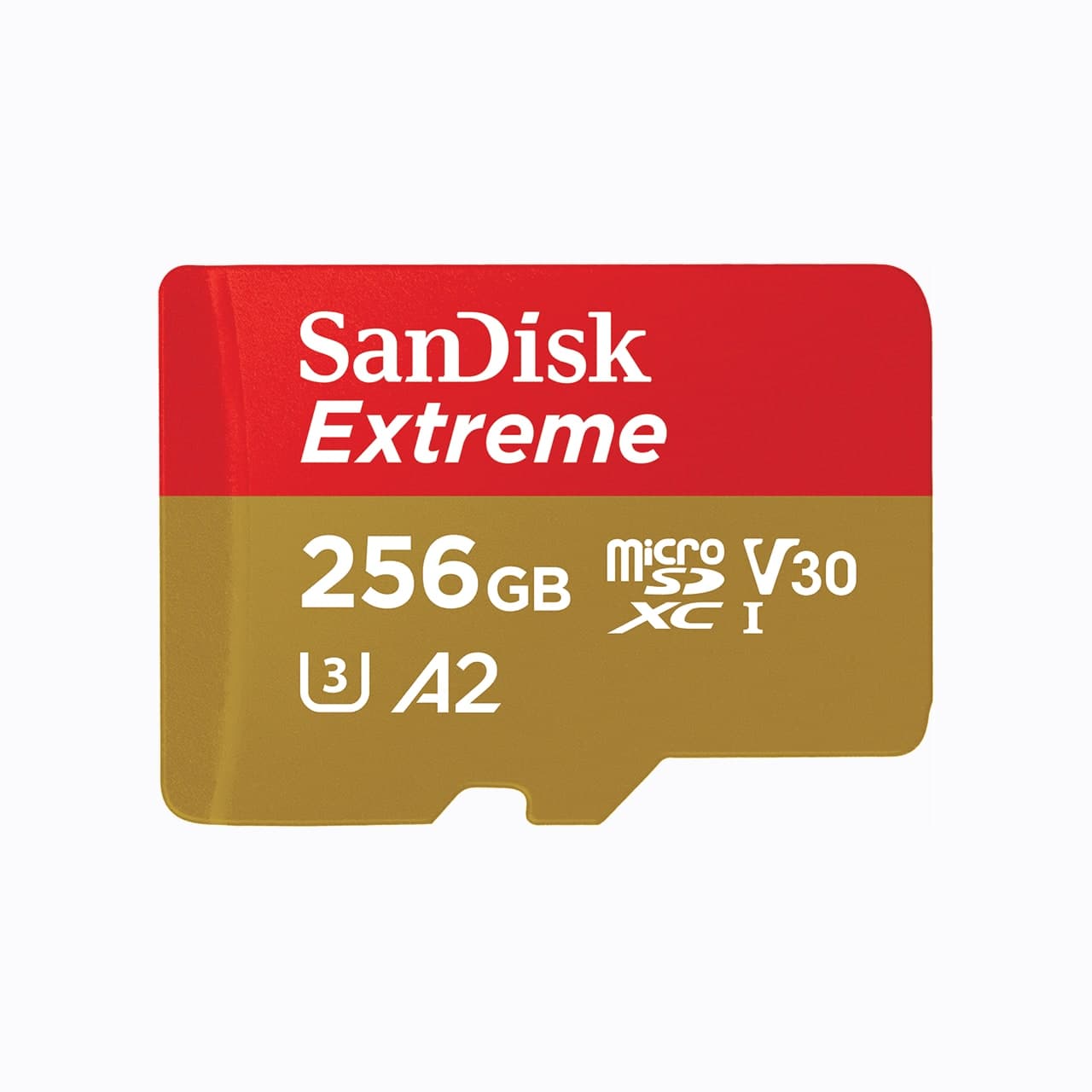
SanDisk Extreme microSDXC 256GB
Pocket gimbals and action cameras use microSD, not a full-size SD card.
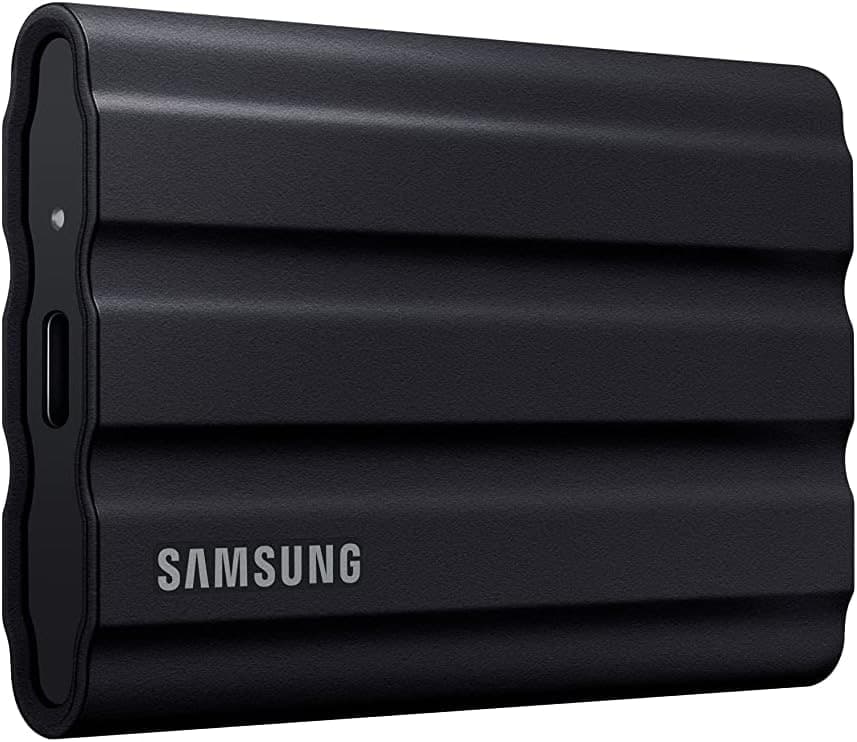
Samsung T7 Shield
A rugged pocket SSD for offloading footage before a card gets reused.
Amaran P60c RGBWW Panel
Soft, controllable fill for talking-head clips, product details, and ugly rooms.
Prices are rough catalog totals. Retailer prices change, and you can swap pieces to fit your system.
Related Gear guides
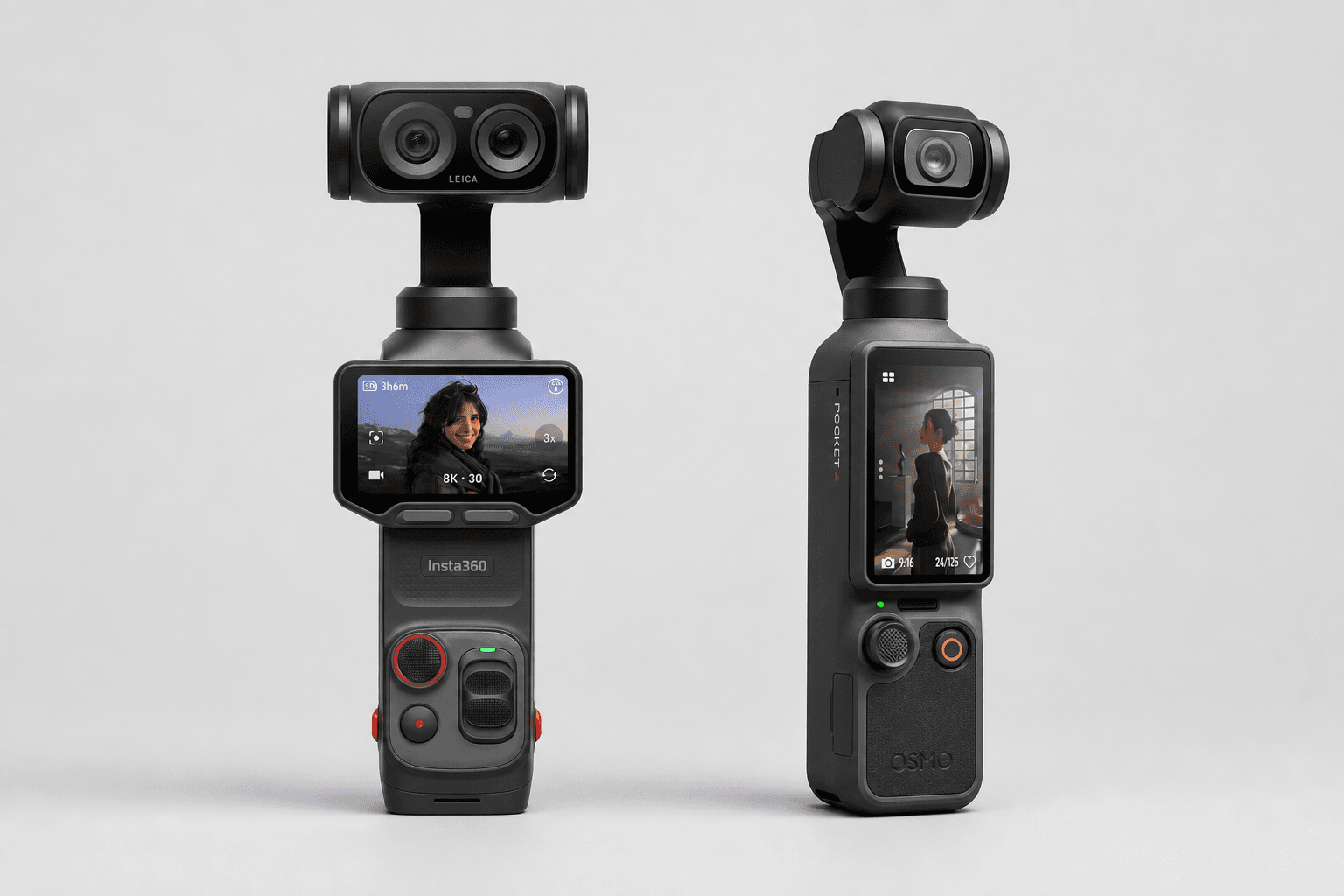
Insta360 Luna Ultra vs DJI Osmo Pocket 4: Which Pocket Gimbal Should You Buy?
Compare Luna Ultra and DJI Pocket 4 by lenses, video, Log formats, storage, U.S. availability, and the filming jobs each pocket gimbal handles best.
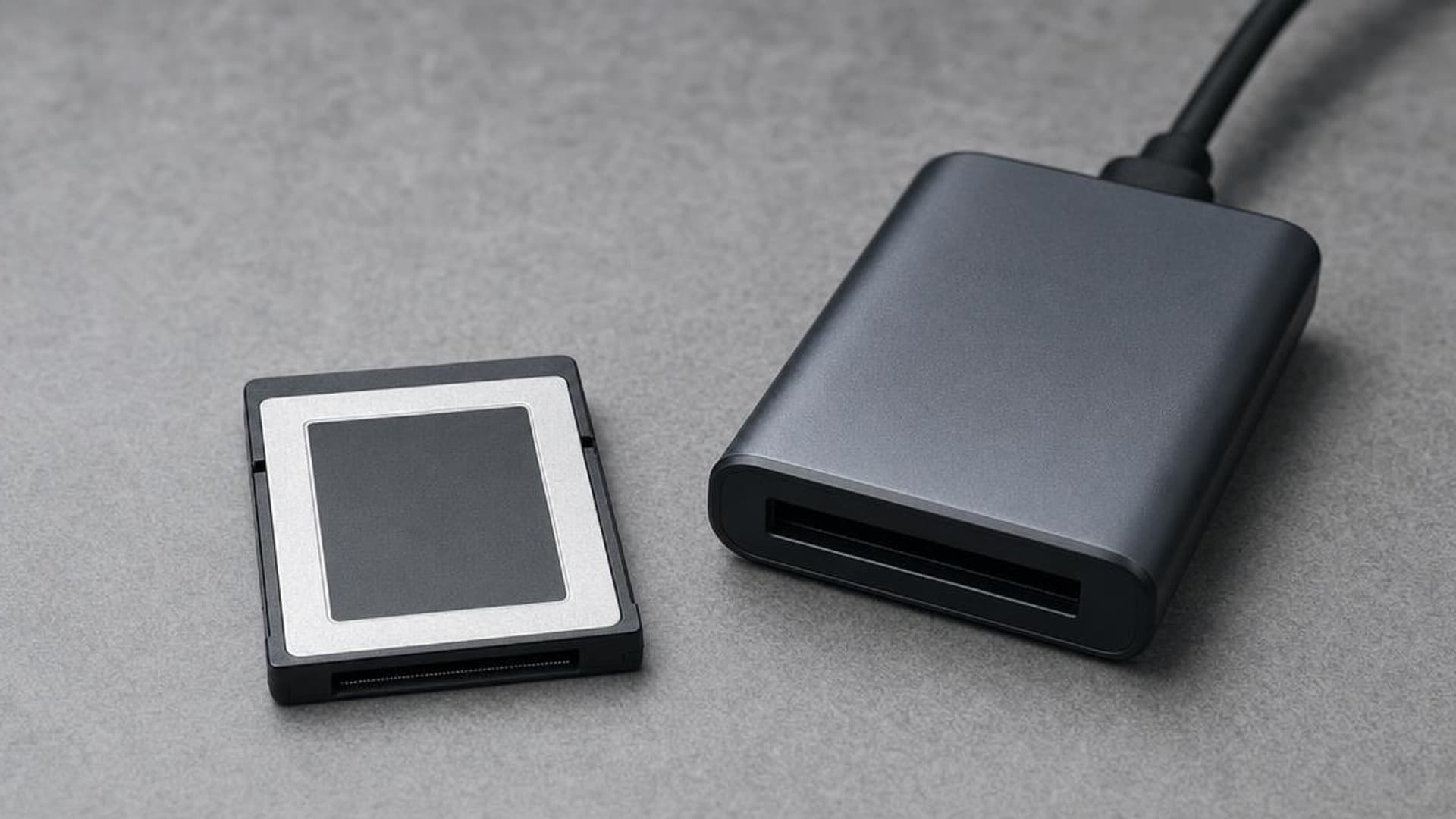
CFexpress 4.0 and VPG Explained: Buy the Card Your Camera Needs
CFexpress 4.0 doubles theoretical bandwidth, while VPG certifies sustained video writes. Learn Type A vs B, VPG classes, and when 4.0 is worth paying for.
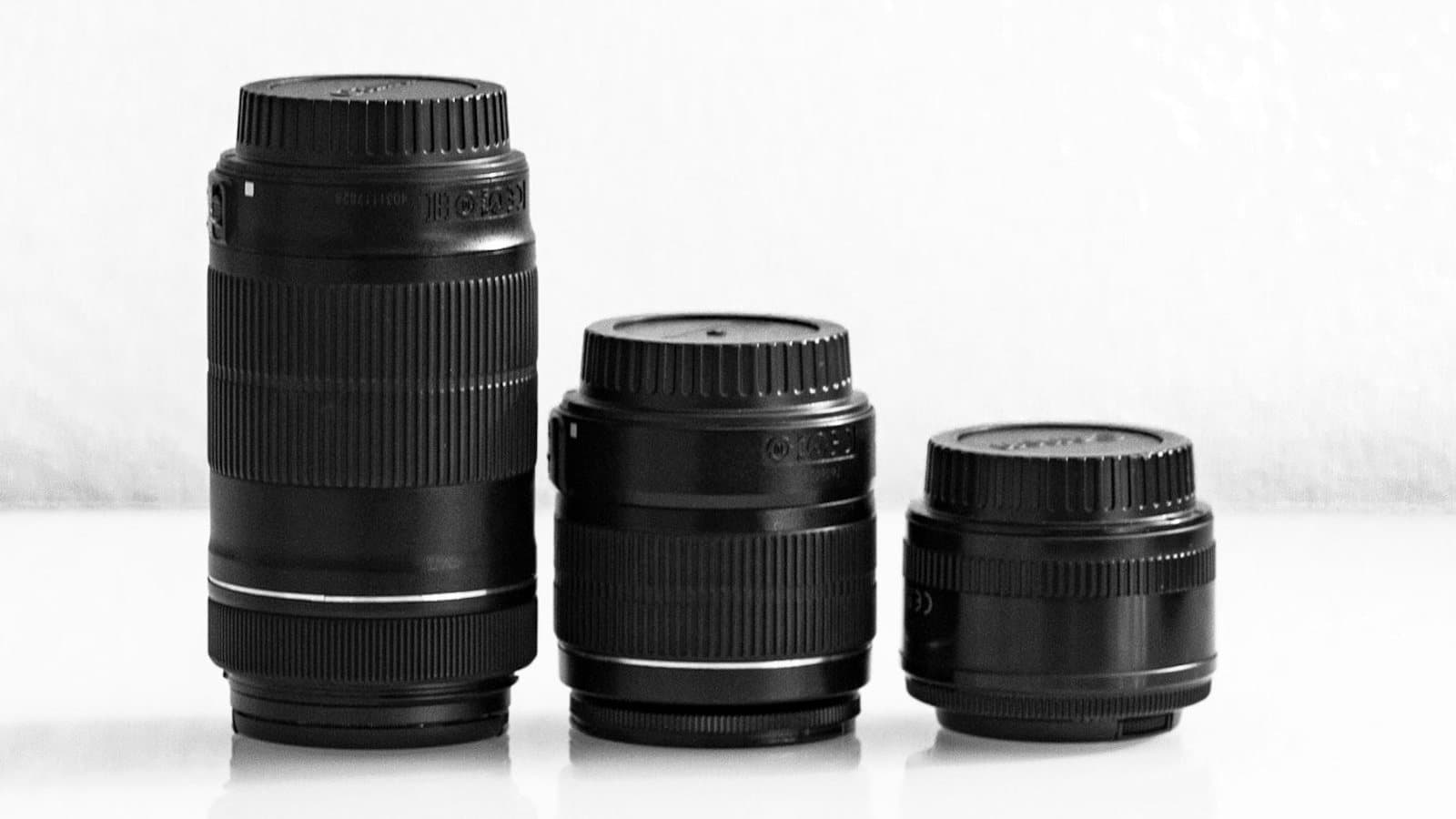
Focal Length Explained: What 24mm, 50mm, 85mm, and 200mm Actually Do
What the millimeter number on a lens changes in the field: angle of view, compression, and working distance. When to reach for 24, 50, 85, or 200mm.
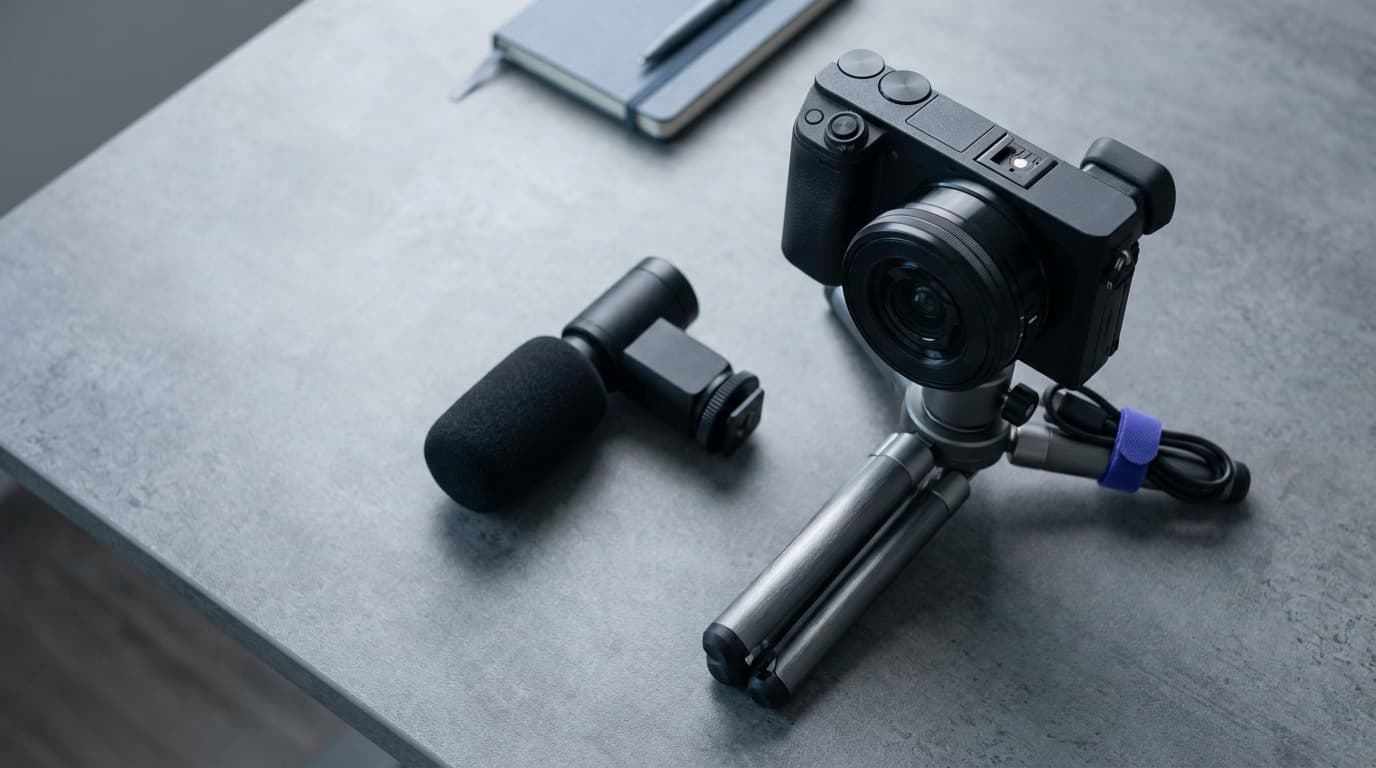
Canon EOS R50 V vs Sony ZV-E10 II: Which Beginner Vlogging Camera Should You Buy?
Canon EOS R50 V is the easier beginner creator kit. Sony ZV-E10 II is the deeper lens-system pick. Compare the practical tradeoffs.
Researched, not personally tested: picks compare specifications, available owner feedback, and established expert sources. As an Amazon Associate I earn from qualifying purchases. We may earn a commission from links here, at no extra cost to you. How we research →