We may earn a commission from links on this page, at no extra cost to you. Picks are researched, not sponsored.
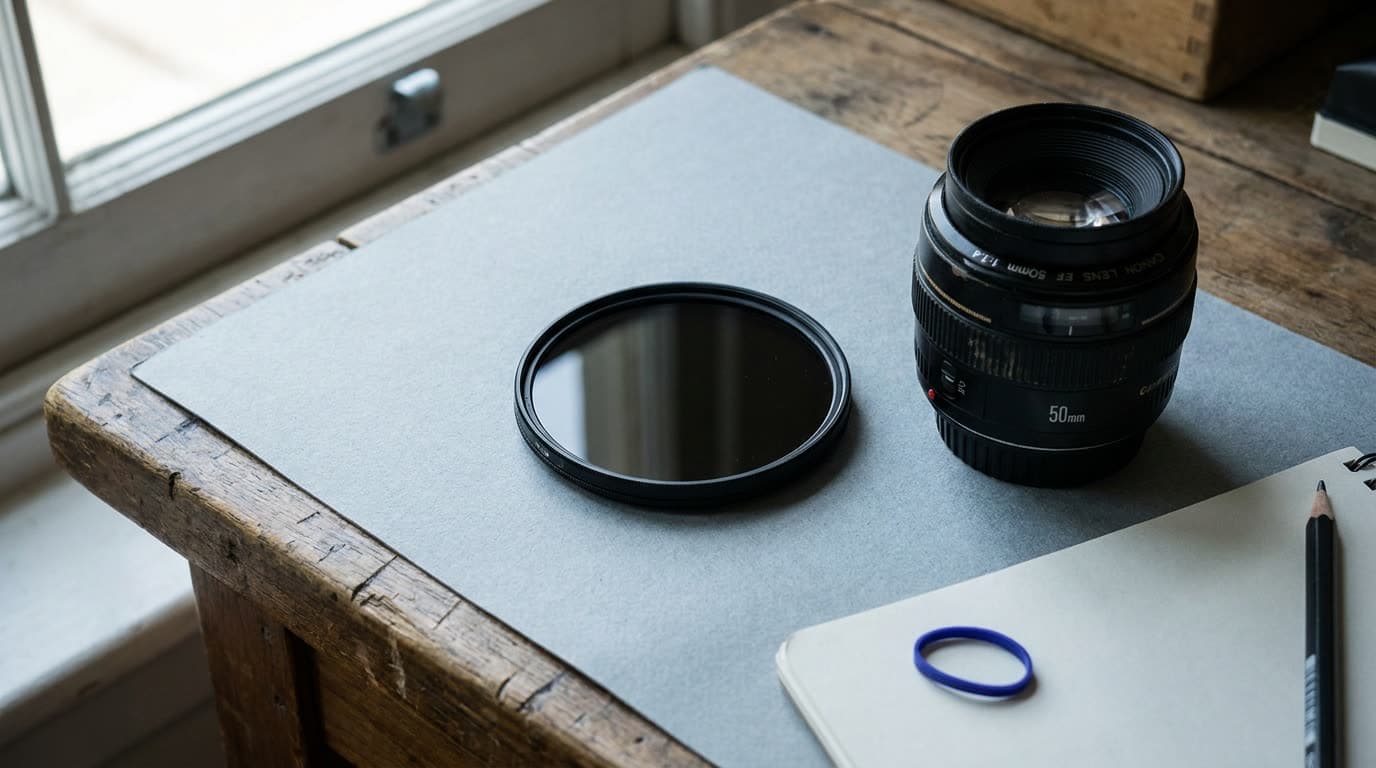
A variable ND filter is a darkening filter you rotate to dial in how much light it blocks, which lets you keep video exposure correct without changing your settings. This matters because video looks best at a fixed shutter speed, usually double your frame rate, and a wide aperture for a shallow look. A variable ND lets you hold both in bright daylight by simply twisting the ring instead of stopping down or speeding up the shutter.
If the shutter rule is new to you, our shutter speed explained guide covers why video uses a fixed shutter, and the exposure triangle covers how the three settings interact.
How to choose
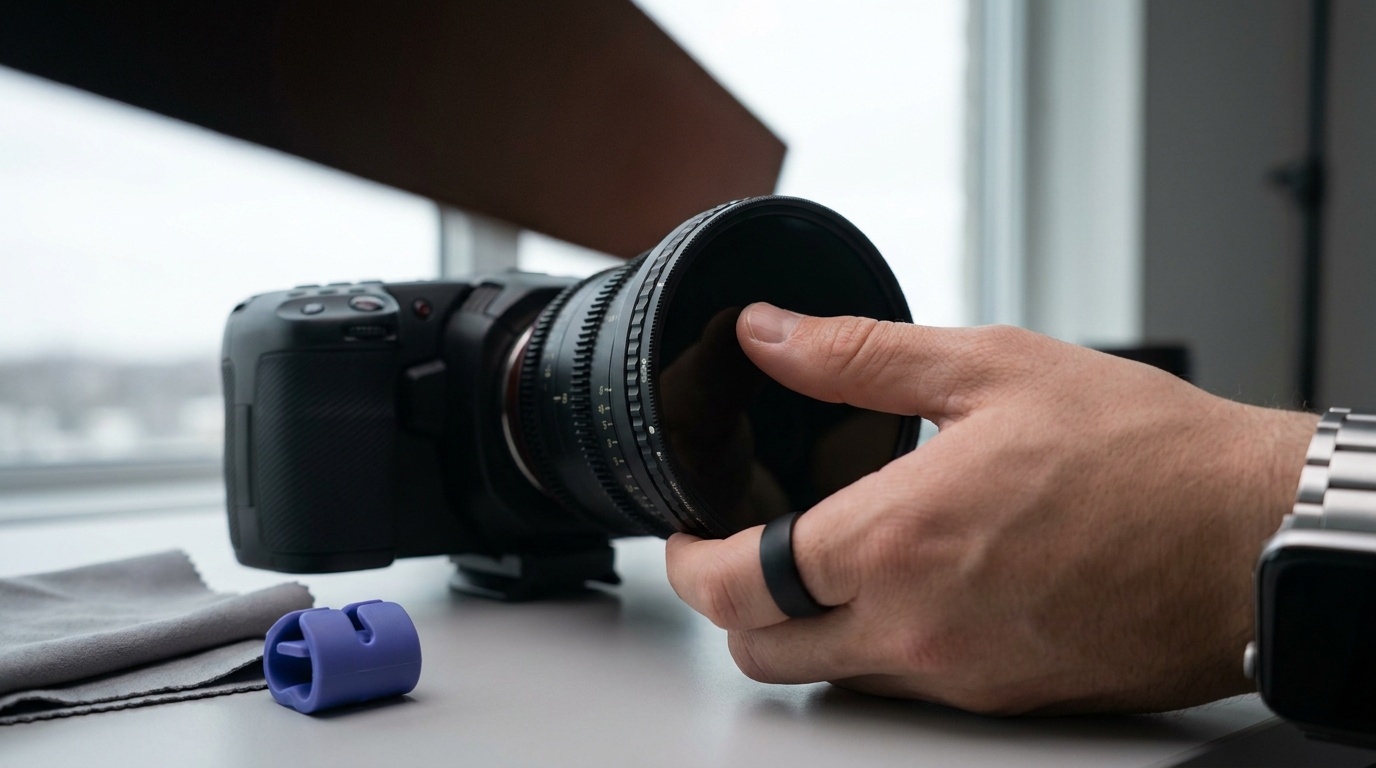
Start with the stop range and how it is marked. A variable ND covers a range, like 2 to 5 stops or 6 to 9 stops, by rotating a ring. The most important detail is whether it has hard click stops or hard limit stops; these prevent you from rotating past the usable range into the dreaded dark X-pattern that appears when a variable ND is pushed too far. Defined stops also make your settings repeatable.
Then weigh color accuracy. The weakness of variable NDs is that they can add a color cast, often a magenta or green tint, especially near the strong end of the range. Premium filters use better glass and engineering to stay neutral, which saves you correcting color in editing. If you film people, faithful skin tones are worth paying for.
After that, consider range versus quality. A wide-range filter covers more situations in one piece of glass but is more likely to cast color at the extremes; a narrower-range filter stays cleaner. Many pros carry two narrower filters rather than one wide one. Last, check the build and your filter thread size: a brass frame resists binding on the lens, and you need the right diameter or a step-up ring to fit your lens.
The picks
Best Overall
PolarPro Peter McKinnon VND II
Video shooters who want precise, repeatable exposure control.
Check price at AmazonThe PolarPro Peter McKinnon VND II is the best all-round pick. Hard click stops at each density and clear edge markings remove the guesswork and prevent the X-pattern, and the cinema-grade glass stays neutral. It is expensive and the full range is split across two filters, but for precise, repeatable exposure control it is the standout.
Best Value
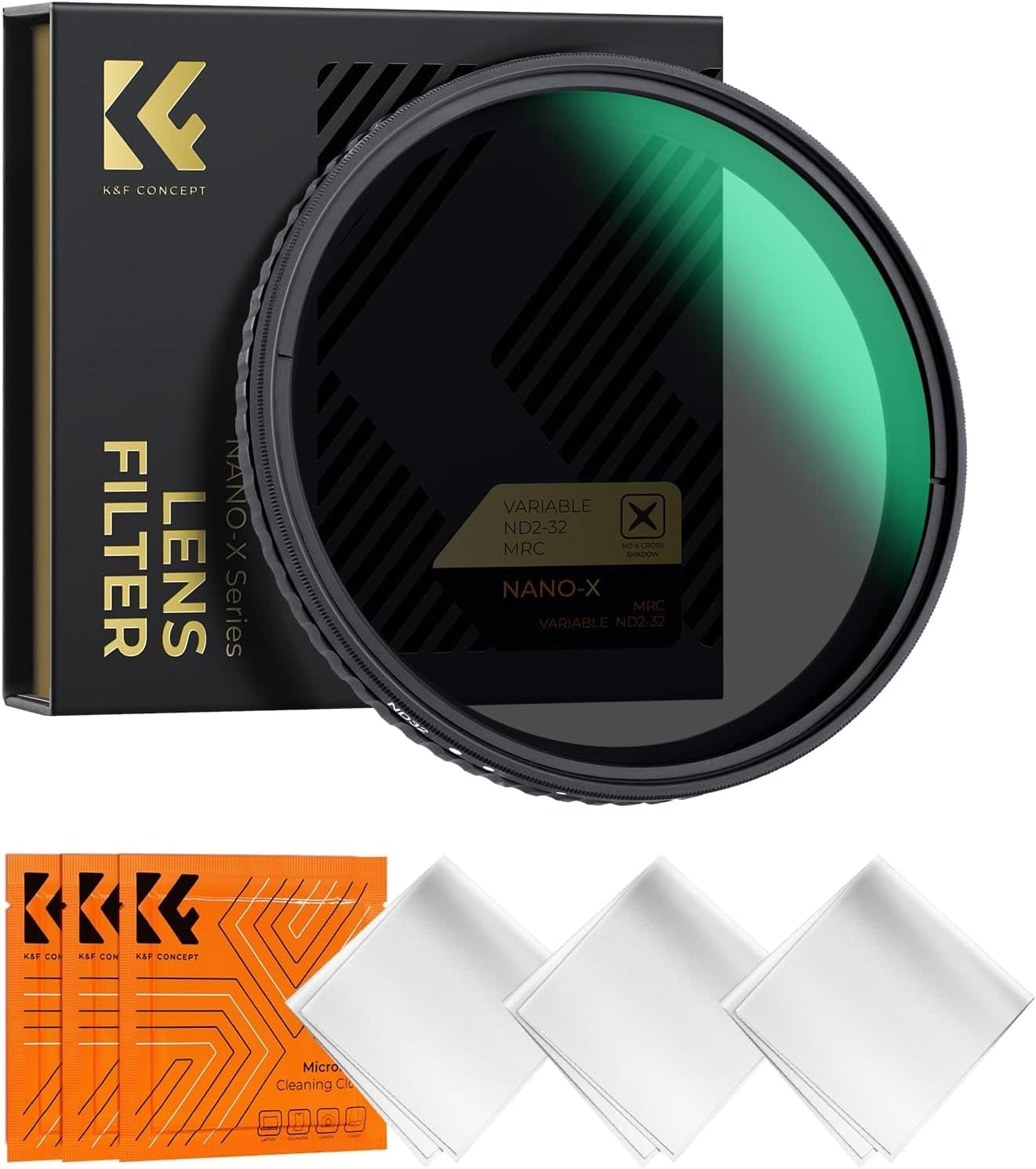
K&F Concept Nano-X Variable ND
Beginners who want a usable variable ND without overspending.
Check price at AmazonThe K&F Concept Nano-X is the budget pick. It has hard limit stops to prevent the X-pattern and multi-coated glass that stays reasonably neutral across a 2 to 5 stop range, which makes it a strong entry point. There is a slight cast at the limits and the range is narrow, but for a usable variable ND that does not cost much, it delivers.
Best for Wide Range
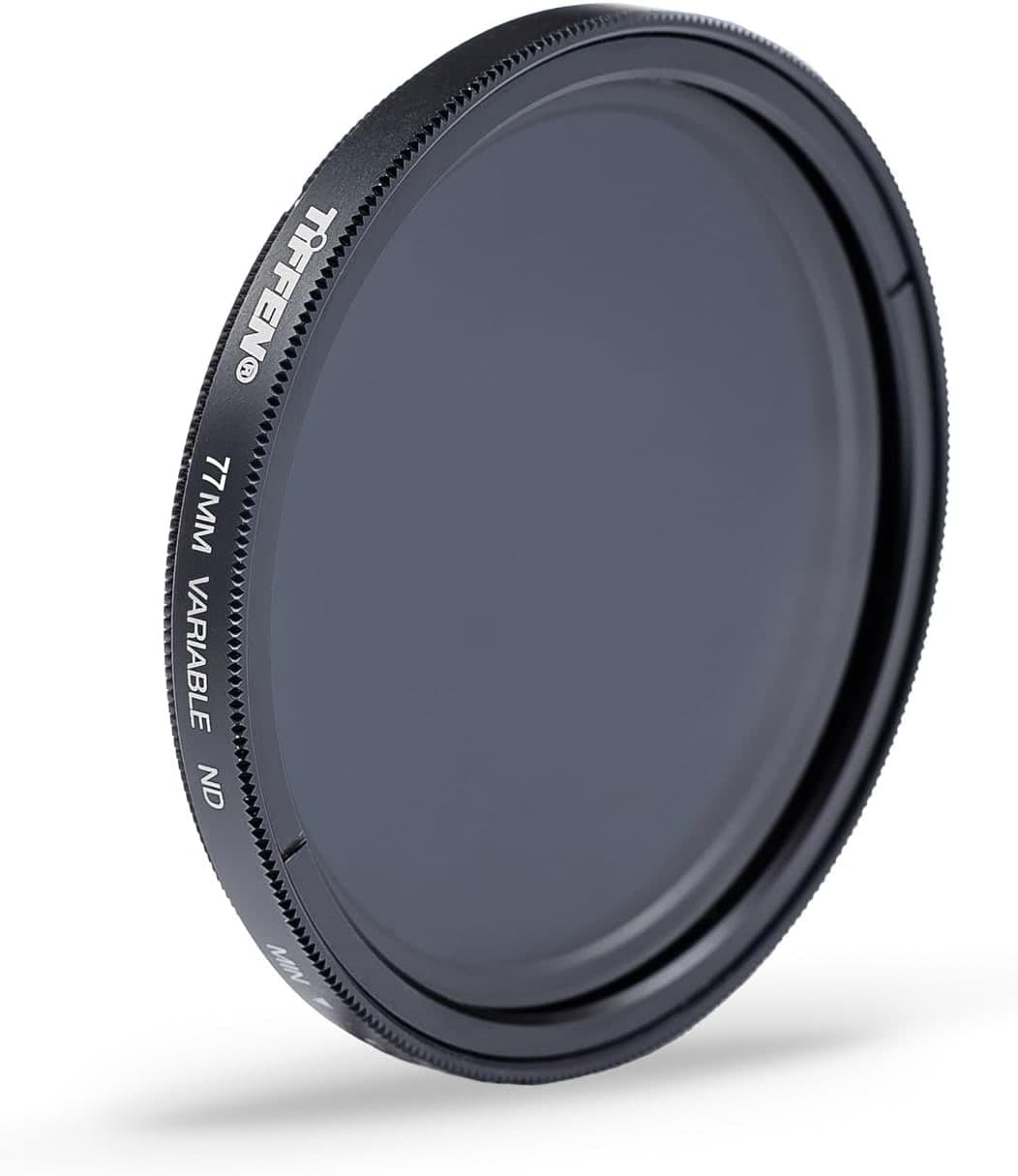
Tiffen Variable ND
Shooters who want one filter to cover most light in a day.
Check price at AmazonThe Tiffen Variable ND is the wide-range pick. From a long-time Hollywood filter maker, it covers a broad 2 to 8 stops in a single filter, so it handles most daylight in one piece of glass. The usual wide-range trade-offs apply, with some color cast near the maximum and a possible cross pattern at the limit, but for one-filter convenience at a fair price it works.
Best for Skin Tones
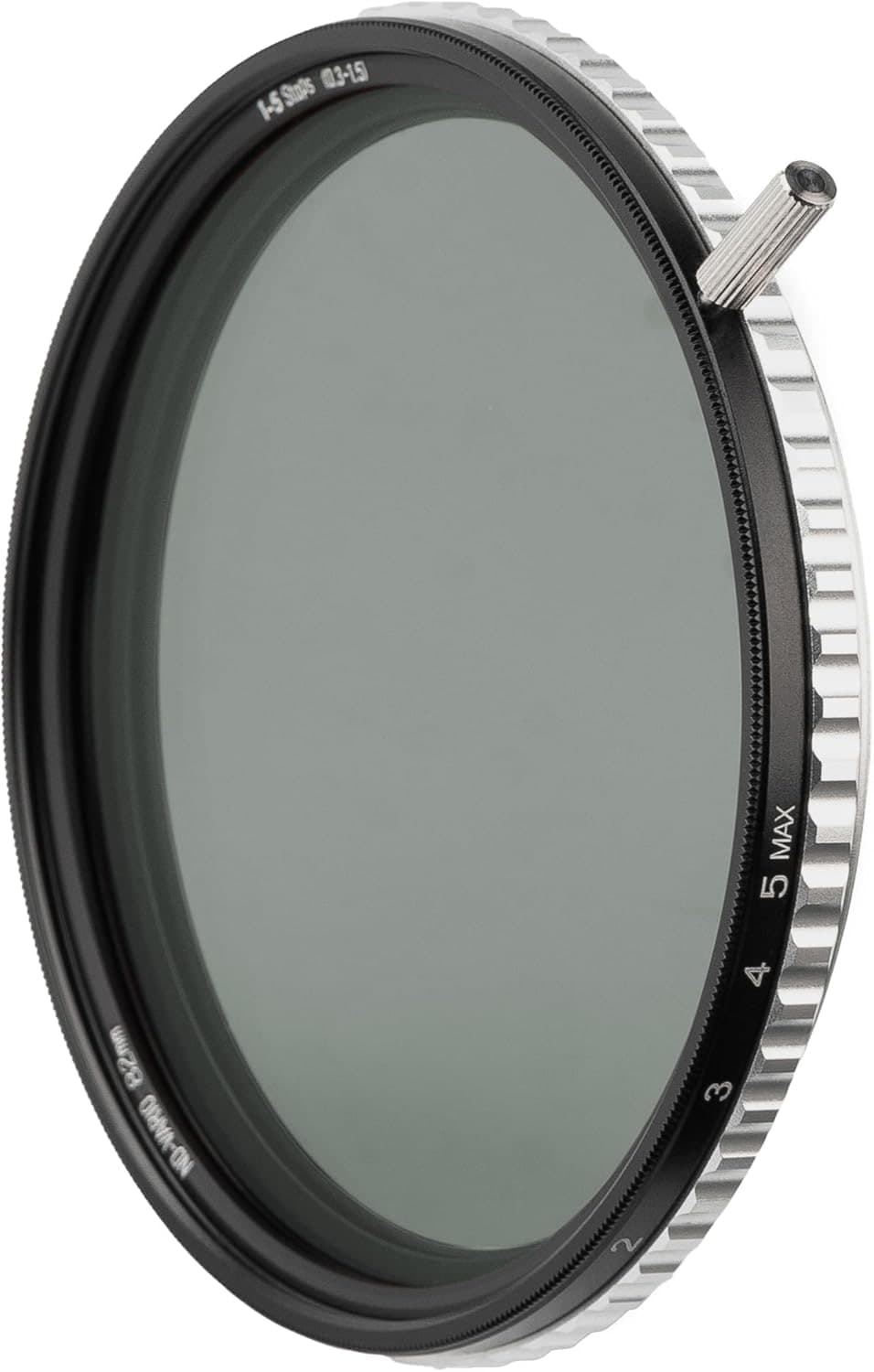
NiSi True Color Variable ND
Filmmakers who shoot people and need faithful skin tones.
Check price at AmazonThe NiSi True Color is the skin-tone pick. Engineered to hold color accuracy and skin tones across the range, with click stops and minimal cast, it is popular with shooters who film people. The full range is split across two filters and the price is premium, but if your work centers on faithful skin tones, it is the right choice.
Common mistakes
The most common one is rotating a variable ND past its usable range and getting a dark X across the frame; filters with hard stops prevent this, which is why they are worth buying. The second is ignoring color cast, then spending time in editing fixing a magenta tint that a better filter would have avoided. The third is buying one very wide-range filter and expecting clean results at every setting; two narrower filters often stay more neutral than one that tries to cover everything.
For controlling the look at wide apertures, our best cine lenses guide pairs naturally with a good variable ND.
Why do video shooters need a variable ND filter?
Video looks most natural at a fixed shutter speed, usually double the frame rate, and shooters often want a wide aperture for a shallow look. In bright light, holding both would overexpose the image. A variable ND blocks light so you can keep your shutter and aperture where you want them and just twist the ring to correct exposure, instead of stopping down or raising the shutter.
What is the X-pattern and how do I avoid it?
The X-pattern is a dark cross that appears across the frame when a variable ND is rotated past its effective range, caused by the two polarizing layers crossing. You avoid it by choosing a filter with hard click or limit stops, which physically prevent you from rotating into the bad zone, and by staying within the rated range. Cheaper filters without stops are easier to push too far.
Is one wide-range filter better than two narrower ones?
It depends on your priority. One wide-range filter is more convenient and covers most light in a single piece of glass, but it is more likely to add a color cast at the extremes. Two narrower filters, like a 2 to 5 and a 6 to 9 stop pair, stay cleaner and more neutral within their ranges, which is why many professionals carry two. For casual work, one wide filter is usually fine.
Source
Stop range, hard stops, color behavior, coatings, and size options were checked against NiSi's True Color Variable ND specifications.
Compare picks
The short version
Use this to narrow the list before opening the detailed cards.
Scores weigh fit, owner sentiment, build, and value. Affiliate links do not change pick order. Methodology
Buying order
Start with the skip note. A good deal on the wrong camera is still the wrong camera.
Compare verdictsIf you already own lenses, check the system path before buying into a new mount.
Check systemsOnce the fit makes sense, compare current deals and retailer listings.
Check current deals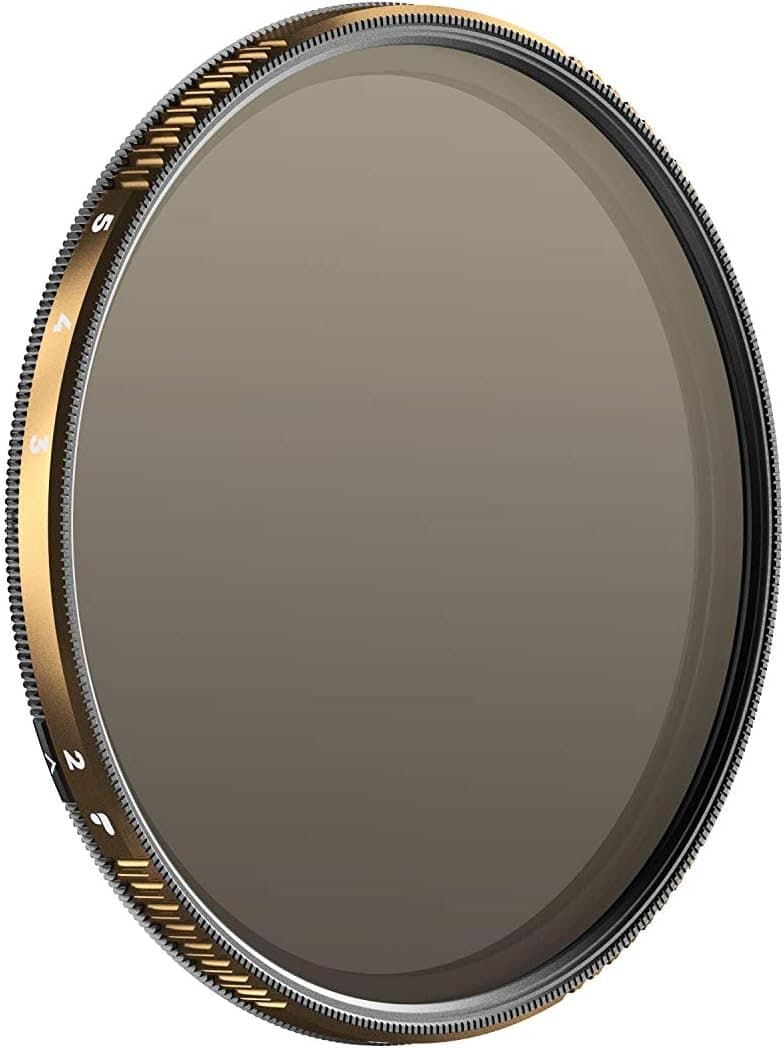
Video shooters who want precise, repeatable exposure control.
Use the retailer for the current price after the tradeoff makes sense. Confirm thread size, adapter rings, stop strength, and whether color shift matters.
Tradeoff: Slight cast at the limits
Use the retailer for the current price after the tradeoff makes sense. Confirm thread size, adapter rings, stop strength, and whether color shift matters.
Filmmakers who shoot people and need faithful skin tones.
Use the retailer for the current price after the tradeoff makes sense. Confirm thread size, adapter rings, stop strength, and whether color shift matters.
Shooters who want one filter to cover most light in a day.
Use the retailer for the current price after the tradeoff makes sense. Confirm thread size, adapter rings, stop strength, and whether color shift matters.
- Video shooters who want precise, repeatable exposure control.
- Defined click stops
- Expensive
Use the retailer for the current price after the tradeoff makes sense. Confirm thread size, adapter rings, stop strength, and whether color shift matters.
- Beginners who want a usable variable ND without overspending.
- Very affordable
- Slight cast at the limits
Use the retailer for the current price after the tradeoff makes sense. Confirm thread size, adapter rings, stop strength, and whether color shift matters.
- Shooters who want one filter to cover most light in a day.
- Wide single-filter range
- Color cast near the maximum
Use the retailer for the current price after the tradeoff makes sense. Confirm thread size, adapter rings, stop strength, and whether color shift matters.
- Filmmakers who shoot people and need faithful skin tones.
- Excellent color and skin tones
- Two filters for full range
Use the retailer for the current price after the tradeoff makes sense. Confirm thread size, adapter rings, stop strength, and whether color shift matters.
| Pick | Score | Price | Verdict | Action |
|---|---|---|---|---|
| Best OverallPolarPro Peter McKinnon VND II | 9.0
| $229 - $279 | Video shooters who want precise, repeatable exposure control. Wins: Defined click stops Skip: Expensive | Check Amazon · $229 - $279 Use the retailer for the current price after the tradeoff makes sense. Confirm thread size, adapter rings, stop strength, and whether color shift matters. |
| Best ValueK&F Concept Nano-X Variable ND | 8.3
| $55 - $89 | Beginners who want a usable variable ND without overspending. Wins: Very affordable Skip: Slight cast at the limits | Check Amazon · $55 - $89 Use the retailer for the current price after the tradeoff makes sense. Confirm thread size, adapter rings, stop strength, and whether color shift matters. |
| Best for Wide RangeTiffen Variable ND | 8.4
| $75 - $90 | Shooters who want one filter to cover most light in a day. Wins: Wide single-filter range Skip: Color cast near the maximum | Check Amazon · $75 - $90 Use the retailer for the current price after the tradeoff makes sense. Confirm thread size, adapter rings, stop strength, and whether color shift matters. |
| Best for Skin TonesNiSi True Color Variable ND | 8.9
| $165 - $190 | Filmmakers who shoot people and need faithful skin tones. Wins: Excellent color and skin tones Skip: Two filters for full range | Check Amazon · $165 - $190 Use the retailer for the current price after the tradeoff makes sense. Confirm thread size, adapter rings, stop strength, and whether color shift matters. |
Keep going
Next useful steps
Pick one. Each link continues the same job without starting the research over.
Shoot kits
Buy around the job, not the spec sheet
Creator kit
Solo vlogging kit
$1,286
A stabilized pocket camera, clean wireless audio, fast media, a backup drive, and a small light for one-person video.
Best low-friction creator kit
Buy order: start with the first piece that makes the job possible, then add the support pieces that remove friction.
Camera: start here. If this piece does not make the shoot easier, the rest of the kit can wait.
Light: add it after the core setup proves useful.
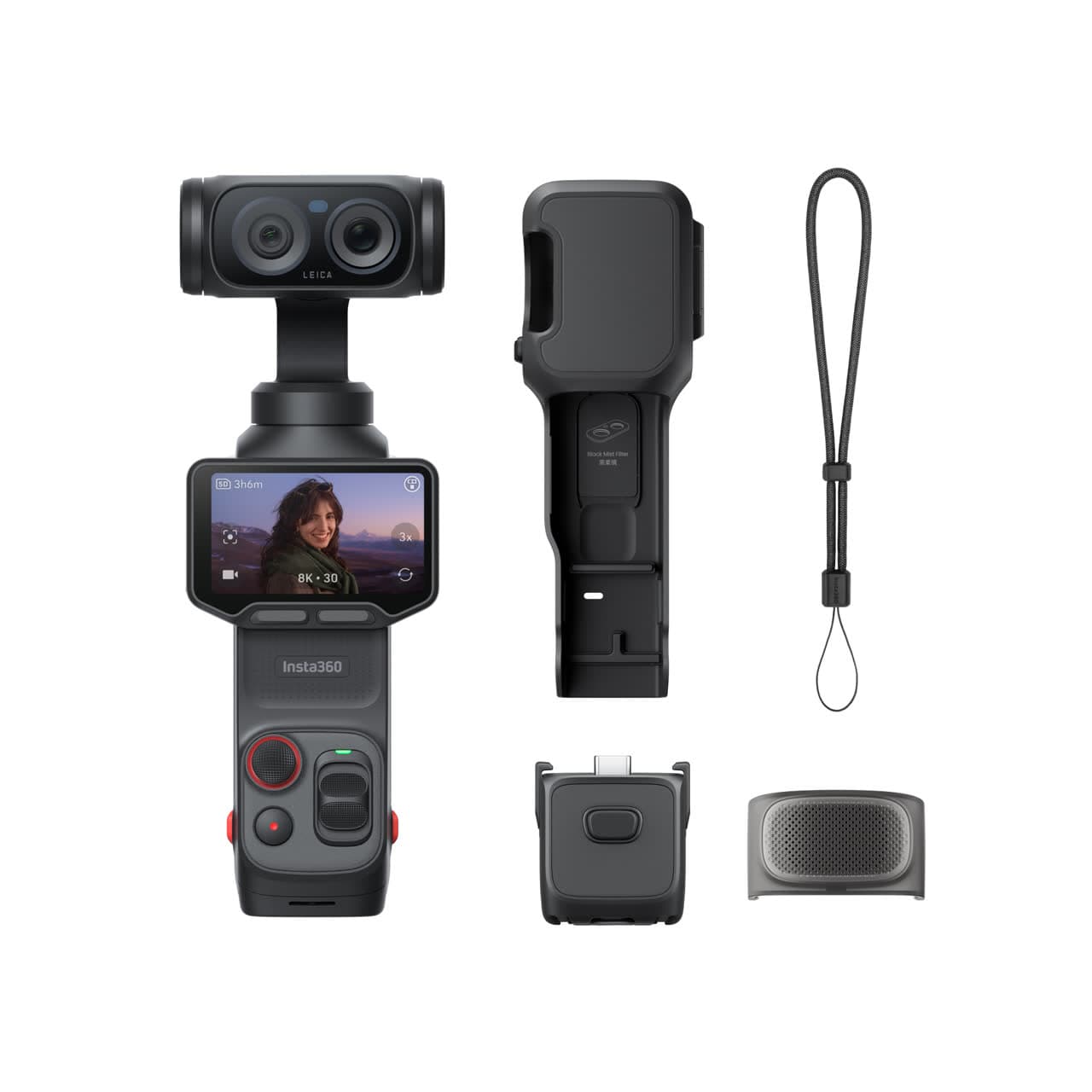
Insta360 Luna Ultra
Wide and tele framing, mechanical stabilization, and a detachable screen without a full camera rig.
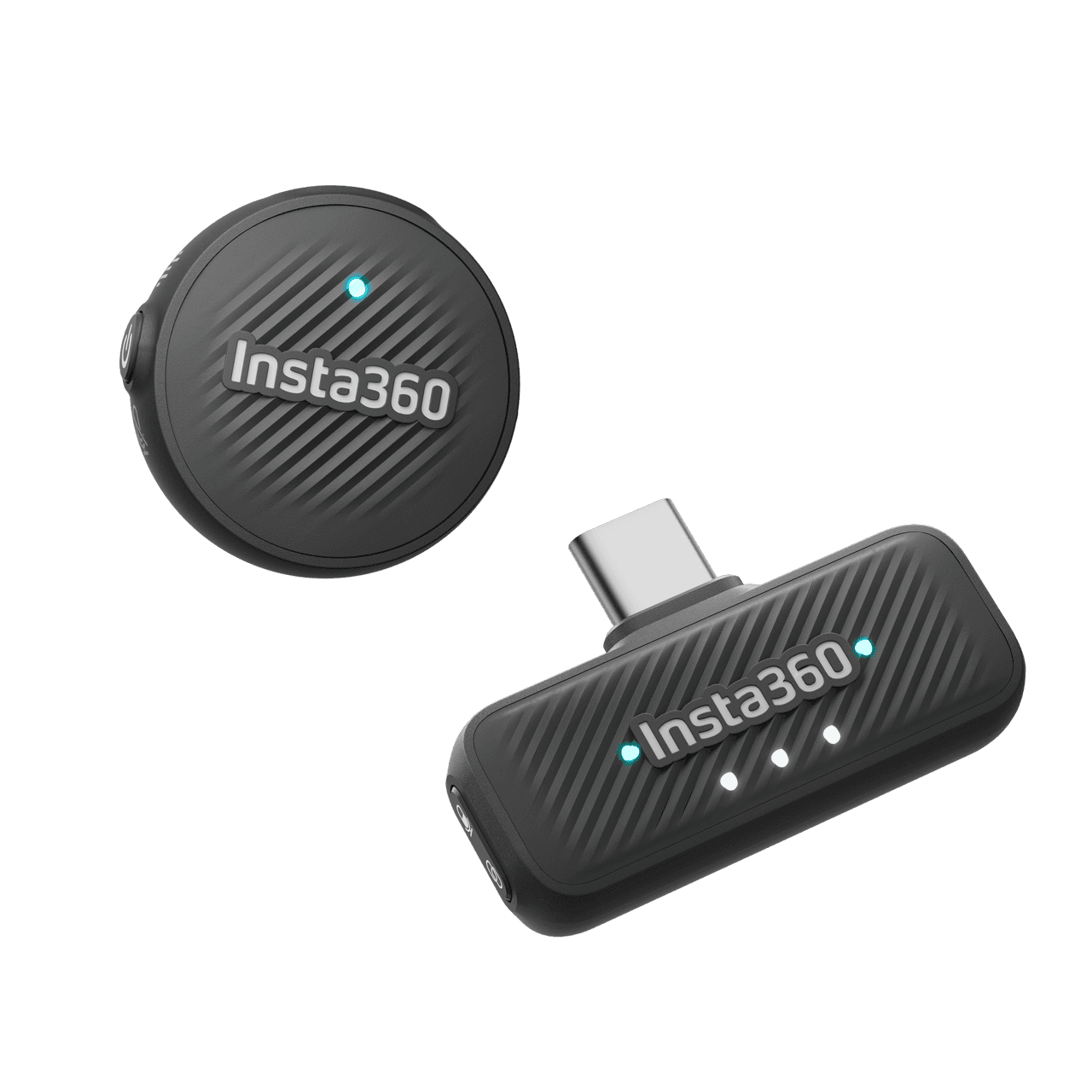
Insta360 Mic Air
Pairs directly with Luna Ultra for clearer speech without hanging a receiver from the camera.
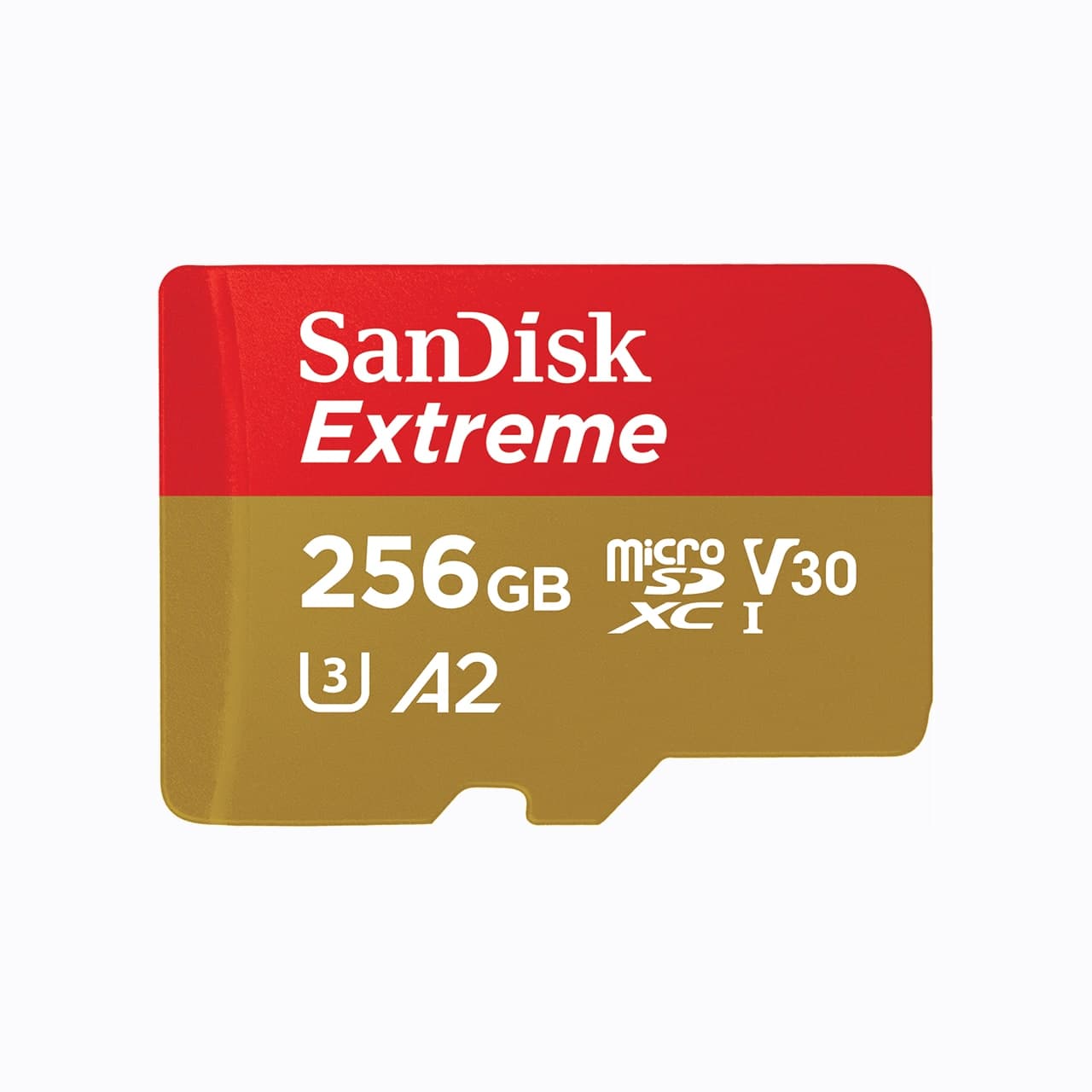
SanDisk Extreme microSDXC 256GB
Pocket gimbals and action cameras use microSD, not a full-size SD card.
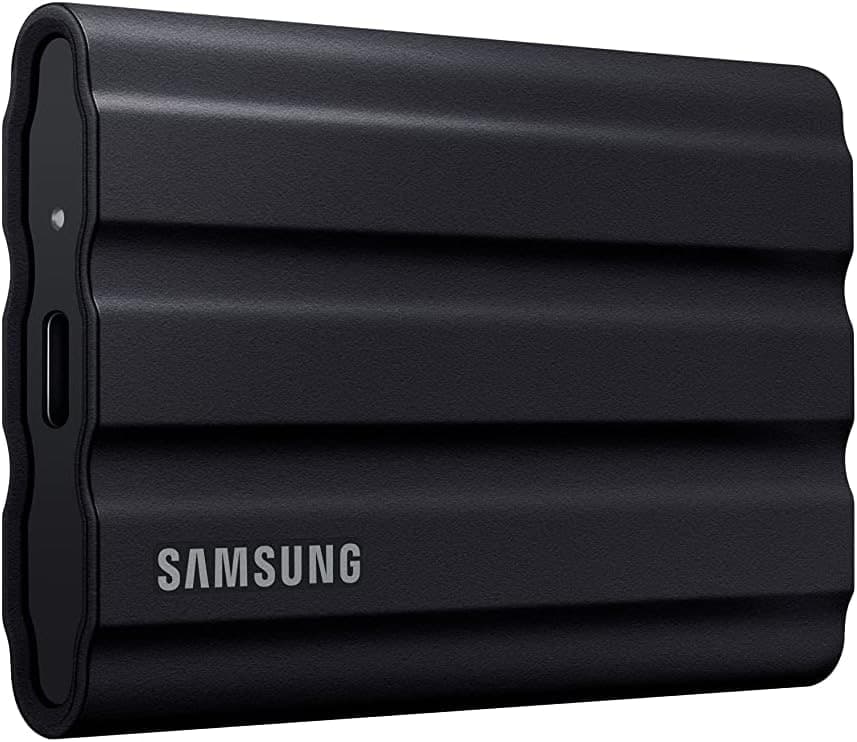
Samsung T7 Shield
A rugged pocket SSD for offloading footage before a card gets reused.
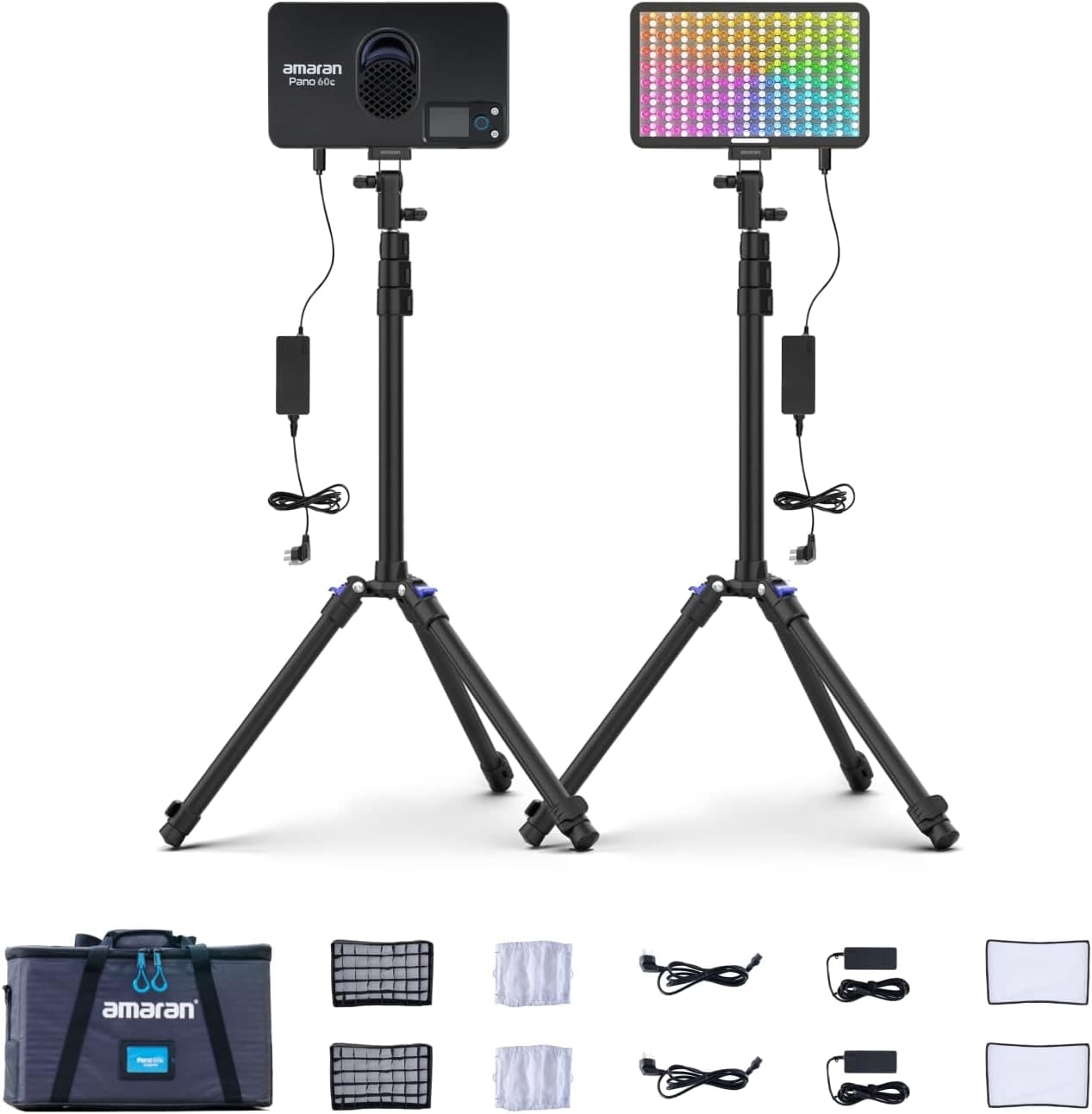
Amaran P60c RGBWW Panel
Soft, controllable fill for talking-head clips, product details, and ugly rooms.
Prices are rough catalog totals. Retailer prices change, and you can swap pieces to fit your system.
Related Gear guides
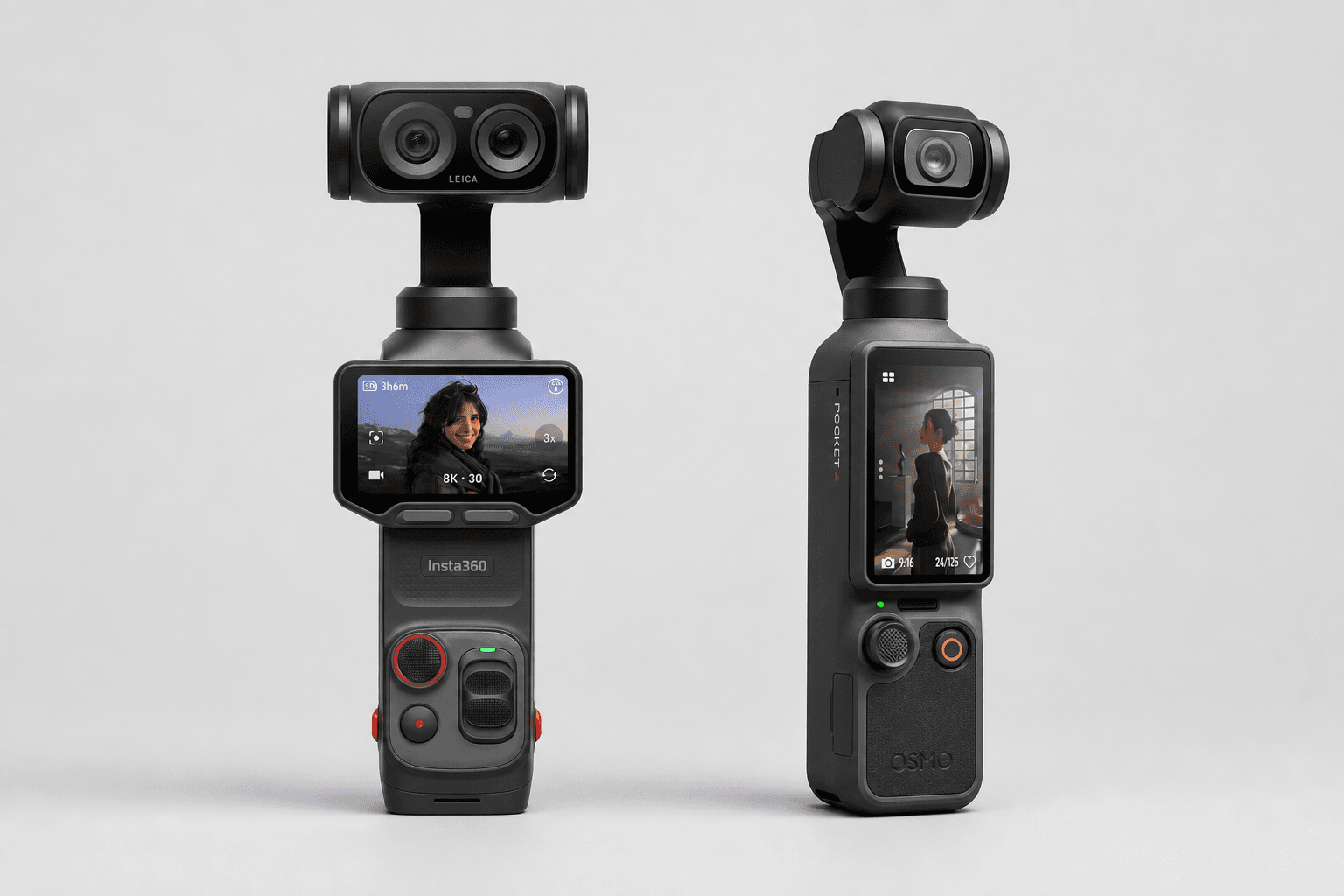
Insta360 Luna Ultra vs DJI Osmo Pocket 4: Which Pocket Gimbal Should You Buy?
Compare Luna Ultra and DJI Pocket 4 by lenses, video, Log formats, storage, U.S. availability, and the filming jobs each pocket gimbal handles best.
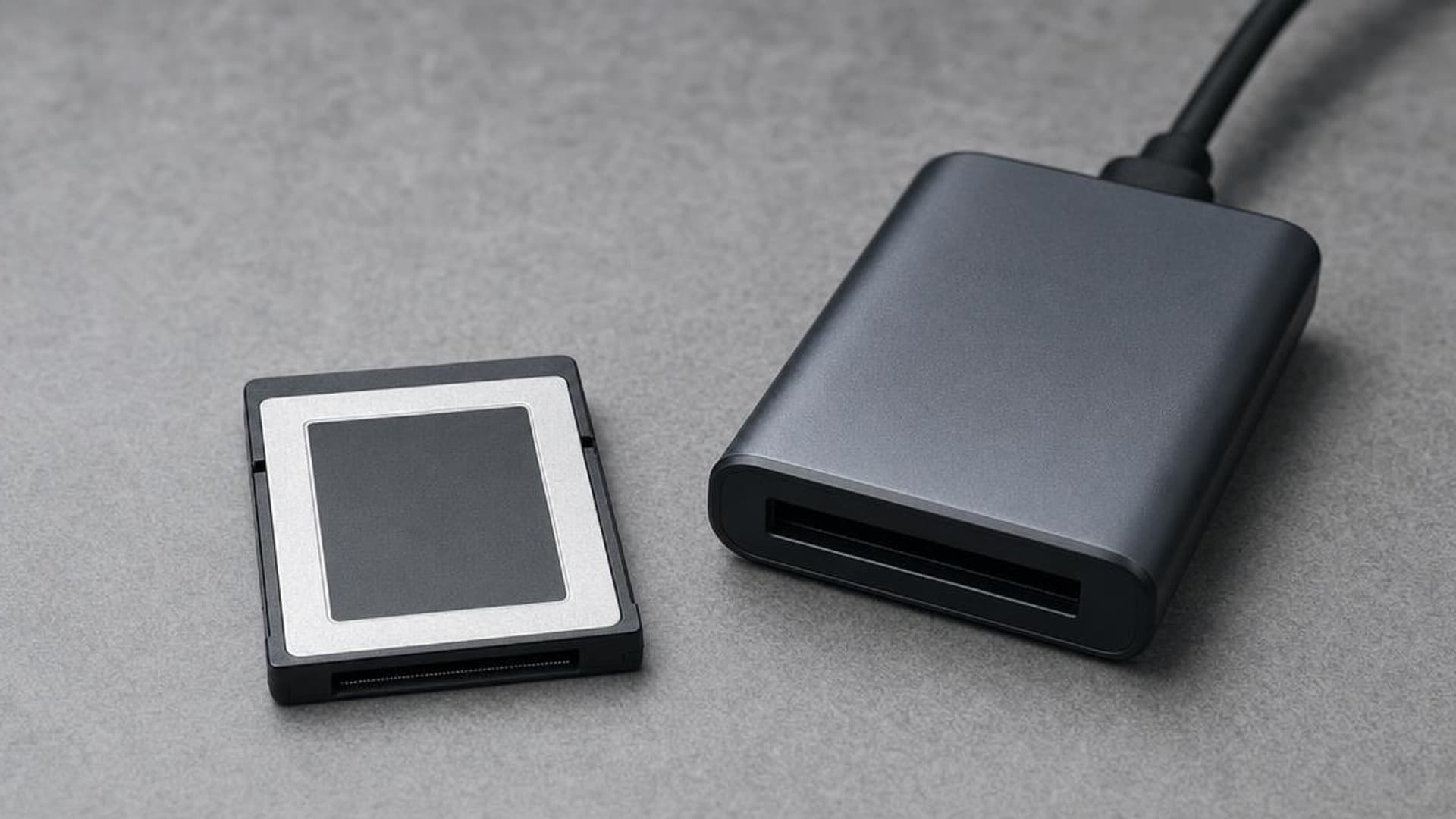
CFexpress 4.0 and VPG Explained: Buy the Card Your Camera Needs
CFexpress 4.0 doubles theoretical bandwidth, while VPG certifies sustained video writes. Learn Type A vs B, VPG classes, and when 4.0 is worth paying for.
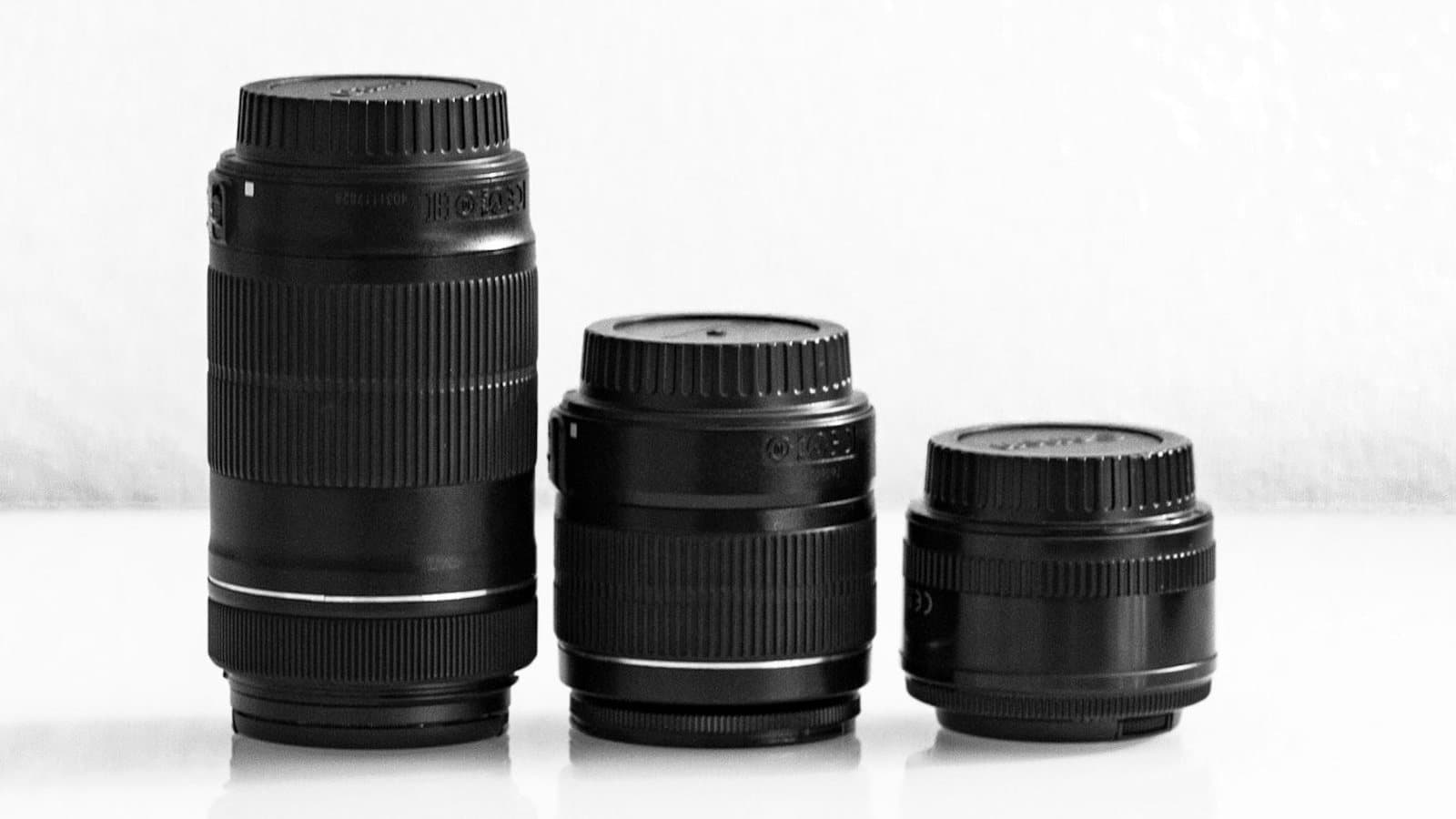
Focal Length Explained: What 24mm, 50mm, 85mm, and 200mm Actually Do
What the millimeter number on a lens changes in the field: angle of view, compression, and working distance. When to reach for 24, 50, 85, or 200mm.
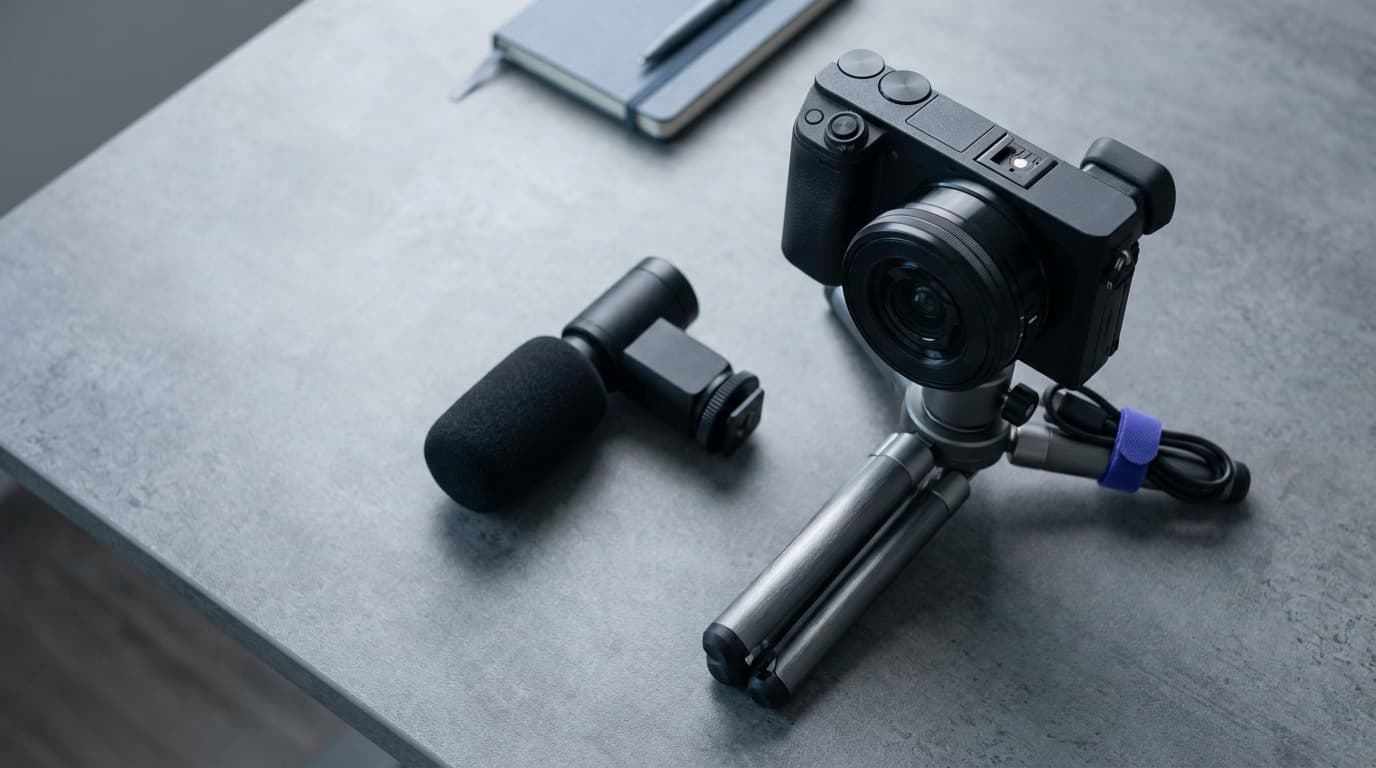
Canon EOS R50 V vs Sony ZV-E10 II: Which Beginner Vlogging Camera Should You Buy?
Canon EOS R50 V is the easier beginner creator kit. Sony ZV-E10 II is the deeper lens-system pick. Compare the practical tradeoffs.
Researched, not personally tested: picks compare specifications, available owner feedback, and established expert sources. As an Amazon Associate I earn from qualifying purchases. We may earn a commission from links here, at no extra cost to you. How we research →