We may earn a commission from links on this page, at no extra cost to you. Picks are researched, not sponsored.
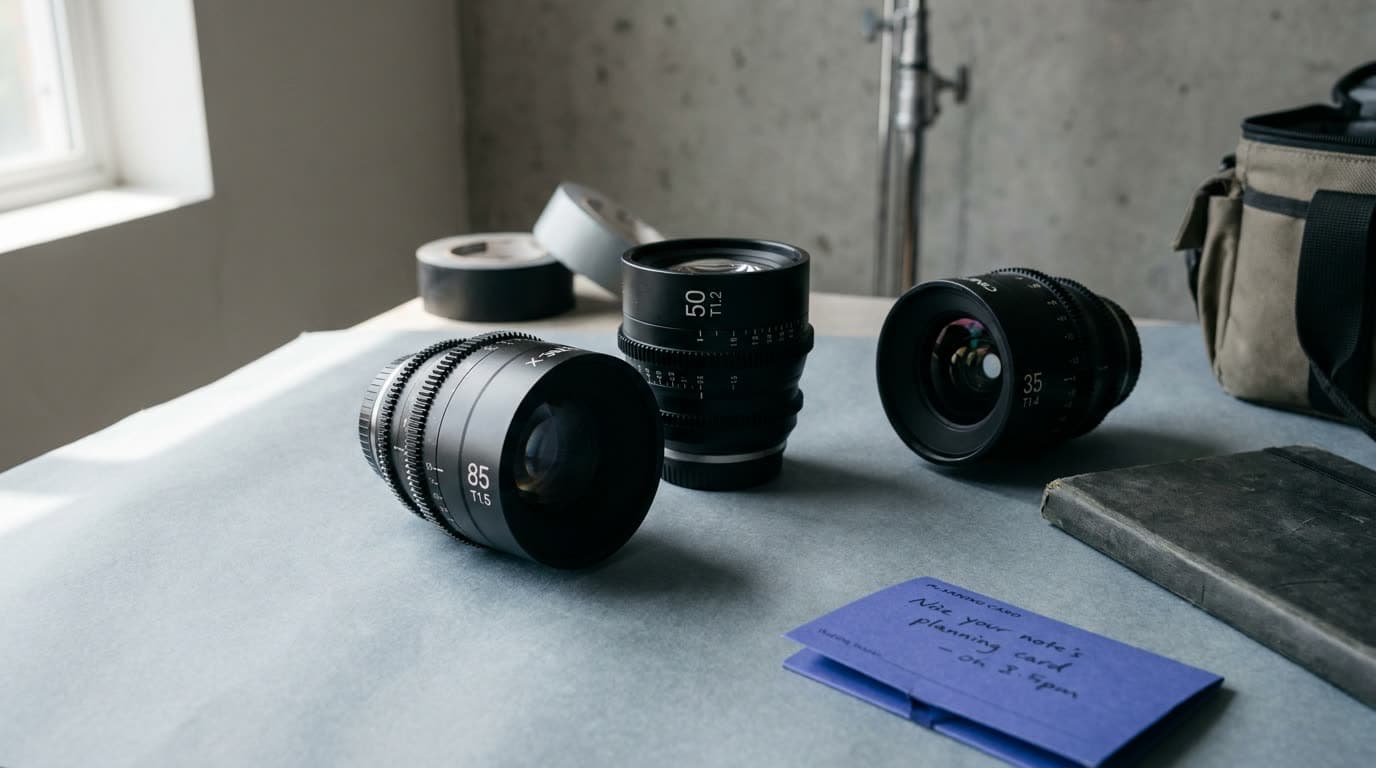
Cine lenses solve a production problem. Their focus and iris gears line up, their barrels are consistent, and their long manual focus throws make marked pulls repeatable. They do not automatically make footage cinematic. If autofocus, low weight, or fast solo operation matters more than repeatable manual control, start with our lenses for video instead.
What should you buy?
| Pick | Coverage | Speed | Best fit |
|---|---|---|---|
| DZOFilm Vespid Prime 2 | Full frame / VistaVision | T1.9 | Current PL set with lens metadata |
| Sirui Nightwalker | Super 35 / APS-C | T1.2 | Small-budget matched set |
| Samyang VDSLR MK2 six-lens set | Full frame | T1.5 to T3.1 | Complete 14mm to 135mm geared kit |
| XEEN CF 24mm | Full frame | T1.5 | Building a full-frame set one lens at a time |
| Zeiss CP.3 50mm | Full frame | T2.1 | Established rental and production workflow |
| DZOFilm Vespid T2.1 Gen 1 | Full frame | T2.1 | Discounted previous-generation set |
Which sensor coverage do you need?
A full-frame lens works on full-frame and smaller sensors. A Super 35 lens can vignette on full frame unless the camera uses a crop mode. Check the camera's recording area, not just the mount. A lens can physically attach and still fail to cover the frame.
T-stops describe measured light transmission. Matching T-stops make exposure changes predictable when you swap focal lengths. A faster T1.2 lens gathers more light than a T2.1 lens, but the shallower depth of field also makes manual focus less forgiving.
Do you need a full set?
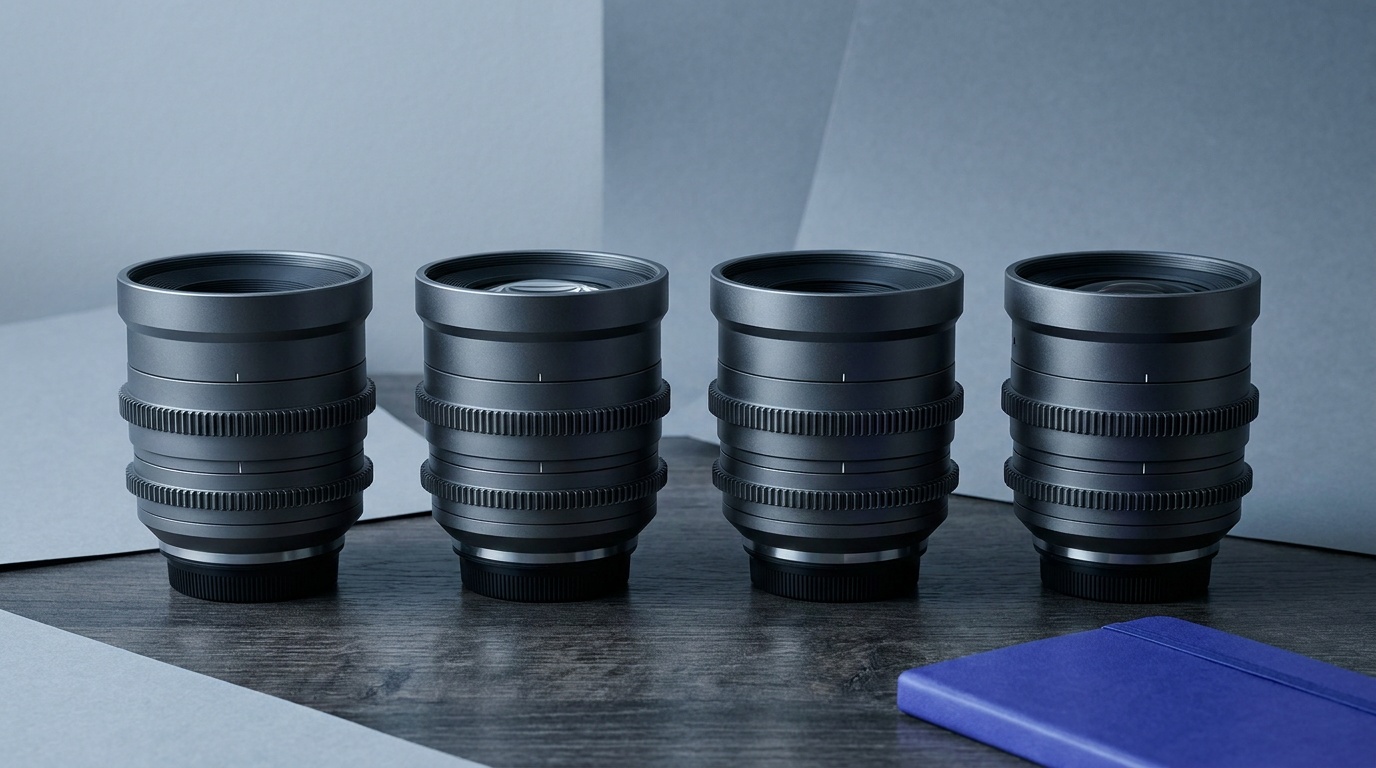
Buy a set when a project regularly changes focal lengths and needs a consistent rig. Start with one lens when you are learning manual focus, working alone, or unsure which focal lengths you actually use. A 35mm or 50mm is a more useful test than a six-lens purchase based on a specification sheet.
Current cine lens options
DZOFilm Vespid Prime 2: current full-frame set
Current Vespid Set
DZOFilm Vespid Prime 2
Owner-operators who want a current, data-enabled set of matched full-frame primes.
Check price at DZOFilmVespid Prime 2 is the current generation. The six PL-mount primes cover 18mm through 105mm at T1.9, use a common 80mm front diameter and 77mm filter thread, and transmit focus, iris, and focal-length data through Cooke /i. It makes sense for an owner-operator with a PL camera or adapter who wants one matched full-frame system. It does not make sense as a casual upgrade from autofocus stills lenses.
Sirui Nightwalker: lower-cost Super 35 set
Best Budget Set
Sirui Nightwalker T1.2 Set
Budget filmmakers who want a fast matched set for crop sensors.
Check price at AmazonNightwalker is the budget route to matched T1.2 primes if your camera uses a Super 35 or APS-C recording area. The shared gear positions and 270-degree focus rotation make the set easier to rig than mixed stills lenses. Full-frame owners should skip it unless they are happy to use a crop mode.
XEEN CF: build the set one focal length at a time
Best Single Wide
Rokinon Xeen CF 24mm T1.5
Shooters adding one or two matched cine primes at a time.
Check price at AmazonThe XEEN CF 24mm T1.5 is a full-frame wide prime with a lighter carbon-fiber barrel than many traditional cine lenses. It is useful when you need a single wide lens now and intend to stay within the XEEN CF family. The cost per lens makes less sense when a complete lower-cost set would solve the same job.
Samyang VDSLR MK2: first geared full-frame kit
Best Starter Set
Samyang VDSLR MK2 Six-Lens Set
Beginners moving from stills lenses to a matched cine kit.
Check price at SamyangSamyang's current six-lens VDSLR MK2 set covers 14, 24, 35, 50, 85, and 135mm. Each lens covers full frame and has geared focus and de-clicked iris rings, with side-readable markings for a camera assistant. The barrels are not as mechanically uniform as the more expensive sets, so confirm front diameter and gear position before assuming every swap will leave the rig untouched.
Zeiss CP.3: established production option
Best Professional
Zeiss CP.3 50mm T2.1
Professional productions that need consistent, trusted cinema glass.
Check price at AmazonThe Zeiss CP.3 line provides full-frame coverage, calibrated focus scales, interchangeable mounts, and an optional XD version that records lens metadata. It suits a production that values an established rental ecosystem and predictable mechanics more than a low set price.
DZOFilm Vespid T2.1 Gen 1: previous-generation value
Previous-gen value
DZOFilm Vespid Prime Set
Owner-operators building a matched cine set without renting.
Check price at AmazonDZOFilm now describes the T2.1 Vespid line as its first-generation set. It can still be a rational purchase when a dealer or used seller prices it well below Vespid Prime 2. At a similar price, buy the current lenses for the faster T1.9 aperture, updated mechanics, and Cooke /i support.
What else will this kit require?
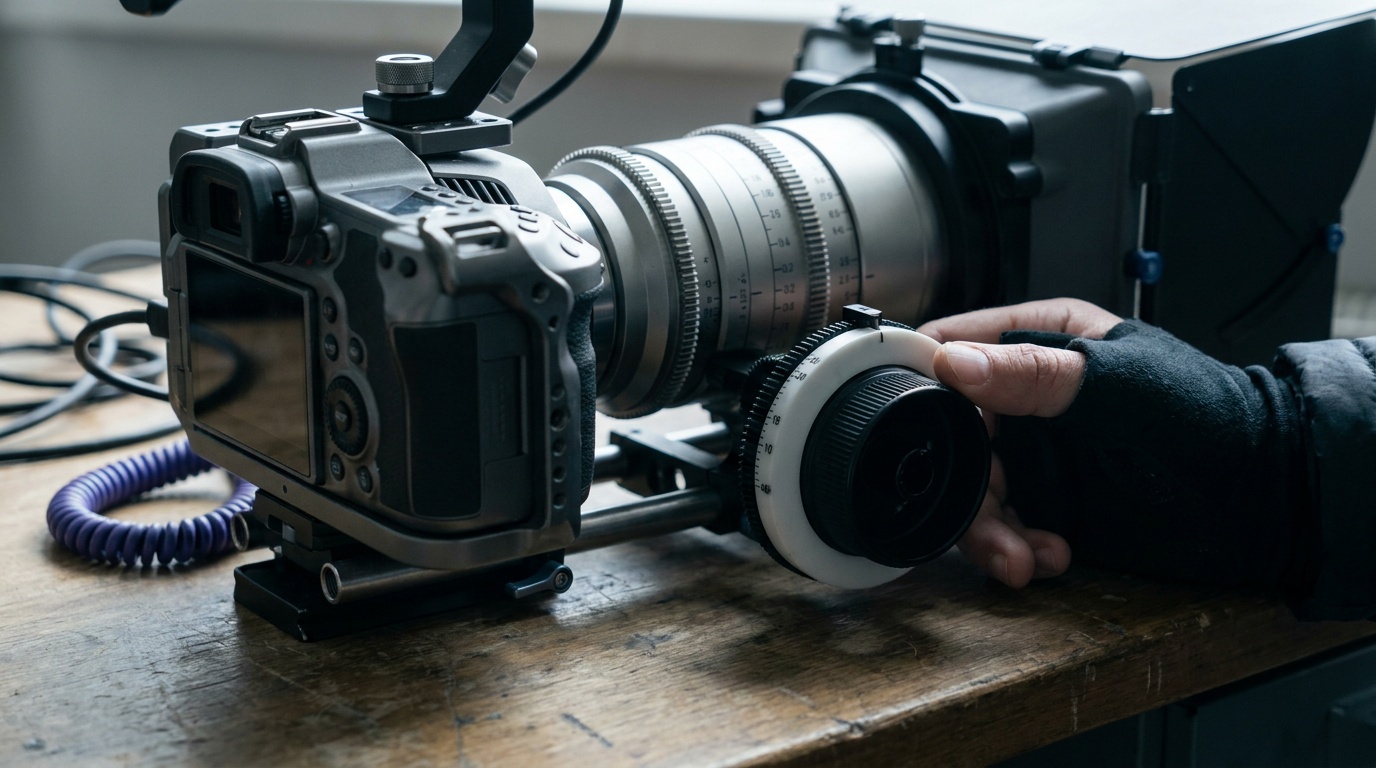
A manual cine lens usually needs a follow focus, a monitor with focus tools, rails or a cage, and support sturdy enough for the added weight. Wide apertures in daylight also require neutral density control, covered in our variable ND filter guide. Add those costs before comparing a cine set with autofocus lenses.
What usually goes wrong?
The first mistake is buying a T1.2 set without a workable focusing plan. The second is confusing mount compatibility with sensor coverage. The third is mixing lens families and then discovering that focus gears, front diameters, color, and focus direction all change during a swap.
Sources
Current specifications and model status checked Aug 23, 2026: DZOFilm Vespid Prime 2 specifications, DZOFilm Vespid Prime 2 store page, DZOFilm first-generation Vespid page, Sirui Nightwalker specifications, XEEN CF specifications, Samyang VDSLR MK2 six-lens set, and Zeiss CP.3 specifications.
What is the difference between a cine lens and a stills lens?
A cine lens is designed for repeatable manual operation. It normally has geared focus and iris rings, a long focus throw, marked distances, and mechanics shared across a set. A stills lens usually prioritizes autofocus, lower weight, and electronic control.
What does T-stop mean?
A T-stop describes measured light transmission through the lens. An f-number describes the aperture geometry. Matching T-stops help a production keep exposure consistent when changing lenses.
Should I buy one cine lens or a complete set?
Start with one if you are learning manual focus or do not know which focal lengths you use most. Buy a matched set when repeated lens changes, rig consistency, and shared color are worth the additional cost.
Compare picks
The short version
Use this to narrow the list before opening the detailed cards.
Scores weigh fit, owner sentiment, build, and value. Affiliate links do not change pick order. Methodology
Buying order
Start with the skip note. A good deal on the wrong camera is still the wrong camera.
Compare verdictsIf you already own lenses, check the system path before buying into a new mount.
Check systemsOnce the fit makes sense, compare current deals and retailer listings.
Check current deals
Owner-operators who want a current, data-enabled set of matched full-frame primes.
Use the retailer for the current price after the tradeoff makes sense. Confirm mount, focal length, filter size, and autofocus compatibility.

Tradeoff: Heavier than stills lenses
Use the retailer for the current price after the tradeoff makes sense. Confirm mount, focal length, filter size, and autofocus compatibility.

9.2/10 Aperture Score
Use the retailer for the current price after the tradeoff makes sense. Confirm mount, focal length, filter size, and autofocus compatibility.

$740 - $840
Use the retailer for the current price after the tradeoff makes sense. Confirm mount, focal length, filter size, and autofocus compatibility.
Price ladder
The useful range here runs from $749 to $5,199. Start with the ceiling that matches the assignment.
- Owner-operators who want a current, data-enabled set of matched full-frame primes.
- Matched T1.9 set
- PL mount only
Use the retailer for the current price after the tradeoff makes sense. Confirm mount, focal length, filter size, and autofocus compatibility.
- Owner-operators building a matched cine set without renting.
- Consistent T-stops and gearing
- Heavier than stills lenses
Use the retailer for the current price after the tradeoff makes sense. Confirm mount, focal length, filter size, and autofocus compatibility.
- Budget filmmakers who want a fast matched set for crop sensors.
- Very fast T1.2
- Super 35 only
Use the retailer for the current price after the tradeoff makes sense. Confirm mount, focal length, filter size, and autofocus compatibility.
- Shooters adding one or two matched cine primes at a time.
- Light carbon body
- Pricey per focal length
Use the retailer for the current price after the tradeoff makes sense. Confirm mount, focal length, filter size, and autofocus compatibility.
- Beginners moving from stills lenses to a matched cine kit.
- Good optics for the price
- Heavier set
Use the retailer for the current price after the tradeoff makes sense. Confirm mount, focal length, filter size, and autofocus compatibility.
- Professional productions that need consistent, trusted cinema glass.
- Reference image quality
- Expensive
Use the retailer for the current price after the tradeoff makes sense. Confirm mount, focal length, filter size, and autofocus compatibility.
| Pick | Score | Price | Verdict | Action |
|---|---|---|---|---|
| Current Vespid SetDZOFilm Vespid Prime 2 | 8.8
| $1,199 - $6,289 | Owner-operators who want a current, data-enabled set of matched full-frame primes. Wins: Matched T1.9 set Skip: PL mount only | Check DZOFilm · $1,199 - $6,289 Use the retailer for the current price after the tradeoff makes sense. Confirm mount, focal length, filter size, and autofocus compatibility. |
| Previous-gen valueDZOFilm Vespid Prime Set | 9.0
| $5,150 - $5,850 | Owner-operators building a matched cine set without renting. Wins: Consistent T-stops and gearing Skip: Heavier than stills lenses | Check Amazon · $5,150 - $5,850 Use the retailer for the current price after the tradeoff makes sense. Confirm mount, focal length, filter size, and autofocus compatibility. |
| Best Budget SetSirui Nightwalker T1.2 Set | 8.6
| $740 - $840 | Budget filmmakers who want a fast matched set for crop sensors. Wins: Very fast T1.2 Skip: Super 35 only | Check Amazon · $740 - $840 Use the retailer for the current price after the tradeoff makes sense. Confirm mount, focal length, filter size, and autofocus compatibility. |
 Best Single WideRokinon Xeen CF 24mm T1.5 Best Single WideRokinon Xeen CF 24mm T1.5 | 8.7
| $950 - $1,070 | Shooters adding one or two matched cine primes at a time. Wins: Light carbon body Skip: Pricey per focal length | Check Amazon · $950 - $1,070 Use the retailer for the current price after the tradeoff makes sense. Confirm mount, focal length, filter size, and autofocus compatibility. |
 Best Starter SetSamyang VDSLR MK2 Six-Lens Set Best Starter SetSamyang VDSLR MK2 Six-Lens Set | 8.5
| $2,500 - $3,500 | Beginners moving from stills lenses to a matched cine kit. Wins: Good optics for the price Skip: Heavier set | Check Samyang · $2,500 - $3,500 Use the retailer for the current price after the tradeoff makes sense. Confirm mount, focal length, filter size, and autofocus compatibility. |
| Best ProfessionalZeiss CP.3 50mm T2.1 | 9.2
| $3,790 - $4,190 | Professional productions that need consistent, trusted cinema glass. Wins: Reference image quality Skip: Expensive | Check Amazon · $3,790 - $4,190 Use the retailer for the current price after the tradeoff makes sense. Confirm mount, focal length, filter size, and autofocus compatibility. |
Shoot kits
Buy around the job, not the spec sheet
Video rig
Run-and-gun video rig
$4,201
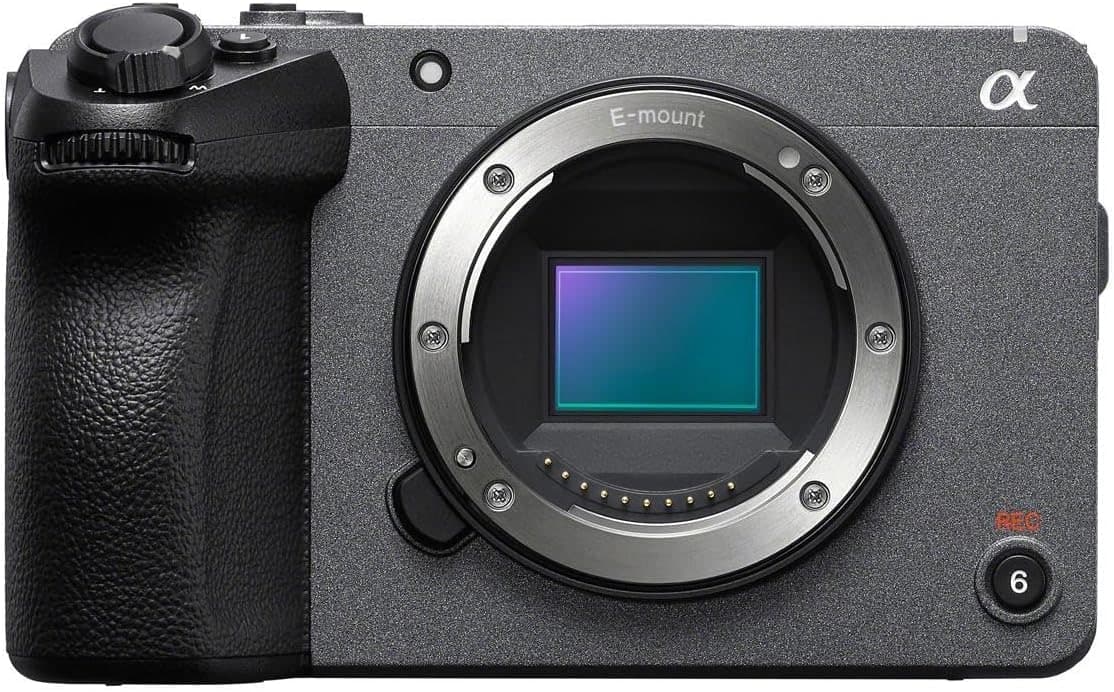
A compact cinema body, fast normal zoom, cage, monitor, gimbal, shotgun mic, and battery for paid video work.
Best upgrade path from creator kit
Buy order: start with the first piece that makes the job possible, then add the support pieces that remove friction.
Camera: start here. If this piece does not make the shoot easier, the rest of the kit can wait.
Power: add it after the core setup proves useful.
Sony FX30
Cinema-line controls, active cooling, reliable autofocus, and files that grade well without full-frame cost.
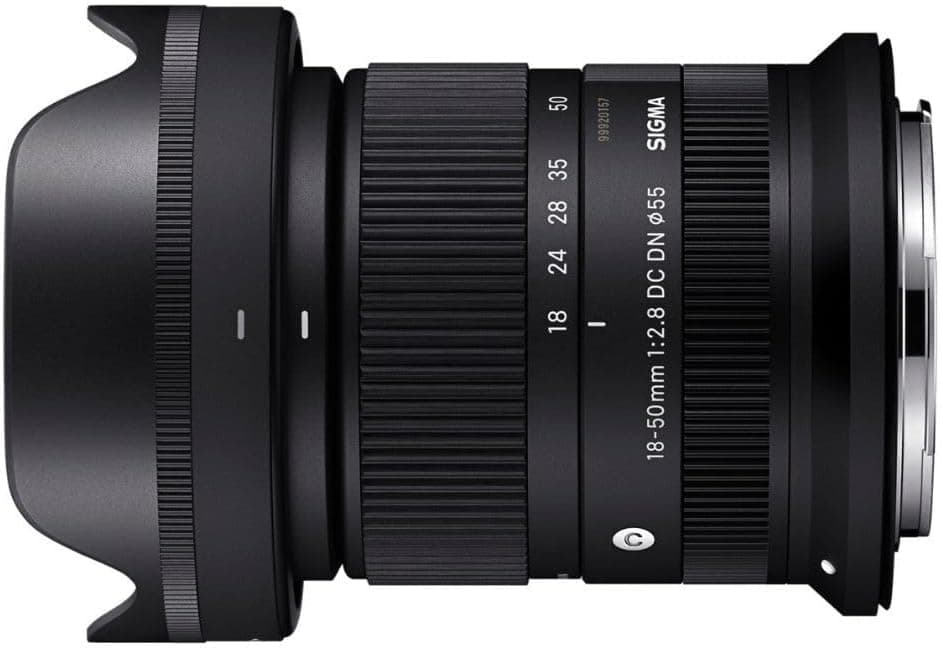
Sigma 18-50mm f/2.8 DC DN Contemporary
A small constant-aperture zoom that keeps an APS-C rig light enough to carry and balance.
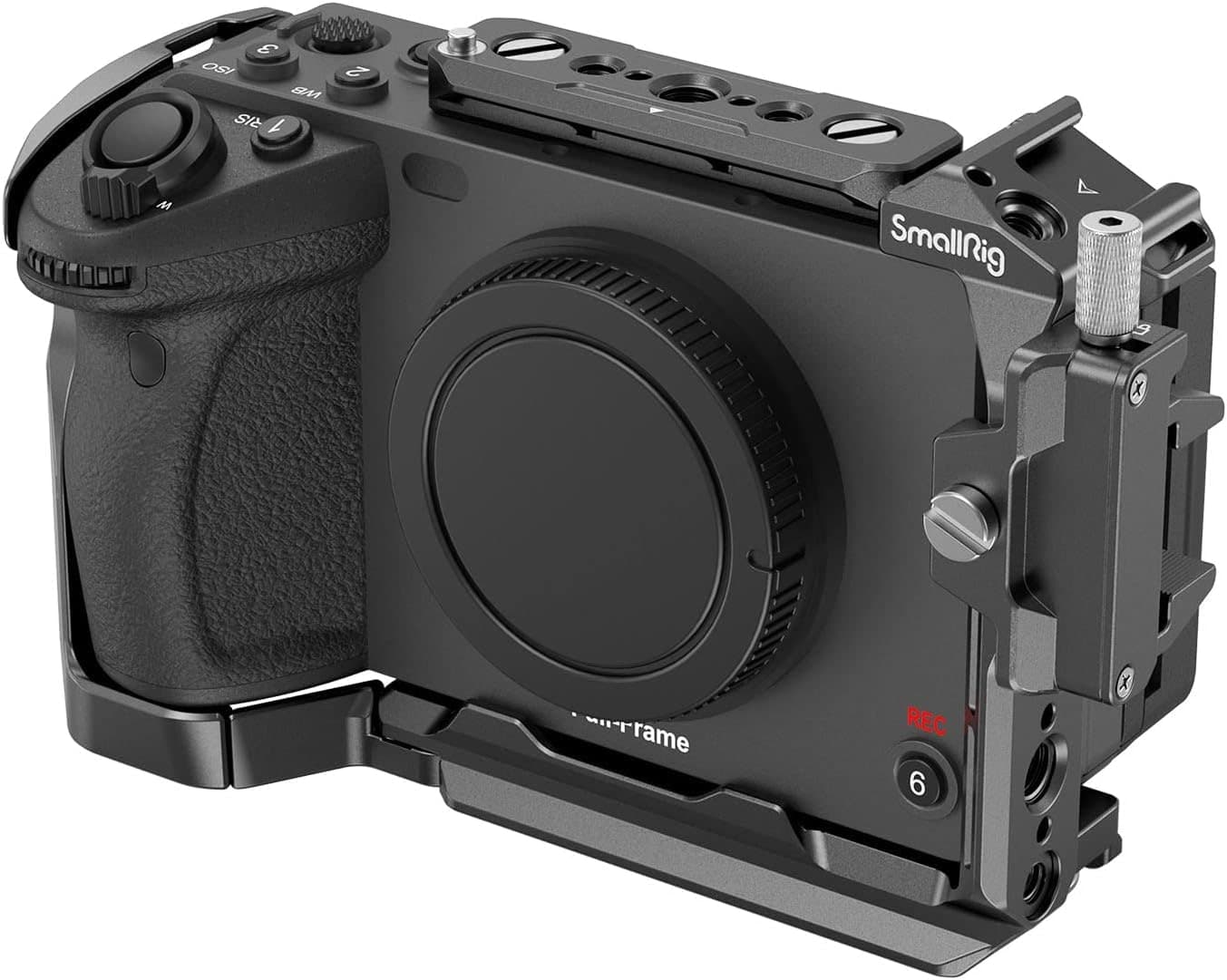
SmallRig Cage for Sony FX3 and FX30
Adds proper mounting points for handles, monitors, mics, and cables without relying on the camera body.
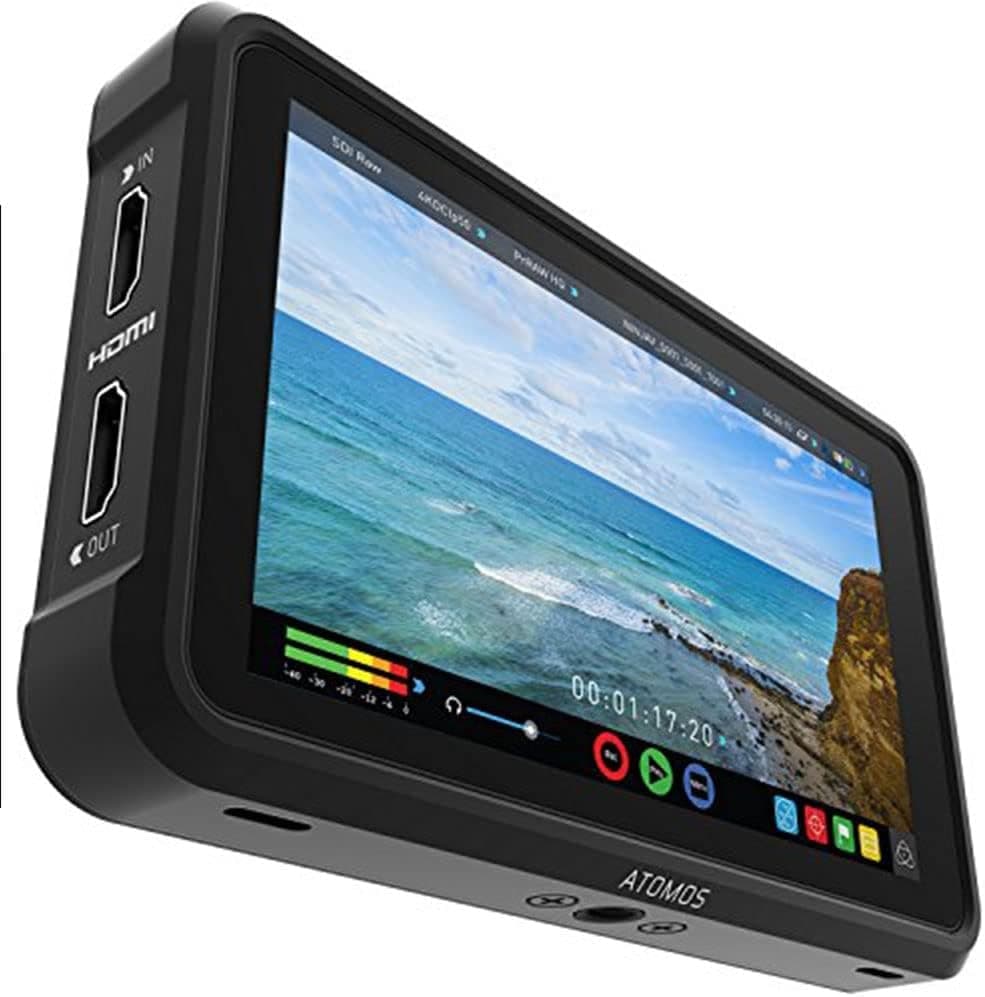
Atomos Ninja V
A bright five-inch screen for focus, exposure tools, LUT preview, and cleaner client monitoring.
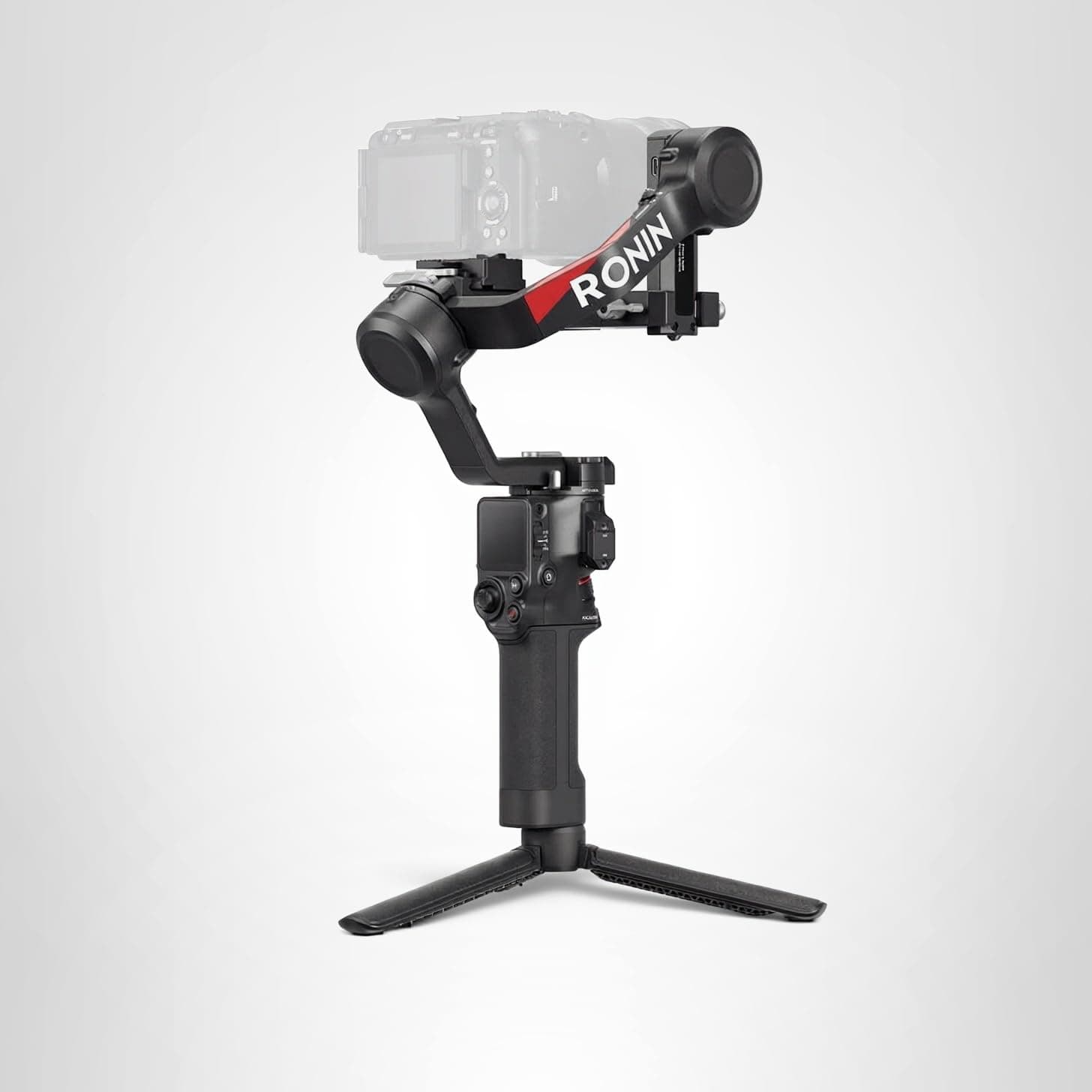
DJI RS 4
The gimbal tier that can handle a built-out mirrorless or compact cinema rig without becoming huge.
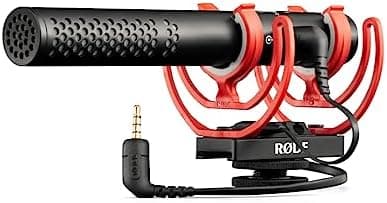
Rode VideoMic NTG
A flexible on-camera shotgun that also works as a small USB mic for quick voiceover or desk work.
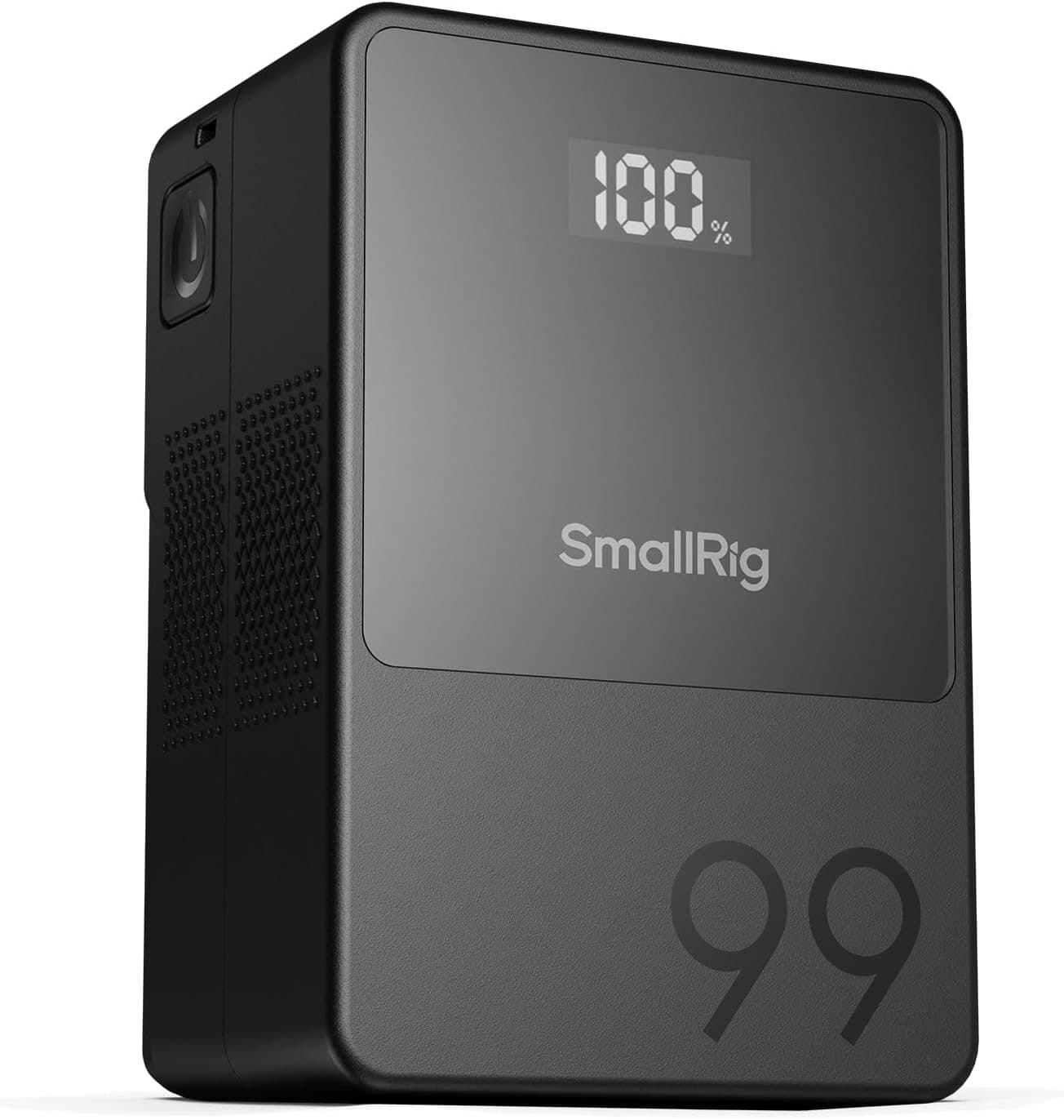
SmallRig VB99
A compact V-mount that can run monitors, lights, or cinema bodies without turning the rig into a brick.
Prices are rough catalog totals. Retailer prices change, and you can swap pieces to fit your system.
Related Gear guides
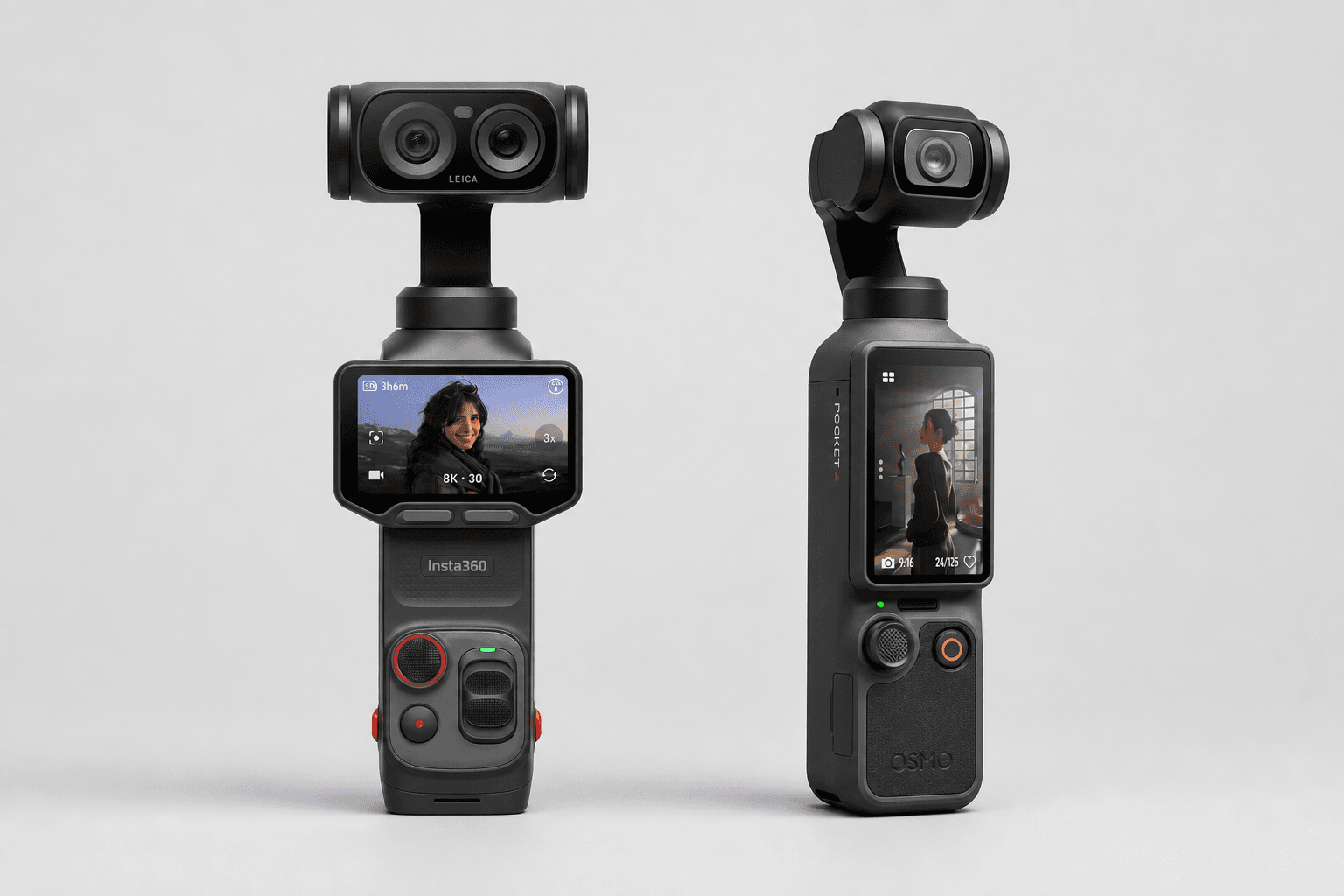
Insta360 Luna Ultra vs DJI Osmo Pocket 4: Which Pocket Gimbal Should You Buy?
Compare Luna Ultra and DJI Pocket 4 by lenses, video, Log formats, storage, U.S. availability, and the filming jobs each pocket gimbal handles best.
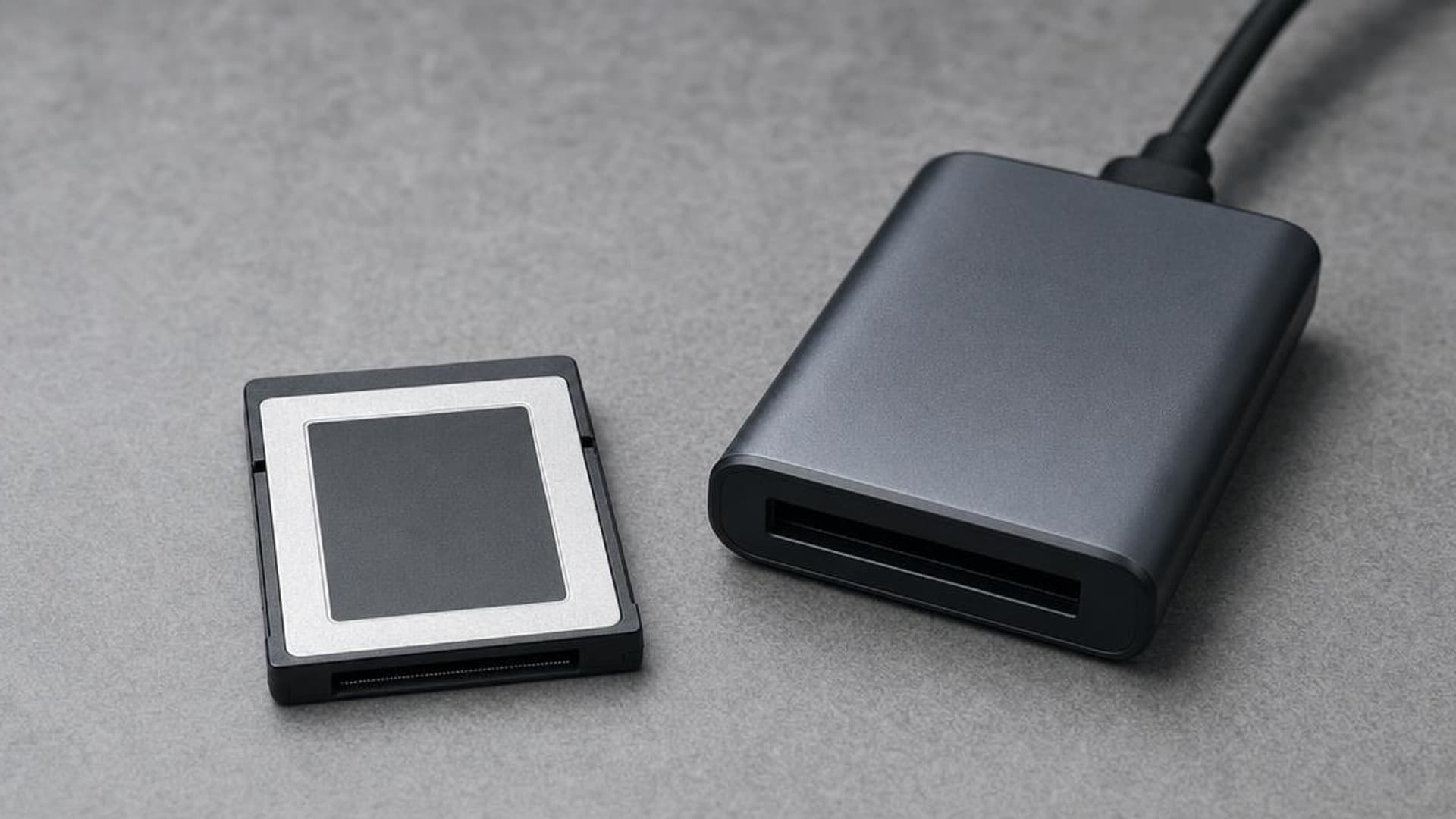
CFexpress 4.0 and VPG Explained: Buy the Card Your Camera Needs
CFexpress 4.0 doubles theoretical bandwidth, while VPG certifies sustained video writes. Learn Type A vs B, VPG classes, and when 4.0 is worth paying for.
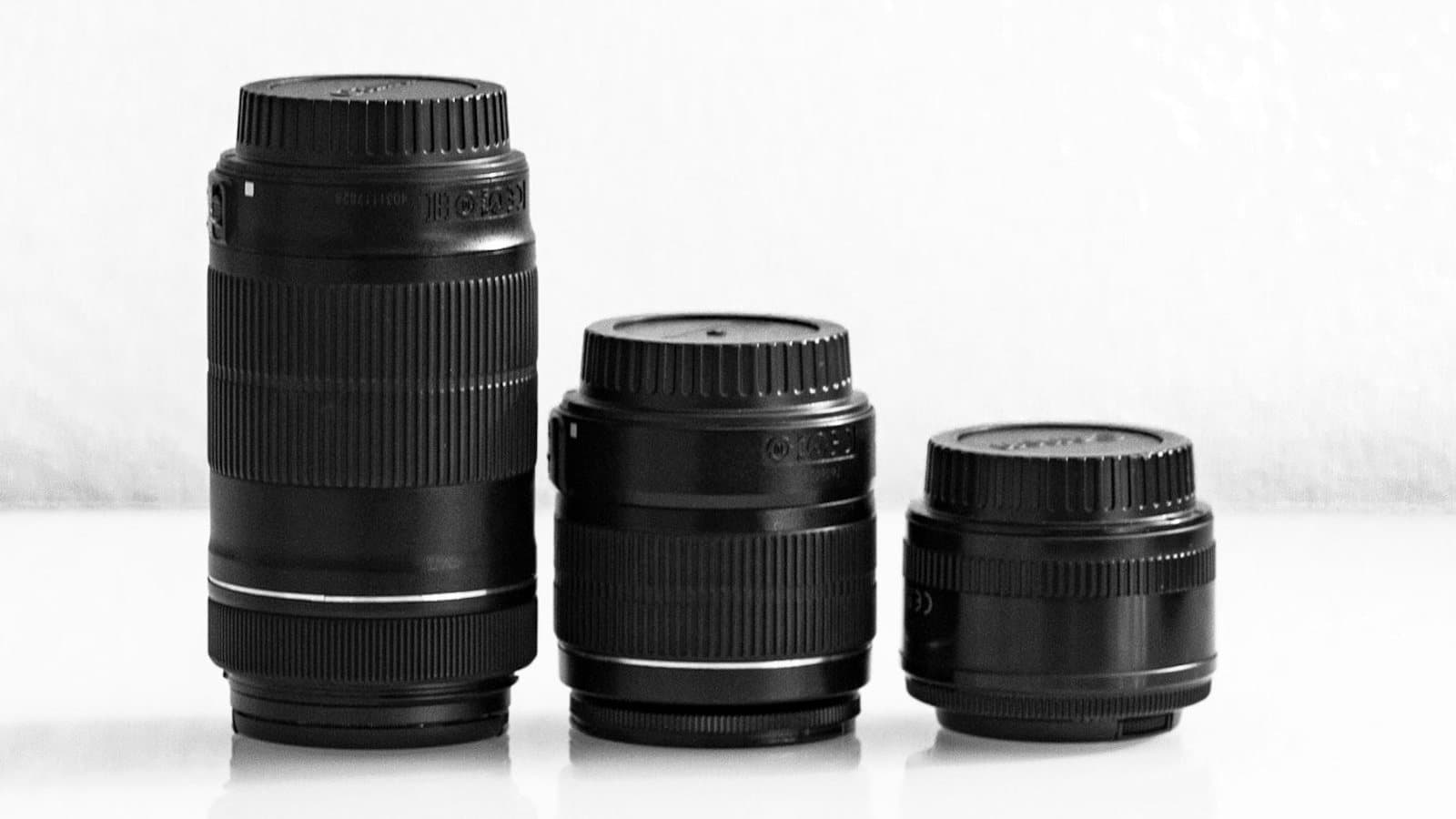
Focal Length Explained: What 24mm, 50mm, 85mm, and 200mm Actually Do
What the millimeter number on a lens changes in the field: angle of view, compression, and working distance. When to reach for 24, 50, 85, or 200mm.
Canon EOS R50 V vs Sony ZV-E10 II: Which Beginner Vlogging Camera Should You Buy?
Canon EOS R50 V is the easier beginner creator kit. Sony ZV-E10 II is the deeper lens-system pick. Compare the practical tradeoffs.
Researched, not personally tested: picks compare specifications, available owner feedback, and established expert sources. As an Amazon Associate I earn from qualifying purchases. We may earn a commission from links here, at no extra cost to you. How we research →