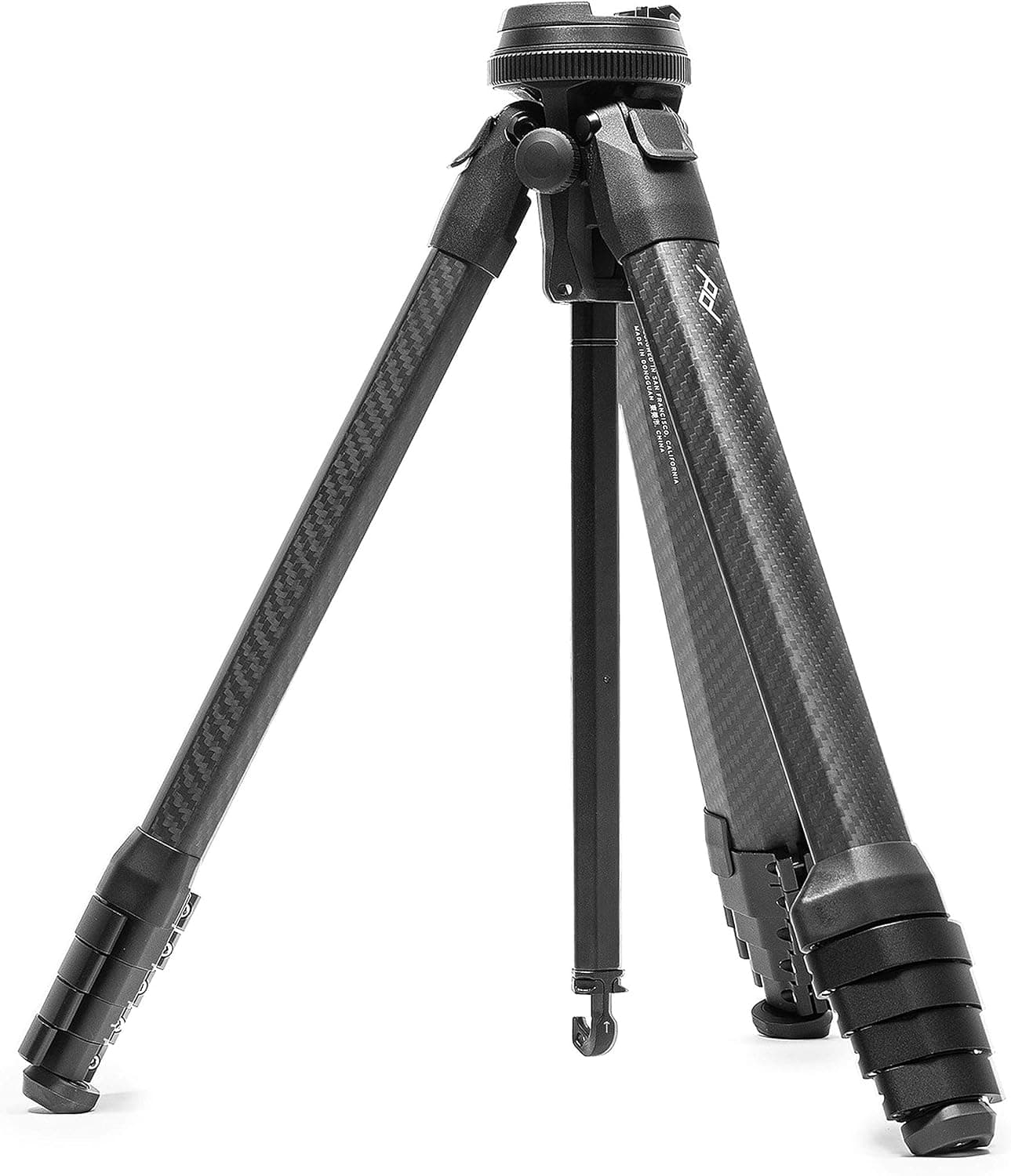
Peak Design Travel Tripod (Carbon)
Best fit: Photographers who hike or travel and want full height in a pack-friendly form.
$599 - $699
Skip if: Expensive
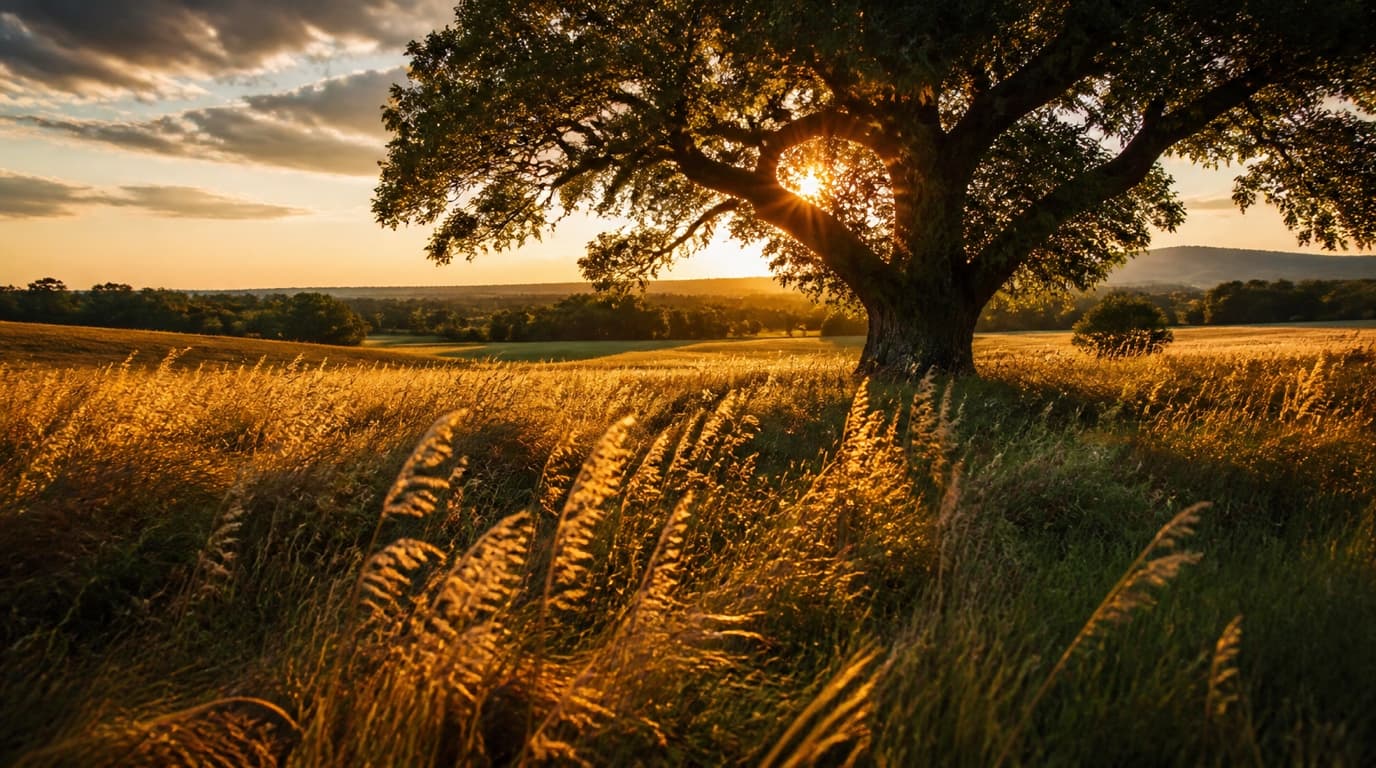
Golden hour calculator · plan around the light
Find the warm window, the blue-hour edges, and the exact moment to be standing in place with a framed shot.
Light planner
America/New_York
Day arc
The blocks show when the sun crosses the useful bands. Terrain and buildings can steal a few minutes.
Shoot plan
Find the frame before the color turns on.
5:35 PM
Work fast, the angle and color keep changing.
6:05 PM to 6:41 PM
Stay for silhouettes, skyline color, and long exposures.
6:41 PM to 7:09 PM
Exact crossings
Step 1
Choose a city, enter latitude and longitude, or tap Use my location. The light times depend on where you are on the planet.
Step 2
Set the day you plan to shoot. Golden and blue hour shift through the year, and they get long near the poles in summer.
Step 3
Arrive before golden hour starts, scout in blue hour, and shoot the warm light while it lasts. The light moves the whole time, so be set up early.
Next move
Knowing the time helps. The next step is choosing the settings, checking the place, and carrying a kit you will actually bring.
Gear path
Golden hour is short. A compact tripod and a capable hybrid body solve more real field problems than a bag full of maybes.
Use the result to name the real limit: light, stability, focal length, or focus distance.
Read best-for and skip-if before the retailer click, so the item has to earn its place.
Compare similar gear and deal history first, then use the retailer button when the choice is clear.
Best fit: Photographers who hike or travel and want full height in a pack-friendly form.
$599 - $699
Skip if: Expensive
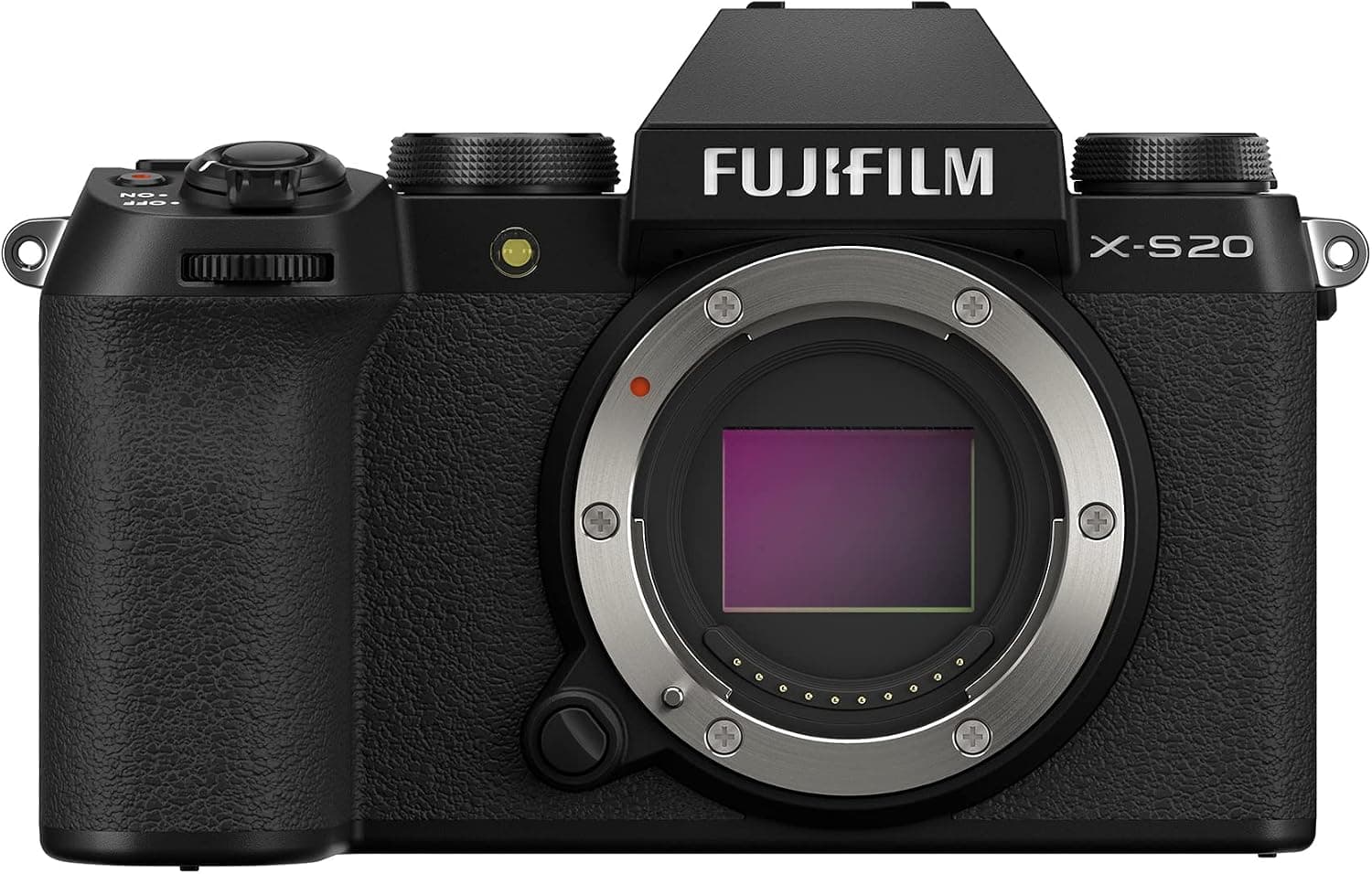
Best fit: Hybrid shooters who want one capable, portable body for photo and video.
$1,490 - $1,680
Skip if: APS-C, not full-frame
Product links may earn a commission at no cost to you. Use the calculator first, buy only if the gear solves the actual problem.
Once you know when the light lands, the craft is in being ready for it. Start with golden hour settings, learn how the exposure triangle shifts as the light drops, and if you are heading somewhere specific, check the rules for where you can legally shoot.
Golden hour is the stretch when the sun is low, roughly from the horizon up to about six degrees of altitude. The light is soft, warm, and directional, which flatters almost any subject. This tool marks it for both morning and evening.
Blue hour is the twilight before sunrise and after sunset, when the sun is between about six degrees and just below the horizon. The sky holds a deep, even blue that is ideal for cityscapes and long exposures.
They are calculated from the sun's altitude using the standard solar equations, accurate to about a minute. Local terrain like mountains or tall buildings can shift when the light actually reaches you, so treat the times as a plan, not a stopwatch.
The underlying times are absolute moments. To show them as clock times we render them in the chosen city's time zone, or in your browser's time zone when you use your own location or coordinates. That keeps daylight saving correct.
Near the poles in summer or winter the sun may never cross a given altitude, so there is no sunrise, sunset, or golden hour that day. The tool shows a dash and a short note when that happens.