We may earn a commission from links on this page, at no extra cost to you. Picks are researched, not sponsored.
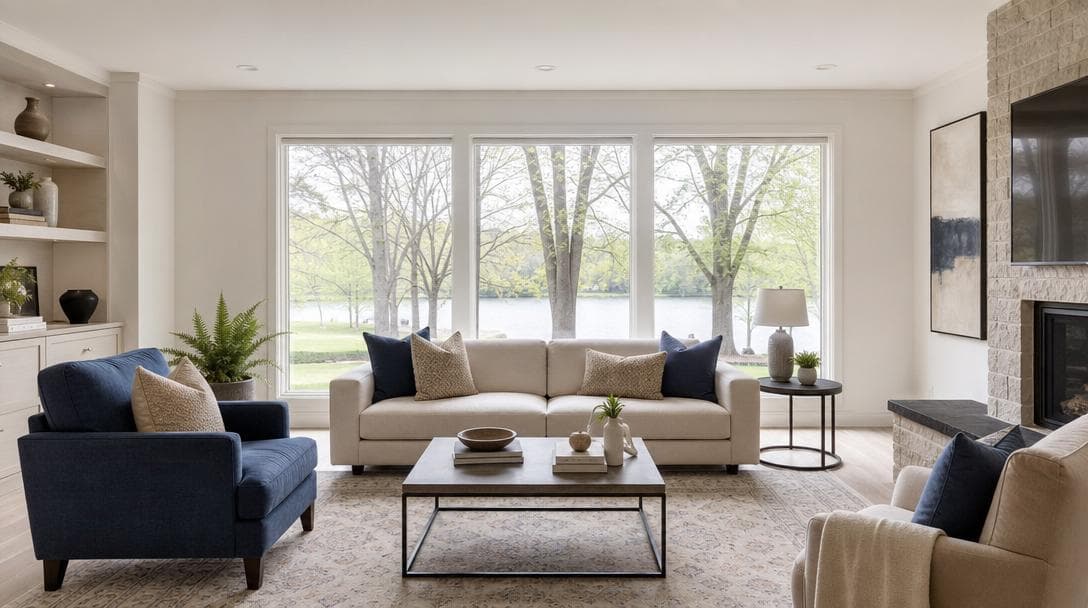
Real estate gear has one job: make rooms look bright, level, spacious, and believable. That means wide but not warped, sharp but not noisy, and repeatable enough that every room in the listing feels like part of the same set.
Use the real estate photography guide for settings and shot order. This guide is the buying side: what to buy first, where to spend, and what can wait until listing work is paying for itself.
Our quick picks
What should you buy first?
Start with a wide zoom and a tripod. The lens decides whether small rooms fit without ugly distortion. The tripod lets you bracket exposures, keep ISO low, and hold vertical lines steady. Those two pieces matter before a premium body, a drone, or a complicated flash kit.
If you are also delivering walkthrough video, add a gimbal once the stills workflow is stable. If you are shooting higher-end listings, a flash and drone can expand the package, but neither replaces good bracketed interior stills.
The picks
Research pick
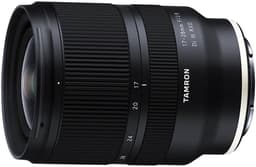
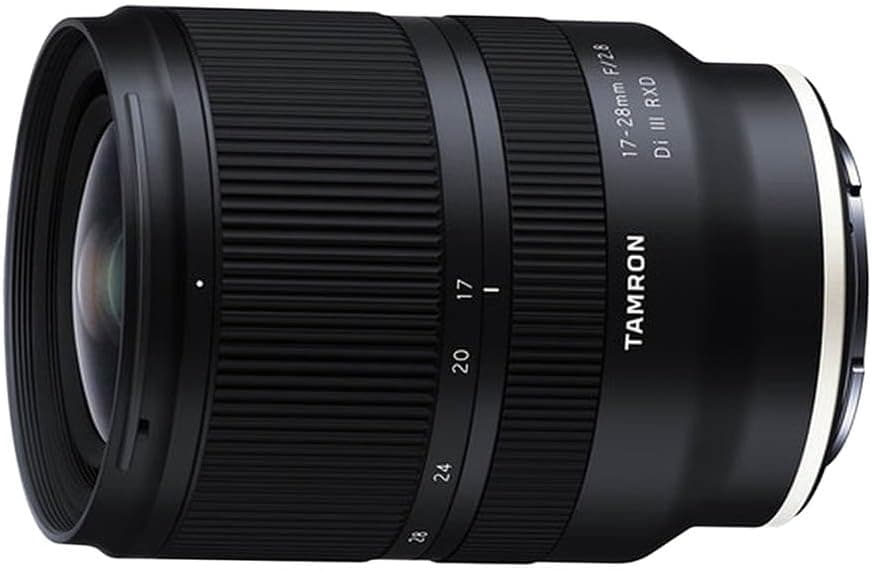
Tamron 17-28mm f/2.8 Di III RXD
Sony shooters covering landscapes, interiors, and real estate.
Check price at AmazonThe Tamron 17-28mm f/2.8 Di III RXD is the real estate lens pick for Sony full-frame shooters who want value without dragging a giant lens through every room. The 17mm wide end covers most interiors, the zoom lets you avoid going too wide when a room does not need it, and the compact build is easy to manage on a tripod or gimbal.
The range stops at 28mm, so it is not a general walkaround lens. For listings, that is fine. The room shots live at the wide end, and detail frames can come from a standard zoom if you already own one.
Best Value
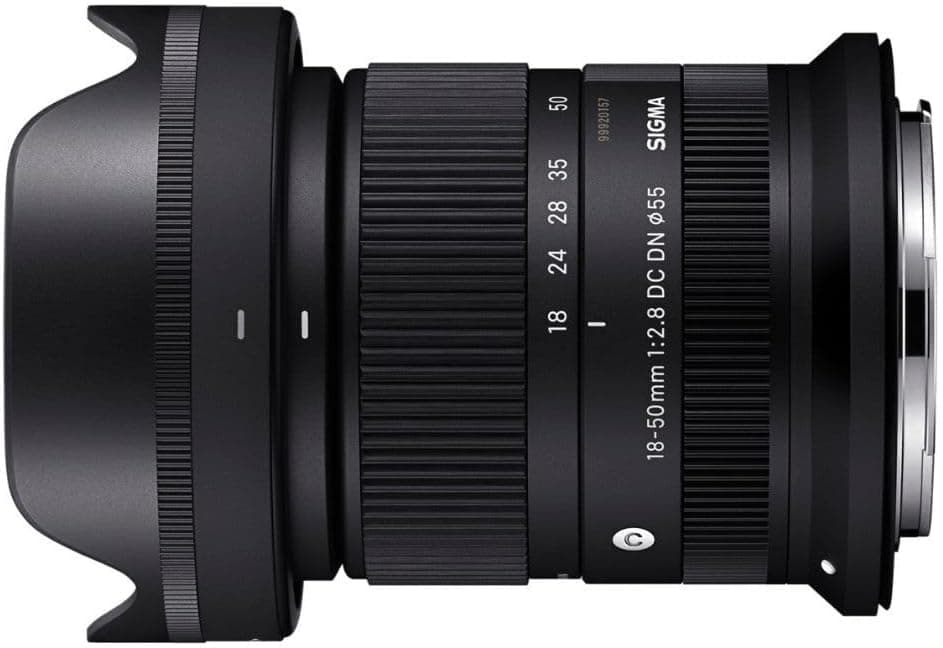
Sigma 18-50mm f/2.8 DC DN Contemporary
APS-C shooters who want a compact constant-aperture everyday zoom.
Check price at AmazonThe Sigma 18-50mm f/2.8 DC DN is the APS-C value route. It is not an ultra-wide on crop bodies, but it covers tight interiors better than a kit lens, stays bright at f/2.8, and remains small enough for video work. For apartments, rentals, and starter listing work, it is a practical first zoom.
If you shoot many cramped bathrooms and bedrooms, you may eventually want a wider APS-C lens. Start here if you need one small lens that also handles details and general coverage.
Best Overall
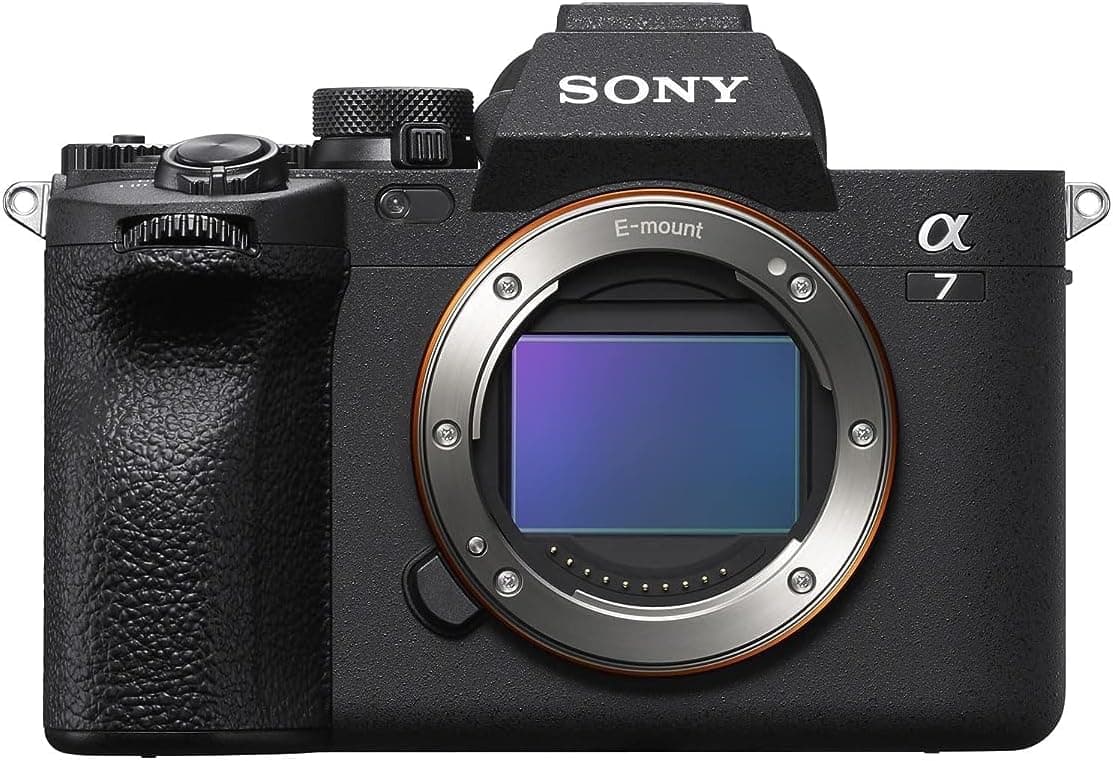
Sony a7 IV
Photographers who want one body that covers stills and video without specializing in either.
Check price at AmazonThe Sony a7 IV is a sensible full-frame body for stills and walkthrough video. Real estate does not require blazing burst speed, but it does reward clean files, good dynamic range, reliable autofocus for video clips, and strong enough resolution for web listings and marketing crops.
Do not buy it before a wide lens and tripod. A better body under crooked, distorted framing still looks amateur.
Best for Interiors
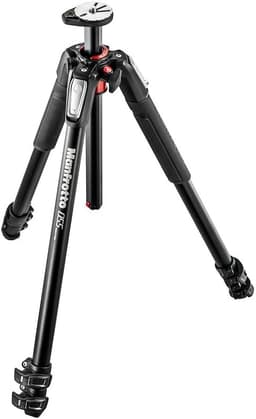
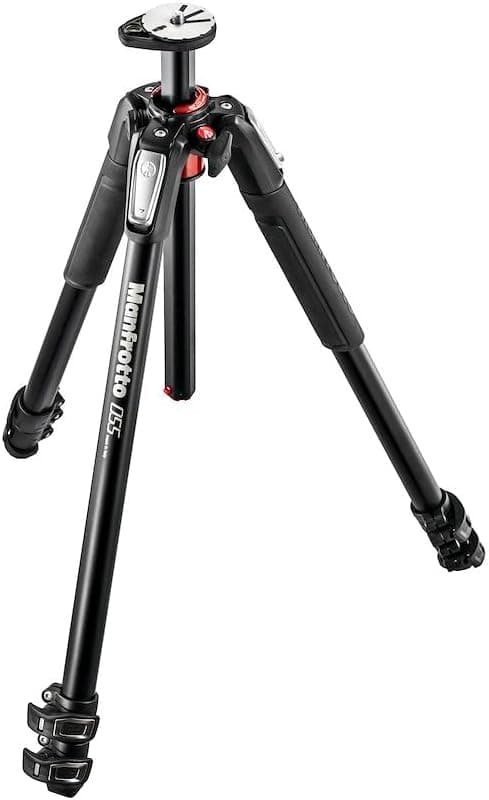
Manfrotto MT055XPRO3
Real estate and studio shooters who value stability over portability.
Check price at AmazonThe Manfrotto MT055XPRO3 is the stability pick for interiors. It is not the smallest tripod, but real estate work is less about hiking and more about holding the camera level while the shutter runs through a bracket. The height, stiffness, and center-column flexibility make it useful for rooms, flat-lay details, and small studio work.
A travel tripod is nicer to carry. A sturdier tripod is nicer when a paid listing depends on sharp, level, repeatable frames.
Best Overall
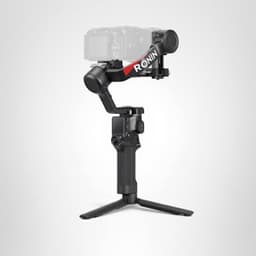
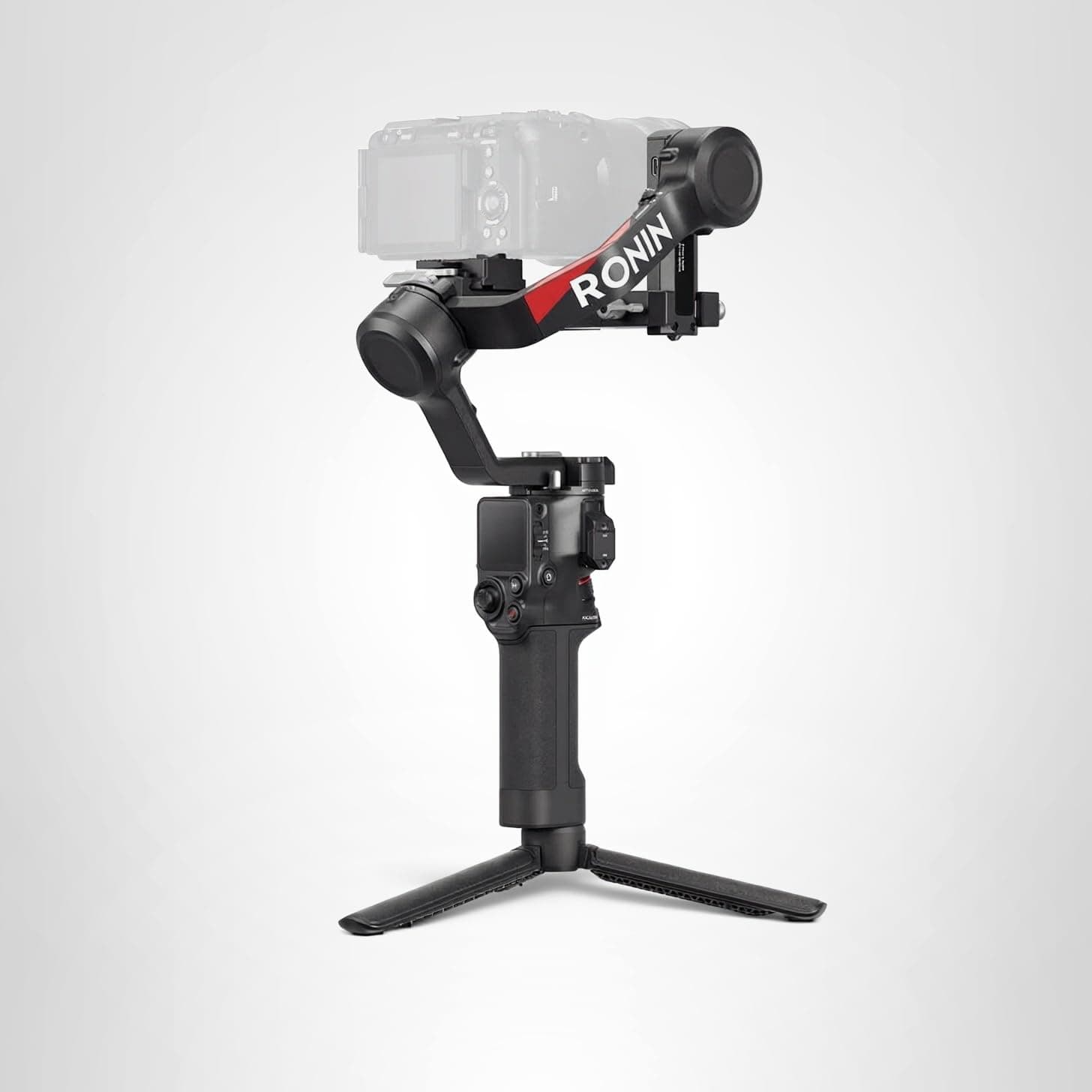
DJI RS 4
Real estate and event shooters who want stable side-pans and push-ins without a learning curve.
Check price at AmazonThe DJI RS 4 is the gimbal pick for real estate walkthroughs. It handles a mirrorless body and wide zoom with room to spare, balances quickly, and makes the core listing moves, side-pans, threshold push-ins, and slow reveals, look intentional instead of handheld.
Use it for motion, not for bracketed stills. The tripod still carries the listing photos.
Best Overall
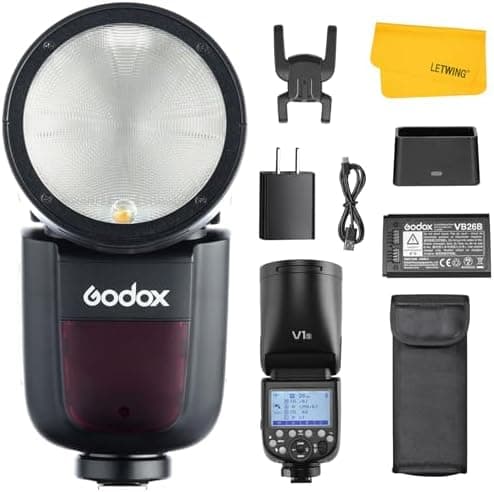
Godox V1
Event and portrait shooters who want soft on-camera fill and the Godox radio ecosystem.
Check price at AmazonThe Godox V1 is the flash to add when you move beyond simple HDR bracketing. Bounce it off a ceiling or wall to clean up color casts and open shadows, then blend that frame with the ambient exposure. That flambient workflow is slower, but it can look cleaner than aggressive HDR in mixed light.
Flash is not required on day one. Learn bracketed interiors first, then add flash when you know exactly what problem it is solving.
Research pick
DJI Mini 4 Pro
Photographers adding aerial coverage to real-estate and landscape shoots.
Check price at AmazonThe DJI Mini 4 Pro is the aerial add-on for exterior context: lot shape, roofline, driveway, acreage, water access, and the way the property sits in the neighborhood. It is small, capable, and strong enough for polished listing clips when drone work is legal and appropriate.
Drone work is regulated work. Check airspace, local restrictions, privacy rules, and commercial certification before selling aerial services.
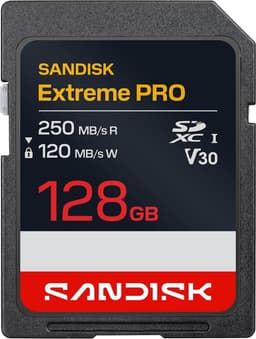
Best SD Card
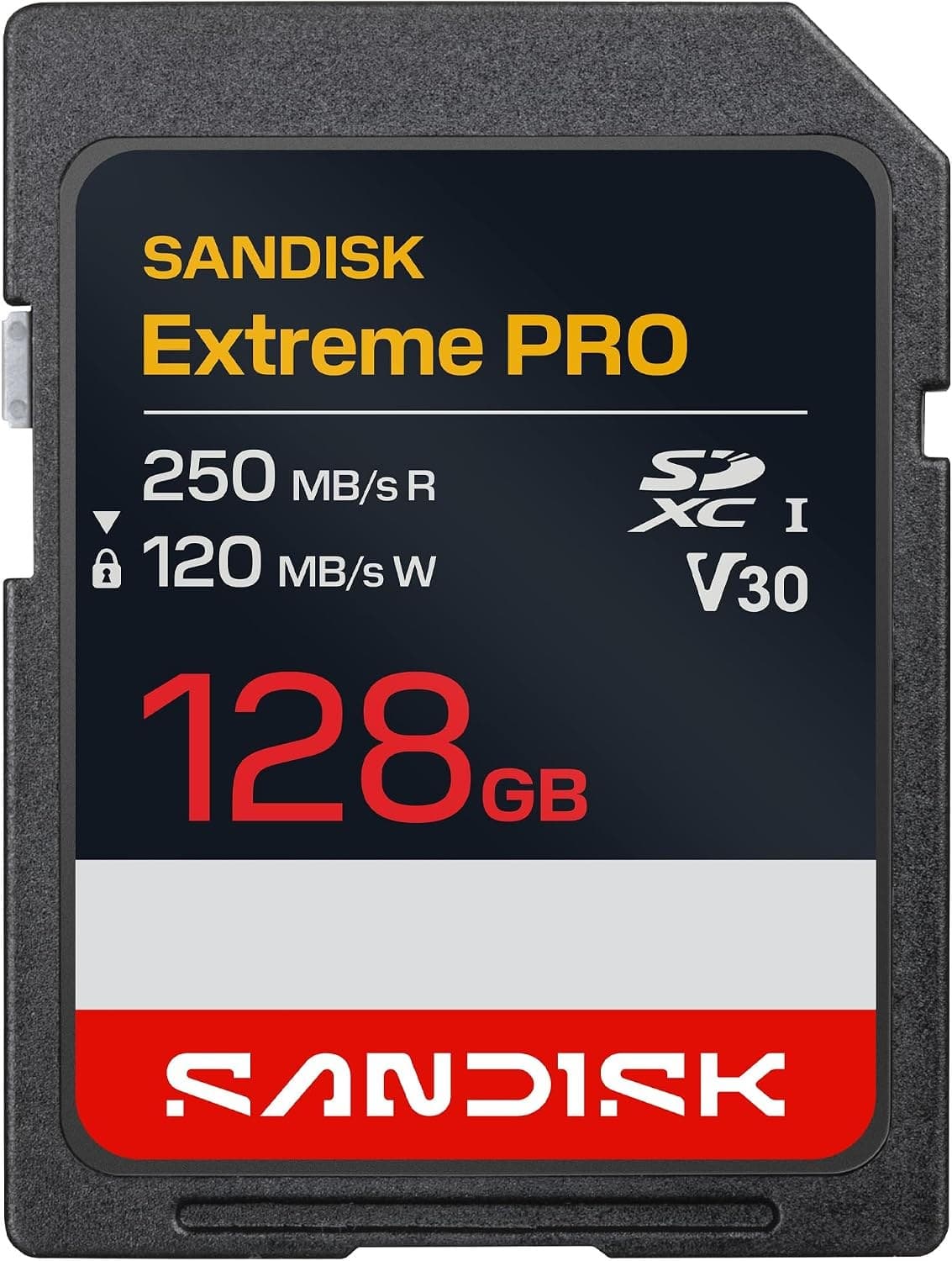
SanDisk Extreme Pro SDXC 128GB
Most enthusiasts shooting stills and standard 4K.
Check price at AmazonThe SanDisk Extreme Pro SDXC 128GB is the boring card that keeps a listing day moving. Real estate shoots create bracket stacks, detail frames, exterior sets, and video clips. You do not need exotic media for most stills, but you do want reliable cards and enough capacity that you are not deleting between rooms.
Carry at least two. A full card is annoying. A failed only card is a much worse kind of day.
Starter kit by budget
| Budget | Buy first | Skip for now |
|---|---|---|
| First listing kit | Wide zoom, sturdy tripod, two cards | Drone, flash, premium body |
| Stills plus video | Wide zoom, tripod, gimbal, spare batteries, cards | Heavy cine rig |
| Paid package work | Full-frame body, wide zoom, tripod, flash, gimbal, drone if legal | More lenses before process |
The buying order should match the shot order. First, make the interior stills clean and level. Then add walkthrough video. Then add flash and aerial work when they improve a paid package instead of distracting from the basics.
Common buying mistakes
- Going too wide. Below 16mm full-frame equivalent can make rooms look stretched and untrustworthy.
- Buying a drone before a tripod. Aerials are an add-on. Interior stills sell the listing.
- Using a weak tripod. Brackets need a camera that does not drift between frames.
- Skipping cards and batteries. Listing days are repetitive, which means media and power matter.
- Treating a gimbal like a magic video button. Smooth motion still needs slow footwork and planned moves.
Where to go next
Use the Shot-List Generator to build the room route, then open the Camera Gear Finder if you want to filter the same kit by budget. For technique, the real estate photography guide covers settings, bracketing, room order, and common mistakes.
What lens do real estate photographers need first?
A wide zoom around 16 to 24mm full-frame equivalent is the safest first lens. It fits interiors without forcing every room into an extreme ultra-wide look.
Do I need flash for real estate photography?
No, not at first. A tripod and bracketed exposures can handle most interiors. Add flash later if you want a cleaner flambient workflow for mixed light and window pulls.
Do I need a drone for real estate photography?
No. Drone shots can strengthen a listing package, especially for land, waterfront, and exterior context, but they are regulated and should come after the interior stills workflow is solid.
Compare picks
The short version
Use this to narrow the list before opening the detailed cards.
Scores weigh fit, owner sentiment, build, and value. Affiliate links do not change pick order. Methodology
Buying order
Start with the skip note. A good deal on the wrong camera is still the wrong camera.
Compare verdictsIf you already own lenses, check the system path before buying into a new mount.
Check systemsOnce the fit makes sense, compare current deals and retailer listings.
Check current dealsCamera system shortcut
If you already own one of these systems, keep the comparison inside that ecosystem before checking out.
Autofocus hybrid kits
Pocket video setups
Lighting systems
Photographers who want one body that covers stills and video without specializing in either.
Use the retailer for the current price after the tradeoff makes sense. Confirm lens mount, sensor format, battery, charger, and kit contents.
Tradeoff: Mount gasket only, not fully weather sealed
Use the retailer for the current price after the tradeoff makes sense. Confirm mount, focal length, filter size, and autofocus compatibility.
9.2/10 Aperture Score
Use the retailer for the current price after the tradeoff makes sense. Confirm payload, plate type, height, folded size, and quick-release system.
$48 - $58
Use the retailer for the current price after the tradeoff makes sense. Confirm capacity, sustained write speed, card class, and backup workflow.
Price ladder
The useful range here runs from $53 to $2,115. Start with the ceiling that matches the assignment.
- Sony shooters covering landscapes, interiors, and real estate.
- Very light for an f/2.8 wide zoom
- Limited range tops out at 28mm
Use the retailer for the current price after the tradeoff makes sense. Confirm mount, focal length, filter size, and autofocus compatibility.
- APS-C shooters who want a compact constant-aperture everyday zoom.
- Tiny and light for f/2.8
- Mount gasket only, not fully weather sealed
Use the retailer for the current price after the tradeoff makes sense. Confirm mount, focal length, filter size, and autofocus compatibility.
- Photographers who want one body that covers stills and video without specializing in either.
- Strong autofocus with reliable subject tracking
- 4K 60p comes with an APS-C crop
Use the retailer for the current price after the tradeoff makes sense. Confirm lens mount, sensor format, battery, charger, and kit contents.
- Real estate and studio shooters who value stability over portability.
- Very stable
- Heavy for travel
Use the retailer for the current price after the tradeoff makes sense. Confirm payload, plate type, height, folded size, and quick-release system.
- Real estate and event shooters who want stable side-pans and push-ins without a learning curve.
- Quick to balance
- Overkill for phone-only shooters
Use the retailer for the current price after the tradeoff makes sense. Confirm payload, plate type, height, folded size, and quick-release system.
- Event and portrait shooters who want soft on-camera fill and the Godox radio ecosystem.
- Round head produces softer edge transitions
- Heavier and pricier than rectangular speedlights
Use the retailer for the current price after the tradeoff makes sense. Confirm lens mount, sensor format, battery, charger, and kit contents.
- Photographers adding aerial coverage to real-estate and landscape shoots.
- Stays under the 249 g weight class
- Small sensor limits low-light range
Use the retailer for the current price after the tradeoff makes sense. Confirm lens mount, sensor format, battery, charger, and kit contents.
- Most enthusiasts shooting stills and standard 4K.
- Fast UHS-I read speeds
- UHS-I ceiling limits high-bitrate cameras
Use the retailer for the current price after the tradeoff makes sense. Confirm capacity, sustained write speed, card class, and backup workflow.
| Pick | Score | Price | Verdict | Action |
|---|---|---|---|---|
 PickTamron 17-28mm f/2.8 Di III RXD PickTamron 17-28mm f/2.8 Di III RXD | 8.7
| $890 - $1,010 | Sony shooters covering landscapes, interiors, and real estate. Wins: Very light for an f/2.8 wide zoom Skip: Limited range tops out at 28mm | Check Amazon · $890 - $1,010 Use the retailer for the current price after the tradeoff makes sense. Confirm mount, focal length, filter size, and autofocus compatibility. |
| Best ValueSigma 18-50mm f/2.8 DC DN Contemporary | 8.8
| $630 - $660 | APS-C shooters who want a compact constant-aperture everyday zoom. Wins: Tiny and light for f/2.8 Skip: Mount gasket only, not fully weather sealed | Check Amazon · $630 - $660 Use the retailer for the current price after the tradeoff makes sense. Confirm mount, focal length, filter size, and autofocus compatibility. |
| Best OverallSony a7 IV | 9.0
| $1,990 - $2,240 | Photographers who want one body that covers stills and video without specializing in either. Wins: Strong autofocus with reliable subject tracking Skip: 4K 60p comes with an APS-C crop | Check Amazon · $1,990 - $2,240 Use the retailer for the current price after the tradeoff makes sense. Confirm lens mount, sensor format, battery, charger, and kit contents. |
 Best for InteriorsManfrotto MT055XPRO3 Best for InteriorsManfrotto MT055XPRO3 | 8.8
| $230 - $280 | Real estate and studio shooters who value stability over portability. Wins: Very stable Skip: Heavy for travel | Check Amazon · $230 - $280 Use the retailer for the current price after the tradeoff makes sense. Confirm payload, plate type, height, folded size, and quick-release system. |
| Best OverallDJI RS 4 | 9.2
| $465 - $530 | Real estate and event shooters who want stable side-pans and push-ins without a learning curve. Wins: Quick to balance Skip: Overkill for phone-only shooters | Check Amazon · $465 - $530 Use the retailer for the current price after the tradeoff makes sense. Confirm payload, plate type, height, folded size, and quick-release system. |
 Best OverallGodox V1 Best OverallGodox V1 | 8.7
| $195 - $225 | Event and portrait shooters who want soft on-camera fill and the Godox radio ecosystem. Wins: Round head produces softer edge transitions Skip: Heavier and pricier than rectangular speedlights | Check Amazon · $195 - $225 Use the retailer for the current price after the tradeoff makes sense. Confirm lens mount, sensor format, battery, charger, and kit contents. |
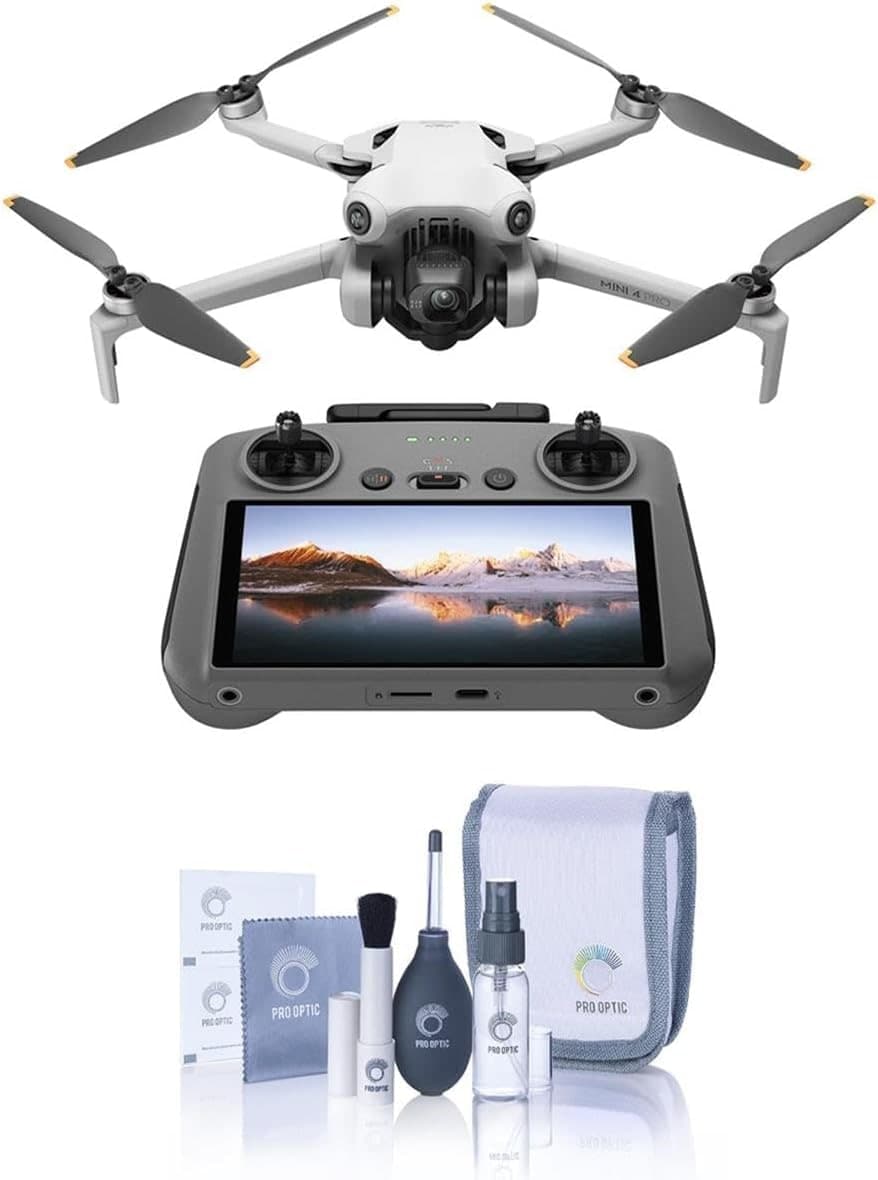 PickDJI Mini 4 Pro PickDJI Mini 4 Pro | 8.9
| $950 - $1,050 | Photographers adding aerial coverage to real-estate and landscape shoots. Wins: Stays under the 249 g weight class Skip: Small sensor limits low-light range | Check Amazon · $950 - $1,050 Use the retailer for the current price after the tradeoff makes sense. Confirm lens mount, sensor format, battery, charger, and kit contents. |
| Best SD CardSanDisk Extreme Pro SDXC 128GB | 9.0
| $48 - $58 | Most enthusiasts shooting stills and standard 4K. Wins: Fast UHS-I read speeds Skip: UHS-I ceiling limits high-bitrate cameras | Check Amazon · $48 - $58 Use the retailer for the current price after the tradeoff makes sense. Confirm capacity, sustained write speed, card class, and backup workflow. |
Practice this
Turn the guide into a working setup
Related Gear guides
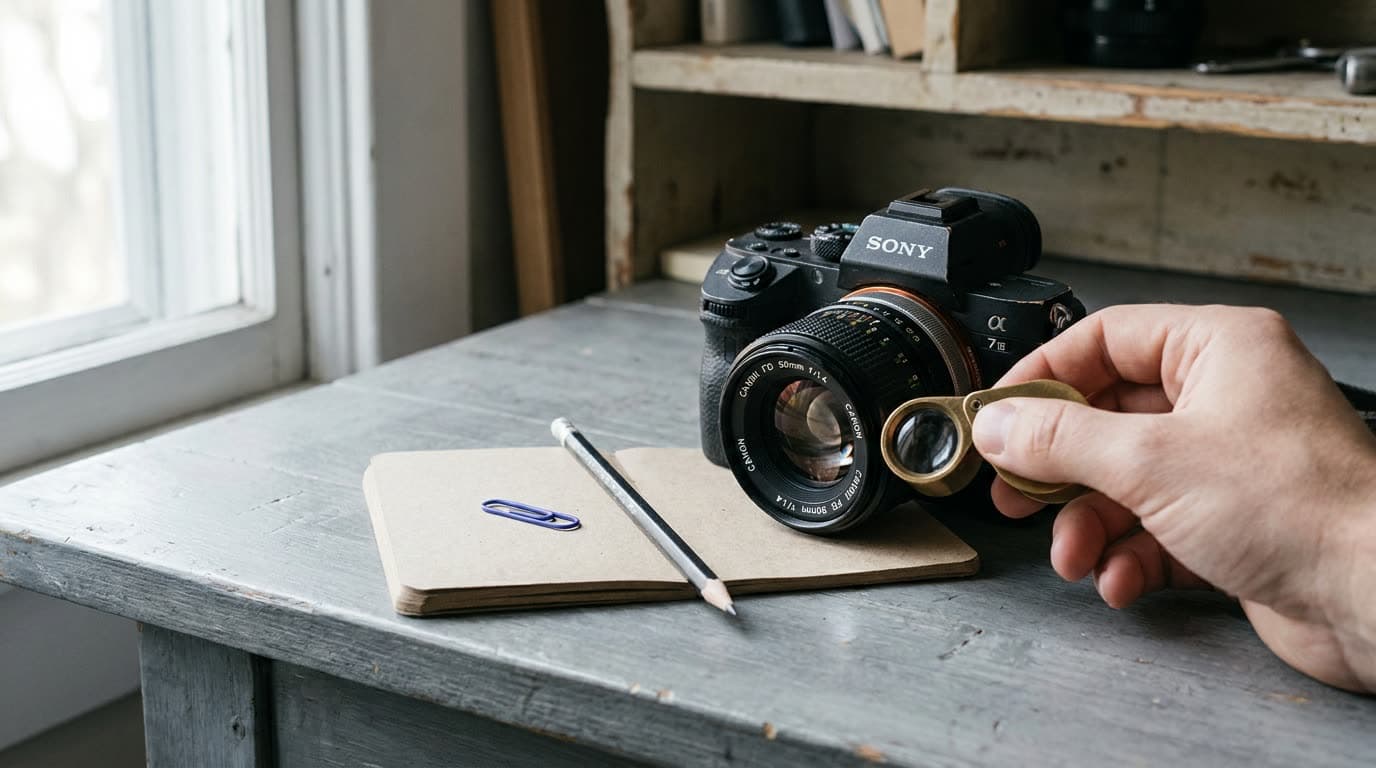
How to Buy Used Camera Gear in 2026: Inspect and Buy Safely
Buying used cameras and lenses saves money if you know what to check. Here is how to inspect a used body and lens, read shutter count, and where to buy.
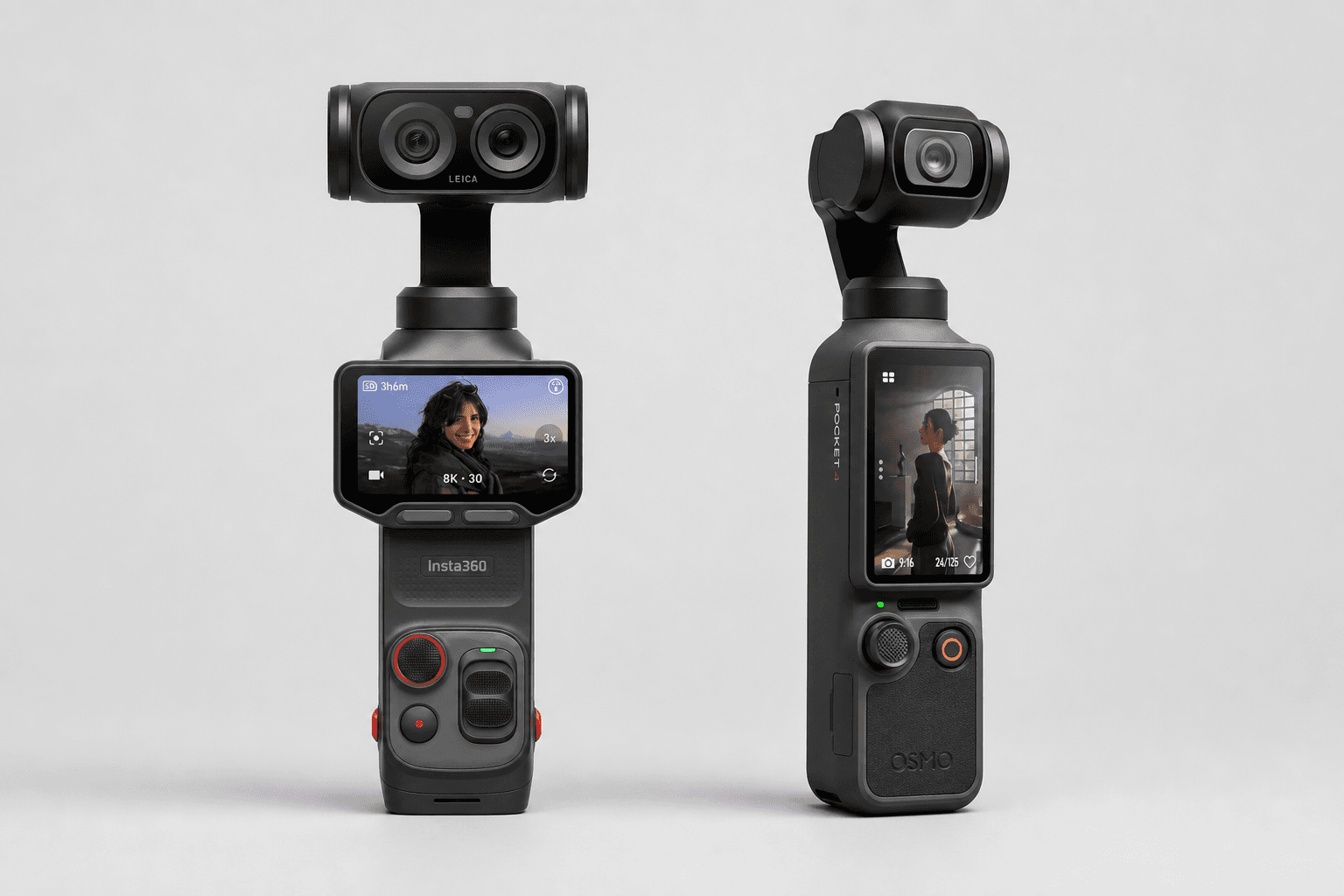
Insta360 Luna Ultra vs DJI Osmo Pocket 4: Which Pocket Gimbal Should You Buy?
Compare Luna Ultra and DJI Pocket 4 by lenses, video, Log formats, storage, U.S. availability, and the filming jobs each pocket gimbal handles best.
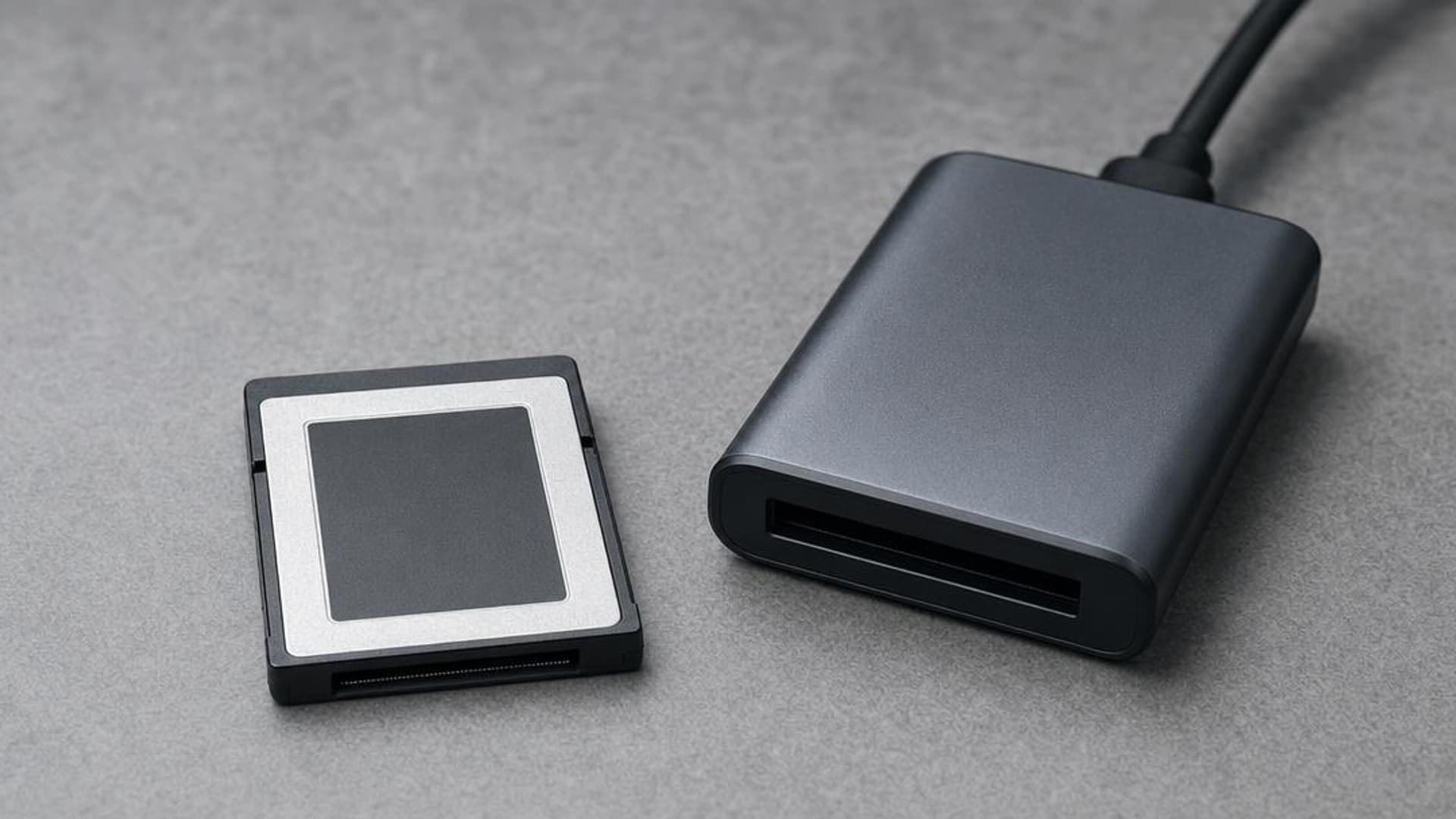
CFexpress 4.0 and VPG Explained: Buy the Card Your Camera Needs
CFexpress 4.0 doubles theoretical bandwidth, while VPG certifies sustained video writes. Learn Type A vs B, VPG classes, and when 4.0 is worth paying for.
Focal Length Explained: What 24mm, 50mm, 85mm, and 200mm Actually Do
What the millimeter number on a lens changes in the field: angle of view, compression, and working distance. When to reach for 24, 50, 85, or 200mm.
Researched, not personally tested: picks compare specifications, available owner feedback, and established expert sources. As an Amazon Associate I earn from qualifying purchases. We may earn a commission from links here, at no extra cost to you. How we research →