We may earn a commission from links on this page, at no extra cost to you. Picks are researched, not sponsored.
Landscape photography rewards patience more than gear. The camera matters less than being in the right place when the light is good and being set up to capture it without shake. The technical side is small and repeatable once you know the few settings that count.
The gear
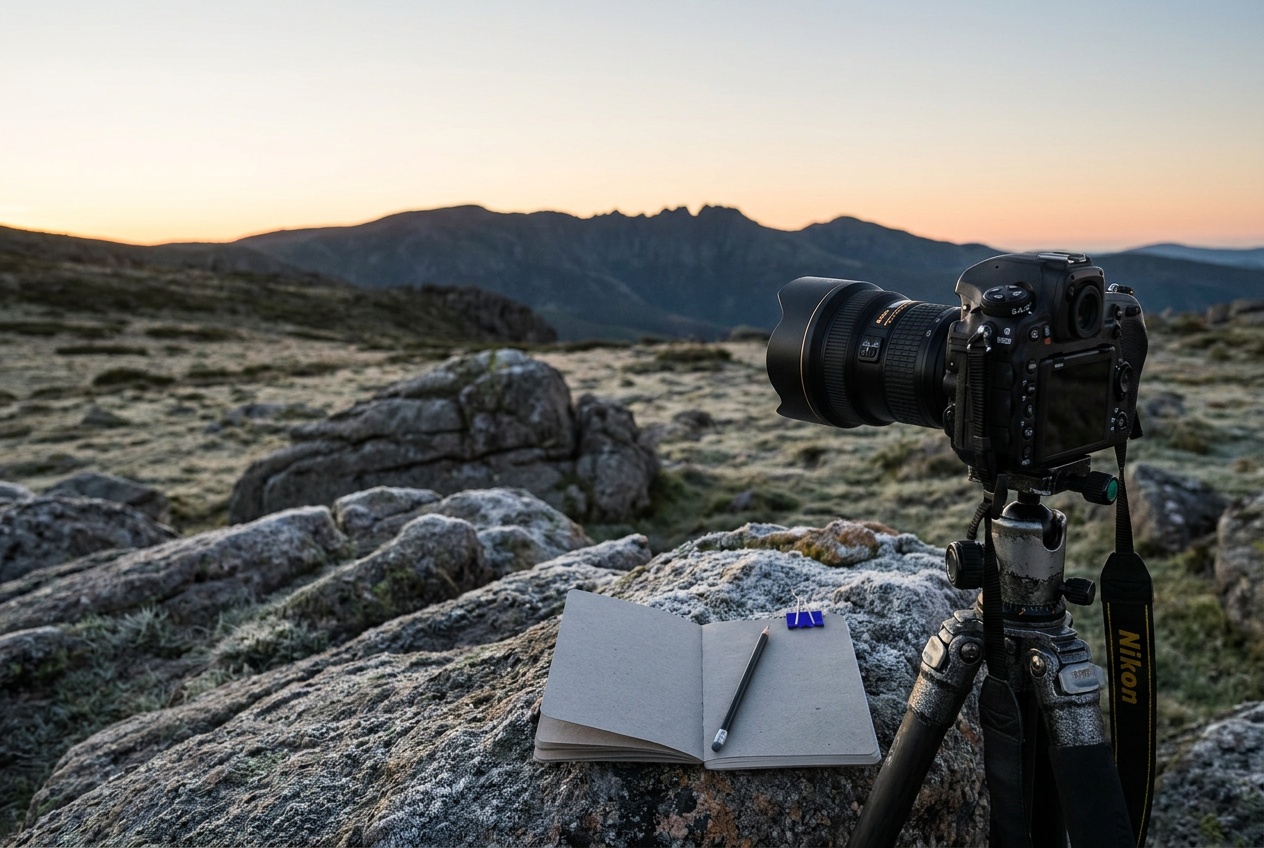
You can shoot landscapes with almost anything, but a few items earn their place:
- A tripod, so you can use a low ISO and a long shutter without blur. This is the single most useful purchase. See the best tripods guide.
- A wide to standard lens in roughly the 16 to 35mm range for sweeping scenes, plus a longer lens for compressing distant layers. The tradeoffs are covered in prime vs zoom lenses.
- A camera with enough dynamic range to hold both sky and land. Sensor size affects this; see sensor sizes explained.
The settings
The reliable landscape recipe is f/11 · 1/15 · ISO 100 on a tripod, adjusting the shutter to suit the light. A narrow aperture around f/8 to f/13 keeps the whole scene sharp from the foreground to the horizon. Keep ISO at base, usually 100, for the cleanest files. Because the camera is locked down, shutter speed can be as slow as the scene needs, which also lets you smooth moving water or clouds. If you are new to setting all three yourself, the exposure triangle ties them together.
For focus, set a single point about a third of the way into the scene rather than on the far mountains. That places the sharp zone where most of the depth sits.
Light makes the photo
Midday sun is flat and harsh; the same view at sunrise or sunset has depth, color, and shape. Plan around the soft hours and the few minutes just before and after them. Overcast skies are not a wasted trip either, since soft light suits forests, waterfalls, and detail shots. The guide to shooting in different light breaks down each condition.
Composition
A strong landscape usually has three layers: a foreground element to anchor the eye, a middle that carries it inward, and a background that gives scale. Use a low angle to make the foreground prominent, keep the horizon level, and place it off-center rather than straight through the middle. Leading lines like a shoreline, a path, or a fence rail pull the viewer through the frame.
Common mistakes
The frequent errors are easy to fix. A tilted horizon undoes an otherwise clean shot, so level the camera. Stopping all the way down to f/22 looks like it should add sharpness but actually softens the image through diffraction, so stay around f/11. Empty foregrounds make wide scenes feel flat, so give the eye something to start on. And blown-out skies usually mean the exposure was set for the land alone; expose for the brightest important area and lift the shadows later.
Know the rules
Many of the best landscapes sit on protected land. National parks, wilderness areas, and some state and municipal sites have their own rules about tripods, commercial work, and access. Check the rules by location pillar before a serious shoot. If you plan to fly a drone for an aerial perspective, Aperture covers the composition side; the flight law belongs to our sister site.
What is the best aperture for landscape photography?
Around f/8 to f/13, with f/11 a safe default. That range keeps the scene sharp front to back without the softening that diffraction adds past roughly f/16.
Do I really need a tripod for landscapes?
For the cleanest results, yes. A tripod lets you keep ISO at 100 and use a slow shutter, which is exactly what landscapes call for. Handheld is possible in bright light, but you give up the quality a slow, low-ISO exposure provides.
Where should I focus in a landscape?
About a third of the way into the scene, not on the most distant peak. At a small aperture this places the sharp zone across most of the depth from near to far.
Practice this
Turn the guide into a working setup
Keep going
Next useful steps
Pick one. Each link continues the same job without starting the research over.
Shoot kits
Buy around the job, not the spec sheet
Travel landscape
Travel landscape kit
$4,465
A light full-frame body, wide zoom, serious travel tripod, filters, and a bag that can handle rough days outside.
Light but not flimsy
Buy order: start with the first piece that makes the job possible, then add the support pieces that remove friction.
Camera: start here. If this piece does not make the shoot easier, the rest of the kit can wait.
Carry: add it after the core setup proves useful.
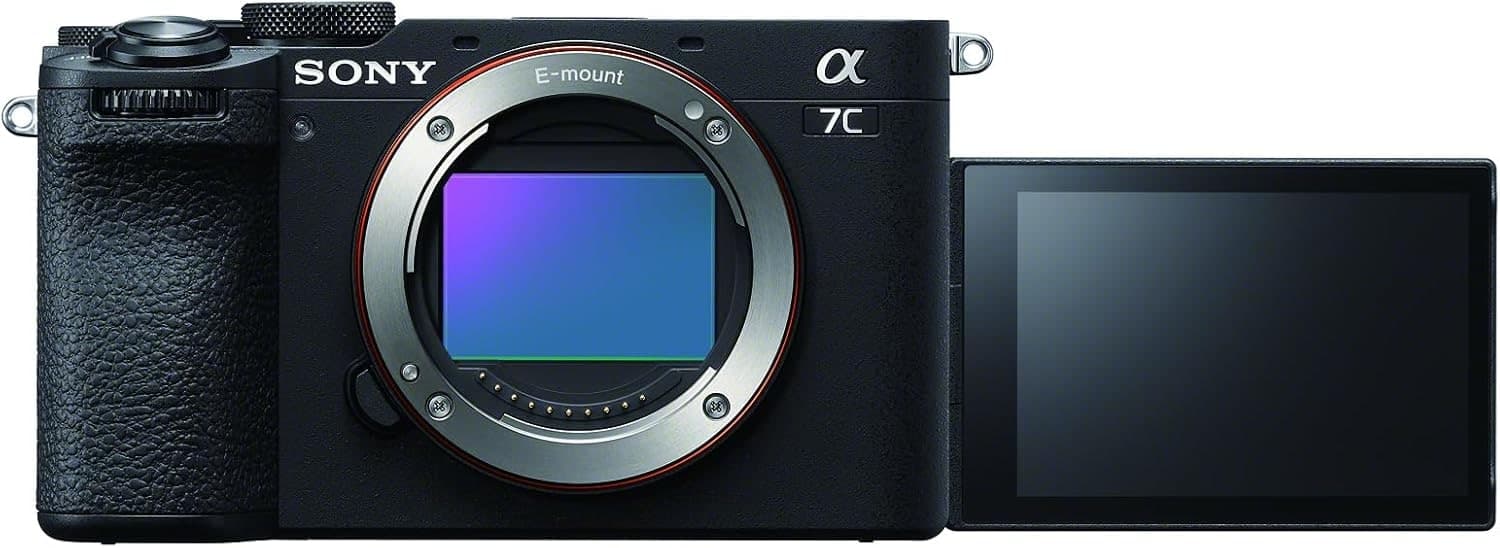
Sony a7C II
Full-frame files in a smaller body, with autofocus and stabilization that travel well.
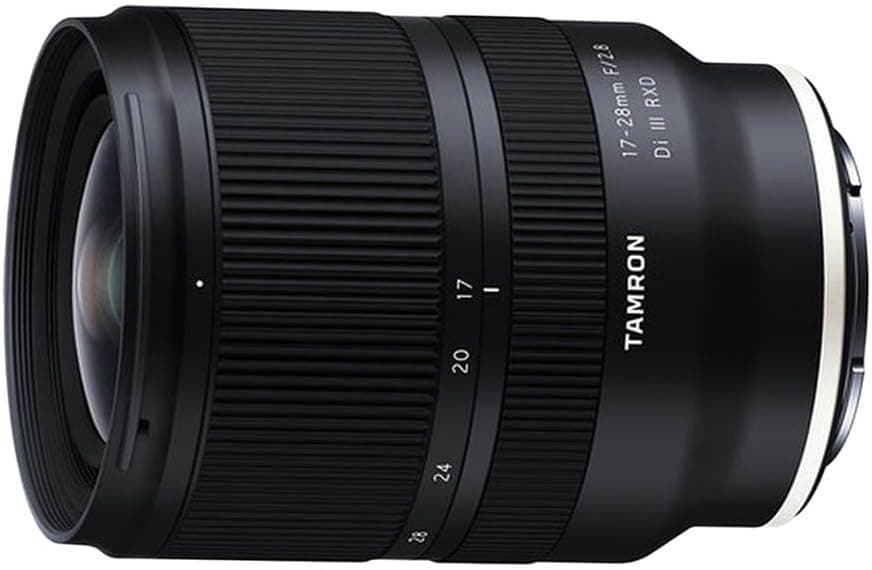
Tamron 17-28mm f/2.8 Di III RXD
Wide enough for landscapes and interiors without the size of a premium 16-35mm.
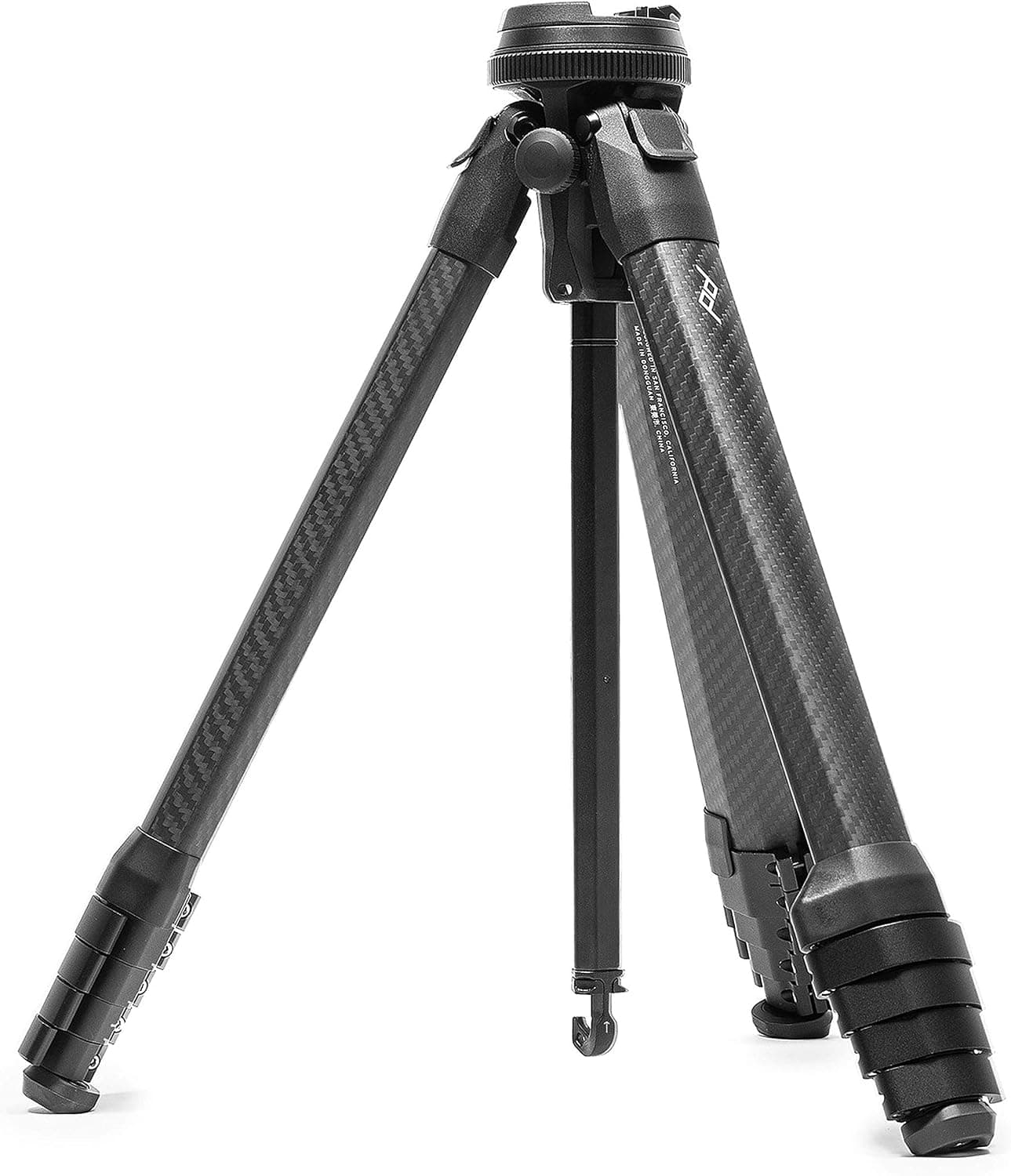
Peak Design Travel Tripod (Carbon)
The point of a travel tripod is bringing it. This one packs small and stays serious.
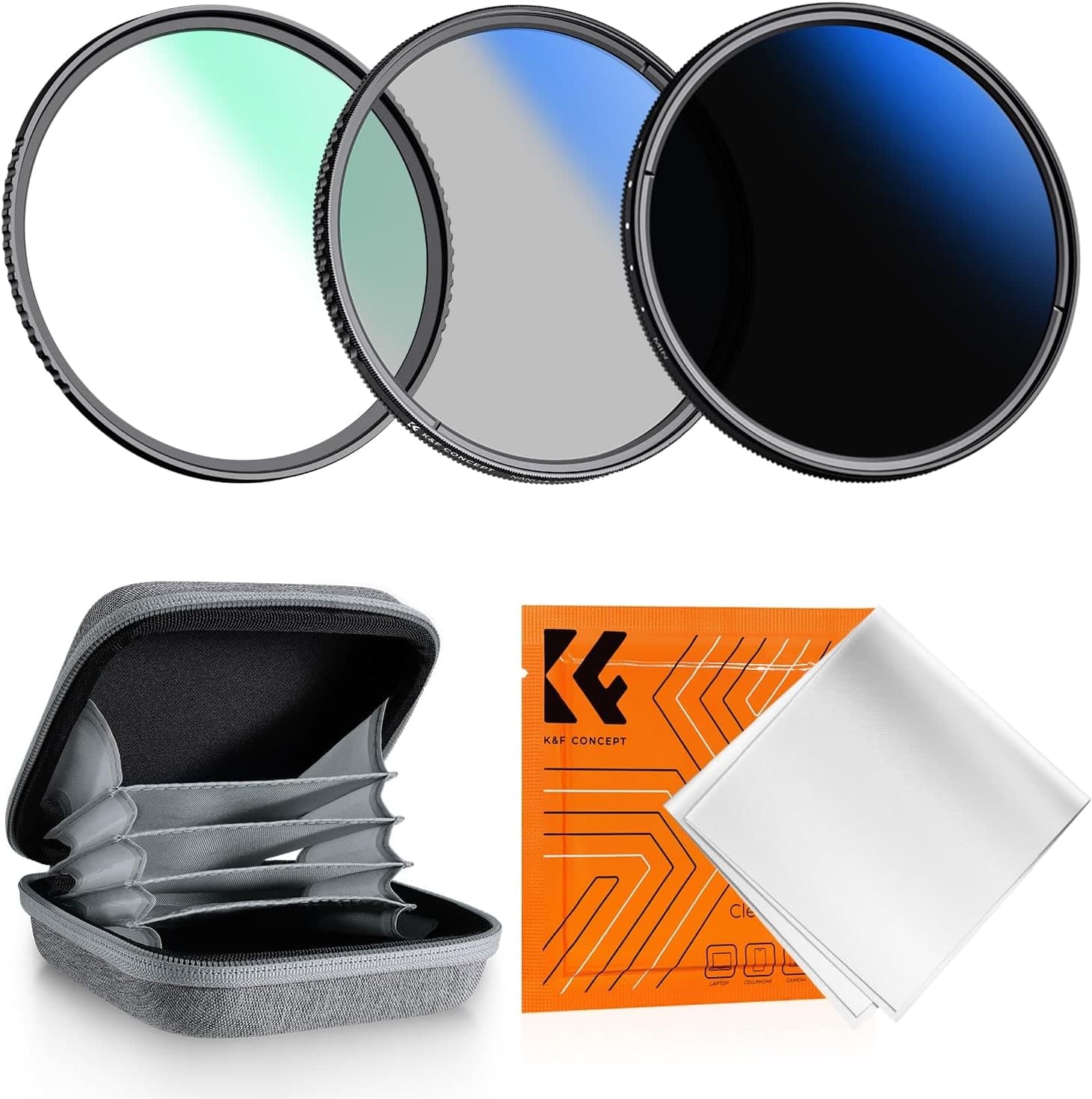
K&F Concept 77mm UV/CPL/ND2-400 Filter Kit
CPL and ND coverage for water, skies, reflections, and slower shutters.
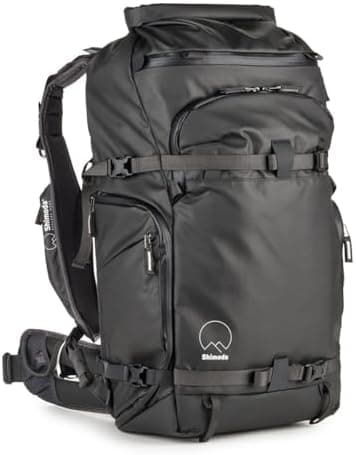
Shimoda Action X30 V2
A real harness matters once camera gear and outdoor layers share the same bag.
Prices are rough catalog totals. Retailer prices change, and you can swap pieces to fit your system.
Related Genres guides

Event Photography: Settings and Gear for Low Light and Fast Moments
Event photography means low light, candid moments, and no second takes. Here is the gear, the settings, and the mistakes to skip for sharp, well-lit frames.

Fashion Photography: Light, Posing, and the Look on a Budget
Editorial fashion images come from intentional light, confident posing, and a clear styling concept. Here is how to build the look on a budget with one light and simple gear.
Product Photography: A Simple, Repeatable Setup
Clean product photos need controlled light, a sharp aperture, and a tripod, not a studio. Here is the gear, the settings, and the lighting that gets professional results.
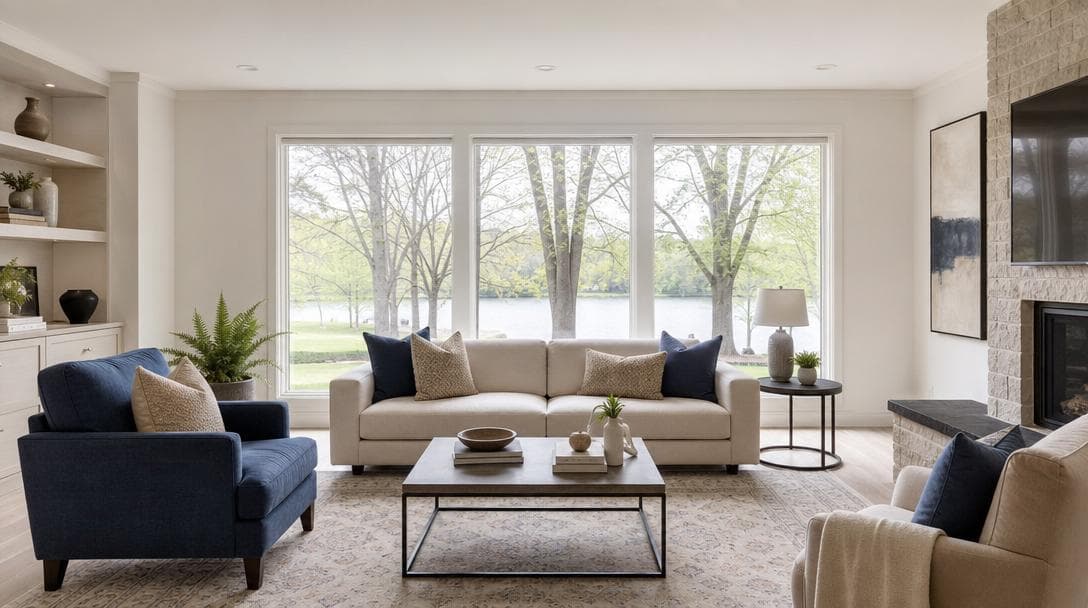
Real Estate Photography: The Complete Starter Guide
How to shoot a listing that sells: the gear, the settings, the room-by-room shot list, and the common mistakes. Plus the tool that builds your shot list for you.
Researched, not personally tested: picks compare specifications, available owner feedback, and established expert sources. As an Amazon Associate I earn from qualifying purchases. We may earn a commission from links here, at no extra cost to you. How we research →