We may earn a commission from links on this page, at no extra cost to you. Picks are researched, not sponsored.
Our quick picks
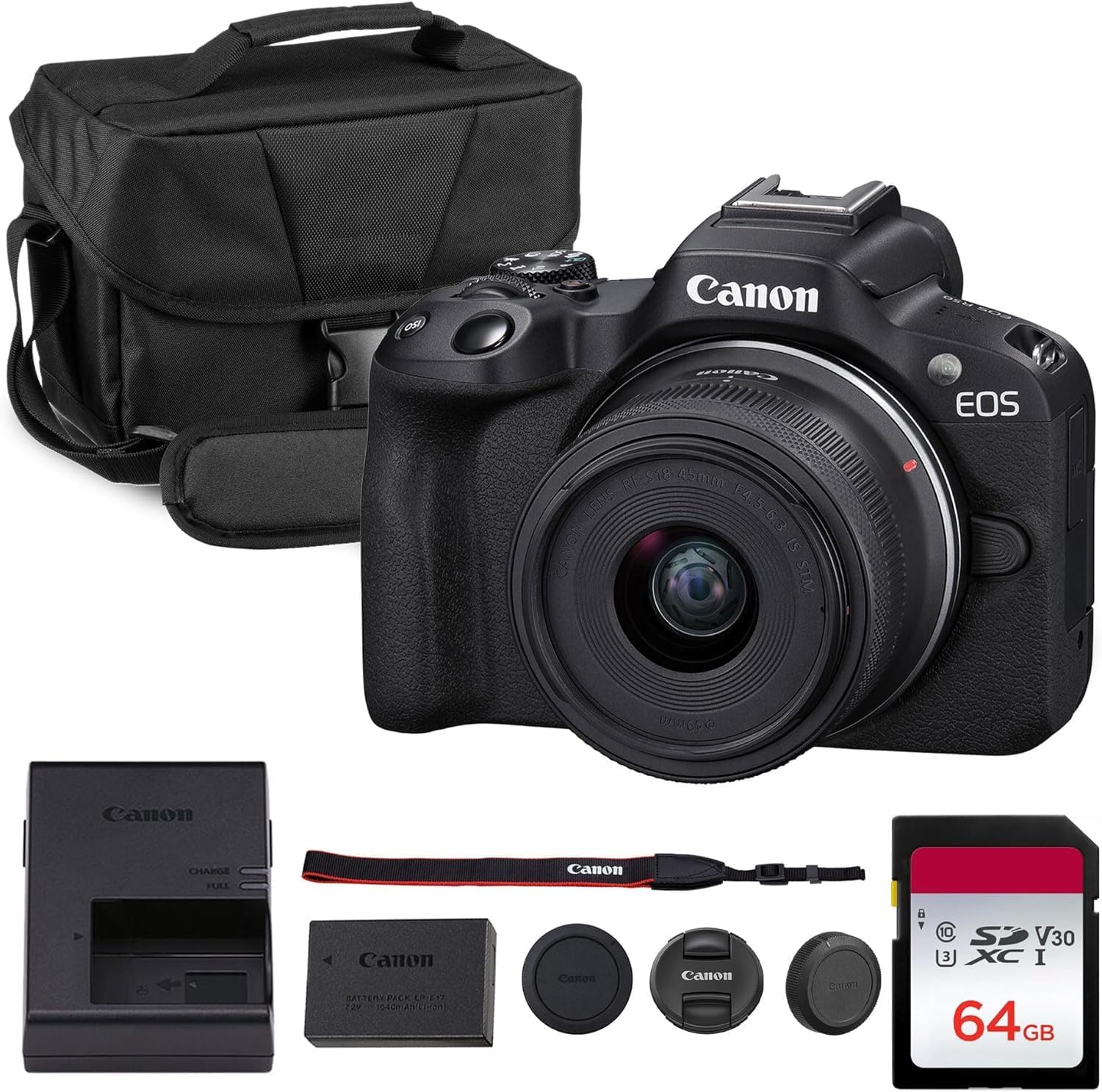
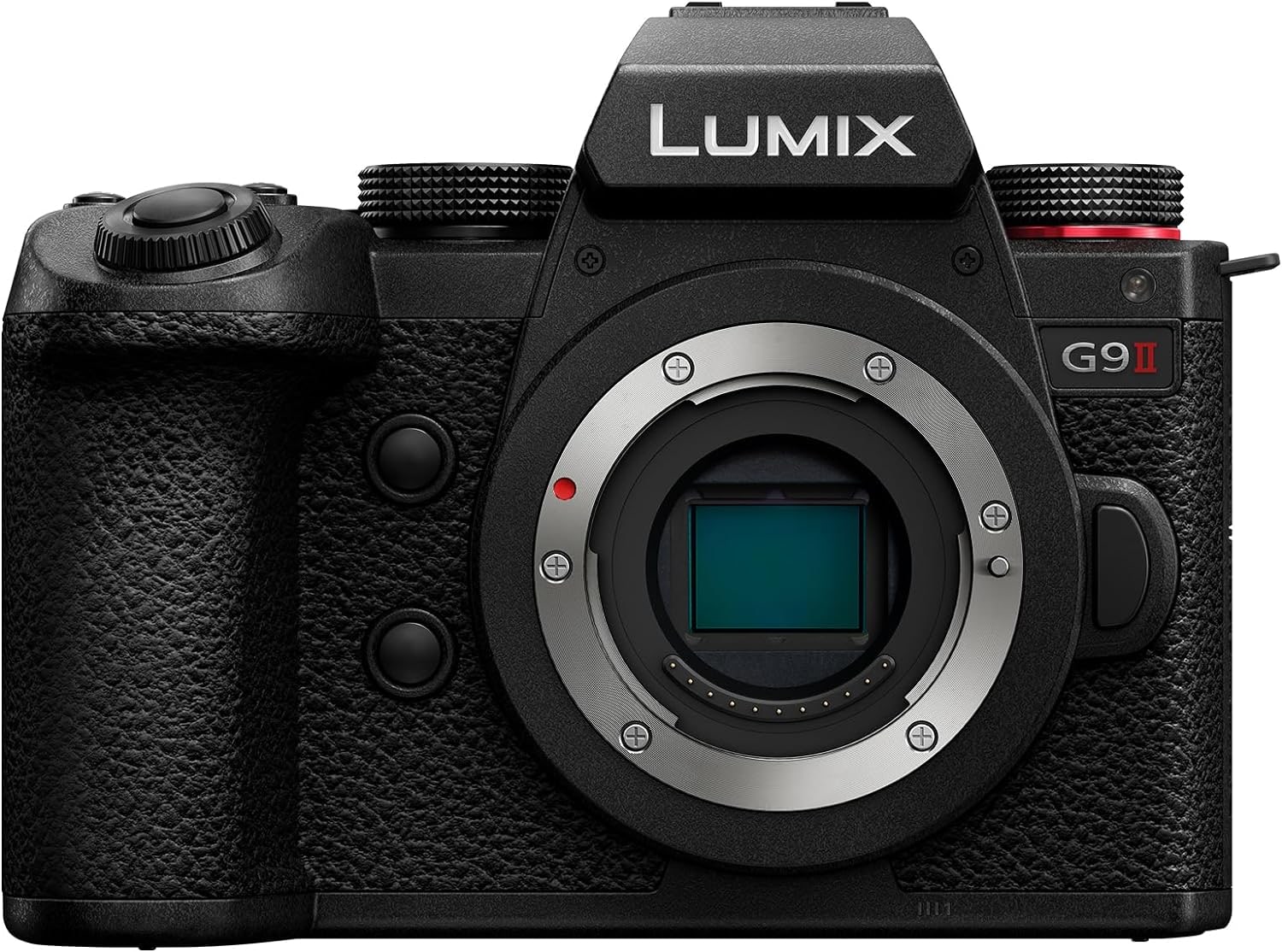
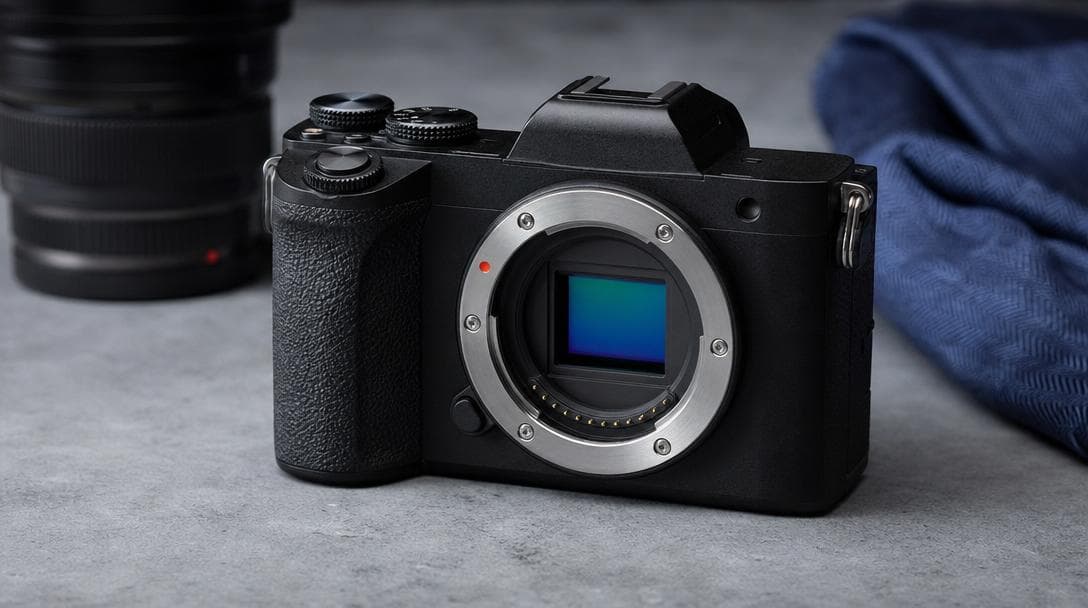
When people compare cameras they often start with megapixels, but sensor size also affects field of view, depth of field, low-light options, body size, and lens size. The sensor is the rectangle of silicon behind the lens that turns light into an image. Once you understand the format tradeoff, the what camera should you buy decision gets much simpler.
How do full-frame, APS-C, and Micro Four Thirds compare?
Full-frame, APS-C, and Micro Four Thirds mainly trade low-light performance and background blur against price and carry size. The dimensions and crop factors below are approximate because APS-C varies slightly by manufacturer.
| Format | Approximate dimensions | Crop factor | Main strength | Main compromise |
|---|---|---|---|---|
| Full-frame | 36 x 24 mm | 1.0x | Low light and shallow depth of field | Larger bodies, lenses, and prices |
| APS-C | 24 x 16 mm | 1.5x (1.6x Canon) | Best balance of image quality, size, and cost | Less low-light reach than full-frame |
| Micro Four Thirds | 17.3 x 13 mm | 2.0x | Small bodies and compact telephoto lenses | More noise and deeper focus at the same framing |
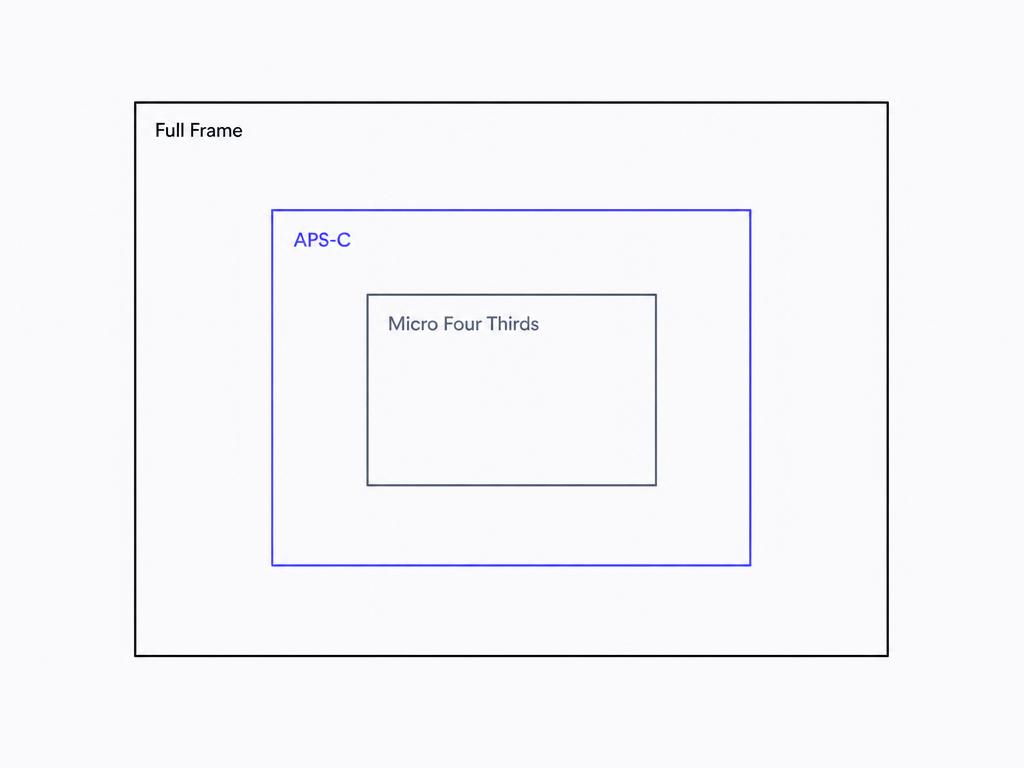
Full-frame sensors are about 36 by 24 mm, the size of a frame of old 35mm film. With equivalent framing and comparable technology, the larger area gives the most room for low-light work and the easiest path to a shallow, blurred background. Bodies and lenses are usually larger and more expensive.
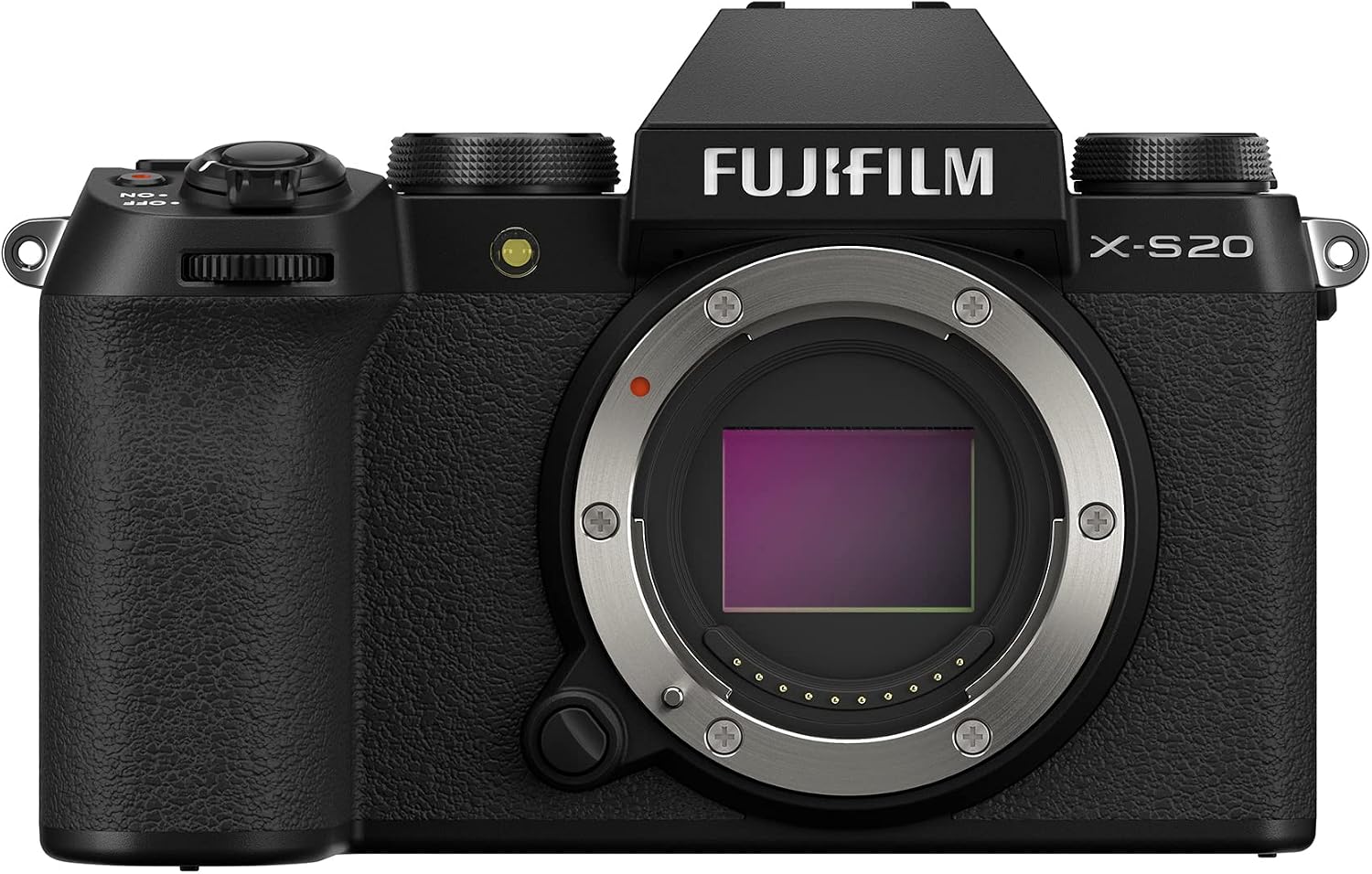
APS-C is the middle ground, roughly 24 by 16 mm, and it is where most enthusiast cameras live. It gives up a little low-light and background-blur capability compared to full-frame, in exchange for smaller, cheaper bodies and lenses. Cameras like the Fujifilm X-S20 show why APS-C is enough for most hybrid photo and video work: the gap to full-frame is usually smaller than the price difference suggests.
Micro Four Thirds is smaller still, about 17 by 13 mm. The sensors collect less light, but the system is the most compact and the lenses are tiny, which is why it stays popular for travel and video rigs where size and weight matter most.
What is crop factor?
A lens projects a circle of light. A smaller sensor sees only the middle of that circle, so the image looks more zoomed in. We describe this with a crop factor: APS-C is roughly 1.5x and Micro Four Thirds is 2x, relative to full-frame.
What that means in practice: a 35mm lens on an APS-C body frames like a 52mm lens would on full-frame (35 times 1.5). On Micro Four Thirds, a 25mm lens frames like a 50mm. This is why a "nifty fifty" focal length is different on each system, and it is the single most useful thing to understand before you buy lenses. The crop does not make the lens longer; it just shows you a tighter slice.
How many megapixels do you need?
A megapixel is one million pixels. More of them means a more detailed file and the ability to crop in or print large. That is all it means. Megapixels do not measure sharpness, color, low-light ability, or "quality" in any general sense.
Packing more pixels onto the same sensor makes each photosite smaller, so noise can look stronger when files are inspected pixel for pixel. That does not mean a 24 MP sensor automatically beats a 40 MP sensor in low light. Compare both at the same output size and account for sensor generation, exposure, processing, and lens aperture. For most uses, 20 to 26 MP already leaves ample room for large prints and moderate crops. Chase more resolution when the extra crop room or print detail has a clear job.
Which sensor size should you buy?
Match the size to the work, not to the spec sheet. Full-frame earns its cost if you shoot a lot in low light, want the easiest shallow-focus look, or print very large. APS-C is the sensible default for most people: capable, affordable, and portable. Micro Four Thirds wins when small size and light lenses matter more than the last bit of low-light reach, like travel and run-and-gun video.
A common mistake is buying full-frame for the prestige, then carrying it less because the kit is heavy. The best sensor is the one in the camera you actually bring. For the full buying walkthrough, including budget and lens considerations, see what camera should you buy.
Primary sources
- Nikon: DX and FX format dimensions and crop
- Nikon Z5: full-frame area, depth of field, and low-light positioning
- Panasonic Lumix G97: Micro Four Thirds sensor specifications
Is full-frame always better than APS-C?
No. Full-frame gathers more light and blurs backgrounds more easily, but APS-C is smaller, cheaper, and good enough for most work. The difference is real but usually smaller than the price gap, and a heavier kit you leave at home helps no one.
Do more megapixels mean a better photo?
No. Megapixels measure detail and crop room, not quality. Color, low-light performance, autofocus, and the lens matter more. For most people, 20 to 26 MP is more than enough.
What does crop factor do to my lens?
It changes how the lens frames, not its optics. On APS-C, multiply the focal length by about 1.5 to see the full-frame equivalent field of view. A 35mm lens frames like a 52mm. The lens itself does not change.
Shoot kits
Buy around the job, not the spec sheet
Beginner photo
First real camera kit
$1,068
An affordable body, a sharp prime, a reliable card, and a small carry setup that does not turn learning into a hauling problem.
Best learning kit
Buy order: start with the first piece that makes the job possible, then add the support pieces that remove friction.
Camera: start here. If this piece does not make the shoot easier, the rest of the kit can wait.
Carry: add it after the core setup proves useful.
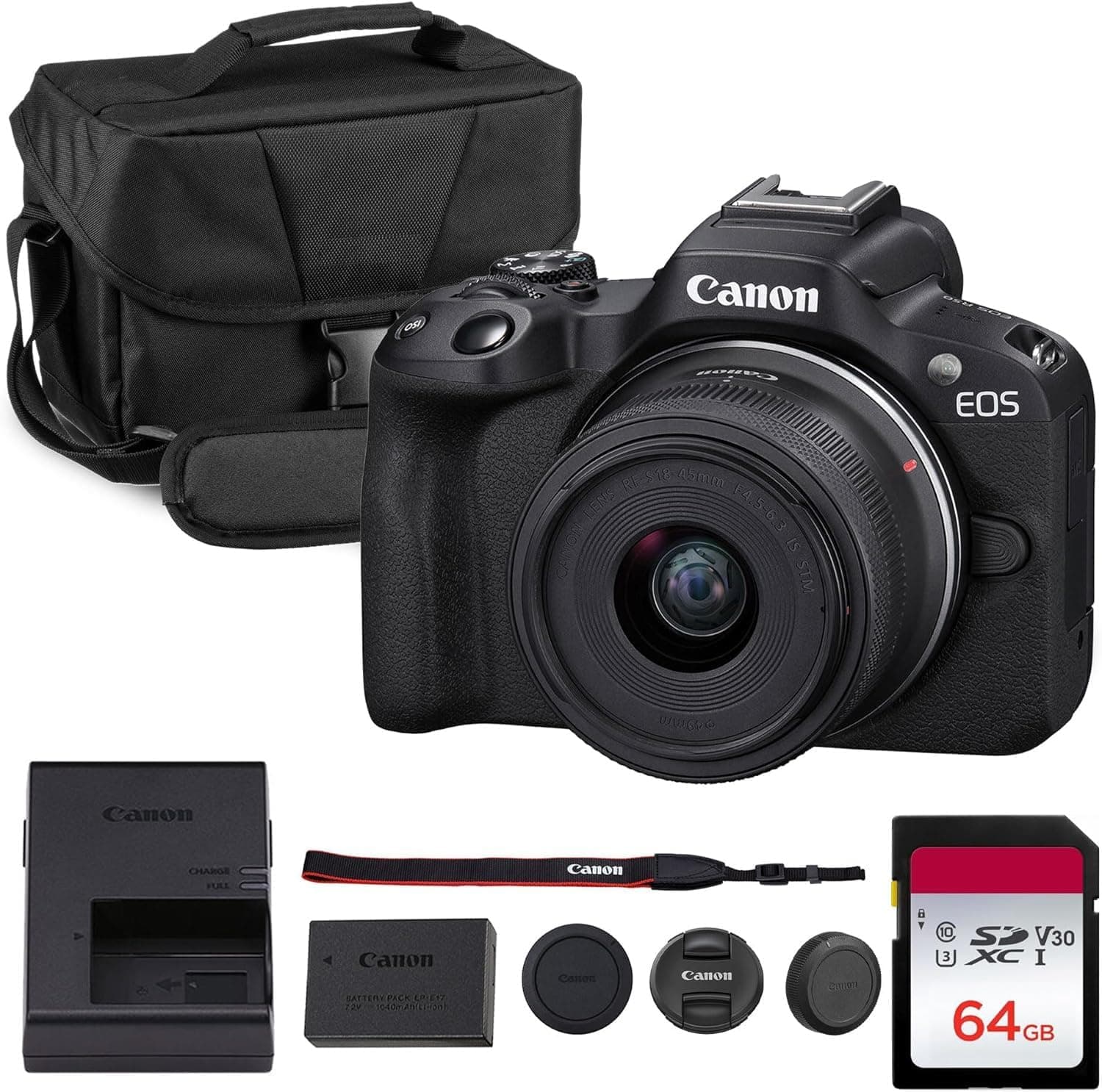
Canon EOS R50
Small, approachable, and good enough to learn exposure, autofocus, and lens choice properly.
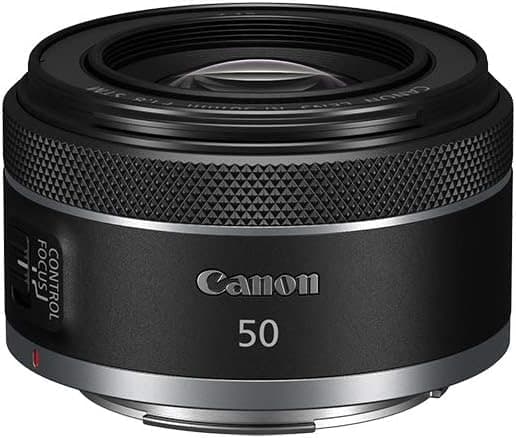
Canon RF 50mm f/1.8 STM
Cheap, bright, and useful for portraits, detail shots, and learning depth of field.
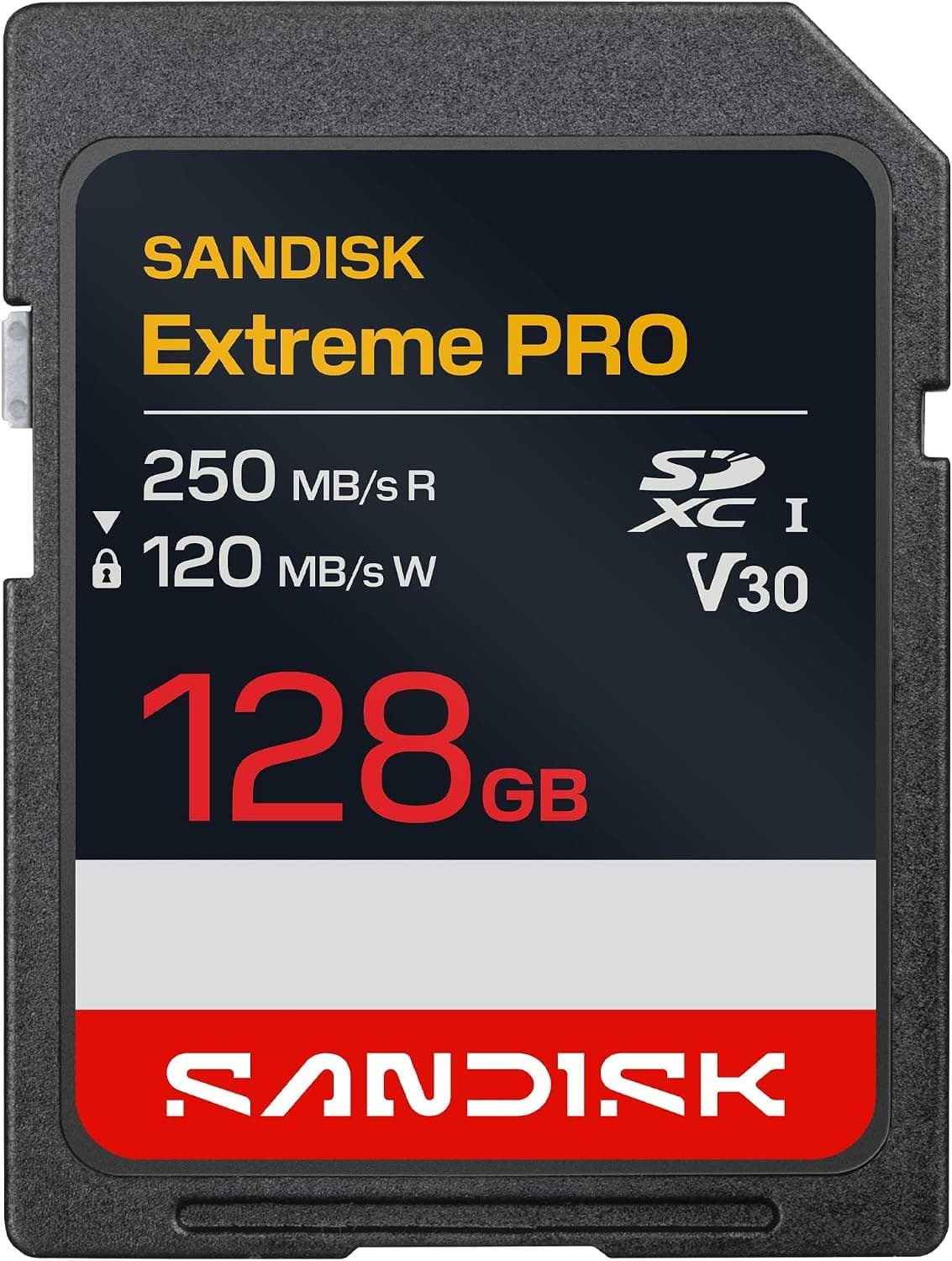
SanDisk Extreme Pro SDXC 128GB
Fast enough for normal stills and video without making storage the exciting purchase.
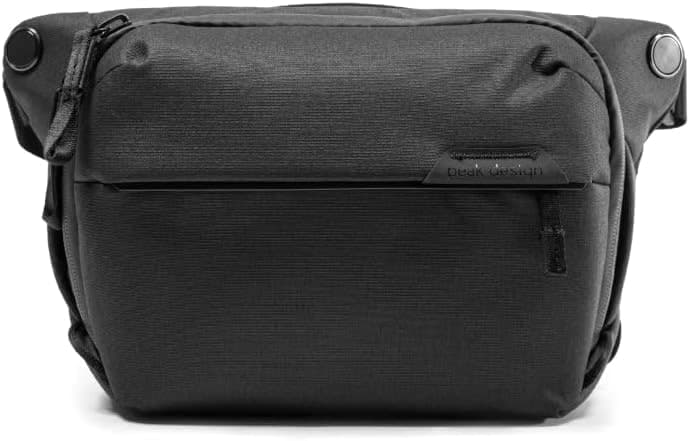
Peak Design Everyday Sling 6L V2
Room for a small body and lens without dragging a full backpack everywhere.
Prices are rough catalog totals. Retailer prices change, and you can swap pieces to fit your system.
Related Gear guides
Best Backdrops and Stands in 2026: Studio Background Picks
The best backdrops and stands for home studios, with each pick's real size, height limit, and price, so you know whether it fits headshots, products, or full-length portraits.
Best Cameras for Beginners in 2026: First Interchangeable-Lens Picks
The best beginner cameras balance an easy interface, good autofocus, and room to grow. Here are six we recommend and how to pick the right first body.
Best Cameras for Video in 2026: Hybrid, Cinema, and Vlogging Picks
Panasonic Lumix S5 II is the value video pick; GH7 suits long recording, and Sony a7 IV is the hybrid choice. Compare six cameras by workflow.
Best Cameras Under $1000 in 2026: Beginner, Value, and Creator Picks
The best cameras under $1000 deliver strong autofocus and image quality without the full-frame price. Here are six picks and how to choose the right one.
Researched, not personally tested: picks compare specifications, available owner feedback, and established expert sources. As an Amazon Associate I earn from qualifying purchases. We may earn a commission from links here, at no extra cost to you. How we research →