We may earn a commission from links on this page, at no extra cost to you. Picks are researched, not sponsored.
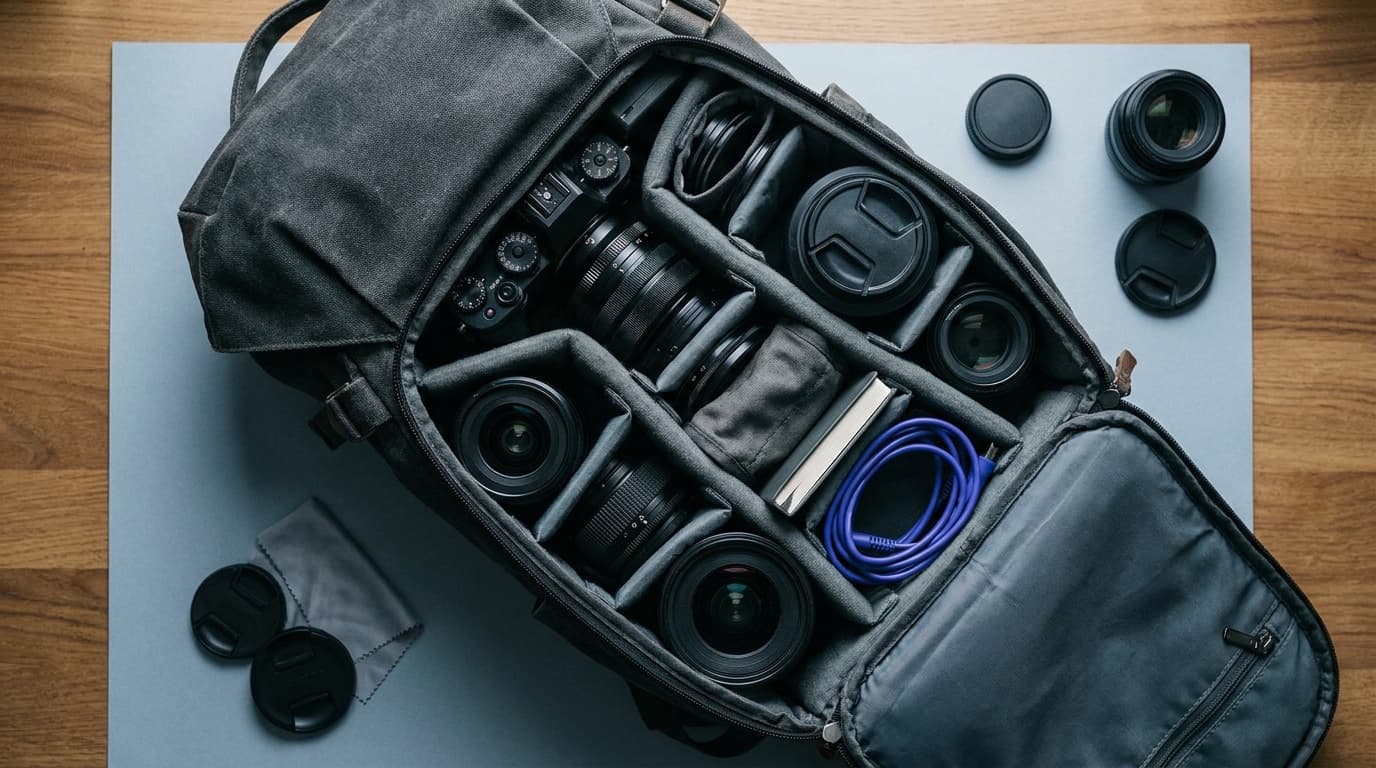
A camera bag has three jobs: protect the gear, give you fast access to it, and stay comfortable for as long as you carry it. Most people buy on capacity alone and end up with a bag that holds everything but is slow to open or miserable on a long day. Decide how you actually shoot first, then size the bag to match. For the rest of the kit that goes in it, see the full gear library.
How to choose
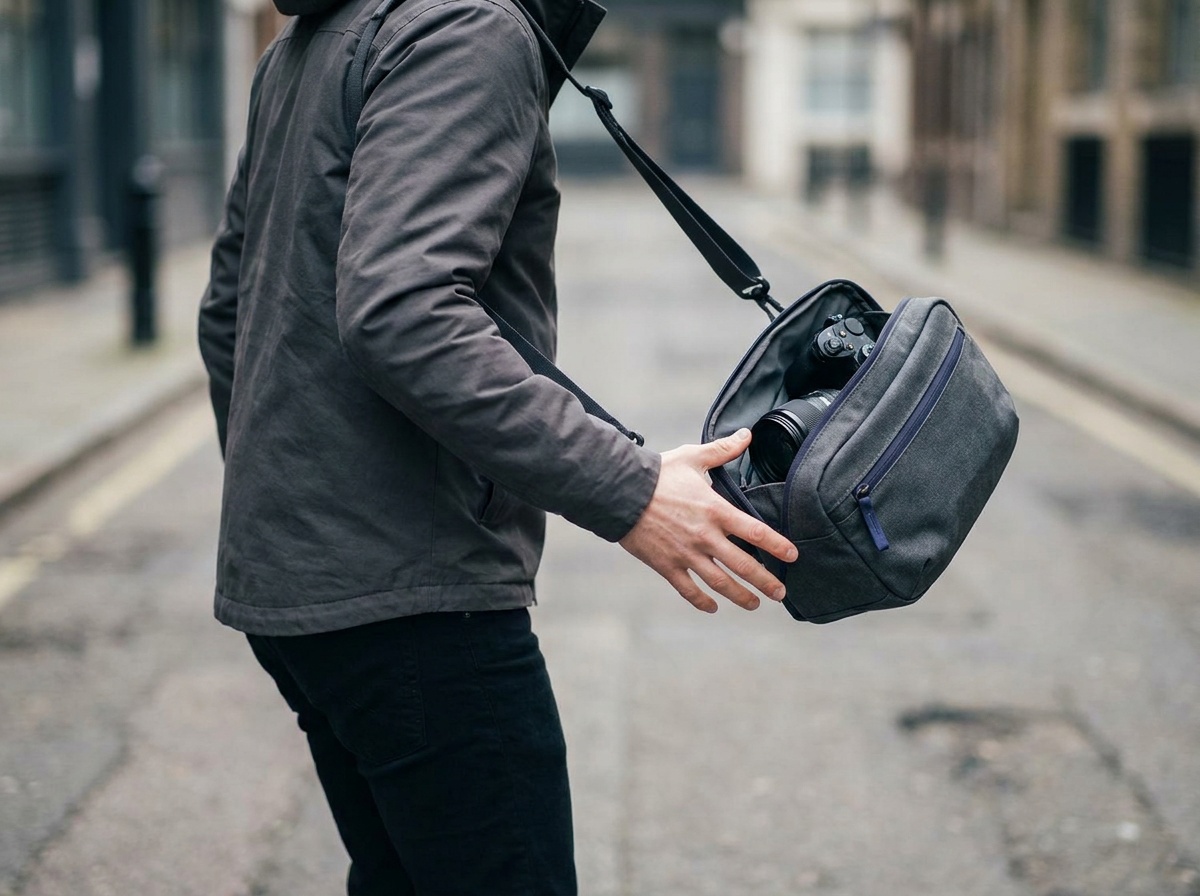
Start with the carry style. A backpack spreads weight best and holds the most, which suits travel, hiking, and big kits, but you have to take it off to reach the camera unless it has side access. A sling swings around to the front for fast access without coming off, ideal for a lean kit and street or travel walking. A shoulder bag gives the quickest top access of all but tires one shoulder on long days. A roller moves a heavy kit through airports with no weight on your back at all.
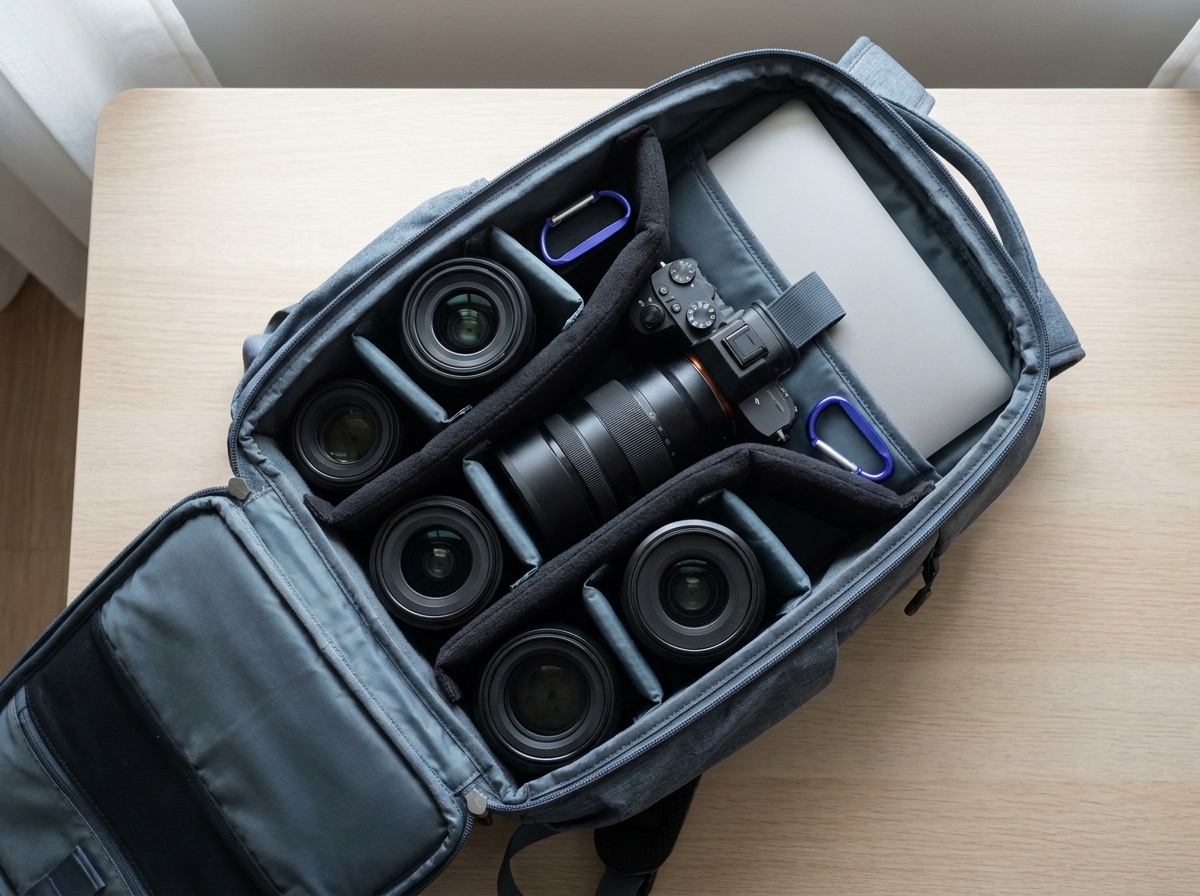
Then match capacity to your real kit, not your dream kit. Count your body, your lenses, and whether you need a laptop, then add a little room. As a rough map, a single body and a couple of lenses lives in a 6 to 15 liter sling or small backpack, while a two-body working kit wants 20 to 30 liters or more. Access points matter: side or rear access lets you reach a lens without setting the bag in the dirt. Weather resistance and a rain cover are worth it if you shoot outdoors. Finally, look at the dividers; reconfigurable padded inserts let one bag adapt as your kit changes.
The picks
Best Overall Bag
Peak Design Everyday Backpack V2 20L
Photographers who want one bag for commuting and a half-day shoot.
Check price at AmazonThe Peak Design Everyday Backpack 20L is the best all-rounder and the bag most people should start with. The reconfigurable FlexFold dividers adapt to whatever kit you carry, dual side access reaches a body and lens without taking it off both shoulders, and the weatherproof shell handles a commute as well as a shoot. The price is premium and the magnetic latch takes a day to learn, but as one bag for work and a half-day shoot it is hard to beat.
Research pick
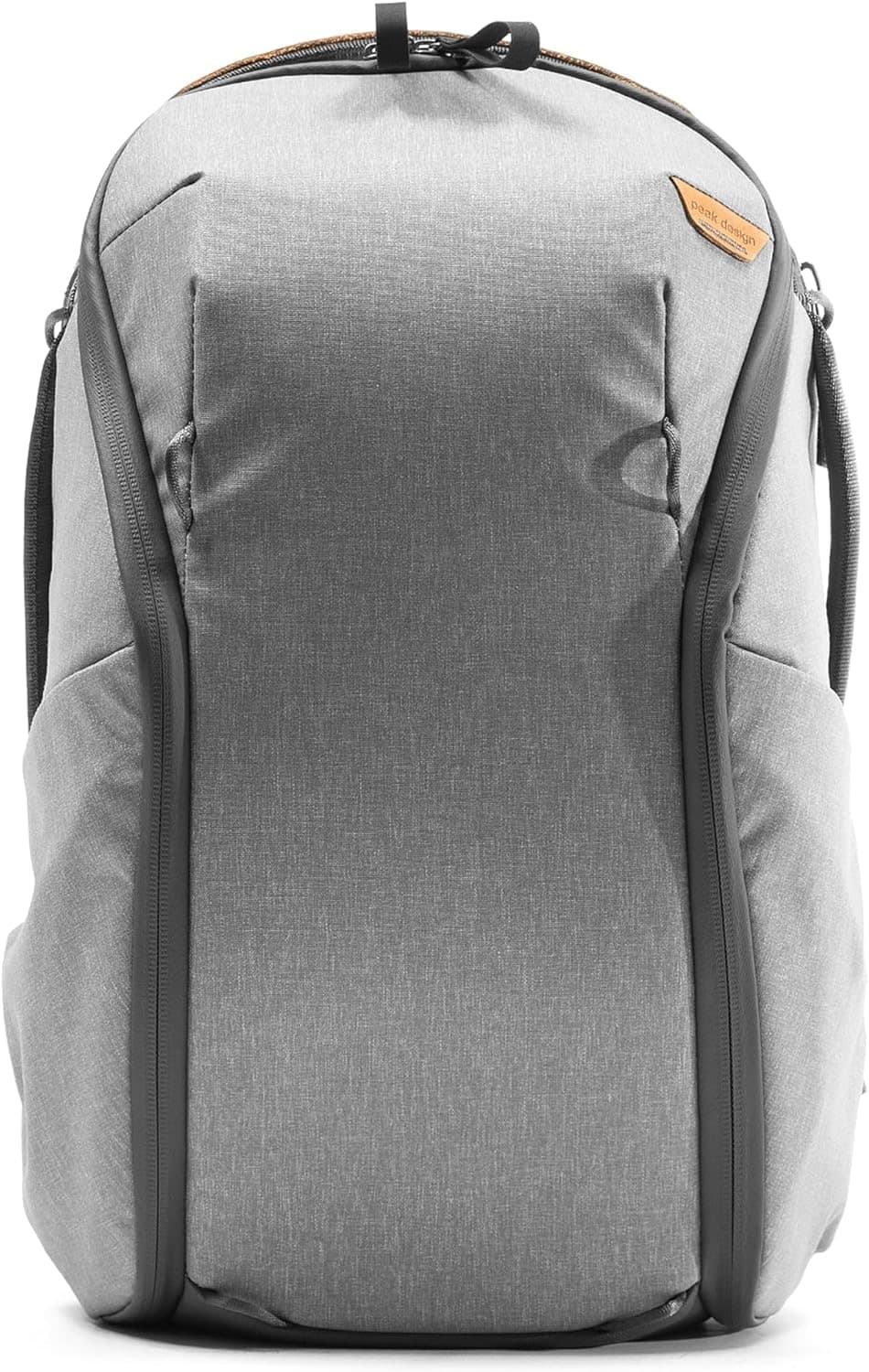
Peak Design Everyday Backpack Zip 15L
Mirrorless shooters carrying a lean kit who want a slim profile.
Check price at AmazonThe Peak Design Everyday Backpack Zip 15L is the middle ground for a lean mirrorless kit. Its wide zip opening is easier to pack than the 20L's magnetic top, and the smaller profile suits commuting with one body and one or two lenses. It is tight for a full-frame body with a large zoom and only fits a 13-inch laptop, so choose the 20L when the kit or computer is likely to grow.
Best Sling
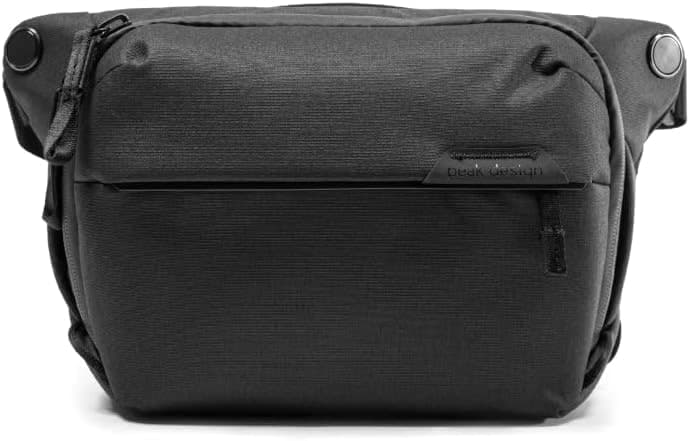
Peak Design Everyday Sling 6L V2
Minimal shooters carrying one body and a prime.
Check price at AmazonThe Peak Design Everyday Sling 6L is the pick when you carry one body and a prime or two small lenses. It swings around to the front for fast access without removing it, the shell is weatherproof, and it is small enough to live in a larger bag for travel. Capacity is the obvious limit, so this suits minimal shooters rather than anyone hauling a full kit.
Research pick
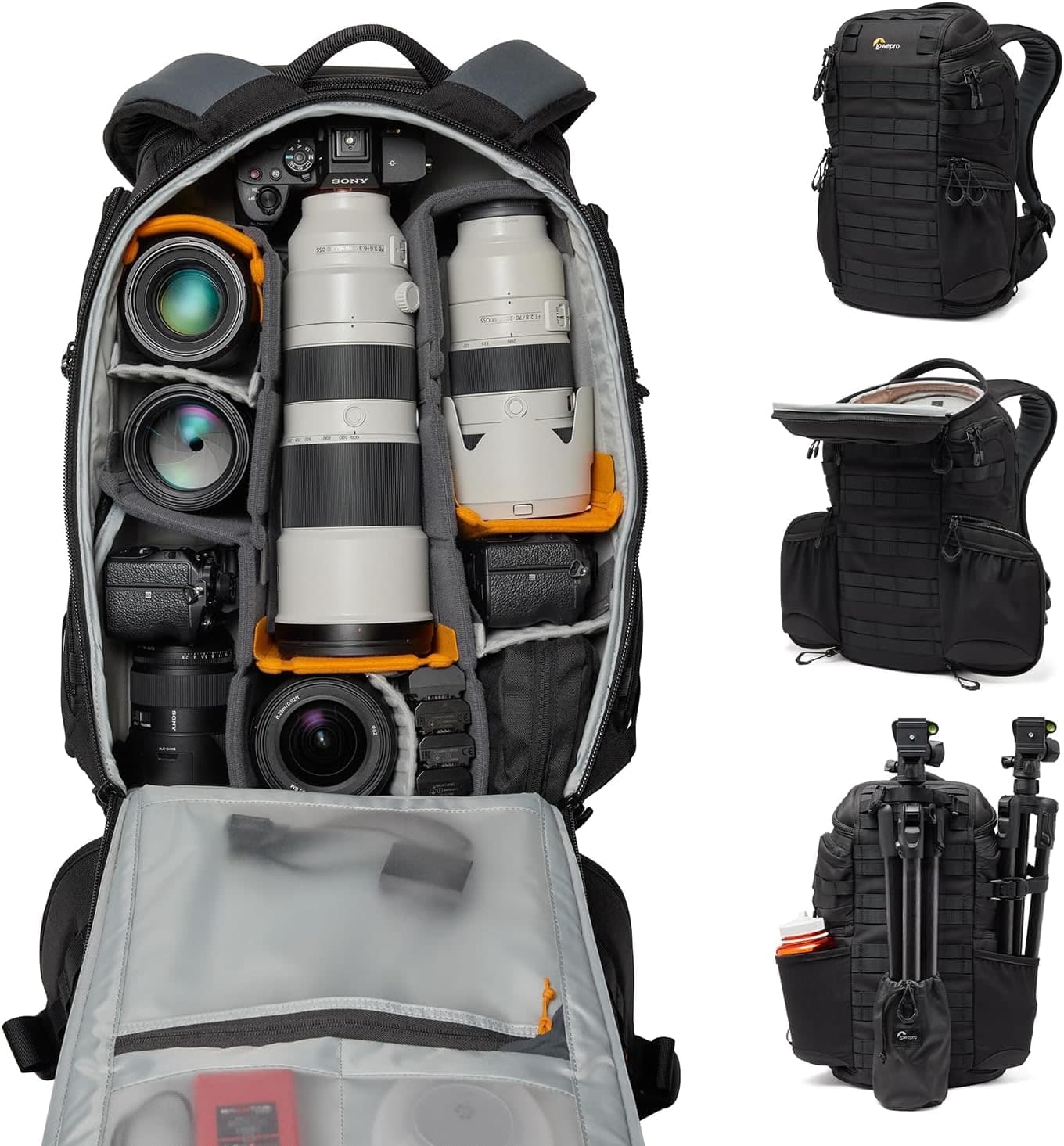
Lowepro ProTactic BP 450 AW III
Working pros who carry two bodies and a wall of lenses.
Check price at AmazonThe Lowepro ProTactic BP 450 AW II is the working professional's pack. Four access points reach the gear from any angle, the modular exterior takes extra pouches, and it swallows a two-body kit with a wall of lenses plus a rain cover. It is heavy when loaded and looks utilitarian, but for pros who carry everything to a location, that is the job.
Research pick
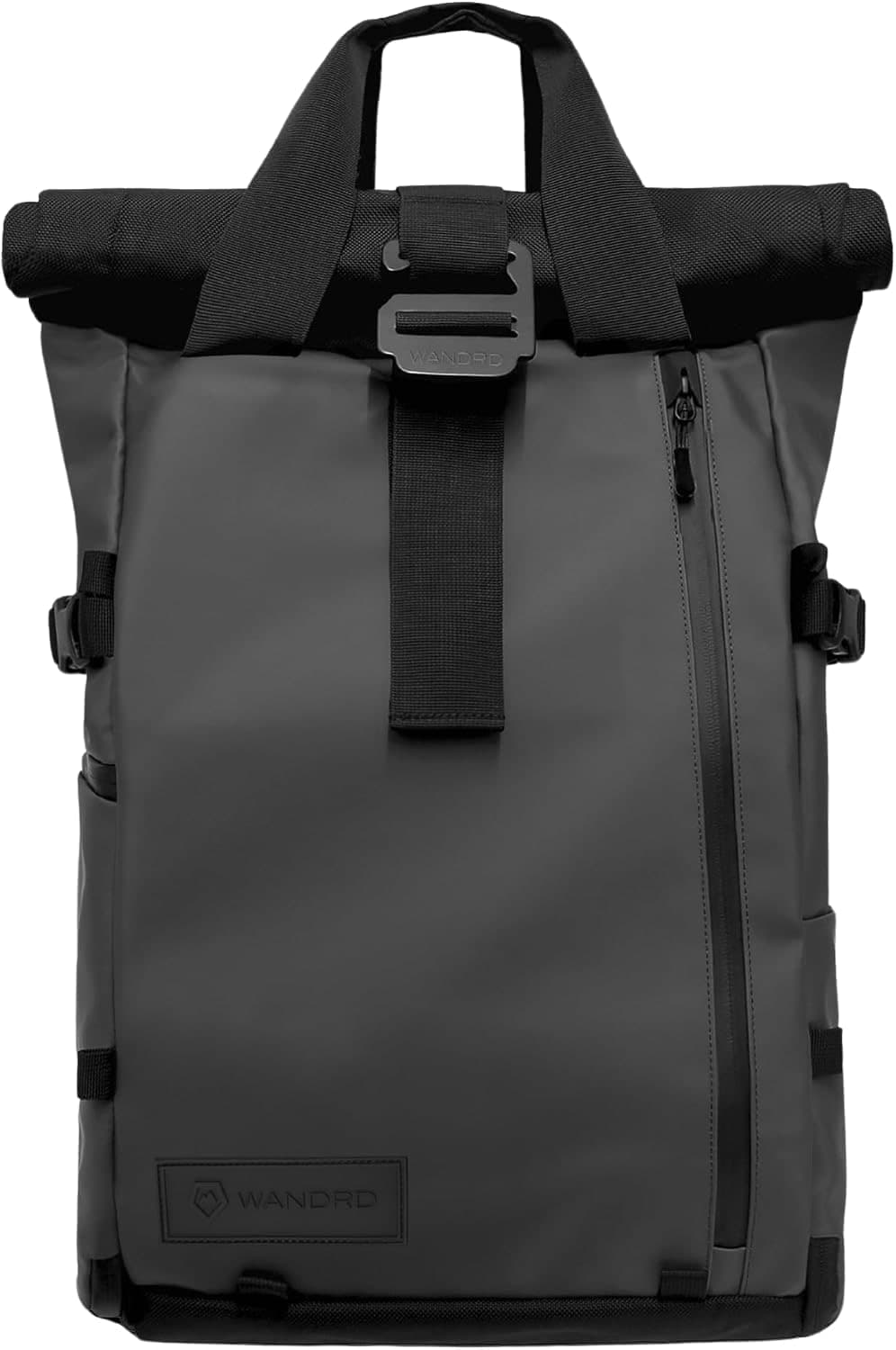
WANDRD PRVKE 31L Photography Bundle
Travel photographers who want one bag for gear and clothes.
Check price at AmazonThe WANDRD PRVKE 31L is the travel pick for people who carry gear and clothes in one bag. The roll-top expands for travel days, the weather-resistant build holds up on the road, and a removable camera cube converts it from a camera bag into a plain daypack. The cube often costs extra and roll-top access is slower than a clamshell, but as a single travel bag it is versatile.
Research pick
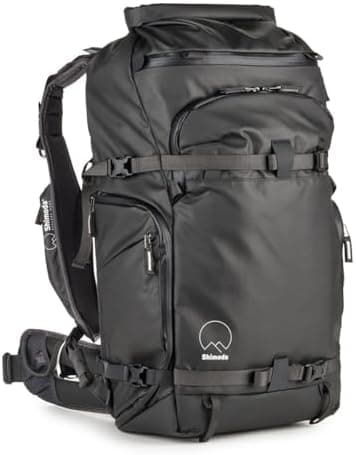
Shimoda Action X30 V2
Outdoor shooters who want a fitted harness and modular inserts.
Check price at AmazonThe Shimoda Action X30 V2 is the pick for shooters who hike to their locations. The harness adjusts to your torso length for real load comfort, rear-panel access keeps the back padding clean, and the modular Core Unit inserts hold varied kits with strong tripod and accessory carry. The Core Unit usually costs extra and the price is premium, but for outdoor and landscape work the carry system earns it.
Research pick
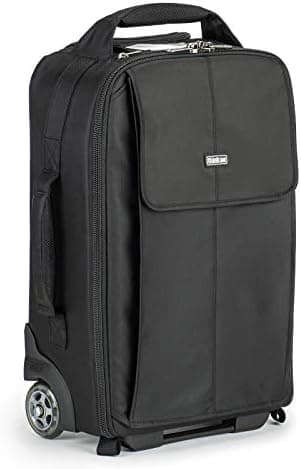
Think Tank Photo Airport Advantage
Traveling pros who roll a heavy kit rather than carry it.
Check price at AmazonThe Think Tank Photo Airport Advantage is the airport pick for a heavy kit that should roll instead of ride on your back. It fits one or two bodies and several lenses in a carry-on-sized case, with a laptop sleeve, lockable zippers, and smooth wheels that make terminals much less punishing. It has no backpack straps and is a poor choice once the ground turns rough, so choose it for airports, hotels, and paved locations rather than hikes.
Research pick
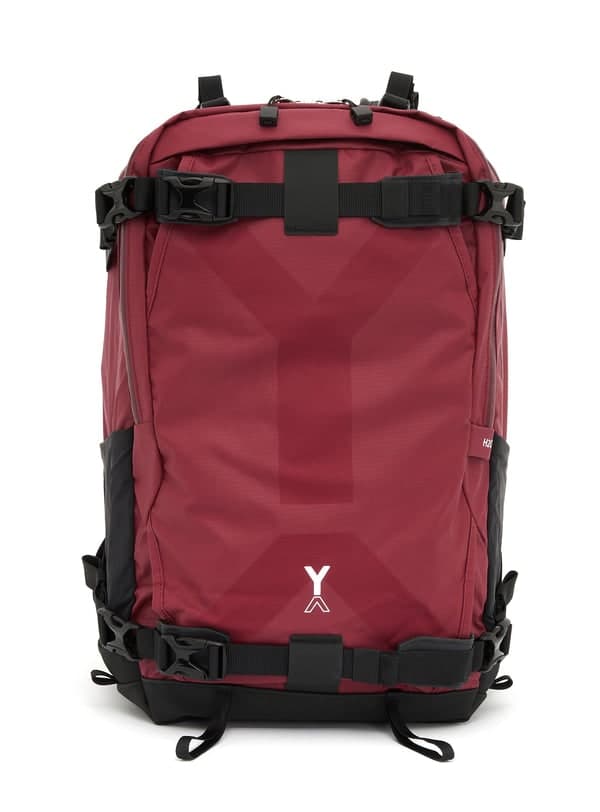
Nya-Evo Fjord 36
Outdoor and landscape shooters who hike to their locations.
Check price at Nya-EvoThe Nya-Evo Fjord 36 is the spacious travel and adventure option when a day kit has to share space with clothing, a drone, or camping essentials. Its removable camera insert lets the pack change jobs between shoots, while the larger capacity suits longer trips than a compact camera backpack. It is bulkier than a dedicated daypack and the price is high, so it makes sense when you will actually use the extra room rather than carry empty volume.
Research pick
WANDRD ROGUE 9L Sling V2
Shooters who want sling access with room for a full-frame kit.
Check price at AmazonThe current WANDRD ROGUE 9L Sling V2 is the large sling option for a full-frame body and several lenses. The main compartment opens quickly, the exterior carries a tripod or bottle, and the weather-resistant shell suits travel. Its 9L size is bulky on a small frame, and carrying a laptop safely requires WANDRD's optional case, so buy it when you need the space rather than as an everyday minimal bag.
Research pick
Think Tank Photo Retrospective 5 V2
Street and documentary shooters who want fast, low-key access.
Check price at AmazonThe Think Tank Retrospective 5 V2 is the discreet shoulder bag for street and documentary work. The canvas styling does not read as a camera bag, the hook-and-loop flaps have a quiet option for low-key shooting, and top access is fast. It holds a body and two or three lenses; the single strap tires on long days, so it suits short walks and fast access over all-day hauling.
Common mistakes
The most common one is buying purely on capacity and ending up with a bag too slow or too heavy to use, so the camera stays home. Buy for how you carry. The second is skipping side or rear access, then setting the bag in the dirt every time you swap a lens. The third is ignoring fit: an uncomfortable harness turns a long shoot into a chore, and no amount of padding inside fixes a strap that digs in.
A sling or shoulder bag pairs naturally with fast, light shooting, so it fits the street photography workflow, while a hiking pack suits the travel photography approach of carrying gear all day to the location.
Backpack, sling, or shoulder bag?
Match it to how you shoot. A backpack carries the most and is most comfortable for travel and hiking, but you take it off for access. A sling swings to the front for fast access with a lean kit. A shoulder bag gives the quickest top access but tires one shoulder. Many photographers own a backpack for big days and a sling for light ones.
How big a camera bag do I need?
Count your body, your lenses, and whether you carry a laptop, then leave a little room to grow. A single mirrorless body and a couple of lenses fits a 6 to 15 liter sling or small backpack. A two-body working kit needs 20 to 30 liters or more. Bigger is not better if it stays half empty and heavy.
Do I need a weatherproof camera bag?
If you shoot outdoors, yes. A weather-resistant shell or an included rain cover keeps moisture off the gear in a sudden shower. Bags like the Peak Design Everyday line and the WANDRD PRVKE use weatherproof materials; packs aimed at pros and hikers usually include or accept a rain cover.
Source
The current sling dimensions, materials, and included dividers were checked against WANDRD's ROGUE 9L Sling V2 specifications.
Compare picks
The short version
Use this to narrow the list before opening the detailed cards.
Scores weigh fit, owner sentiment, build, and value. Affiliate links do not change pick order. Methodology
Buying order
Start with the skip note. A good deal on the wrong camera is still the wrong camera.
Compare verdictsIf you already own lenses, check the system path before buying into a new mount.
Check systemsOnce the fit makes sense, compare current deals and retailer listings.
Check current deals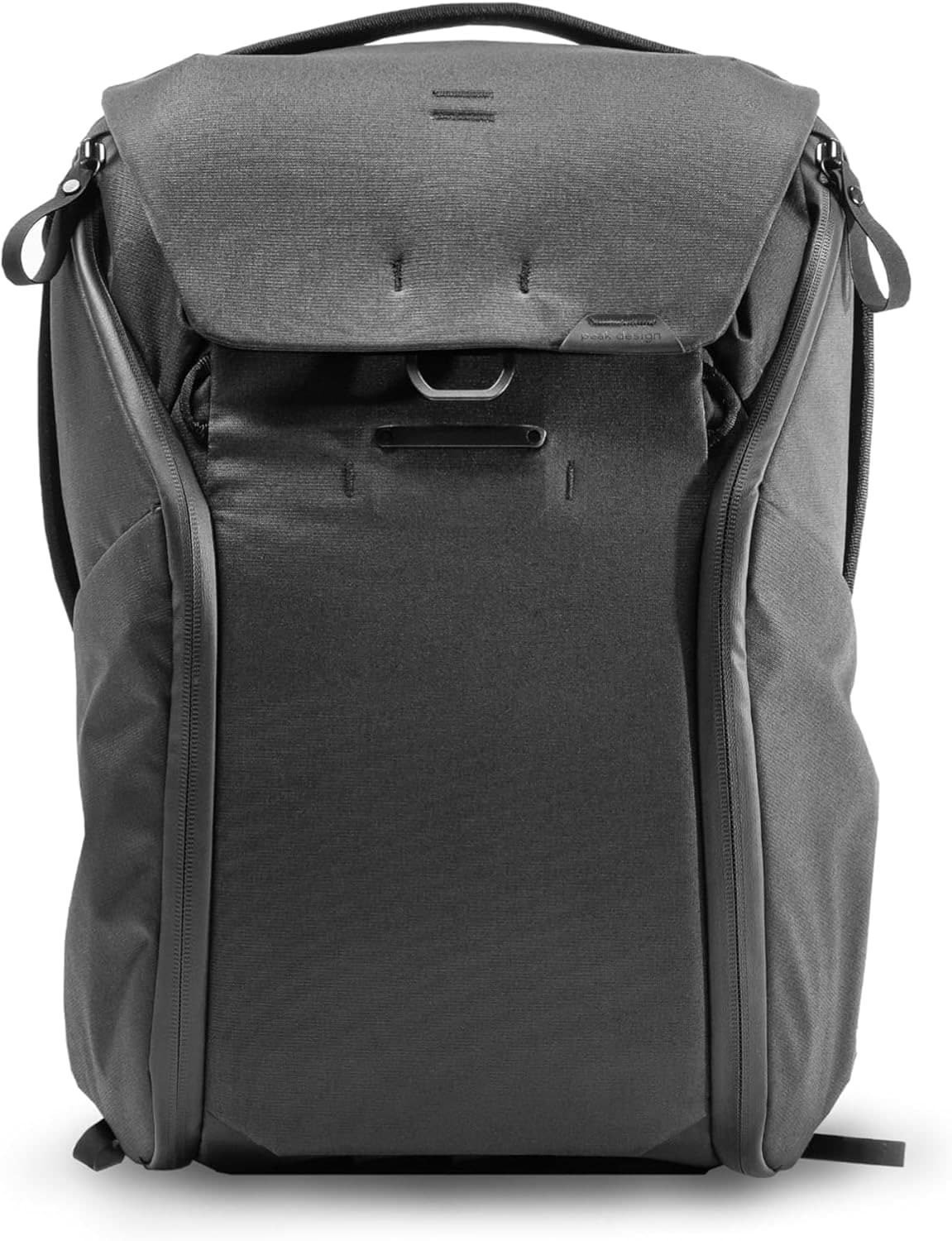
Photographers who want one bag for commuting and a half-day shoot.
Use the retailer for the current price after the tradeoff makes sense. Confirm lens mount, sensor format, battery, charger, and kit contents.
Tradeoff: Limited capacity
Use the retailer for the current price after the tradeoff makes sense. Confirm lens mount, sensor format, battery, charger, and kit contents.
Travel photographers who want one bag for gear and clothes.
Use the retailer for the current price after the tradeoff makes sense. Confirm lens mount, sensor format, battery, charger, and kit contents.
Mirrorless shooters carrying a lean kit who want a slim profile.
Use the retailer for the current price after the tradeoff makes sense. Confirm lens mount, sensor format, battery, charger, and kit contents.
Price ladder
The useful range here runs from $115 to $315. Start with the ceiling that matches the assignment.
- Photographers who want one bag for commuting and a half-day shoot.
- Fast dual side access
- Premium price
Use the retailer for the current price after the tradeoff makes sense. Confirm lens mount, sensor format, battery, charger, and kit contents.
- Mirrorless shooters carrying a lean kit who want a slim profile.
- Compact and light
- Tight for full-frame zoom setups
Use the retailer for the current price after the tradeoff makes sense. Confirm lens mount, sensor format, battery, charger, and kit contents.
- Minimal shooters carrying one body and a prime.
- Quick swing-around access
- Limited capacity
Use the retailer for the current price after the tradeoff makes sense. Confirm lens mount, sensor format, battery, charger, and kit contents.
- Working pros who carry two bodies and a wall of lenses.
- Four-point access
- Heavier when loaded
Use the retailer for the current price after the tradeoff makes sense. Confirm lens mount, sensor format, battery, charger, and kit contents.
- Travel photographers who want one bag for gear and clothes.
- Roll-top expands capacity
- Cube often costs extra
Use the retailer for the current price after the tradeoff makes sense. Confirm lens mount, sensor format, battery, charger, and kit contents.
- Outdoor shooters who want a fitted harness and modular inserts.
- Adjustable harness length
- Core Unit usually costs extra
Use the retailer for the current price after the tradeoff makes sense. Confirm lens mount, sensor format, battery, charger, and kit contents.
- Traveling pros who roll a heavy kit rather than carry it.
- Meets common carry-on sizes
- No backpack straps
Use the retailer for the current price after the tradeoff makes sense. Confirm lens mount, sensor format, battery, charger, and kit contents.
- Outdoor and landscape shooters who hike to their locations.
- Rugged weatherproof build
- Expensive
Use the retailer for the current price after the tradeoff makes sense. Confirm lens mount, sensor format, battery, charger, and kit contents.
| Pick | Score | Price | Verdict | Action |
|---|---|---|---|---|
| Best Overall BagPeak Design Everyday Backpack V2 20L | 9.1
| $270 - $290 | Photographers who want one bag for commuting and a half-day shoot. Wins: Fast dual side access Skip: Premium price | Check Amazon · $270 - $290 Use the retailer for the current price after the tradeoff makes sense. Confirm lens mount, sensor format, battery, charger, and kit contents. |
| PickPeak Design Everyday Backpack Zip 15L | 8.8
| $150 - $175 | Mirrorless shooters carrying a lean kit who want a slim profile. Wins: Compact and light Skip: Tight for full-frame zoom setups | Check Amazon · $150 - $175 Use the retailer for the current price after the tradeoff makes sense. Confirm lens mount, sensor format, battery, charger, and kit contents. |
| Best SlingPeak Design Everyday Sling 6L V2 | 8.7
| $100 - $130 | Minimal shooters carrying one body and a prime. Wins: Quick swing-around access Skip: Limited capacity | Check Amazon · $100 - $130 Use the retailer for the current price after the tradeoff makes sense. Confirm lens mount, sensor format, battery, charger, and kit contents. |
 PickLowepro ProTactic BP 450 AW III PickLowepro ProTactic BP 450 AW III | 8.7
| $300 - $330 | Working pros who carry two bodies and a wall of lenses. Wins: Four-point access Skip: Heavier when loaded | Check Amazon · $300 - $330 Use the retailer for the current price after the tradeoff makes sense. Confirm lens mount, sensor format, battery, charger, and kit contents. |
| PickWANDRD PRVKE 31L Photography Bundle | 8.9
| $220 - $240 | Travel photographers who want one bag for gear and clothes. Wins: Roll-top expands capacity Skip: Cube often costs extra | Check Amazon · $220 - $240 Use the retailer for the current price after the tradeoff makes sense. Confirm lens mount, sensor format, battery, charger, and kit contents. |
 PickShimoda Action X30 V2 PickShimoda Action X30 V2 | 8.8
| $295 - $340 | Outdoor shooters who want a fitted harness and modular inserts. Wins: Adjustable harness length Skip: Core Unit usually costs extra | Check Amazon · $295 - $340 Use the retailer for the current price after the tradeoff makes sense. Confirm lens mount, sensor format, battery, charger, and kit contents. |
 PickThink Tank Photo Airport Advantage PickThink Tank Photo Airport Advantage | 8.8
| $330 - $380 | Traveling pros who roll a heavy kit rather than carry it. Wins: Meets common carry-on sizes Skip: No backpack straps | Check Amazon · $330 - $380 Use the retailer for the current price after the tradeoff makes sense. Confirm lens mount, sensor format, battery, charger, and kit contents. |
 PickNya-Evo Fjord 36 PickNya-Evo Fjord 36 | 8.7
| $320 - $380 | Outdoor and landscape shooters who hike to their locations. Wins: Rugged weatherproof build Skip: Expensive | Check Nya-Evo · $320 - $380 Use the retailer for the current price after the tradeoff makes sense. Confirm lens mount, sensor format, battery, charger, and kit contents. |
Shoot kits
Buy around the job, not the spec sheet
Travel landscape
Travel landscape kit
$4,465
A light full-frame body, wide zoom, serious travel tripod, filters, and a bag that can handle rough days outside.
Light but not flimsy
Buy order: start with the first piece that makes the job possible, then add the support pieces that remove friction.
Camera: start here. If this piece does not make the shoot easier, the rest of the kit can wait.
Carry: add it after the core setup proves useful.
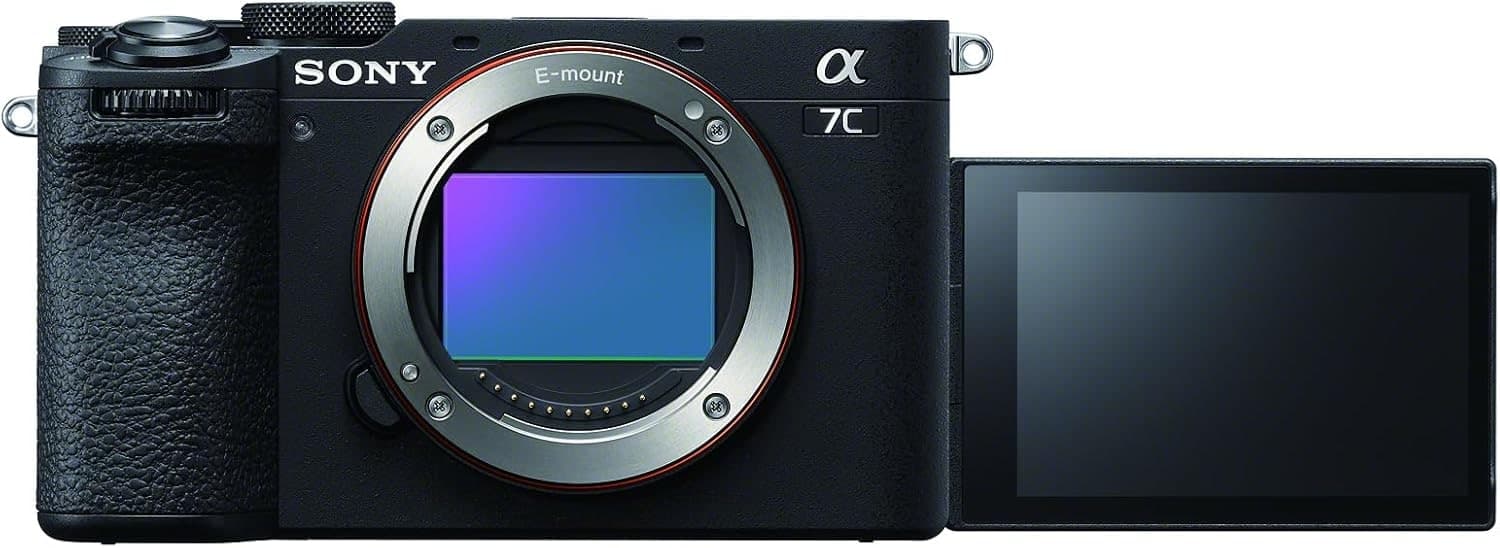
Sony a7C II
Full-frame files in a smaller body, with autofocus and stabilization that travel well.
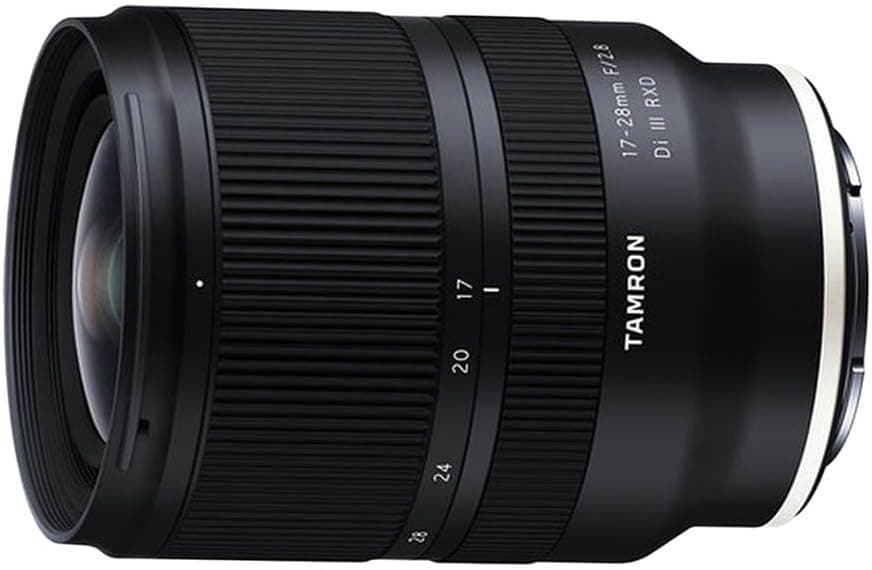
Tamron 17-28mm f/2.8 Di III RXD
Wide enough for landscapes and interiors without the size of a premium 16-35mm.
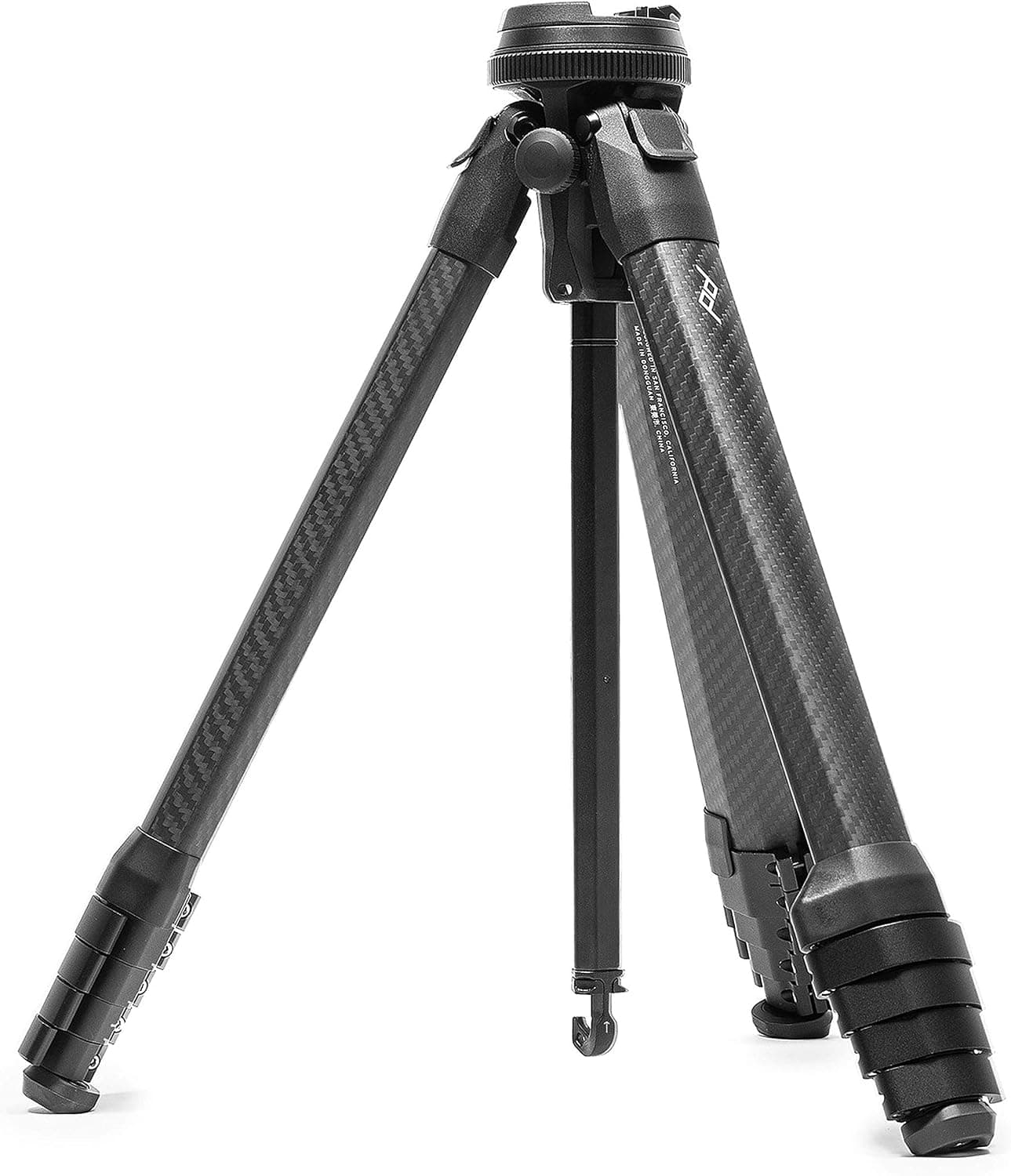
Peak Design Travel Tripod (Carbon)
The point of a travel tripod is bringing it. This one packs small and stays serious.
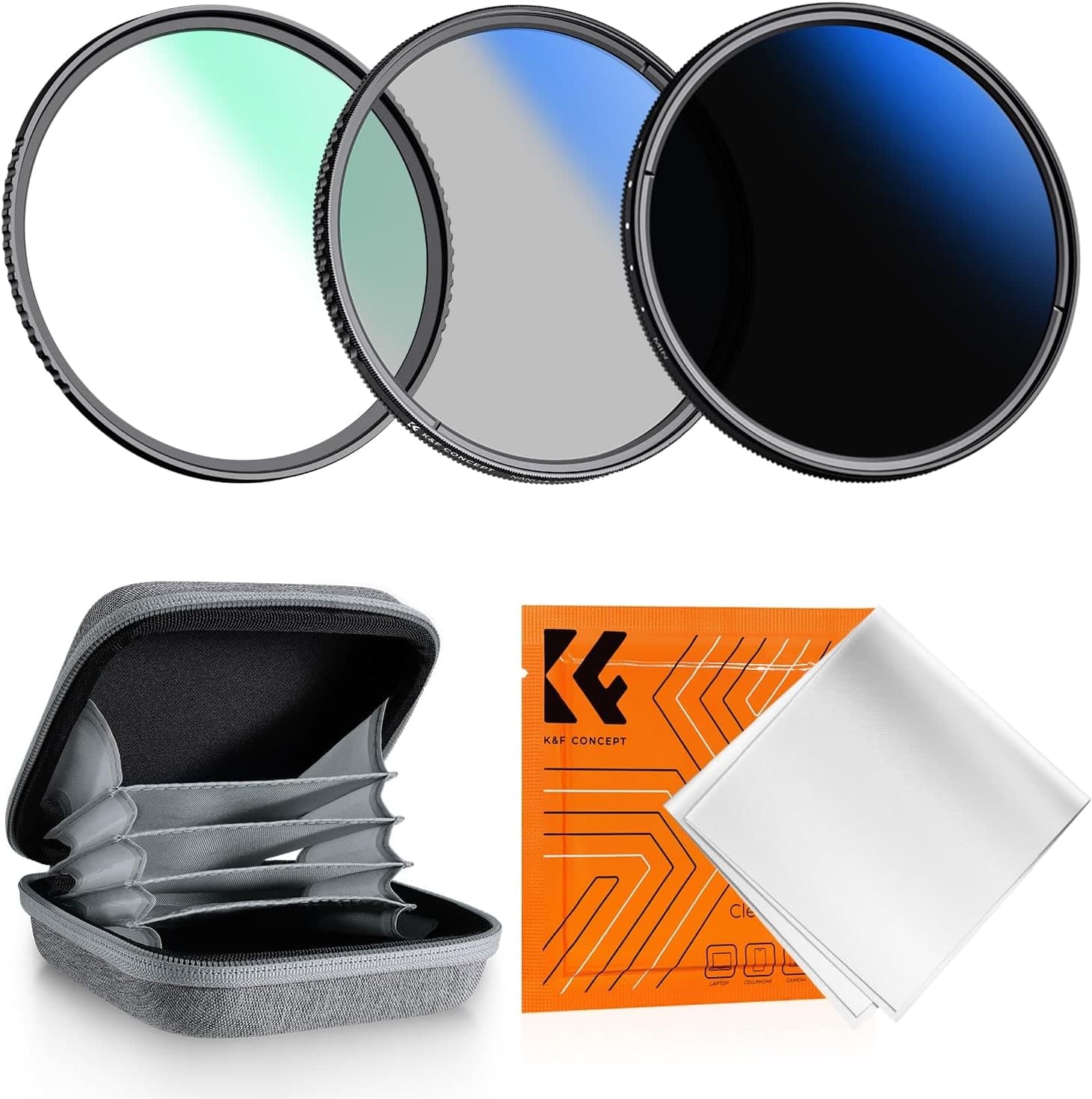
K&F Concept 77mm UV/CPL/ND2-400 Filter Kit
CPL and ND coverage for water, skies, reflections, and slower shutters.
Shimoda Action X30 V2
A real harness matters once camera gear and outdoor layers share the same bag.
Prices are rough catalog totals. Retailer prices change, and you can swap pieces to fit your system.
Related Gear guides
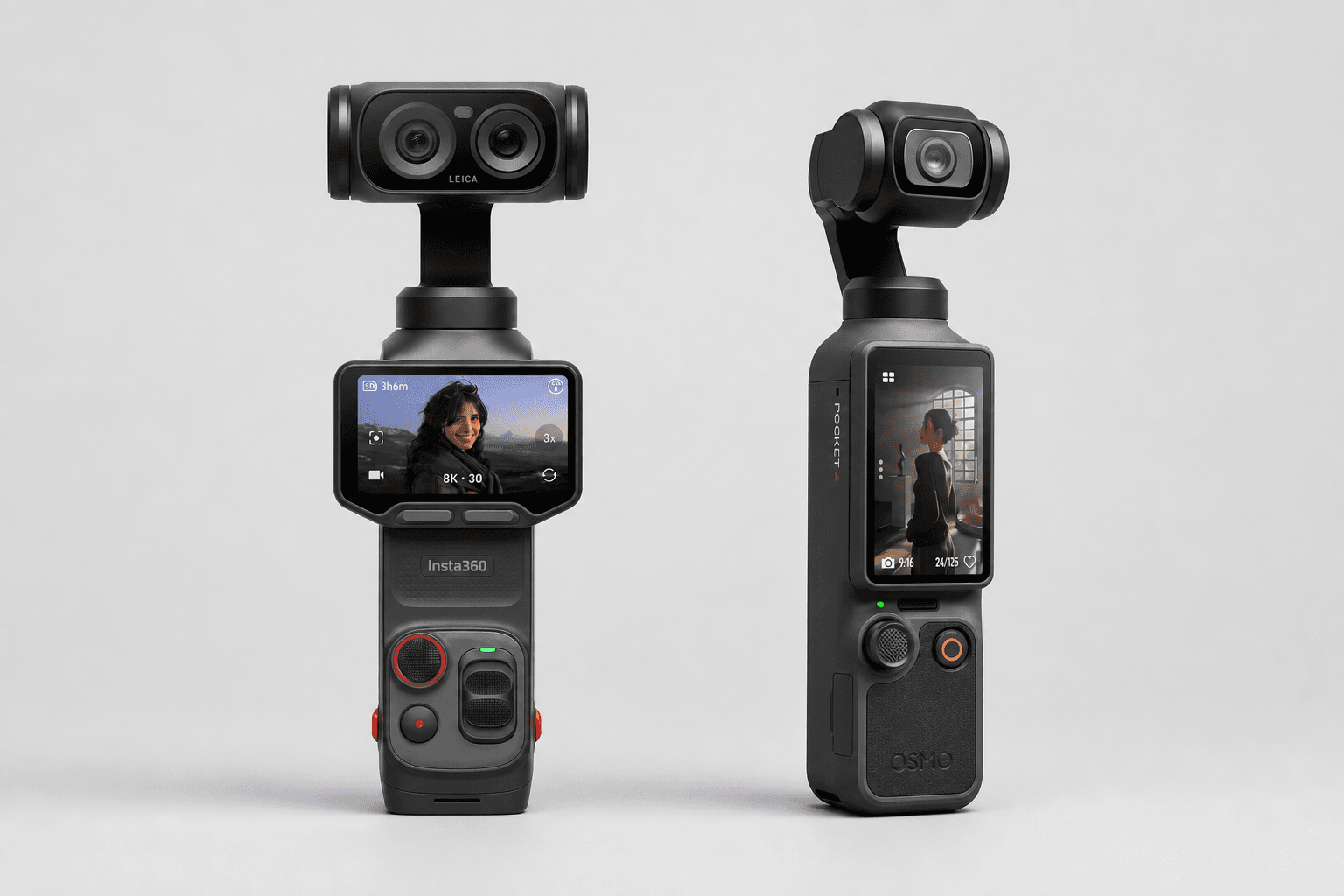
Insta360 Luna Ultra vs DJI Osmo Pocket 4: Which Pocket Gimbal Should You Buy?
Compare Luna Ultra and DJI Pocket 4 by lenses, video, Log formats, storage, U.S. availability, and the filming jobs each pocket gimbal handles best.
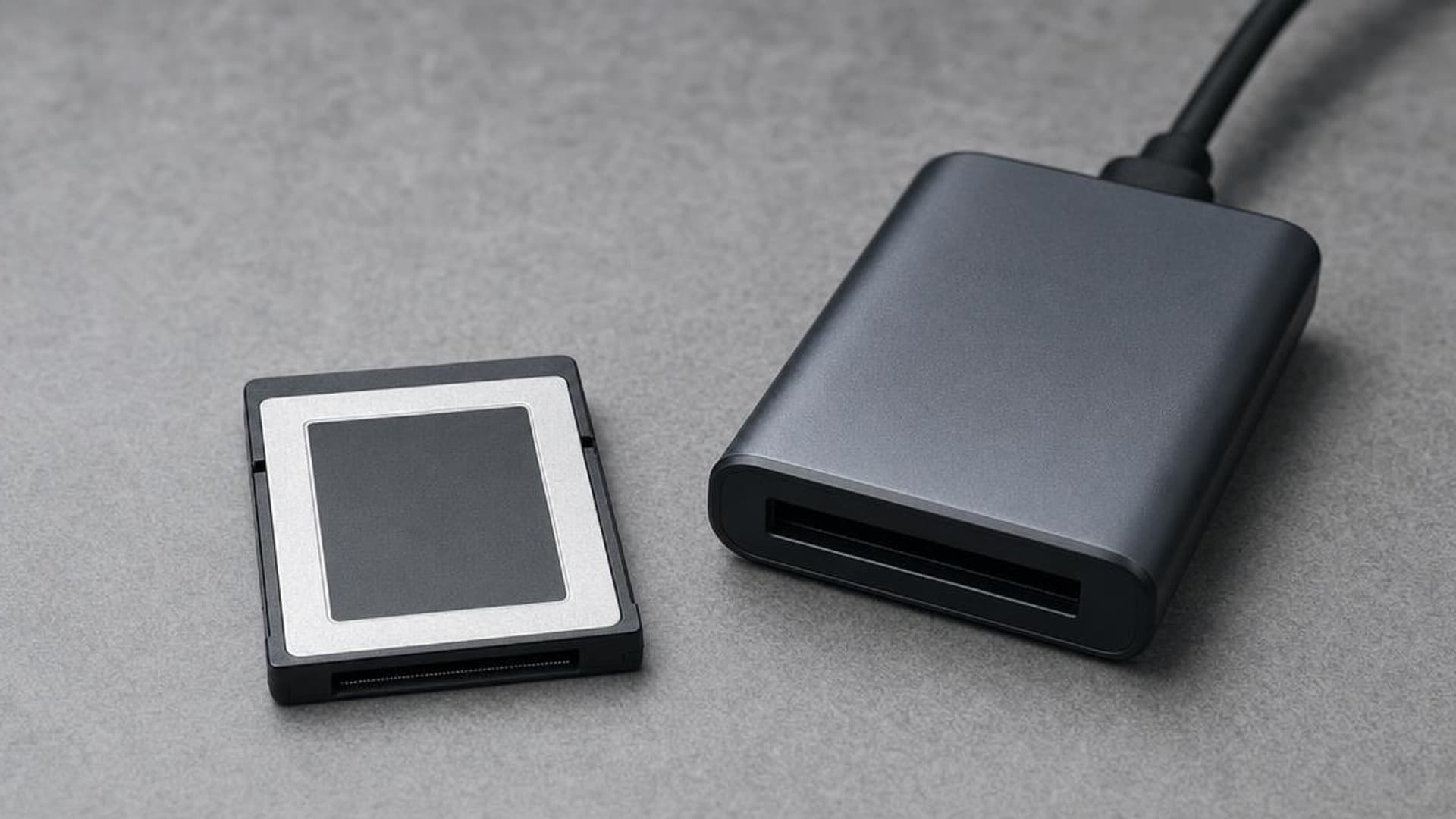
CFexpress 4.0 and VPG Explained: Buy the Card Your Camera Needs
CFexpress 4.0 doubles theoretical bandwidth, while VPG certifies sustained video writes. Learn Type A vs B, VPG classes, and when 4.0 is worth paying for.
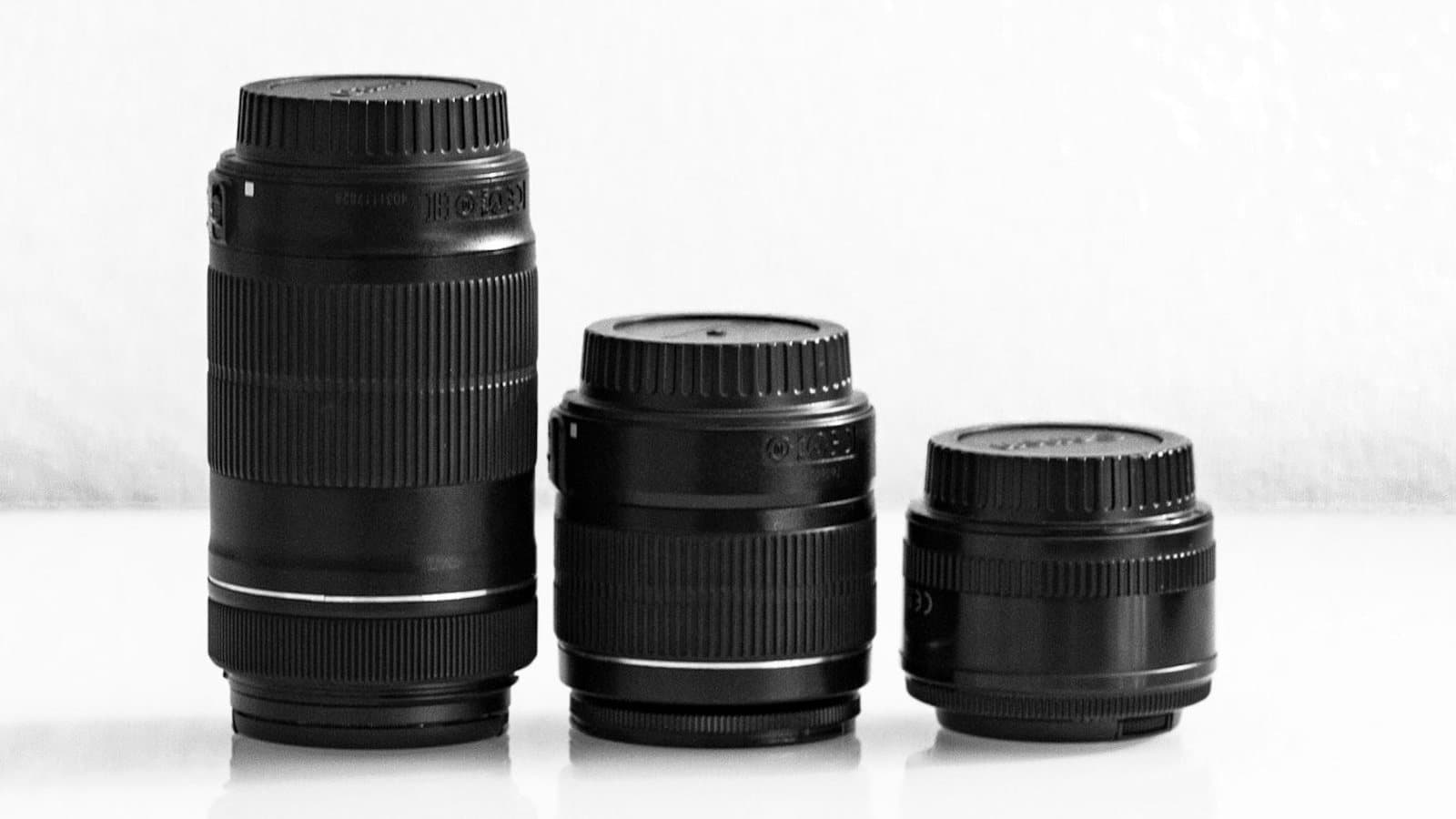
Focal Length Explained: What 24mm, 50mm, 85mm, and 200mm Actually Do
What the millimeter number on a lens changes in the field: angle of view, compression, and working distance. When to reach for 24, 50, 85, or 200mm.
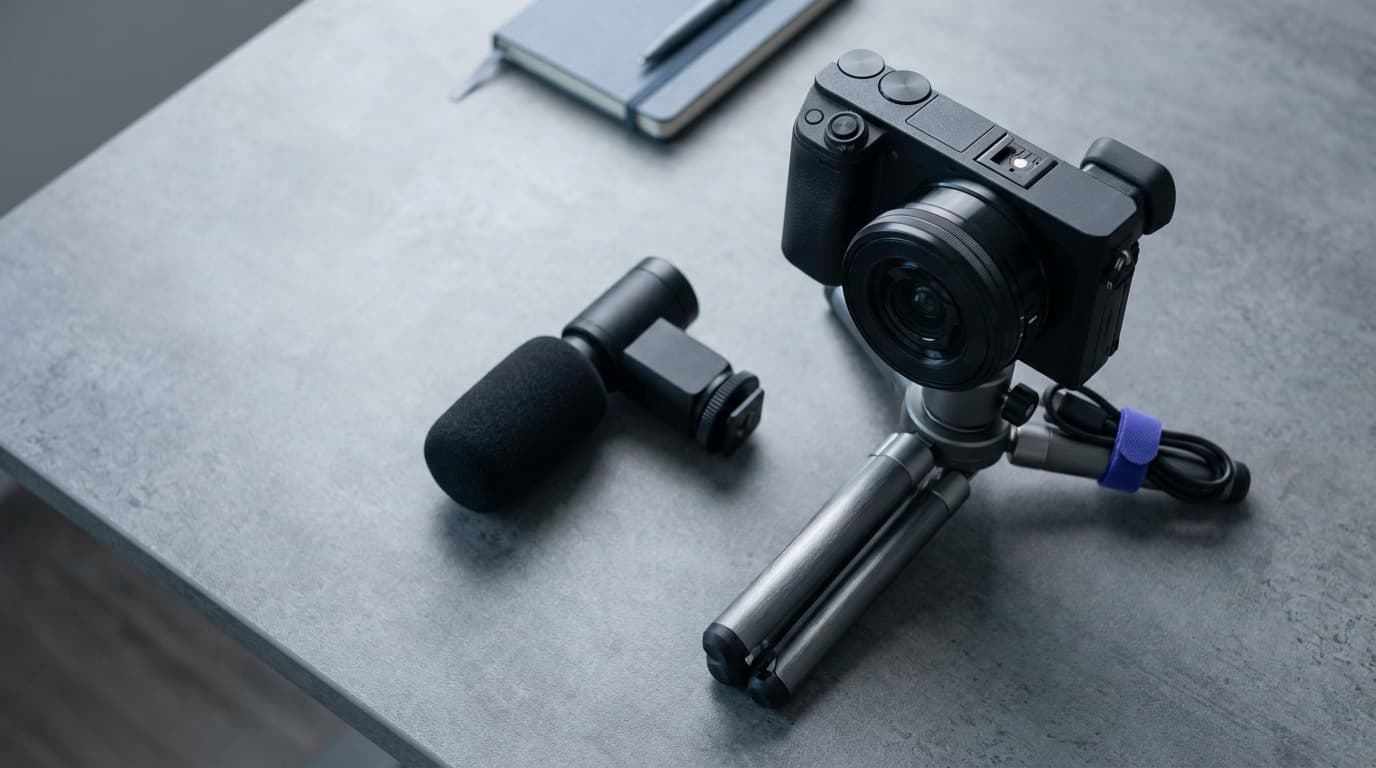
Canon EOS R50 V vs Sony ZV-E10 II: Which Beginner Vlogging Camera Should You Buy?
Canon EOS R50 V is the easier beginner creator kit. Sony ZV-E10 II is the deeper lens-system pick. Compare the practical tradeoffs.
Researched, not personally tested: picks compare specifications, available owner feedback, and established expert sources. As an Amazon Associate I earn from qualifying purchases. We may earn a commission from links here, at no extra cost to you. How we research →