We may earn a commission from links on this page, at no extra cost to you. Picks are researched, not sponsored.
The single biggest thing separating snapshots from controlled photos is reading the light. The camera does not know whether you are standing in a soft sunset or under a midday sun that is blowing out the sky. You do. This guide breaks the day into seven common lighting conditions, each with its own problem, its own settings, and its own fix.
If the controls below are not yet second nature, work through the exposure triangle first. Everything here is just those three controls (aperture, shutter speed, and ISO) applied to a specific kind of light.
Interactive Light Lab. Enable JavaScript to relight the scene and compare exposures.
The seven conditions
Each of these has its own page with the problem, the settings in plain numbers, the fix, and the gear that helps.
- Golden hour: the hour after sunrise and before sunset. Soft, warm, directional. The easiest light to make look good, and the shortest-lived.
- Harsh midday sun: high overhead, high contrast, hard shadows. The light most beginners struggle with.
- Overcast and flat light: a cloudy sky acts as a giant softbox. Even and forgiving, but it can read as dull if you do not work for color and contrast.
- Low indoor light: rooms are darker than they look. This is where you trade noise against blur and learn where your gear gives out.
- Backlight and silhouettes: the light source is behind your subject. It either glows or goes black, depending on what you tell the meter to do.
- Night: almost no light at all. A tripod and a long exposure replace the handheld habits that stop working after dark.
- Mixed and artificial light: window daylight, warm lamps, and fluorescent tubes in one room. The exposure is easy; the color is the problem.
How to read any light in three questions
Before you touch a dial, ask three things about the light in front of you.
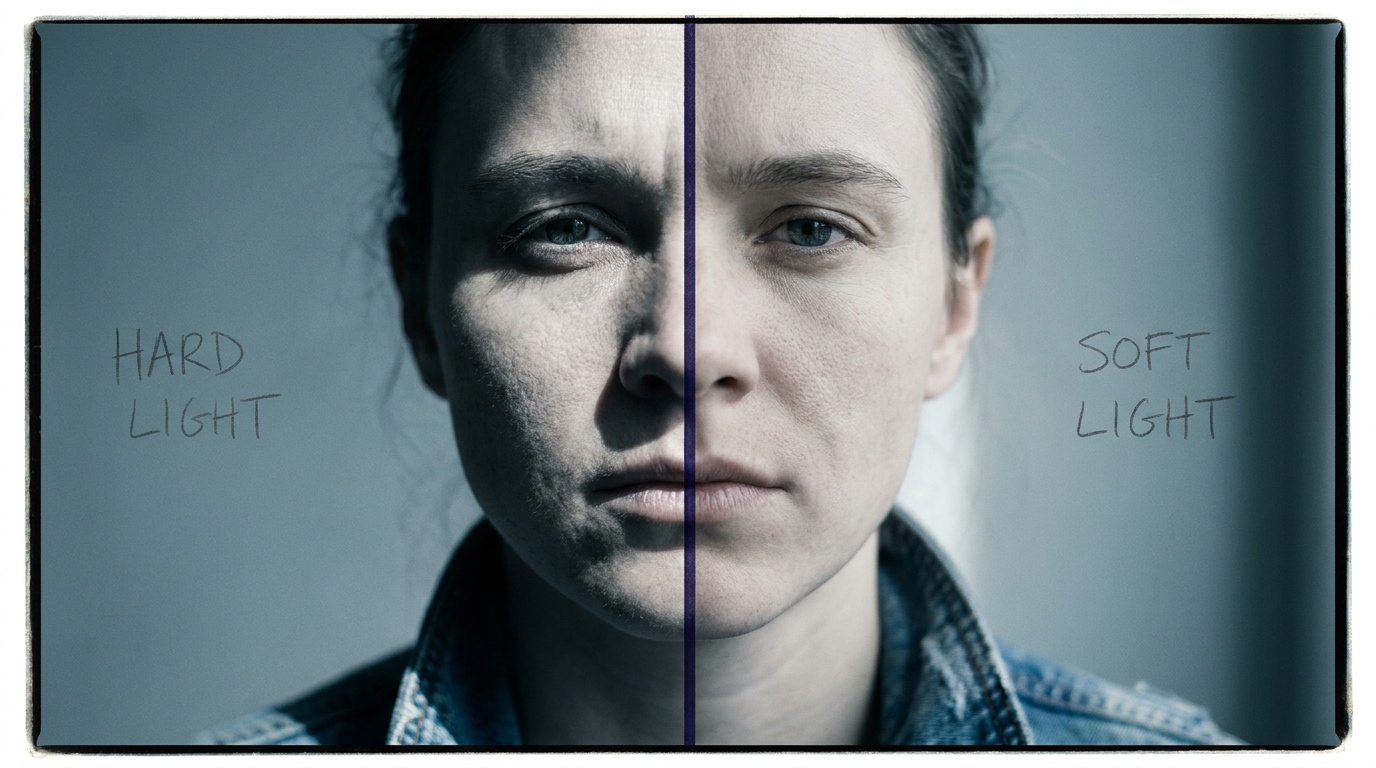
First, how hard is it? Hard light comes from a small or distant source like the bare sun and makes sharp-edged shadows. Soft light comes from a large or diffused source like an overcast sky or a window and makes gentle shadows. Hard light needs taming; soft light needs shaping.
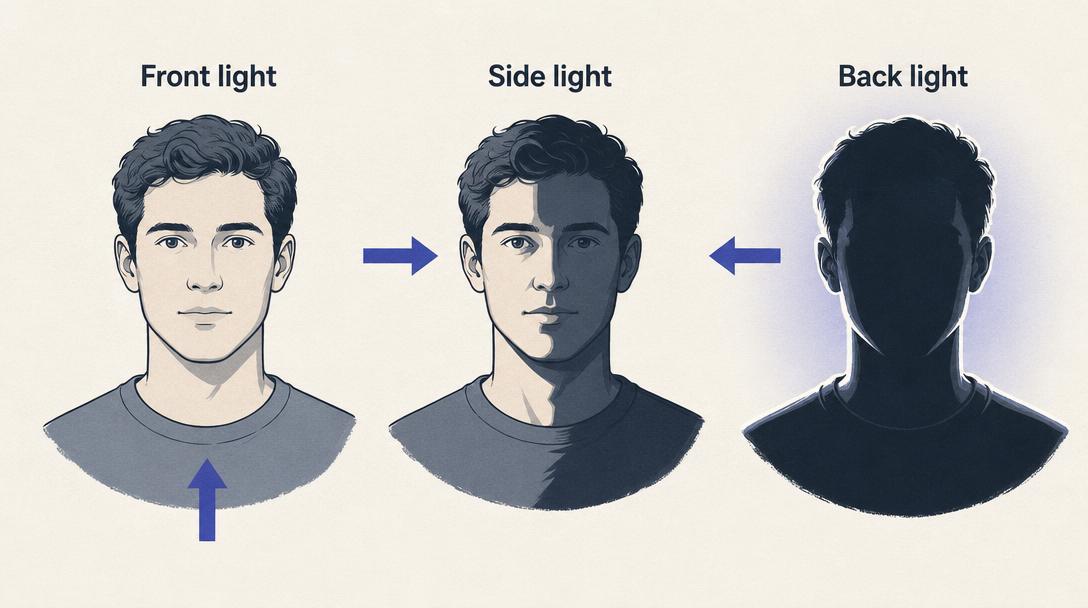
Second, where is it coming from? Front light is flat and safe. Side light shows texture and depth. Backlight is dramatic and risky. The direction decides where your shadows fall and what your meter does.
Third, how much of it is there? This sets your floor. Bright scenes let you keep ISO low and your shutter speed fast. Dark scenes force a choice: open the aperture, slow the shutter, or raise ISO, and each costs you something.
Direction changes the whole photo
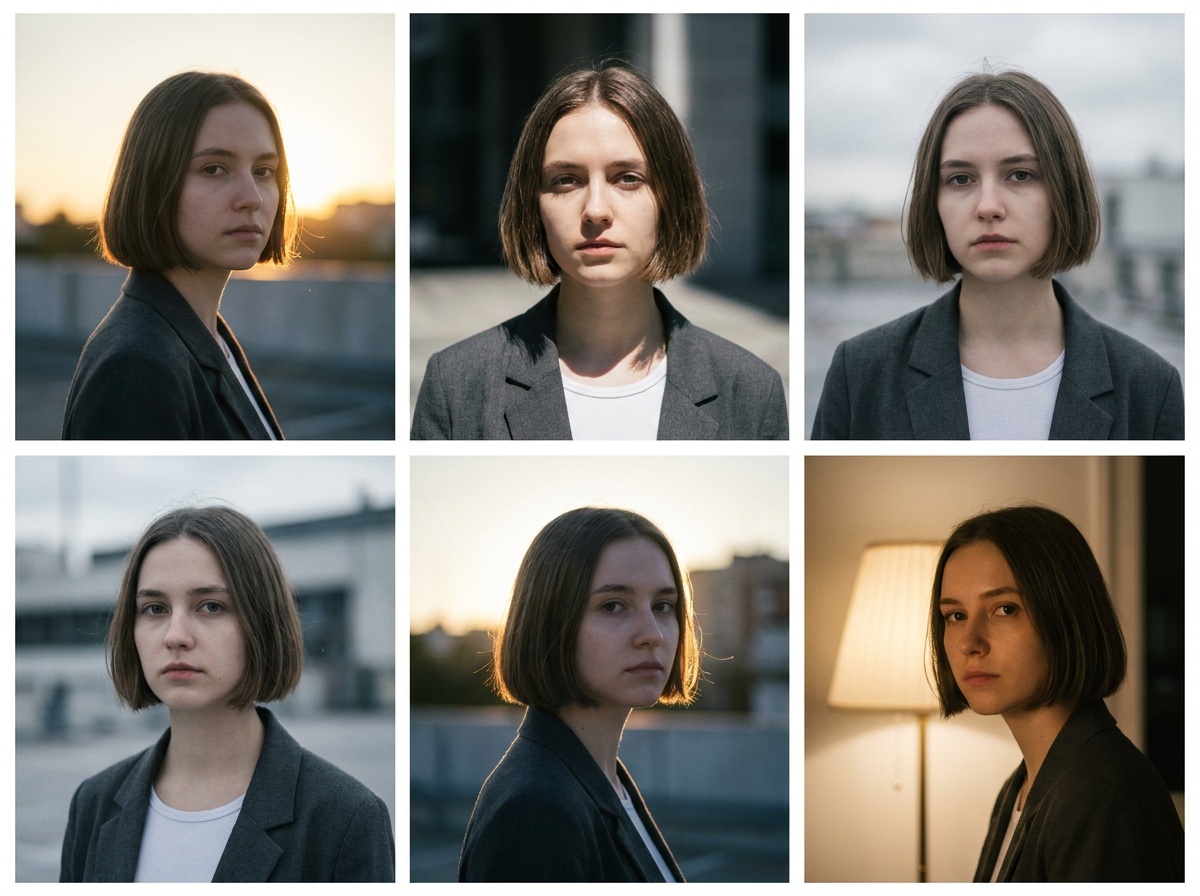
Of the three questions, direction is the one beginners notice last and that changes the photo most. The same soft window light is flat and forgettable from the front, sculptural from the side, and a glowing rim from behind. Moving yourself or your subject a few feet to change the angle to the light does more than any slider. Side light rakes across texture and gives a face depth; backlight separates a subject from its background and can turn ordinary hair into a bright halo.
A starting exposure for each condition
The numbers below are baselines, not gospel. They assume a standard lens and a still subject; adjust shutter speed up for motion and ISO up as the light drops.
- Golden hour, open:
f/4 · 1/500 · ISO 200, then warm the white balance to taste. - Harsh midday:
f/8 · 1/1000 · ISO 100, expose for the highlights and put faces in shade. - Overcast:
f/5.6 · 1/250 · ISO 400, the meter is reliable here so trust it. - Low indoor:
f/2.8 · 1/125 · ISO 1600, the trade-off zone between noise and blur. - Night, on a tripod:
f/8 · several seconds · ISO 100, motion blur is now a creative choice.
Where this fits
Light is the bridge between knowing your settings and getting consistent results in the field. Pair this cluster with a genre you actually shoot: real estate photography lives and dies on window light and bracketing, while portrait photography is mostly about choosing the right light for a face. The color half of reading light is its own skill; see understanding white balance and color temperature and Kelvin for how each of these conditions shifts the color, not just the brightness.
What is the easiest light for a beginner?
Overcast or open shade. The light is soft and even, your meter is reliable, and there are no harsh shadows or blown highlights to fight. Golden hour looks better but moves fast and is less forgiving of slow setup.
Do I need to change settings every time the light changes?
Usually yes, at least one. The exception is when you are in aperture-priority or shutter-priority mode and let the camera track brightness for you. Even then, you decide things the meter cannot, such as whether a backlit subject should glow or go to silhouette.
Is there one camera setting that fixes bad light?
No. Settings control exposure, not the quality of the light itself. The real fixes are moving your subject, changing your angle to the light, waiting for a cloud, or adding your own light. The settings just record the choice you made.
What is the difference between hard and soft light?
Hard light comes from a small or distant source, like the bare midday sun, and makes sharp-edged, dark shadows. Soft light comes from a large or diffused source, like an overcast sky or a big window, and makes gentle, gradual shadows. Soft light flatters faces; hard light adds drama but needs careful handling.
Practice this
Turn the guide into a working setup
Keep going
Next useful steps
Pick one. Each link continues the same job without starting the research over.
Shoot kits
Buy around the job, not the spec sheet
Travel landscape
Travel landscape kit
$4,465
A light full-frame body, wide zoom, serious travel tripod, filters, and a bag that can handle rough days outside.
Light but not flimsy
Buy order: start with the first piece that makes the job possible, then add the support pieces that remove friction.
Camera: start here. If this piece does not make the shoot easier, the rest of the kit can wait.
Carry: add it after the core setup proves useful.
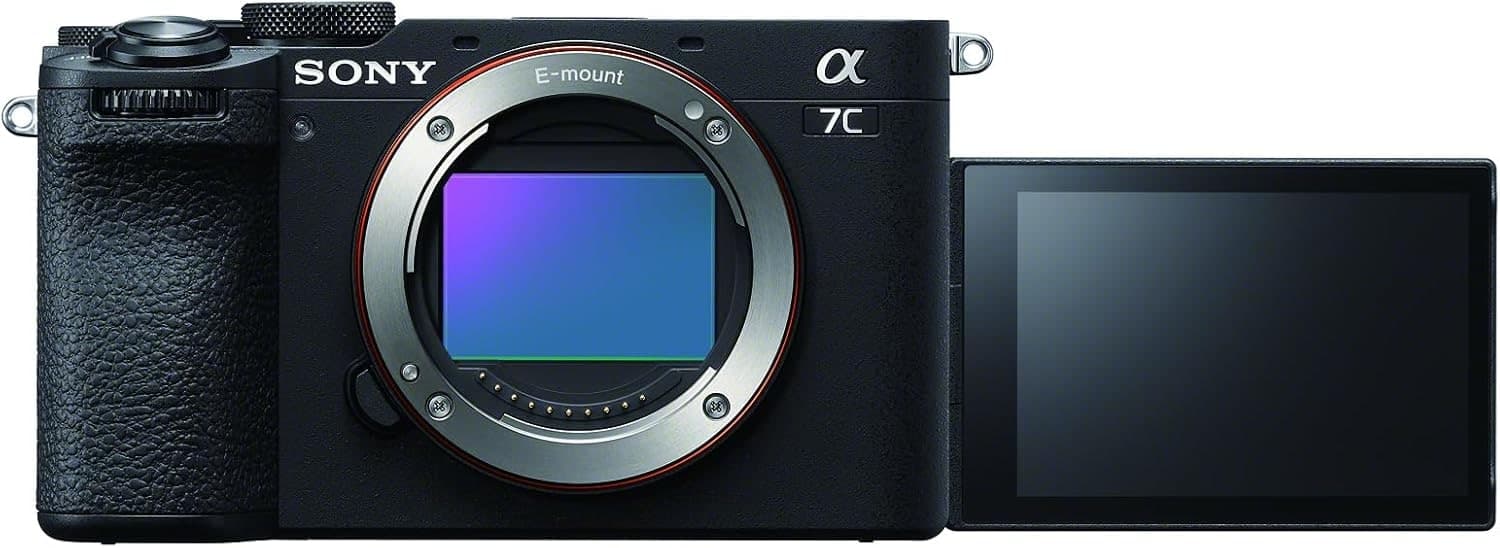
Sony a7C II
Full-frame files in a smaller body, with autofocus and stabilization that travel well.
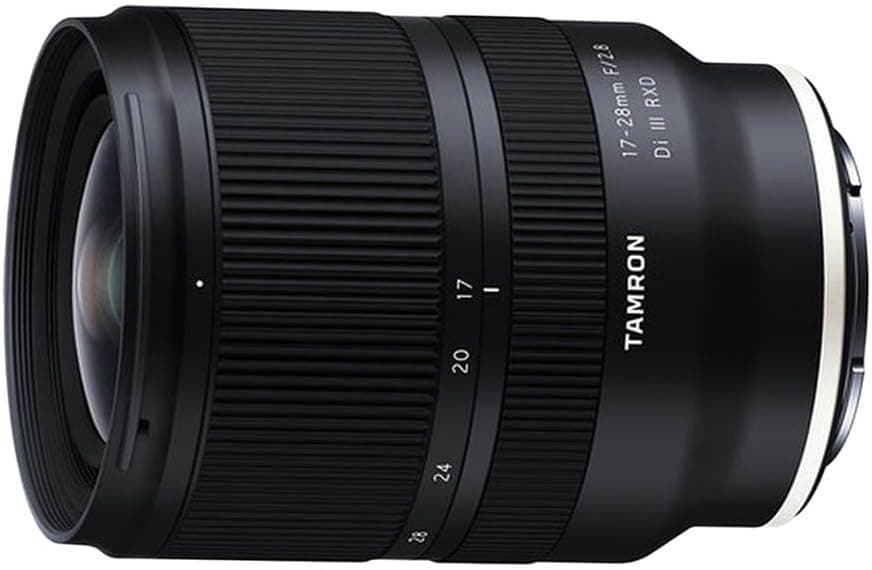
Tamron 17-28mm f/2.8 Di III RXD
Wide enough for landscapes and interiors without the size of a premium 16-35mm.
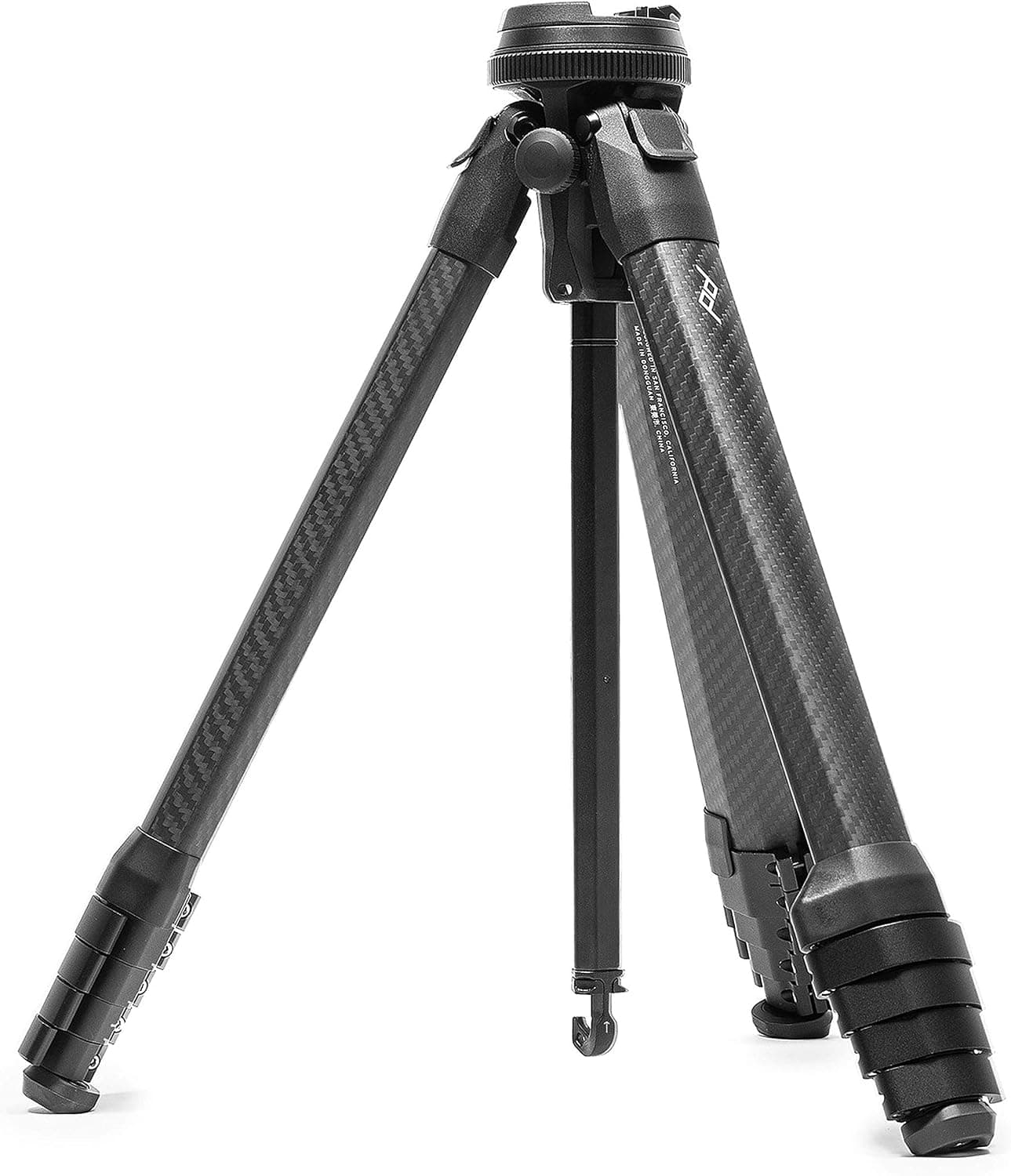
Peak Design Travel Tripod (Carbon)
The point of a travel tripod is bringing it. This one packs small and stays serious.
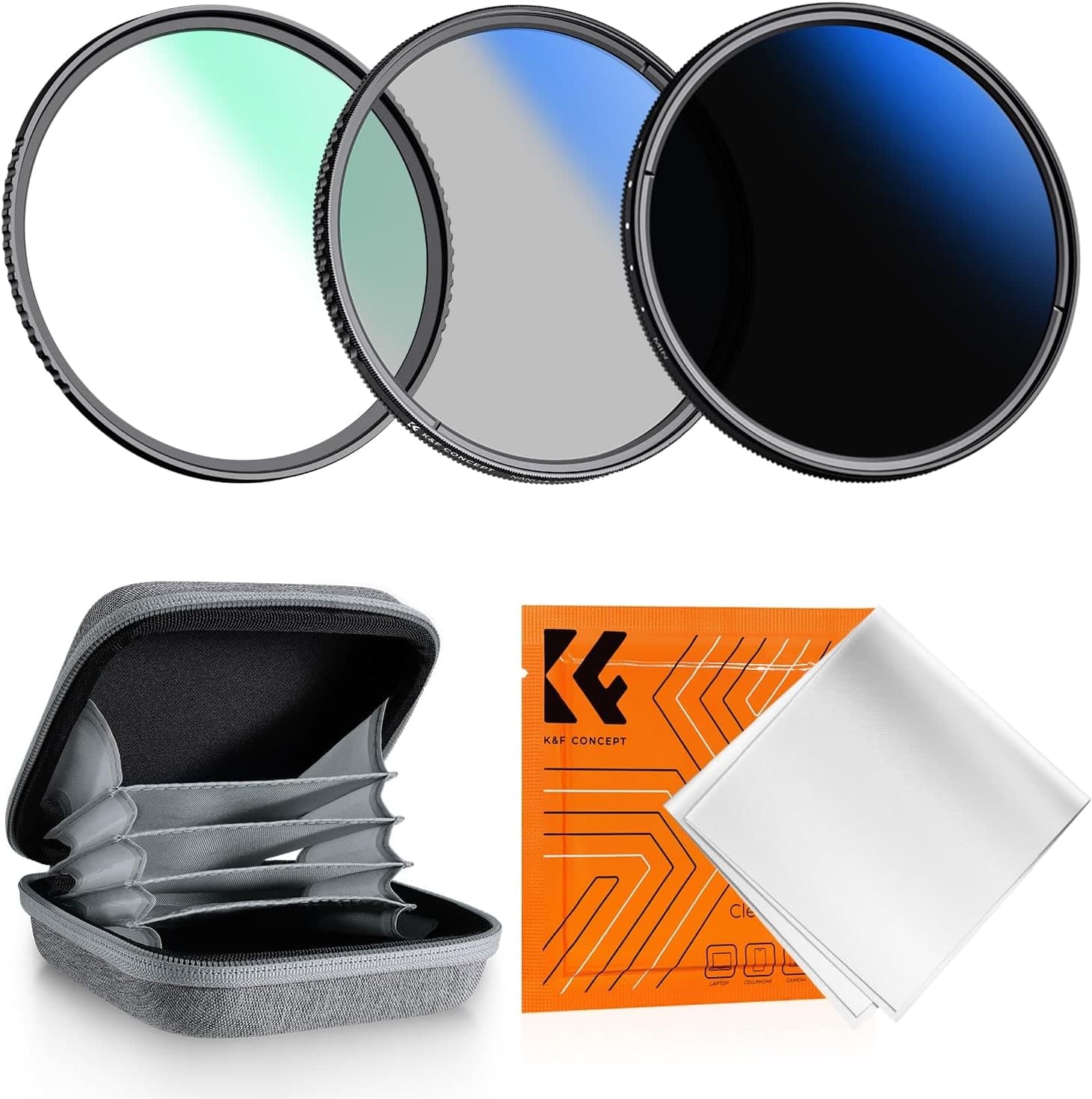
K&F Concept 77mm UV/CPL/ND2-400 Filter Kit
CPL and ND coverage for water, skies, reflections, and slower shutters.
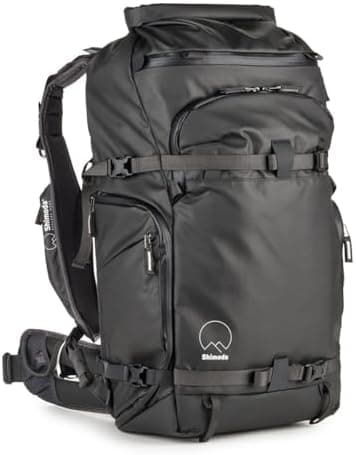
Shimoda Action X30 V2
A real harness matters once camera gear and outdoor layers share the same bag.
Prices are rough catalog totals. Retailer prices change, and you can swap pieces to fit your system.
Related Learn guides

Content Credentials and C2PA Explained for Photographers
Content Credentials record a photo's signed provenance and edits. Learn what C2PA proves, what it cannot prove, and how capture-to-export workflows work.
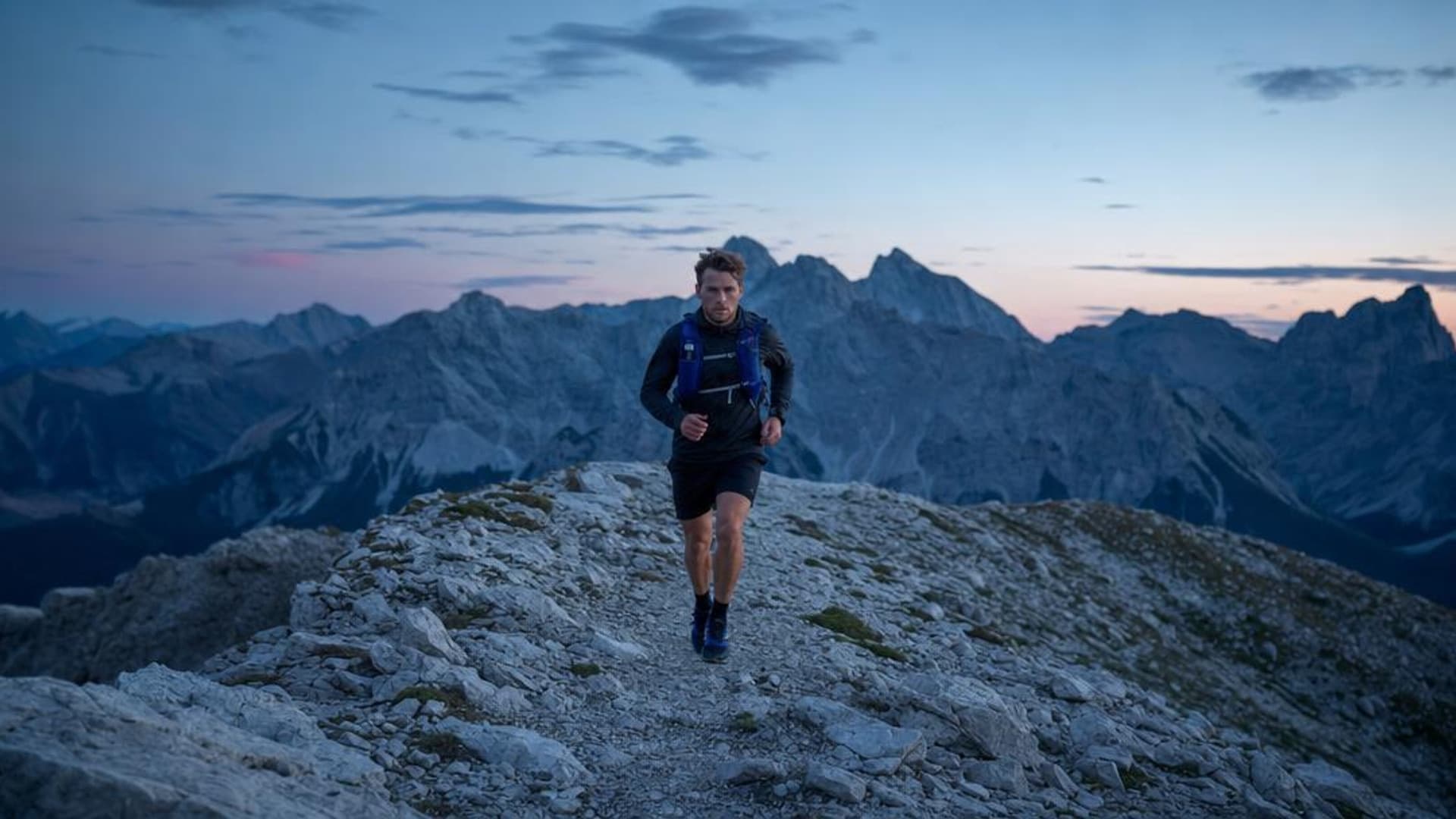
Open Gate Video Explained: When 3:2 Is Worth It
Open Gate records a taller sensor area for flexible 16:9, 9:16, and square crops. See when it helps, what it costs, and how to frame it correctly.
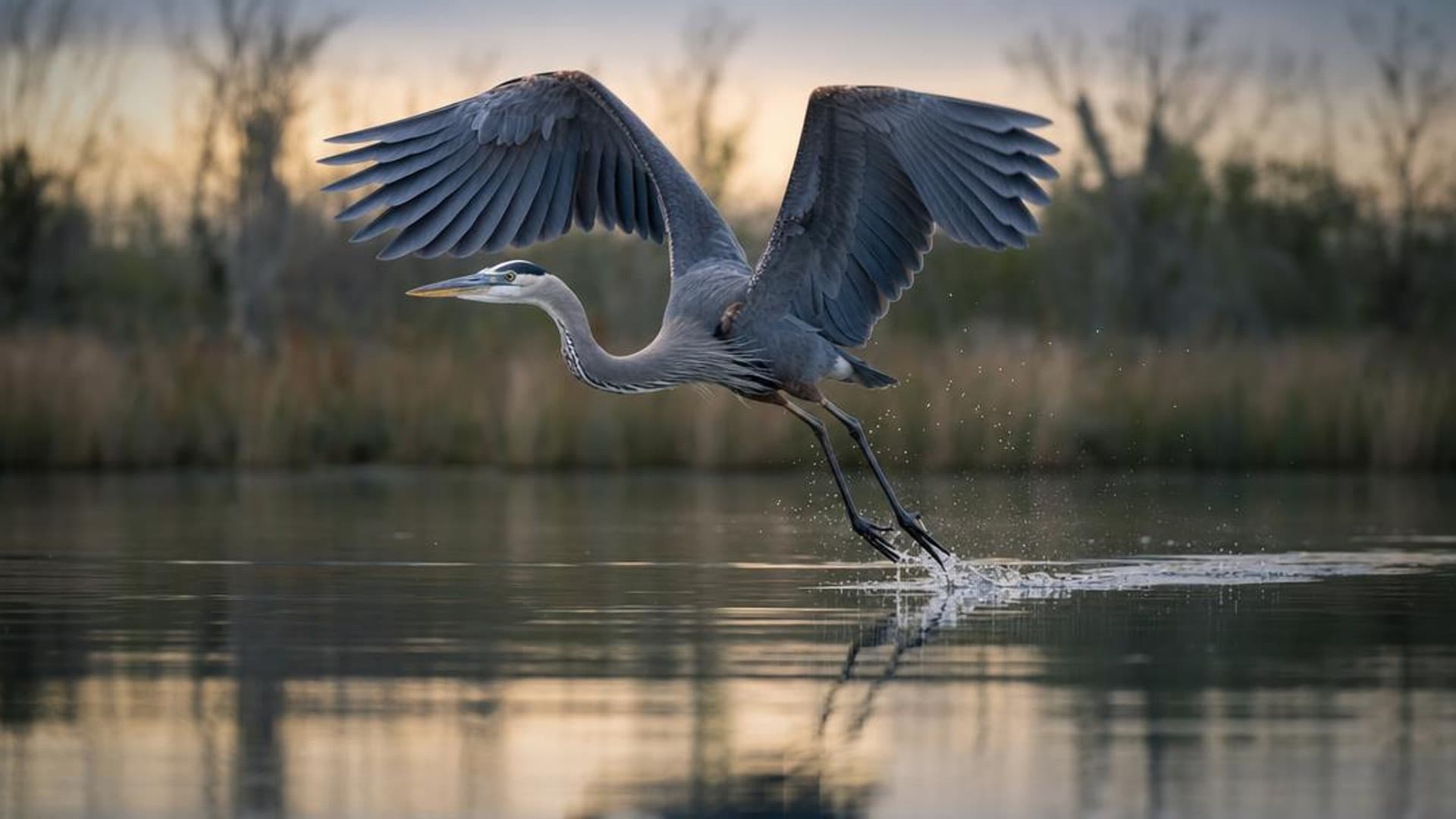
Pre-Capture Photography Explained: Get the Frame Before the Click
Pre-Capture buffers photos before the shutter is fully pressed. Learn how it works, which settings change, and when RAW, flash, or focus may be limited.
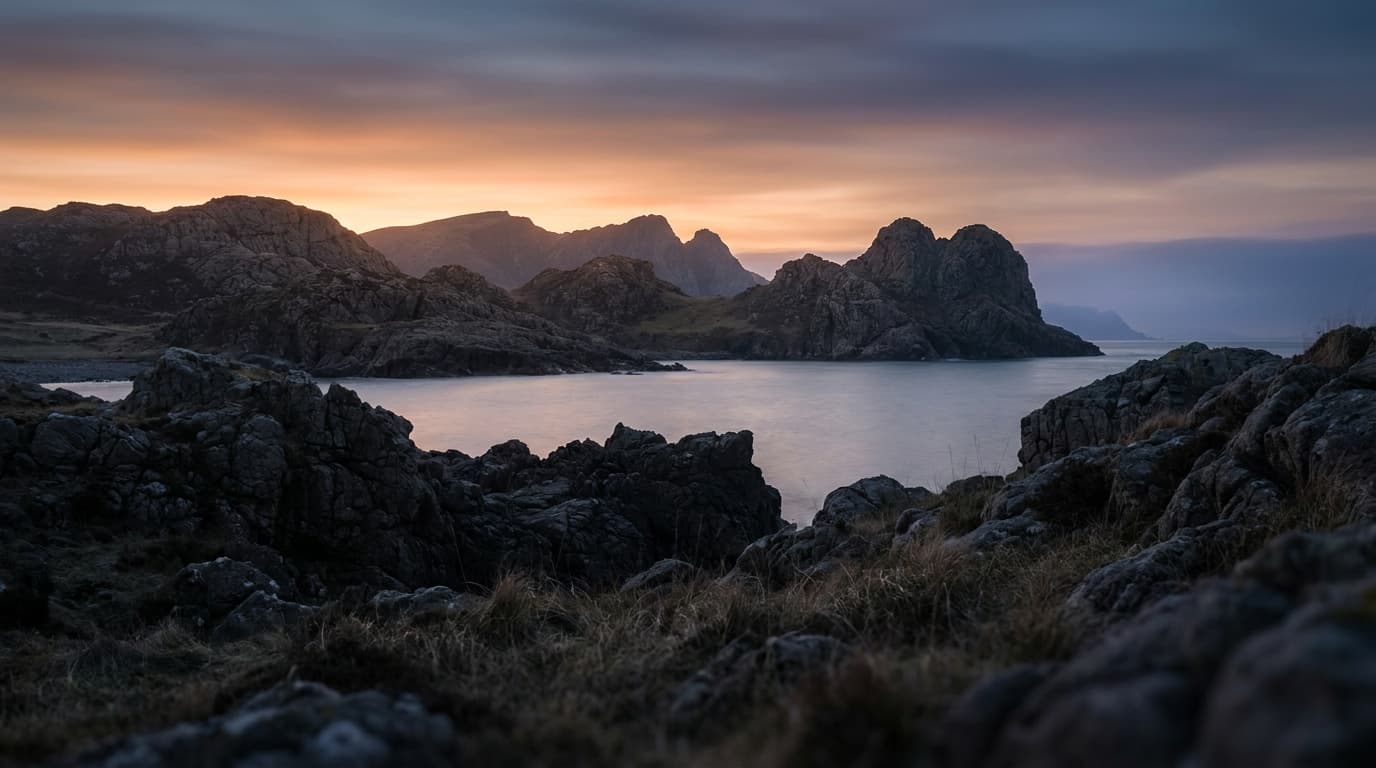
RAW vs JPEG: Which File Format Should You Shoot?
RAW keeps all your sensor data for maximum editing freedom; JPEG is smaller and ready to share. Here is how they differ and when each one is the right call.
Researched, not personally tested: picks compare specifications, available owner feedback, and established expert sources. As an Amazon Associate I earn from qualifying purchases. We may earn a commission from links here, at no extra cost to you. How we research →