We may earn a commission from links on this page, at no extra cost to you. Picks are researched, not sponsored.
The problem
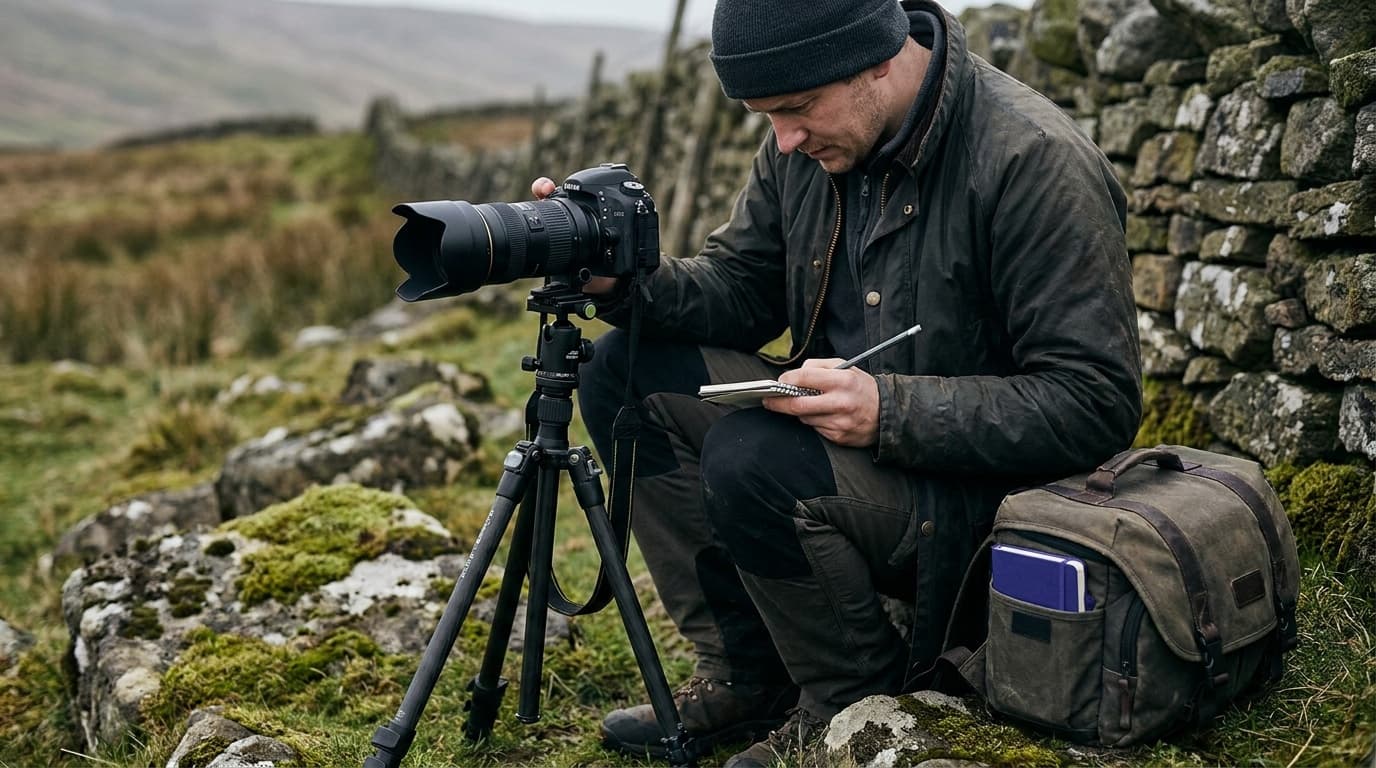
Overcast light is the opposite of midday: soft, even, and shadowless. That makes it forgiving and beginner-friendly, because there are no blown highlights or black shadows to manage and the meter rarely gets fooled. The downside is that flat light can look lifeless. With no shadows to give shape and a gray sky to drain color, scenes can read dull, and a white sky in the frame pulls the eye and tricks the meter into underexposing everything below it.
The settings
Overcast skies are dimmer than they appear, often a couple of stops below open sun, so you cannot leave settings at their bright-day values. A typical scene lands around:
If the bright sky is in your frame, expose for the subject and let the sky go pale, or simply keep the sky out of the composition. Shooting in a raw file gives you the most room to lift color and contrast afterward, which is where flat light is rescued.
Interactive exposure demo. Enable JavaScript to drag the exposure for this light.
The fix
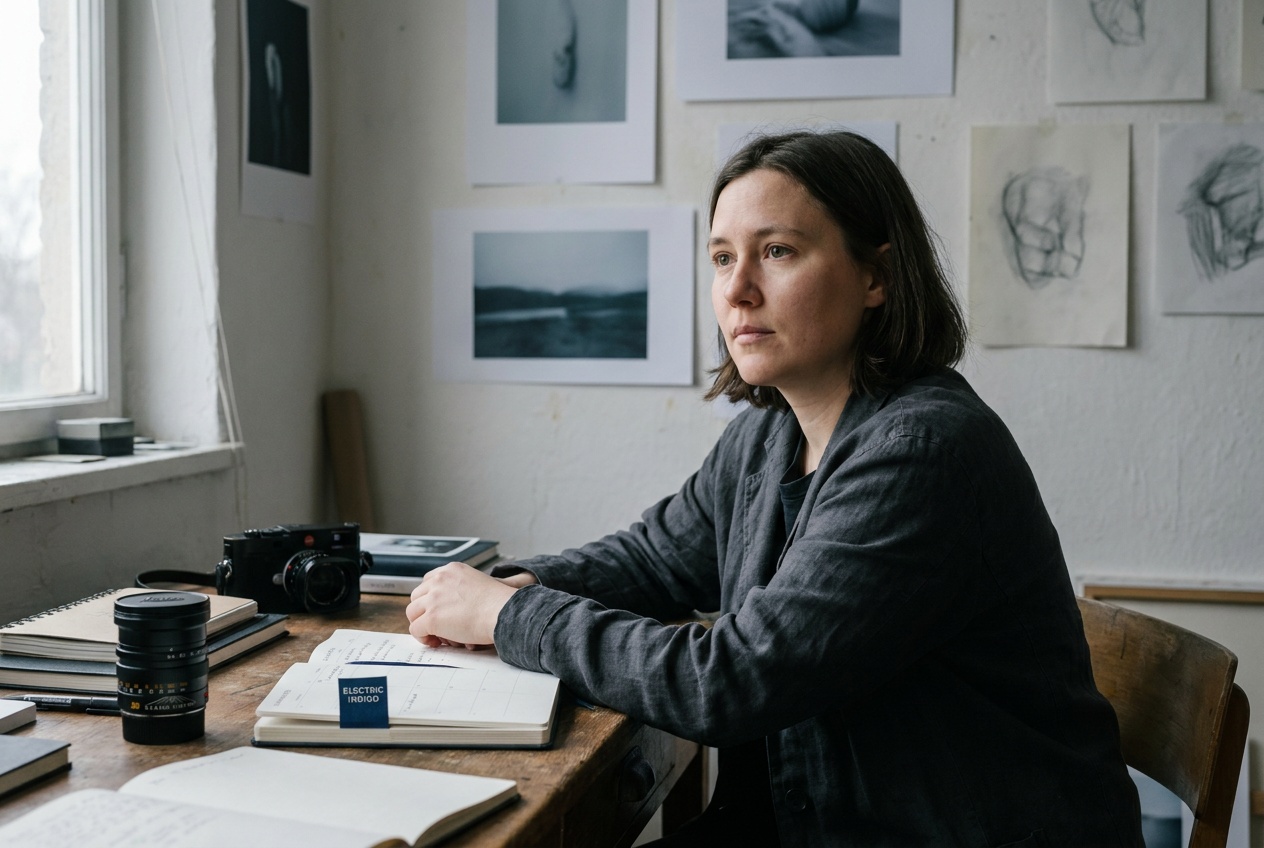
Overcast light is the best light there is for anything that hates shadows: faces, flowers, products, and detail work. Lean into that instead of fighting it. Get in closer, fill the frame with your subject, and keep the dull sky out. Look for color in the scene to carry the image, since the light will not. And plan to add contrast and warmth in editing; flat light captures the most information and takes adjustment well.
The gear that helps
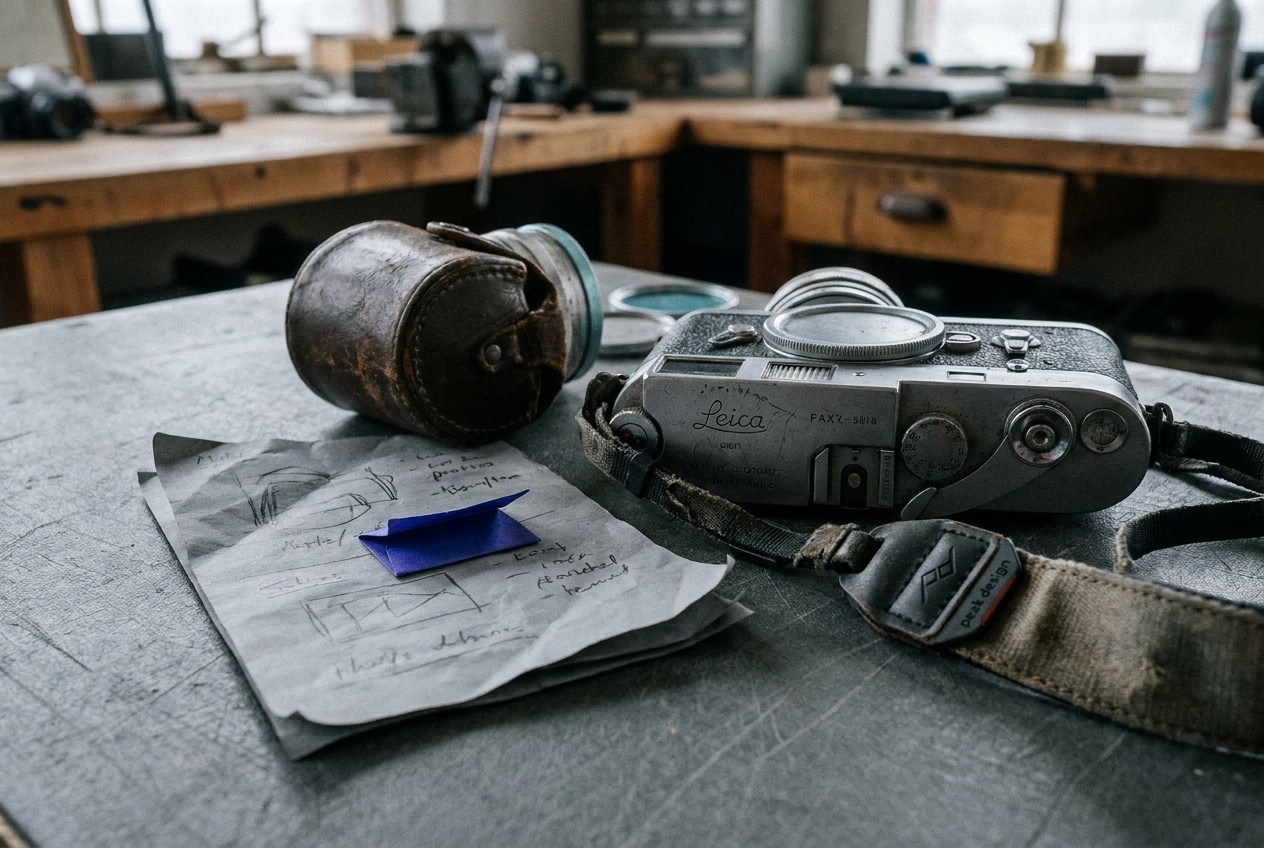
Because the light is even and forgiving, overcast days are a good time to work with a single lens and concentrate on composition. If you are weighing a fast prime against a flexible zoom for this kind of detail and portrait work, the prime vs zoom guide covers the choice. No filters or modifiers are needed; the sky is already doing the diffusion for you.
Where this fits
Soft overcast light is a favorite for portrait photography precisely because it is so flattering to skin and avoids squinting and harsh shadows. The settings shift from a bright day, but the logic is the same exposure triangle you already know, just balanced for a dimmer, gentler light.
Why do overcast photos look flat and gray?
Because the light is soft and comes from every direction, there are almost no shadows to give a scene depth, and a white sky drains contrast and color. Fix it by composing tightly, leaning on color in the scene, and adding contrast and warmth in editing.
Is overcast light good or bad for photography?
Good for anything that benefits from soft, even light: portraits, close-ups, products, and detail. Less ideal for dramatic landscapes that rely on direct sun and shadow. It is one of the easiest lights to expose correctly, which makes it great for learning.
Keep going
Next useful steps
Pick one. Each link continues the same job without starting the research over.
Related Learn guides

Content Credentials and C2PA Explained for Photographers
Content Credentials record a photo's signed provenance and edits. Learn what C2PA proves, what it cannot prove, and how capture-to-export workflows work.
Open Gate Video Explained: When 3:2 Is Worth It
Open Gate records a taller sensor area for flexible 16:9, 9:16, and square crops. See when it helps, what it costs, and how to frame it correctly.
Pre-Capture Photography Explained: Get the Frame Before the Click
Pre-Capture buffers photos before the shutter is fully pressed. Learn how it works, which settings change, and when RAW, flash, or focus may be limited.
RAW vs JPEG: Which File Format Should You Shoot?
RAW keeps all your sensor data for maximum editing freedom; JPEG is smaller and ready to share. Here is how they differ and when each one is the right call.
Researched, not personally tested: picks compare specifications, available owner feedback, and established expert sources. As an Amazon Associate I earn from qualifying purchases. We may earn a commission from links here, at no extra cost to you. How we research →