We may earn a commission from links on this page, at no extra cost to you. Picks are researched, not sponsored.
What this means in real life
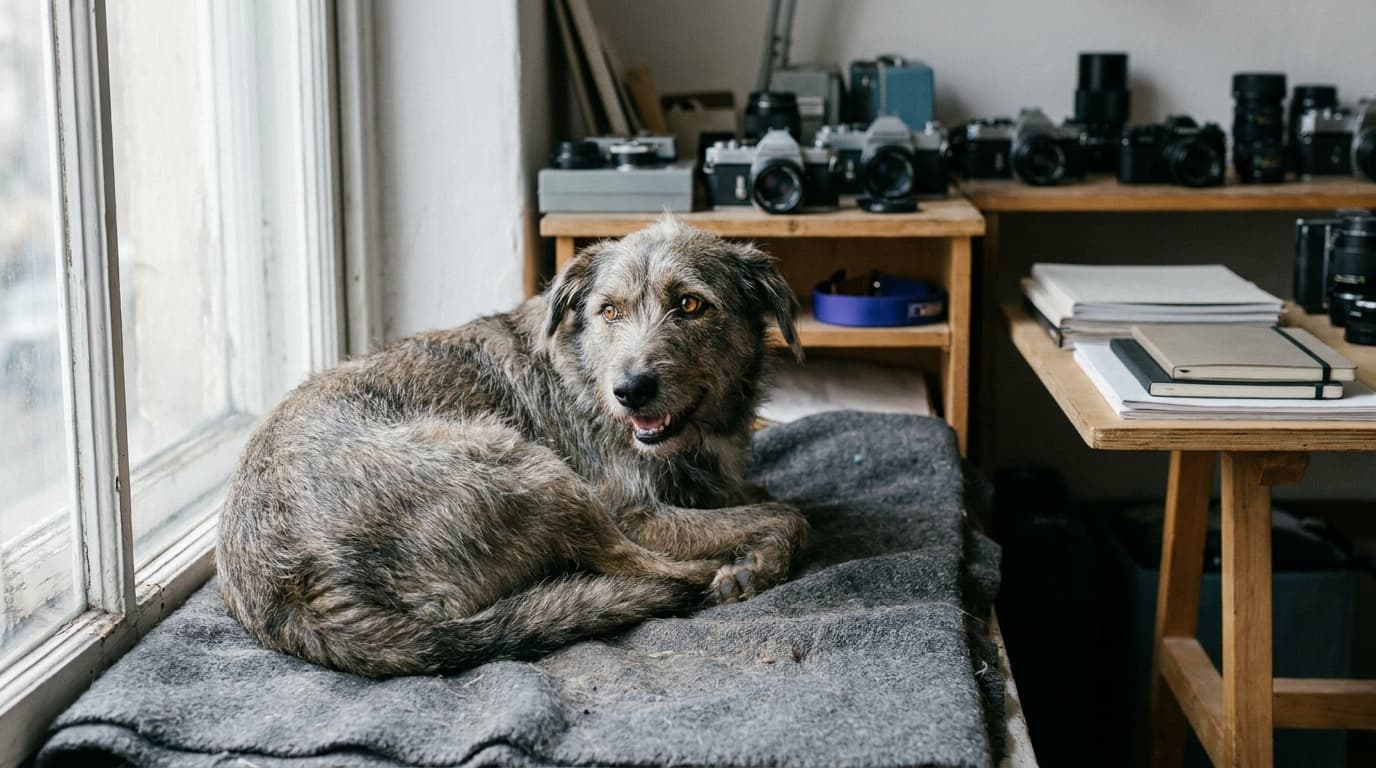
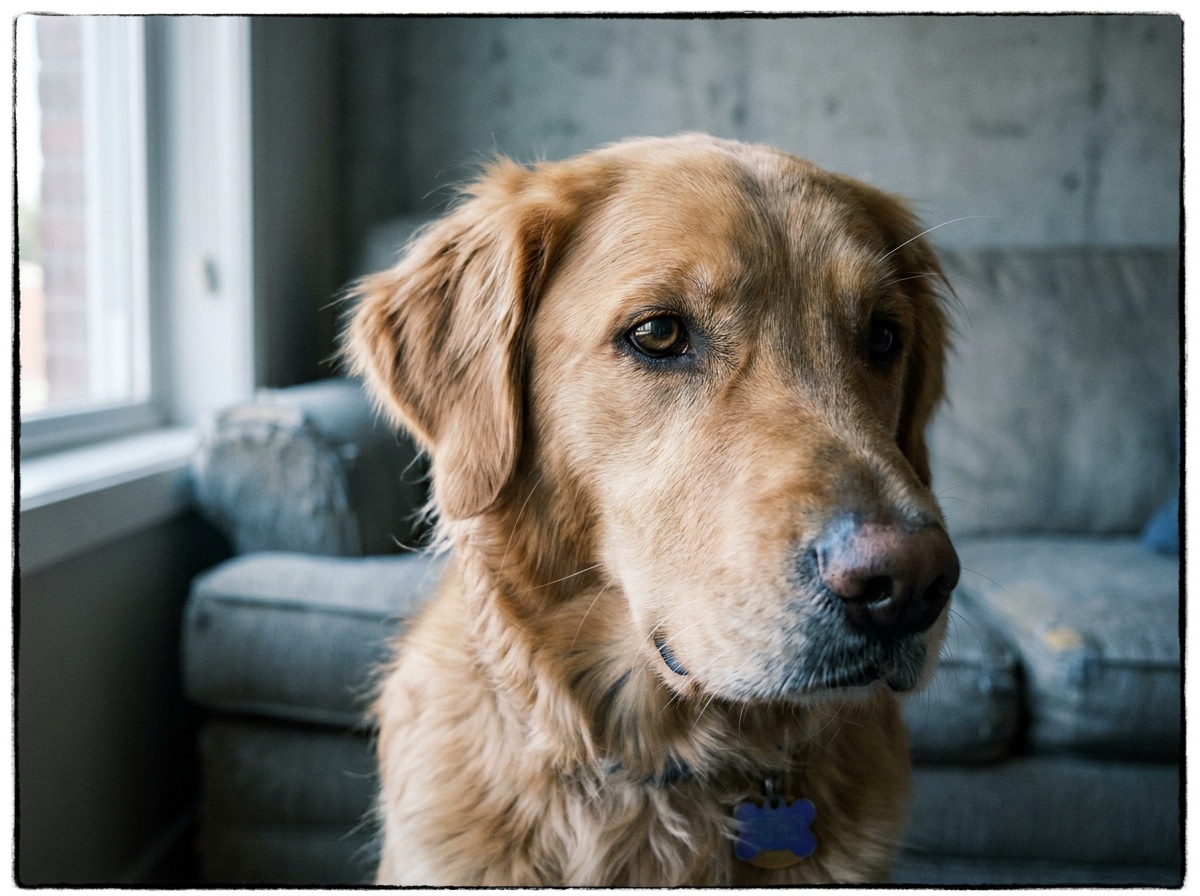
The two things that ruin pet photos are blur and a dead, soulless expression. Blur comes from too slow a shutter for an animal that twitches, sniffs, and bolts without warning, so you need enough speed to freeze sudden movement. The expression problem comes from shooting down at the top of a dog's head from human height, which flattens the animal and removes the connection in the eyes. Drop to their level and focus on the eye, and the same dog suddenly looks like a character. None of this needs expensive equipment; it needs a fast shutter, good light, and the willingness to take a lot of frames.
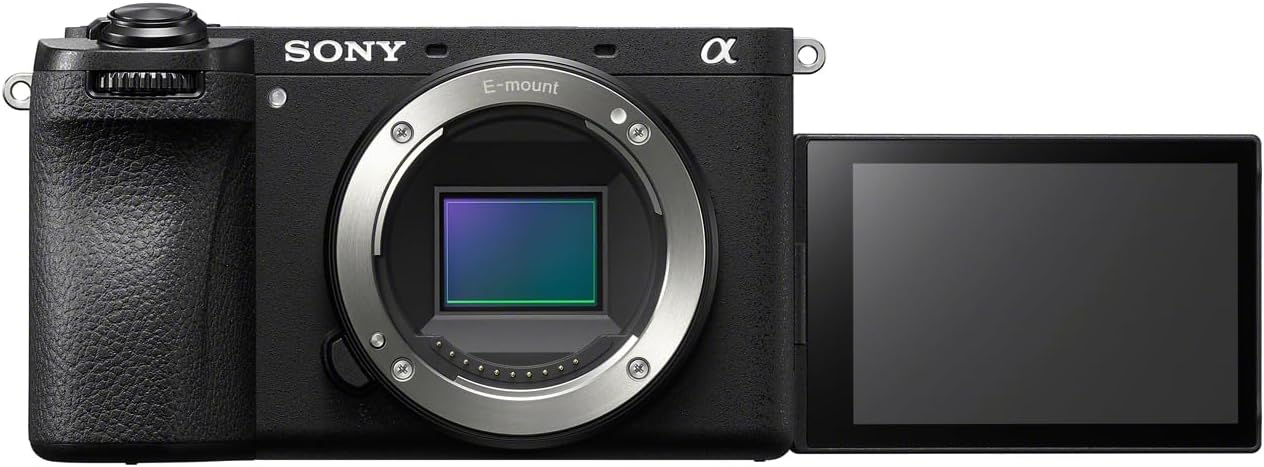
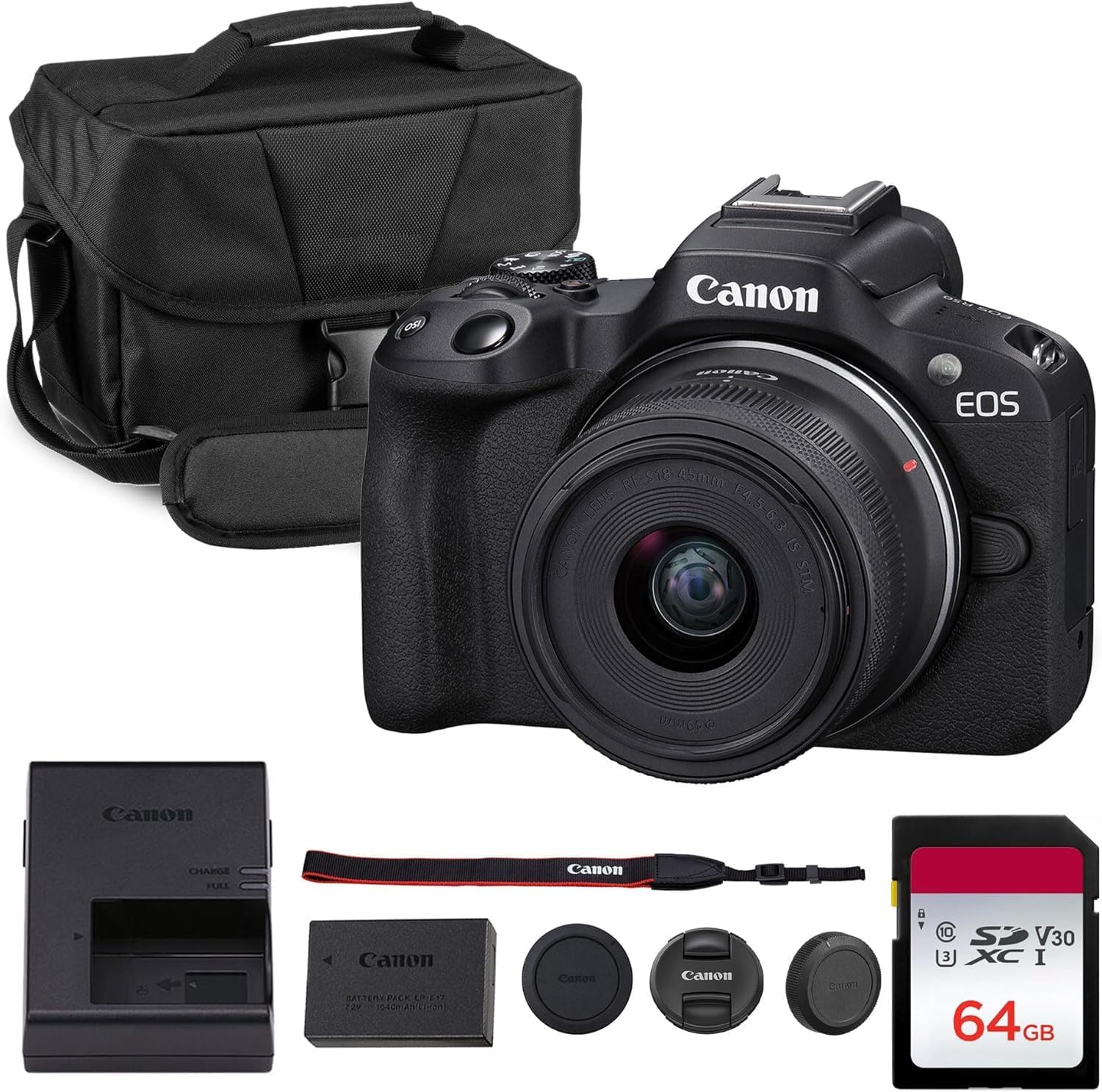
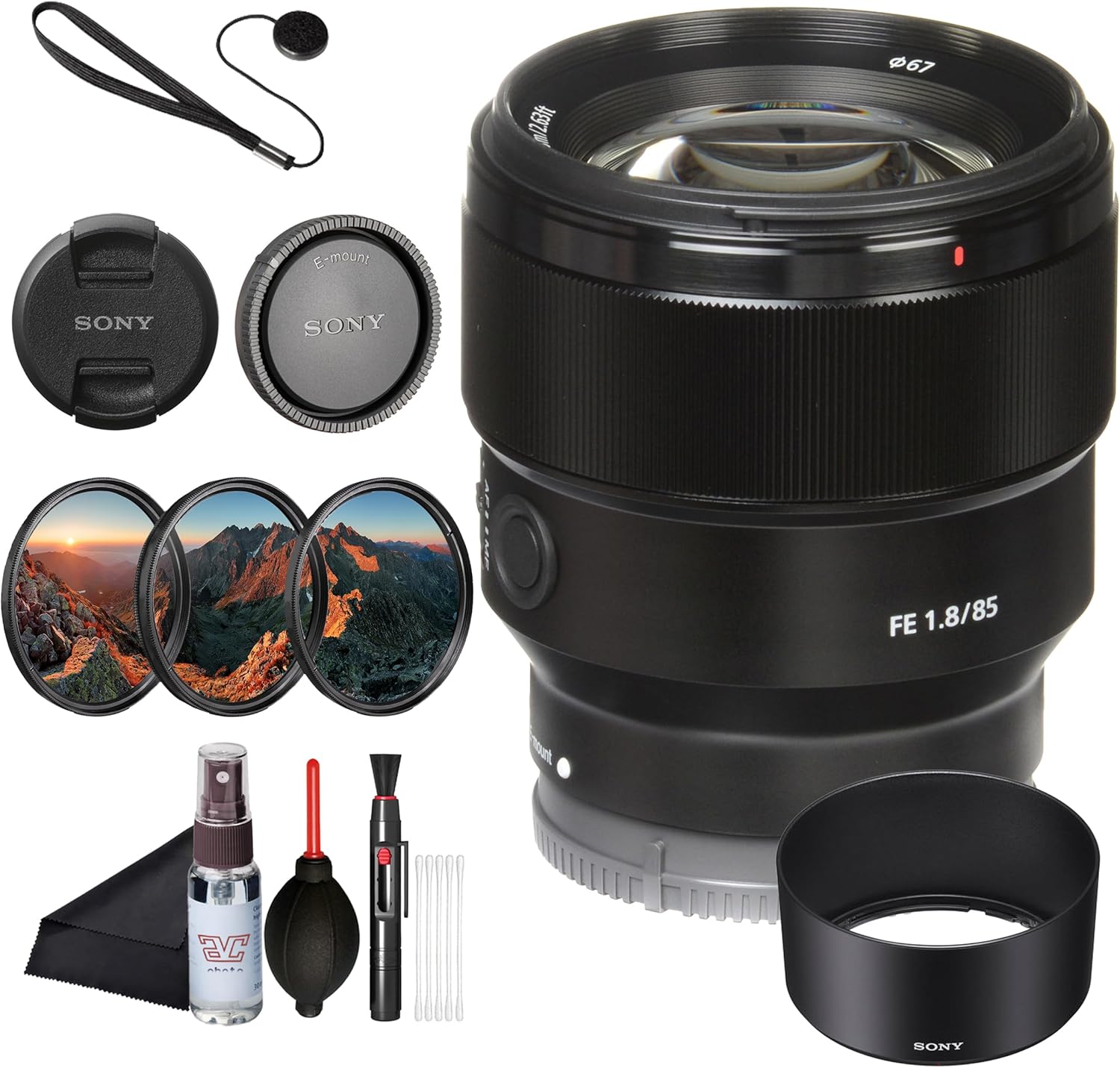
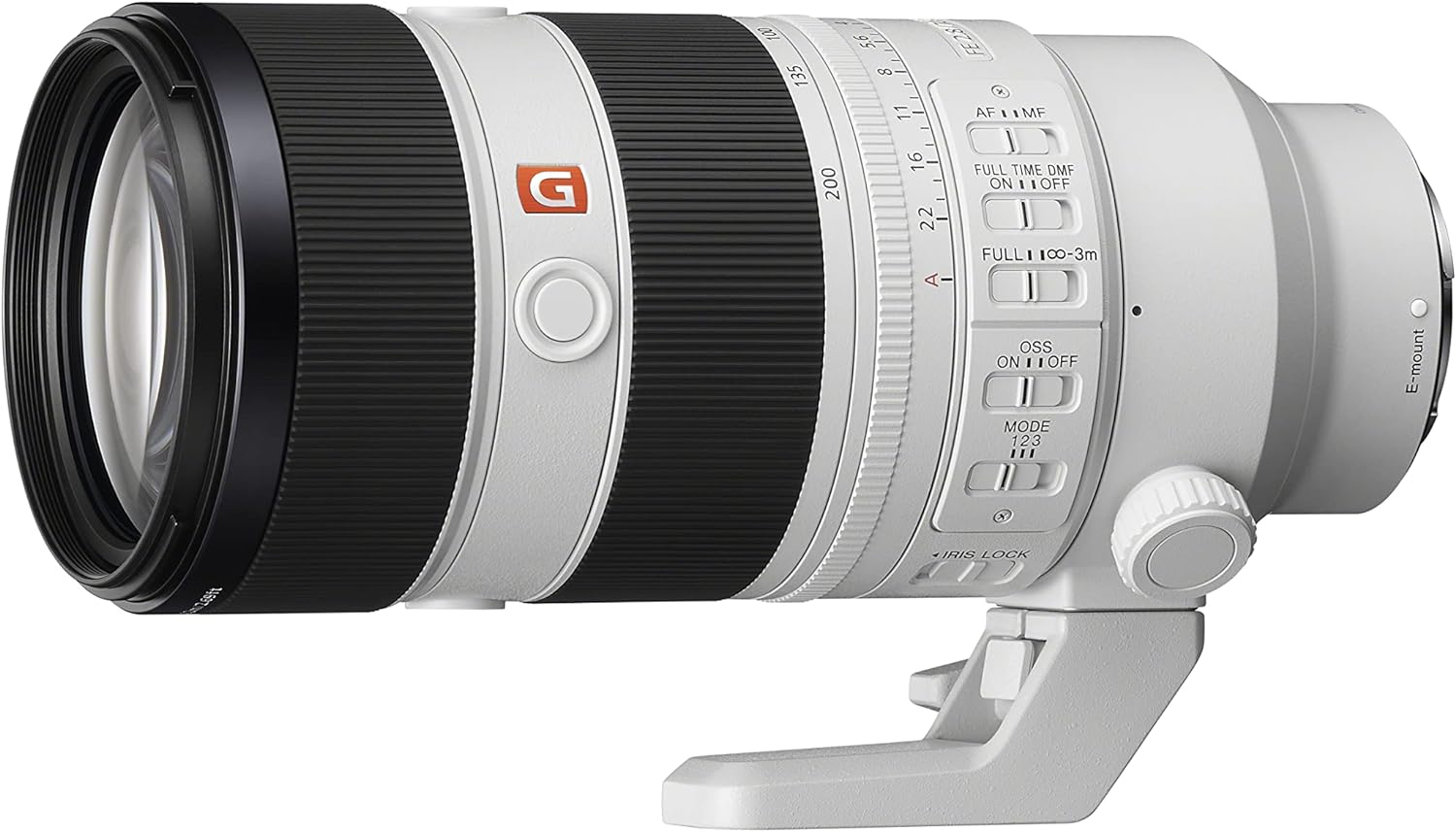
If you are choosing a camera for this job, start with the shortlist in the pet photography gear guide. These are the researched starting points for animal autofocus, indoor portraits, and outdoor reach:
Our quick picks
The gear
Any camera with continuous autofocus and a decent burst rate will do the job. A lens that opens to f/2.8 or f/4 helps in two ways: it lets in more light so you can keep the shutter fast indoors, and it softens the background so a busy living room does not compete with the pet. Modern bodies with animal-eye detection autofocus make a real difference, locking onto the eye as the animal moves. Treats, a squeaky toy, and a helper to get attention are as useful as any lens. Avoid direct on-camera flash, which startles animals and produces eye-shine.
The settings
Set up for movement and let the camera track.
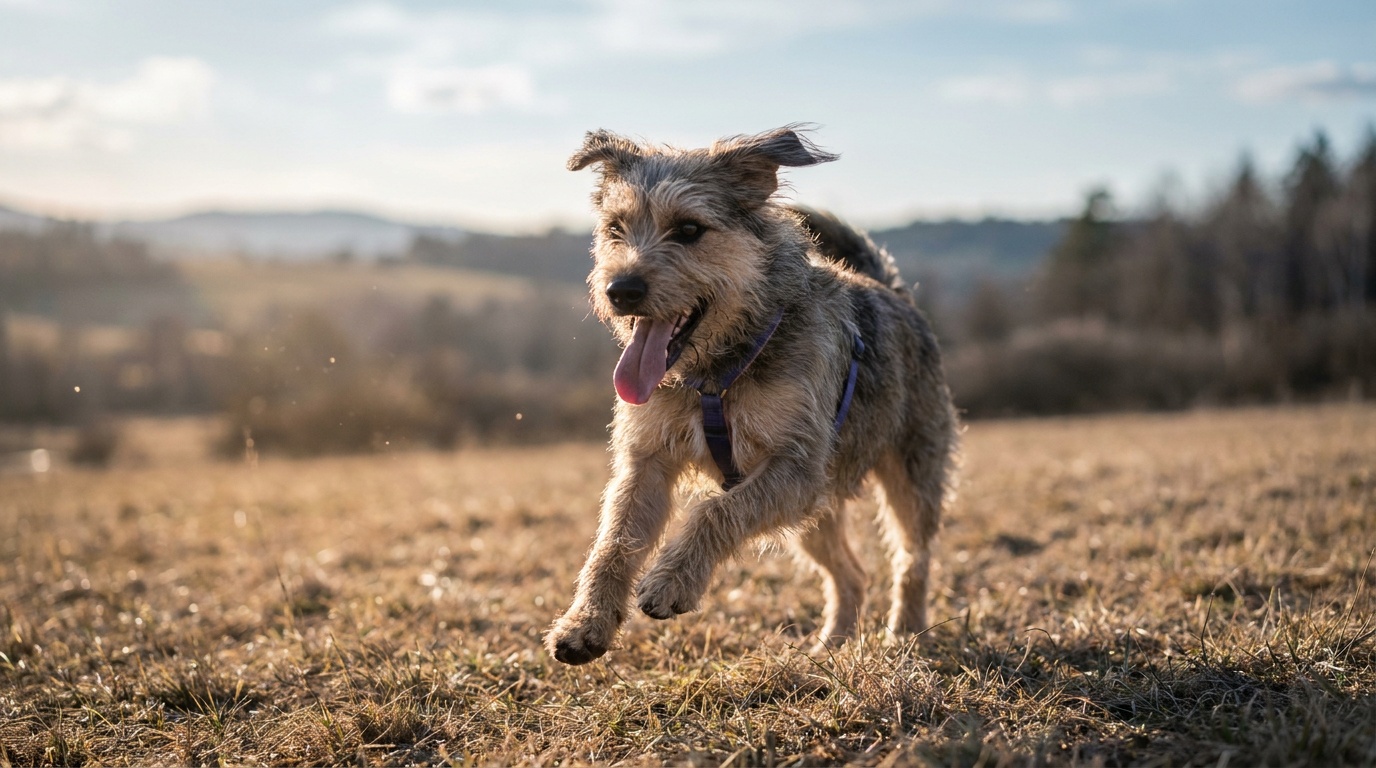
Shutter speed is the priority: 1/500 freezes most movement, and 1/1000 or faster catches a dog mid-run or a cat mid-pounce. Use a moderately wide aperture for subject separation, but not so wide that only the nose is sharp when you want the whole face. A useful middle ground is f/4 at a distance: it separates the pet from the background while keeping the whole face in focus, where f/1.8 up close might hold only the eyes. Let the ISO rise as needed to protect the shutter speed; a slightly noisy sharp frame beats a clean blurry one. This is the exposure triangle with the shutter speed leading.
Technique
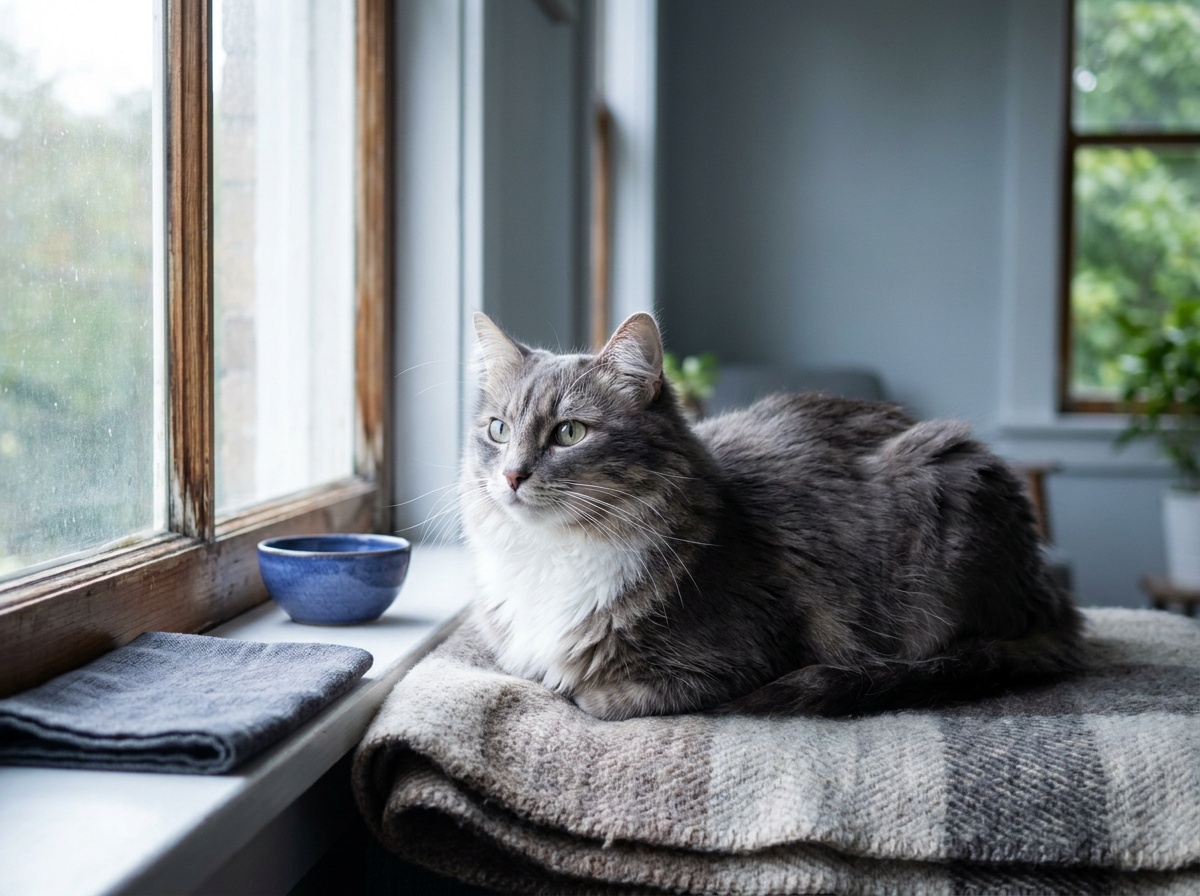
Switch from single to continuous autofocus so the camera keeps refocusing as the animal moves, and turn on eye or animal detection if your body has it. Many photographers find back-button focus ideal for pets, since it separates focusing from the shutter and lets you hold focus on a moving target. Pre-focus where you expect action, fire in bursts, and keep the near eye sharp above all else. Get a helper to make a noise just before you shoot to perk the ears and catch an alert expression. Work near a big window or in open shade, where the light is soft and flattering, rather than under harsh midday sun.
Composition
Shoot from the pet's eye level, not from standing height, so the viewer meets the animal as an equal. Fill the frame with the face for personality, or pull back to show the animal in its environment doing something characteristic. Keep the background simple so it does not distract, which a wider aperture helps with. Catch them in action, a shake, a yawn, a run, for energy, or wait for a calm, direct look into the lens for connection. The action-tracking instincts here carry straight over from wildlife photography, and the portrait sensibility from portrait photography.
Common mistakes
Too slow a shutter is the number one cause of blurry pet shots; bump it up. Shooting from above flattens the animal, so kneel or lie down. Single-shot autofocus loses a moving subject, so use continuous. Direct flash spooks animals and creates eye-shine, so use window light instead. And taking only a few frames almost guarantees you miss the moment, so shoot in bursts and cull later.
What shutter speed should I use for pets?
Start at 1/500 to freeze ordinary movement, and go to 1/1000 or faster for a running dog or a pouncing cat. For a calm, posed animal you can drop to around 1/250. Keep the ISO high enough to hold that speed.
How do I get sharp focus on a moving pet?
Use continuous autofocus rather than single, turn on animal or eye detection if your camera offers it, and fire in bursts. Focus on the near eye, and consider back-button focus so you can hold focus on the animal as it moves.
What is the best light for photographing pets?
Soft natural light: next to a large window indoors, or in open shade outdoors. Avoid harsh direct sun and avoid on-camera flash, which startles animals and causes eye-shine. Soft light flatters fur and keeps the eyes lively.
Practice this
Turn the guide into a working setup
Keep going
Next useful steps
Pick one. Each link continues the same job without starting the research over.
Related Learn guides

Content Credentials and C2PA Explained for Photographers
Content Credentials record a photo's signed provenance and edits. Learn what C2PA proves, what it cannot prove, and how capture-to-export workflows work.
Open Gate Video Explained: When 3:2 Is Worth It
Open Gate records a taller sensor area for flexible 16:9, 9:16, and square crops. See when it helps, what it costs, and how to frame it correctly.
Pre-Capture Photography Explained: Get the Frame Before the Click
Pre-Capture buffers photos before the shutter is fully pressed. Learn how it works, which settings change, and when RAW, flash, or focus may be limited.
RAW vs JPEG: Which File Format Should You Shoot?
RAW keeps all your sensor data for maximum editing freedom; JPEG is smaller and ready to share. Here is how they differ and when each one is the right call.
Researched, not personally tested: picks compare specifications, available owner feedback, and established expert sources. As an Amazon Associate I earn from qualifying purchases. We may earn a commission from links here, at no extra cost to you. How we research →