We may earn a commission from links on this page, at no extra cost to you. Picks are researched, not sponsored.
Safety comes first
With those rules fixed, the rest is gentle and slow. The goal is calm, natural frames, not acrobatics.
What this means in real life
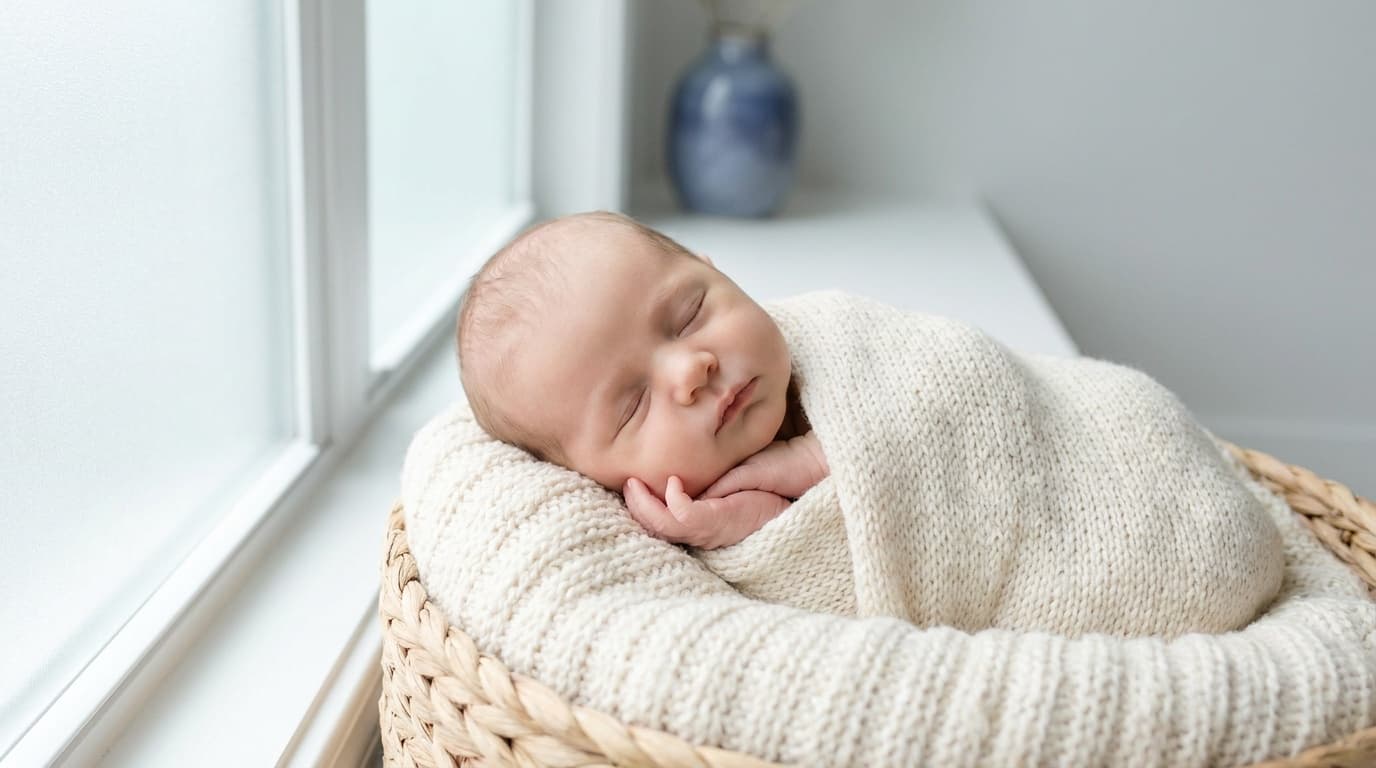
Babies do not take direction, so you adapt to them. The light, the warmth of the room, and your patience do more than any setting. Soft window light flatters delicate skin, a warm room keeps the baby relaxed and sleepy, and a quiet, unhurried pace gives you the small windows of stillness you photograph in. Plan around the baby's schedule, not yours; a fed, content newborn is the whole game.
The gear
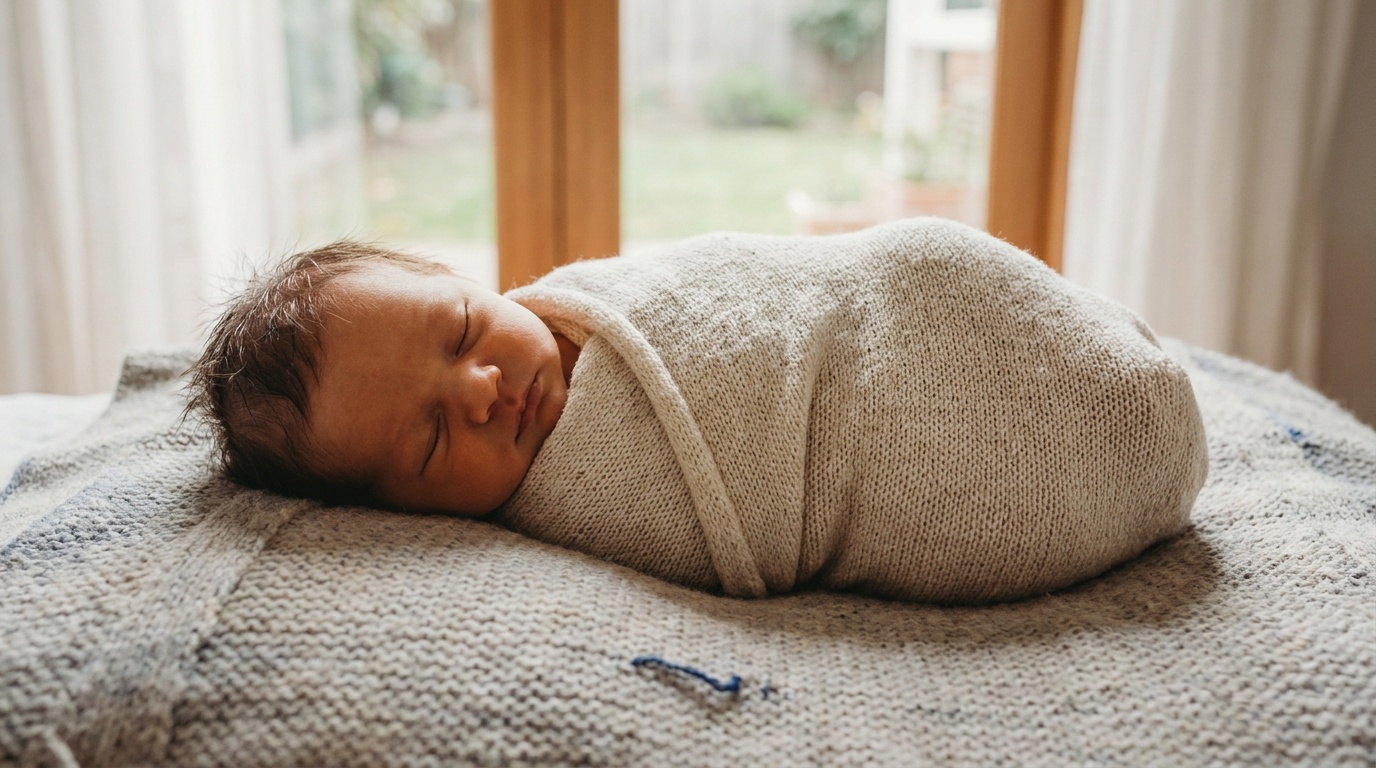
You need very little. A camera with a wide aperture lens, soft natural light from a window, and neutral, simple backgrounds like a plain wrap or blanket. A reflector or a white sheet bounces light back into the shadow side of the face. Avoid anything loud or sudden, including a popping flash and a noisy shutter if you can quiet it. A lens around 35mm to 85mm gives flattering framing without crowding the baby.
The settings
Aim for soft light and a shutter quick enough to catch small twitches and yawns.
Keep the aperture wide for that soft, gentle look, but not so wide that only the eyelashes are sharp; f/2.8 to f/4 keeps the face in focus. Protect a shutter of at least 1/200, because even a sleeping baby twitches. Raise ISO freely to hold that shutter; a little noise is far better than a blurred frame, and indoor light is dim.
The technique
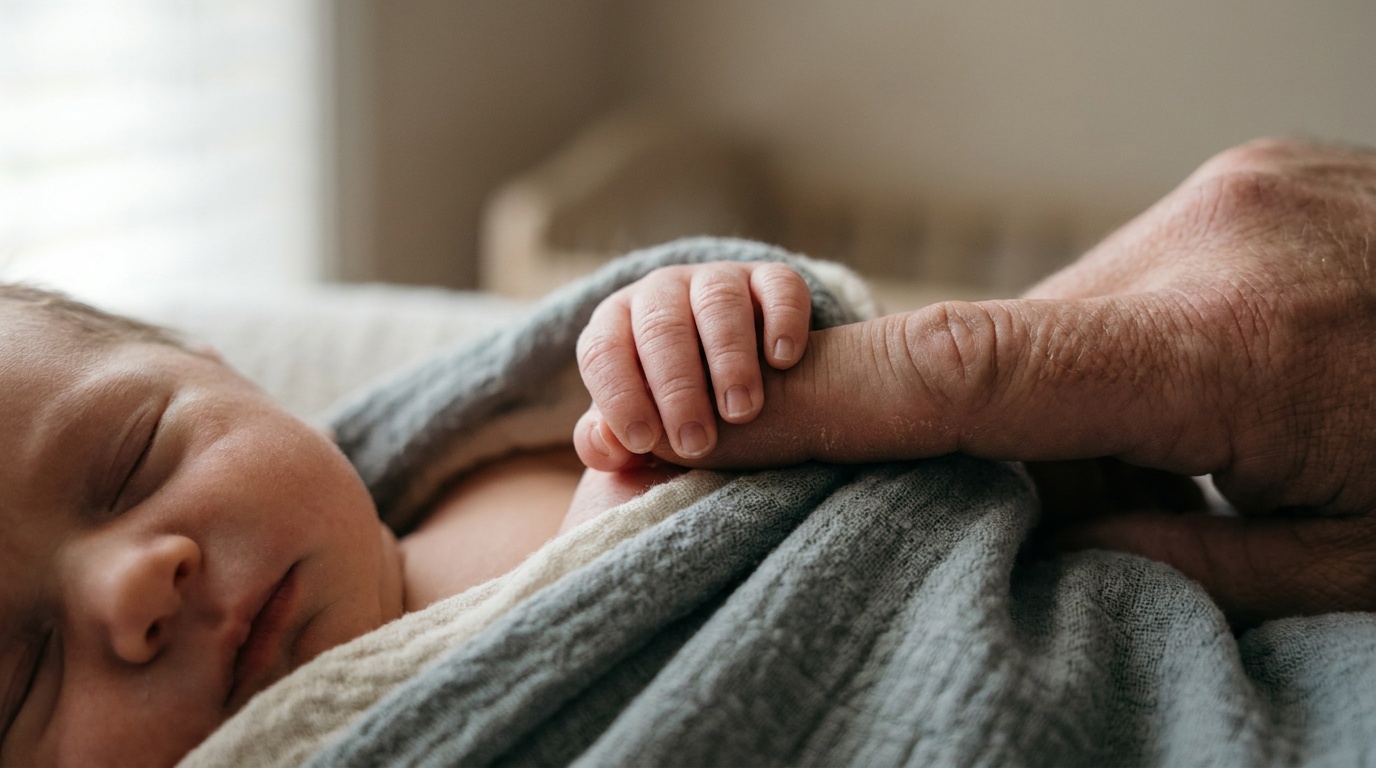
Position the baby so the window light falls across the face from slightly above and to one side, the way natural light usually comes. This gives soft shape without hard shadows. Place your reflector or a white blanket on the shadow side to fill it in. Focus on the eye nearest the camera every time. Shoot details too: hands, feet, eyelashes, the curl of an ear, which are easy, safe, and treasured later.
Move around the baby rather than moving the baby. Shoot from above for a calm overhead frame, from the side for profile, and close for details. Keep your movements slow and your voice low. The best newborn frames come in quiet moments, so wait for them rather than chasing them.
Common mistakes
The most serious mistake is any unsafe pose; if a setup needs the baby held to be safe, it needs a spotter and is not a beginner shot. After safety, the common technical errors are: using flash, which is both unsafe near the eyes and gives flat, harsh light; shooting too wide so the face is soft; a shutter too slow to freeze a twitch; and a cold room that leaves the baby unsettled. Mixed light is another, since warm bulbs and cool window light fight each other; turn the room lights off and use the window alone.
Where this fits
The lighting and focus here are the same soft-light portrait fundamentals covered in the portrait photography genre guide, applied to a subject who cannot pose. The settings themselves are the exposure triangle balanced for dim indoor light and small movement, the same balance you would use for any low light indoor scene.
Is flash safe for newborn photos?
No, not pointed at the baby. A direct flash near a newborn's developing eyes can distress them and is best avoided entirely. Use soft natural window light instead. If a room is too dark, raise your ISO and open the aperture rather than reaching for flash; the natural-light look is also more flattering.
What settings work best for newborn photography?
A wide aperture around f/2.8 to f/4 for soft separation while keeping the face sharp, a shutter of 1/200 or faster to freeze small movements, and ISO raised as needed for indoor light. Focus on the nearest eye and set white balance to the window light for natural skin tones.
When is the best time to photograph a newborn?
Sessions in the first two weeks tend to catch newborns at their sleepiest and most posable, but the real timing is the baby's daily rhythm: shoot when they are fed, warm, and content. Keep sessions short, follow the baby's cues, and stop if they become unsettled.
Practice this
Turn the guide into a working setup
Keep going
Next useful steps
Pick one. Each link continues the same job without starting the research over.
Related Learn guides

Content Credentials and C2PA Explained for Photographers
Content Credentials record a photo's signed provenance and edits. Learn what C2PA proves, what it cannot prove, and how capture-to-export workflows work.
Open Gate Video Explained: When 3:2 Is Worth It
Open Gate records a taller sensor area for flexible 16:9, 9:16, and square crops. See when it helps, what it costs, and how to frame it correctly.
Pre-Capture Photography Explained: Get the Frame Before the Click
Pre-Capture buffers photos before the shutter is fully pressed. Learn how it works, which settings change, and when RAW, flash, or focus may be limited.
RAW vs JPEG: Which File Format Should You Shoot?
RAW keeps all your sensor data for maximum editing freedom; JPEG is smaller and ready to share. Here is how they differ and when each one is the right call.
Researched, not personally tested: picks compare specifications, available owner feedback, and established expert sources. As an Amazon Associate I earn from qualifying purchases. We may earn a commission from links here, at no extra cost to you. How we research →