We may earn a commission from links on this page, at no extra cost to you. Picks are researched, not sponsored.
What changed in 2025
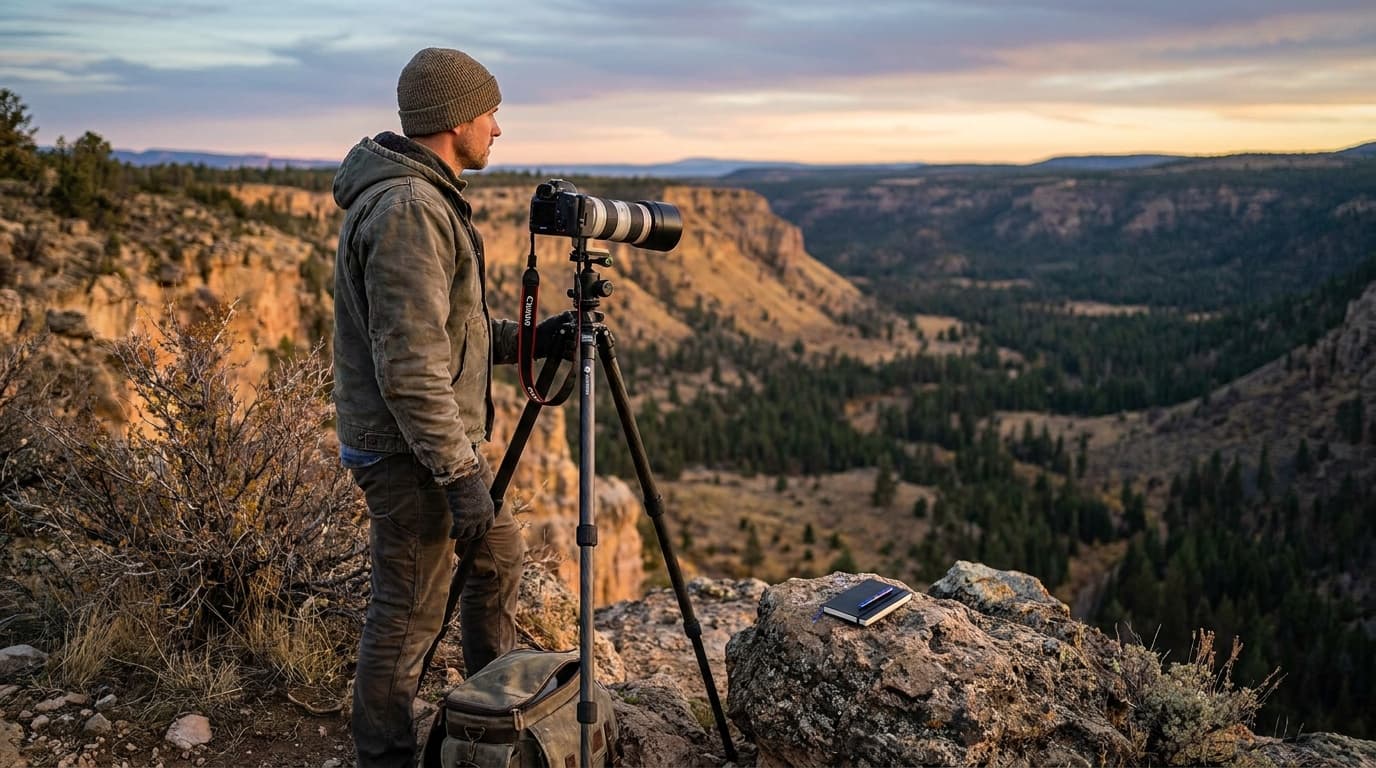
For years, the rule of thumb was that commercial photography and filming in a national park required a permit and a fee, while a visitor with a camera did not. The line between the two was blurry, applied unevenly park to park, and swept up a lot of small creators who were not affecting anything.
The EXPLORE Act, signed January 4, 2025 and codified at 54 U.S.C. 100905, replaced that with a single national standard. The headline change: the National Park Service now treats all filming, still photography, and audio recording the same, whether it is commercial, non-commercial, editorial, student work, or content creation. What matters now is the size and impact of your activity, not whether money is involved.
Most existing "national park photography rules" content online still describes the old, pre-2025 regime. That is the opportunity and the risk: the rules genuinely changed, so verify anything you read against the official source.
When you do not need a permit
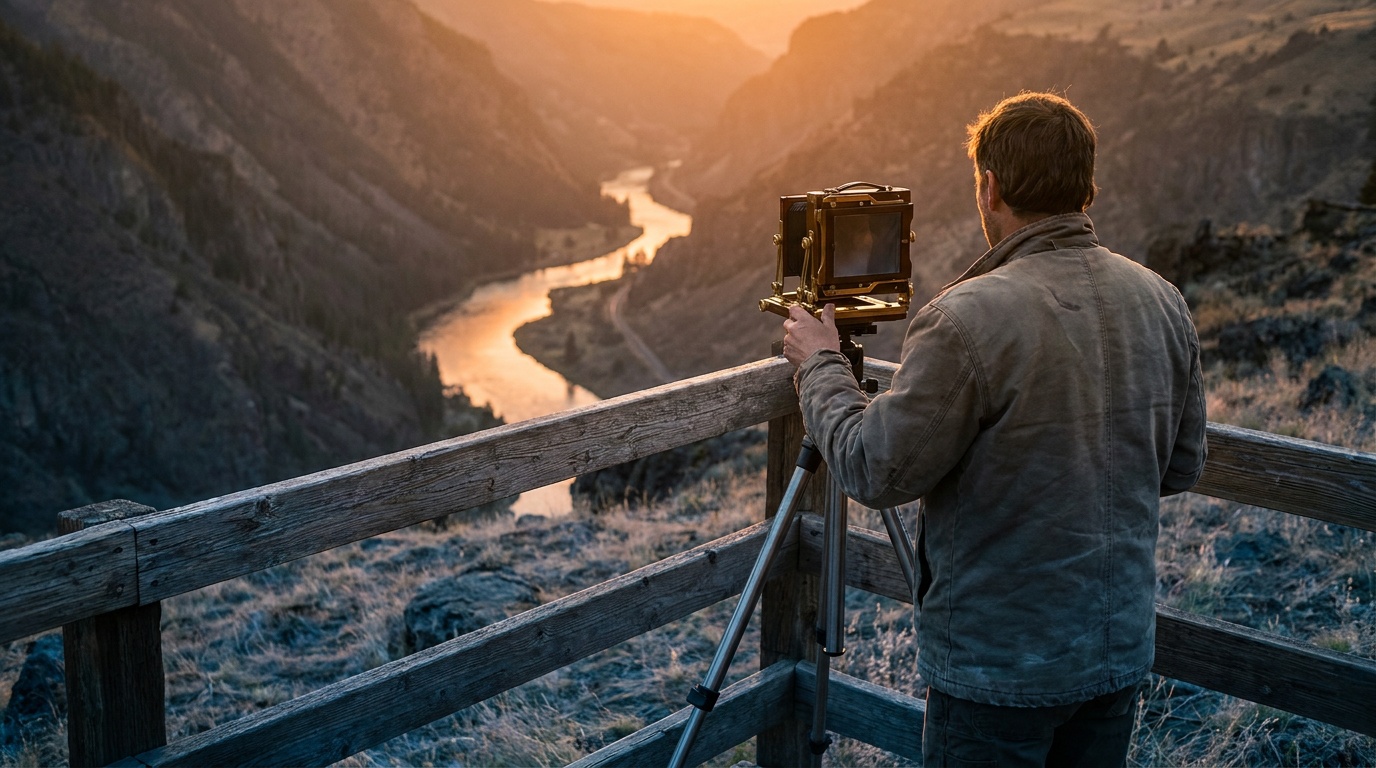
The new exemption (often called the de minimis rule) means no permit and no fee when your activity meets all five of these conditions:
Miss any one of those and you are back into permit territory. The two that catch people most often are "hand-carried equipment only" (a wheeled cart, a generator, or a large lighting rig breaks the exemption) and "exclusive use" (asking other visitors to clear out of a popular overlook so you can shoot it clean). A tripod, a couple of bodies, and a bag of lenses you carry yourself stay well inside the exemption; a model shoot with light stands and an assistant team starts to push against it once the footprint grows.
When you still need a permit
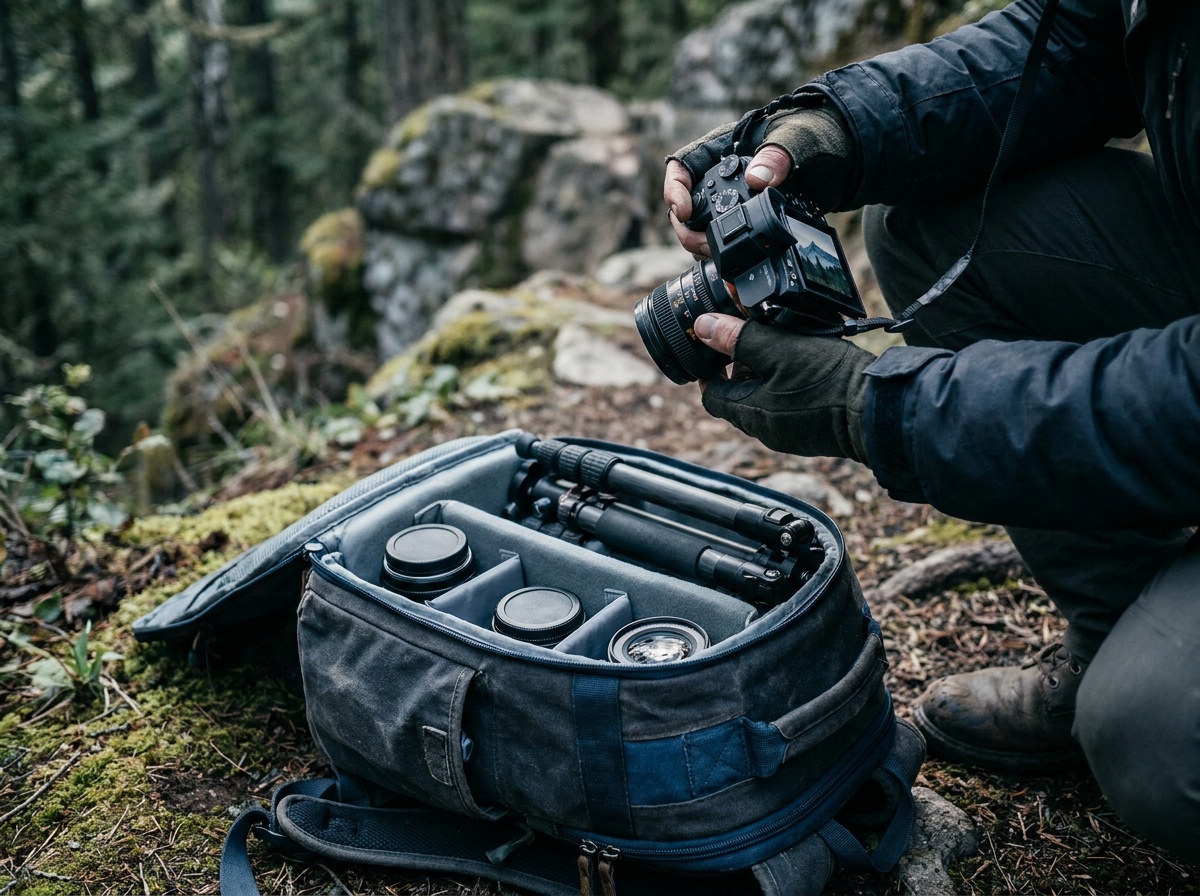
A permit is still required for larger crews, for productions that bring sets, props, or staging, for any shoot that needs a section of the park closed or held for exclusive use, and for activities that need extra park support or affect other visitors. Some parks also keep specific rules on the books: Zion, for example, requires a still-photography permit when a model is used to promote a product or service.
When a permit is required, the park charges location fees and cost-recovery fees, and you apply through that park's film and photography office. Processing takes time, often several weeks, so plan ahead. Entrance fees and timed-entry reservations still apply to you even when no photo permit is needed.
Drones are effectively banned
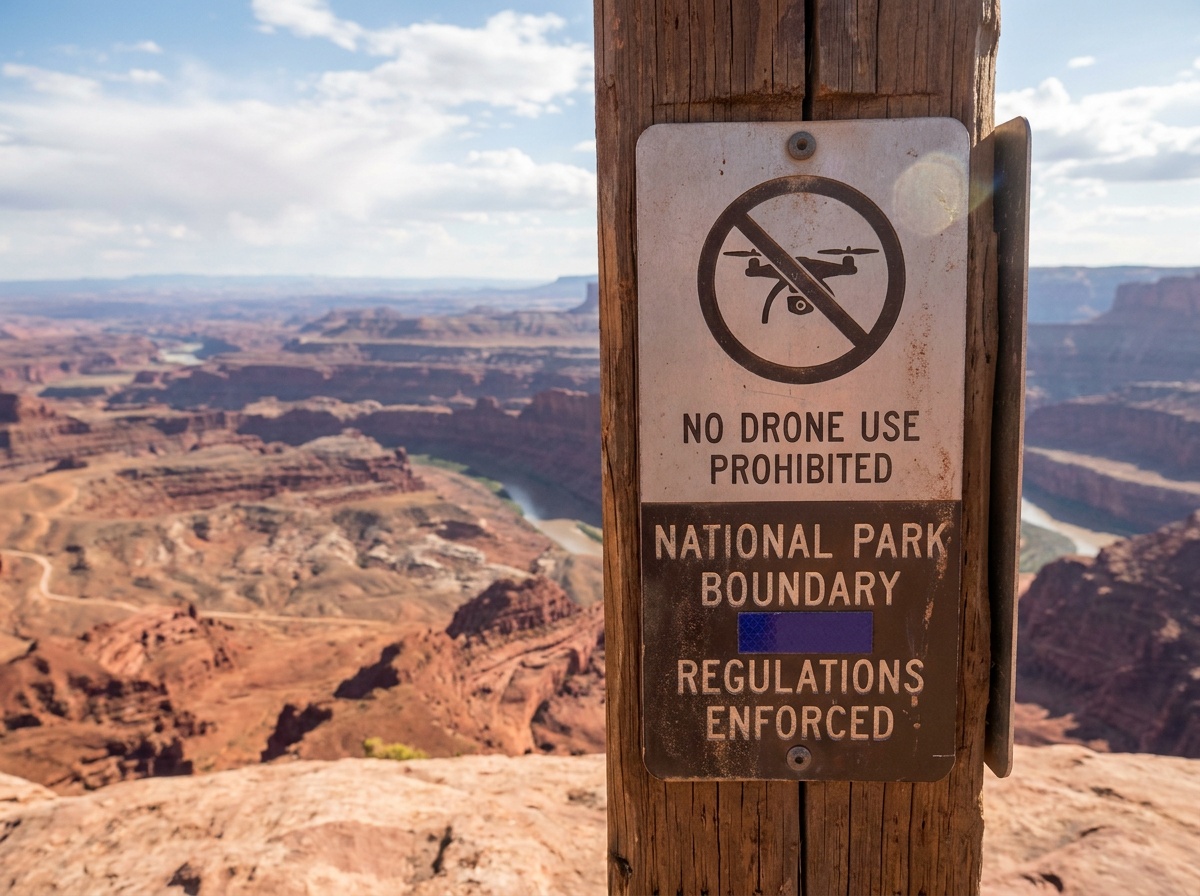
This part did not change. Launching, landing, or operating a drone from within a national park is prohibited under NPS Policy Memorandum 14-05, which directs each superintendent to close their park to drone use. That applies regardless of the EXPLORE Act and regardless of whether you hold an FAA Part 107 certificate.
We keep the photography and shoot-planning angle here and defer the airspace, Part 107, and certification depth to our sister site. The short version for a national park: do not plan on flying inside the boundary, and look at legal airspace outside the park instead.
Park by park: all 63
Every park interprets the new law locally and some official guidance is still catching up, so the safe move is to check the specific park before you go. We maintain a structured, sourced guide for every one of the 63 US national parks, with the permit office, the drone rule, the public-space rule, and the access quirks that actually affect a shoot. Sequoia and Kings Canyon are administered jointly by NPS, so they share one guide.
Southwest
- Utah: Zion, Bryce Canyon, Arches, Canyonlands, and Capitol Reef.
- Arizona: the Grand Canyon, Petrified Forest, and Saguaro.
- New Mexico and Texas: White Sands, Carlsbad Caverns, Guadalupe Mountains, and Big Bend.
- Colorado and Nevada: Mesa Verde, Great Sand Dunes, Black Canyon of the Gunnison, and Great Basin.
- California desert: Death Valley and Joshua Tree.
Pacific and Mountain West
- California: Yosemite, Sequoia and Kings Canyon, Redwood, Lassen Volcanic, Pinnacles, and Channel Islands.
- Pacific Northwest: Crater Lake, Olympic, Mount Rainier, and North Cascades.
- Northern Rockies and Colorado: Yellowstone, Grand Teton, Glacier, and Rocky Mountain.
Alaska
Denali, Kenai Fjords, Glacier Bay, Katmai, Lake Clark, Wrangell-St. Elias, Gates of the Arctic, and Kobuk Valley.
Hawaii and the islands
Haleakala, Hawaii Volcanoes, the National Park of American Samoa, and Virgin Islands.
Midwest
Badlands, Wind Cave, Theodore Roosevelt, Voyageurs, Isle Royale, Cuyahoga Valley, Indiana Dunes, and Gateway Arch.
East and South
Acadia, Shenandoah, New River Gorge, Great Smoky Mountains, Mammoth Cave, Hot Springs, Congaree, Everglades, Biscayne, and Dry Tortugas.
The overview of the permit framework, with the official NPS source, sits on our national park permit rules page.
Common mistakes
The most common mistake is assuming the old rule still applies and either over-worrying about a permit you no longer need, or paying for one when your small shoot is exempt. The second is treating the exemption as a free pass: it does not override resource-protection rules, stay-on-the-boardwalk rules in thermal areas, wildlife distance rules, or timed-entry reservations. The third is bringing a drone. The fourth is assuming a national park exemption applies on adjacent land; canyon-floor sites at the Grand Canyon sit on Havasupai tribal land, and river trips and tribal lands have their own permitting outside NPS authority.
Do I need a permit to photograph in a national park in 2025?
In most cases, no. If your group is eight or fewer, you use hand-carried gear in areas open to the public, you do not need exclusive use, and you do not add cost to the park, the EXPLORE Act exempts you. Larger or higher-impact productions still need a permit from the park.
Does the exemption apply to commercial and YouTube shoots?
Yes. The law now treats all filming and photography the same regardless of whether it is commercial, editorial, student, or content creation. The test is the size and impact of the activity, not whether you are paid.
Can I fly a drone in a national park?
No. Launching, landing, or operating a drone within a national park is prohibited under NPS Policy Memorandum 14-05, even with an FAA Part 107 certificate. See Drone Authority for where you can legally fly outside the park.
Where can I check the rule for a specific park?
Each park's film and photography office is the authority, and we link it from every park guide in our Rules by Location section. Verify there before you rely on anything, because local guidance is still catching up to the new law.
Where this fits
Knowing the rules is half the job; the other half is the light. The classic park frames happen at the edges of the day, so the golden hour guide and the broader exposure triangle are the settings groundwork. For the long exposures and low-light overlooks that park shooting invites, a solid support matters, which the best tripods guide covers. Off federal land, the permitting layer changes: state parks and state beaches run on state rules, covered in our photography rules by state cornerstone. And once you are shooting abroad, the question shifts from permits to whether you can sell the image at all: see our freedom of panorama by country comparison.
Keep going
Next useful steps
Pick one. Each link continues the same job without starting the research over.
Shoot kits
Buy around the job, not the spec sheet
Travel landscape
Travel landscape kit
$4,465
A light full-frame body, wide zoom, serious travel tripod, filters, and a bag that can handle rough days outside.
Light but not flimsy
Buy order: start with the first piece that makes the job possible, then add the support pieces that remove friction.
Camera: start here. If this piece does not make the shoot easier, the rest of the kit can wait.
Carry: add it after the core setup proves useful.
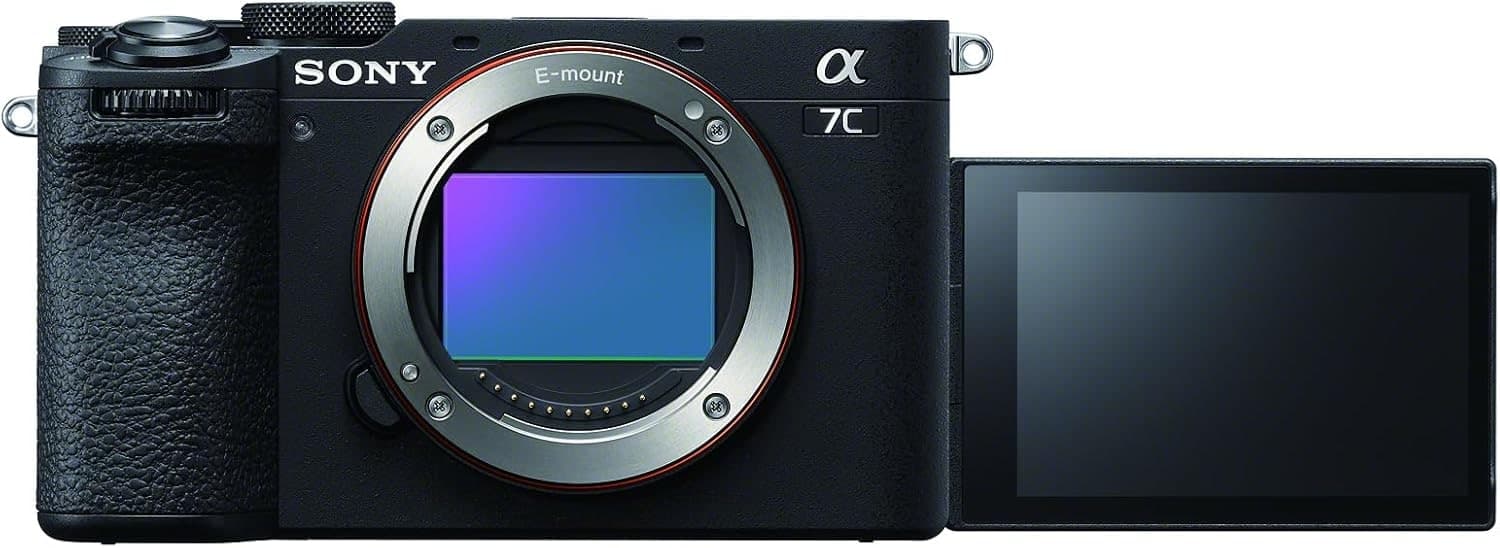
Sony a7C II
Full-frame files in a smaller body, with autofocus and stabilization that travel well.
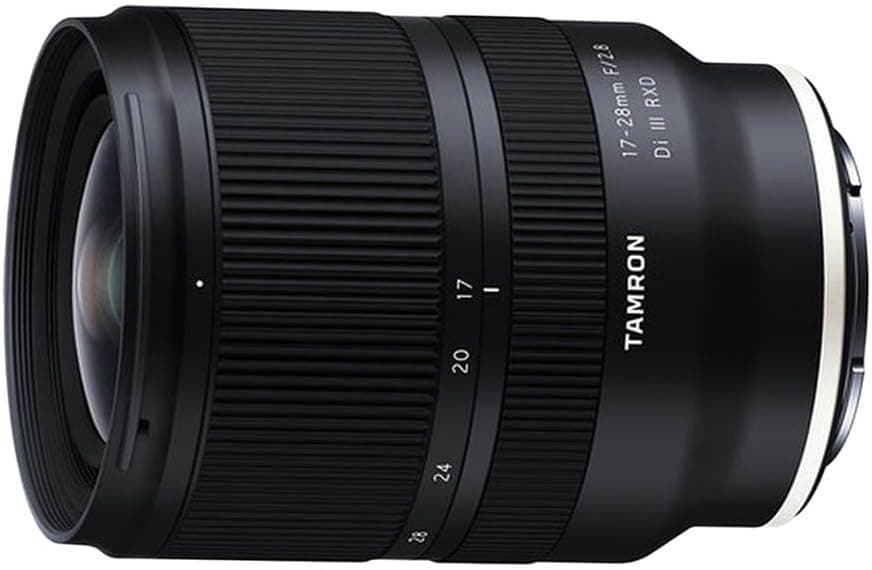
Tamron 17-28mm f/2.8 Di III RXD
Wide enough for landscapes and interiors without the size of a premium 16-35mm.
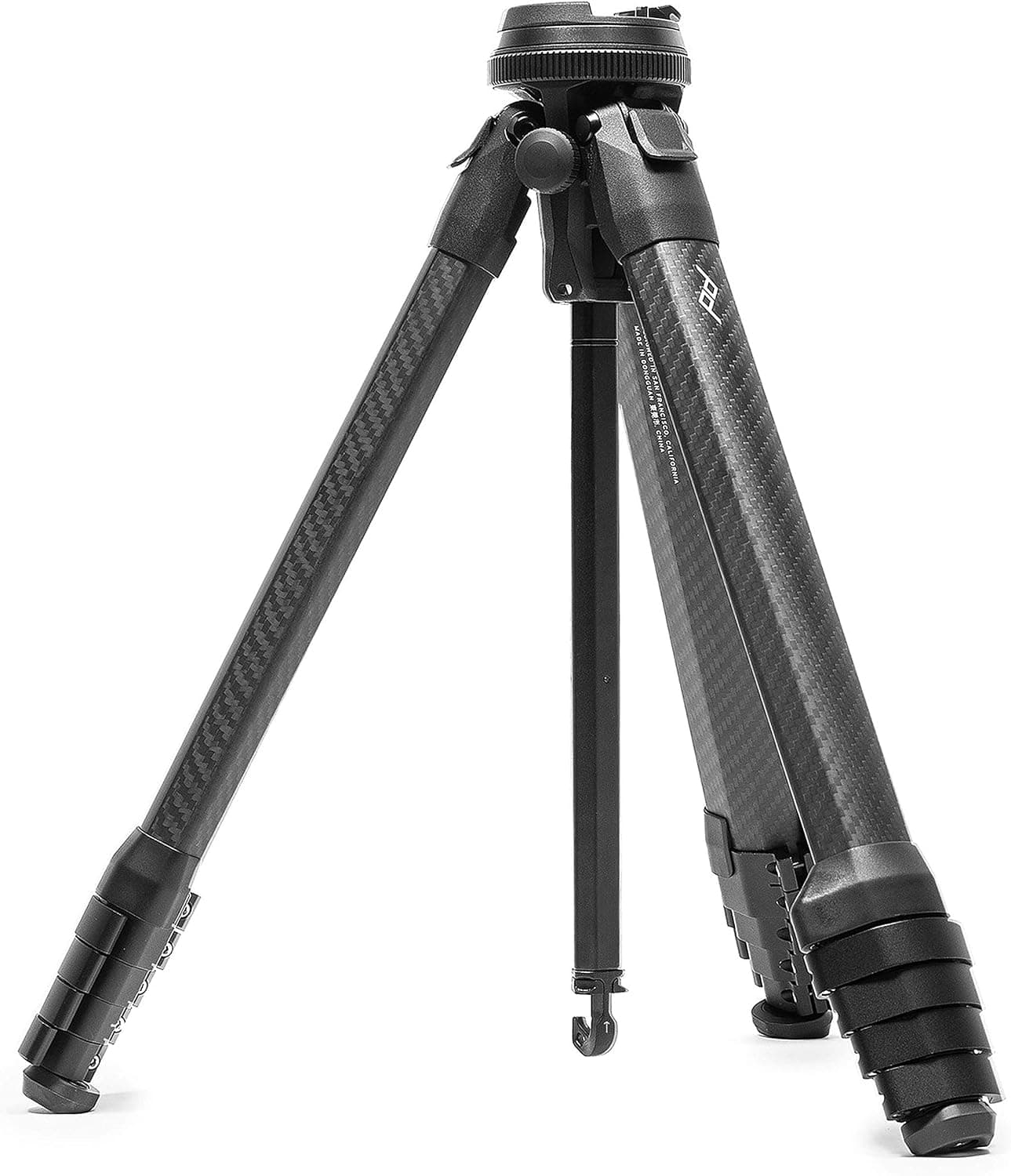
Peak Design Travel Tripod (Carbon)
The point of a travel tripod is bringing it. This one packs small and stays serious.
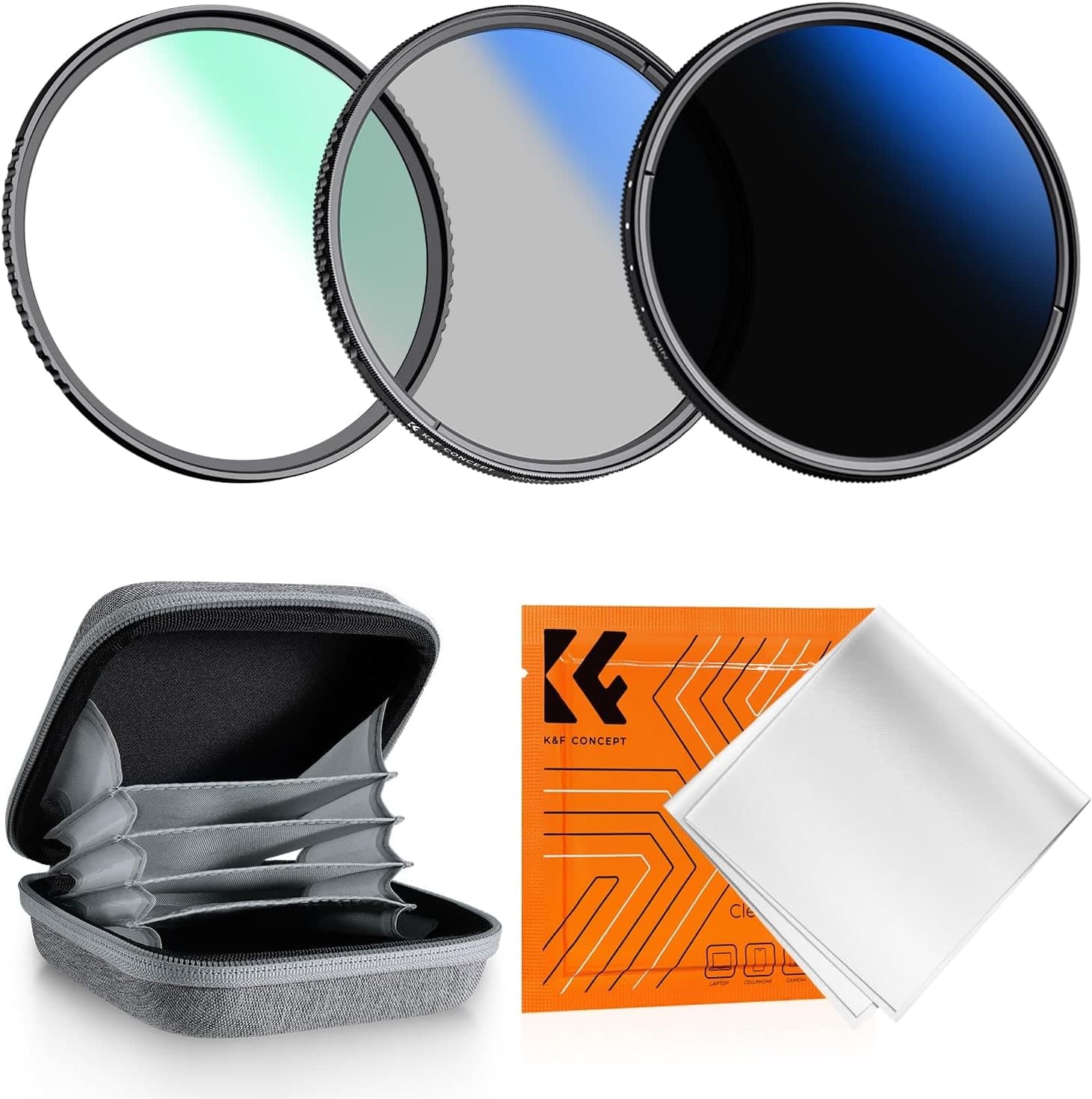
K&F Concept 77mm UV/CPL/ND2-400 Filter Kit
CPL and ND coverage for water, skies, reflections, and slower shutters.
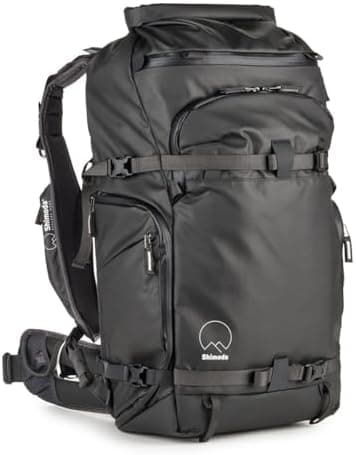
Shimoda Action X30 V2
A real harness matters once camera gear and outdoor layers share the same bag.
Prices are rough catalog totals. Retailer prices change, and you can swap pieces to fit your system.
Related Learn guides
Content Credentials and C2PA Explained for Photographers
Content Credentials record a photo's signed provenance and edits. Learn what C2PA proves, what it cannot prove, and how capture-to-export workflows work.
Open Gate Video Explained: When 3:2 Is Worth It
Open Gate records a taller sensor area for flexible 16:9, 9:16, and square crops. See when it helps, what it costs, and how to frame it correctly.
Pre-Capture Photography Explained: Get the Frame Before the Click
Pre-Capture buffers photos before the shutter is fully pressed. Learn how it works, which settings change, and when RAW, flash, or focus may be limited.
RAW vs JPEG: Which File Format Should You Shoot?
RAW keeps all your sensor data for maximum editing freedom; JPEG is smaller and ready to share. Here is how they differ and when each one is the right call.
Researched, not personally tested: picks compare specifications, available owner feedback, and established expert sources. As an Amazon Associate I earn from qualifying purchases. We may earn a commission from links here, at no extra cost to you. How we research →