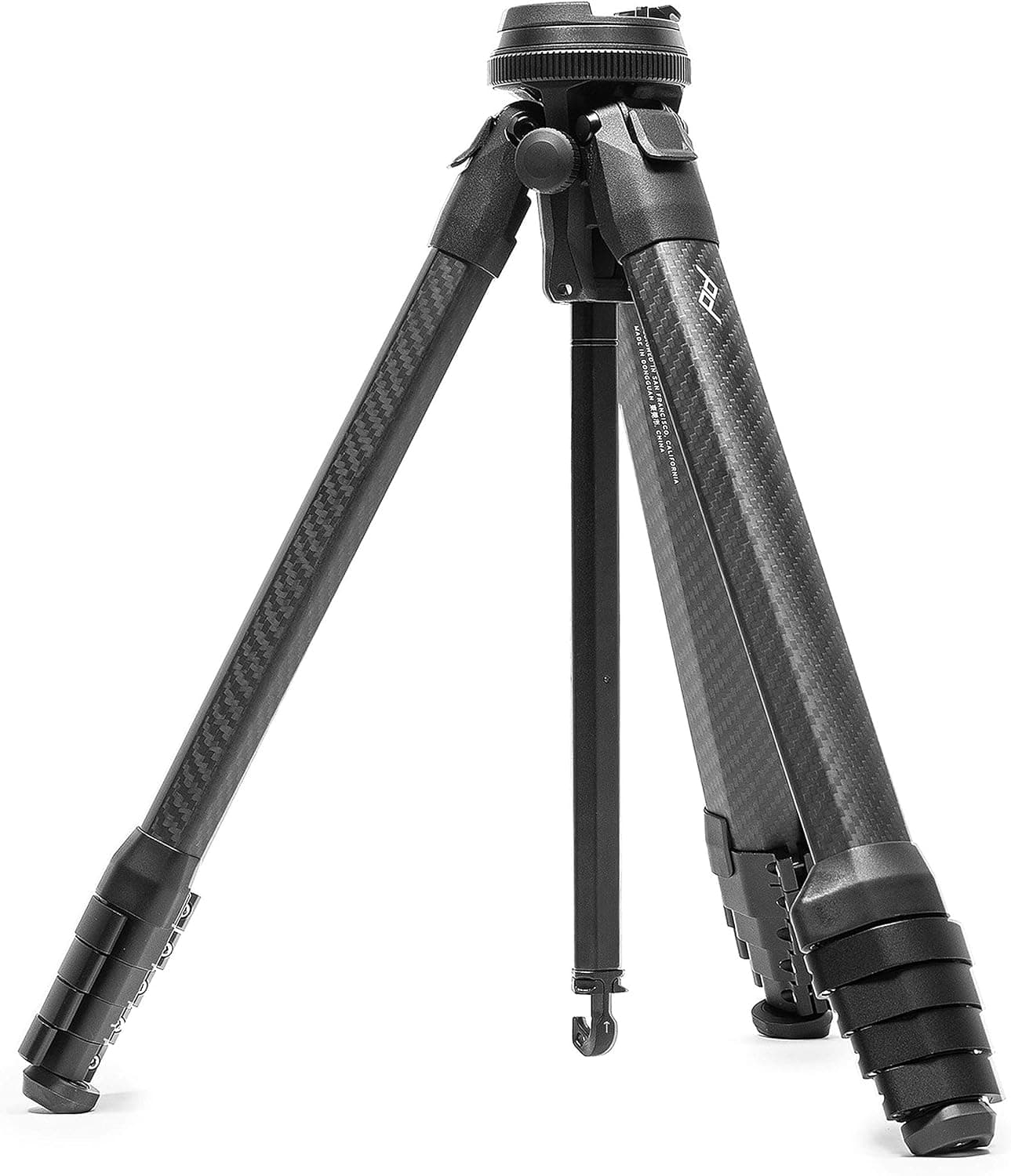
Peak Design Travel Tripod (Carbon)
$599 - $699
Big Bend applies the EXPLORE Act exemption for small shoots and requires a $150 application plus $1 million liability insurance once a permit is in play.
Shoot decision
Groups of eight or fewer using hand-carried gear in public areas, without exclusive use and without extra cost to the park, generally need no permit under the EXPLORE Act.
Conditional
Issuer: Big Bend National Park filming coordinator
Cost: Nonrefundable $150 application fee; permitted shoots also pay location and cost-recovery fees and must carry $1 million commercial liability insurance naming the United States as additional insured
Processing: Discuss your project with the filming coordinator before submitting an application
Groups of eight or fewer using hand-carried gear in public areas, without exclusive use and without extra cost to the park, generally need no permit under the EXPLORE Act. Larger crews and more complicated setups require a permit, and a refundable damage bond may be required for high-impact projects. The park asks applicants to contact the filming coordinator (432-477-1185) first; verify with the park permit office.
Effectively banned: launching, landing, or operating a drone within park boundaries is prohibited
The park states drones are prohibited in Big Bend and the Rio Grande Wild and Scenic River, consistent with NPS Policy Memorandum 14-05 and 36 CFR 1.5 closures. For airspace, Part 107, and legal flying nearby, see Drone Authority.
Yes for personal and editorial photography throughout the park
No entry into closed areas and no ground disturbance or moving of natural features, even for exempt shoots.
Guidance, not legal advice
Drone Authority
Rules answer the ground-photo side. Drone Authority handles the NPS flight ban, airspace, and legal flying nearby.
Kit Authority
Rules answer whether you can shoot. Kit handles where to go, when to go, and what to pack. Once the permit question is settled, use Kit for Big Bend timing, access, and packing.
$599 - $699
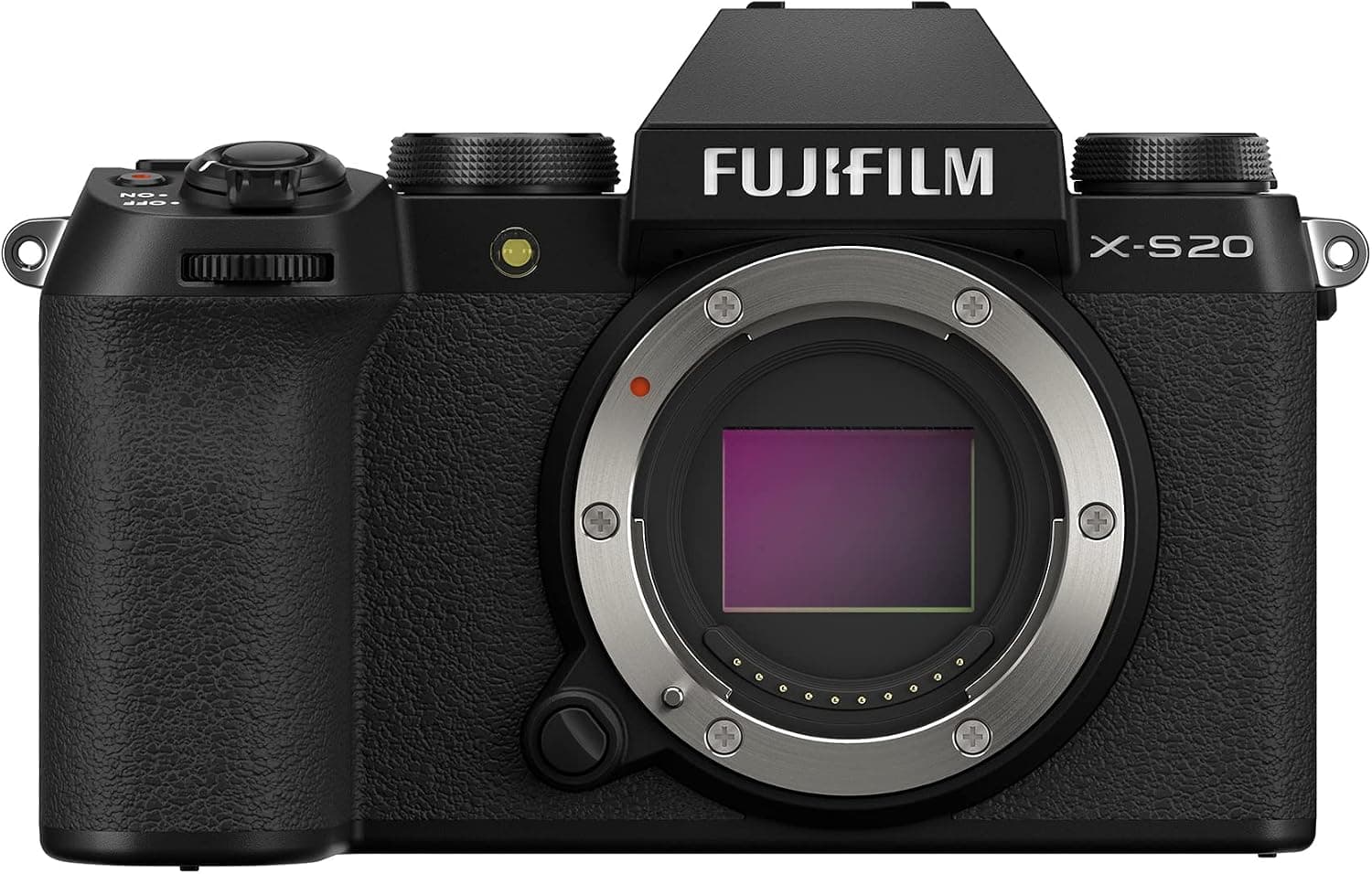
$1,490 - $1,680
Product links may earn a commission at no cost to you. Verify the rules first, then buy only what keeps the shoot practical.