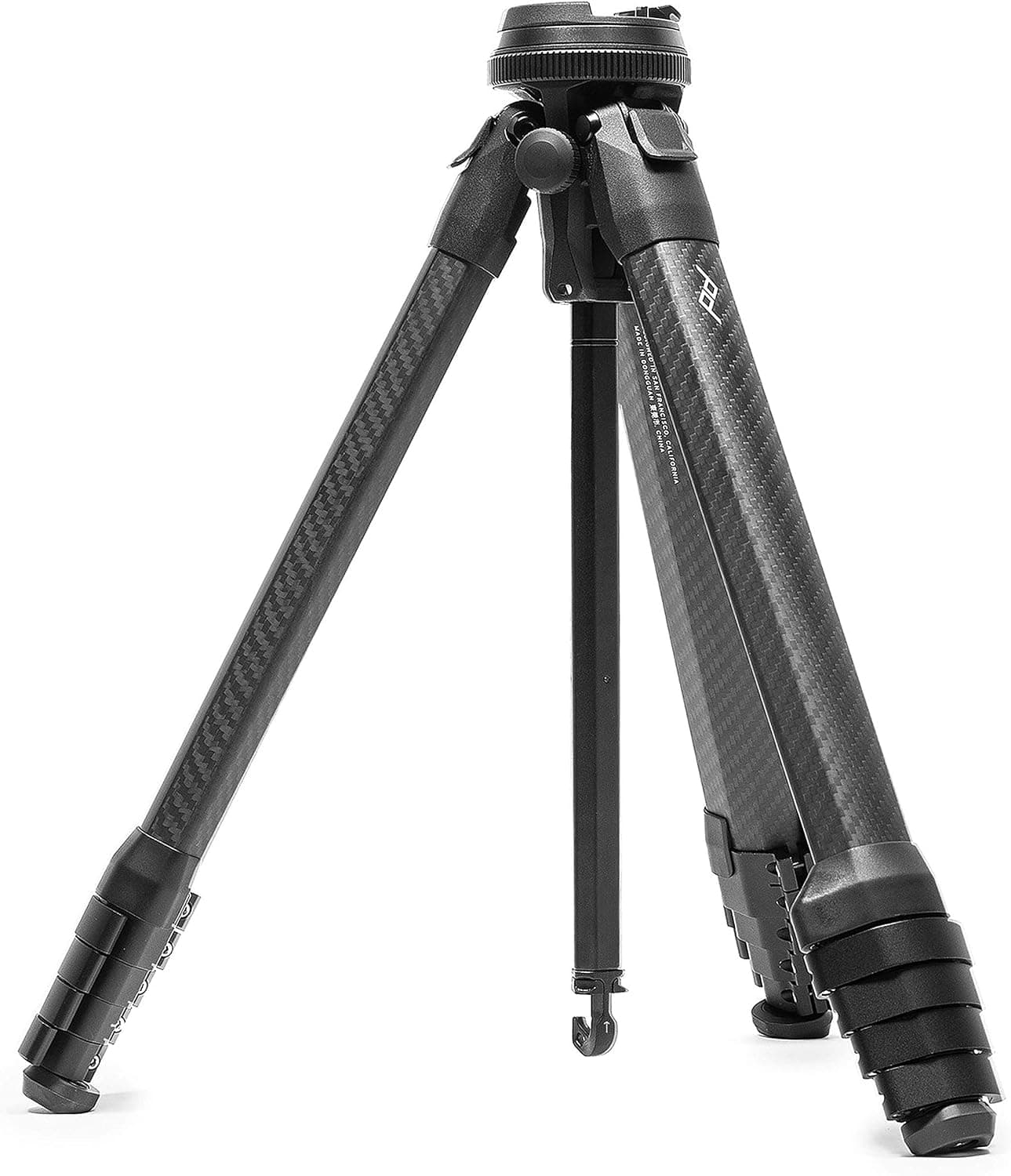
Peak Design Travel Tripod (Carbon)
$599 - $699
Gates of the Arctic has no roads, no trails, and no permit for small-group still photography; permit requirements are imposed case by case under Alaska-specific regulations.
Shoot decision
Groups of 8 or fewer meeting the EXPLORE Act conditions (no exclusive use, no adverse impact, no added administrative cost) need no permit.
Conditional
Issuer: Gates of the Arctic National Park and Preserve (permit requirements imposed by the superintendent under 36 CFR 13.50)
Cost: No permit or fee for qualifying groups of 8 or fewer; permitted shoots pay application, cost recovery, and location fees (fee varies, see the park permit page)
Processing: Contact the park for an application; case-by-case review
Groups of 8 or fewer meeting the EXPLORE Act conditions (no exclusive use, no adverse impact, no added administrative cost) need no permit. A permit is required for activity in closed areas, exclusive use of a site, sets or staging equipment beyond handheld gear (tripods, monopods, and handheld lighting count as handheld), or more than eight individuals. Alaska parks use 36 CFR 13.50 superintendent authority rather than the standard permit regulations.
Banned: launching, landing, or operating unmanned or remote controlled aircraft in Gates of the Arctic is prohibited
The park states the prohibition directly, consistent with NPS Policy Memorandum 14-05 and 36 CFR 1.5. For airspace, Part 107, and legal flying nearby, see Drone Authority.
Yes for personal and editorial photography throughout the park
Standard visitor photography is welcome; the entire park is undeveloped backcountry.
Guidance, not legal advice
Drone Authority
Rules answer the ground-photo side. Drone Authority handles the NPS flight ban, airspace, and legal flying nearby.
Kit Authority
Rules answer whether you can shoot. Kit handles where to go, when to go, and what to pack. Once the permit question is settled, use Kit for Gates of the Arctic timing, access, and packing.
$599 - $699
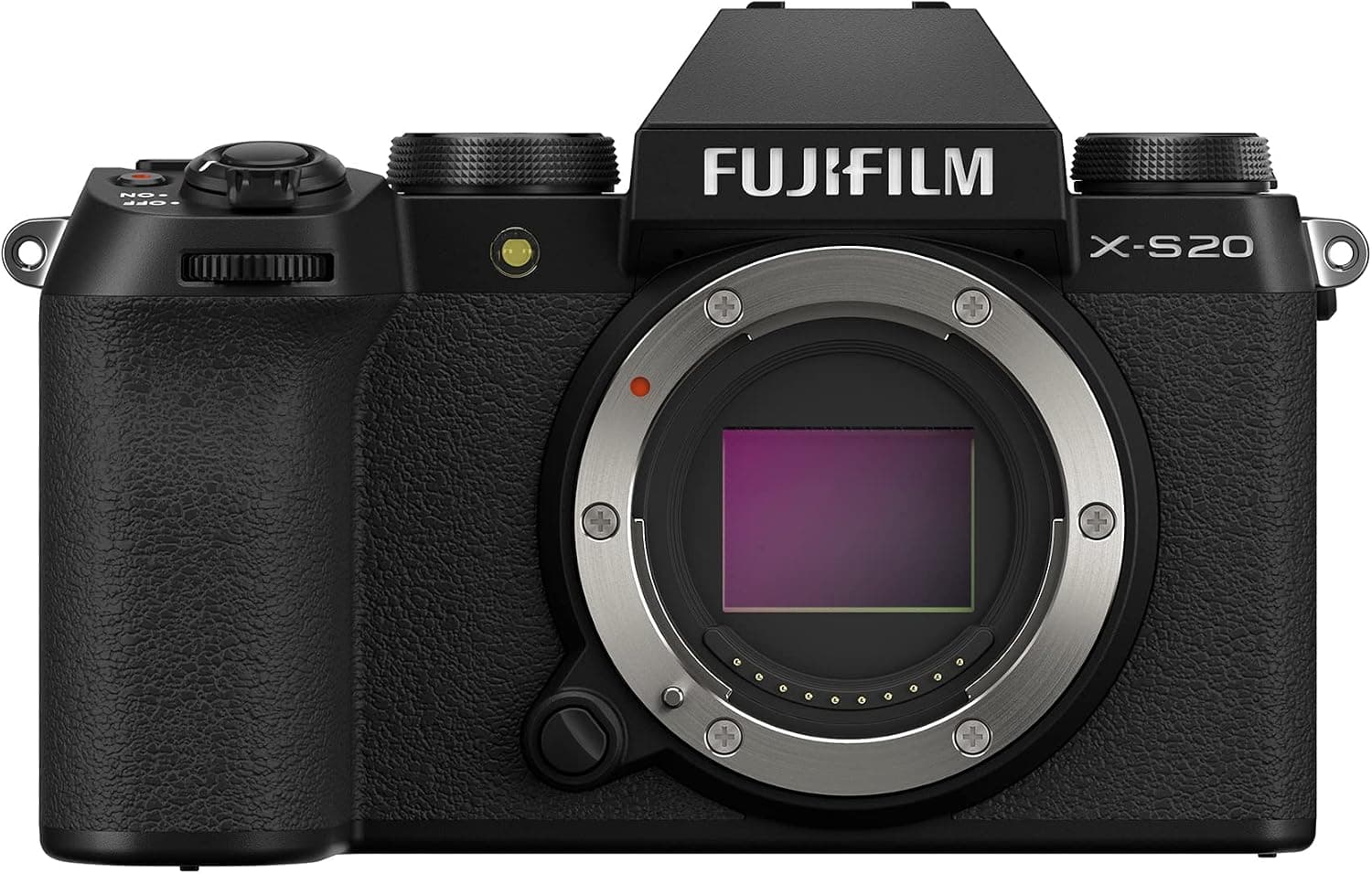
$1,490 - $1,680
Product links may earn a commission at no cost to you. Verify the rules first, then buy only what keeps the shoot practical.