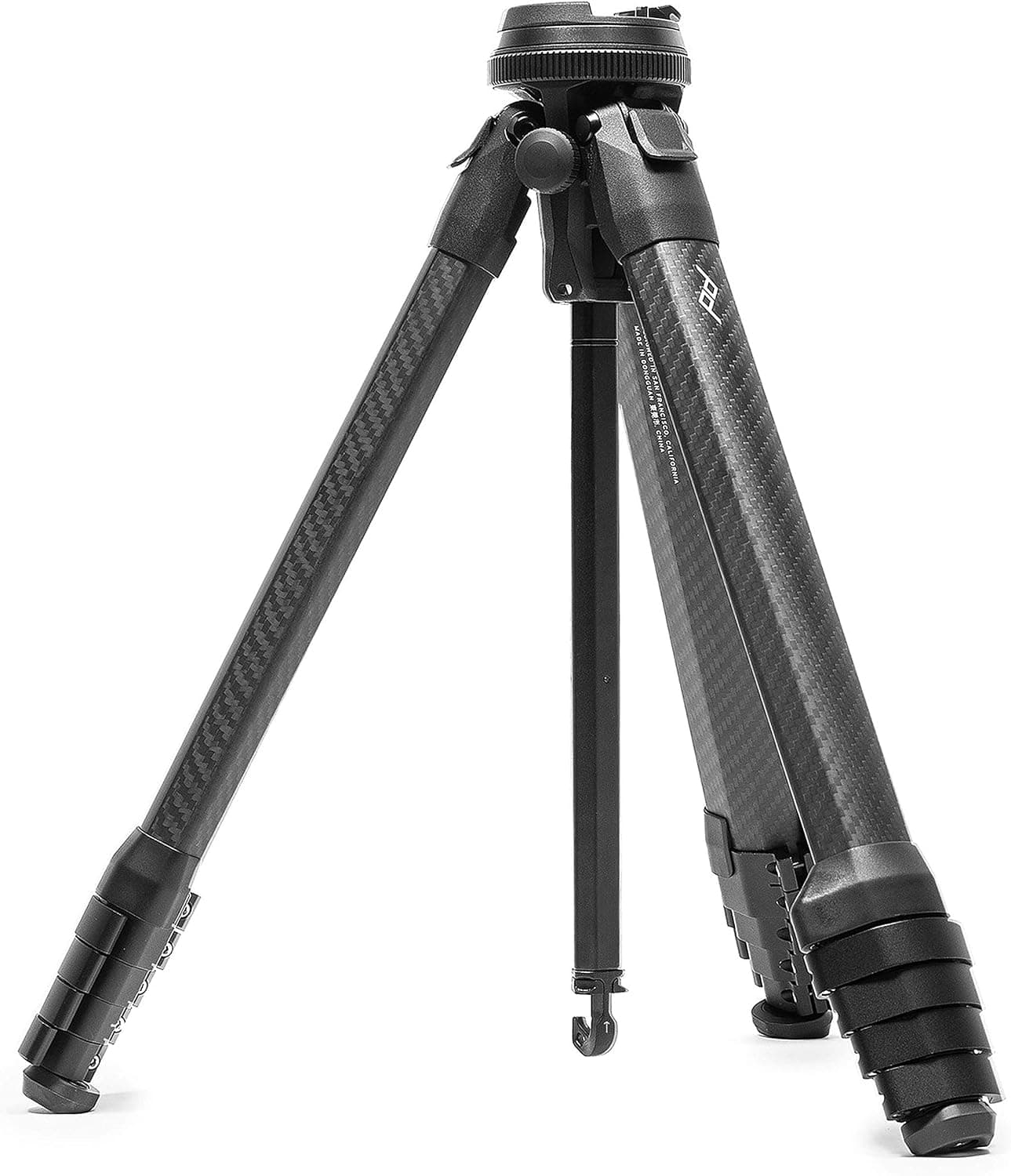
Peak Design Travel Tripod (Carbon)
$599 - $699
Grand Canyon's filming and photography rules after the EXPLORE Act, plus the river and tribal-land boundaries that change who issues the permit.
Shoot decision
Small groups of eight or fewer using hand-carried gear in public areas, without exclusive use and without extra cost to the park, generally need no permit under the EXPLORE Act.
Conditional
Issuer: Grand Canyon National Park film and photography office
Cost: No NPS permit for groups of 8 or fewer meeting the EXPLORE Act conditions; location and cost-recovery fees apply to permitted shoots
Processing: Plan ahead for permitted productions
Small groups of eight or fewer using hand-carried gear in public areas, without exclusive use and without extra cost to the park, generally need no permit under the EXPLORE Act. River trips through the canyon and shoots on adjacent tribal lands have their own separate permitting outside NPS authority.
Effectively banned: launching, landing, or operating a drone within park boundaries is prohibited
NPS Policy Memorandum 14-05 directs each superintendent to close the park to drone use under 36 CFR 1.5. For airspace, Part 107, and legal flying nearby, see Drone Authority.
Yes for personal and editorial photography throughout the park
Standard visitor photography is welcome.
Guidance, not legal advice
Drone Authority
Rules answer the ground-photo side. Drone Authority handles the NPS flight ban, airspace, and legal flying nearby.
Kit Authority
Rules answer whether you can shoot. Kit handles where to go, when to go, and what to pack. Once the permit question is settled, use Kit for Grand Canyon timing, access, and packing.
$599 - $699
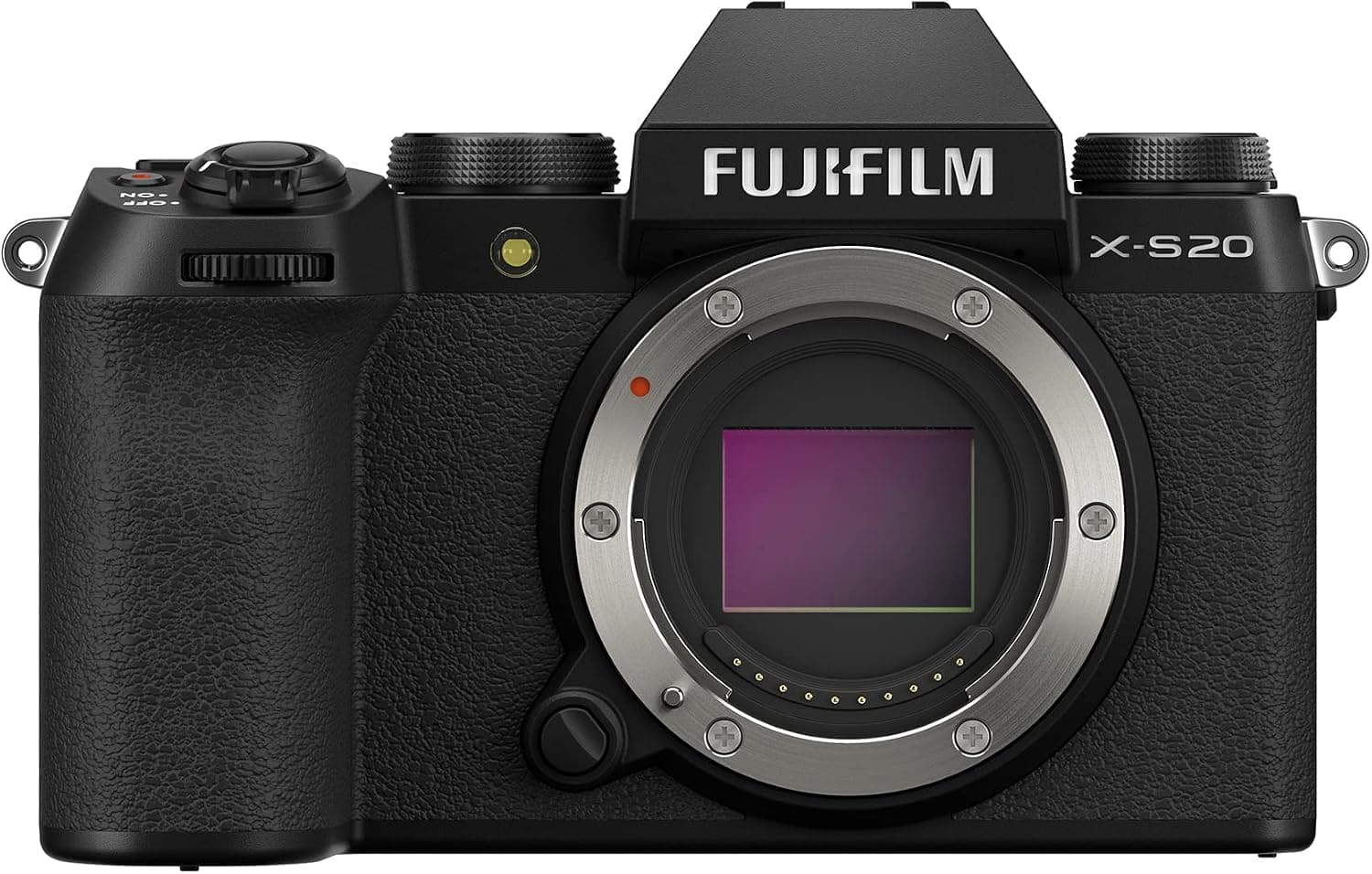
$1,490 - $1,680
Product links may earn a commission at no cost to you. Verify the rules first, then buy only what keeps the shoot practical.