We may earn a commission from links on this page, at no extra cost to you. Picks are researched, not sponsored.
Video asks different things of a lens than stills do. Quiet, smooth autofocus matters because the mic hears the motor. Minimal focus breathing matters because a rack focus that visibly zooms looks amateur. A constant aperture across a zoom range keeps your exposure steady on a pan. And a fast aperture buys you both low-light headroom and the shallow depth that reads as cinematic. The sharpest stills lens is not automatically the best video lens.

How to choose
Start with constant aperture. A zoom that holds f/2.8 from wide to long will not shift your exposure as you reframe, which a variable-aperture kit lens does. Next, weigh focus breathing: lenses marketed for video, or with breathing compensation in the body, hold their framing through a focus pull. Then weight and balance, especially on a gimbal, where a heavy lens throws off your setup; see the gimbal moves and technique guide for why balance matters. Finally, autofocus noise, since linear motors are near silent while older screw-drive units are not.
If you are weighing one zoom against a bag of primes, prime vs zoom lenses lays out the tradeoff for motion work.
The picks
Research pick
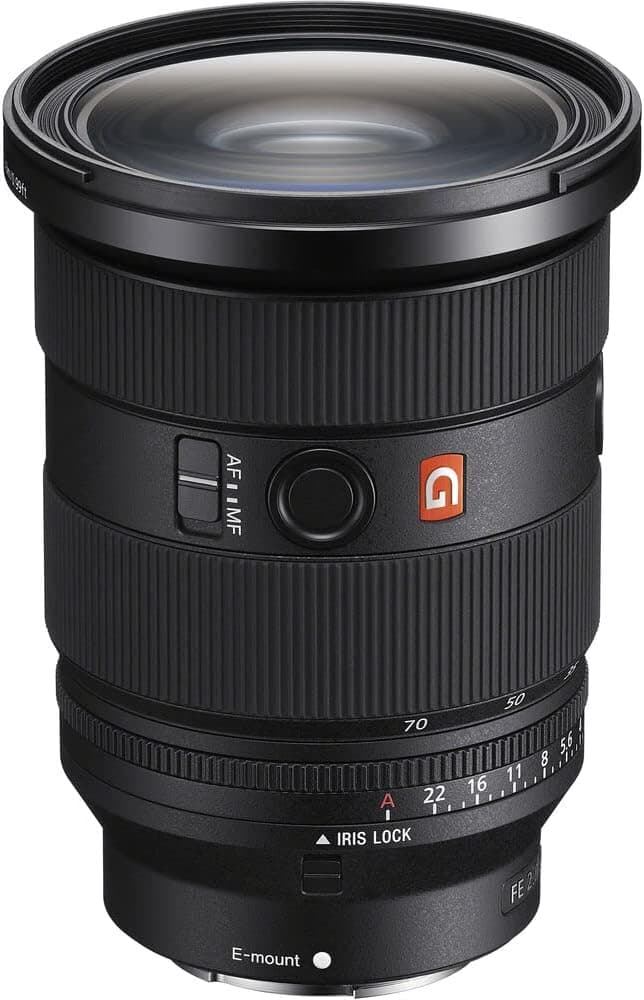
Sony FE 24-70mm f/2.8 GM II
Professionals who need one zoom to cover most full-frame work.
Check price at AmazonThe Sony FE 24-70mm f/2.8 GM II is the do-everything video zoom. The range covers establishing wides through tight interview framing, the constant f/2.8 holds exposure on a reframe, and the autofocus is fast and silent. It is also lighter than the lens it replaced, which helps on a gimbal. If you buy one video lens for a Sony body, this is the safe answer.
Research pick
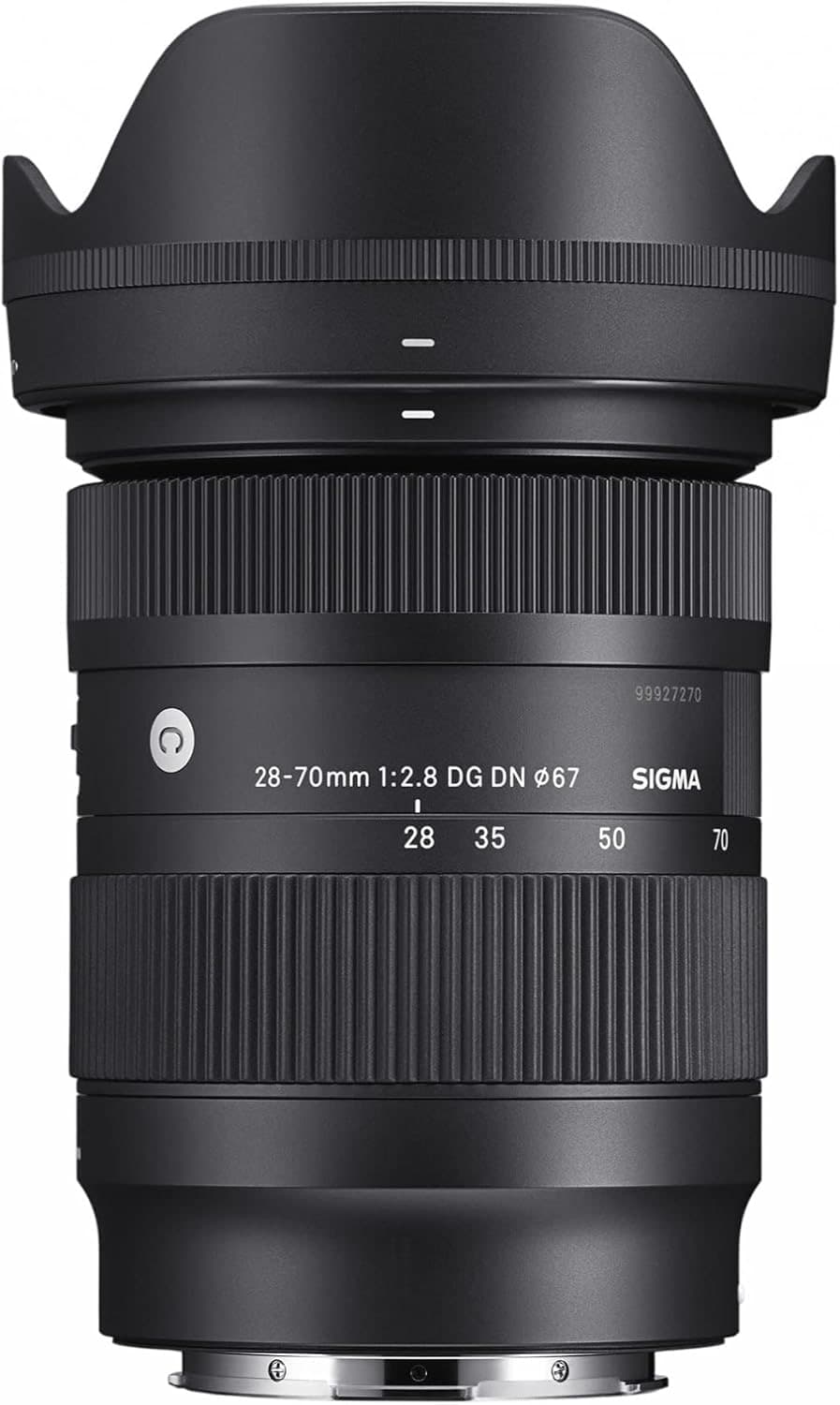
Sigma 28-70mm f/2.8 DG DN Contemporary
Sony and L mount shooters who prioritize a light constant-aperture zoom.
Check price at AmazonThe Sigma 28-70mm f/2.8 DG DN Contemporary is the value take on that same zoom. It gives up a little reach at the wide end and the premium build, but the optics and the quiet autofocus are close enough that most viewers will not tell. For a shooter who wants the constant-aperture zoom experience without the flagship price, it is the smart pick.
Research pick
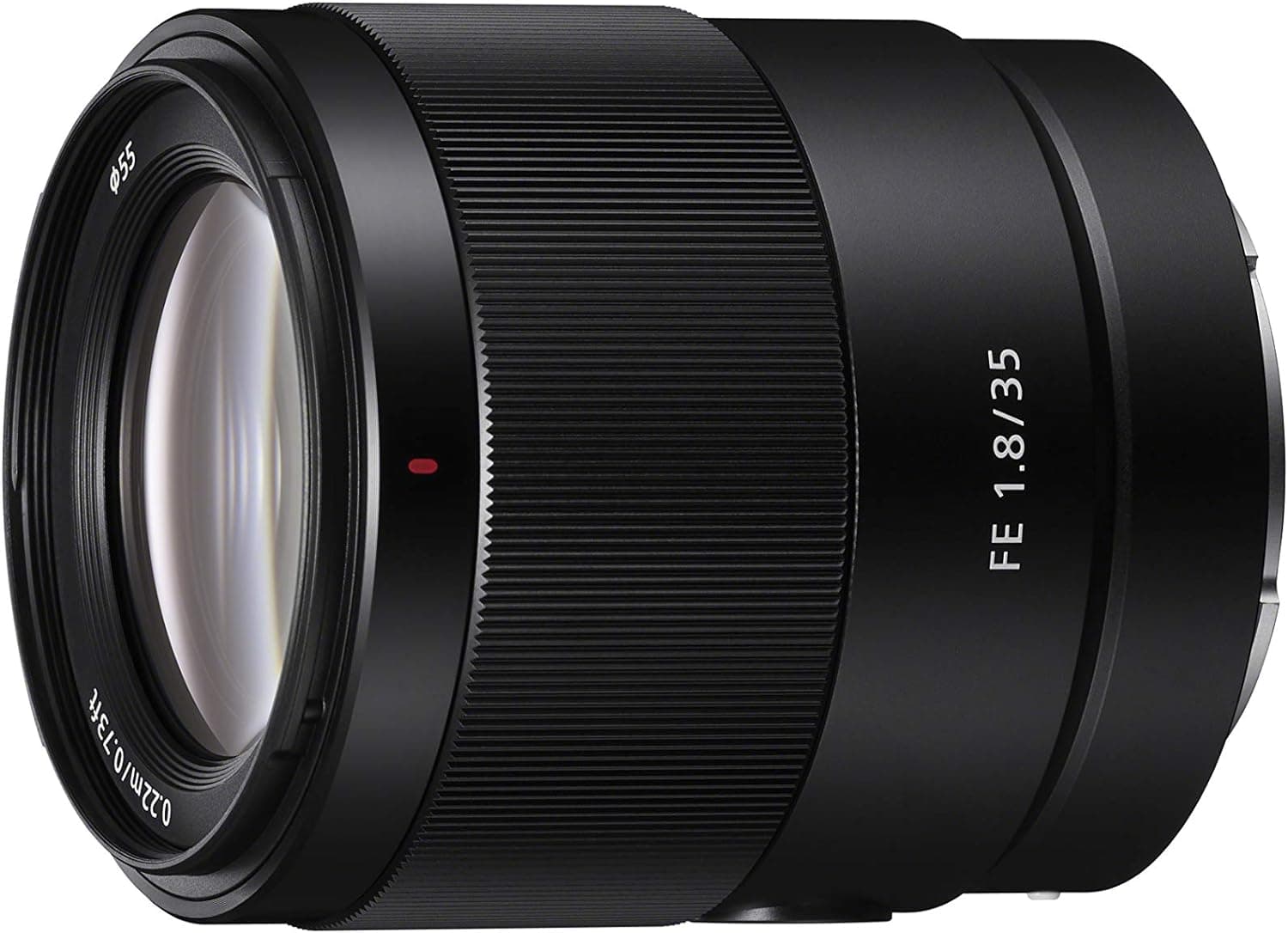
Sony FE 35mm f/1.8
Sony shooters who want a small everyday wide prime.
Check price at AmazonThe Sony FE 35mm f/1.8 is the compact prime for run-and-gun and vlogging. The 35mm field of view is wide enough to include context and close enough to feel personal, the f/1.8 aperture handles dim rooms, and the small size keeps a rig light. It is the lens to grab when you want to travel light and still hold a shallow-focus look.
Best Value
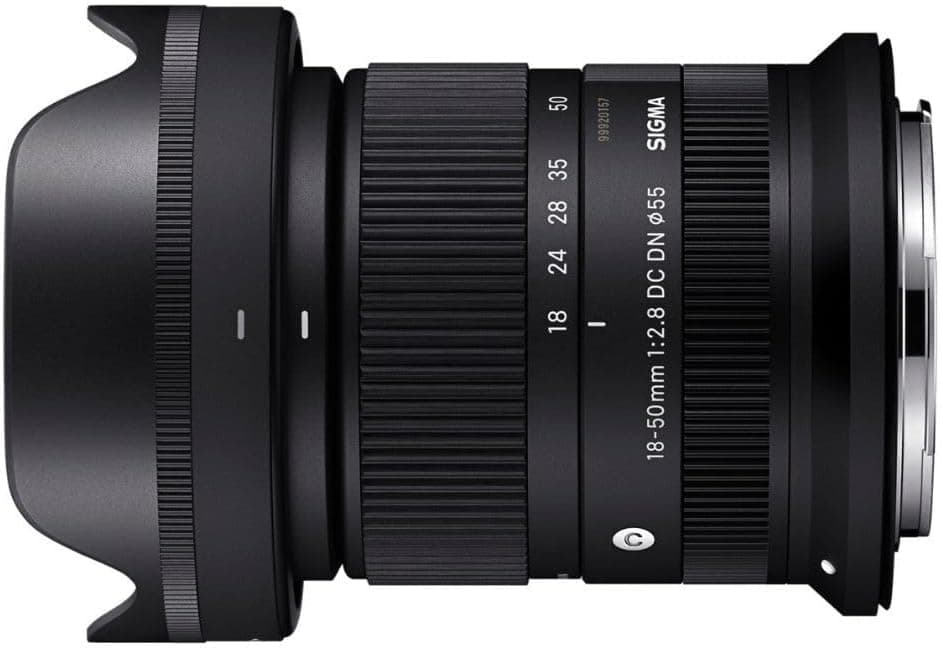
Sigma 18-50mm f/2.8 DC DN Contemporary
APS-C shooters who want a compact constant-aperture everyday zoom.
Check price at AmazonThe Sigma 18-50mm f/2.8 DC DN is the APS-C answer for crop-sensor video bodies. It is tiny, holds a constant f/2.8, and on an APS-C camera covers a roughly 27-75mm full-frame field, which is an ideal everyday video range. For a compact setup on a smaller body, it punches well above its size and price.
Research pick
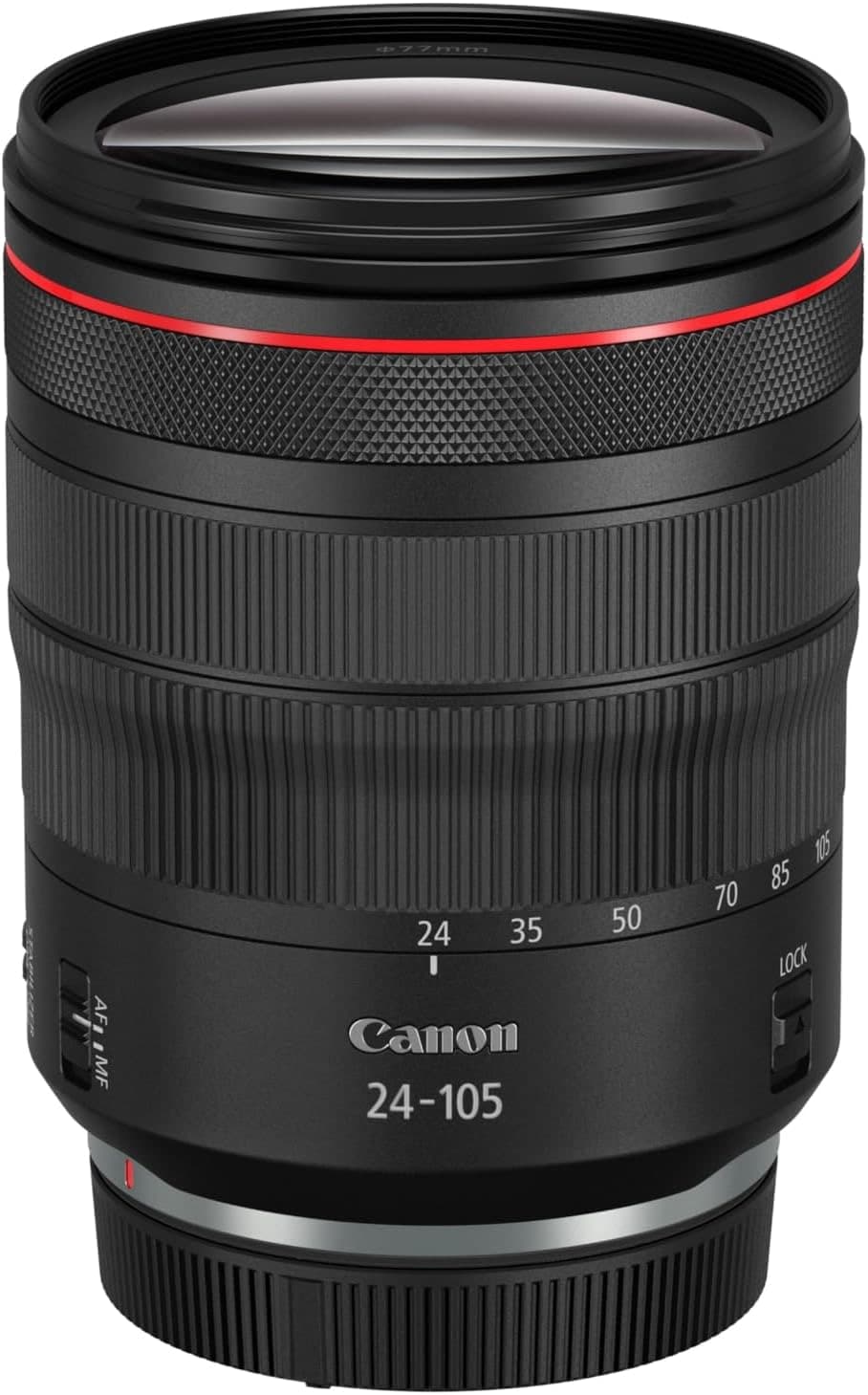
Canon RF 24-105mm f/4 L IS USM
Canon RF shooters who want one travel and everyday zoom.
Check price at AmazonThe Canon RF 24-105mm f/4 L IS USM trades a stop of aperture for range and stabilization. The longer reach covers wides through short telephoto, and the built-in image stabilization steadies handheld shots, which is useful when you are not on a tripod or gimbal. For Canon shooters who want one lens to leave on the body, the flexibility wins.
Research pick
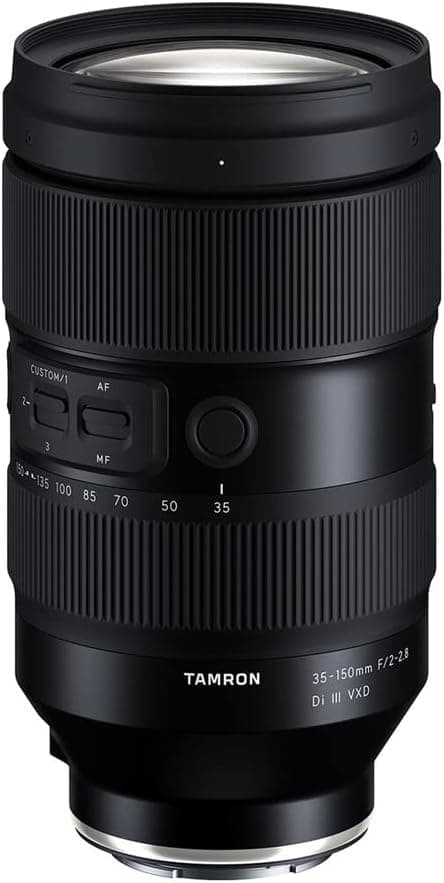
Tamron 35-150mm f/2-2.8 Di III VXD
Event and wedding shooters who want one fast do-it-all zoom.
Check price at AmazonThe Tamron 35-150mm f/2-2.8 is the interview and event specialist. The range lets you move from a two-shot to a tight close-up without changing lenses, and the bright aperture, f/2 at the wide end, gives you the most background separation here. It is large and heavy, so it suits tripod and shoulder work more than a gimbal, but for talking-head and event coverage it is hard to beat.
Common mistakes
The first mistake is buying a sharp stills lens that breathes badly, then watching every focus pull zoom on screen. The second is ignoring weight on a gimbal, where a front-heavy lens makes balancing a fight and drains the motors. The third is skipping the constant aperture, then fighting exposure flicker every time you zoom mid-shot. Match the lens to how you actually move the camera.
To get clean motion out of any of these, pair the lens choice with how to avoid camera shake and, for narrative or listing work, the real estate photography walkthrough.
What is focus breathing and why does it matter for video?
Focus breathing is the slight change in field of view as a lens shifts focus. On stills it is invisible; on a video rack focus it reads as an unwanted zoom. Lenses built or marketed for video minimize it, and some bodies add breathing compensation in software.
Do I need a constant-aperture zoom?
For video, it helps a lot. A variable-aperture kit lens darkens as you zoom in, so your exposure shifts mid-shot. A constant f/2.8 or f/4 zoom holds exposure across the range, which keeps a pan or a reframe clean without touching settings.
Is a prime or a zoom better for video?
Zooms win for run-and-gun and events because you reframe without swapping glass. Primes win for controlled setups where the brighter aperture and smaller size pay off. Many shooters carry one constant-aperture zoom plus one fast prime and cover almost everything.
Compare picks
The short version
Use this to narrow the list before opening the detailed cards.
Scores weigh fit, owner sentiment, build, and value. Affiliate links do not change pick order. Methodology
Buying order
Start with the skip note. A good deal on the wrong camera is still the wrong camera.
Compare verdictsIf you already own lenses, check the system path before buying into a new mount.
Check systemsOnce the fit makes sense, compare current deals and retailer listings.
Check current dealsCamera system shortcut
If you already own one of these systems, keep the comparison inside that ecosystem before checking out.
Autofocus hybrid kits
Simple camera paths
Professionals who need one zoom to cover most full-frame work.
Use the retailer for the current price after the tradeoff makes sense. Confirm mount, focal length, filter size, and autofocus compatibility.
Tradeoff: No weather sealing
Use the retailer for the current price after the tradeoff makes sense. Confirm mount, focal length, filter size, and autofocus compatibility.
Event and wedding shooters who want one fast do-it-all zoom.
Use the retailer for the current price after the tradeoff makes sense. Confirm mount, focal length, filter size, and autofocus compatibility.
Canon RF shooters who want one travel and everyday zoom.
Use the retailer for the current price after the tradeoff makes sense. Confirm mount, focal length, filter size, and autofocus compatibility.
Price ladder
The useful range here runs from $550 to $2,575. Start with the ceiling that matches the assignment.
- Professionals who need one zoom to cover most full-frame work.
- Outstanding sharpness
- High price
Use the retailer for the current price after the tradeoff makes sense. Confirm mount, focal length, filter size, and autofocus compatibility.
- Sony and L mount shooters who prioritize a light constant-aperture zoom.
- Very light for f/2.8
- Starts at 28mm not 24mm
Use the retailer for the current price after the tradeoff makes sense. Confirm mount, focal length, filter size, and autofocus compatibility.
- Sony shooters who want a small everyday wide prime.
- Compact and light
- f/1.8 not as bright as G Master primes
Use the retailer for the current price after the tradeoff makes sense. Confirm mount, focal length, filter size, and autofocus compatibility.
- APS-C shooters who want a compact constant-aperture everyday zoom.
- Tiny and light for f/2.8
- No weather sealing
Use the retailer for the current price after the tradeoff makes sense. Confirm mount, focal length, filter size, and autofocus compatibility.
- Canon RF shooters who want one travel and everyday zoom.
- Flexible 24-105 range
- f/4 limits low light
Use the retailer for the current price after the tradeoff makes sense. Confirm mount, focal length, filter size, and autofocus compatibility.
- Event and wedding shooters who want one fast do-it-all zoom.
- Bright f/2 at the wide end
- Heavy
Use the retailer for the current price after the tradeoff makes sense. Confirm mount, focal length, filter size, and autofocus compatibility.
| Pick | Score | Price | Verdict | Action |
|---|---|---|---|---|
| PickSony FE 24-70mm f/2.8 GM II | 9.5
| $2,400 - $2,750 | Professionals who need one zoom to cover most full-frame work. Wins: Outstanding sharpness Skip: High price | Check Amazon · $2,400 - $2,750 Use the retailer for the current price after the tradeoff makes sense. Confirm mount, focal length, filter size, and autofocus compatibility. |
 PickSigma 28-70mm f/2.8 DG DN Contemporary PickSigma 28-70mm f/2.8 DG DN Contemporary | 8.6
| $700 - $800 | Sony and L mount shooters who prioritize a light constant-aperture zoom. Wins: Very light for f/2.8 Skip: Starts at 28mm not 24mm | Check Amazon · $700 - $800 Use the retailer for the current price after the tradeoff makes sense. Confirm mount, focal length, filter size, and autofocus compatibility. |
 PickSony FE 35mm f/1.8 PickSony FE 35mm f/1.8 | 8.6
| $790 - $900 | Sony shooters who want a small everyday wide prime. Wins: Compact and light Skip: f/1.8 not as bright as G Master primes | Check Amazon · $790 - $900 Use the retailer for the current price after the tradeoff makes sense. Confirm mount, focal length, filter size, and autofocus compatibility. |
| Best ValueSigma 18-50mm f/2.8 DC DN Contemporary | 8.8
| $500 - $600 | APS-C shooters who want a compact constant-aperture everyday zoom. Wins: Tiny and light for f/2.8 Skip: No weather sealing | Check Amazon · $500 - $600 Use the retailer for the current price after the tradeoff makes sense. Confirm mount, focal length, filter size, and autofocus compatibility. |
| PickCanon RF 24-105mm f/4 L IS USM | 8.8
| $1,390 - $1,570 | Canon RF shooters who want one travel and everyday zoom. Wins: Flexible 24-105 range Skip: f/4 limits low light | Check Amazon · $1,390 - $1,570 Use the retailer for the current price after the tradeoff makes sense. Confirm mount, focal length, filter size, and autofocus compatibility. |
| PickTamron 35-150mm f/2-2.8 Di III VXD | 9.0
| $1,590 - $1,800 | Event and wedding shooters who want one fast do-it-all zoom. Wins: Bright f/2 at the wide end Skip: Heavy | Check Amazon · $1,590 - $1,800 Use the retailer for the current price after the tradeoff makes sense. Confirm mount, focal length, filter size, and autofocus compatibility. |
Shoot kits
Buy around the job, not the spec sheet
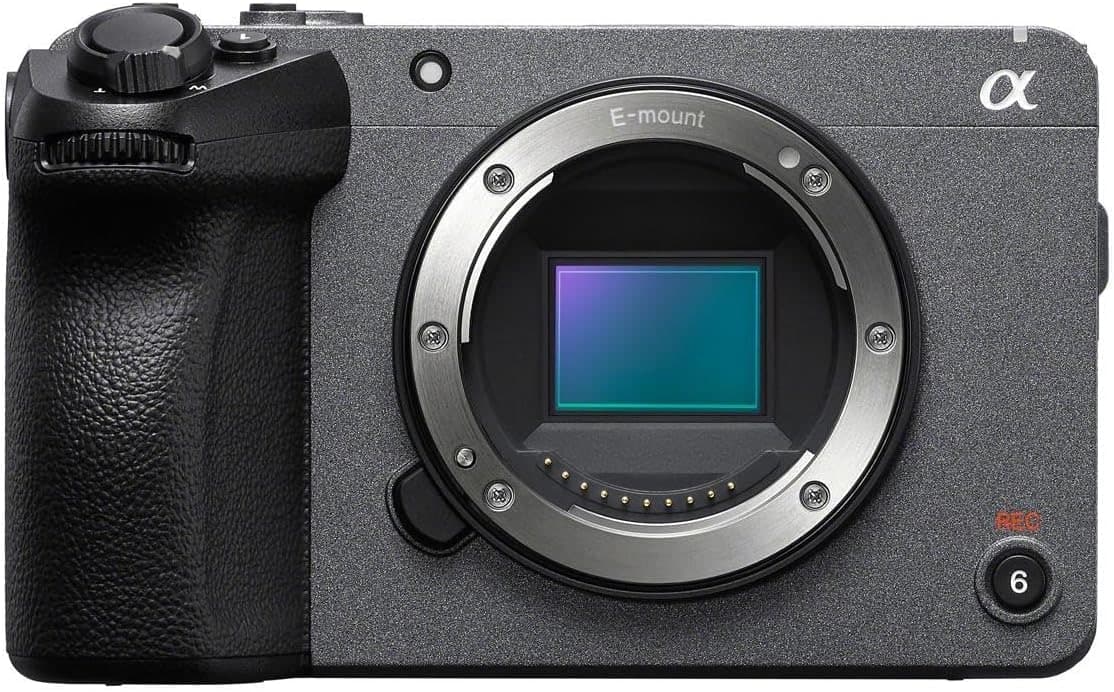
Video rig
Run-and-gun video rig
$4,201
A compact cinema body, fast normal zoom, cage, monitor, gimbal, shotgun mic, and battery for paid video work.
Best upgrade path from creator kit
Buy order: start with the first piece that makes the job possible, then add the support pieces that remove friction.
Camera: start here. If this piece does not make the shoot easier, the rest of the kit can wait.
Power: add it after the core setup proves useful.
Sony FX30
Cinema-line controls, active cooling, reliable autofocus, and files that grade well without full-frame cost.
Sigma 18-50mm f/2.8 DC DN Contemporary
A small constant-aperture zoom that keeps an APS-C rig light enough to carry and balance.
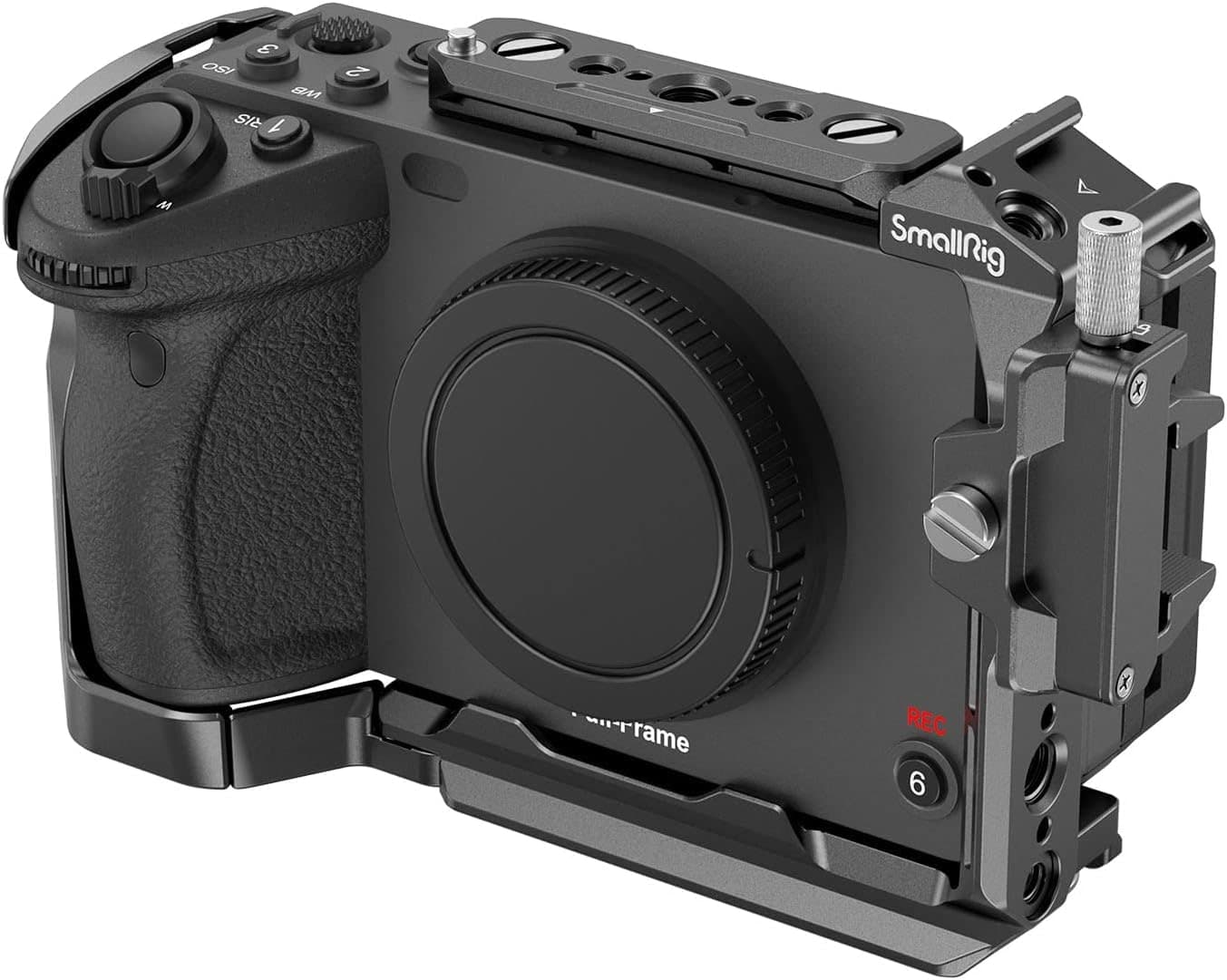
SmallRig Cage for Sony FX3 and FX30
Adds proper mounting points for handles, monitors, mics, and cables without relying on the camera body.
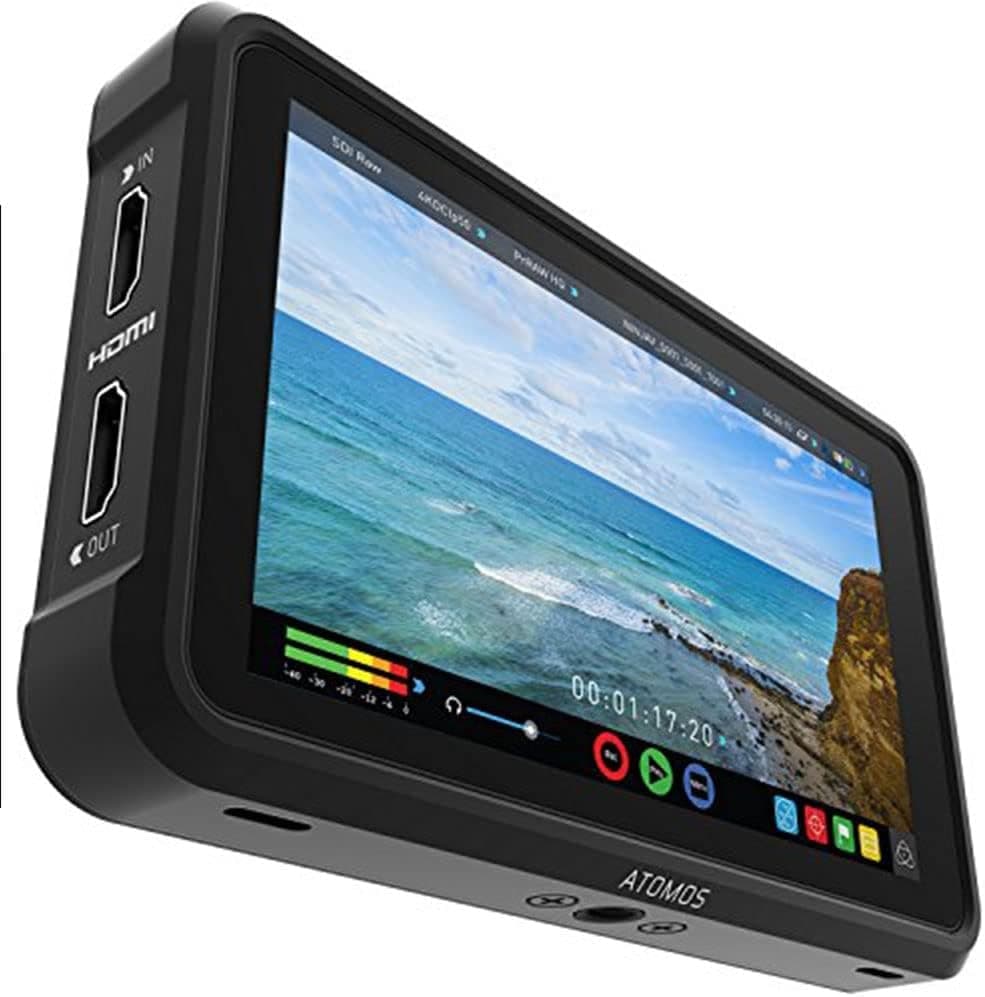
Atomos Ninja V
A bright five-inch screen for focus, exposure tools, LUT preview, and cleaner client monitoring.
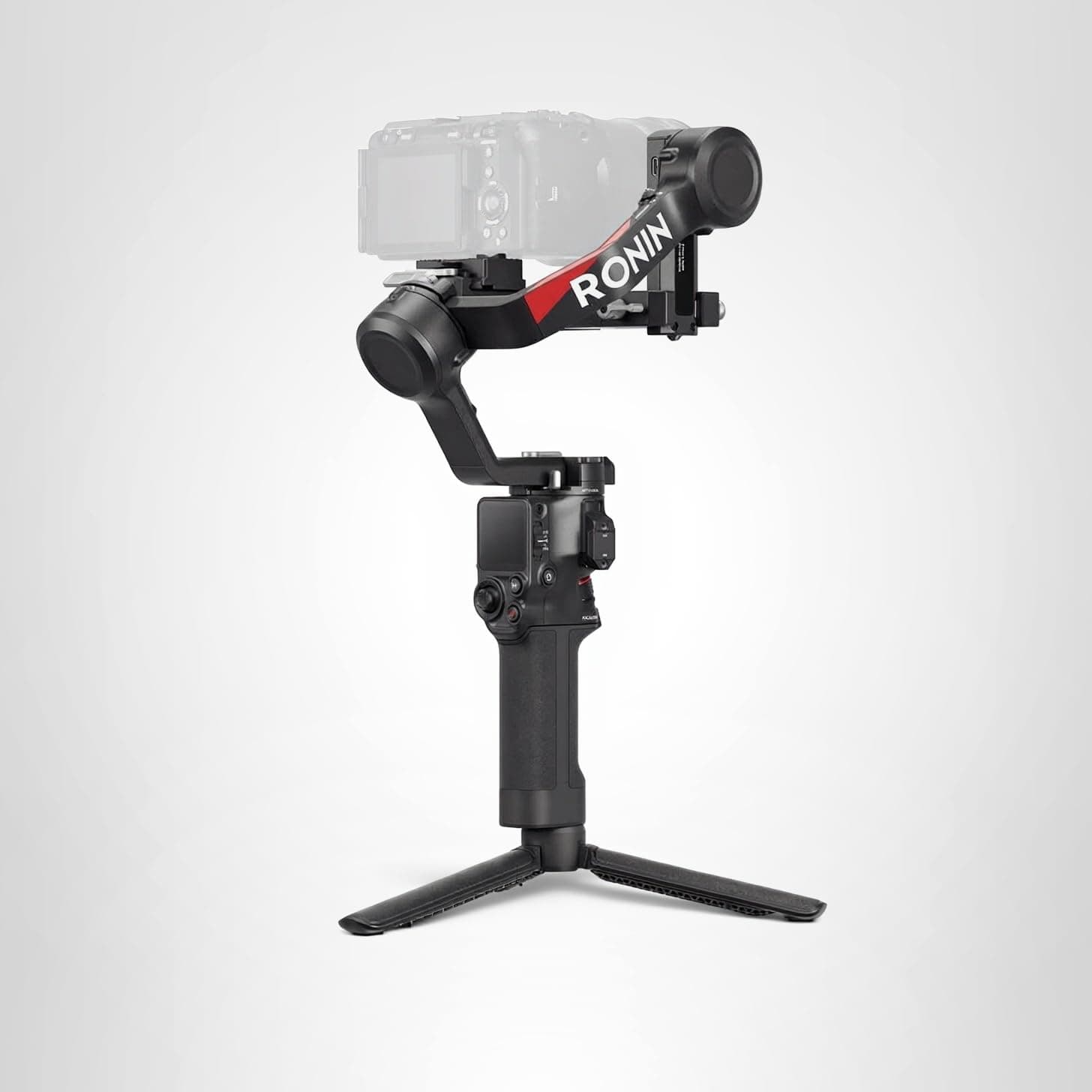
DJI RS 4
The gimbal tier that can handle a built-out mirrorless or compact cinema rig without becoming huge.
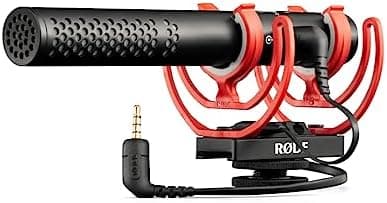
Rode VideoMic NTG
A flexible on-camera shotgun that also works as a small USB mic for quick voiceover or desk work.
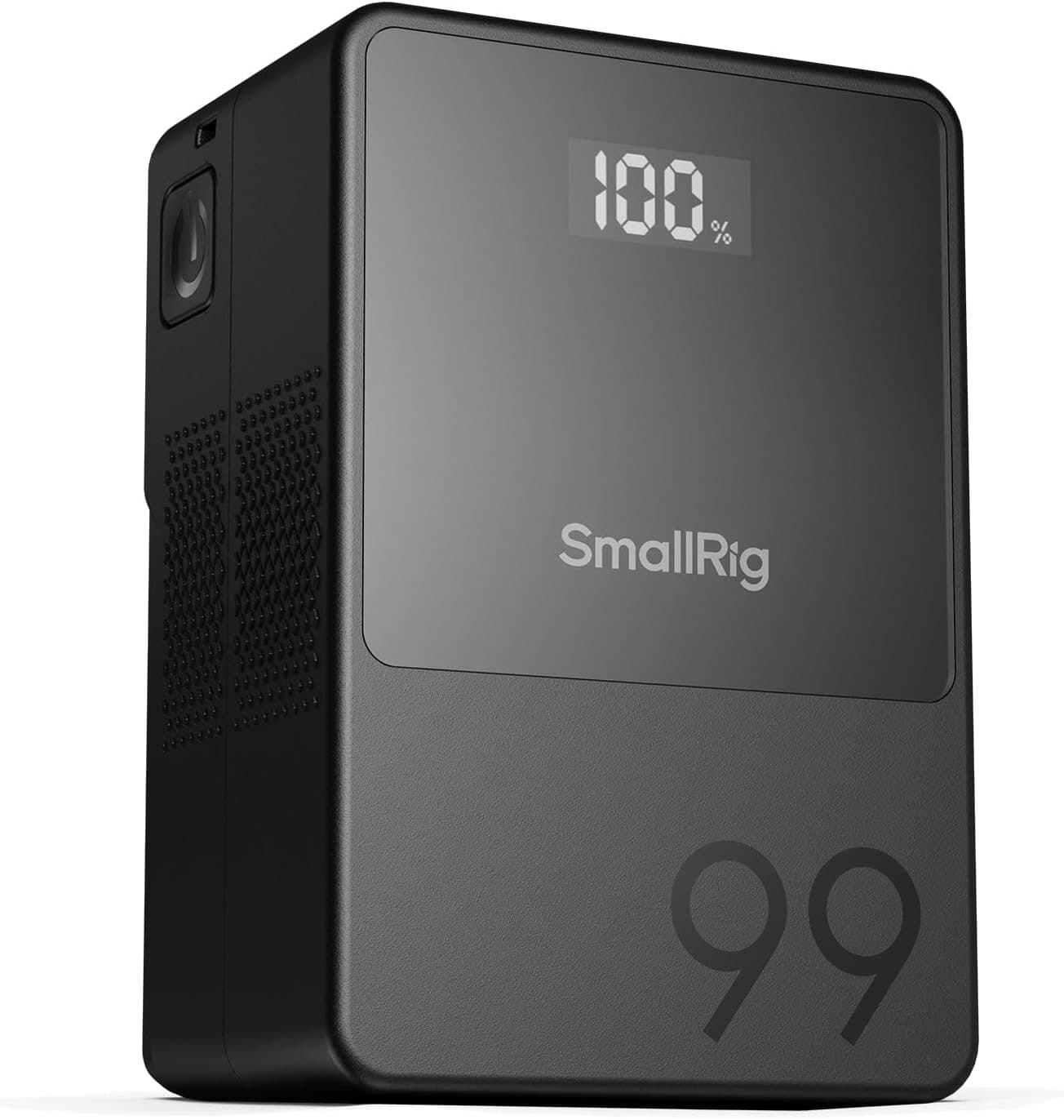
SmallRig VB99
A compact V-mount that can run monitors, lights, or cinema bodies without turning the rig into a brick.
Prices are rough catalog totals. Retailer prices change, and you can swap pieces to fit your system.
Related Gear guides
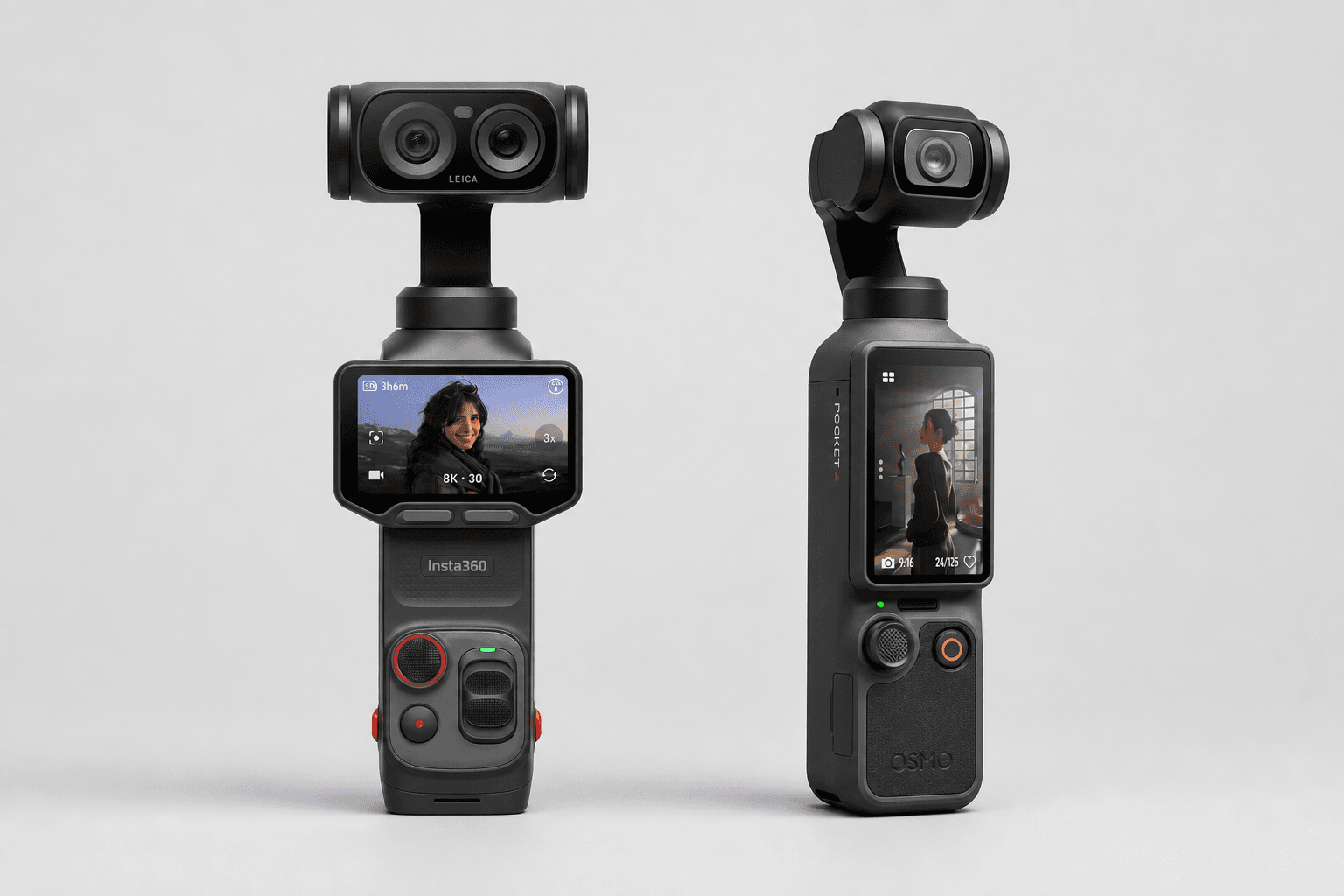
Insta360 Luna Ultra vs DJI Osmo Pocket 4: Which Pocket Gimbal Should You Buy?
Compare Luna Ultra and DJI Pocket 4 by lenses, video, Log formats, storage, U.S. availability, and the filming jobs each pocket gimbal handles best.
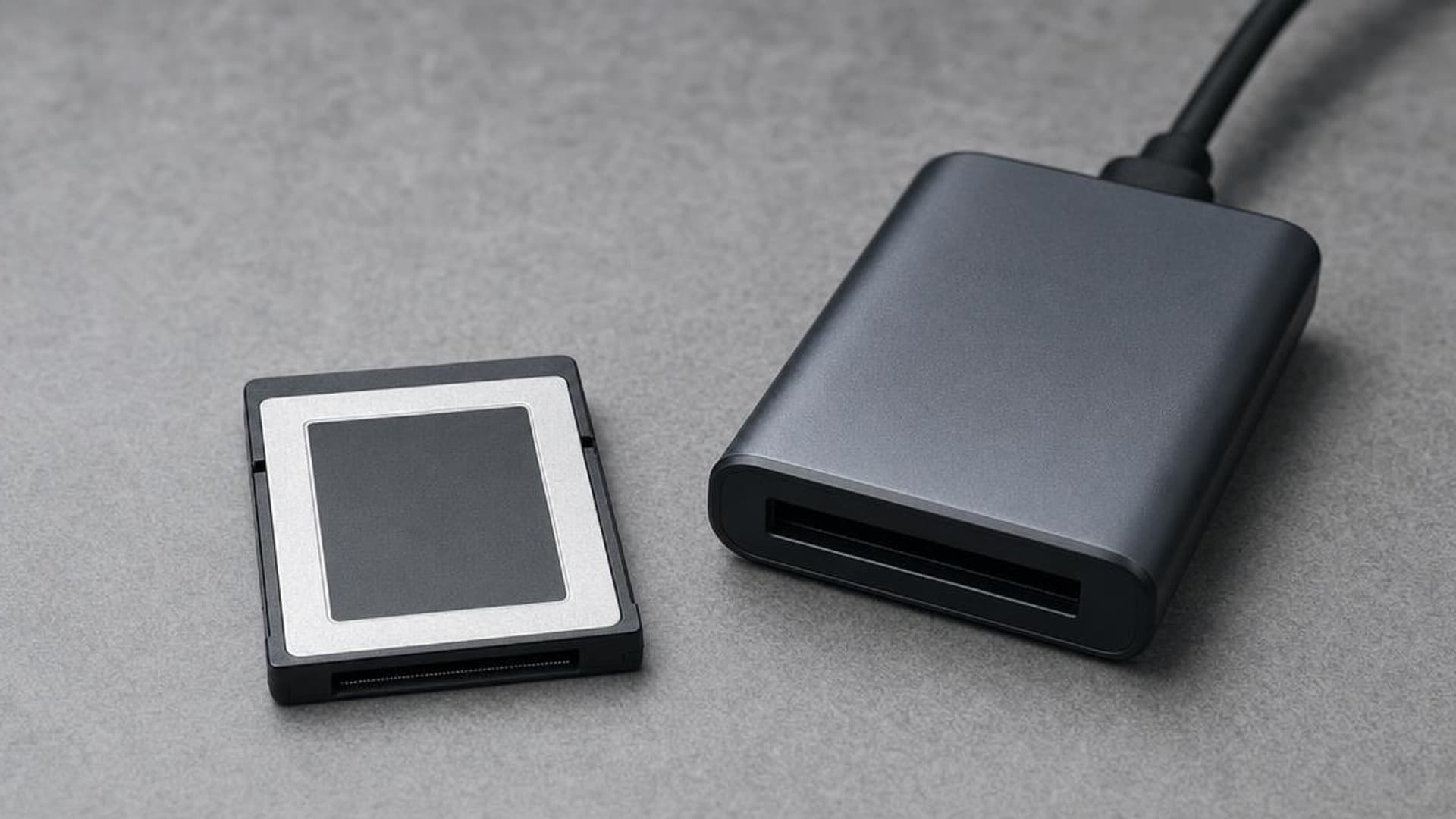
CFexpress 4.0 and VPG Explained: Buy the Card Your Camera Needs
CFexpress 4.0 doubles theoretical bandwidth, while VPG certifies sustained video writes. Learn Type A vs B, VPG classes, and when 4.0 is worth paying for.
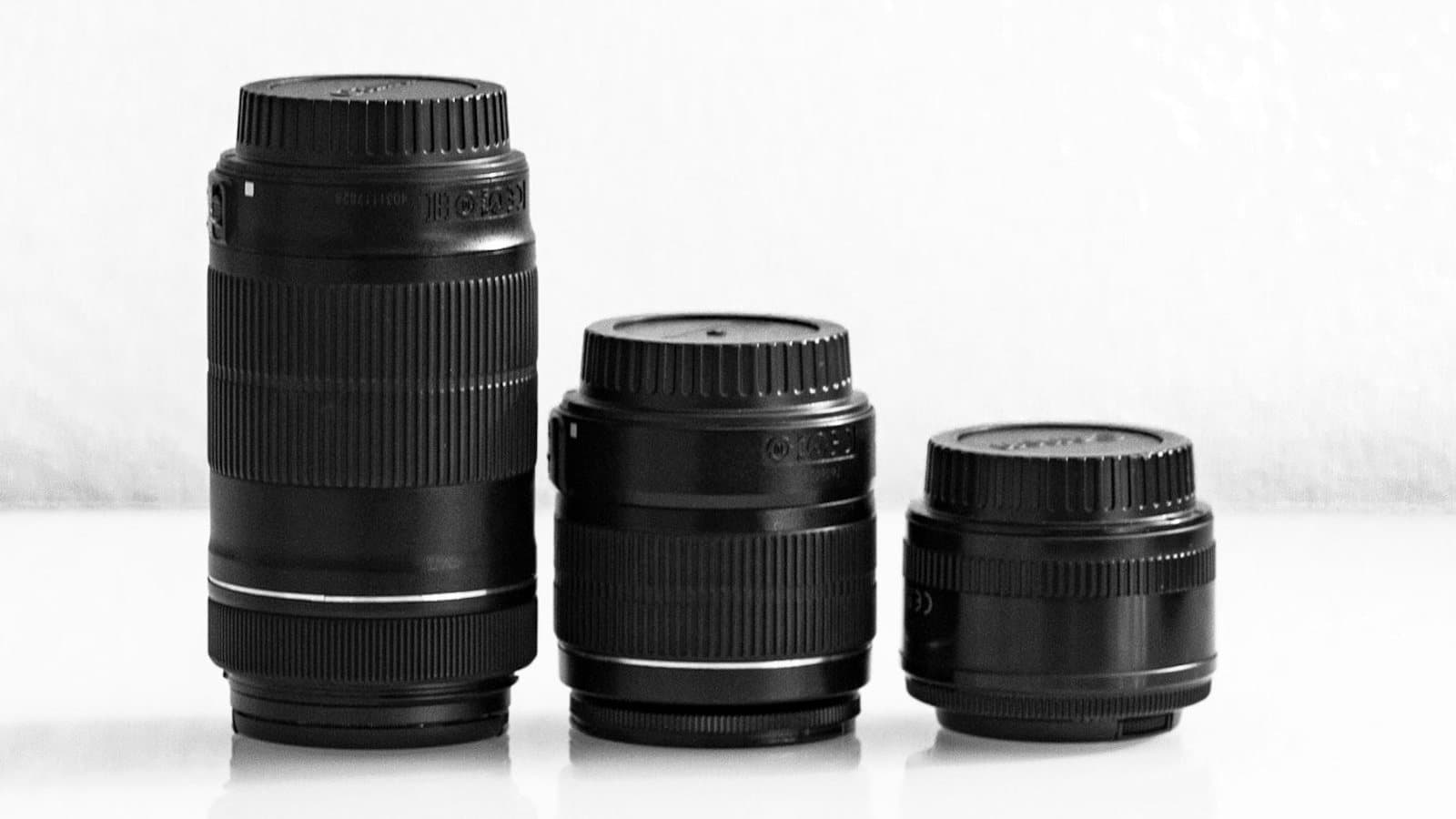
Focal Length Explained: What 24mm, 50mm, 85mm, and 200mm Actually Do
What the millimeter number on a lens changes in the field: angle of view, compression, and working distance. When to reach for 24, 50, 85, or 200mm.
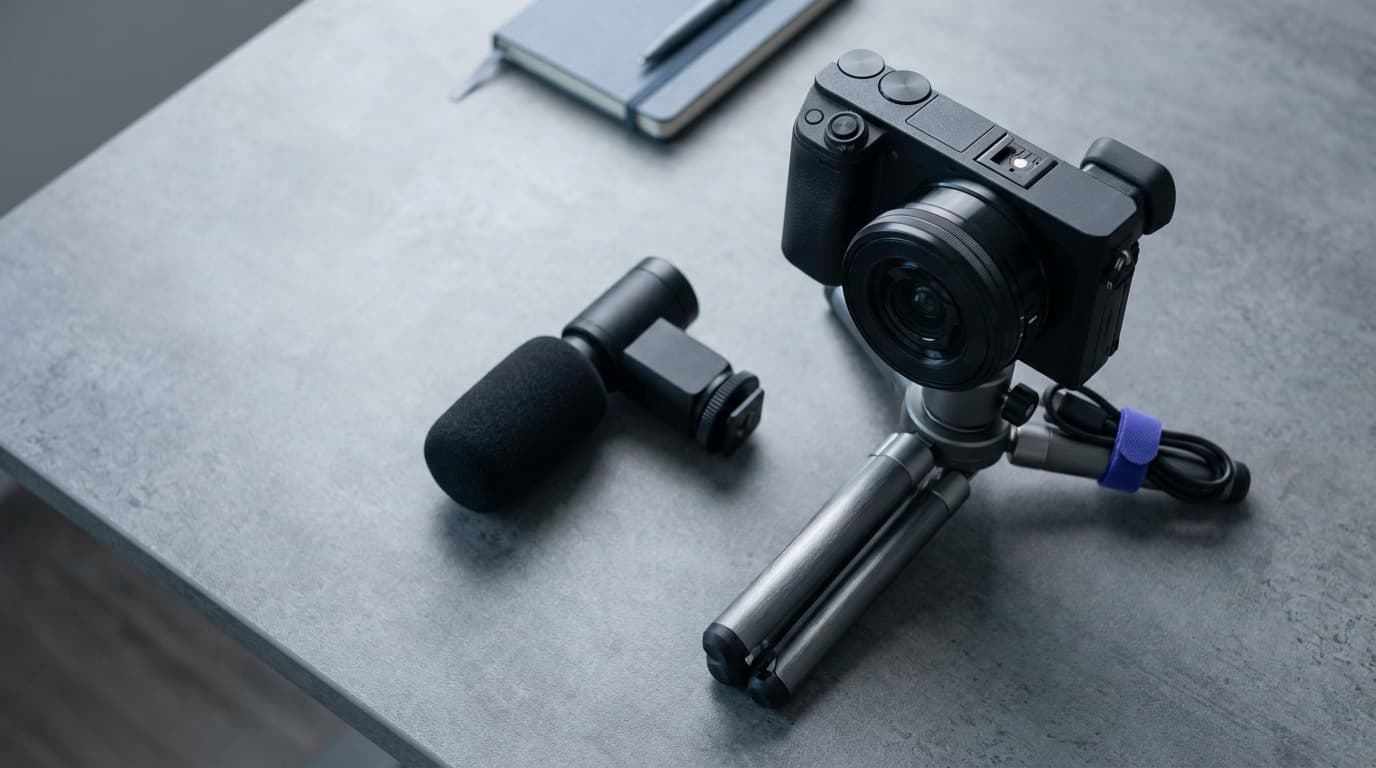
Canon EOS R50 V vs Sony ZV-E10 II: Which Beginner Vlogging Camera Should You Buy?
Canon EOS R50 V is the easier beginner creator kit. Sony ZV-E10 II is the deeper lens-system pick. Compare the practical tradeoffs.
Researched, not personally tested: picks compare specifications, available owner feedback, and established expert sources. As an Amazon Associate I earn from qualifying purchases. We may earn a commission from links here, at no extra cost to you. How we research →