We may earn a commission from links on this page, at no extra cost to you. Picks are researched, not sponsored.
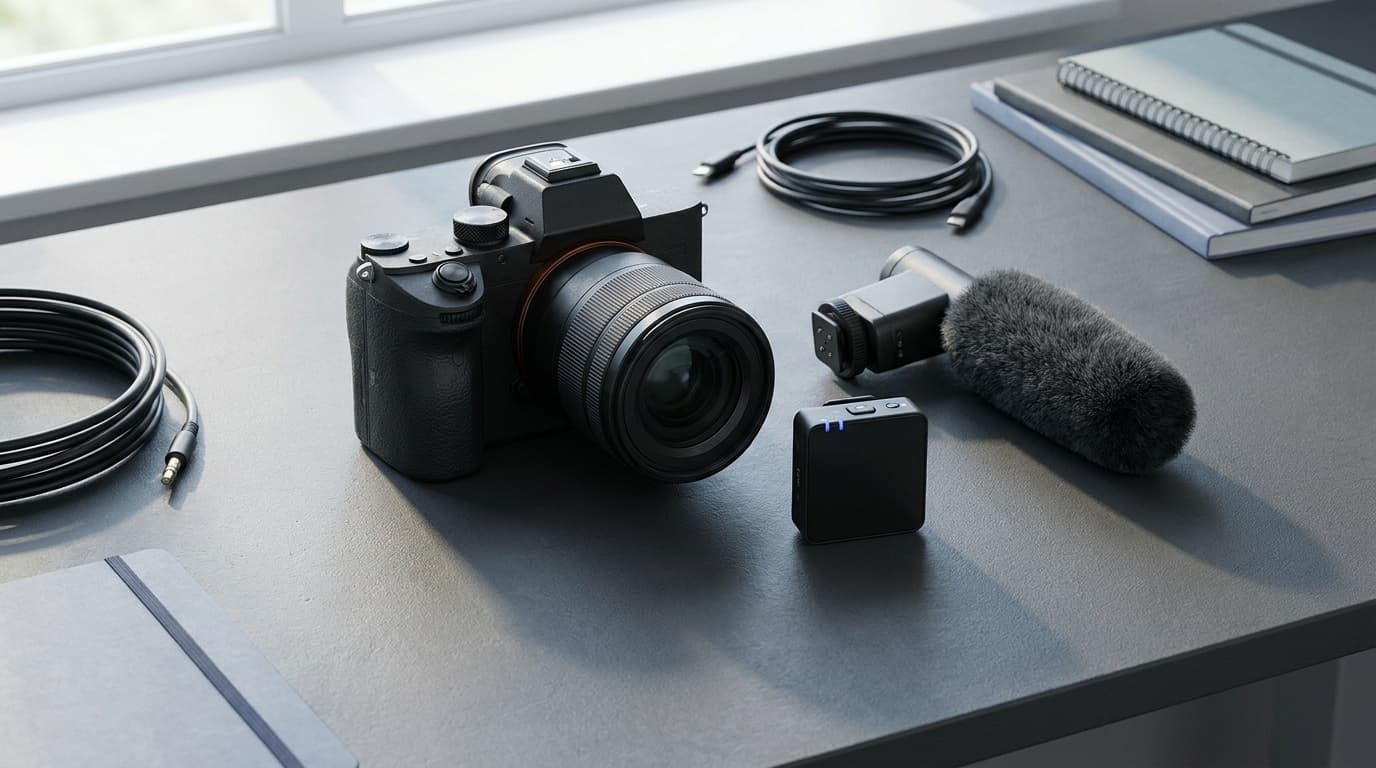
The audio is half the video, and the camera's built-in mic is the fastest way to make footage feel cheap. Upgrading is the single biggest quality jump most creators can make, because viewers forgive a soft image far sooner than bad sound. The right mic depends on how you shoot: a clip-on wireless system for talking to camera or interviews, a directional shotgun for run-and-gun and ambient capture.
How to choose
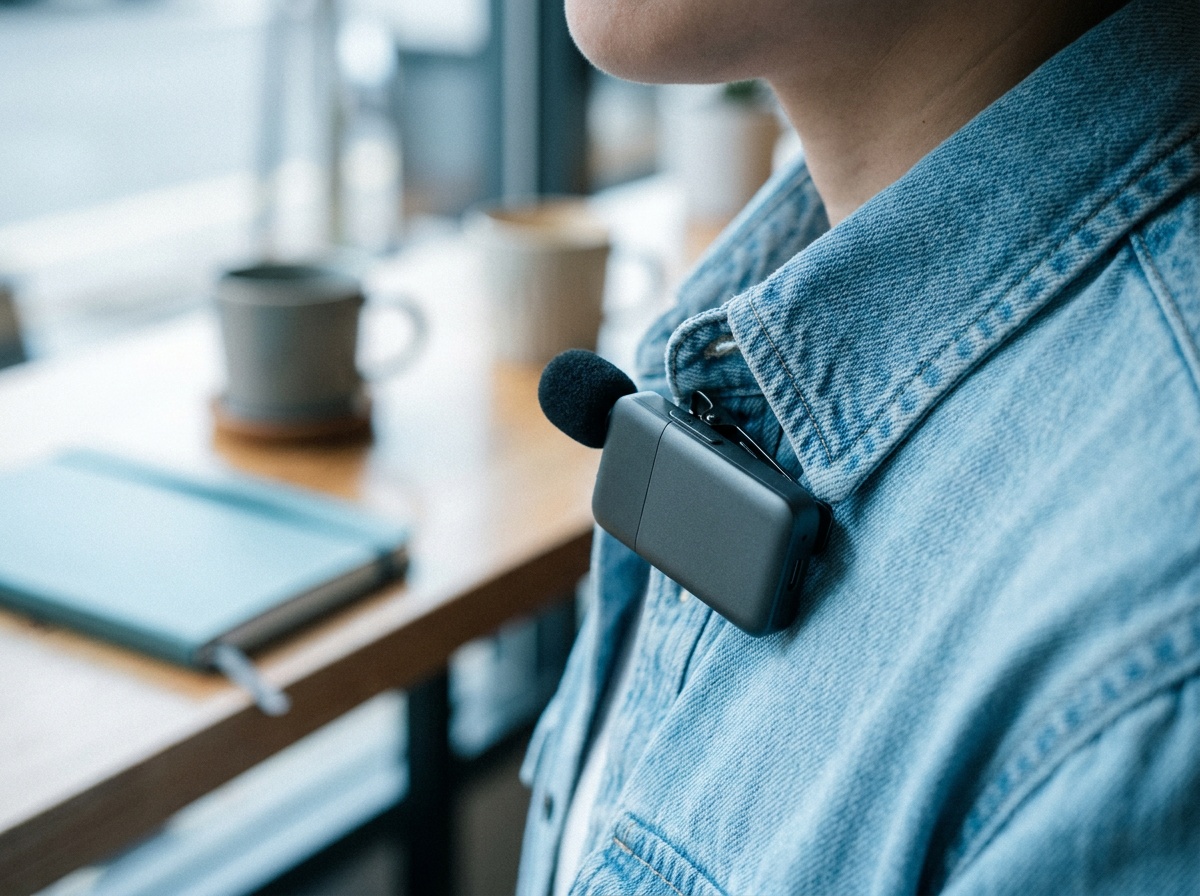
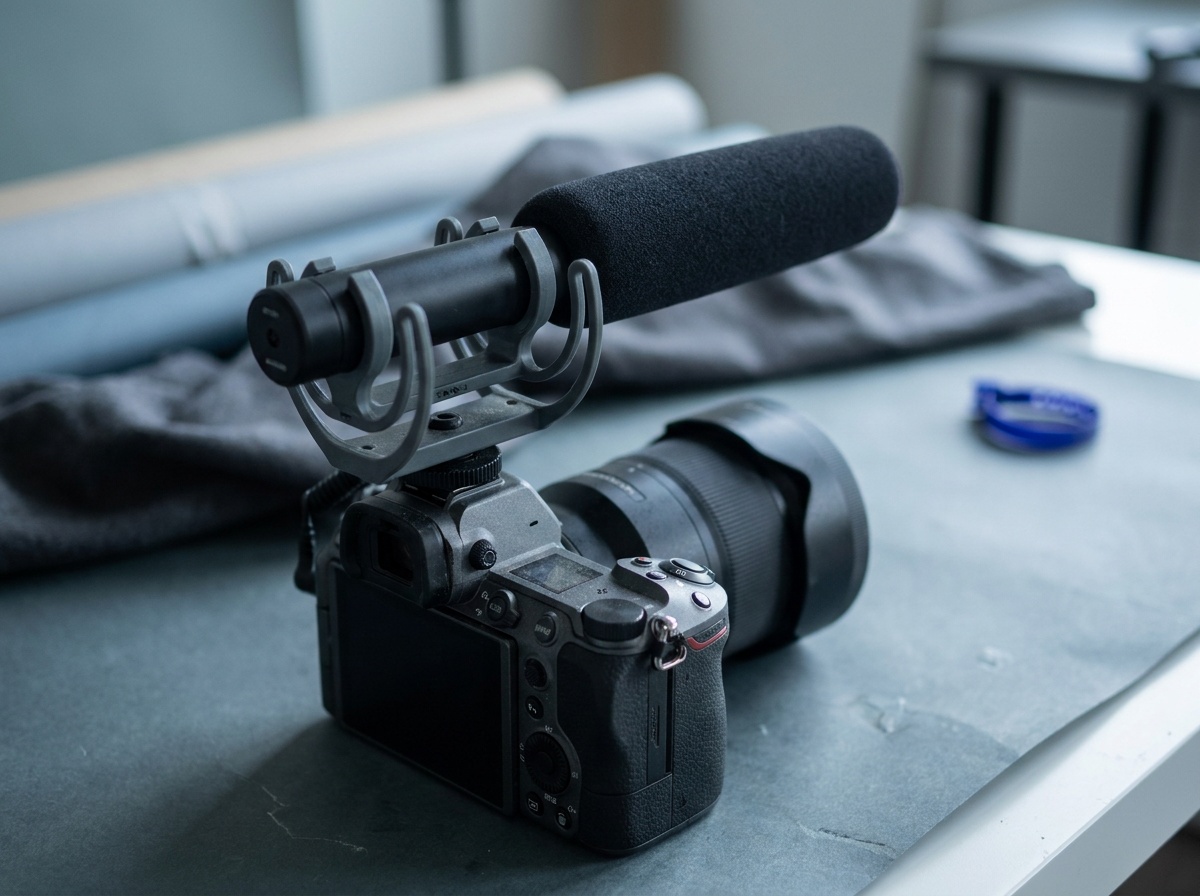
The first fork is wireless or wired. A wireless lavalier clips to your subject and frees you from a cable, which suits interviews, vlogging, and any shot where you move; a shotgun mounts on the camera and points where the lens points. Then consider pickup pattern: a lavalier captures the voice it is clipped to, while a shotgun uses a tight directional (supercardioid) pattern that favors what is in front and rejects sound off to the sides. A backup safety track, recorded on board the transmitter, matters more than any spec for shoots you cannot redo. Finally, power and mounting, since some mics run off the camera's hot shoe and others need their own battery and a cable into the mic input.
If you are building a moving rig, balance the mic and any accessories the way the gimbal moves and technique guide describes, because added weight throws off a stabilizer.
Which mic fits your vlogging camera?
If you already chose the camera, the microphone decision gets much easier.
| Camera path | Best first mic | Why |
|---|---|---|
| Insta360 Luna Ultra | Insta360 Mic Air or Mic Pro | Both pair directly over Bluetooth; Mic Pro also works through its USB-C receiver. |
| DJI Osmo Pocket 4 | DJI Mic 3, Mic 2, or Mic Mini | Pocket 4 directly pairs with up to two supported DJI transmitters. |
| DJI Osmo Pocket 3 | DJI Mic 3 | It fits the DJI creator workflow and gives wireless voice capture for walk-and-talk clips. |
| Sony ZV-E10 II | DJI Mic 3 or Rode Wireless GO III | Wireless keeps voice close while the camera stays on a tripod, grip, or gimbal. |
| Canon EOS R50 V | DJI Mic Mini or Rode VideoMic GO II | Start small: wireless for talking to camera, shotgun for simple on-camera audio. |
| Run-and-gun mirrorless rig | Rode VideoMic NTG | A stronger on-camera shotgun makes more sense when you need ambient sound and subject sound together. |
| Two-person interviews | DJI Mic 3 or Rode Wireless GO III | Two transmitters and backup recording matter more than a prettier spec sheet. |
For the camera side, the main fork is covered in best vlogging cameras. Compare the current pocket models in Insta360 Luna Ultra vs DJI Osmo Pocket 4. Use DJI Osmo Pocket 3 vs Sony ZV-E10 II only when the previous-generation Pocket 3 price is part of the decision. If the choice is Canon versus Sony, use Canon EOS R50 V vs Sony ZV-E10 II. Once the mic is chosen, finish the rest of the creator kit with memory cards, small video lights, and the Gear Finder.
The picks
Best Luna Companion
Insta360 Mic Air
Luna Ultra owners who want a small first wireless microphone for solo speech and walk-and-talk video.
Check price at AmazonThe Insta360 Mic Air is the smallest sensible Luna Ultra microphone. It connects directly over Bluetooth, weighs 7.9 g without its magnet, records 48 kHz/24-bit mono audio, and runs for up to 10 hours in the stated receiver test. It has no onboard backup recording, so Mic Pro is the better fit for interviews or work that cannot be repeated.
Best Overall
DJI Mic 3
Creators who want the lightest current system with a recorded safety net and timecode.
Check price at AmazonThe DJI Mic 3 is the best all-around video mic for most creators. It is a two-transmitter wireless kit in which each 16 g transmitter records a 32-bit float backup, DJI rates the link at 400 m, and it adds timecode, according to DJI's specs. It replaced the Mic 2 in August 2025. The Mic 2 now sells for about $60 less and still records a backup, so buy it only if range, weight, and timecode do not matter to you. For interviews, vlogging, and any setup where you or your subject move, it is the system to beat. Our wireless microphone systems guide compares it with the Rode Wireless PRO and Hollyland Lark M2.
Best for Phones
DJI Mic Mini
Phone creators and beginners who want reliable wireless audio cheaply.
Check price at AmazonThe DJI Mic Mini is the compact, lower-cost wireless option. The transmitters are tiny and hide easily under clothing, the battery life is long, and the sound is clean for the size and price. For solo creators who want wireless audio without the bulk or cost of a full kit, it is the smart pick.
Research pick
Rode Wireless GO III
Creators who want backup recording and direct-to-computer audio in one system.
Check price at AmazonThe Rode Wireless GO III is the wireless system for shooters who want flexibility. The transmitters double as clip-on mics or accept a lavalier, they record on board as a safety track, and Rode's ecosystem of accessories runs deep. It is a proven workhorse for run-and-gun, two-person interviews, and event work.
Research pick
Rode VideoMic GO II
Hybrid shooters adding better audio to video clips.
Check price at AmazonThe Rode VideoMic GO II is the simplest on-camera upgrade. It mounts in the hot shoe, powers off the camera, and points a directional pickup at whatever the lens frames, which instantly beats the built-in mic. There are no batteries or fiddly settings, so it suits a creator who wants better sound with zero workflow change.
Best On-Camera
Rode VideoMic NTG
Run-and-gun creators who want pro sound mounted on the camera.
Check price at AmazonThe Rode VideoMic NTG is the higher-end on-camera shotgun. It has a more refined sound, a built-in rechargeable battery, an automatic power function tied to the camera, and a headphone output for monitoring. For a shooter who wants serious directional audio on the camera without going to a boom-mounted broadcast mic, it is the step up.
Research pick
Sennheiser MKE 400
Mirrorless shooters who want a tidy plug-and-play on-camera shotgun.
Check price at AmazonThe Sennheiser MKE 400 is the rugged run-and-gun shotgun. It is compact, has built-in wind protection and shock mounting, and offers a simple gain control for fast adjustments in the field. For travel, documentary, and any shoot where you want a tough, directional mic that handles wind and handling noise, it earns its place.
Common mistakes
The first mistake is leaving the camera's built-in mic on and wondering why the footage feels amateur; almost any external mic fixes it. The second is forgetting a backup recording, so a wireless dropout or a dead battery loses the take; pick a mic with onboard recording for important shoots. The third is ignoring wind, which ruins outdoor audio fast, so a furry windscreen is not optional for run-and-gun.
Good sound pairs naturally with the real estate photography walkthrough video and any narrated piece, where clean voice audio carries the edit.
Do I need a wireless mic or a shotgun mic?
A wireless lavalier suits talking to camera, interviews, and moving subjects, because it captures the voice up close no matter where the camera is. A shotgun suits run-and-gun and ambient capture, because it points where the lens points and mounts on the camera. Many creators end up owning both.
Will any external mic improve my video?
Yes. The camera's built-in mic is the weakest part of most setups, so nearly any dedicated microphone is a clear upgrade. Even a simple on-camera shotgun beats it, and a wireless lavalier improves voice clarity further by capturing sound close to the source.
Why does onboard recording matter?
A wireless system can drop out, run low on battery, or hit interference. A mic that records a backup track on the transmitter itself gives you a clean copy to fall back on, which can save an interview or an event you cannot reshoot.
Sources: Insta360 Luna Ultra external microphone support, Insta360 Luna Ultra Bluetooth microphone compatibility, DJI microphone compatibility for Osmo Pocket 4.
Compare picks
The short version
Use this to narrow the list before opening the detailed cards.
Scores weigh fit, owner sentiment, build, and value. Affiliate links do not change pick order. Methodology
Buying order
Start with the skip note. A good deal on the wrong camera is still the wrong camera.
Compare verdictsIf you already own lenses, check the system path before buying into a new mount.
Check systemsOnce the fit makes sense, compare current deals and retailer listings.
Check current dealsCamera system shortcut
If you already own one of these systems, keep the comparison inside that ecosystem before checking out.
Pocket video setups
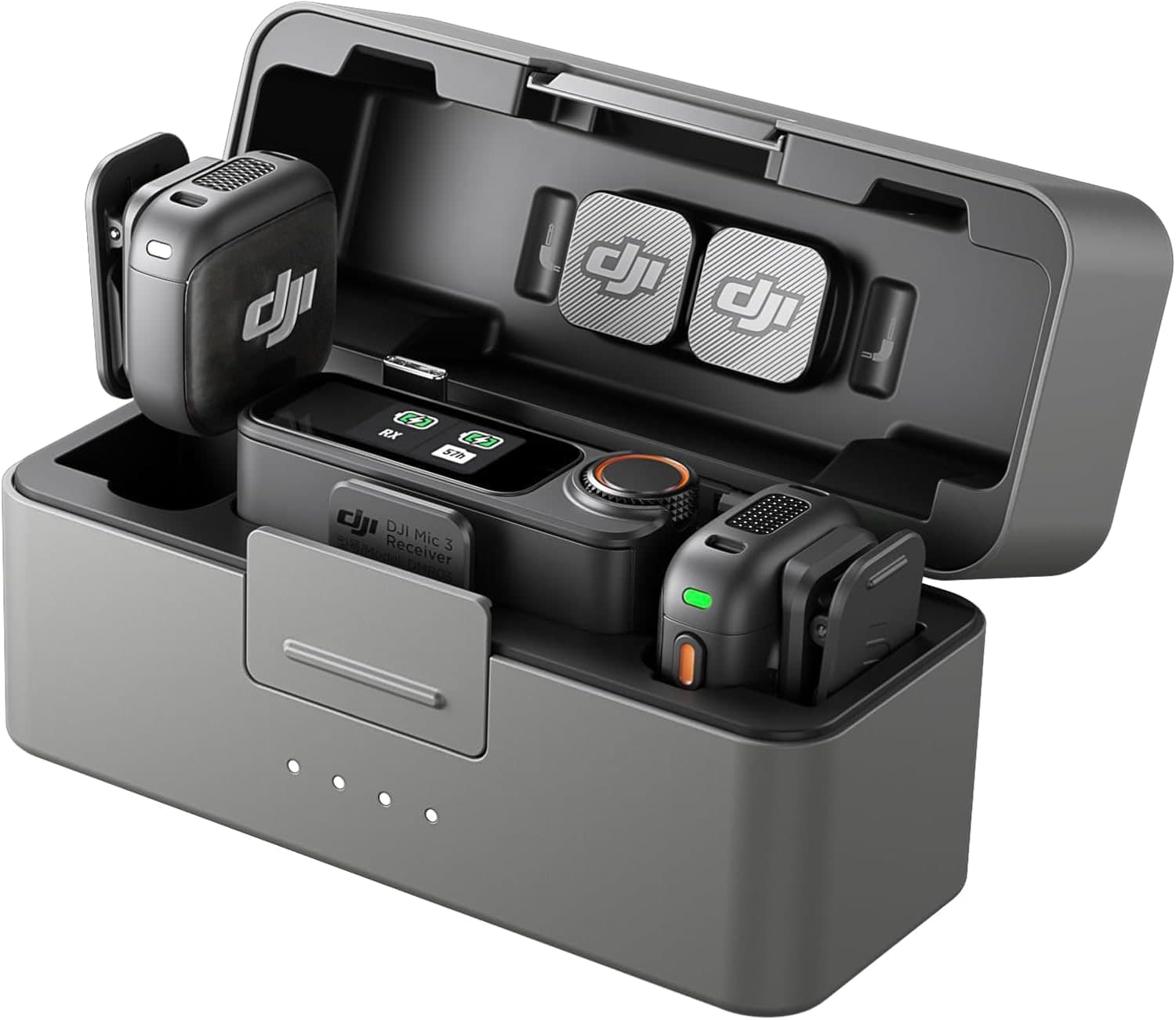
Creators who want the lightest current system with a recorded safety net and timecode.
Use the retailer for the current price after the tradeoff makes sense. Confirm connector, recording format, power, and camera or phone compatibility.
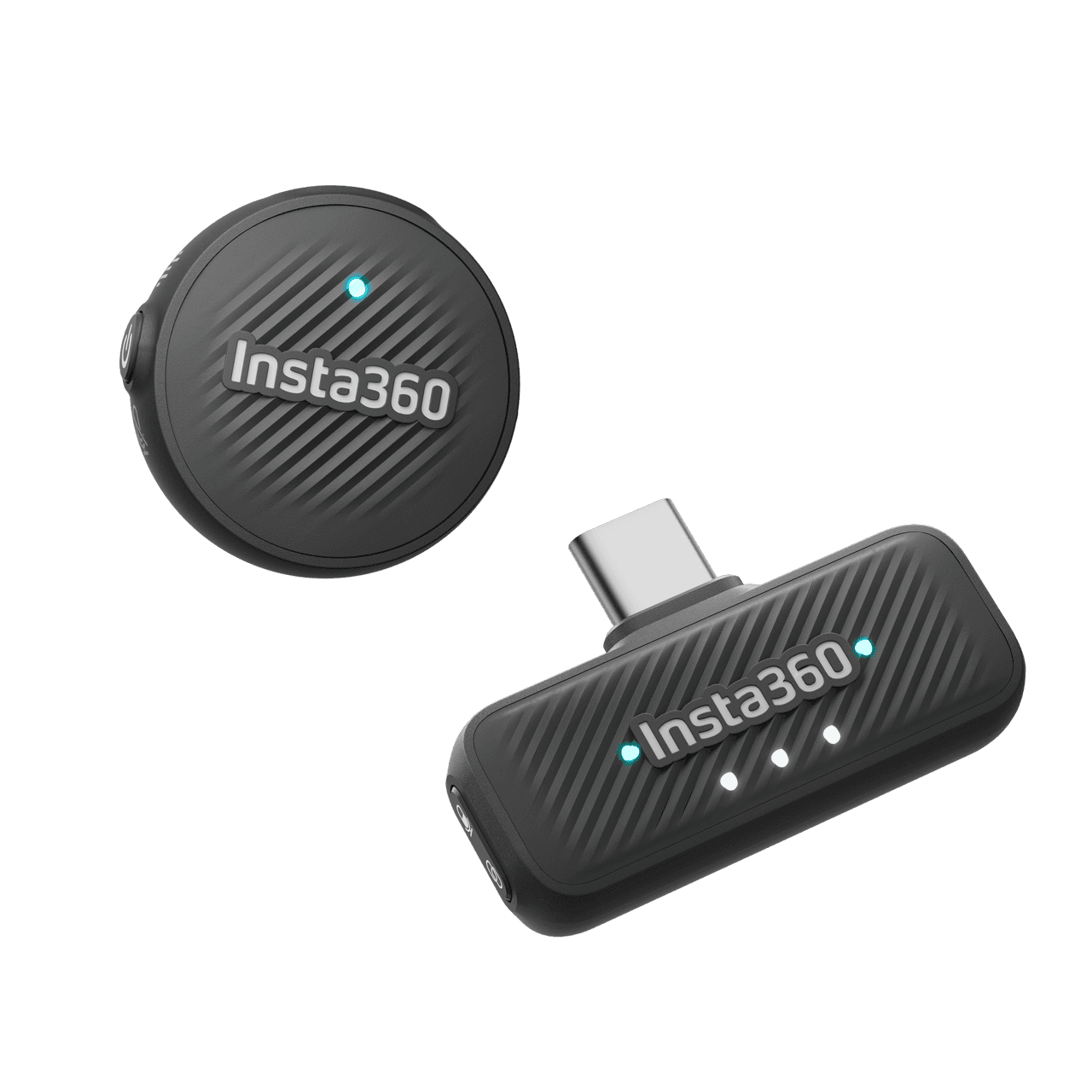
Tradeoff: No onboard backup recording
Use the retailer for the current price after the tradeoff makes sense. Confirm connector, recording format, power, and camera or phone compatibility.
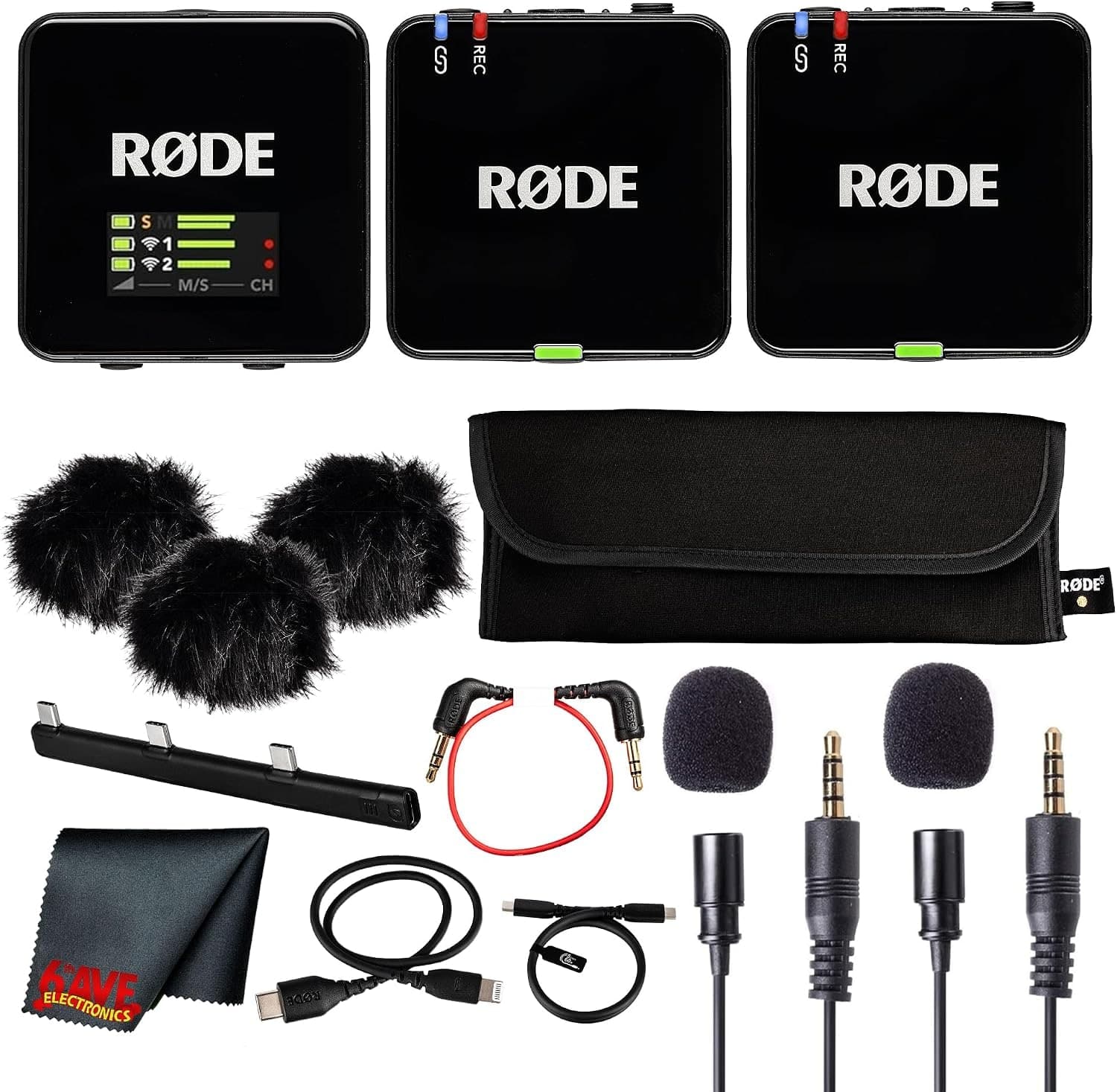
Creators who want backup recording and direct-to-computer audio in one system.
Use the retailer for the current price after the tradeoff makes sense. Confirm connector, recording format, power, and camera or phone compatibility.
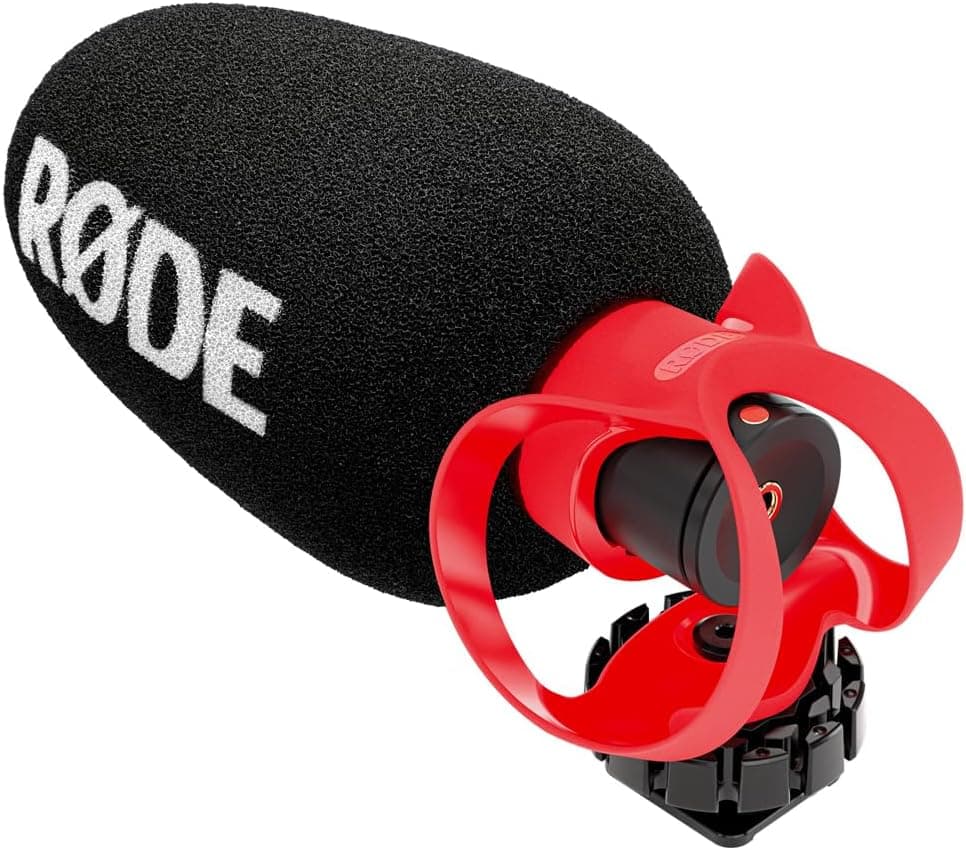
Hybrid shooters adding better audio to video clips.
Use the retailer for the current price after the tradeoff makes sense. Confirm lens mount, sensor format, battery, charger, and kit contents.
Price ladder
The useful range here runs from $96 to $325. Start with the ceiling that matches the assignment.
- Luna Ultra owners who want a small first wireless microphone for solo speech and walk-and-talk video.
- Direct Luna Ultra connection
- No onboard backup recording
Use the retailer for the current price after the tradeoff makes sense. Confirm connector, recording format, power, and camera or phone compatibility.
- Creators who want the lightest current system with a recorded safety net and timecode.
- 32-bit float backup in each transmitter
- No lavalier mics in the base kit
Use the retailer for the current price after the tradeoff makes sense. Confirm connector, recording format, power, and camera or phone compatibility.
- Phone creators and beginners who want reliable wireless audio cheaply.
- Very small and light
- No backup recording in the transmitter (the Mic Mini 2S adds it)
Use the retailer for the current price after the tradeoff makes sense. Confirm connector, recording format, power, and camera or phone compatibility.
- Creators who want backup recording and direct-to-computer audio in one system.
- 32-bit float onboard recording on transmitters
- Some features require the Rode Central app
Use the retailer for the current price after the tradeoff makes sense. Confirm connector, recording format, power, and camera or phone compatibility.
- Hybrid shooters adding better audio to video clips.
- Dual analog and USB use
- No onboard gain controls
Use the retailer for the current price after the tradeoff makes sense. Confirm lens mount, sensor format, battery, charger, and kit contents.
- Run-and-gun creators who want pro sound mounted on the camera.
- Broadcast-grade sound on camera
- Needs charging
Use the retailer for the current price after the tradeoff makes sense. Confirm connector, recording format, power, and camera or phone compatibility.
- Mirrorless shooters who want a tidy plug-and-play on-camera shotgun.
- Built-in windscreen and shock mount
- Shorter pickup reach than full-size shotguns
Use the retailer for the current price after the tradeoff makes sense. Confirm connector, recording format, power, and camera or phone compatibility.
| Pick | Score | Price | Verdict | Action |
|---|---|---|---|---|
| Best Luna CompanionInsta360 Mic Air | 8.5
| $68 transmitter / $96 kit | Luna Ultra owners who want a small first wireless microphone for solo speech and walk-and-talk video. Wins: Direct Luna Ultra connection Skip: No onboard backup recording | Check Amazon · $68 transmitter / $96 kit Use the retailer for the current price after the tradeoff makes sense. Confirm connector, recording format, power, and camera or phone compatibility. |
| Best OverallDJI Mic 3 | 9.2
| $259 - $329 | Creators who want the lightest current system with a recorded safety net and timecode. Wins: 32-bit float backup in each transmitter Skip: No lavalier mics in the base kit | Check Amazon · $259 - $329 Use the retailer for the current price after the tradeoff makes sense. Confirm connector, recording format, power, and camera or phone compatibility. |
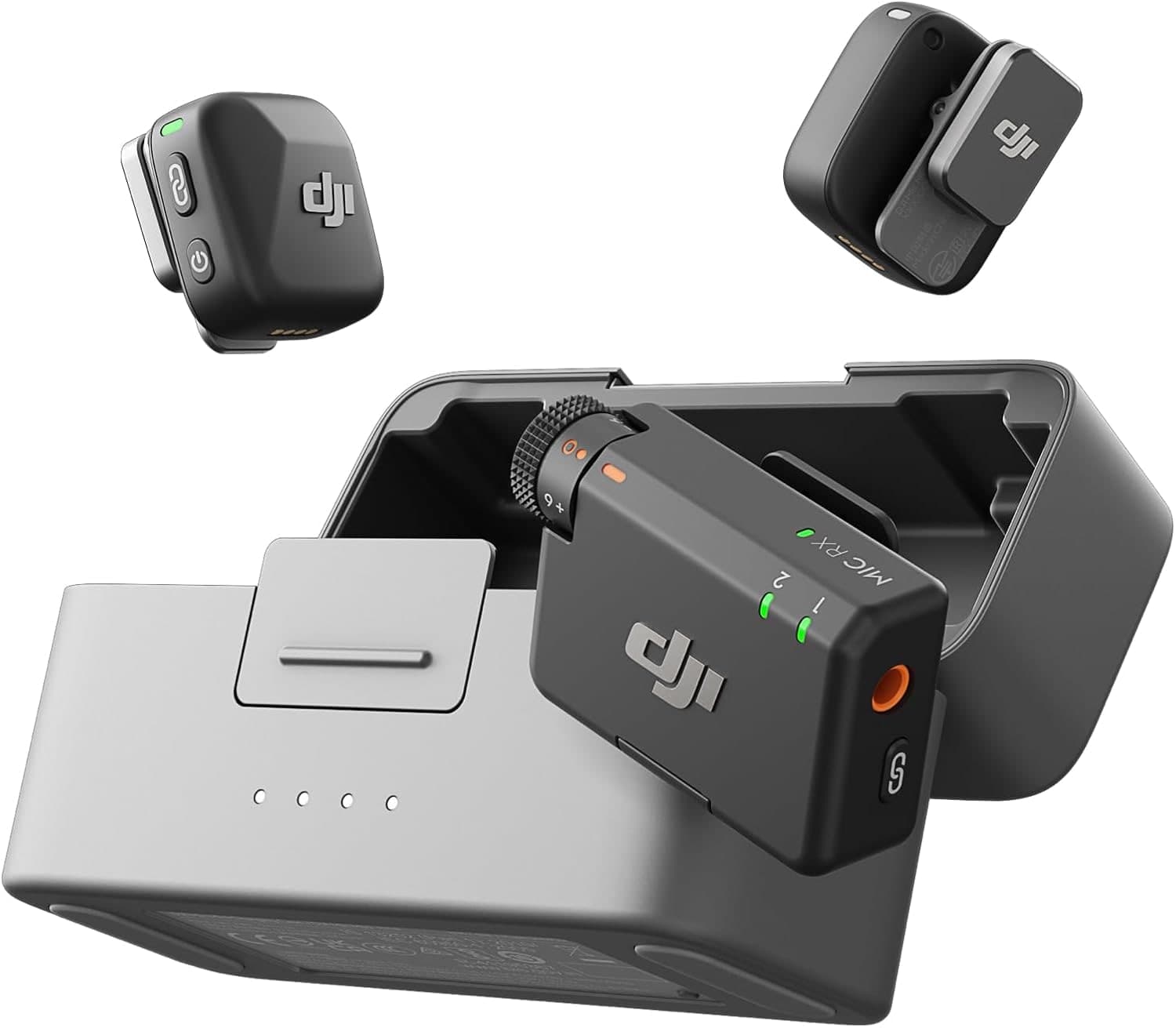 Best for PhonesDJI Mic Mini Best for PhonesDJI Mic Mini | 8.5
| Price varies by seller | Phone creators and beginners who want reliable wireless audio cheaply. Wins: Very small and light Skip: No backup recording in the transmitter (the Mic Mini 2S adds it) | Check Amazon · Price varies by seller Use the retailer for the current price after the tradeoff makes sense. Confirm connector, recording format, power, and camera or phone compatibility. |
| PickRode Wireless GO III | 8.8
| $310 - $340 | Creators who want backup recording and direct-to-computer audio in one system. Wins: 32-bit float onboard recording on transmitters Skip: Some features require the Rode Central app | Check Amazon · $310 - $340 Use the retailer for the current price after the tradeoff makes sense. Confirm connector, recording format, power, and camera or phone compatibility. |
| PickRode VideoMic GO II | 8.6
| $90 - $120 | Hybrid shooters adding better audio to video clips. Wins: Dual analog and USB use Skip: No onboard gain controls | Check Amazon · $90 - $120 Use the retailer for the current price after the tradeoff makes sense. Confirm lens mount, sensor format, battery, charger, and kit contents. |
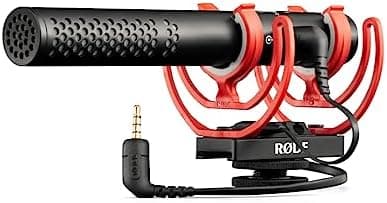 Best On-CameraRode VideoMic NTG Best On-CameraRode VideoMic NTG | 8.6
| $219 - $279 | Run-and-gun creators who want pro sound mounted on the camera. Wins: Broadcast-grade sound on camera Skip: Needs charging | Check Amazon · $219 - $279 Use the retailer for the current price after the tradeoff makes sense. Confirm connector, recording format, power, and camera or phone compatibility. |
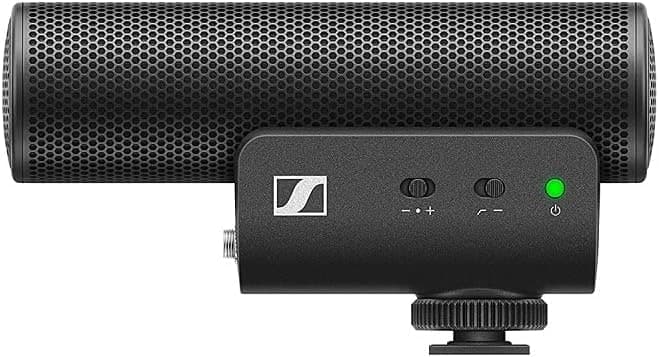 PickSennheiser MKE 400 PickSennheiser MKE 400 | 8.3
| $180 - $200 | Mirrorless shooters who want a tidy plug-and-play on-camera shotgun. Wins: Built-in windscreen and shock mount Skip: Shorter pickup reach than full-size shotguns | Check Amazon · $180 - $200 Use the retailer for the current price after the tradeoff makes sense. Confirm connector, recording format, power, and camera or phone compatibility. |
Keep going
Next useful steps
Pick one. Each link continues the same job without starting the research over.
Shoot kits
Buy around the job, not the spec sheet
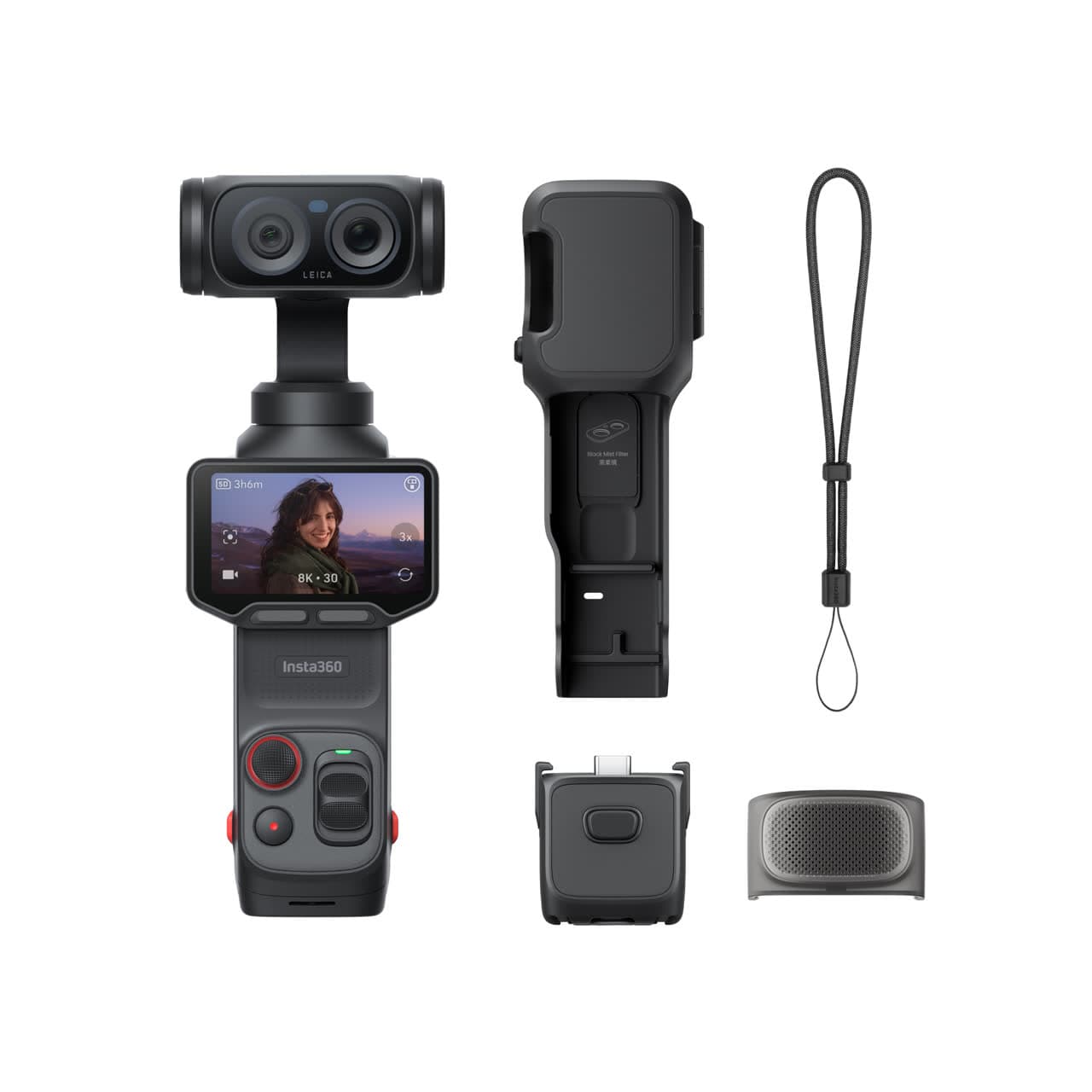
Creator kit
Solo vlogging kit
$1,286
A stabilized pocket camera, clean wireless audio, fast media, a backup drive, and a small light for one-person video.
Best low-friction creator kit
Buy order: start with the first piece that makes the job possible, then add the support pieces that remove friction.
Camera: start here. If this piece does not make the shoot easier, the rest of the kit can wait.
Light: add it after the core setup proves useful.
Insta360 Luna Ultra
Wide and tele framing, mechanical stabilization, and a detachable screen without a full camera rig.
Insta360 Mic Air
Pairs directly with Luna Ultra for clearer speech without hanging a receiver from the camera.
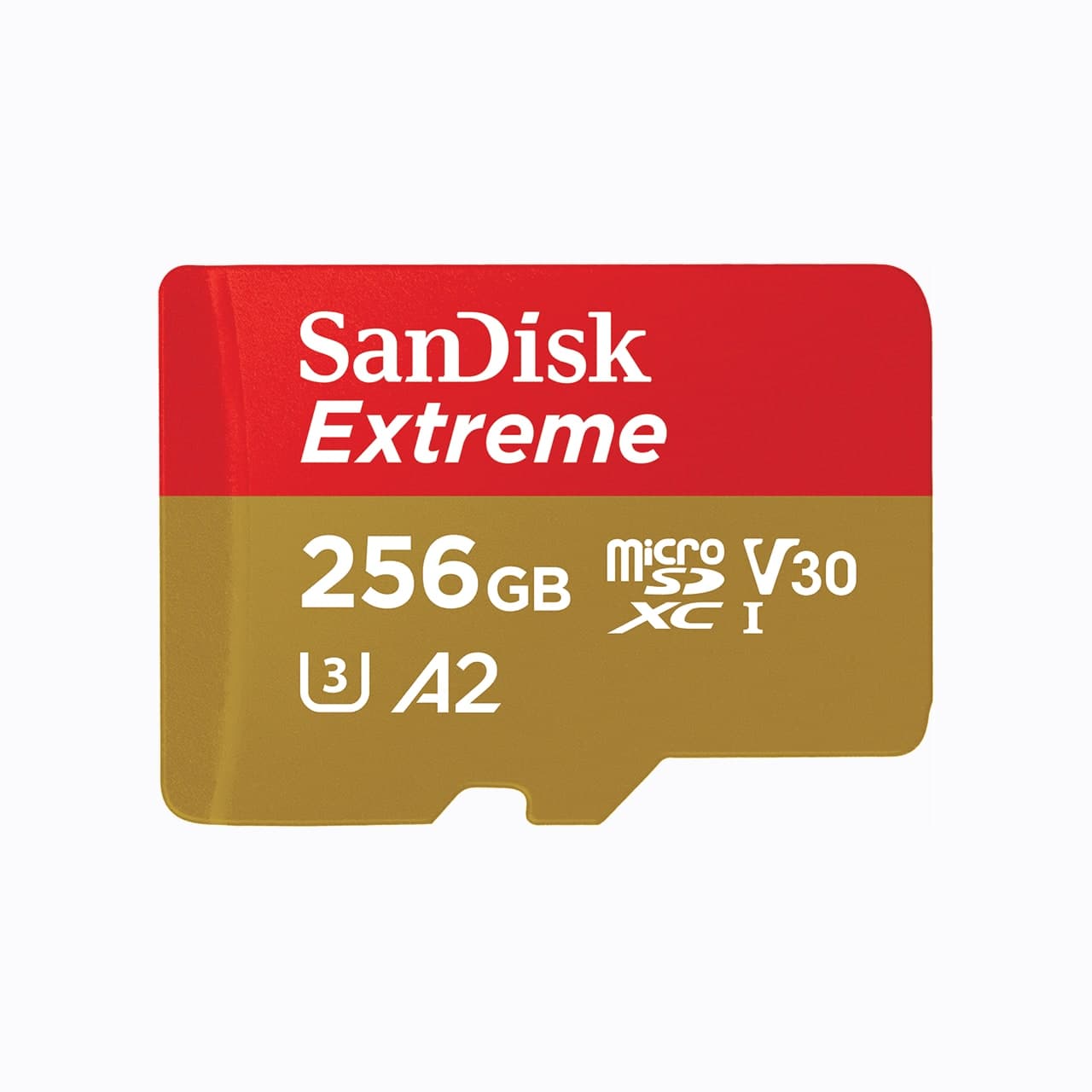
SanDisk Extreme microSDXC 256GB
Pocket gimbals and action cameras use microSD, not a full-size SD card.
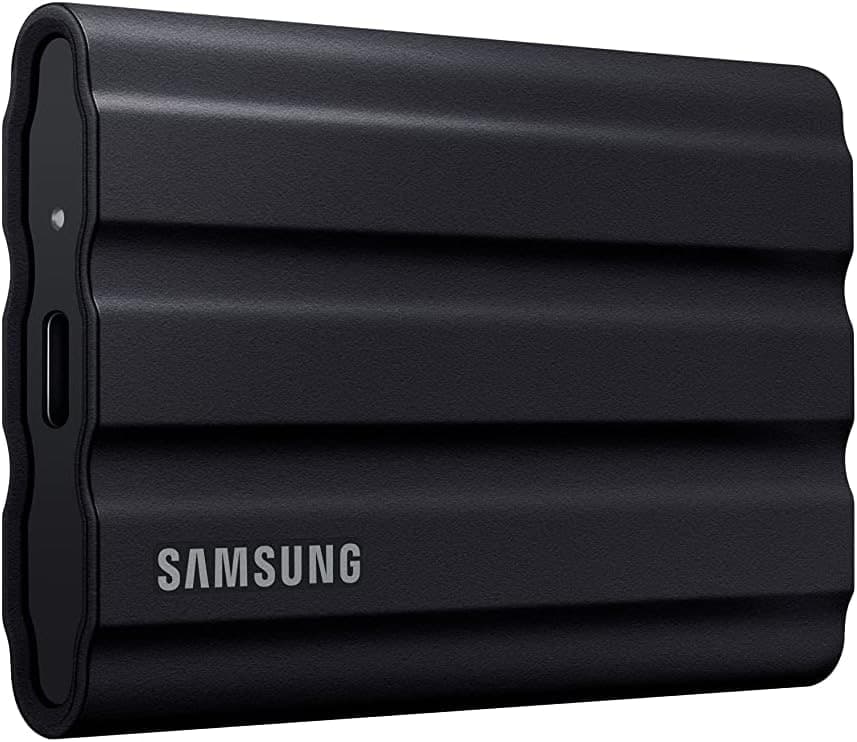
Samsung T7 Shield
A rugged pocket SSD for offloading footage before a card gets reused.
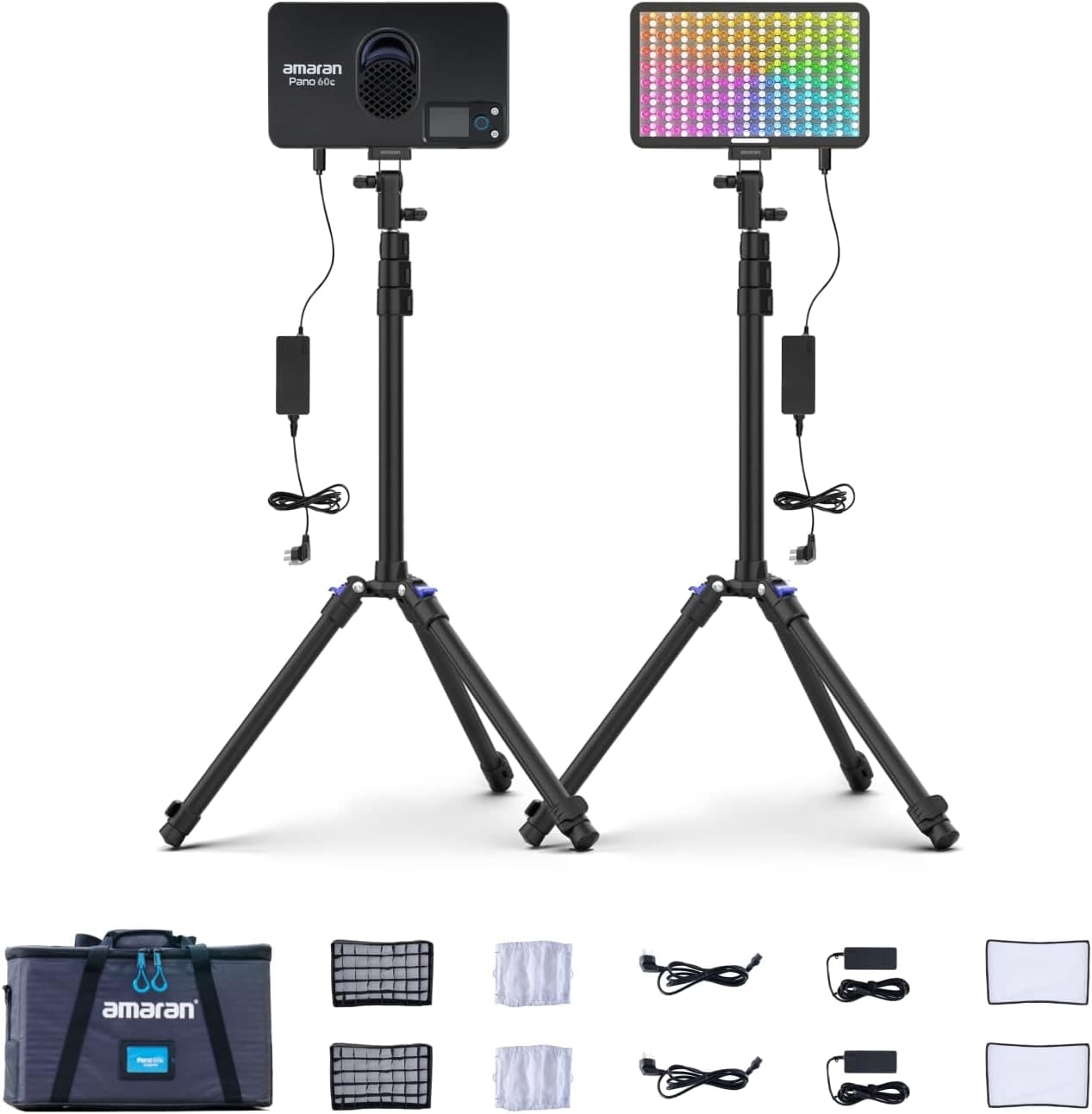
Amaran P60c RGBWW Panel
Soft, controllable fill for talking-head clips, product details, and ugly rooms.
Prices are rough catalog totals. Retailer prices change, and you can swap pieces to fit your system.
Related Gear guides
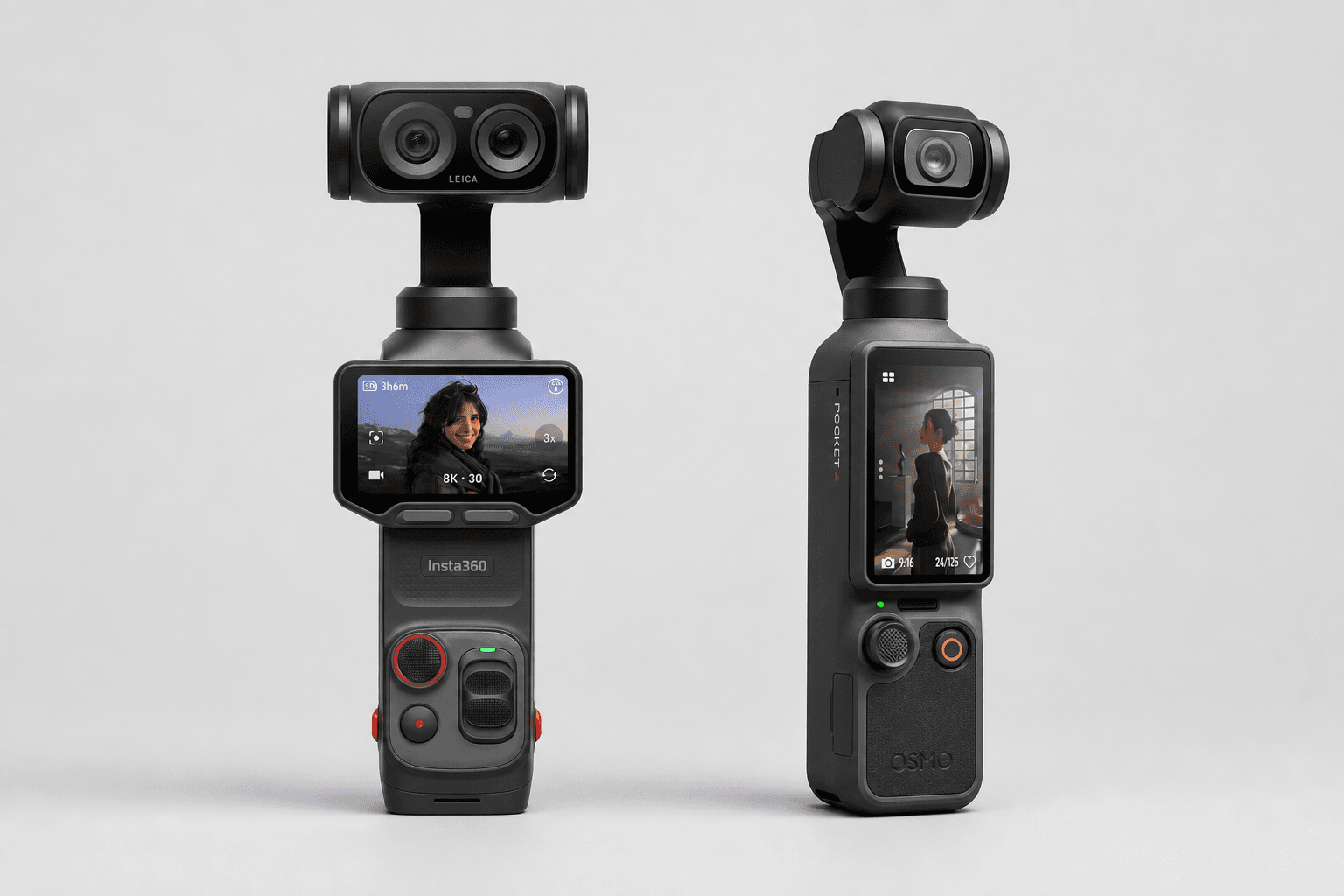
Insta360 Luna Ultra vs DJI Osmo Pocket 4: Which Pocket Gimbal Should You Buy?
Compare Luna Ultra and DJI Pocket 4 by lenses, video, Log formats, storage, U.S. availability, and the filming jobs each pocket gimbal handles best.
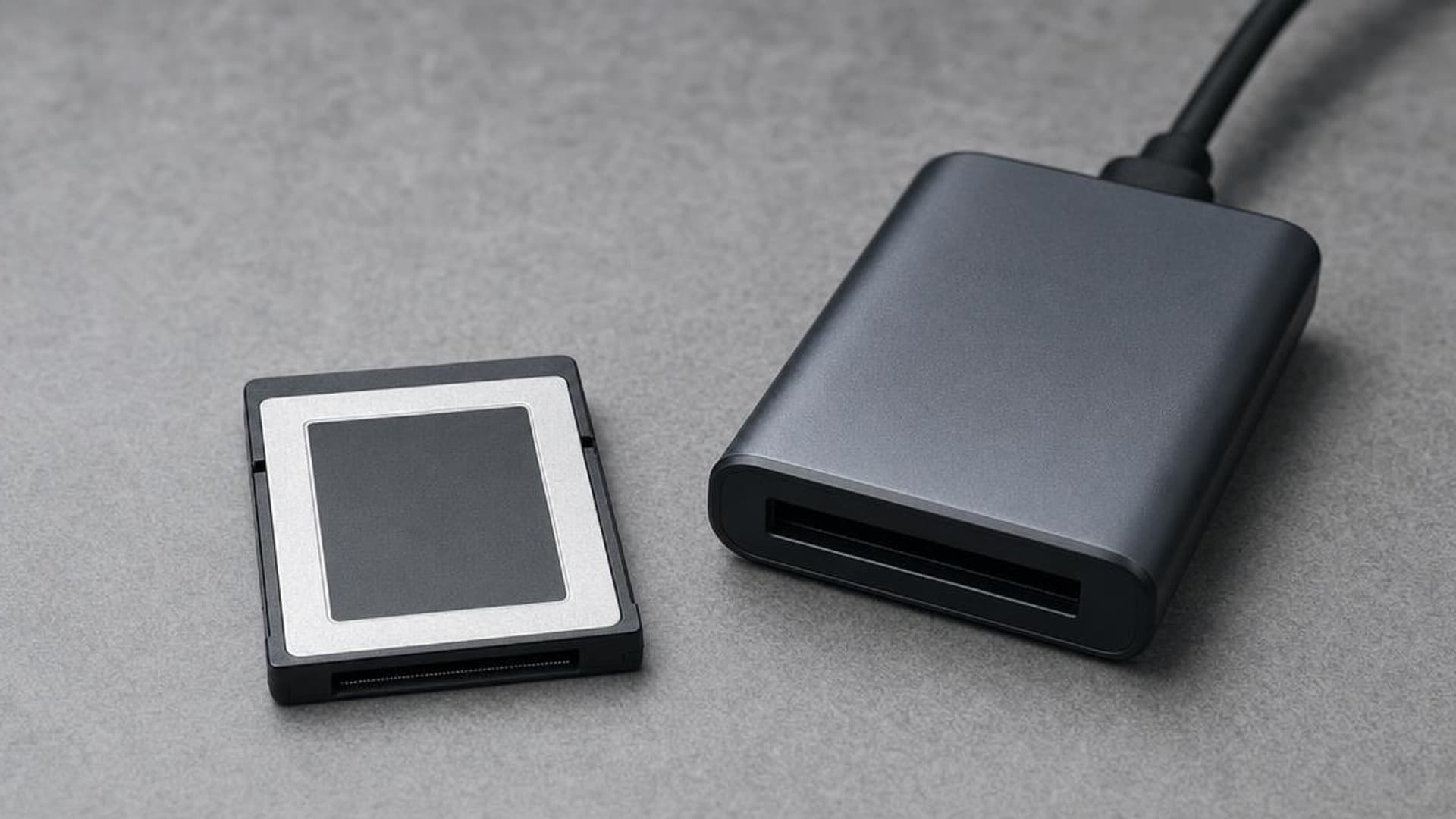
CFexpress 4.0 and VPG Explained: Buy the Card Your Camera Needs
CFexpress 4.0 doubles theoretical bandwidth, while VPG certifies sustained video writes. Learn Type A vs B, VPG classes, and when 4.0 is worth paying for.
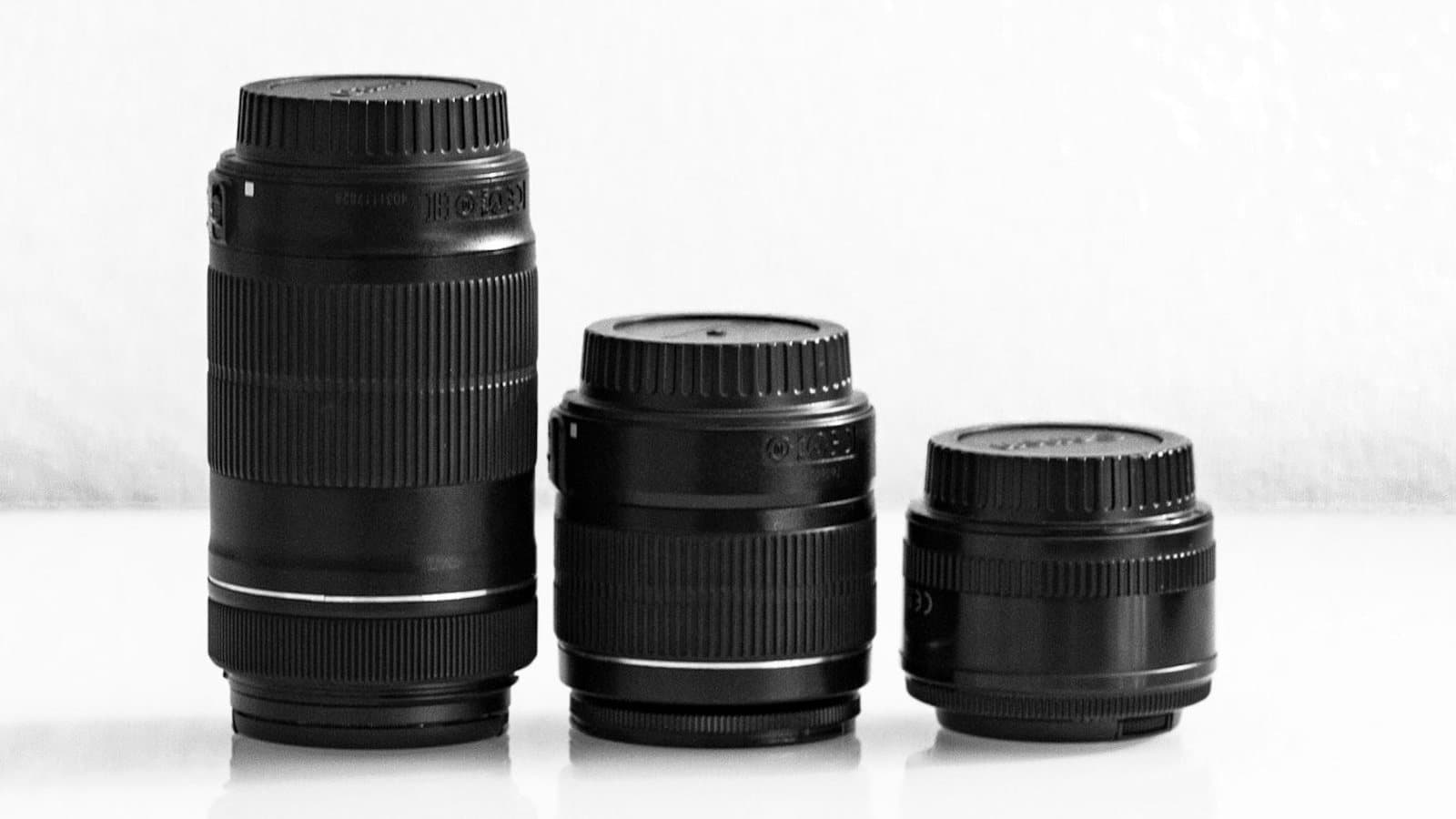
Focal Length Explained: What 24mm, 50mm, 85mm, and 200mm Actually Do
What the millimeter number on a lens changes in the field: angle of view, compression, and working distance. When to reach for 24, 50, 85, or 200mm.
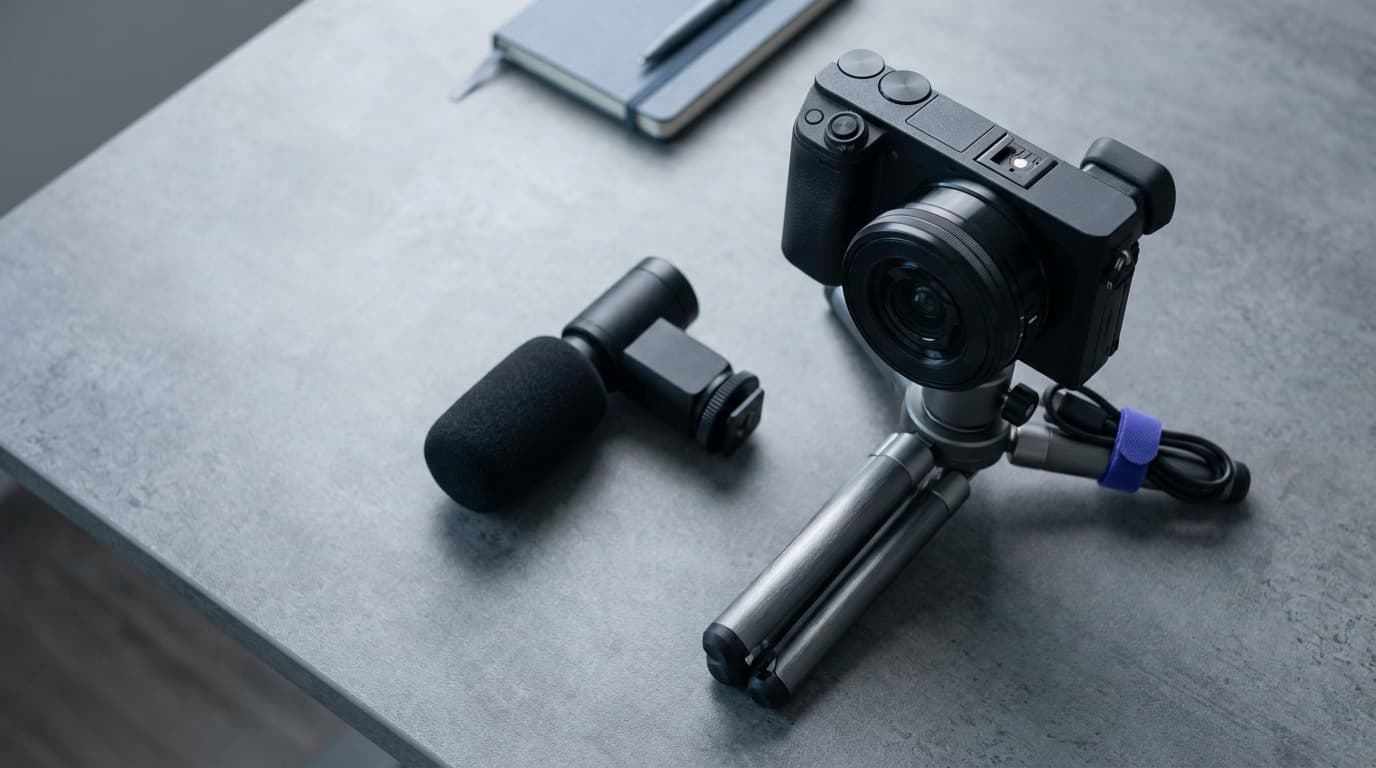
Canon EOS R50 V vs Sony ZV-E10 II: Which Beginner Vlogging Camera Should You Buy?
Canon EOS R50 V is the easier beginner creator kit. Sony ZV-E10 II is the deeper lens-system pick. Compare the practical tradeoffs.
Researched, not personally tested: picks compare specifications, available owner feedback, and established expert sources. As an Amazon Associate I earn from qualifying purchases. We may earn a commission from links here, at no extra cost to you. How we research →