We may earn a commission from links on this page, at no extra cost to you. Picks are researched, not sponsored.
A video light is judged on three things: how soft you can make it, how accurate the color is, and how much control you have over where the light goes. Single-point COB (chip-on-board) fixtures win on all three, because a small bright source can be shaped with a softbox or focused with a reflector. The size of the room and the modifier you put in front of the light decide how much output you actually need.
How do the picks compare?
Output below is illuminance at 1 m with each maker's standard reflector, the figure manufacturers publish so lights can be compared. A softbox or diffusion spreads that light and costs a large share of it, so treat these as ceilings, not what reaches your subject.
| Light | Color | Output at 1 m (reflector) | CRI / TLCI | Battery power | Status |
|---|---|---|---|---|---|
| Amaran 200x S | Bicolor, 2,700 to 6,500K | 45,400 lux | 95+ / 98+ | Yes, two V-mounts via a power station | Current |
| Amaran 100d | Daylight, 5,600K | 34,600 lux (100d S) | 96+ / 99+ (100d S) | Via 48V DC supply | Replaced by 100d S |
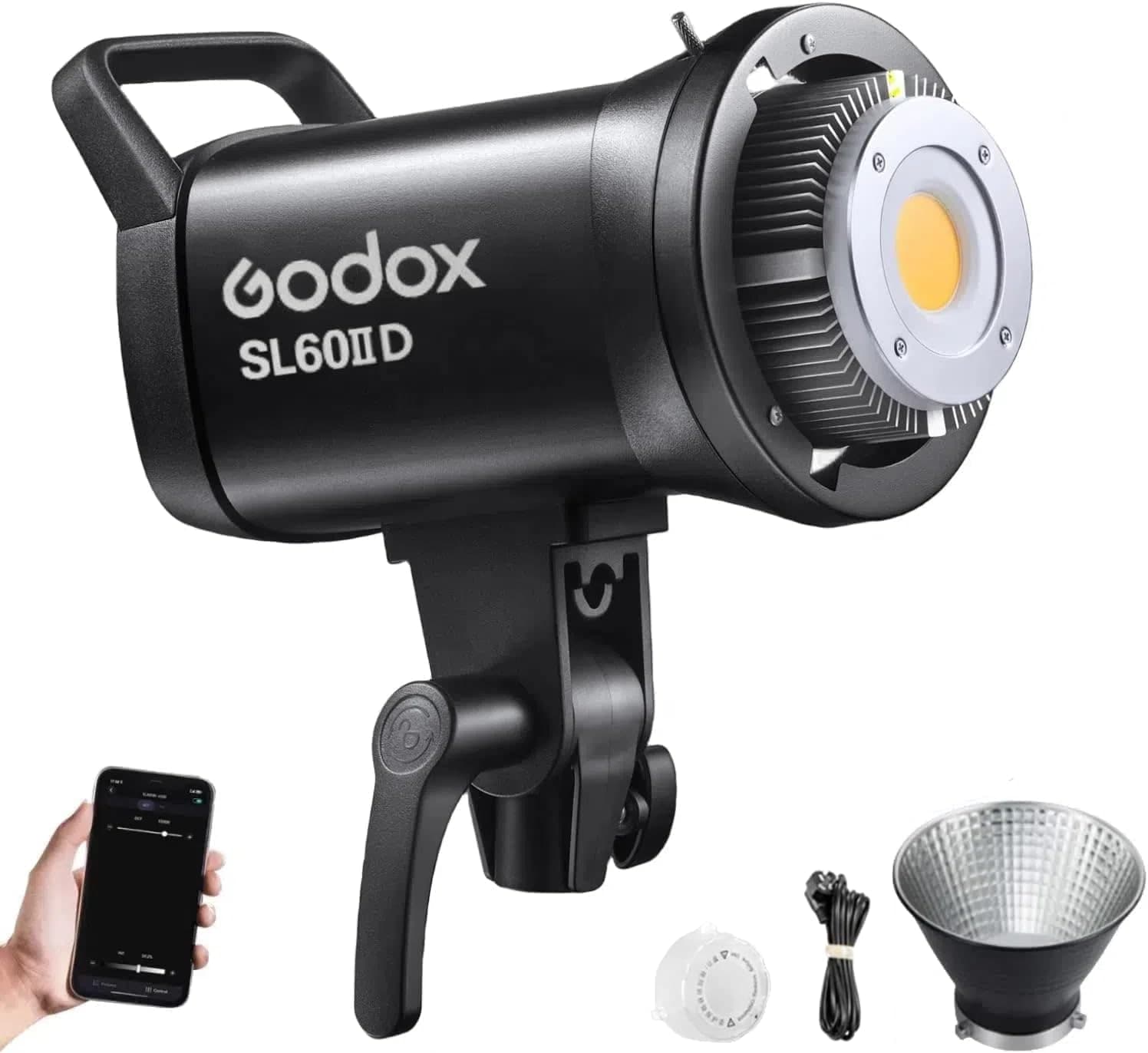
| Godox SL60II D | Daylight, 5,600K | 18,600 lux | 96+ / 97+ | No, mains | Current, replaced the SL60W |
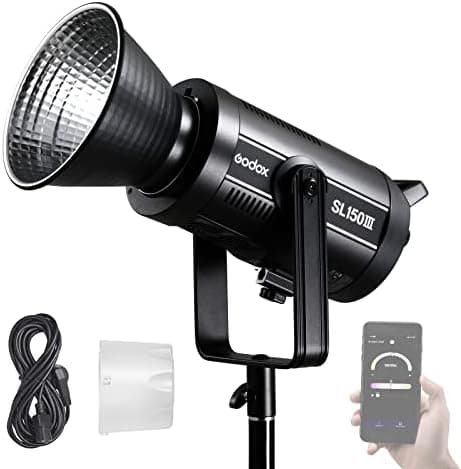
| Godox SL150 III | Daylight, 5,600K | 45,700 lux | 96+ / 97+ | No, mains | Current |
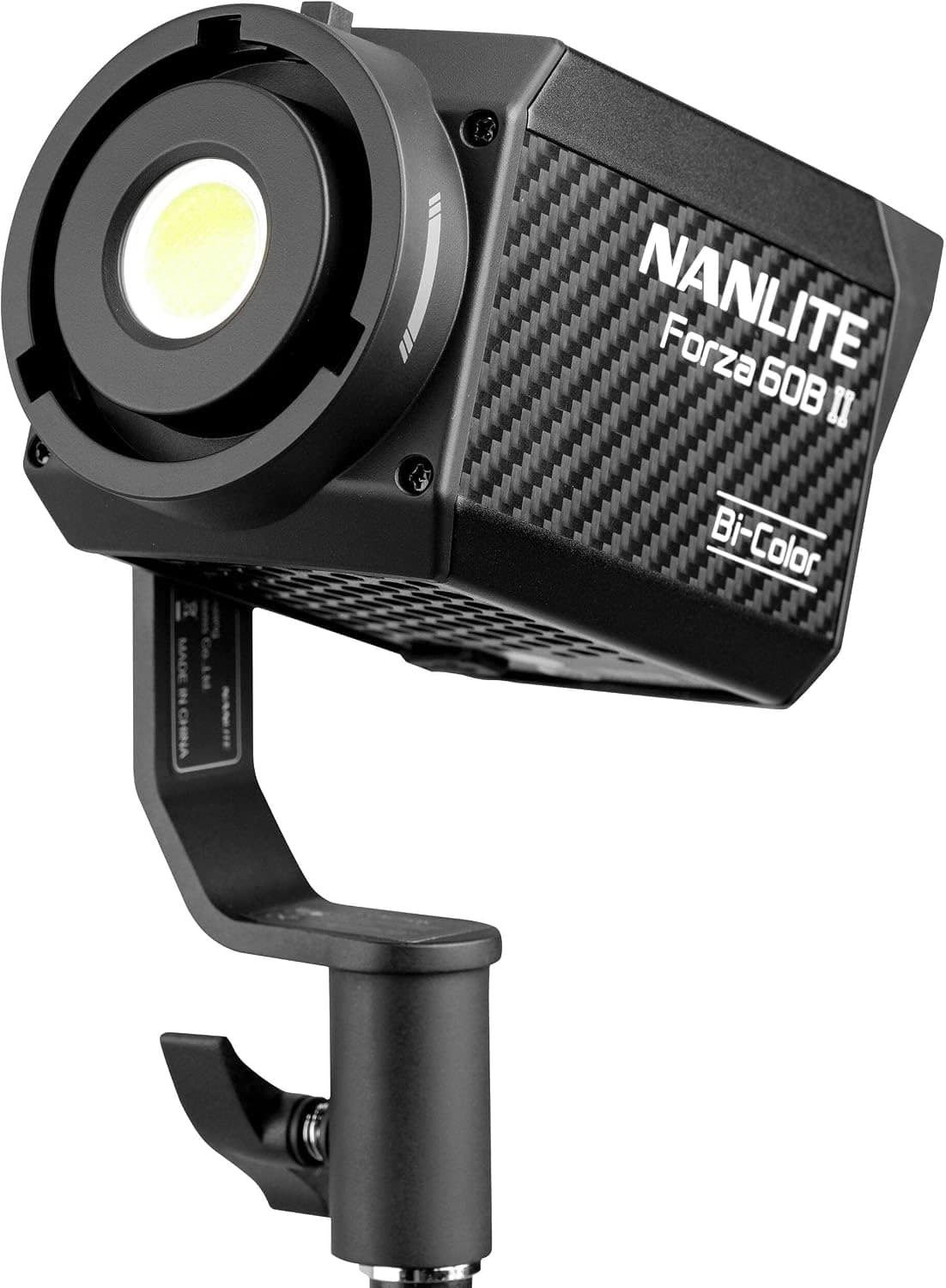
| Nanlite Forza 60B II | Bicolor, 2,700 to 6,500K | 14,350 lux | 96 / 98 | Yes, NP-F or V-mount grip | Current |
| Aputure LS 600d Pro | Daylight, 5,600K | 98,500 lux | 96+ / 96+ | Yes, V-mount | Discontinued |
Sources: amaran 200x S specifications, amaran 100d S specifications, Godox SL60II D specifications, Godox SL150 III specifications, Nanlite Forza 60B II specifications, and Aputure LS 600d Pro specifications. Where a model has been replaced, the row gives the current version's published figure and says so.
Which light fits which job?
- A desk, a close talking head, or a small room you control. The Godox SL60II D, or the Amaran 100d if you want more headroom. Daylight is enough when you can close the curtains.
- Interviews in an ordinary room with window light. The Amaran 200x S. Bicolor lets you match the window or the room lamps instead of fighting them.
- A bigger softbox, a bigger room, and daylight only. The Godox SL150 III, which lists 45,700 lux at 1 m, about the same as the 200x S at a lower color flexibility.
- Location work with no outlet. The Nanlite Forza 60B II. Nanlite rates it at about 90 minutes at full power on two NP-F970 batteries, or 120 minutes on one 160Wh V-mount.
- Fighting a window or lighting a large set. A 600W-class light like the LS 600d Pro. At 98,500 lux at 1 m with its reflector it puts out more than twice the illuminance of the 200x S.
How to choose
Start with output and the modifier. A COB light loses a lot of brightness through a softbox, so a 60W light is fine for a desk or a close talking-head setup, while interviews in a larger room or any shot fighting daylight want 150W to 300W or more. Most quality COB fixtures use a Bowens mount, the common standard that fits the widest range of softboxes and reflectors, so buying into it keeps your modifier options open. The Forza 60B II is the exception here: it uses Nanlite's smaller FM mount and ships with a Bowens adapter.
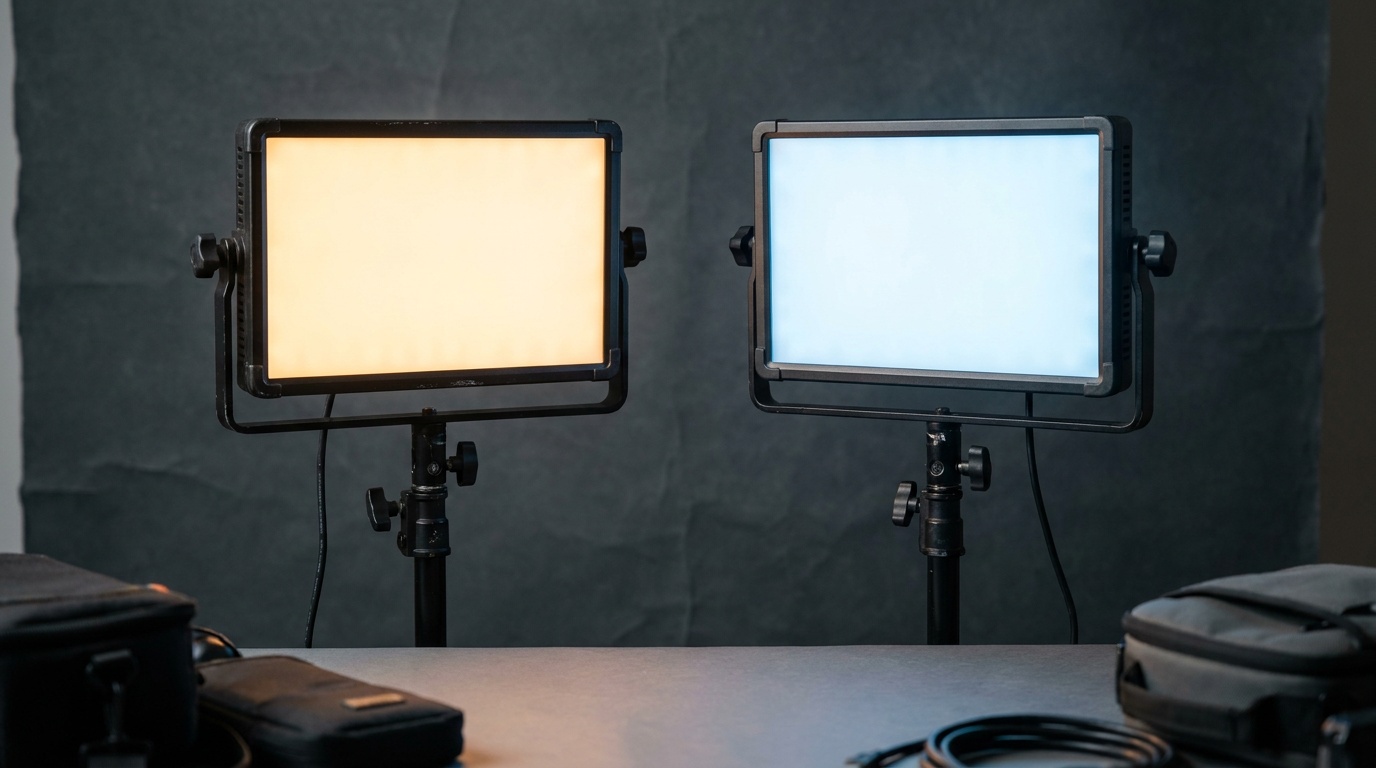
Then decide daylight or bicolor. A daylight-only fixture (5,600K) is slightly brighter for the money and is all you need if you control the room. A bicolor light tunes across roughly 2,700K to 6,500K, from warm to cool, which is worth the small output trade when you shoot in mixed light and need to match the ambient color quickly. Finally, check CRI and TLCI, the color-accuracy scores: look for 95 or higher so skin tones render correctly, and consider power, since mains-only fixtures are simpler while battery-capable lights free you on location.
The picks
Best Overall
Aputure Amaran 200x S
Creators who want one capable key light that works with any softbox.
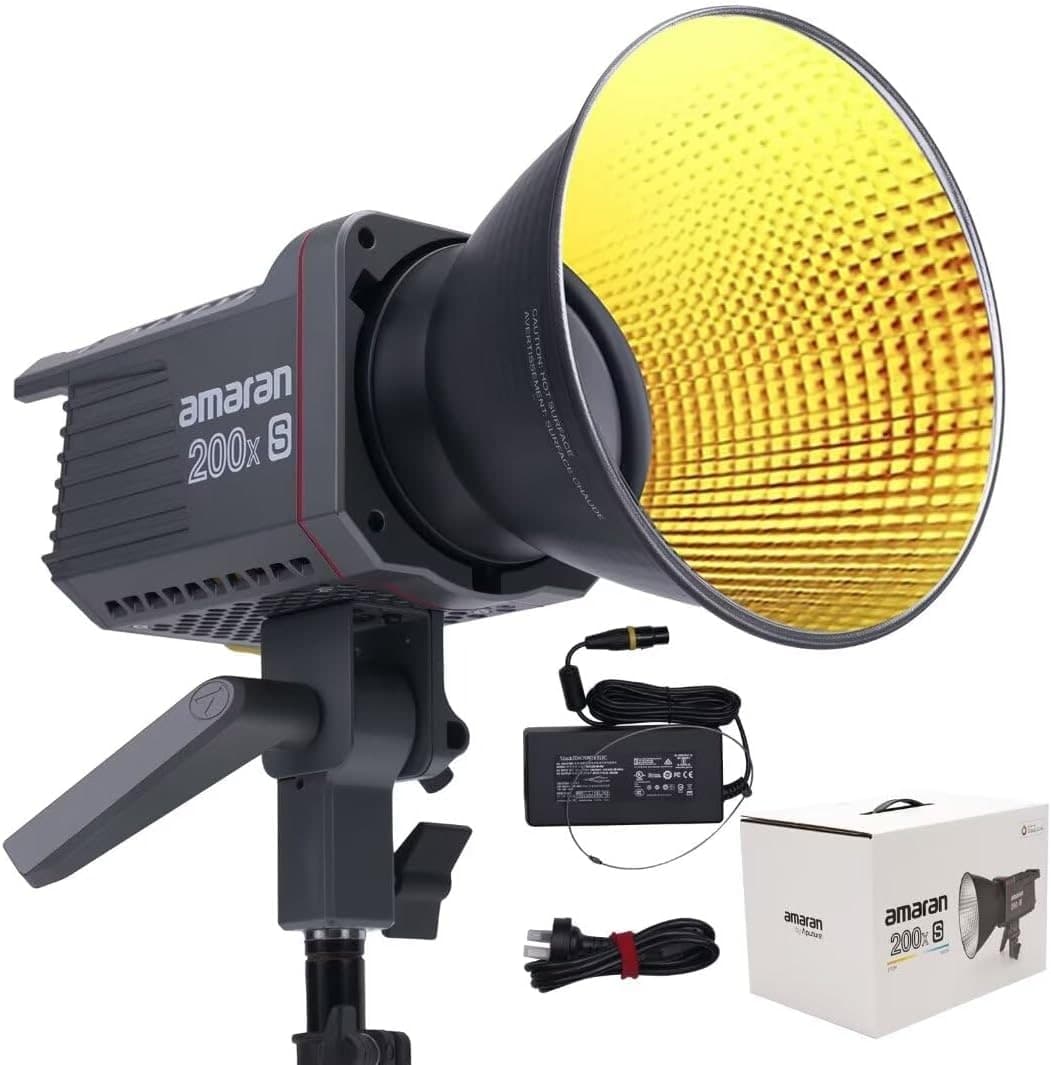
Check price at AmazonThe Aputure Amaran 200x S is the best light for most video work. The bicolor head tunes from 2,700K to 6,500K, so you can match a warm room or cool window fast, and at 45,400 lux at 1 m with the reflector it has enough output to stay bright through a medium softbox in an ordinary room. It keeps the Bowens mount and Sidus Link app control, and it can run from two V-mount batteries through Aputure's power station. Bicolor costs a little output against a daylight-only light and the fan is audible in a silent room, but for interviews and run-and-gun work the color flexibility wins.
Best Budget COB
Godox SL60II D
Beginners who want an affordable modifiable key light for desk or talking-head video.
Check price at AmazonThe Godox SL60II D is the budget entry into single-point COB lighting. Godox rates the 70W daylight head at 18,600 lux at 1 m with its standard reflector, CRI 96 and TLCI 97, with a Bowens mount and app control, and B&H lists it as the replacement for the older SL60W. It is daylight only and modest for large rooms, but for desk and talking-head video on a tight budget it is the standard starting point. If you find the older SL60W much cheaper, it still works as a desk light; the II D is the one to buy new.
Research pick
Godox SL150 III
Creators upgrading from a 60W light who want more reach for modifiers.
Check price at AmazonThe Godox SL150 III is the step up when 60W runs out of reach. Godox lists 45,700 lux at 1 m with its standard reflector, CRI 96+ and TLCI 97+, and a quiet cooling mode for sound-sensitive rooms, and it keeps the Bowens mount plus app and 2.4GHz control. It is daylight only and mains powered, but as an upgrade path it adds real punch without a big price jump.
Research pick
Nanlite Forza 60B II
Location shooters who want a small bicolor key that runs on batteries.
Check price at AmazonThe Nanlite Forza 60B II is the location pick. It is a compact bicolor head weighing 0.7 kg that runs on NP-F batteries through the included grip or on a V-mount with an optional grip, and Nanlite rates its color at an average CRI 96 and TLCI 98. At 14,350 lux at 1 m with the reflector it is modest for large spaces, and its FM mount needs the included Bowens adapter for standard softboxes, but for portable bicolor key light it is a capable small fixture. Nanlite also lists a fan that can be switched off when you need silence.
Also worth knowing
The daylight amaran 100d is now sold as the 100d S, rated at 34,600 lux at 1 m with the Hyper Reflector and CRI 96+, TLCI 99+, but it is sold through amaran dealers rather than Amazon in the U.S., so it has no buy link here. The Aputure LS 600d Pro, the old professional daylight workhorse at 98,500 lux at 1 m, is discontinued; Aputure points buyers to the STORM 400x instead.
Common mistakes
The first is underbuying output and then losing most of it through a softbox; account for the modifier before you pick a wattage. The second is ignoring the color-accuracy scores and ending up with green or magenta skin that fights you in the grade; stay at 95 CRI or higher. The third is mixing color temperatures without meaning to, where a daylight key clashes with warm room lamps, which a bicolor light or some gels solve. The fourth is buying a discontinued model new at full price when its replacement costs the same.
Lighting choices follow from understanding how light behaves, so our shooting in different light guide is the foundation, and mixed artificial light covers the color-matching problem directly. For panels, tubes, and RGB accents, see our best LED video lights guide, and for what goes in front of a COB, best softboxes and modifiers. For the camera side, see best cameras for video, and the product photography workflow leans on this kind of controllable key light.
How much output do I need for video lighting?
It depends on the room and the modifier. A 60W COB is fine for a desk or close talking-head setup, but interviews in a larger room or shots fighting window daylight want 150W to 300W or more, since a softbox eats a lot of the output. Compare lights by lux at 1 m with the same kind of reflector: the Amaran 200x S lists 45,400 lux and the Forza 60B II lists 14,350.
Is the Aputure LS 600d Pro discontinued?
Yes. Aputure's product page marks the LS 600d Pro as discontinued. Aputure's page points buyers to the STORM 400x instead. The LS 600d Pro remains a capable 600W daylight light on the used market.
What replaced the Amaran 100d and the Godox SL60W?
The Amaran 100d is now sold as the amaran 100d S, a 100W daylight light rated at 34,600 lux at 1 m with the Hyper Reflector. The Godox SL60W was replaced by the SL60II D, a 70W daylight light rated at 18,600 lux at 1 m with its standard reflector.
Daylight or bicolor, which is better?
Daylight (5,600K) is slightly brighter per dollar and is fine when you control the room. Bicolor tunes from warm to cool, which is worth the small output trade when you shoot in mixed light and need to match ambient color quickly.
Compare picks
The short version
Use this to narrow the list before opening the detailed cards.
Scores weigh fit, owner sentiment, build, and value. Affiliate links do not change pick order. Methodology
Buying order
Start with the skip note. A good deal on the wrong camera is still the wrong camera.
Compare verdictsIf you already own lenses, check the system path before buying into a new mount.
Check systemsOnce the fit makes sense, compare current deals and retailer listings.
Check current dealsCamera system shortcut
If you already own one of these systems, keep the comparison inside that ecosystem before checking out.
Lighting systems
Creators who want one capable key light that works with any softbox.
Use the retailer for the current price after the tradeoff makes sense. Confirm power, trigger compatibility, modifier mount, and whether the kit includes a stand.
Tradeoff: Daylight only
Use the retailer for the current price after the tradeoff makes sense. Confirm power, trigger compatibility, modifier mount, and whether the kit includes a stand.
Location shooters who want a small bicolor key that runs on batteries.
Use the retailer for the current price after the tradeoff makes sense. Confirm power, trigger compatibility, modifier mount, and whether the kit includes a stand.
Creators upgrading from a 60W light who want more reach for modifiers.
Use the retailer for the current price after the tradeoff makes sense. Confirm power, trigger compatibility, modifier mount, and whether the kit includes a stand.
Price ladder
The useful range here runs from $139 to $320. Start with the ceiling that matches the assignment.
- Creators who want one capable key light that works with any softbox.
- Strong bicolor output
- Needs a modifier to shape light
Use the retailer for the current price after the tradeoff makes sense. Confirm power, trigger compatibility, modifier mount, and whether the kit includes a stand.
- Beginners who want an affordable modifiable key light for desk or talking-head video.
- Low price with a Bowens mount
- Daylight only
Use the retailer for the current price after the tradeoff makes sense. Confirm power, trigger compatibility, modifier mount, and whether the kit includes a stand.
- Creators upgrading from a 60W light who want more reach for modifiers.
- Higher 150W output
- Daylight only
Use the retailer for the current price after the tradeoff makes sense. Confirm power, trigger compatibility, modifier mount, and whether the kit includes a stand.
- Location shooters who want a small bicolor key that runs on batteries.
- Compact and battery-capable
- Modest output for large spaces
Use the retailer for the current price after the tradeoff makes sense. Confirm power, trigger compatibility, modifier mount, and whether the kit includes a stand.
| Pick | Score | Price | Verdict | Action |
|---|---|---|---|---|
| Best OverallAputure Amaran 200x S | 9.0
| $269 - $329 | Creators who want one capable key light that works with any softbox. Wins: Strong bicolor output Skip: Needs a modifier to shape light | Check Amazon · $269 - $329 Use the retailer for the current price after the tradeoff makes sense. Confirm power, trigger compatibility, modifier mount, and whether the kit includes a stand. |
| Best Budget COBGodox SL60II D | 8.0
| $129 - $149 | Beginners who want an affordable modifiable key light for desk or talking-head video. Wins: Low price with a Bowens mount Skip: Daylight only | Check Amazon · $129 - $149 Use the retailer for the current price after the tradeoff makes sense. Confirm power, trigger compatibility, modifier mount, and whether the kit includes a stand. |
| PickGodox SL150 III | 8.1
| $335 - $380 | Creators upgrading from a 60W light who want more reach for modifiers. Wins: Higher 150W output Skip: Daylight only | Check Amazon · $335 - $380 Use the retailer for the current price after the tradeoff makes sense. Confirm power, trigger compatibility, modifier mount, and whether the kit includes a stand. |
| PickNanlite Forza 60B II | 8.2
| $300 - $340 | Location shooters who want a small bicolor key that runs on batteries. Wins: Compact and battery-capable Skip: Modest output for large spaces | Check Amazon · $300 - $340 Use the retailer for the current price after the tradeoff makes sense. Confirm power, trigger compatibility, modifier mount, and whether the kit includes a stand. |
Keep going
Next useful steps
Pick one. Each link continues the same job without starting the research over.
Shoot kits
Buy around the job, not the spec sheet
Creator kit
Solo vlogging kit
$1,286
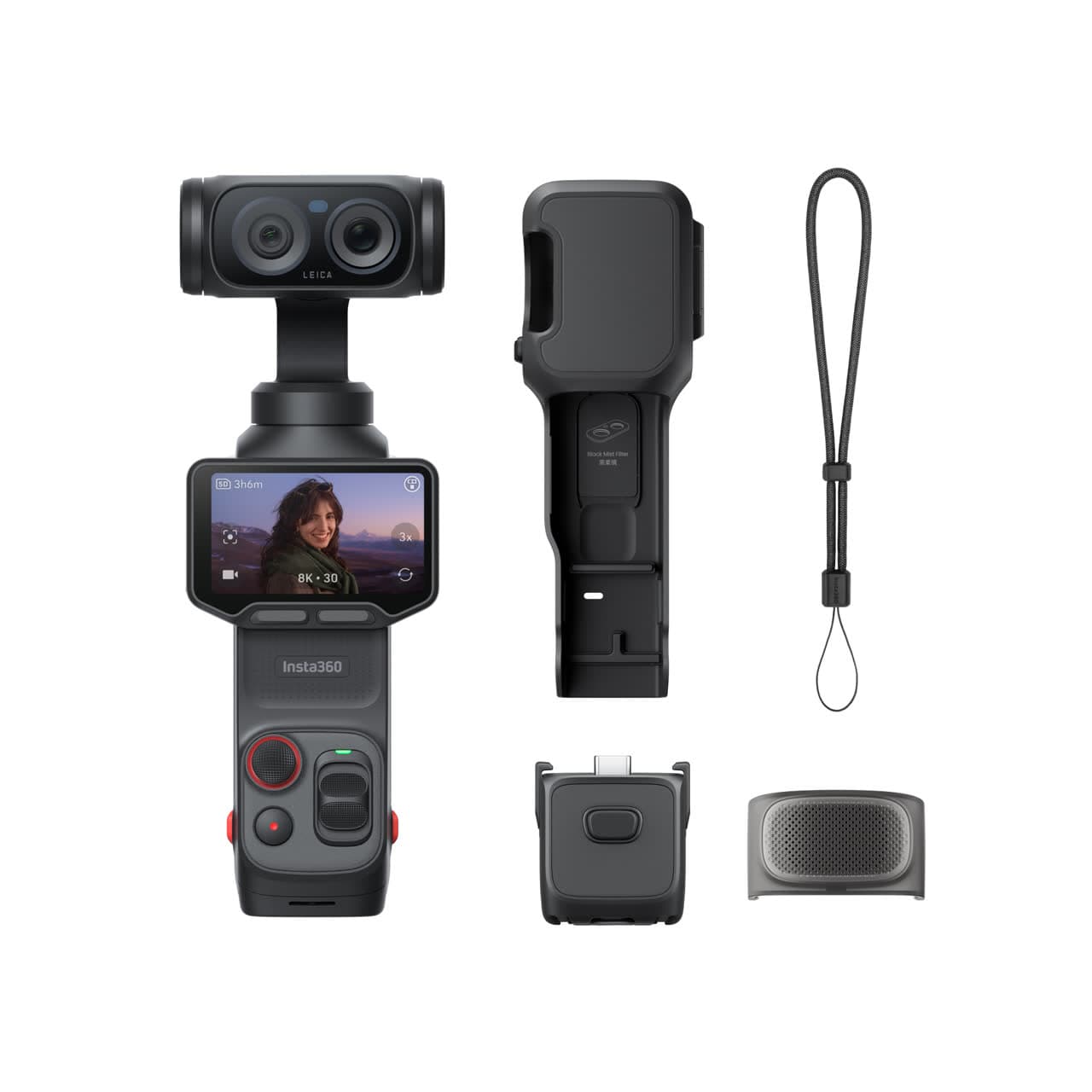
A stabilized pocket camera, clean wireless audio, fast media, a backup drive, and a small light for one-person video.
Best low-friction creator kit
Buy order: start with the first piece that makes the job possible, then add the support pieces that remove friction.
Camera: start here. If this piece does not make the shoot easier, the rest of the kit can wait.
Light: add it after the core setup proves useful.
Insta360 Luna Ultra
Wide and tele framing, mechanical stabilization, and a detachable screen without a full camera rig.
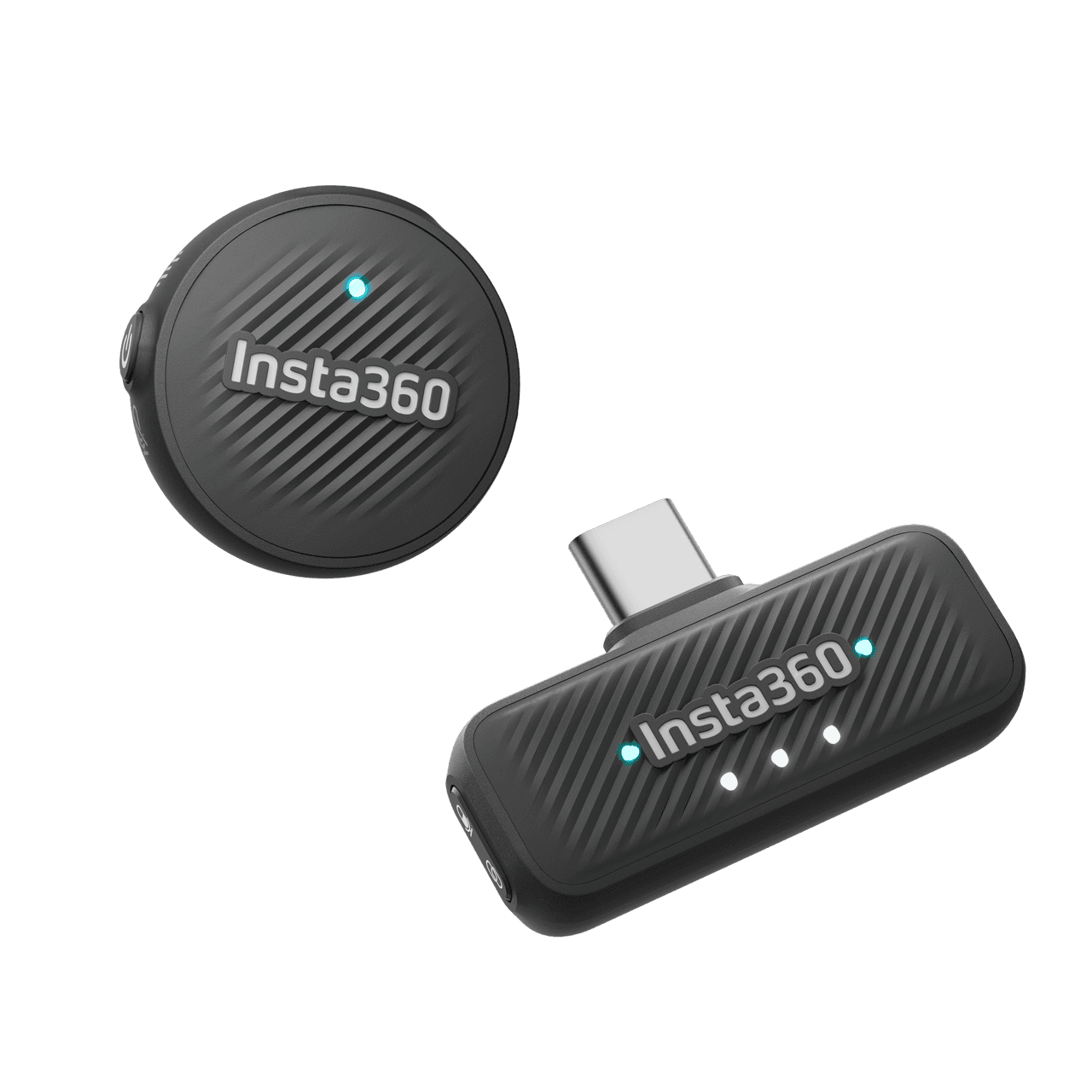
Insta360 Mic Air
Pairs directly with Luna Ultra for clearer speech without hanging a receiver from the camera.
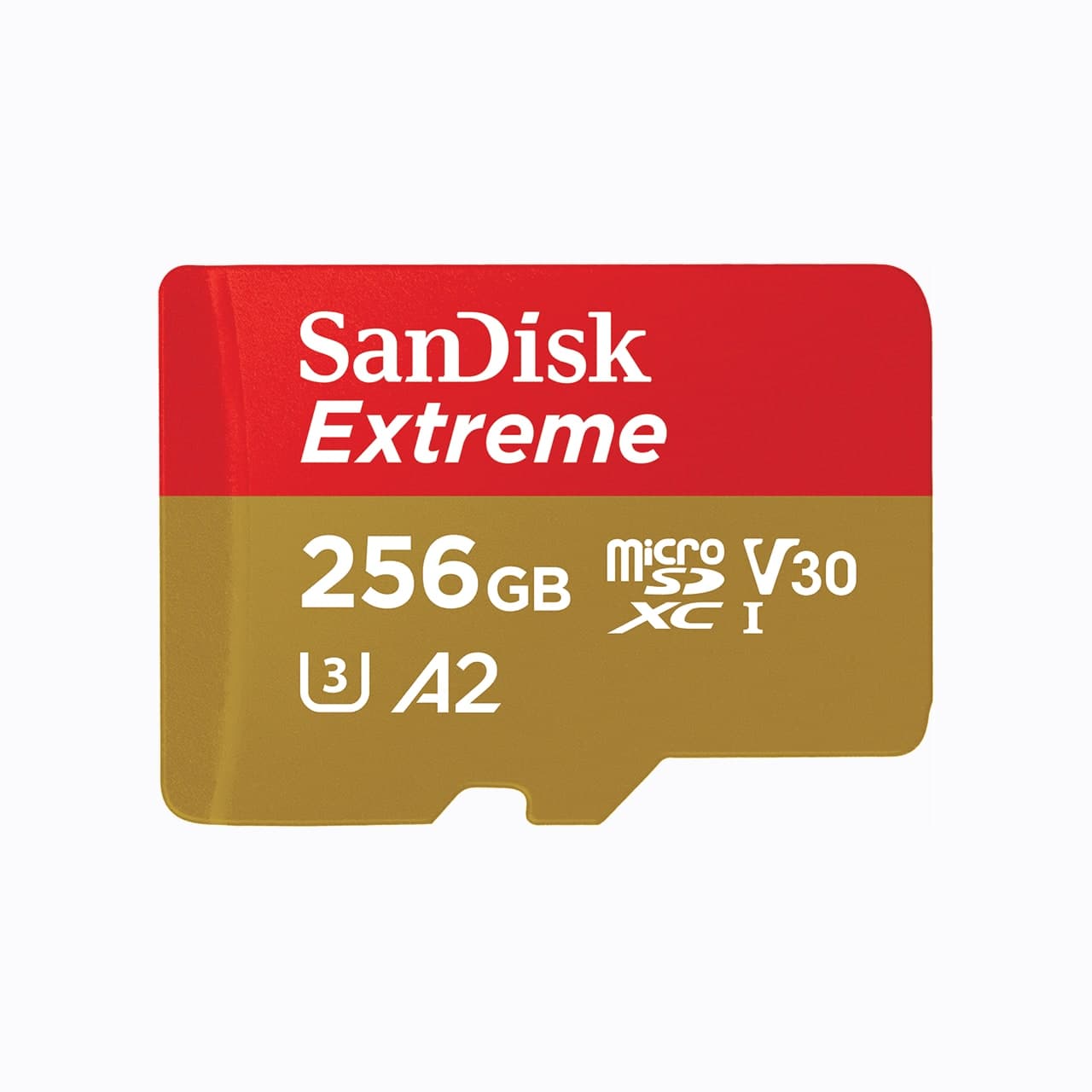
SanDisk Extreme microSDXC 256GB
Pocket gimbals and action cameras use microSD, not a full-size SD card.
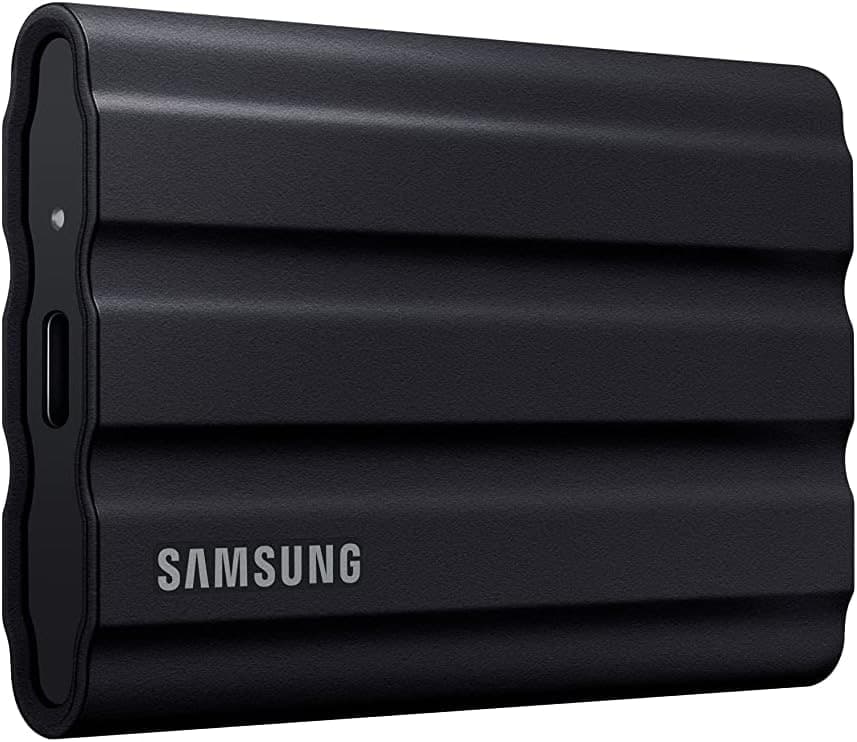
Samsung T7 Shield
A rugged pocket SSD for offloading footage before a card gets reused.
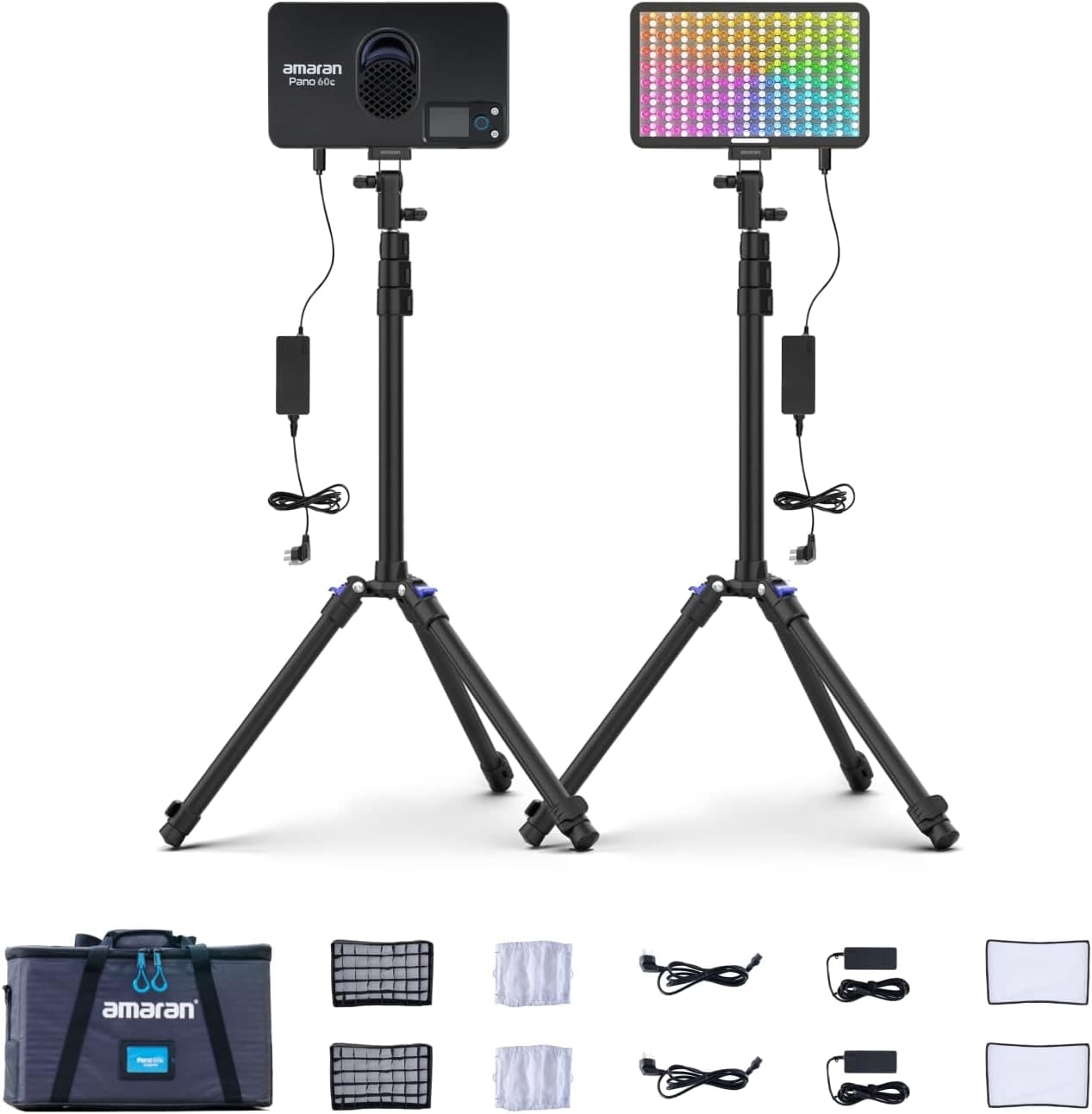
Amaran P60c RGBWW Panel
Soft, controllable fill for talking-head clips, product details, and ugly rooms.
Prices are rough catalog totals. Retailer prices change, and you can swap pieces to fit your system.
Related Gear guides
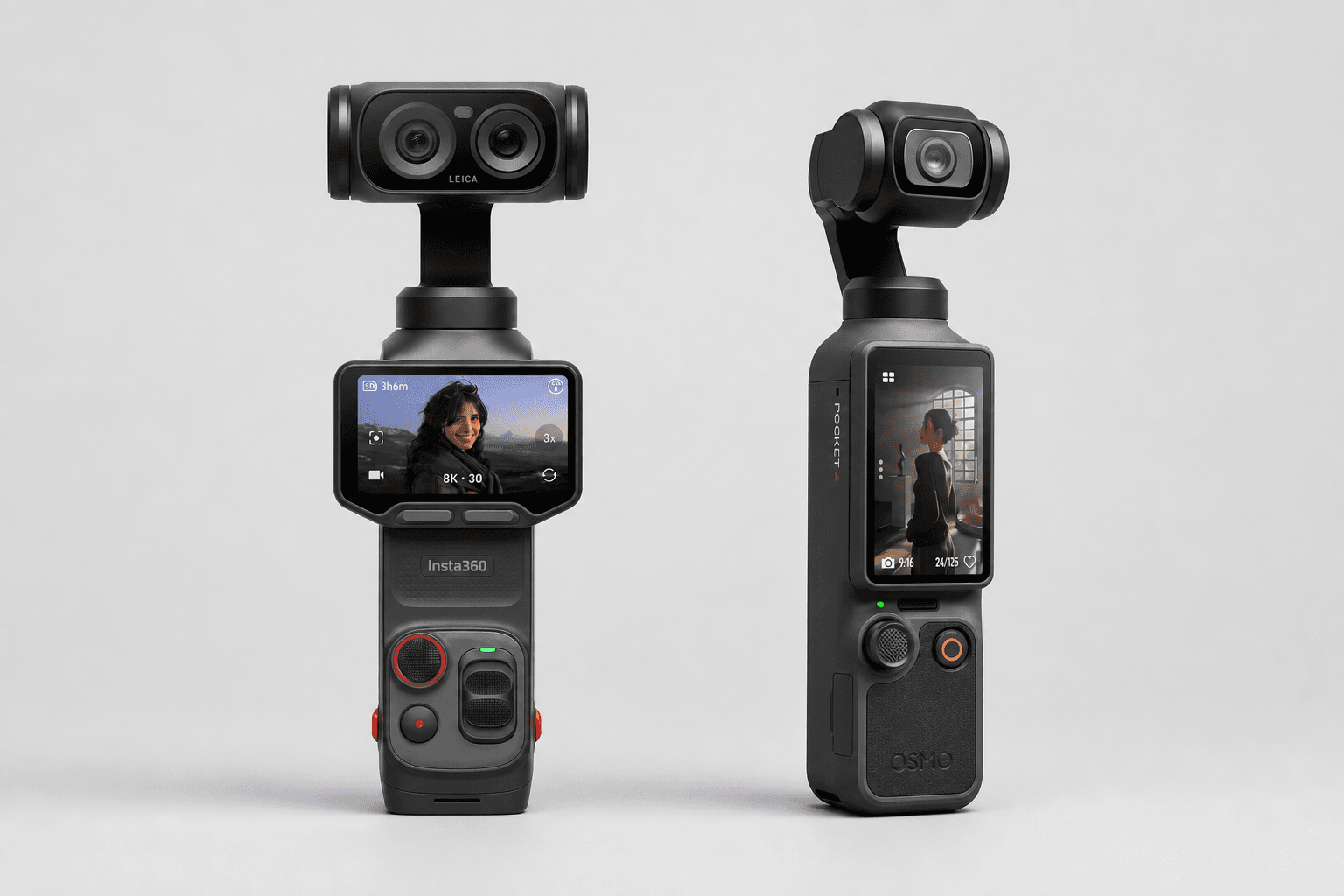
Insta360 Luna Ultra vs DJI Osmo Pocket 4: Which Pocket Gimbal Should You Buy?
Compare Luna Ultra and DJI Pocket 4 by lenses, video, Log formats, storage, U.S. availability, and the filming jobs each pocket gimbal handles best.
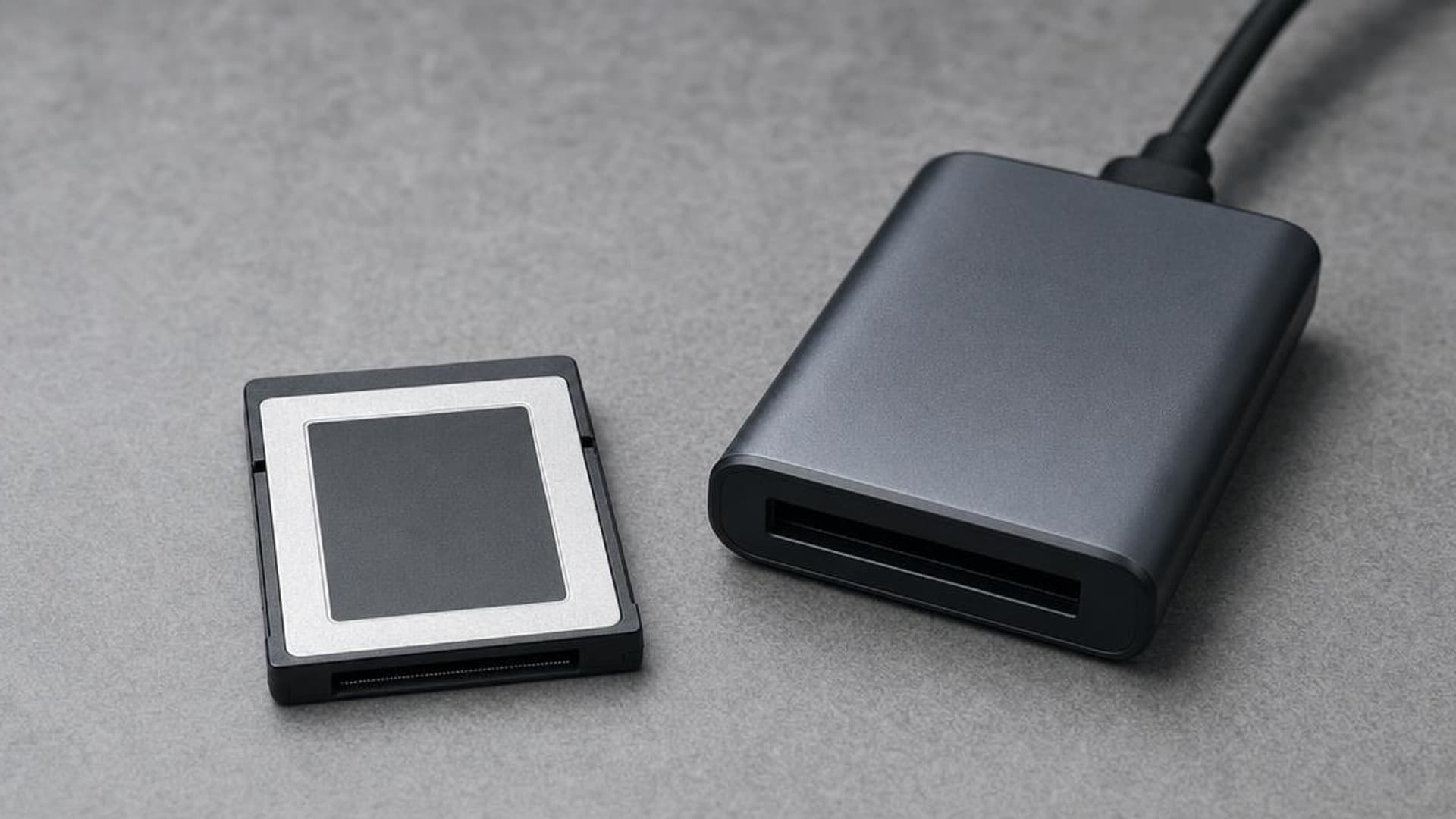
CFexpress 4.0 and VPG Explained: Buy the Card Your Camera Needs
CFexpress 4.0 doubles theoretical bandwidth, while VPG certifies sustained video writes. Learn Type A vs B, VPG classes, and when 4.0 is worth paying for.
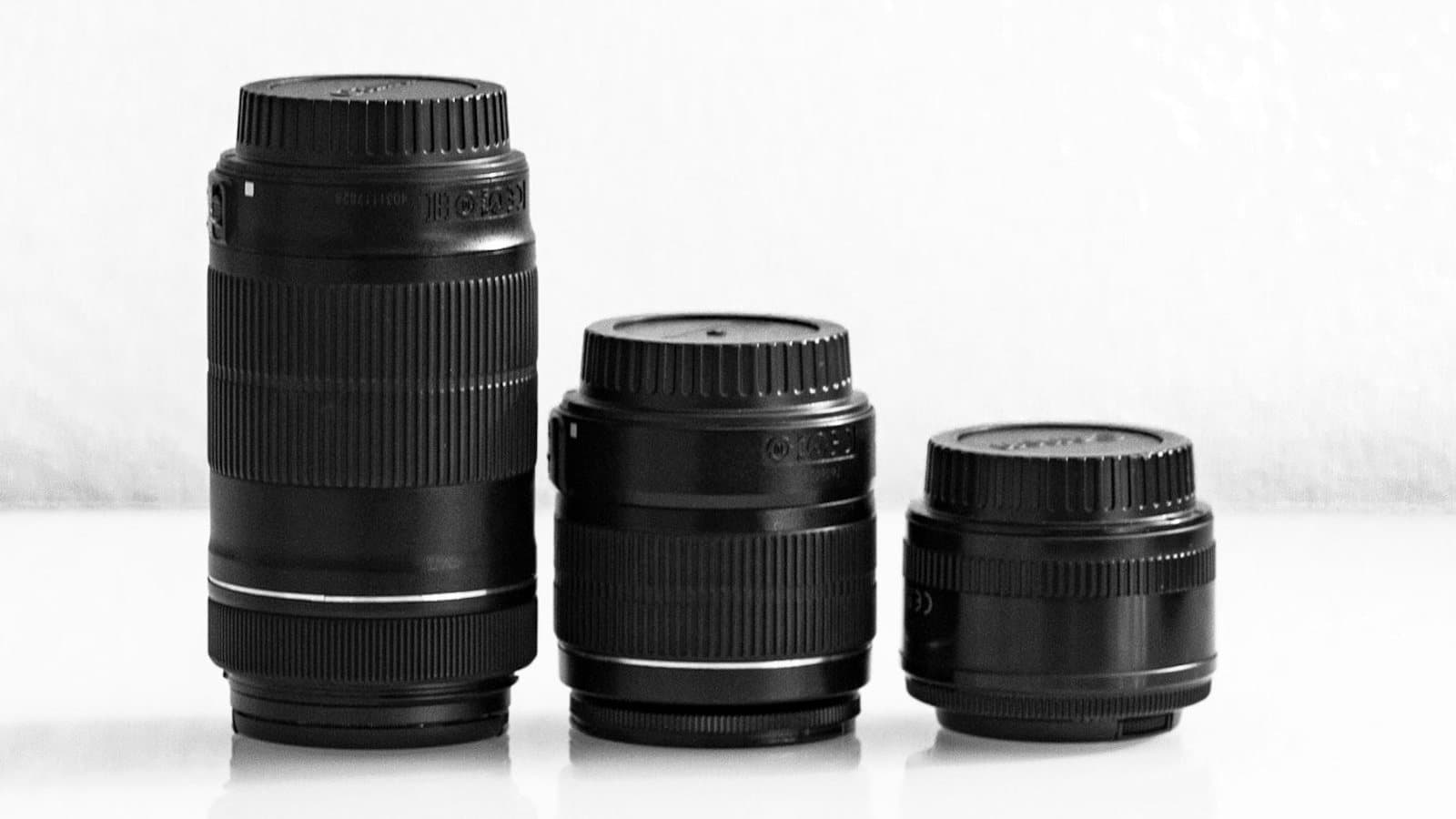
Focal Length Explained: What 24mm, 50mm, 85mm, and 200mm Actually Do
What the millimeter number on a lens changes in the field: angle of view, compression, and working distance. When to reach for 24, 50, 85, or 200mm.
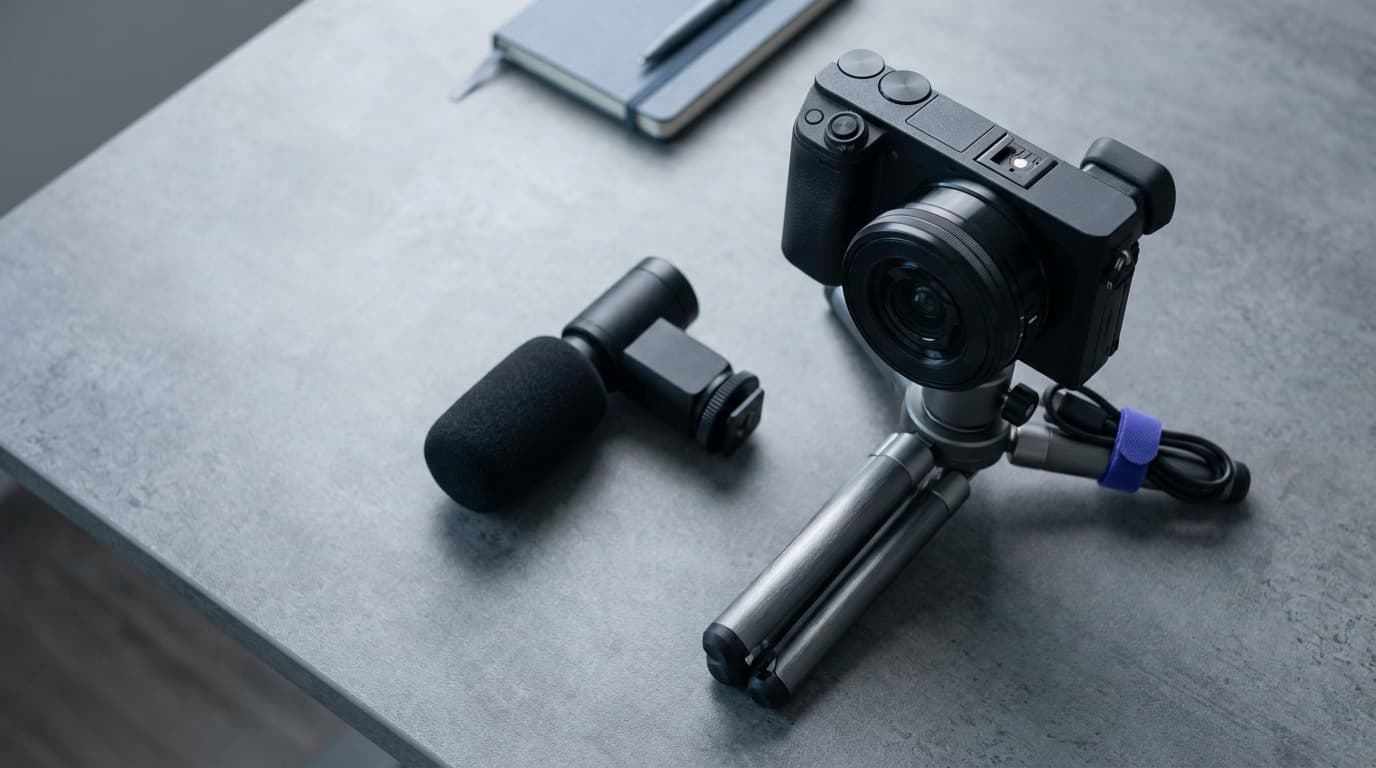
Canon EOS R50 V vs Sony ZV-E10 II: Which Beginner Vlogging Camera Should You Buy?
Canon EOS R50 V is the easier beginner creator kit. Sony ZV-E10 II is the deeper lens-system pick. Compare the practical tradeoffs.
Researched, not personally tested: picks compare specifications, available owner feedback, and established expert sources. As an Amazon Associate I earn from qualifying purchases. We may earn a commission from links here, at no extra cost to you. How we research →