We may earn a commission from links on this page, at no extra cost to you. Picks are researched, not sponsored.
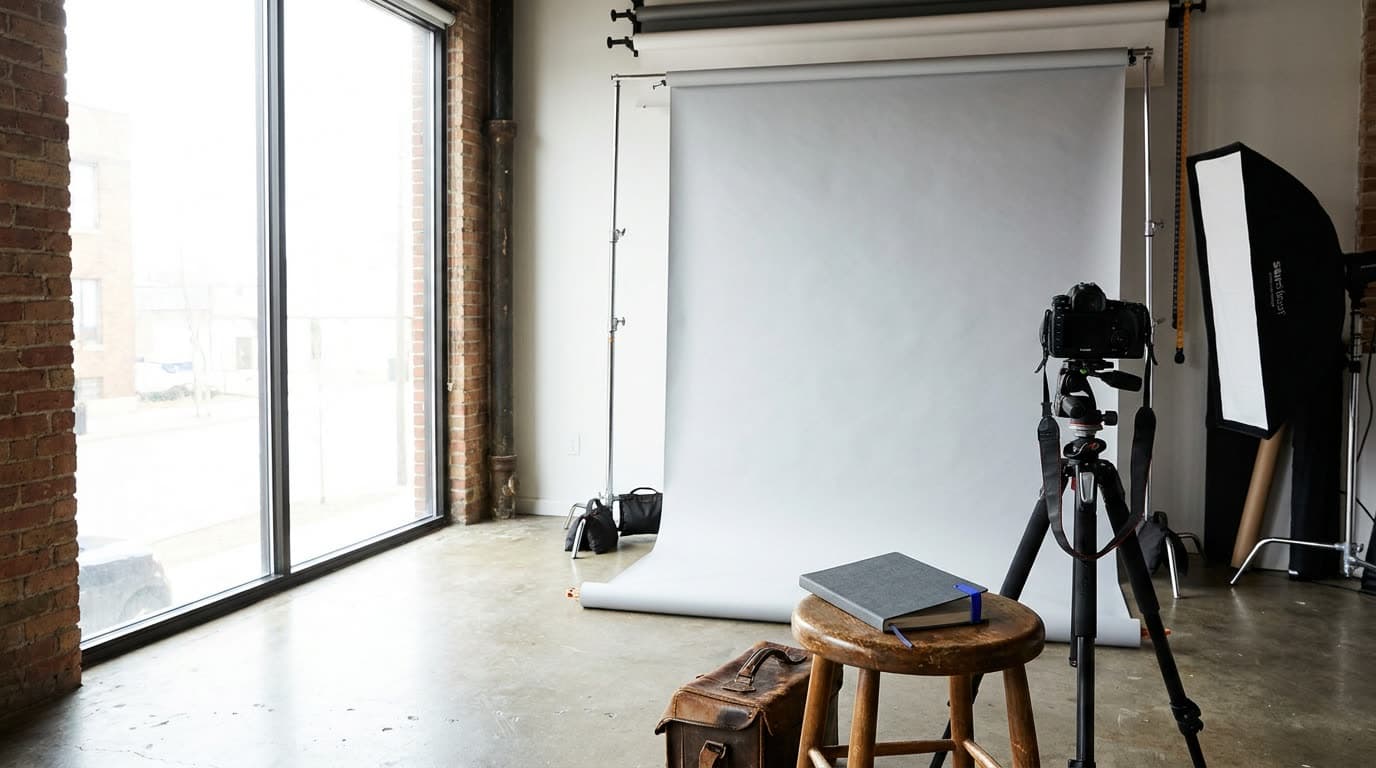
A backdrop turns any room into a controllable set. Instead of fighting a messy wall or a window behind your subject, you get a clean, even background you can light the way you want. The two parts work together: a support system that holds the background up, and the background itself, which sets the look.
If you are building a home setup from scratch, our how to photograph products at home guide covers the lighting and table side, and the exposure triangle covers the settings that keep a backdrop evenly exposed.
How do the picks compare?
| Pick | Size | Height or load | Price on Amazon | Best for |
|---|---|---|---|---|
| Neewer Backdrop Support System | 5 to 10 ft wide | 2.3 to 7 ft tall, 8.8 lb load | $39.99 | Holding fabric or light paper for headshots and products |
| Savage Seamless Paper (107 in roll) | 107 in x 36 ft | Needs support rated for the roll | $109.99 | The cleanest sweep for portraits and products |
| Neewer 10 x 12 ft polyester backdrop | 10 x 12 ft | 1.9 lb, rod pocket on one edge | $32.79 | Budget portrait background that folds and washes |
| Kate Collapsible Backdrop | 5 x 6.5 ft, reversible | Spring frame, folds into a bag | $99.30 | Fast headshot setups at events |
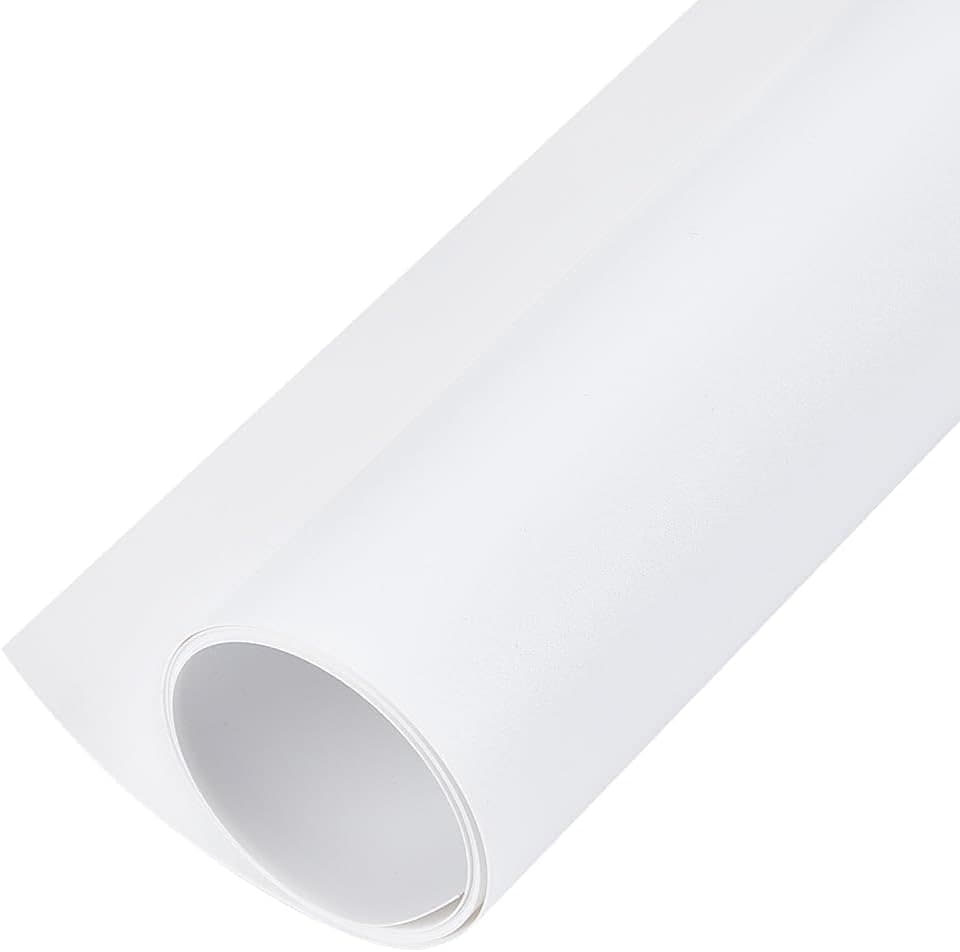
| BENECREAT matte white PVC | 39.4 x 15.75 in | 0.5 mm sheet | $12.99 | Small tabletop products |
Sizes, contents, and load ratings come from each manufacturer's listing; prices are Amazon U.S., checked September 26, 2026. The Neewer backdrop details also match Neewer's product page.
How to choose
Start with width. A backdrop has to be wide enough to fill the frame behind your subject with room to spare. For headshots and small products, a backdrop around 5 to 6 feet wide is enough. For half-body portraits, two people, or a full sweep onto the floor, you want 9 feet or wider. A support system that telescopes lets you use narrower or wider backgrounds as needed.
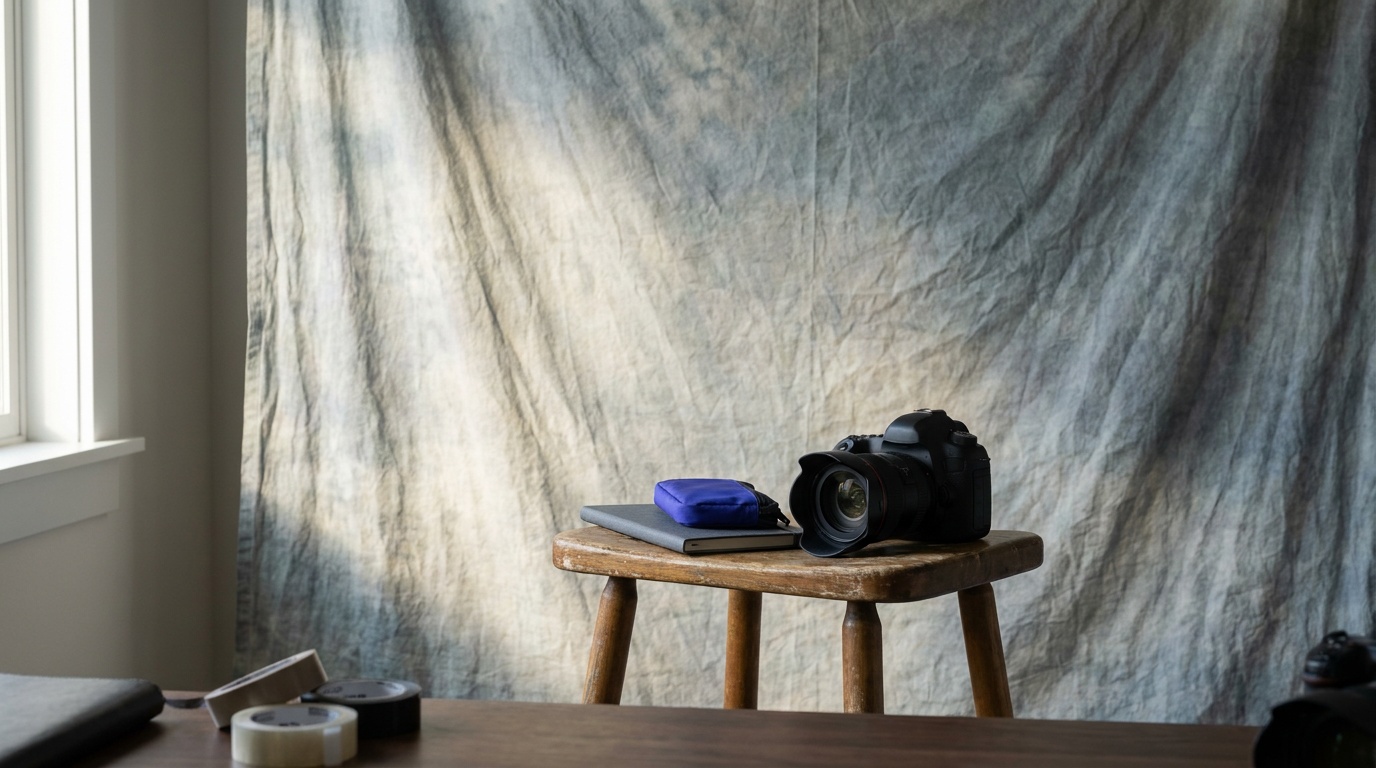
Then pick the material, because each one looks different. Seamless paper gives the cleanest, most even background and rolls down onto the floor for a smooth sweep, but it tears and you cut off the dirty end as you go. Muslin is fabric, packs small, and hides wrinkles when lit loosely, which suits portraits. Vinyl is durable and wipes clean, which matters for messy product or food work. Collapsible pop-up backdrops spring open in seconds and are reversible, which is the fastest option for events and quick sessions.
Last, weigh the support. A backdrop stand needs to be tall and wide enough for your background and stable enough not to tip. Sandbags on the feet keep it planted, and a crossbar that telescopes lets you swap background widths. For paper, look for an expandable bar or a dedicated paper drive so the roll hangs straight.
The picks
Best Overall
Neewer Backdrop Support System
Home and small studios that need an affordable, adjustable background support.
Check price at AmazonThe Neewer Backdrop Support System is the default recommendation for a home or small studio. Two aluminum stands and a four-section crossbar adjust from 5 to 10 ft wide and 2.3 to 7 ft tall, and the box includes six spring clamps, two empty sandbags, and a carry bag, all for about $40. Know the limits before you buy: 7 ft is too short to sweep paper behind a standing adult, and the 8.8 lb load rating is light for a full 107 in paper roll. For headshots, seated portraits, fabric backdrops, and product work, it gets a clean background up fast. Fill the sandbags before the first shoot.
Studio Standard
Savage Seamless Paper
Studios that want the cleanest possible background for products and portraits.
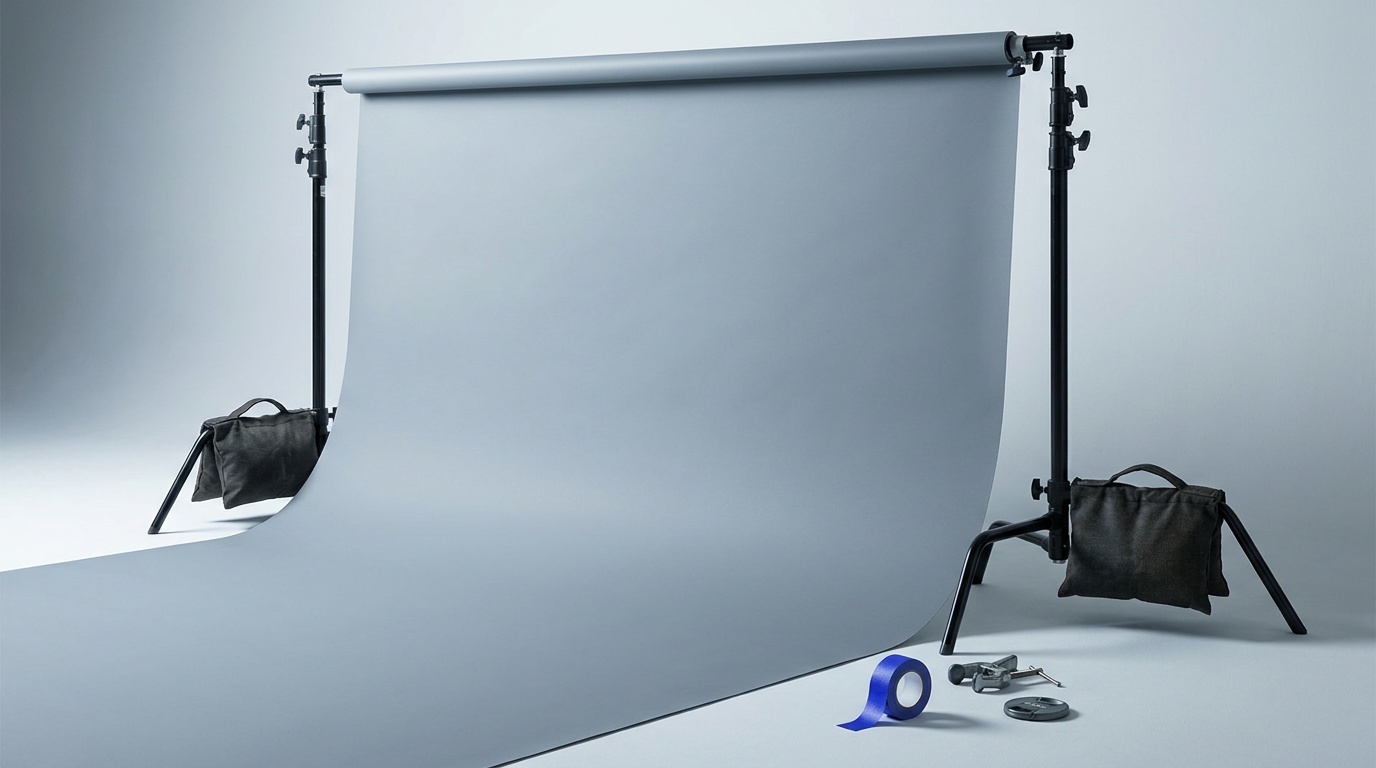
Check price at AmazonSavage Seamless Paper is the studio standard for a clean background. The linked roll is 107 in wide and 36 ft long in Super White, about $110 on Amazon, and it rolls down onto the floor for a smooth sweep with no visible horizon line. Savage also makes 53 in rolls, which are the better size for headshots and tabletop products. A full 107 in roll wants sturdier stands than the budget Neewer kit. You cut off the scuffed end when it gets dirty, so a roll is consumable, but nothing else looks this clean.
Best for Portraits
Neewer 10 x 12 ft Gray Polyester Backdrop
Portrait photographers who want a neutral, reusable fabric background on a budget.
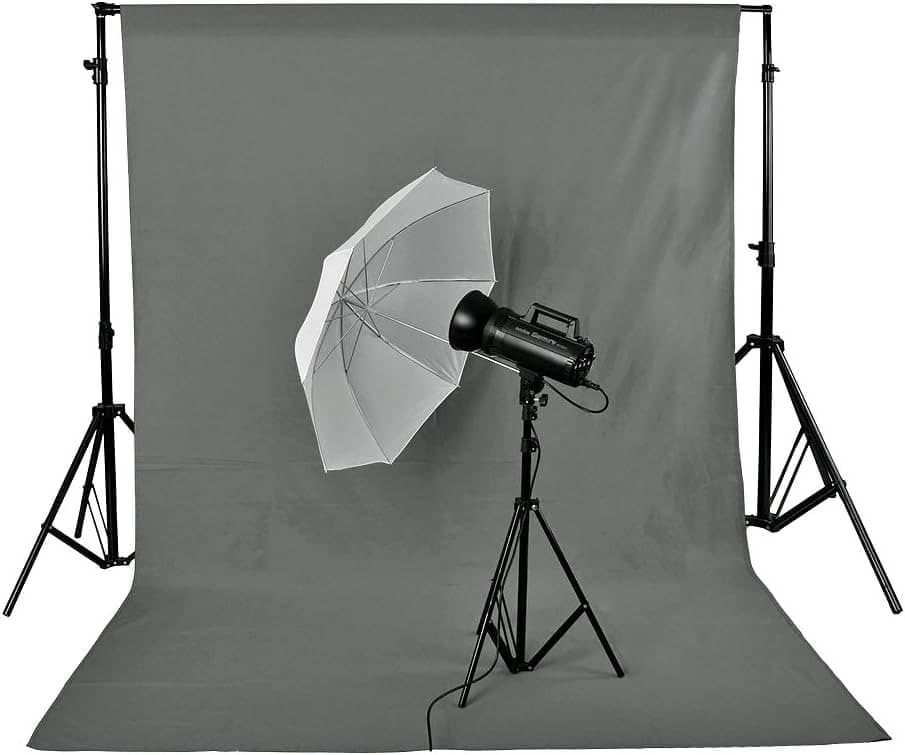
Check price at AmazonThe Neewer 10 x 12 ft gray polyester backdrop is the portrait-fabric pick on a budget, at about $33 with more than 13,000 Amazon ratings. It is large enough for standing subjects, weighs 1.9 lb, folds for transport, and has a rod pocket along one edge for hanging. It arrives creased, so steam it before the shoot and keep it far enough behind the subject that any remaining wrinkles fall out of focus. This listing is the backdrop only; the stand in the product photo is not included.
Fastest Setup
Kate Collapsible Backdrop
Events and quick sessions that need a background up and down fast.
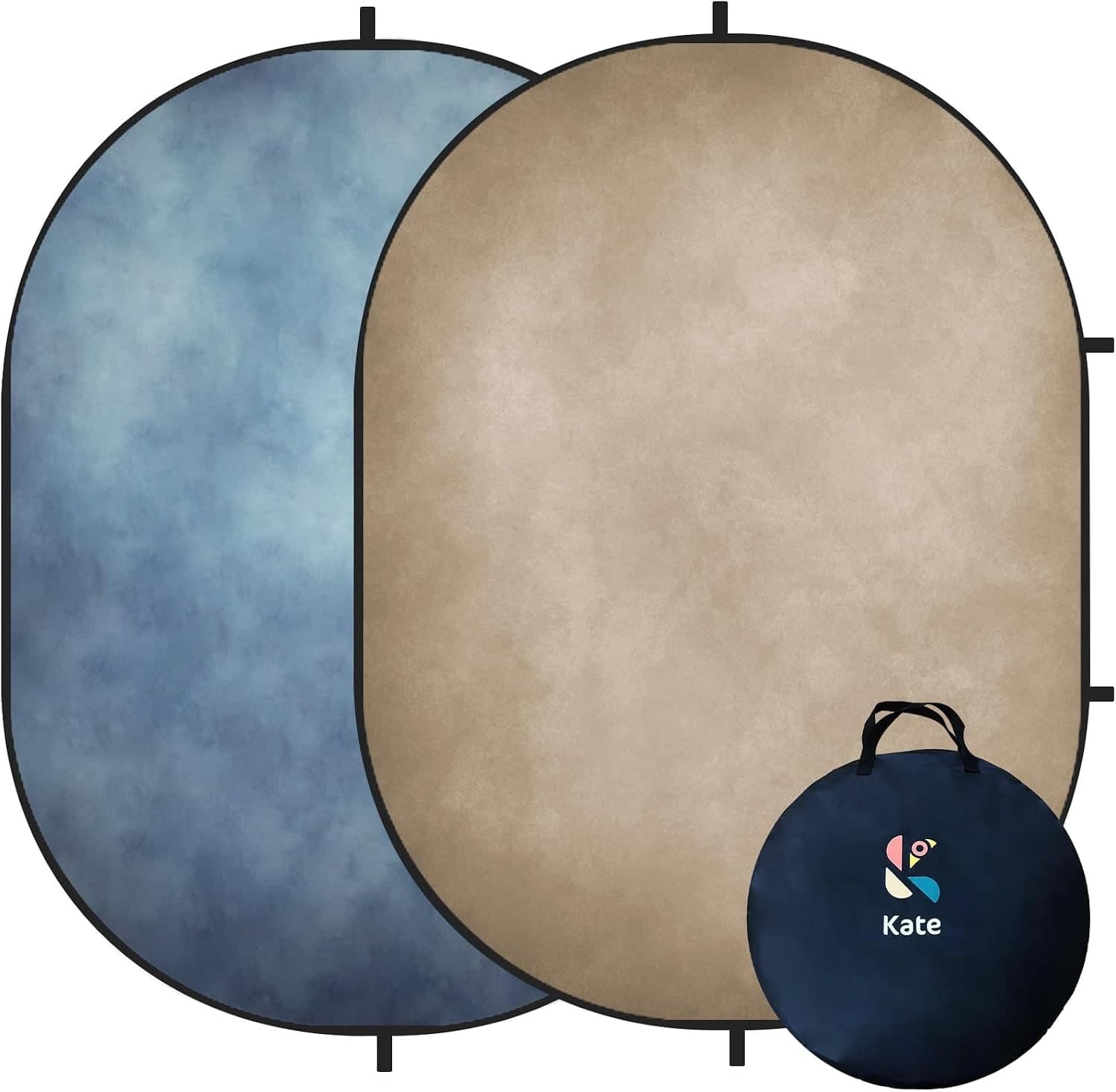
Check price at AmazonThe Kate Collapsible Backdrop is the pick for speed. The 5 x 6.5 ft matte microfiber panel springs open on its frame and folds back into a storage bag, with a different color on each side. The fixed size suits headshots, interviews, and self-tapes rather than full-length work, and at about $99 with few owner reviews so far, it is worth it only when setup time matters more than price.
Best for Products
BENECREAT Matte White PVC Backdrop
Small product and food shoots that need a washable white sweep.
Check price at AmazonThe BENECREAT matte white PVC backdrop is the small-product pick, at about $13. The 39.4 by 15.75 inch sheet forms a clean tabletop sweep for jewelry, food, and other compact subjects, and it wipes clean after a spill. It is too narrow for large products or people and hard light can reflect from it, so keep the subject small and diffuse the source.
Common mistakes
The most common one is buying a backdrop too narrow, then finding the edges of the background creep into the frame. Go wider than you think you need. The second is skipping the sandbags: a light stand with a wide background acts like a sail, and a bump or a draft can tip the whole rig onto your subject. The third is lighting the backdrop the same as the subject; a background usually wants its own light or its own distance so it reads as a separate, clean plane.
Once your background is up, the lighting is the other half of the studio. See our best softboxes and modifiers guide for shaping the light, and how to take sharp photos for keeping the subject crisp against it.
Paper or fabric backdrop, which should I get first?
It depends on what you shoot. Seamless paper gives the cleanest background and rolls onto the floor for a smooth sweep, which suits products and full-length portraits, but it is consumable. Muslin fabric packs small, travels well, and flatters skin for portraits, but it wrinkles. If you want one clean look, start with paper; if you travel or shoot people, start with muslin.
How wide does a backdrop need to be?
For headshots and small products, around 5 to 6 feet is enough. For half-body portraits, two people, or a sweep onto the floor, you want 9 feet or wider. It is better to have background to spare than to see the edges creep into your frame. A telescoping support system lets you use different widths as your needs change.
Do I need to weigh down a backdrop stand?
Yes. A wide background on a light stand acts like a sail, so a bump, a draft, or a stretched paper roll can tip it over onto your subject or gear. Hang sandbags on the feet of each stand. It is the cheapest insurance in the studio.
Sources
Sizes, weights, load ratings, and package contents come from each manufacturer's product listing, checked September 26, 2026, and from Neewer's 10 x 12 ft backdrop specifications.
Compare picks
The short version
Use this to narrow the list before opening the detailed cards.
Scores weigh fit, owner sentiment, build, and value. Affiliate links do not change pick order. Methodology
Buying order
Start with the skip note. A good deal on the wrong camera is still the wrong camera.
Compare verdictsIf you already own lenses, check the system path before buying into a new mount.
Check systemsOnce the fit makes sense, compare current deals and retailer listings.
Check current deals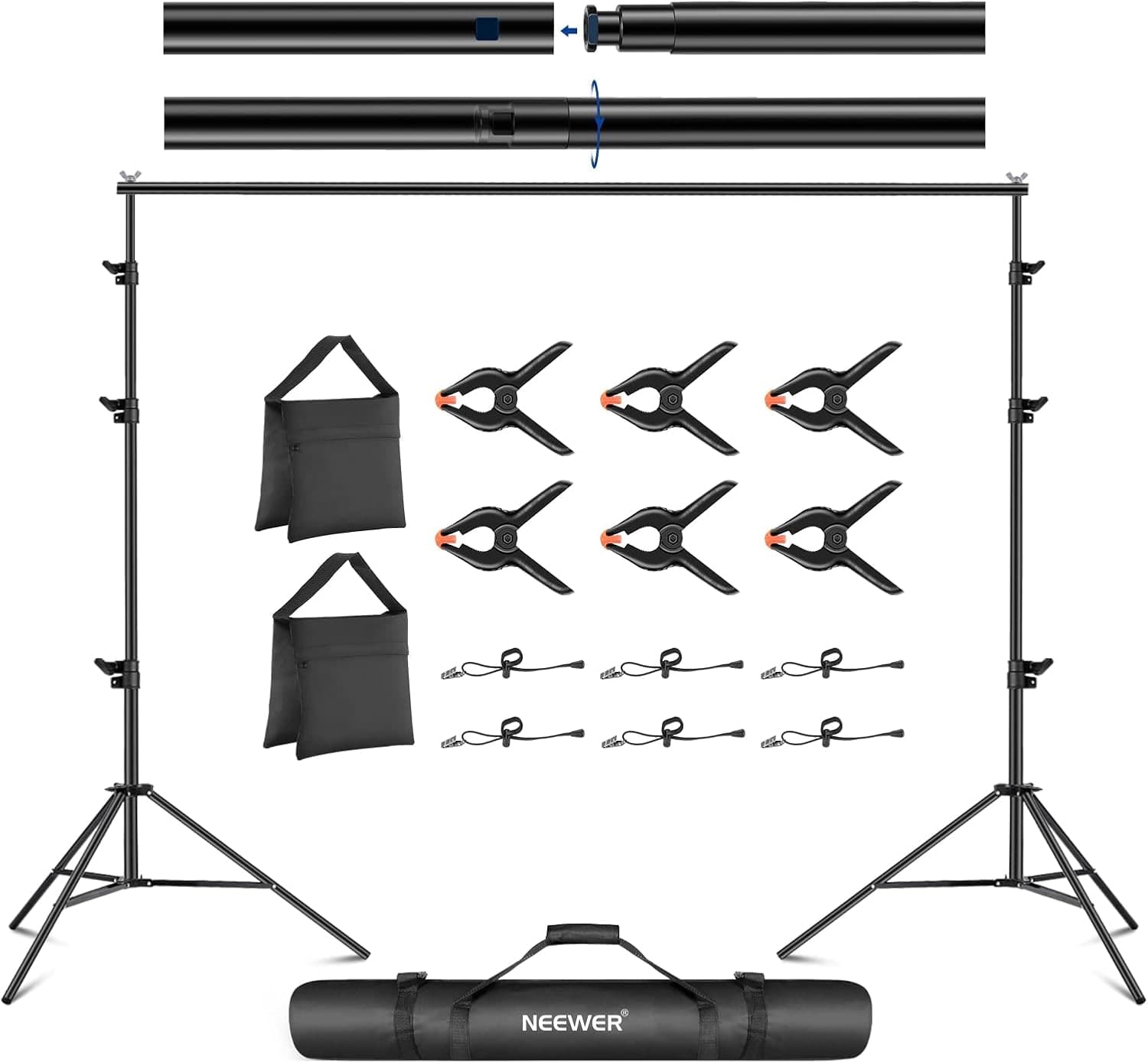
Home and small studios that need an affordable, adjustable background support.
Use the retailer for the current price after the tradeoff makes sense. Confirm payload, plate type, height, folded size, and quick-release system.
Tradeoff: Too narrow for people or large products
Use the retailer for the current price after the tradeoff makes sense. Confirm exact version, included accessories, compatibility, and seller listing.
9.0/10 Aperture Score
Use the retailer for the current price after the tradeoff makes sense. Confirm exact version, included accessories, compatibility, and seller listing.
Portrait photographers who want a neutral, reusable fabric background on a budget.
Use the retailer for the current price after the tradeoff makes sense. Confirm exact version, included accessories, compatibility, and seller listing.
- Home and small studios that need an affordable, adjustable background support.
- Adjustable 5 to 10 ft width
- 7 ft max height is short for standing full-length sweeps
Use the retailer for the current price after the tradeoff makes sense. Confirm payload, plate type, height, folded size, and quick-release system.
- Studios that want the cleanest possible background for products and portraits.
- Cleanest seamless sweep
- Consumable, you cut off the dirty end
Use the retailer for the current price after the tradeoff makes sense. Confirm exact version, included accessories, compatibility, and seller listing.
- Portrait photographers who want a neutral, reusable fabric background on a budget.
- Large 10 x 12 ft coverage
- Ships folded and needs steaming
Use the retailer for the current price after the tradeoff makes sense. Confirm exact version, included accessories, compatibility, and seller listing.
- Events and quick sessions that need a background up and down fast.
- Sets up in seconds
- Fixed 5 x 6.5 ft size suits headshots, not full-length
Use the retailer for the current price after the tradeoff makes sense. Confirm exact version, included accessories, compatibility, and seller listing.
- Small product and food shoots that need a washable white sweep.
- Wipes clean
- Too narrow for people or large products
Use the retailer for the current price after the tradeoff makes sense. Confirm exact version, included accessories, compatibility, and seller listing.
| Pick | Score | Price | Verdict | Action |
|---|---|---|---|---|
| Best OverallNeewer Backdrop Support System | 8.6
| $40 - $60 | Home and small studios that need an affordable, adjustable background support. Wins: Adjustable 5 to 10 ft width Skip: 7 ft max height is short for standing full-length sweeps | Check Amazon · $40 - $60 Use the retailer for the current price after the tradeoff makes sense. Confirm payload, plate type, height, folded size, and quick-release system. |
| Studio StandardSavage Seamless Paper | 9.0
| $100 - $115 | Studios that want the cleanest possible background for products and portraits. Wins: Cleanest seamless sweep Skip: Consumable, you cut off the dirty end | Check Amazon · $100 - $115 Use the retailer for the current price after the tradeoff makes sense. Confirm exact version, included accessories, compatibility, and seller listing. |
| Best for PortraitsNeewer 10 x 12 ft Gray Polyester Backdrop | 8.3
| $30 - $45 | Portrait photographers who want a neutral, reusable fabric background on a budget. Wins: Large 10 x 12 ft coverage Skip: Ships folded and needs steaming | Check Amazon · $30 - $45 Use the retailer for the current price after the tradeoff makes sense. Confirm exact version, included accessories, compatibility, and seller listing. |
 Fastest SetupKate Collapsible Backdrop Fastest SetupKate Collapsible Backdrop | 8.2
| $90 - $100 | Events and quick sessions that need a background up and down fast. Wins: Sets up in seconds Skip: Fixed 5 x 6.5 ft size suits headshots, not full-length | Check Amazon · $90 - $100 Use the retailer for the current price after the tradeoff makes sense. Confirm exact version, included accessories, compatibility, and seller listing. |
| Best for ProductsBENECREAT Matte White PVC Backdrop | 8.1
| $10 - $20 | Small product and food shoots that need a washable white sweep. Wins: Wipes clean Skip: Too narrow for people or large products | Check Amazon · $10 - $20 Use the retailer for the current price after the tradeoff makes sense. Confirm exact version, included accessories, compatibility, and seller listing. |
Keep going
Next useful steps
Pick one. Each link continues the same job without starting the research over.
Shoot kits
Buy around the job, not the spec sheet
Studio table
Product studio kit
$5,268
A high-detail body, macro lens, portable strobe, modifier, backdrop, and grip pieces for repeatable product photos at home or in a small studio.
Best small-commerce kit
Buy order: start with the first piece that makes the job possible, then add the support pieces that remove friction.
Camera: start here. If this piece does not make the shoot easier, the rest of the kit can wait.
Safety: add it after the core setup proves useful.
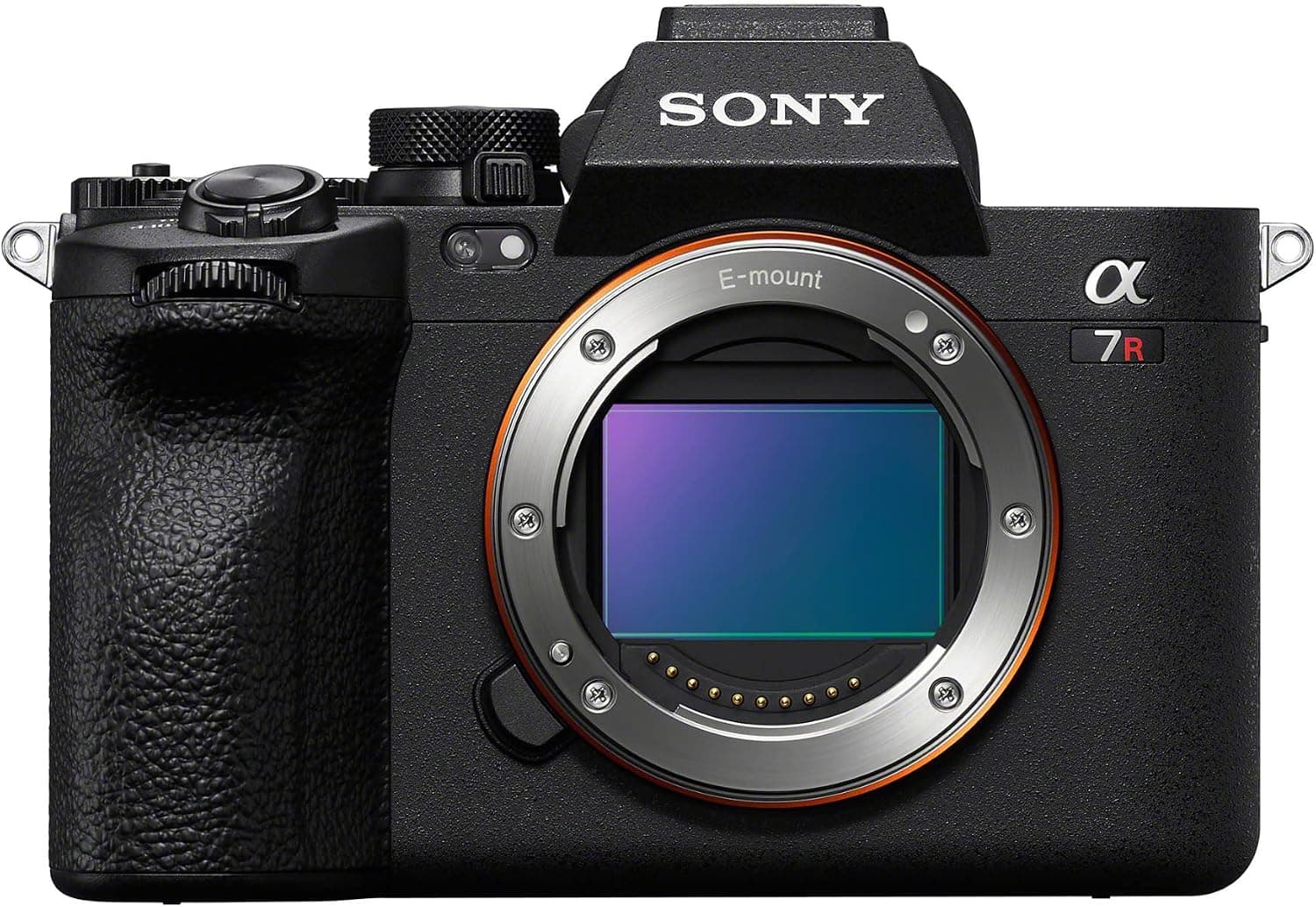
Sony a7R V
High-resolution files give product work enough detail for crops, retouching, and marketplace layouts.
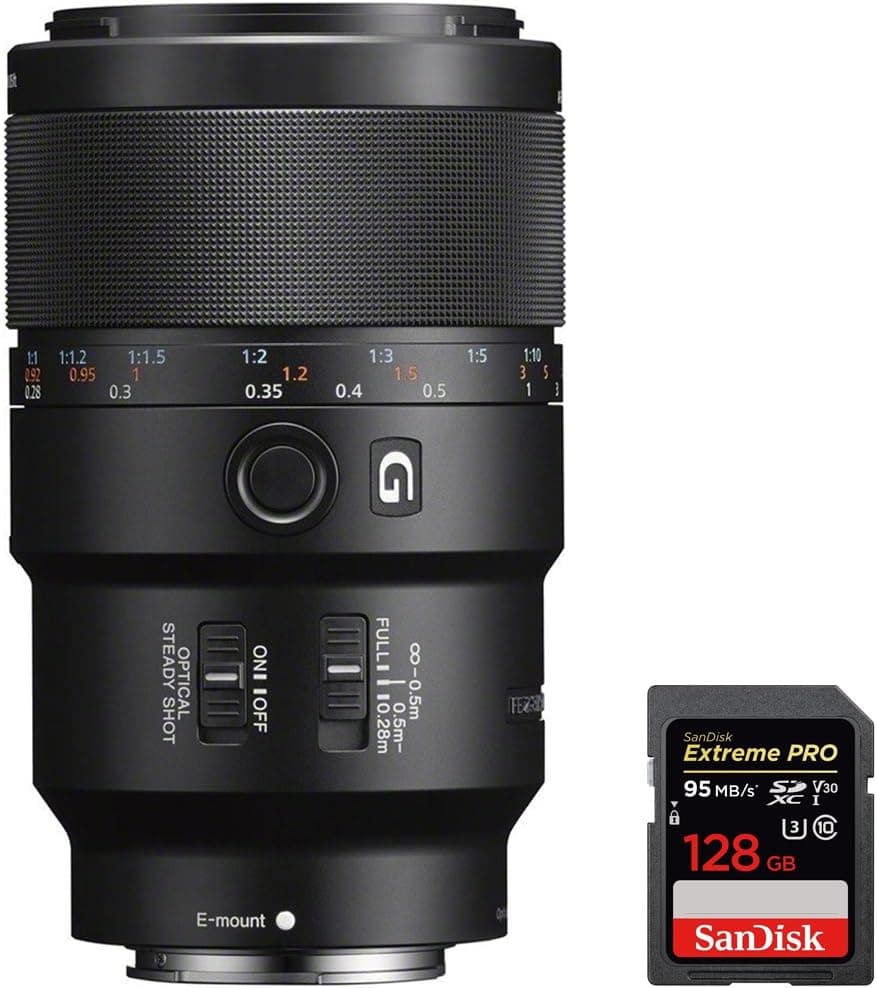
Sony FE 90mm f/2.8 Macro G OSS
True close focus for small products, labels, texture, and detail shots.
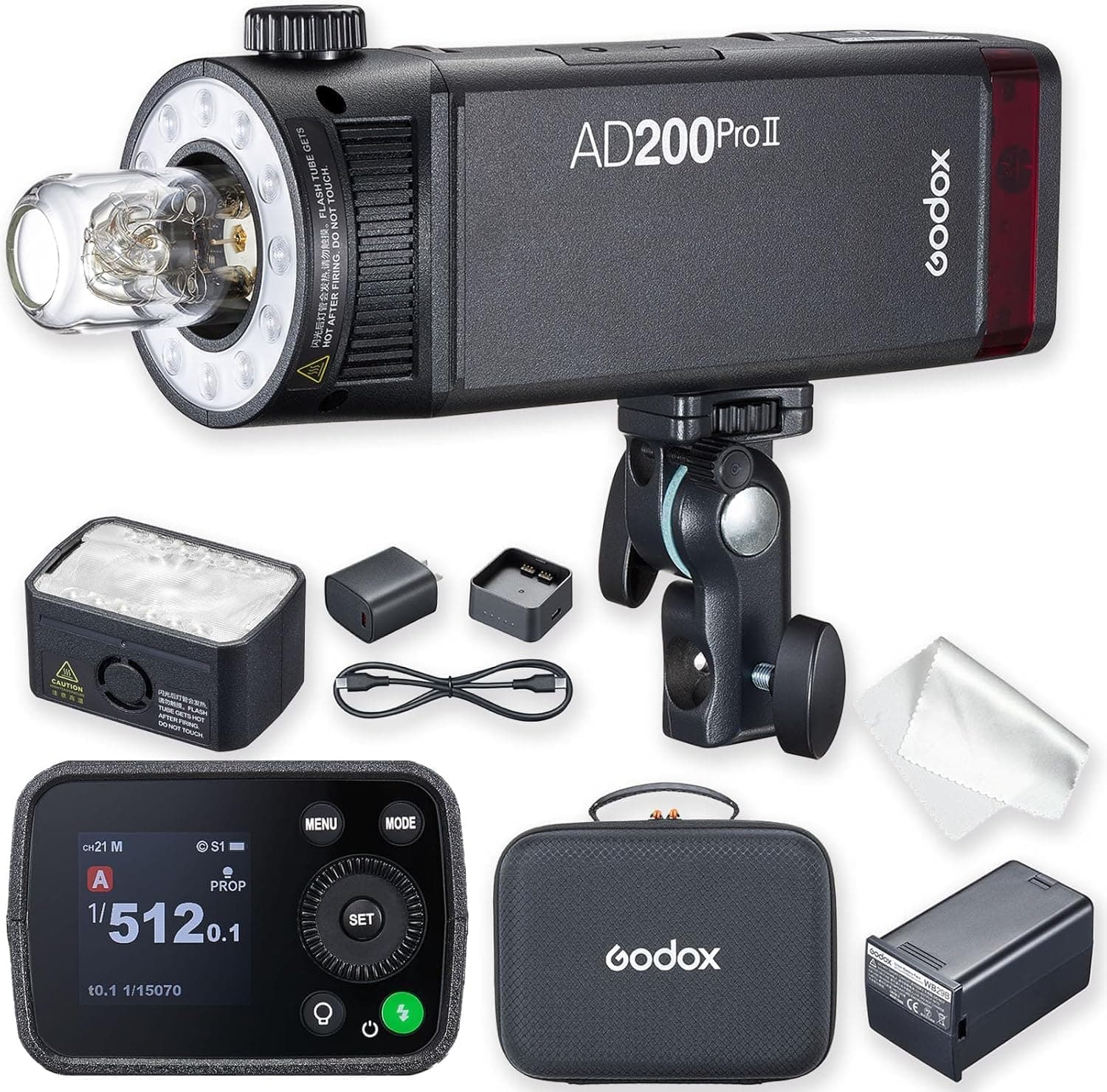
Godox AD200 Pro
More control and output than a speedlight while still staying portable.
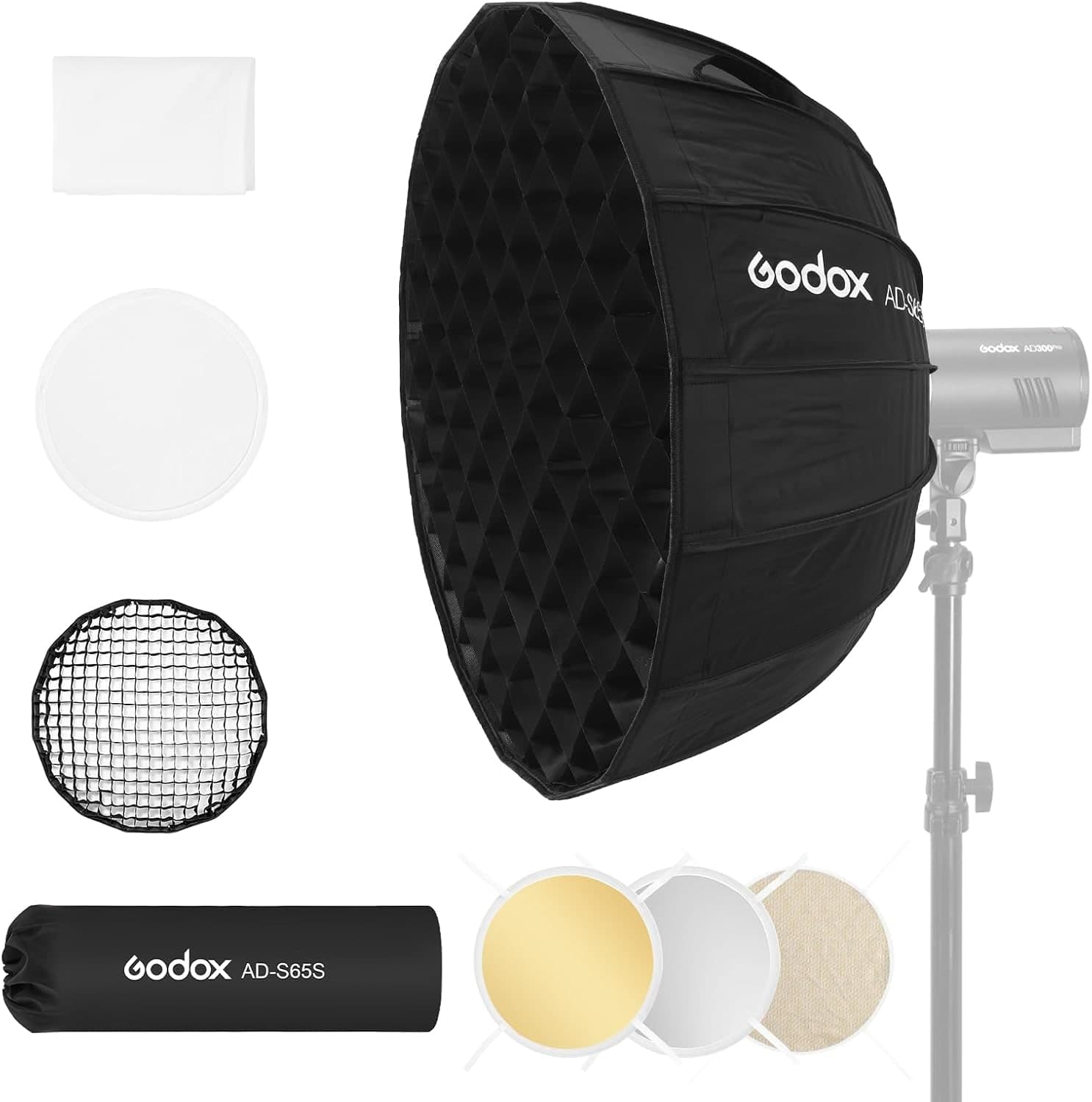
Godox AD-S65S
Soft, controlled light with a round catchlight for bottles, ceramics, food, and tabletop objects.
Savage Seamless Paper
A clean sweep removes distracting horizon lines and makes products read professionally.
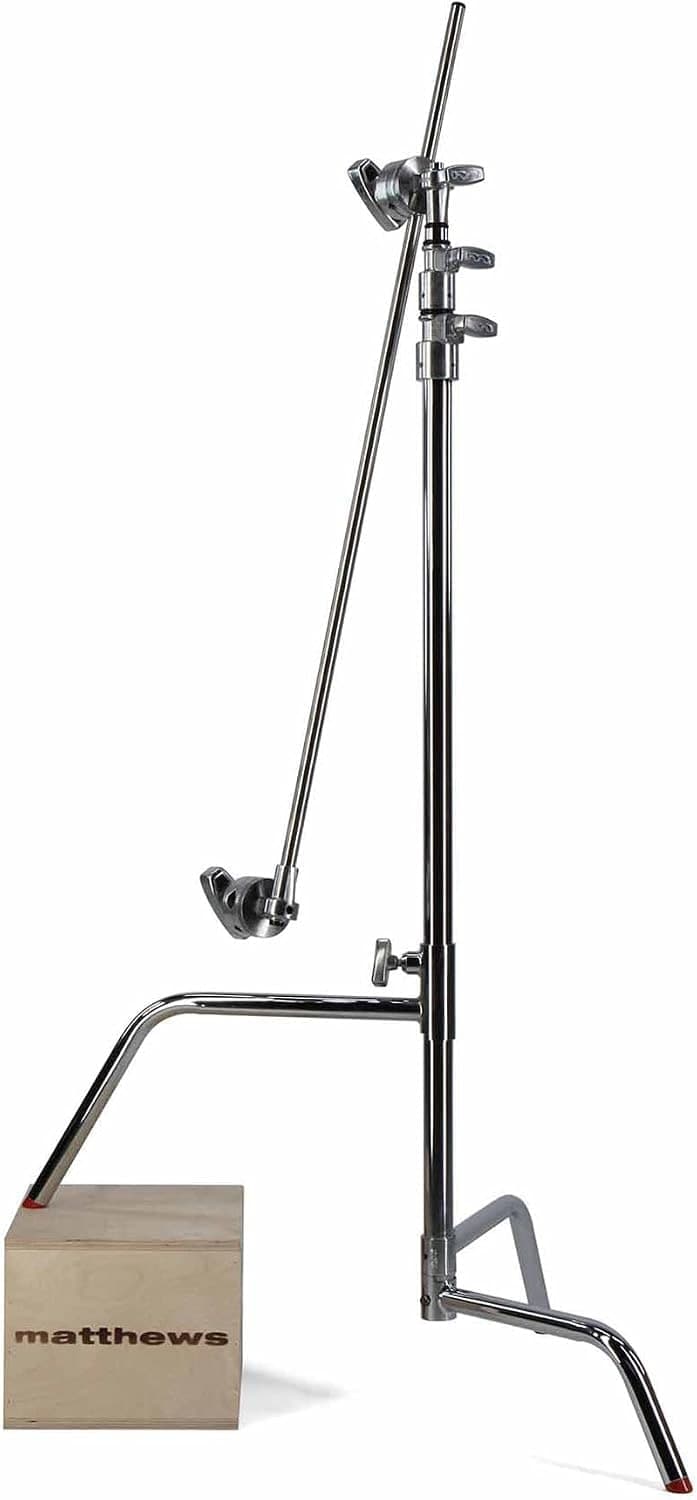
Matthews C-Stand
Holds lights, flags, and reflectors in fixed positions while the product stays untouched.
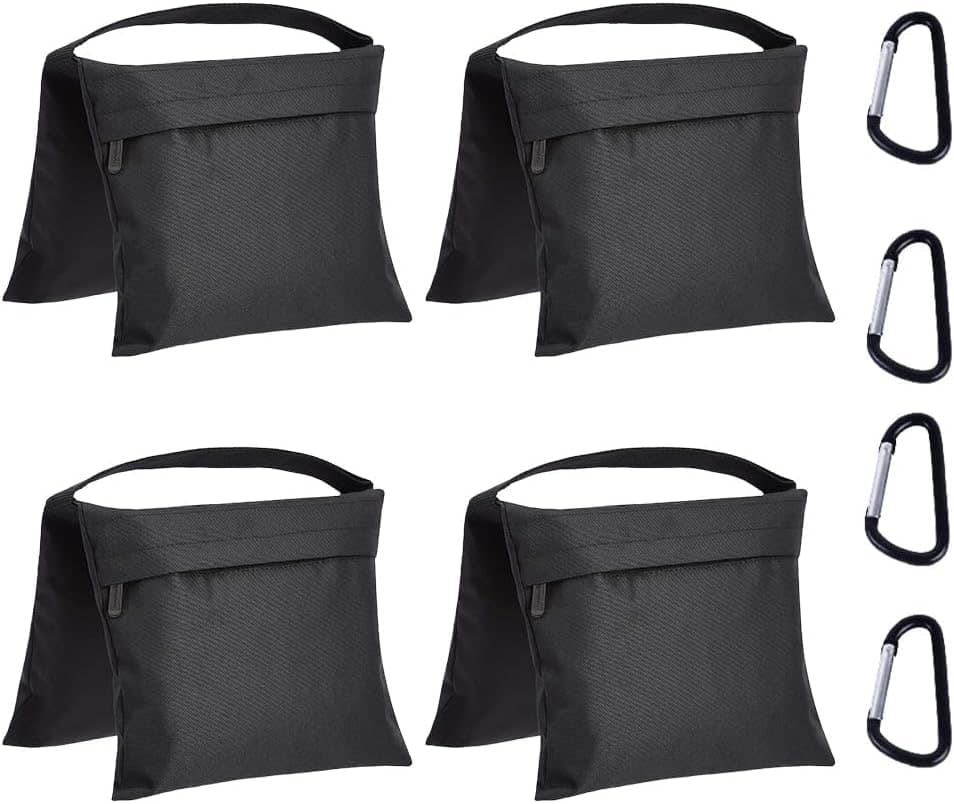
Amazon Basics Photography Sandbags (4-Pack)
Keeps the stand planted when a modifier or boom arm pulls the load off-center.
Prices are rough catalog totals. Retailer prices change, and you can swap pieces to fit your system.
Related Gear guides
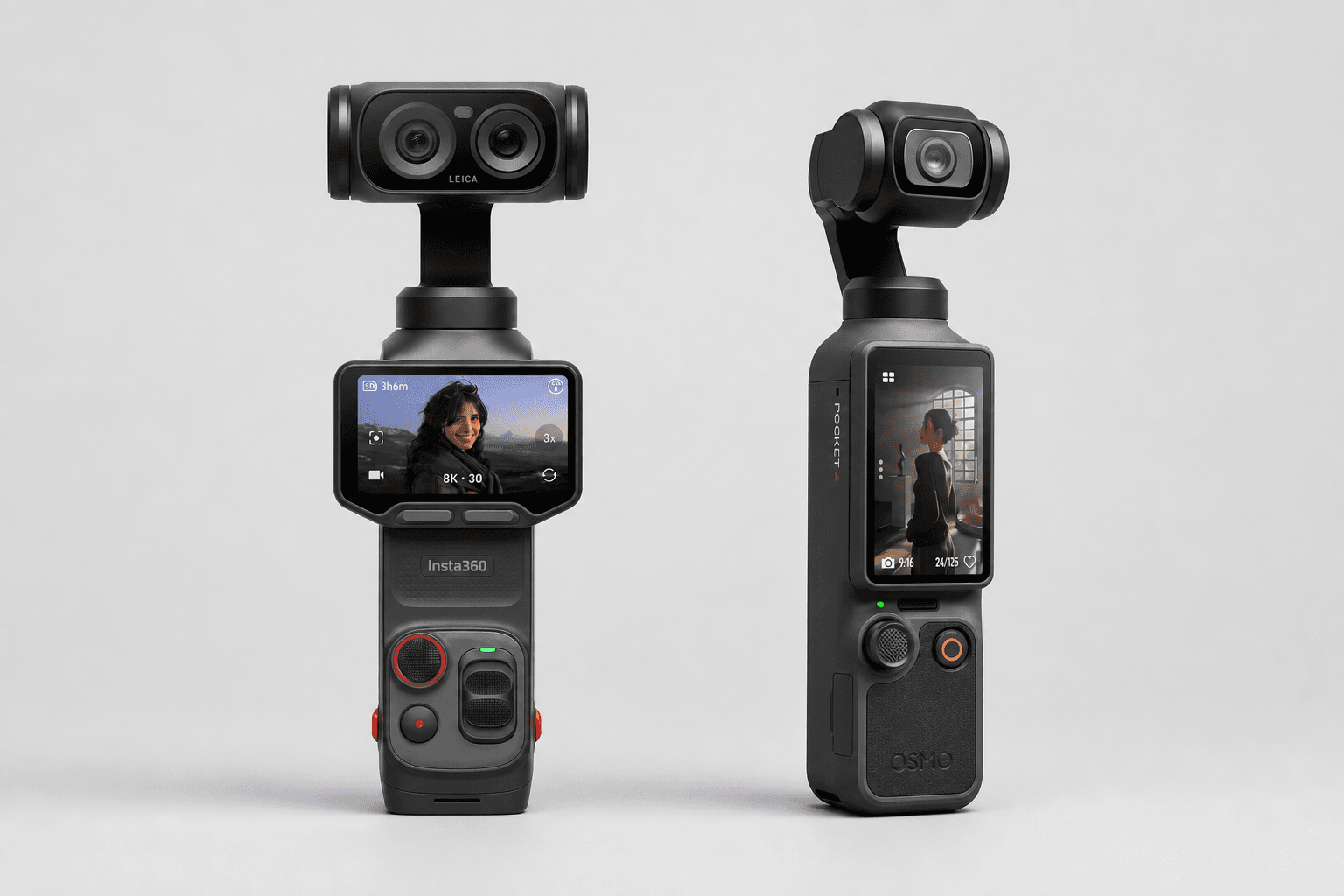
Insta360 Luna Ultra vs DJI Osmo Pocket 4: Which Pocket Gimbal Should You Buy?
Compare Luna Ultra and DJI Pocket 4 by lenses, video, Log formats, storage, U.S. availability, and the filming jobs each pocket gimbal handles best.
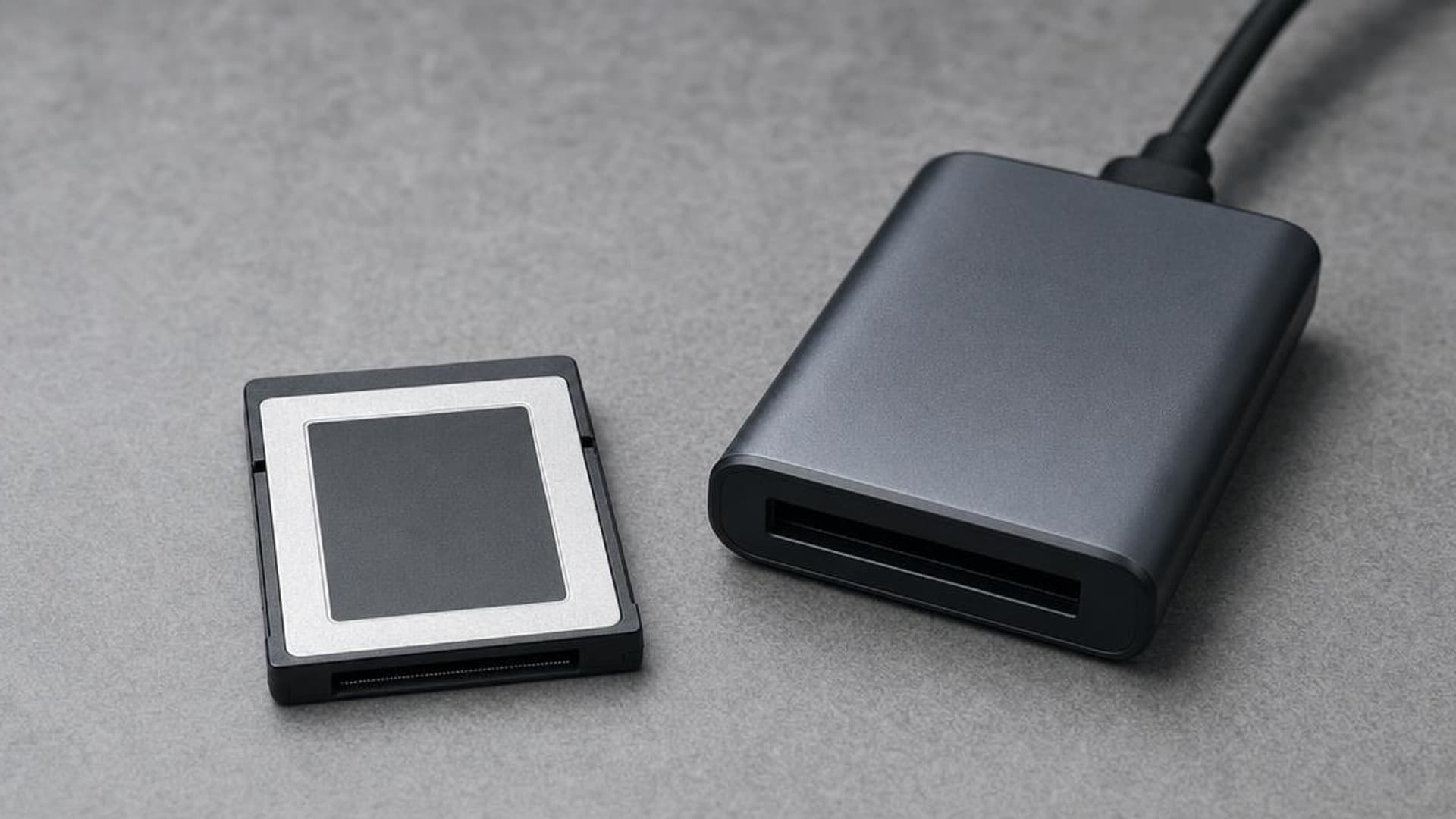
CFexpress 4.0 and VPG Explained: Buy the Card Your Camera Needs
CFexpress 4.0 doubles theoretical bandwidth, while VPG certifies sustained video writes. Learn Type A vs B, VPG classes, and when 4.0 is worth paying for.
Focal Length Explained: What 24mm, 50mm, 85mm, and 200mm Actually Do
What the millimeter number on a lens changes in the field: angle of view, compression, and working distance. When to reach for 24, 50, 85, or 200mm.
Canon EOS R50 V vs Sony ZV-E10 II: Which Beginner Vlogging Camera Should You Buy?
Canon EOS R50 V is the easier beginner creator kit. Sony ZV-E10 II is the deeper lens-system pick. Compare the practical tradeoffs.
Researched, not personally tested: picks compare specifications, available owner feedback, and established expert sources. As an Amazon Associate I earn from qualifying purchases. We may earn a commission from links here, at no extra cost to you. How we research →