We may earn a commission from links on this page, at no extra cost to you. Picks are researched, not sponsored.
What this means in real life
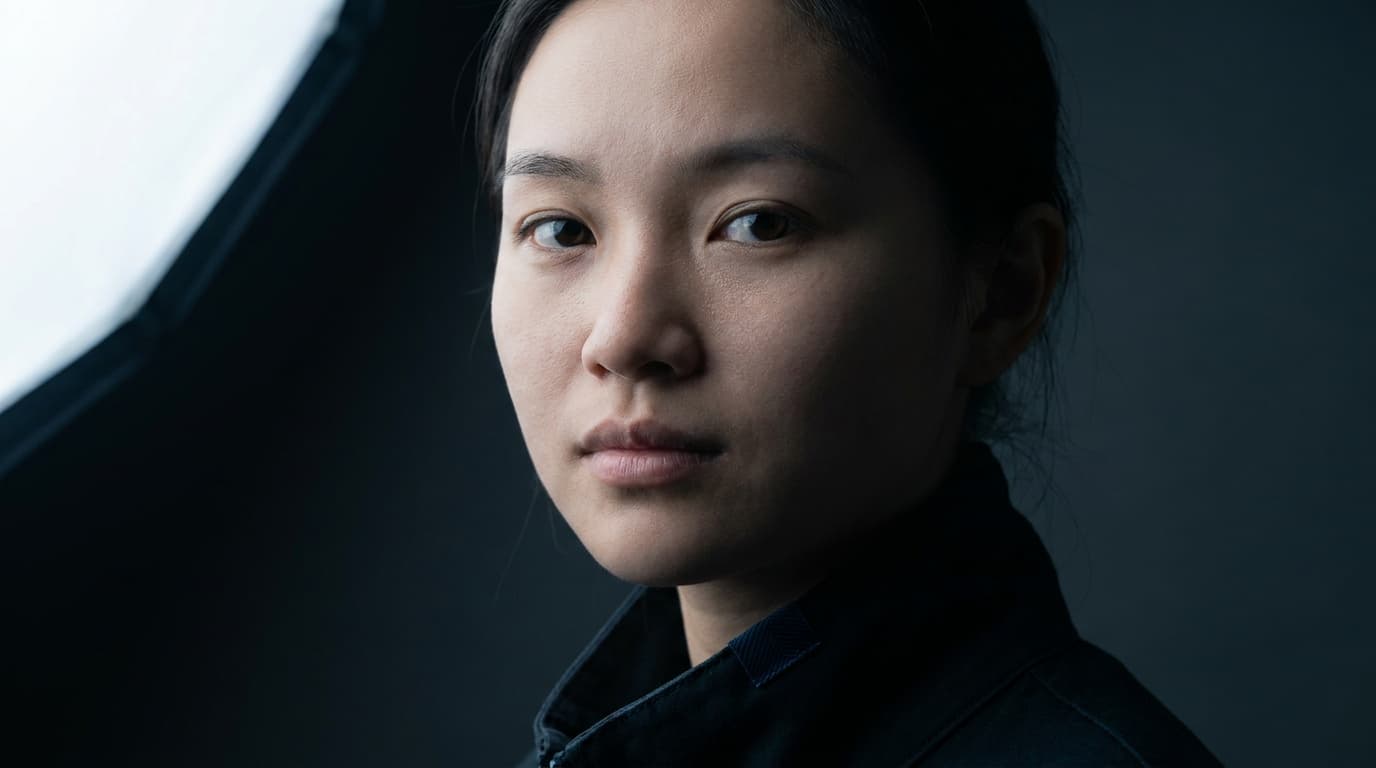
Light from the camera position is flat: it hits everything head-on, fills in all the shadows, and the face loses its shape. The moment you move that same flash off to the side, shadows appear, and shadows are what give a face depth, a defined nose, cheekbones, and a sense of form. That is the whole reason serious portrait work uses off-camera flash. You are not adding more light; you are putting the light in a better place. And you only need one flash to start. A single off-camera light, well placed and softened, beats any amount of on-camera power.
Why one light is enough
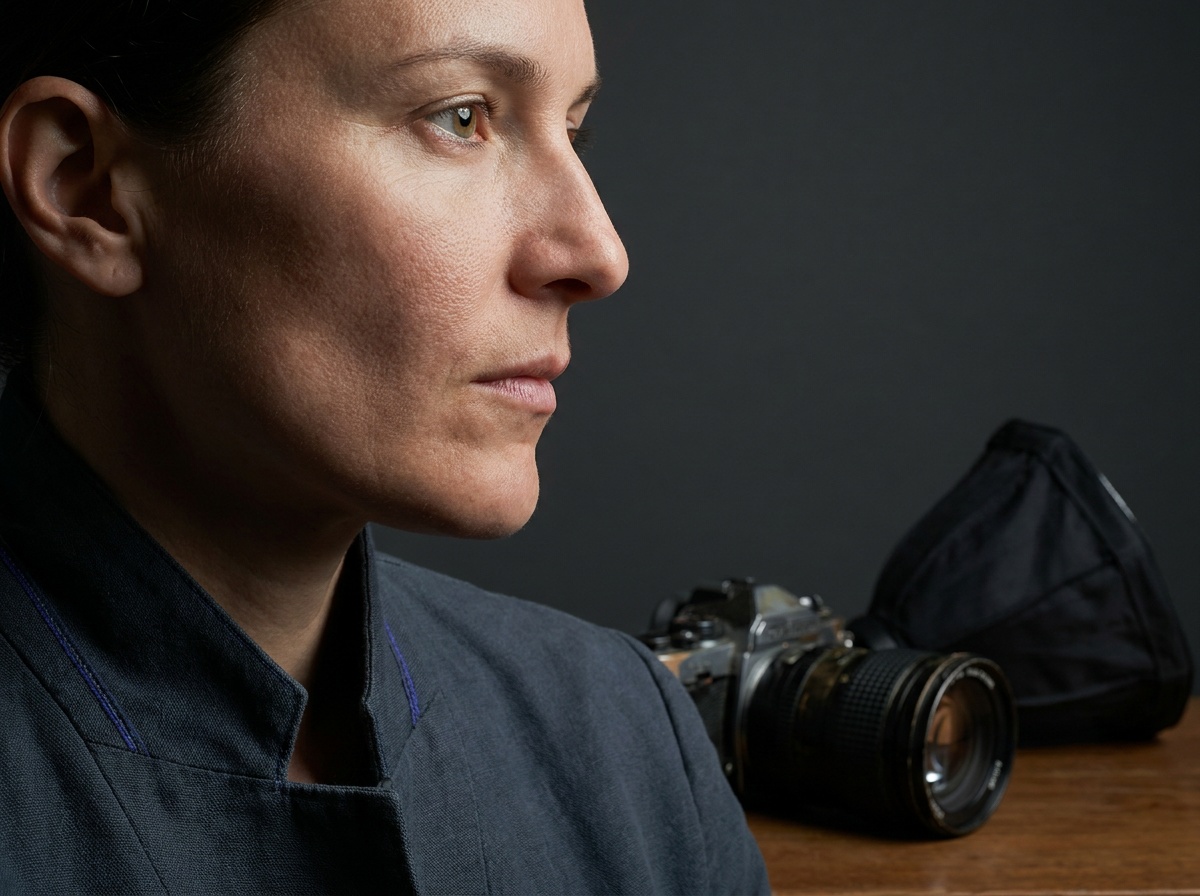
Most flattering portrait lighting starts with a single main light, because that is how outdoor light works too: the sun is one source. One off-camera flash placed to the side and above the subject creates a natural-looking shape with a soft transition from light to shadow across the face. You control how dramatic it looks by how far to the side you place it: nearly in front for gentle shaping, further around for a moodier, more sculpted look. You can add a reflector on the shadow side later to soften the contrast, but the single light is the foundation, and learning it well matters more than owning many lights.
The size and distance of the modifier decide how soft the light is. A bigger softbox or umbrella relative to the subject gives a softer, more gradual shadow edge, and moving that modifier closer makes it effectively larger and softer still. Pull it back and the same modifier hardens. So the two dials for the quality of light are the size of the modifier and how close you bring it, which is worth more than buying a bigger flash.
The gear and setup
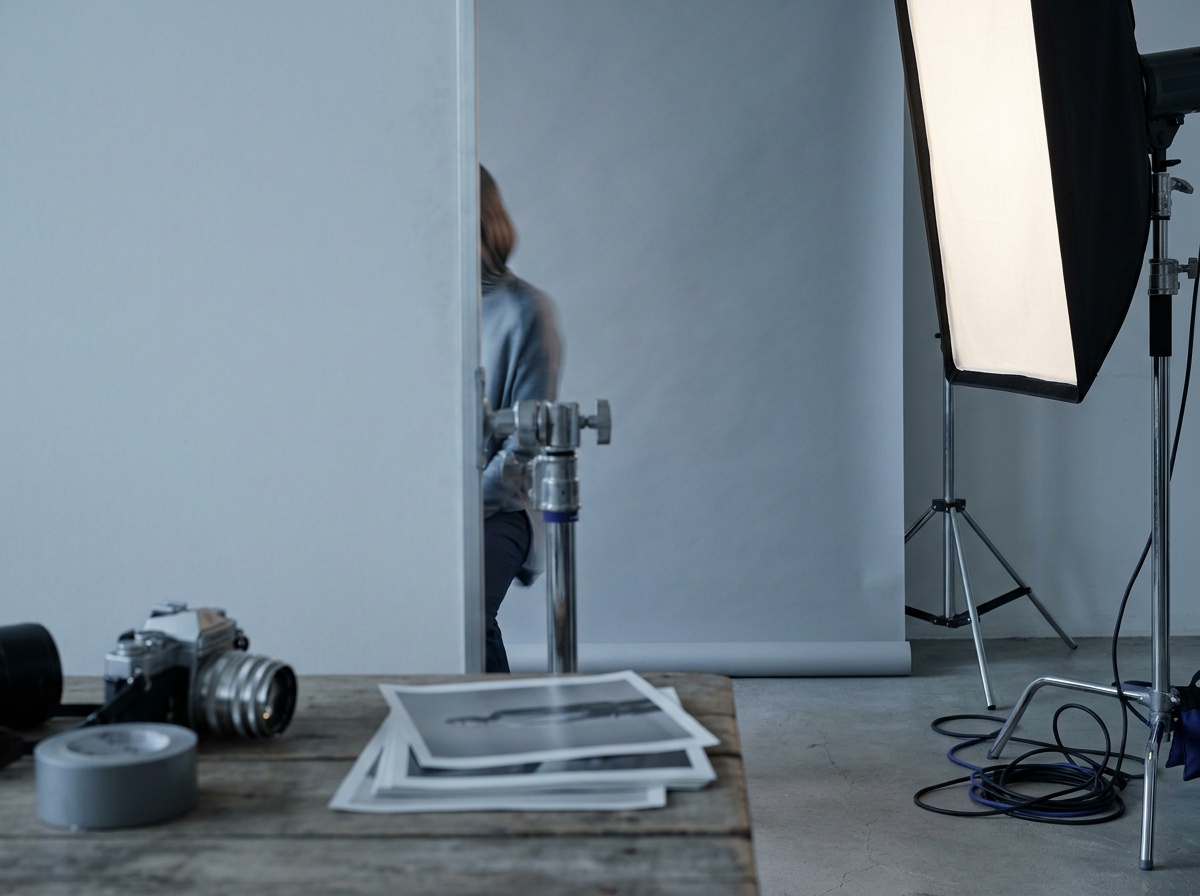
You need three things beyond the flash: a way to hold it off-camera, a way to soften it, and a way to fire it.
The 1/200 shutter sits at the flash sync speed to keep the ambient background controlled, the aperture and ISO set the flash exposure, and the softbox turns the small flash into a large, soft source. This is the same flash logic from the exposure triangle, where aperture and ISO govern the flash and shutter speed governs the background, now with the light moved off the camera for shape.
Best Overall
Godox V1
Event and portrait shooters who want soft on-camera fill and the Godox radio ecosystem.
Check price at AmazonThe technique
Place the light first, then expose for it, in this order:
- Set the flash on a stand about 45 degrees to one side and a little above the subject's eyeline.
- Soften it with a softbox or umbrella; the larger and closer the modifier, the softer the light.
- Set the shutter at or just under sync speed to keep the background controlled.
- Set aperture and ISO for the depth of field and ambient level you want.
- Fire a test frame, check the histogram, and adjust only the flash power until the subject is right.
Trigger it wirelessly so nothing tethers you to the stand. This single-light foundation is the heart of studio and location portrait photography, and it pairs with the subject-separation craft of good bokeh for a clean, professional look.
Common mistakes
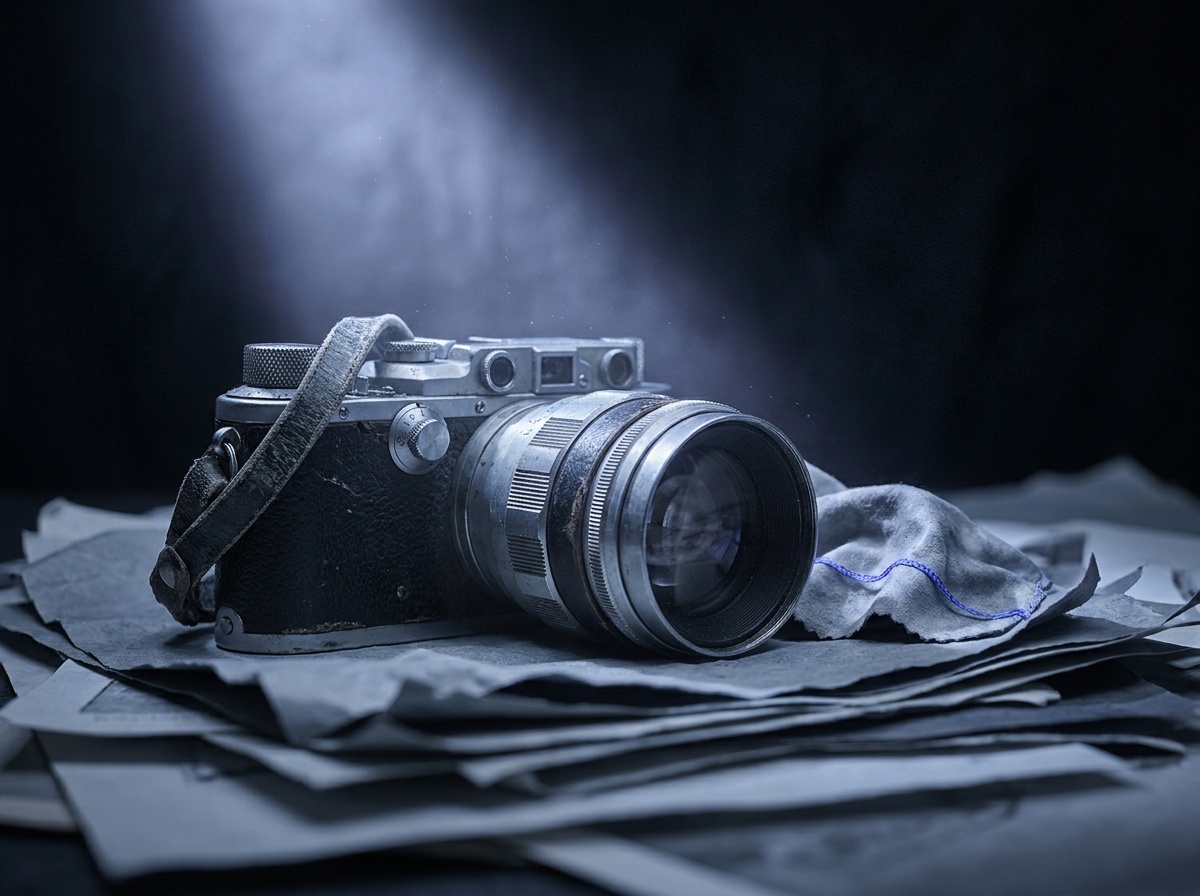
Placing the light too far to the side too soon gives harsh, half-lit faces; start nearer the camera axis and move it around gradually. Using the bare flash without a softbox keeps the light hard, since a small source always means hard shadows. Forgetting the sync speed and shooting faster puts a dark band across the frame. Setting the flash to full power for a close subject overexposes them, so start at half power and adjust. And raising ISO to brighten the flash also brightens the ambient and can wash out the controlled background; change the flash power instead.
Do I need more than one flash for portraits?
No. A single off-camera flash, placed to the side and above the subject and softened with a softbox or umbrella, makes a flattering, three-dimensional portrait. One light well placed beats several lights used carelessly, so it is the right place to start and often all you need.
How do I trigger a flash off the camera?
The cleanest way is a wireless trigger: a small transmitter on the camera's hot shoe fires the flash by radio, so nothing tethers you. Many modern flashes have receivers built in. A sync cable also works but limits how far the flash can move from the camera.
Where should I place a single portrait light?
Start about 45 degrees to one side of the subject and slightly above their eye level, fired through a softbox or umbrella. That position creates a natural light-to-shadow transition across the face. Move it more toward the camera for gentler light, or further around for a more dramatic, sculpted look.
Keep going
Next useful steps
Pick one. Each link continues the same job without starting the research over.
Shoot kits
Buy around the job, not the spec sheet
People work
Portrait and headshot kit
$2,936
A full-frame hybrid body, an 85mm prime, simple flash, diffusion, and grip pieces for clean portraits without a studio buildout.
Best people-first kit
Buy order: start with the first piece that makes the job possible, then add the support pieces that remove friction.
Camera: start here. If this piece does not make the shoot easier, the rest of the kit can wait.
Sandbag: add it after the core setup proves useful.
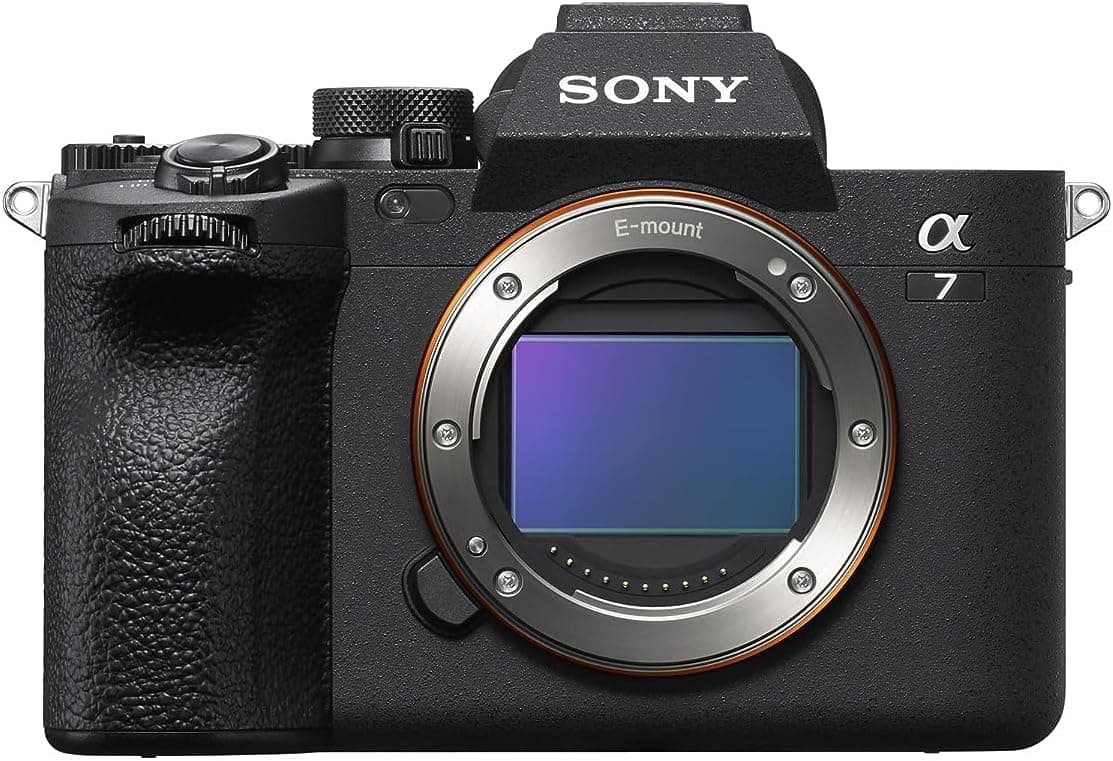
Sony a7 IV
A balanced full-frame body with reliable eye autofocus for portraits, events, and headshots.
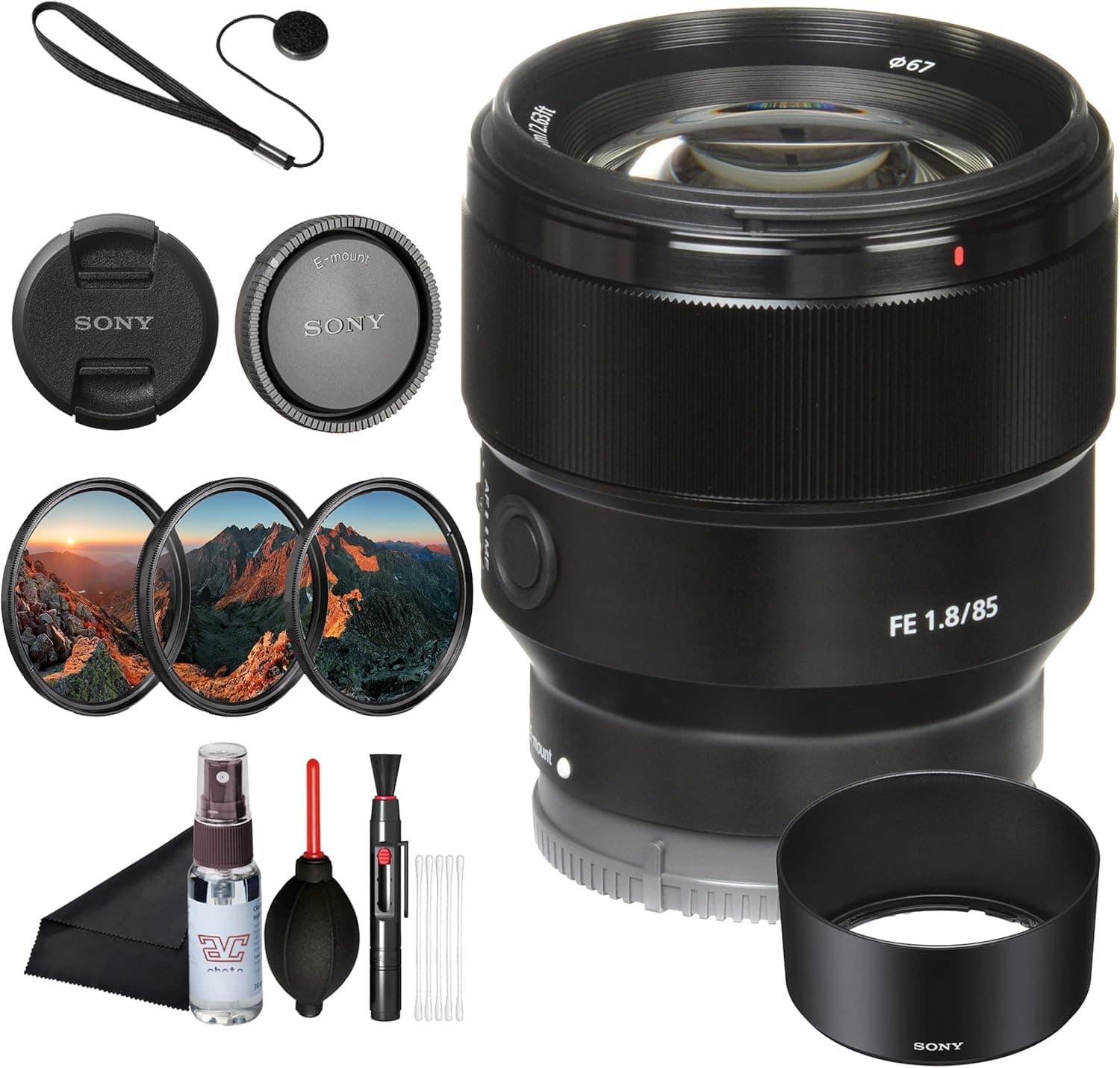
Sony FE 85mm f/1.8
Classic headshot framing, flattering compression, and a price that leaves money for light.
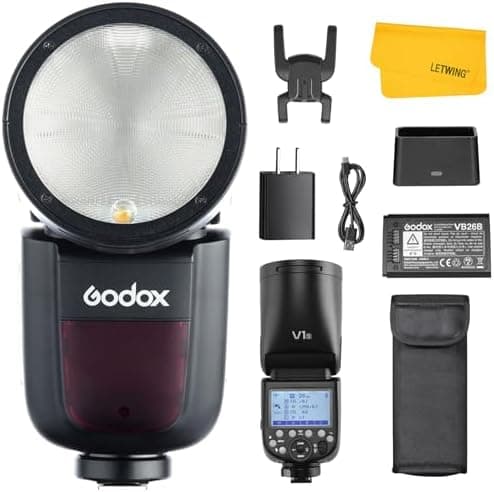
Godox V1
Round-head flash for bounce, quick portraits, and a first off-camera setup.
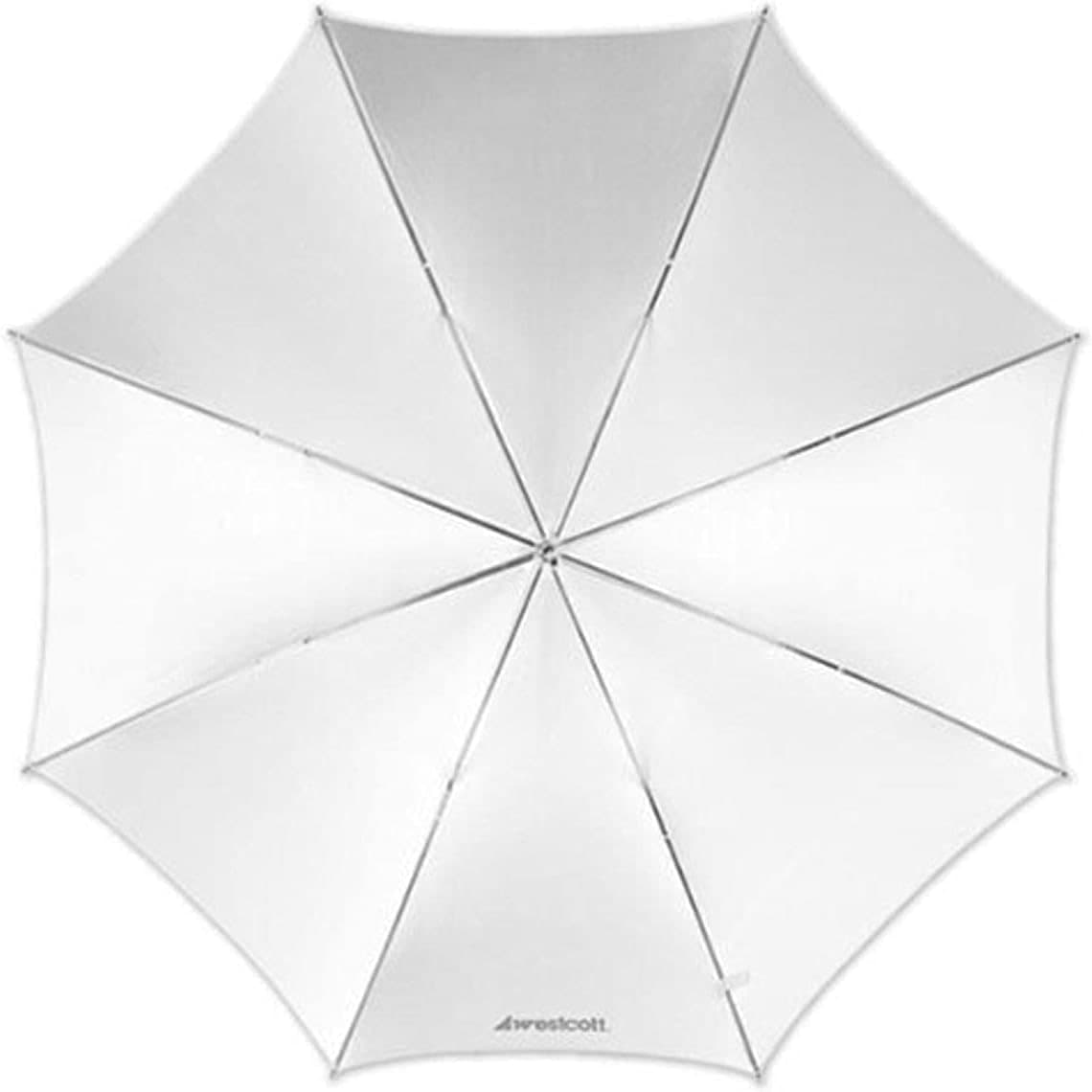
Westcott 43-inch Umbrella
Cheap, fast diffusion that makes one light look less harsh.
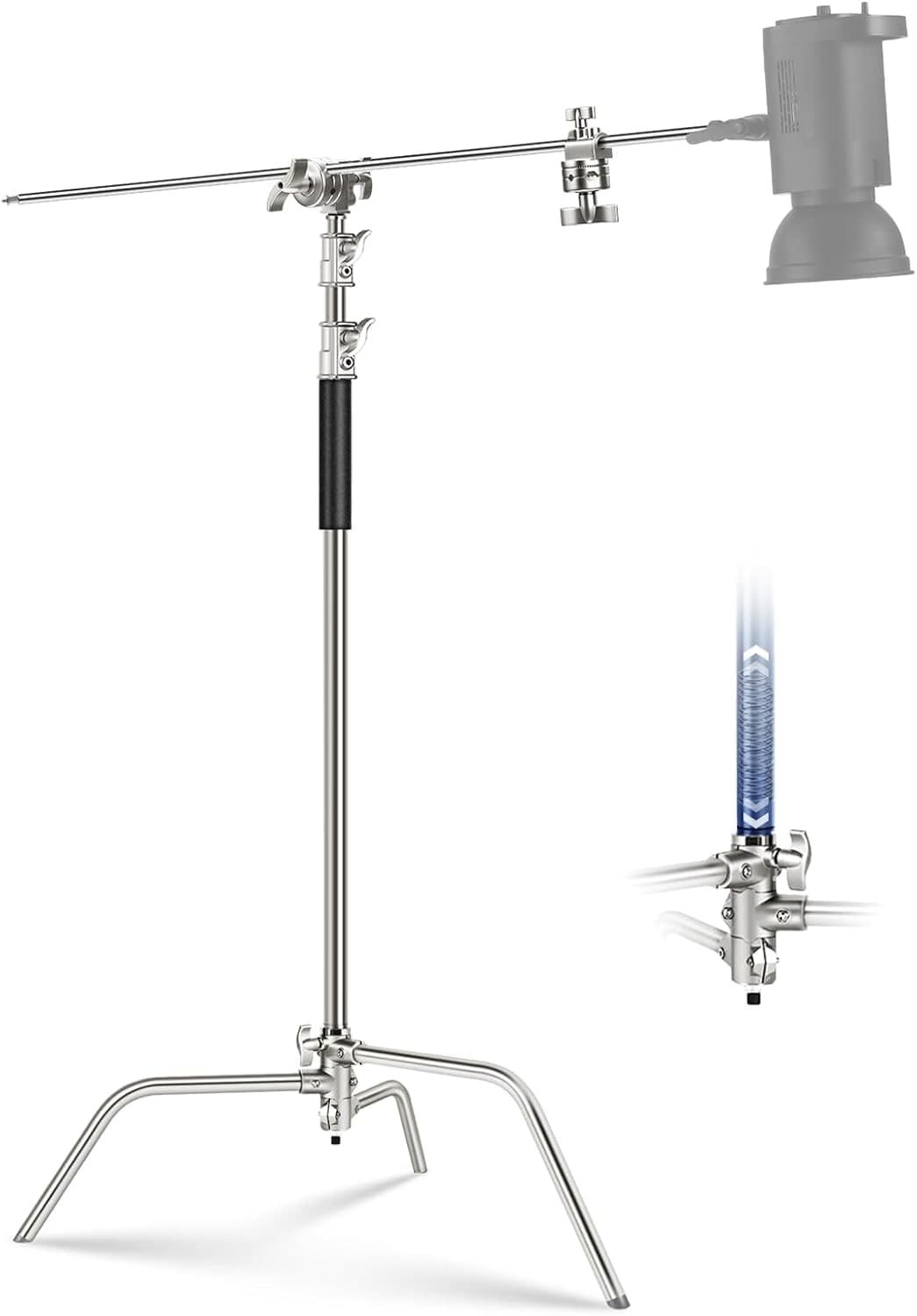
Neewer C-Stand
Keeps the light where it belongs when a small tripod would be a liability.
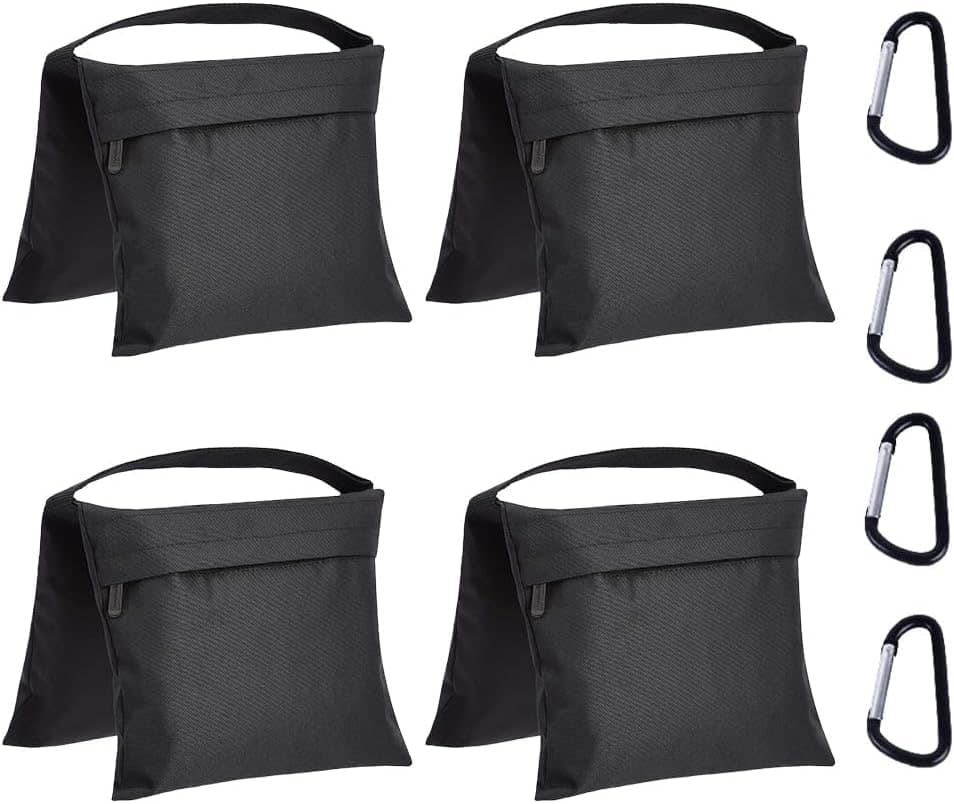
Amazon Basics Photography Sandbags (4-Pack)
The unglamorous piece that keeps a light stand from becoming expensive chaos.
Prices are rough catalog totals. Retailer prices change, and you can swap pieces to fit your system.
Related Learn guides

Content Credentials and C2PA Explained for Photographers
Content Credentials record a photo's signed provenance and edits. Learn what C2PA proves, what it cannot prove, and how capture-to-export workflows work.
Open Gate Video Explained: When 3:2 Is Worth It
Open Gate records a taller sensor area for flexible 16:9, 9:16, and square crops. See when it helps, what it costs, and how to frame it correctly.
Pre-Capture Photography Explained: Get the Frame Before the Click
Pre-Capture buffers photos before the shutter is fully pressed. Learn how it works, which settings change, and when RAW, flash, or focus may be limited.
RAW vs JPEG: Which File Format Should You Shoot?
RAW keeps all your sensor data for maximum editing freedom; JPEG is smaller and ready to share. Here is how they differ and when each one is the right call.
Researched, not personally tested: picks compare specifications, available owner feedback, and established expert sources. As an Amazon Associate I earn from qualifying purchases. We may earn a commission from links here, at no extra cost to you. How we research →