We may earn a commission from links on this page, at no extra cost to you. Picks are researched, not sponsored.
The 85mm is the classic portrait focal length for a reason. It lets you keep a comfortable distance from your subject, which gives faces a flatter perspective than shooting close with a wide lens, and it renders backgrounds into smooth blur at wide apertures. It is the lens many portrait photographers reach for first, and nearly every system has at least one strong option.
If you are deciding whether this focal length fits your space, start with what an 85mm lens is good for. Our bokeh explained guide covers the background blur, and the portrait photography guide covers the field setup.
How do you choose an 85mm lens?
Start with your camera mount, because a lens has to fit your system. The picks below cover Sony E, Canon RF, Nikon Z, and L-mount, plus third-party options that span several. Get this right before anything else.
Then decide how fast an aperture you need. An f/1.2 or f/1.4 lens gives the shallowest depth of field and the strongest subject separation, but it costs more, weighs more, and is harder to keep in focus. An f/1.8 or f/2 lens is lighter, cheaper, and still produces a clearly blurred background; for many portraits it is all you need.
After that, weigh sharpness, autofocus, and stabilization. Modern 85mm primes are all sharp, but the flagships hold up better wide open and have faster, more reliable autofocus for moving subjects. A lens with built-in stabilization helps in low light, especially on a body without in-body stabilization. Last, factor in weight: a fast f/1.2 lens is a commitment to carry all day, so an f/1.8 option is friendlier for events and travel.
How do the picks compare?
The table below summarizes the five picks by aperture, mount and standout trait, price band, and who each one fits. The scores are editorial summaries; read the best-for notes and tradeoffs before buying.
| Lens | Aperture | Mount and standout trait | Price band | Our rating | Best for |
|---|---|---|---|---|---|
| Sony FE 85mm f/1.4 GM II | f/1.4 | Sony E, about 640 g | $1,699-1,899 | 9.2 | The Sony portrait benchmark |
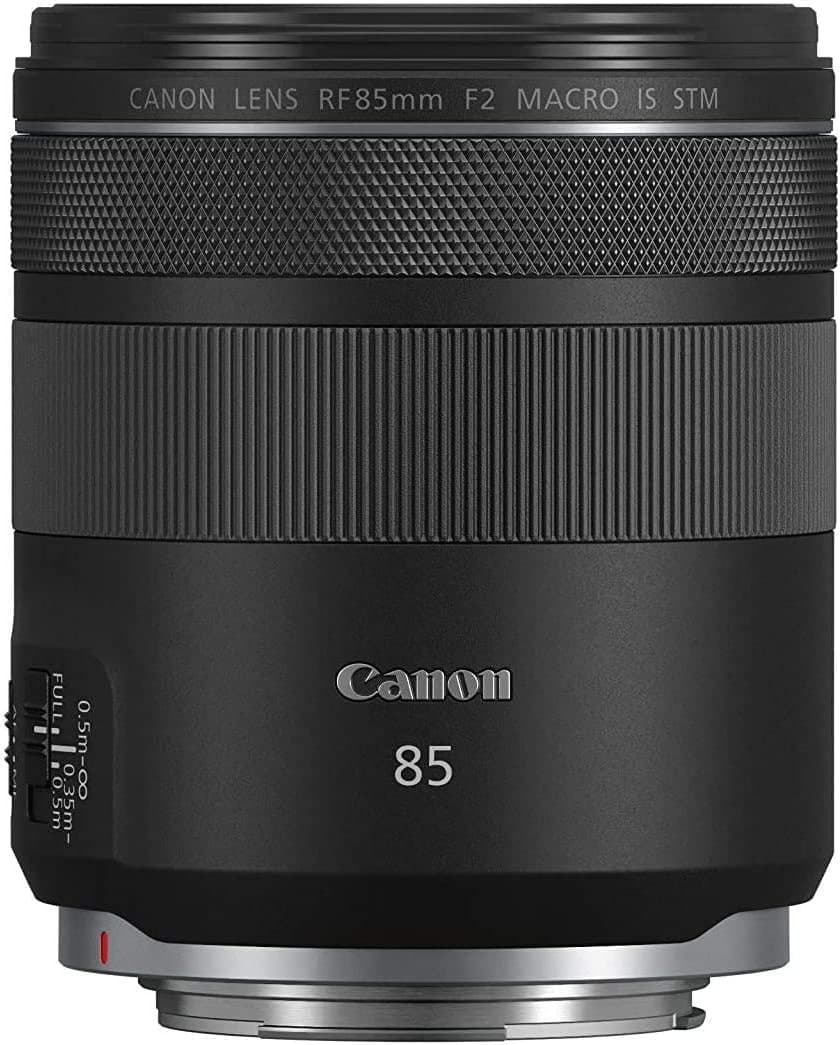
| Canon RF 85mm f/2 Macro IS STM | f/2 | Canon RF, optical IS, half macro | $549-649 | 8.6 | Canon value and versatility |
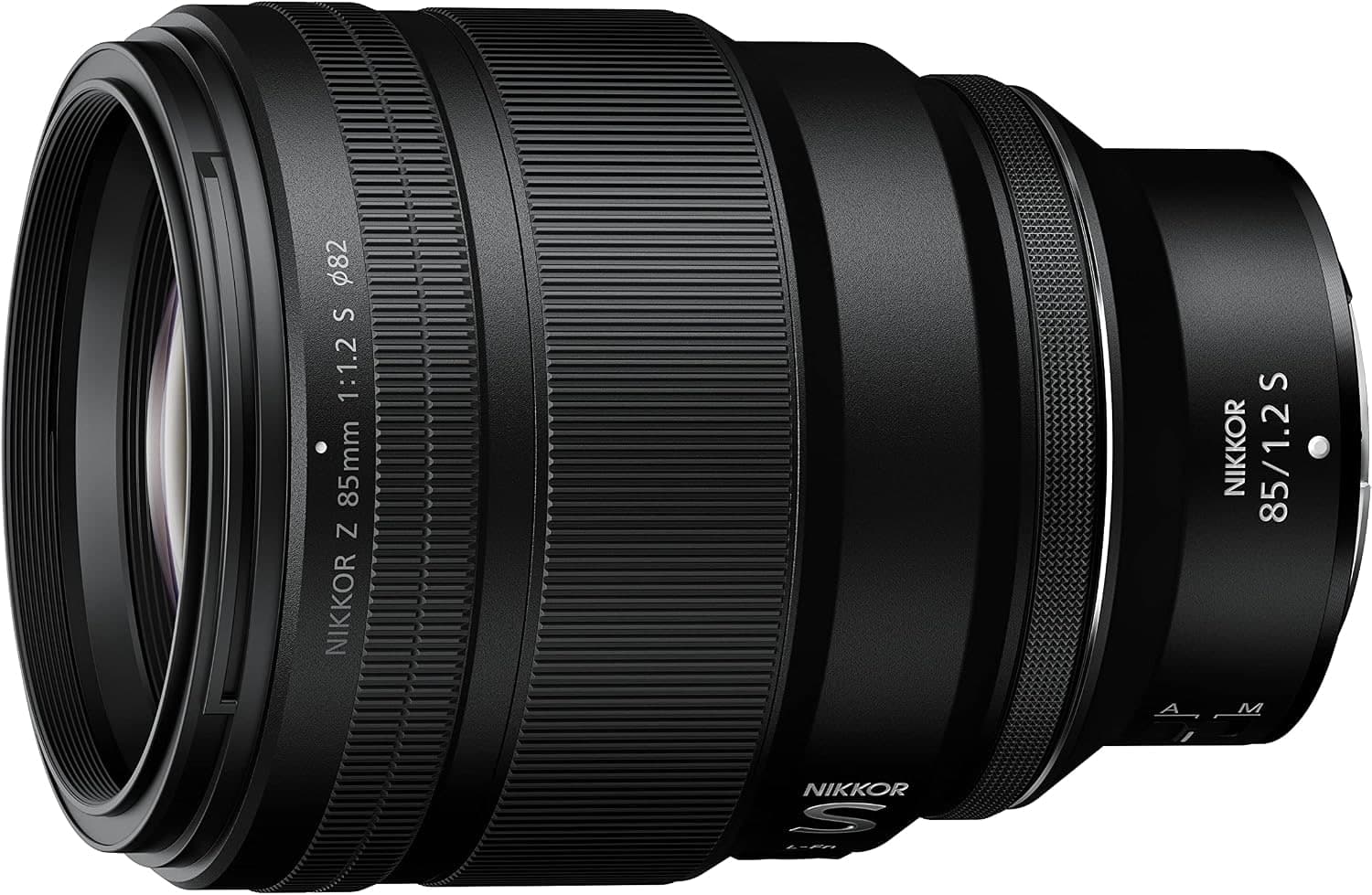
| Nikon Z 85mm f/1.2 S | f/1.2 | Nikon Z, weather-sealed S-line | $2,599-2,999 | 9.1 | Maximum bokeh and separation |
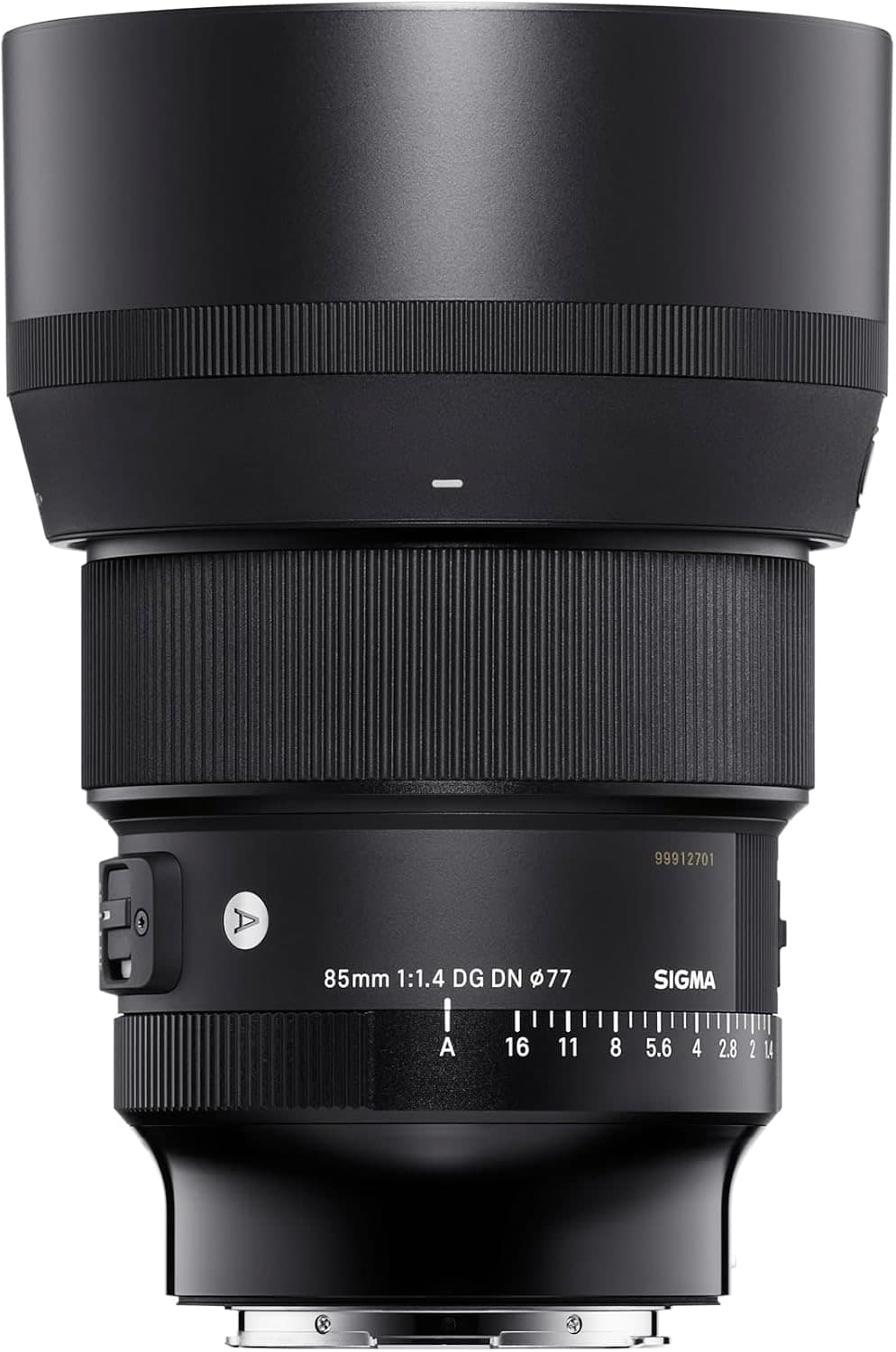
| Sigma 85mm f/1.4 DG DN Art | f/1.4 | Sony E and L mount, about 625 g | $1,099-1,299 | 9.0 | Flagship performance per dollar |
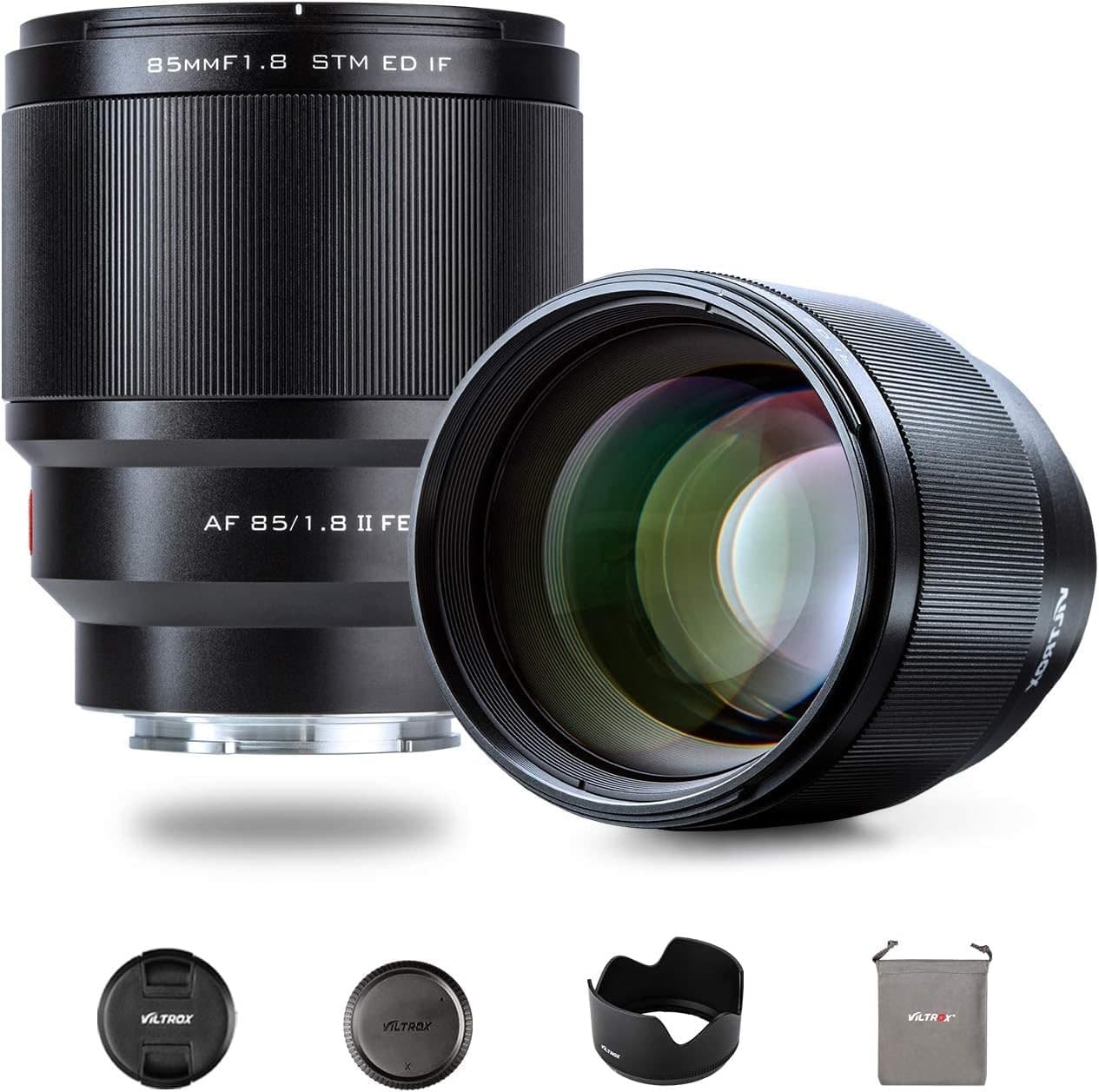
| Viltrox AF 85mm f/1.8 II | f/1.8 | Sony E, Nikon Z, Fuji X | $369-429 | 8.4 | The budget classic-look pick |
The picks
Best Overall
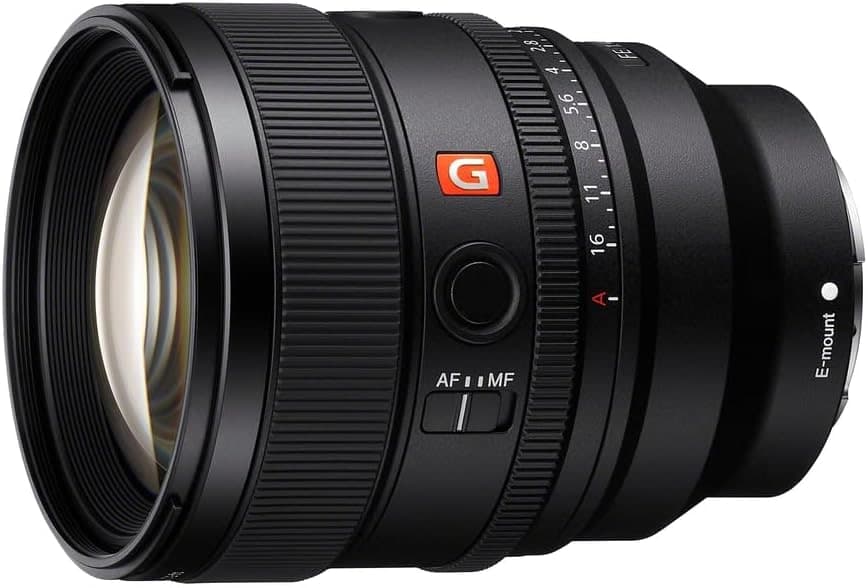
Sony FE 85mm f/1.4 GM II
Sony shooters who want the best all-round 85mm for portraits.
Check price at AmazonThe Sony FE 85mm f/1.4 GM II is the all-round benchmark for Sony shooters. It is sharp wide open, renders backgrounds beautifully, and is noticeably lighter than the first version, which makes it far more pleasant to carry on a long shoot. The price is premium, but it is the lens to beat for Sony portraits.
Researched from: Sony FE 85mm f/1.4 GM II official specs, available retailer feedback, and expert coverage.
Best Value
Canon RF 85mm f/2 Macro IS STM
Canon RF shooters who want a versatile portrait lens on a budget.
Check price at AmazonThe Canon RF 85mm f/2 Macro IS STM is the value pick for Canon RF. It adds optical stabilization and half-life-size macro, so it doubles as a detail and product lens, and it costs a fraction of the f/1.2. It focuses a little slower and is not as fast as the flagship primes, but as a flexible, affordable portrait lens it is excellent.
Researched from: Canon RF 85mm f/2 Macro IS STM official specs, available retailer feedback, and expert coverage.
Best for Bokeh
Nikon Z 85mm f/1.2 S
Nikon portrait shooters who want maximum subject separation.
Check price at AmazonThe Nikon Z 85mm f/1.2 S is the bokeh pick. The f/1.2 aperture separates a subject from its background with a three-dimensional quality, sharpness is outstanding, and the build is properly weather-sealed. It is heavy and expensive, so it is for Nikon portrait shooters who want maximum separation and will carry the weight to get it.
Researched from: Nikon Z 85mm f/1.2 S official specs, available retailer feedback, and expert coverage.
Best Sharpness for Price
Sigma 85mm f/1.4 DG DN Art
Sony and L-mount shooters who want flagship results for less.
Check price at AmazonThe Sigma 85mm f/1.4 DG DN Art is the value flagship. The redesigned, lighter Art delivers near-flagship sharpness and smooth bokeh for well under the price of the first-party f/1.4 options. It only comes in Sony E and L mounts and its bokeh is a touch busier than an f/1.2 lens, but the performance per dollar is hard to match.
Researched from: Sigma 85mm f/1.4 DG DN Art official specs, available retailer feedback, and expert coverage.
Best Budget
Viltrox AF 85mm f/1.8 II
Beginners who want a classic portrait look without spending big.
Check price at AmazonThe Viltrox AF 85mm f/1.8 II is the budget pick. It punches well above its price with reliable autofocus and pleasing rendering, and it comes in Sony E, Nikon Z, and Fuji X mounts, so a beginner on almost any system can get the classic portrait look without spending big. The build is less premium and the edges are softer, but for the money it is a standout.
Researched from: Viltrox AF 85mm f/1.8 II official specs, available retailer feedback, and expert coverage.
What mistakes should you avoid?
The most common one is buying the fastest aperture and shooting it wide open all the time. At f/1.2 the focus plane is paper-thin, so an eye in focus can mean an ear out of focus; stopping down to f/2 or f/2.8 often gives a sharper, more usable portrait. The second is forgetting that 85mm needs room: it is a short telephoto, so you need to step back, which is awkward in tight spaces. The third is ignoring stabilization on a body that lacks it, which makes handheld low-light portraits softer than they should be.
For more on building a portrait kit, see our best lenses for portraits guide.
Why is 85mm considered the best portrait focal length?
At 85mm the perspective is flattering: it compresses facial features gently without the distortion a wider lens introduces up close, and it lets you keep a comfortable working distance from your subject. Combined with a wide aperture, it also produces strong, smooth background blur that isolates the person. That mix of flattering perspective and separation is why it is the classic portrait choice.
Do I need an f/1.2 or f/1.4 lens, or is f/1.8 enough?
For most portraits, f/1.8 is plenty. It already blurs the background well and is lighter, cheaper, and easier to keep in focus. An f/1.2 or f/1.4 lens gives the absolute shallowest depth of field and the best low-light performance, which matters for professional work and creamy environmental portraits, but it is not necessary to take great photos.
Will an 85mm lens work indoors?
It can, but you need space. At 85mm you stand farther back to frame a head-and-shoulders portrait, so very small rooms get cramped. In a normal-sized room it works fine for tighter portraits. If you regularly shoot in tight spaces, a 50mm lens gives you more breathing room while keeping a flattering look.
Compare picks
The short version
Use this to narrow the list before opening the detailed cards.
Scores weigh fit, owner sentiment, build, and value. Affiliate links do not change pick order. Methodology
Buying order
Start with the skip note. A good deal on the wrong camera is still the wrong camera.
Compare verdictsIf you already own lenses, check the system path before buying into a new mount.
Check systemsOnce the fit makes sense, compare current deals and retailer listings.
Check current dealsCamera system shortcut
If you already own one of these systems, keep the comparison inside that ecosystem before checking out.
Autofocus hybrid kits
Simple camera paths
Stills-first Z kits
Sony shooters who want the best all-round 85mm for portraits.
Use the retailer for the current price after the tradeoff makes sense. Confirm mount, focal length, filter size, and autofocus compatibility.
Tradeoff: Slower than f/1.4 primes
Use the retailer for the current price after the tradeoff makes sense. Confirm mount, focal length, filter size, and autofocus compatibility.
$325 - $370
Use the retailer for the current price after the tradeoff makes sense. Confirm mount, focal length, filter size, and autofocus compatibility.
Nikon portrait shooters who want maximum subject separation.
Use the retailer for the current price after the tradeoff makes sense. Confirm mount, focal length, filter size, and autofocus compatibility.
Price ladder
The useful range here runs from $329 to $2,799. Start with the ceiling that matches the assignment.
- Sony shooters who want the best all-round 85mm for portraits.
- Sharp wide open
- Premium price
Use the retailer for the current price after the tradeoff makes sense. Confirm mount, focal length, filter size, and autofocus compatibility.
- Canon RF shooters who want a versatile portrait lens on a budget.
- Image stabilization
- Slower than f/1.4 primes
Use the retailer for the current price after the tradeoff makes sense. Confirm mount, focal length, filter size, and autofocus compatibility.
- Nikon portrait shooters who want maximum subject separation.
- f/1.2 separation
- Heavy
Use the retailer for the current price after the tradeoff makes sense. Confirm mount, focal length, filter size, and autofocus compatibility.
- Sony and L-mount shooters who want flagship results for less.
- Flagship-level sharpness
- Only E and L mounts
Use the retailer for the current price after the tradeoff makes sense. Confirm mount, focal length, filter size, and autofocus compatibility.
- Beginners who want a classic portrait look without spending big.
- Very affordable
- Build less premium
Use the retailer for the current price after the tradeoff makes sense. Confirm mount, focal length, filter size, and autofocus compatibility.
| Pick | Score | Price | Verdict | Action |
|---|---|---|---|---|
| Best OverallSony FE 85mm f/1.4 GM II | 9.2
| $1,699 - $1,899 | Sony shooters who want the best all-round 85mm for portraits. Wins: Sharp wide open Skip: Premium price | Check Amazon · $1,699 - $1,899 Use the retailer for the current price after the tradeoff makes sense. Confirm mount, focal length, filter size, and autofocus compatibility. |
| Best ValueCanon RF 85mm f/2 Macro IS STM | 8.6
| $549 - $649 | Canon RF shooters who want a versatile portrait lens on a budget. Wins: Image stabilization Skip: Slower than f/1.4 primes | Check Amazon · $549 - $649 Use the retailer for the current price after the tradeoff makes sense. Confirm mount, focal length, filter size, and autofocus compatibility. |
| Best for BokehNikon Z 85mm f/1.2 S | 9.1
| $2,599 - $2,999 | Nikon portrait shooters who want maximum subject separation. Wins: f/1.2 separation Skip: Heavy | Check Amazon · $2,599 - $2,999 Use the retailer for the current price after the tradeoff makes sense. Confirm mount, focal length, filter size, and autofocus compatibility. |
 Best Sharpness for PriceSigma 85mm f/1.4 DG DN Art Best Sharpness for PriceSigma 85mm f/1.4 DG DN Art | 9.0
| $1,099 - $1,299 | Sony and L-mount shooters who want flagship results for less. Wins: Flagship-level sharpness Skip: Only E and L mounts | Check Amazon · $1,099 - $1,299 Use the retailer for the current price after the tradeoff makes sense. Confirm mount, focal length, filter size, and autofocus compatibility. |
| Best BudgetViltrox AF 85mm f/1.8 II | 8.4
| $325 - $370 | Beginners who want a classic portrait look without spending big. Wins: Very affordable Skip: Build less premium | Check Amazon · $325 - $370 Use the retailer for the current price after the tradeoff makes sense. Confirm mount, focal length, filter size, and autofocus compatibility. |
Keep going
Next useful steps
Pick one. Each link continues the same job without starting the research over.
Shoot kits
Buy around the job, not the spec sheet
People work
Portrait and headshot kit
$2,936
A full-frame hybrid body, an 85mm prime, simple flash, diffusion, and grip pieces for clean portraits without a studio buildout.
Best people-first kit
Buy order: start with the first piece that makes the job possible, then add the support pieces that remove friction.
Camera: start here. If this piece does not make the shoot easier, the rest of the kit can wait.
Sandbag: add it after the core setup proves useful.
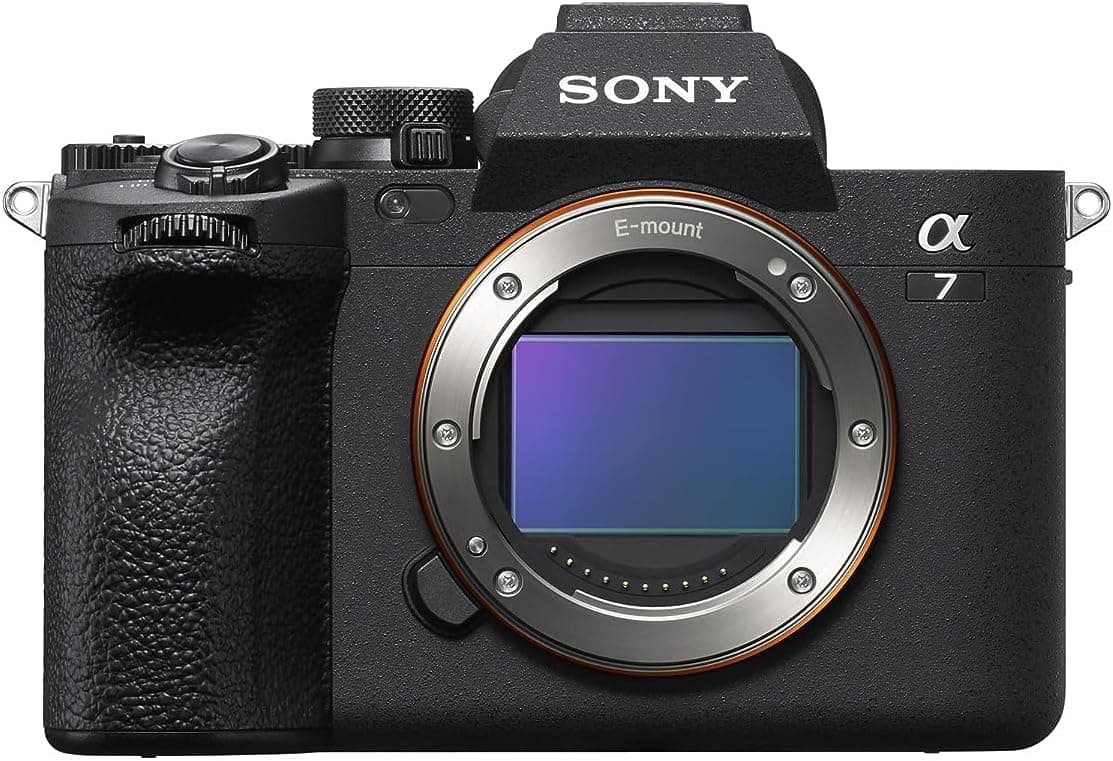
Sony a7 IV
A balanced full-frame body with reliable eye autofocus for portraits, events, and headshots.
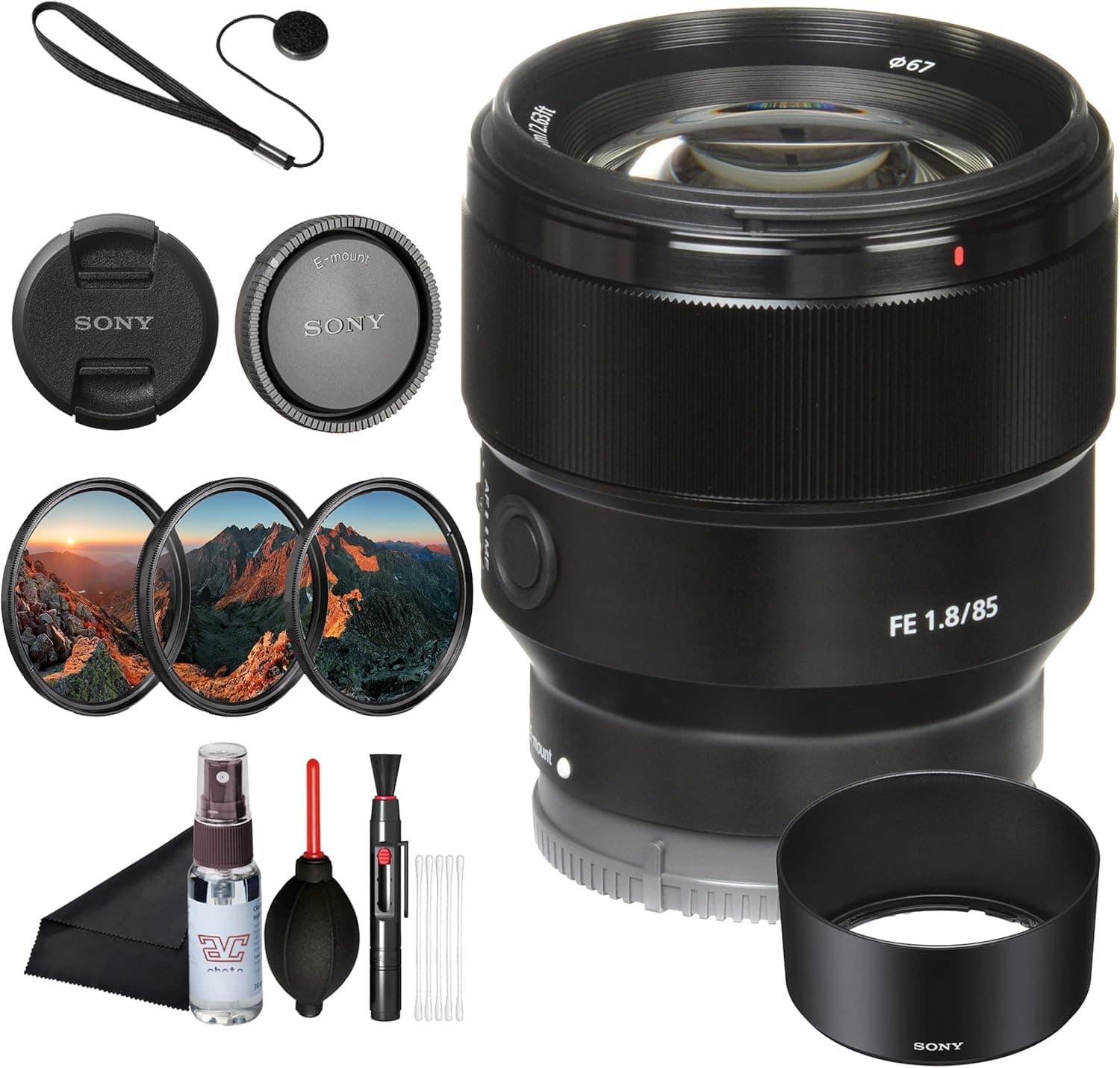
Sony FE 85mm f/1.8
Classic headshot framing, flattering compression, and a price that leaves money for light.
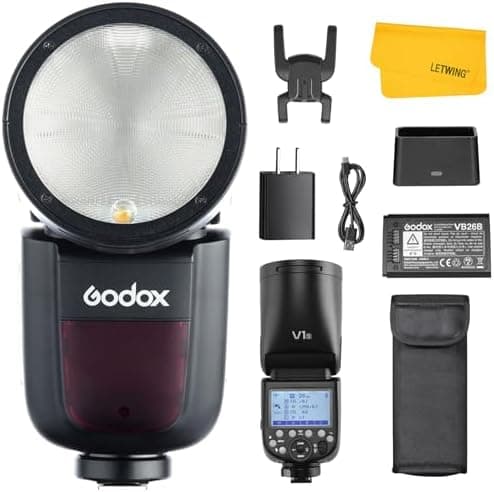
Godox V1
Round-head flash for bounce, quick portraits, and a first off-camera setup.
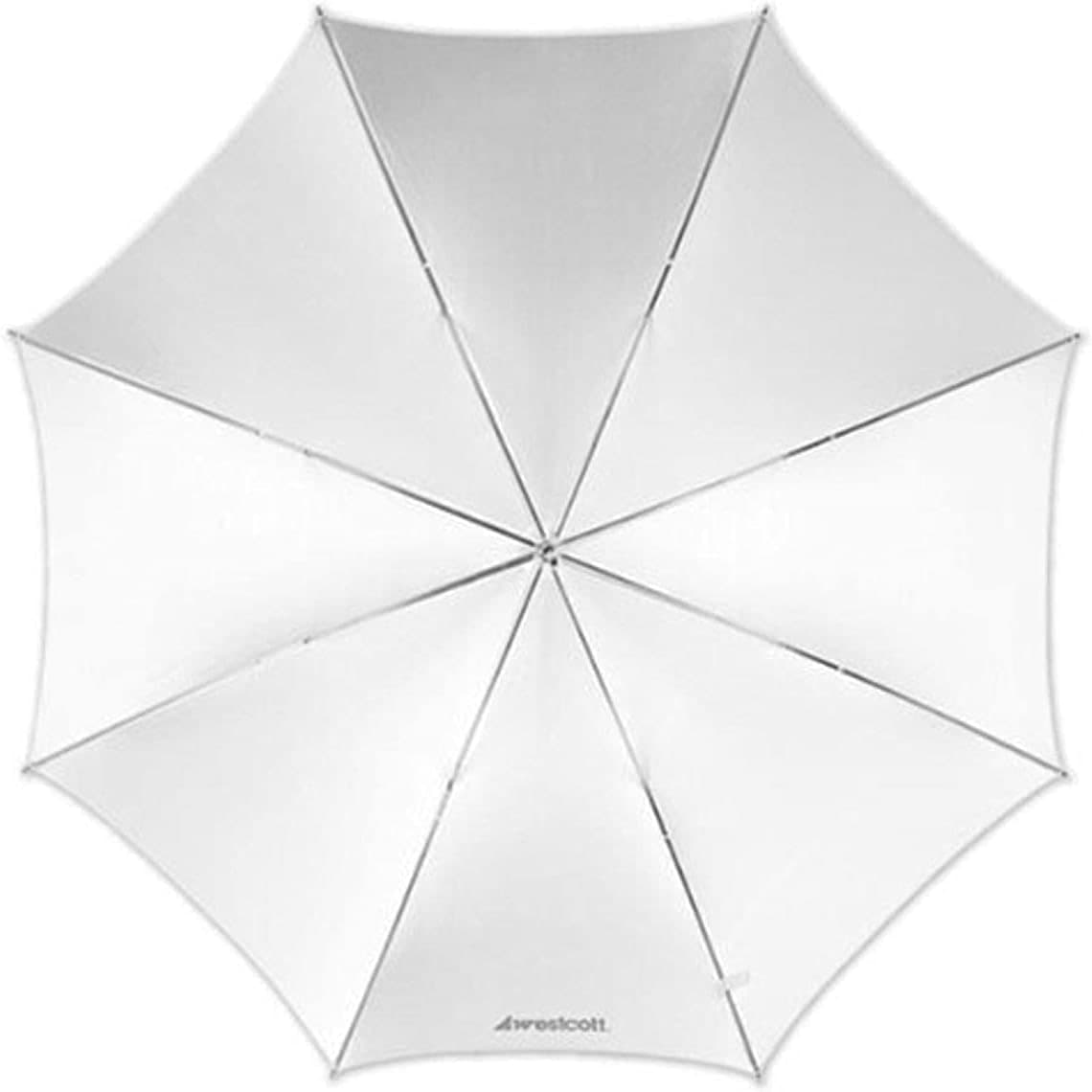
Westcott 43-inch Umbrella
Cheap, fast diffusion that makes one light look less harsh.
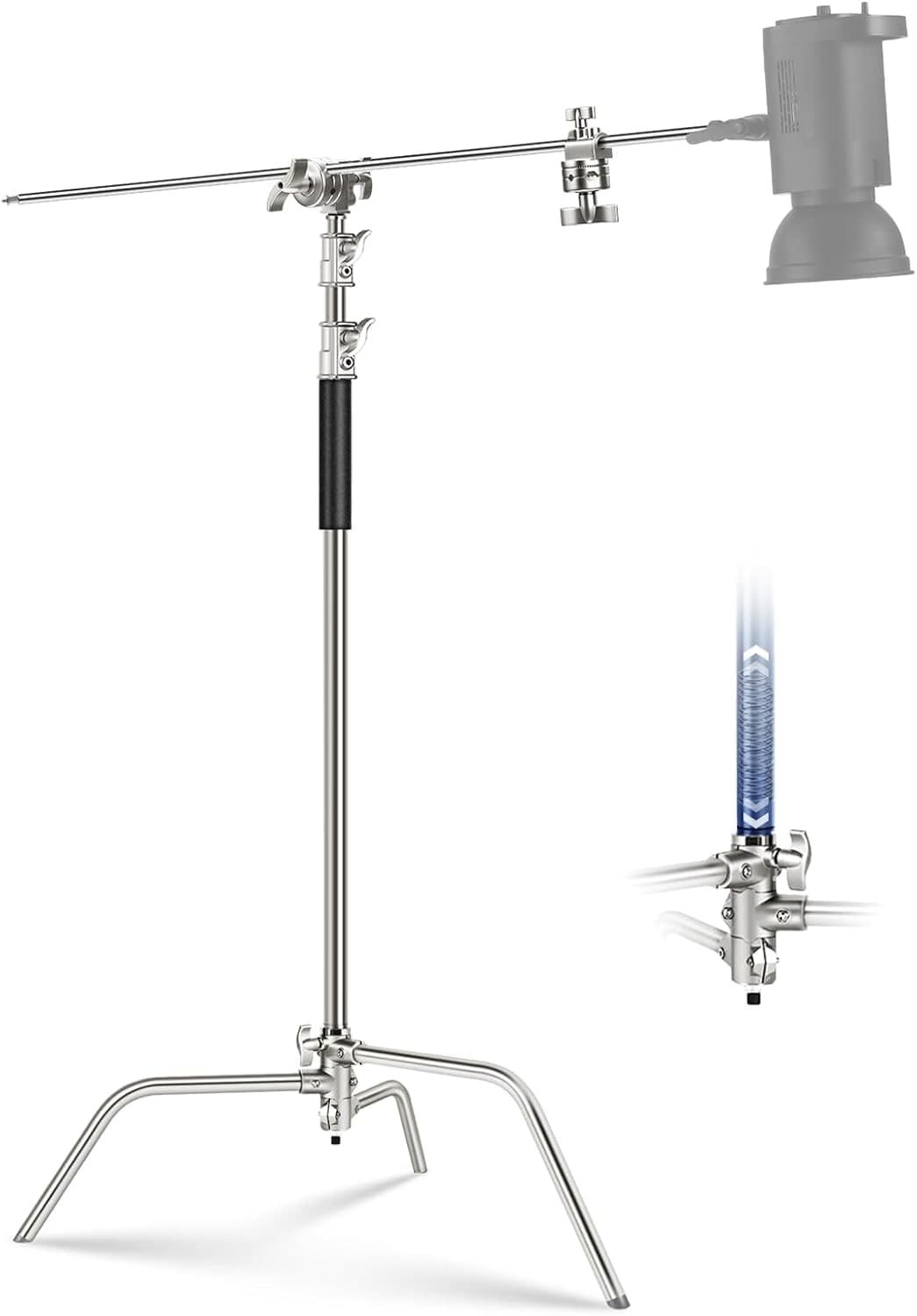
Neewer C-Stand
Keeps the light where it belongs when a small tripod would be a liability.
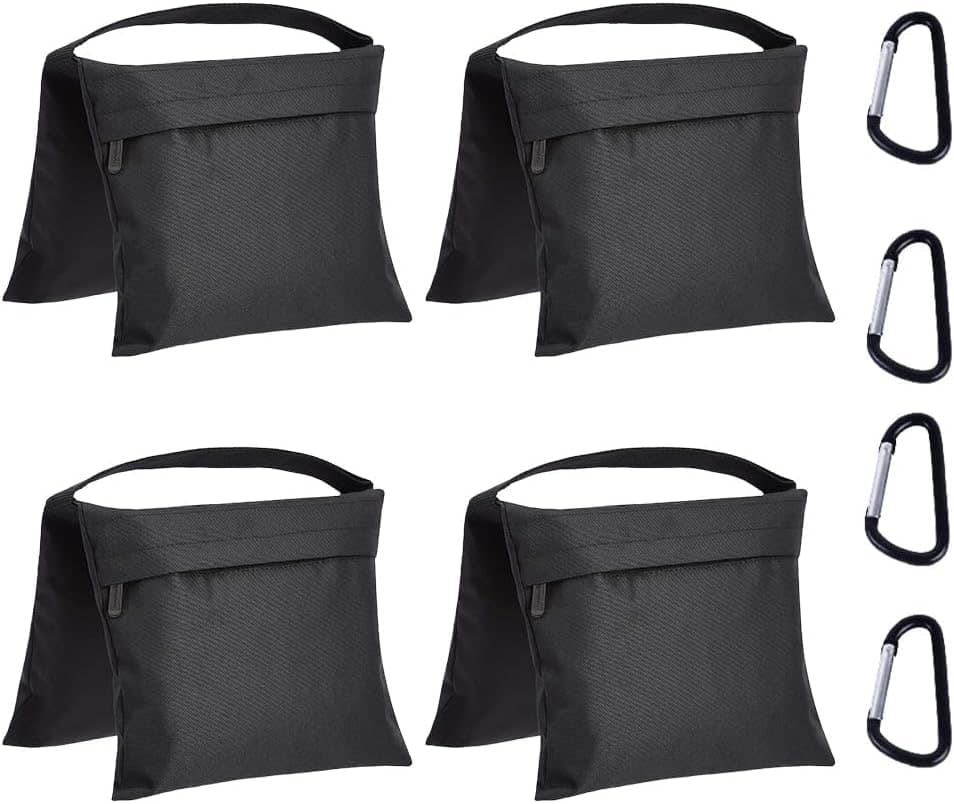
Amazon Basics Photography Sandbags (4-Pack)
The unglamorous piece that keeps a light stand from becoming expensive chaos.
Prices are rough catalog totals. Retailer prices change, and you can swap pieces to fit your system.
Related Gear guides
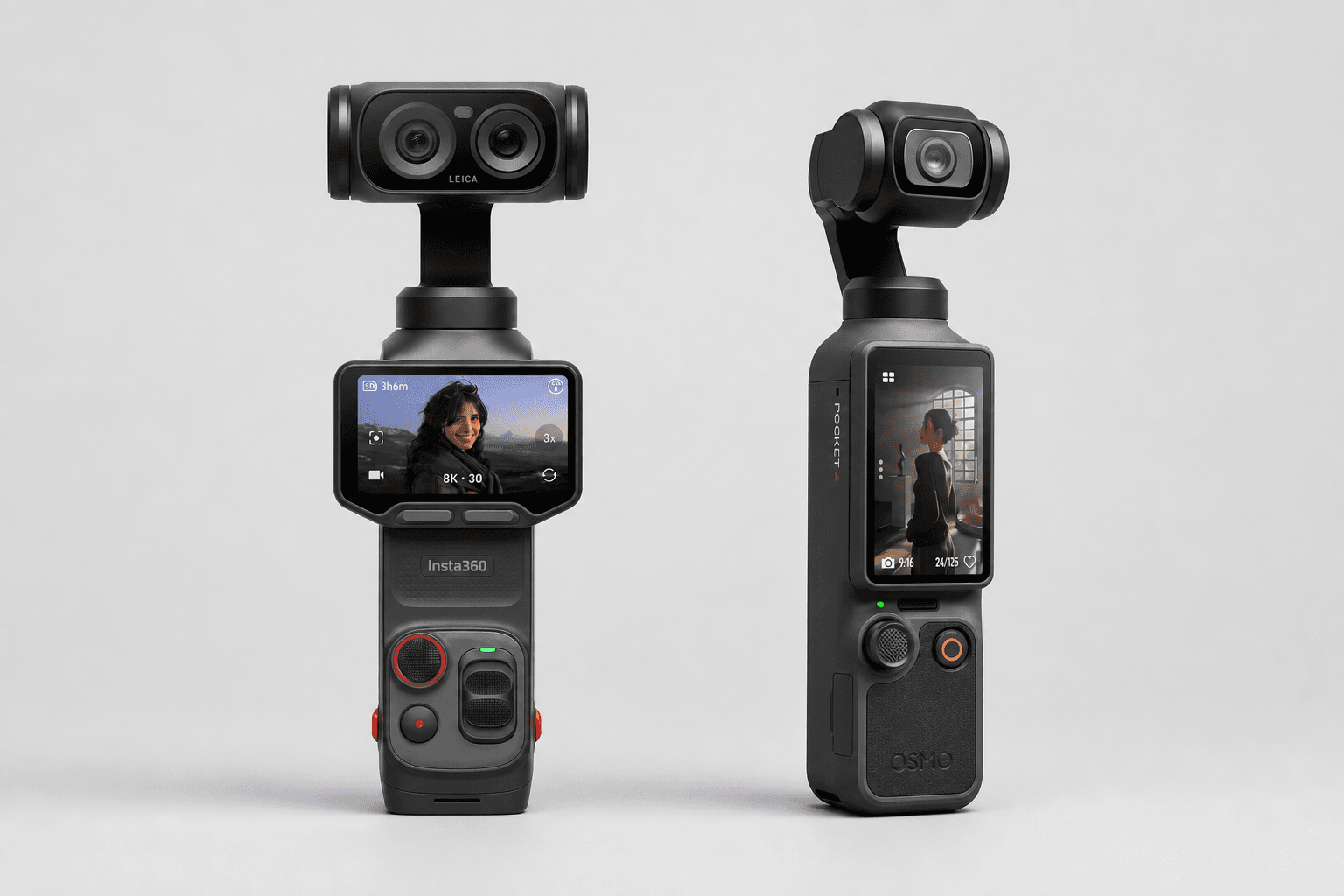
Insta360 Luna Ultra vs DJI Osmo Pocket 4: Which Pocket Gimbal Should You Buy?
Compare Luna Ultra and DJI Pocket 4 by lenses, video, Log formats, storage, U.S. availability, and the filming jobs each pocket gimbal handles best.
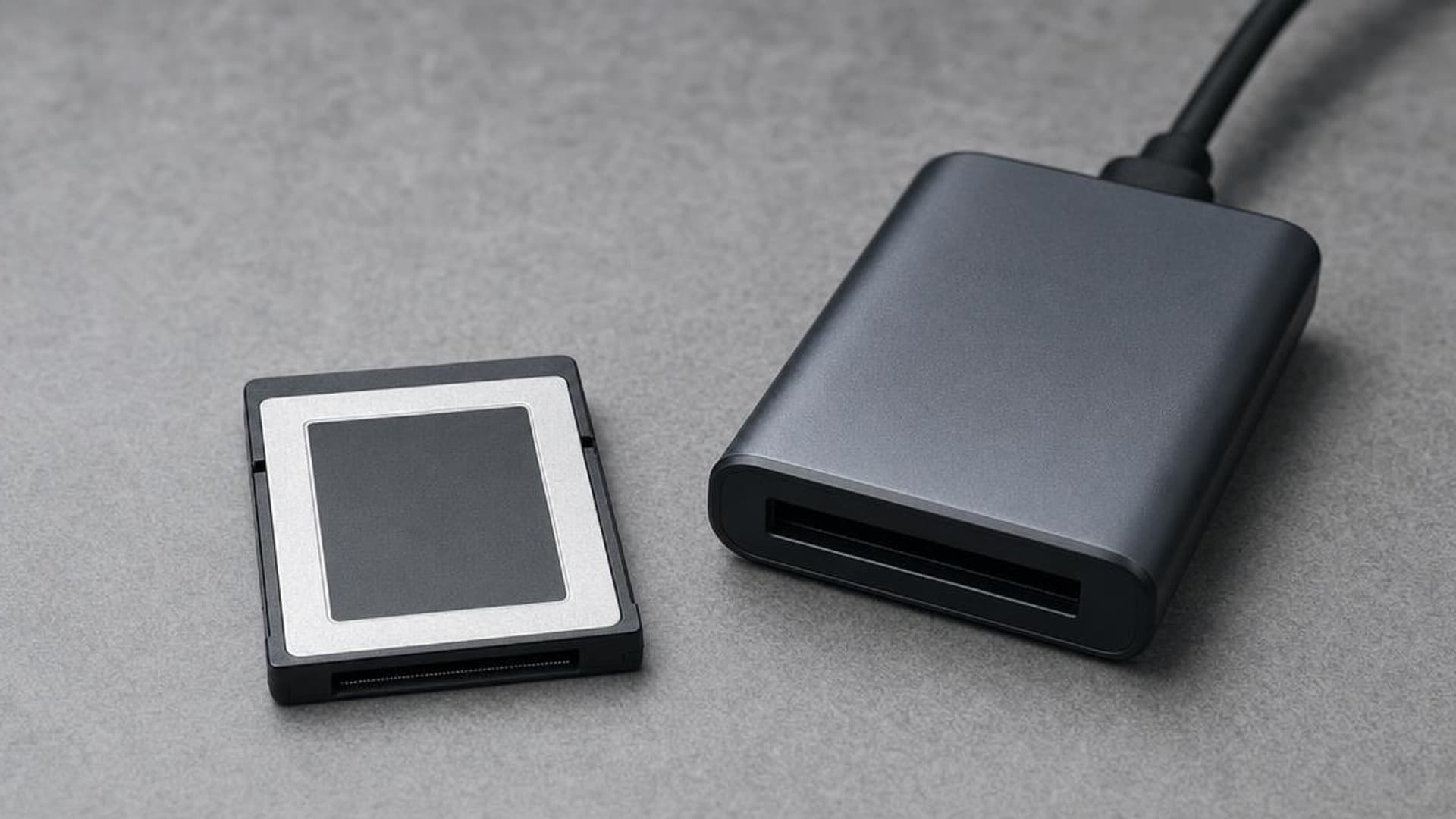
CFexpress 4.0 and VPG Explained: Buy the Card Your Camera Needs
CFexpress 4.0 doubles theoretical bandwidth, while VPG certifies sustained video writes. Learn Type A vs B, VPG classes, and when 4.0 is worth paying for.
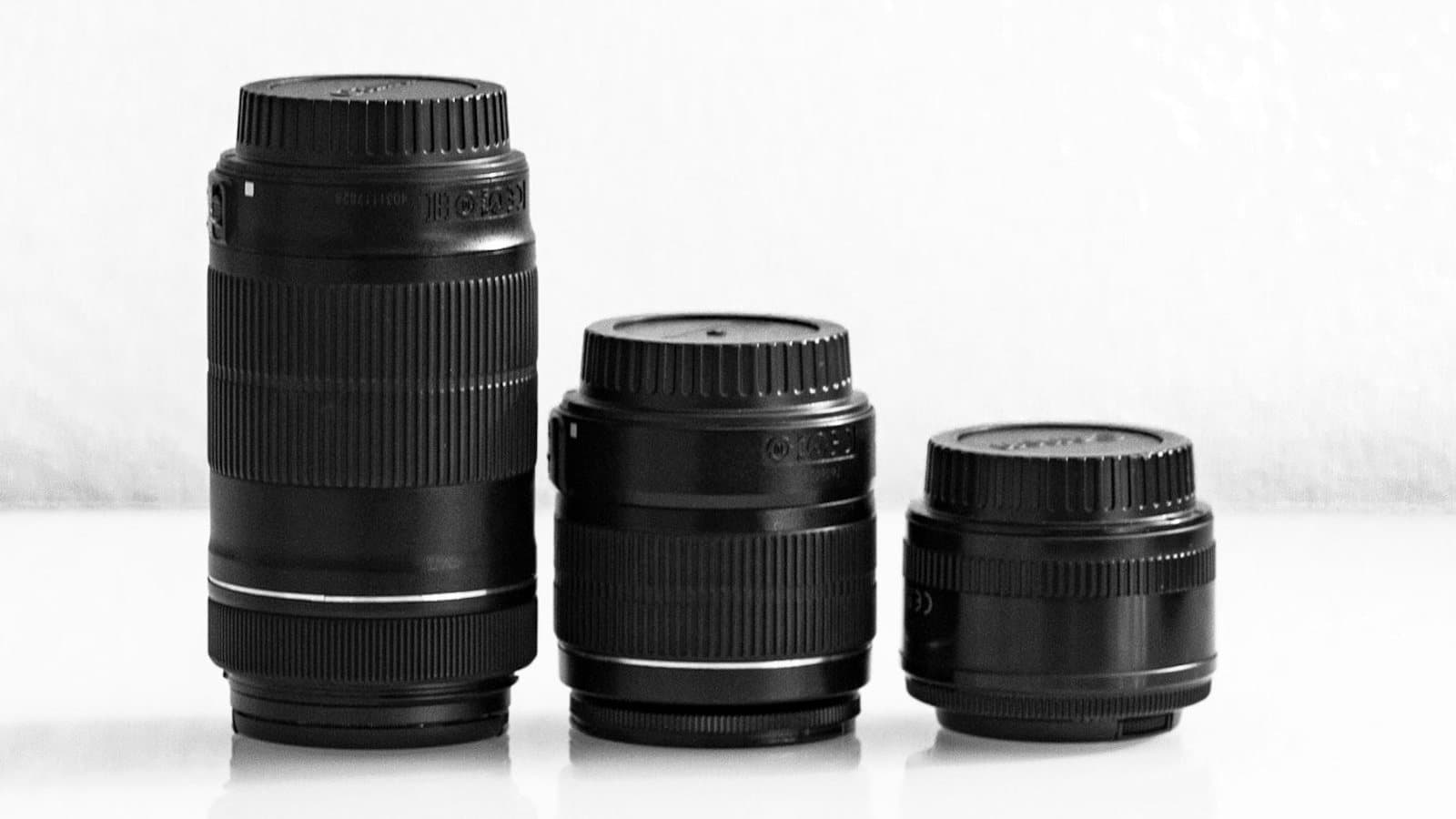
Focal Length Explained: What 24mm, 50mm, 85mm, and 200mm Actually Do
What the millimeter number on a lens changes in the field: angle of view, compression, and working distance. When to reach for 24, 50, 85, or 200mm.
Canon EOS R50 V vs Sony ZV-E10 II: Which Beginner Vlogging Camera Should You Buy?
Canon EOS R50 V is the easier beginner creator kit. Sony ZV-E10 II is the deeper lens-system pick. Compare the practical tradeoffs.
Researched, not personally tested: picks compare specifications, available owner feedback, and established expert sources. As an Amazon Associate I earn from qualifying purchases. We may earn a commission from links here, at no extra cost to you. How we research →