We may earn a commission from links on this page, at no extra cost to you. Picks are researched, not sponsored.
A portrait lens does two jobs: it renders faces in flattering proportions, and it melts the background so the person stands out. Both come down to two numbers, focal length and aperture. Get those right and almost any modern lens will give you a good headshot. This guide sticks to the classic portrait range and skips the exotic stuff, because the basics are what actually move your results.
How to choose
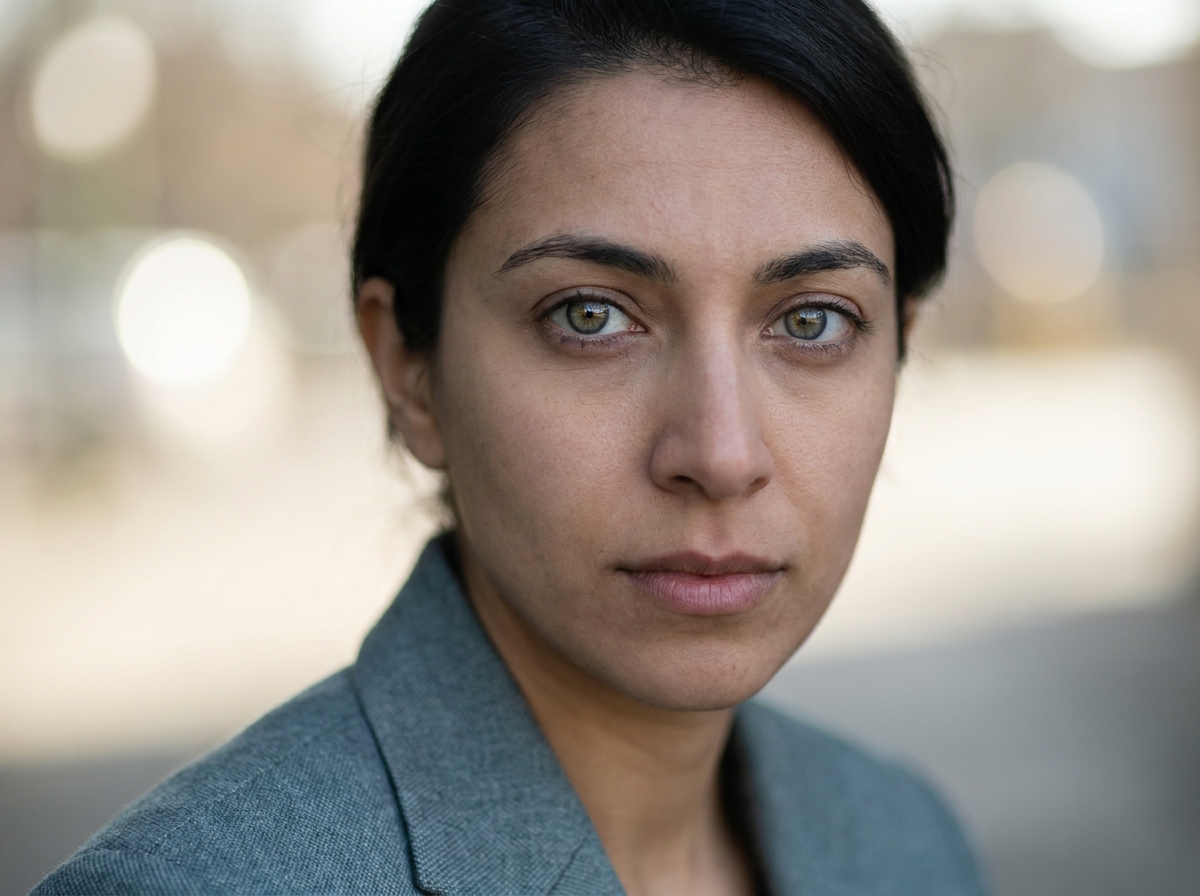
Focal length sets the look. Anything from 50mm to 135mm works, but 85mm is the default for a reason: it compresses features slightly, keeps a comfortable working distance, and throws the background out of focus. Shorter focal lengths like 50mm are more flexible in tight rooms; longer ones like 135mm give more compression but need space. If you shoot APS-C, remember the crop factor: a 56mm lens on APS-C frames like an 85mm on full frame, which is why 56mm primes are the portrait standard on those bodies. Our sensor sizes explained guide covers how that math works.
Aperture sets the blur. A bright maximum aperture like f/1.8 or f/1.4 lets you blow the background into a smooth wash and shoot in low light. Wider is not always better: at f/1.2 the focus plane is so thin that one eye can be sharp and the other soft, so many portraits land at f/2 to f/2.8 to keep both eyes sharp. If you are new to this, our what is aperture and f-stop explainer is the place to start.
Mount decides what you can buy. Native lenses focus fastest, which matters for eyes that move. Most picks below are first-party, but Sigma and Viltrox make excellent third-party portrait primes across Sony E, Nikon Z, and Fujifilm X. We note the mounts on each. Primes dominate this list because portraits reward a bright fixed aperture over zoom flexibility; see prime vs zoom lenses for the trade-off.
The picks
Best Value
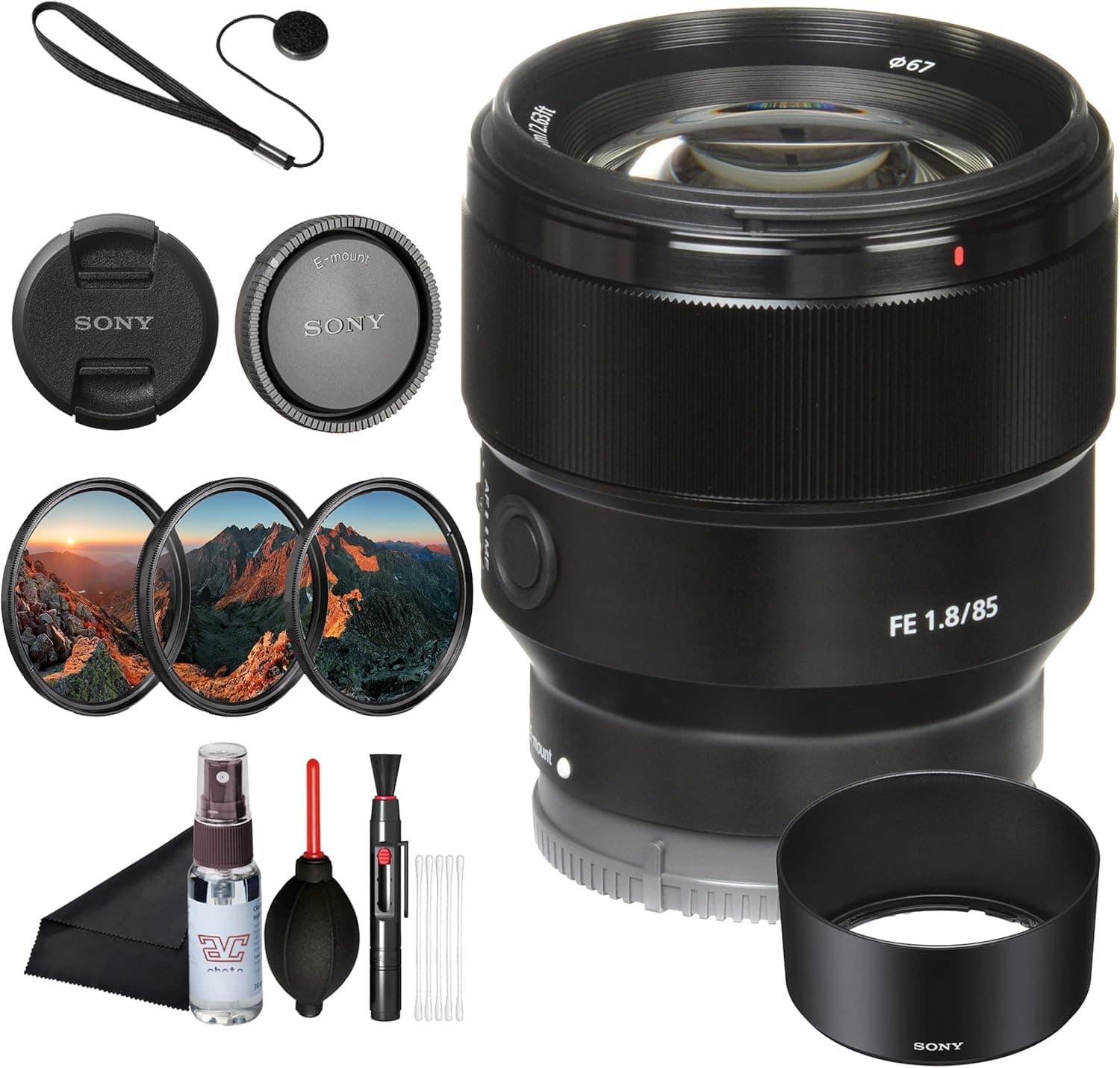
Sony FE 85mm f/1.8
Portrait shooters who want classic 85mm compression without the GM price.
Check price at AmazonThe Sony FE 85mm f/1.8 is the value default for Sony full-frame shooters. It is sharp across the frame, light enough to carry all day, and costs roughly a third of the f/1.4 G Master while giving up little that matters for portraits. The classic 85mm compression is there, the autofocus locks onto eyes, and the price leaves room in the budget for lighting. This is the one we point most Sony portrait beginners toward.
Manufacturer reference: Sony FE 85mm f/1.8 official specifications.
Research pick
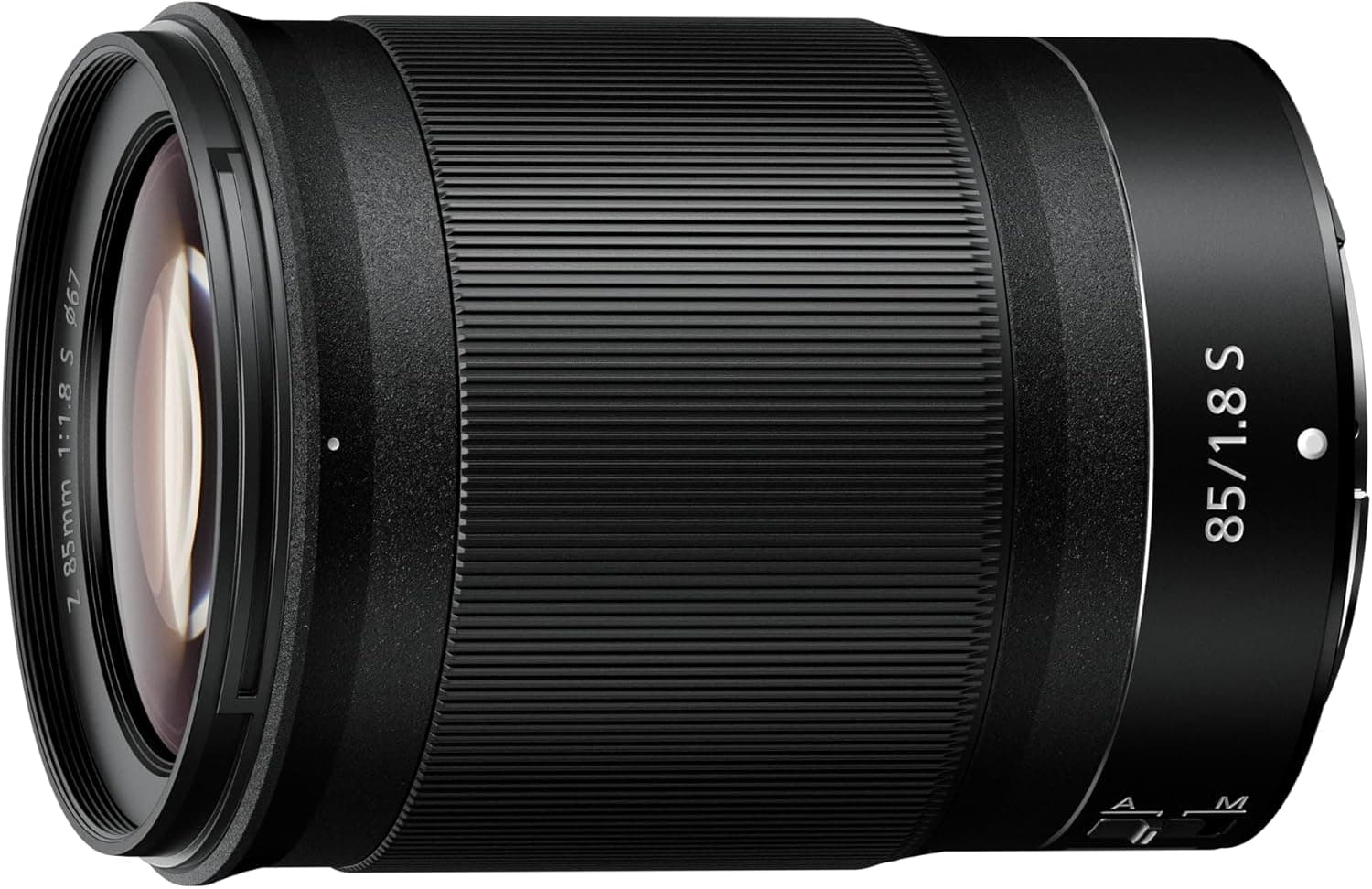
Nikon Z 85mm f/1.8 S
Nikon Z portrait shooters wanting a reliable 85mm.
Check price at AmazonThe Nikon Z 85mm f/1.8 S is the Sony pick's Nikon counterpart: an S-line short telephoto that is sharp wide open with smooth background blur and well-controlled color fringing. It has no optical stabilization, so lean on your body's IBIS in low light. For Nikon Z portrait shooters who want a dependable single lens, this is the standard answer.
Manufacturer reference: Nikon Z 85mm f/1.8 S official specifications.
Research pick
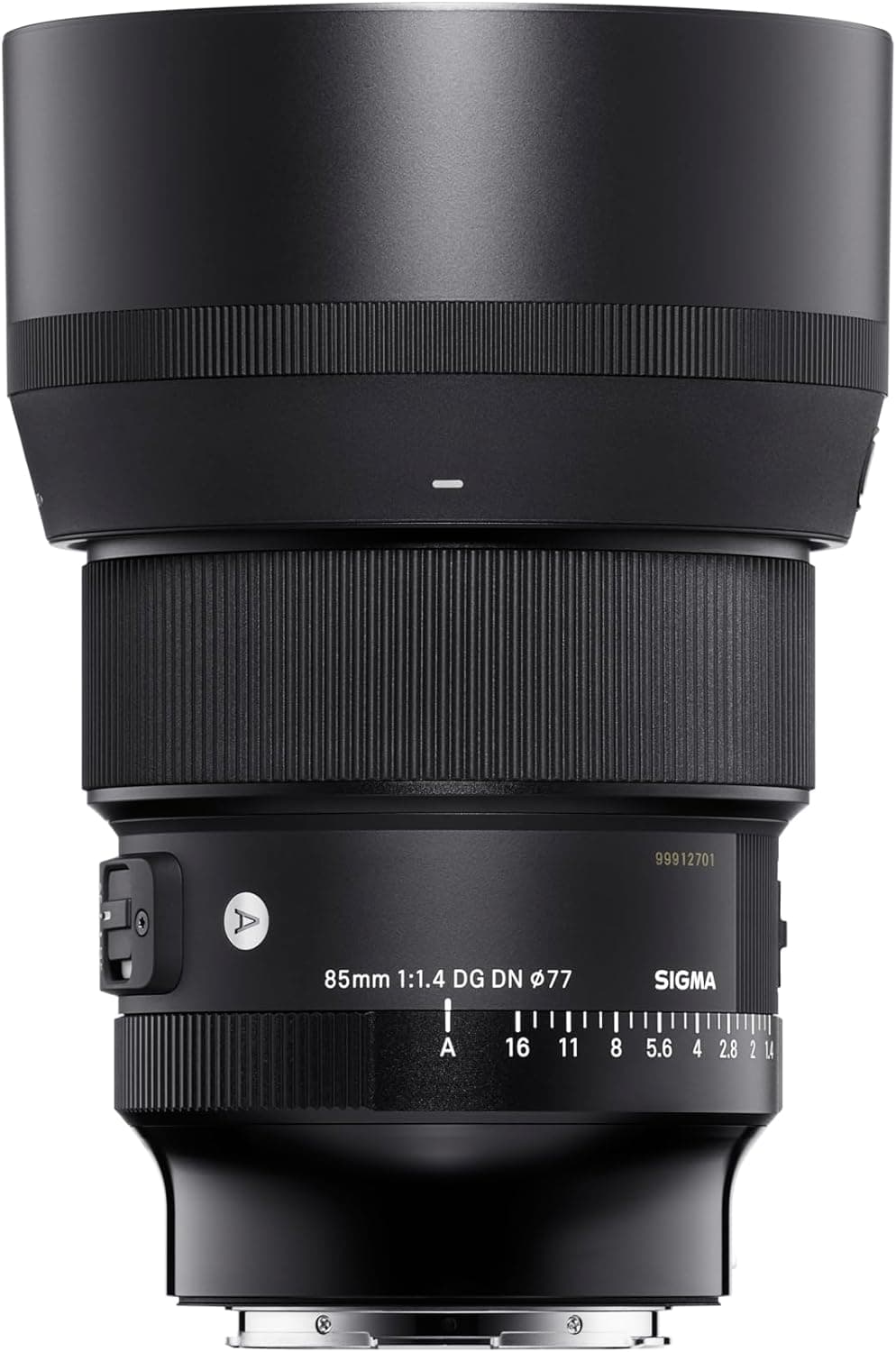
Sigma 85mm f/1.4 DG DN Art
Sony and L mount portrait shooters who want f/1.4 without first-party prices.
Check price at AmazonThe Sigma 85mm f/1.4 DG DN Art is the step up when you want maximum subject separation without first-party prices. Available in Sony E and L mount, it is much lighter than the older DSLR Art, stays sharp wide open, and the extra two-thirds of a stop over an f/1.8 gives noticeably creamier backgrounds. It is still a large lens, so factor that into how you carry it.
Manufacturer reference: Sigma 85mm f/1.4 DG DN Art official specifications.
Research pick
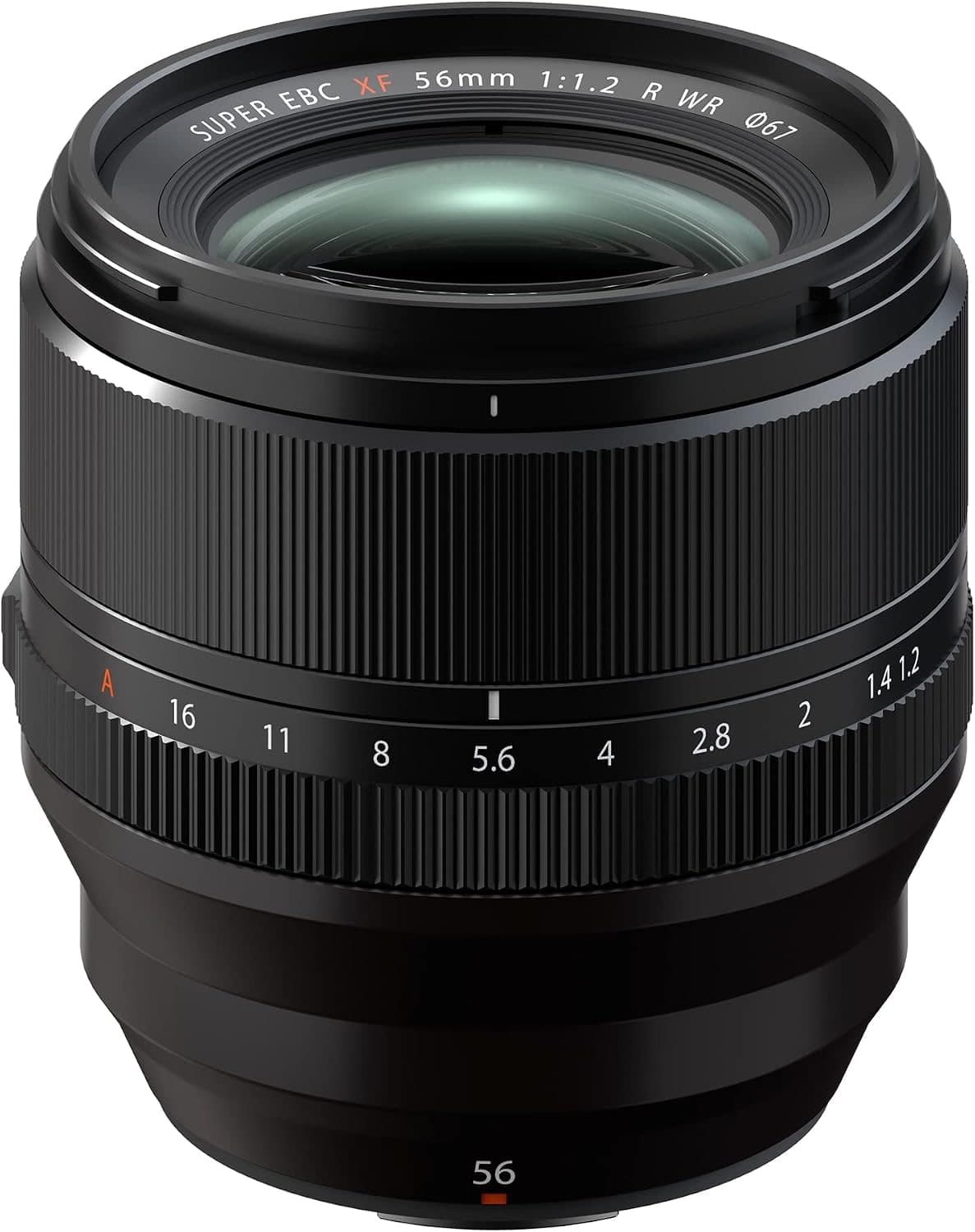
Fujifilm XF 56mm f/1.2 R WR
Fujifilm portrait shooters who want maximum subject separation.
Check price at AmazonThe Fujifilm XF 56mm f/1.2 R WR is the flagship portrait prime for X-series bodies, framing like an 85mm at an aperture that produces a very shallow plane of focus. The WR version adds weather sealing and faster focus over the original. If you shoot Fujifilm and want the most dramatic subject separation APS-C can give, this is the one.
Manufacturer reference: Fujifilm XF 56mm f/1.2 R WR official specifications.
Research pick
Sigma 56mm f/1.4 DC DN Contemporary
APS-C shooters who want an affordable, sharp portrait prime.
Check price at AmazonThe Sigma 56mm f/1.4 DC DN Contemporary is the value portrait prime for crop sensors, covering Sony E, Fujifilm X, and Micro Four Thirds. It is remarkably sharp for the price, compact, and frames like a short telephoto on APS-C. For anyone on a crop body who wants the 85mm portrait look without spending flagship money, this is the smart buy.
Manufacturer reference: Sigma 56mm f/1.4 DC DN Contemporary official specifications.
Best Budget
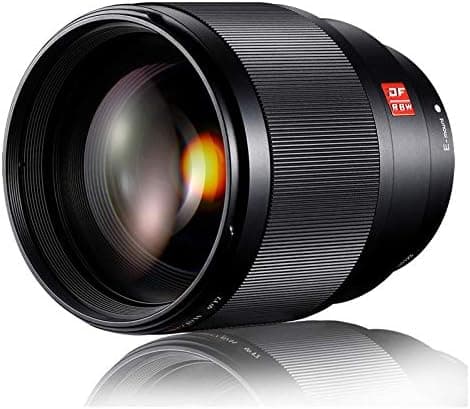
Viltrox AF 85mm f/1.8
Budget-minded portrait shooters on Sony or Nikon Z.
Check price at AmazonThe Viltrox AF 85mm f/1.8 is the budget full-frame option, available in Sony E and Nikon Z. It undercuts first-party 85mm lenses substantially while keeping good sharpness and pleasant background blur. The autofocus is a touch slower than native glass and there is no weather sealing, but for a first dedicated portrait lens the value is hard to beat.
Manufacturer references: Viltrox 85mm f/1.8 for Sony E and Viltrox 85mm f/1.8 for Nikon Z.
Common mistakes
The most common one is shooting wide open by default. At f/1.4 on an 85mm, depth of field can be a centimeter or two; stop down to f/2 or f/2.8 and you keep both eyes sharp while still blurring the background. The second is ignoring working distance: an 85mm needs room, so in a small space a 50mm often serves you better. The third is buying for the bokeh and forgetting the light. A modest lens with good light beats a flagship lens in bad light every time.
For the full workflow, posing, light, and lens choice together, see our portrait photography guide.
Is 50mm or 85mm better for portraits?
Both work. 85mm gives flattering compression and stronger background blur but needs space. 50mm is more flexible in tight rooms and for environmental portraits that include the setting. If you shoot mostly headshots and have room, choose 85mm. If you shoot in small spaces or want context in the frame, 50mm is the safer single lens.
Do I need f/1.4, or is f/1.8 enough?
For most people f/1.8 is plenty. It already blurs backgrounds well and gathers ample light. The jump to f/1.4 or f/1.2 buys slightly creamier blur and a brighter viewfinder, at a real cost in price, size, and a thinner focus plane that is harder to nail. Start at f/1.8 and only move up if you find yourself wanting more.
Why are 56mm lenses sold as portrait lenses on APS-C?
Because of the crop factor. On an APS-C sensor a 56mm lens frames roughly like an 85mm lens does on full frame, which is the classic portrait field of view. That is why brands offer 56mm primes for crop bodies and 85mm primes for full frame; they deliver the same look on their respective sensors.
Compare picks
The short version
Use this to narrow the list before opening the detailed cards.
Scores weigh fit, owner sentiment, build, and value. Affiliate links do not change pick order. Methodology
Buying order
Start with the skip note. A good deal on the wrong camera is still the wrong camera.
Compare verdictsIf you already own lenses, check the system path before buying into a new mount.
Check systemsOnce the fit makes sense, compare current deals and retailer listings.
Check current dealsCamera system shortcut
If you already own one of these systems, keep the comparison inside that ecosystem before checking out.
Autofocus hybrid kits
Stills-first Z kits
APS-C travel kits
Portrait shooters who want classic 85mm compression without the GM price.
Use the retailer for the current price after the tradeoff makes sense. Confirm mount, focal length, filter size, and autofocus compatibility.
9.1/10 Aperture Score
Use the retailer for the current price after the tradeoff makes sense. Confirm mount, focal length, filter size, and autofocus compatibility.
$325 - $370
Use the retailer for the current price after the tradeoff makes sense. Confirm mount, focal length, filter size, and autofocus compatibility.
Fujifilm portrait shooters who want maximum subject separation.
Use the retailer for the current price after the tradeoff makes sense. Confirm mount, focal length, filter size, and autofocus compatibility.
Price ladder
The useful range here runs from $348 to $1,270. Start with the ceiling that matches the assignment.
- Portrait shooters who want classic 85mm compression without the GM price.
- Sharp across the frame
- Some longitudinal chromatic aberration wide open
Use the retailer for the current price after the tradeoff makes sense. Confirm mount, focal length, filter size, and autofocus compatibility.
- Nikon Z portrait shooters wanting a reliable 85mm.
- Sharp wide open
- No optical stabilization
Use the retailer for the current price after the tradeoff makes sense. Confirm mount, focal length, filter size, and autofocus compatibility.
- Sony and L mount portrait shooters who want f/1.4 without first-party prices.
- Sharp wide open
- Still large for an 85mm
Use the retailer for the current price after the tradeoff makes sense. Confirm mount, focal length, filter size, and autofocus compatibility.
- Fujifilm portrait shooters who want maximum subject separation.
- Bright f/1.2 aperture
- Expensive for APS-C
Use the retailer for the current price after the tradeoff makes sense. Confirm mount, focal length, filter size, and autofocus compatibility.
- APS-C shooters who want an affordable, sharp portrait prime.
- Very sharp
- No weather sealing
Use the retailer for the current price after the tradeoff makes sense. Confirm mount, focal length, filter size, and autofocus compatibility.
- Budget-minded portrait shooters on Sony or Nikon Z.
- Low price for full frame
- Autofocus slower than first-party
Use the retailer for the current price after the tradeoff makes sense. Confirm mount, focal length, filter size, and autofocus compatibility.
| Pick | Score | Price | Verdict | Action |
|---|---|---|---|---|
| Best ValueSony FE 85mm f/1.8 | 8.7
| $435 - $495 | Portrait shooters who want classic 85mm compression without the GM price. Wins: Sharp across the frame Skip: Some longitudinal chromatic aberration wide open | Check Amazon · $435 - $495 Use the retailer for the current price after the tradeoff makes sense. Confirm mount, focal length, filter size, and autofocus compatibility. |
 PickNikon Z 85mm f/1.8 S PickNikon Z 85mm f/1.8 S | 9.0
| $750 - $800 | Nikon Z portrait shooters wanting a reliable 85mm. Wins: Sharp wide open Skip: No optical stabilization | Check Amazon · $750 - $800 Use the retailer for the current price after the tradeoff makes sense. Confirm mount, focal length, filter size, and autofocus compatibility. |
| PickSigma 85mm f/1.4 DG DN Art | 9.1
| $1,100 - $1,200 | Sony and L mount portrait shooters who want f/1.4 without first-party prices. Wins: Sharp wide open Skip: Still large for an 85mm | Check Amazon · $1,100 - $1,200 Use the retailer for the current price after the tradeoff makes sense. Confirm mount, focal length, filter size, and autofocus compatibility. |
| PickFujifilm XF 56mm f/1.2 R WR | 9.1
| $1,190 - $1,350 | Fujifilm portrait shooters who want maximum subject separation. Wins: Bright f/1.2 aperture Skip: Expensive for APS-C | Check Amazon · $1,190 - $1,350 Use the retailer for the current price after the tradeoff makes sense. Confirm mount, focal length, filter size, and autofocus compatibility. |
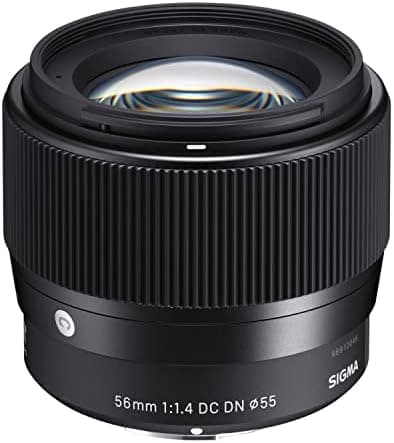 PickSigma 56mm f/1.4 DC DN Contemporary PickSigma 56mm f/1.4 DC DN Contemporary | 8.9
| $375 - $425 | APS-C shooters who want an affordable, sharp portrait prime. Wins: Very sharp Skip: No weather sealing | Check Amazon · $375 - $425 Use the retailer for the current price after the tradeoff makes sense. Confirm mount, focal length, filter size, and autofocus compatibility. |
| Best BudgetViltrox AF 85mm f/1.8 | 8.4
| $325 - $370 | Budget-minded portrait shooters on Sony or Nikon Z. Wins: Low price for full frame Skip: Autofocus slower than first-party | Check Amazon · $325 - $370 Use the retailer for the current price after the tradeoff makes sense. Confirm mount, focal length, filter size, and autofocus compatibility. |
Keep going
Next useful steps
Pick one. Each link continues the same job without starting the research over.
Shoot kits
Buy around the job, not the spec sheet
People work
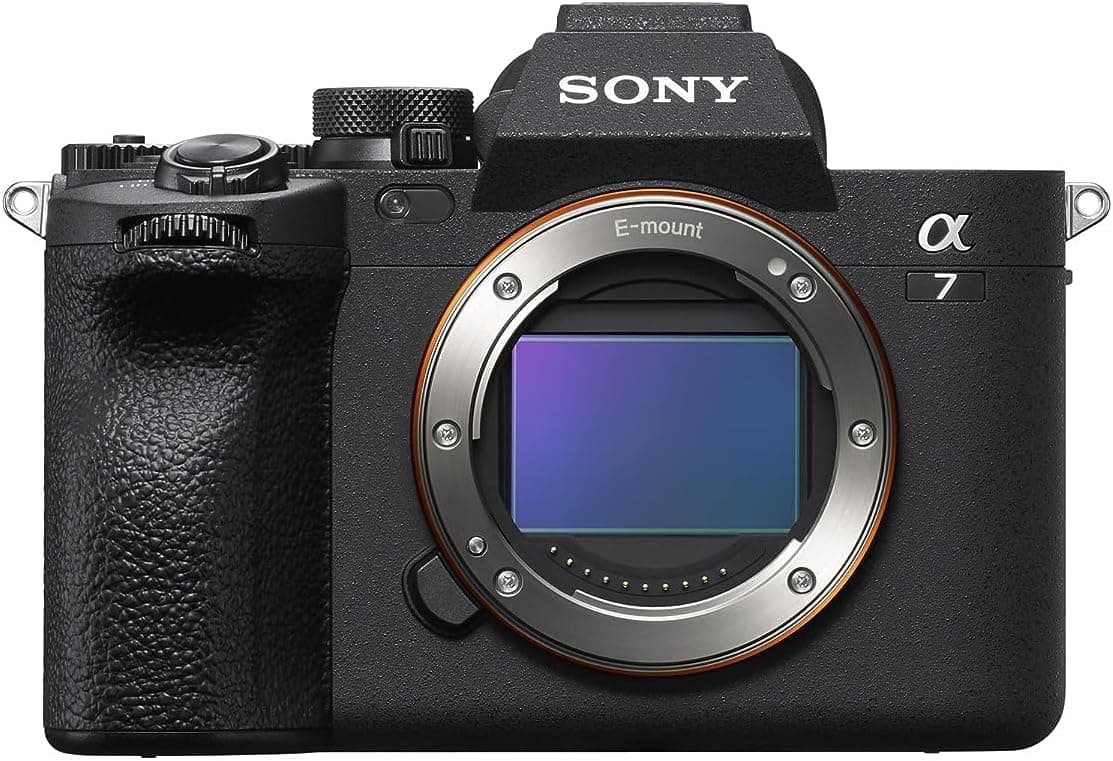
Portrait and headshot kit
$2,936
A full-frame hybrid body, an 85mm prime, simple flash, diffusion, and grip pieces for clean portraits without a studio buildout.
Best people-first kit
Buy order: start with the first piece that makes the job possible, then add the support pieces that remove friction.
Camera: start here. If this piece does not make the shoot easier, the rest of the kit can wait.
Sandbag: add it after the core setup proves useful.
Sony a7 IV
A balanced full-frame body with reliable eye autofocus for portraits, events, and headshots.
Sony FE 85mm f/1.8
Classic headshot framing, flattering compression, and a price that leaves money for light.
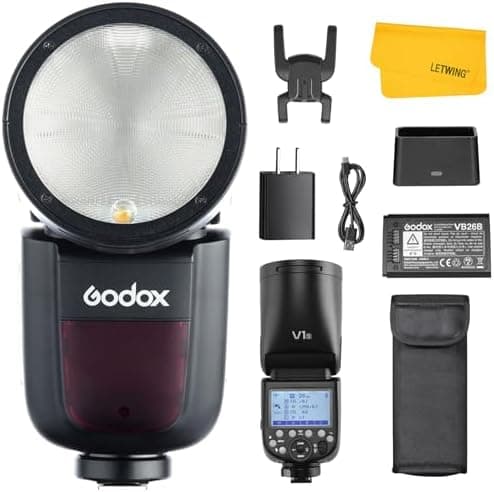
Godox V1
Round-head flash for bounce, quick portraits, and a first off-camera setup.
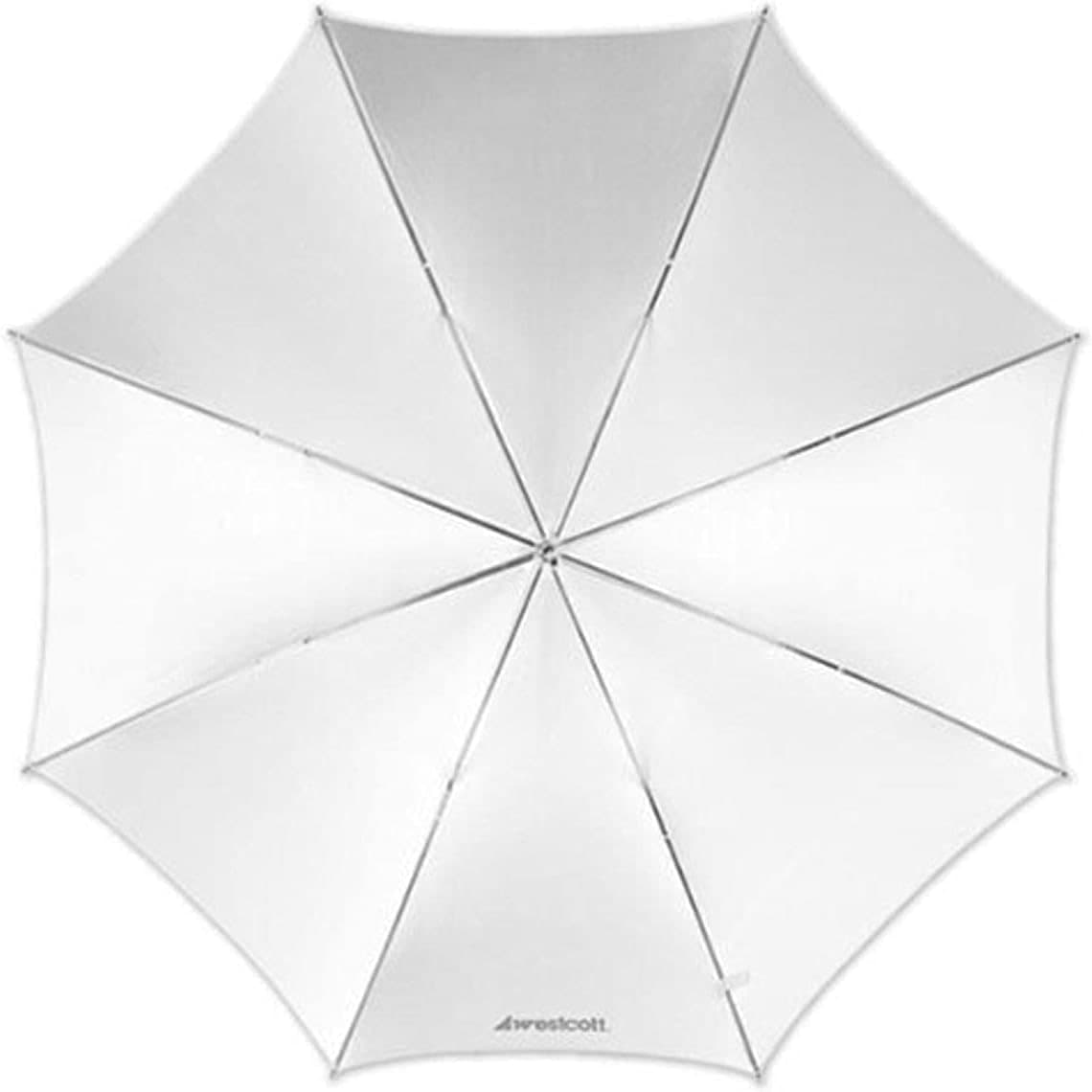
Westcott 43-inch Umbrella
Cheap, fast diffusion that makes one light look less harsh.
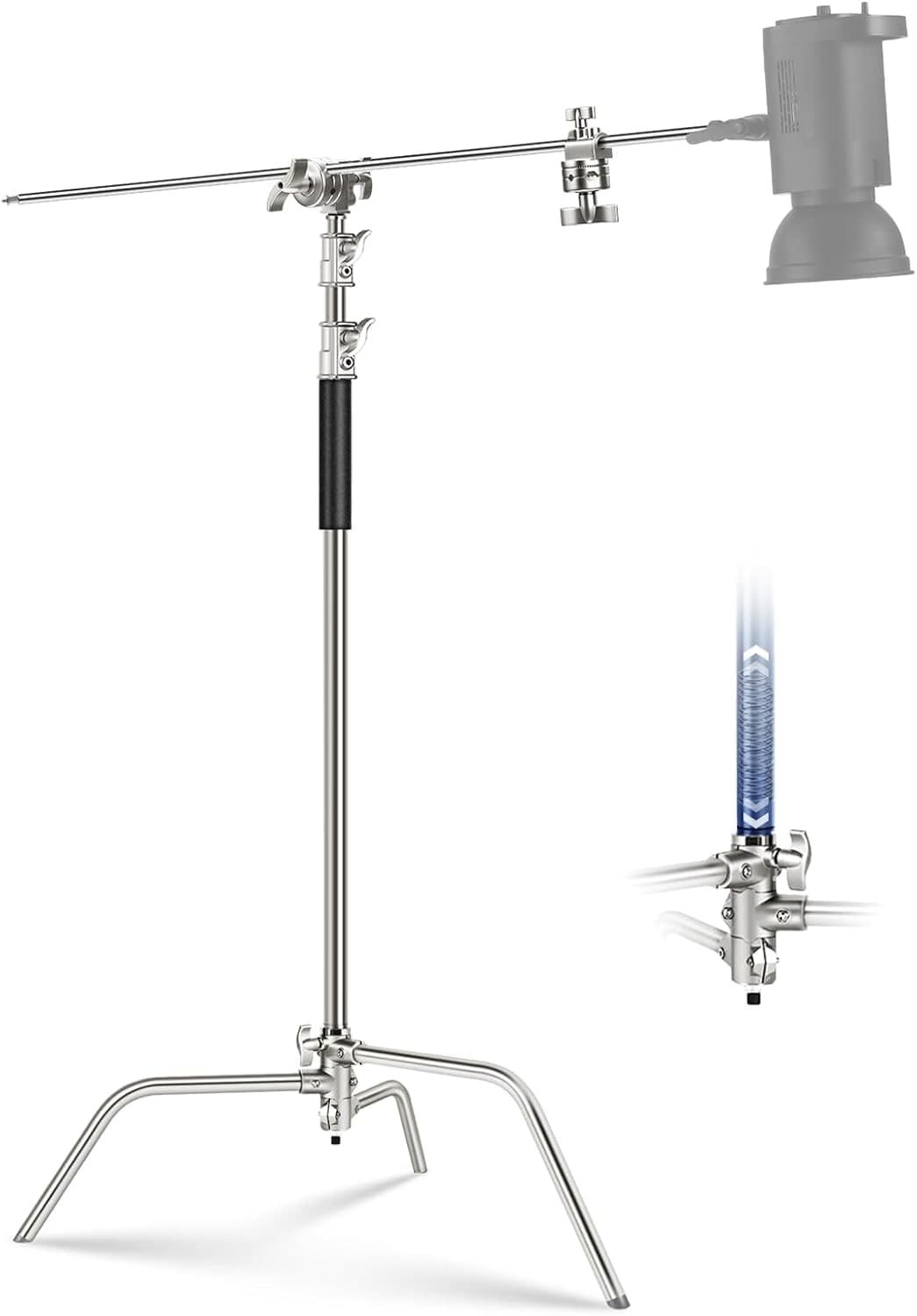
Neewer C-Stand
Keeps the light where it belongs when a small tripod would be a liability.
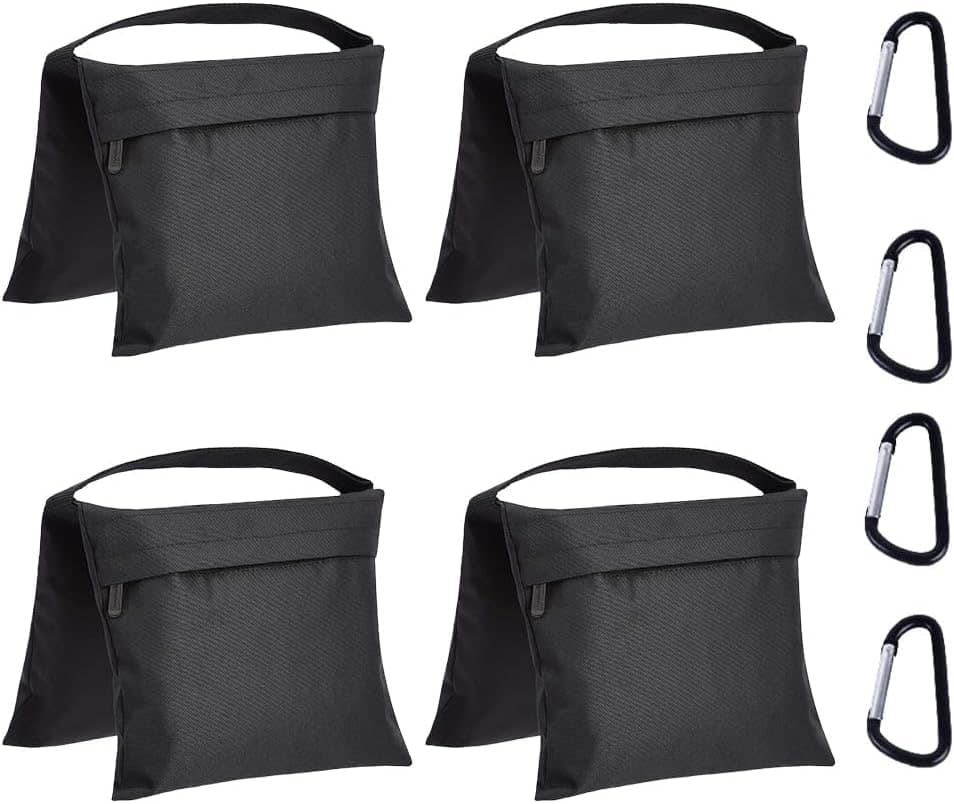
Amazon Basics Photography Sandbags (4-Pack)
The unglamorous piece that keeps a light stand from becoming expensive chaos.
Prices are rough catalog totals. Retailer prices change, and you can swap pieces to fit your system.
Related Gear guides
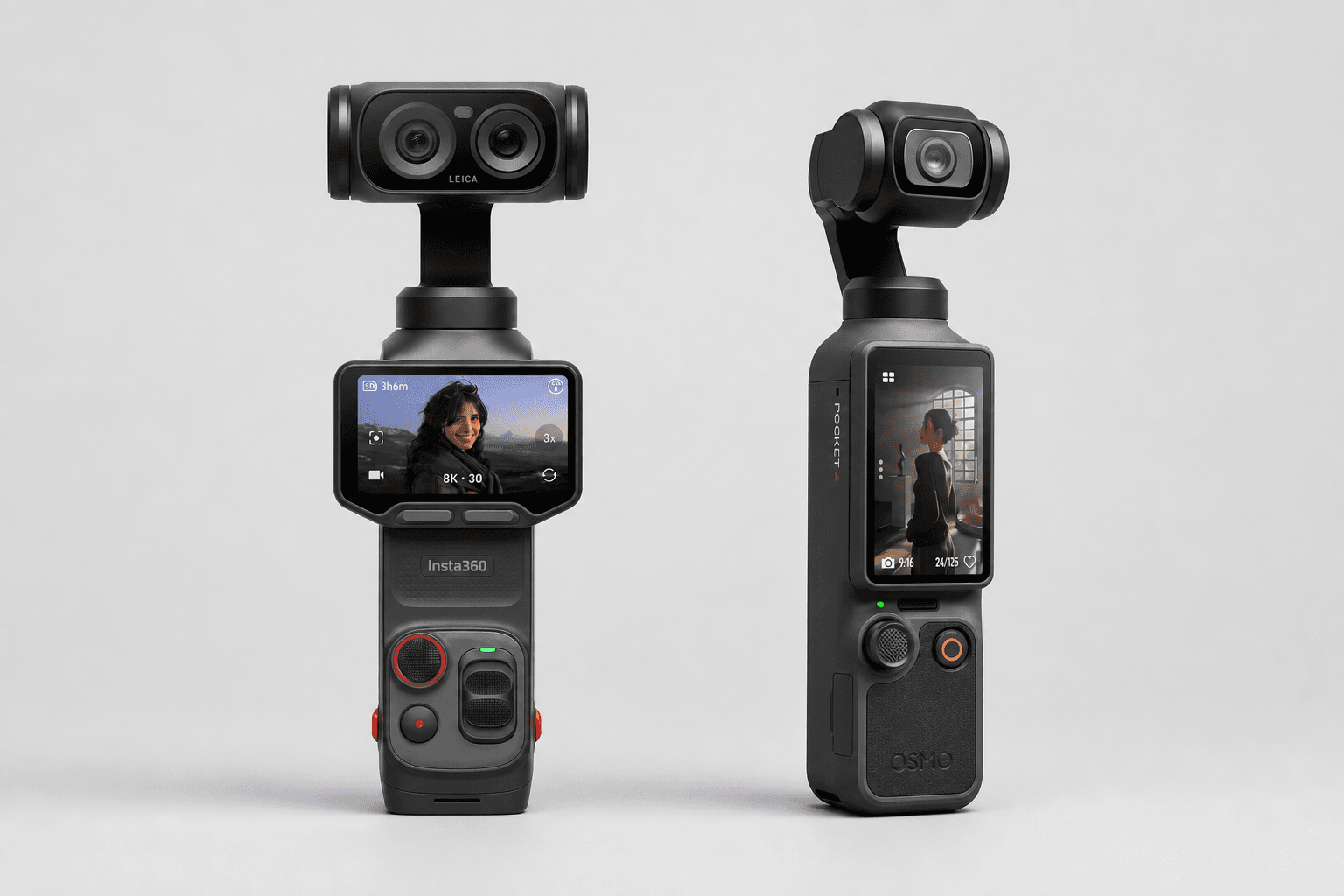
Insta360 Luna Ultra vs DJI Osmo Pocket 4: Which Pocket Gimbal Should You Buy?
Compare Luna Ultra and DJI Pocket 4 by lenses, video, Log formats, storage, U.S. availability, and the filming jobs each pocket gimbal handles best.
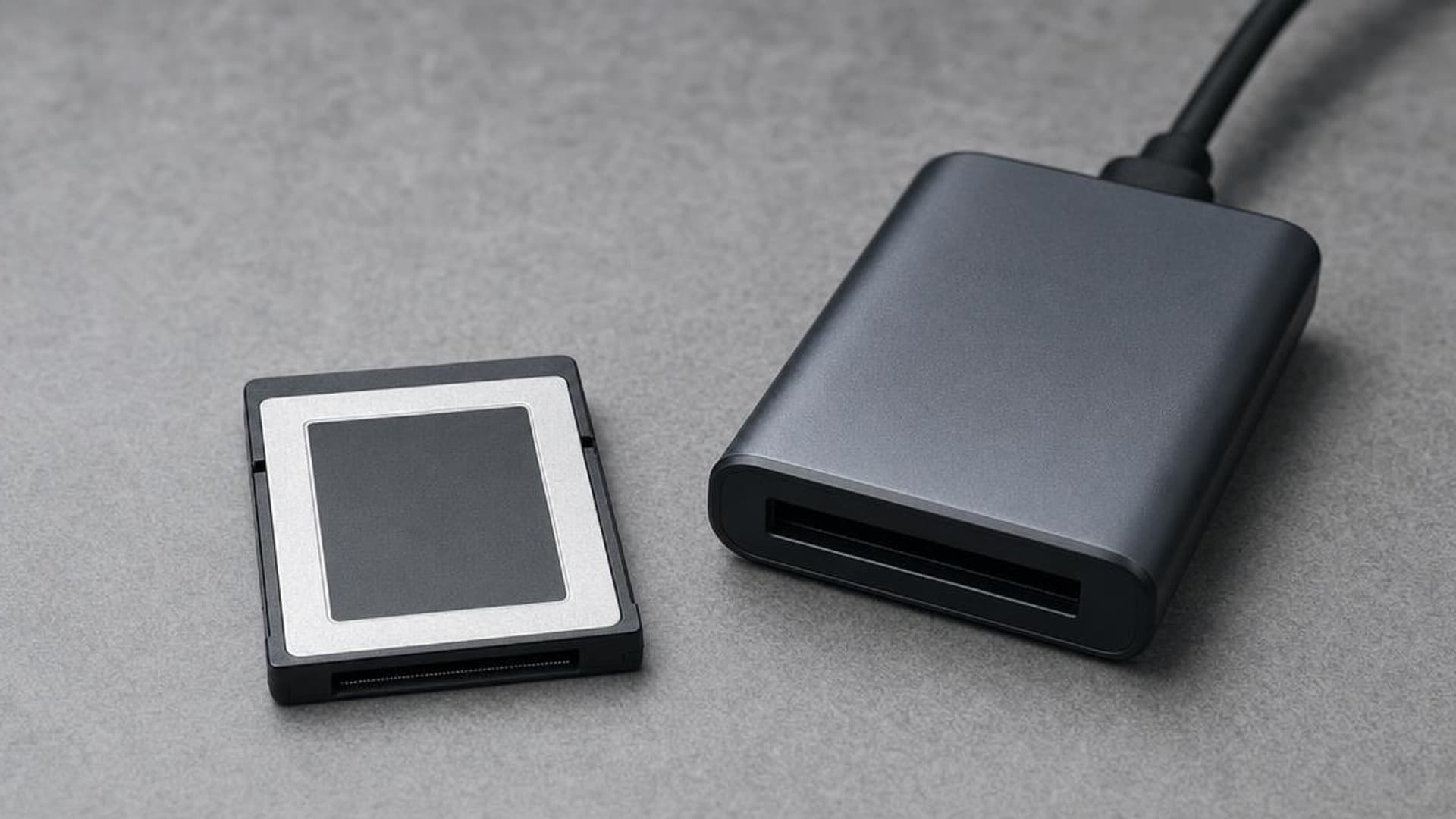
CFexpress 4.0 and VPG Explained: Buy the Card Your Camera Needs
CFexpress 4.0 doubles theoretical bandwidth, while VPG certifies sustained video writes. Learn Type A vs B, VPG classes, and when 4.0 is worth paying for.
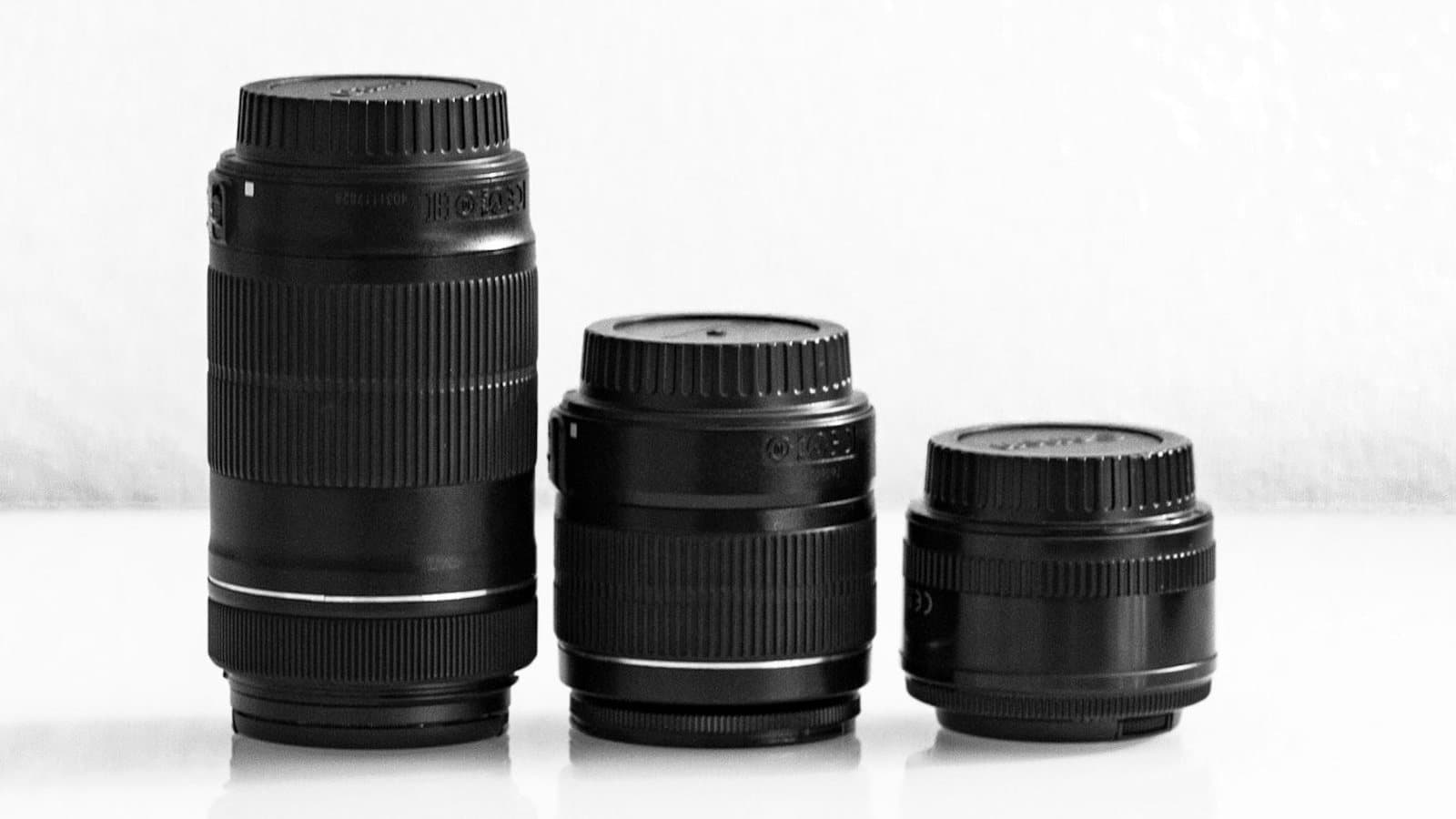
Focal Length Explained: What 24mm, 50mm, 85mm, and 200mm Actually Do
What the millimeter number on a lens changes in the field: angle of view, compression, and working distance. When to reach for 24, 50, 85, or 200mm.
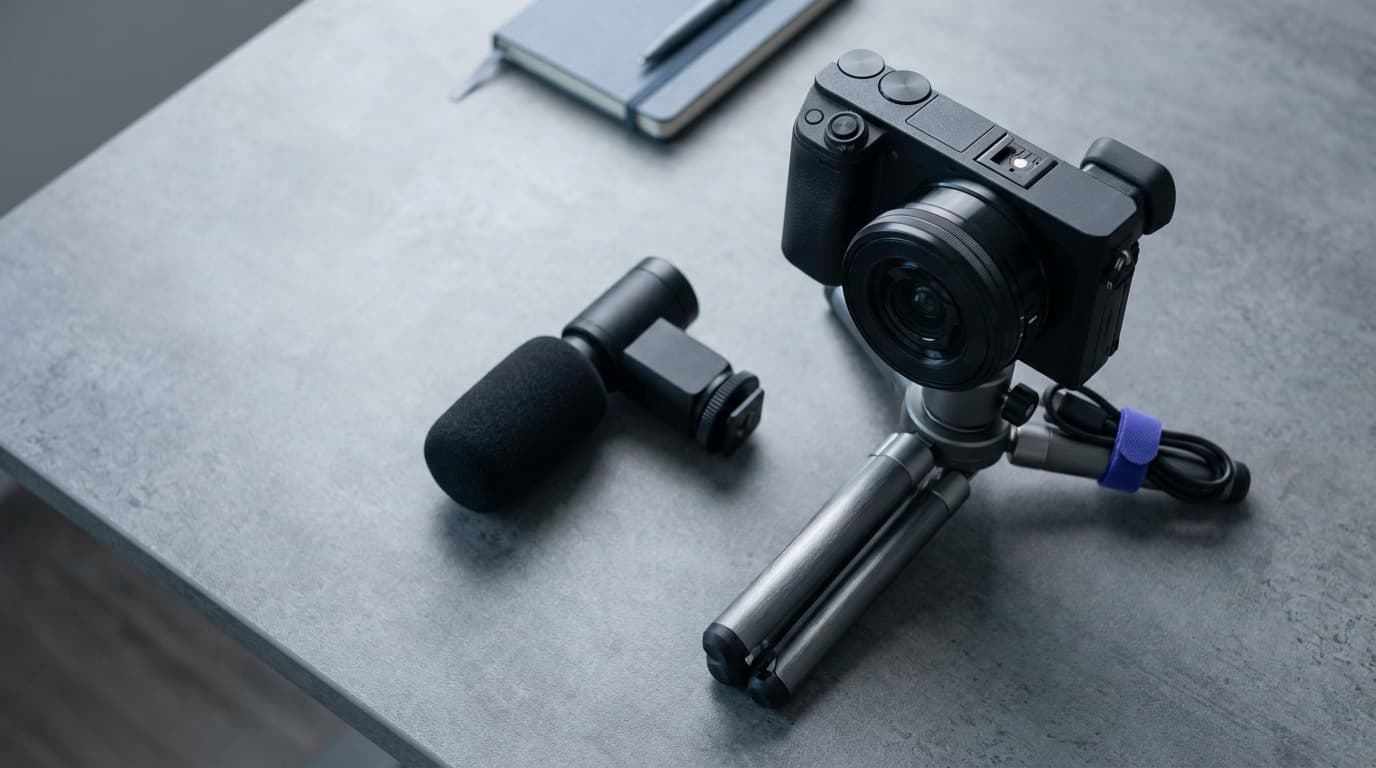
Canon EOS R50 V vs Sony ZV-E10 II: Which Beginner Vlogging Camera Should You Buy?
Canon EOS R50 V is the easier beginner creator kit. Sony ZV-E10 II is the deeper lens-system pick. Compare the practical tradeoffs.
Researched, not personally tested: picks compare specifications, available owner feedback, and established expert sources. As an Amazon Associate I earn from qualifying purchases. We may earn a commission from links here, at no extra cost to you. How we research →