We may earn a commission from links on this page, at no extra cost to you. Picks are researched, not sponsored.
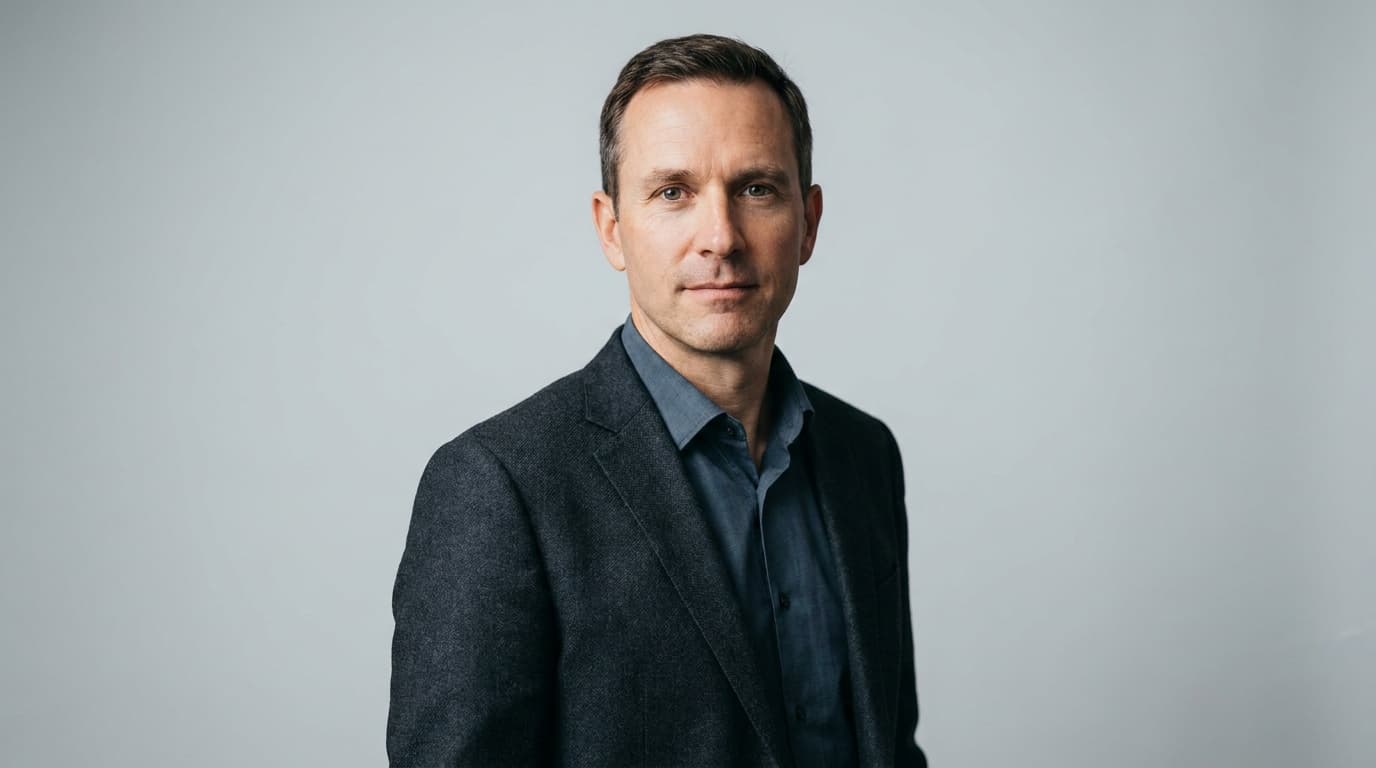
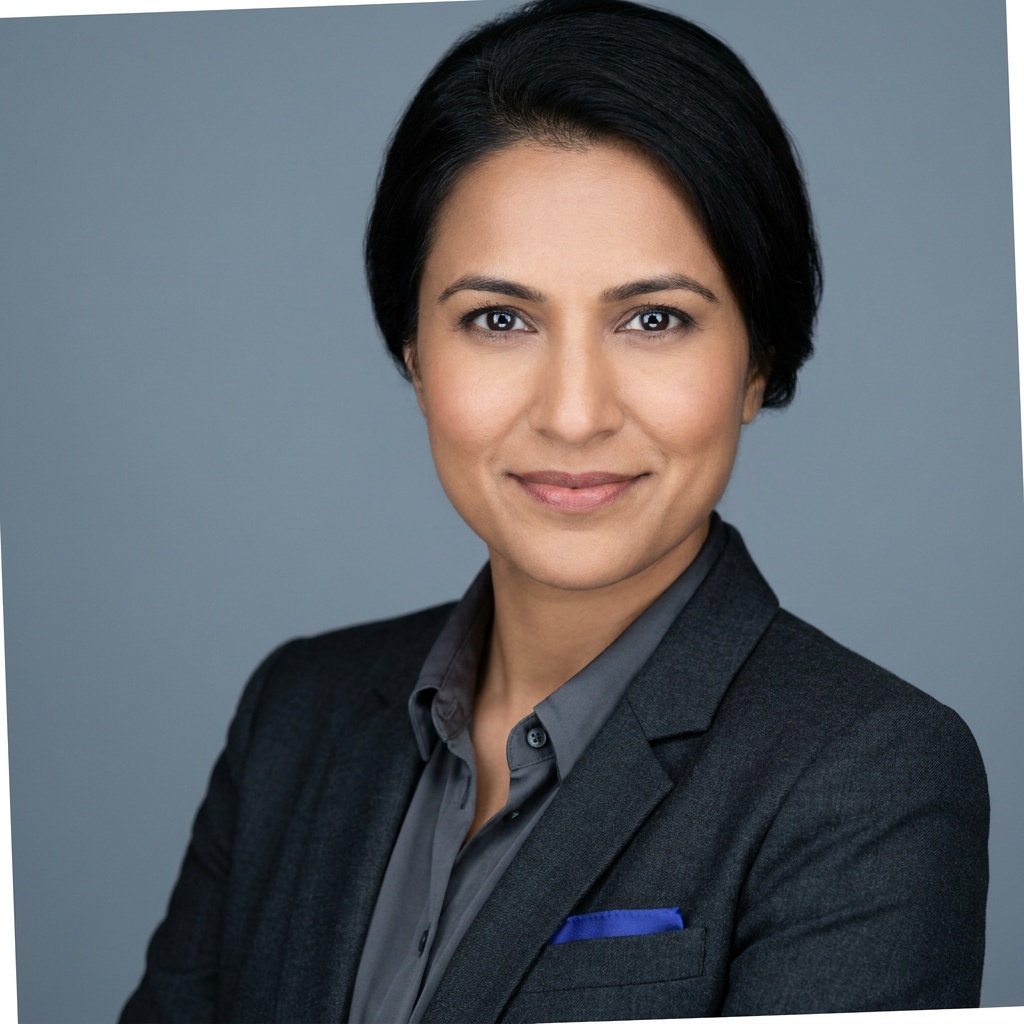
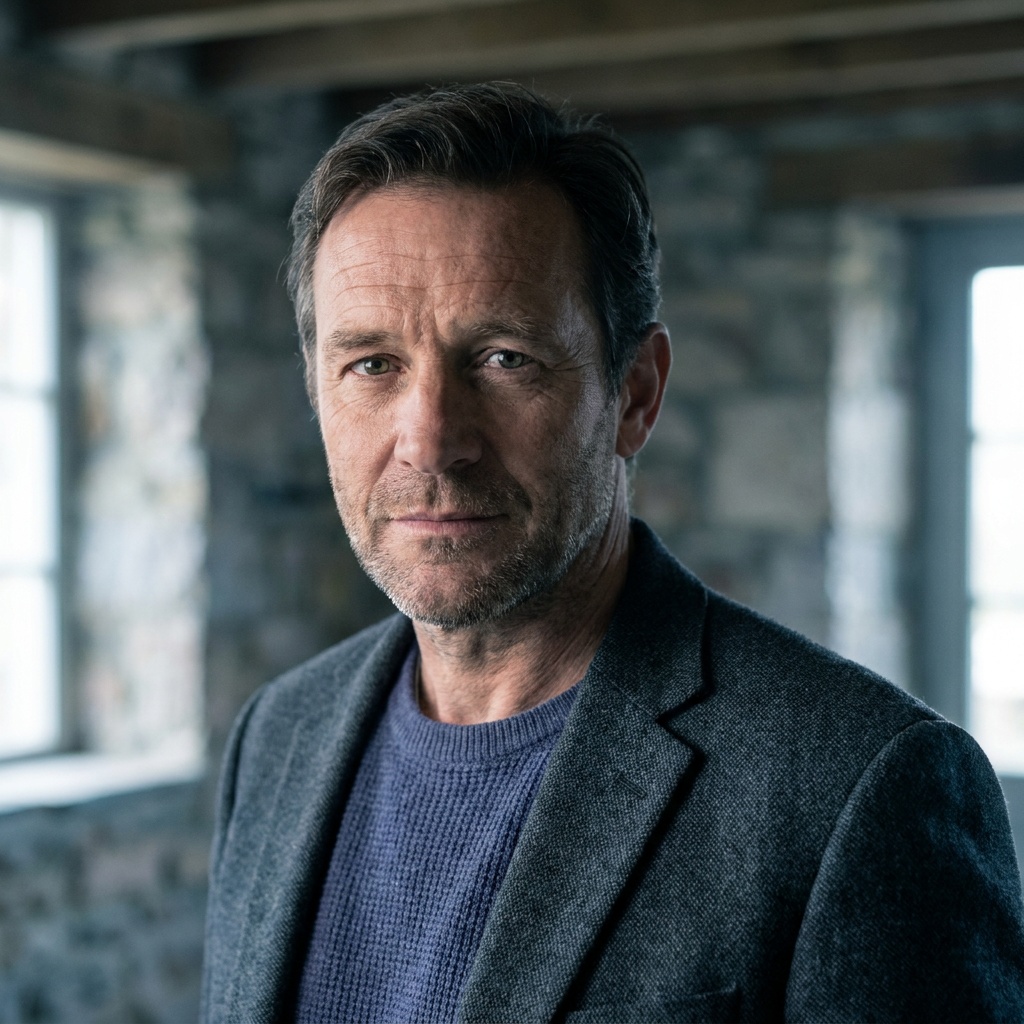
A headshot has one job: make the person look like the best, most approachable version of themselves. That is mostly about light, lens choice, and getting a self-conscious subject to relax. Corporate and actor headshots share the same fundamentals and differ mainly in mood. Corporate work leans clean, confident, and consistent; actor work leans natural, character-driven, and a touch more raw. Nail the basics and you can dial in either.
A short telephoto flatters the face
Focal length shapes a face. Wide lenses up close enlarge the nose and distort features; a short telephoto around 85mm compresses the face into natural proportions and lets you stand back at a comfortable distance. This is the clearest single reason an 85mm prime is the classic headshot lens, and a 50mm is a workable, cheaper alternative, especially on a crop sensor where it acts a little longer.
Best Value
Sony FE 85mm f/1.8
Portrait shooters who want classic 85mm compression without the GM price.
Check price at AmazonThe best lenses for portraits, best 50mm lenses, and best prime lenses guides cover the options across systems.
Soft, directional light on the face
Flattering headshot light is soft and comes from slightly to the side and above, the natural direction of daylight. That angle sculpts the face gently without harsh shadows. A big soft source is the goal, whether that is a window, a softbox, or a flash bounced into an umbrella.
A clean one-light setup, a soft key off to one side with a reflector filling the shadows, covers most corporate headshots. For the bright, even, approachable corporate look, the clamshell setup is the workhorse: a soft key above the face angled down and a fill source or reflector below angled up, so the light wraps around the face, softens shadows, and leaves a pair of catchlights in the eyes. Loop lighting, the key set about 45 degrees to the side and slightly above so a small shadow loops off the nose, gives a touch more shape for a confident portrait. Actor headshots often keep a bit more shadow and contrast for character. Either way, soft and directional beats flat front light, which erases the structure of the face. The best flashes and speedlights guide covers reliable units, and the low-light and indoor guide covers shaping a single source.
Best Overall
Godox V1
Event and portrait shooters who want soft on-camera fill and the Godox radio ecosystem.
Check price at AmazonSettings that keep the face sharp
A headshot needs both eyes and the whole face acceptably sharp, so you want a little more depth than a dreamy single-eye portrait. A reliable baseline is f/5.6 · 1/200 · ISO 100.
A moderate aperture around f/4 to f/5.6 keeps both eyes, the nose, and the ears in focus; shooting wide open at f/1.8 can leave one eye soft when the head is turned. Keep ISO low near 100 with flash for clean skin tones, and set the shutter speed at or below your flash sync speed, often around 1/200. The exposure triangle shows how flash shifts the usual balance. Always focus on the near eye using eye-detection autofocus; sharp eyes are what make a headshot connect.
A clean background and a relaxed subject
Keep the background simple and uncluttered so nothing competes with the face. A solid neutral backdrop suits corporate work; a softly blurred natural setting suits a more relaxed actor look. Separate the subject from the background with a few feet of distance so it falls gently out of focus.
The harder part is the person. Most people freeze in front of a camera, so the photographer's real job is to relax them. Talk, give simple posing cues (chin slightly forward and down to define the jaw, shoulders angled rather than square), and prompt genuine expression rather than a held smile. Show them a good frame early to build confidence. A relaxed, present expression is what separates a headshot that connects from one that looks like an ID photo.
Common mistakes
The frequent failures are a wide lens up close that distorts the face, too wide an aperture that leaves one eye soft, and flat front light that erases facial structure. A cluttered or distracting background is another, along with a forced, frozen expression. Beginners also forget to focus precisely on the near eye, which is the one thing a headshot cannot get wrong. Soften the light, stop down a touch, simplify the background, and spend your attention on relaxing the person.
What lens is best for headshots?
A short telephoto around 85mm is the classic choice; it flatters facial proportions and lets you keep a comfortable distance. A 50mm works as a cheaper alternative, especially on a crop sensor where it behaves a little longer. Avoid wide lenses up close, which distort the face.
What aperture should I use for headshots?
A moderate aperture around f/4 to f/5.6 keeps both eyes and the whole face sharp while still softening the background. Very wide apertures like f/1.8 can leave one eye out of focus when the head is turned, which is why headshots usually stop down a little from a dreamy single portrait.
What is the difference between corporate and actor headshots?
They share the same fundamentals and differ in mood. Corporate headshots are clean, evenly lit, confident, and approachable, often against a neutral background. Actor headshots lean more natural and character-driven, with a touch more shadow and a relaxed, expressive look that shows personality.
Keep going
Next useful steps
Pick one. Each link continues the same job without starting the research over.
Shoot kits
Buy around the job, not the spec sheet
People work
Portrait and headshot kit
$2,936
A full-frame hybrid body, an 85mm prime, simple flash, diffusion, and grip pieces for clean portraits without a studio buildout.
Best people-first kit
Buy order: start with the first piece that makes the job possible, then add the support pieces that remove friction.
Camera: start here. If this piece does not make the shoot easier, the rest of the kit can wait.
Sandbag: add it after the core setup proves useful.
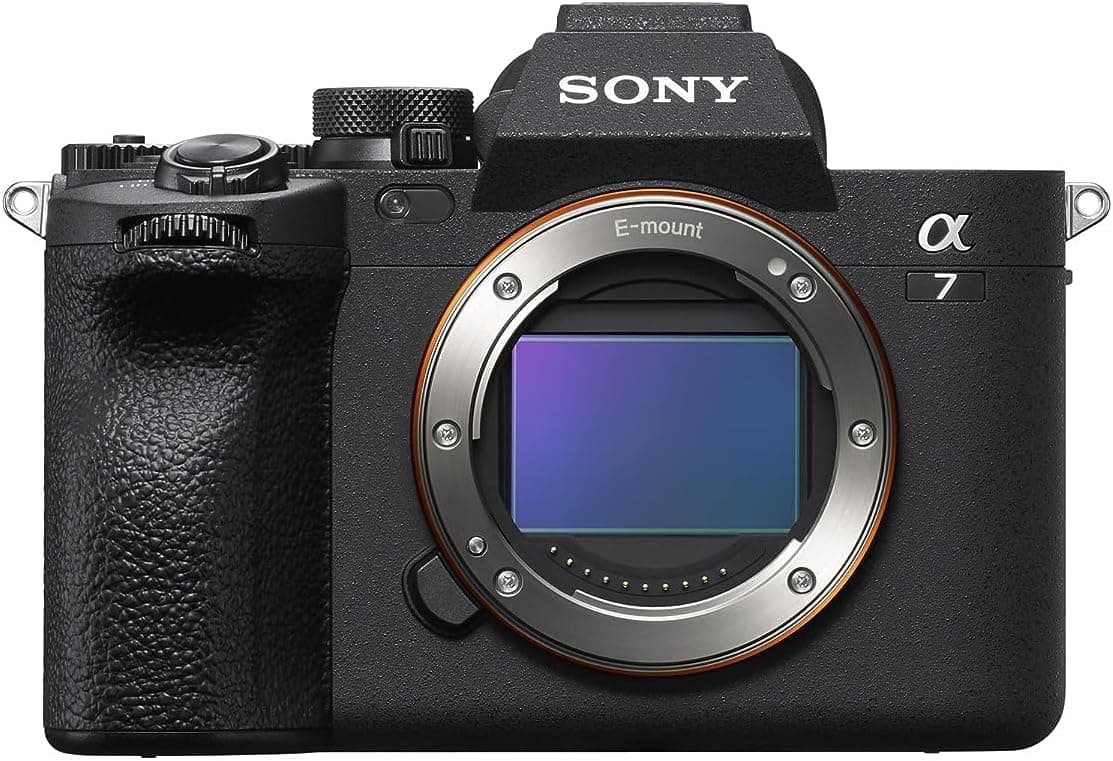
Sony a7 IV
A balanced full-frame body with reliable eye autofocus for portraits, events, and headshots.
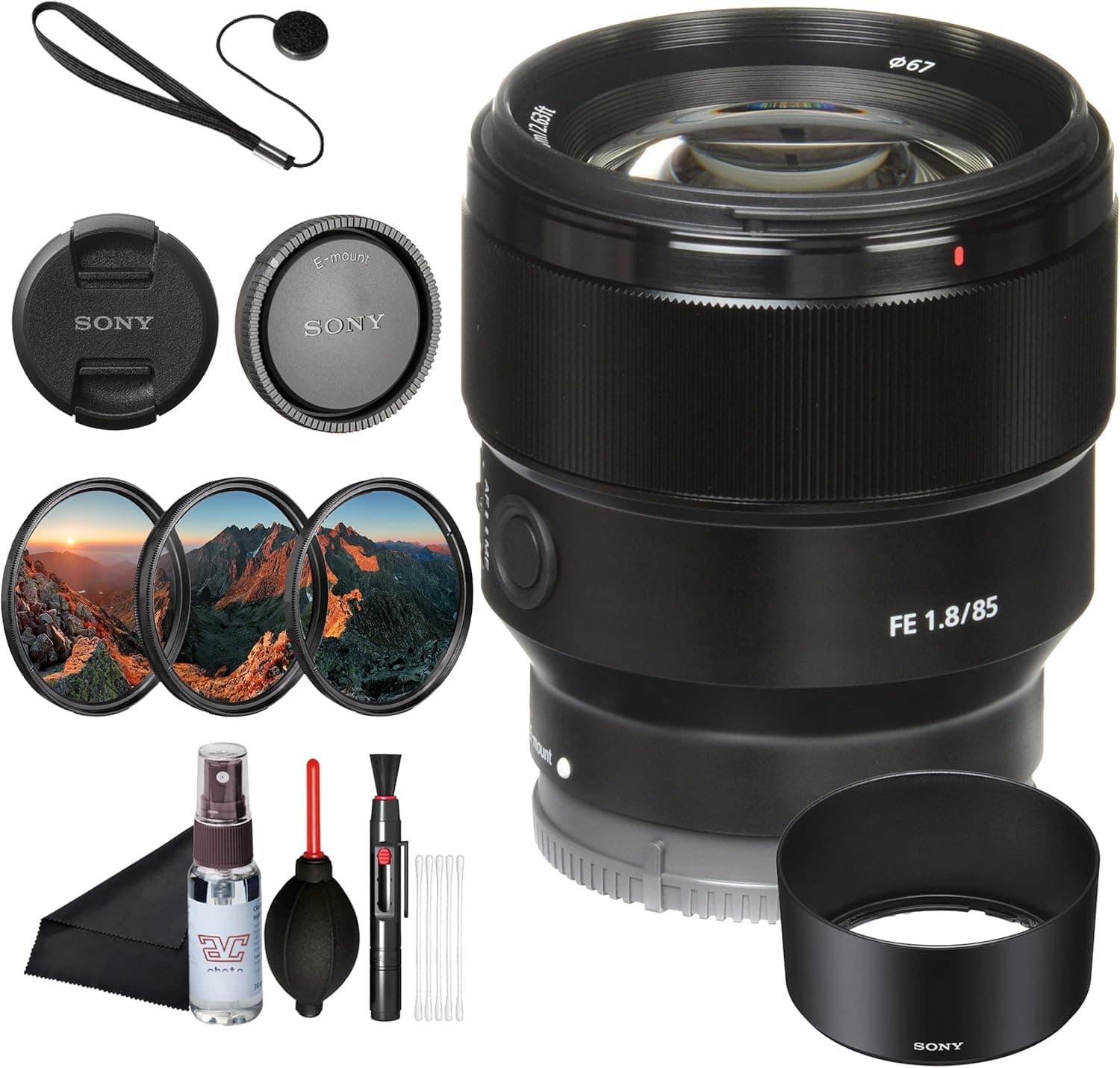
Sony FE 85mm f/1.8
Classic headshot framing, flattering compression, and a price that leaves money for light.
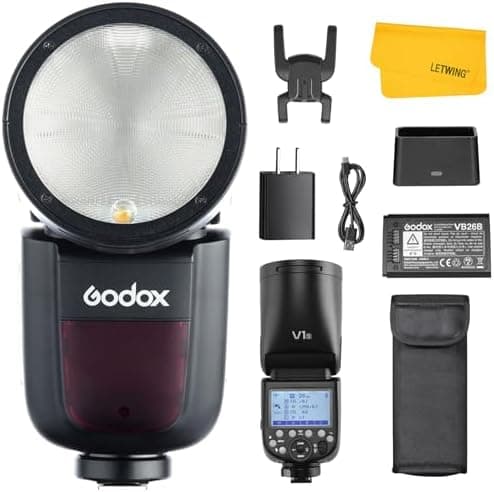
Godox V1
Round-head flash for bounce, quick portraits, and a first off-camera setup.
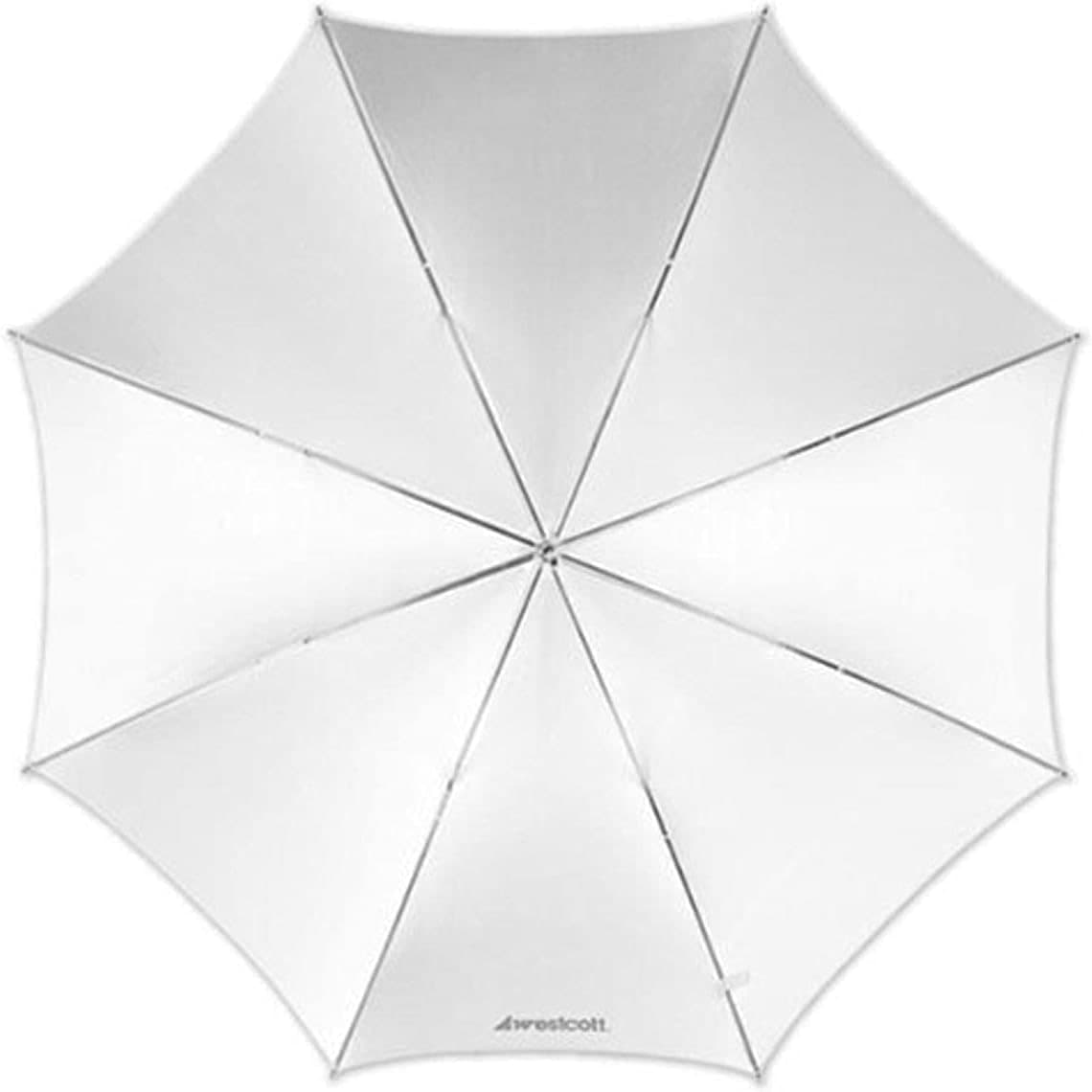
Westcott 43-inch Umbrella
Cheap, fast diffusion that makes one light look less harsh.
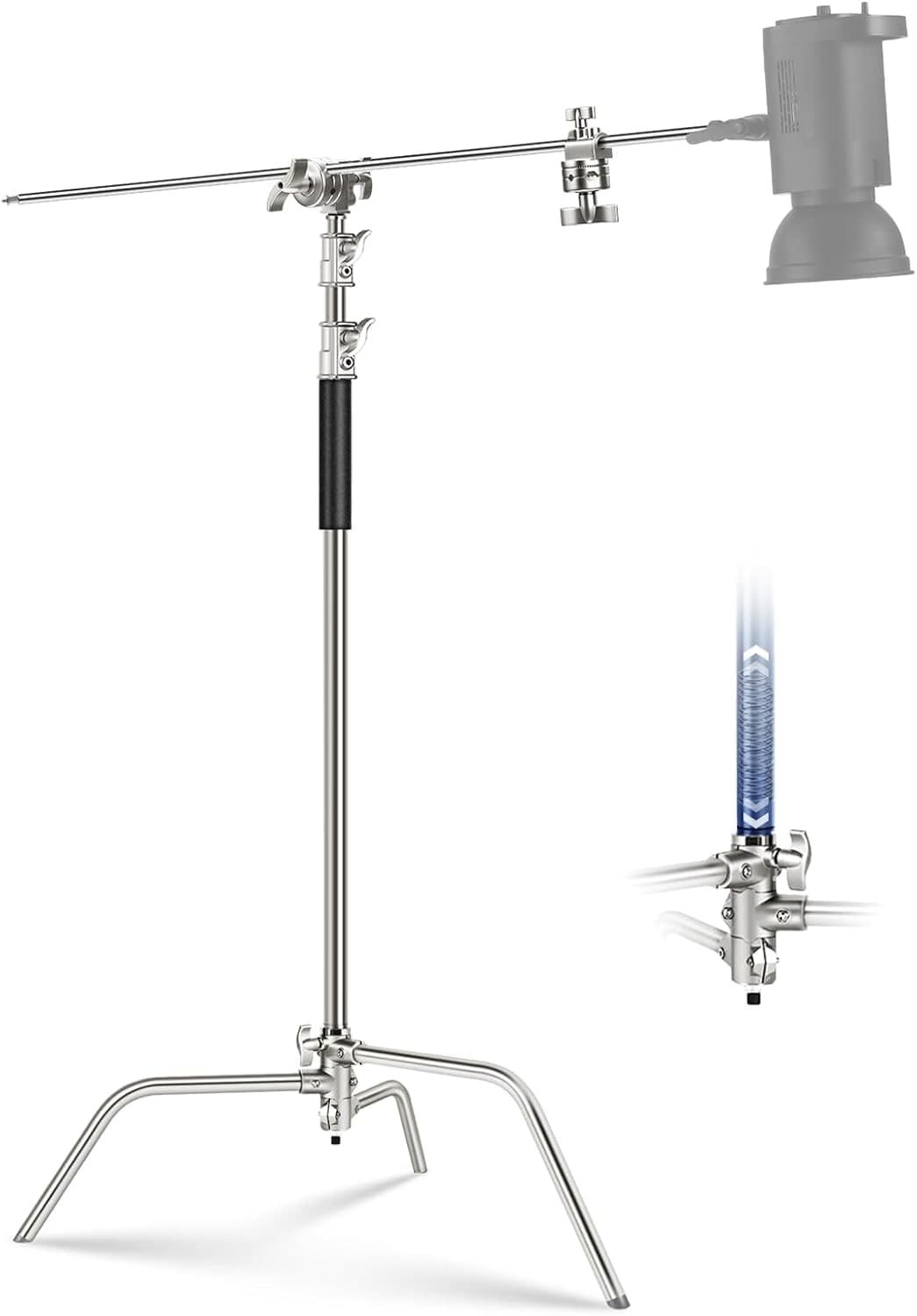
Neewer C-Stand
Keeps the light where it belongs when a small tripod would be a liability.
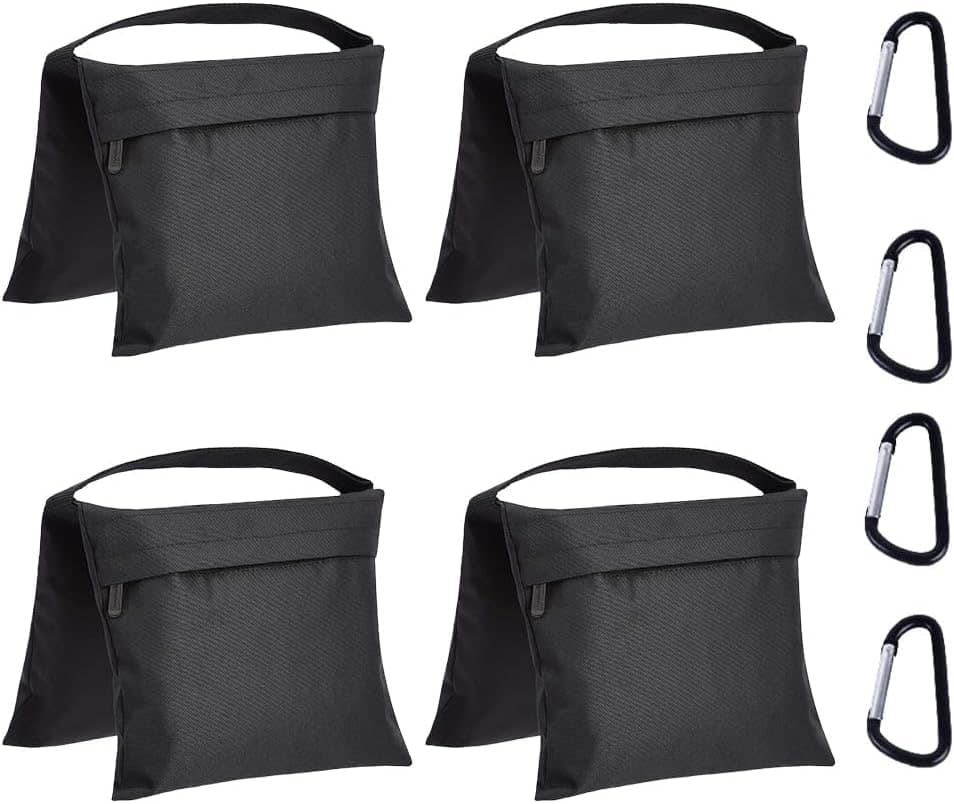
Amazon Basics Photography Sandbags (4-Pack)
The unglamorous piece that keeps a light stand from becoming expensive chaos.
Prices are rough catalog totals. Retailer prices change, and you can swap pieces to fit your system.
Related Genres guides

Event Photography: Settings and Gear for Low Light and Fast Moments
Event photography means low light, candid moments, and no second takes. Here is the gear, the settings, and the mistakes to skip for sharp, well-lit frames.
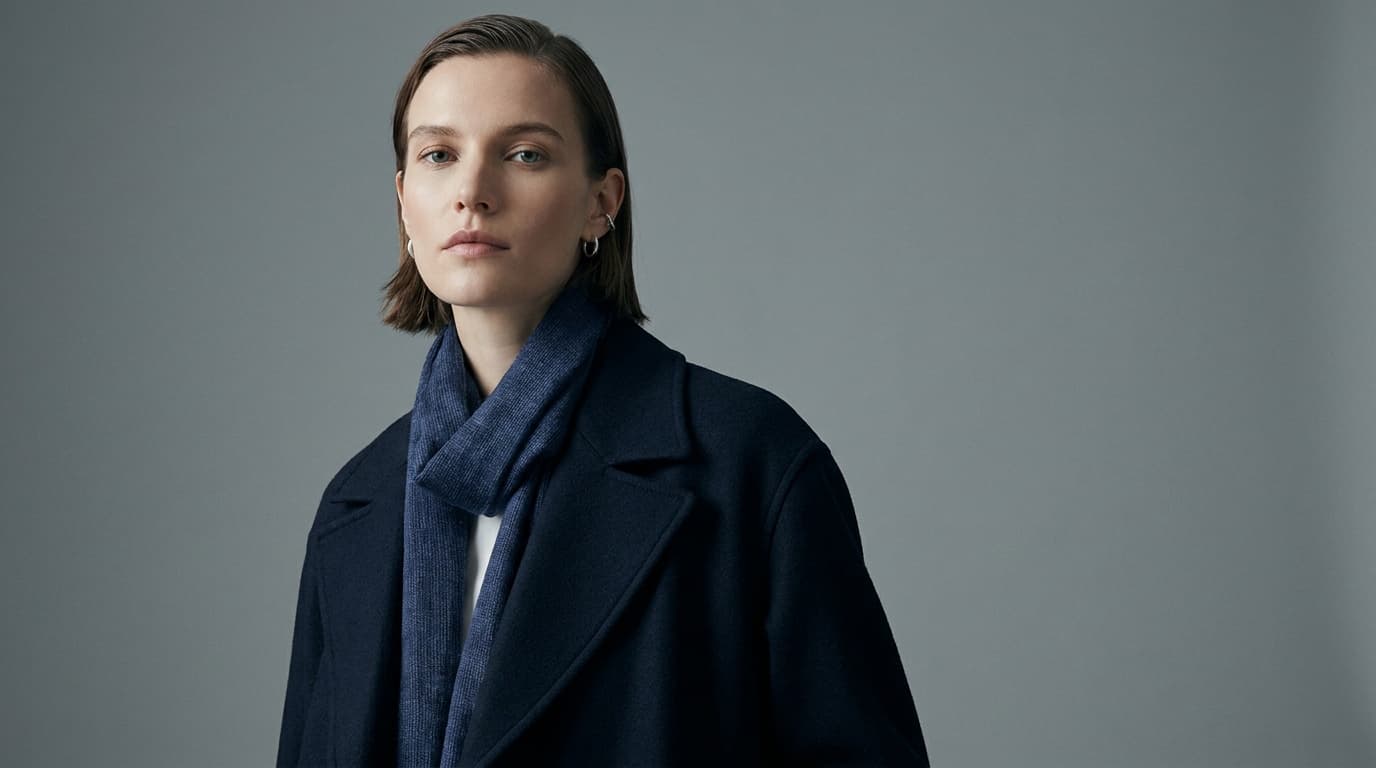
Fashion Photography: Light, Posing, and the Look on a Budget
Editorial fashion images come from intentional light, confident posing, and a clear styling concept. Here is how to build the look on a budget with one light and simple gear.
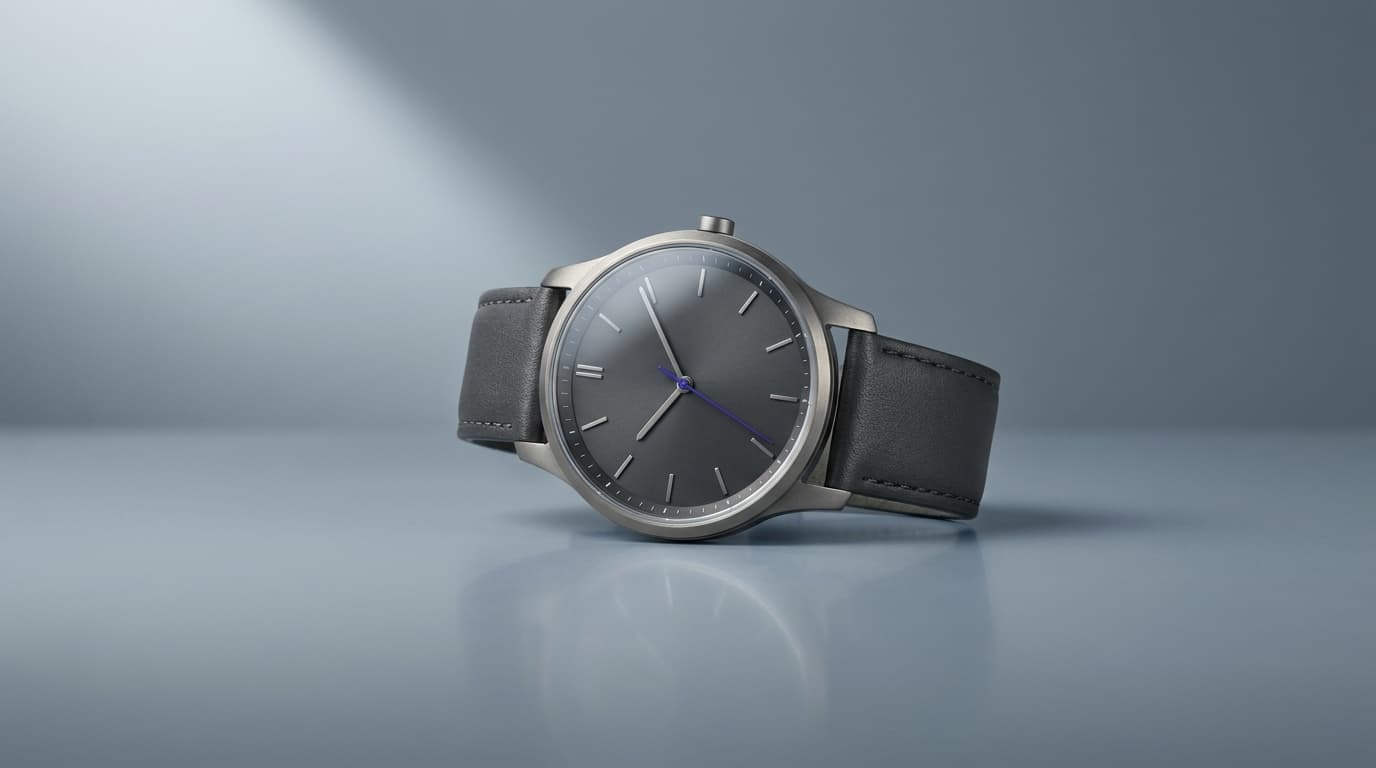
Product Photography: A Simple, Repeatable Setup
Clean product photos need controlled light, a sharp aperture, and a tripod, not a studio. Here is the gear, the settings, and the lighting that gets professional results.
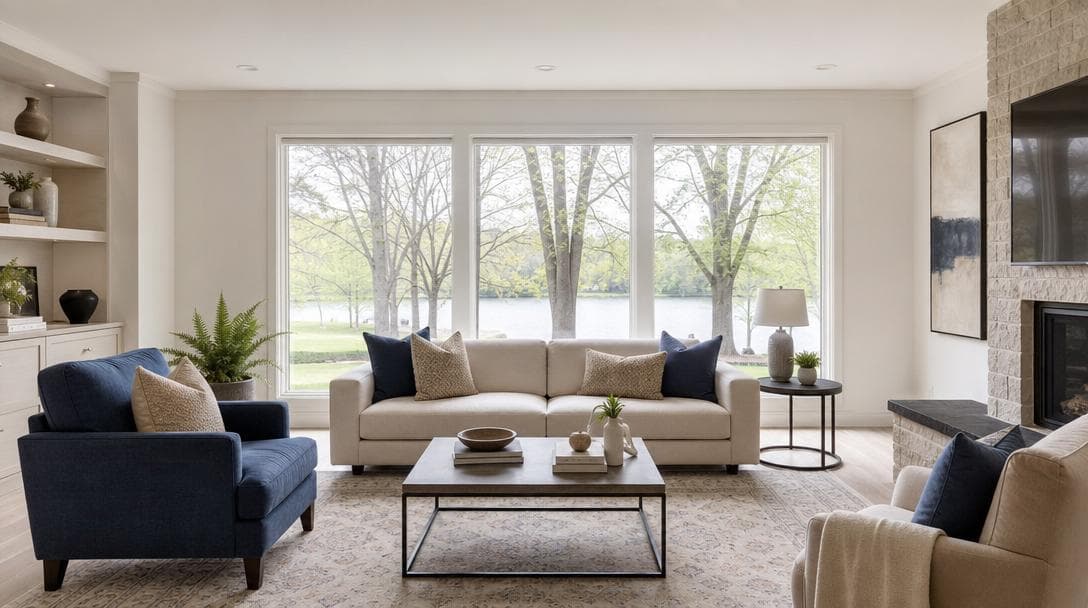
Real Estate Photography: The Complete Starter Guide
How to shoot a listing that sells: the gear, the settings, the room-by-room shot list, and the common mistakes. Plus the tool that builds your shot list for you.
Researched, not personally tested: picks compare specifications, available owner feedback, and established expert sources. As an Amazon Associate I earn from qualifying purchases. We may earn a commission from links here, at no extra cost to you. How we research →