We may earn a commission from links on this page, at no extra cost to you. Picks are researched, not sponsored.
A prime lens has a single fixed focal length, so you zoom with your feet instead of the barrel. In exchange for that constraint you get a brighter maximum aperture, sharper images, less weight, and usually a lower price than a zoom of similar quality. The fixed focal length is a feature, not a limit: it makes you compose deliberately, and the wide aperture gives you the low-light reach and shallow depth that define a clean, professional look.

How to choose
Pick the focal length for your subject. A 35mm is wide enough for environment and street, a 50mm sees roughly like the human eye and suits almost everything, and an 85mm-equivalent flatters faces for portraits. Then weigh aperture: f/1.8 is bright, light, and affordable, while f/1.4 and f/1.2 give even shallower depth and more low-light room at a steep jump in size and price. Match the focal length to the sensor size too, since an APS-C body multiplies the number on the barrel.
If the appeal of a prime is the blurred background, how to get a blurry background explains how aperture and focal length combine to create it.
The picks
Research pick
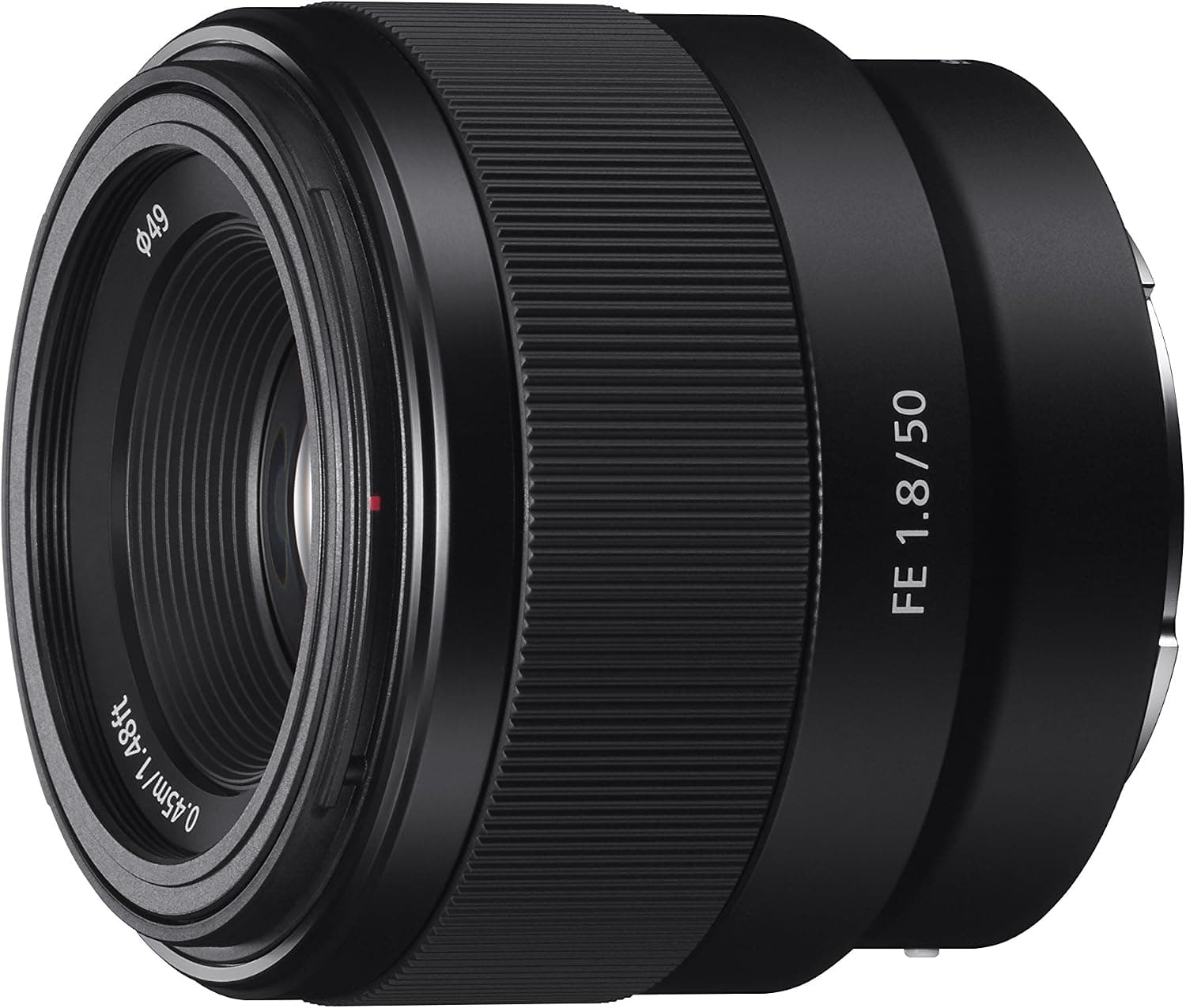
Sony FE 50mm f/1.8
First-time Sony owners who want a budget prime for portraits and low light.
Check price at AmazonThe Sony FE 50mm f/1.8 is the classic first prime for E-mount. It is small, light, and inexpensive, and the f/1.8 aperture opens up dim rooms and throws backgrounds soft. The autofocus is not the fastest in Sony's lineup, but for portraits, everyday shooting, and learning what a 50mm sees, it is the obvious starting point.
Manufacturer reference: Sony FE 50mm f/1.8 official specifications.
Remaining-stock value
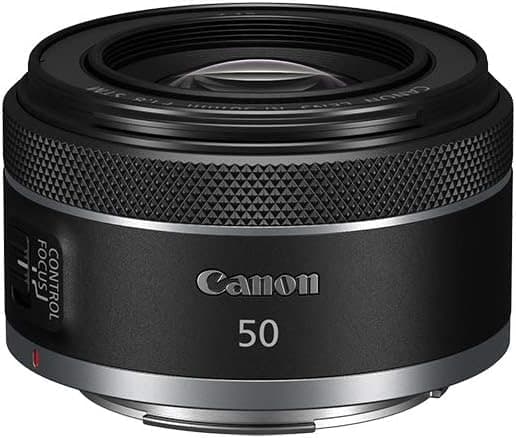
Canon RF 50mm f/1.8 STM
Canon RF owners who find remaining stock or a used copy at a clearly lower price.
Check price at AmazonThe Canon RF 50mm f/1.8 STM is the same idea for Canon RF bodies. It is tiny, cheap, and sharp where it counts, with quiet STM autofocus that suits both stills and casual video. As the most affordable way into a fast prime on the RF mount, it is the lens to add right after a kit zoom.
Manufacturer reference: Canon RF 50mm f/1.8 STM official specifications.
Best Value
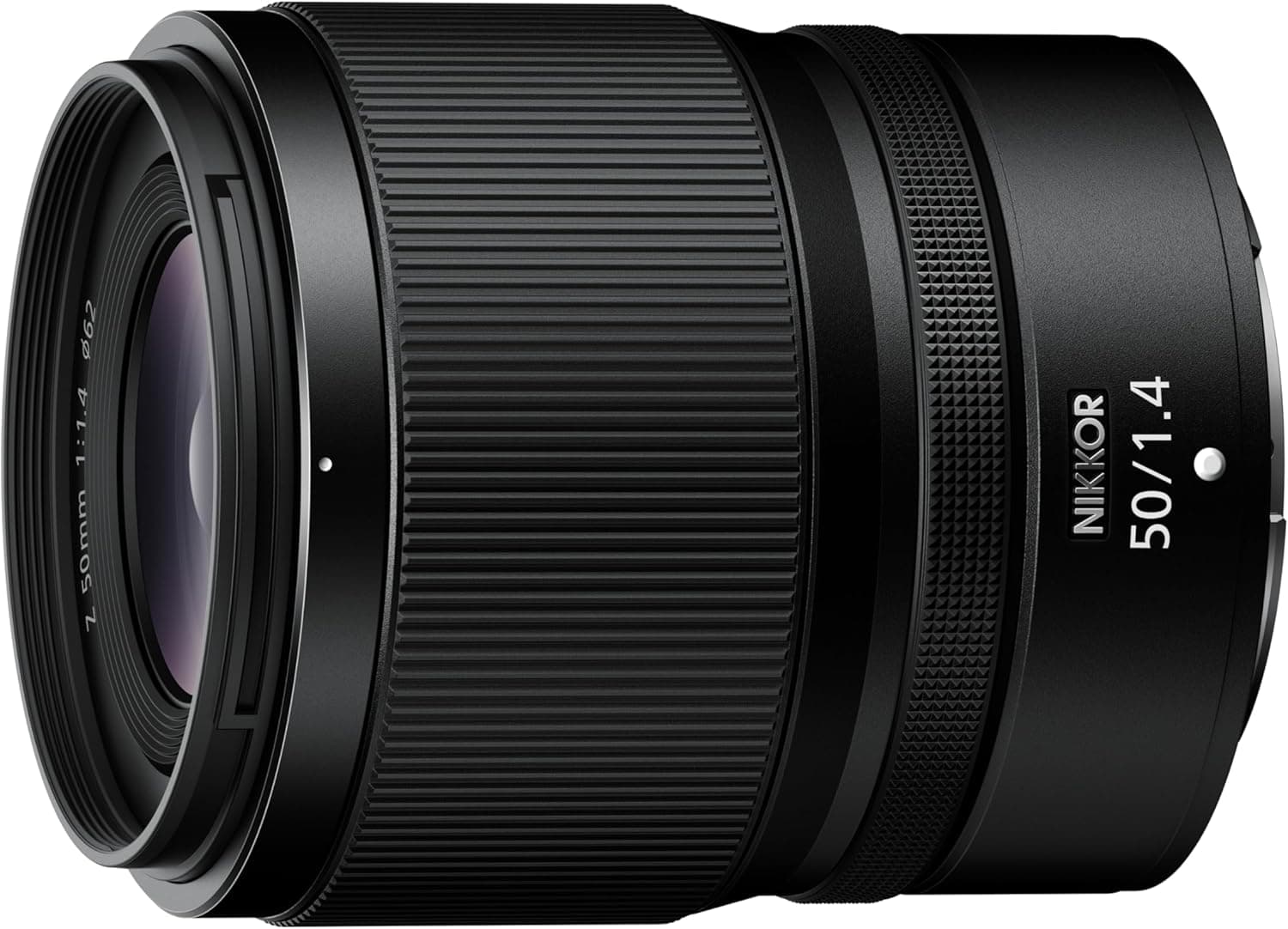
Nikon Z 50mm f/1.8 S
Nikon Z shooters who want near-pro optics in a standard prime.
Check price at AmazonThe Nikon Z 50mm f/1.8 S sits a tier above the budget fifties. It is part of Nikon's premium S-line, so it is sharper and better corrected than the price suggests, with fast, quiet autofocus. For a Z-mount shooter who wants a 50mm that performs like a higher-end lens, the extra outlay buys real optical quality.
Manufacturer reference: Nikon Z 50mm f/1.8 S official specifications.
Research pick
Fujifilm XF 35mm f/1.4 R
Fujifilm shooters who want a characterful everyday prime.
Check price at AmazonThe Fujifilm XF 35mm f/1.4 R is the characterful pick for X-mount. On APS-C its field of view sees like a 50mm, and it has a rendering and color signature that long-time Fujifilm shooters love. The autofocus is dated and a little noisy, but the look it produces keeps it on cameras years after release.
Manufacturer reference: Fujifilm XF 35mm f/1.4 R official specifications.
Research pick
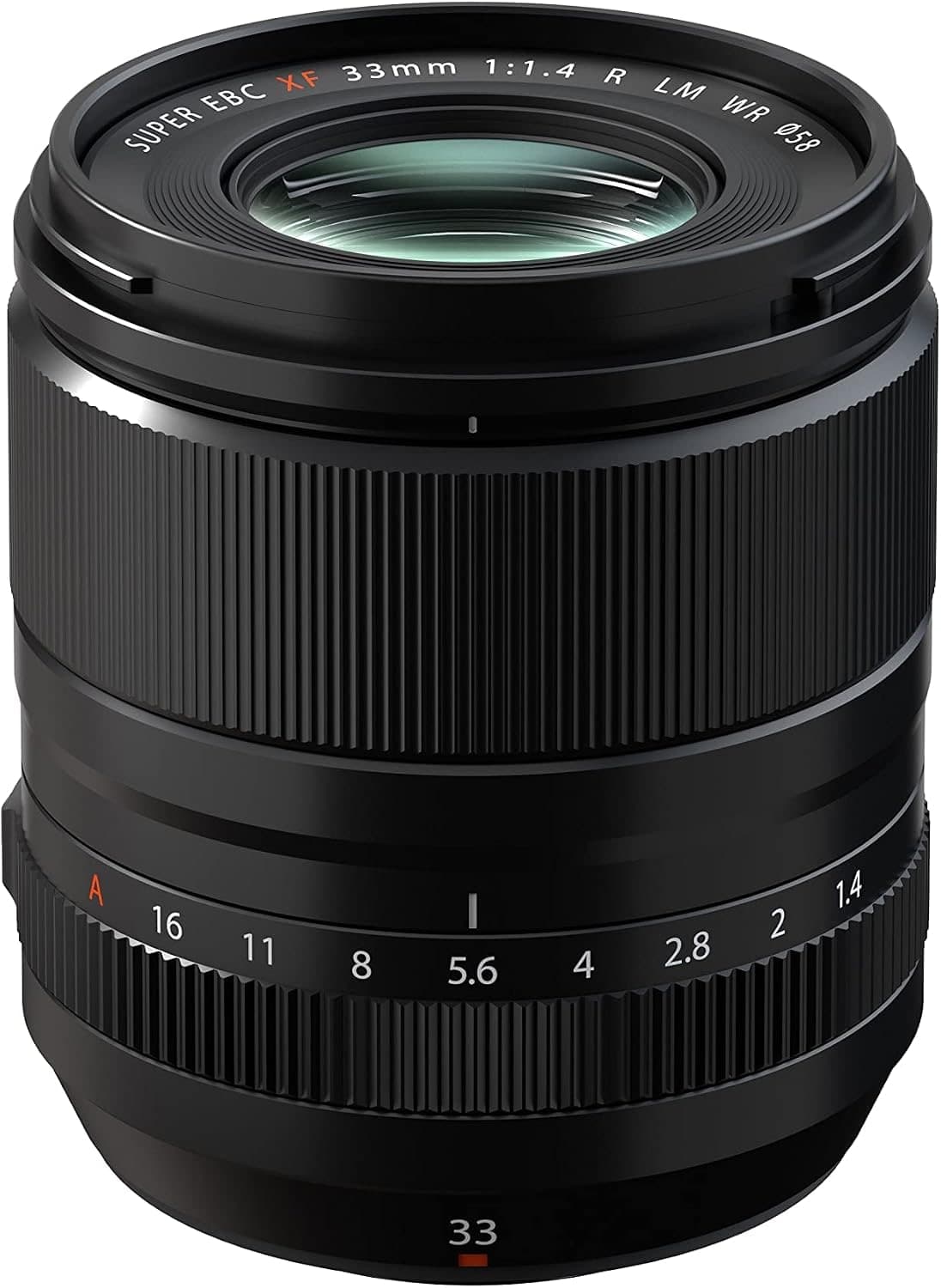
Fujifilm XF 33mm f/1.4 R LM WR
Fujifilm shooters who want a modern sealed normal prime.
Check price at AmazonThe Fujifilm XF 33mm f/1.4 R LM WR is the modern normal prime for X-mount. It sees almost exactly like the 35mm above, but its linear-motor autofocus is faster and quieter, and the weather sealing makes it the better choice for travel, street work, and video. It is larger and more expensive than the older 35mm, so choose the 33mm for reliability and the 35mm for character and compactness.
Manufacturer reference: Fujifilm XF 33mm f/1.4 R LM WR official specifications.
Research pick
Viltrox 27mm f/1.2 Pro
APS-C shooters who want maximum low-light and shallow depth on a budget.
Check price at AmazonThe Viltrox 27mm f/1.2 Pro is the standout value prime here. An f/1.2 aperture is rare at any price, and on APS-C the 27mm focal length sees like a 40mm, a flexible everyday angle between wide and standard. It is large for a crop-sensor lens, but the light-gathering and shallow depth it delivers belong to far pricier glass.
Manufacturer reference: Viltrox 27mm f/1.2 Pro official specifications.
Research pick
Sigma 56mm f/1.4 DC DN Contemporary
APS-C shooters who want an affordable, sharp portrait prime.
Check price at AmazonThe Sigma 56mm f/1.4 DC DN is the portrait prime for APS-C. The 56mm focal length sees like an 85mm, the classic flattering portrait length, and the f/1.4 aperture isolates a face cleanly against a soft background. It is compact, sharp, and affordable, which makes it the easy portrait recommendation for crop-sensor shooters.
Manufacturer reference: Sigma 56mm f/1.4 DC DN official specifications.
Common mistakes
The first mistake is buying the f/1.2 when an f/1.8 would do, then carrying twice the weight for a difference you rarely use wide open. The second is ignoring the crop factor, so a 50mm on an APS-C body frames tighter than expected; check the sensor sizes math first. The third is shooting everything wide open and missing focus, since razor-thin depth of field is unforgiving on a moving subject.
A fast prime is the natural lens for the portrait photography workflow, where the shallow depth and low-light reach do most of the work.
What is the best first prime lens?
A 50mm f/1.8 for full-frame, or a 35mm f/1.8 equivalent on APS-C. It is affordable, light, bright enough for low light, and sees close to how your eye does, which makes it forgiving to learn on and useful for almost any subject.
Is f/1.2 worth it over f/1.8?
For most people, no. The f/1.2 gathers more light and blurs backgrounds more, but it is much larger, heavier, and more expensive, and the difference is subtle outside dim conditions. Buy the f/1.8 first; step up only if you shoot in the dark often or want the absolute thinnest depth of field.
Why are prime lenses sharper than zooms?
A prime is optimized for one focal length, so its design makes fewer compromises than a zoom that must perform across a range. That usually means sharper images, a brighter aperture, less weight, and a lower price for comparable quality, at the cost of the zoom's flexibility.
Compare picks
The short version
Use this to narrow the list before opening the detailed cards.
Scores weigh fit, owner sentiment, build, and value. Affiliate links do not change pick order. Methodology
Buying order
Start with the skip note. A good deal on the wrong camera is still the wrong camera.
Compare verdictsIf you already own lenses, check the system path before buying into a new mount.
Check systemsOnce the fit makes sense, compare current deals and retailer listings.
Check current dealsCamera system shortcut
If you already own one of these systems, keep the comparison inside that ecosystem before checking out.
Autofocus hybrid kits
Simple camera paths
Stills-first Z kits
APS-C travel kits
First-time Sony owners who want a budget prime for portraits and low light.
Use the retailer for the current price after the tradeoff makes sense. Confirm mount, focal length, filter size, and autofocus compatibility.
Tradeoff: Plastic mount
Use the retailer for the current price after the tradeoff makes sense. Confirm mount, focal length, filter size, and autofocus compatibility.
9.0/10 Aperture Score
Use the retailer for the current price after the tradeoff makes sense. Confirm mount, focal length, filter size, and autofocus compatibility.
Fujifilm shooters who want a modern sealed normal prime.
Use the retailer for the current price after the tradeoff makes sense. Confirm mount, focal length, filter size, and autofocus compatibility.
Price ladder
The useful range here runs from $200 to $1,005. Start with the ceiling that matches the assignment.
- First-time Sony owners who want a budget prime for portraits and low light.
- Low price
- Autofocus is slow and noisy
Use the retailer for the current price after the tradeoff makes sense. Confirm mount, focal length, filter size, and autofocus compatibility.
- Canon RF owners who find remaining stock or a used copy at a clearly lower price.
- Very low price
- Plastic mount
Use the retailer for the current price after the tradeoff makes sense. Confirm mount, focal length, filter size, and autofocus compatibility.
- Nikon Z shooters who want near-pro optics in a standard prime.
- Exceptional sharpness
- Larger than typical f/1.8 primes
Use the retailer for the current price after the tradeoff makes sense. Confirm mount, focal length, filter size, and autofocus compatibility.
- Fujifilm shooters who want a characterful everyday prime.
- Distinctive rendering
- Autofocus is slow and noisy
Use the retailer for the current price after the tradeoff makes sense. Confirm mount, focal length, filter size, and autofocus compatibility.
- Fujifilm shooters who want a modern sealed normal prime.
- Sharp wide open
- Larger than the older 35mm f/1.4
Use the retailer for the current price after the tradeoff makes sense. Confirm mount, focal length, filter size, and autofocus compatibility.
- APS-C shooters who want maximum low-light and shallow depth on a budget.
- Very bright f/1.2
- Large and heavy
Use the retailer for the current price after the tradeoff makes sense. Confirm mount, focal length, filter size, and autofocus compatibility.
- APS-C shooters who want an affordable, sharp portrait prime.
- Very sharp
- No weather sealing
Use the retailer for the current price after the tradeoff makes sense. Confirm mount, focal length, filter size, and autofocus compatibility.
| Pick | Score | Price | Verdict | Action |
|---|---|---|---|---|
| PickSony FE 50mm f/1.8 | 7.4
| $200 - $250 | First-time Sony owners who want a budget prime for portraits and low light. Wins: Low price Skip: Autofocus is slow and noisy | Check Amazon · $200 - $250 Use the retailer for the current price after the tradeoff makes sense. Confirm mount, focal length, filter size, and autofocus compatibility. |
| Remaining-stock valueCanon RF 50mm f/1.8 STM | 7.8
| $180 - $220 | Canon RF owners who find remaining stock or a used copy at a clearly lower price. Wins: Very low price Skip: Plastic mount | Check Amazon · $180 - $220 Use the retailer for the current price after the tradeoff makes sense. Confirm mount, focal length, filter size, and autofocus compatibility. |
| Best ValueNikon Z 50mm f/1.8 S | 9.0
| $560 - $640 | Nikon Z shooters who want near-pro optics in a standard prime. Wins: Exceptional sharpness Skip: Larger than typical f/1.8 primes | Check Amazon · $560 - $640 Use the retailer for the current price after the tradeoff makes sense. Confirm mount, focal length, filter size, and autofocus compatibility. |
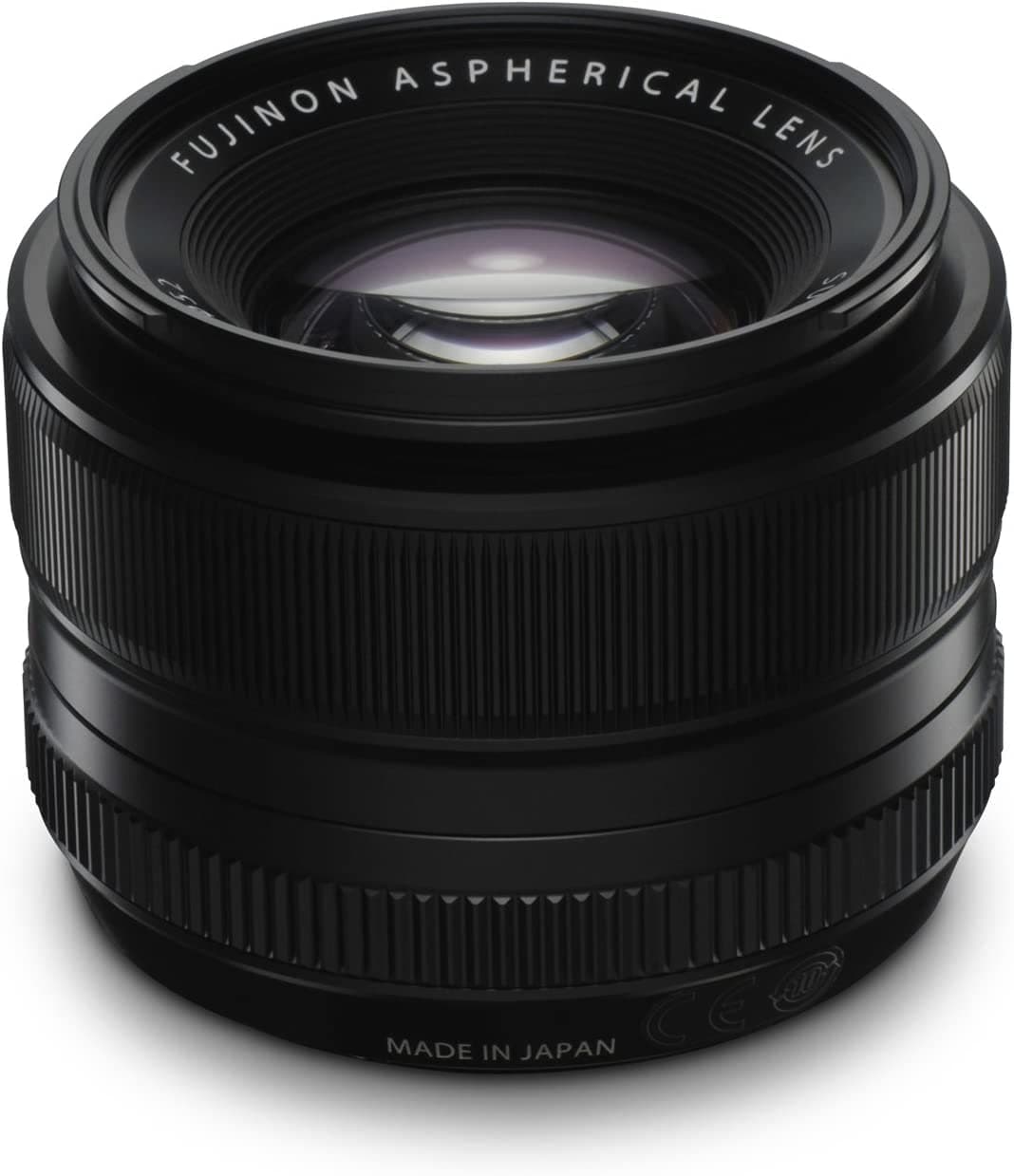 PickFujifilm XF 35mm f/1.4 R PickFujifilm XF 35mm f/1.4 R | 8.8
| $550 - $700 | Fujifilm shooters who want a characterful everyday prime. Wins: Distinctive rendering Skip: Autofocus is slow and noisy | Check Amazon · $550 - $700 Use the retailer for the current price after the tradeoff makes sense. Confirm mount, focal length, filter size, and autofocus compatibility. |
| PickFujifilm XF 33mm f/1.4 R LM WR | 9.0
| $940 - $1,070 | Fujifilm shooters who want a modern sealed normal prime. Wins: Sharp wide open Skip: Larger than the older 35mm f/1.4 | Check Amazon · $940 - $1,070 Use the retailer for the current price after the tradeoff makes sense. Confirm mount, focal length, filter size, and autofocus compatibility. |
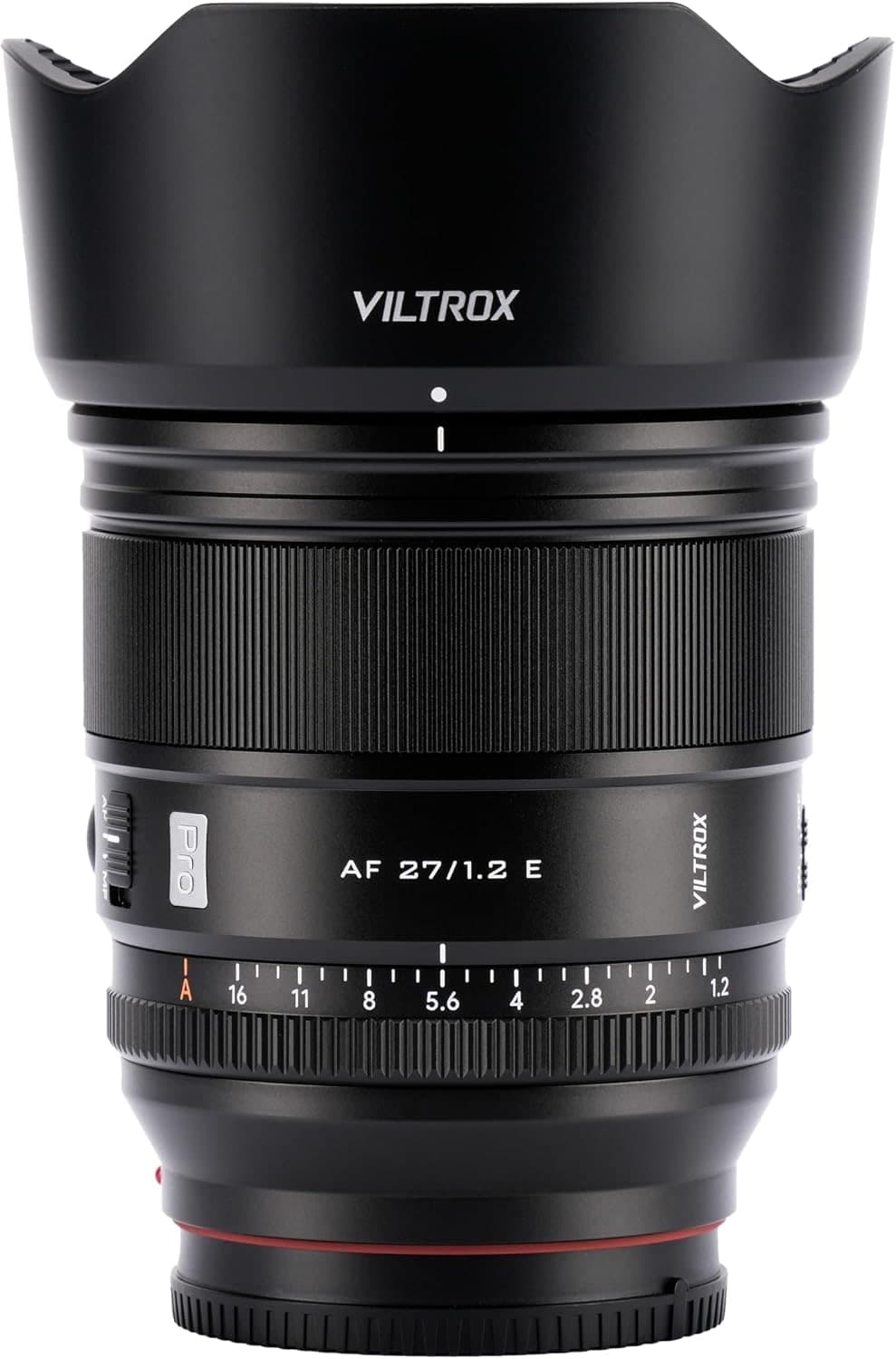 PickViltrox 27mm f/1.2 Pro PickViltrox 27mm f/1.2 Pro | 8.6
| $550 - $600 | APS-C shooters who want maximum low-light and shallow depth on a budget. Wins: Very bright f/1.2 Skip: Large and heavy | Check Amazon · $550 - $600 Use the retailer for the current price after the tradeoff makes sense. Confirm mount, focal length, filter size, and autofocus compatibility. |
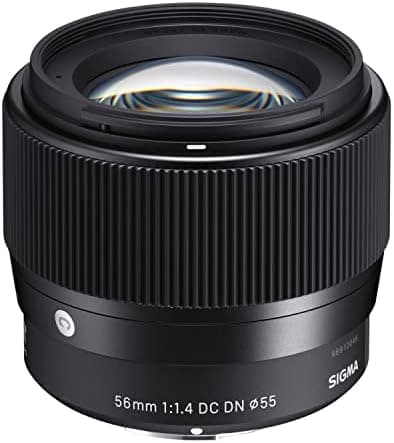 PickSigma 56mm f/1.4 DC DN Contemporary PickSigma 56mm f/1.4 DC DN Contemporary | 8.9
| $375 - $425 | APS-C shooters who want an affordable, sharp portrait prime. Wins: Very sharp Skip: No weather sealing | Check Amazon · $375 - $425 Use the retailer for the current price after the tradeoff makes sense. Confirm mount, focal length, filter size, and autofocus compatibility. |
Keep going
Next useful steps
Pick one. Each link continues the same job without starting the research over.
Shoot kits
Buy around the job, not the spec sheet
Beginner photo
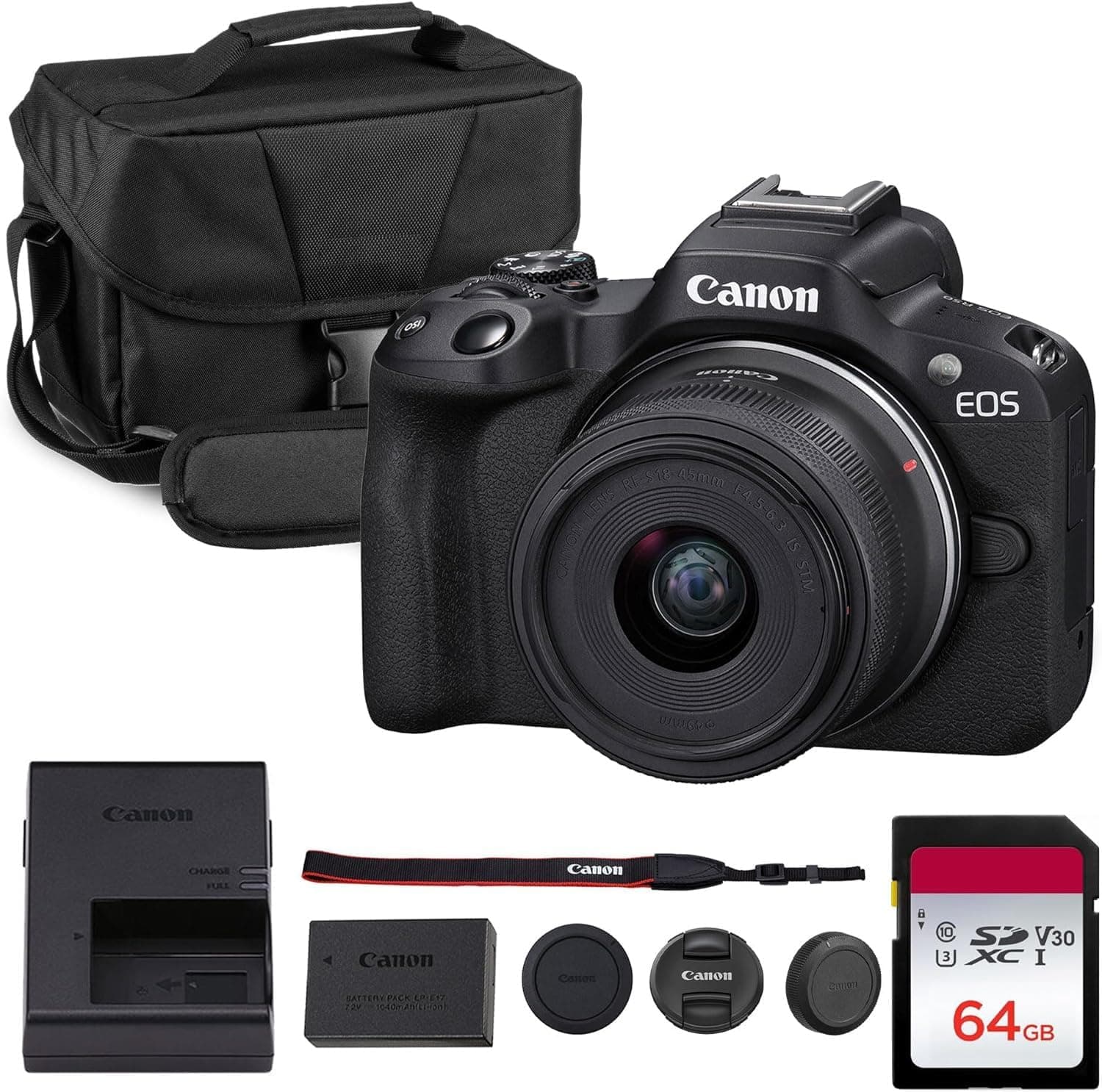
First real camera kit
$1,068
An affordable body, a sharp prime, a reliable card, and a small carry setup that does not turn learning into a hauling problem.
Best learning kit
Buy order: start with the first piece that makes the job possible, then add the support pieces that remove friction.
Camera: start here. If this piece does not make the shoot easier, the rest of the kit can wait.
Carry: add it after the core setup proves useful.
Canon EOS R50
Small, approachable, and good enough to learn exposure, autofocus, and lens choice properly.
Canon RF 50mm f/1.8 STM
Cheap, bright, and useful for portraits, detail shots, and learning depth of field.
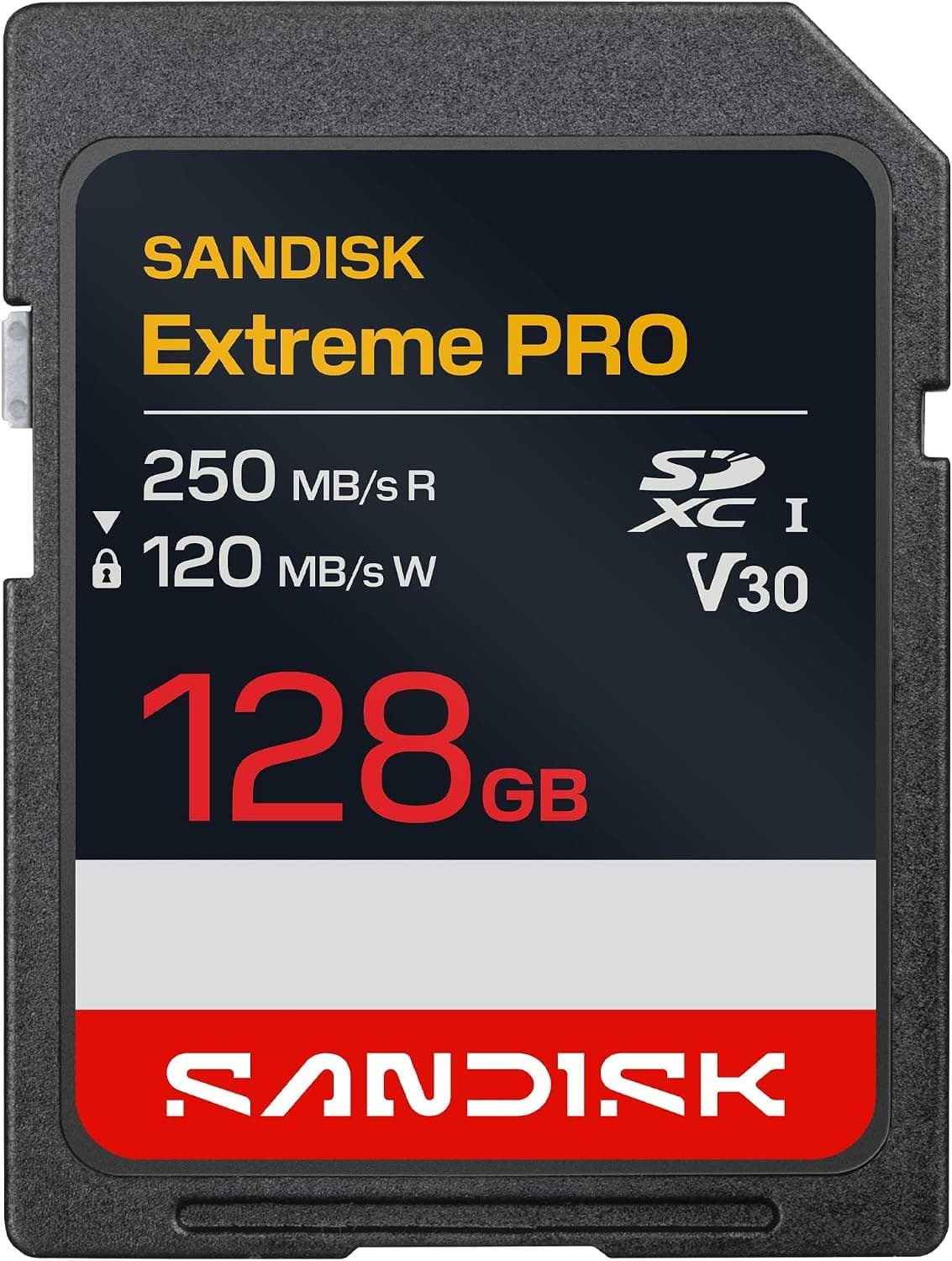
SanDisk Extreme Pro SDXC 128GB
Fast enough for normal stills and video without making storage the exciting purchase.
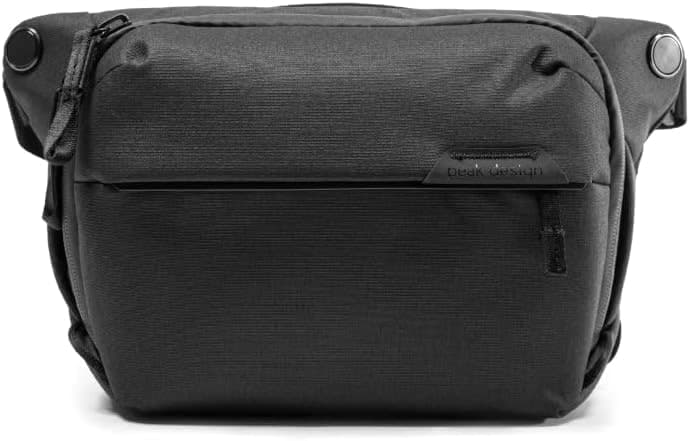
Peak Design Everyday Sling 6L V2
Room for a small body and lens without dragging a full backpack everywhere.
Prices are rough catalog totals. Retailer prices change, and you can swap pieces to fit your system.
Related Gear guides
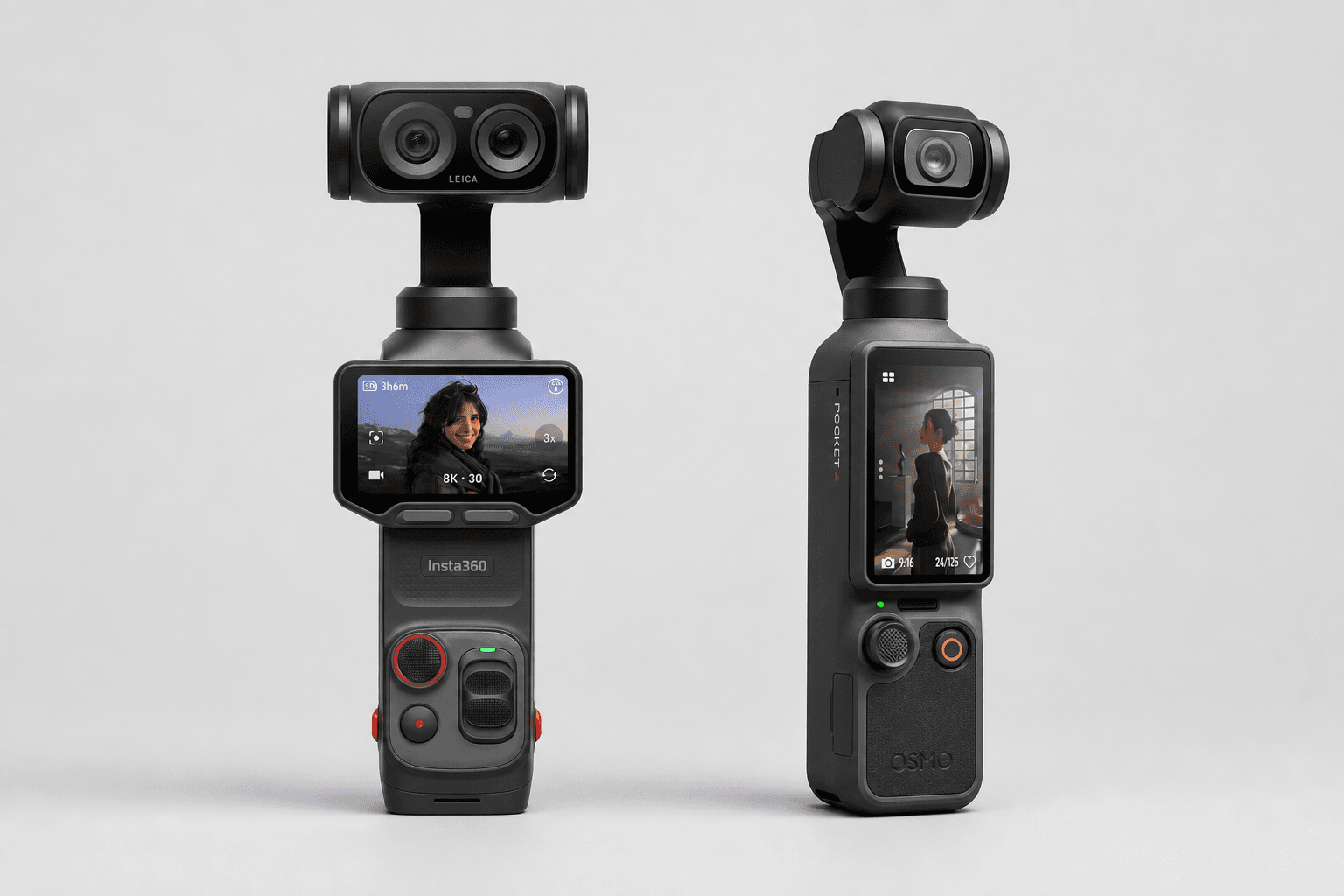
Insta360 Luna Ultra vs DJI Osmo Pocket 4: Which Pocket Gimbal Should You Buy?
Compare Luna Ultra and DJI Pocket 4 by lenses, video, Log formats, storage, U.S. availability, and the filming jobs each pocket gimbal handles best.
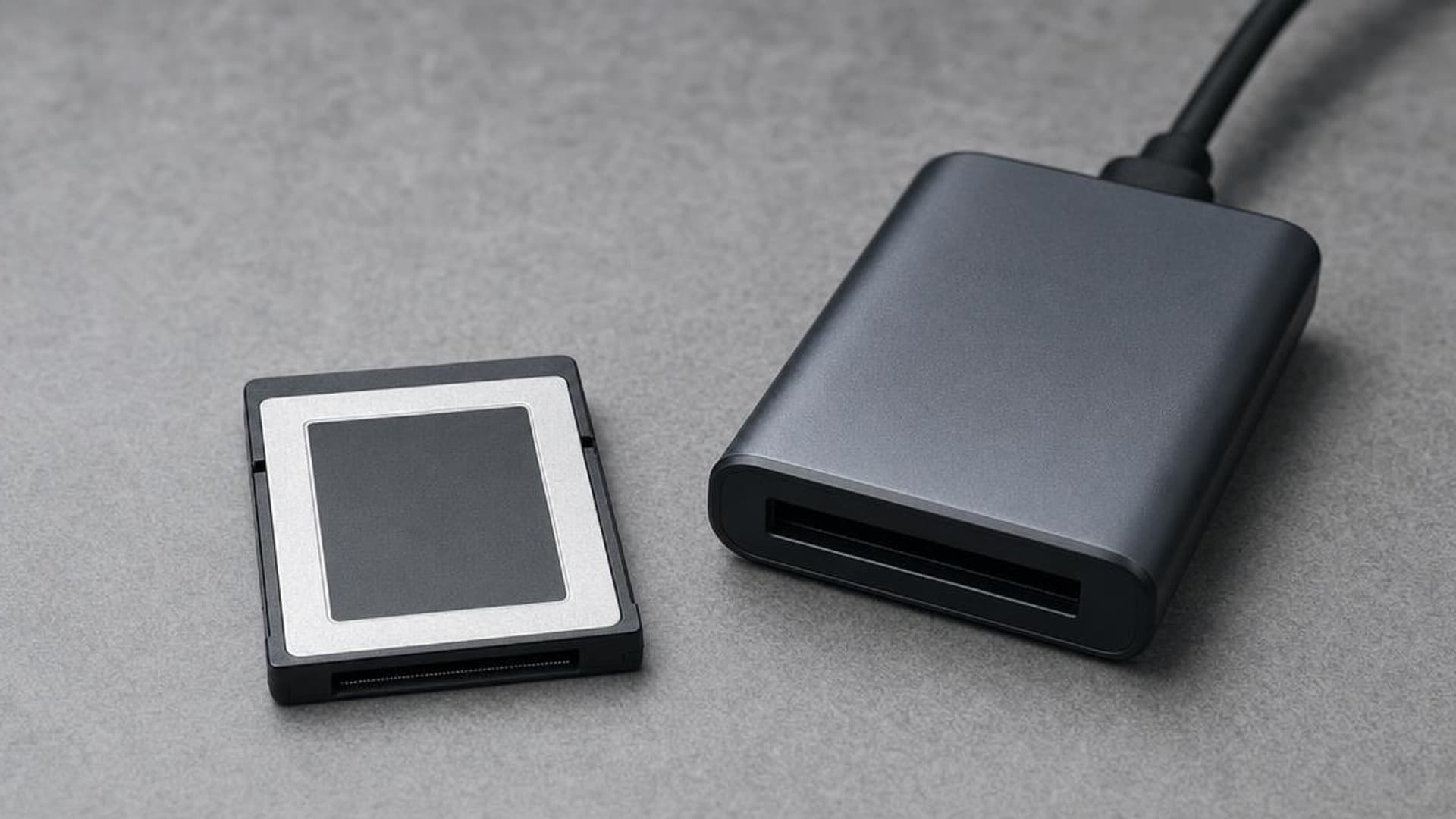
CFexpress 4.0 and VPG Explained: Buy the Card Your Camera Needs
CFexpress 4.0 doubles theoretical bandwidth, while VPG certifies sustained video writes. Learn Type A vs B, VPG classes, and when 4.0 is worth paying for.
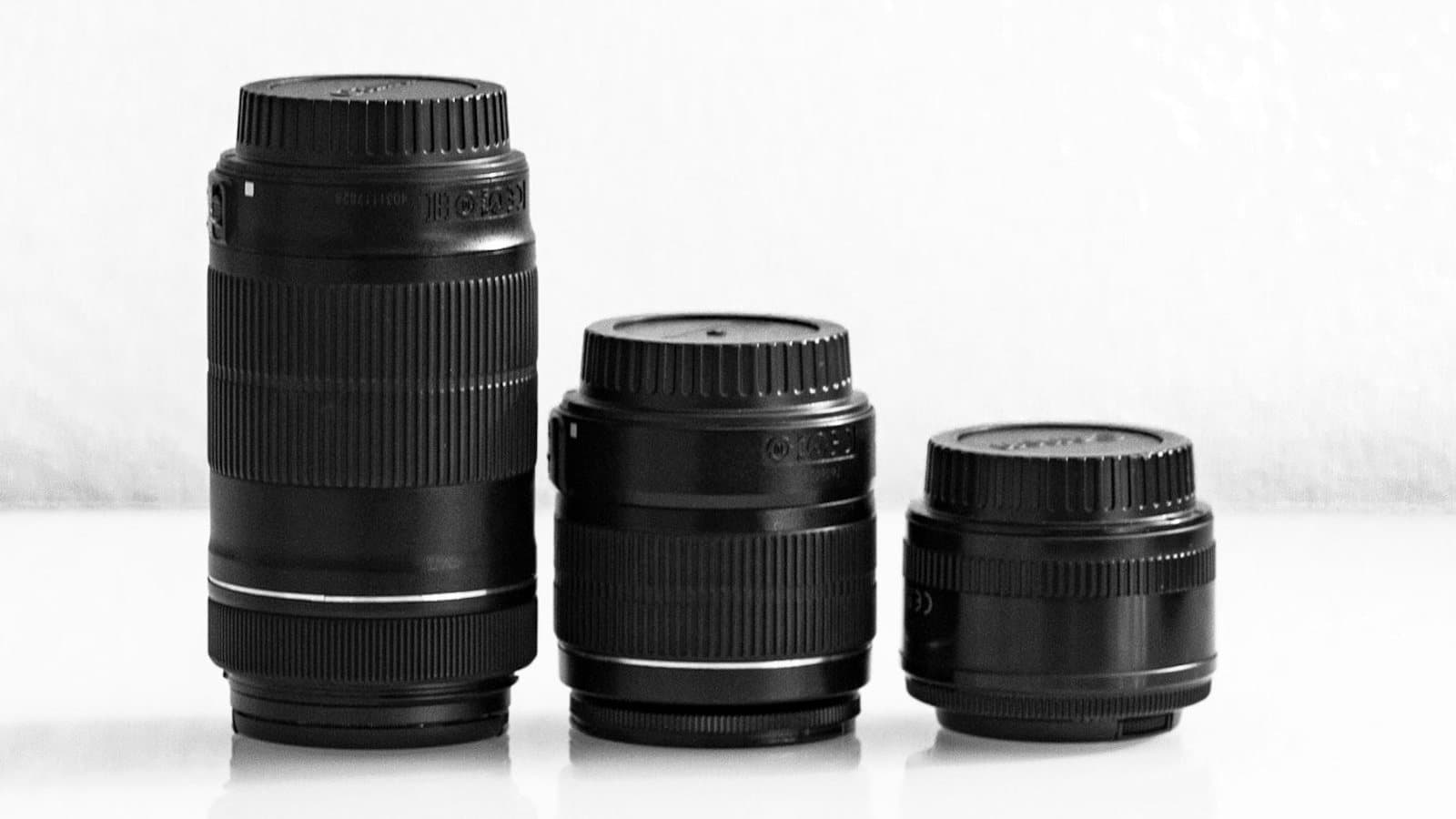
Focal Length Explained: What 24mm, 50mm, 85mm, and 200mm Actually Do
What the millimeter number on a lens changes in the field: angle of view, compression, and working distance. When to reach for 24, 50, 85, or 200mm.
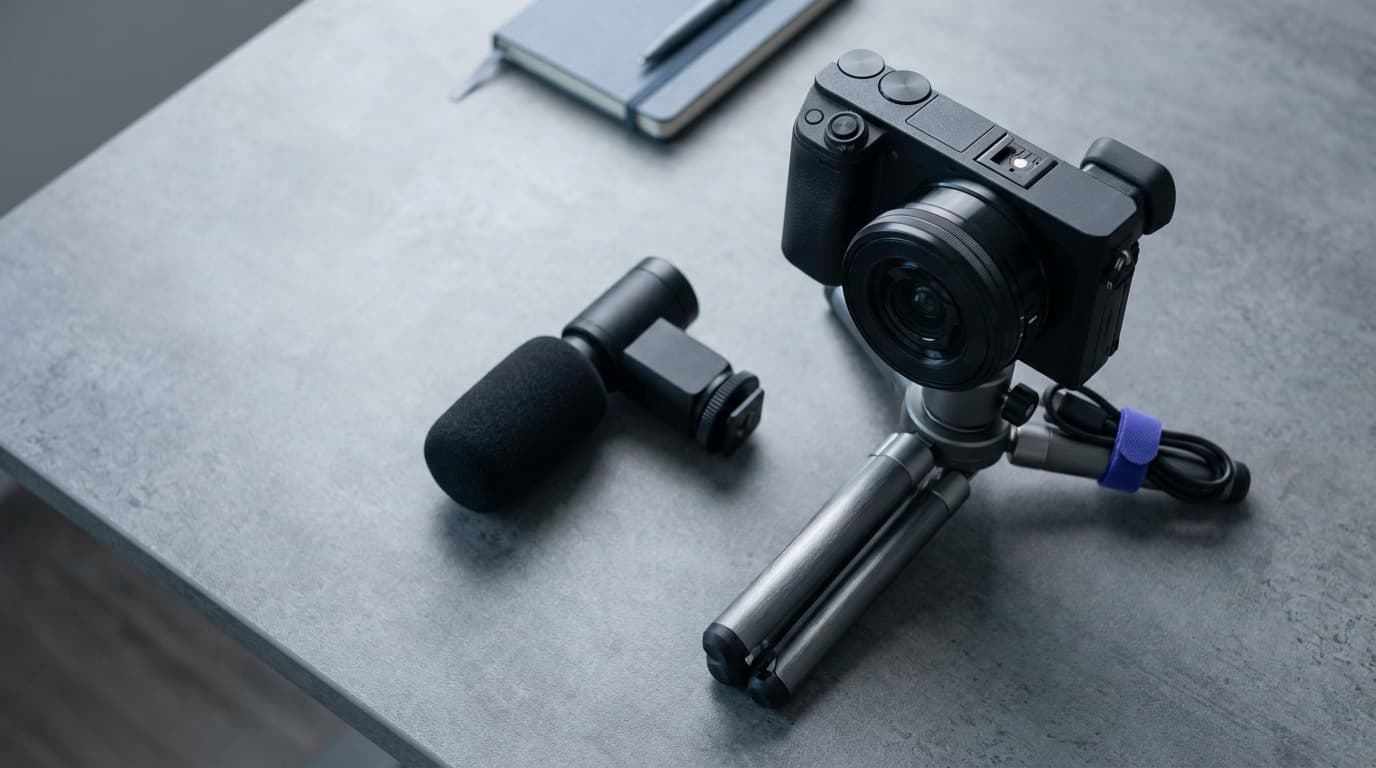
Canon EOS R50 V vs Sony ZV-E10 II: Which Beginner Vlogging Camera Should You Buy?
Canon EOS R50 V is the easier beginner creator kit. Sony ZV-E10 II is the deeper lens-system pick. Compare the practical tradeoffs.
Researched, not personally tested: picks compare specifications, available owner feedback, and established expert sources. As an Amazon Associate I earn from qualifying purchases. We may earn a commission from links here, at no extra cost to you. How we research →