We may earn a commission from links on this page, at no extra cost to you. Picks are researched, not sponsored.
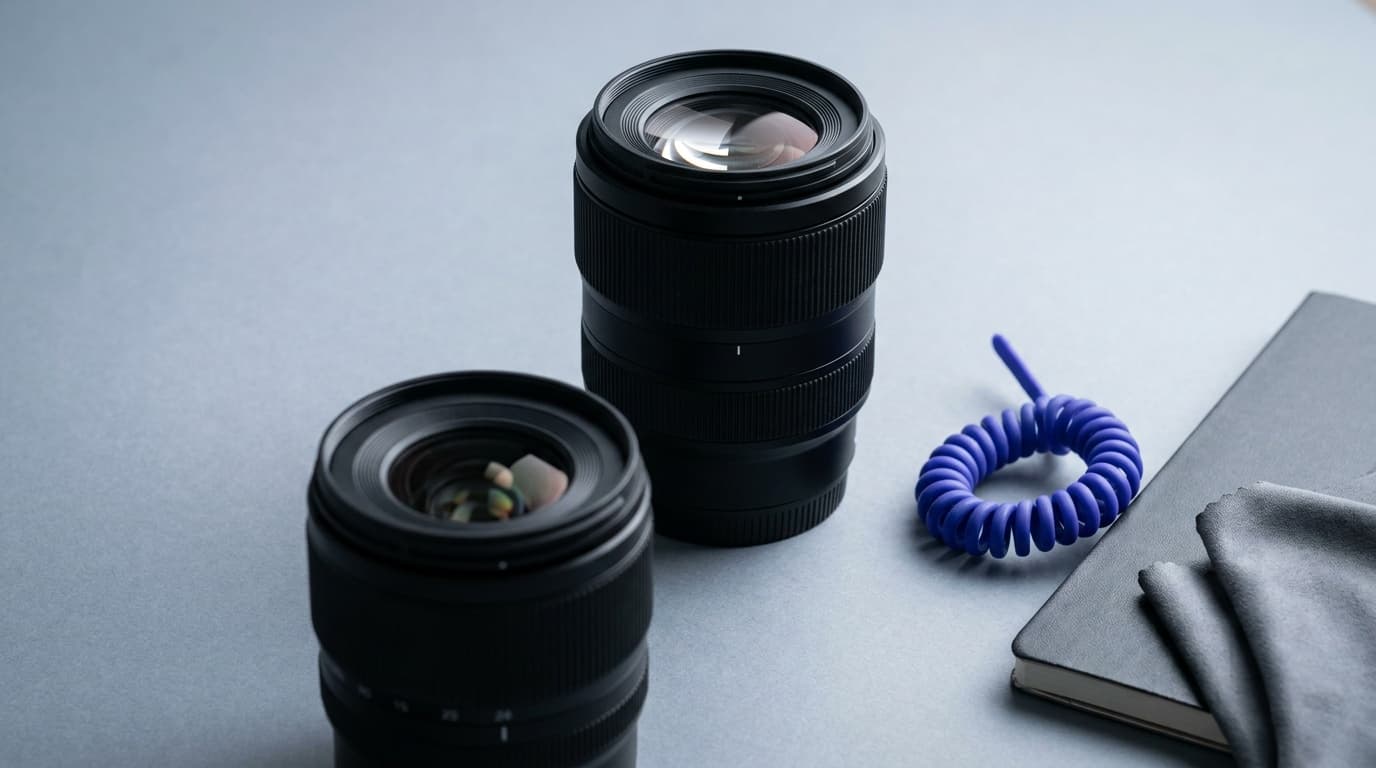
A zoom lens covers a range of focal lengths in one body, so you reframe by twisting the barrel instead of swapping glass. That convenience is the whole point: one lens does the work of several, and you miss fewer shots because you are not changing lenses at the wrong moment. The cost is usually a slower maximum aperture and a little more weight than a single prime. For most working setups, the flexibility is worth it.

How to choose
Start with range. A 24-70mm covers wide to short telephoto and handles most everyday work; a 70-200mm reaches for sports, wildlife, and compression; a 24-105mm splits the difference. Then aperture: a constant f/2.8 gives you low-light room and shallow depth across the whole zoom, while an f/4 zoom is lighter and cheaper for the same range. A variable-aperture kit zoom darkens as you zoom in, so a constant aperture keeps exposure steady when you reframe. Finally weight, because the fast f/2.8 zooms are heavy, and a lens you leave at home helps nobody. Prime vs zoom lenses covers when a zoom is the right call at all.
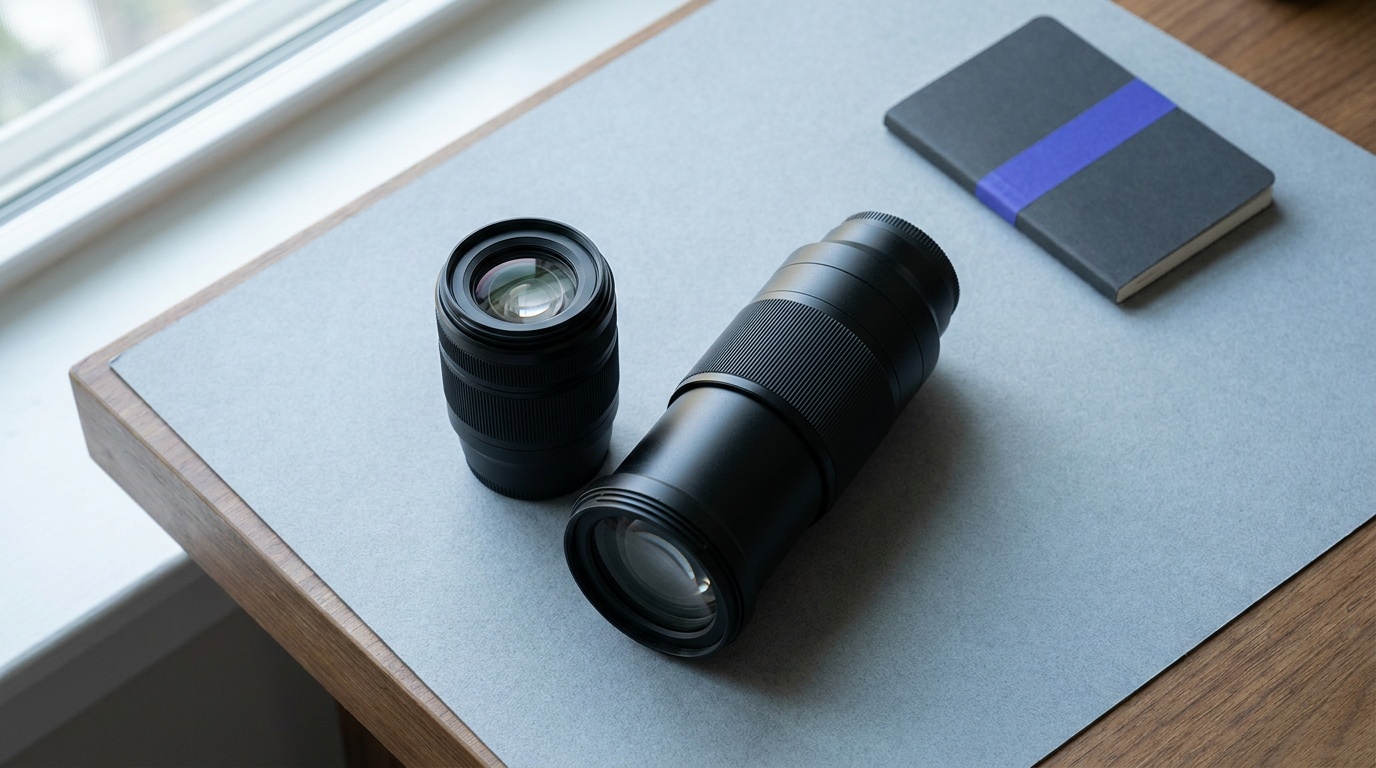
If you are unsure how aperture and range shape the look, understanding depth of field explains what the f-number actually buys you.
Quick picks by system
| If you shoot | Start here | Why |
|---|---|---|
| Sony full frame | Sony FE 24-70mm f/2.8 GM II | The sharpest, lightest flagship route for E-mount work. |
| Canon RF | Canon RF 24-70mm f/2.8 L IS USM | Stabilized, sealed, and built for events, weddings, and paid work. |
| Nikon Z | Nikon Z 24-70mm f/2.8 S II | The current pro Z-mount standard zoom, with internal zoom and a lighter body. |
| Sony or L mount on a tighter budget | Sigma 24-70mm f/2.8 DG DN II Art | Real 24mm wide end and f/2.8 speed for less than first-party glass. |
| Sony APS-C | Sony E 16-55mm f/2.8 G | A 24-82.5mm equivalent walkaround zoom for smaller Sony bodies. |
| Micro Four Thirds | OM System M.Zuiko 12-40mm f/2.8 PRO II | A compact 24-80mm equivalent zoom with a bright constant aperture. |
The picks
Research pick
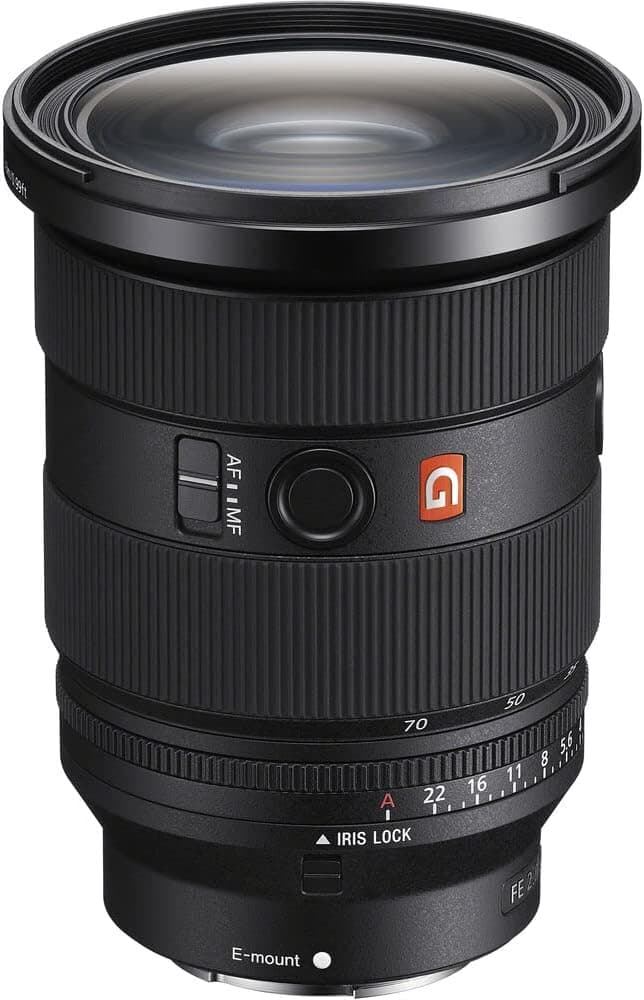
Sony FE 24-70mm f/2.8 GM II
Professionals who need one zoom to cover most full-frame work.
Check price at AmazonThe Sony FE 24-70mm f/2.8 GM II is the standard zoom to beat. It is sharp across the frame, holds f/2.8 through the range, and focuses fast and quietly, and the latest version is notably lighter than its predecessor. For a working Sony shooter who wants one lens on the body most of the time, this is the default answer.
Manufacturer reference: Sony FE 24-70mm f/2.8 GM II official specifications.
Research pick
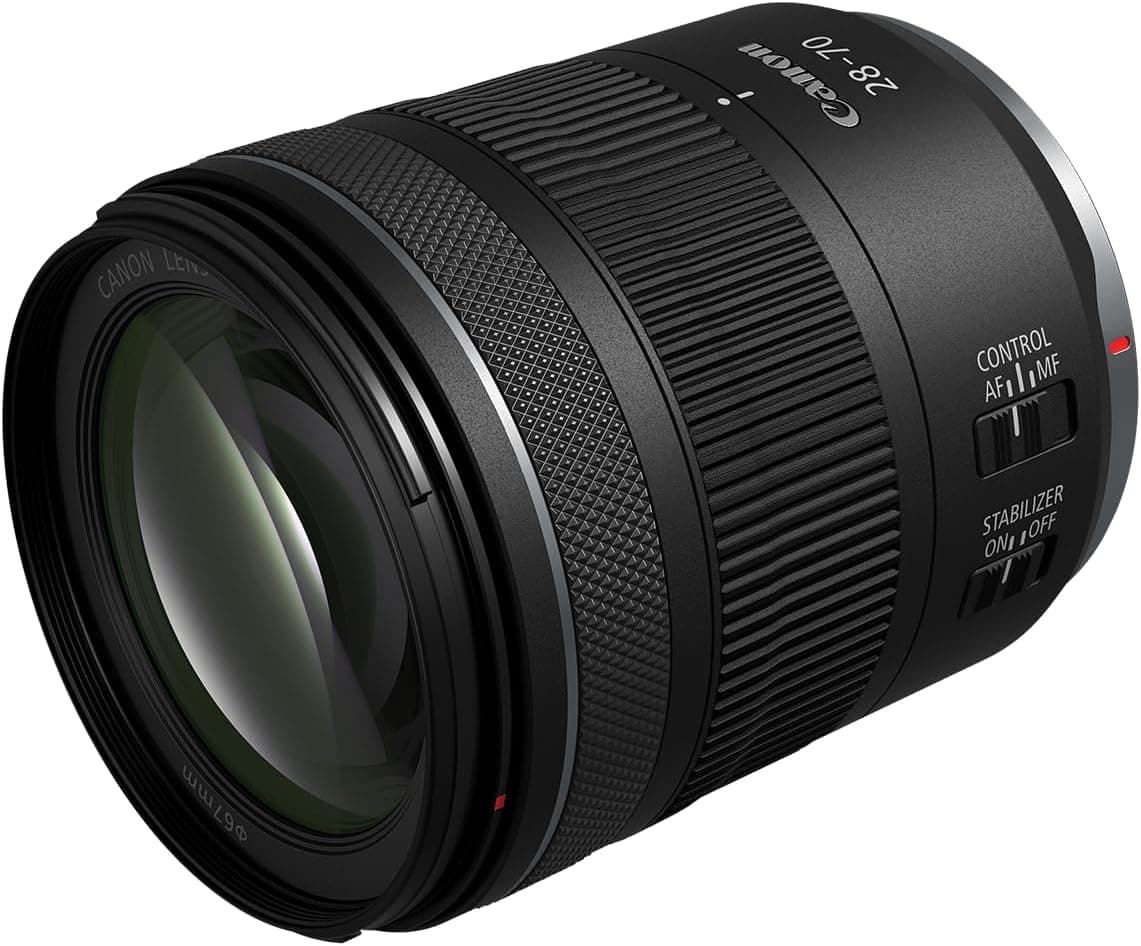
Canon RF 24-70mm f/2.8 L IS USM
Canon pros who want one stabilized zoom for events and weddings.
Check price at AmazonThe Canon RF 24-70mm f/2.8 L IS USM is the main Canon answer if paid work, indoor events, or weddings are on the menu. It keeps the classic 24-70mm range, holds f/2.8 all the way through, and adds optical stabilization, which matters on Canon bodies without in-body stabilization and still helps on bodies that have it. Choose this over the 24-105mm f/4 when subject separation and dim rooms matter more than extra reach.
Manufacturer reference: Canon RF 24-70mm f/2.8 L IS USM official specifications.
Research pick
Nikon Z 24-70mm f/2.8 S
Nikon Z pros who want one constant-aperture standard zoom.
Check price at AmazonThe Nikon Z 24-70mm f/2.8 S is now the previous-generation value option. It still gives Nikon Z shooters a constant f/2.8 workhorse, but the current S II is 130 grams lighter, uses an internal zoom, and has Nikon's newer autofocus system. Buy this first version only when its price is meaningfully lower than the S II.
Manufacturer references: first-generation Nikon Z 24-70mm f/2.8 S and current S II.
Best Value
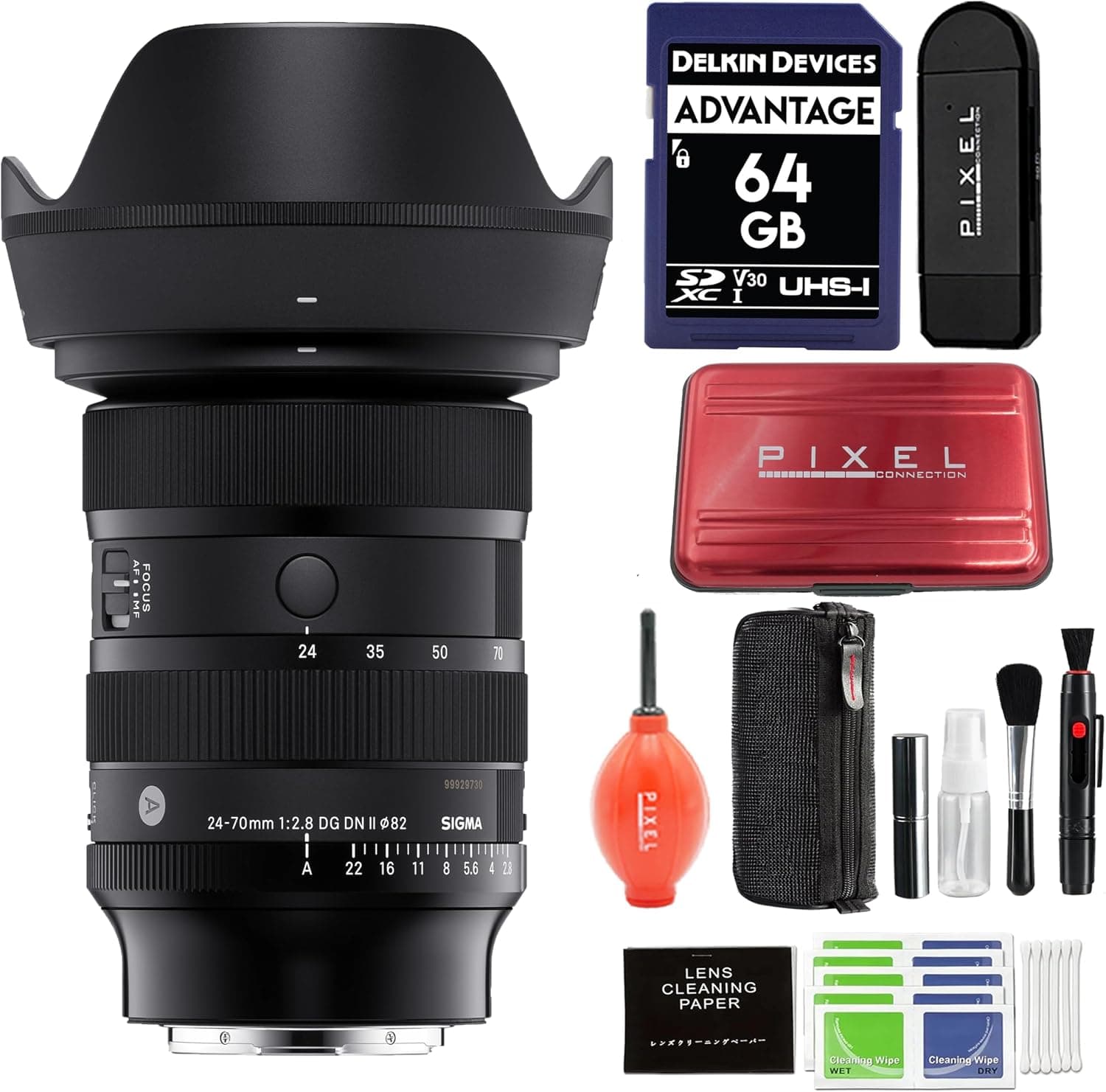
Sigma 24-70mm f/2.8 DG DN Art
Sony and L mount shooters who want pro zoom quality on a budget.
Check price at AmazonThe first-generation Sigma 24-70mm f/2.8 DG DN Art is now a discount pick. It still gives you the real 24mm wide end, which helps for interiors, travel, and events, but Sigma's current II version adds faster HLA autofocus and cuts weight. Choose the first version only when the price gap is large enough to justify giving up those updates.
Manufacturer reference: Sigma 24-70mm f/2.8 DG DN II Art official specifications.
Research pick
Sigma 28-70mm f/2.8 DG DN Contemporary
Sony and L mount shooters who prioritize a light constant-aperture zoom.
Check price at AmazonThe Sigma 28-70mm f/2.8 DG DN Contemporary is the lightweight value pick. It gives up a touch of range and the weather-sealed flagship build, but it is small, sharp, and a fraction of the price of a first-party f/2.8 zoom. For travel and everyday carry where weight matters, it is the easy recommendation.
Manufacturer reference: Sigma 28-70mm f/2.8 DG DN Contemporary official specifications.
Editor's Choice
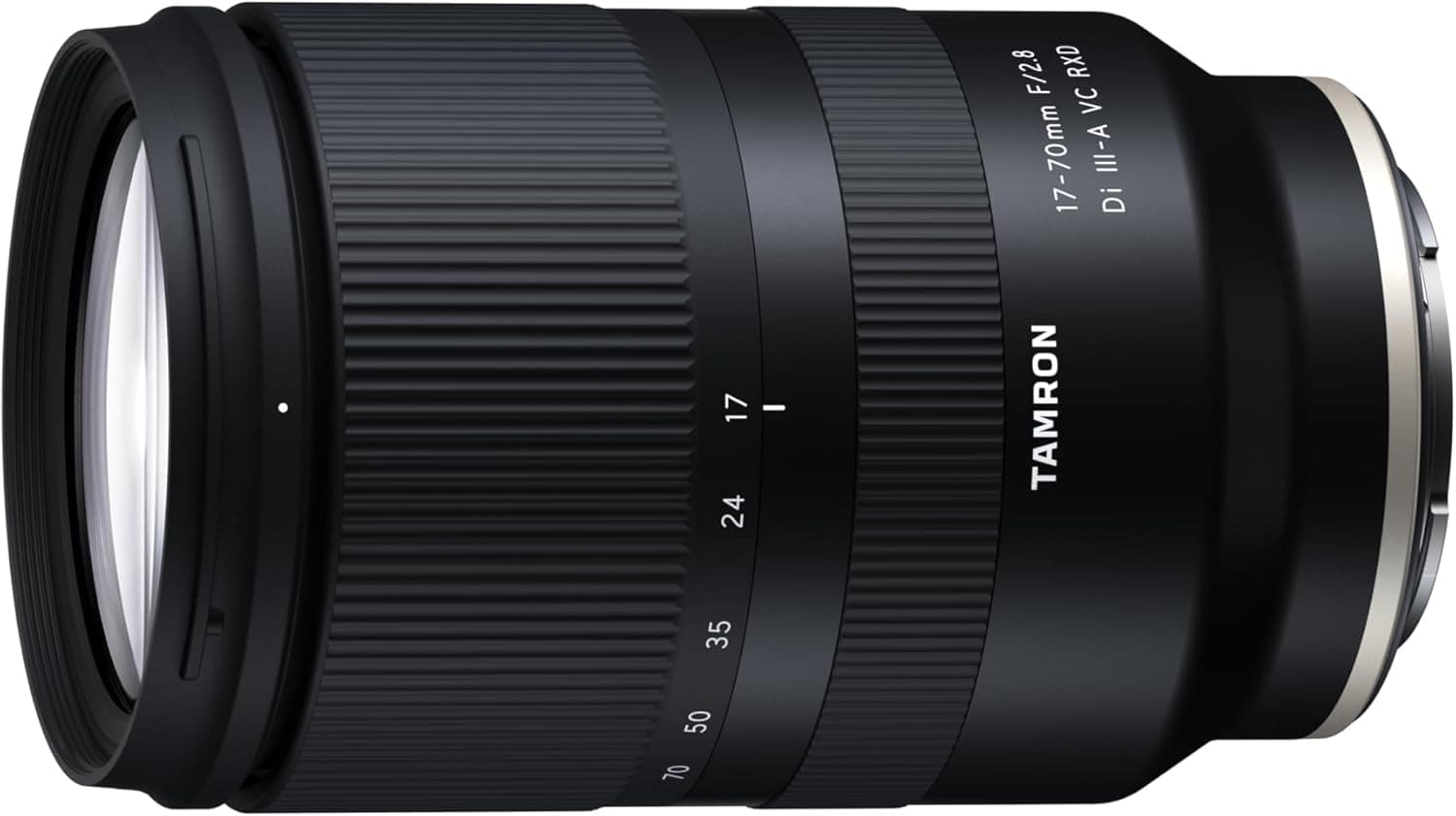
Tamron 28-75mm f/2.8 Di III VXD G2
Sony shooters who want a light, affordable pro-grade standard zoom.
Check price at AmazonThe Tamron 28-75mm f/2.8 Di III VXD G2 is the other strong value route to a constant-f/2.8 standard zoom. The second-generation autofocus is quick, the optics are excellent for the money, and the slightly longer 75mm end gives a hair more portrait reach than the Sigma. It is a favorite first serious zoom for E-mount shooters.
Manufacturer reference: Tamron 28-75mm f/2.8 Di III VXD G2 official specifications.
Research pick
Canon RF 24-105mm f/4 L IS USM
Canon RF shooters who want one travel and everyday zoom.
Check price at AmazonThe Canon RF 24-105mm f/4 L IS USM is the flexibility pick. The longer range, 24 to 105mm, covers wides through short telephoto in one lens, and the built-in stabilization steadies handheld shots in lower light. You trade a stop of aperture for that reach, which is a fair deal for a one-lens travel or event kit on a Canon body.
Manufacturer reference: Canon RF 24-105mm f/4 L IS USM official specifications.
Research pick
Nikon Z 24-70mm f/4 S
Nikon Z owners who want a high-quality everyday walkaround zoom.
Check price at AmazonThe Nikon Z 24-70mm f/4 S is the lightweight standard zoom for Z-mount. It is compact, sharp corner to corner, and the f/4 aperture keeps both size and price down compared to the f/2.8. For a Nikon shooter who wants a high-quality everyday zoom without the bulk of the pro version, it is the sensible choice.
Manufacturer reference: Nikon Z 24-70mm f/4 S official specifications.
Research pick
Sony E 16-55mm f/2.8 G
Sony APS-C shooters who want one high-quality walkaround zoom.
Check price at AmazonThe Sony E 16-55mm f/2.8 G is the sensible upgrade for Sony APS-C bodies. On cameras like the a6700, the range behaves like about 24-82.5mm on full frame, which makes it a true everyday zoom rather than a narrow specialty lens. It is not cheap for APS-C glass, but it keeps the smaller-body advantage while giving you a constant f/2.8.
Manufacturer reference: Sony E 16-55mm f/2.8 G official specifications.
Research pick
Olympus M.Zuiko 12-40mm f/2.8 PRO
Micro Four Thirds shooters who want one durable everyday zoom.
Check price at AmazonThe Olympus M.Zuiko 12-40mm f/2.8 PRO is now the previous-generation value option for Micro Four Thirds. Its 24-80mm-equivalent range and constant f/2.8 aperture remain useful, but the current OM System PRO II adds an IP53 weather-resistance rating. Buy the Olympus-branded first version only at a meaningful discount.
Manufacturer reference: OM System M.Zuiko 12-40mm f/2.8 PRO II official specifications.
Research pick
Sony FE 70-200mm f/2.8 GM OSS II
Event, sports, and portrait shooters who need reach at f/2.8.
Check price at AmazonThe Sony FE 70-200mm f/2.8 GM OSS II is the telephoto end of the kit. The 70-200mm range compresses backgrounds and reaches across a field, which makes it the lens for sports, events, and tight portraits, and the f/2.8 aperture isolates subjects cleanly. It is the classic second zoom that pairs with a 24-70mm to cover nearly everything.
Manufacturer reference: Sony FE 70-200mm f/2.8 GM OSS II official specifications.
Common mistakes
The first mistake is buying the heaviest f/2.8 zoom when an f/4 would do, then leaving it home because it is a brick. The second is overlapping ranges: a 24-70mm and a 24-105mm cover much the same ground, so pair complementary lenses instead. The third is ignoring stabilization on the longer zooms, where camera shake shows up first; pair any telephoto with how to avoid camera shake.
For reach-heavy subjects, the wildlife photography guide covers how to use a telephoto zoom in the field.
Is a 24-70mm or a 24-105mm better?
A 24-70mm f/2.8 gives you a brighter aperture for low light and shallow depth; a 24-105mm f/4 gives you more reach in one lens at the cost of a stop. Choose the f/2.8 if low light and subject separation matter most, the 24-105mm if range and a lighter travel kit win.
Do I need a constant aperture zoom?
Not always. A constant f/2.8 or f/4 keeps your exposure steady as you zoom and gives better low-light performance, which matters for events and video. Variable-aperture kit zooms are lighter and cheaper and fine in good light, so the constant aperture is an upgrade, not a requirement.
Can two zooms cover everything?
For most shooters, yes. A 24-70mm plus a 70-200mm covers wide-angle through telephoto with no gap, which handles travel, events, portraits, and most sports. Add a single wide or fast prime only if your work needs it.
Compare picks
The short version
Use this to narrow the list before opening the detailed cards.
Scores weigh fit, owner sentiment, build, and value. Affiliate links do not change pick order. Methodology
Buying order
Start with the skip note. A good deal on the wrong camera is still the wrong camera.
Compare verdictsIf you already own lenses, check the system path before buying into a new mount.
Check systemsOnce the fit makes sense, compare current deals and retailer listings.
Check current dealsCamera system shortcut
If you already own one of these systems, keep the comparison inside that ecosystem before checking out.
Autofocus hybrid kits
Simple camera paths
Stills-first Z kits
Sony shooters who want a light, affordable pro-grade standard zoom.
Use the retailer for the current price after the tradeoff makes sense. Confirm mount, focal length, filter size, and autofocus compatibility.
Tradeoff: Heavier than the GM II
Use the retailer for the current price after the tradeoff makes sense. Confirm mount, focal length, filter size, and autofocus compatibility.
9.5/10 Aperture Score
Use the retailer for the current price after the tradeoff makes sense. Confirm mount, focal length, filter size, and autofocus compatibility.
Canon pros who want one stabilized zoom for events and weddings.
Use the retailer for the current price after the tradeoff makes sense. Confirm mount, focal length, filter size, and autofocus compatibility.
Price ladder
The useful range here runs from $740 to $2,575. Start with the ceiling that matches the assignment.
- Professionals who need one zoom to cover most full-frame work.
- Outstanding sharpness
- High price
Use the retailer for the current price after the tradeoff makes sense. Confirm mount, focal length, filter size, and autofocus compatibility.
- Canon pros who want one stabilized zoom for events and weddings.
- Includes stabilization
- Heavy
Use the retailer for the current price after the tradeoff makes sense. Confirm mount, focal length, filter size, and autofocus compatibility.
- Nikon Z pros who want one constant-aperture standard zoom.
- Very sharp across the range
- Heavy
Use the retailer for the current price after the tradeoff makes sense. Confirm mount, focal length, filter size, and autofocus compatibility.
- Sony and L mount shooters who want pro zoom quality on a budget.
- Strong sharpness
- Heavier than the GM II
Use the retailer for the current price after the tradeoff makes sense. Confirm mount, focal length, filter size, and autofocus compatibility.
- Sony and L mount shooters who prioritize a light constant-aperture zoom.
- Very light for f/2.8
- Starts at 28mm not 24mm
Use the retailer for the current price after the tradeoff makes sense. Confirm mount, focal length, filter size, and autofocus compatibility.
- Sony shooters who want a light, affordable pro-grade standard zoom.
- Light for f/2.8
- Starts at 28mm
Use the retailer for the current price after the tradeoff makes sense. Confirm mount, focal length, filter size, and autofocus compatibility.
- Canon RF shooters who want one travel and everyday zoom.
- Flexible 24-105 range
- f/4 limits low light
Use the retailer for the current price after the tradeoff makes sense. Confirm mount, focal length, filter size, and autofocus compatibility.
- Nikon Z owners who want a high-quality everyday walkaround zoom.
- Light and compact
- f/4 limits low light
Use the retailer for the current price after the tradeoff makes sense. Confirm mount, focal length, filter size, and autofocus compatibility.
| Pick | Score | Price | Verdict | Action |
|---|---|---|---|---|
| PickSony FE 24-70mm f/2.8 GM II | 9.5
| $2,400 - $2,750 | Professionals who need one zoom to cover most full-frame work. Wins: Outstanding sharpness Skip: High price | Check Amazon · $2,400 - $2,750 Use the retailer for the current price after the tradeoff makes sense. Confirm mount, focal length, filter size, and autofocus compatibility. |
| PickCanon RF 24-70mm f/2.8 L IS USM | 9.3
| $2,200 - $2,400 | Canon pros who want one stabilized zoom for events and weddings. Wins: Includes stabilization Skip: Heavy | Check Amazon · $2,200 - $2,400 Use the retailer for the current price after the tradeoff makes sense. Confirm mount, focal length, filter size, and autofocus compatibility. |
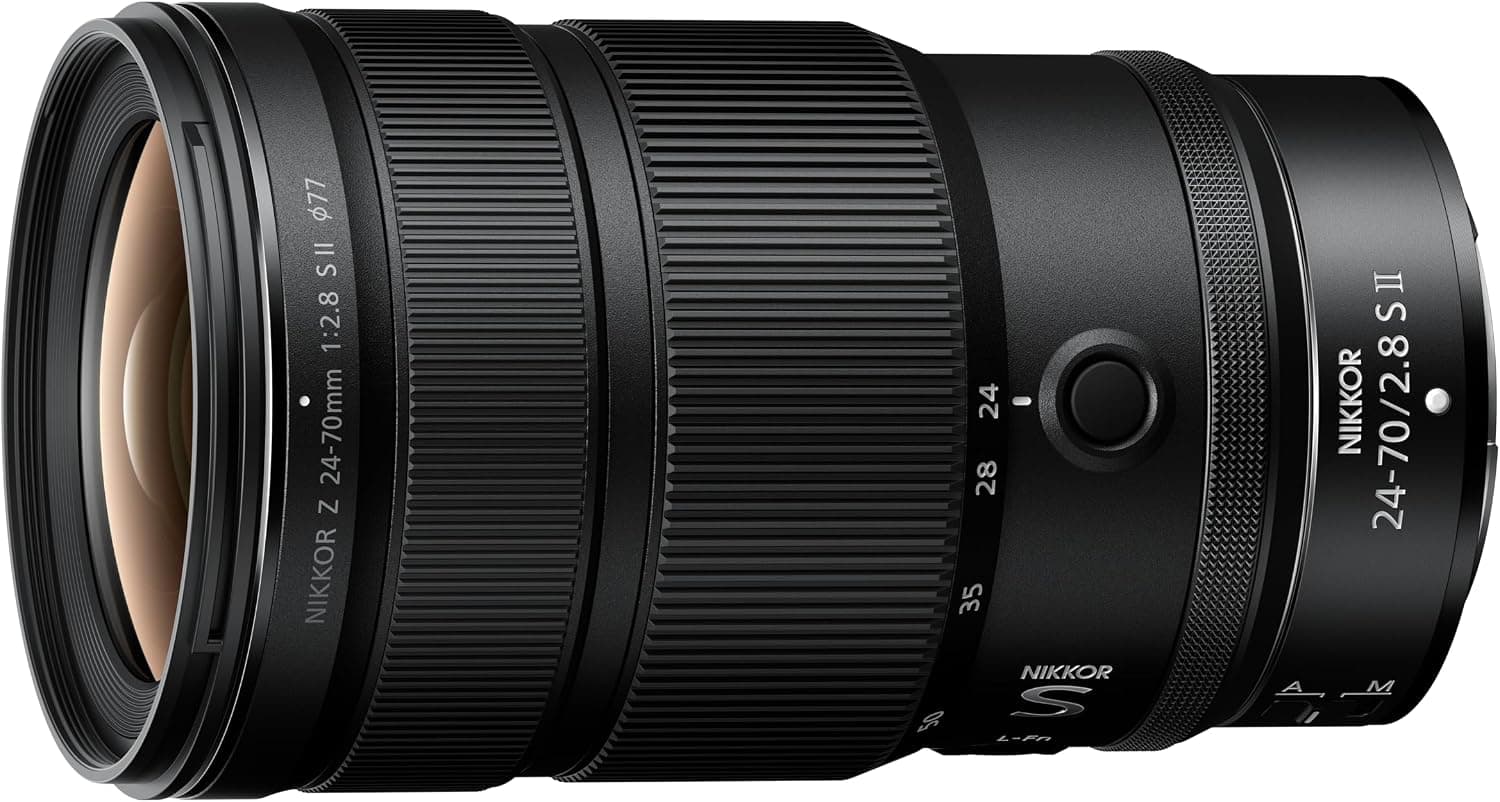 PickNikon Z 24-70mm f/2.8 S PickNikon Z 24-70mm f/2.8 S | 9.3
| $2,000 - $2,300 | Nikon Z pros who want one constant-aperture standard zoom. Wins: Very sharp across the range Skip: Heavy | Check Amazon · $2,000 - $2,300 Use the retailer for the current price after the tradeoff makes sense. Confirm mount, focal length, filter size, and autofocus compatibility. |
| Best ValueSigma 24-70mm f/2.8 DG DN Art | 8.8
| $1,000 - $1,150 | Sony and L mount shooters who want pro zoom quality on a budget. Wins: Strong sharpness Skip: Heavier than the GM II | Check Amazon · $1,000 - $1,150 Use the retailer for the current price after the tradeoff makes sense. Confirm mount, focal length, filter size, and autofocus compatibility. |
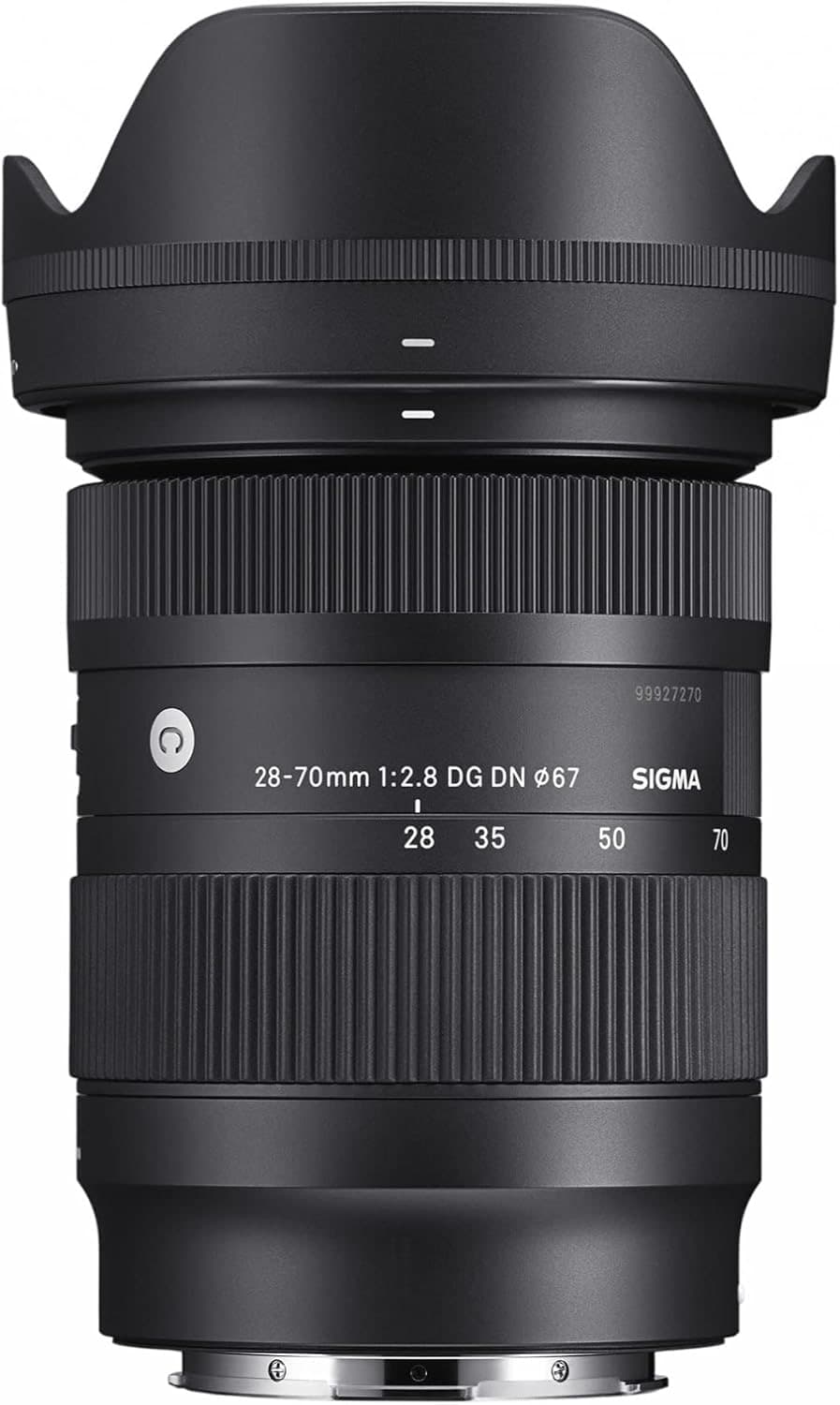 PickSigma 28-70mm f/2.8 DG DN Contemporary PickSigma 28-70mm f/2.8 DG DN Contemporary | 8.6
| $700 - $800 | Sony and L mount shooters who prioritize a light constant-aperture zoom. Wins: Very light for f/2.8 Skip: Starts at 28mm not 24mm | Check Amazon · $700 - $800 Use the retailer for the current price after the tradeoff makes sense. Confirm mount, focal length, filter size, and autofocus compatibility. |
| Editor's ChoiceTamron 28-75mm f/2.8 Di III VXD G2 | 9.0
| $690 - $790 | Sony shooters who want a light, affordable pro-grade standard zoom. Wins: Light for f/2.8 Skip: Starts at 28mm | Check Amazon · $690 - $790 Use the retailer for the current price after the tradeoff makes sense. Confirm mount, focal length, filter size, and autofocus compatibility. |
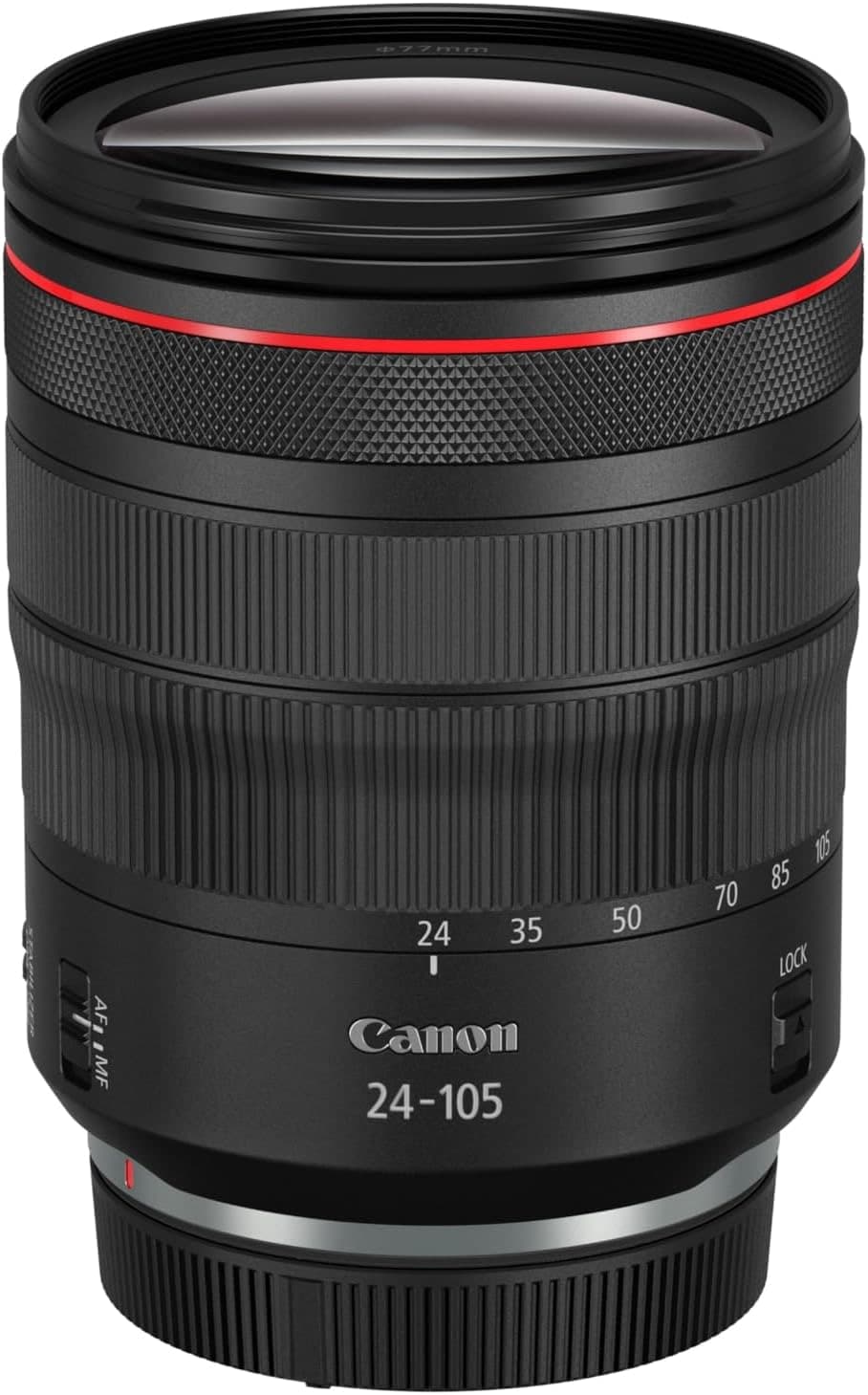 PickCanon RF 24-105mm f/4 L IS USM PickCanon RF 24-105mm f/4 L IS USM | 8.8
| $1,390 - $1,570 | Canon RF shooters who want one travel and everyday zoom. Wins: Flexible 24-105 range Skip: f/4 limits low light | Check Amazon · $1,390 - $1,570 Use the retailer for the current price after the tradeoff makes sense. Confirm mount, focal length, filter size, and autofocus compatibility. |
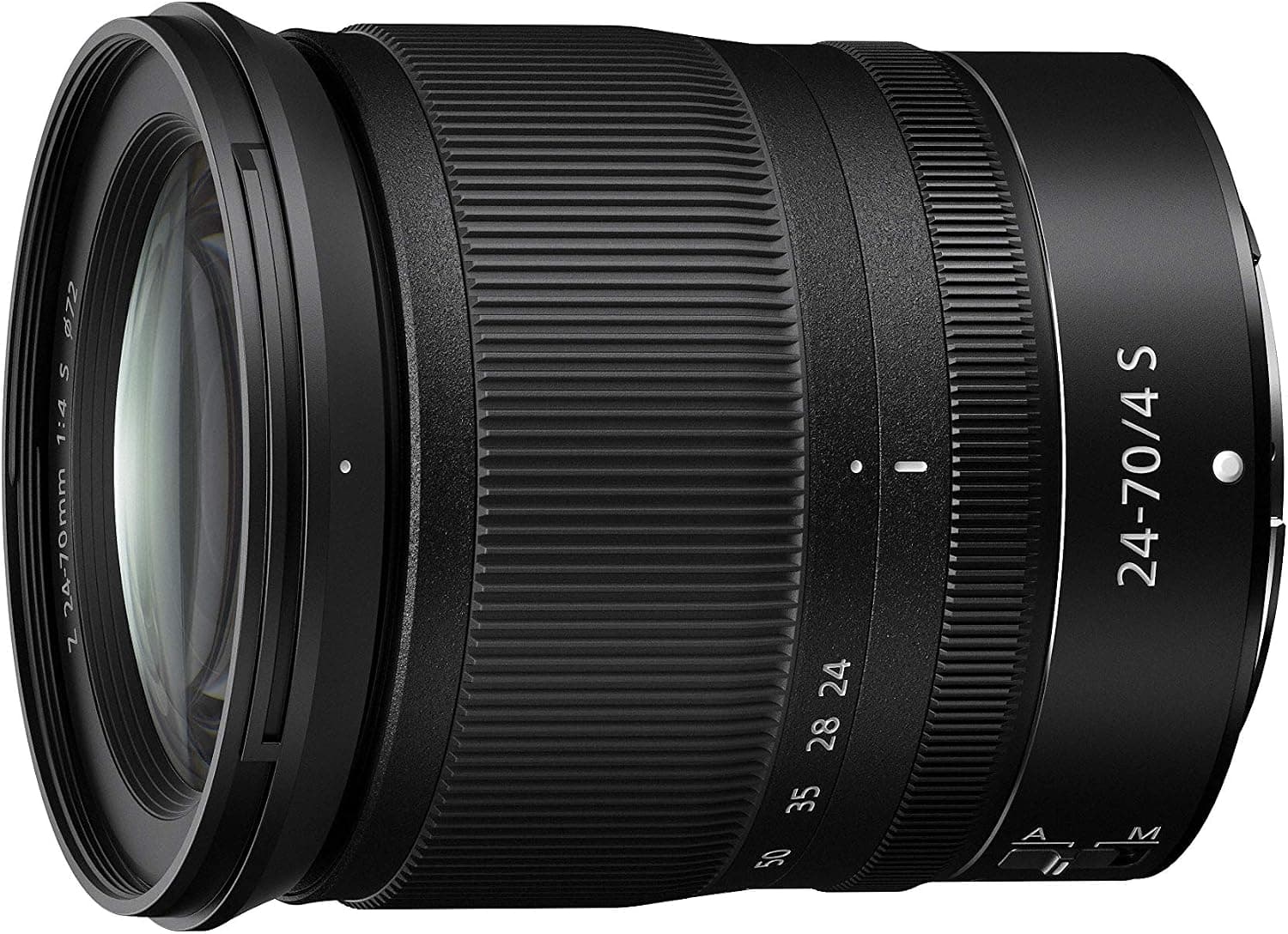 PickNikon Z 24-70mm f/4 S PickNikon Z 24-70mm f/4 S | 8.6
| $600 - $1,000 | Nikon Z owners who want a high-quality everyday walkaround zoom. Wins: Light and compact Skip: f/4 limits low light | Check Amazon · $600 - $1,000 Use the retailer for the current price after the tradeoff makes sense. Confirm mount, focal length, filter size, and autofocus compatibility. |
Keep going
Next useful steps
Pick one. Each link continues the same job without starting the research over.
Shoot kits
Buy around the job, not the spec sheet
Live coverage
Event and wedding kit
$5,967
A dependable hybrid body, fast telephoto, round-head flash, clean audio, fast card, and small carry setup for long days with no second chances.
Best paid-event base kit
Buy order: start with the first piece that makes the job possible, then add the support pieces that remove friction.
Camera: start here. If this piece does not make the shoot easier, the rest of the kit can wait.
Carry: add it after the core setup proves useful.
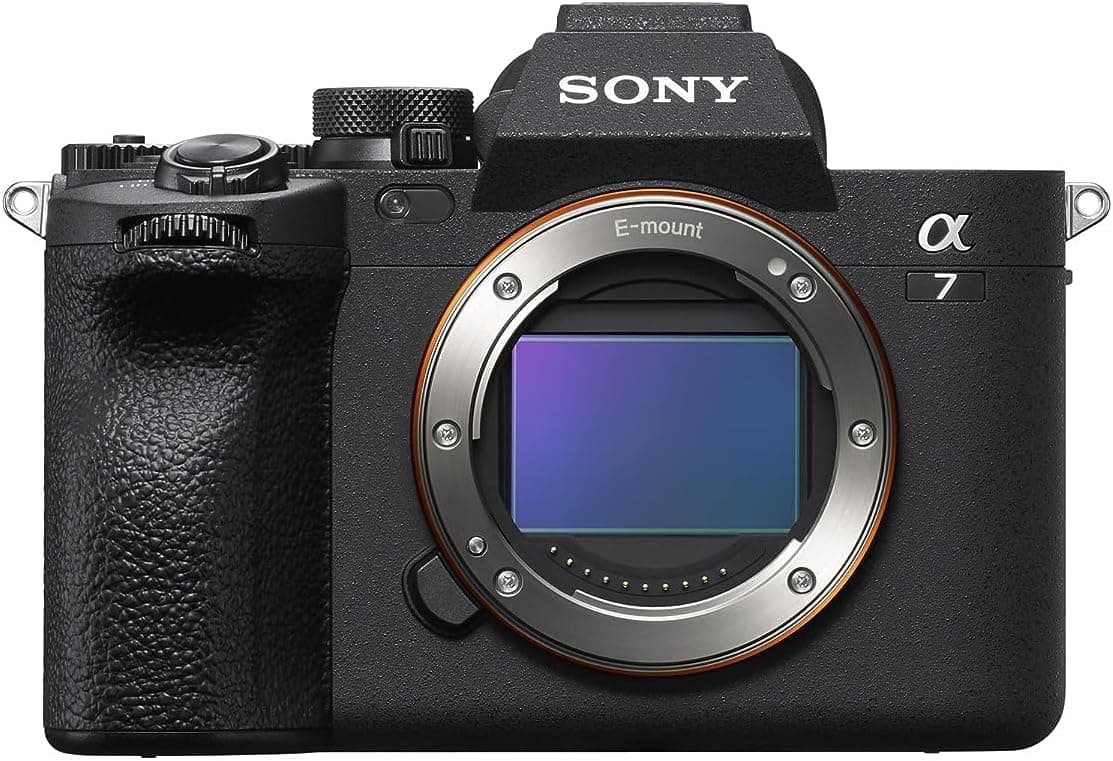
Sony a7 IV
Balanced stills and video, reliable eye autofocus, dual card slots, and enough resolution for delivery crops.
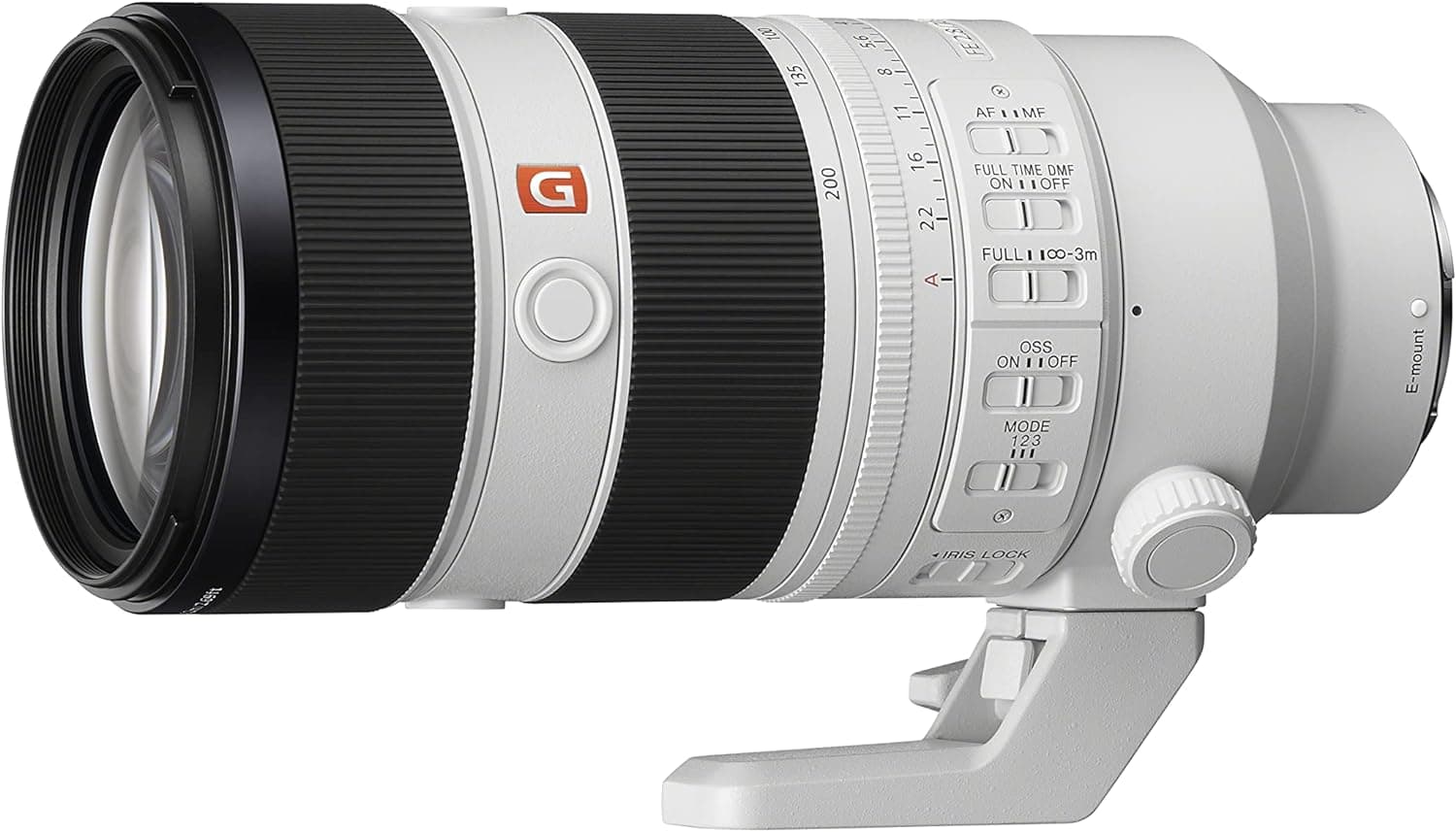
Sony FE 70-200mm f/2.8 GM OSS II
Reach and subject separation for ceremonies, speeches, stage work, and candids from across a room.
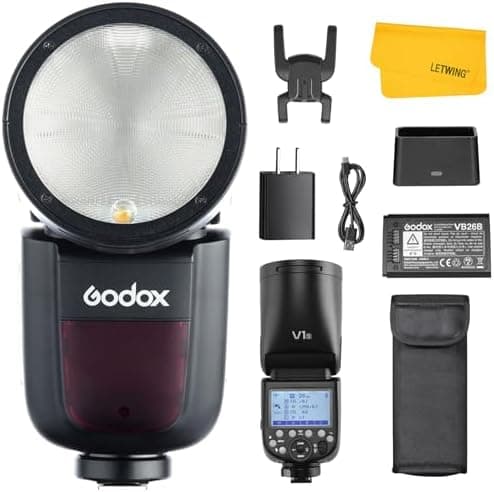
Godox V1
Soft bounce, fast recycle, and the Godox radio system for a first off-camera light.
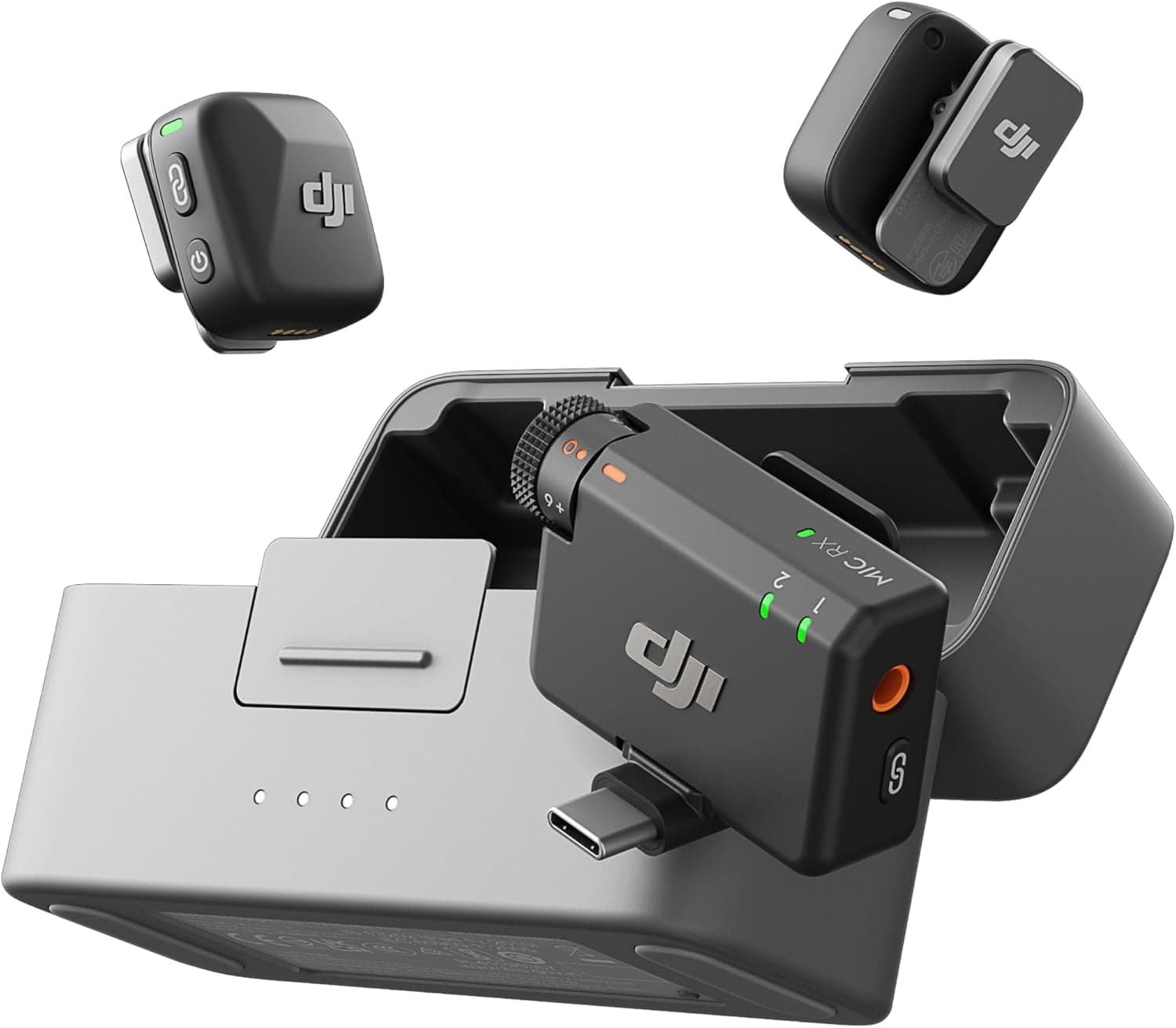
DJI Mic 2
A simple backup for vows, interviews, speeches, and behind-the-scenes clips.
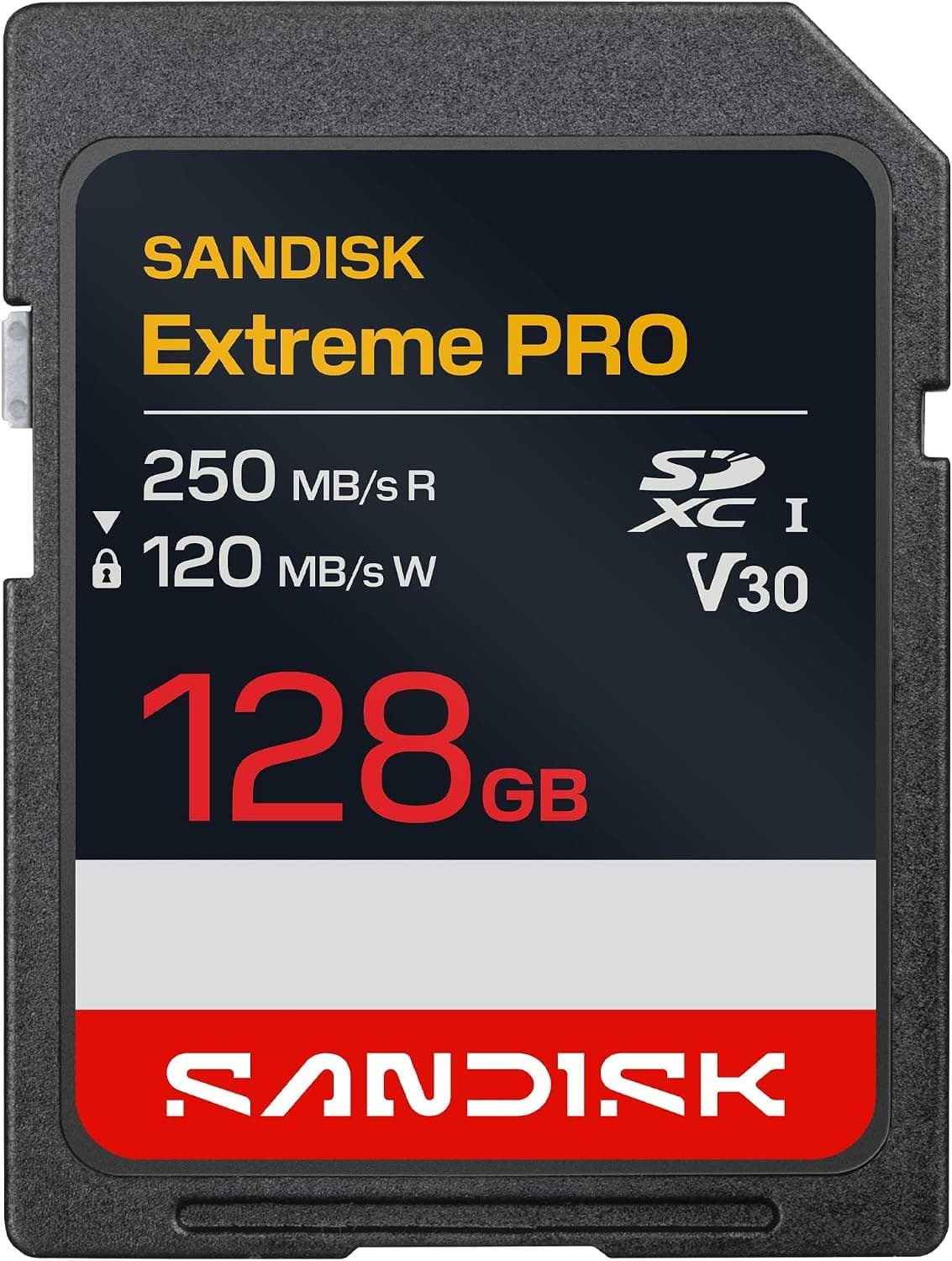
SanDisk Extreme Pro SDXC 128GB
A practical card tier for hybrid bodies shooting stills, bursts, and normal 4K capture.
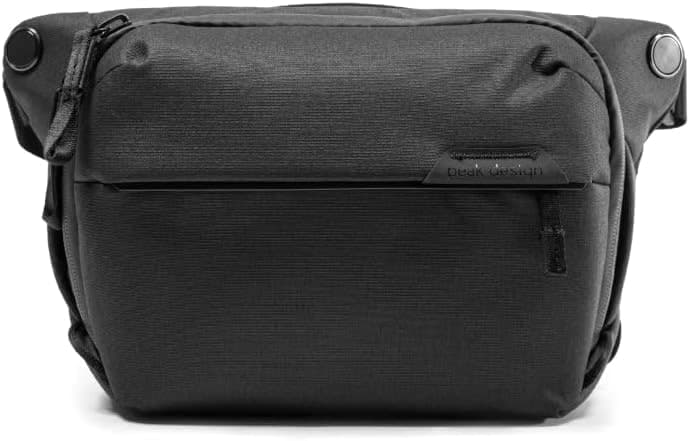
Peak Design Everyday Sling 6L V2
Keeps a body, flash, batteries, and small lens changes close without wearing a full backpack during coverage.
Prices are rough catalog totals. Retailer prices change, and you can swap pieces to fit your system.
Related Gear guides
Insta360 Luna Ultra vs DJI Osmo Pocket 4: Which Pocket Gimbal Should You Buy?
Compare Luna Ultra and DJI Pocket 4 by lenses, video, Log formats, storage, U.S. availability, and the filming jobs each pocket gimbal handles best.
CFexpress 4.0 and VPG Explained: Buy the Card Your Camera Needs
CFexpress 4.0 doubles theoretical bandwidth, while VPG certifies sustained video writes. Learn Type A vs B, VPG classes, and when 4.0 is worth paying for.
Focal Length Explained: What 24mm, 50mm, 85mm, and 200mm Actually Do
What the millimeter number on a lens changes in the field: angle of view, compression, and working distance. When to reach for 24, 50, 85, or 200mm.
Canon EOS R50 V vs Sony ZV-E10 II: Which Beginner Vlogging Camera Should You Buy?
Canon EOS R50 V is the easier beginner creator kit. Sony ZV-E10 II is the deeper lens-system pick. Compare the practical tradeoffs.
Researched, not personally tested: picks compare specifications, available owner feedback, and established expert sources. As an Amazon Associate I earn from qualifying purchases. We may earn a commission from links here, at no extra cost to you. How we research →